Walter Bonatti: A Life That Redefined Mountaineering
Introduction: Why Walter Bonatti Remains Important
Mountaineering history includes many strong climbers who achieved remarkable ascents. Only a small number of individuals, however, changed how climbers think about the sport itself. Walter Bonatti is widely regarded as one of those individuals.
Bonatti was not known only for climbing difficult routes. His influence came from the way he approached the mountains and the principles he followed throughout his career. He believed that honesty, responsibility, and respect for the mountain were more important than recognition or fame.
Because of these beliefs, Bonatti became an important figure not only for his climbing achievements but also for the ethical standards he represented.
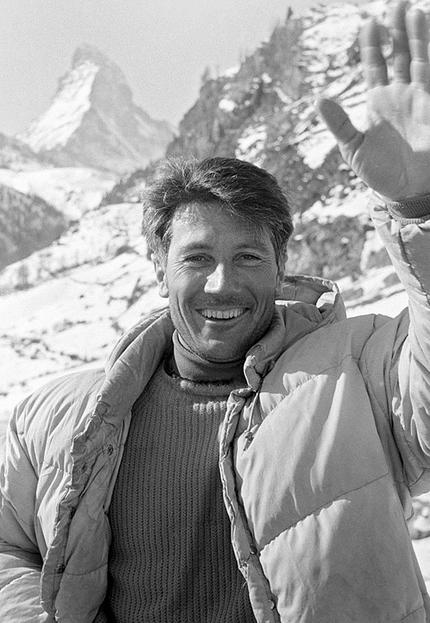
Early Life and Introduction to the Mountains
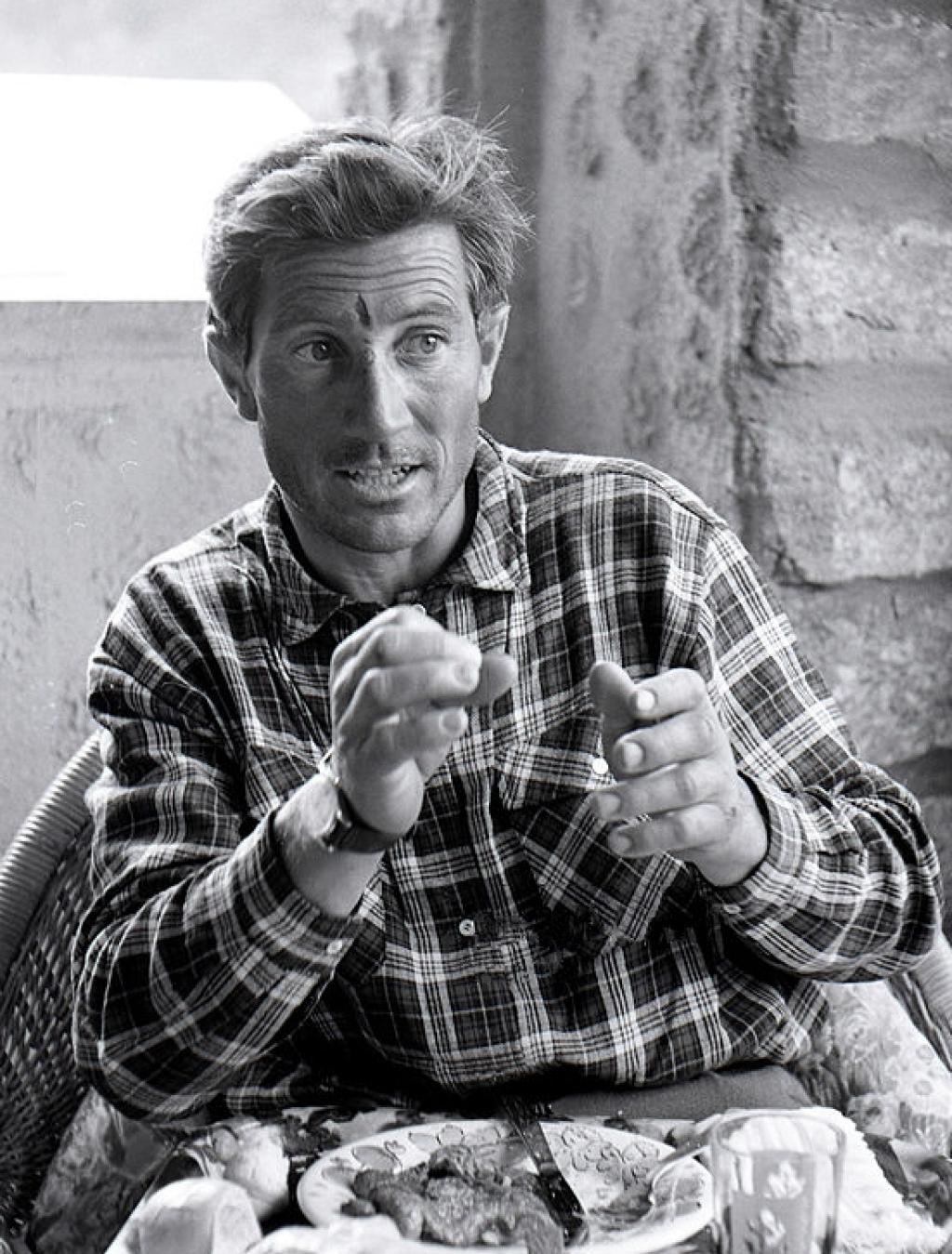
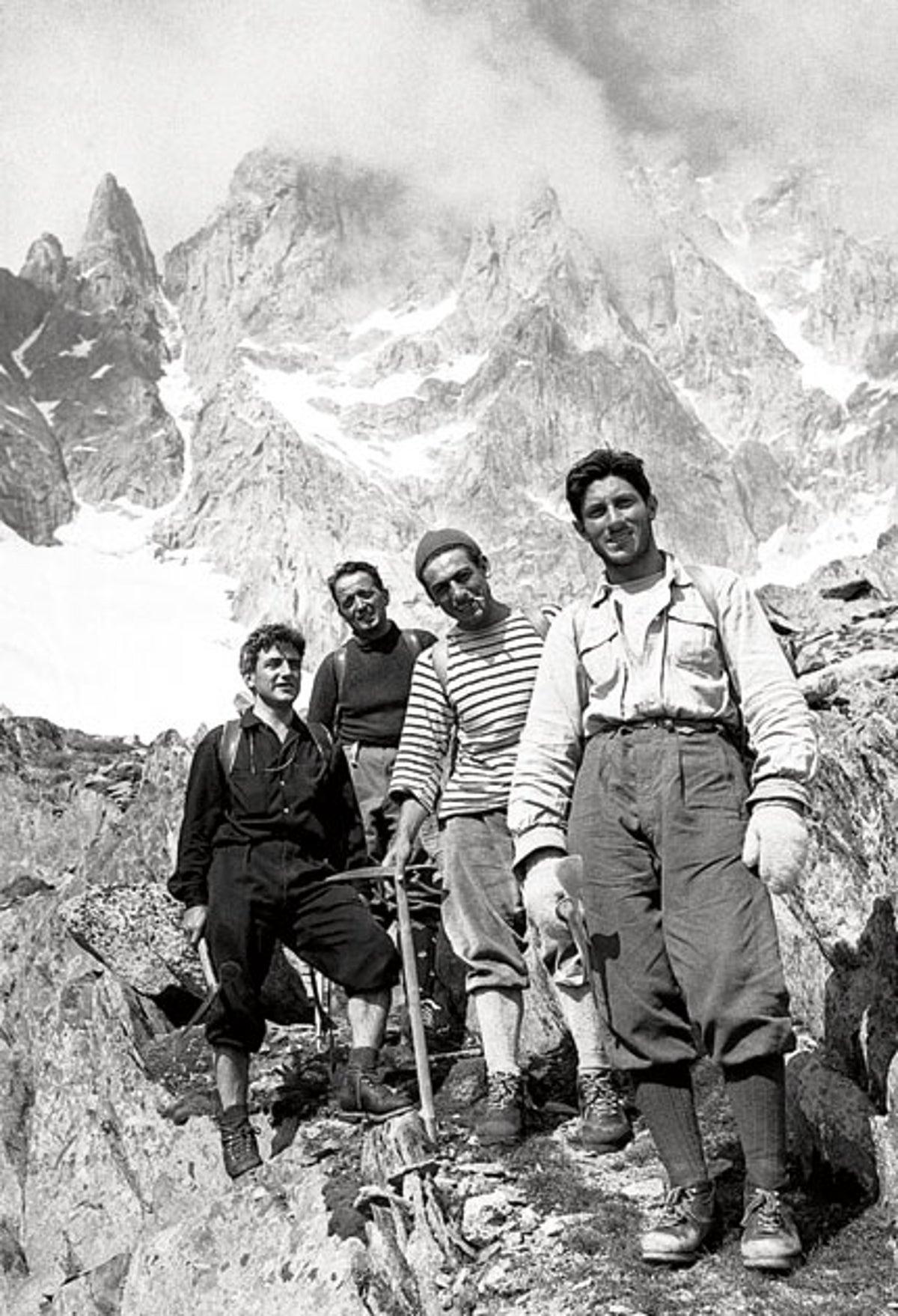
Bonatti’s early years were shaped by post-war hardship and self-discipline.
Image credit: Alamy
Walter Bonatti was born in 1930 in Bergamo, Italy. His childhood took place during a difficult period in European history, when many families were recovering from the effects of war and economic hardship.
Bonatti did not come from a privileged background and had no access to elite climbing institutions. His physical strength and discipline developed through hard work and personal determination.
During his youth he became interested in the mountains of the Alps. Much of his early climbing experience came from training independently and spending long periods in the mountains learning how to move safely and efficiently in difficult terrain.
By his early twenties other climbers had already begun to recognize his unusual endurance and mental focus.
The K2 Expedition of 1954
The 1954 Italian expedition to K2 brought Bonatti international attention, although the events surrounding the expedition later became controversial.
Image credit: Wikimedia Commons
Bonatti gained international recognition during the Italian expedition to K2 in 1954. At the age of twenty-four he was one of the strongest members of the team, although he was not selected as one of the final summit climbers.
Instead, Bonatti was asked to carry oxygen bottles to support the summit team. During this stage of the climb he and the Pakistani high-altitude porter Amir Mehdi were forced to spend the night high on the mountain without shelter after they could not reach the summit camp.
This open bivouac occurred at extreme altitude and in extremely cold conditions. Both men survived, although Amir Mehdi suffered severe frostbite injuries.
After the expedition Bonatti became involved in a long controversy regarding what had happened during the oxygen carry. Early reports suggested that Bonatti had acted improperly, but later investigations concluded that these accusations were incorrect.
Decades later the Italian Alpine Club formally acknowledged that Bonatti had behaved responsibly during the expedition.
The Alpine Years
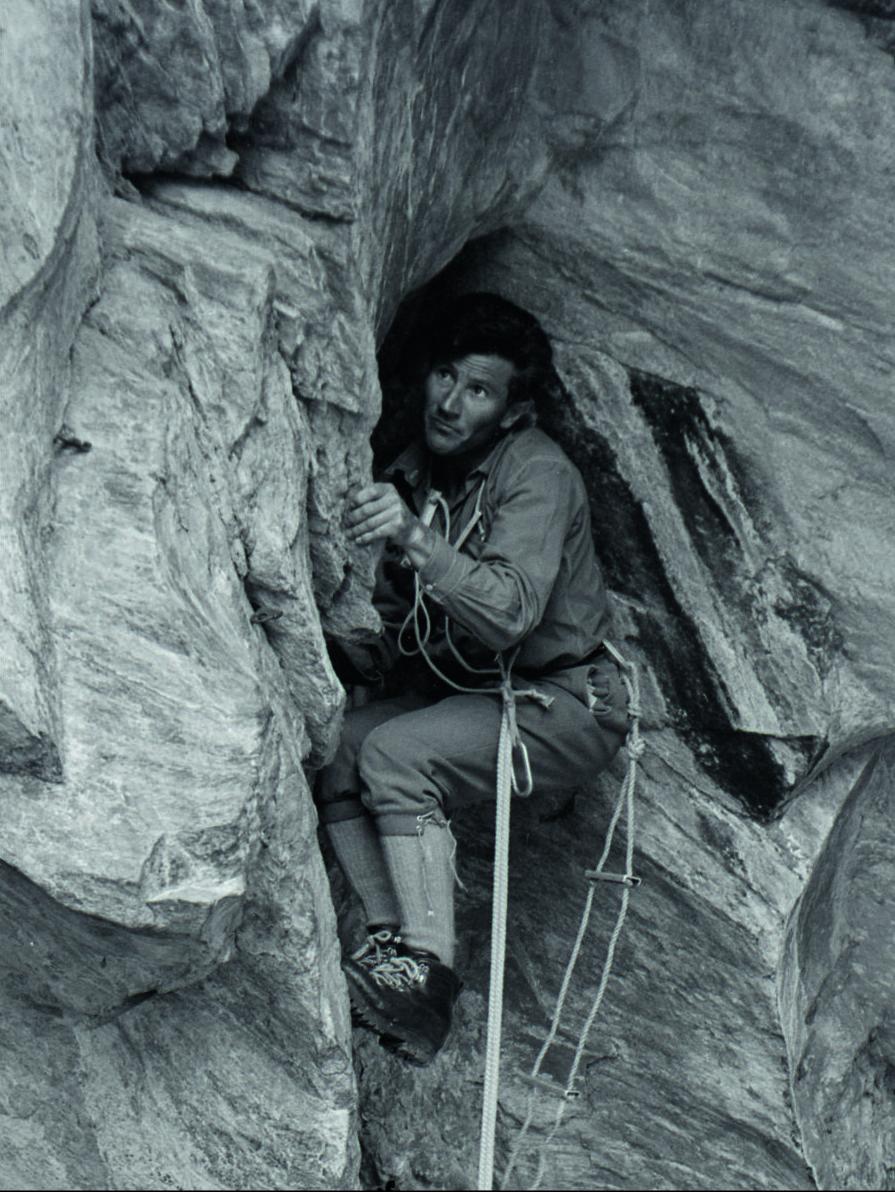
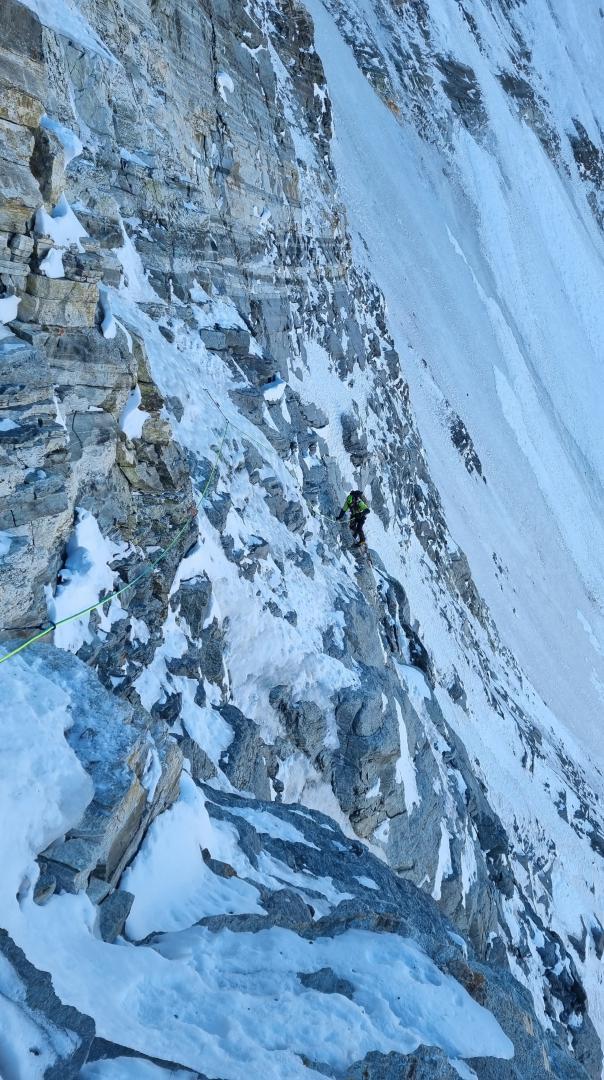
Many of Bonatti’s most respected climbs were solitary ascents or winter routes completed with minimal equipment.
Image credit: Alamy
After the K2 expedition Bonatti continued climbing extensively in the Alps. During this period he completed many routes that were considered extremely difficult for the time.
Several characteristics defined his climbing style. Bonatti often climbed alone, chose winter conditions, and avoided heavy logistical support. His approach emphasized self-reliance and careful preparation rather than large expedition tactics.
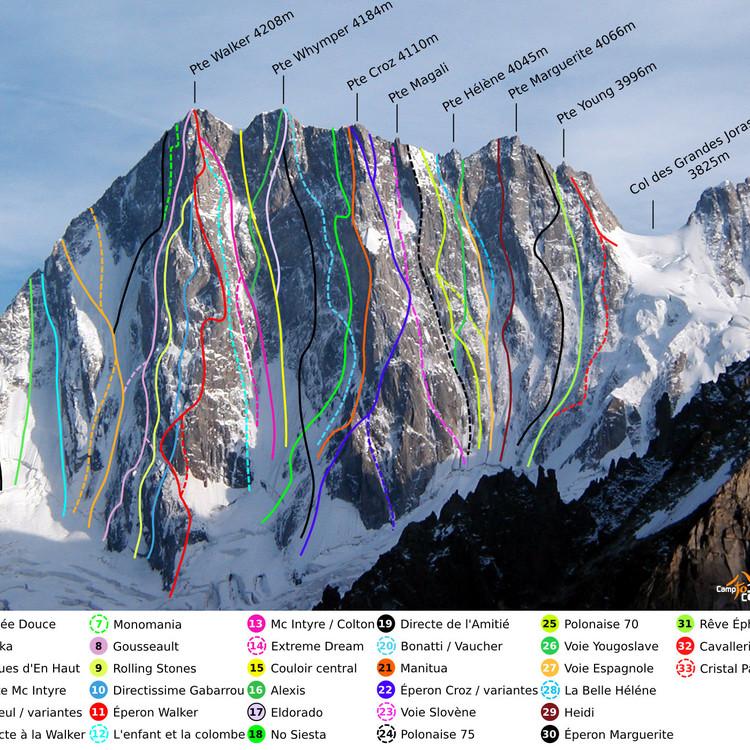
One of his most famous achievements was the first ascent of the Bonatti Pillar on the Petit Dru. The climb became a symbol of modern alpine style and demonstrated what a single climber could achieve with determination and technical skill.
These climbs influenced many later mountaineers, including Reinhold Messner and other climbers who adopted similar principles of minimalist alpine climbing.
The Decision to End His Climbing Career
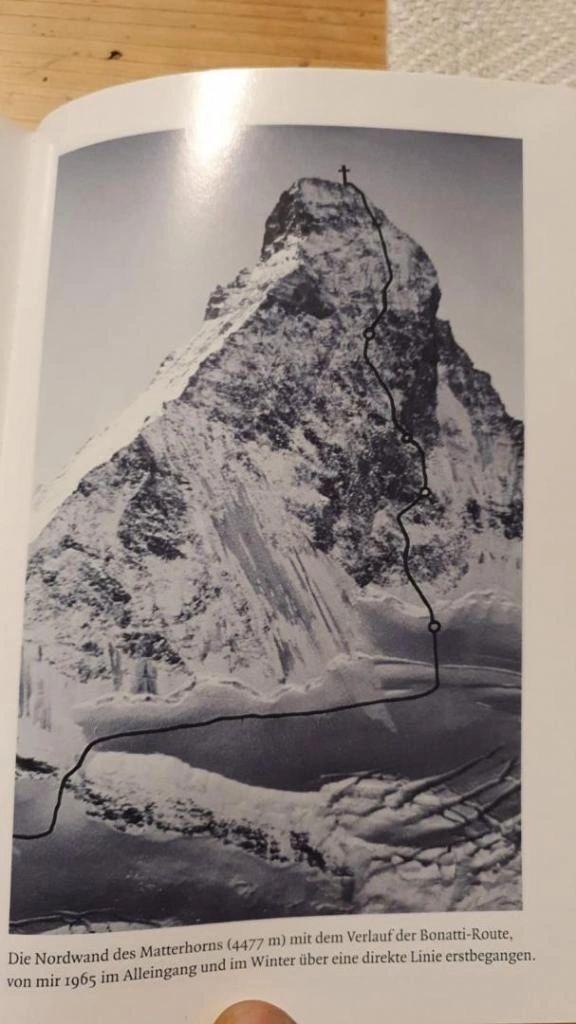
Bonatti’s final climb on the Matterhorn marked the end of his career in extreme alpinism.
Image credit: Wikimedia Commons
In 1965 Bonatti completed a remarkable solo winter ascent of the north face of the Matterhorn. The climb was widely considered one of the most demanding alpine routes.
Shortly after this achievement Bonatti made an unusual decision. Instead of continuing to pursue increasingly difficult climbs, he chose to retire from extreme alpinism while still at the height of his abilities.
He later explained that climbers should leave the mountains before ambition or fatigue begins to affect judgment.
Explorer and Writer
Later in life Bonatti traveled widely and documented his experiences as an explorer and writer.
Image credit: Wikimedia Commons
After leaving competitive climbing Bonatti began a new career as an explorer, journalist, and author. He traveled to remote regions around the world and wrote extensively about his experiences.
His writing style reflected the same discipline that characterized his climbing career. He avoided exaggeration and focused on careful observation and honest description.
Through his books and articles Bonatti continued to influence generations of climbers and outdoor explorers.
Legacy and Influence
Walter Bonatti’s influence on mountaineering extends far beyond the routes he climbed. He demonstrated that climbing could be guided by principles of honesty, responsibility, and respect for the mountain environment.
Many later climbers have cited Bonatti as an inspiration for their own approaches to alpine climbing. His emphasis on independence and ethical decision-making helped shape the development of modern alpine style.
Walter Bonatti died in 2011, leaving behind a legacy that continues to influence mountaineering culture today.
Narrated by KarakoramDiaries


![K2 Base Camp Trek: Ultimate Guide k2 Trek 2026 [UPDATED]](https://www.karakoramdiaries.com/storage/ultimate-guide-to-k2-base-camp-trek-full-document-150x150.png)