The Blue John Canyon Trek A Real Trekking Survival Story
The Solo Weekend Trip
In April 2003, a 27-year-old outdoor enthusiast named Aron Ralston decided to spend a weekend trekking in the desert canyons of Utah, USA. He was experienced in hiking and canyon exploration, and solo trips were normal for him. The destination he chose was Blue John Canyon, a remote slot canyon known for its narrow sandstone passages and dramatic rock formations.
What made this trip different from organized treks was its simplicity. There was no tour group, no fixed itinerary, and no formal permits. He packed basic gear including climbing ropes, a small camera, snacks, and a limited water supply. One important detail, however, was overlooked. He did not inform family or friends about the exact location he planned to explore.
The journey began like many other weekend adventures. The desert air was dry and clear, and the canyon walls cast long shadows across the ground. Slot canyons are famous for their beauty, with smooth rock surfaces carved by centuries of water erosion. At the same time they can be unpredictable environments where loose rocks, narrow spaces, and sudden changes in terrain create hidden risks.
For several hours the trek felt routine. Aron climbed small ledges, descended tight rock corridors, and occasionally stopped to take photographs. The canyon remained quiet except for the echo of footsteps and the sound of wind passing through the openings above. Many hikers describe such places as peaceful yet deeply isolated.
The Moment Everything Changed

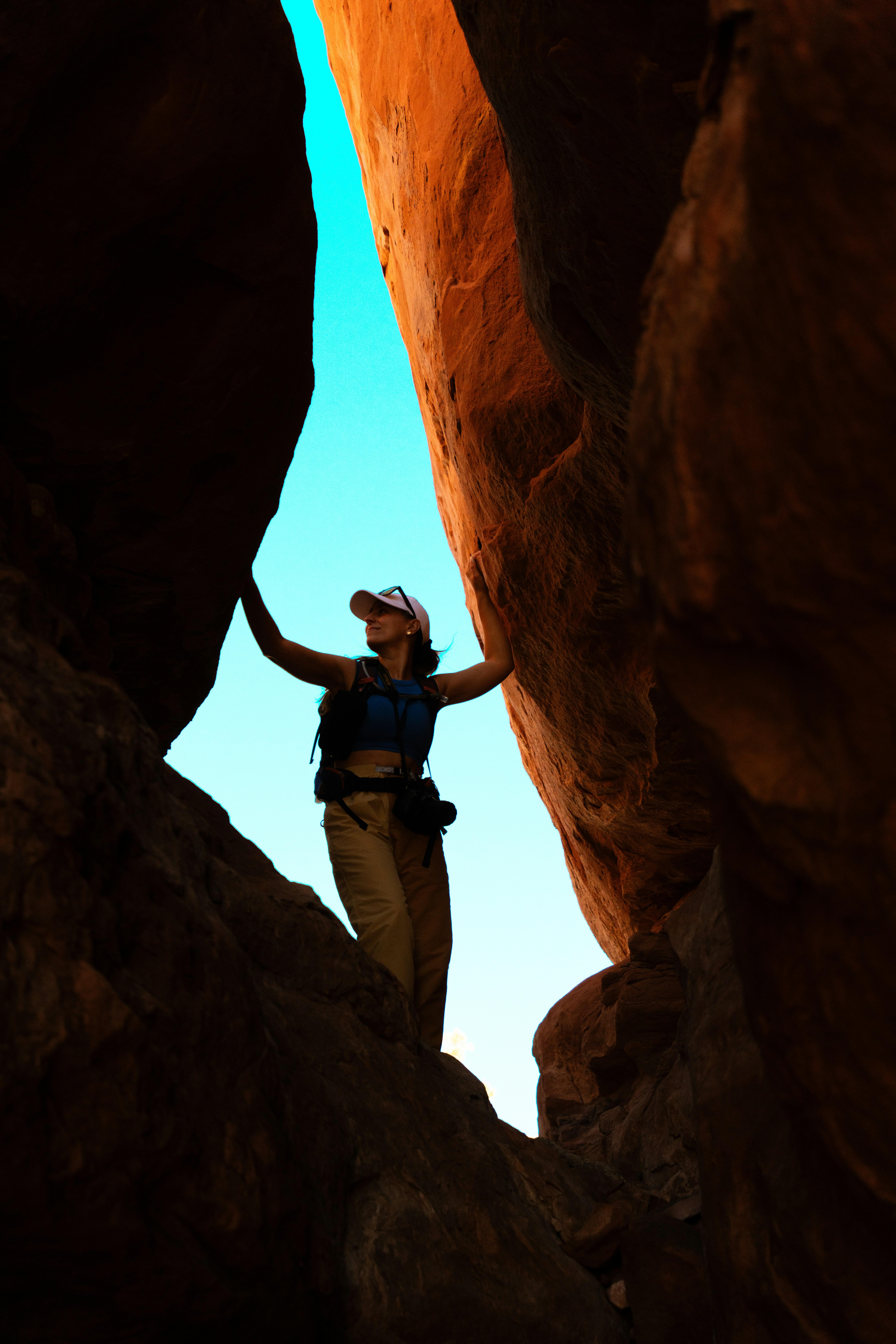
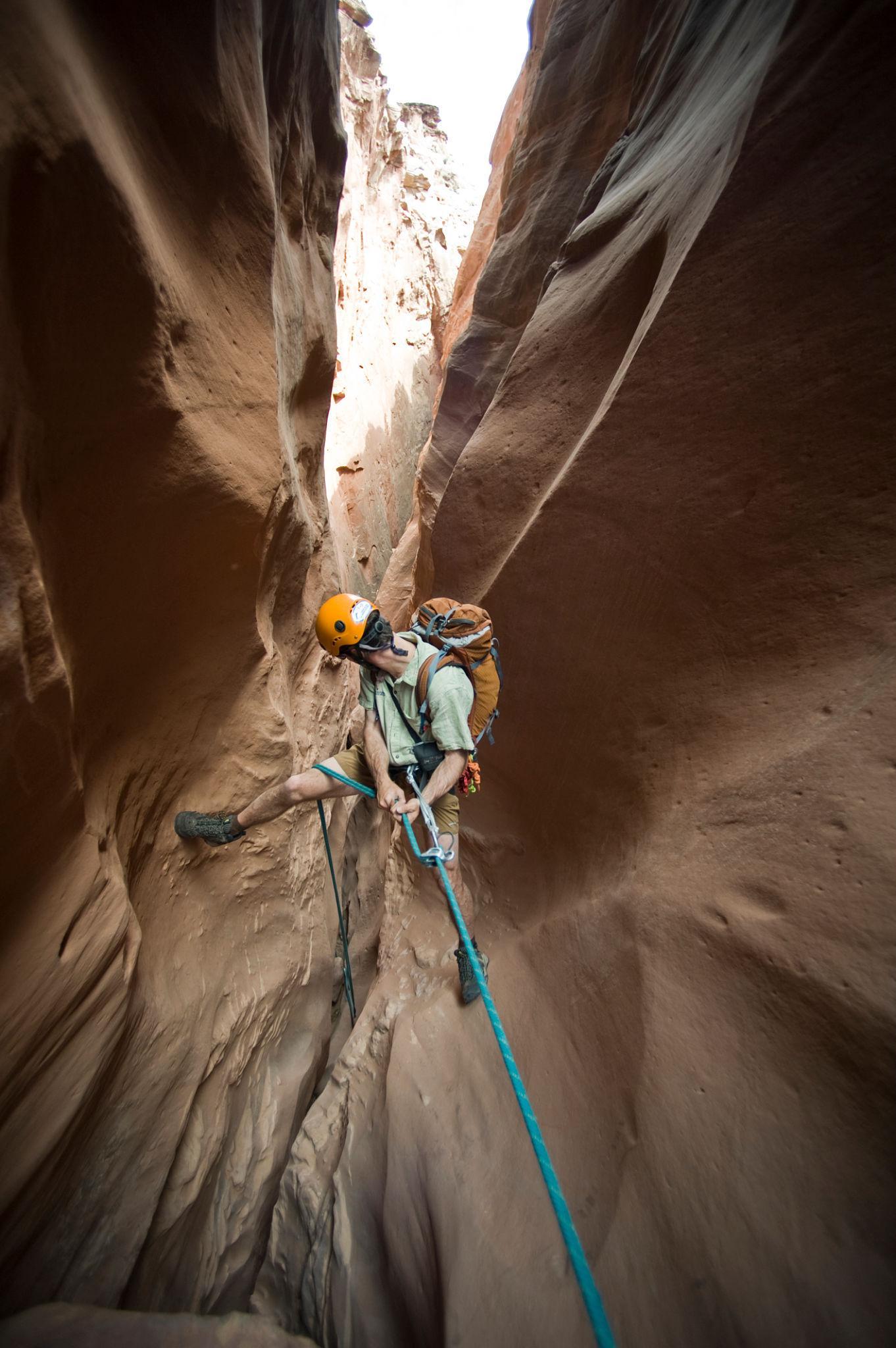
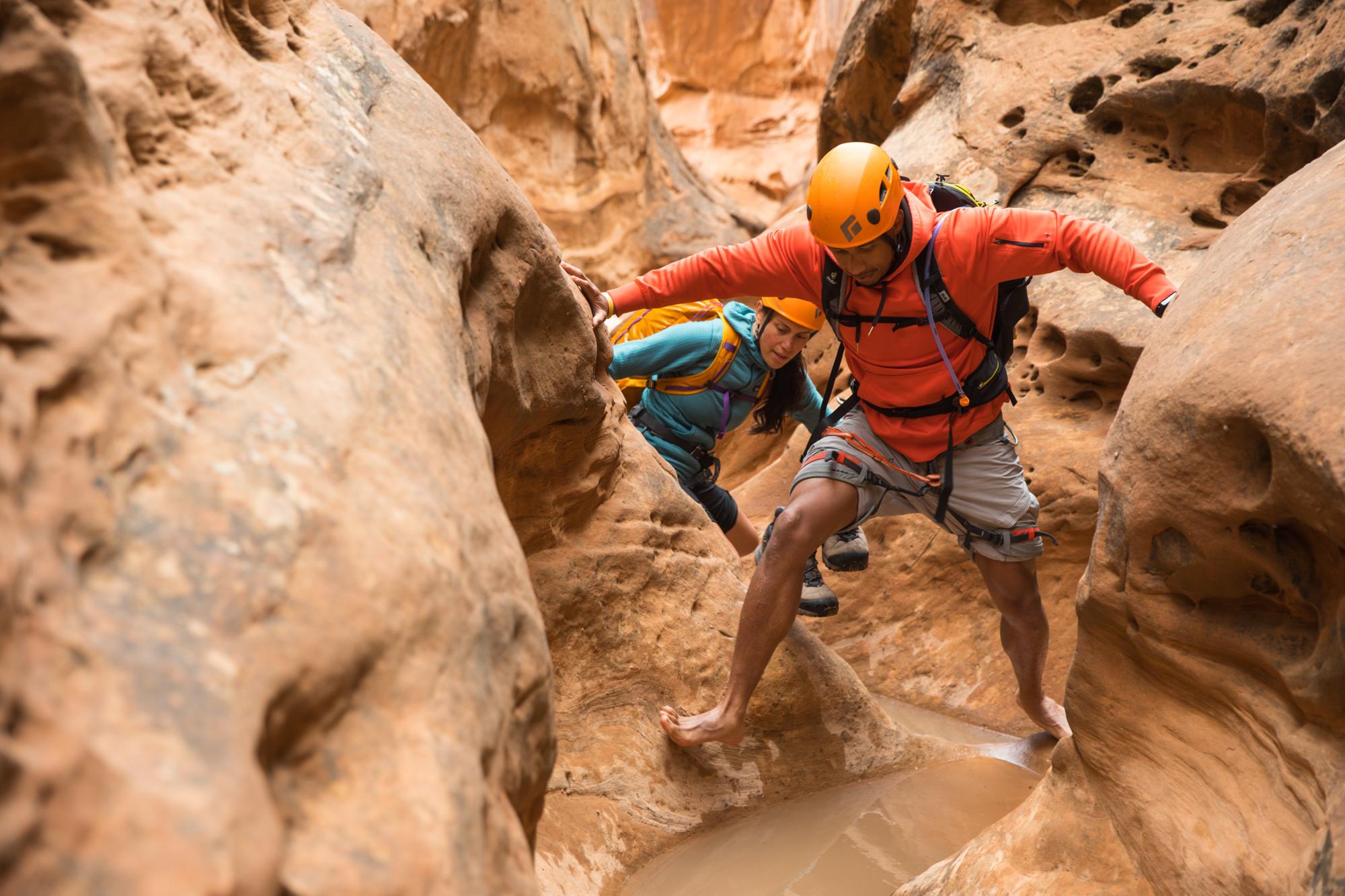
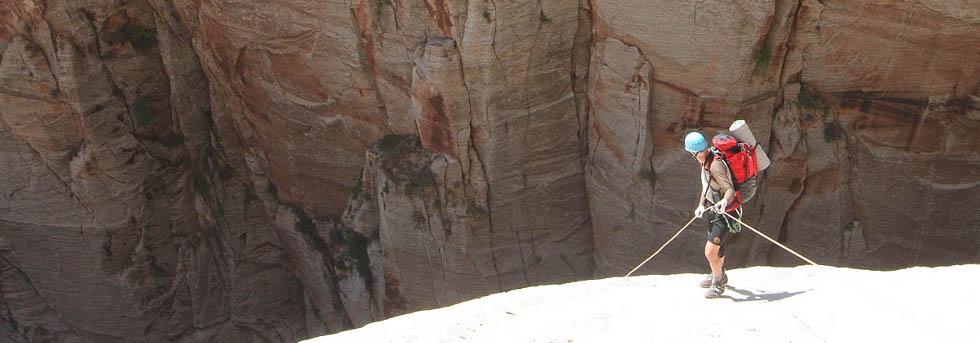
Sections of slot canyons where narrow passages and unstable rocks create unexpected hazards.
While maneuvering through a narrow section of the canyon, Aron attempted to descend between two rock walls. As he shifted his weight, a suspended boulder suddenly moved. The rock slid downward and pinned his right arm tightly against the canyon wall. The space was extremely narrow, and the weight of the boulder made lifting it impossible with one hand.
At first he approached the situation like a typical climbing challenge. He pushed against the rock, tried adjusting his arm, and used equipment in an attempt to create leverage. Minutes passed, then hours. Eventually the situation became clear. He was completely trapped, alone, with limited water and no one aware of his exact location.
The canyon that had earlier felt calm now became silent in a different way. There were no other hikers nearby, no phone reception, and no immediate path to safety. He began rationing his water carefully while considering possible ways to free himself.
As evening arrived the desert temperature dropped sharply. With one arm immobilized and the space too tight to lie down, resting became extremely difficult. A weekend trek had suddenly turned into a survival situation.
Days Inside the Canyon
After the first night trapped in Blue John Canyon, Aron Ralston realized the situation was far more serious than he initially believed. His water supply was small, and no one knew where he was trekking.
Time passed slowly inside the narrow canyon. Sunlight entered the slot only briefly each day, and he began using those moments of light to estimate the passing of time.
During the early days he attempted several escape strategies:
- Pulling his arm free using physical force
- Attempting to chip away small parts of the rock with a tool
- Changing body position using ropes for leverage
None of these attempts worked. The boulder remained completely stable. Eventually he shifted his focus from escape attempts to conserving energy and water while carefully thinking about possible solutions.
Mental Struggle and Isolation
The physical situation was extremely challenging, but the mental strain was equally intense. The canyon remained silent except for occasional wind above. Aron began recording short video messages using his camera, speaking about his situation and reflecting on his life.
Sleep came only in brief intervals. Standing for long periods caused fatigue, while sitting comfortably was almost impossible in the confined space. Dehydration and lack of food gradually weakened his body.
After several days he began experiencing moments of confusion and emotional stress, something common during prolonged isolation and dehydration. Time moved slowly, and the uncertainty of the situation created constant mental pressure.
The Turning Point
On the fifth day Aron reached an important realization. The boulder was not going to move, and waiting for rescue was unlikely to succeed. His water supply was nearly exhausted, and his physical condition was deteriorating.
Rather than reacting impulsively, he began analyzing the situation carefully. The canyon environment had become both his obstacle and the place where he needed to find a solution. This moment marked the turning point of one of the most documented survival trekking incidents in modern outdoor history.
The Decision and the Escape
By the sixth day Aron understood that waiting longer would likely lead to death. The decision he made was not sudden. It came after days of evaluating every possible option.
Using the small multi-tool he carried, he performed a difficult survival action that eventually allowed him to free himself from the boulder. The process was slow, physically painful, and mentally exhausting, but it gave him the chance to escape the canyon.
However, the challenge was not yet finished. After freeing himself, he still needed to exit the canyon system while severely weakened.
Climbing Out While Injured
To leave the canyon he had to descend a vertical drop of approximately 60 feet (18 meters) using his climbing rope. Performing this technical descent while injured required careful concentration and control.
After reaching the canyon floor he began walking through the desert landscape in search of help. The sun was high and the terrain uneven, but continuing to move was the only option.
The First Human Contact
After several hours of walking he encountered a family hiking in the area. They quickly realized the seriousness of his condition and provided water while contacting emergency services.
Rescue teams arrived soon afterward and transported him for medical treatment. The trek that began as a simple weekend adventure had become a survival story known worldwide.
Aftermath and Legacy
The Blue John Canyon incident highlights several important lessons for trekkers and outdoor travelers:
- Always inform someone about your route and schedule
- Remote landscapes can quickly become dangerous
- Mental endurance is as important as physical strength
- Preparation and decision-making determine survival
After recovering, Aron Ralston returned to outdoor activities and continued climbing using adapted techniques. His experience remains an important reminder that adventure travel offers remarkable freedom but also requires responsibility and preparation.
Narrated by KarakoramDiaries


![K2 Base Camp Trek: Ultimate Guide k2 Trek 2026 [UPDATED]](https://www.karakoramdiaries.com/storage/ultimate-guide-to-k2-base-camp-trek-full-document-150x150.png)