127 Hours: The True Story of Aron Ralston and the Canyon That Changed Everything
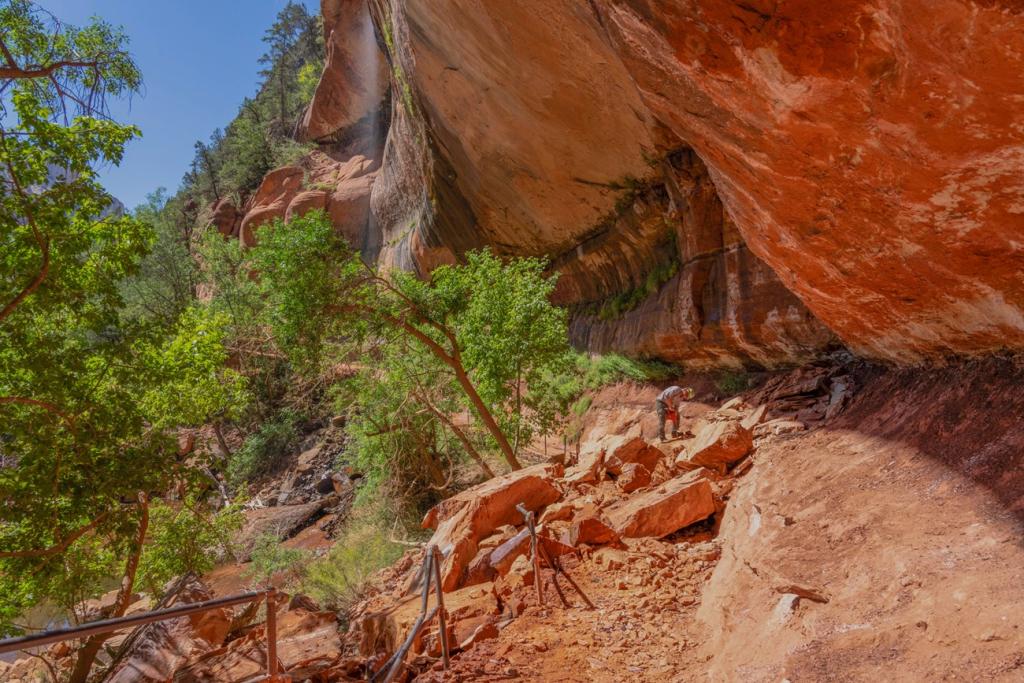
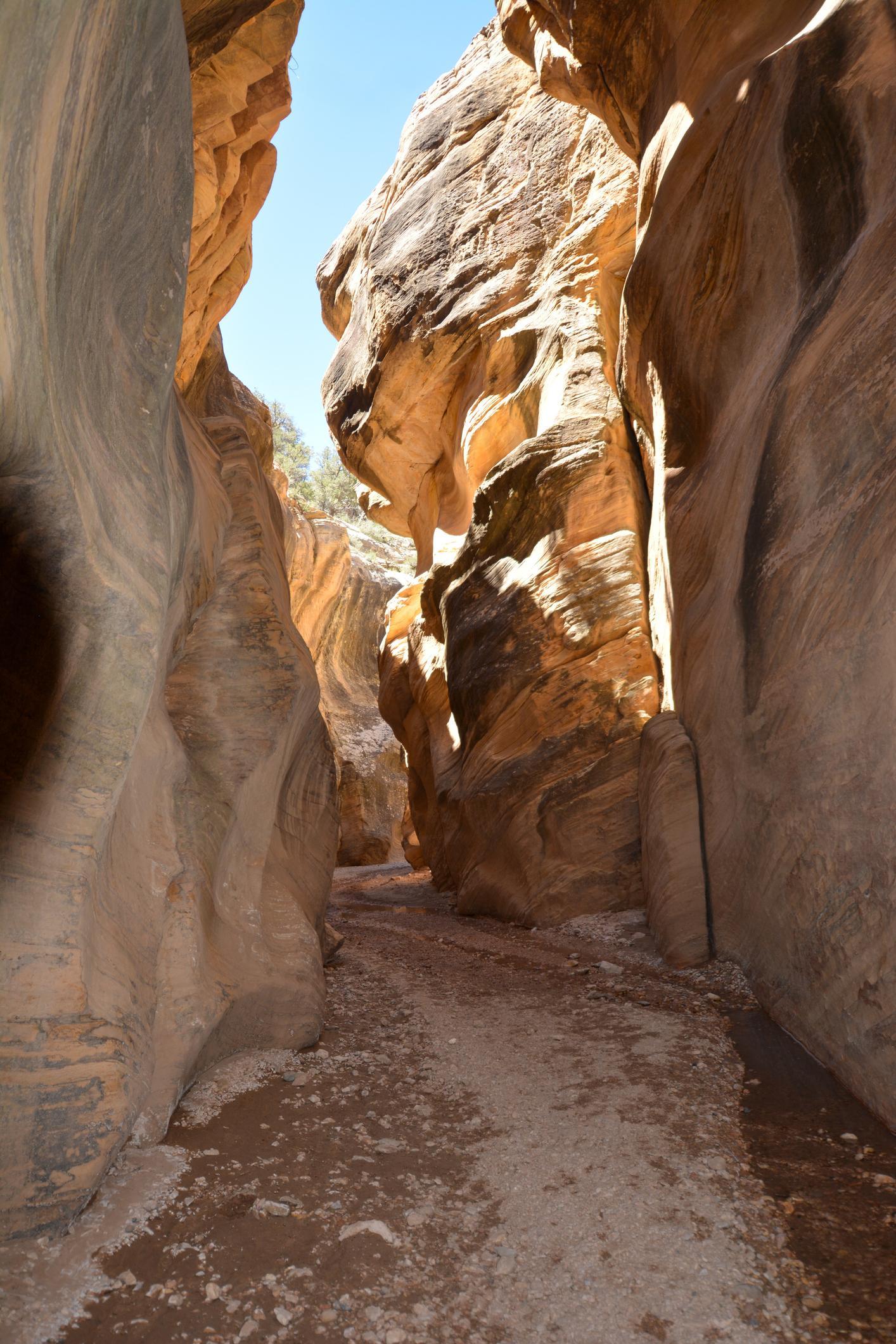
Blue John Canyon in Utah, the remote desert canyon where Aron Ralston became trapped in 2003.
A Weekend Adventure
In April 2003, Aron Ralston was a 27-year-old mechanical engineer living in Colorado. His work week followed a normal routine, but his weekends were different. Aron spent most of his free time exploring the outdoors. He enjoyed cycling, mountaineering, and hiking in remote landscapes across the western United States.
He often traveled alone. For Aron, solitude in nature was not unusual. It allowed him to move quickly and experience wilderness without distraction.
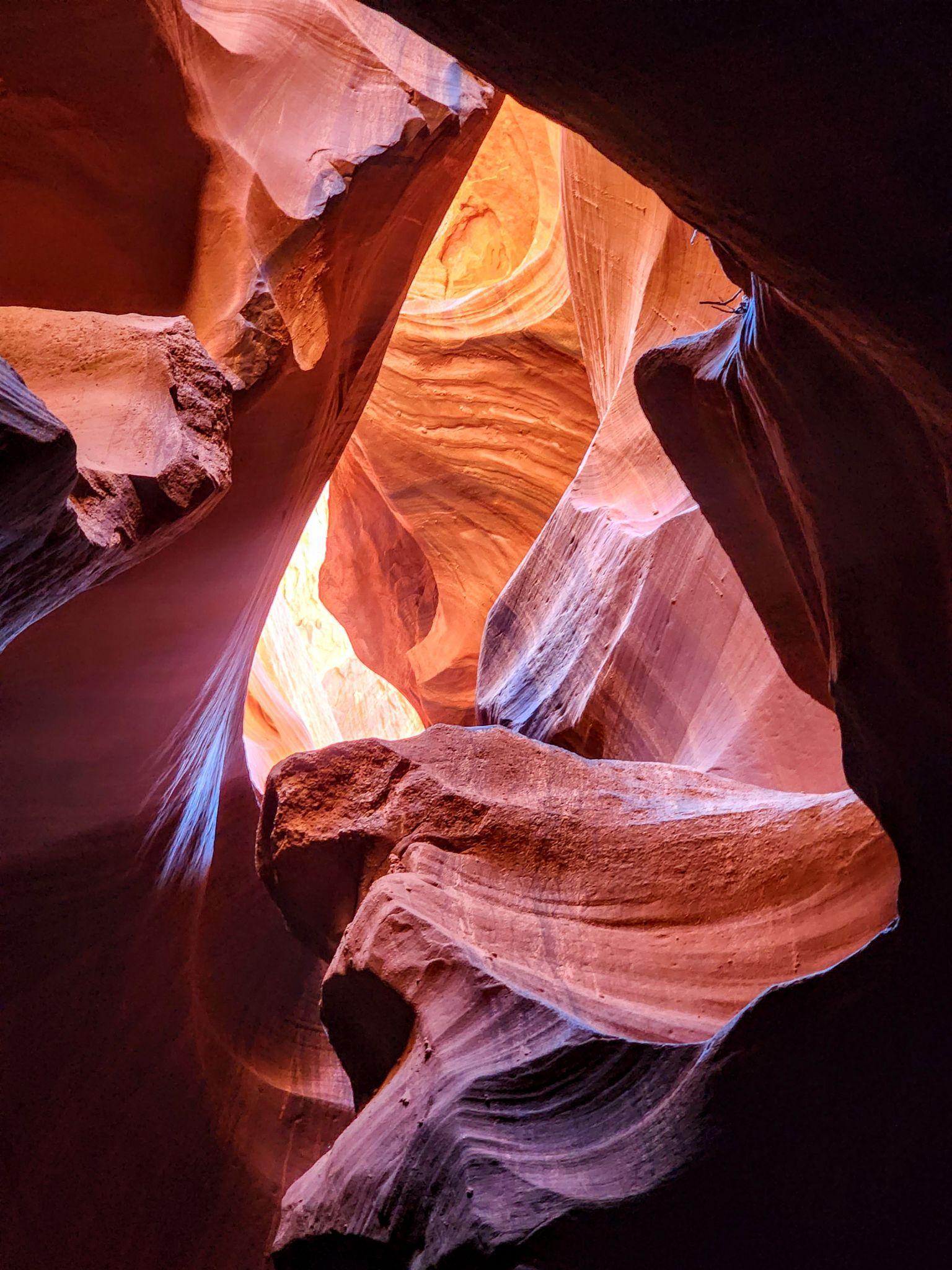
During one spring weekend he decided to visit Blue John Canyon in southeastern Utah. The canyon is part of a rugged desert region known for narrow sandstone passages called slot canyons. These areas are quiet, remote, and rarely crowded with tourists.
Aron did not tell anyone exactly where he was going. He carried light equipment, including a small amount of water, two burritos, a video camera, climbing gear, and a small multi-tool. Traveling with minimal gear was part of his usual approach to outdoor trips.
The Moment Everything Changed
While moving through a narrow section of the canyon, Aron stepped onto a large boulder that was wedged between the canyon walls. The rock suddenly shifted beneath his weight.
Within seconds the boulder fell into a tighter position and trapped his right forearm against the canyon wall. The rock weighed several hundred kilograms and pinned his arm completely.
Aron immediately tried to pull his arm free. He pushed against the rock, braced his feet against the canyon walls, and tried to move the boulder with all his strength. The stone did not move.
After repeated attempts, he realized the situation was serious. The canyon was isolated, and no one knew where he was.
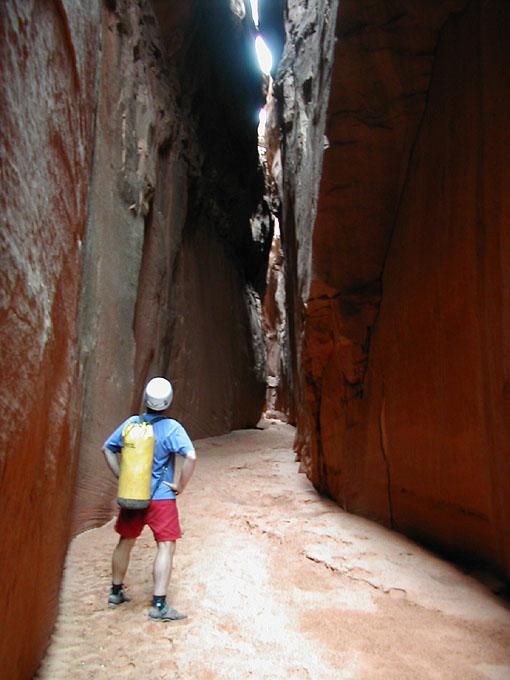
The narrow sandstone passages of Blue John Canyon leave little space for movement once someone becomes trapped.
Five Days in the Canyon
At first Aron believed he might eventually free himself. He used his multi-tool to chip away at the rock and attempted to create leverage with ropes and climbing equipment. None of these attempts worked.
As time passed, the reality of the situation became clear. His food and water supply was very limited. Daytime temperatures in the desert were extremely hot, while the nights became cold. His trapped arm began to swell and slowly lost feeling as circulation stopped.
During the following days Aron carefully rationed the little water and food he had. When his water supply ran out, he began drinking his own urine in order to stay alive.
He used his camera to record video messages for his family and friends. In these recordings he explained what had happened and expressed his thoughts in case he did not survive. He also carved his name and personal details into the canyon wall.
By the fourth day, he believed that rescue was unlikely because nobody knew his exact location.
The Decision to Survive
On the morning of the fifth day, after more than one hundred hours trapped in the canyon, Aron began thinking about a final possibility. He realized that the only way to escape might be to free himself from the trapped arm.
Using his small multi-tool, he first broke the bones in his forearm by applying pressure against the rock. After breaking the bones he began cutting through the remaining tissue.
The process was extremely painful and physically exhausting, but he continued because it was the only chance of survival. Eventually he was able to free himself from the boulder.
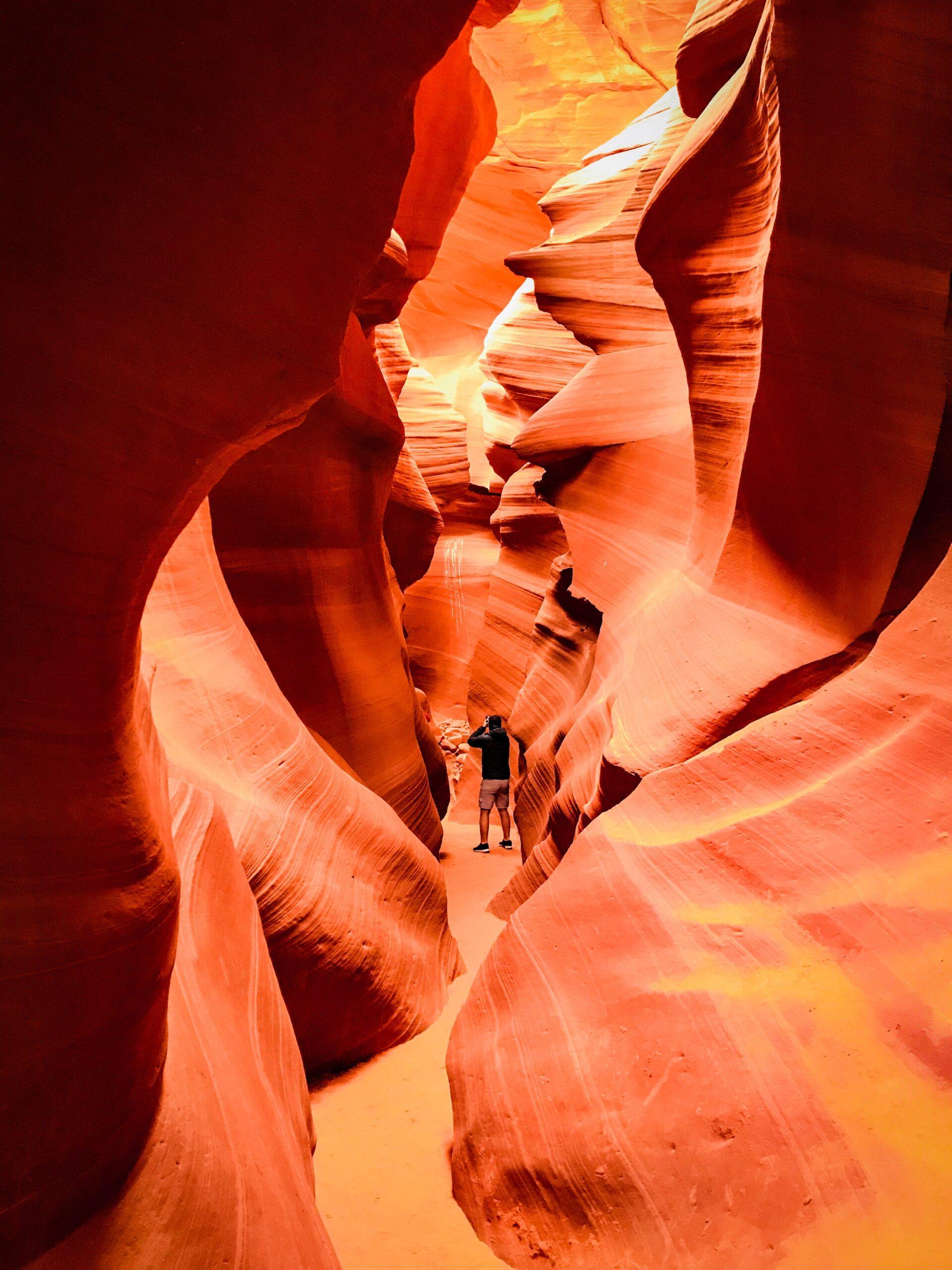
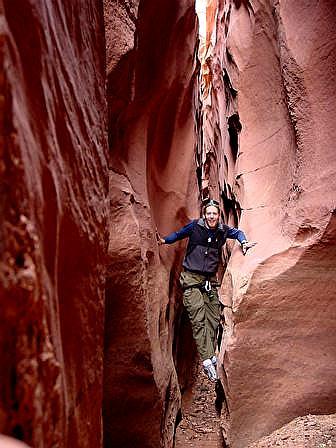
The canyon route Aron followed after freeing himself and beginning the long walk to safety.
The Long Walk Out
After freeing himself, Aron still faced a difficult journey. He had lost a large amount of blood and was extremely weak from dehydration. Despite this, he descended a canyon wall using his climbing rope and began walking through the desert.
After several miles he encountered a family hiking nearby. They quickly understood that he needed urgent help and contacted rescue services. A helicopter transported him to a hospital where he received emergency treatment.
Although he lost his arm, he survived the accident.
Life After the Canyon
After recovering from the incident, Aron Ralston adapted to life with a prosthetic arm. He returned to climbing and continued exploring mountains and wilderness areas.
He later wrote a book describing the experience, and the story became widely known after the film 127 Hours was released in 2010.
Today the incident is often discussed not only as a story of survival but also as an example of the importance of preparation and communication in remote travel. One of the key lessons from the event is simple: when traveling in remote areas, always inform someone about your route and expected return time.
Reflection
Aron Ralston’s experience in Blue John Canyon remains one of the most well-known survival stories in modern outdoor history. The event shows how quickly a routine adventure can become a life-threatening situation.
It also demonstrates the importance of decision-making, preparation, and resilience when facing extreme circumstances in remote environments.
Narrated by Karakoram Diaries

![K2 Base Camp Trek: Ultimate Guide k2 Trek 2026 [UPDATED]](https://www.karakoramdiaries.com/storage/ultimate-guide-to-k2-base-camp-trek-full-document-150x150.png)