Chitral & Kalash Valley Tour Guide: Pakistan's Most Unique Cultural Destination
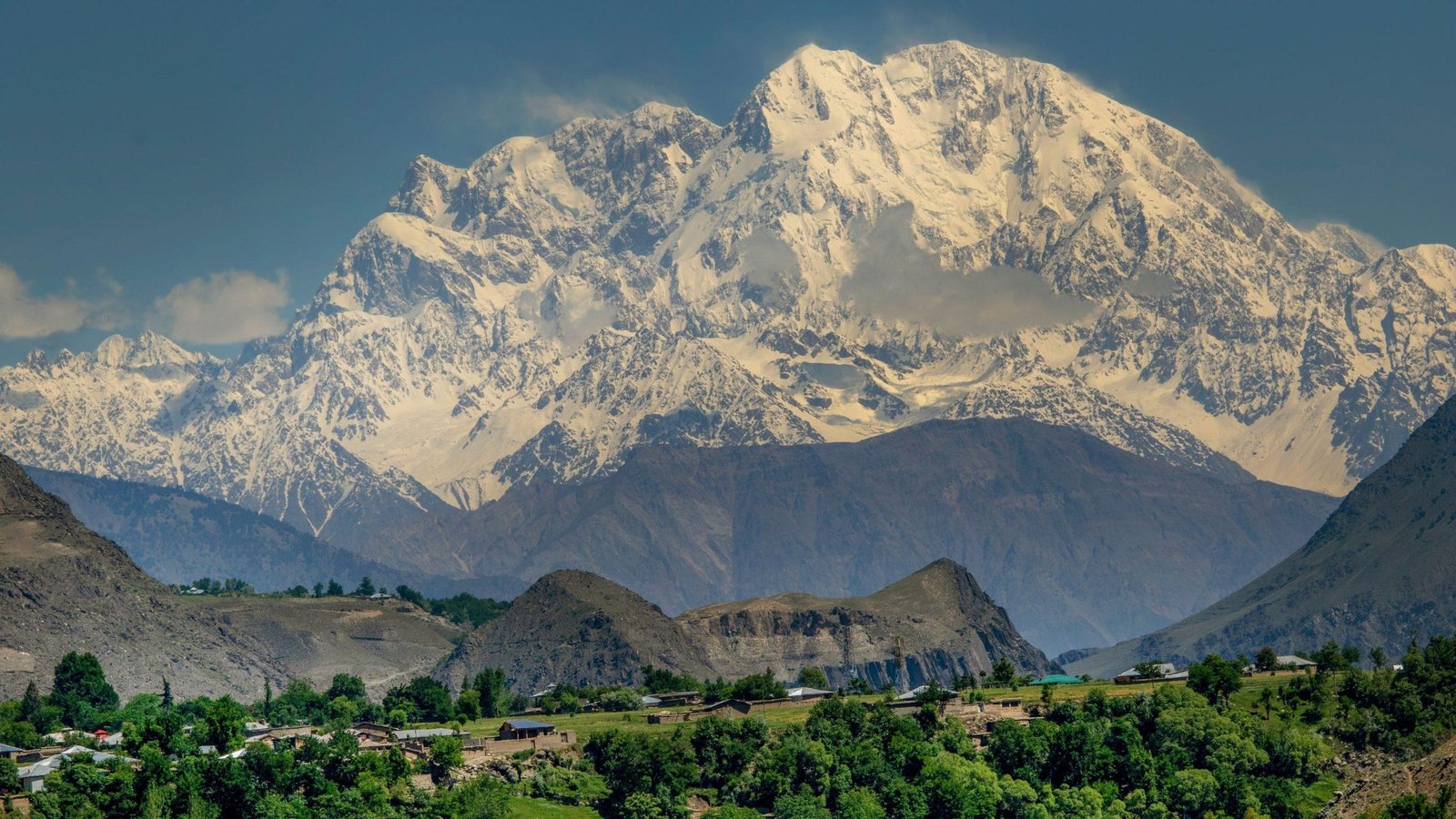
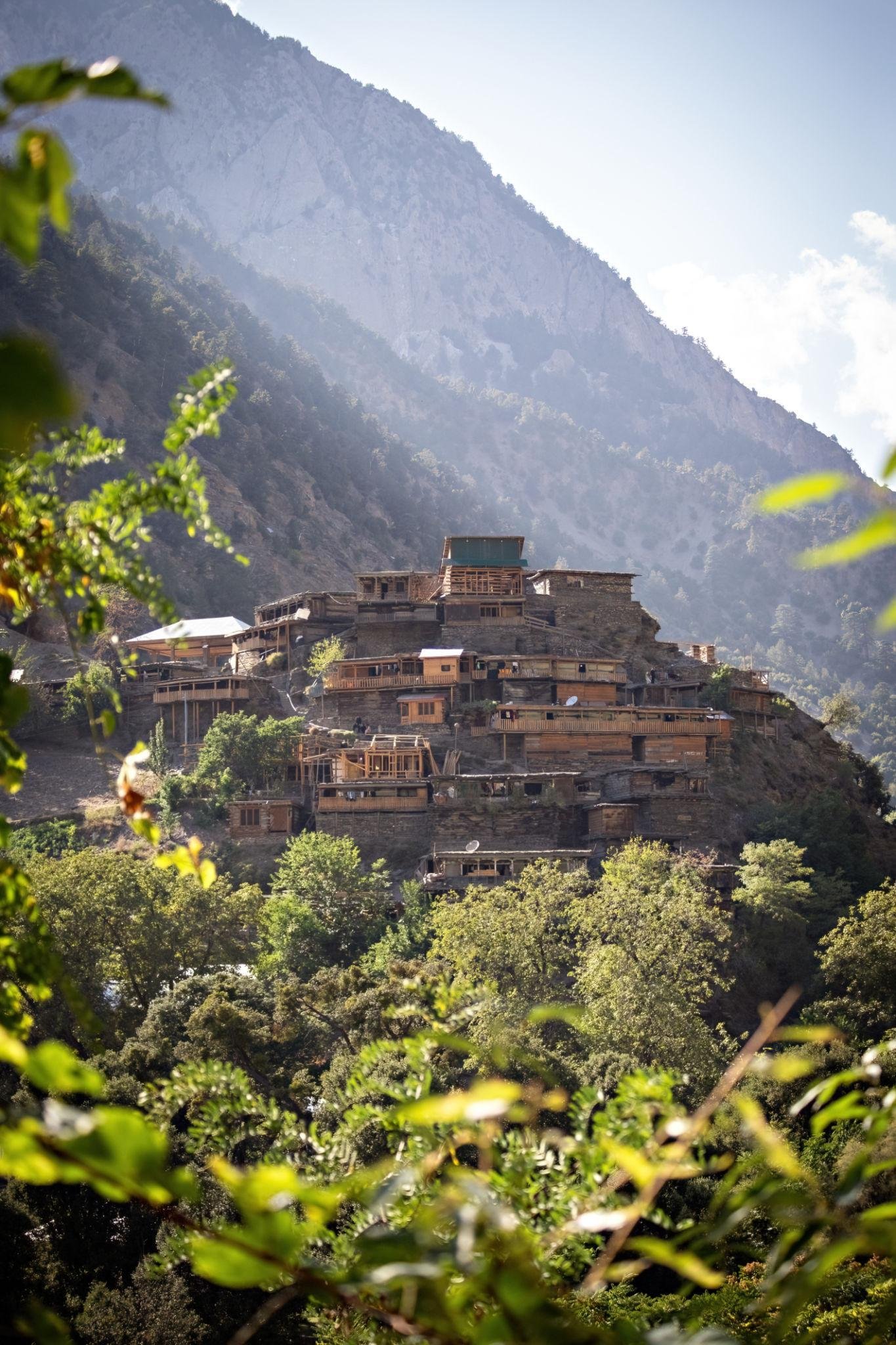
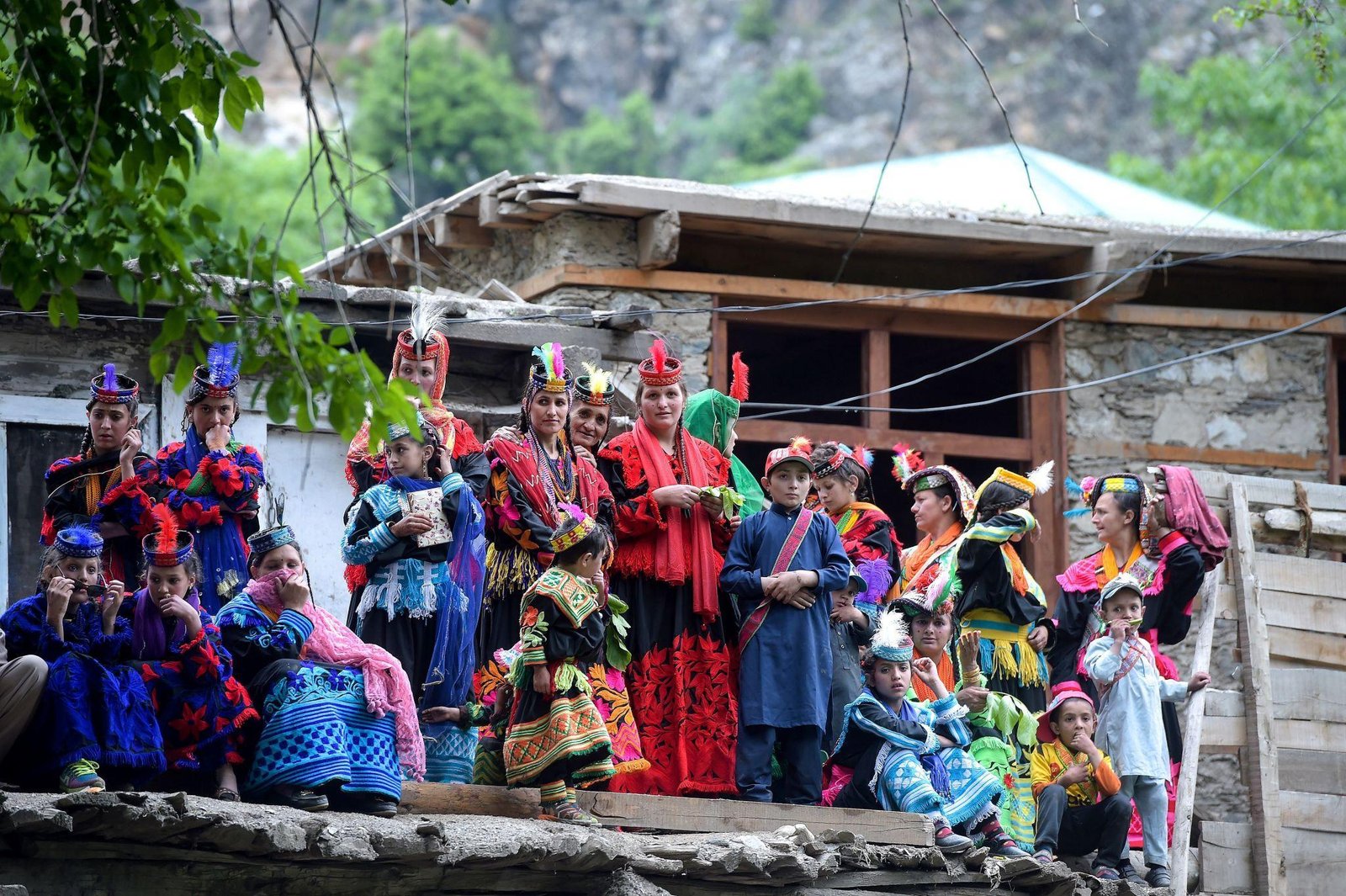
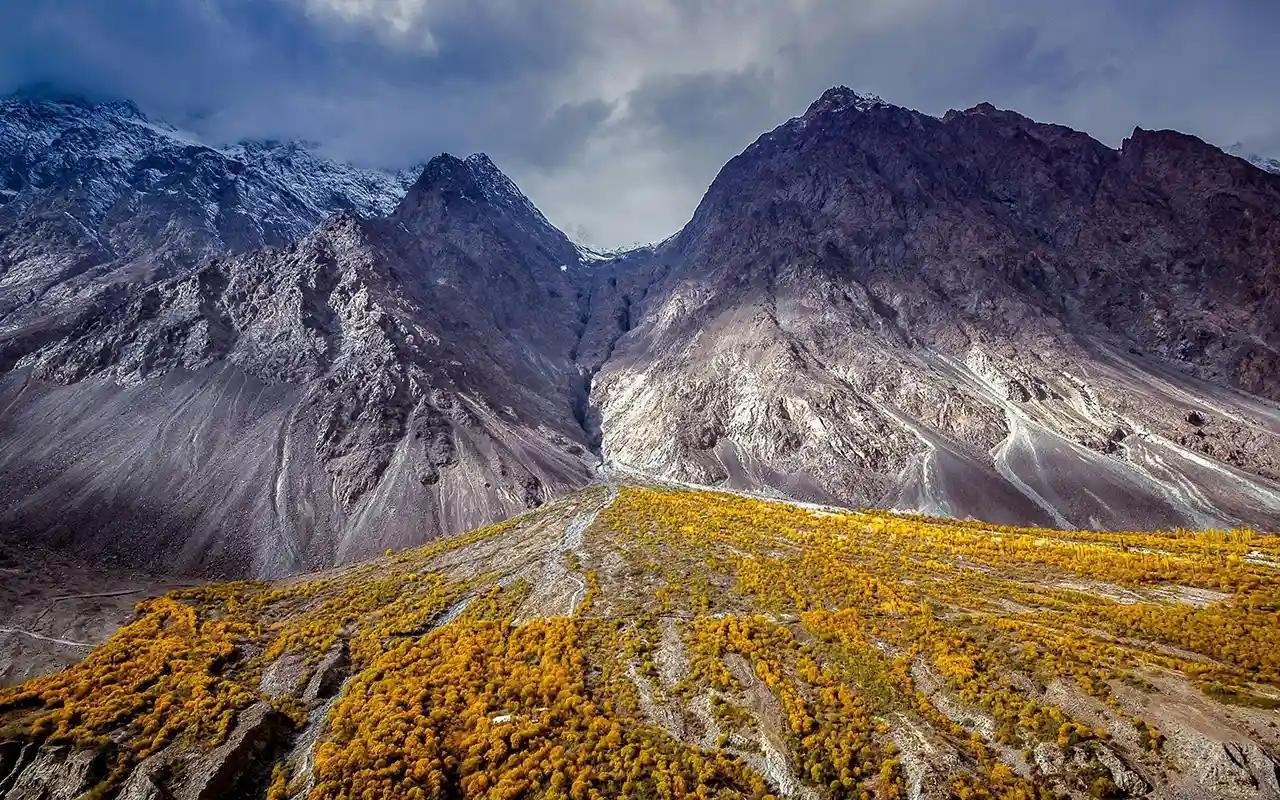
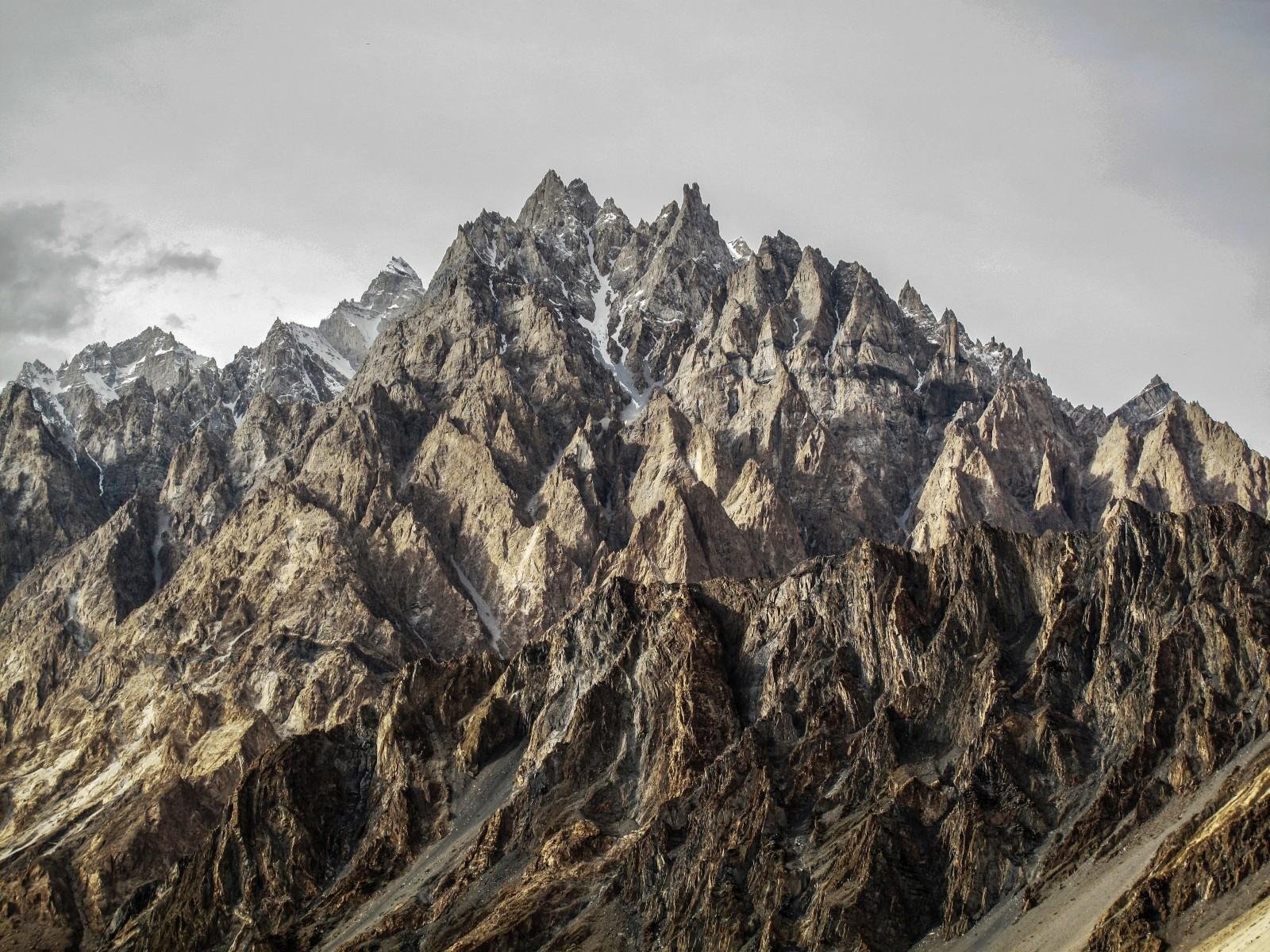
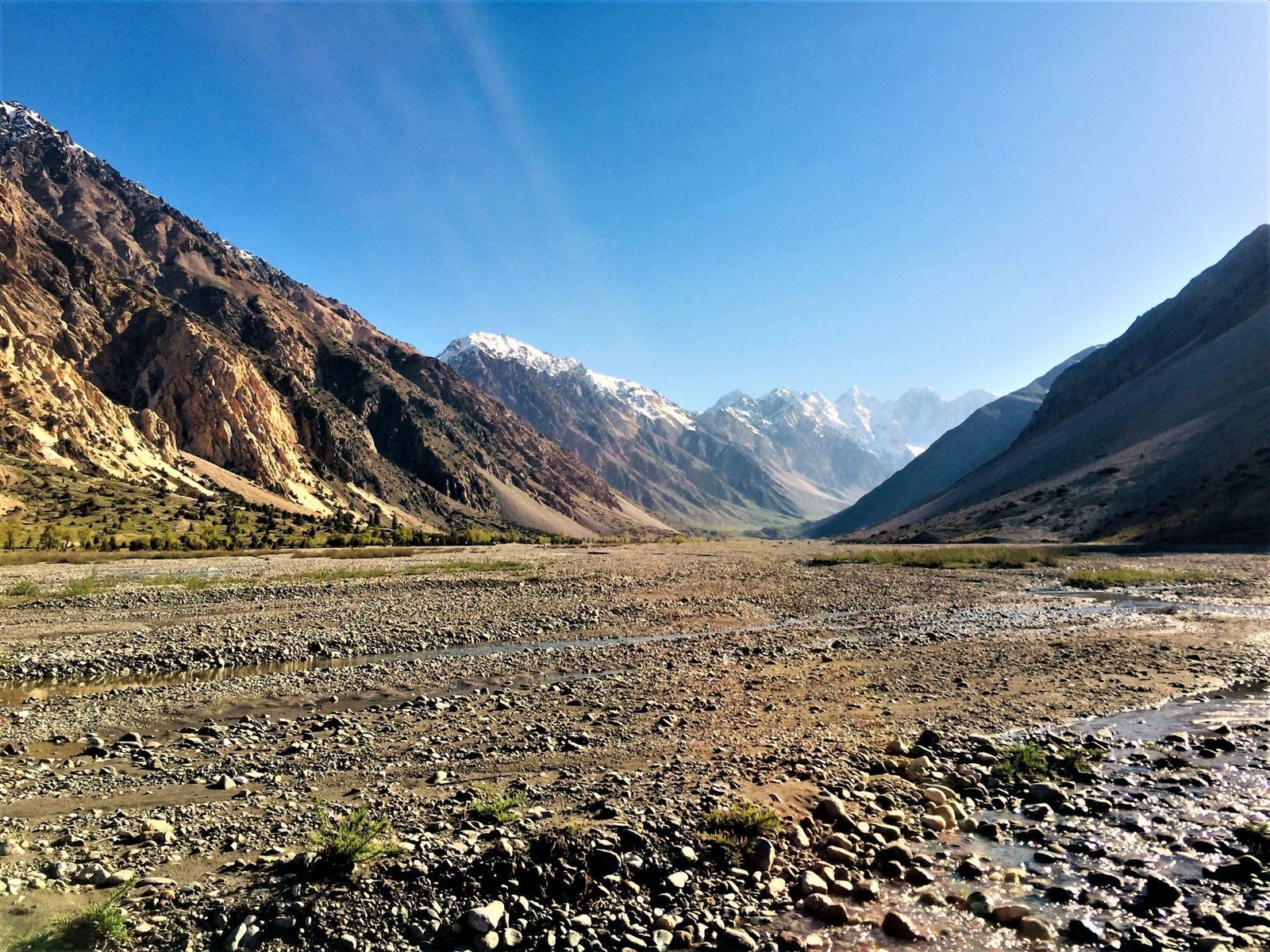
Table of contents [Show]
- Introduction to Chitral & Kalash Valley
- Why Visit Chitral & Kalash
- Best Time to Visit
- Kalash Festivals Calendar (Chilam Joshi, Uchau, Choimus)
- How to Get to Chitral
- Getting Around Chitral District
- Chitral City Guide
- Chitral Fort
- Shahi Mosque
- Chitral Bazaar
- Kalash Valley – The Three Sacred Valleys
- Bumburet Valley
- Rumbur Valley
- Birir Valley
- Kalash Culture & People
- Religion & Traditions
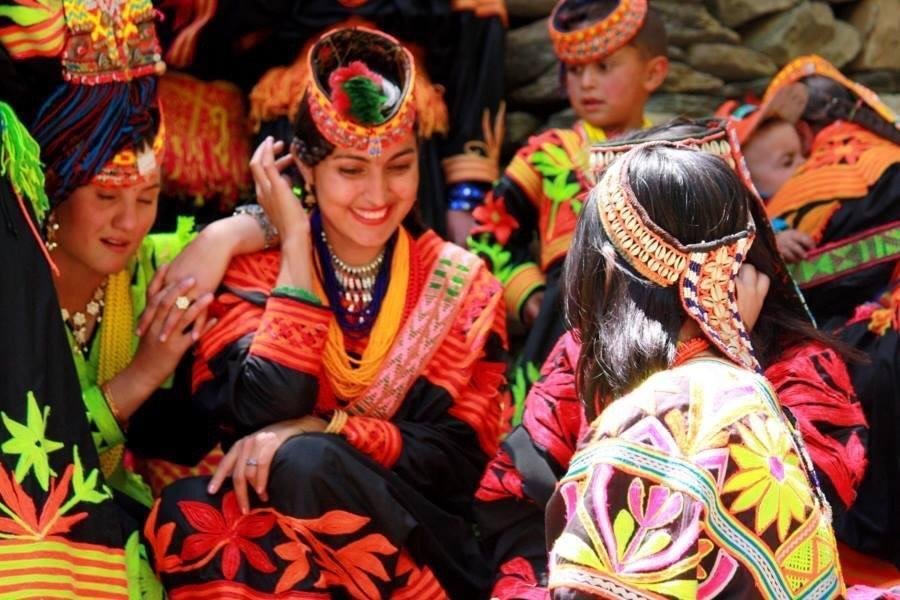
- Dress & Crafts
- Respecting Local Customs
- Shandur Pass from Chitral Side
- Tirich Mir – The Highest Peak in the Hindu Kush
- Golen Gol National Park
- Where to Stay in Chitral & Kalash
- Food Guide
- Recommended Itinerary
- Travel Budget & Costs
- Permits & Safety Information
- Packing List
-
Frequently Asked Questions
- What Is the Best Time to Visit Chitral and Kalash Valley?
- How Many Days Are Needed for Chitral and Kalash?
- Which Kalash Valley Is Best?
- Can Families Visit Kalash Valley?
- Are the Kalash Festivals Open to Visitors?
- Is Chitral Suitable for Independent Travel?
- Can Chitral Be Combined with Other Destinations?
- What Is the Highest Peak Visible from Chitral?
- Disclaimer
Introduction to Chitral & Kalash Valley
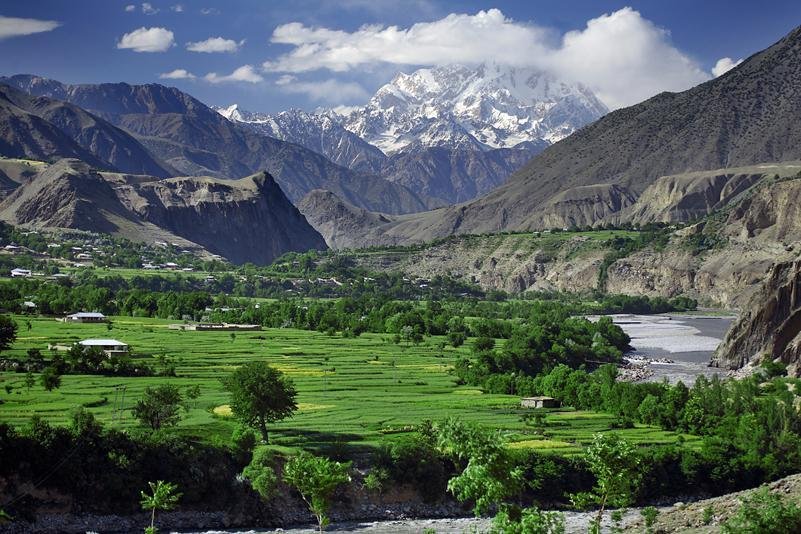
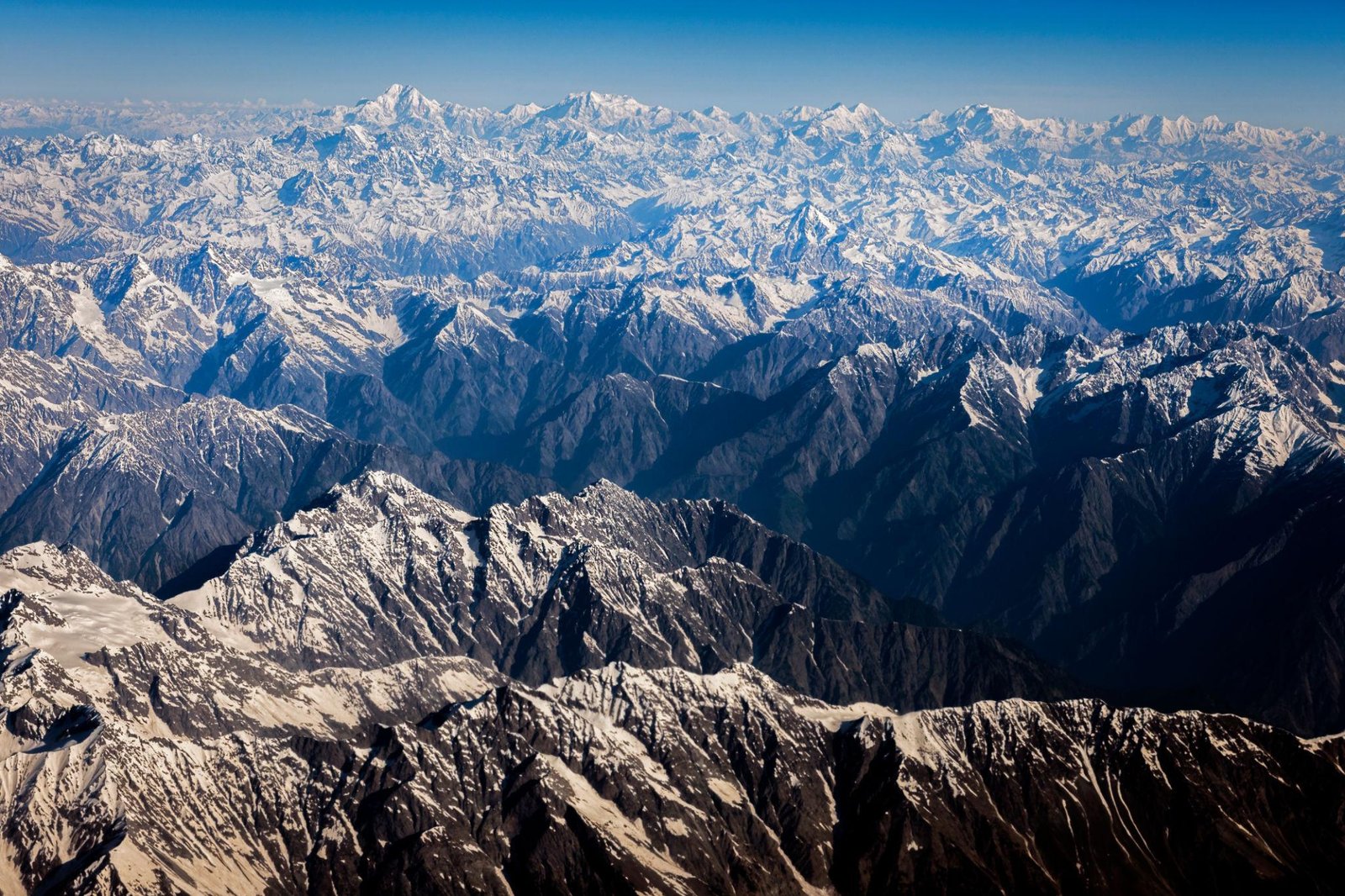
Nestled beneath the towering peaks of the Hindu Kush, Chitral and the neighboring Kalash Valleys offer one of the most distinctive travel experiences in Pakistan.
Unlike the Karakoram landscapes of Hunza and Skardu, Chitral combines dramatic mountain scenery with a rich cultural heritage shaped by centuries of trade, migration, and isolation. The region is home to the Kalash people, one of the world's most unique indigenous communities, known for their vibrant festivals, traditional dress, and ancient belief system.
The area attracts travelers interested in:
- cultural tourism
- mountain landscapes
- traditional festivals
- photography
- history
- remote valley exploration
From bustling bazaars in Chitral City to the quiet villages of the Kalash valleys, the region offers a fascinating blend of nature and culture rarely found elsewhere in South Asia.
Why Visit Chitral & Kalash
Many travelers initially visit Chitral for its mountains but leave with memories of its people and traditions.
Highlights include:
- unique Kalash culture
- traditional festivals
- Hindu Kush mountain scenery
- historic forts and mosques
- remote valleys
- access to Shandur Pass
- views of Tirich Mir
- authentic village life
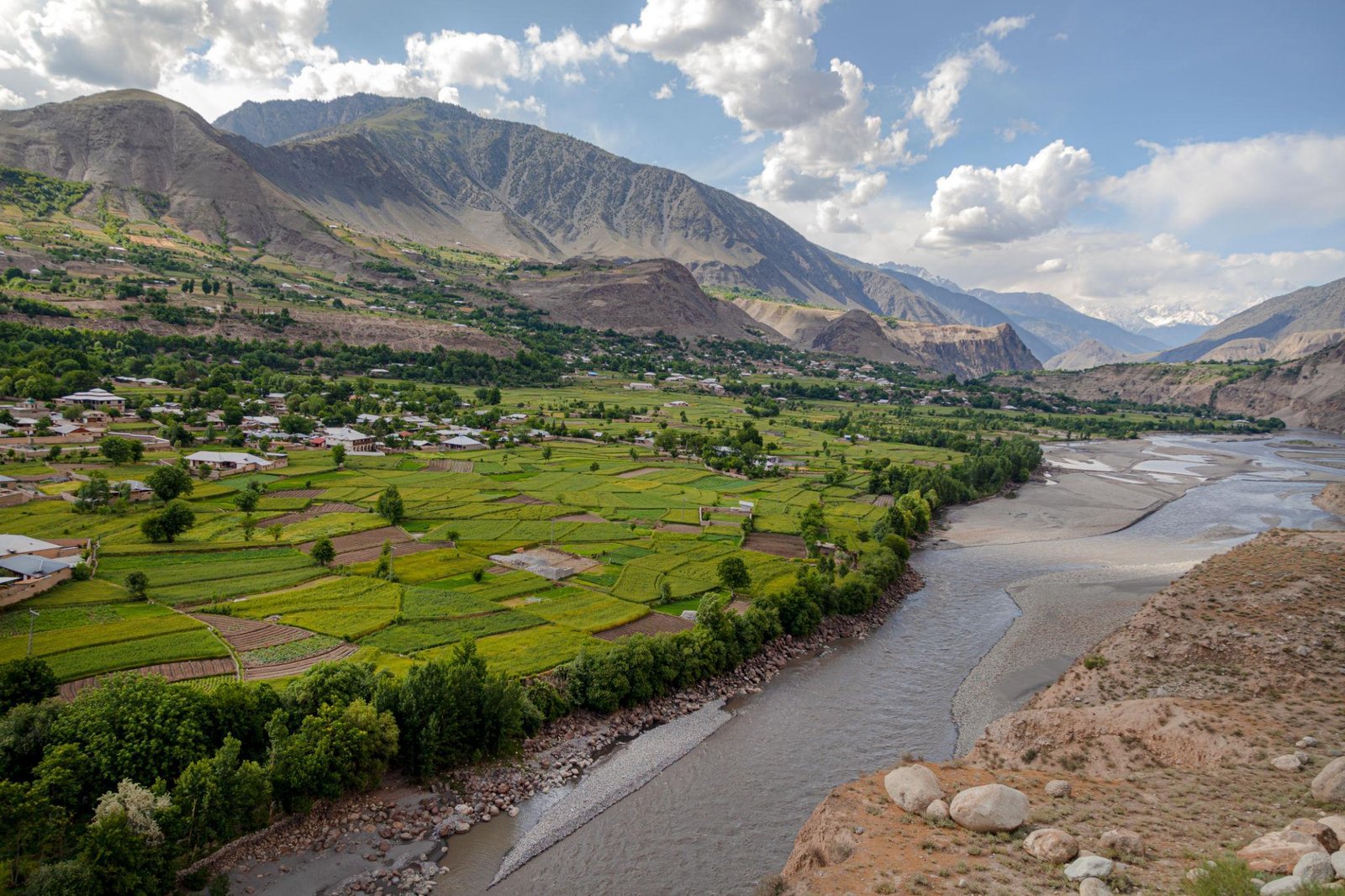
What makes the region particularly rewarding is its cultural diversity. Within a relatively small area, travelers can experience dramatically different traditions, languages, architecture, and lifestyles.
Best Time to Visit
The best time to visit Chitral and the Kalash valleys depends on your interests.
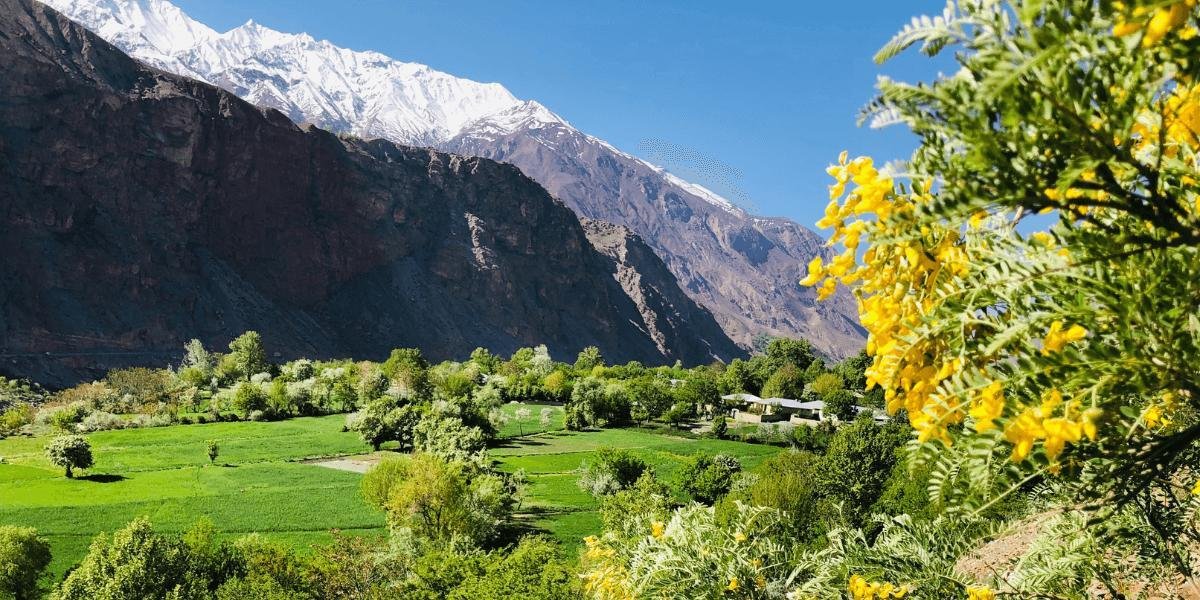
Spring (April–May)
Spring brings:
- blooming orchards
- pleasant temperatures
- green valleys
- the famous Chilam Joshi Festival
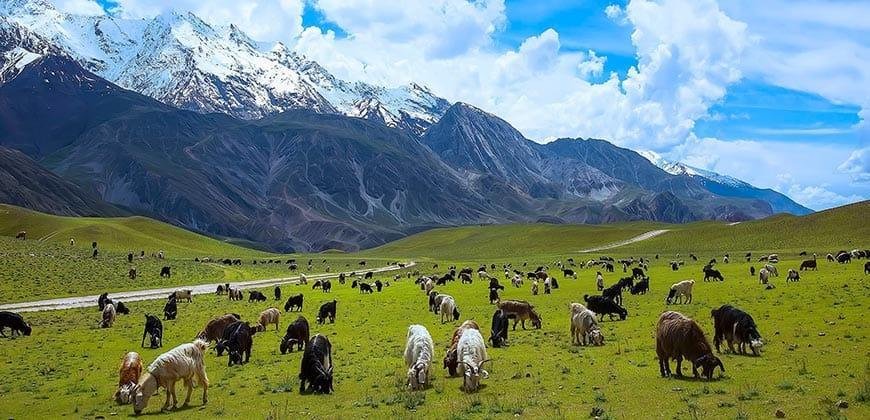
Summer (June–August)
Summer offers:
- accessible roads
- comfortable weather at higher elevations
- ideal conditions for valley exploration
- access to Shandur Pass
Autumn (September–October)
Autumn is considered one of the most beautiful seasons because of:
- golden foliage
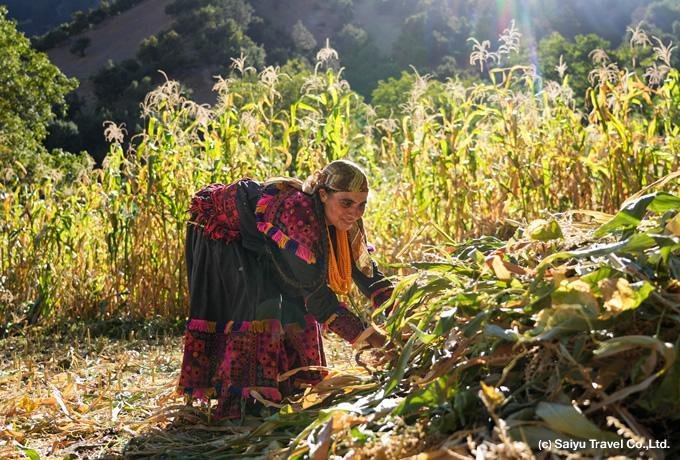
- harvest activities
- clear mountain views
- fewer crowds
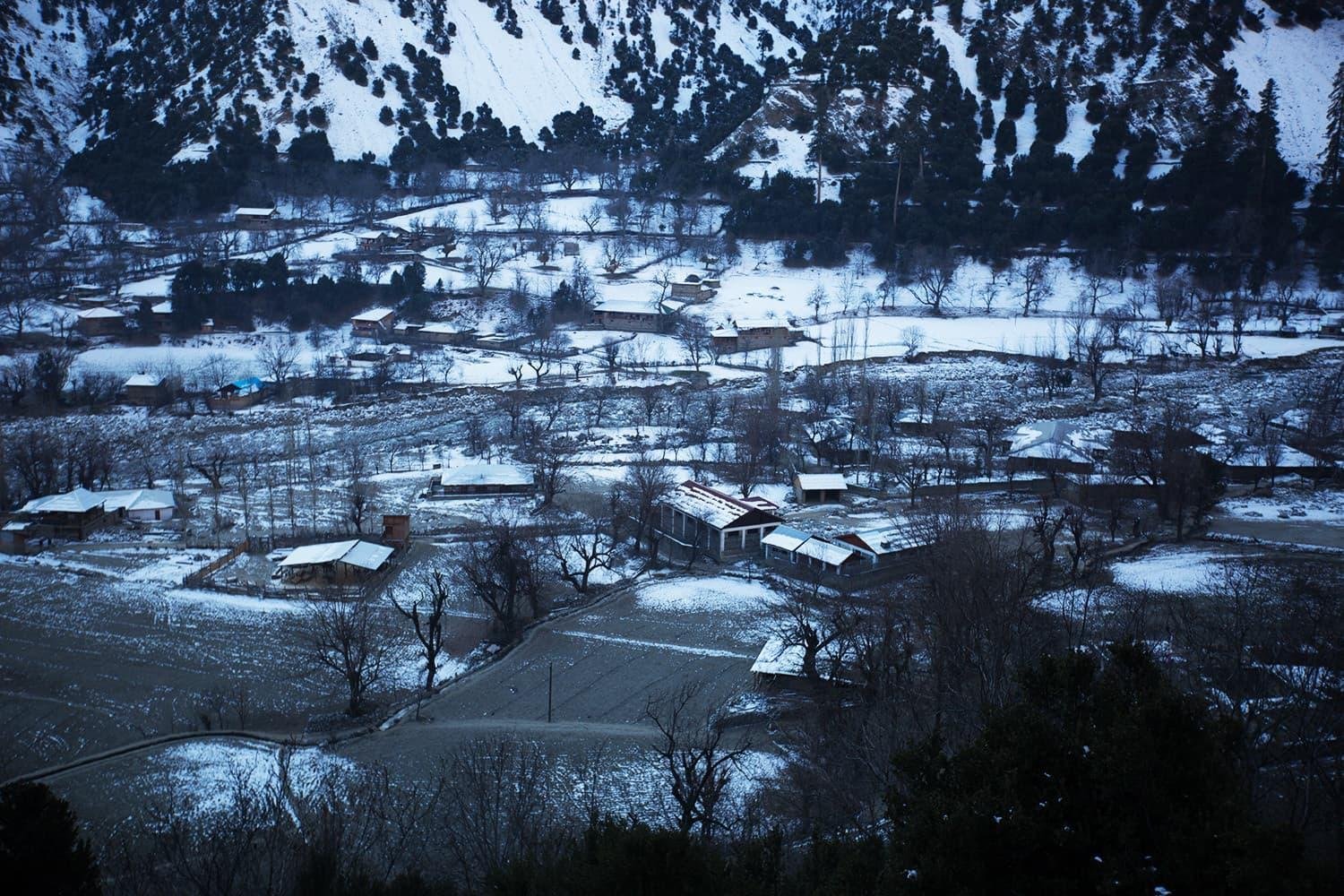
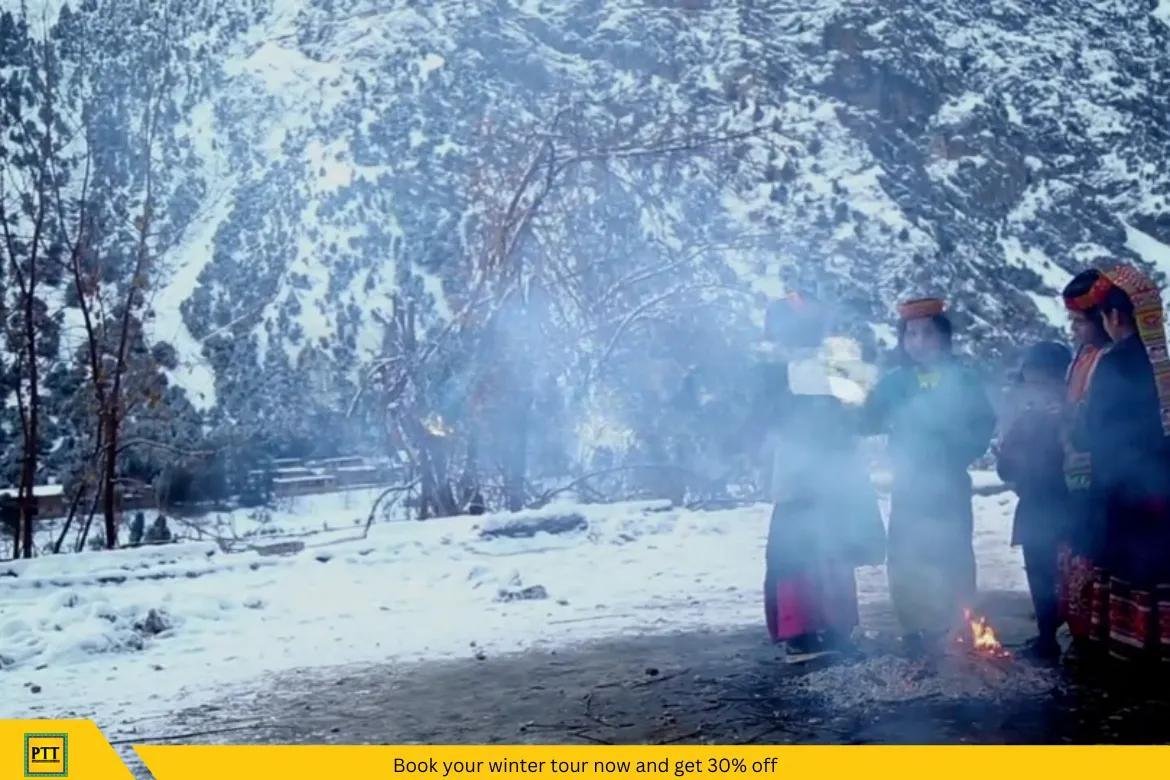
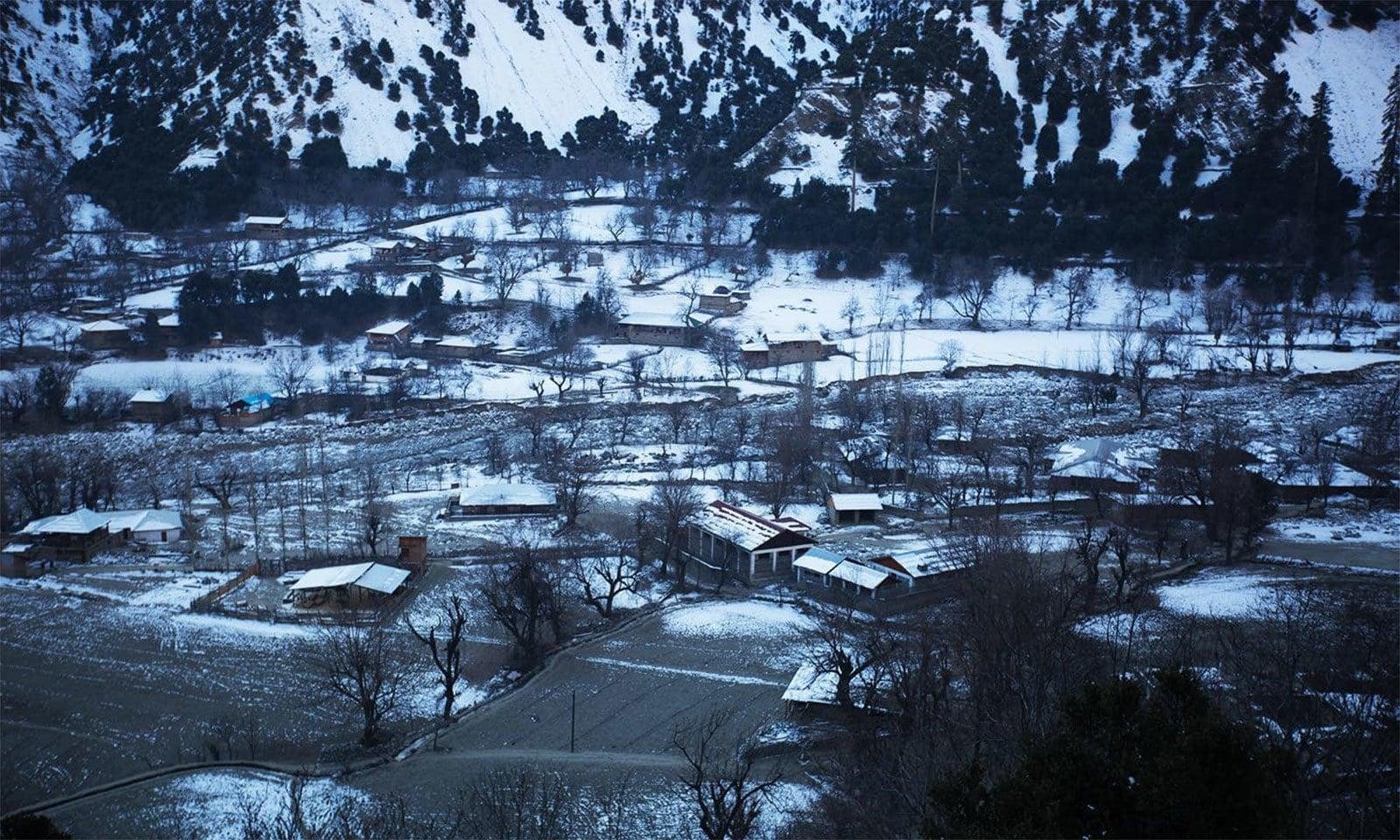
Winter (November–March)
Winter provides:
- snow-covered landscapes
- traditional Choimus celebrations
- fewer tourists
Road conditions can become challenging during heavy snowfall.
Kalash Festivals Calendar (Chilam Joshi, Uchau, Choimus)
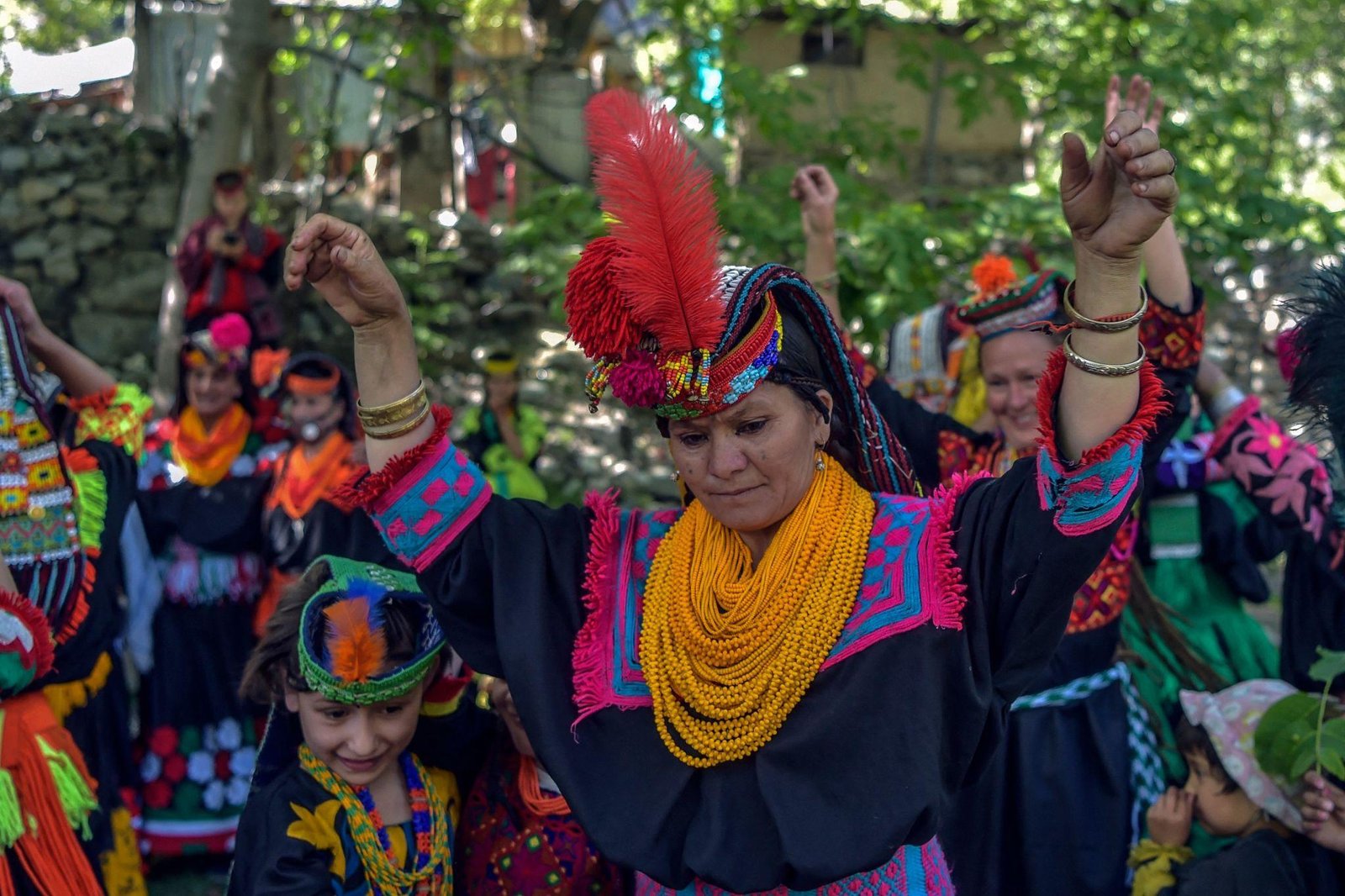
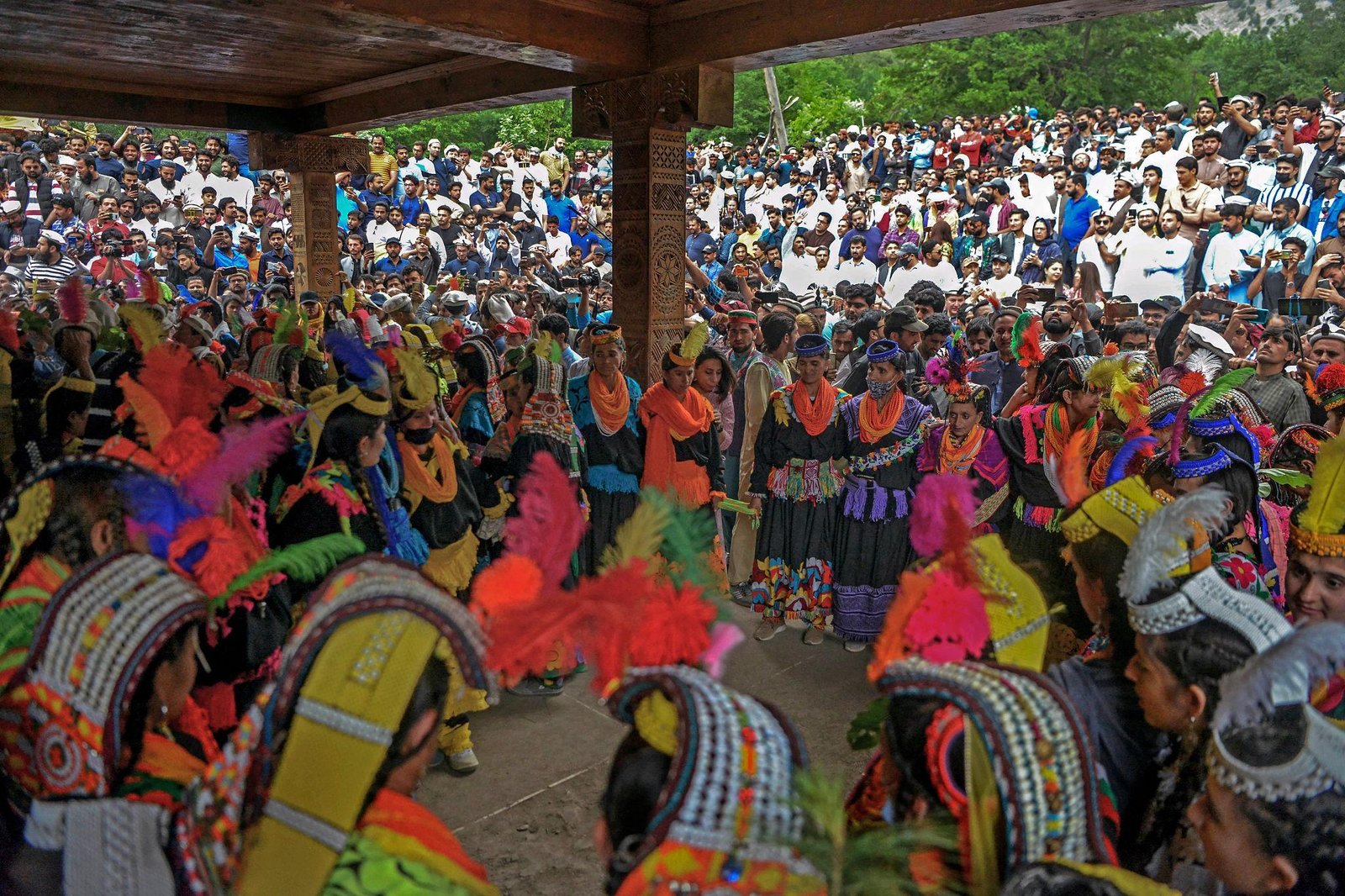
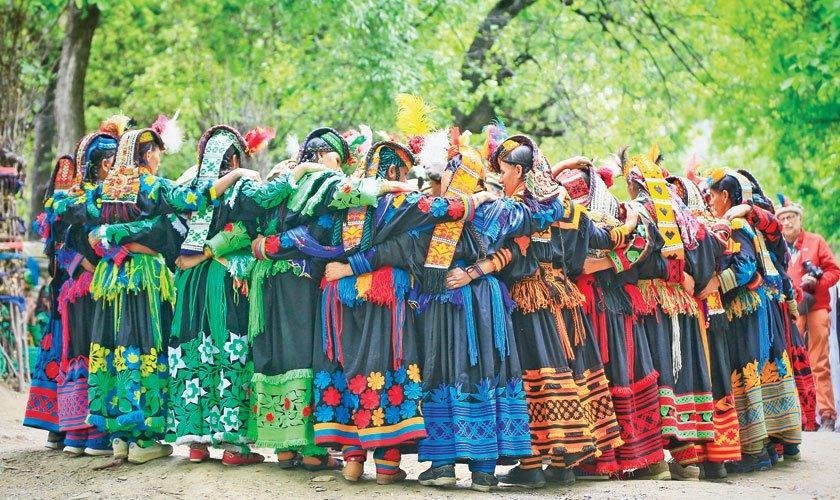
The Kalash people maintain a festival calendar that remains central to their cultural identity.
Chilam Joshi Festival
Held during spring, usually in May.
The festival celebrates:
- seasonal change
- community gatherings
- courtship traditions
- music and dance
Visitors often consider this the most colorful Kalash festival.
Uchau Festival
Held during late summer or early autumn.
The festival marks:
- harvest celebrations
- thanksgiving traditions
- communal gatherings
Choimus Festival
Held during winter.
Choimus is the most sacred Kalash celebration and includes:
- religious rituals
- traditional ceremonies
- community feasts
- winter festivities
Festival dates occasionally vary based on local traditions and seasonal conditions.
How to Get to Chitral
Although remote, Chitral has become increasingly accessible through improved roads and domestic air services.
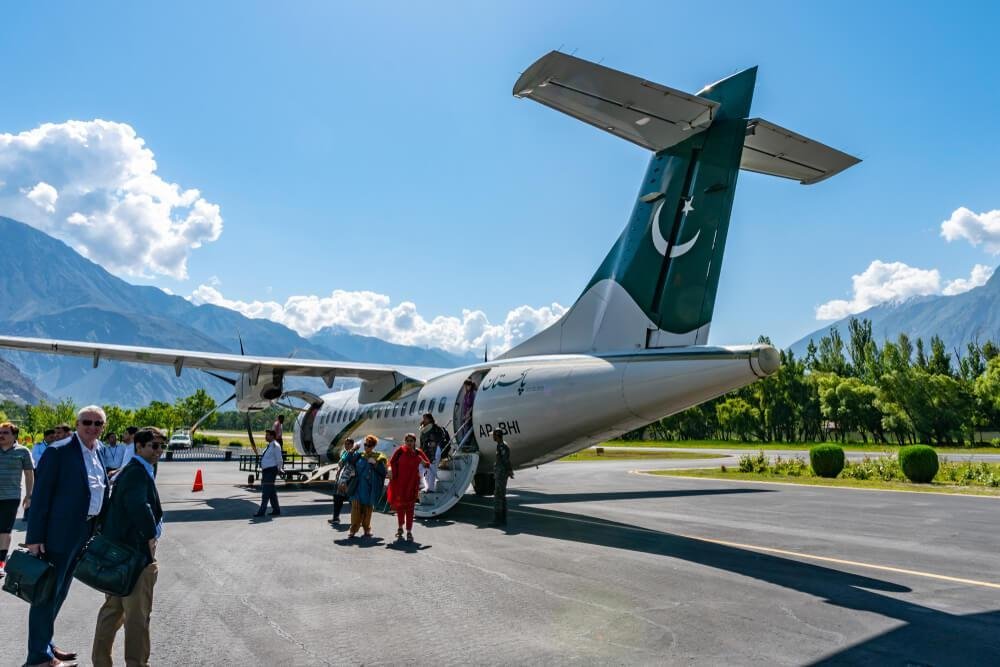
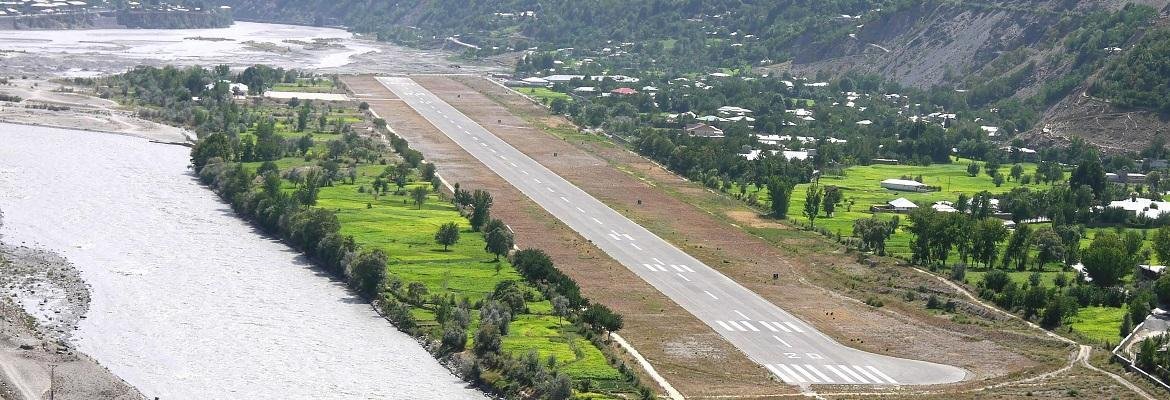
By Air (Chitral Airport)
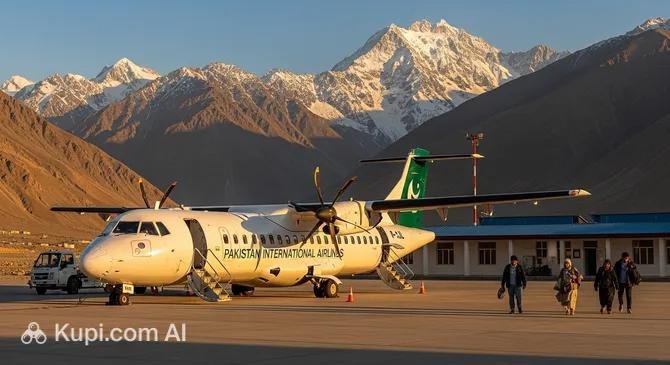
Chitral Airport provides the fastest access to the region.
Flights are subject to:
- weather conditions
- seasonal scheduling
- operational requirements
Mountain weather occasionally causes delays or cancellations.
Travelers should always maintain flexible plans when relying on flights.
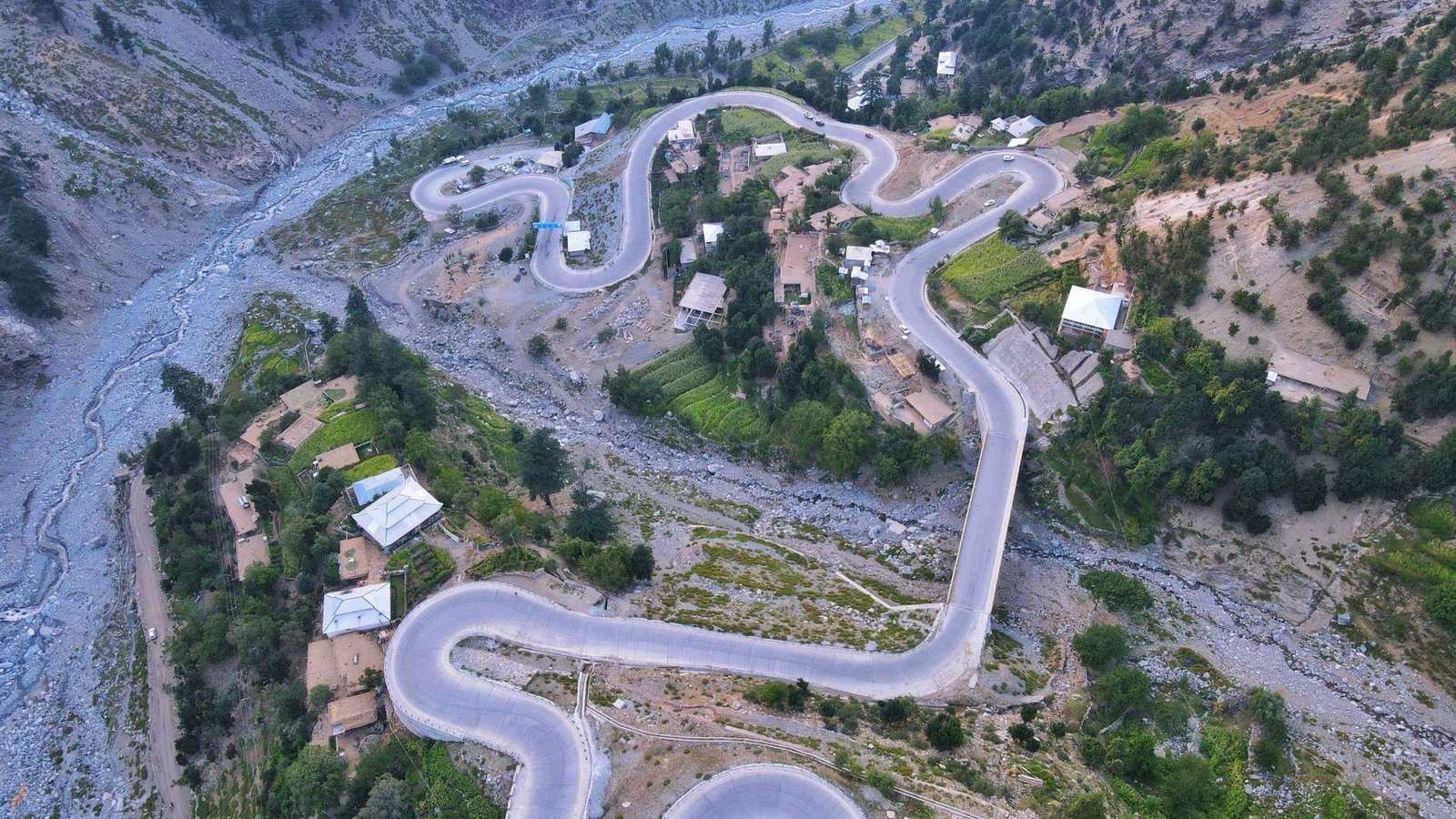
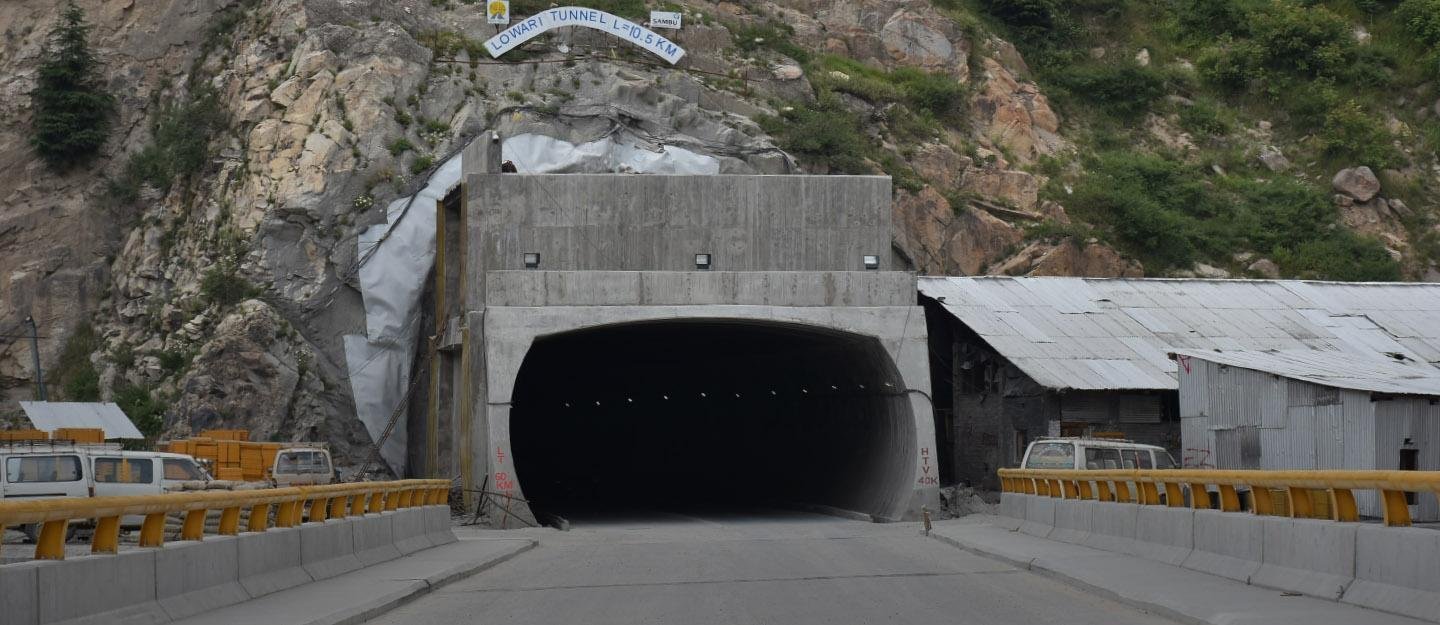
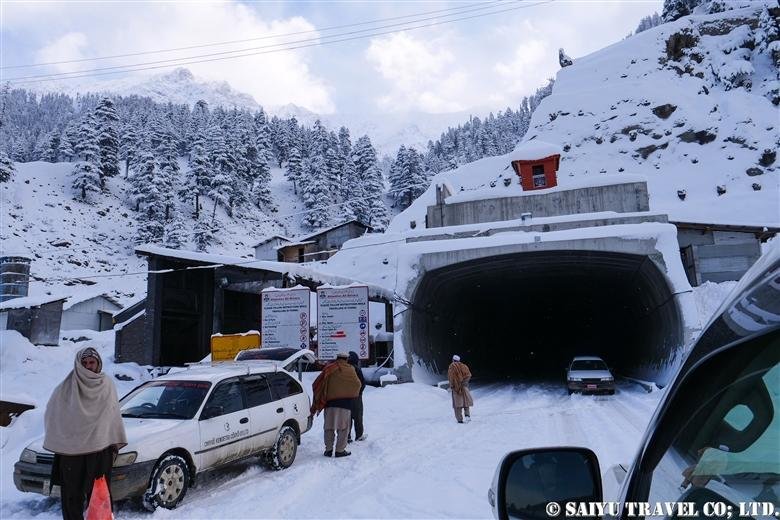
By Road via Lowari Pass
The most common road route follows the historic Lowari corridor connecting Chitral with the rest of Khyber Pakhtunkhwa.
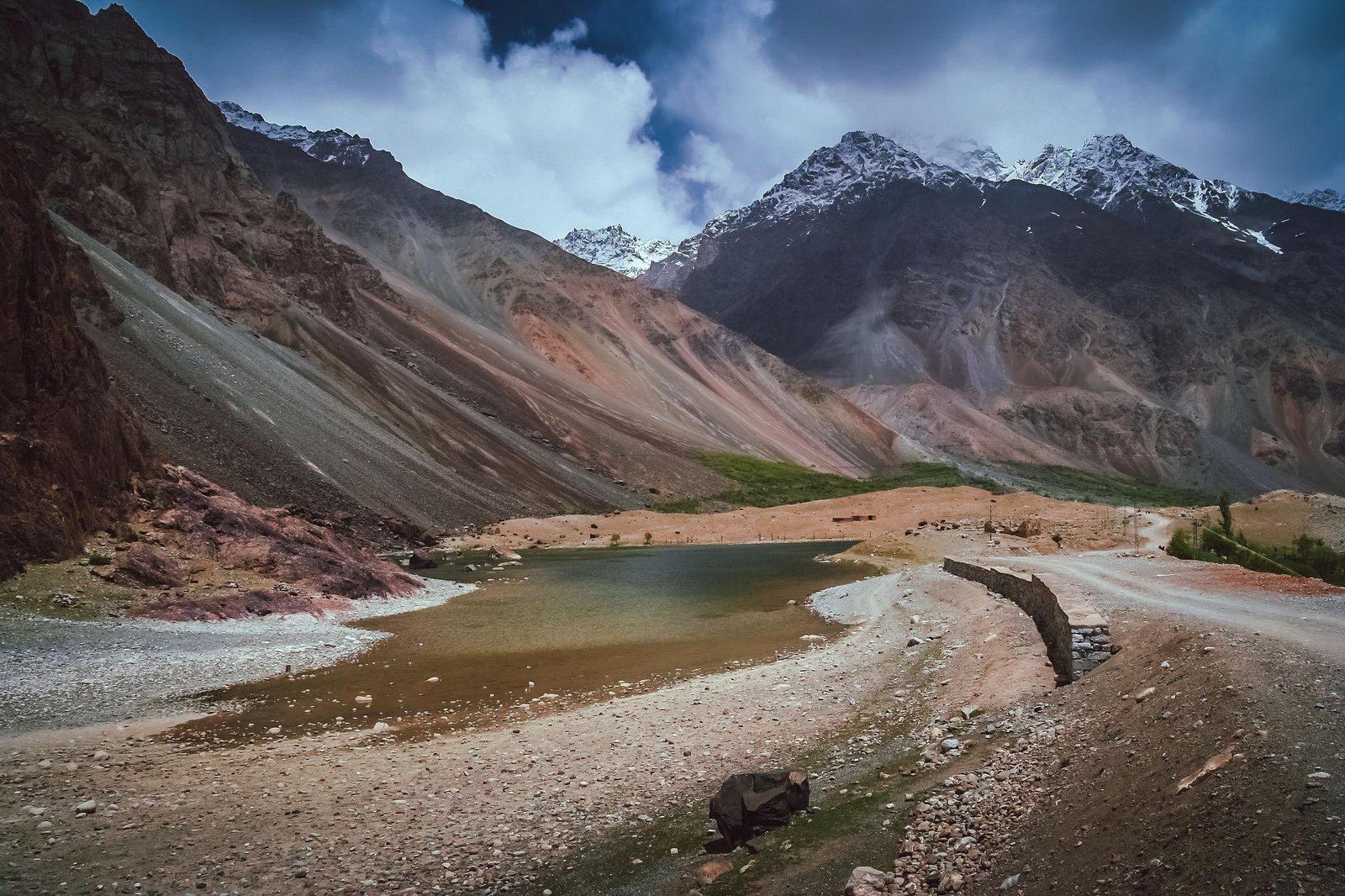
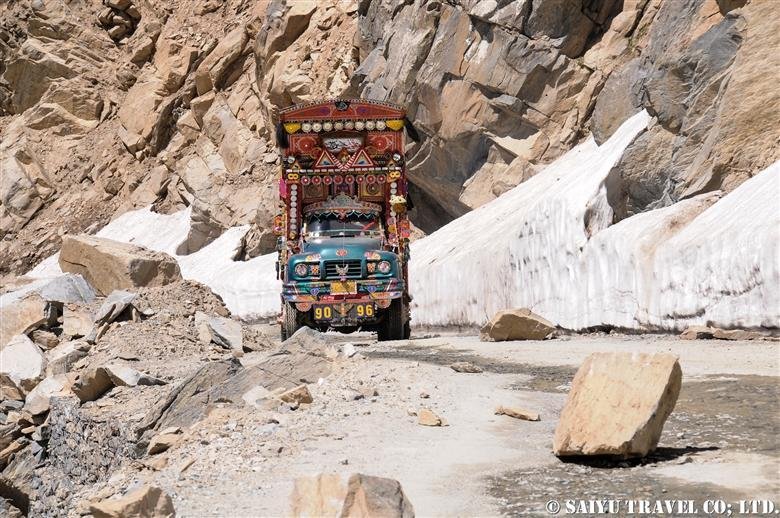
The journey offers:
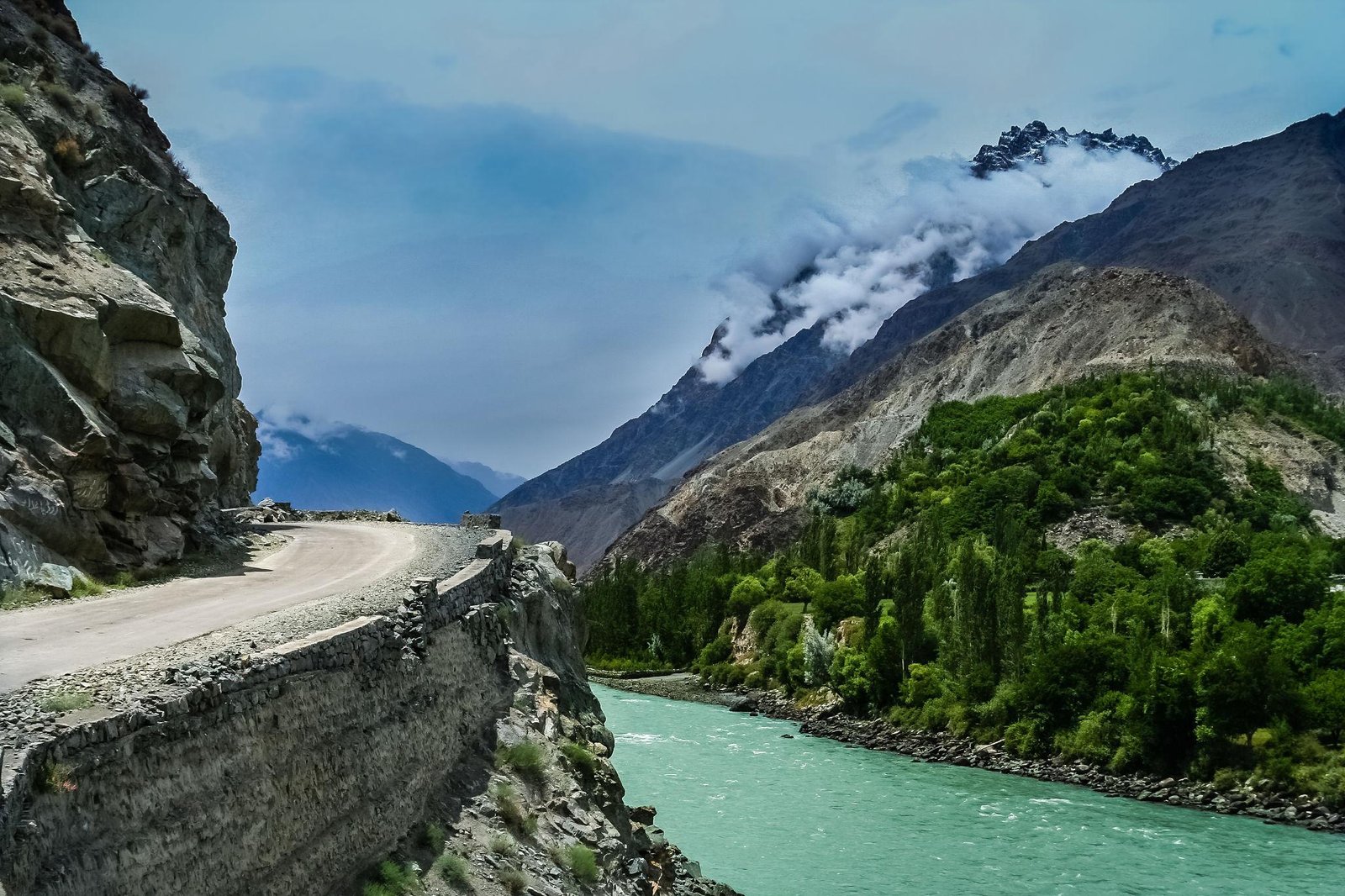
- mountain scenery
- river valleys
- traditional villages
- dramatic landscapes
Travel times vary depending on:
- weather
- traffic
- road conditions
The route remains the primary access road for most domestic travelers.
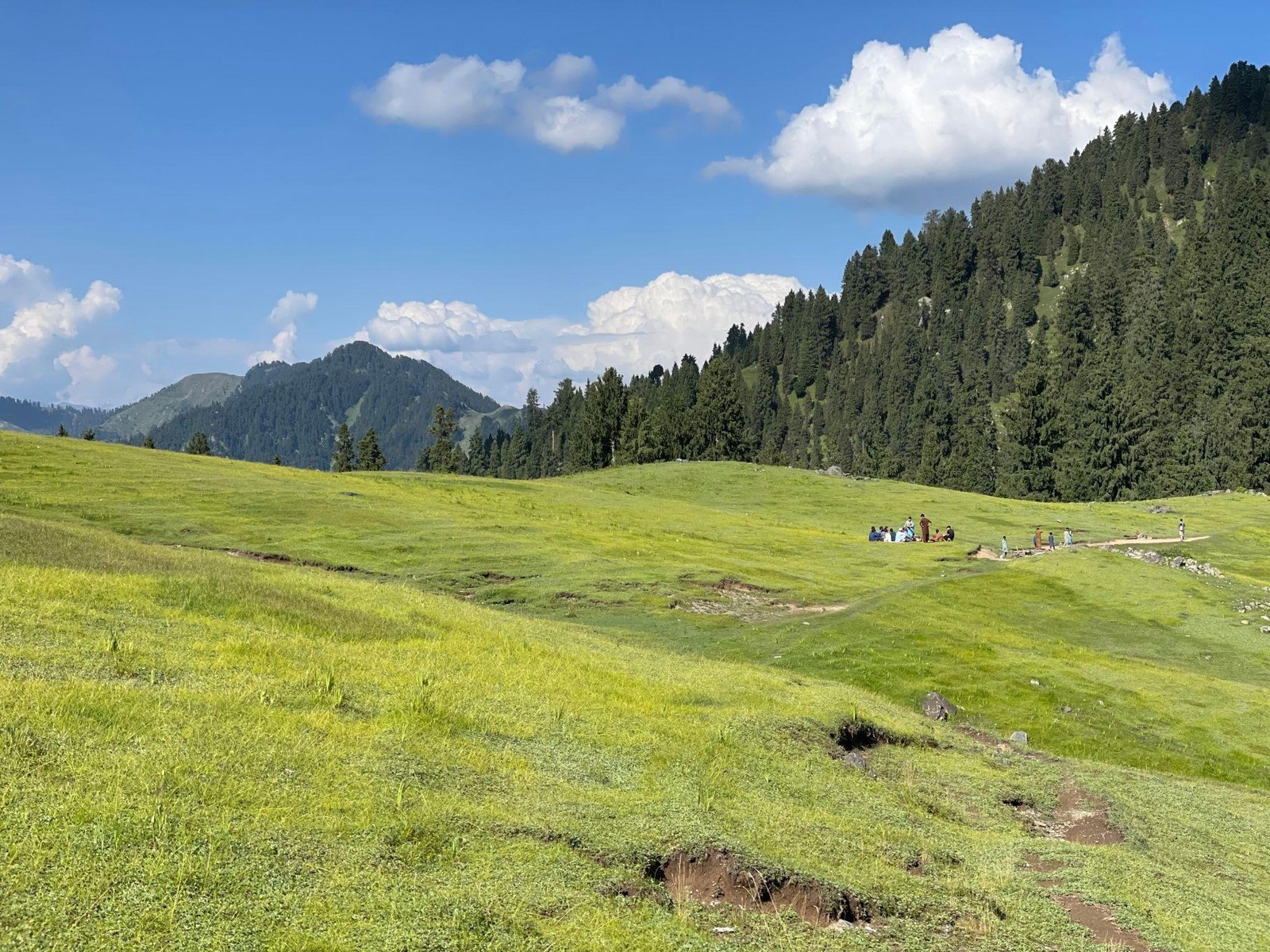
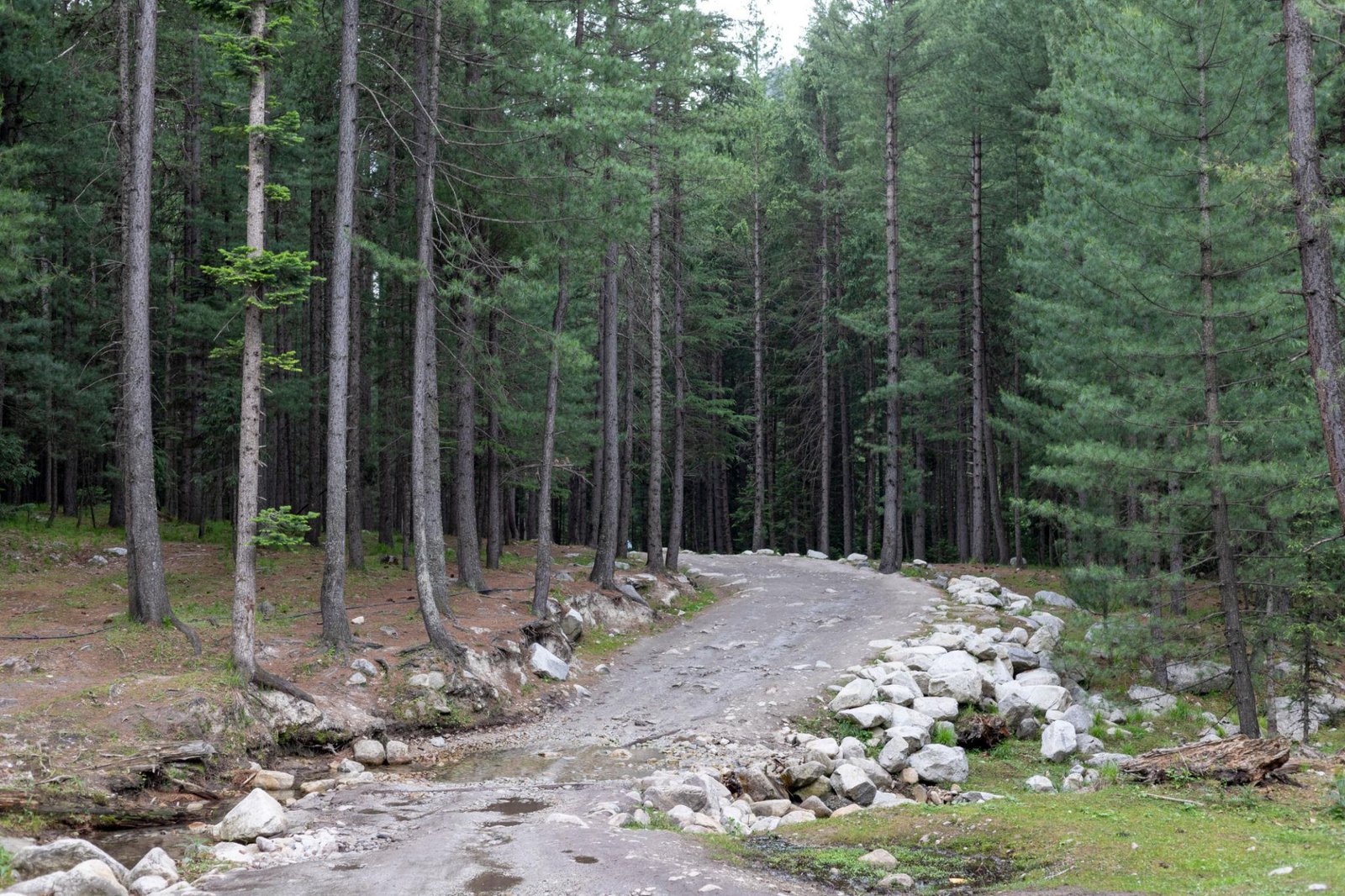
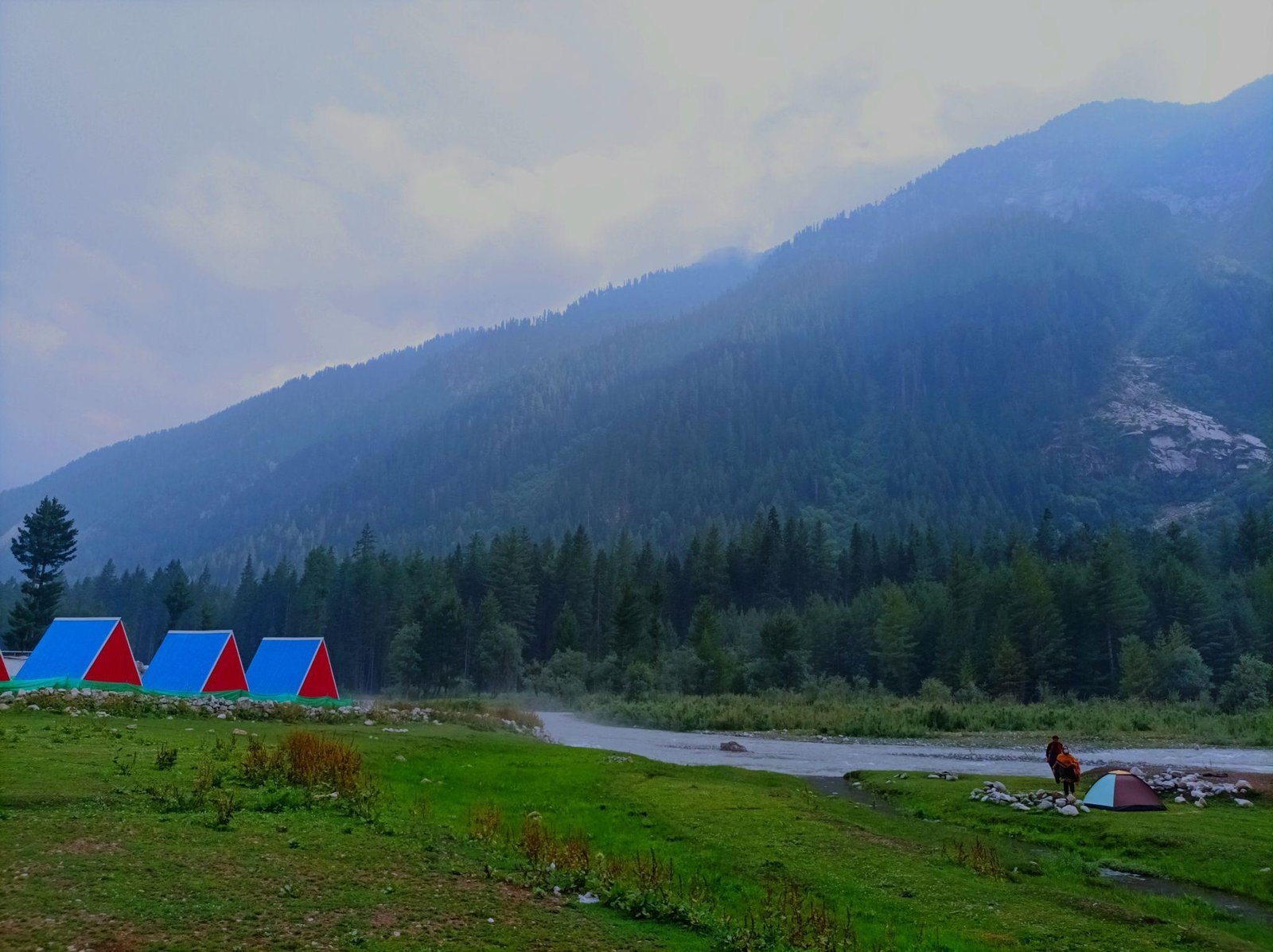
By Road via Dir (Kumrat Valley Route)
Some travelers combine Chitral with:
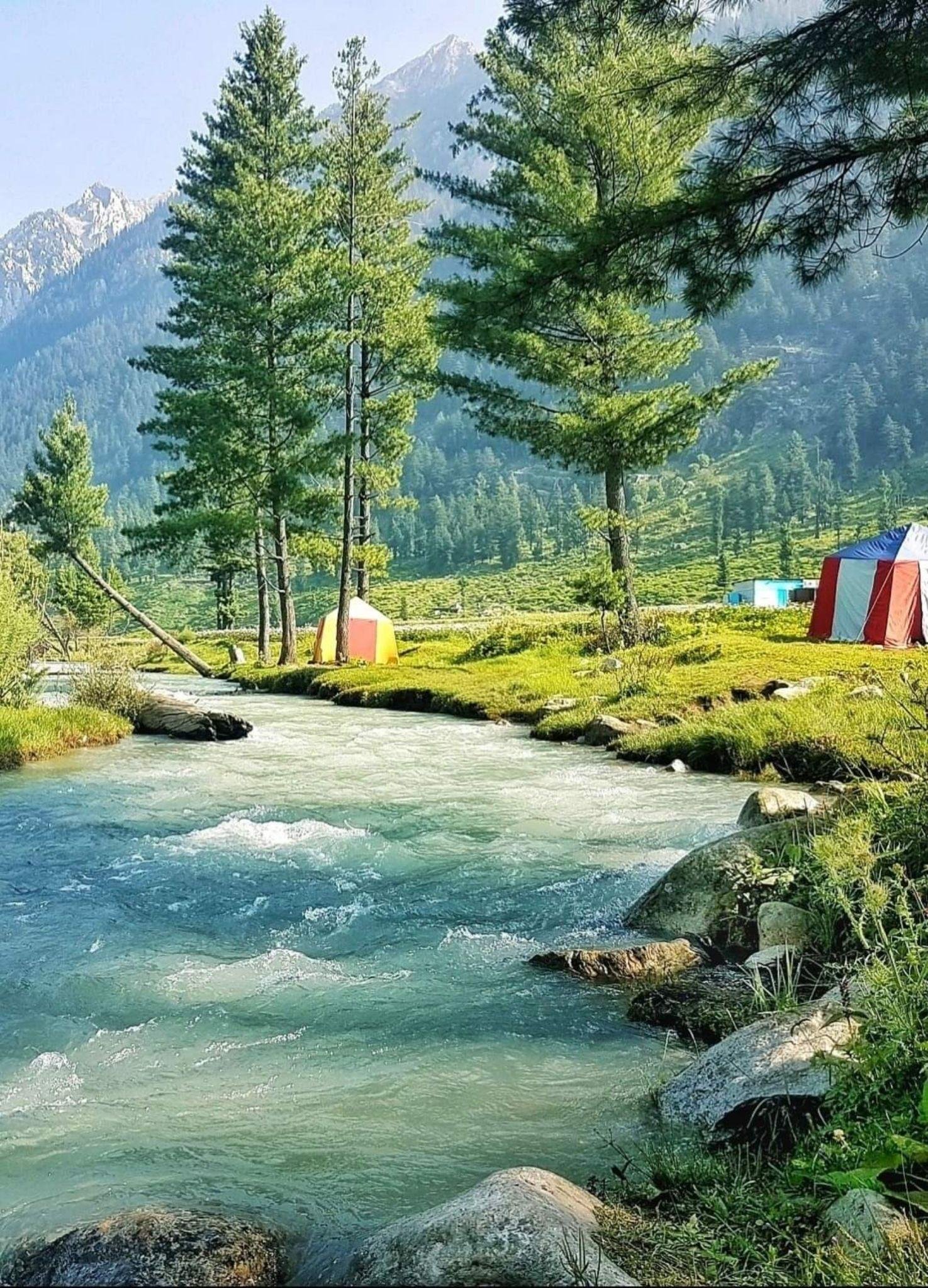
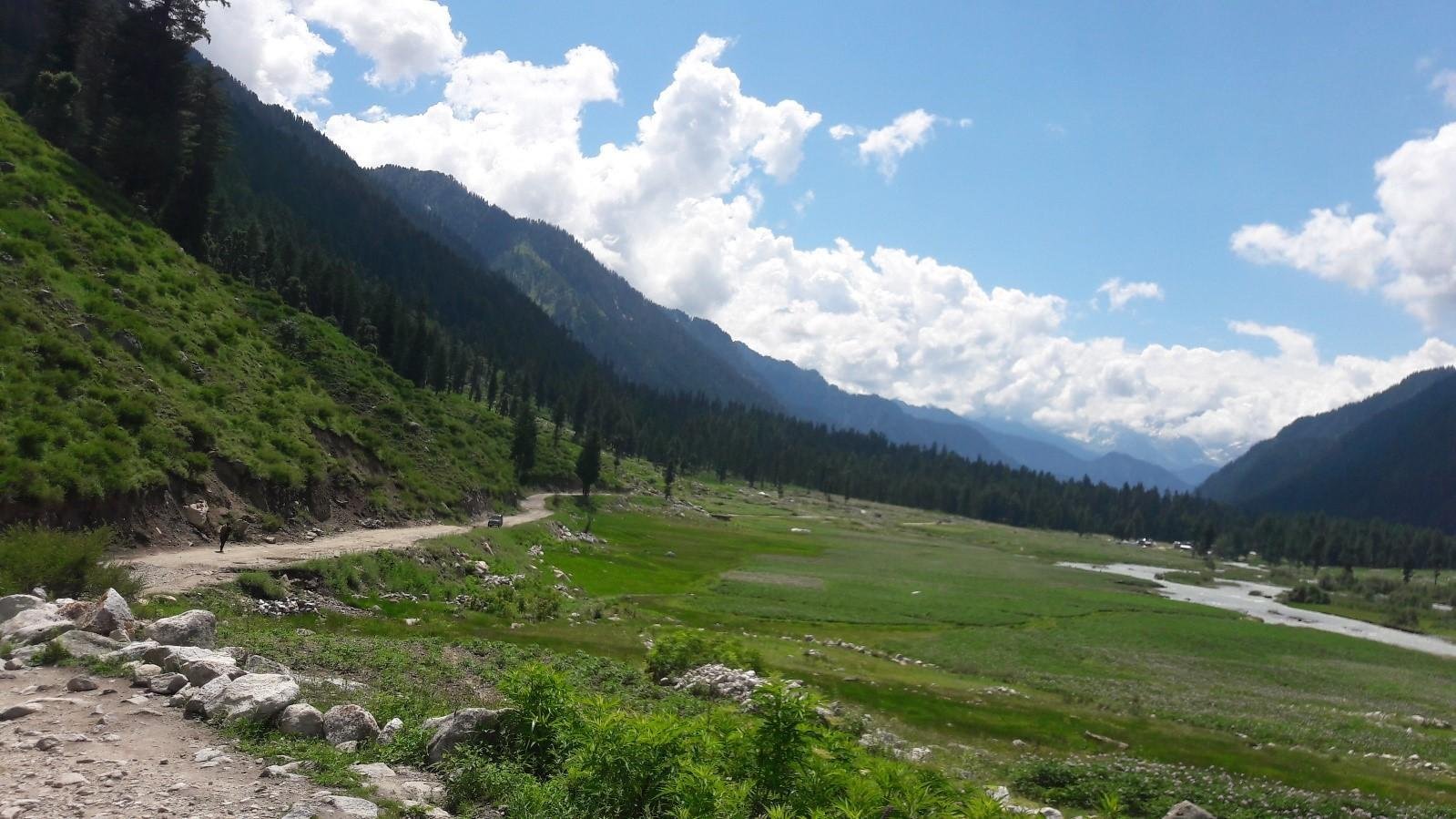
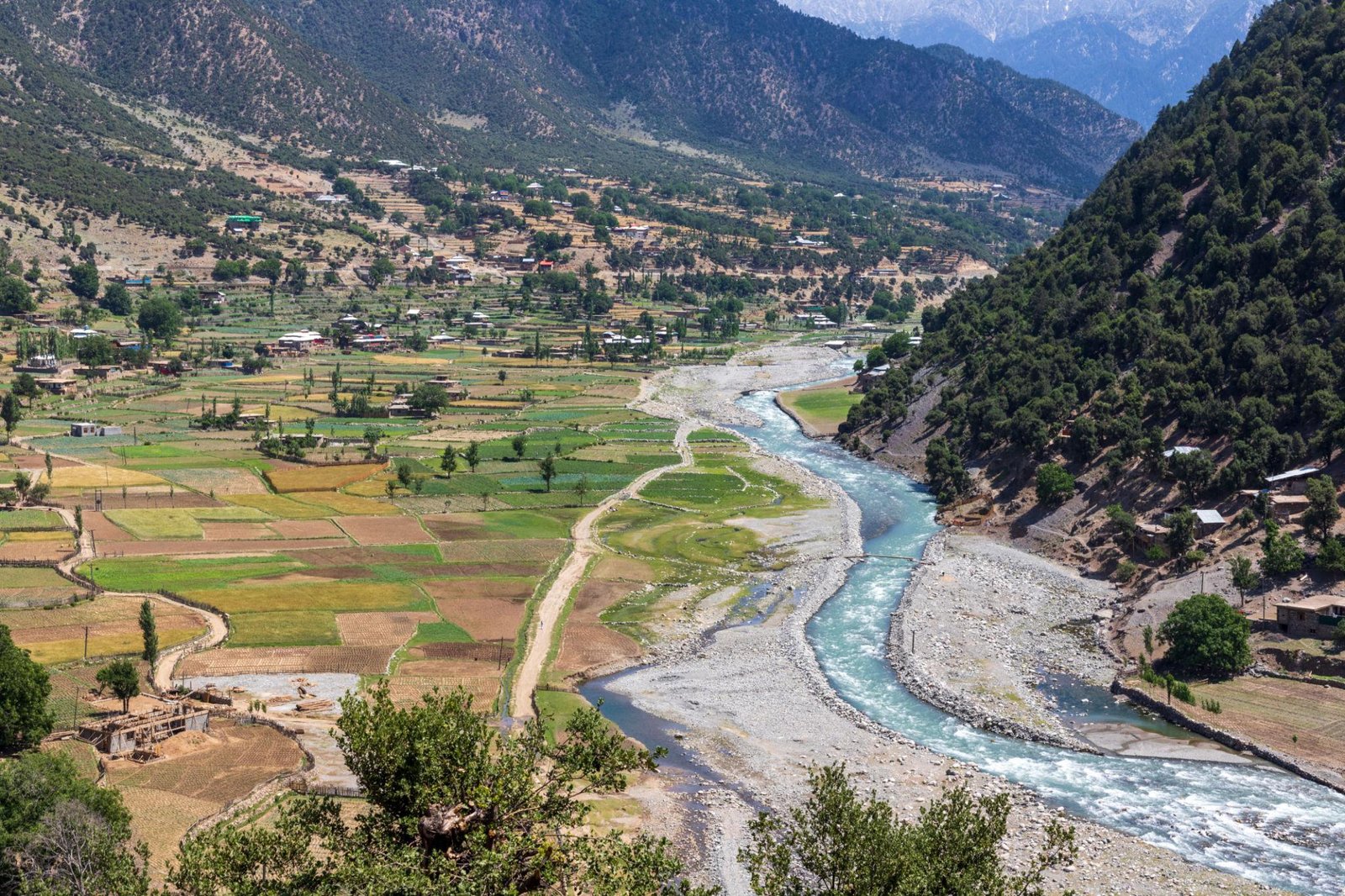
Kumrat Valley
This route offers:
- forests
- rivers
- mountain valleys
- scenic detours
Travel conditions can vary significantly depending on season and road maintenance.
The route is often preferred by adventure travelers seeking a longer northern Pakistan itinerary.
Getting Around Chitral District
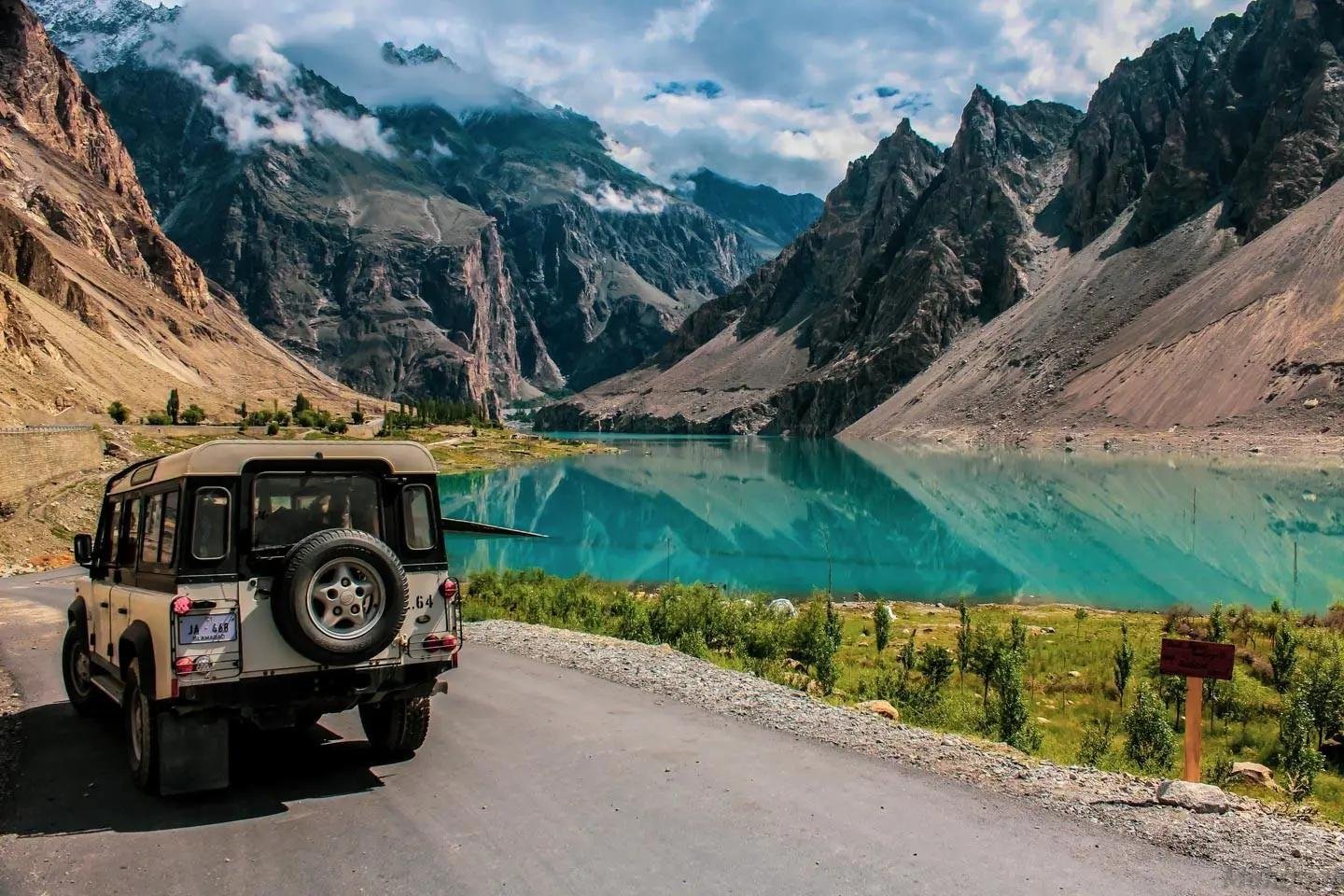
Transportation within Chitral District primarily relies on:
- private vehicles
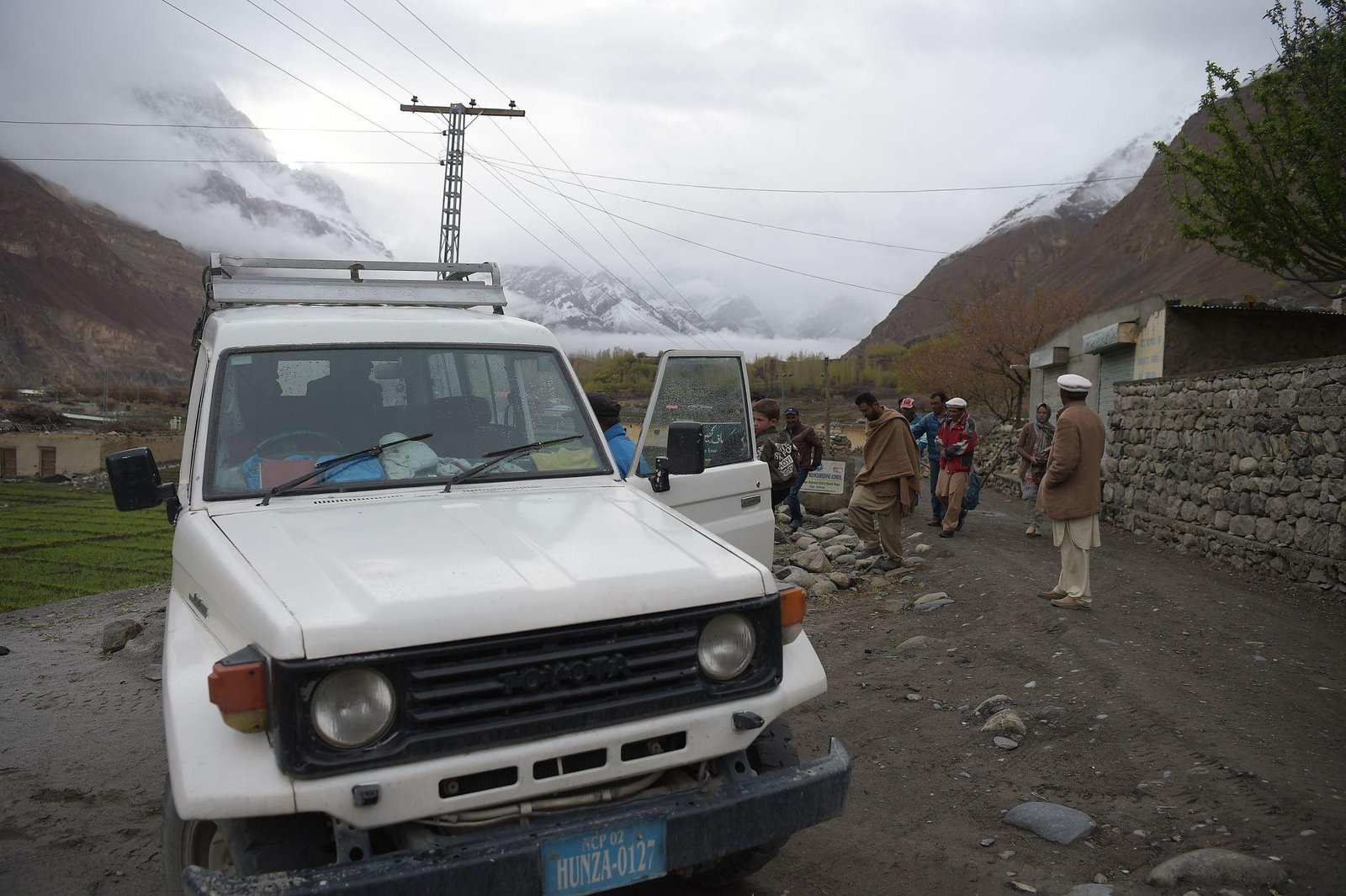
- local jeeps
- hired drivers
- public transport on major routes
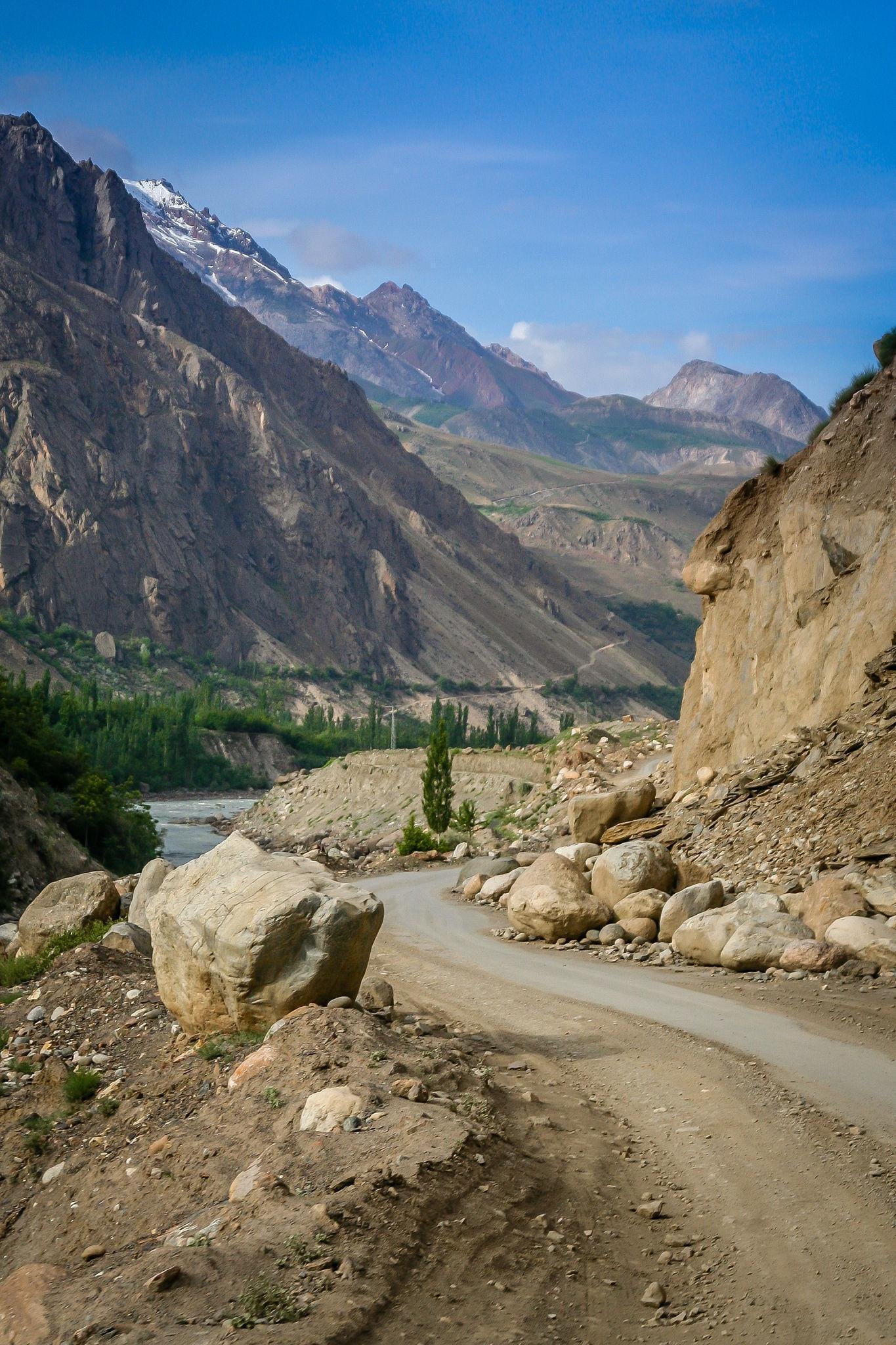
Roads leading to the Kalash valleys can be narrow and rough in places.
Many travelers choose local drivers familiar with:
- mountain conditions
- seasonal road closures
- valley routes
Distances may appear short on maps but often require substantial travel time because of mountain terrain.
Chitral City Guide
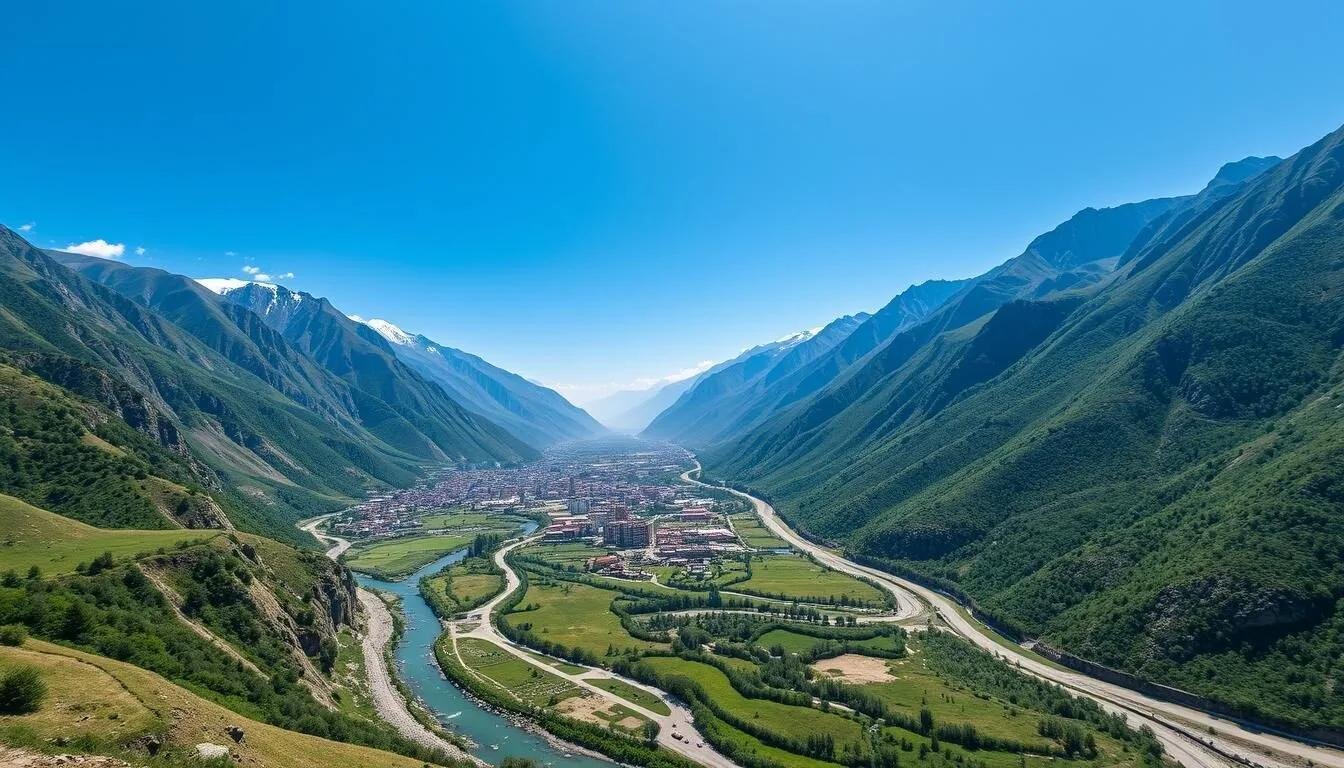
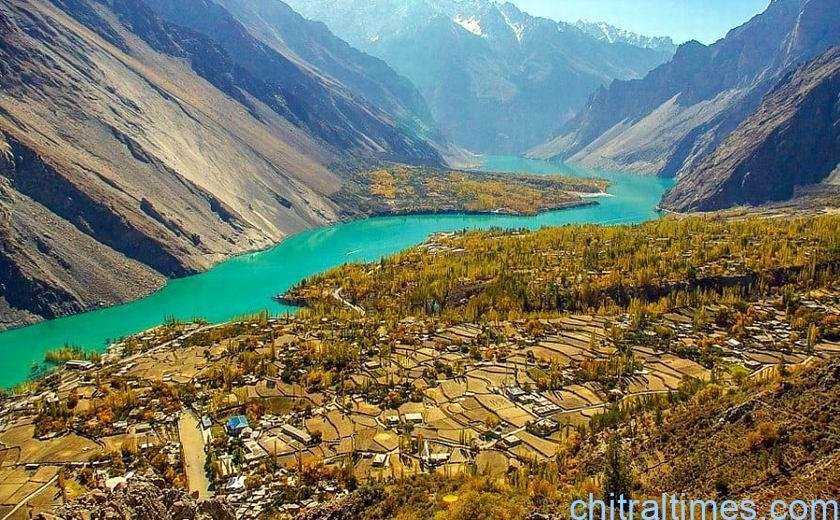
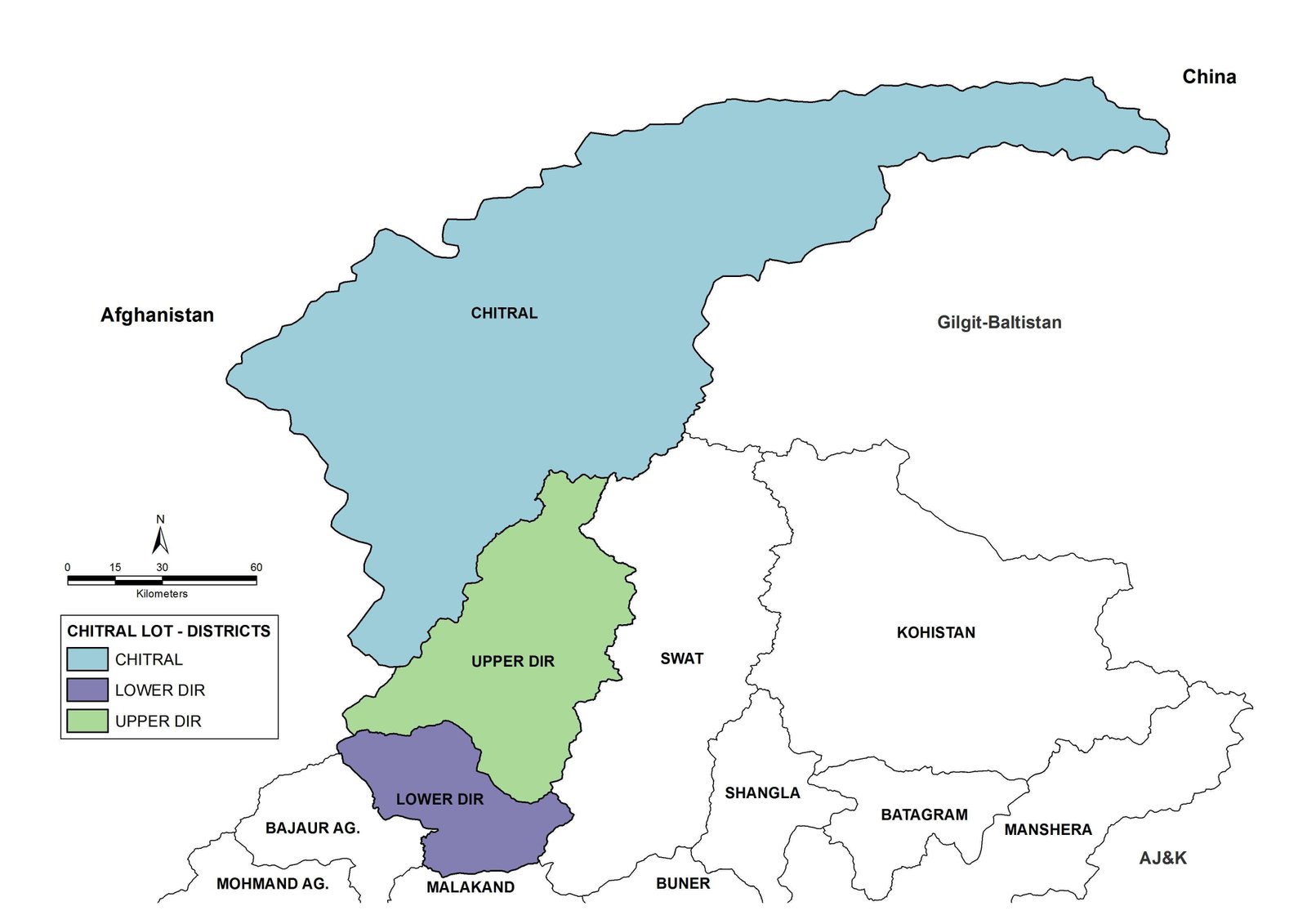
Chitral serves as the administrative, cultural, and commercial center of the region.
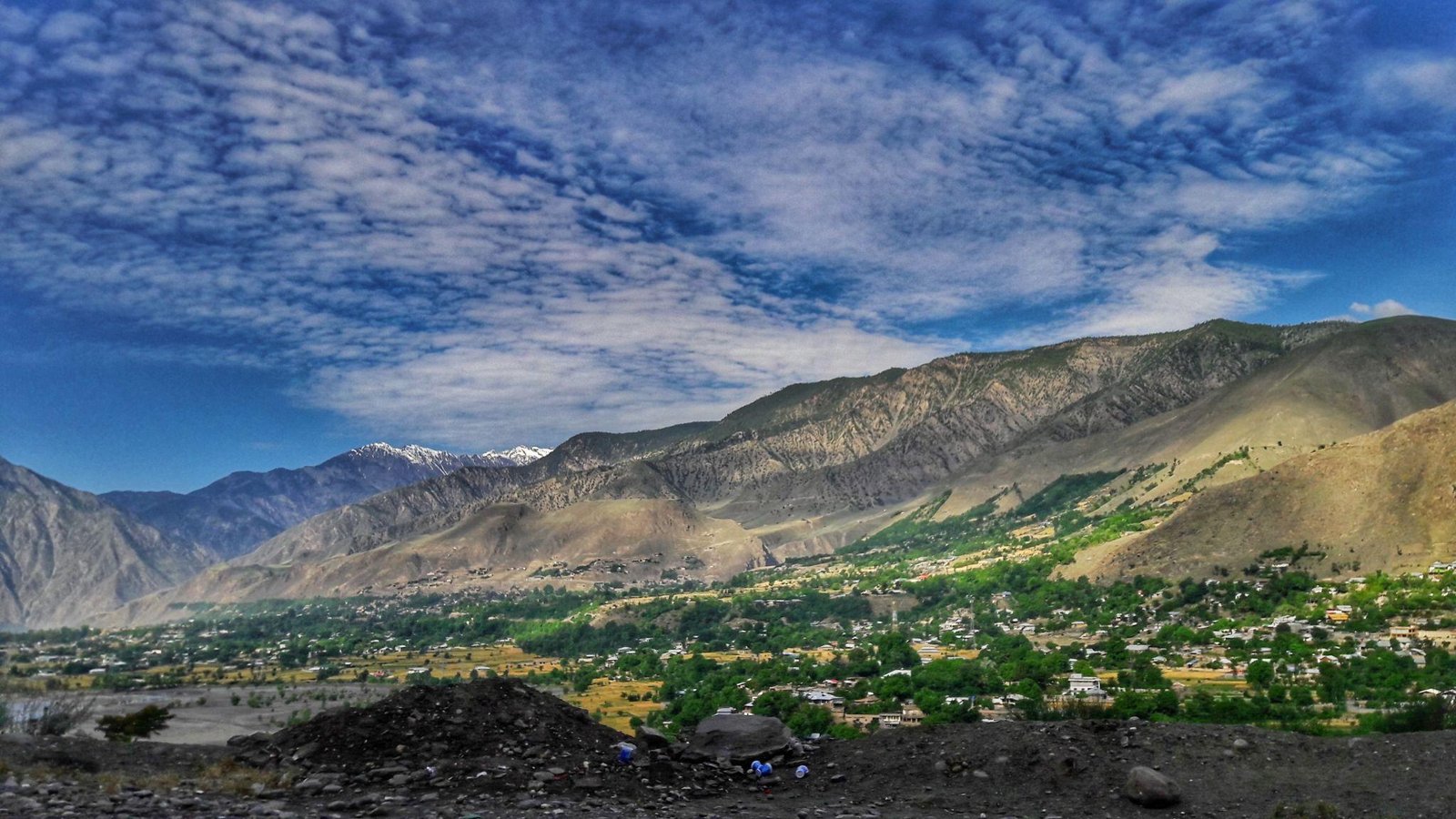
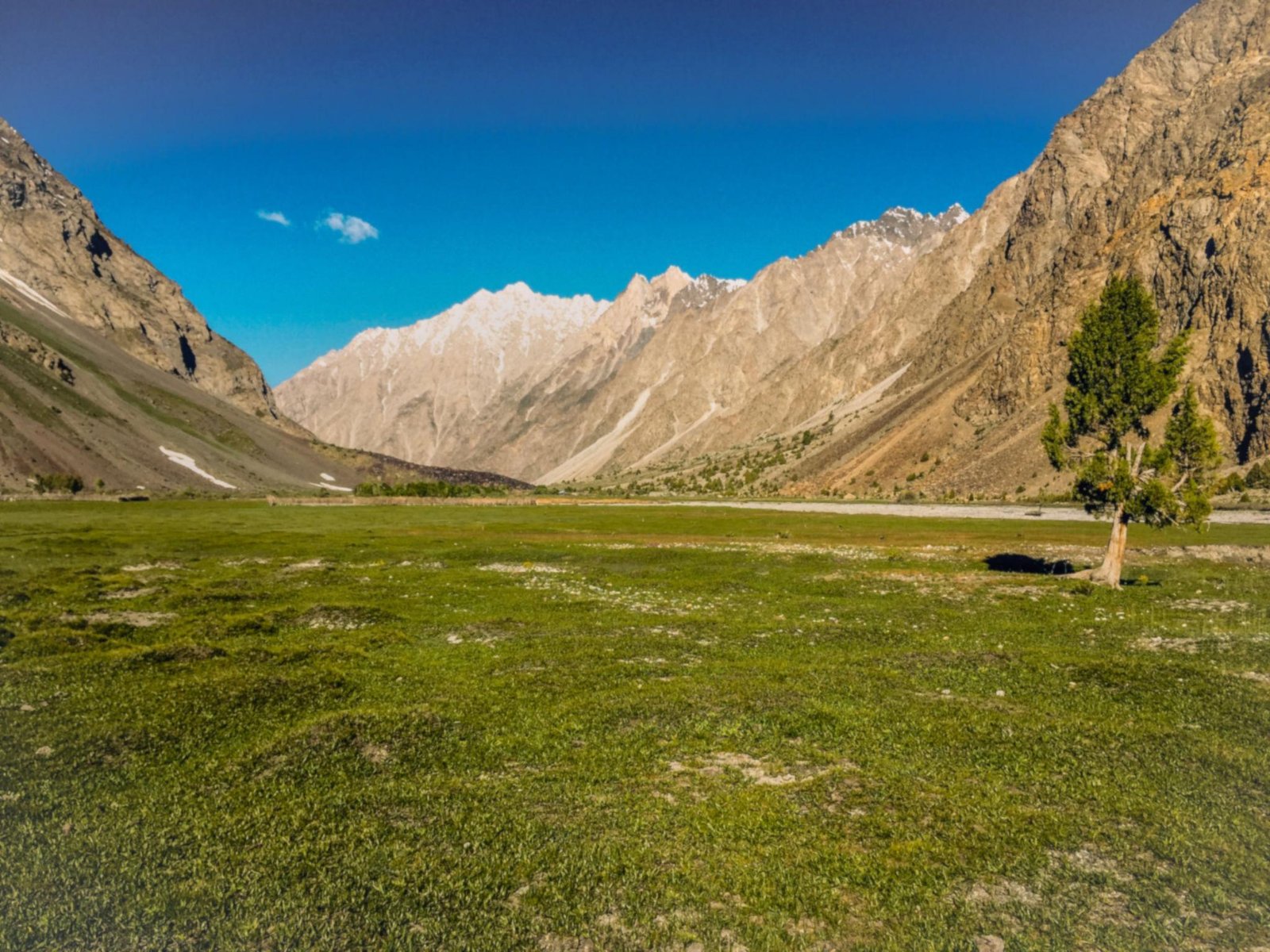
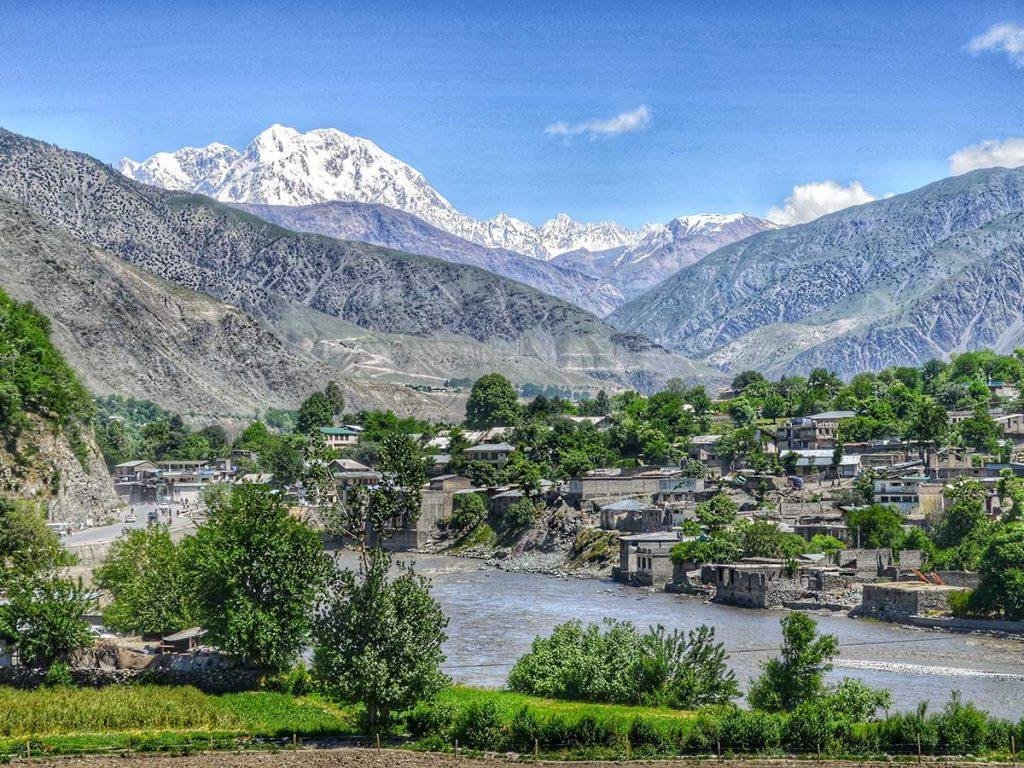
The city sits beside the Chitral River and is surrounded by impressive Hindu Kush peaks.
Travelers often use Chitral as a base before exploring:
- Kalash valleys
- Shandur Pass
- Tirich Mir viewpoints
- Golen Gol National Park
The town offers:
- hotels
- restaurants
- markets
- transport services
- cultural attractions
Chitral Fort
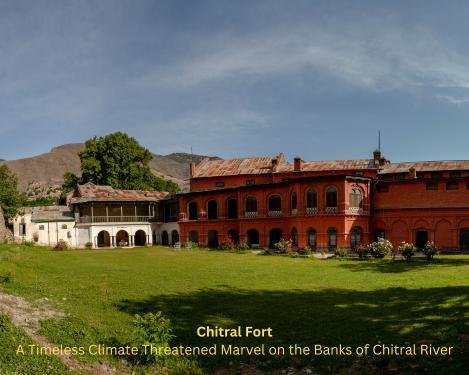
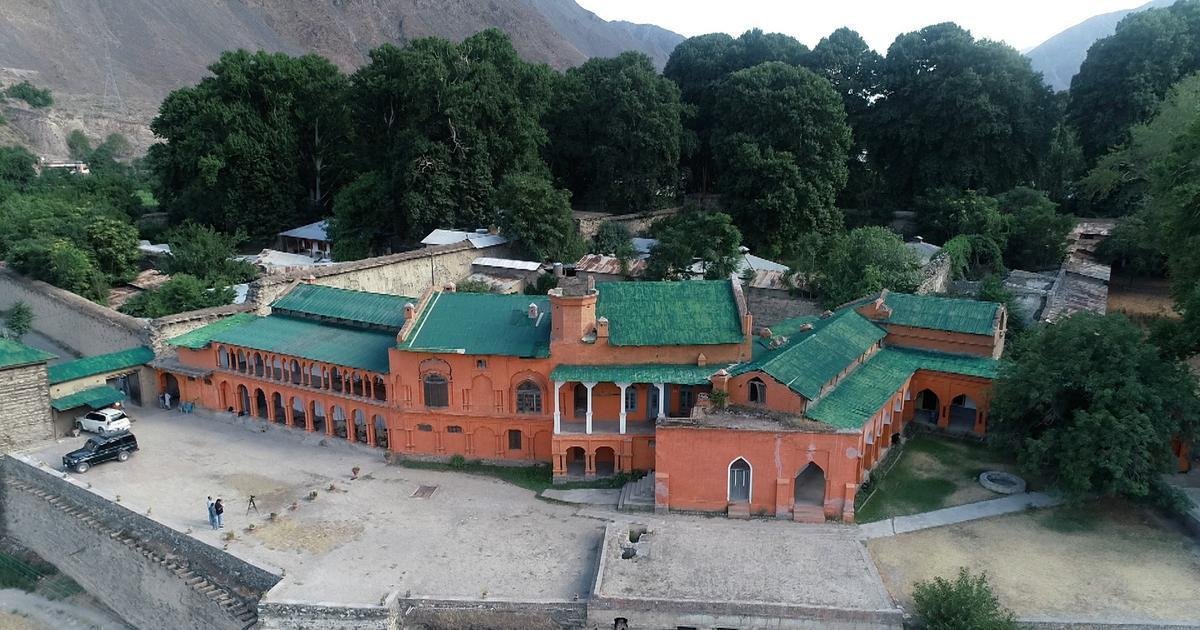
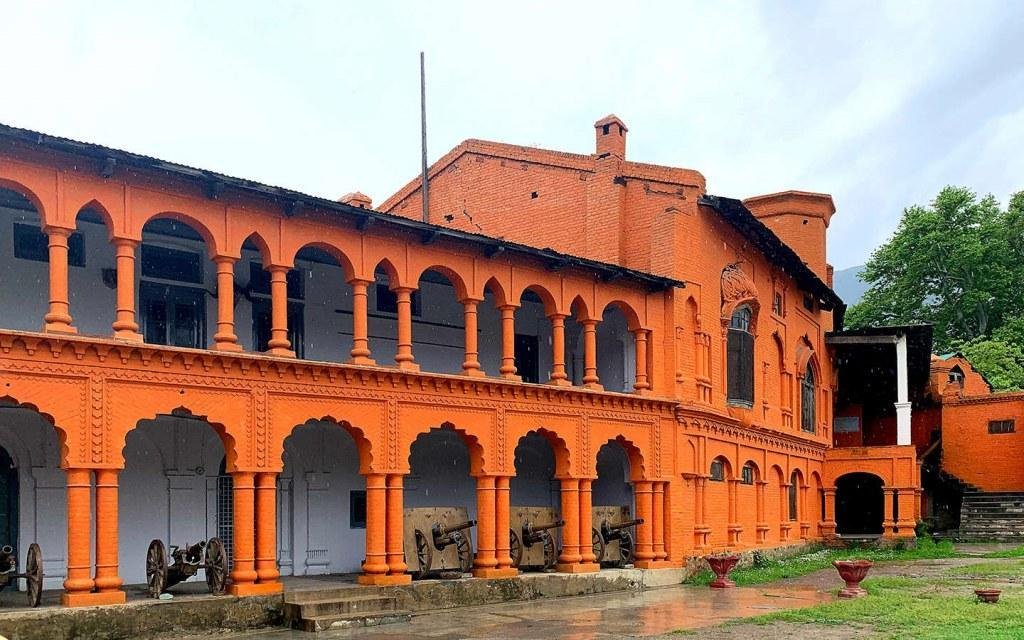
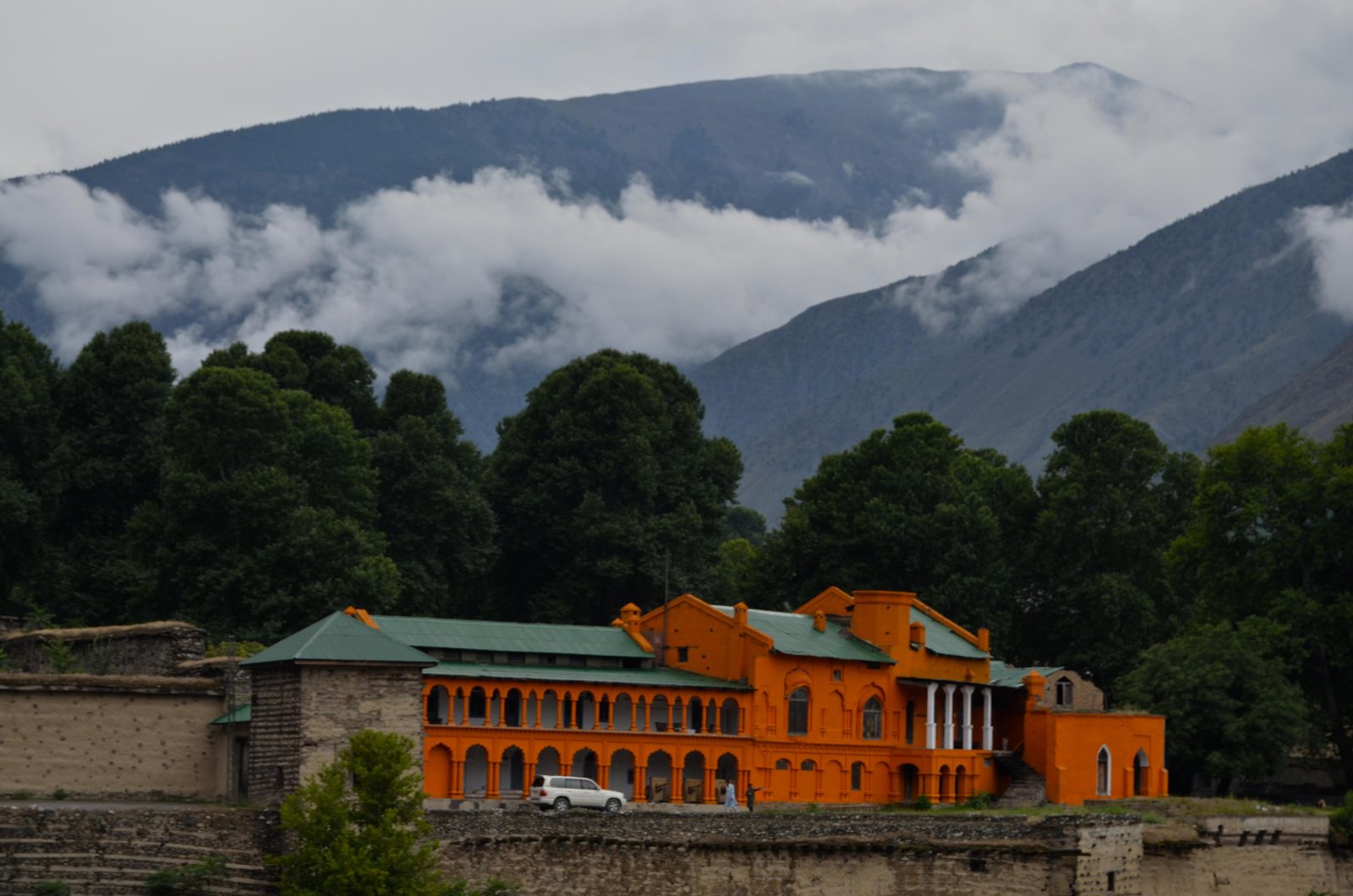
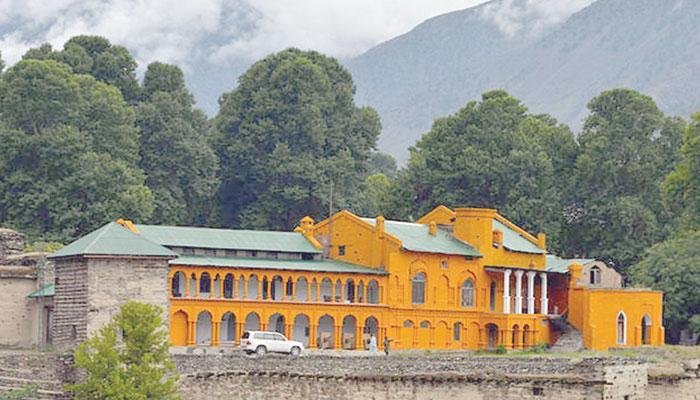
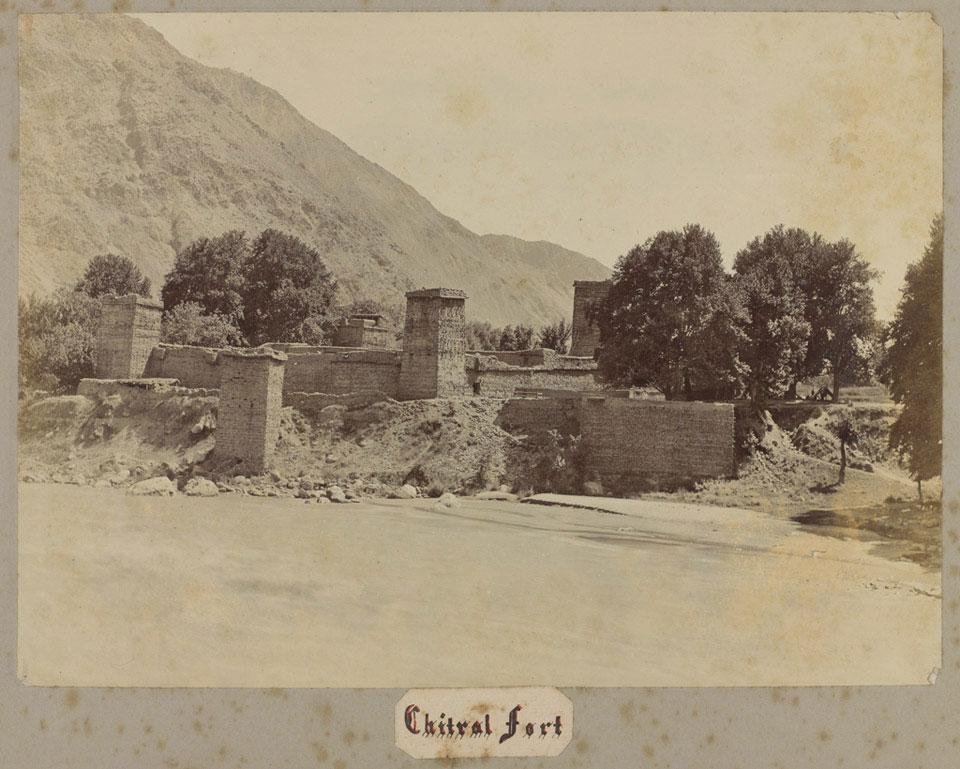
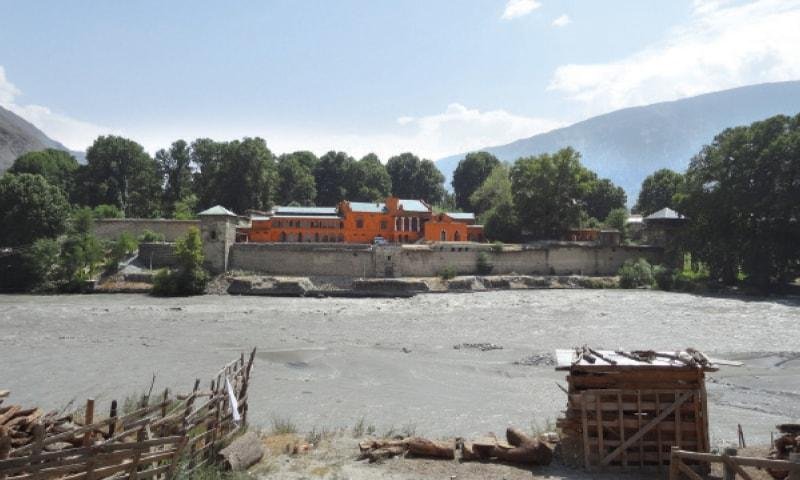
Chitral Fort is one of the city's most significant historical landmarks.
Built strategically above the Chitral River, the fort has served as an important political and military center for centuries.
Visitors come for:
- historic architecture
- cultural significance
- panoramic views
- photography
The fort remains closely associated with the former rulers of Chitral and continues to be a symbol of the region's heritage.
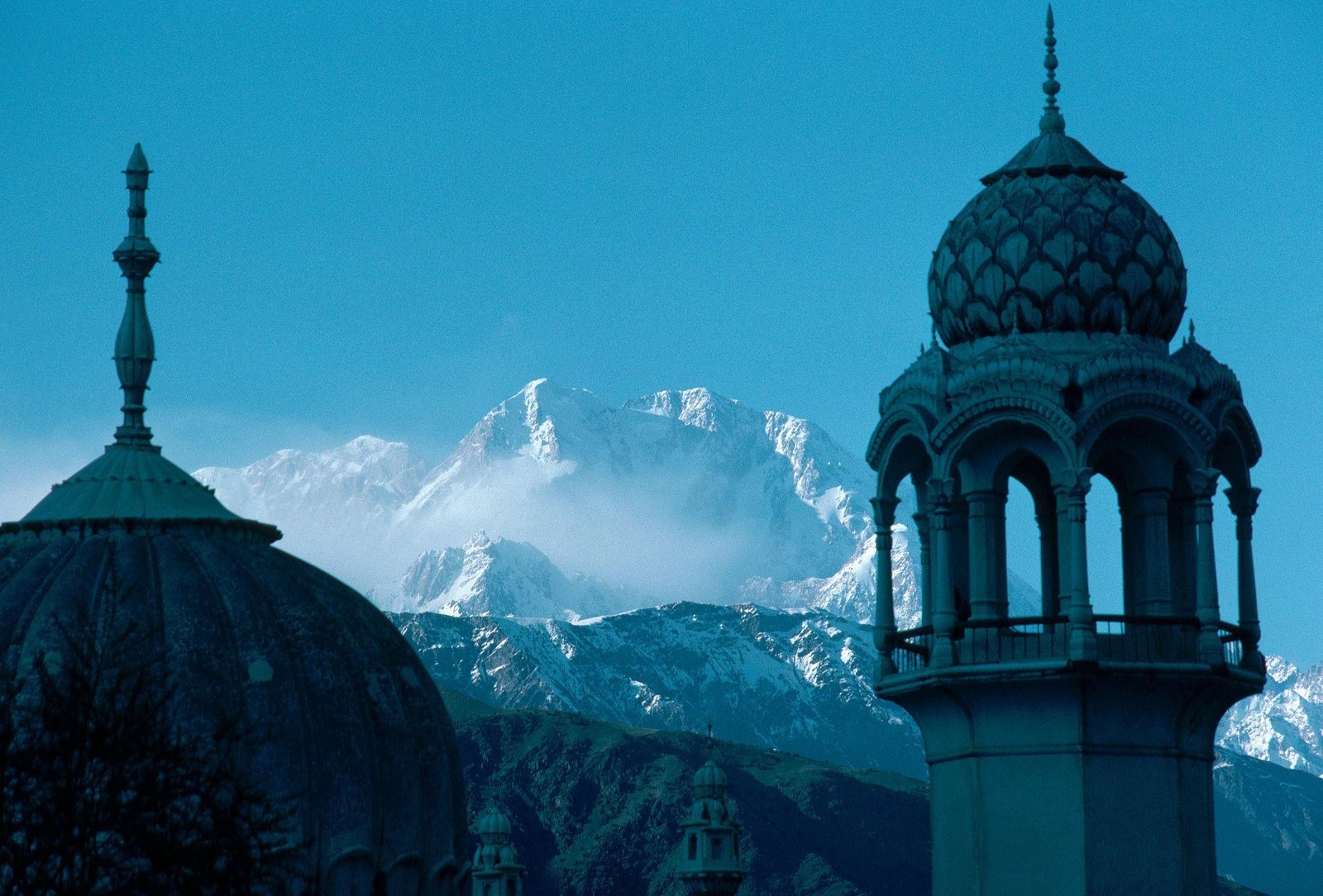
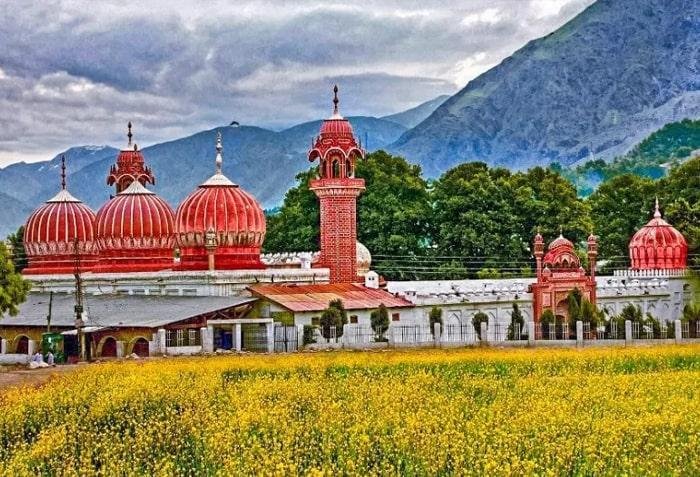
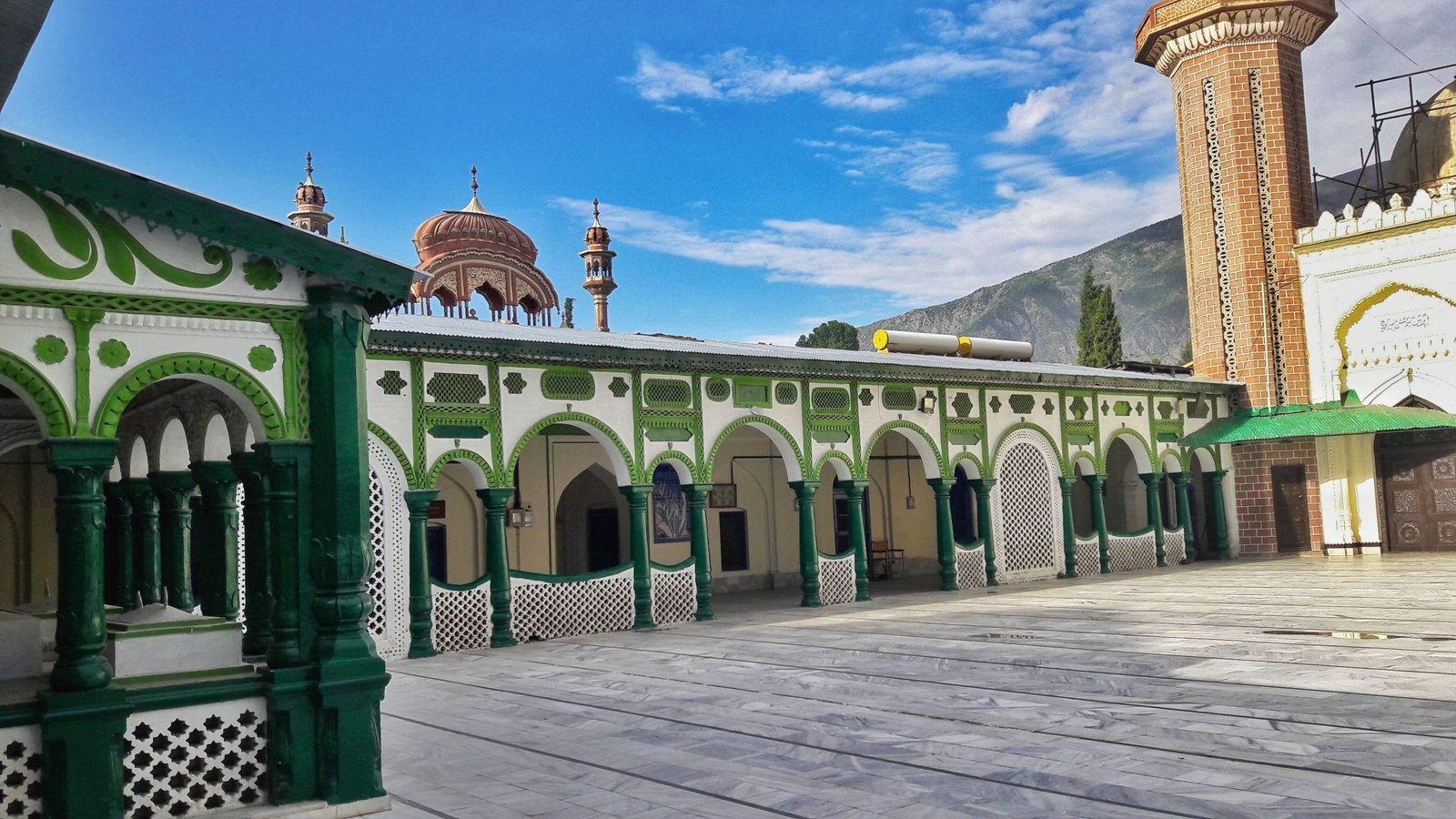
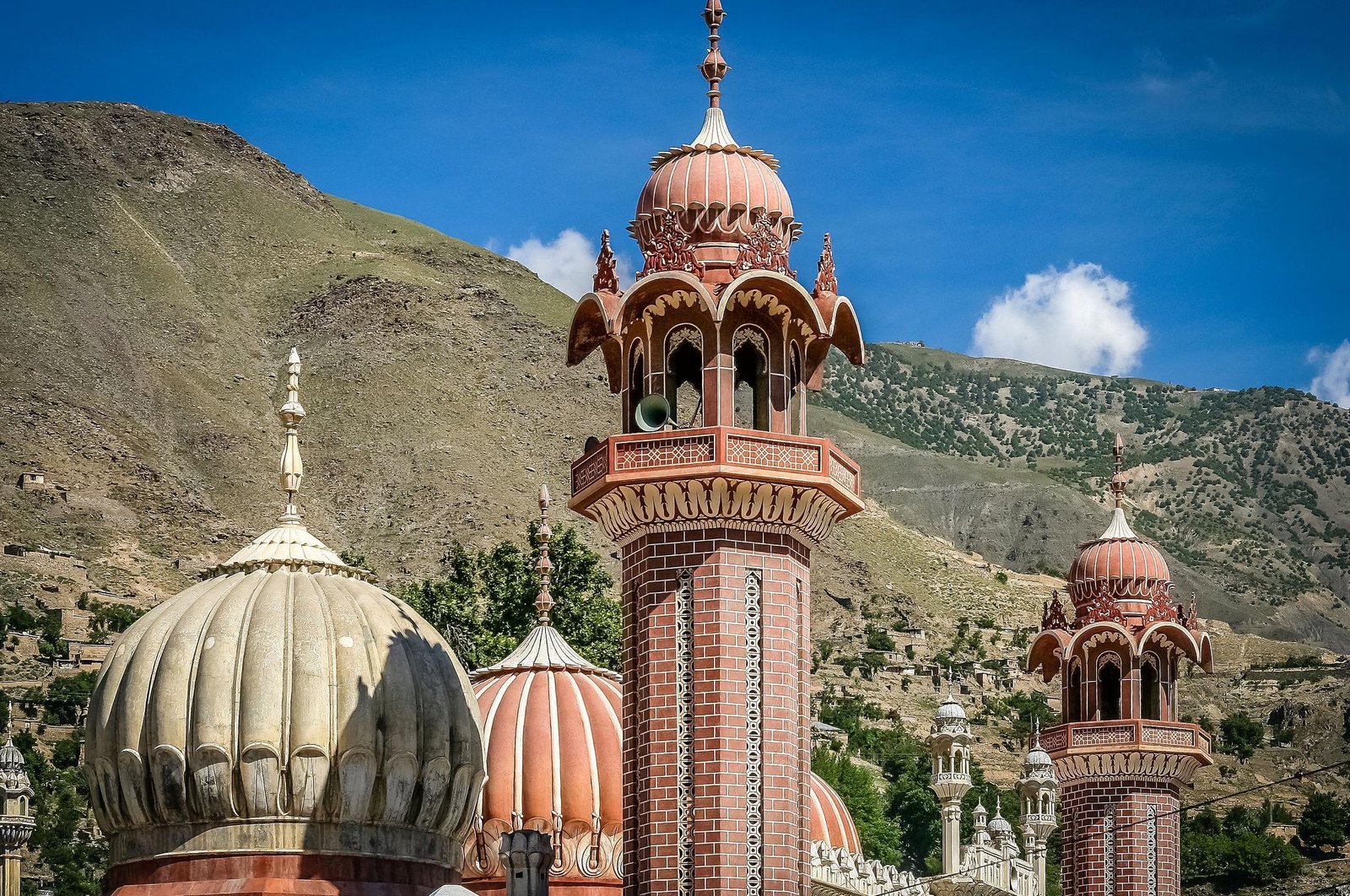
Shahi Mosque
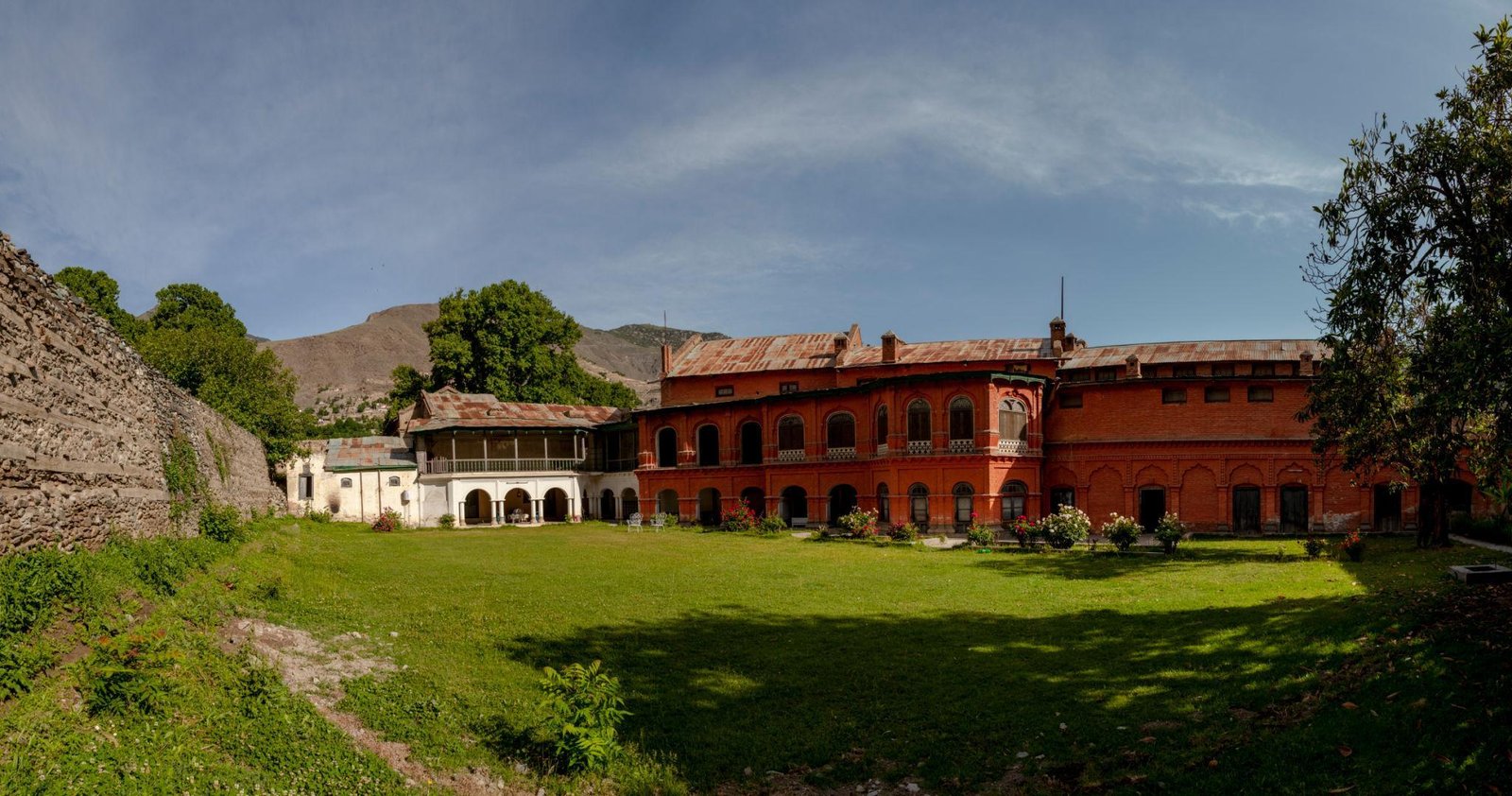
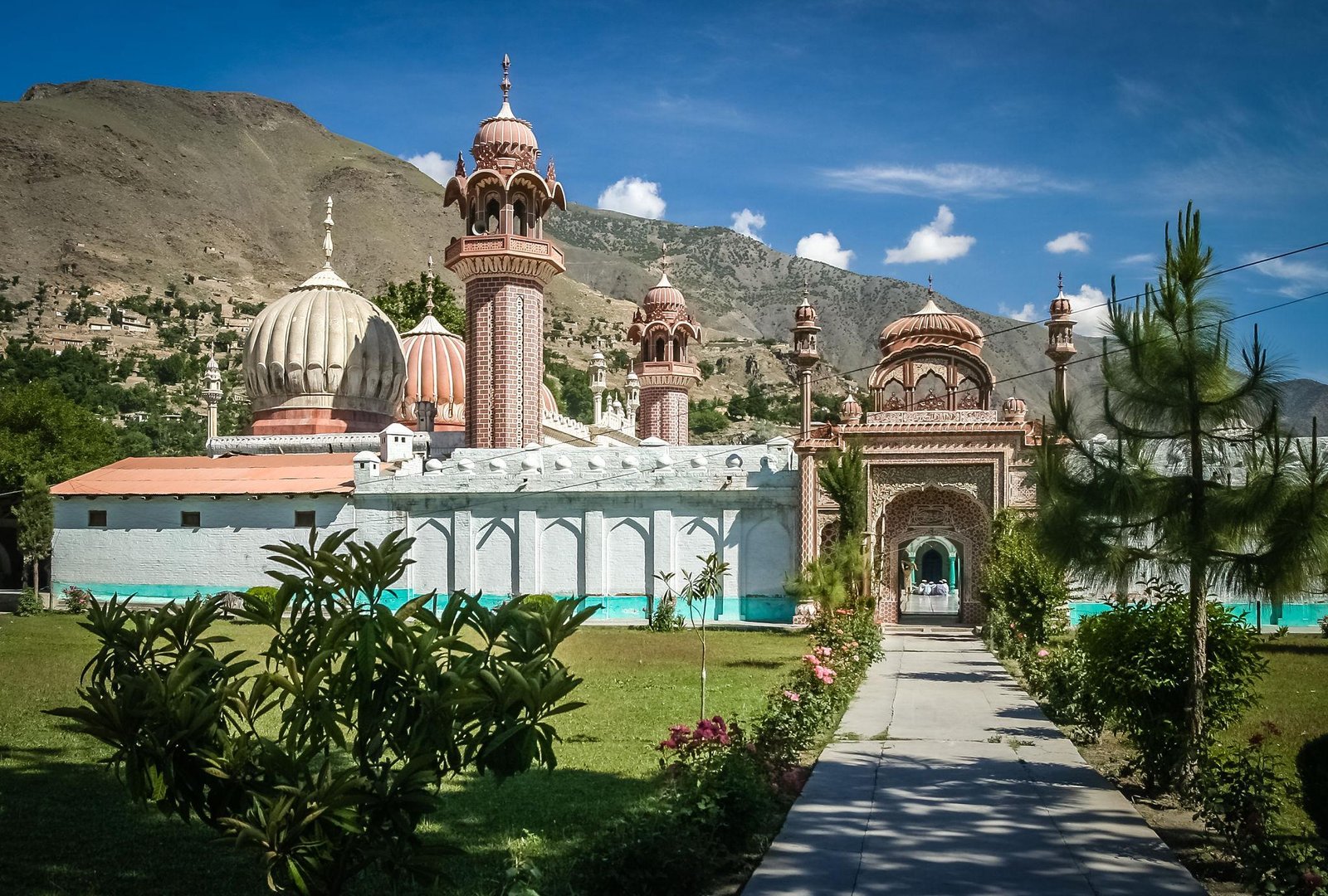
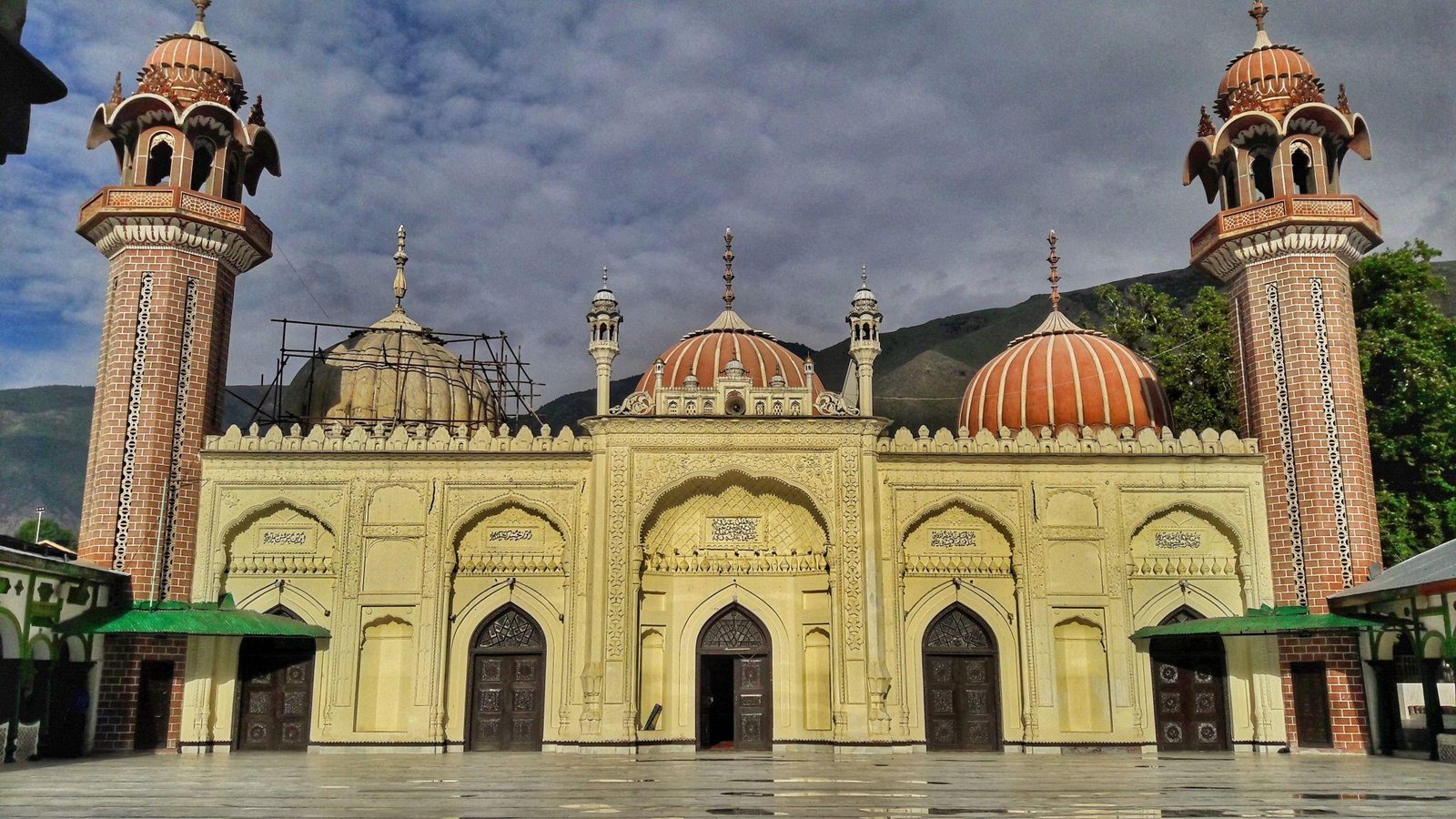
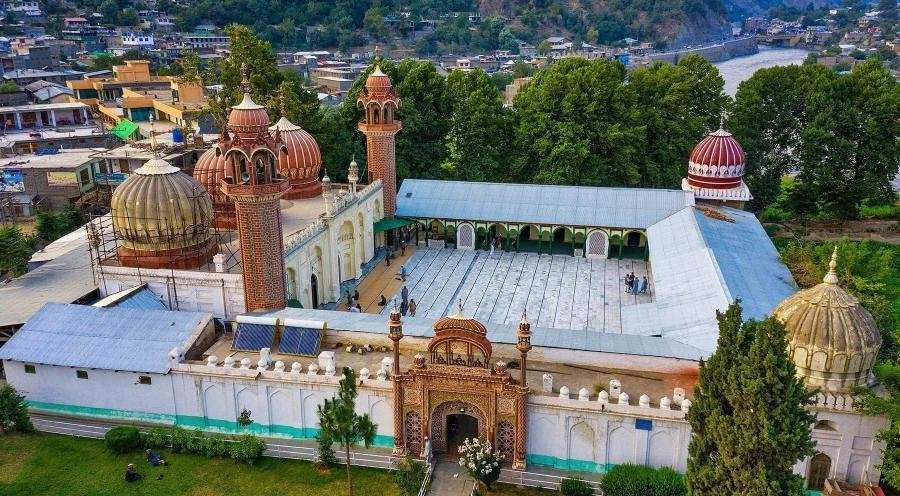
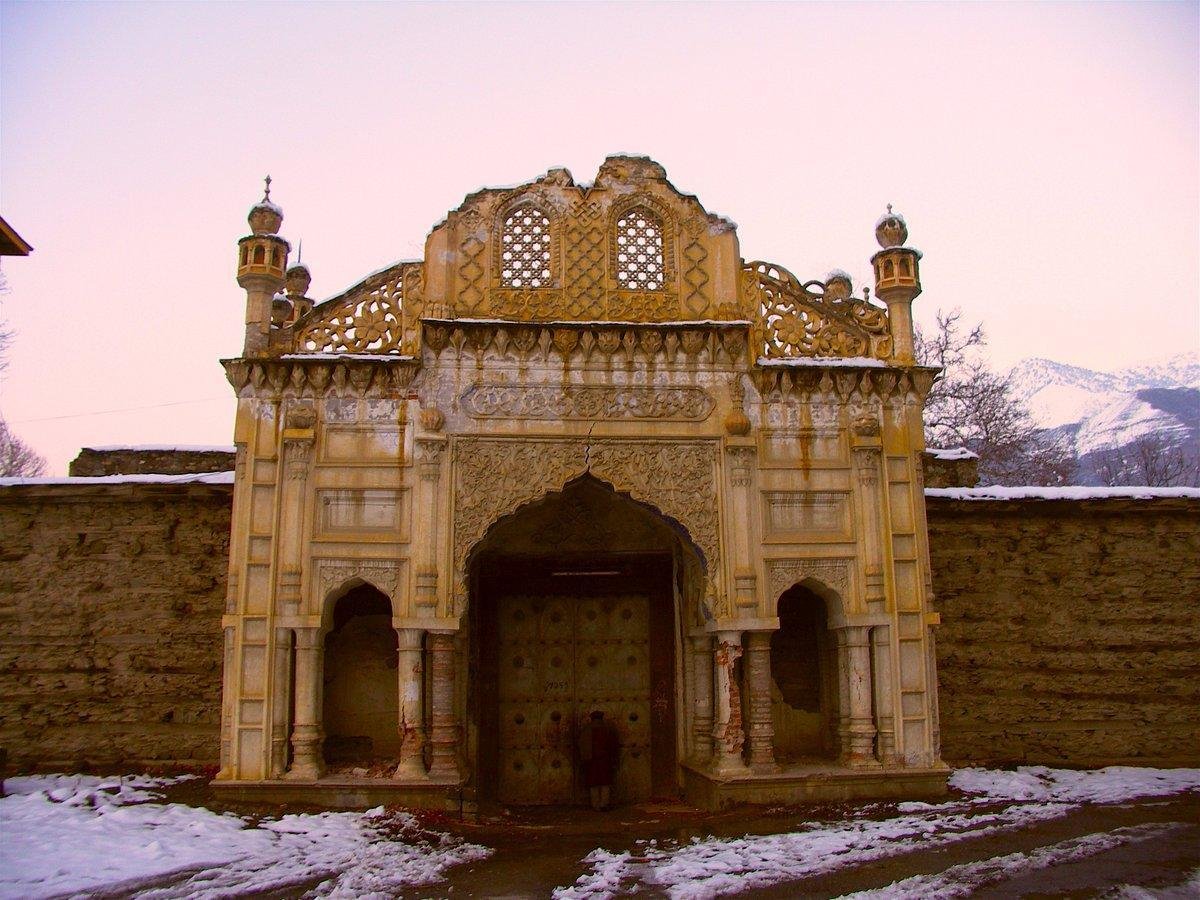
Located near Chitral Fort, the Shahi Mosque is one of the city's most recognizable religious landmarks.
The mosque is known for:
- elegant architecture
- mountain backdrop
- historical importance
- peaceful atmosphere
Its location beside the river and fort creates one of the most photographed scenes in Chitral.
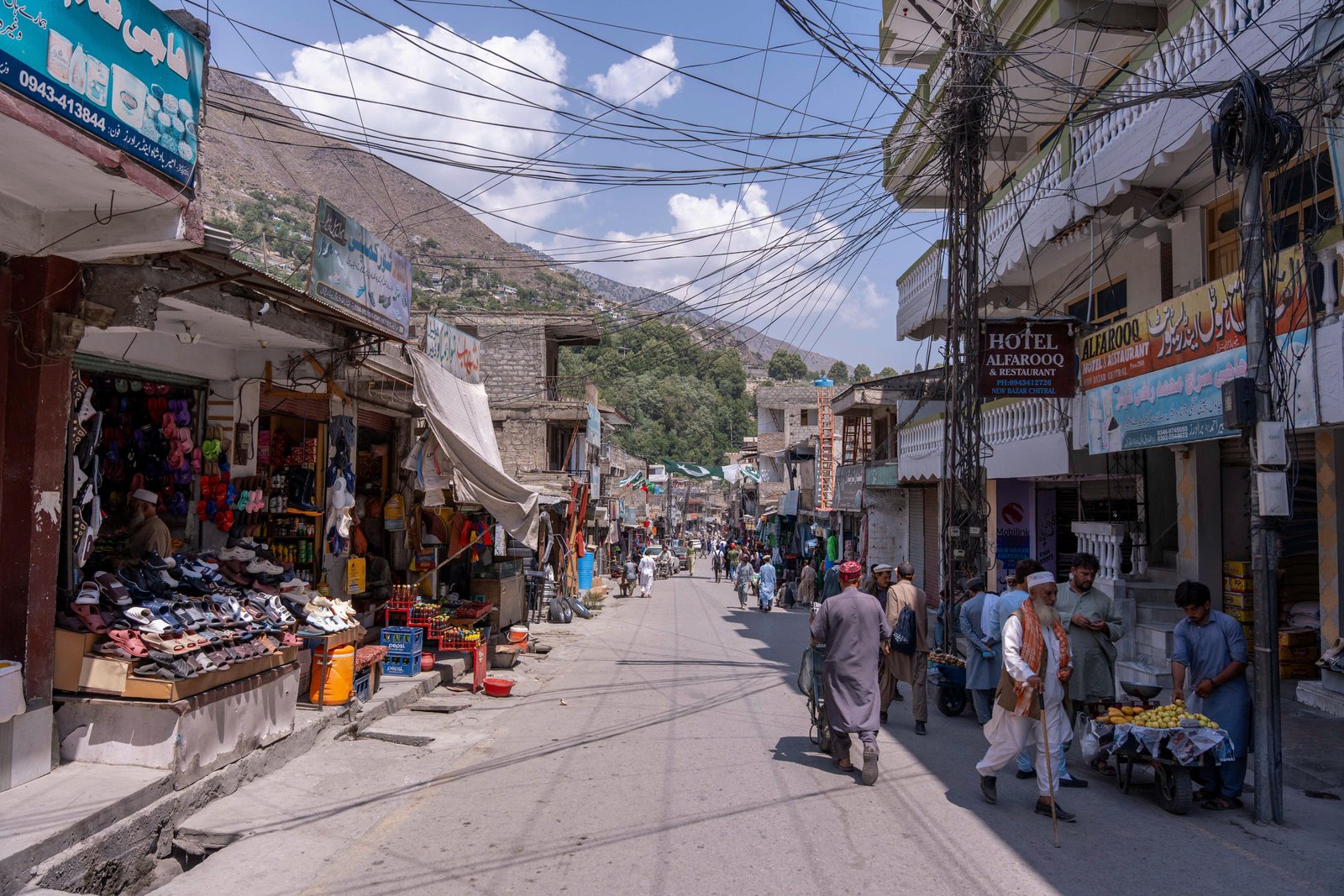
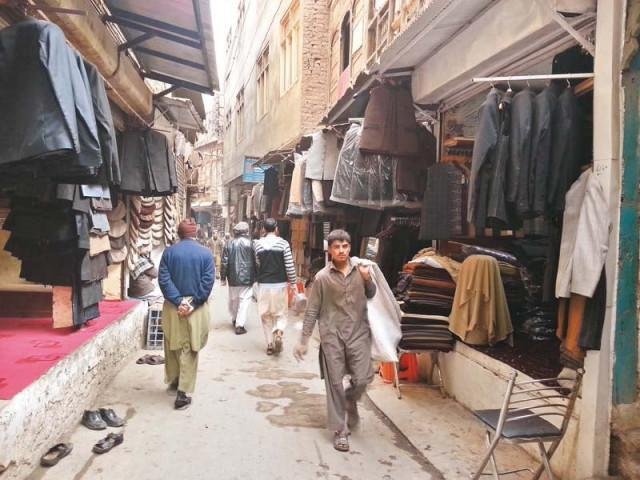
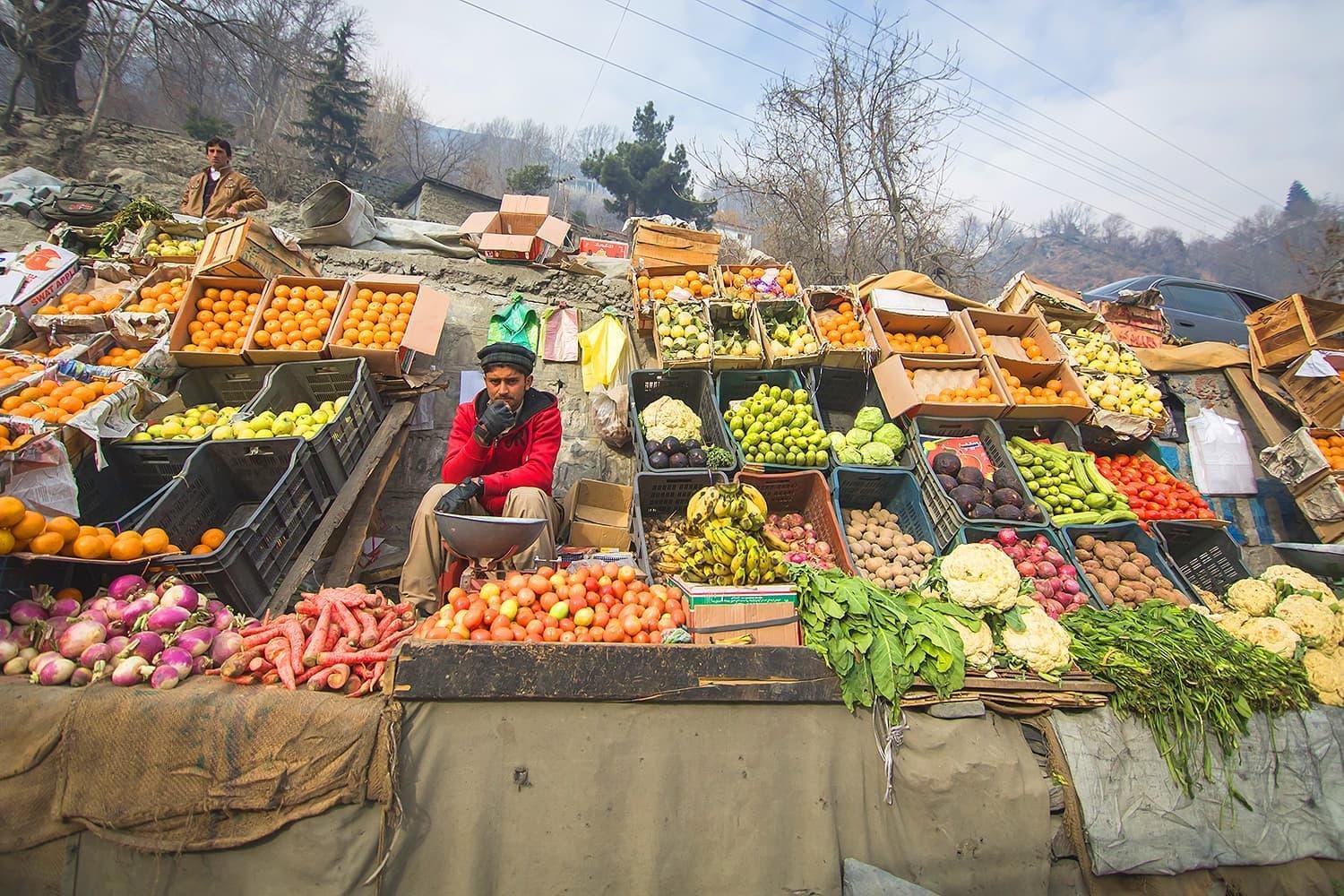
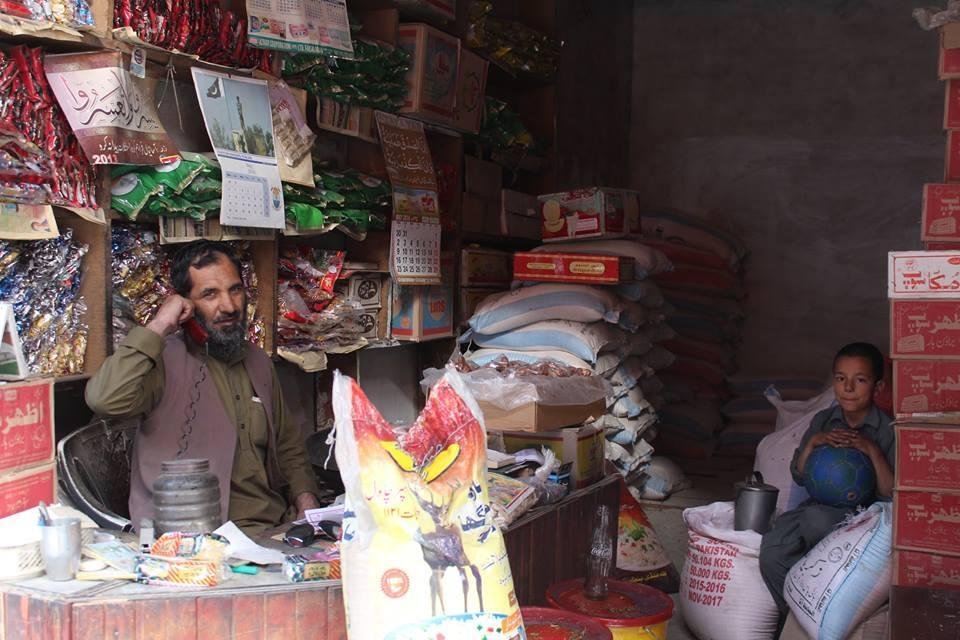
Chitral Bazaar
The city's central bazaar offers insight into daily life in the region.
Visitors can browse:
- traditional handicrafts
- local textiles
- dry fruits
- mountain products
- regional souvenirs
The market also serves as a meeting point for residents from surrounding valleys.
Walking through the bazaar provides a useful introduction to local culture before exploring more remote areas of the district.
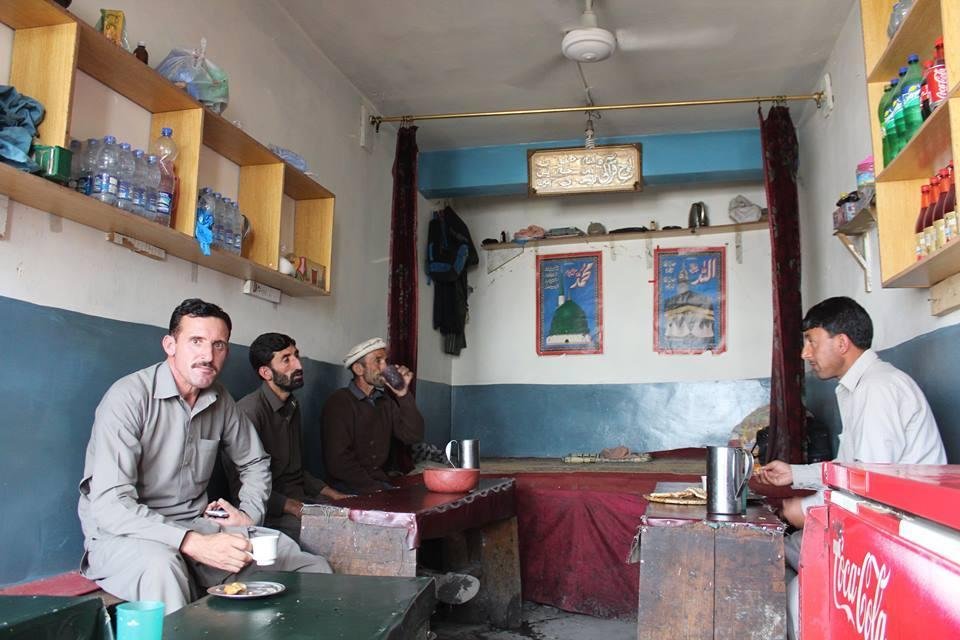
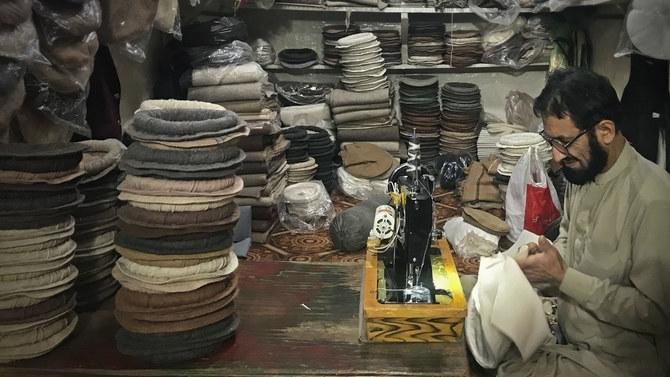
Kalash Valley – The Three Sacred Valleys
The heart of the Kalash cultural region consists of three distinct valleys:
- Bumburet
- Rumbur
- Birir
Each valley has its own character, traditions, and atmosphere while sharing a common cultural heritage.
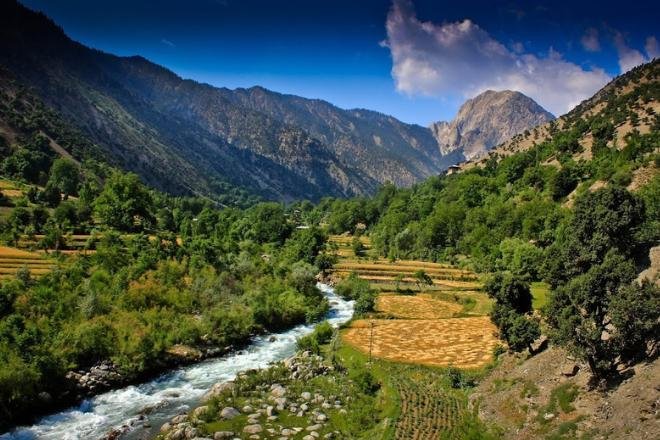
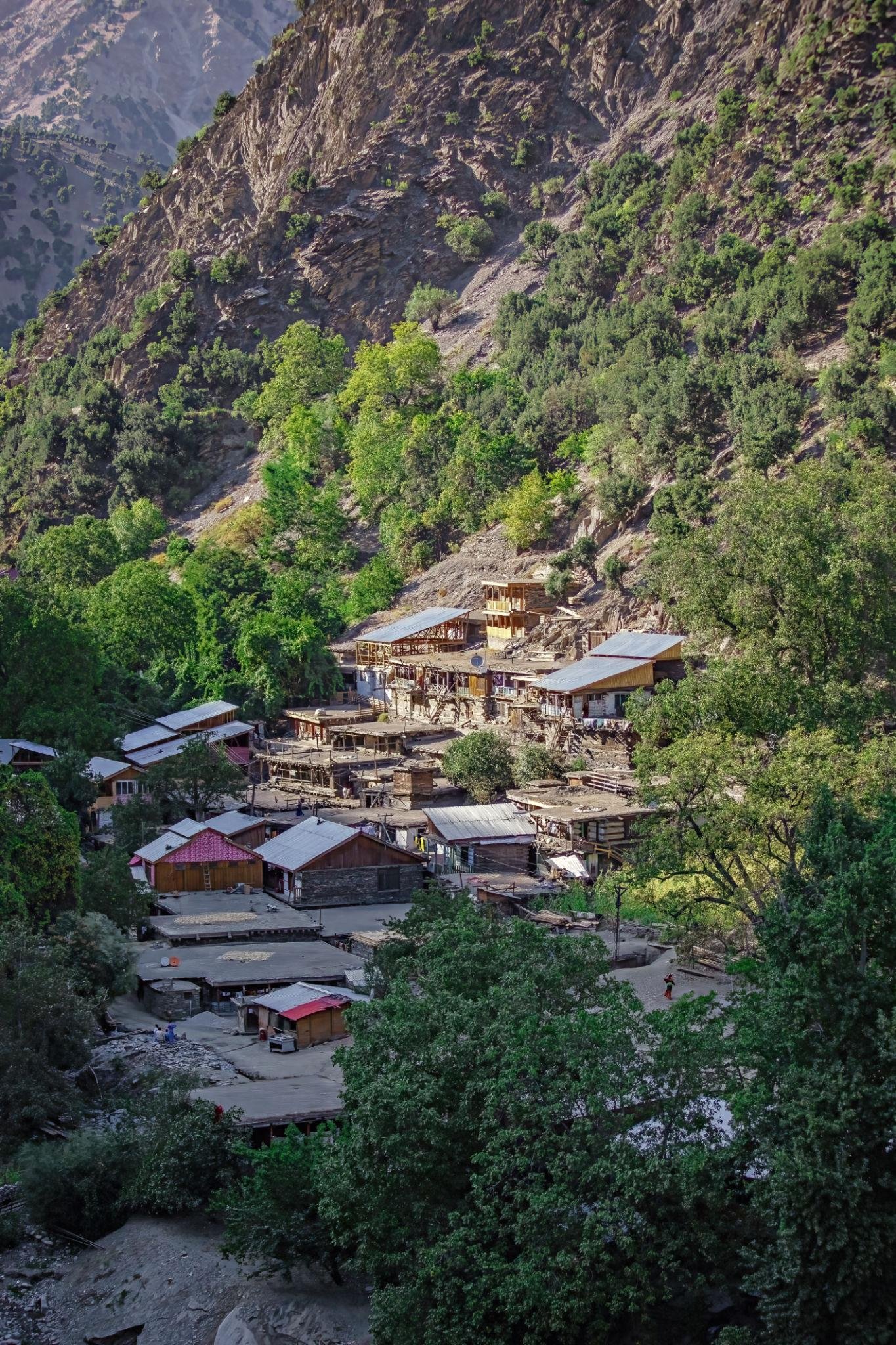
Bumburet Valley
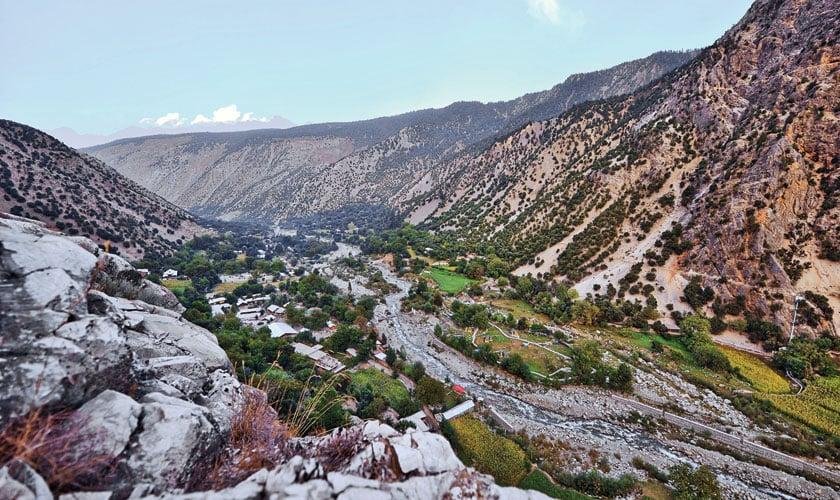
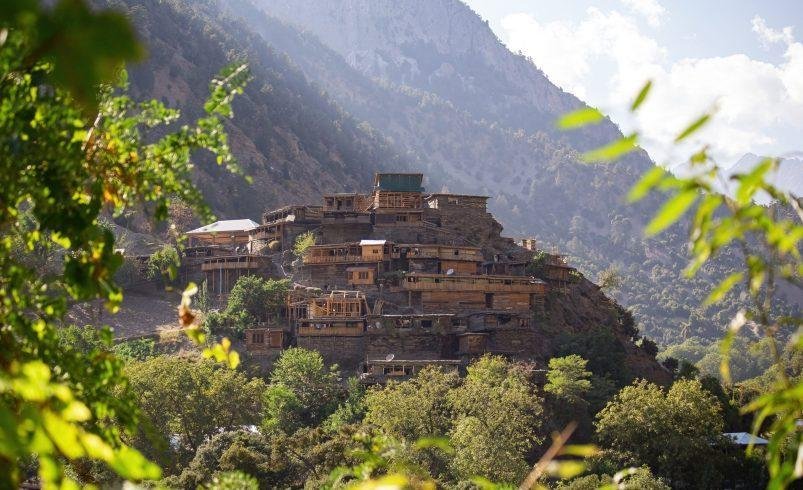
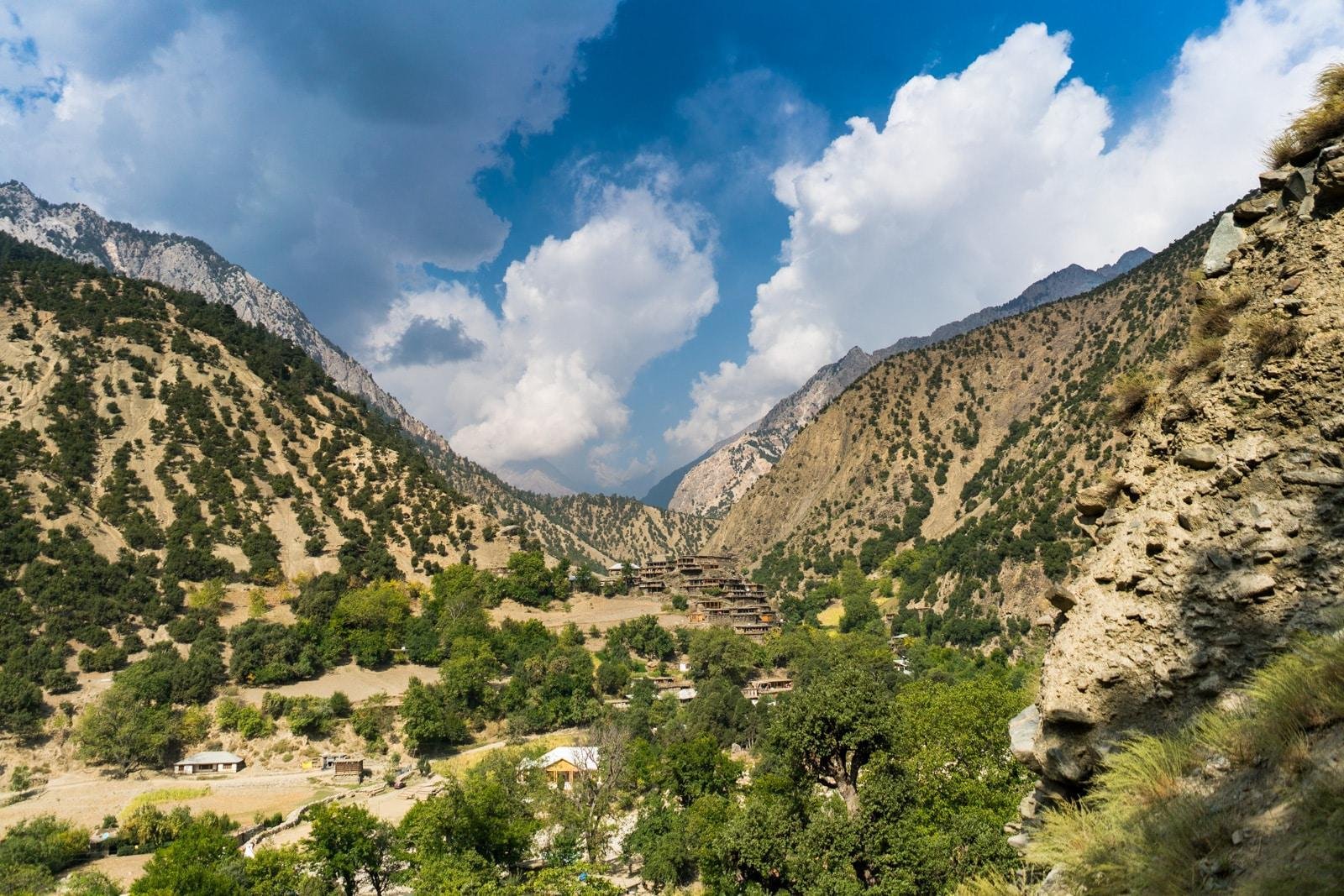
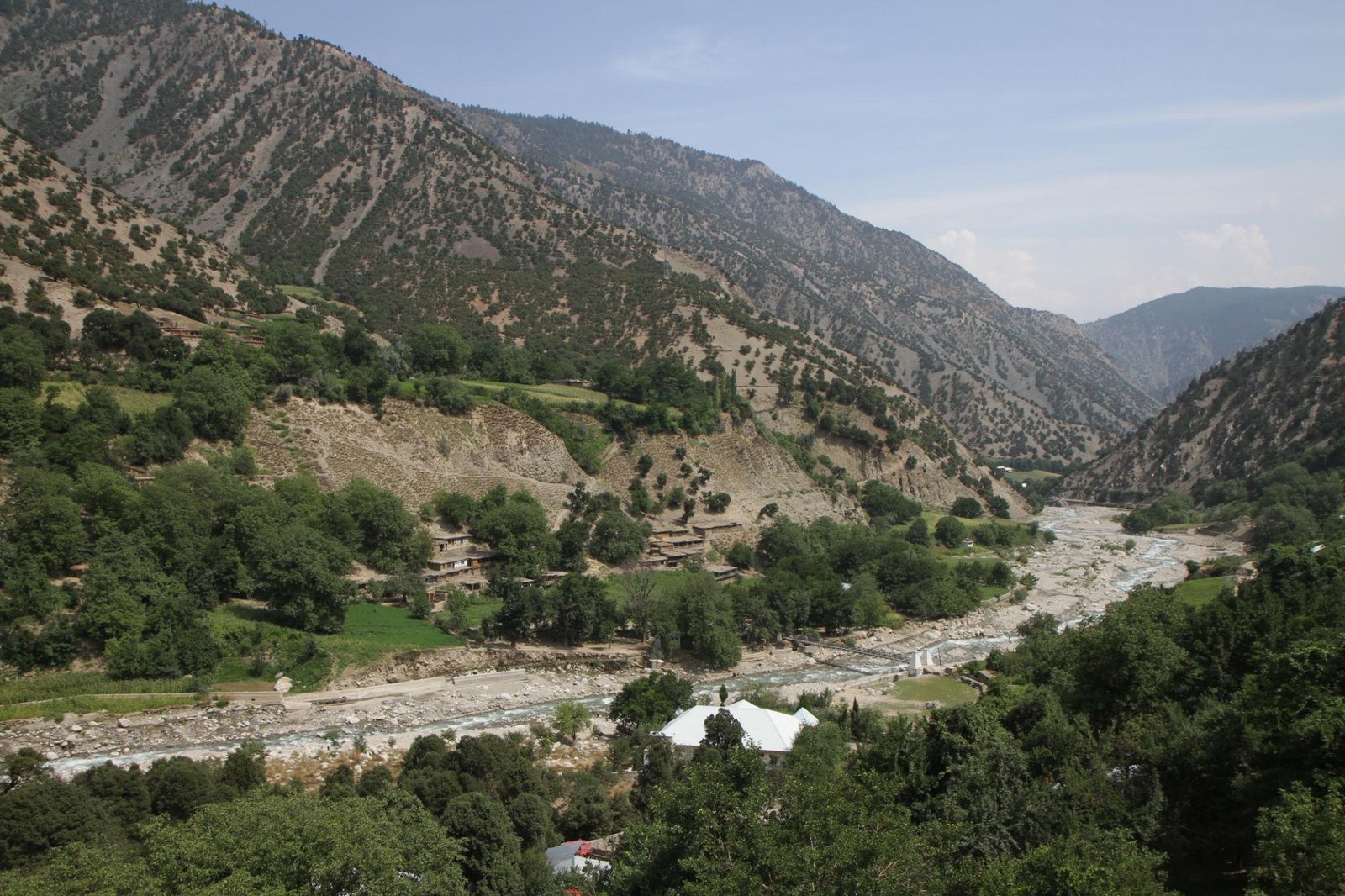
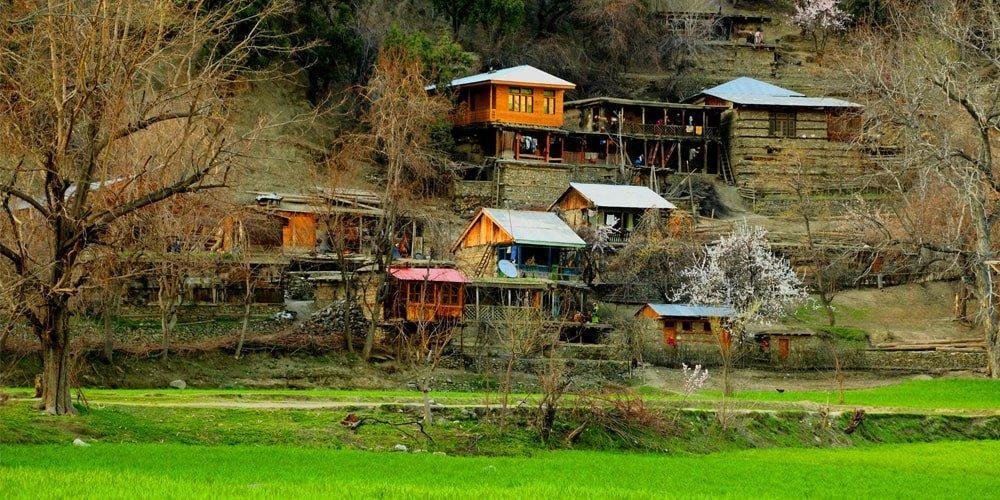
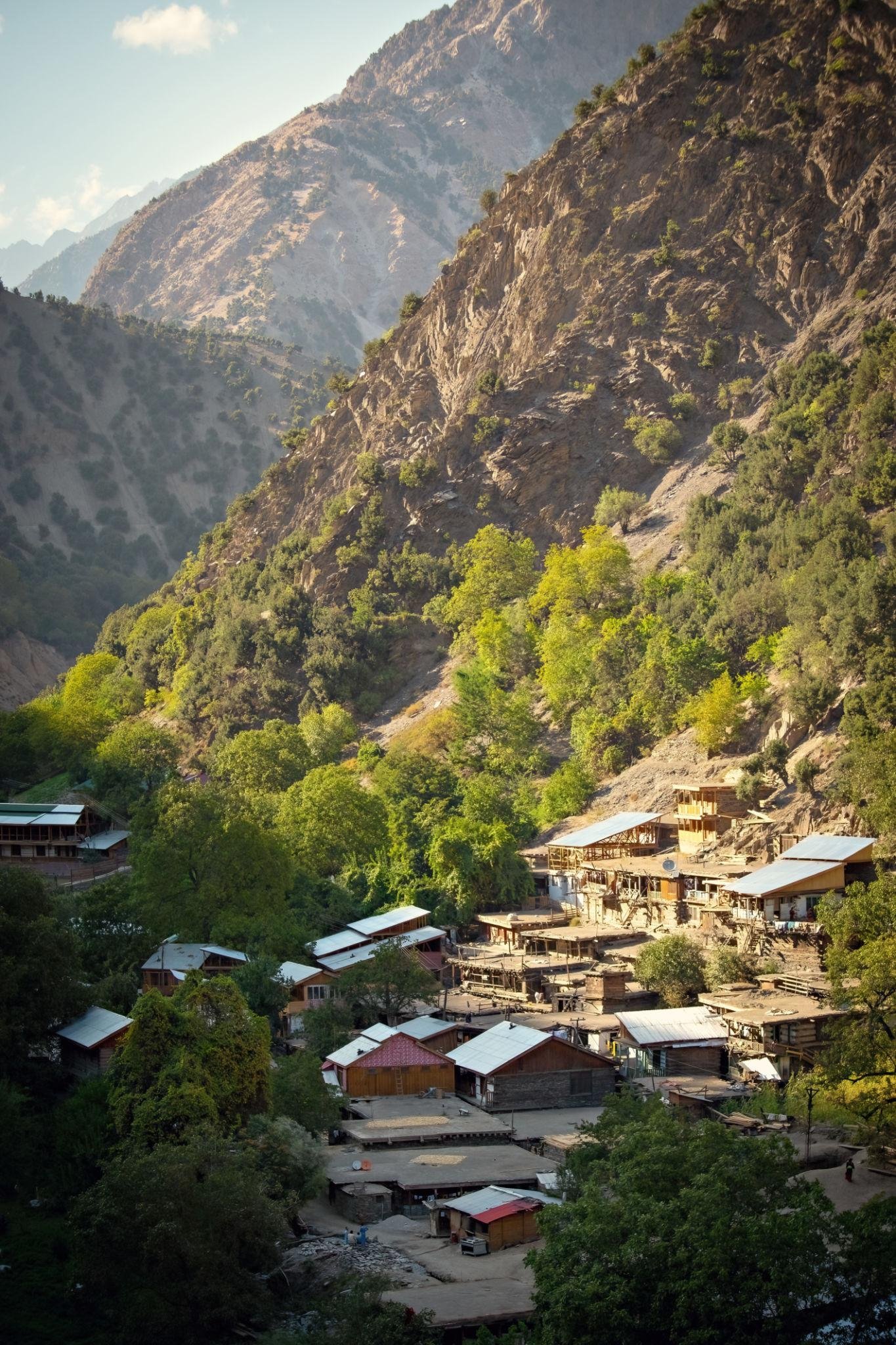
Bumburet Valley is the largest, most accessible, and most visited of the three Kalash valleys.
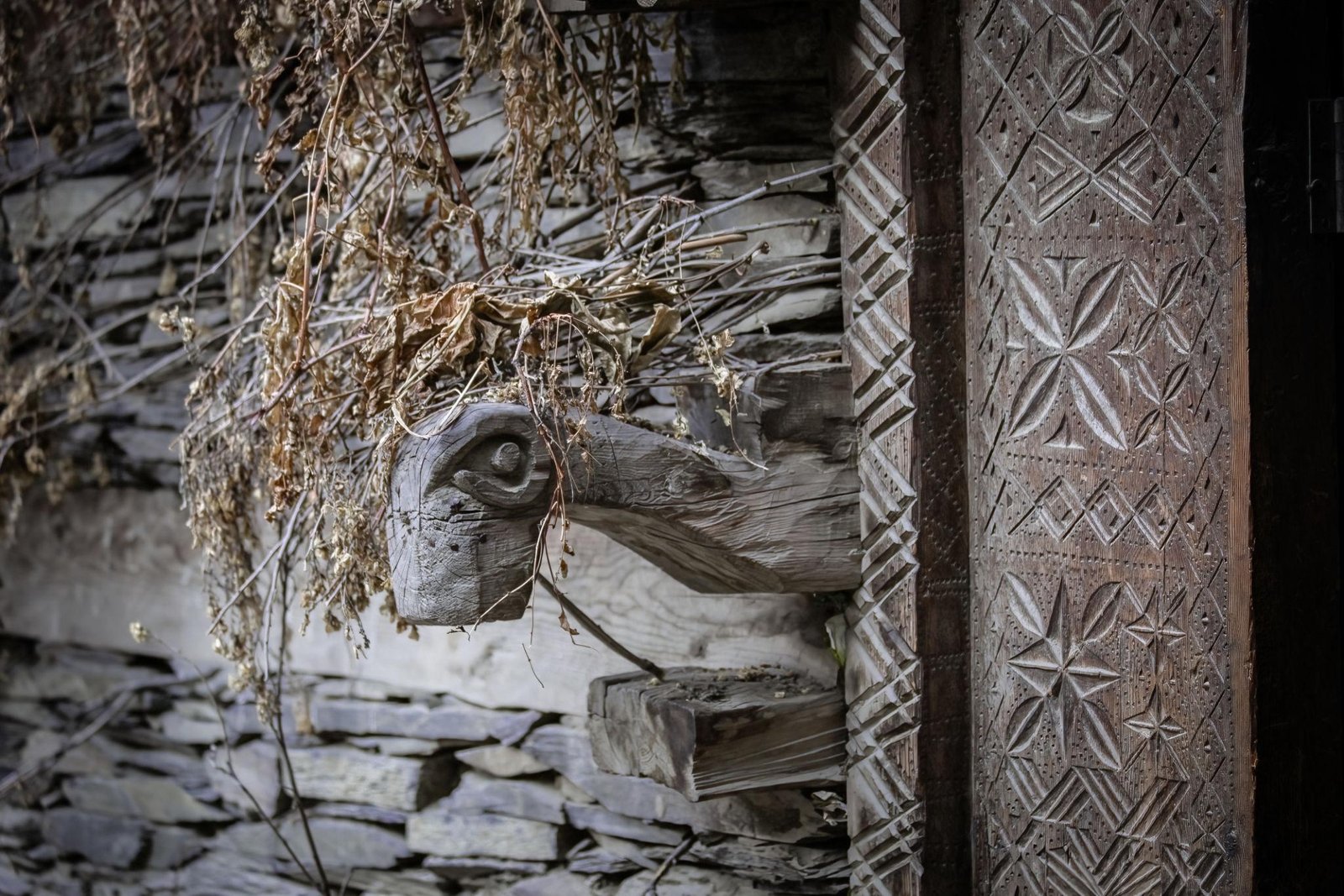
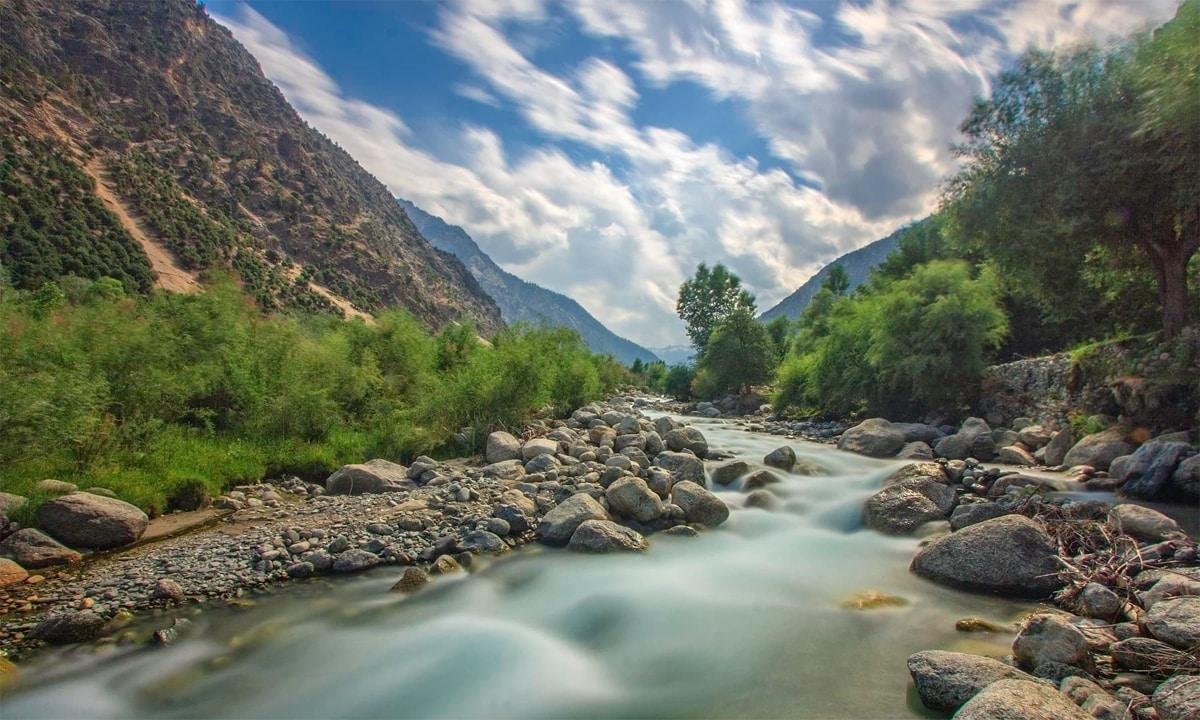
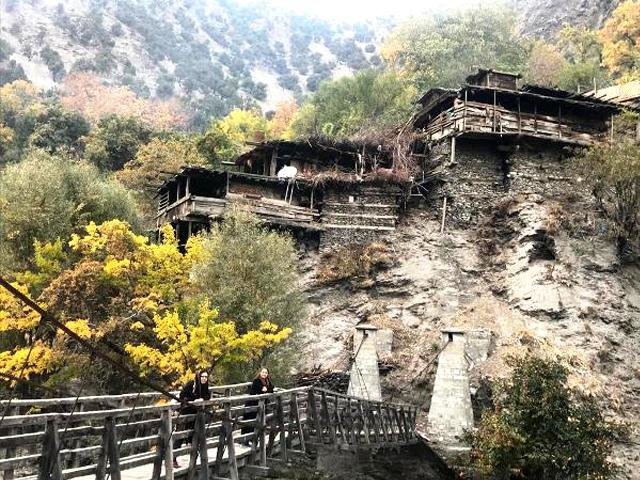
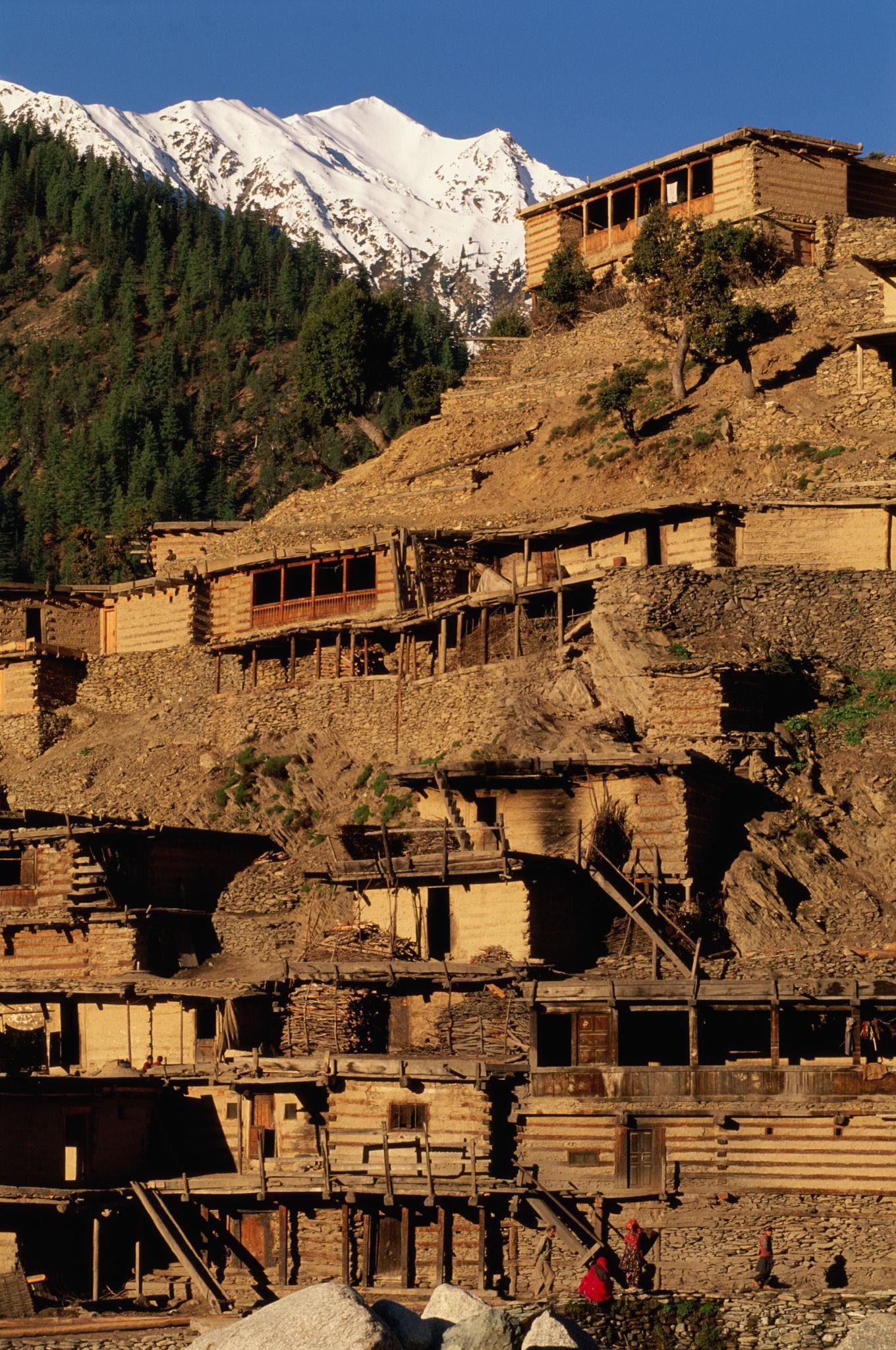
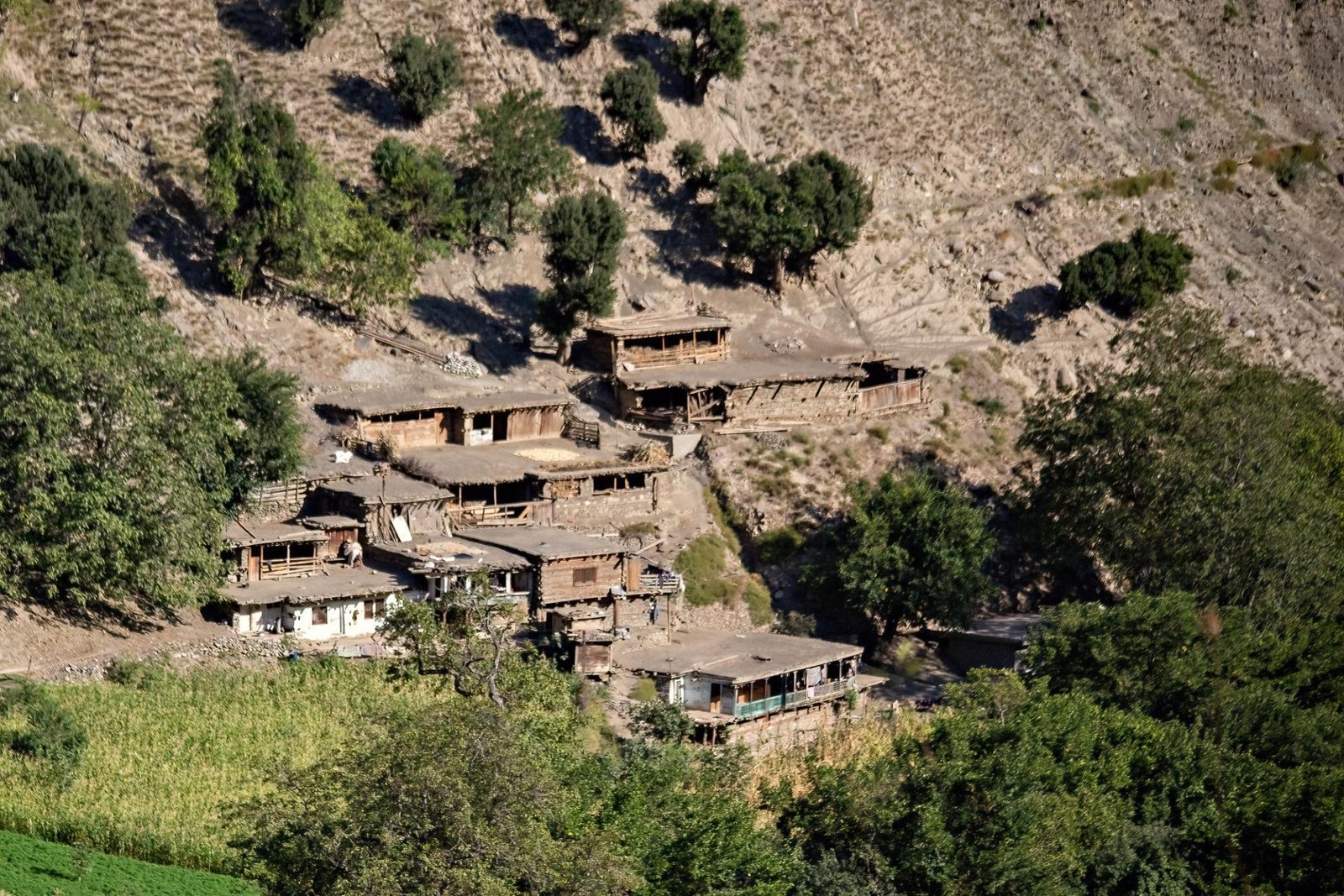
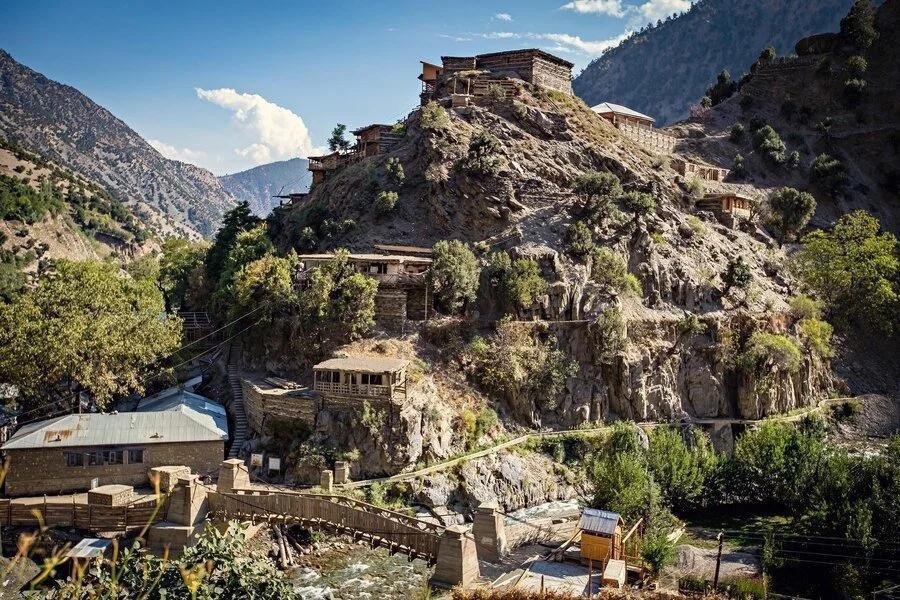
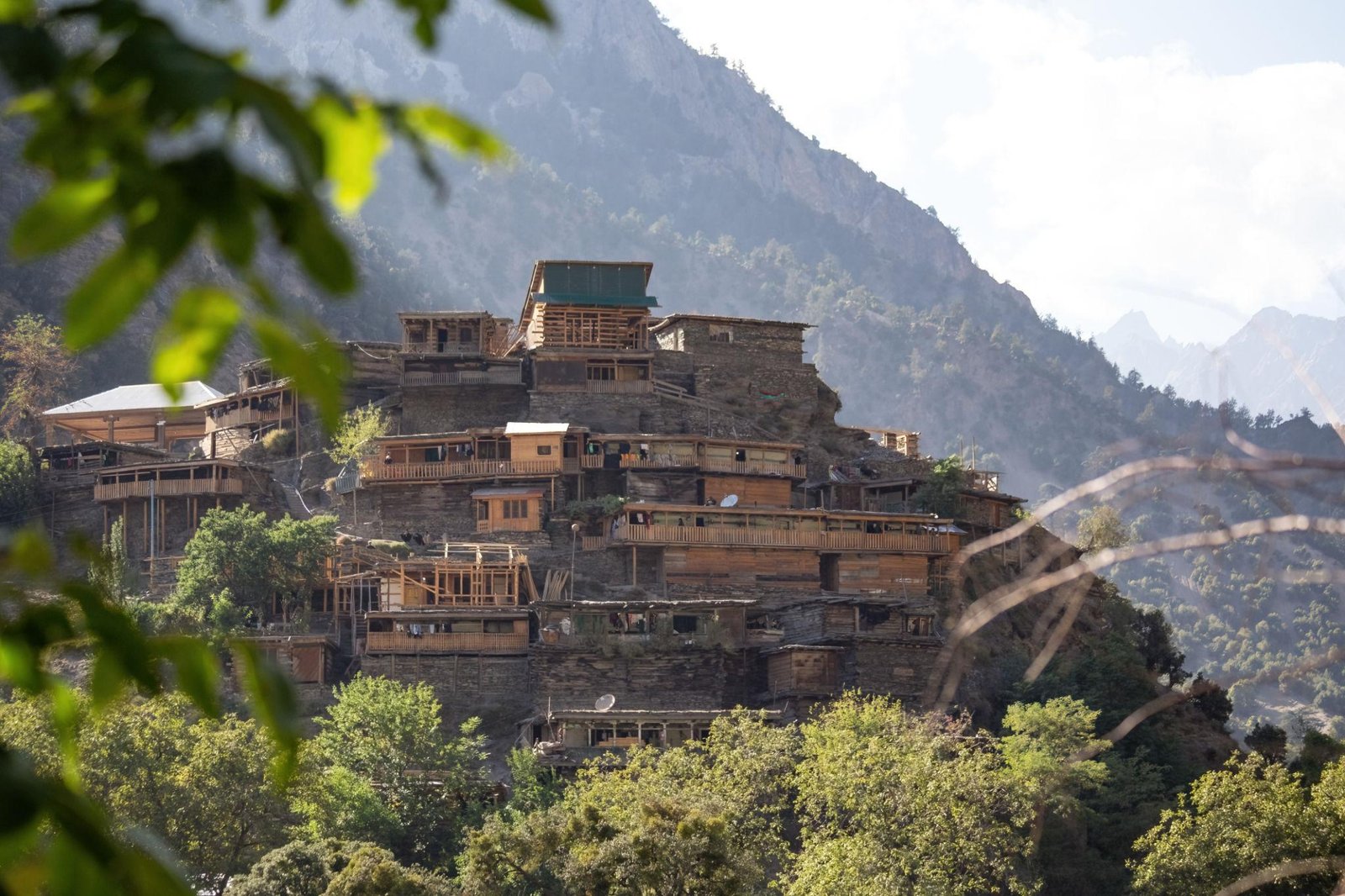
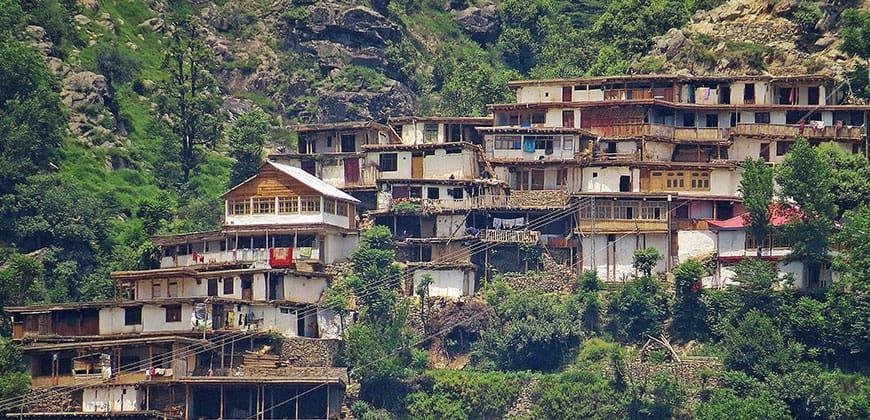
For many travelers, Bumburet serves as their first introduction to Kalash culture and traditions. The valley stretches along a fertile river corridor lined with walnut trees, terraced fields, traditional wooden houses, and small villages.
Compared to the other Kalash valleys, Bumburet offers:
- the best road access
- the largest number of guesthouses
- cultural museums
- local handicraft shops
- festival venues
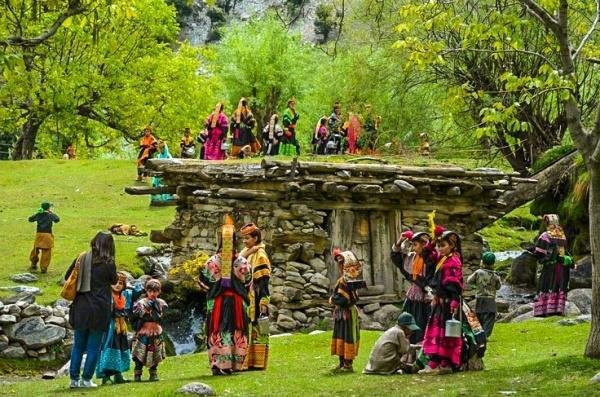
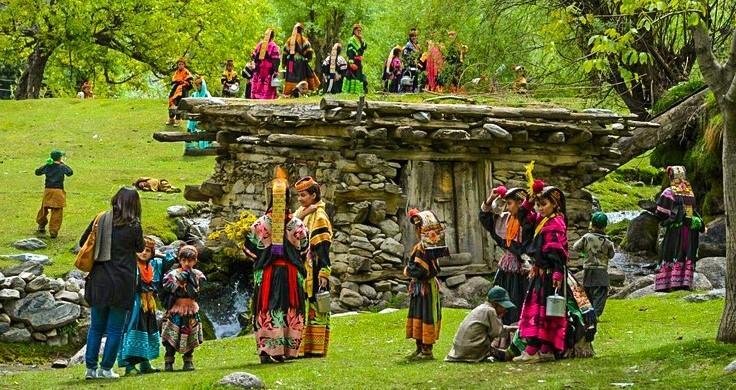
The valley becomes particularly vibrant during major Kalash celebrations when residents gather for traditional music, dancing, and communal ceremonies.
Visitors can spend time:
- walking through villages
- observing traditional architecture
- meeting local families
- visiting cultural centers
- photographing valley landscapes
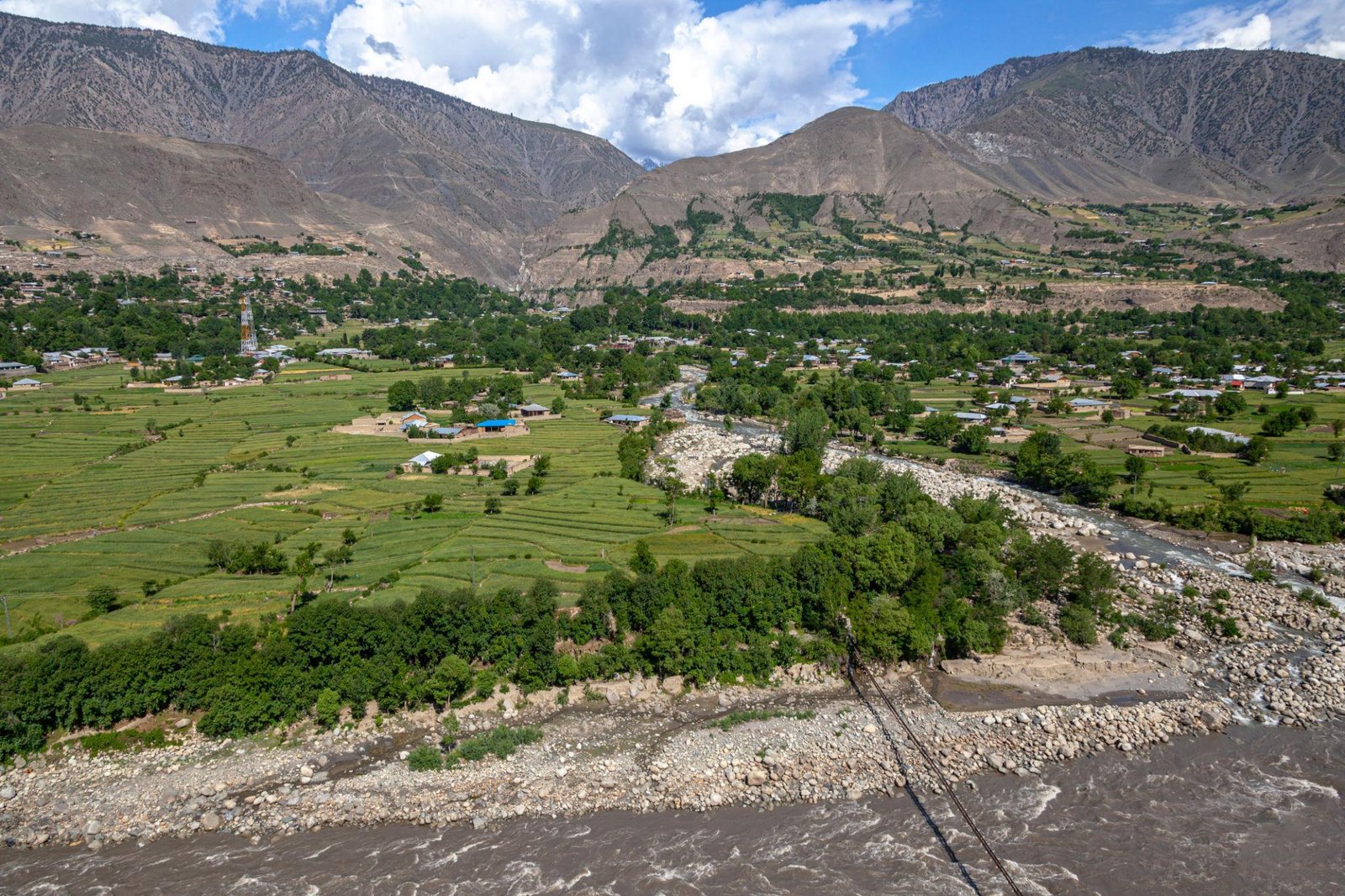
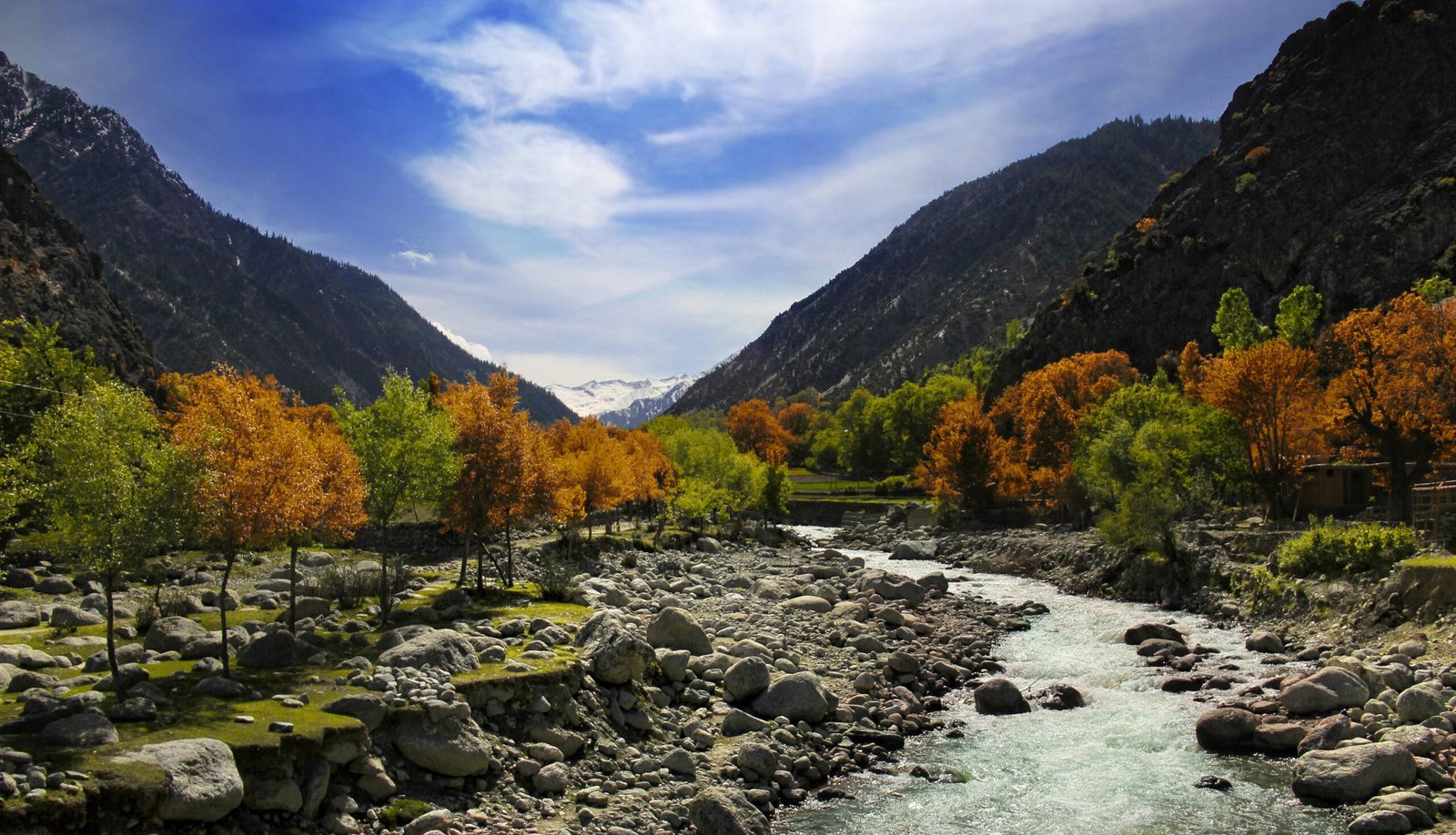
The scenery changes noticeably with the seasons. Spring brings flowering orchards, summer offers lush greenery, autumn paints the valley in gold and orange, while winter transforms the landscape with snow.
Rumbur Valley
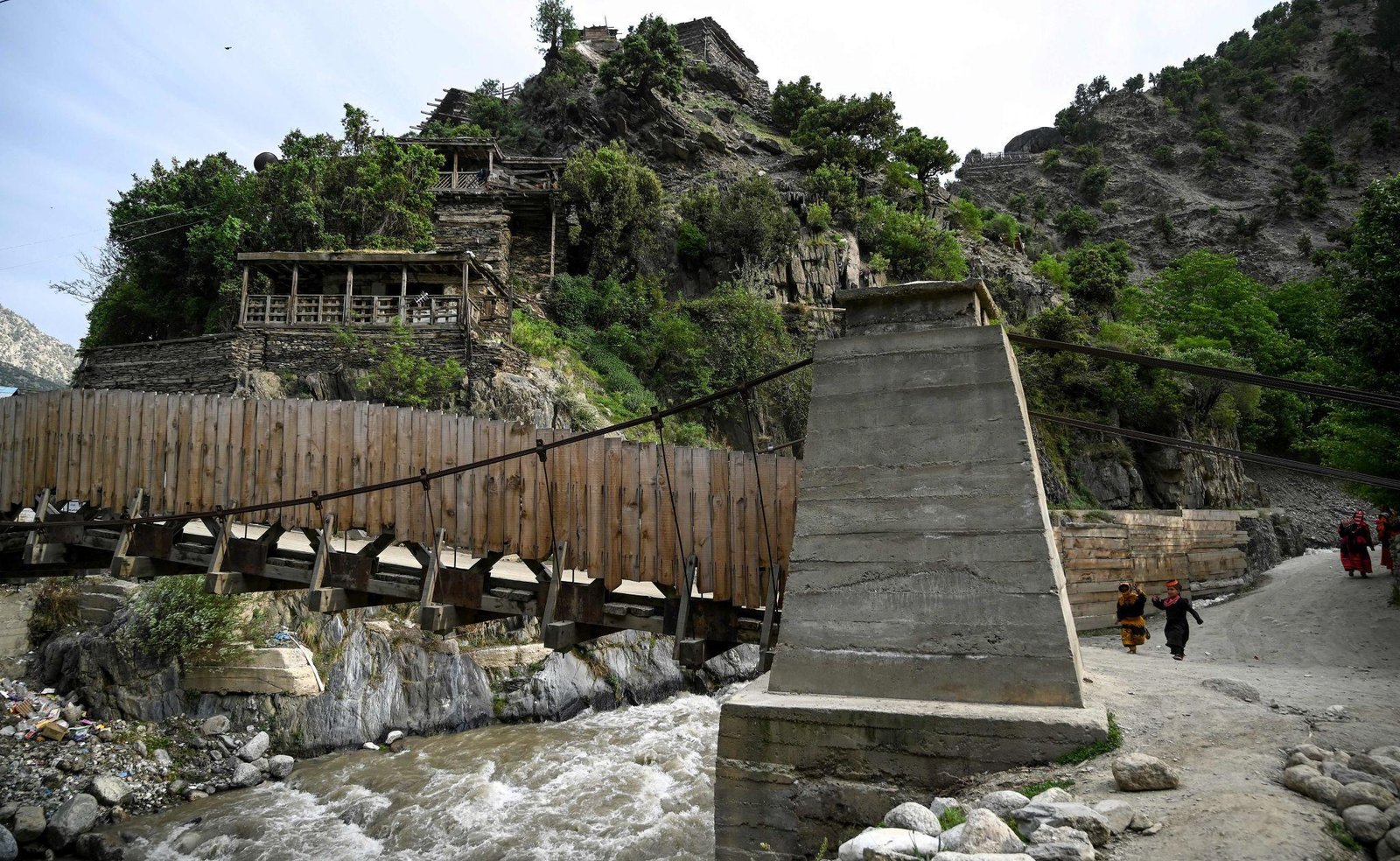
Rumbur Valley is often regarded as the most traditional of the Kalash valleys.
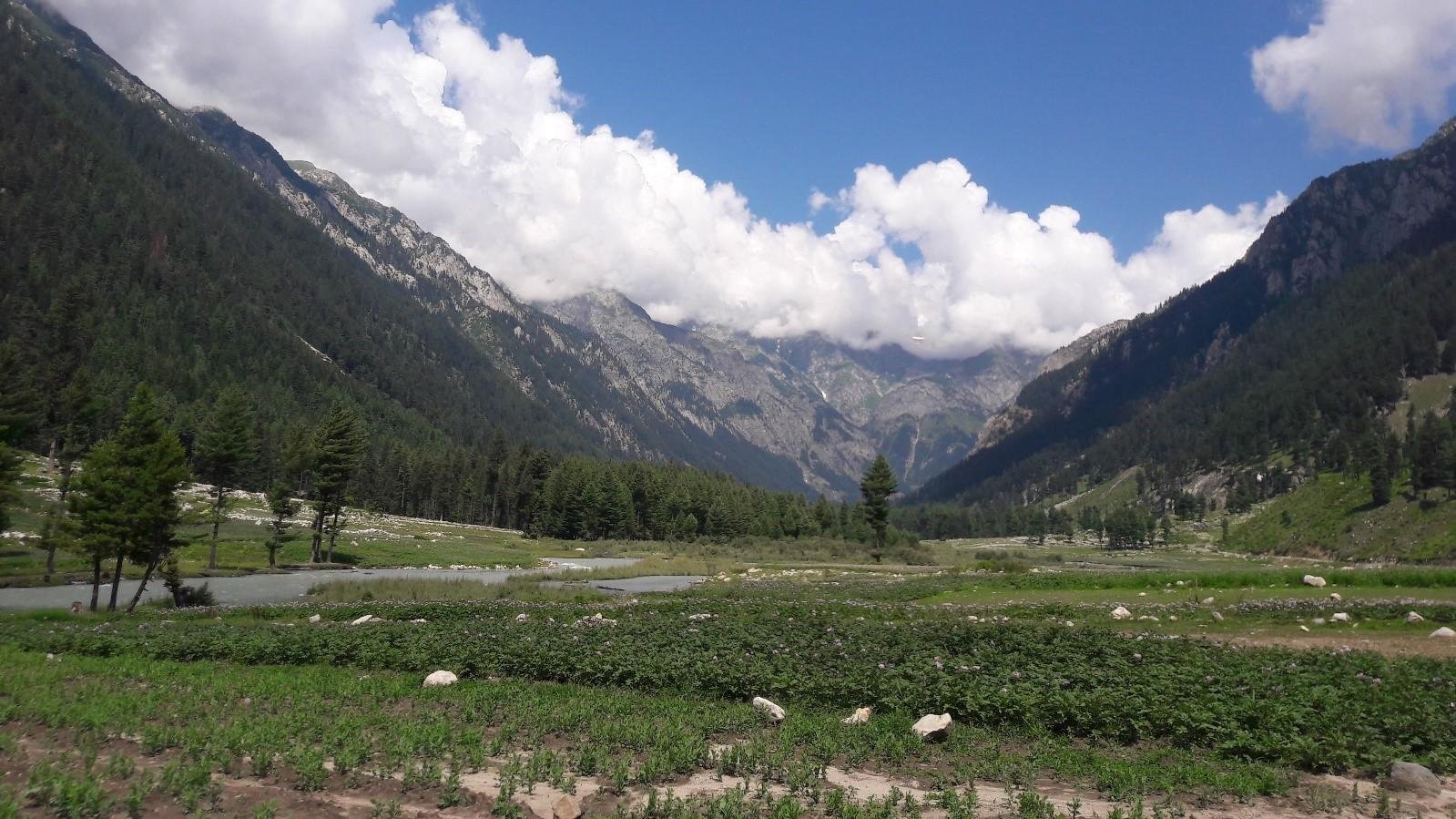
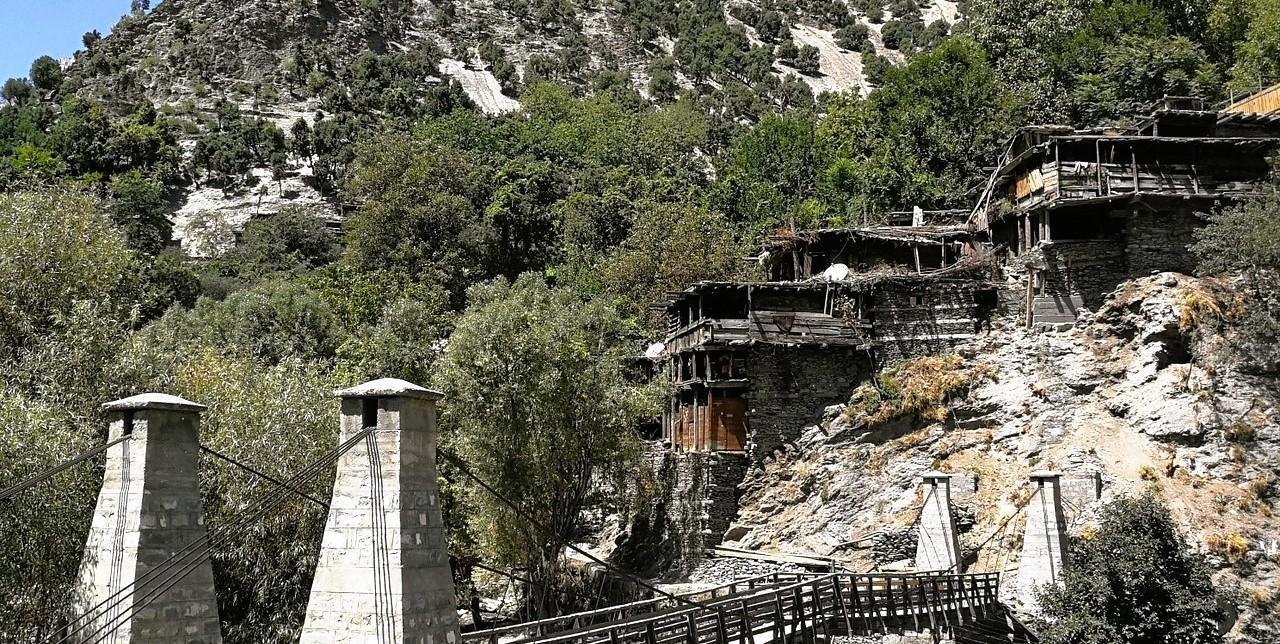
Smaller and quieter than Bumburet, Rumbur offers visitors a more intimate glimpse into Kalash life. The valley's relative isolation has helped preserve many traditional customs and social structures.
Travelers who venture into Rumbur encounter:
- narrow mountain paths
- traditional settlements
- agricultural terraces
- forested slopes
- peaceful village life
The atmosphere here feels slower and less influenced by tourism.
Photography opportunities are abundant, particularly during:
- festivals
- harvest season
- spring flowering periods
- winter snowfall
Many visitors find Rumbur especially rewarding because daily life remains deeply connected to longstanding cultural traditions.
Birir Valley
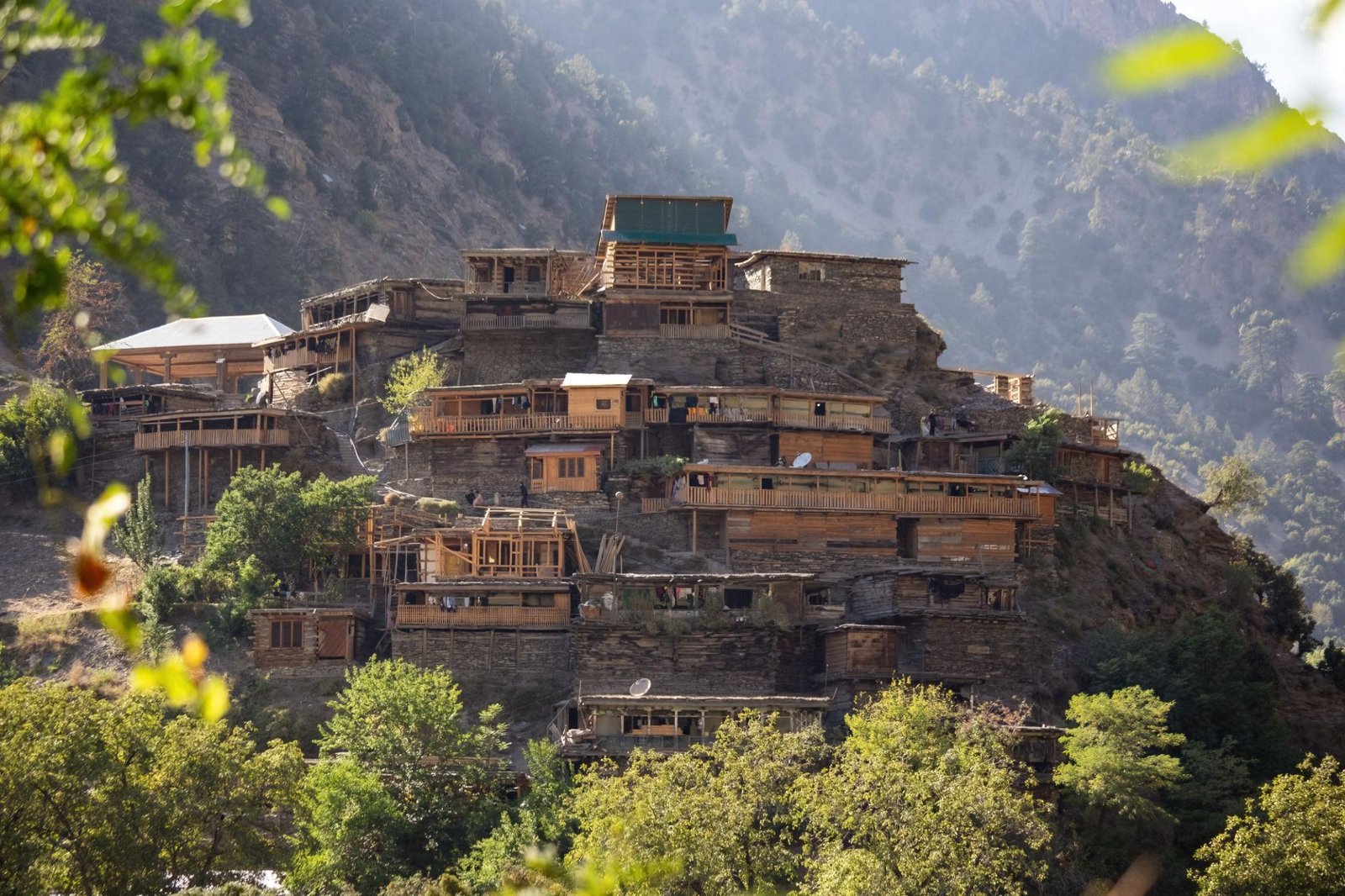
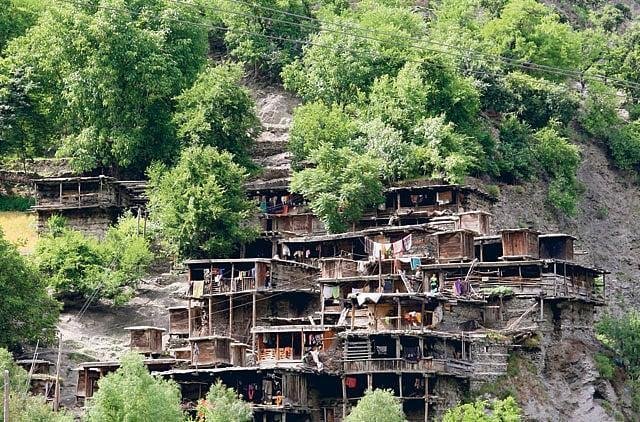
Birir Valley is the most remote and least visited of the three valleys.
Its relative isolation has helped preserve a distinct atmosphere that many travelers consider the most authentic Kalash experience available.
The valley is characterized by:
- steep mountain slopes
- small villages
- terraced agriculture
- dense forests
- traditional community life
Because fewer tourists reach Birir, interactions with local residents often feel more natural and less commercialized.
The valley rewards travelers interested in:
- cultural immersion
- photography
- village exploration
- traditional architecture
- mountain landscapes
Road access can be rough depending on weather and seasonal conditions.
Kalash Culture & People
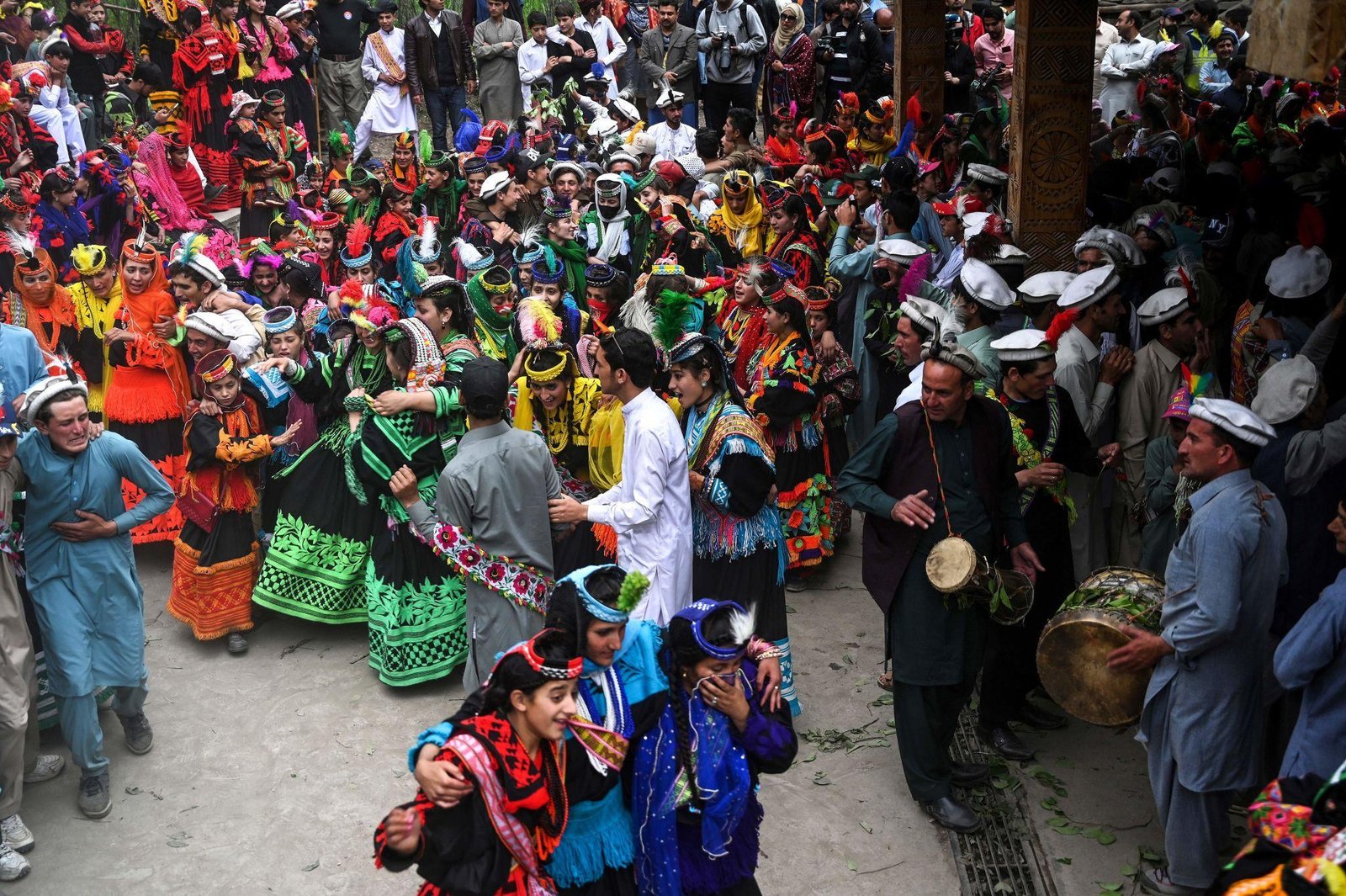
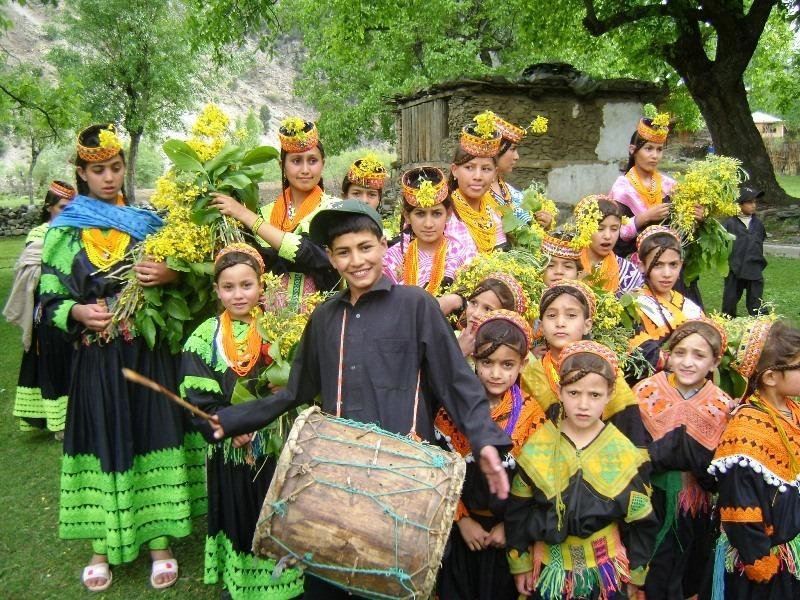
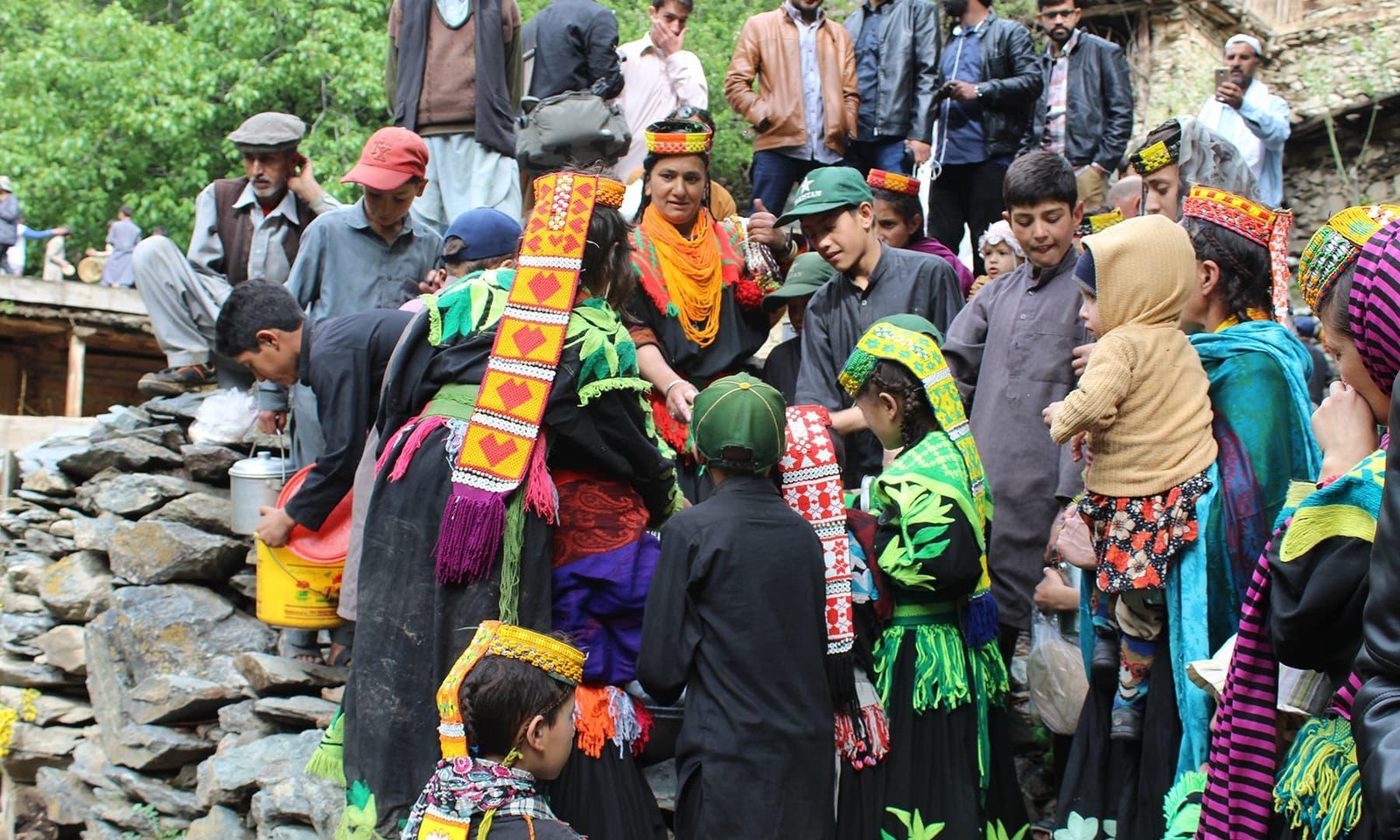
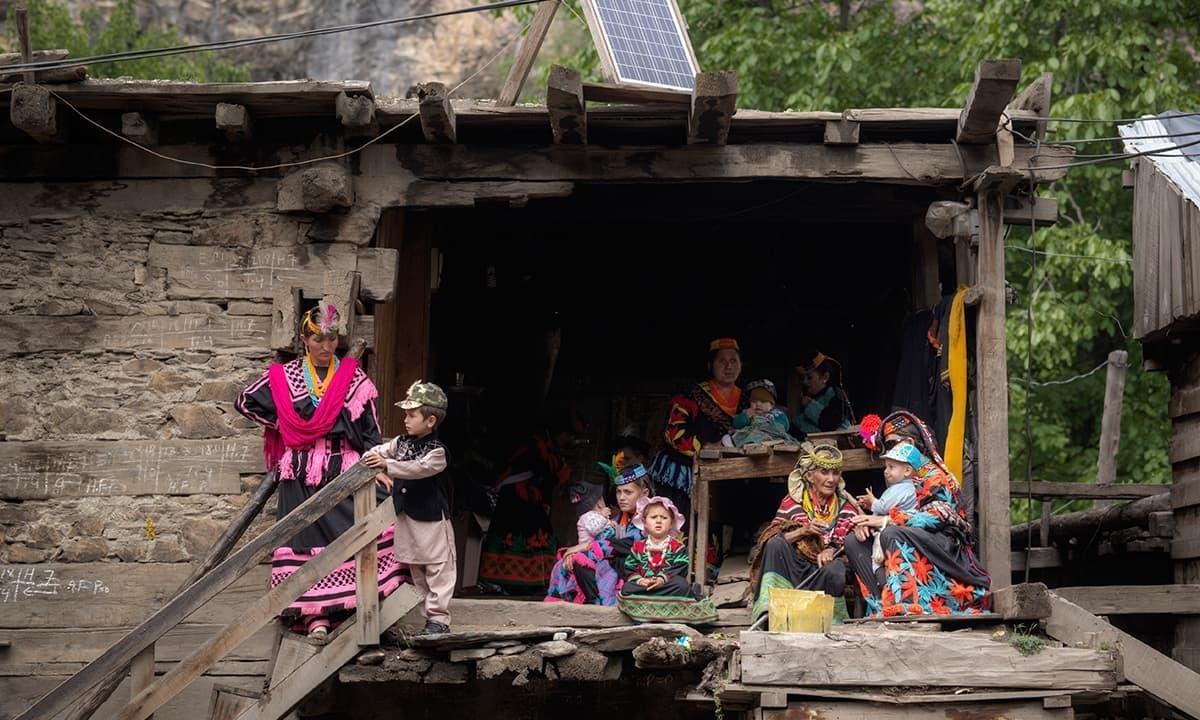
The Kalash people represent one of the most distinctive cultural communities in South Asia.
Living primarily within the valleys of Bumburet, Rumbur, and Birir, they have preserved traditions, beliefs, and customs that differ significantly from surrounding populations.
Kalash culture is known for:
- vibrant festivals
- traditional music
- distinctive clothing
- wood craftsmanship
- communal celebrations
- strong connection to seasonal cycles
Visitors are often struck by the community's hospitality and openness toward respectful cultural exchange.
The preservation of Kalash heritage remains one of the most important cultural stories in Pakistan's mountain regions.

Religion & Traditions
The Kalash faith is one of the oldest surviving indigenous belief systems in the region.
Religious practices remain closely tied to:
- nature
- seasonal cycles
- agriculture
- community ceremonies
- ancestral traditions
Throughout the year, festivals mark important transitions including:
- spring renewal
- harvest periods
- winter celebrations
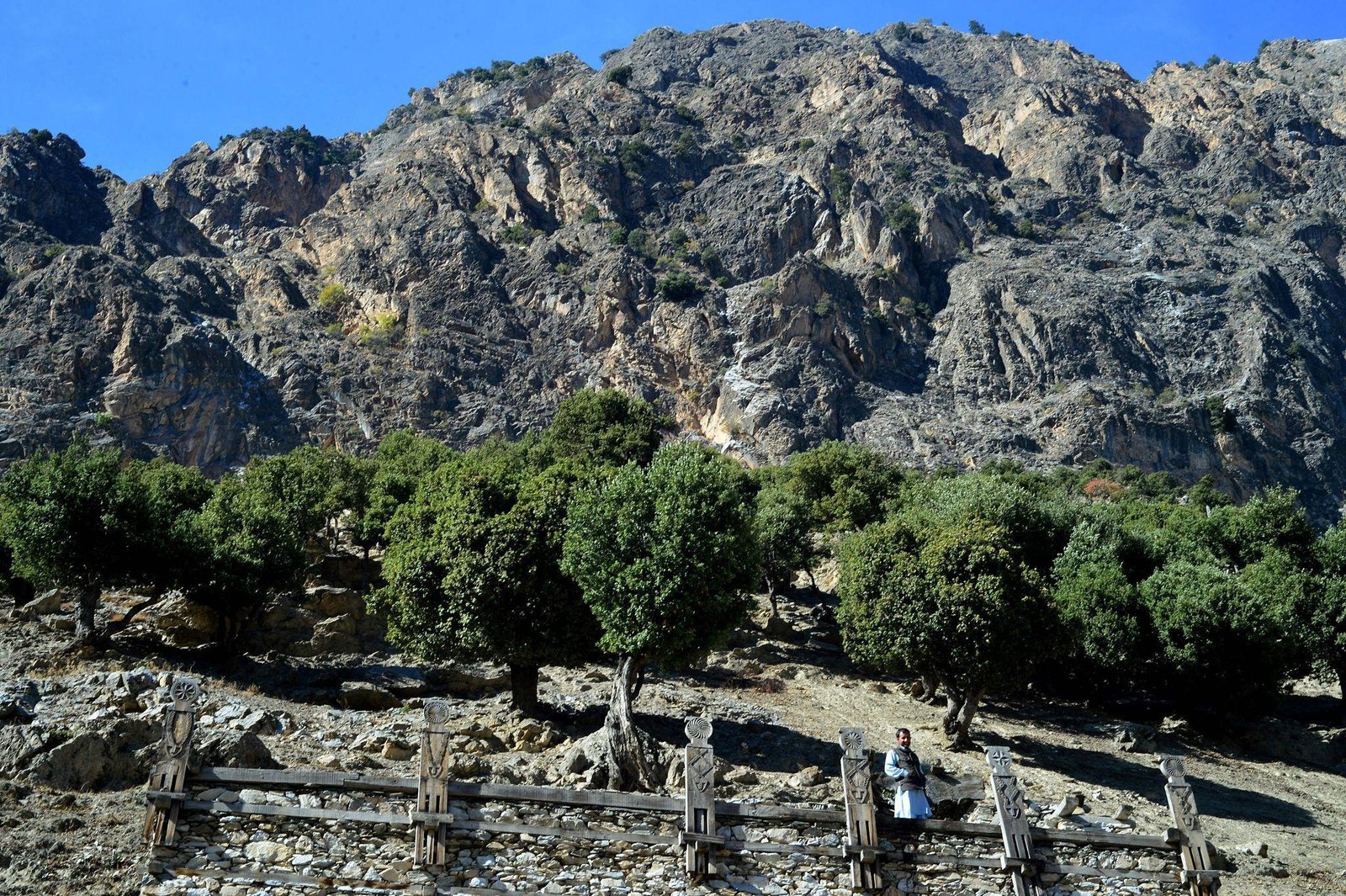
Ceremonial spaces, shrines, and sacred locations remain important elements of village life.
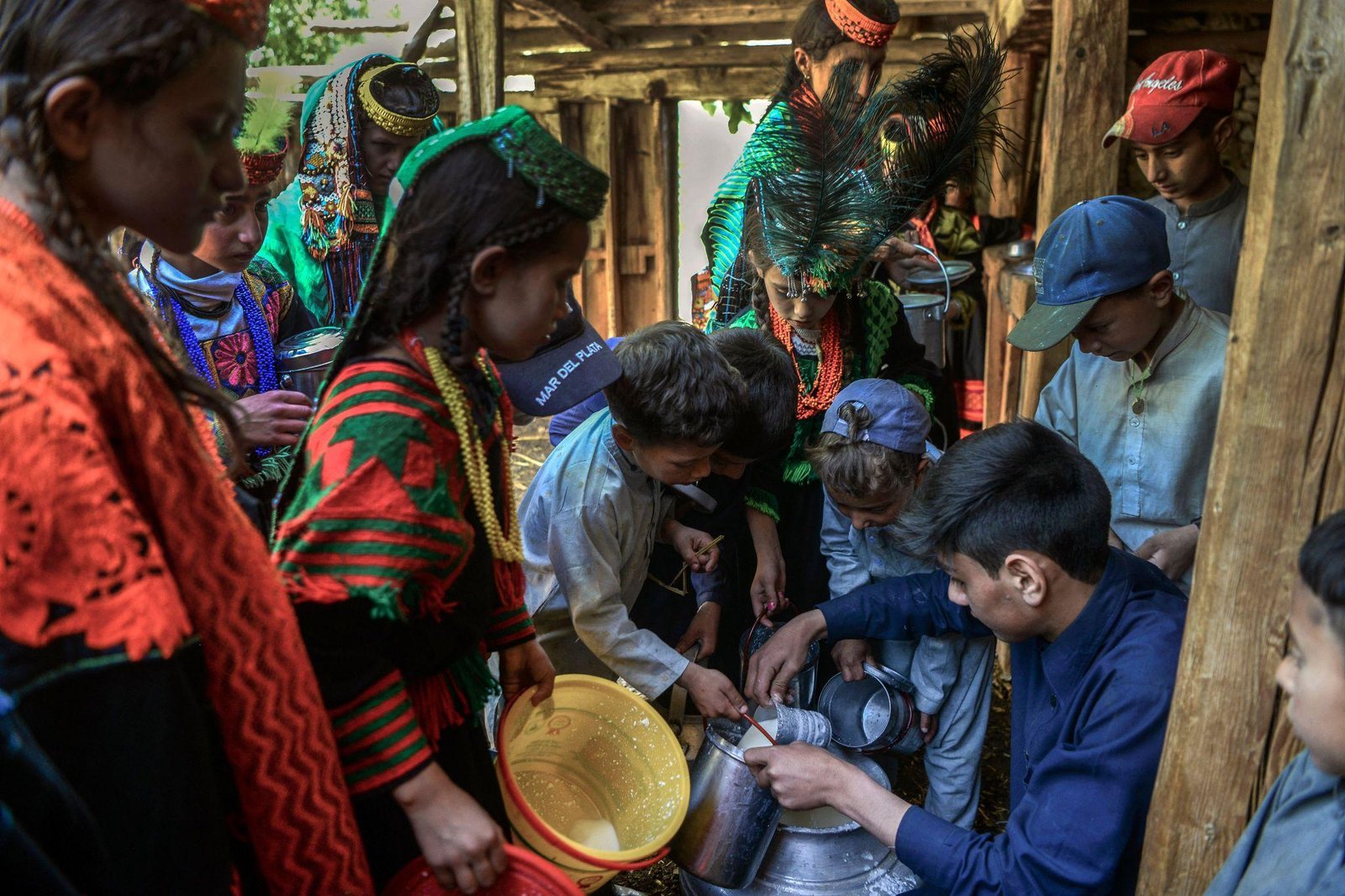
Visitors should remember that these traditions are living cultural practices rather than tourist attractions.
Respectful observation and photography etiquette are essential during religious ceremonies and community gatherings.
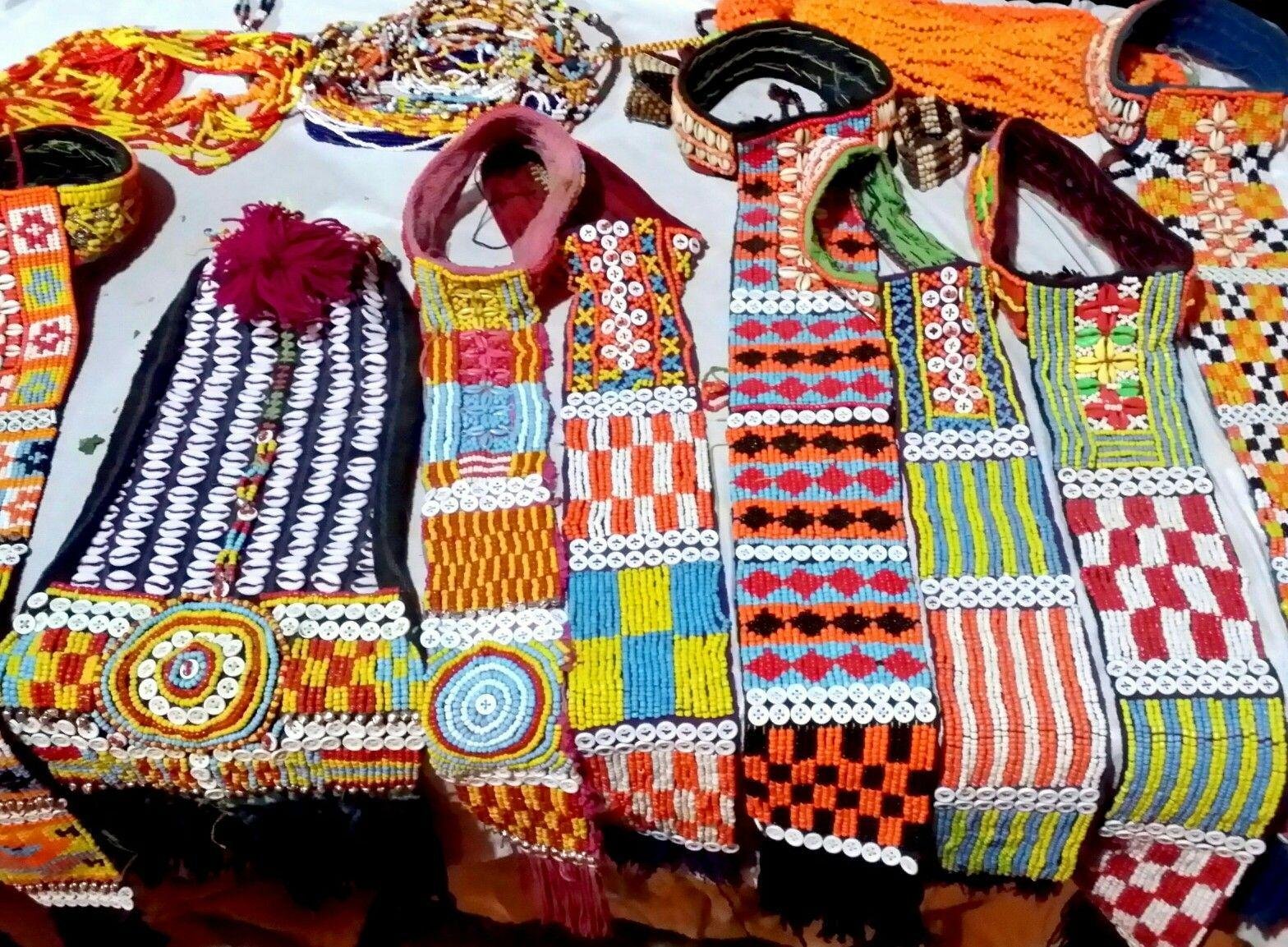
Dress & Crafts
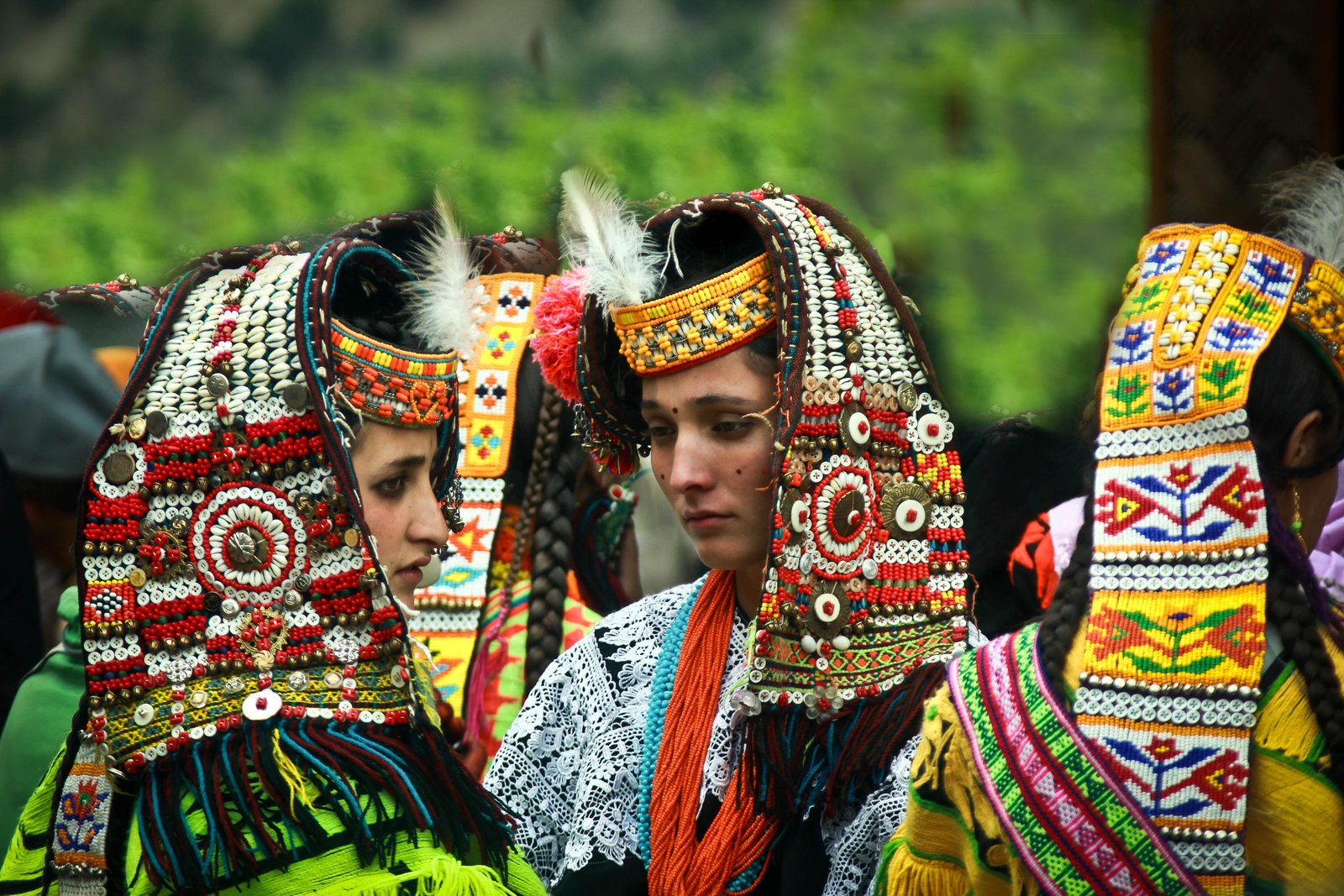
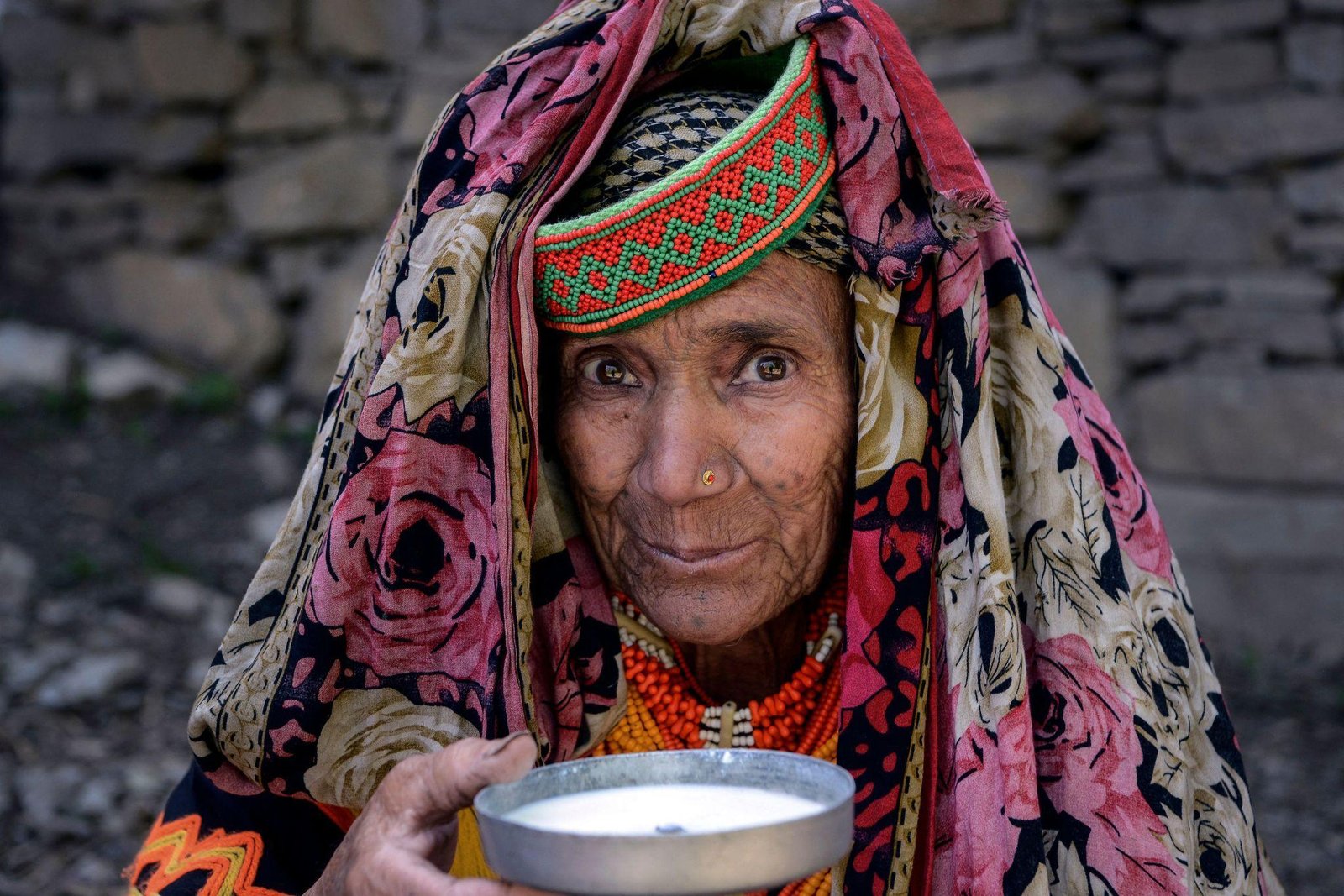
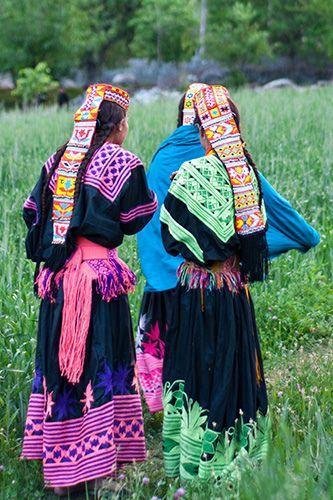
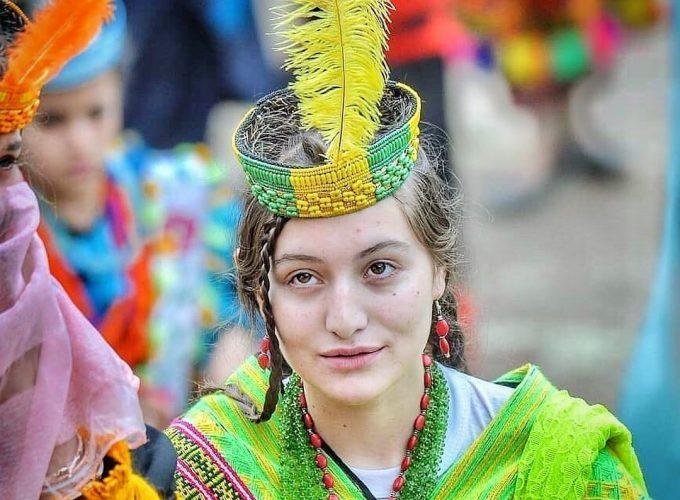
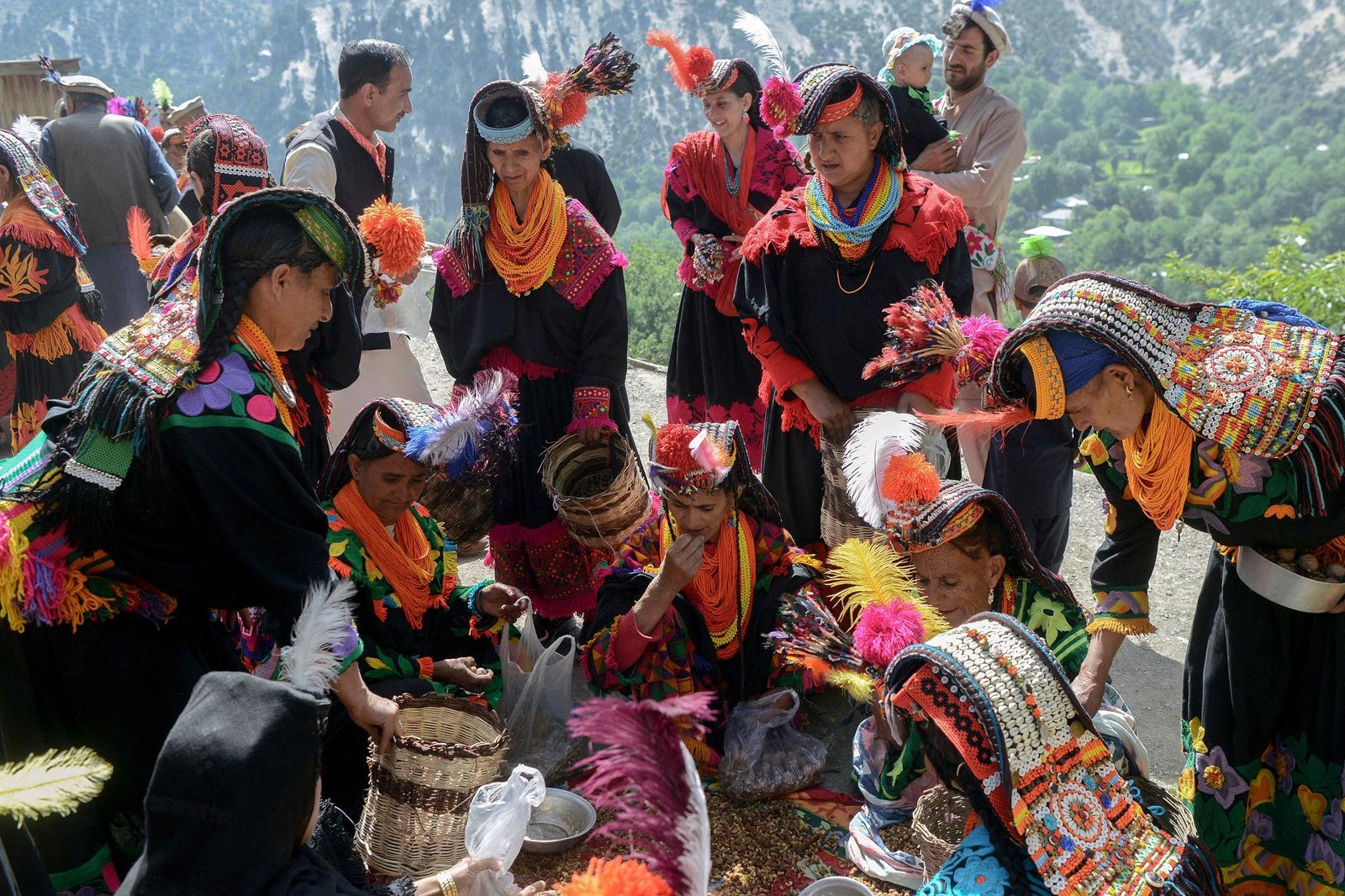
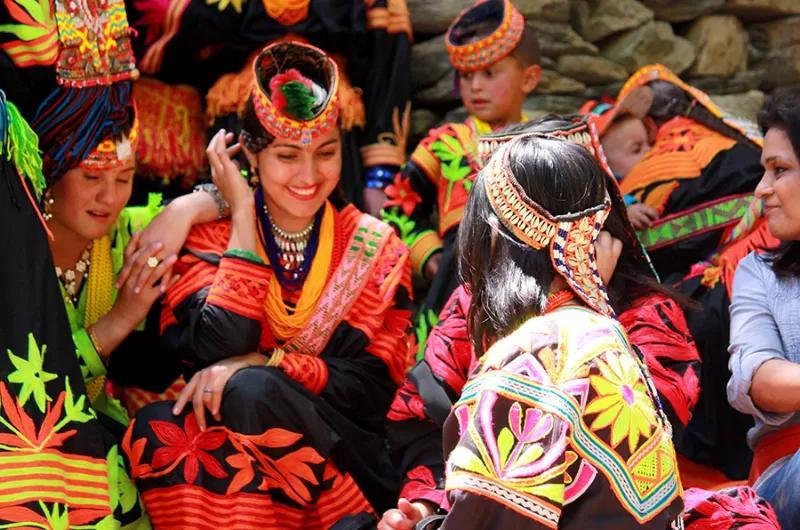
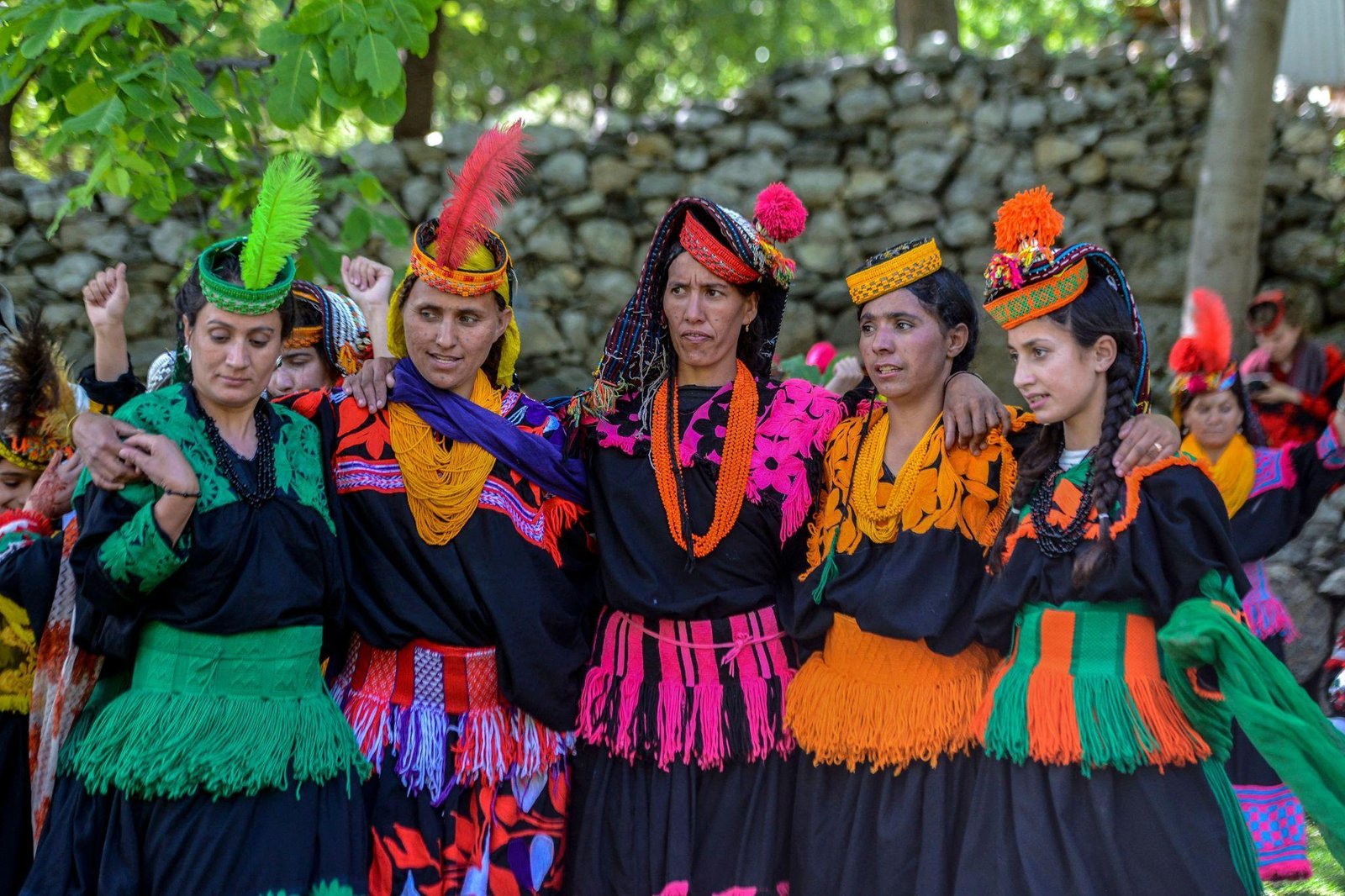
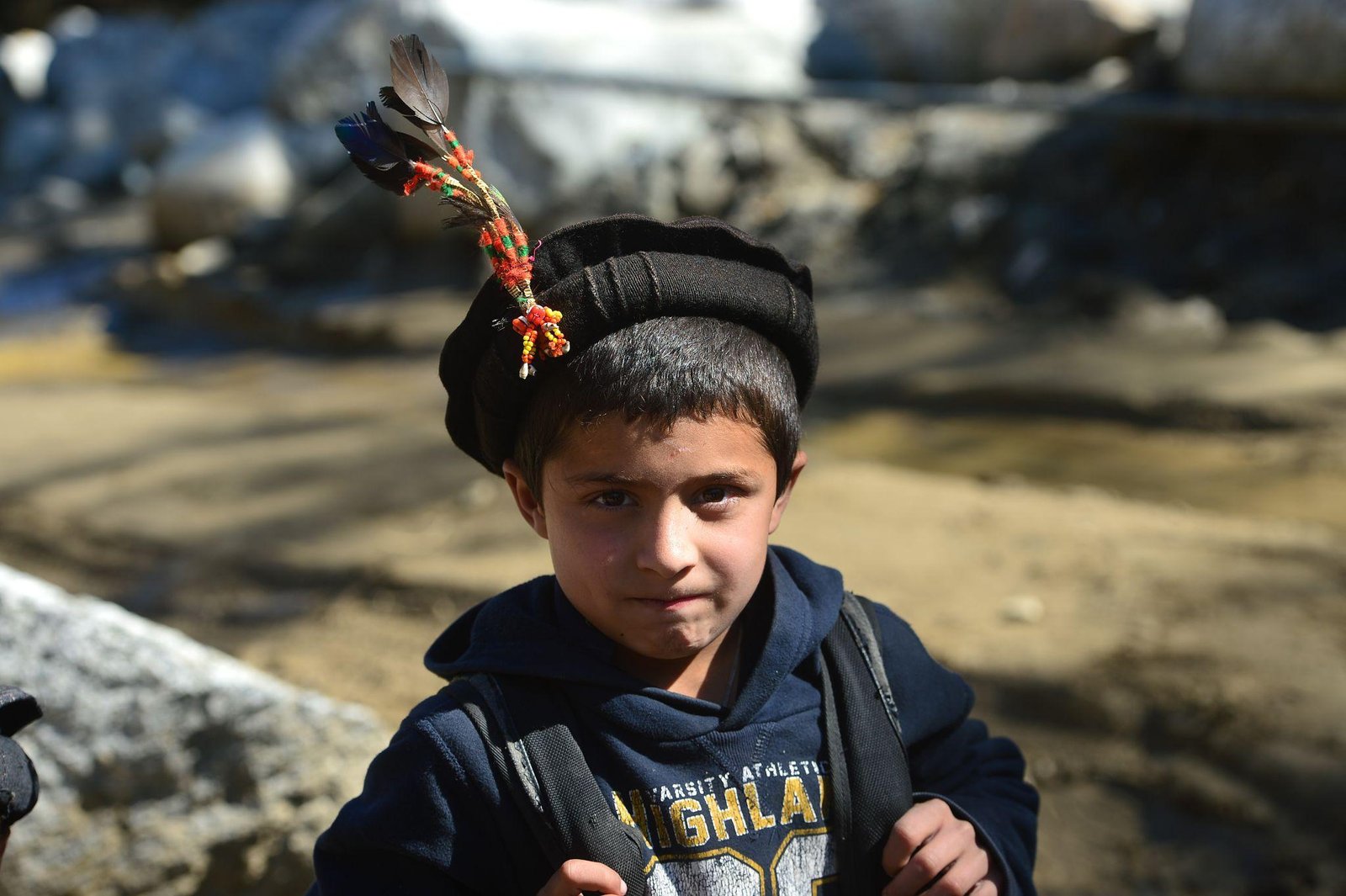
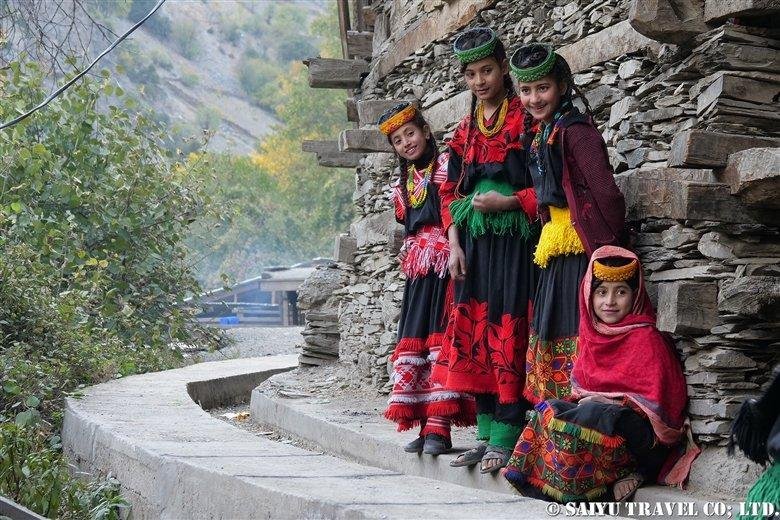
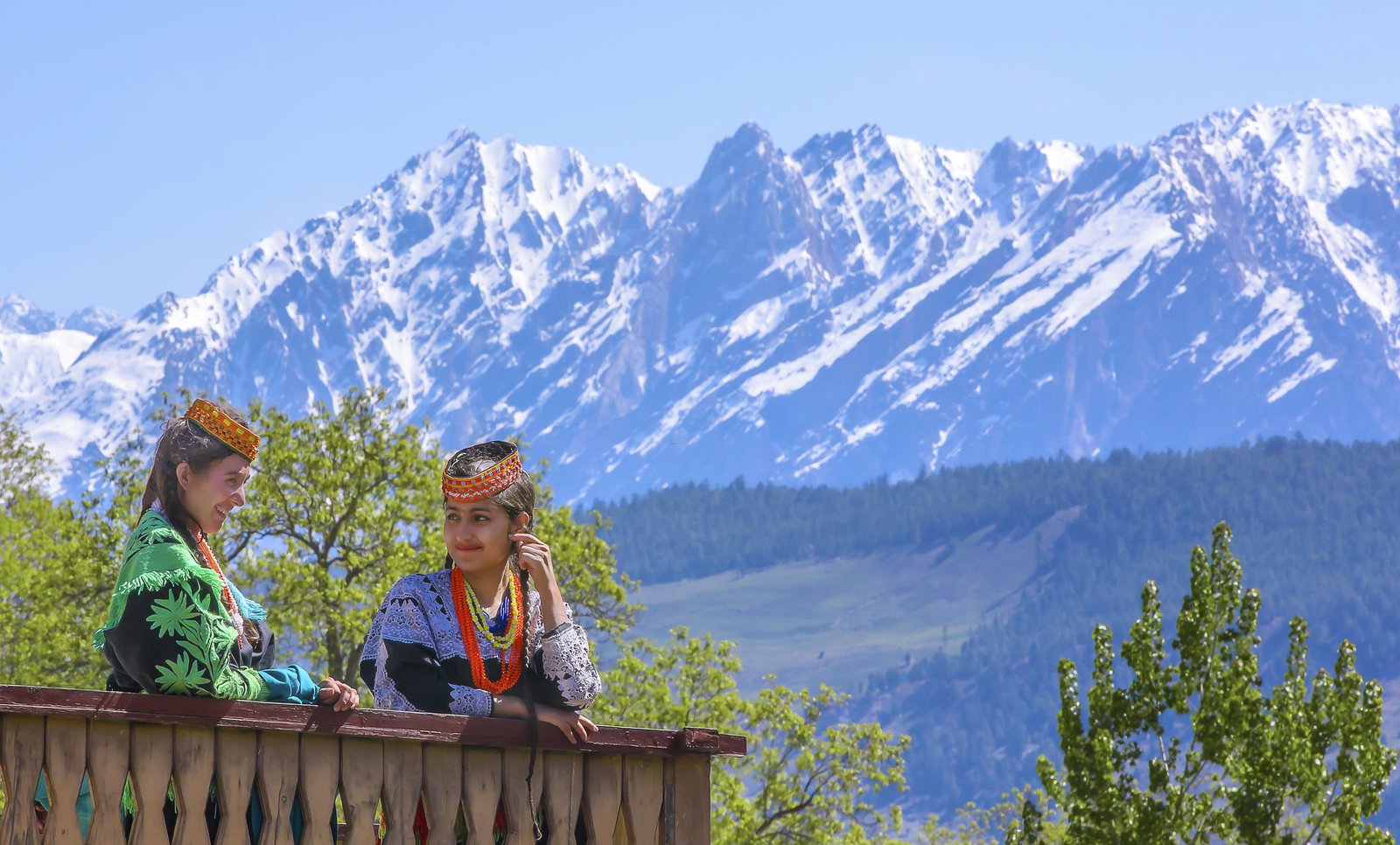
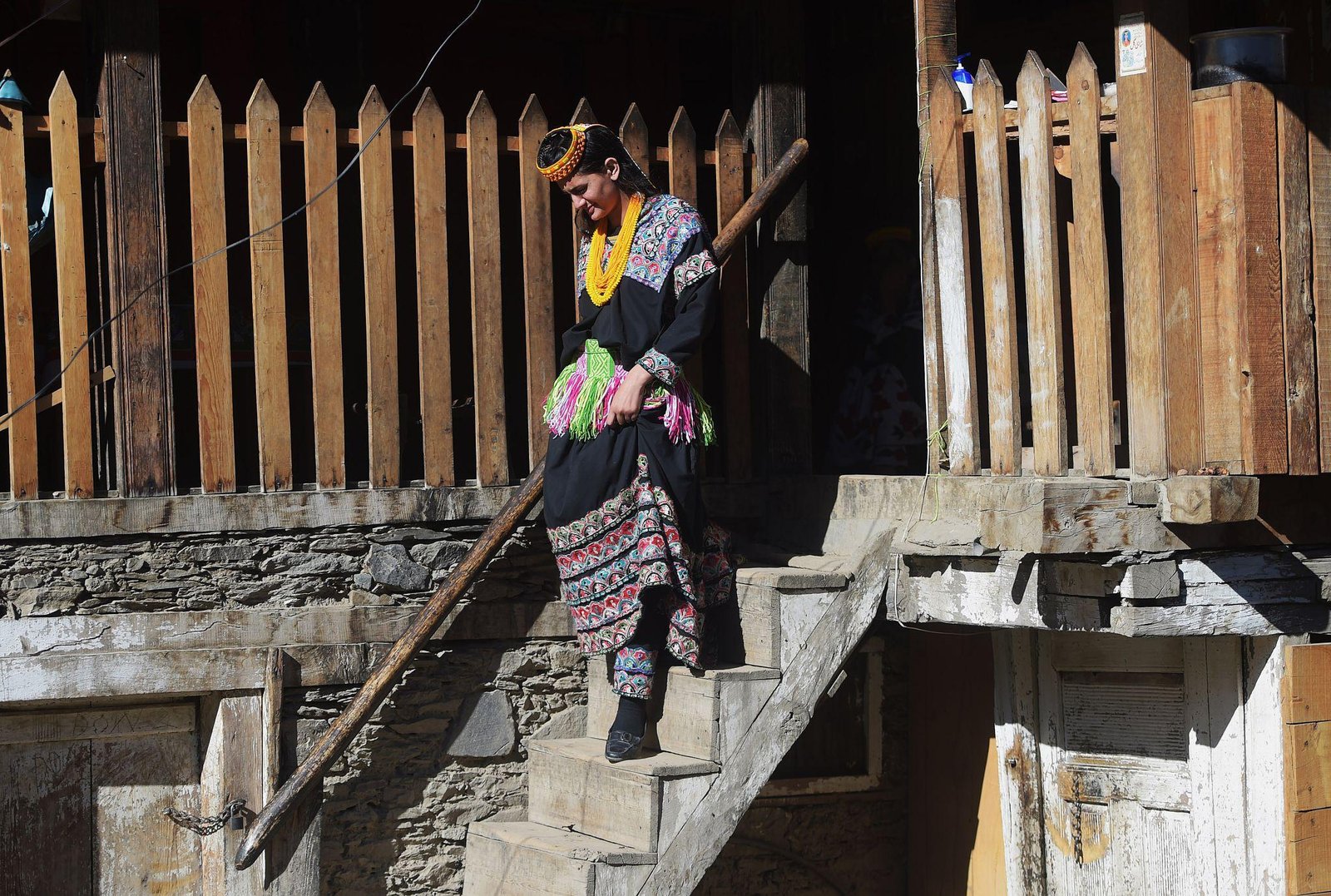
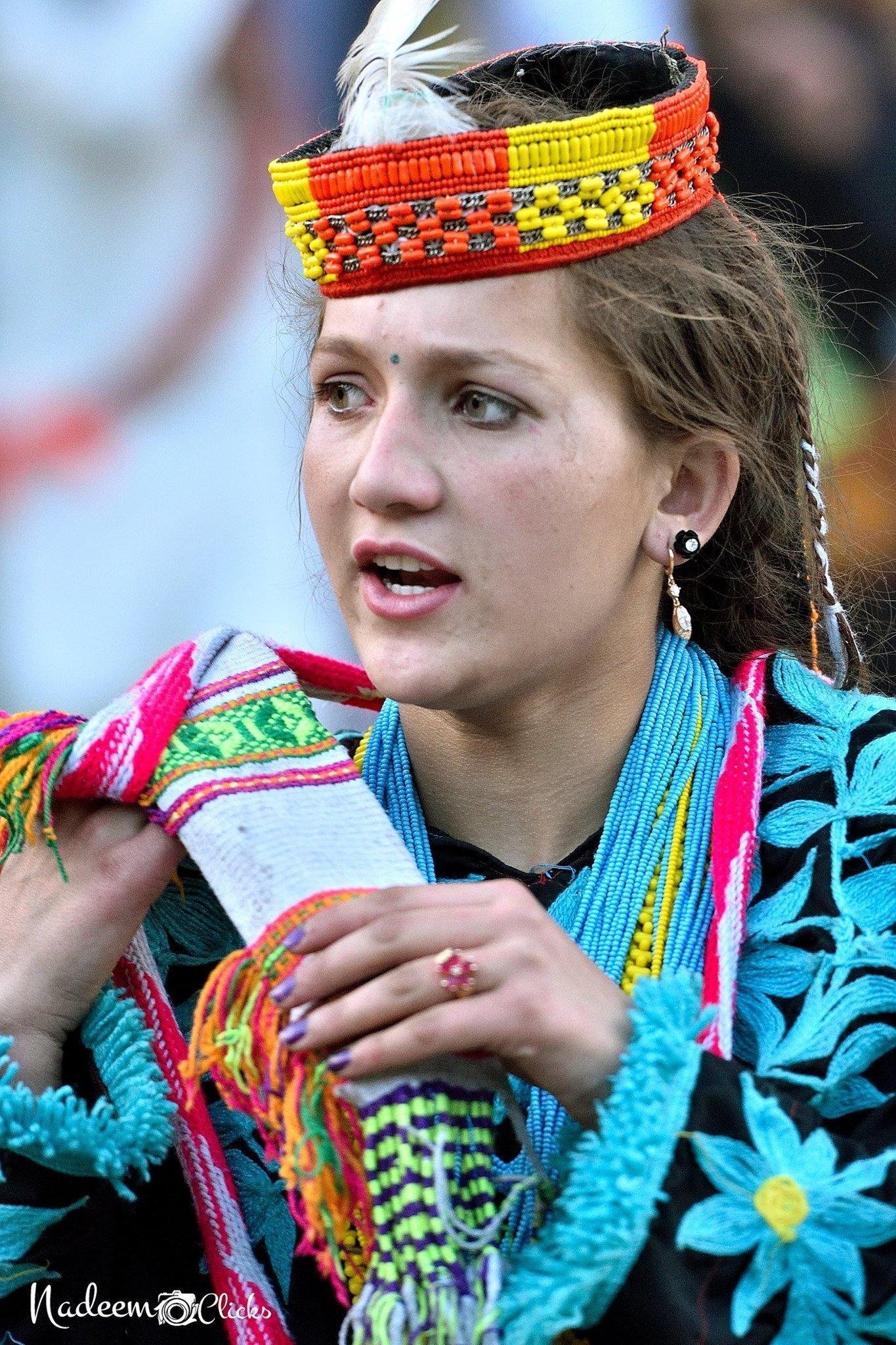
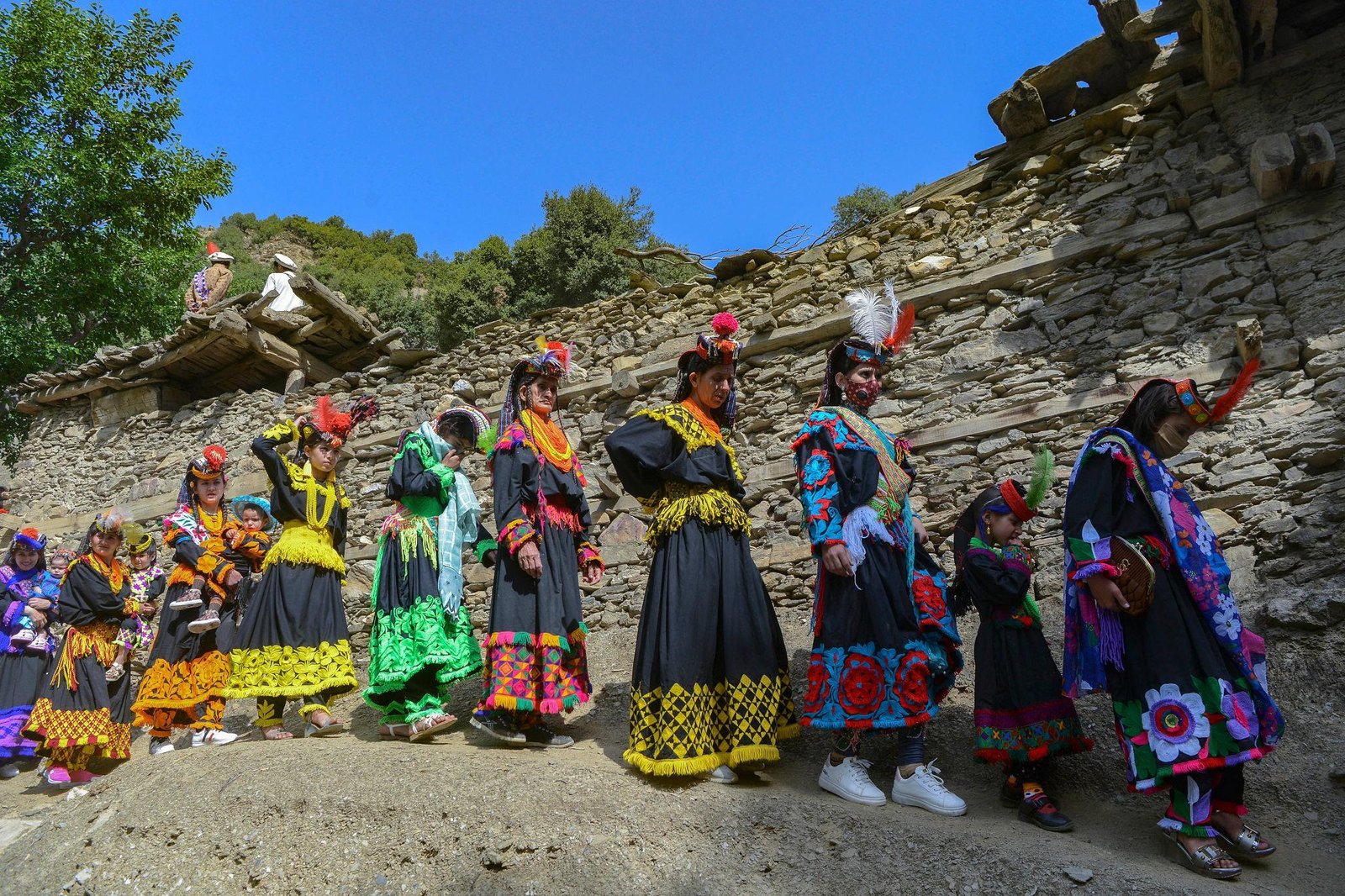
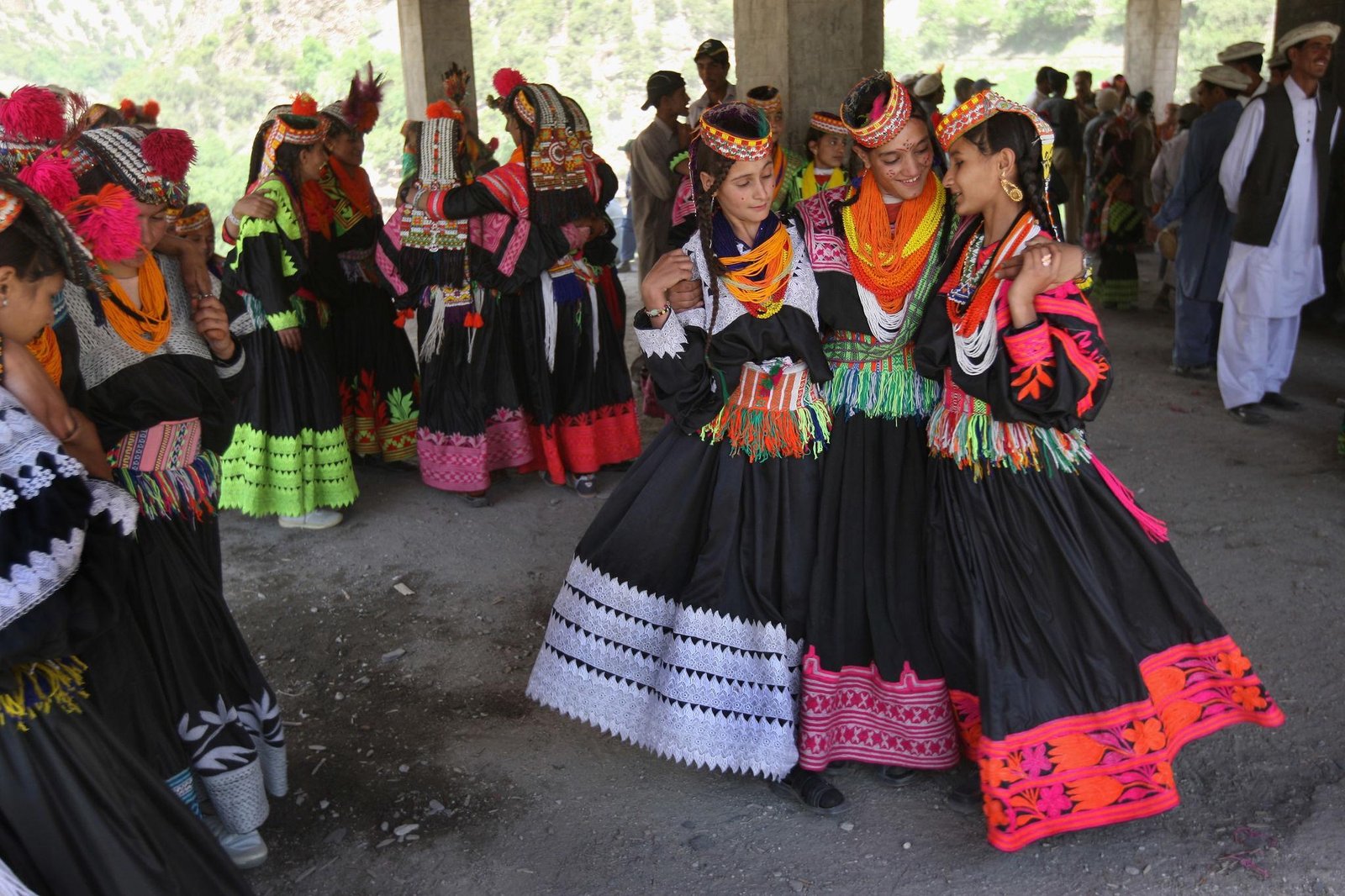
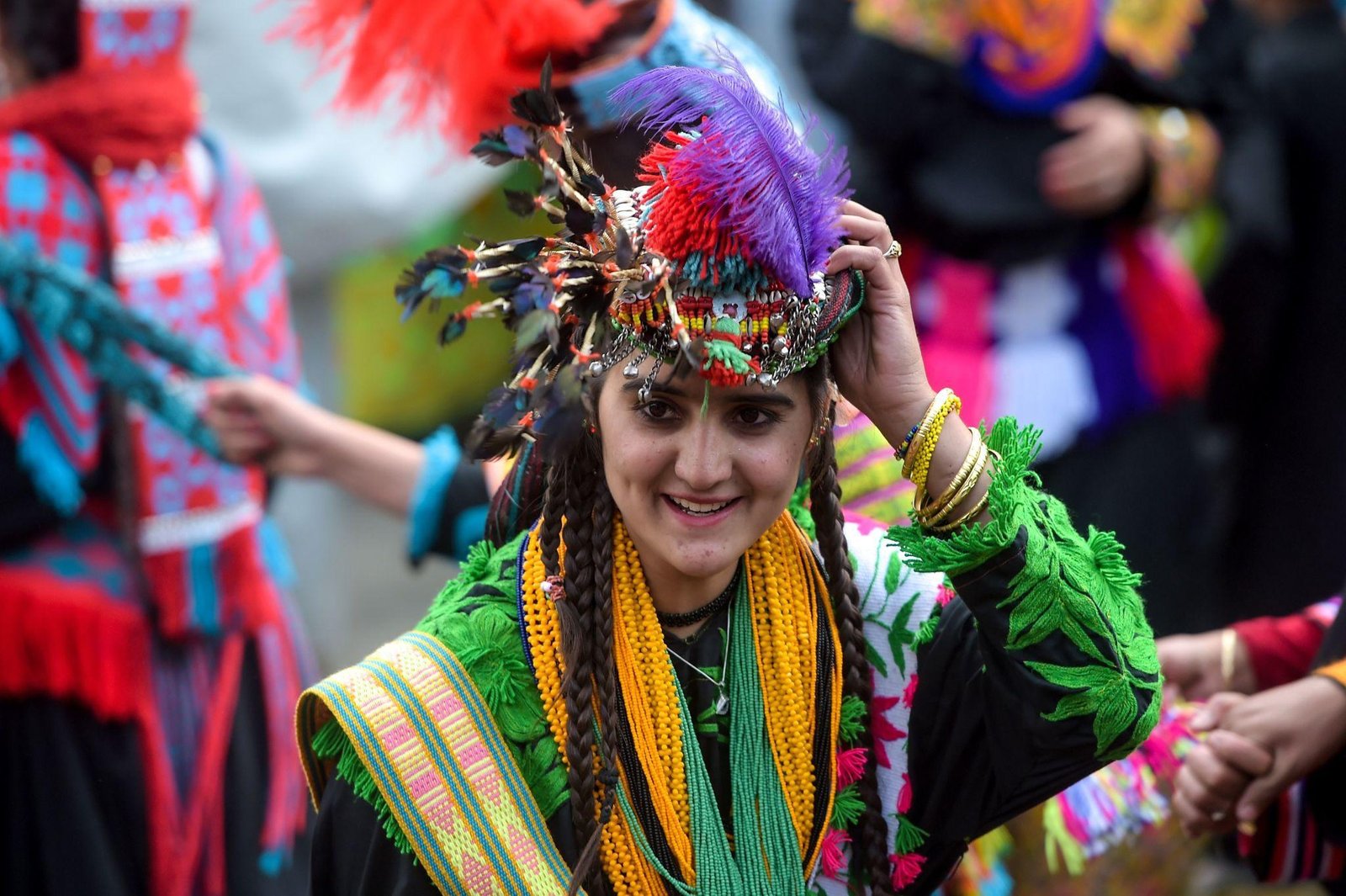
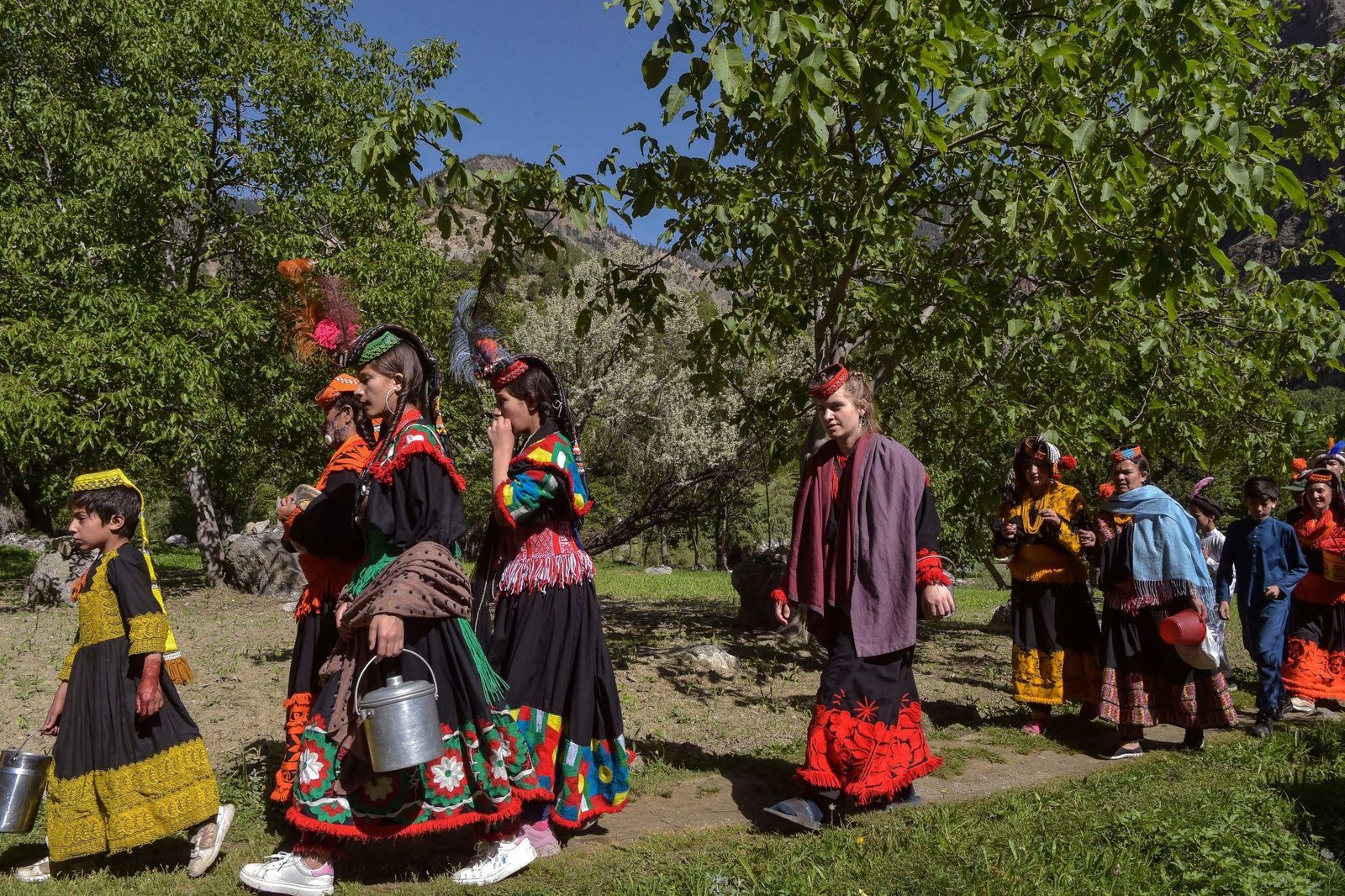
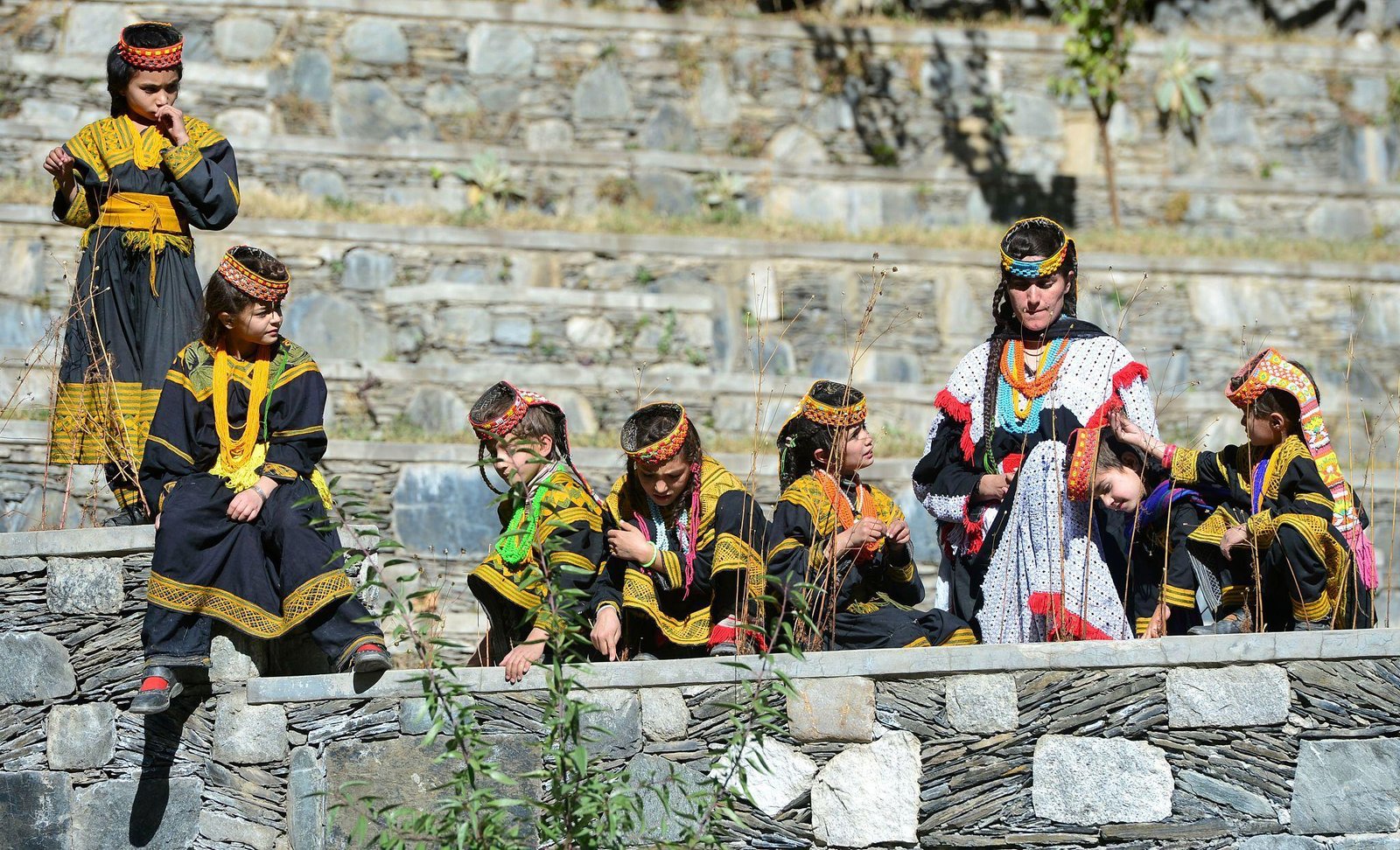
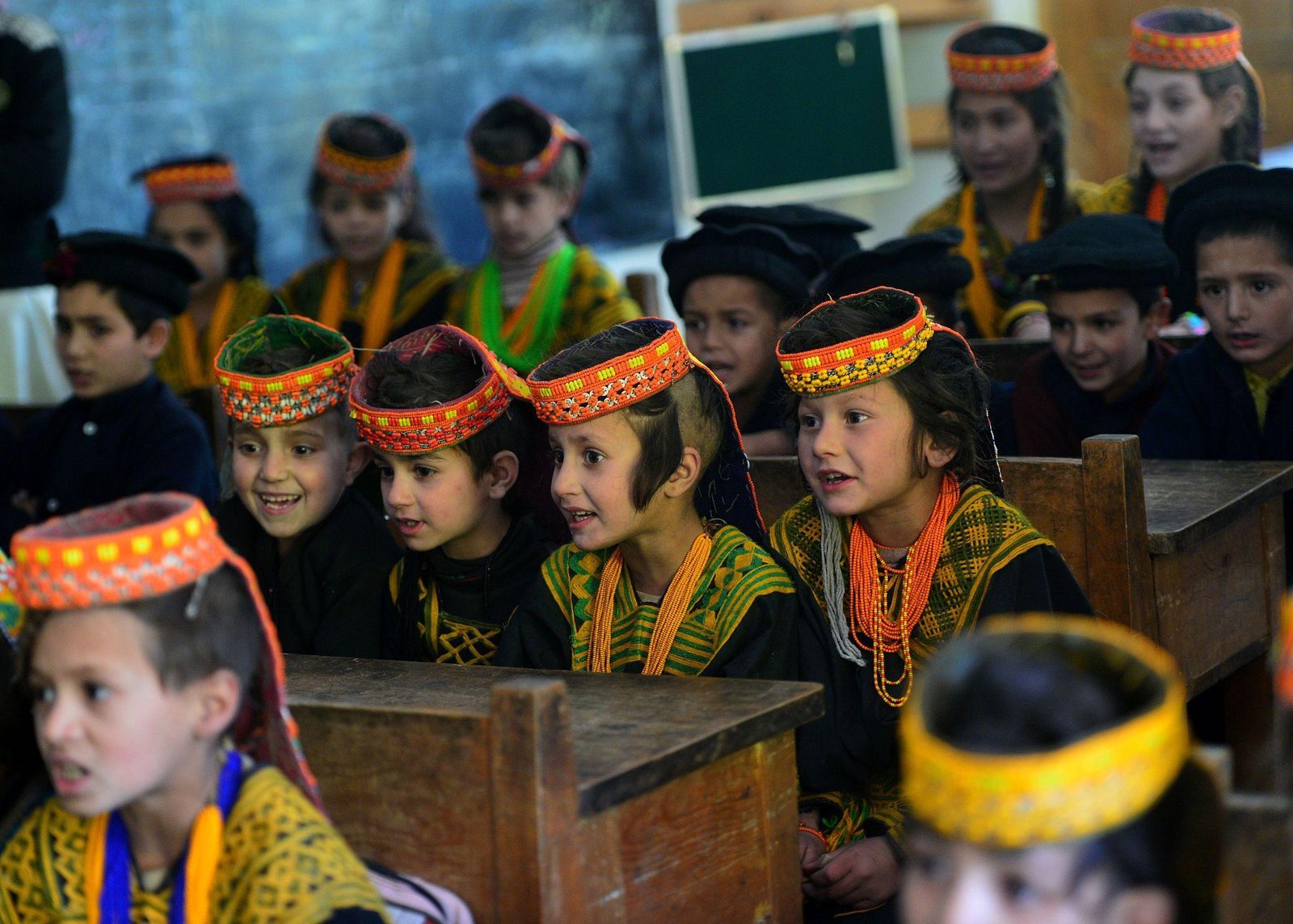
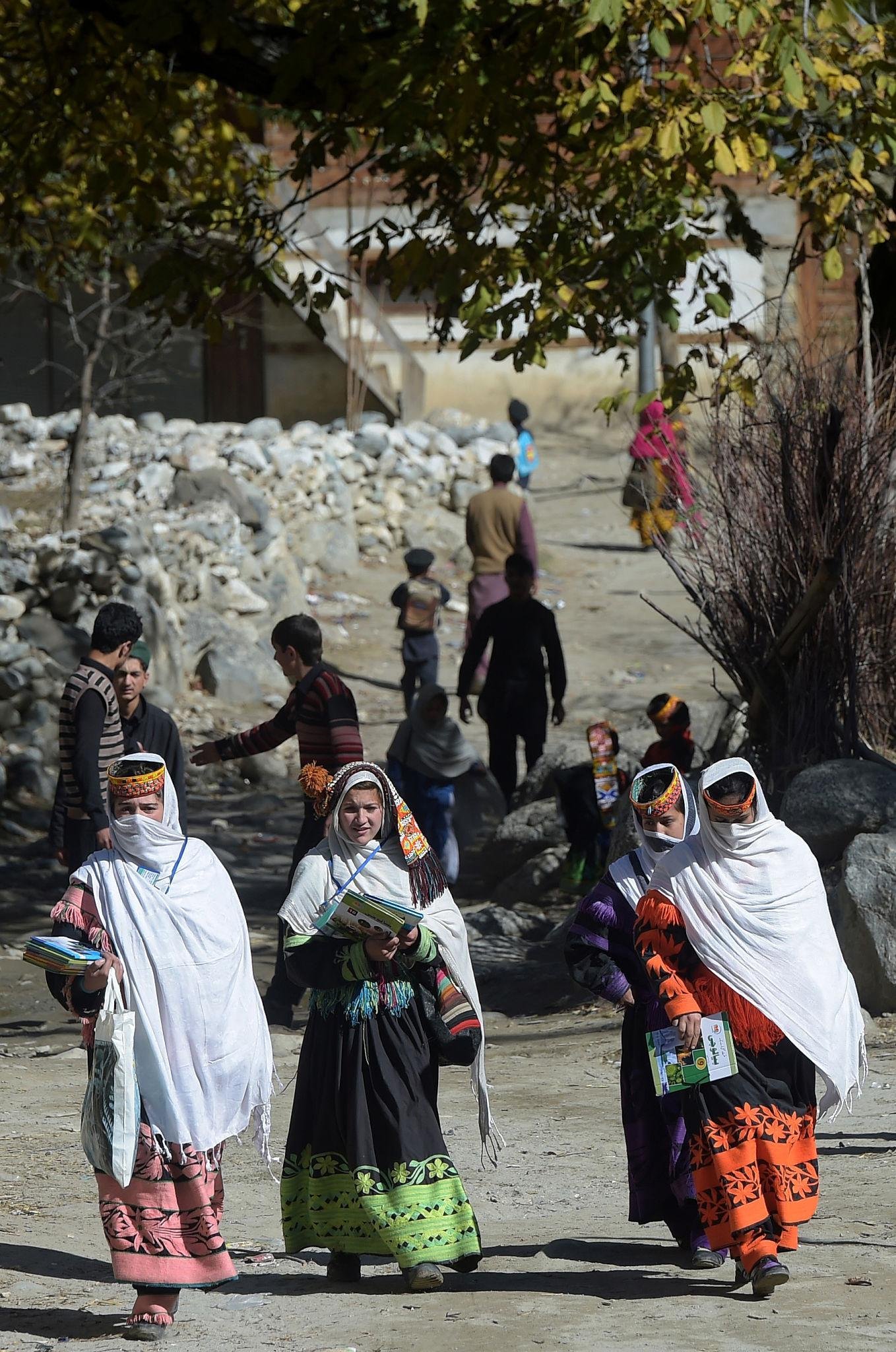
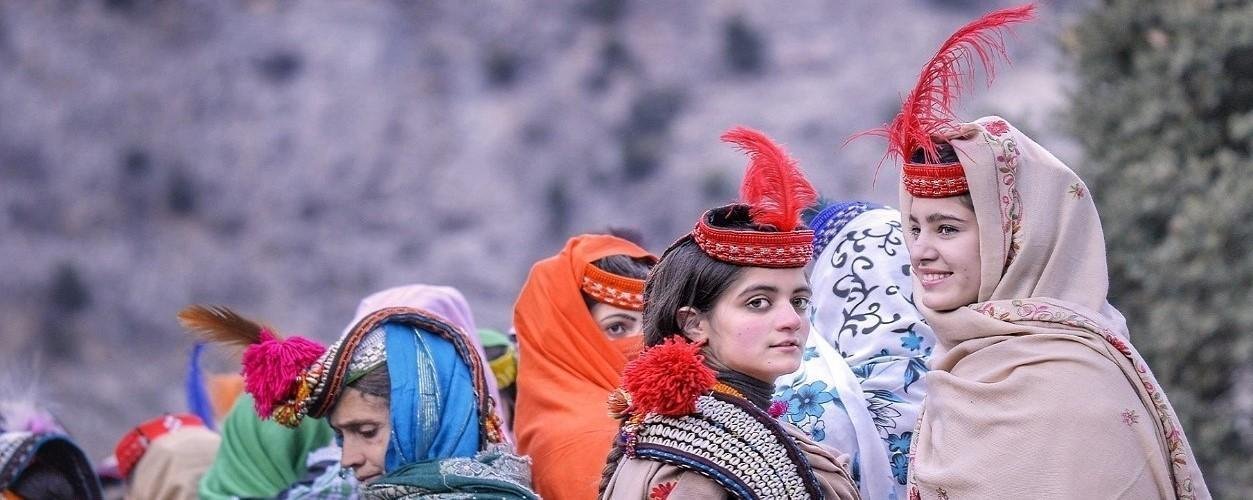
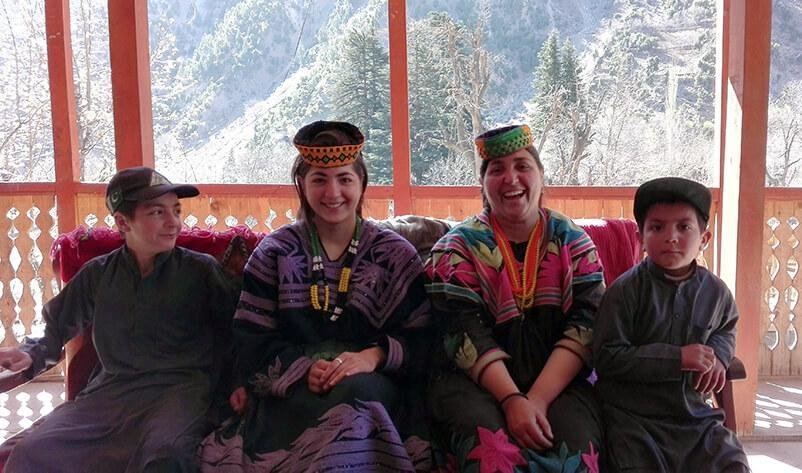
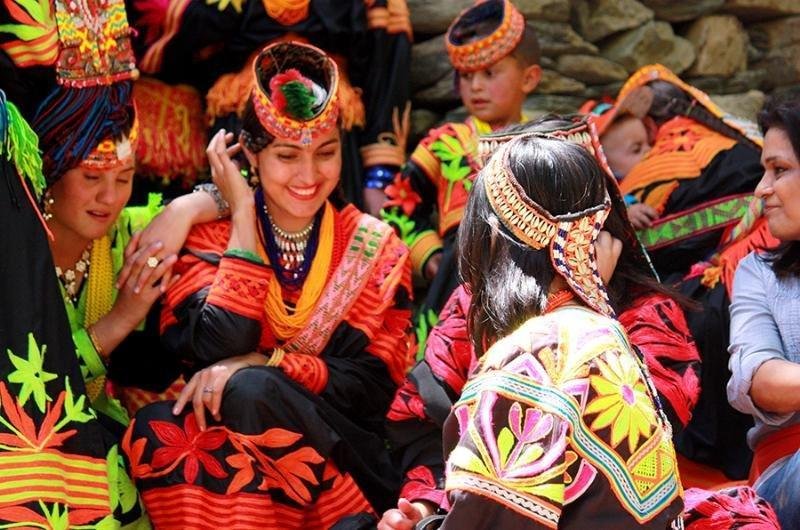
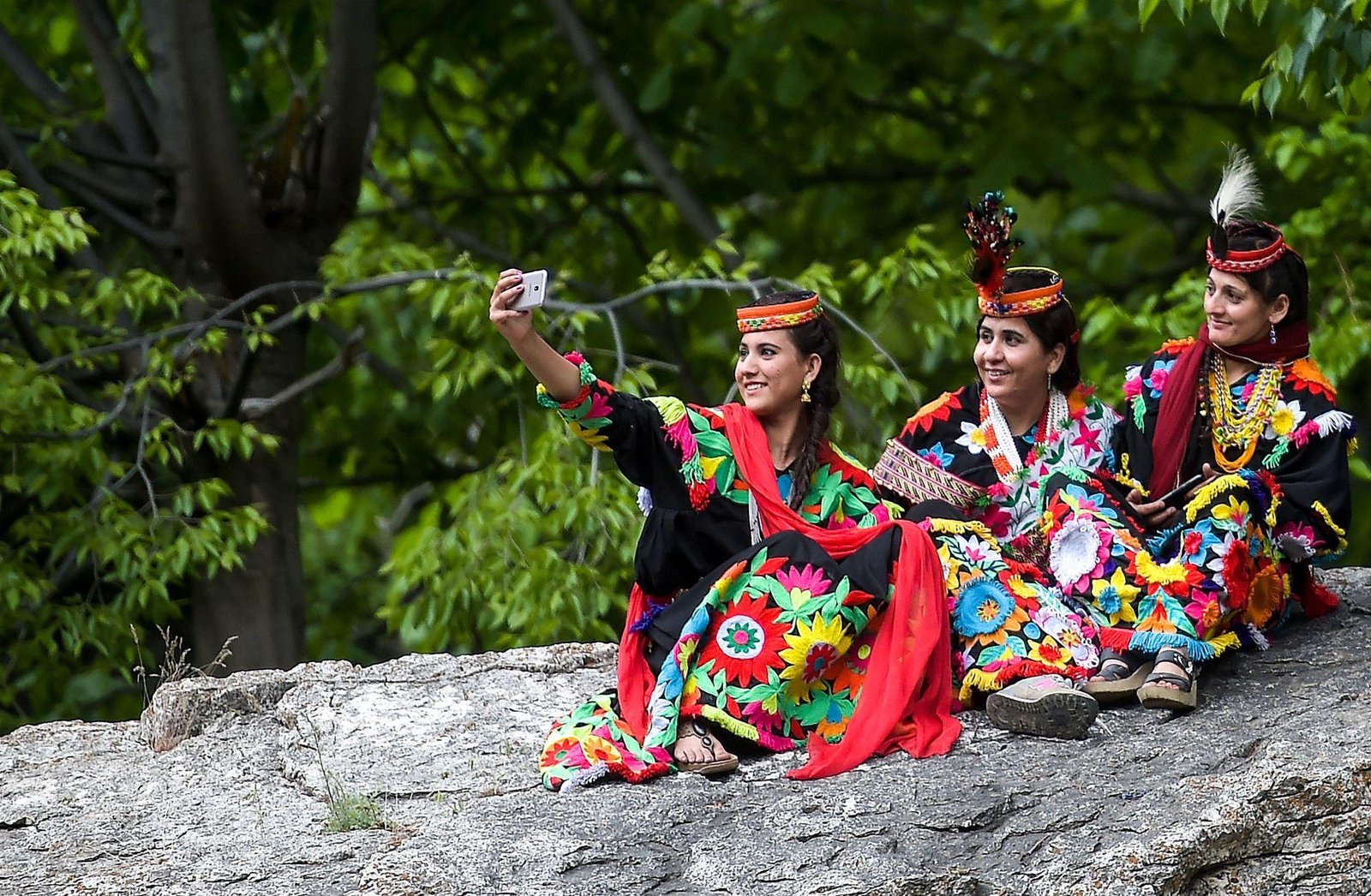
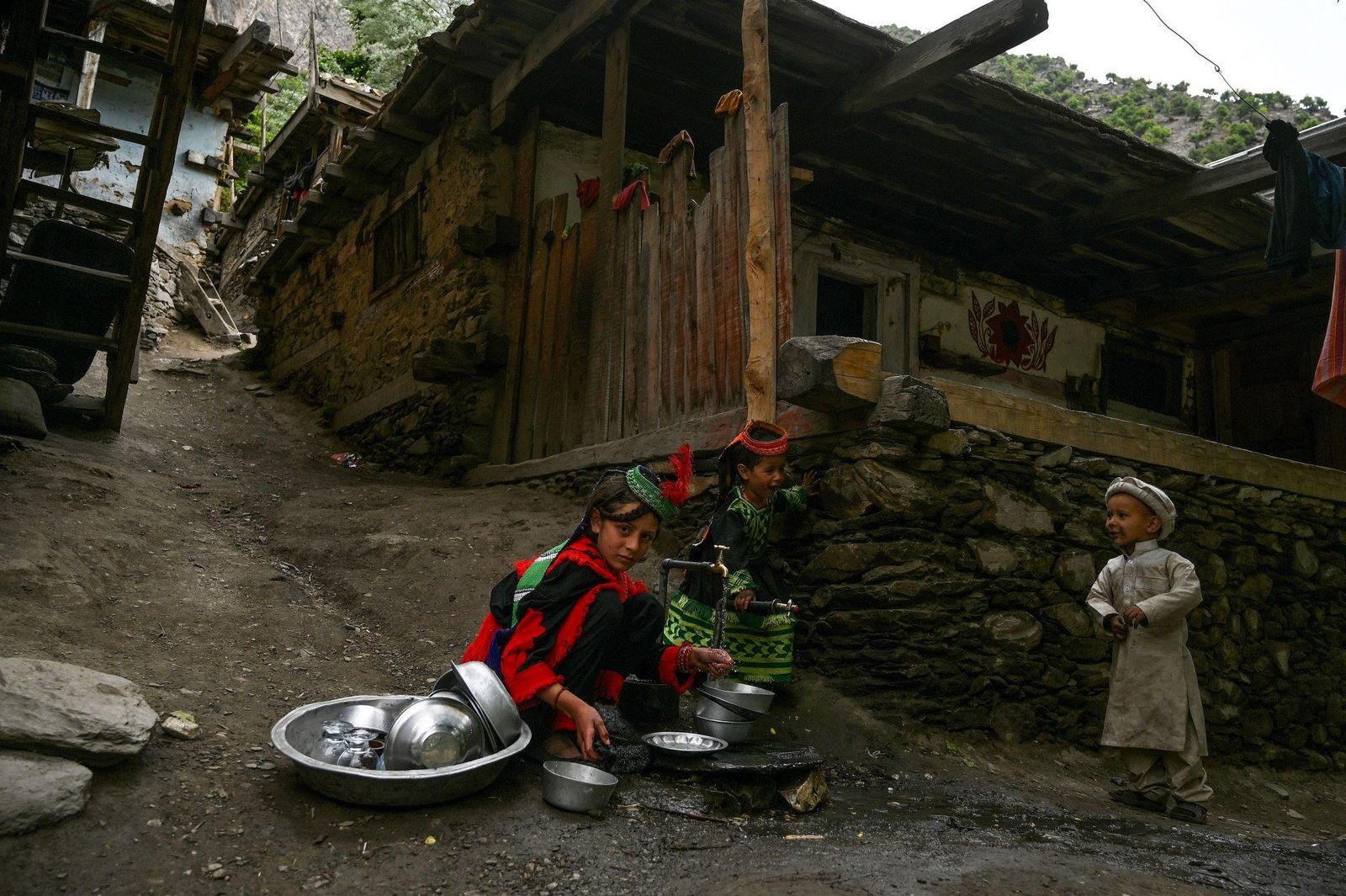
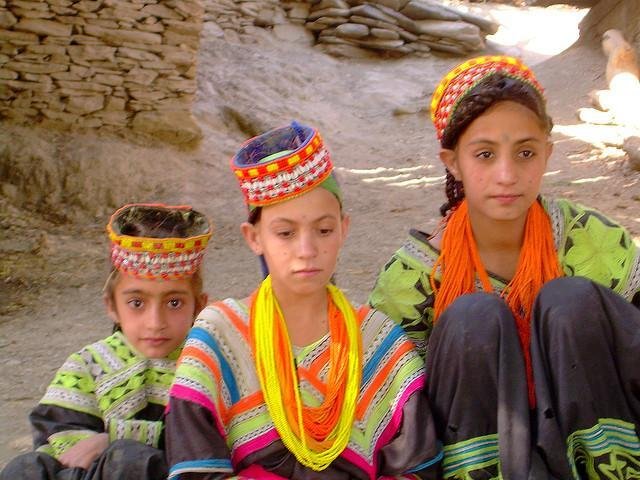
Traditional Kalash dress is among the most recognizable cultural expressions in Pakistan.
Women's attire typically includes:
- black embroidered robes
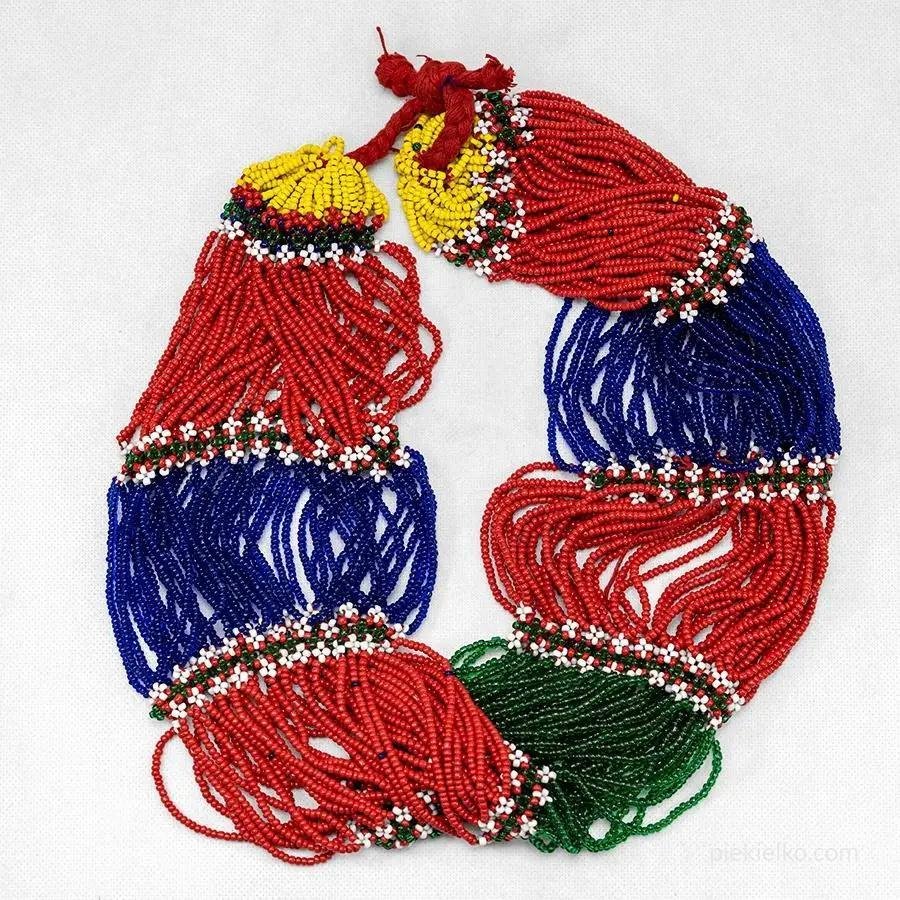
- colorful beadwork
- decorative headdresses
- handcrafted jewelry
The intricate designs often reflect:
- family heritage
- local craftsmanship
- cultural identity
Handmade products commonly found in the valleys include:
- beadwork
- woven items
- embroidered garments
- carved wooden objects
- traditional accessories
Purchasing locally made handicrafts provides direct support to community artisans.

Respecting Local Customs
Responsible tourism plays an important role in preserving Kalash culture.
Visitors should:
- ask permission before photographing people
- dress modestly
- respect religious sites
- avoid interrupting ceremonies
- support local businesses
- follow local guidance
Many residents welcome respectful visitors, but cultural sensitivity remains essential.
Understanding local customs enhances the travel experience while helping maintain positive relationships between communities and visitors.
Shandur Pass from Chitral Side
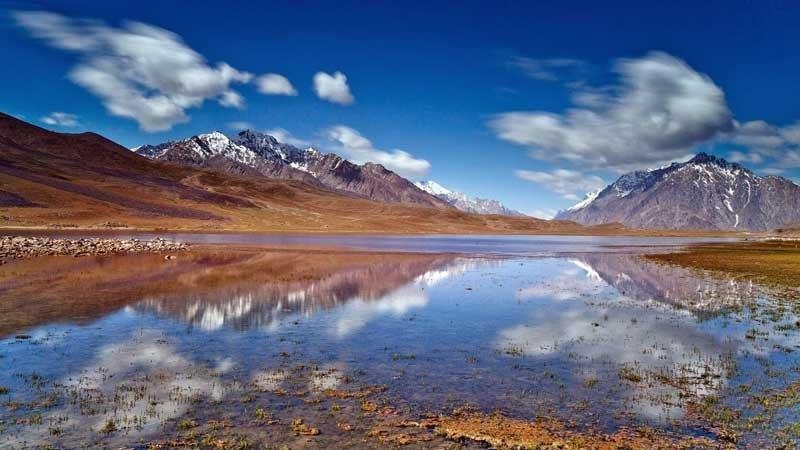
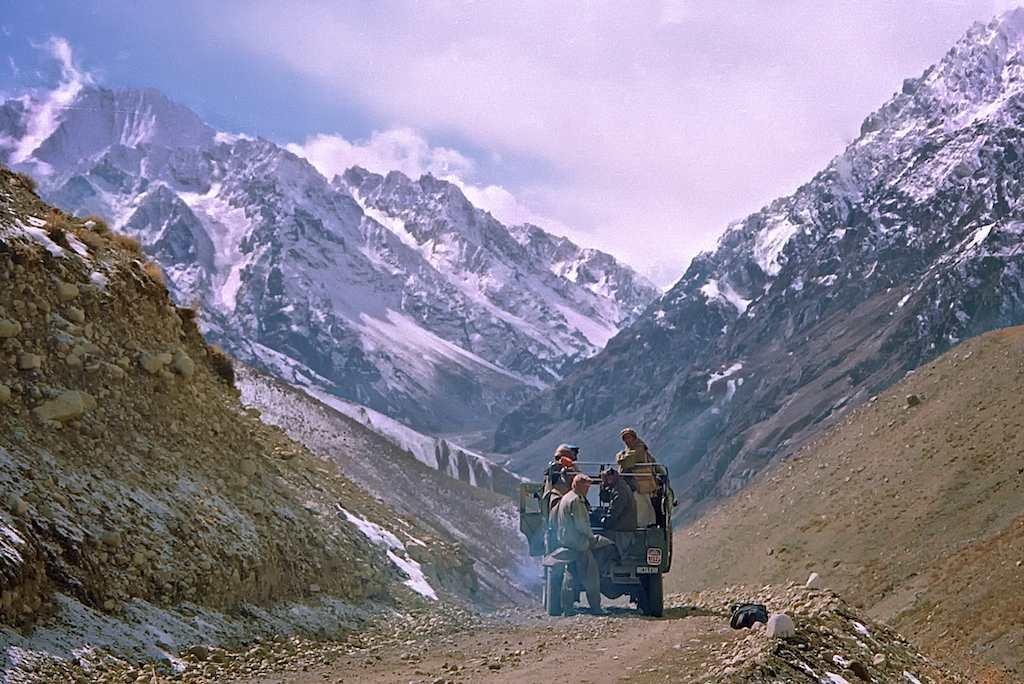
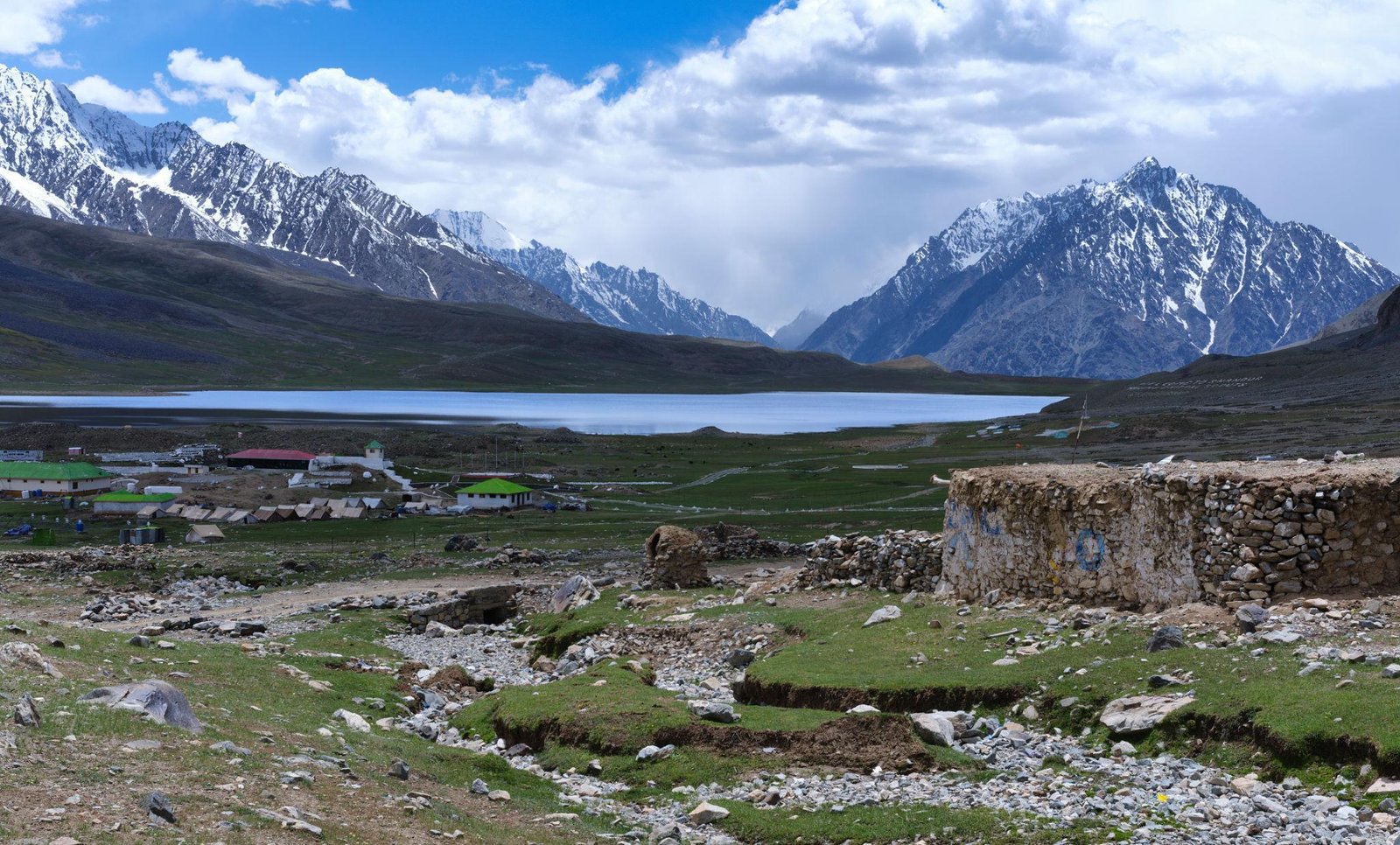
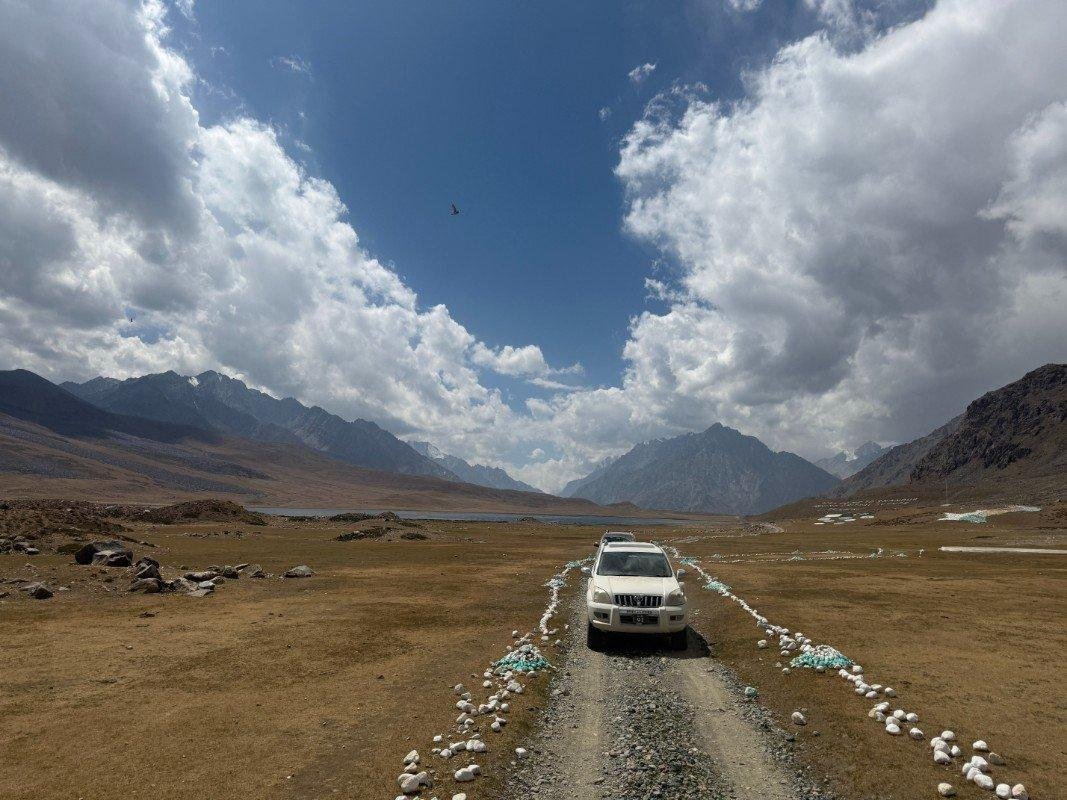
Shandur Pass is one of the most spectacular excursions from Chitral.
The route travels through:
- Mastuj
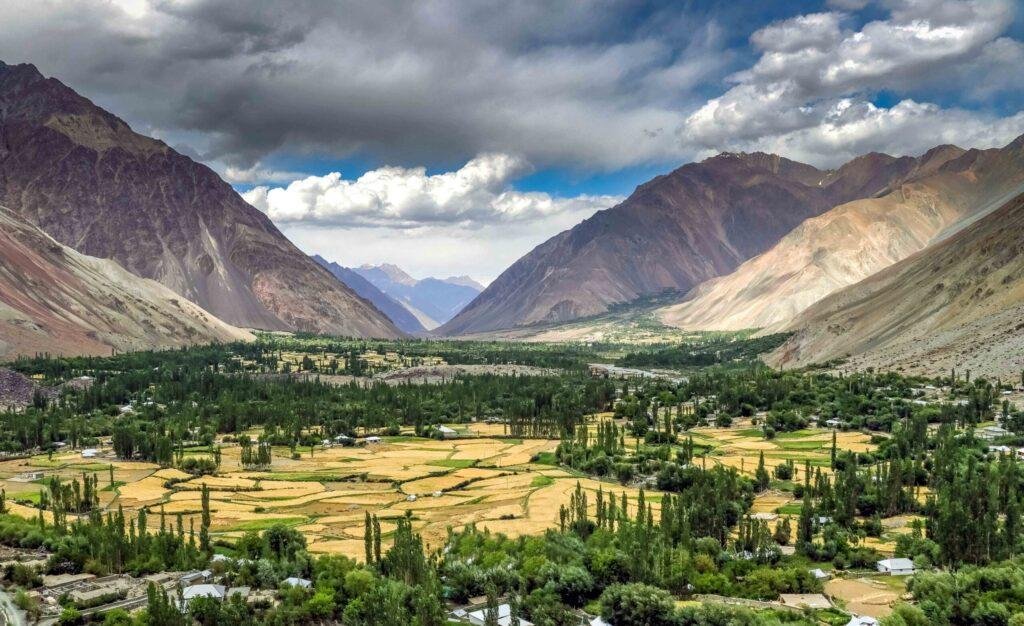
- Laspur Valley
- high-altitude plateaus
- remote mountain landscapes
The Chitral approach is known for:
- dramatic scenery
- traditional villages
- river valleys
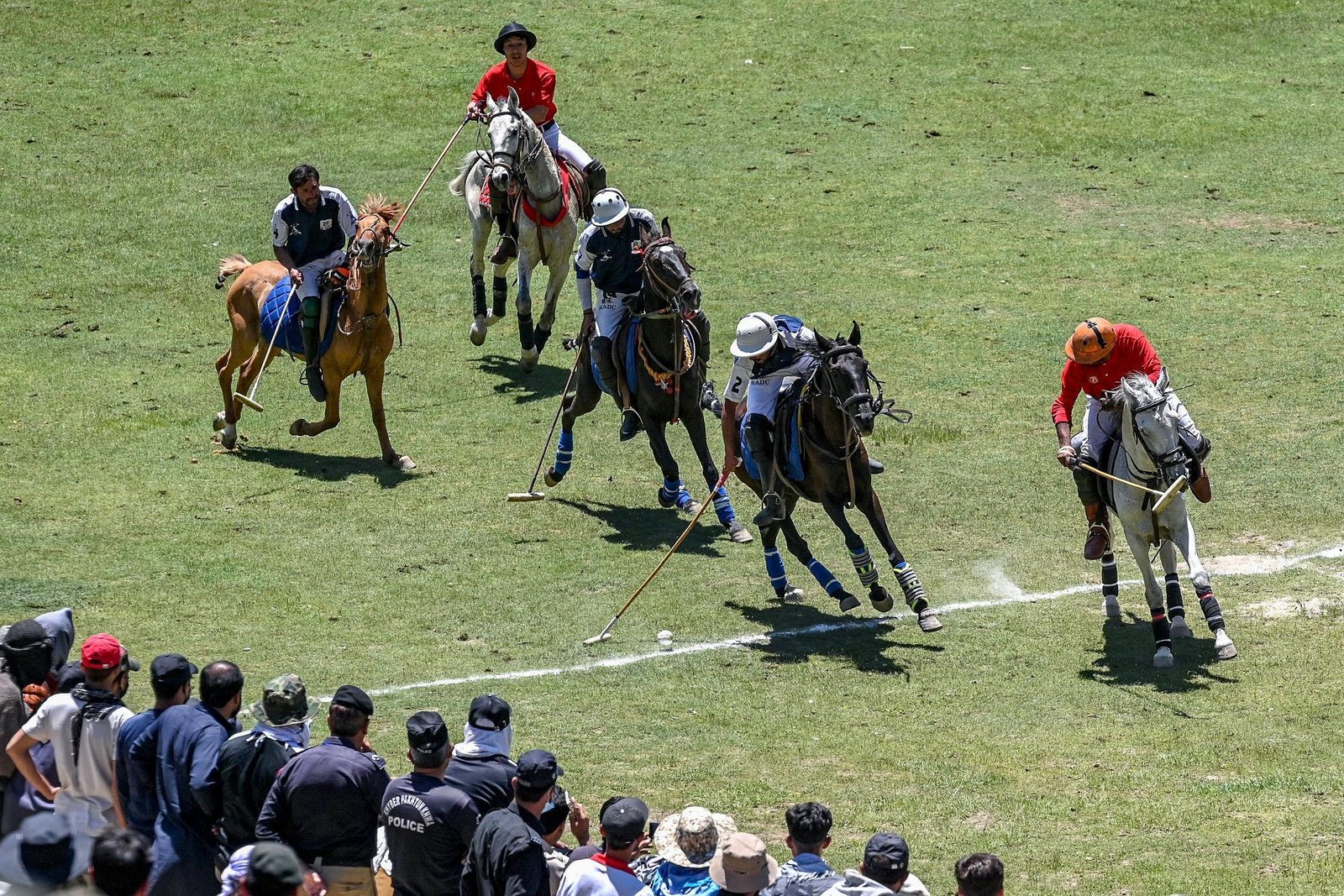
- historic polo culture
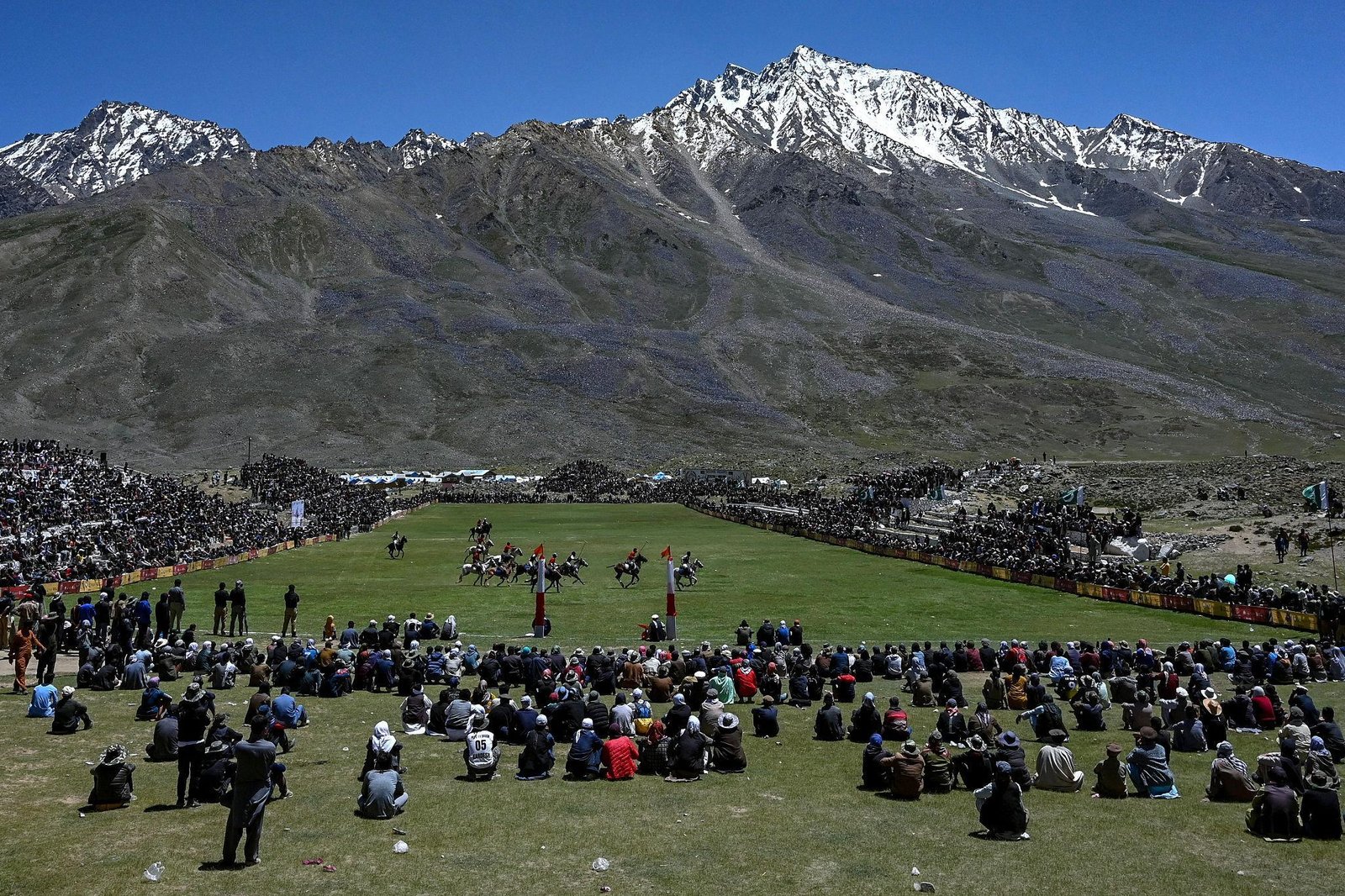
Every summer, Shandur becomes the venue for the famous Shandur Polo Festival where teams from Chitral and Gilgit compete at the world's highest polo ground.
Even outside festival season, the pass remains one of northern Pakistan's most scenic destinations.
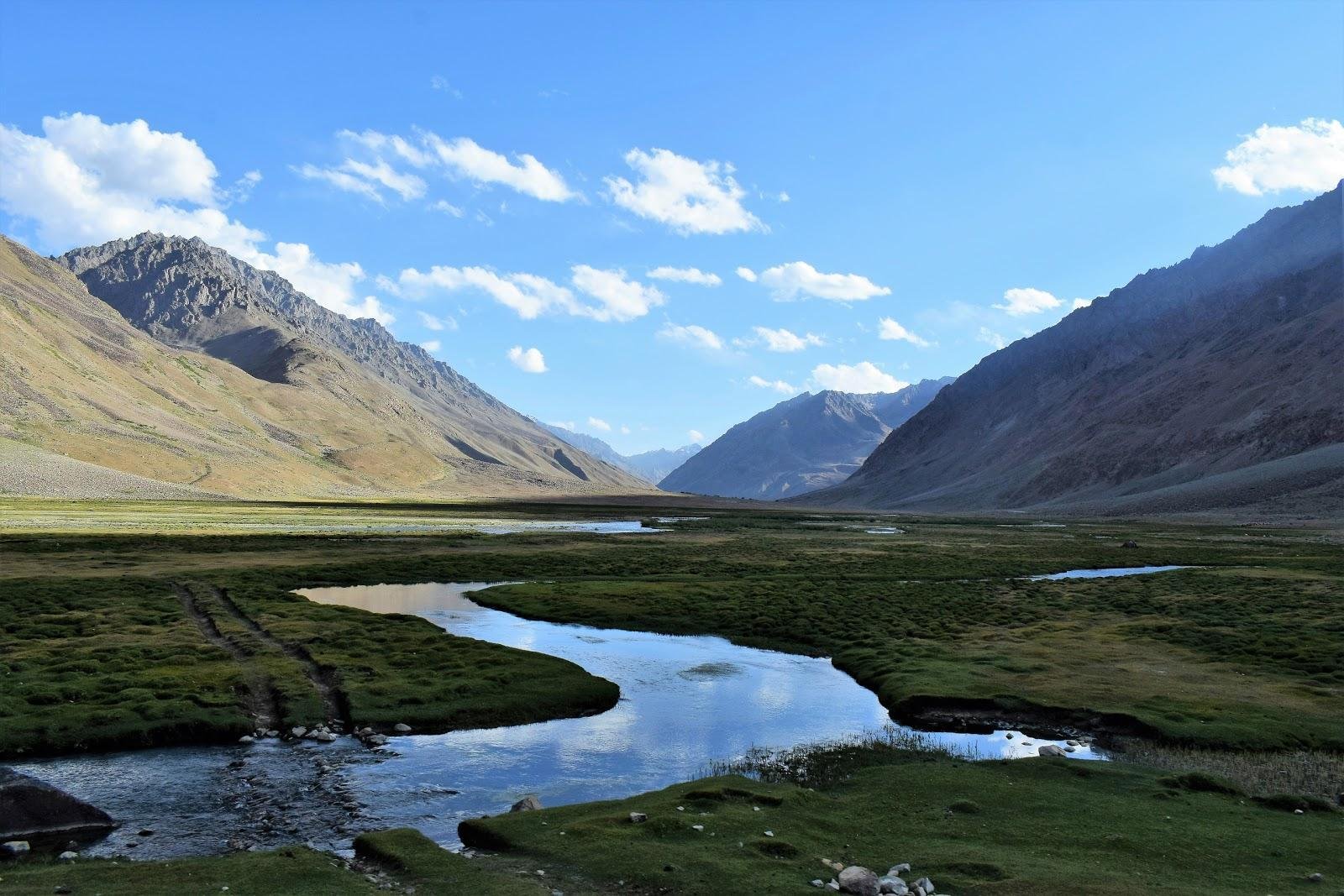
Tirich Mir – The Highest Peak in the Hindu Kush
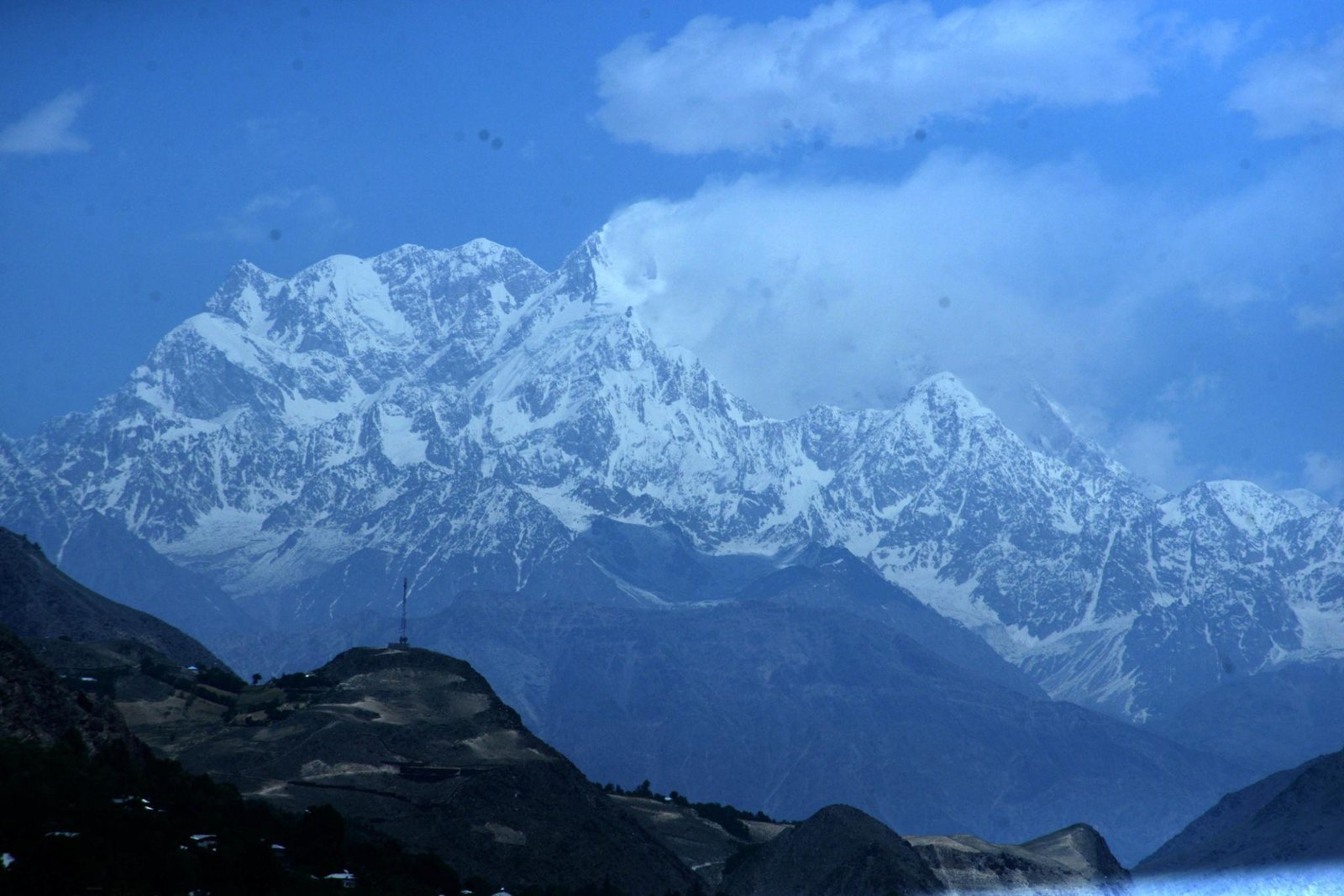
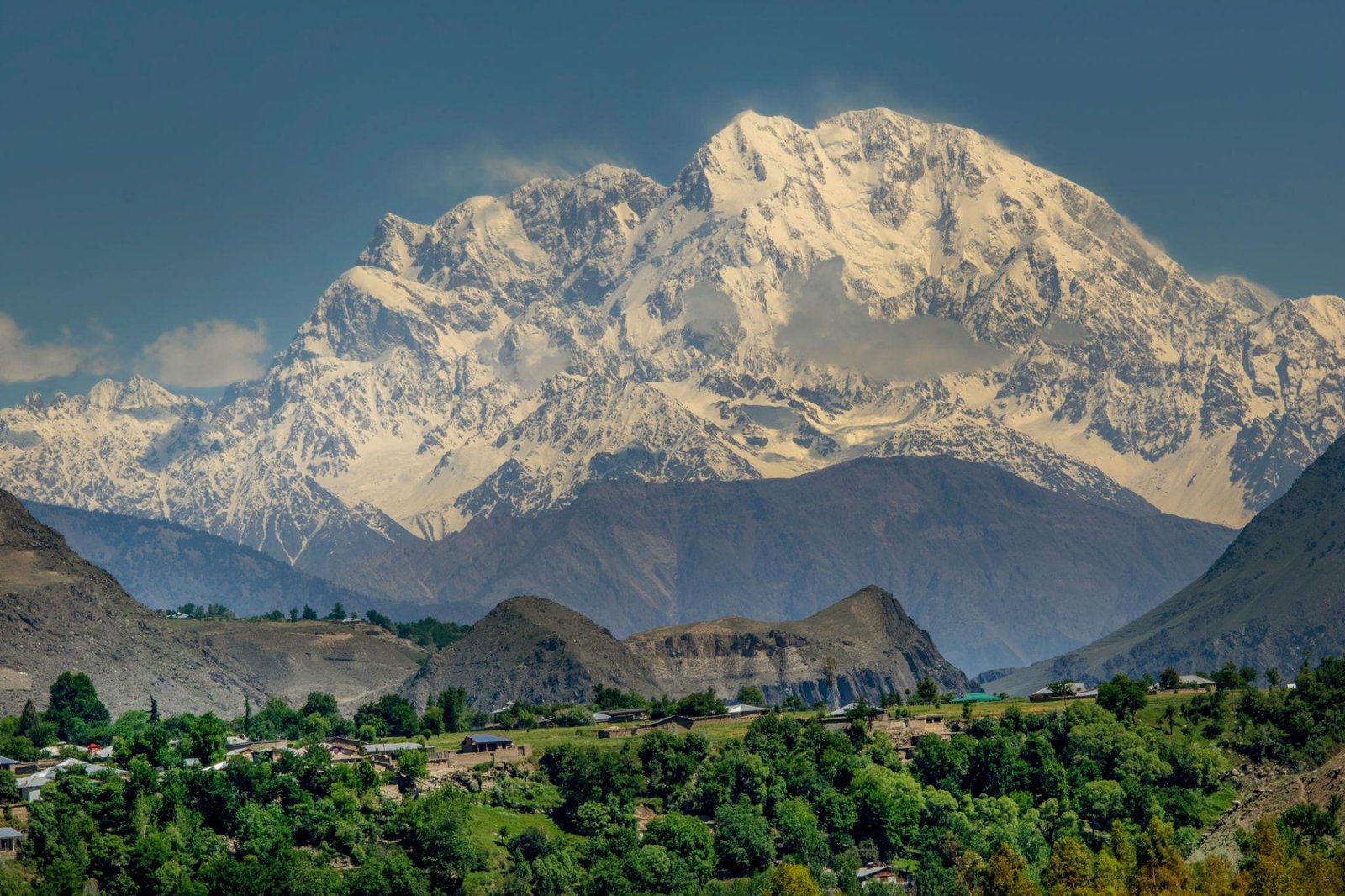
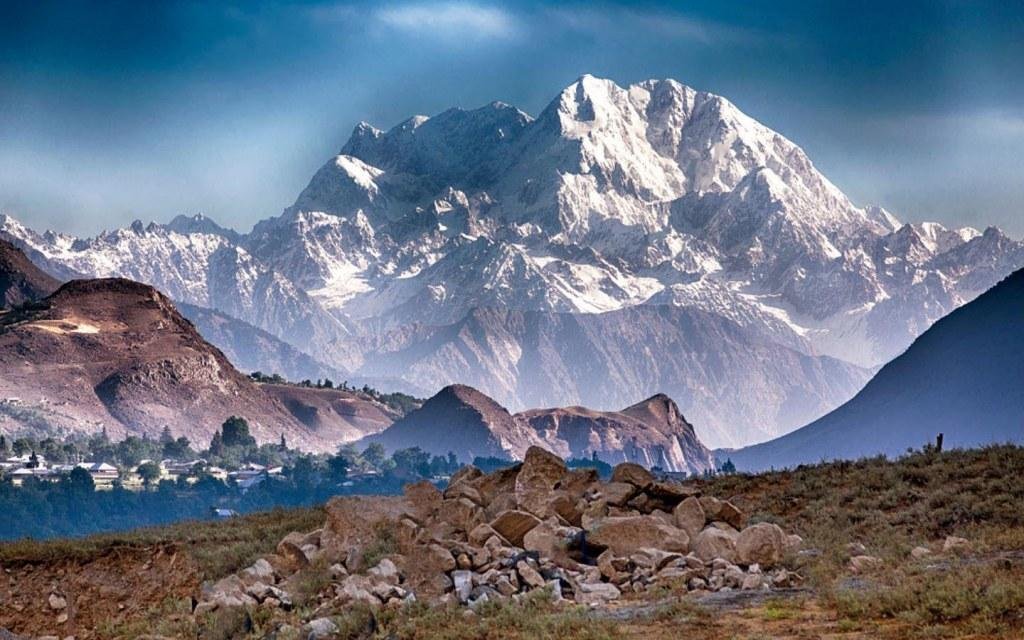
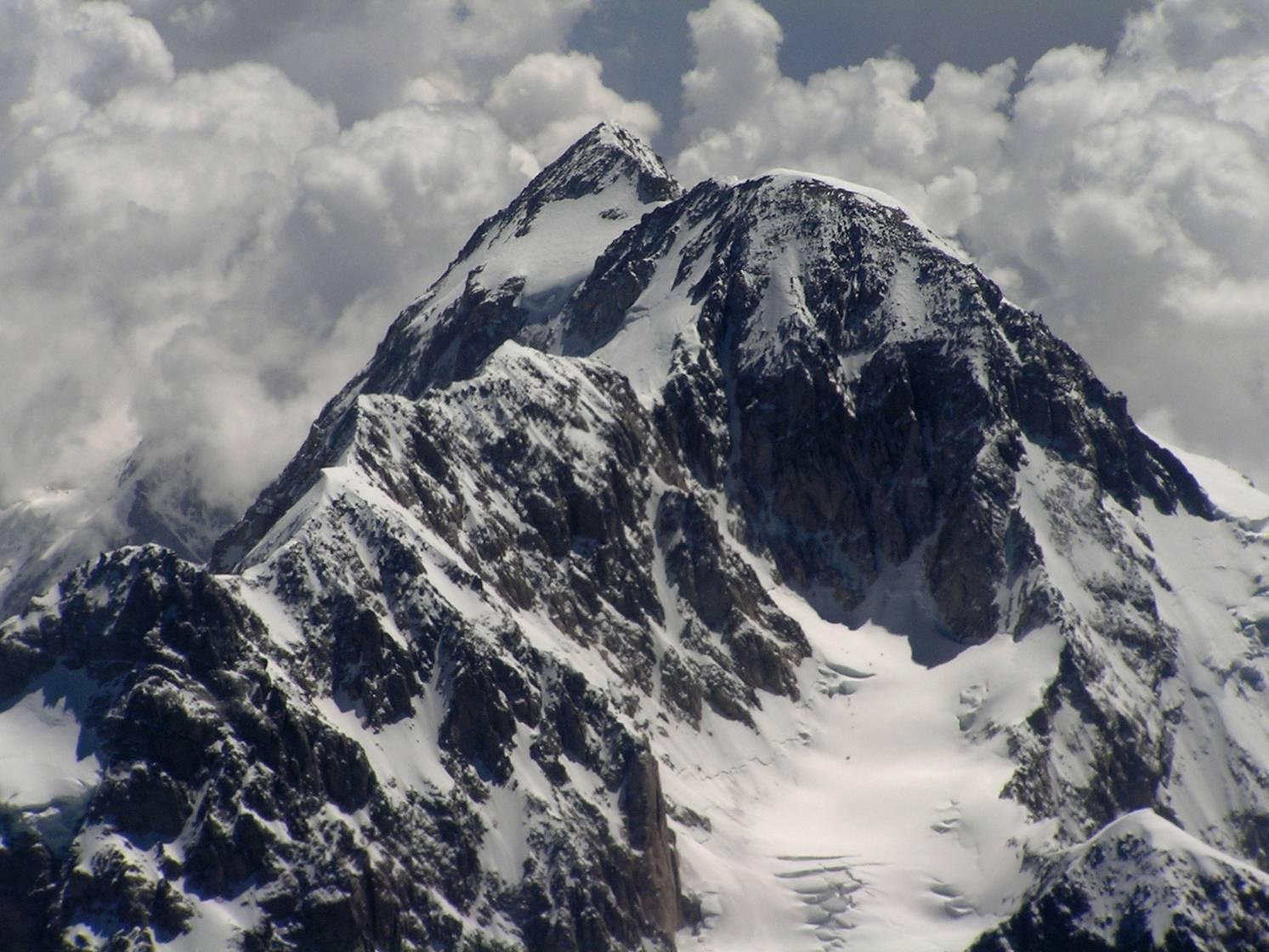
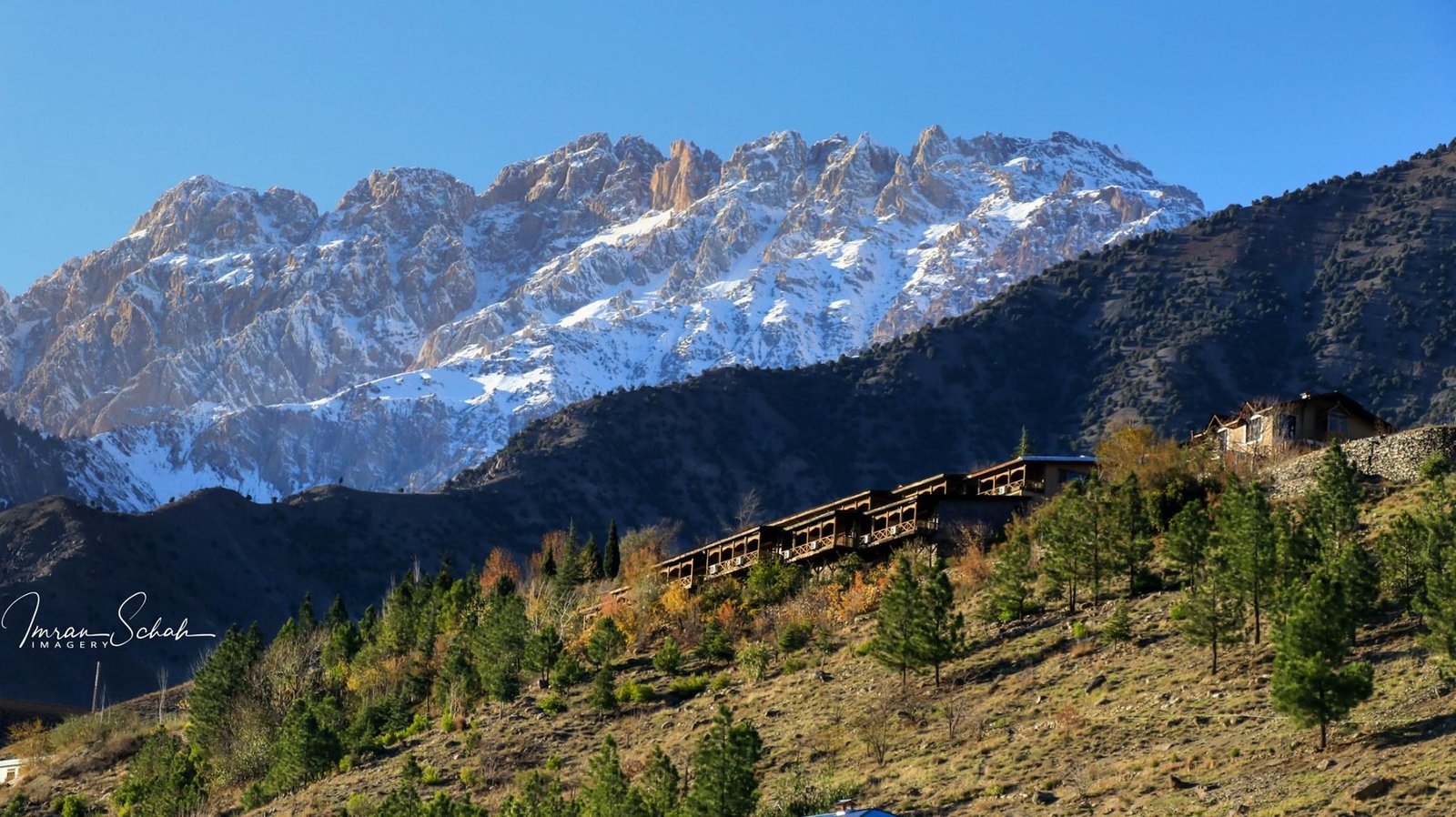
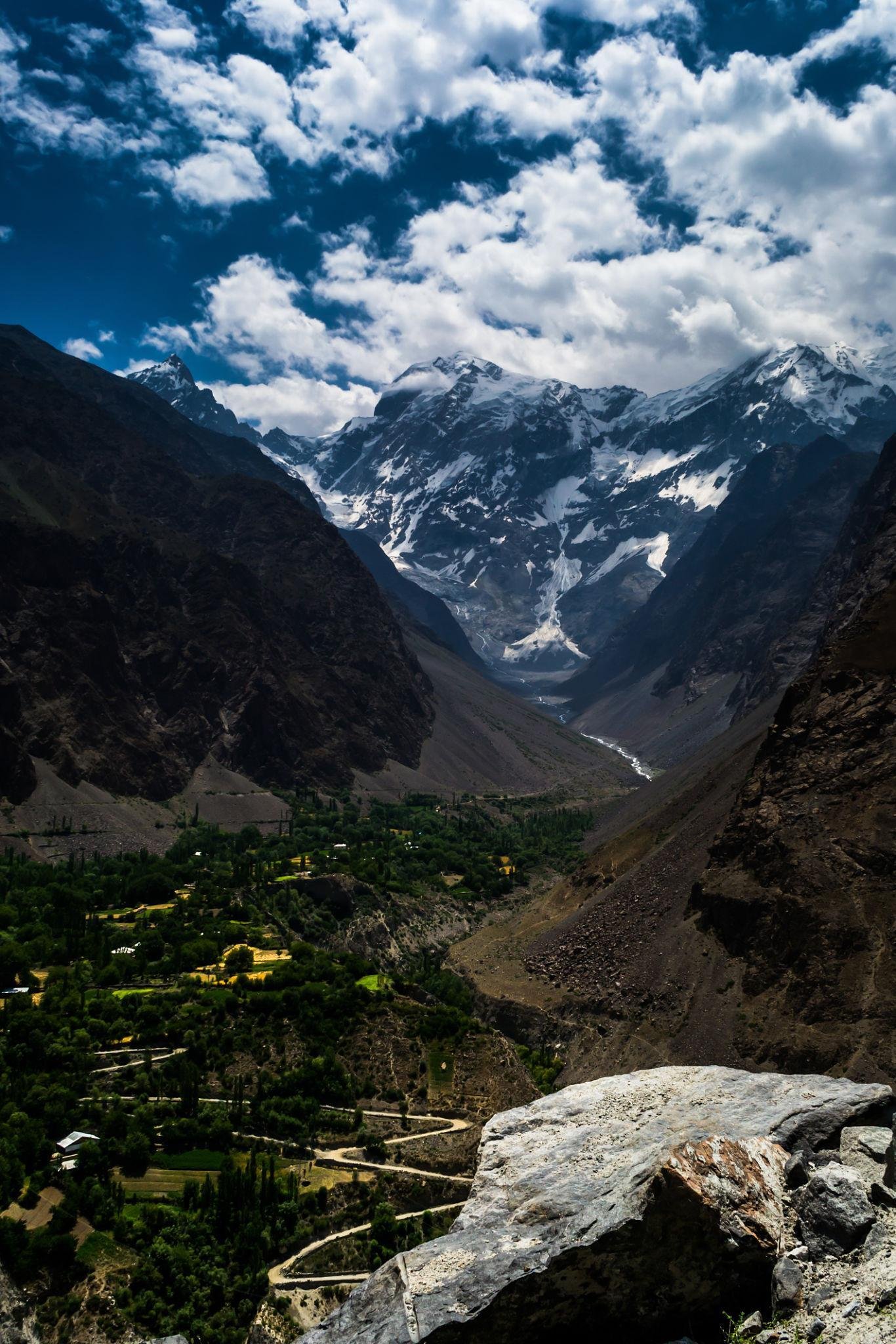
Tirich Mir rises to 7,708 meters and is the highest mountain in the Hindu Kush range.
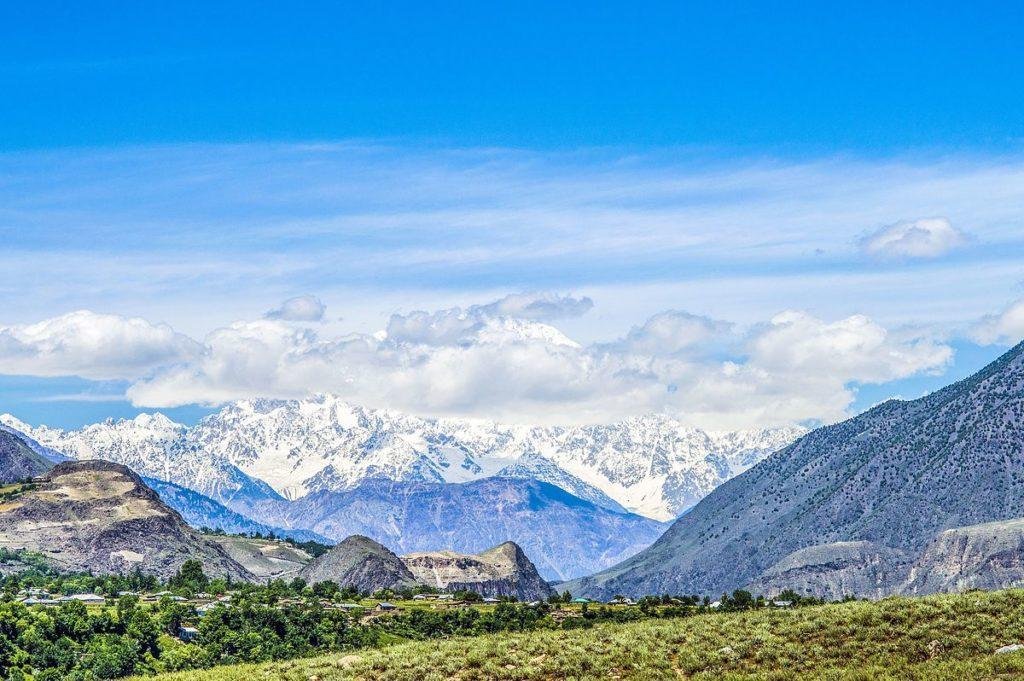
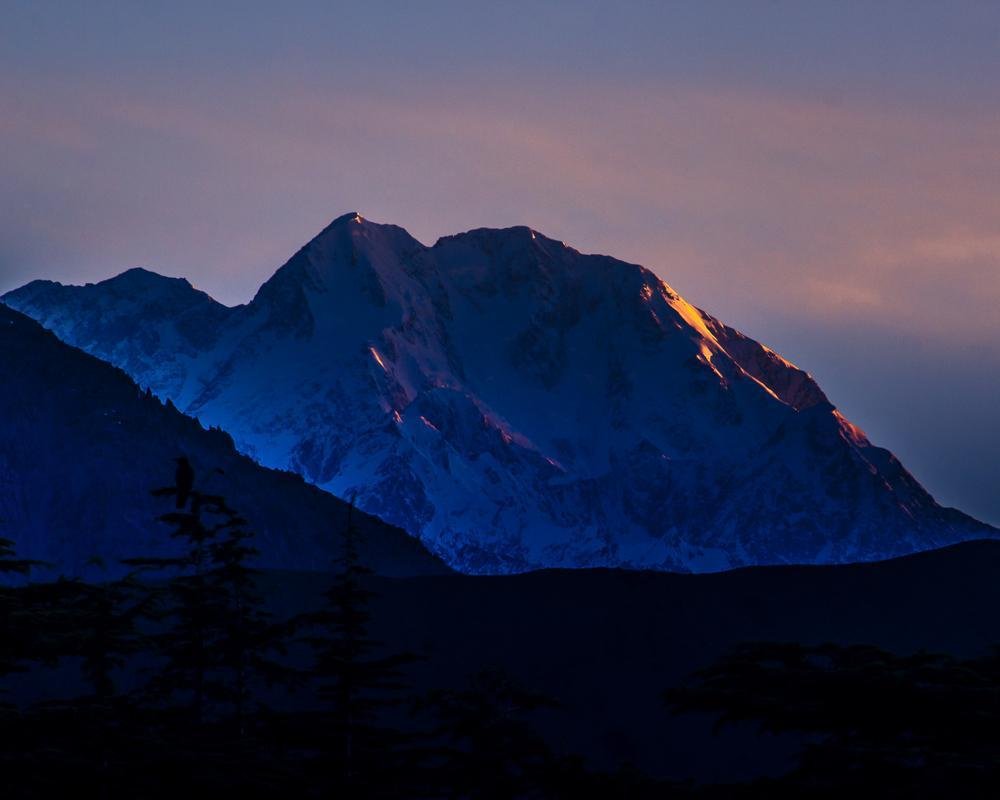
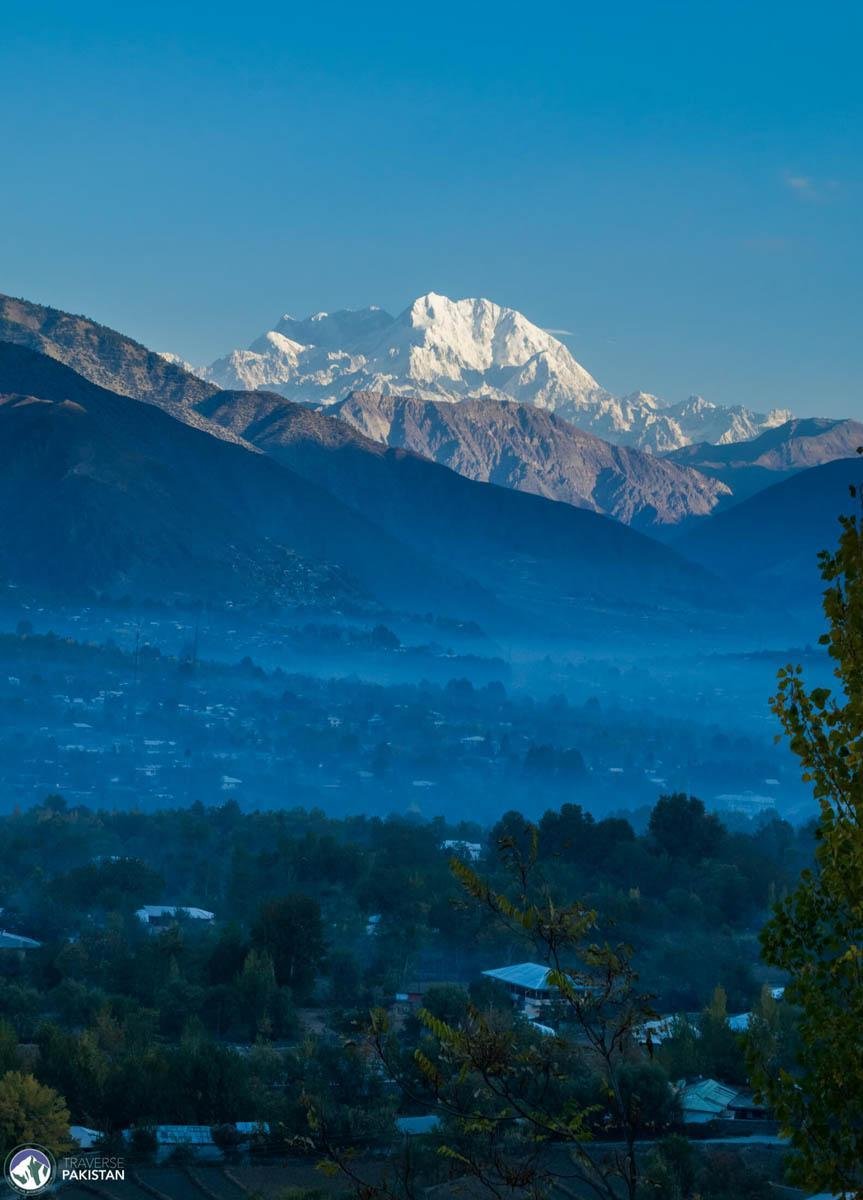
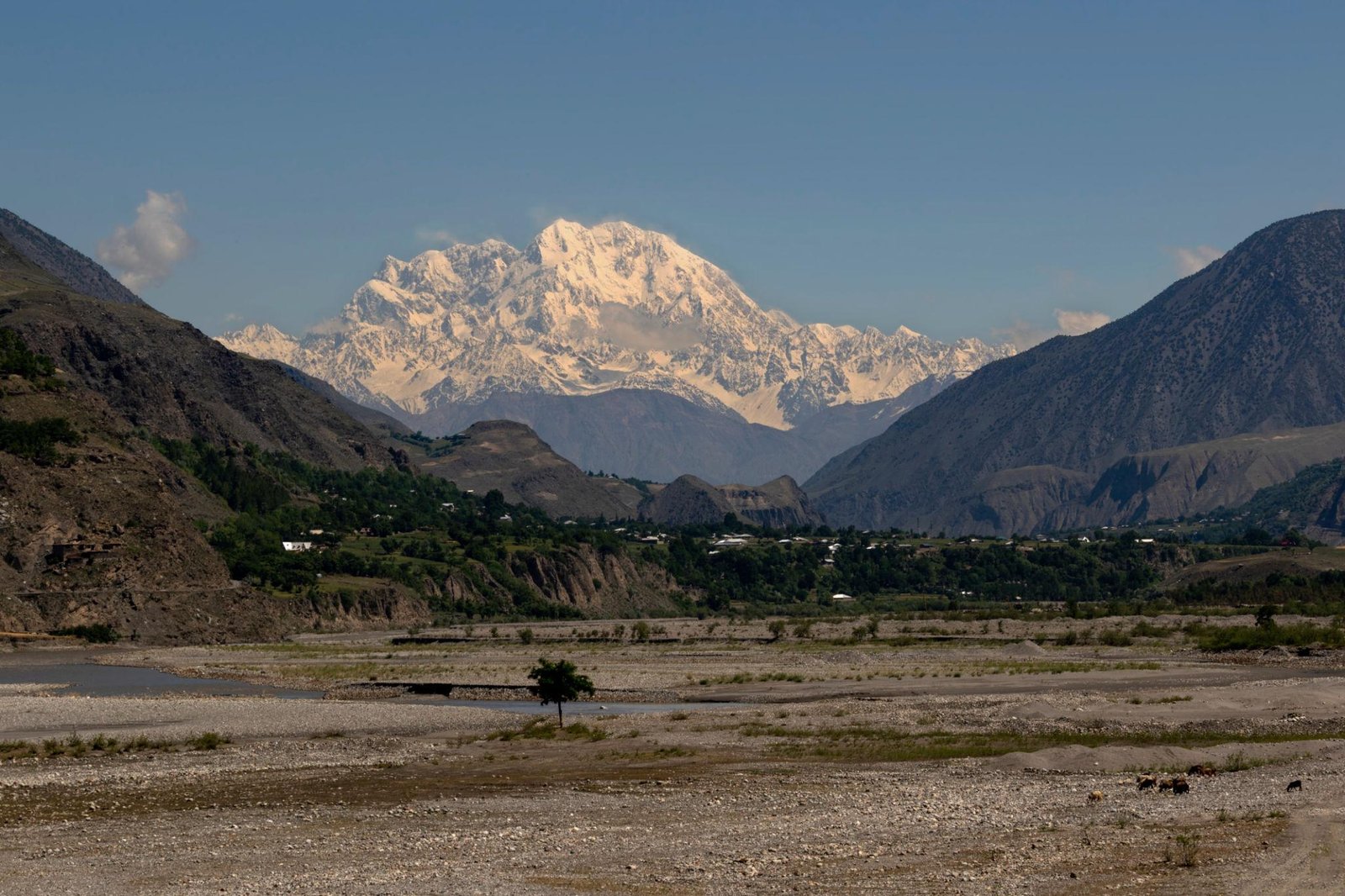
Visible from various locations around Chitral on clear days, Tirich Mir dominates the skyline and has long been a symbol of the region.
For mountaineers, the peak represents one of the great climbing objectives of the Hindu Kush, while for ordinary travelers it serves as a stunning backdrop to life in Chitral.
The mountain is particularly impressive during:
- early morning sunrise
- clear autumn weather
- winter snowfall periods
Several trekking routes and viewpoints throughout Chitral offer spectacular views of the mountain.
Popular areas for photography include:
- Chitral town surroundings
- upper valleys
- villages along the Tirich Valley route
The sheer scale of the mountain becomes most apparent when viewed from nearby settlements where glaciers and snowfields descend from its upper slopes.
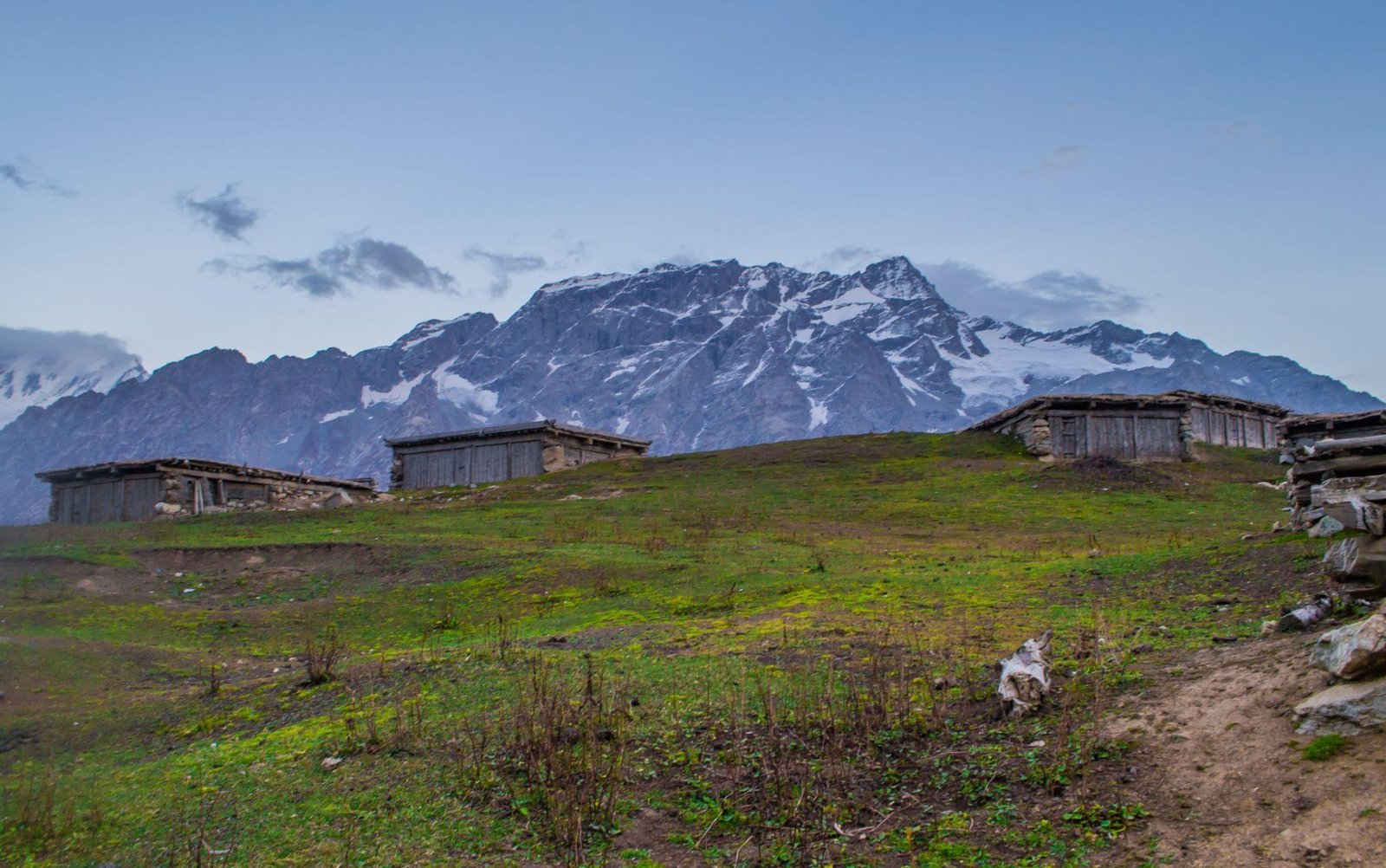
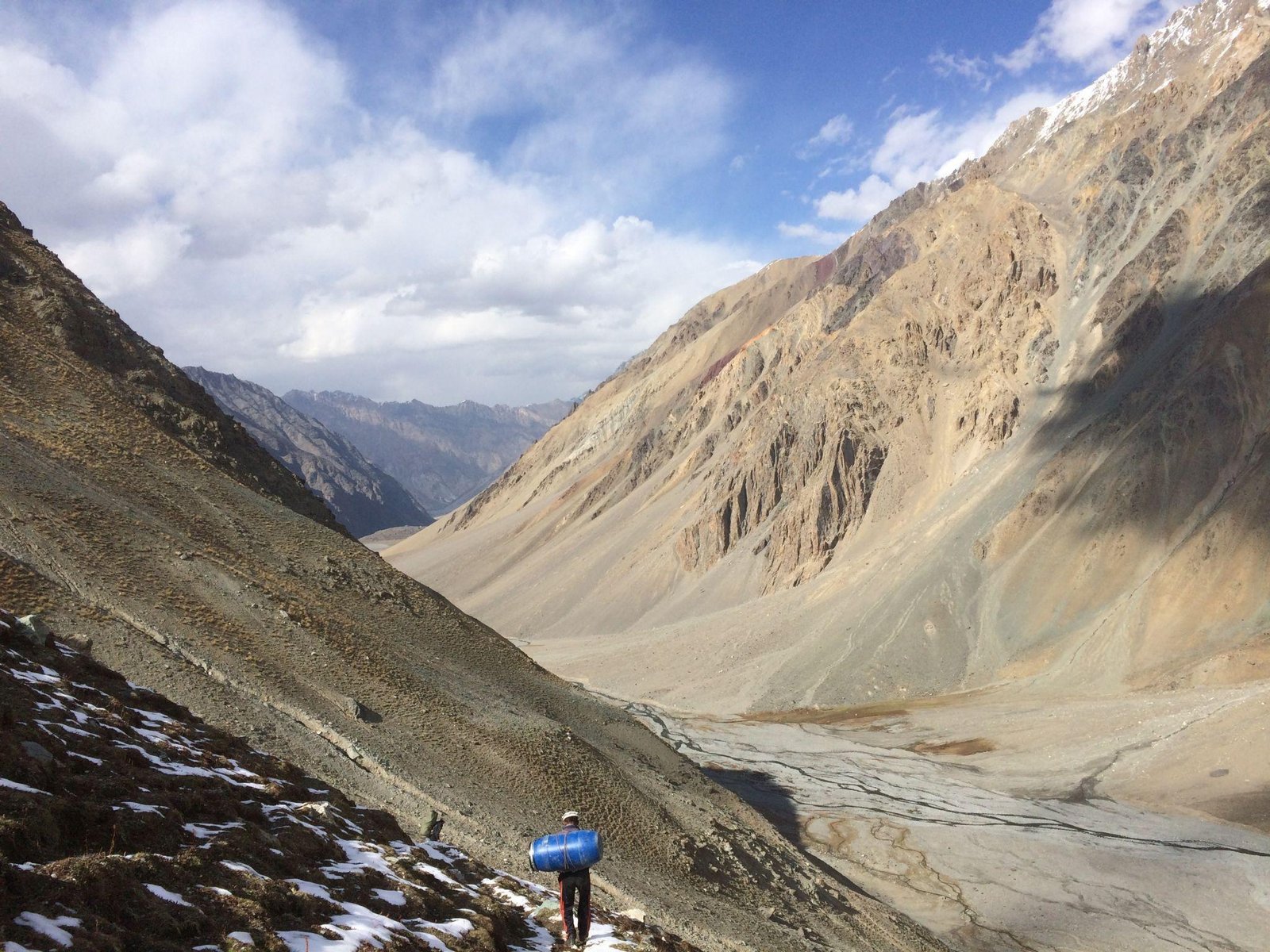
Golen Gol National Park
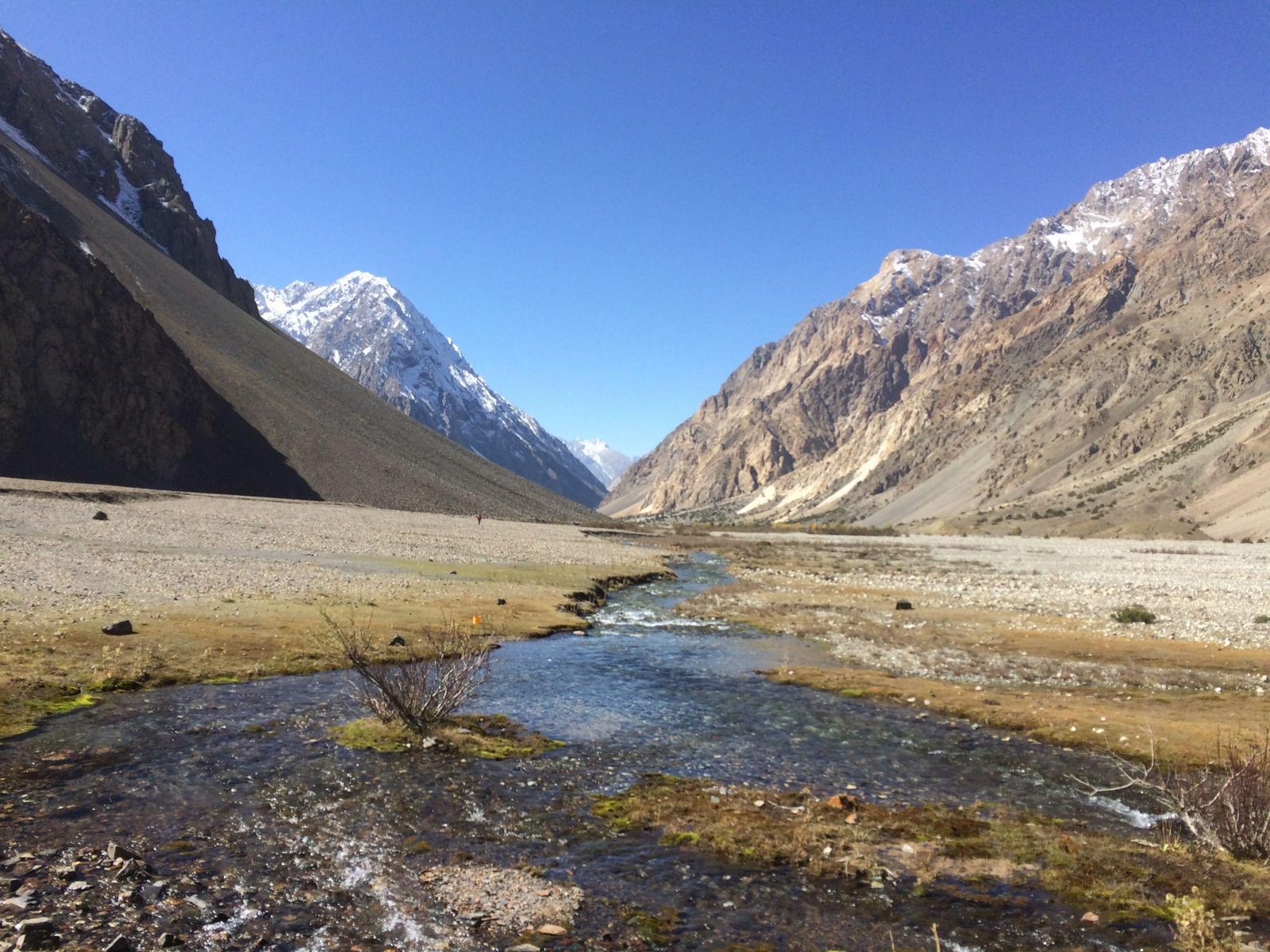
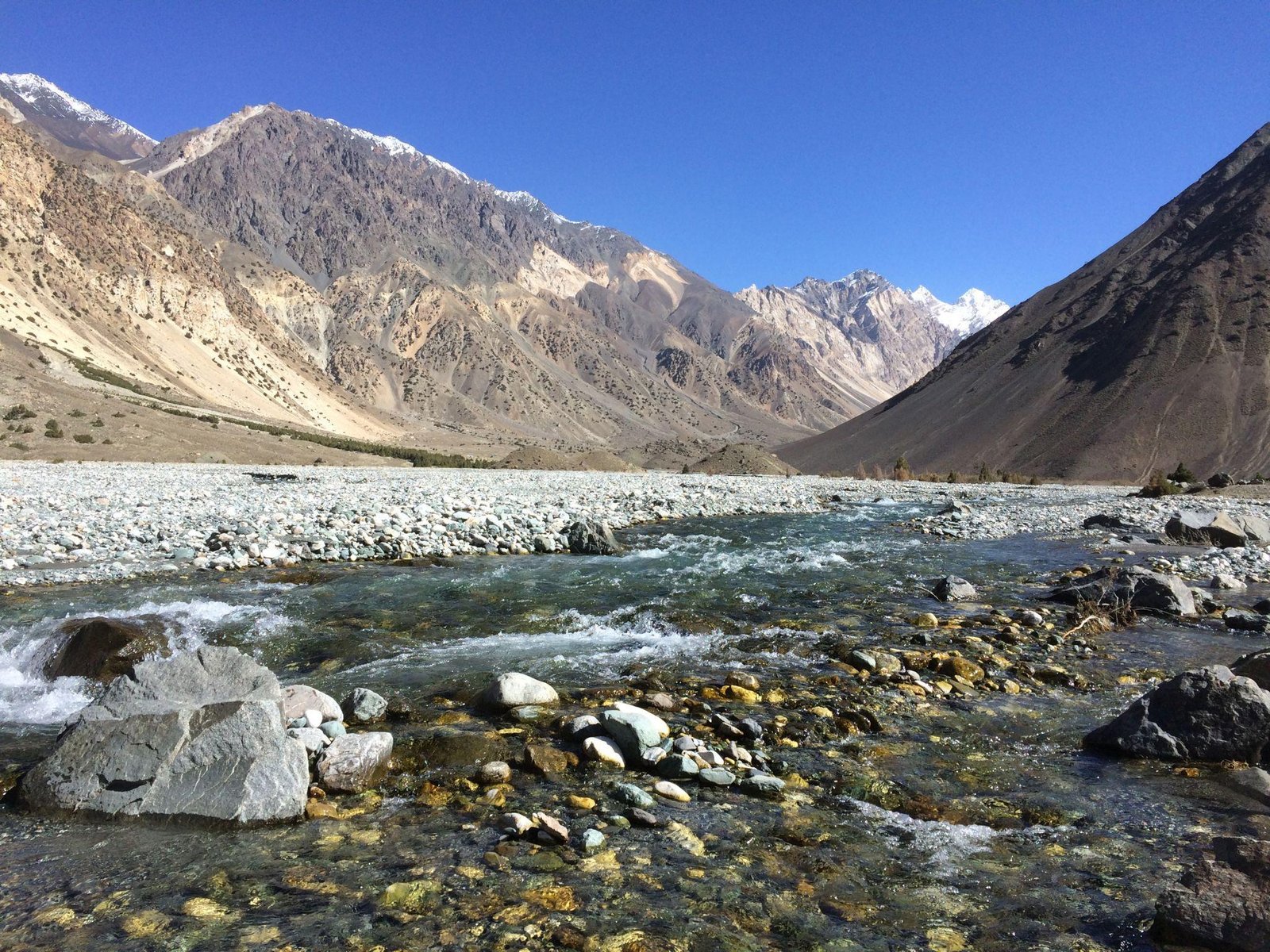
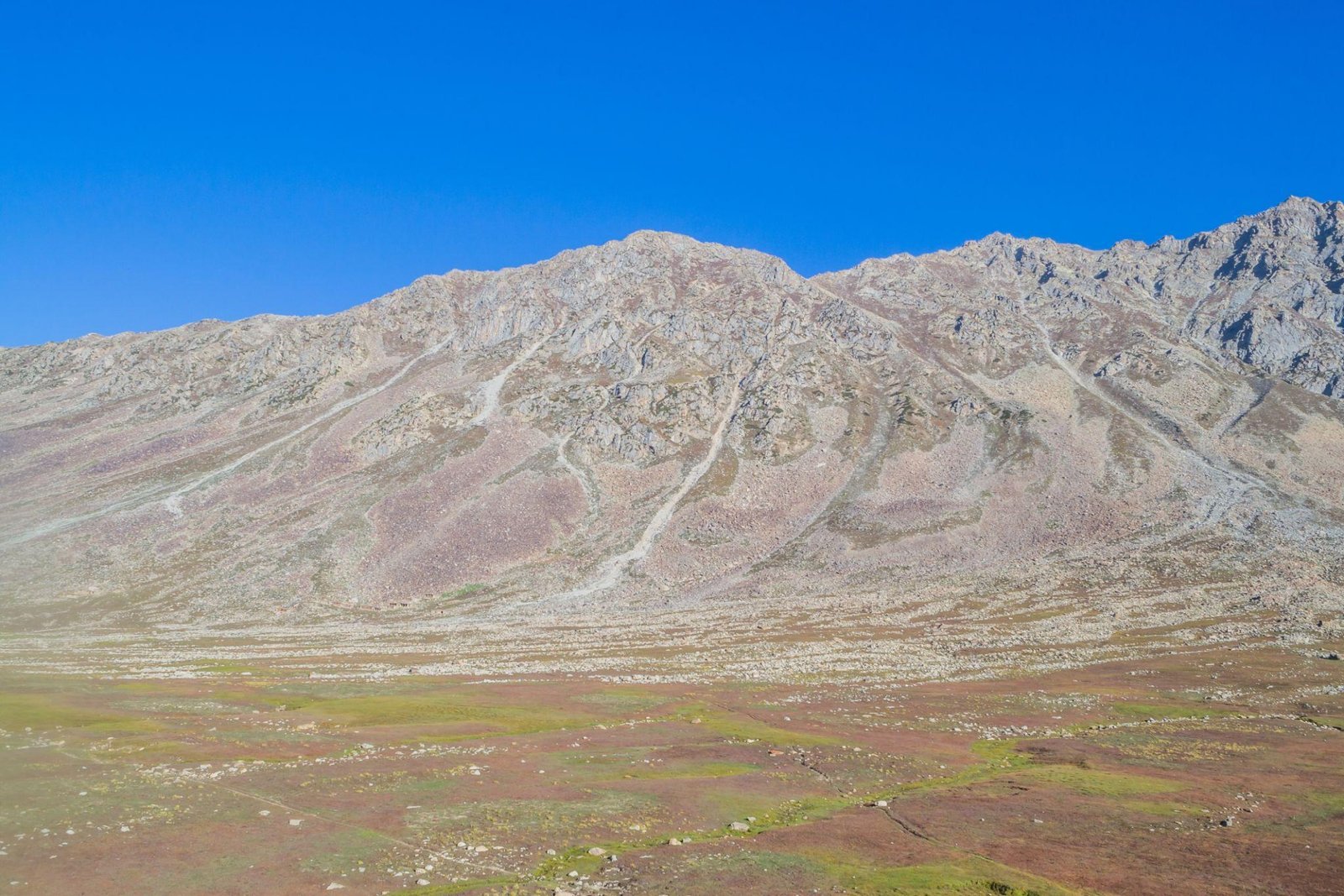
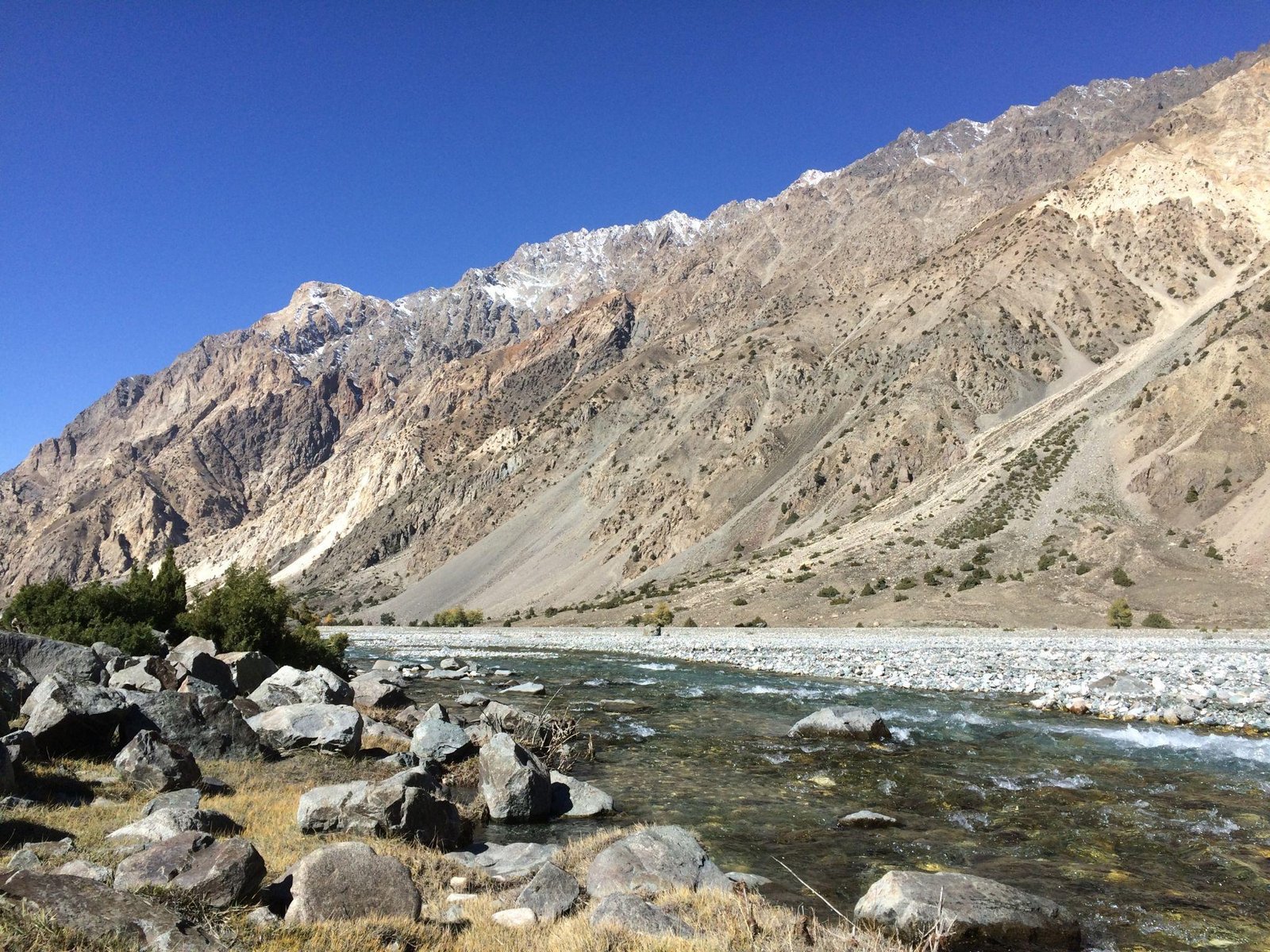
Golen Gol National Park protects one of the most beautiful alpine environments in the Hindu Kush.
Located a short distance from Chitral City, the park contains:
- alpine meadows
- glacier-fed streams
- waterfalls
- forests
- high mountain scenery
The park was established to protect important wildlife habitats and natural ecosystems within the region.
Visitors are drawn by:
- hiking opportunities
- landscape photography
- wildlife observation
- mountain scenery
During summer, wildflowers cover sections of the valley while snow remains visible on surrounding peaks.
The contrast between green meadows and rugged mountains makes Golen Gol one of Chitral's most rewarding day excursions.
Where to Stay in Chitral & Kalash
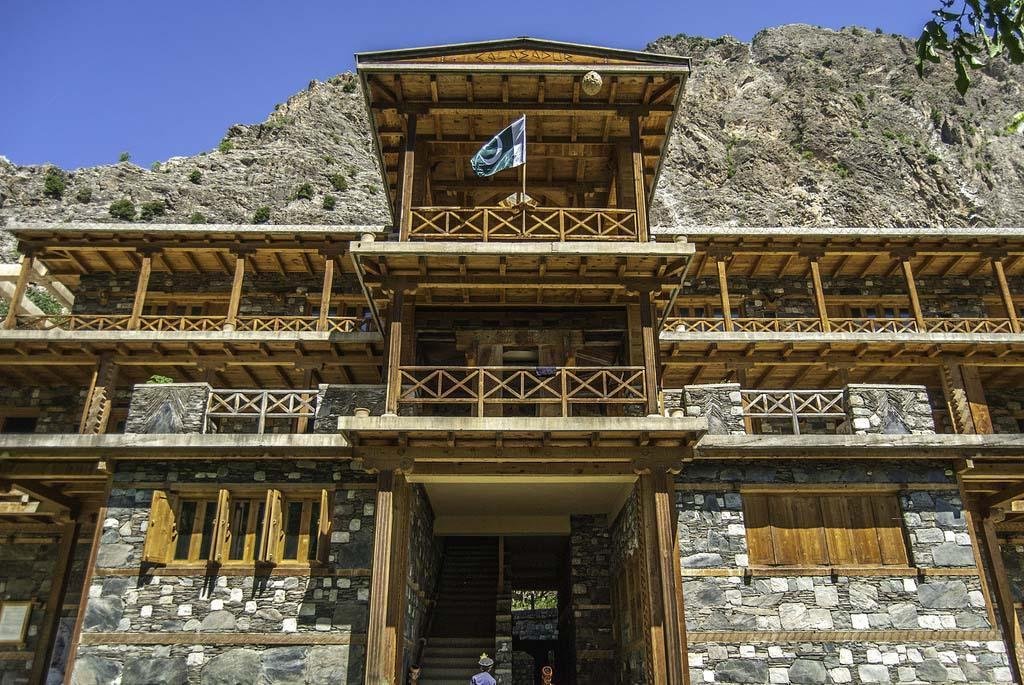
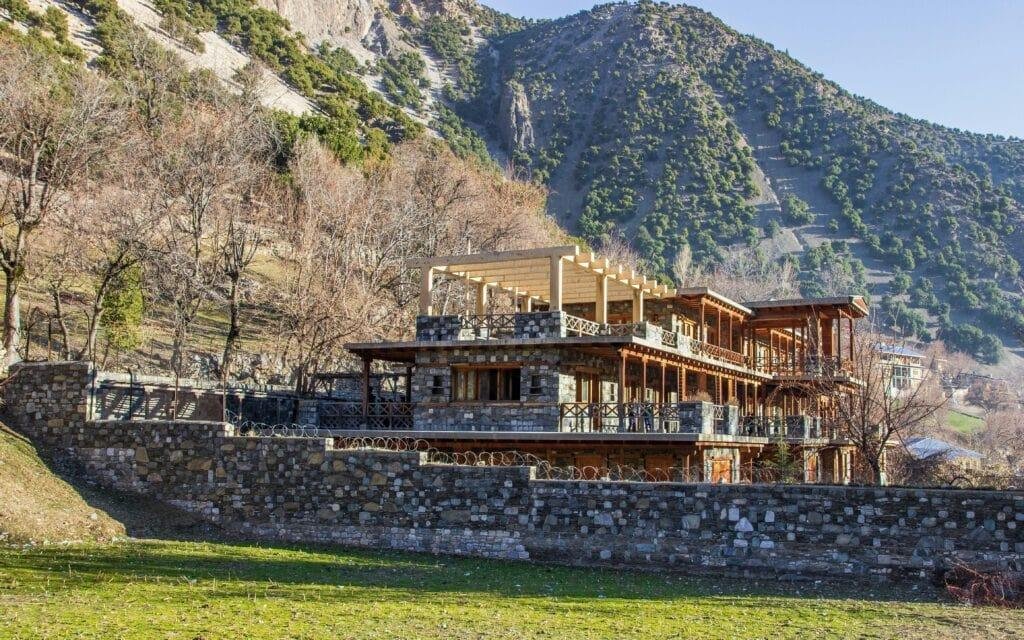
Accommodation options have expanded significantly in recent years, making it easier for travelers to explore both Chitral and the Kalash valleys.
Chitral offers the widest range of accommodation.
Travelers can find:
- hotels
- guesthouses
- family-run lodges
- boutique stays
Advantages of staying in Chitral include:
- easy transportation access
- restaurants and cafes
- banking facilities
- markets and shops
- organized tours
Many properties also offer views of the surrounding Hindu Kush mountains.
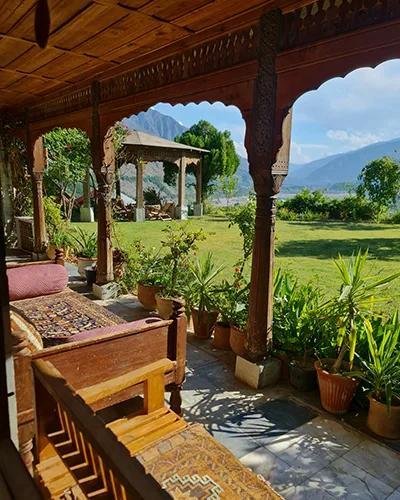
Guesthouses within:
- Bumburet
- Rumbur
- Birir
provide a more immersive cultural experience.
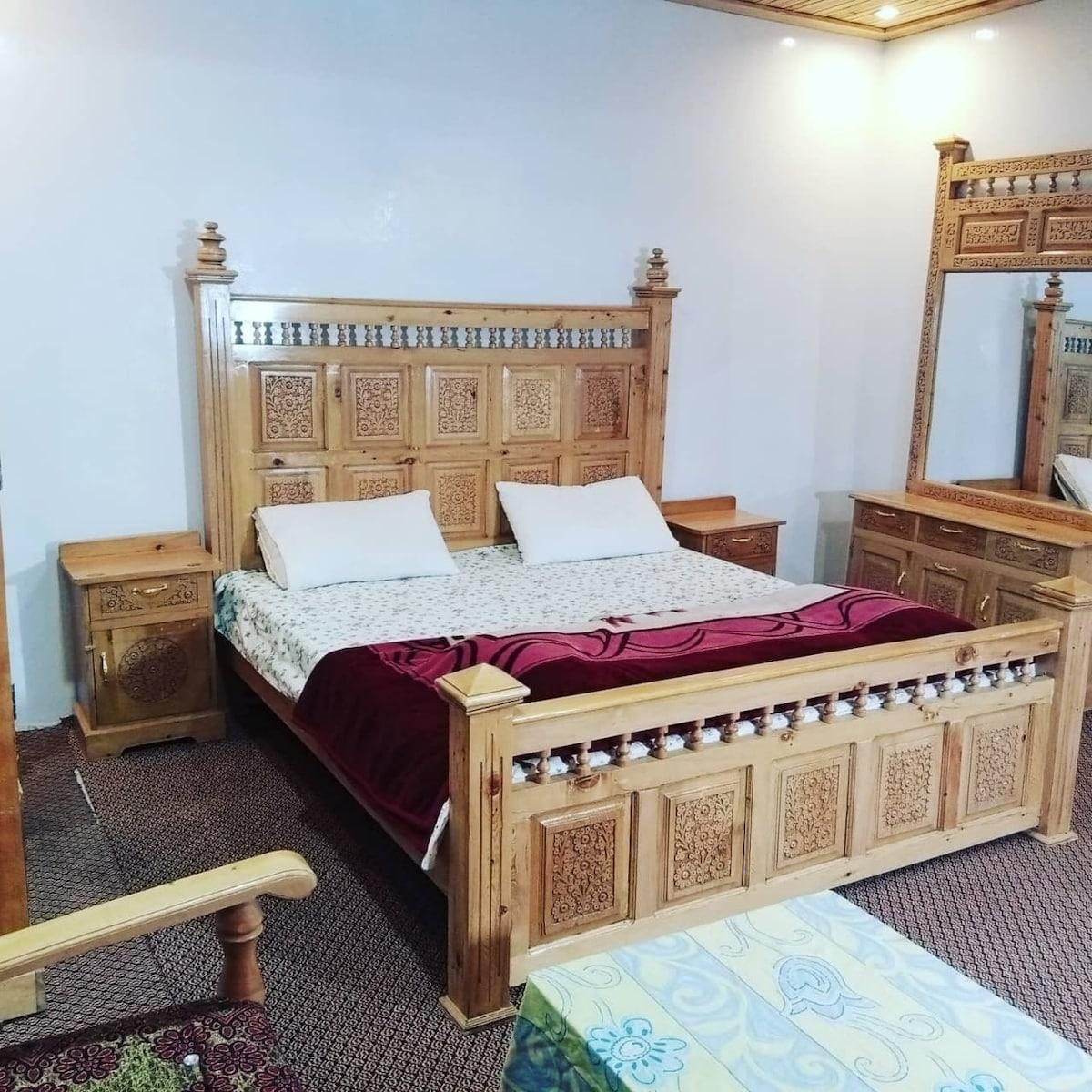
These accommodations are generally:
- small
- family-operated
- locally managed
Staying in the valleys allows travelers to:
- attend festivals
- observe village life
- enjoy early morning photography
- experience Kalash hospitality
Facilities are usually simpler than those available in Chitral City.
Food Guide
Food in Chitral reflects the region's mountain environment and cultural diversity.
Common local dishes include:
- chapshuro
- traditional breads
- lentil dishes
- rice meals
- meat stews
- dairy products
Fresh ingredients often come from:
- local farms
- orchards
- mountain pastures
Visitors should also try:
- dried fruits
- walnuts
- apricots
- local honey
Restaurants in Chitral City serve both:
- traditional regional cuisine
- Pakistani favorites
Tea remains an important part of daily life and is frequently offered to guests throughout the region.

Recommended Itinerary
Chitral and Kalash can be explored through multiple itinerary options depending on available time and interests.
5-Day Chitral & Kalash Itinerary
Day 1 — Arrival in Chitral
Activities:
- Explore Chitral Bazaar
- Visit Chitral Fort
- Visit Shahi Mosque
- Overnight in Chitral
Day 2 — Chitral to Bumburet
Activities:
- Scenic drive to Bumburet
- Village exploration
- Cultural center visit
- Overnight in Bumburet
Day 3 — Explore Rumbur Valley
Activities:
- Traditional village visits
- Photography
- Cultural experiences
Day 4 — Birir Valley Excursion
Activities:
- Explore remote settlements
- Observe traditional life
- Return to Bumburet or Chitral
Day 5 — Return Journey
Departure from Chitral.
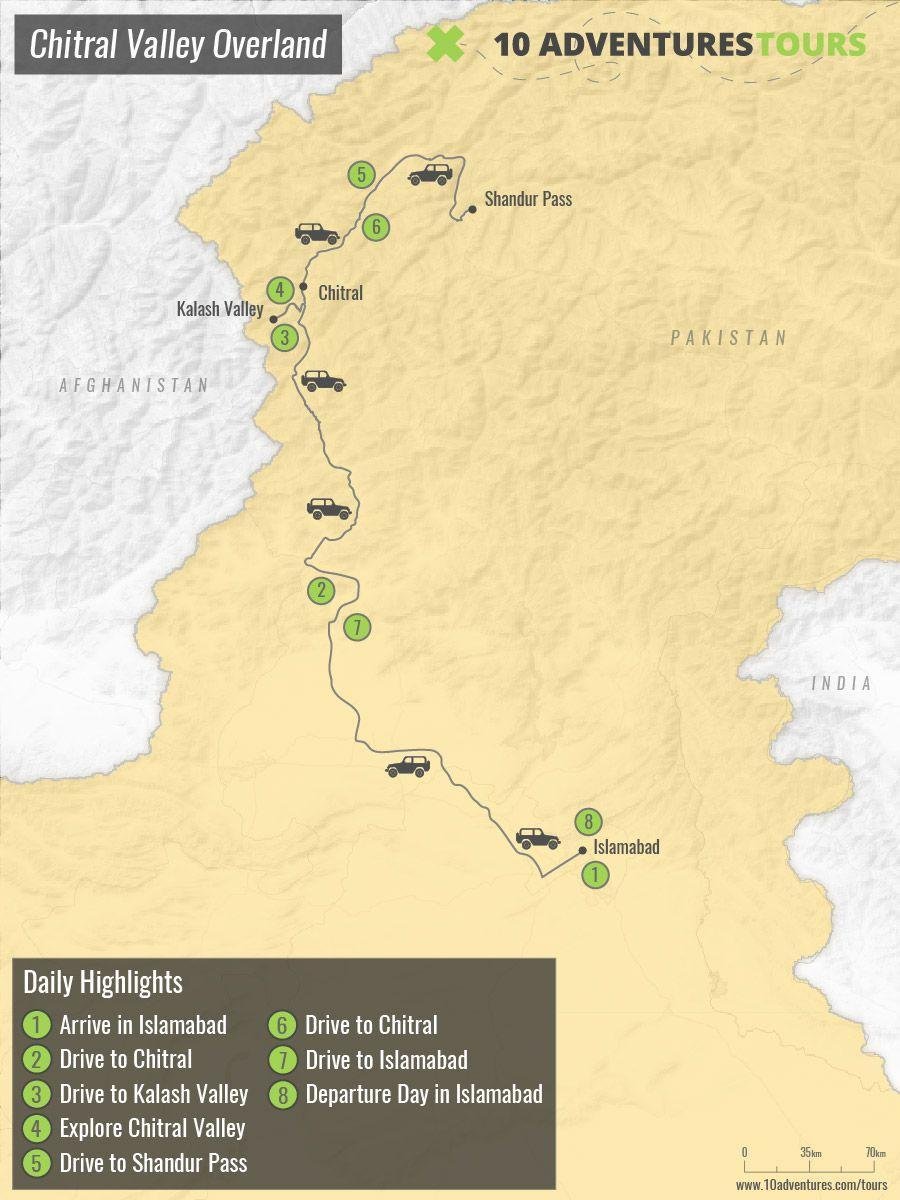
8-Day Extended Itinerary with Shandur
Day 1 — Arrival in Chitral
City exploration and acclimatization.
Day 2 — Chitral Cultural Tour
Visit:
- Chitral Fort
- Shahi Mosque
- Bazaar
Day 3 — Bumburet Valley
Village exploration and cultural experiences.
Day 4 — Rumbur and Birir Valleys
Full-day valley excursion.
Day 5 — Chitral to Mastuj
Scenic drive through upper Chitral.
Day 6 — Shandur Pass
Explore:
Shandur Pass
and surrounding plateau landscapes.
Day 7 — Return to Chitral
Photography stops and village visits along the route.
Day 8 — Departure
Return journey onward from Chitral.
Travel Budget & Costs
Budget requirements vary according to:
- season
- transport method
- accommodation choice
- festival periods
Budget Traveler
Approximate daily expenses:
- guesthouses
- local transport
- simple meals
Mid-Range Traveler
Typical expenses include:
- private transport
- comfortable hotels
- guided excursions
Photography and Cultural Tours
Higher budgets may be required for:
- private guides
- festival travel
- extended itineraries
- specialized transport
Festival periods often result in increased accommodation demand and prices.
Permits & Safety Information
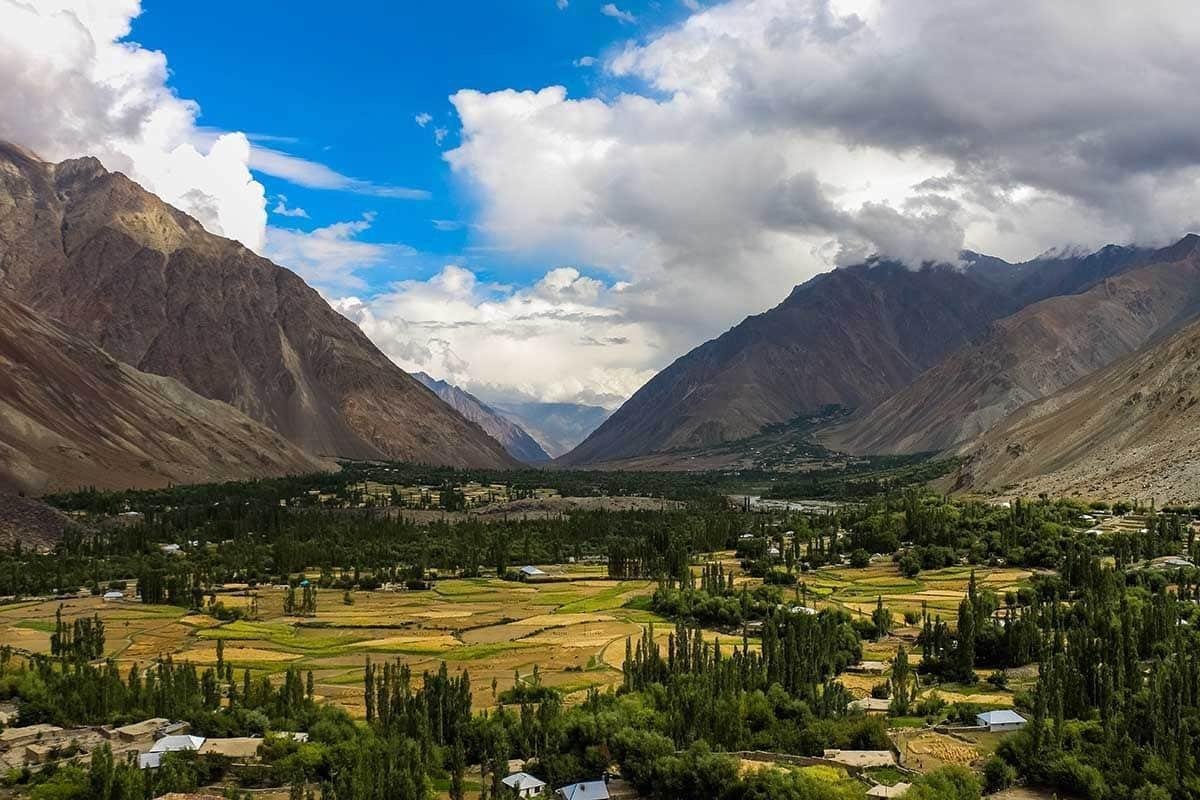
Travel to Chitral and the Kalash valleys is generally straightforward for both domestic and international visitors, but conditions can change depending on weather, road access, and local circumstances.
Permits
Pakistani citizens generally do not require permits for:
- Chitral City
- Bumburet Valley
- Rumbur Valley
- Birir Valley
Foreign travelers should verify current requirements before departure, as regulations occasionally change.
Visitors should carry:
- passport or CNIC
- multiple photocopies of identification
- hotel booking information
- emergency contact details
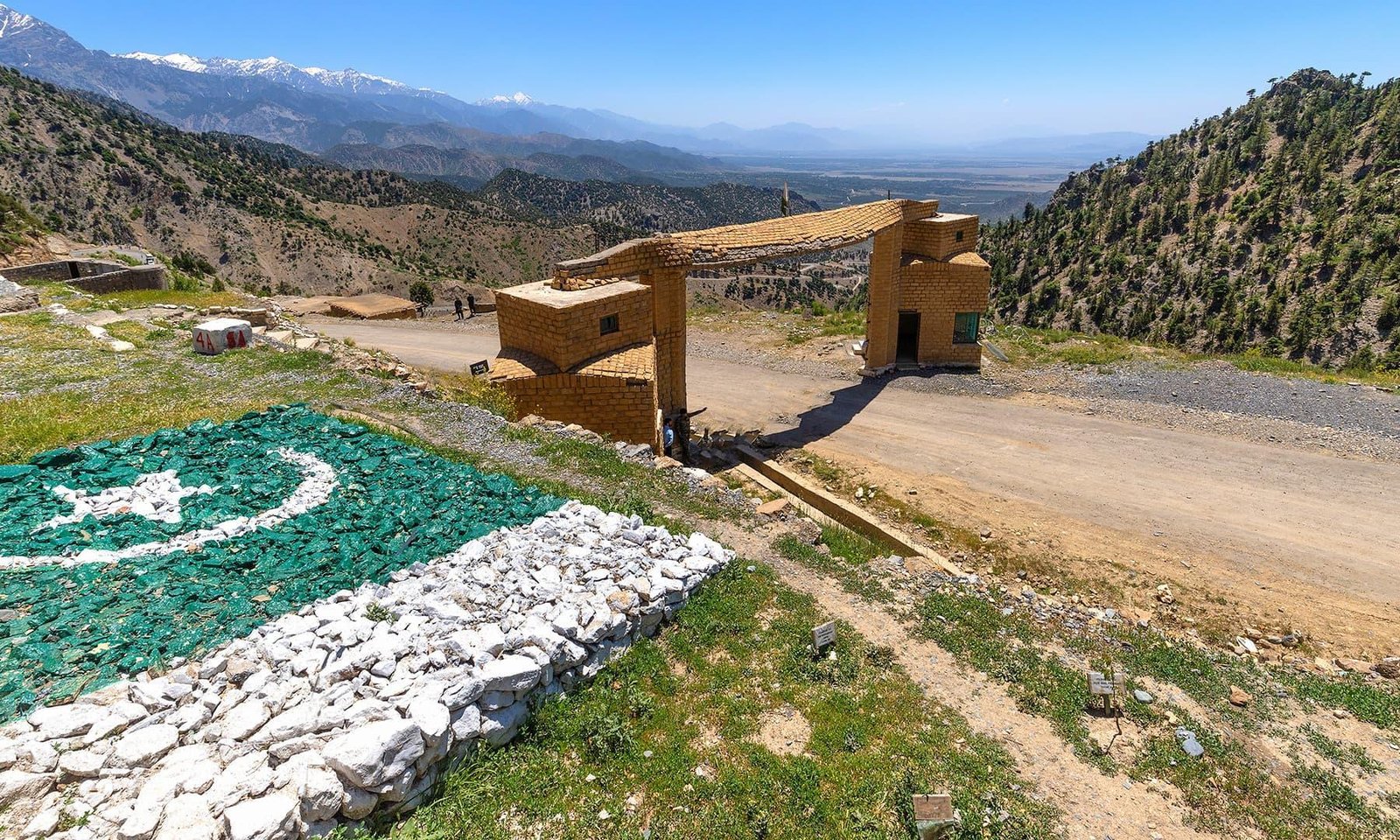
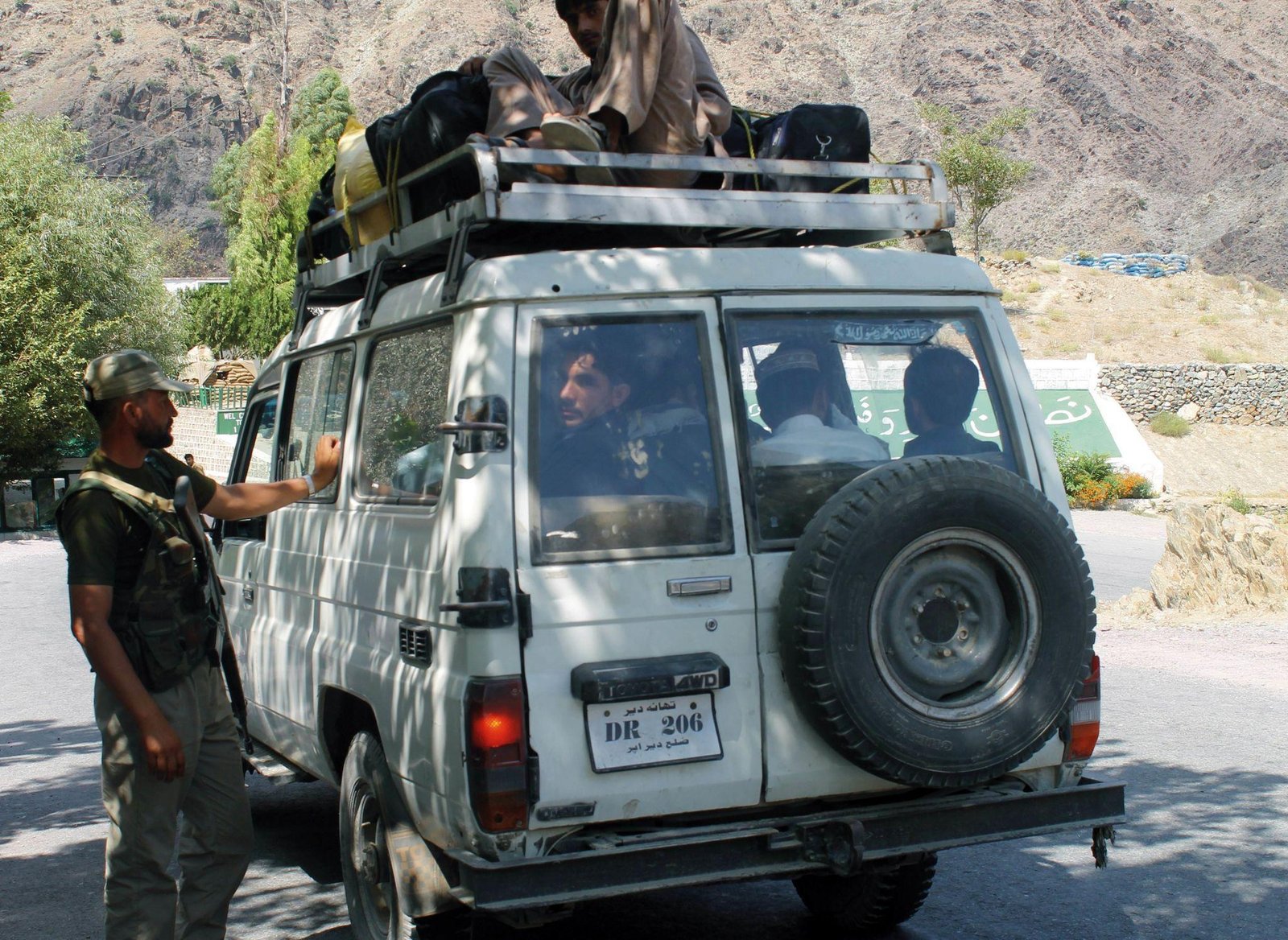
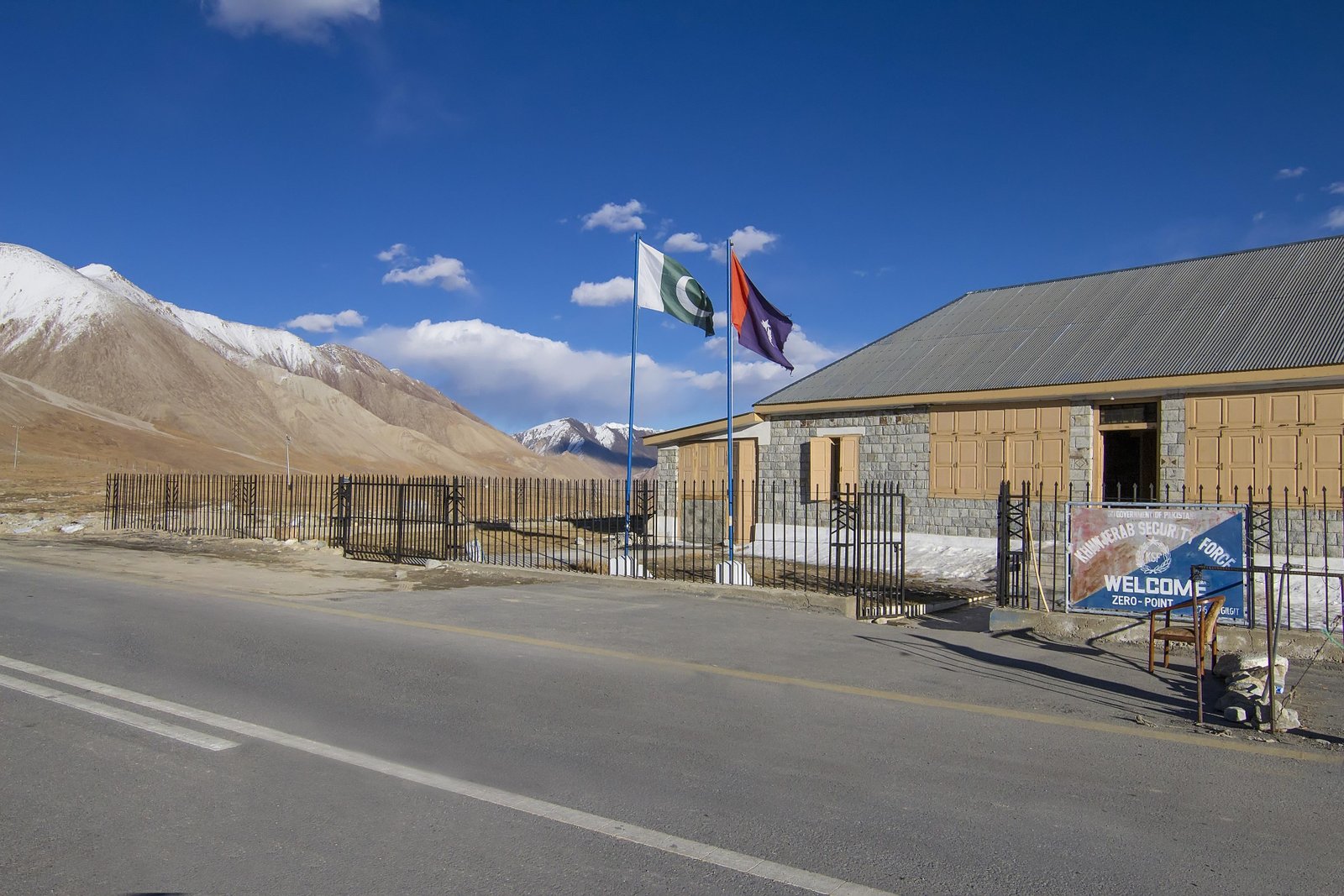
Certain checkpoints along mountain roads may request identification.
Safety
Chitral remains one of Pakistan's most welcoming mountain regions and is widely regarded as a safe destination for tourism.
However, standard travel precautions still apply:
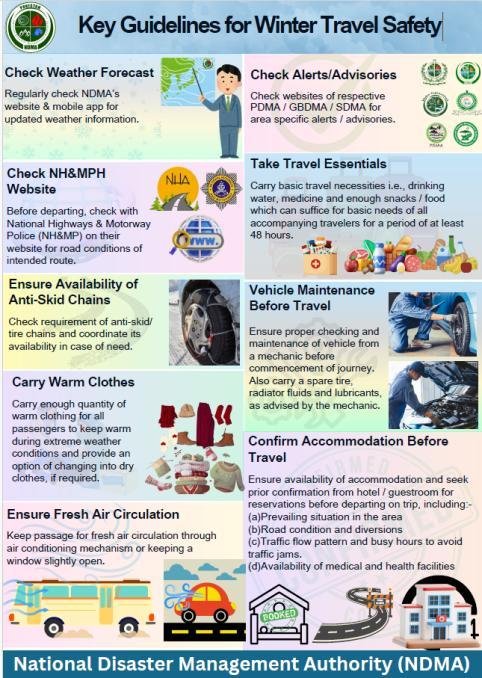
- Monitor weather forecasts before road travel.
- Avoid driving unfamiliar mountain roads after dark.
- Keep family or friends informed of travel plans.
- Carry emergency supplies during long journeys.
- Respect local customs and traditions.
- Follow guidance from local authorities and community leaders.
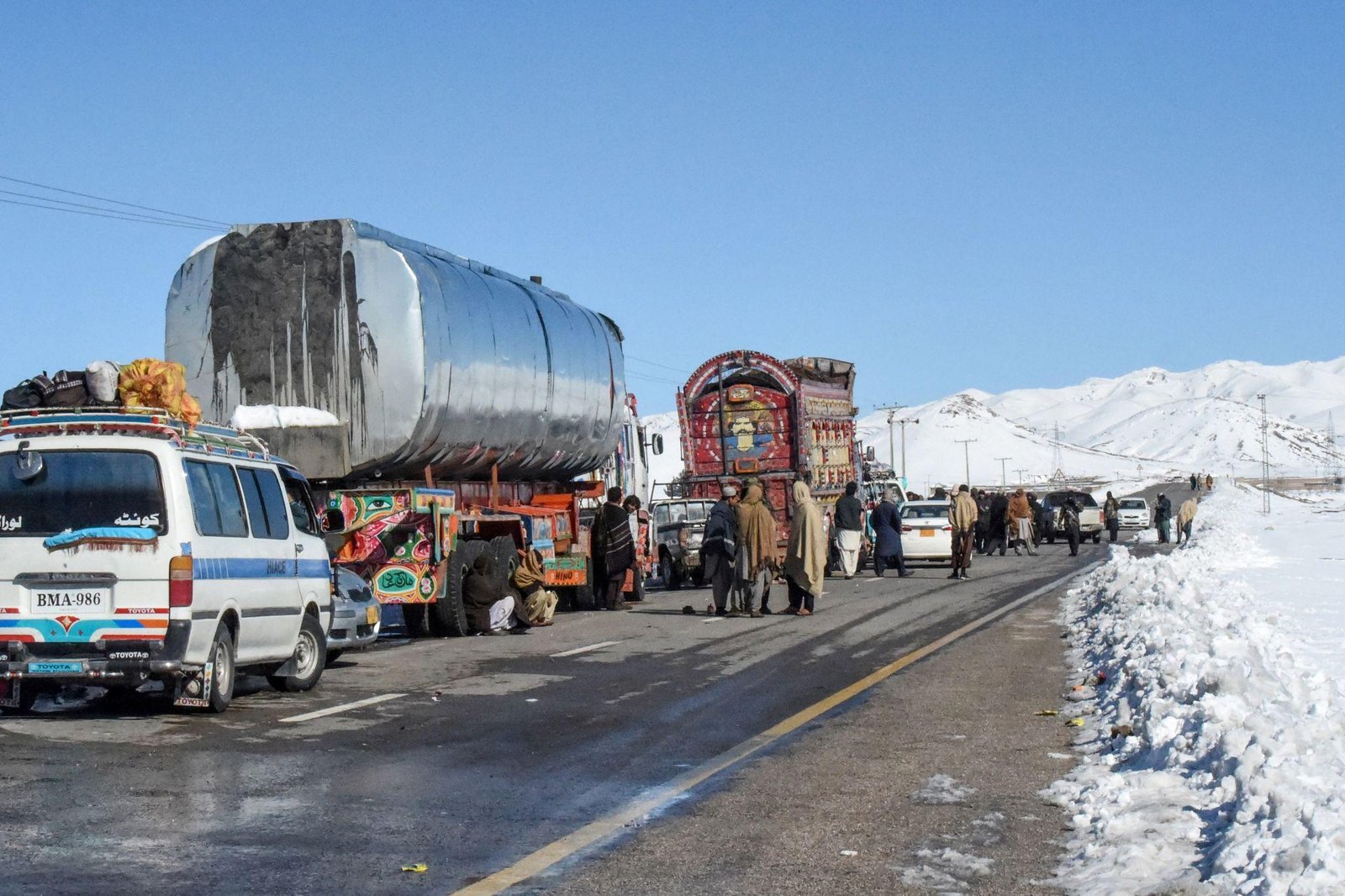
Road conditions can change rapidly because of:
- landslides
- snowfall
- flooding
- seasonal maintenance work
Travelers visiting during winter should remain particularly attentive to weather-related disruptions.
Packing List
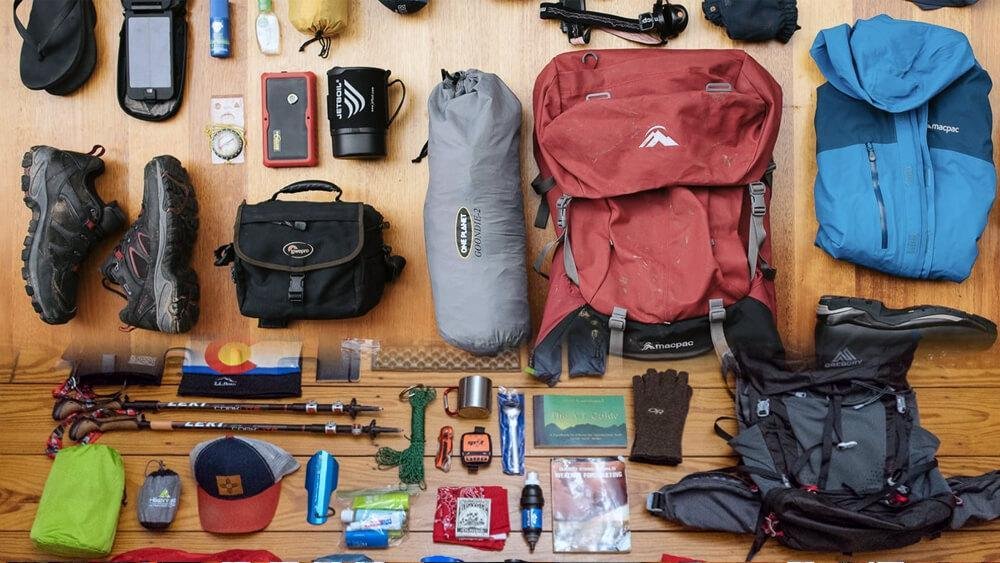
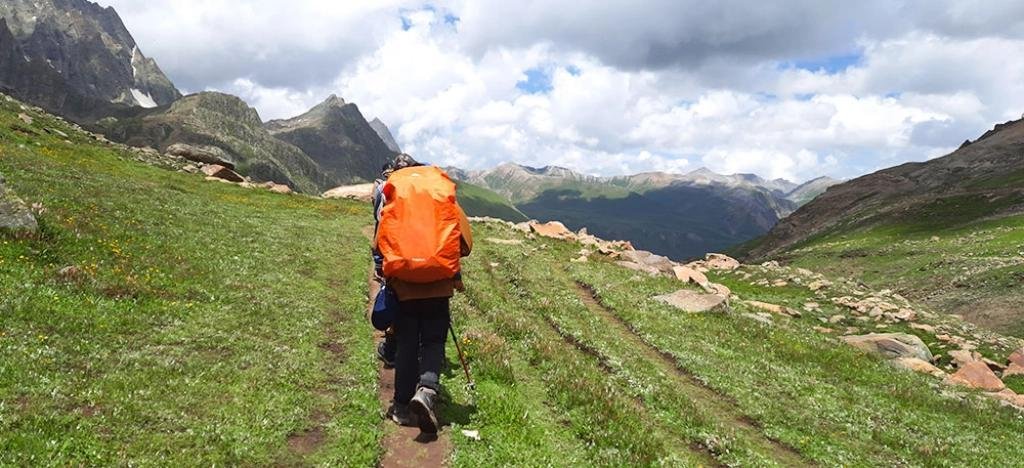
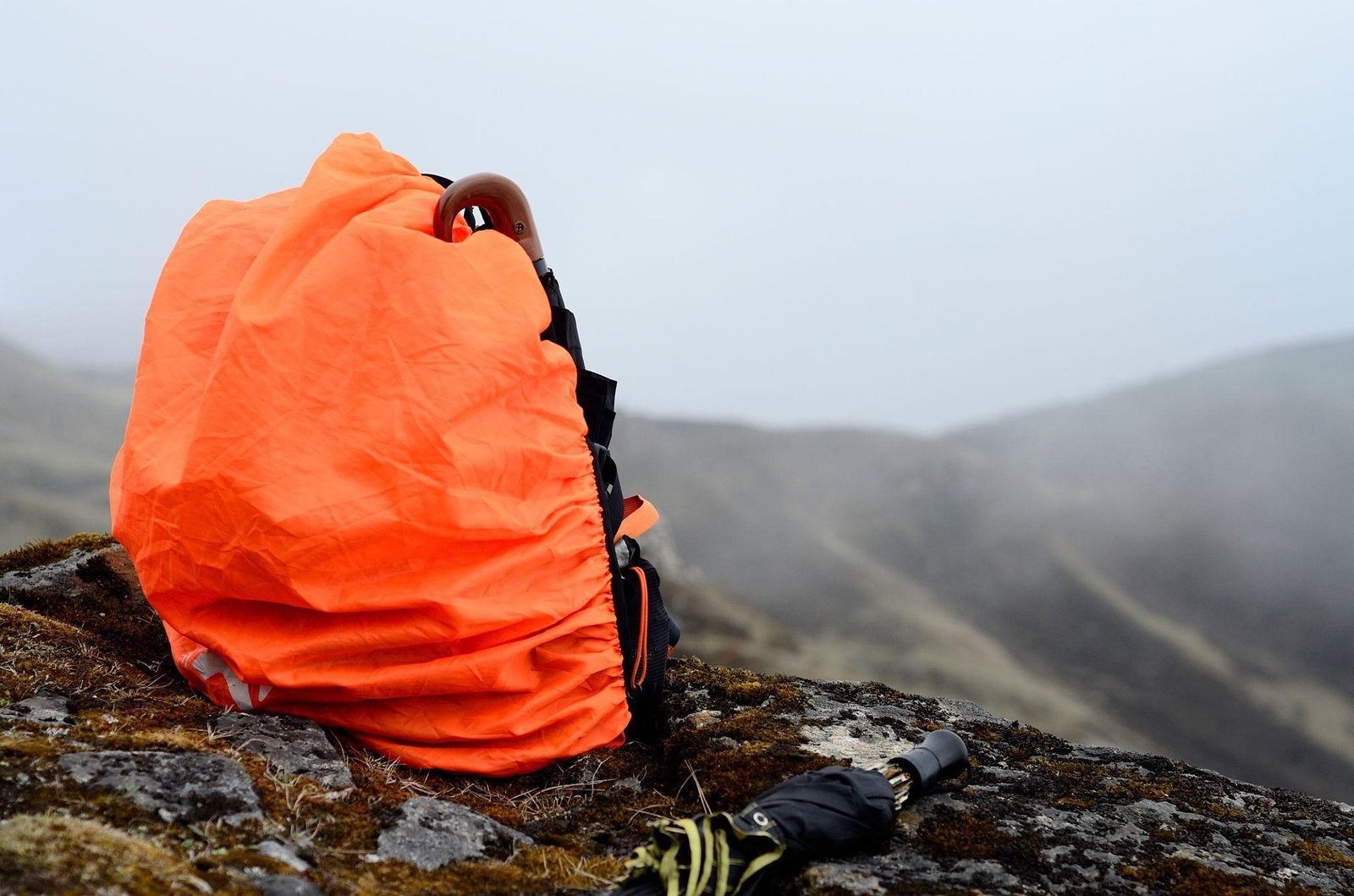
Packing requirements vary depending on the season, but mountain weather in Chitral can change quickly even during summer.
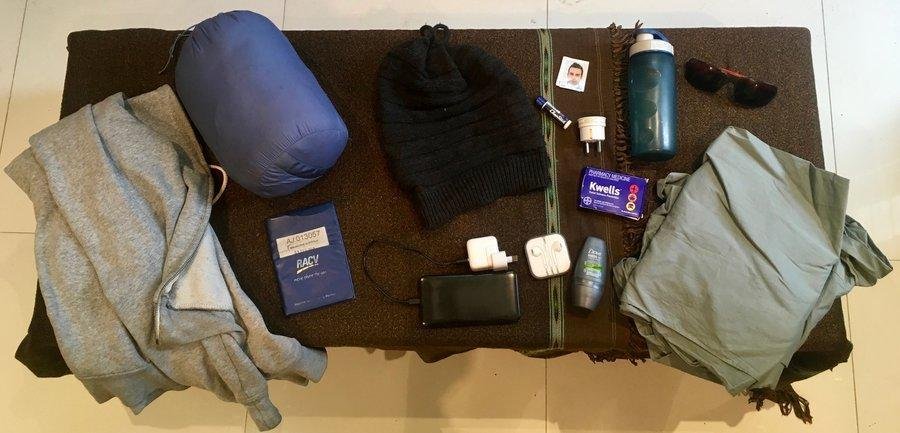
Essential Clothing
- waterproof jacket
- fleece or insulated layer
- comfortable hiking trousers
- moisture-wicking shirts
- warm hat
- gloves during colder months
- sturdy walking shoes
Travel Essentials
- passport or CNIC
- travel insurance documents
- cash
- power bank
- flashlight or headlamp
- reusable water bottle
- sunscreen
- sunglasses
Photography Equipment
Chitral and Kalash are among Pakistan's most photogenic regions.
Photographers may wish to carry:
- wide-angle lenses
- telephoto lenses
- spare batteries
- memory cards
- tripod for landscape photography
Cold temperatures can drain batteries more quickly, especially during autumn and winter.
Festival Travel
If visiting during:
- Chilam Joshi
- Uchau
- Choimus
consider bringing:
- extra accommodation confirmations
- additional cash
- weather-appropriate clothing
- camera protection for crowded events
Frequently Asked Questions
What Is the Best Time to Visit Chitral and Kalash Valley?
The most popular months are:
- April to May for Chilam Joshi Festival
- June to September for general sightseeing
- September to October for autumn colors
- December for Choimus Festival
How Many Days Are Needed for Chitral and Kalash?
A minimum of 4 to 5 days is recommended.
Travelers wanting to include Shandur Pass and upper Chitral should consider at least 7 to 8 days.
Which Kalash Valley Is Best?
Each valley offers a different experience:
- Bumburet is the most accessible and developed.
- Rumbur feels more traditional and peaceful.
- Birir is the most remote and least visited.
Many travelers visit all three valleys.
Can Families Visit Kalash Valley?
Yes.
The region is suitable for:
- families
- photographers
- cultural travelers
- solo travelers
- small groups
Are the Kalash Festivals Open to Visitors?
Yes.
Visitors are welcome to observe festivals respectfully and should always follow local customs and photography etiquette.
Is Chitral Suitable for Independent Travel?
Yes.
Independent travel is possible, though hiring local drivers can simplify transportation to remote valleys and mountain destinations.
Can Chitral Be Combined with Other Destinations?
Many travelers combine Chitral with:
- Shandur Pass
- Gilgit
- Hunza Valley
- Kumrat Valley
- upper Hindu Kush valleys
What Is the Highest Peak Visible from Chitral?
The most prominent peak is:
Tirich Mir
at 7,708 meters, the highest mountain in the Hindu Kush.
Disclaimer
The information in this guide is intended for general planning purposes only. Road conditions, accommodation availability, transportation schedules, permit requirements, festival dates, and local regulations can change without notice due to weather, seasonal closures, infrastructure projects, or administrative decisions.
The itineraries provided are suggested frameworks and may need adjustment based on:
- weather conditions
- road accessibility
- festival schedules
- personal fitness
- available transportation
- local guidance
Travelers should always verify current conditions with local authorities, accommodation providers, transportation operators, tourism offices, or affiliated tour companies before departure.
Responsible and respectful travel helps preserve the unique cultural heritage and natural environment of Chitral and the Kalash valleys for future generations.

![K2 Base Camp Trek: Ultimate Guide k2 Trek 2026 [UPDATED]](https://www.karakoramdiaries.com/storage/ultimate-guide-to-k2-base-camp-trek-full-document-150x150.png)