Swat Valley Tour Guide: Kalam, Malam Jabba, and Beyond
Swat Valley is one of Pakistan’s most accessible and diverse mountain regions, located in the northern part of Khyber Pakhtunkhwa. The valley stretches from the lower plains near Chakdara to the high alpine landscapes around Kalam, offering a continuous transition from river plains to forested mountains and glacier-fed valleys.
Unlike more remote northern destinations, Swat combines natural scenery with strong road infrastructure, making it suitable for family tourism, cultural travel, and mountain exploration. The valley is shaped by the Swat River, which runs through forests, towns, and alpine terrain, forming the backbone of its geography and settlements.
Table of contents [Show]
- Understanding Swat Valley
- History and Cultural Heritage of Swat
- How to Reach Swat Valley
- Mingora and Saidu Sharif
- Bahrain and Madyan
- Kalam Valley
- Mahodand Lake
- Ushu Forest and Gabral Valley
- Utror Valley
- Malam Jabba
- Buddhist Heritage Sites in Swat
- Swat Museum
- Trekking and Adventure in Swat
- Local Food in Swat Valley
- Where to Stay in Swat Valley
- Best Time to Visit Swat Valley
- Recommended 7-Day Swat Valley Itinerary
- Frequently Asked Questions
- Conclusion
Understanding Swat Valley
Swat Valley follows the course of the Swat River and changes dramatically in character as one moves northward. The lower region is populated and agricultural, while the upper region becomes increasingly alpine and forested.
Lower Swat
Lower Swat includes Mingora, Saidu Sharif, and Barikot. This area is more urban and serves as the commercial and administrative hub of the valley. Markets, historical sites, and transport networks are concentrated here.
Upper Swat
Upper Swat begins beyond Bahrain and Madyan, extending toward Kalam, Ushu, Utror, and Gabral. This region is defined by pine forests, rivers, and high mountain landscapes.
History and Cultural Heritage of Swat
Swat Valley was once a major center of the Gandhara civilization, where Buddhism flourished between the 2nd century BCE and 8th century CE. The region contains monasteries, stupas, carvings, and archaeological remains that reflect this ancient heritage.
Chinese traveler Xuanzang documented Swat as an important Buddhist learning center during his journey in the 7th century.
Before becoming part of Pakistan in 1969, Swat functioned as a princely state under the Wali of Swat, during which time infrastructure and education systems developed significantly.
How to Reach Swat Valley
Swat is one of the most accessible mountain destinations in Pakistan.
By Road from Islamabad
The journey from Islamabad follows the Swat Motorway toward Chakdara and Mingora. Travel time is approximately 4 to 5 hours.
By Road from Peshawar
From Peshawar, the route passes through Mardan and the Malakand Pass before entering Swat. This route offers scenic mountain entry views.
Local Transport
Within Swat, transportation includes:
- Shared vans between towns
- Private jeeps for upper valleys
- Local drivers for remote routes
Upper destinations like Mahodand, Gabral, and Utror require 4x4 vehicles due to rough terrain.
Mingora and Saidu Sharif
Mingora is the largest city in Swat and serves as its commercial center, while Saidu Sharif functions as the administrative capital.
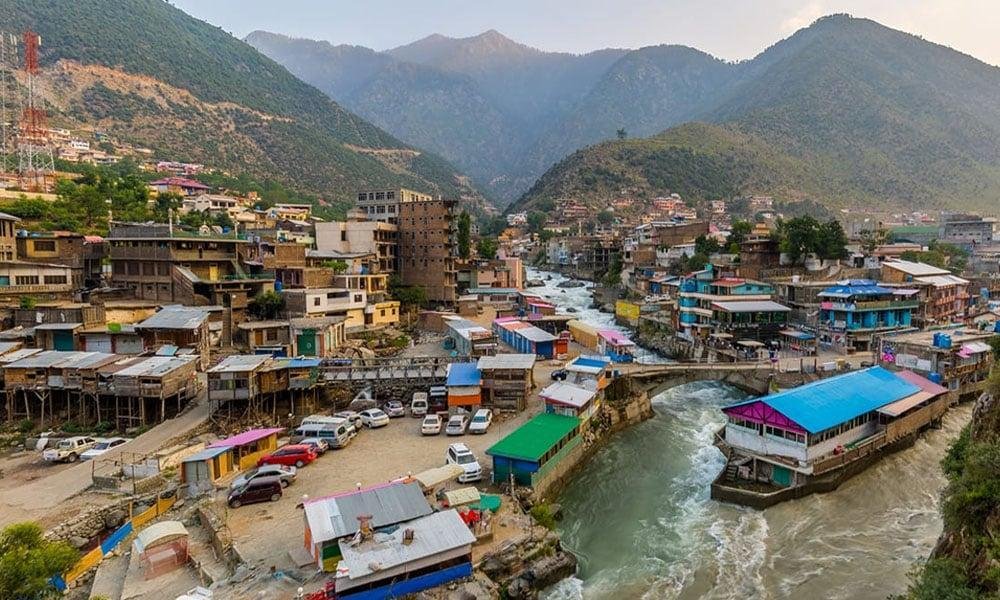
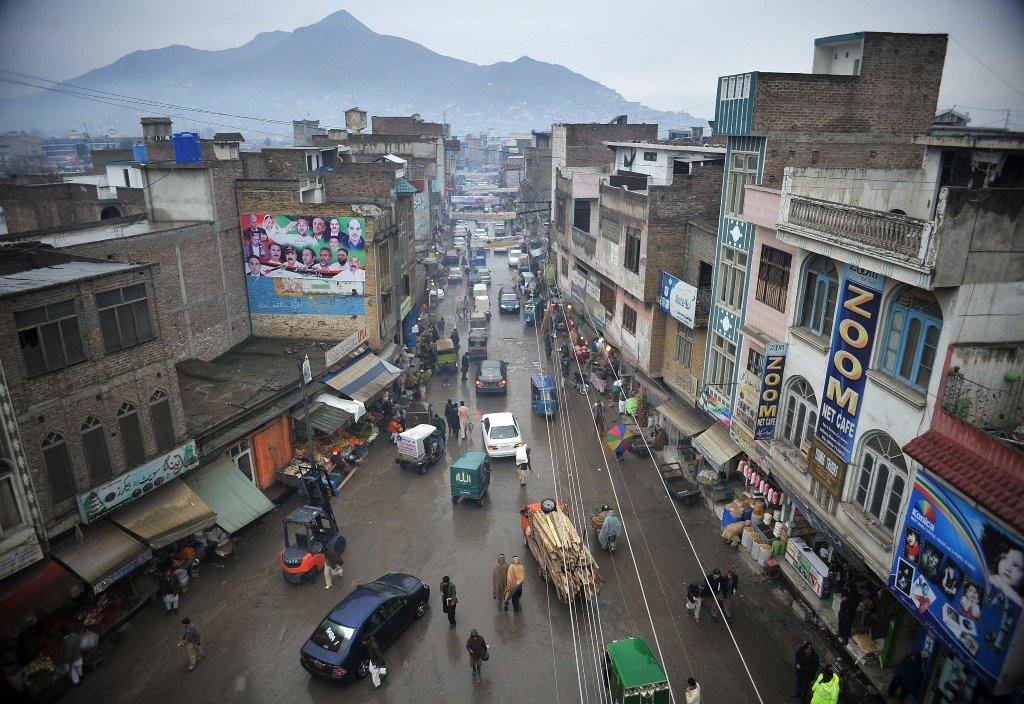
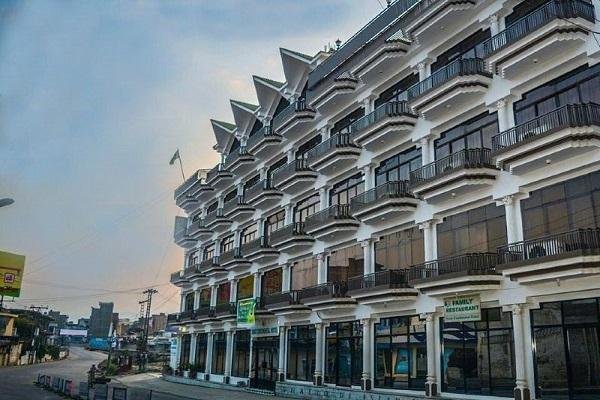
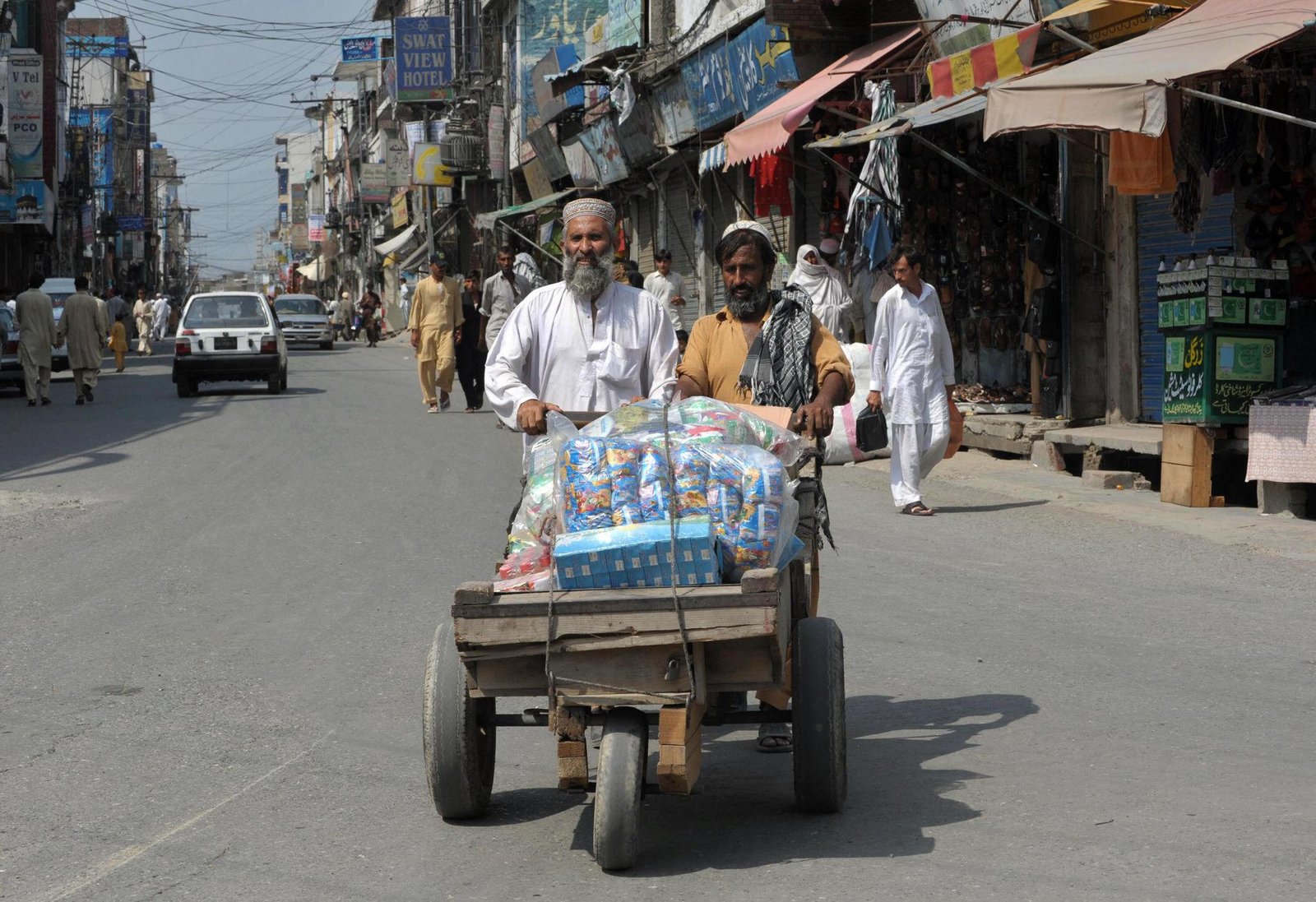
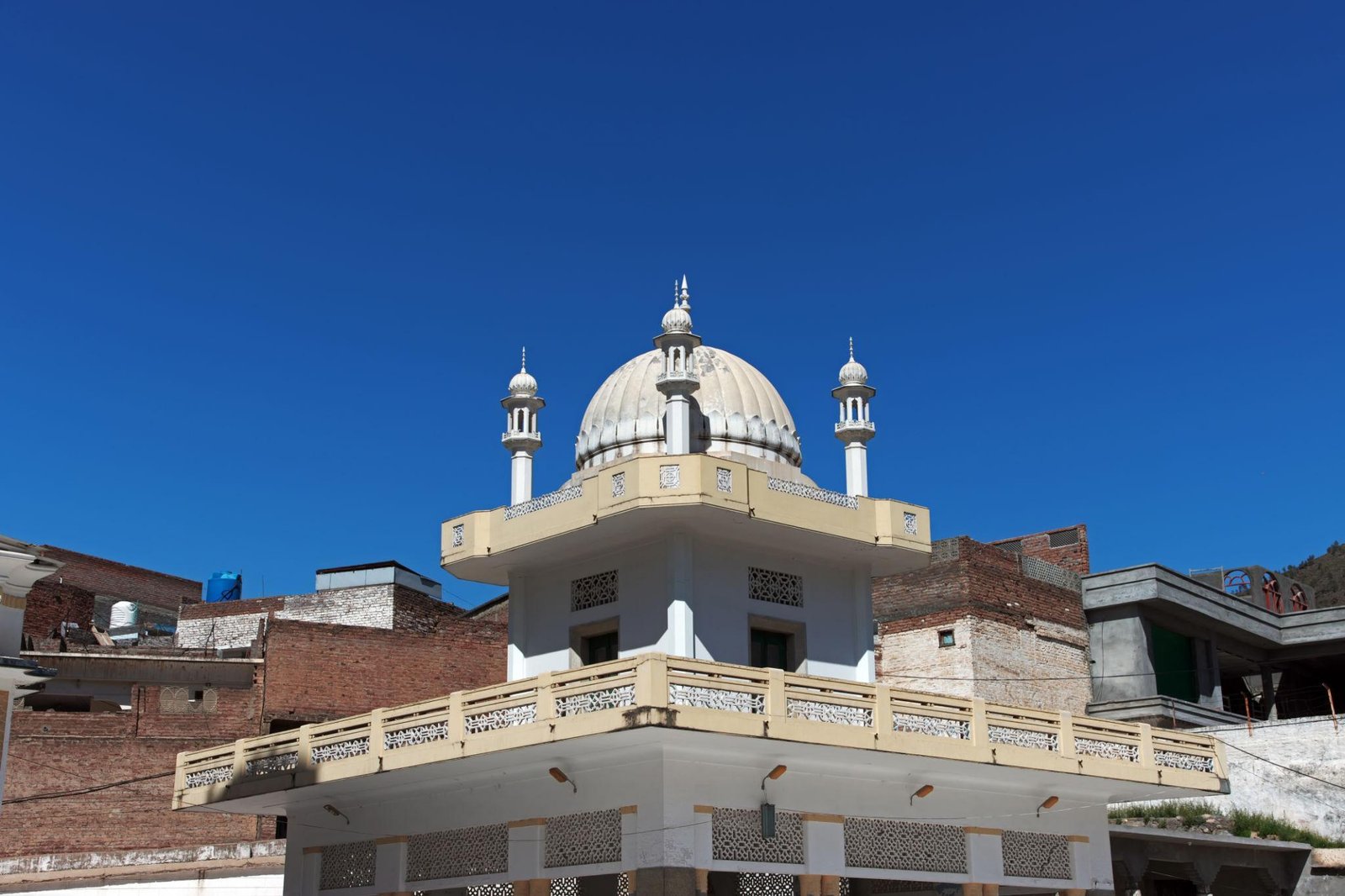
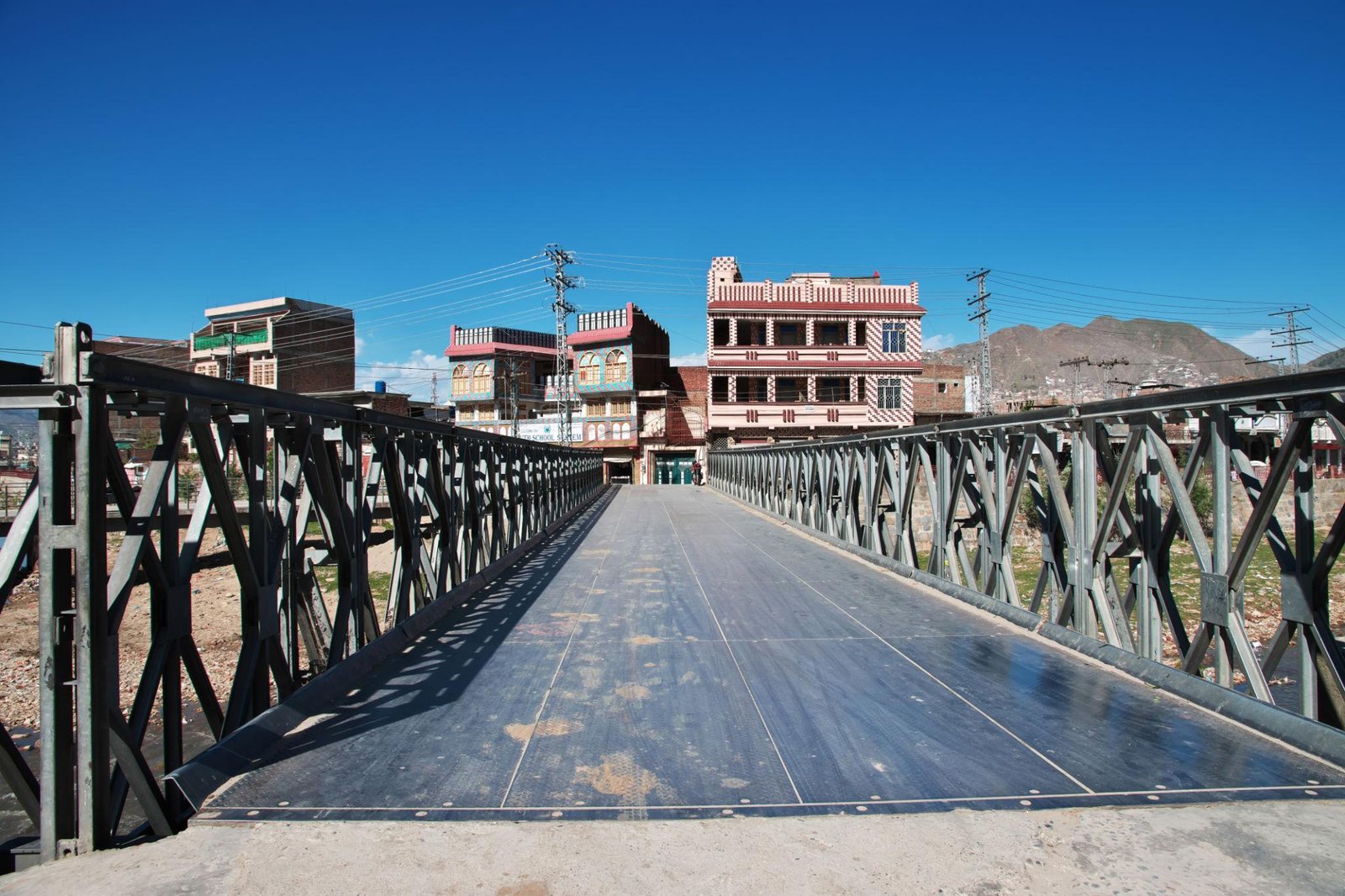
Mingora is the main entry point for travelers and offers hotels, markets, transport services, and essential supplies.
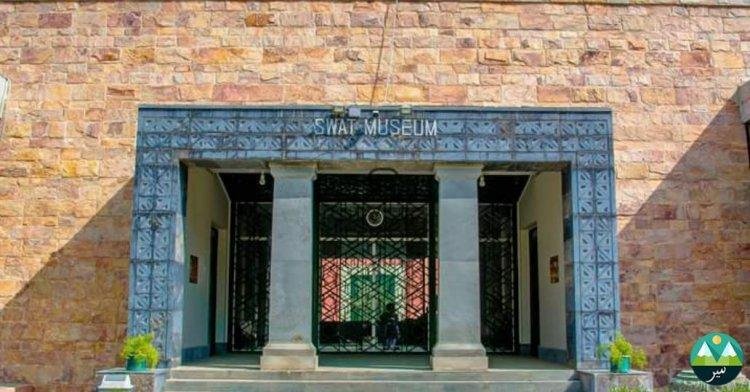
Swat Museum
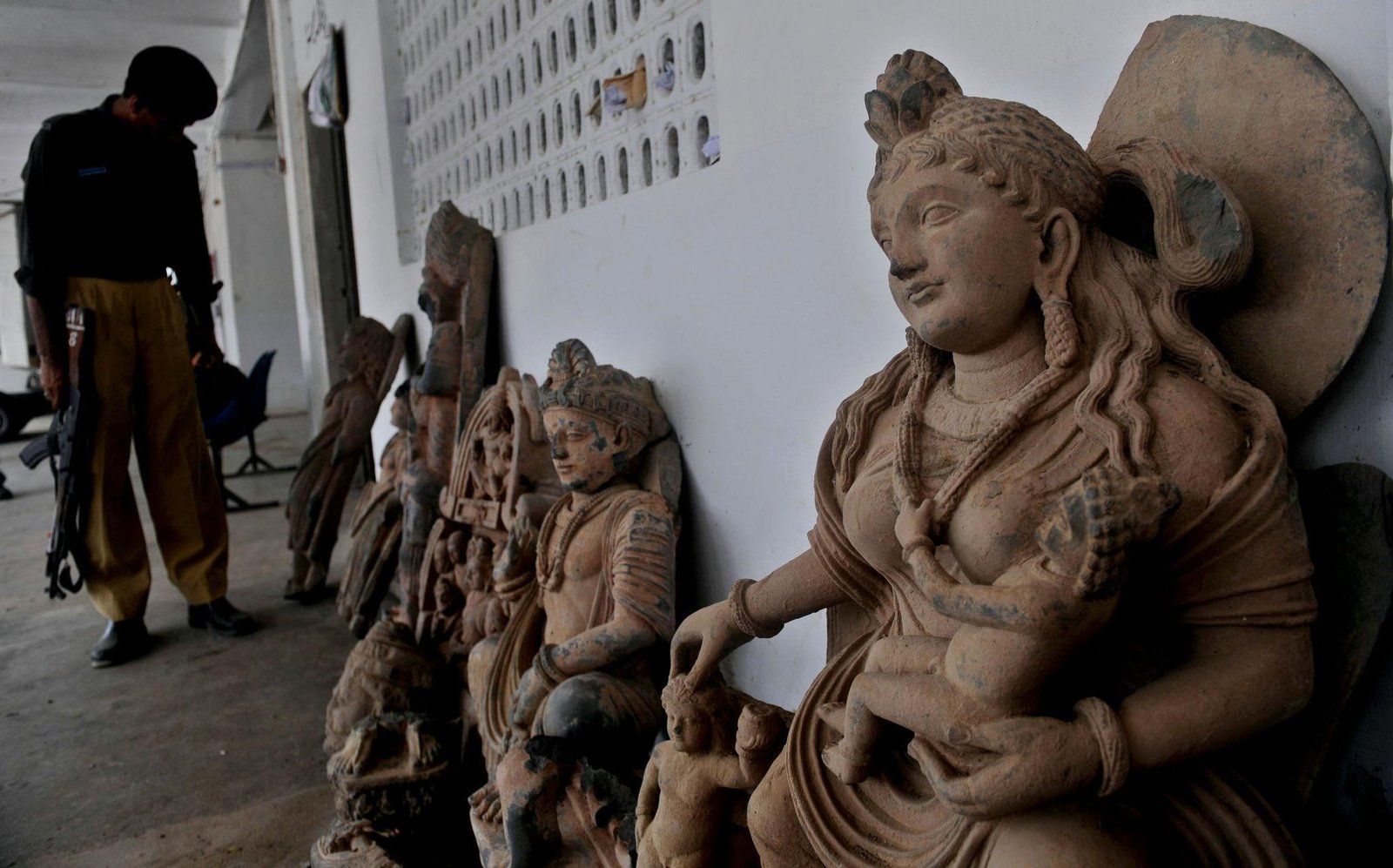
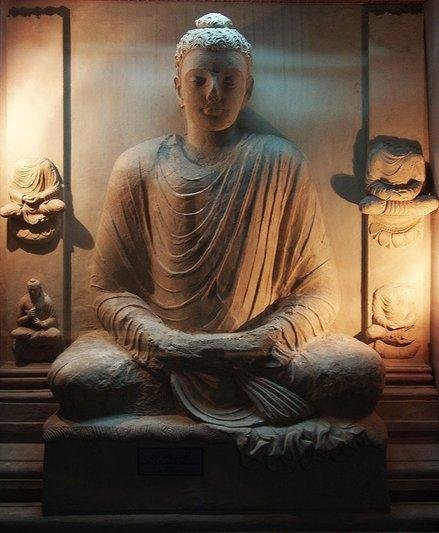
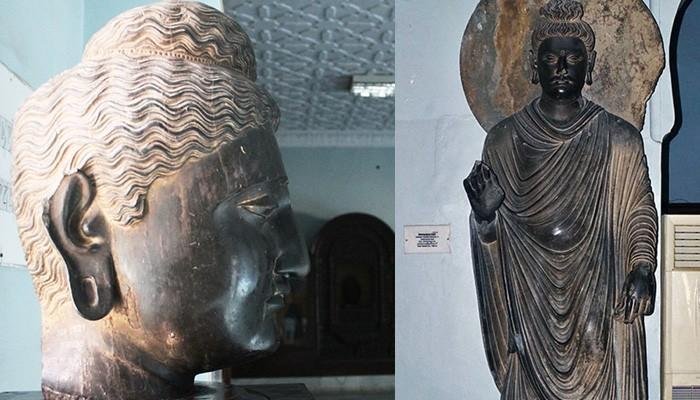
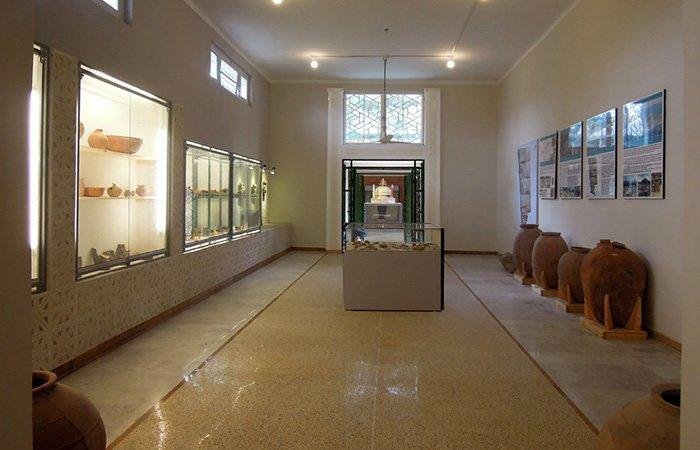
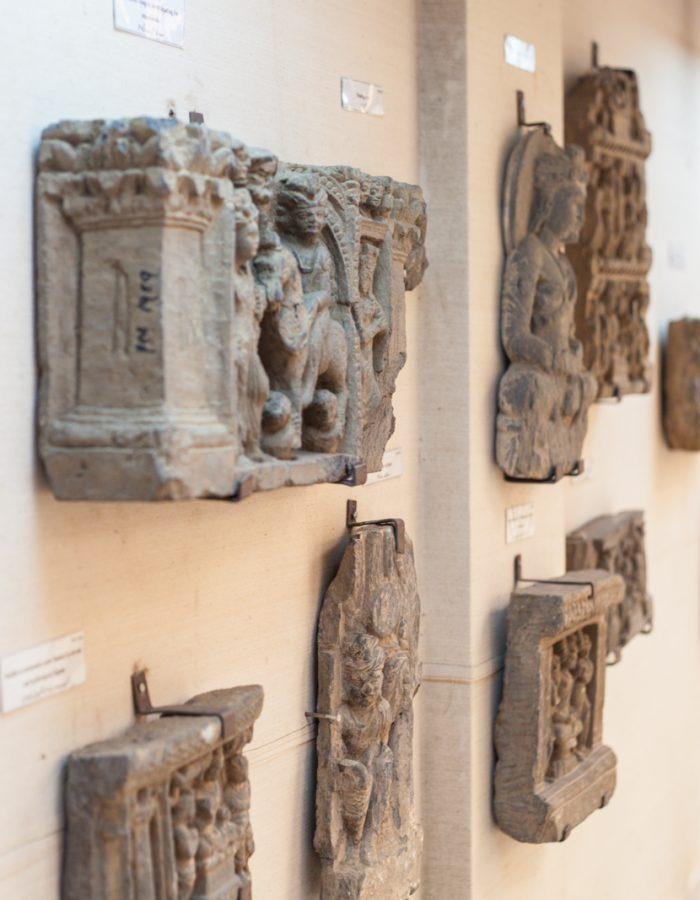
The Swat Museum preserves Gandharan Buddhist artifacts, including sculptures, coins, and monastic relics.
Bahrain and Madyan
As travelers move toward upper Swat, the landscape becomes greener and more mountainous. Bahrain and Madyan are key transition towns along the Swat River.
Bahrain
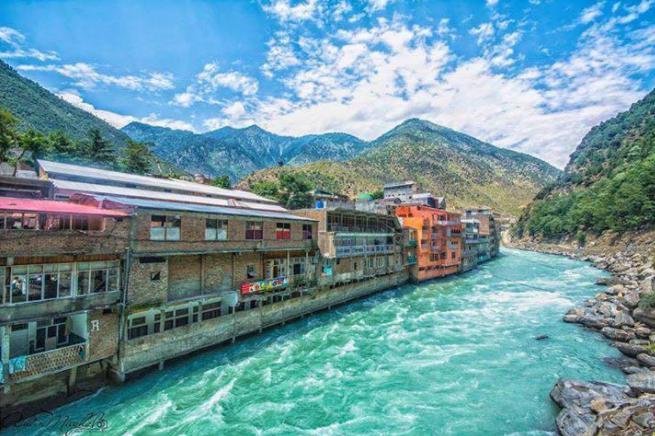
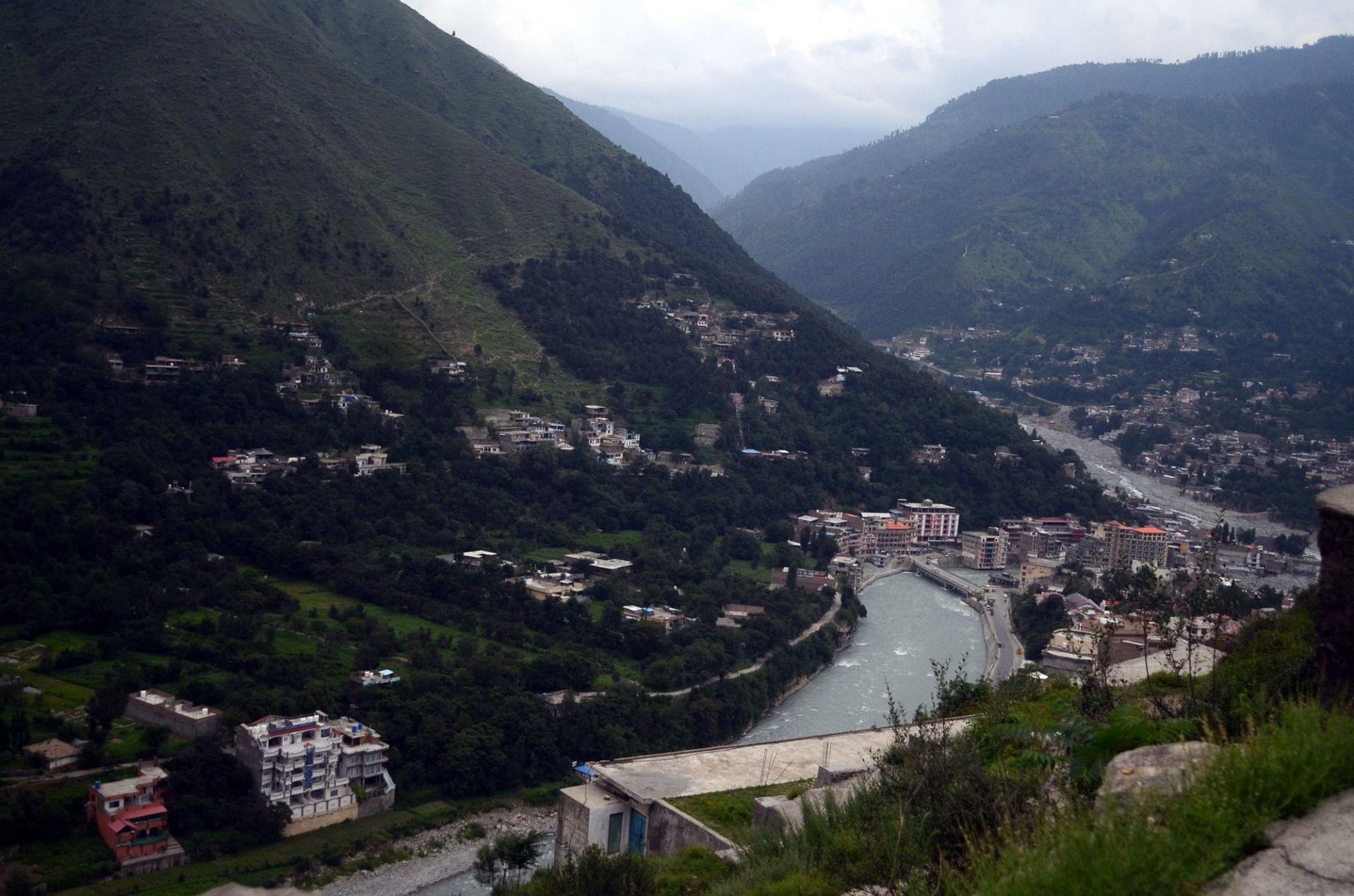
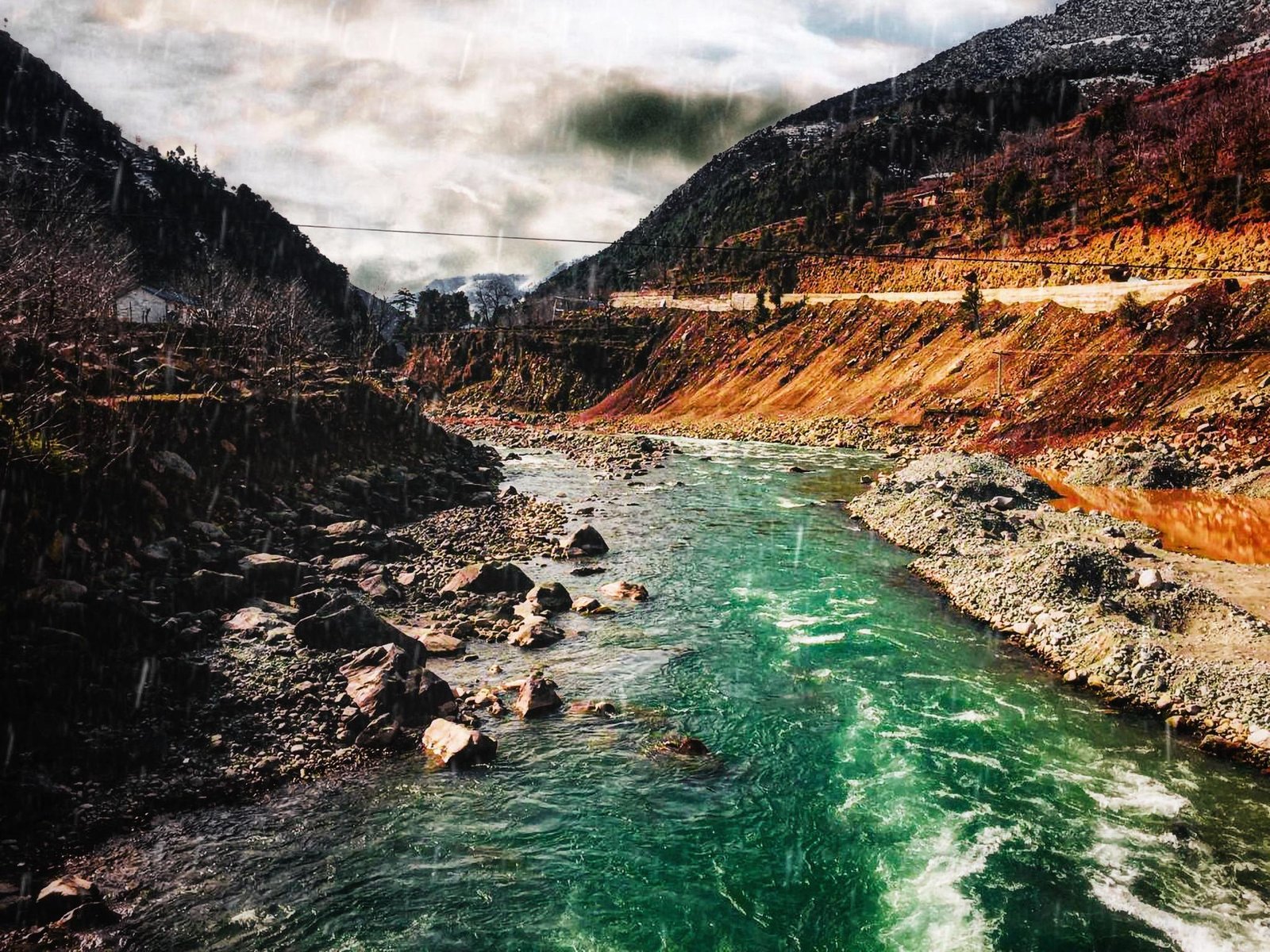
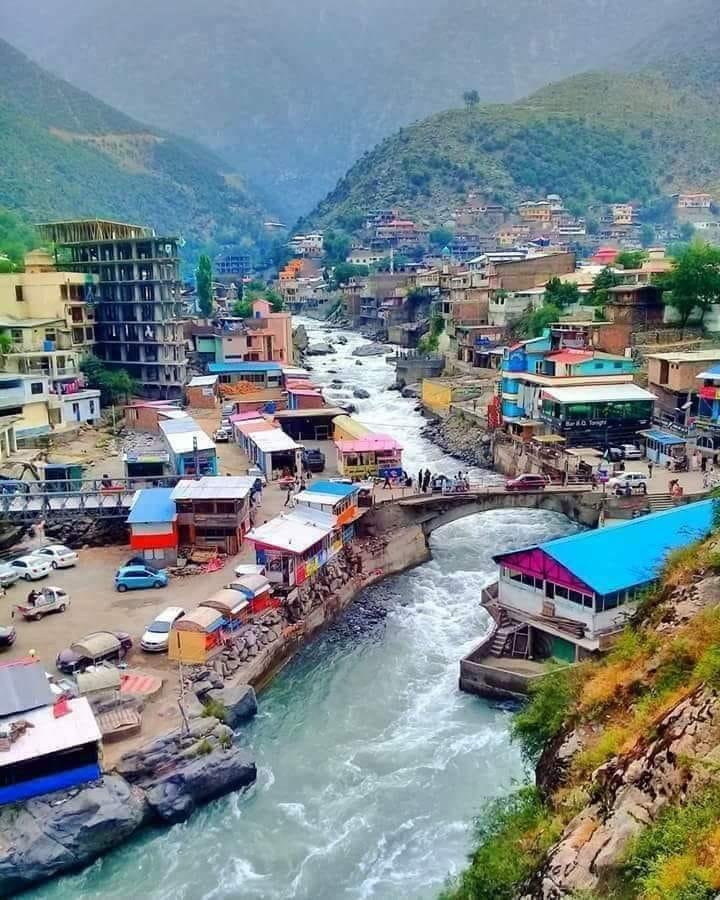
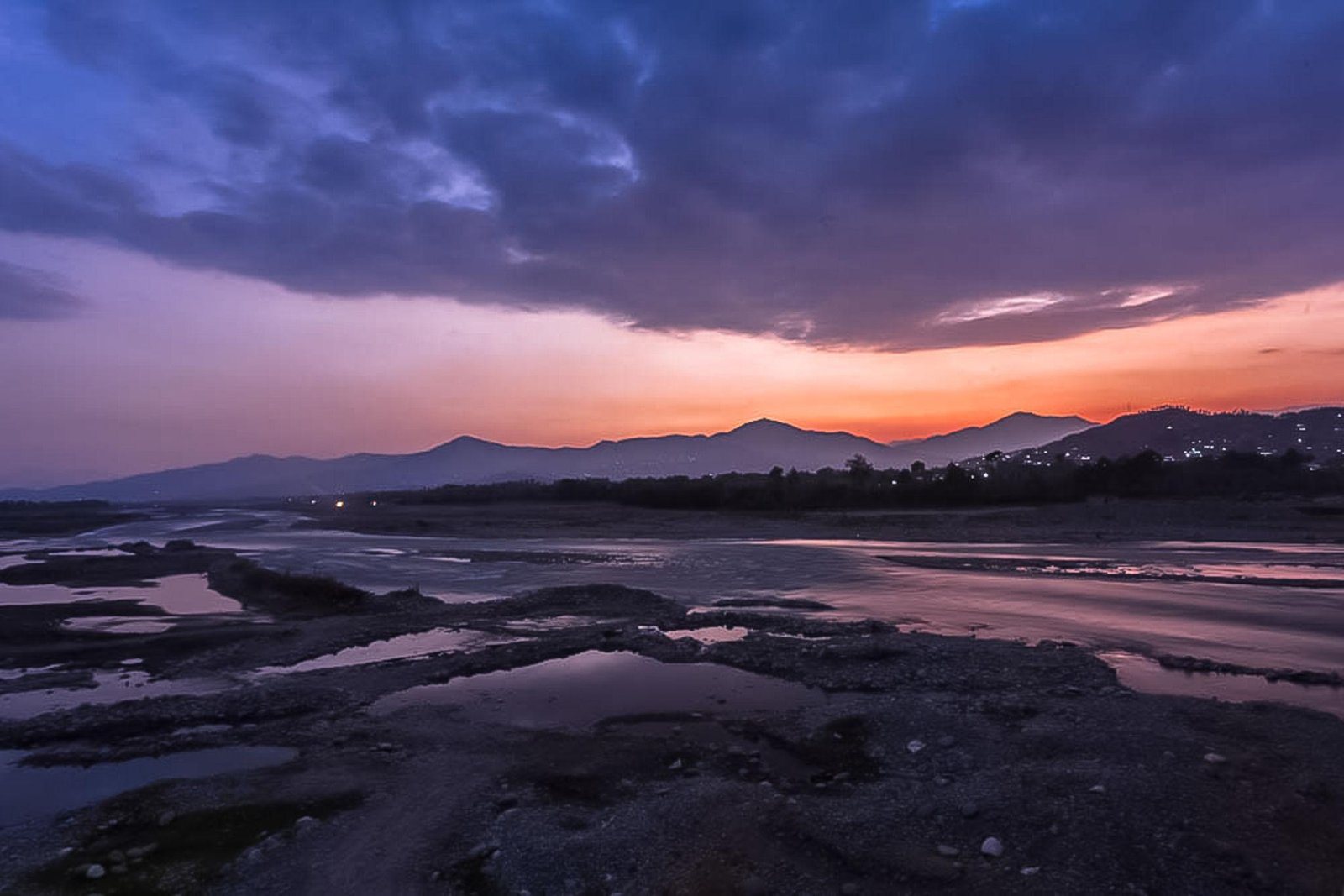
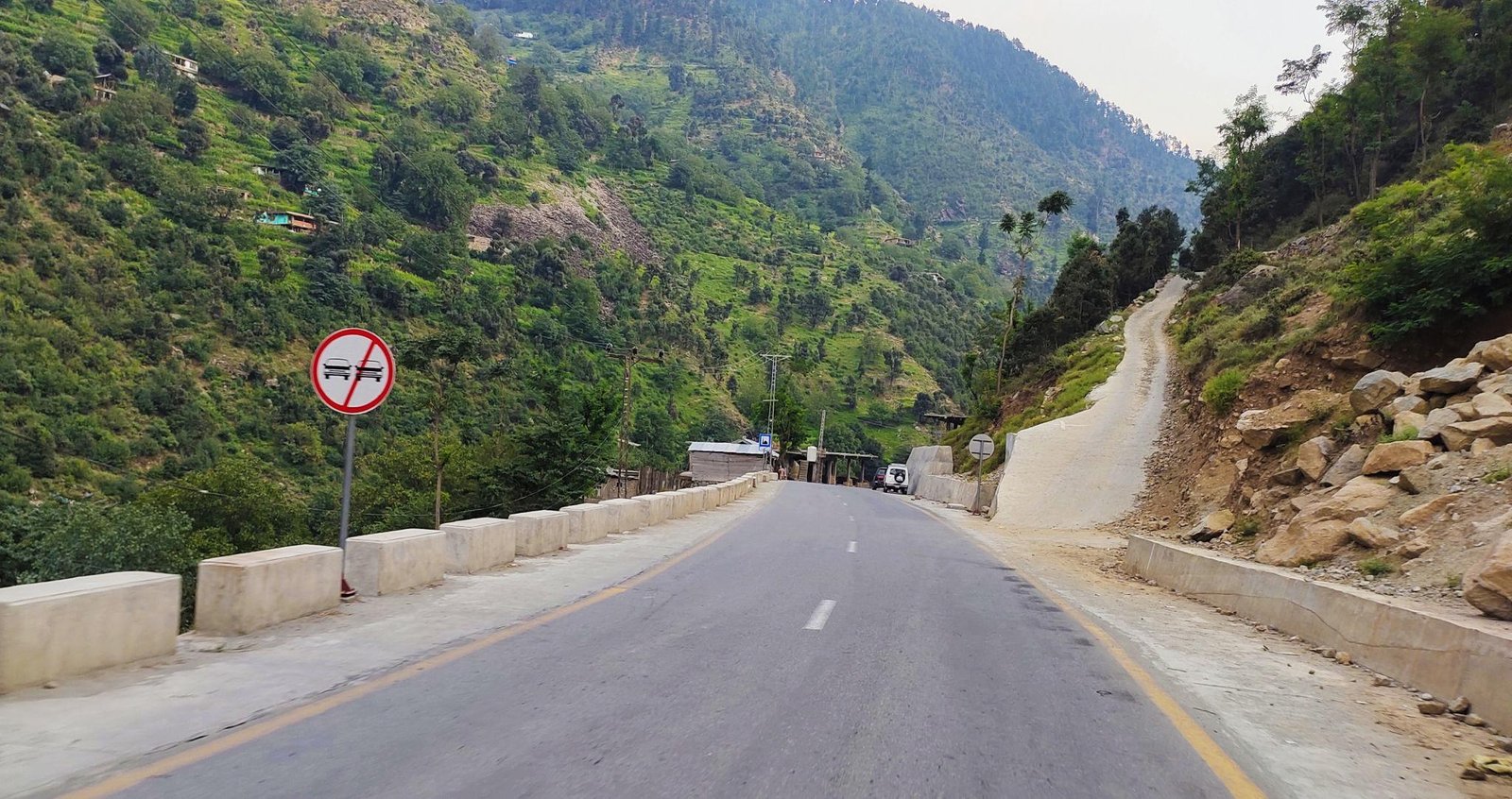
Bahrain is known for riverside hotels, trout restaurants, and cool evenings beside the Swat River.
Madyan
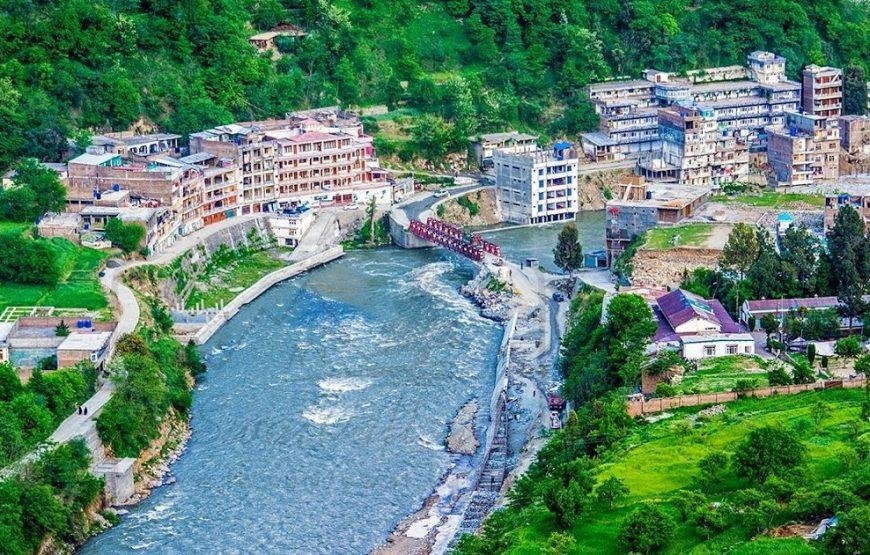
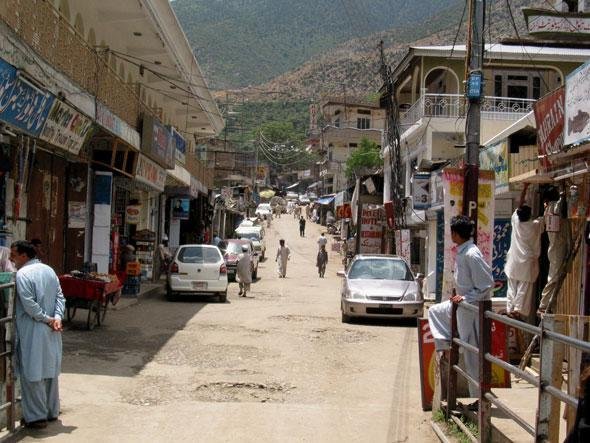
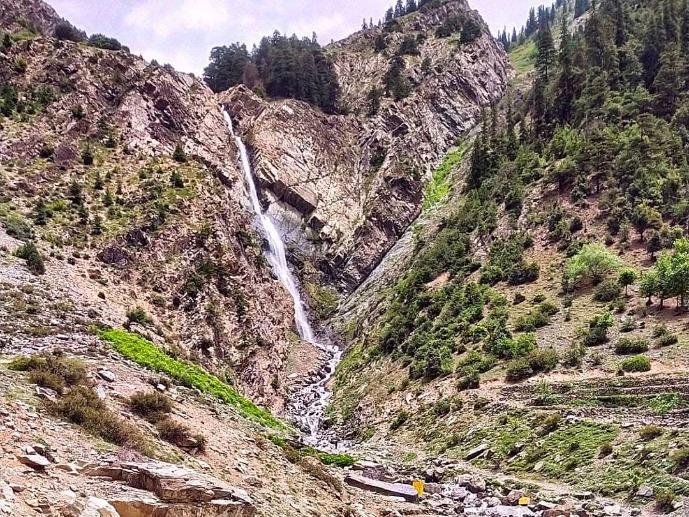
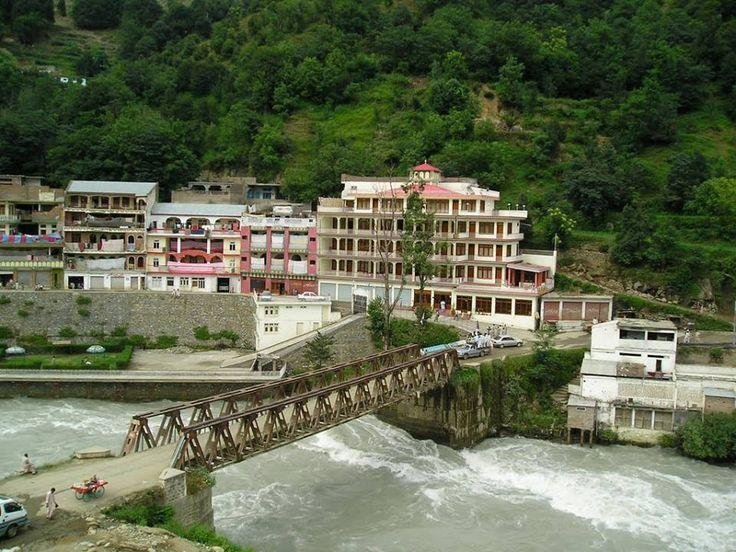
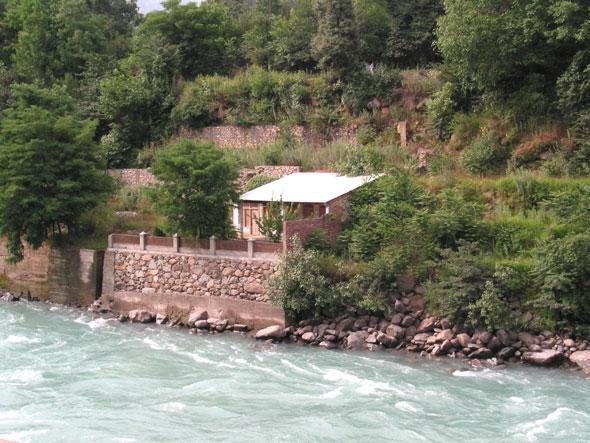
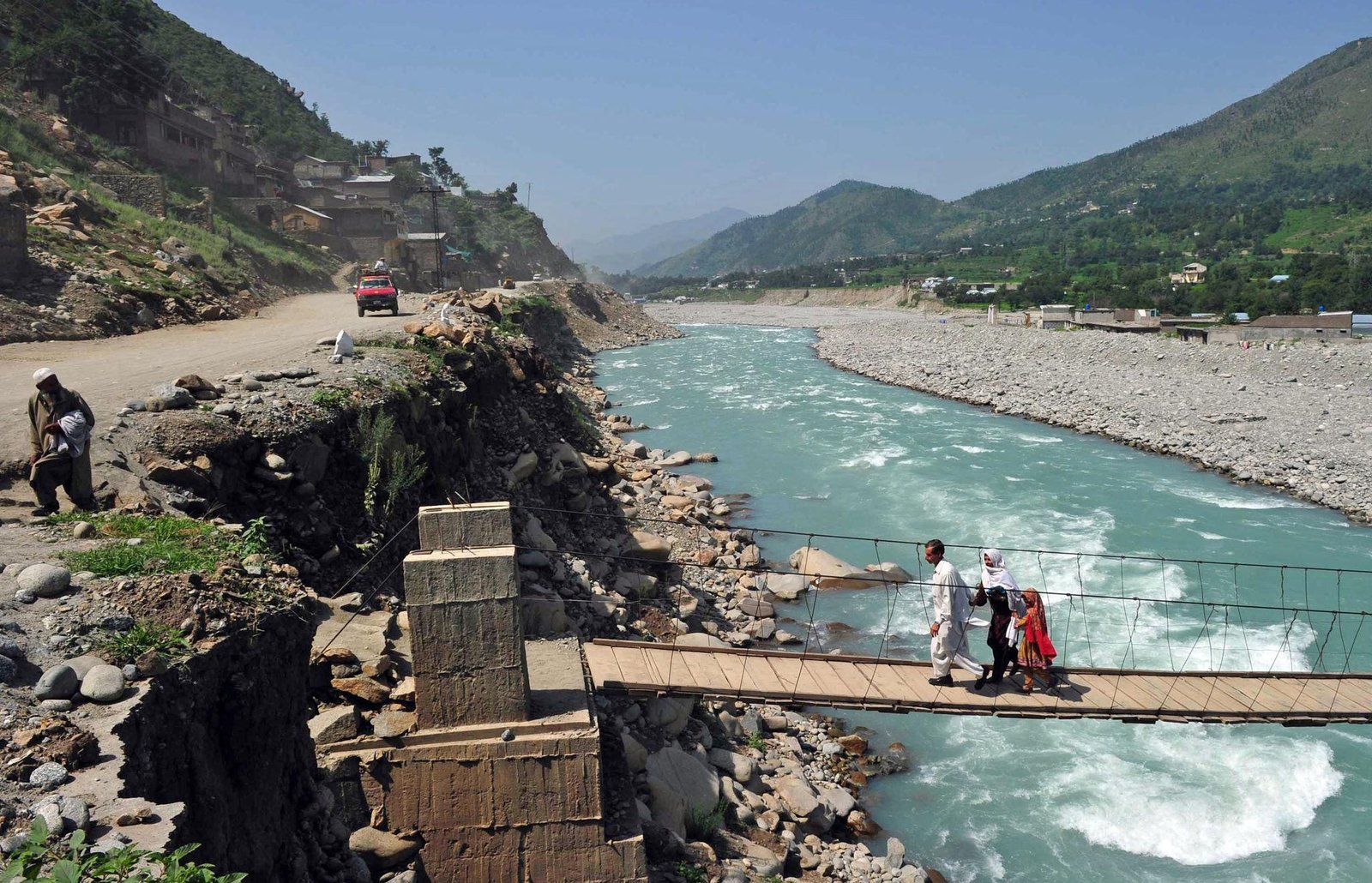
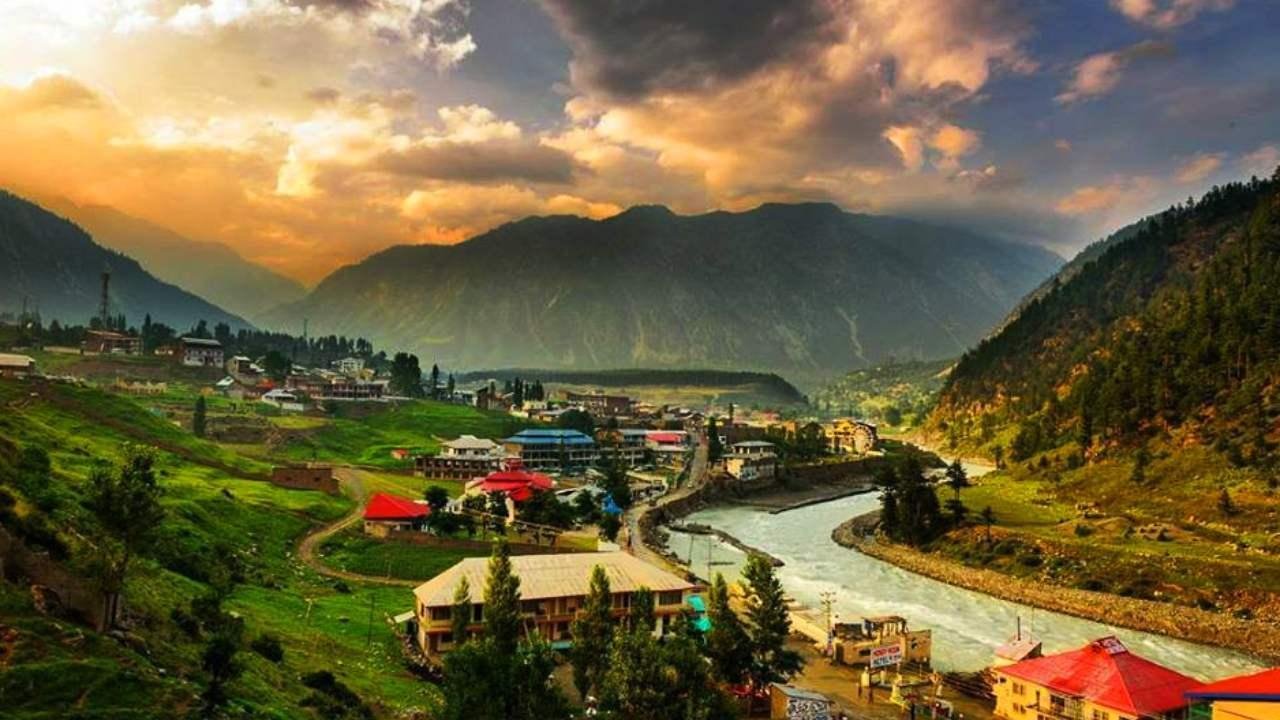
Madyan offers a quieter environment with traditional architecture and small markets along the river.
Kalam Valley
Kalam is the main tourist hub of upper Swat and serves as a base for exploring nearby alpine regions.
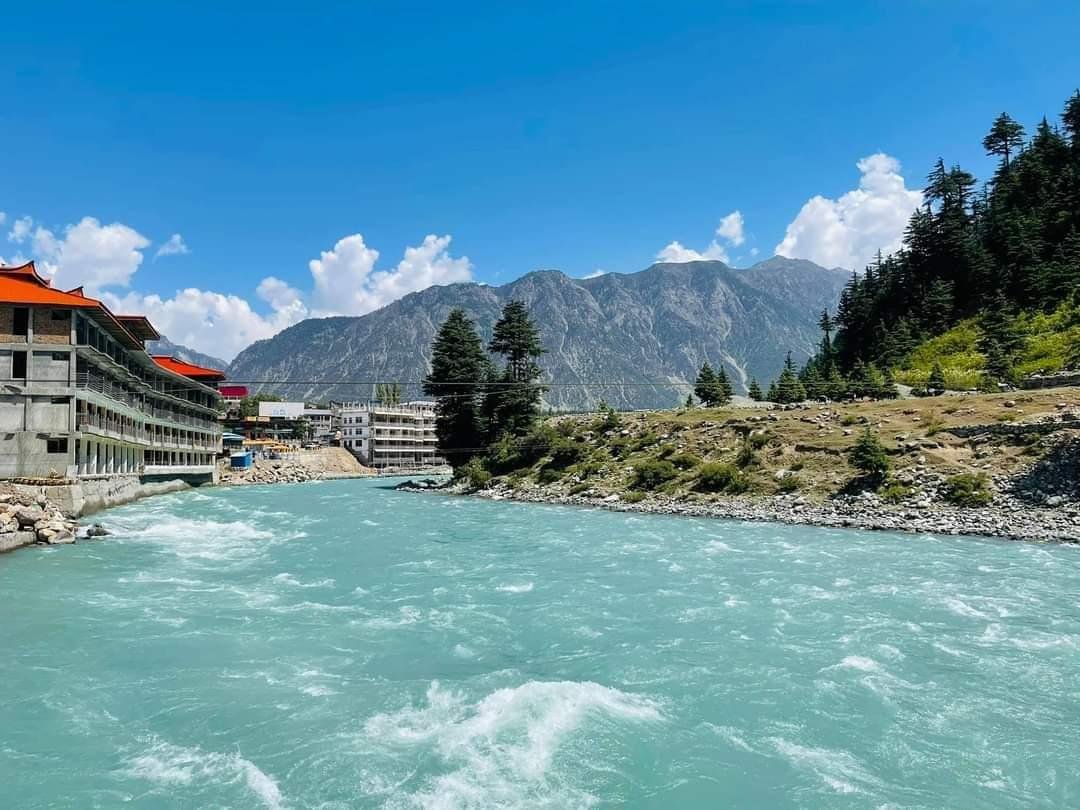
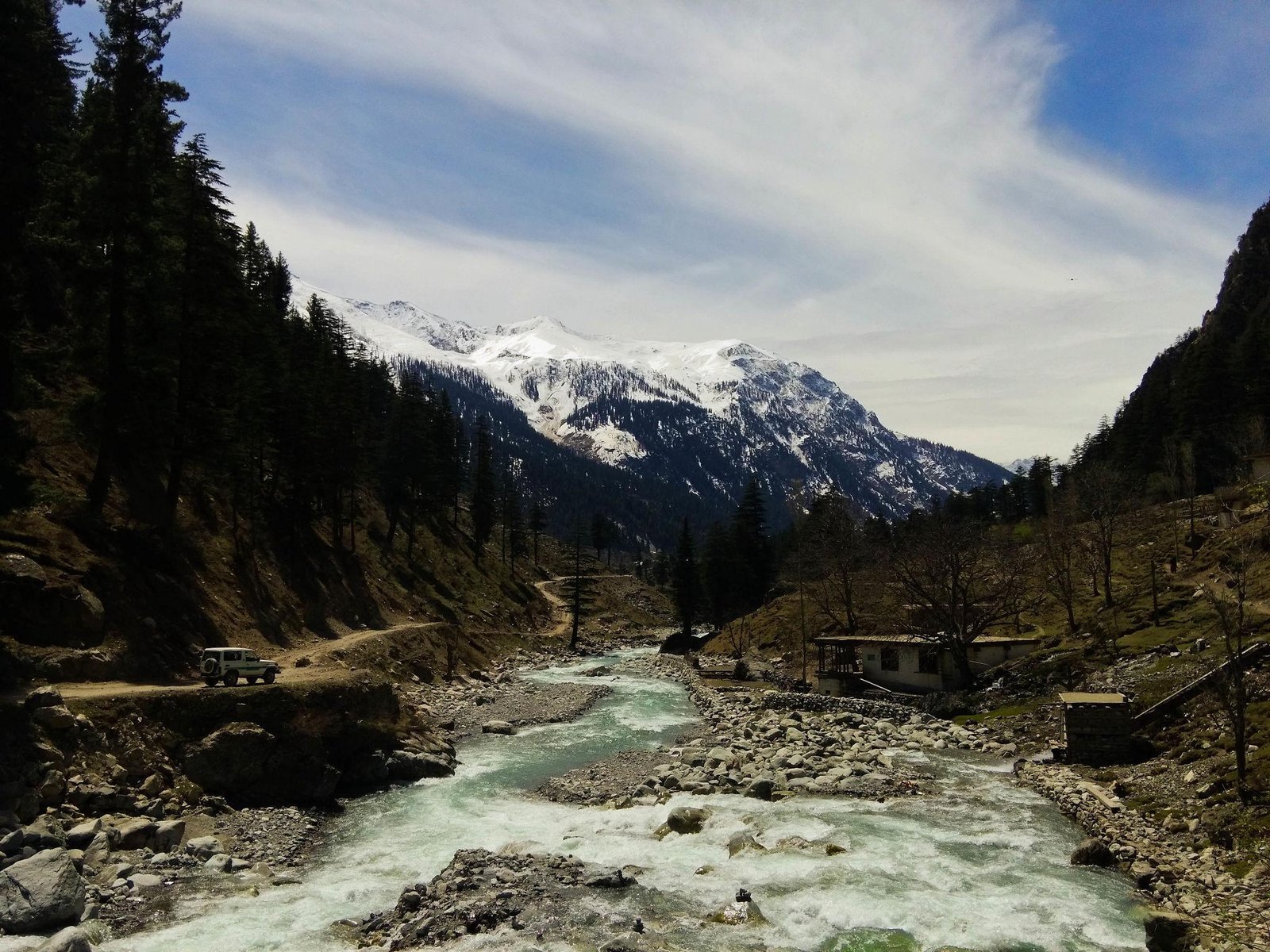
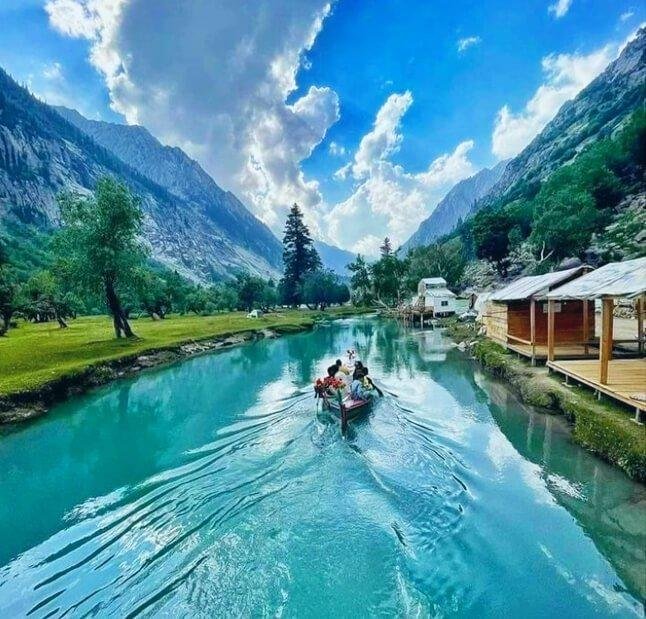
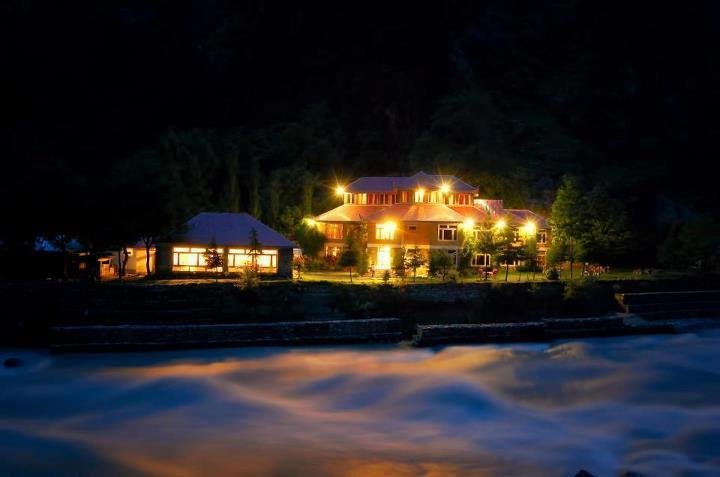
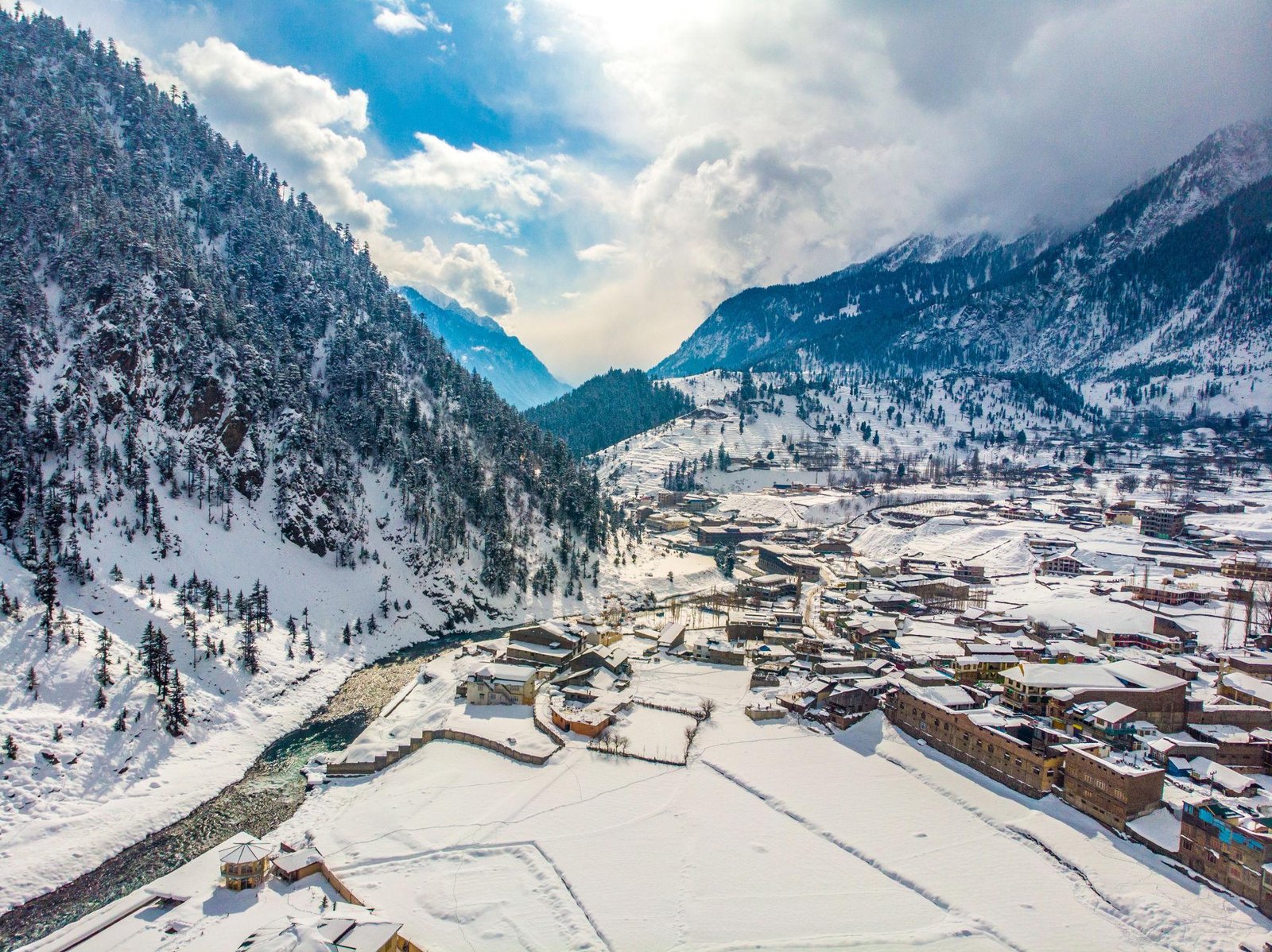
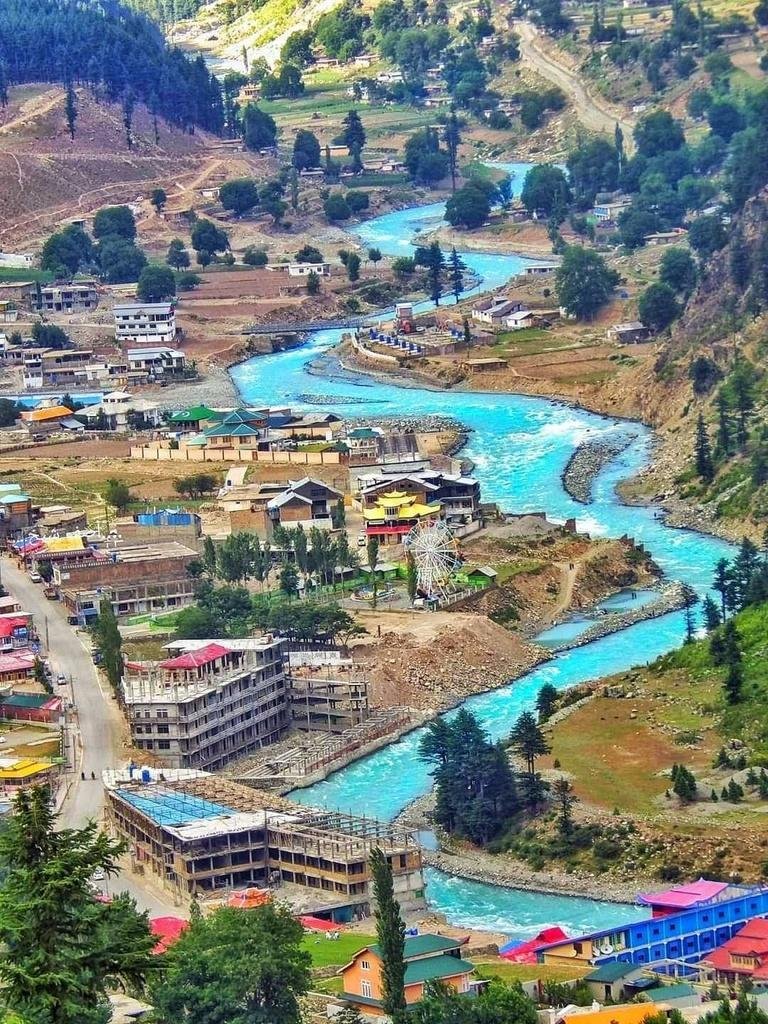
The town sits at the meeting point of the Ushu and Utror rivers and is surrounded by forests and mountains.
Rivers and Atmosphere in Kalam
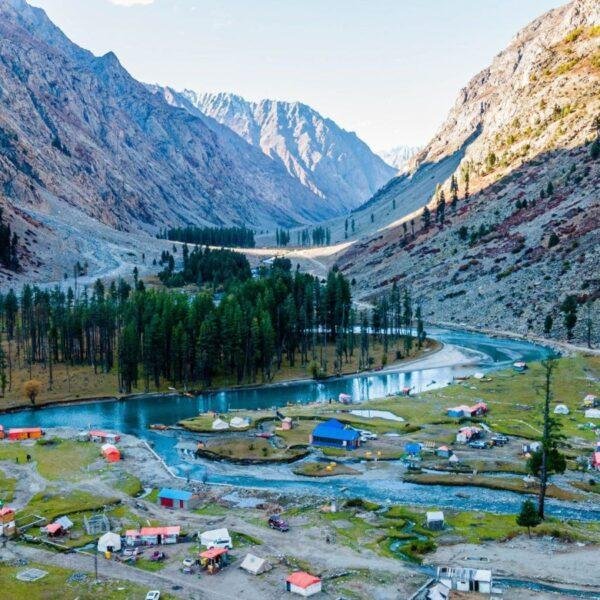
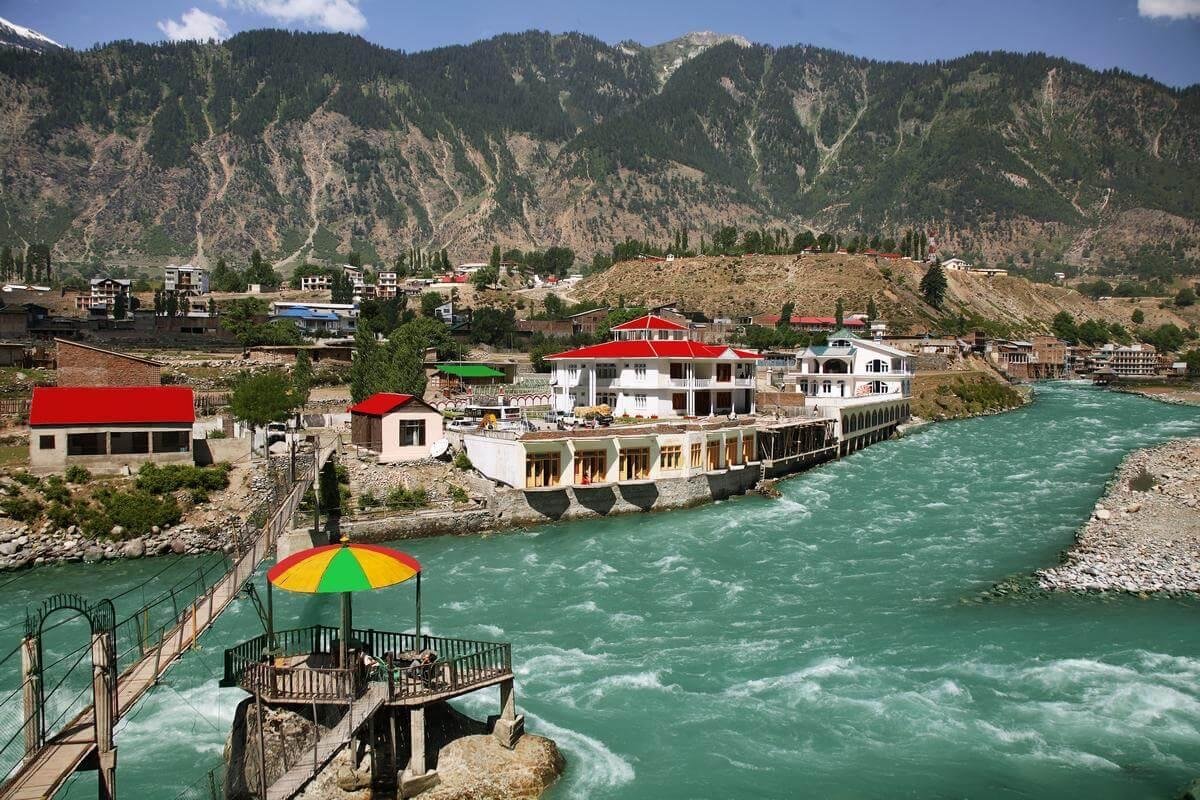
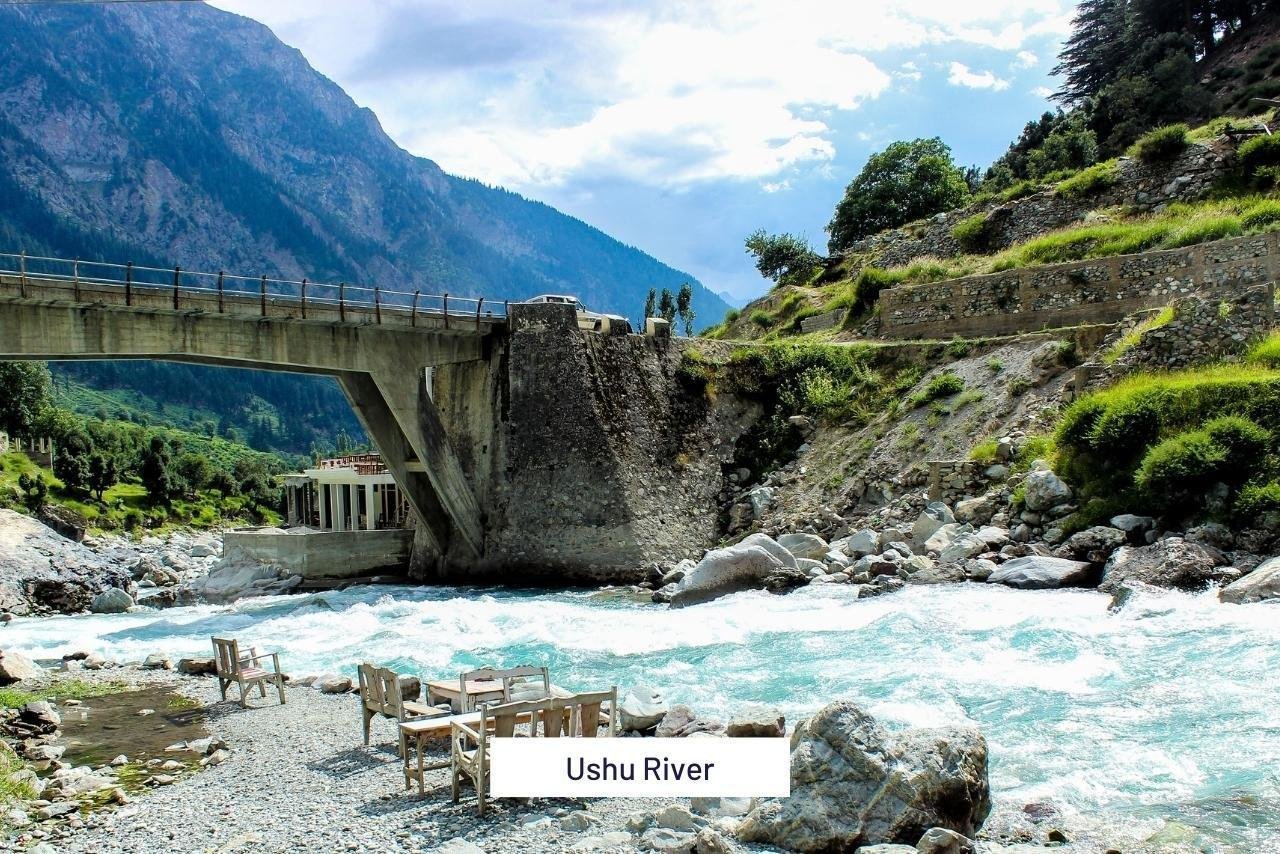
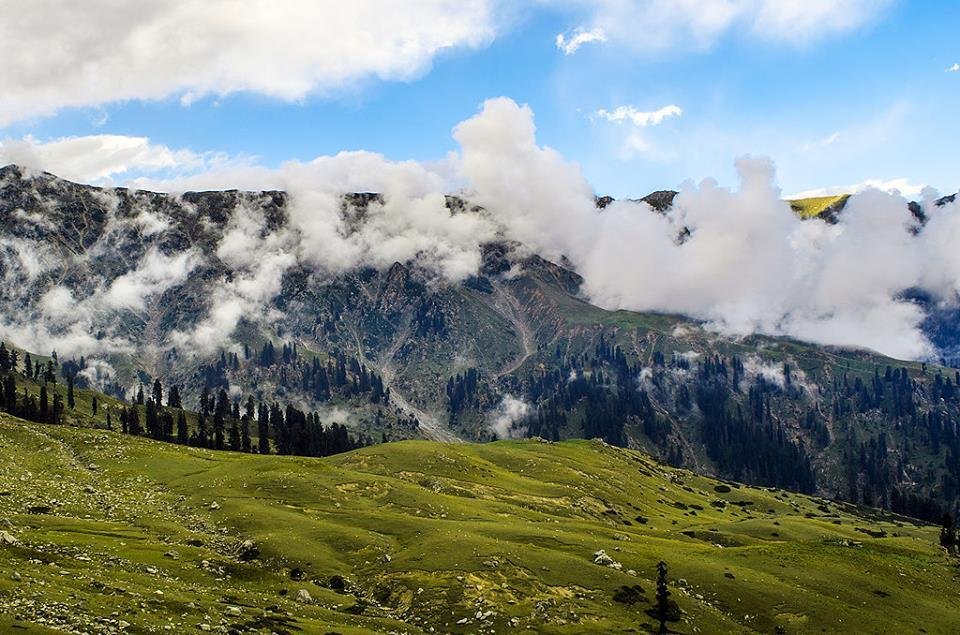
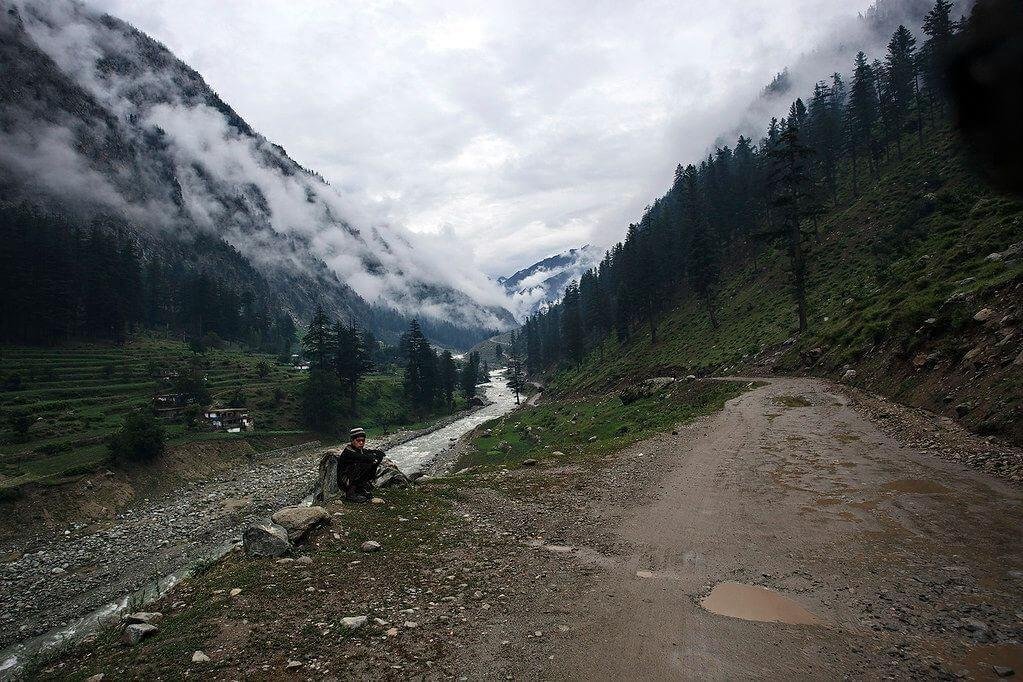
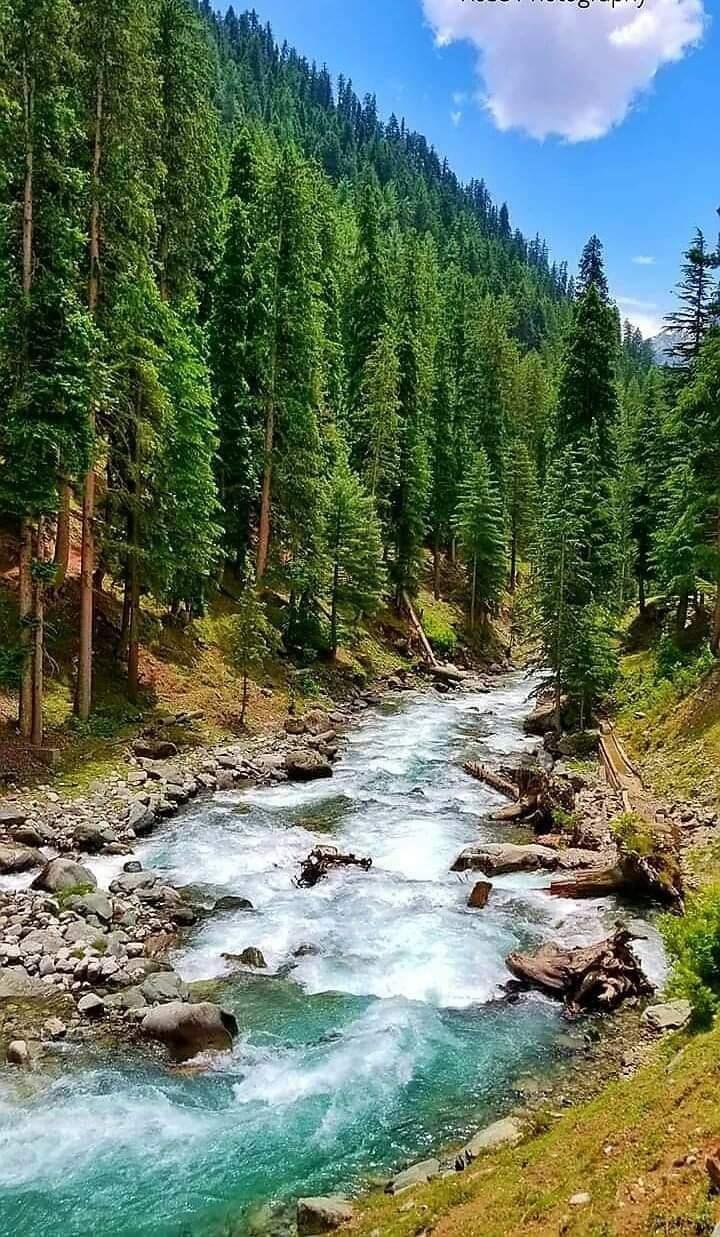
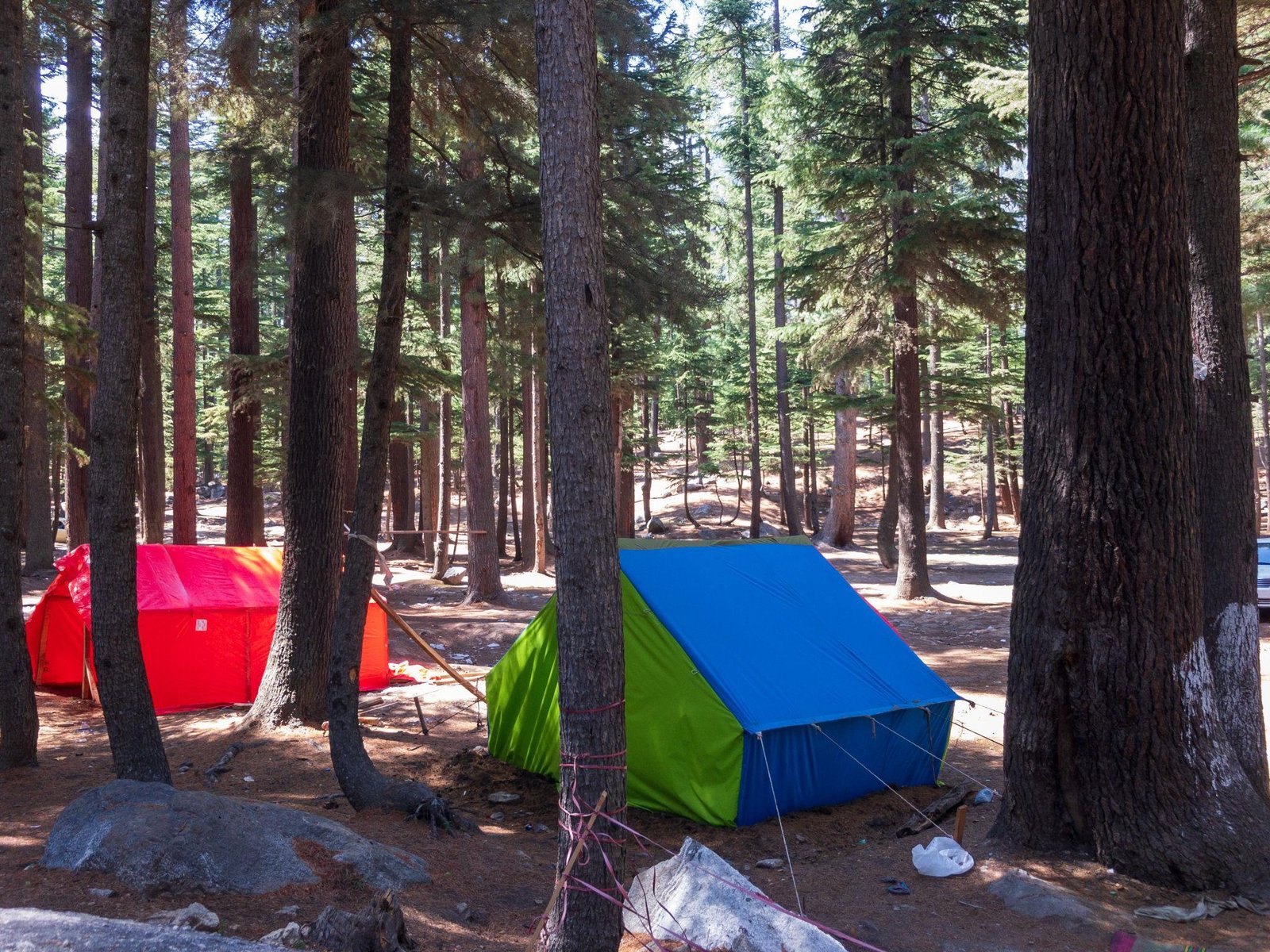
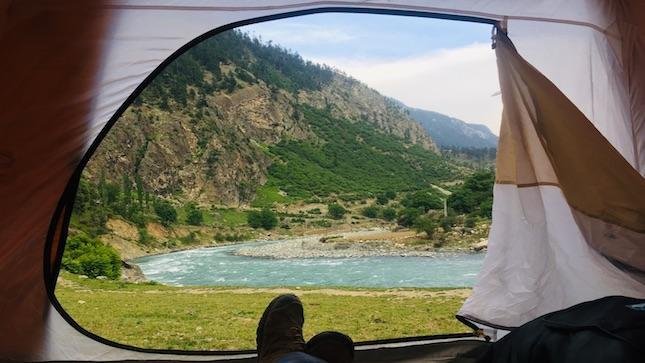
The riverside environment defines Kalam’s atmosphere, especially during summer when tourism peaks.
Mahodand Lake
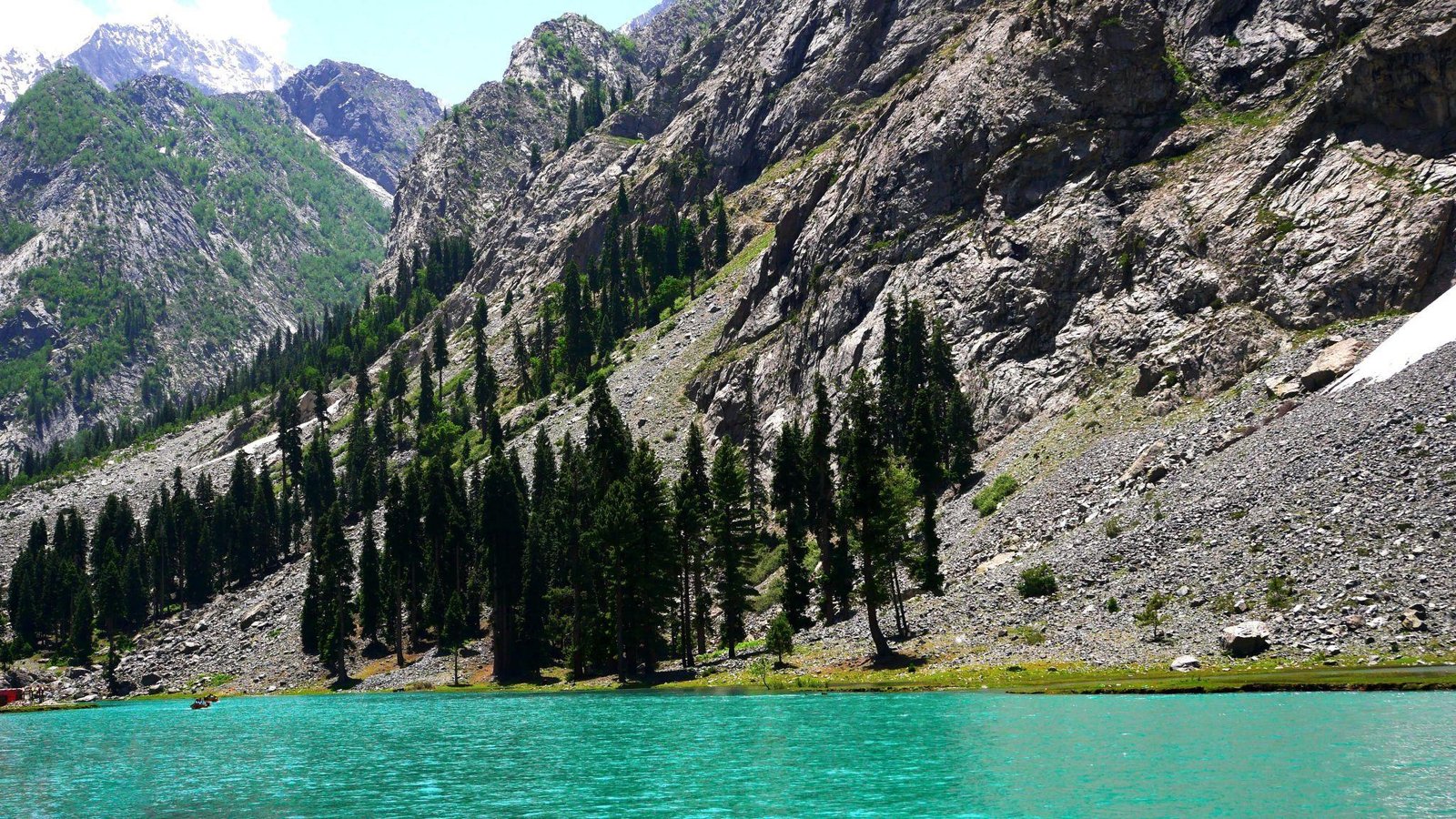
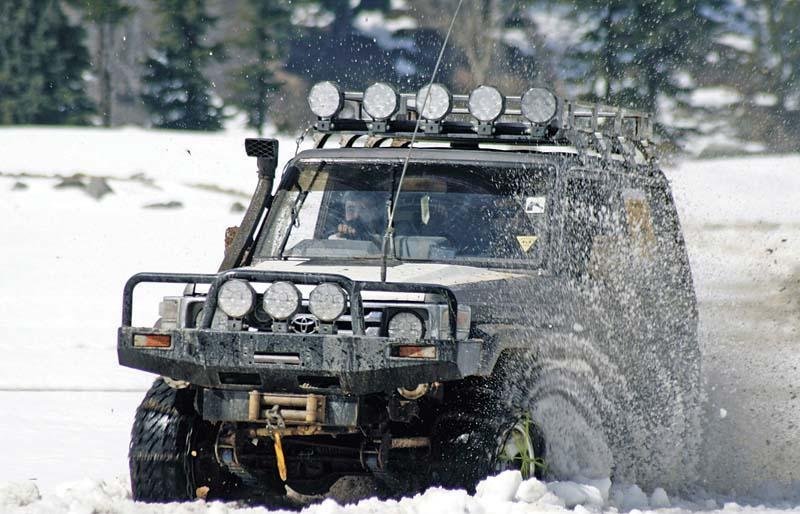
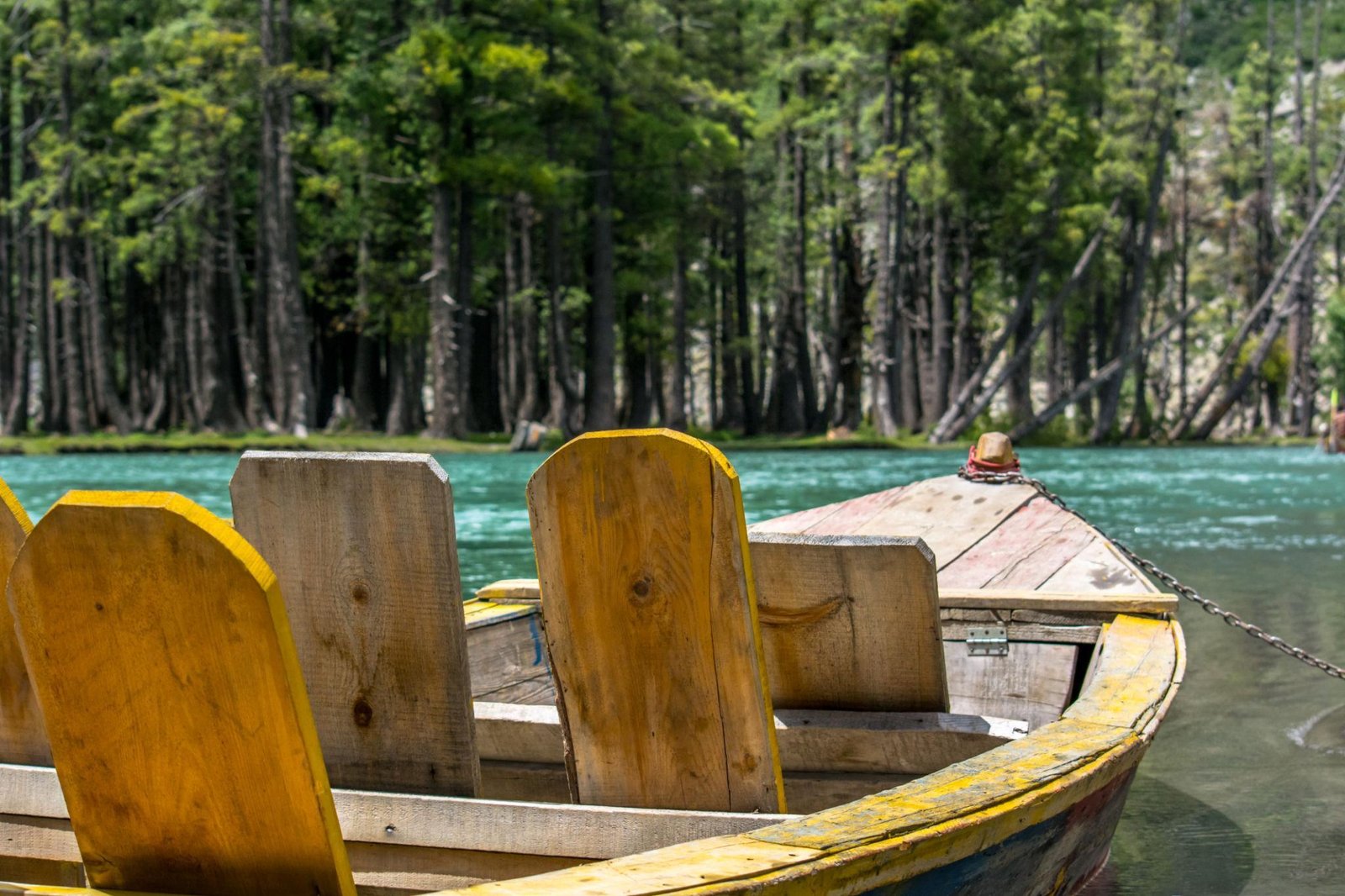
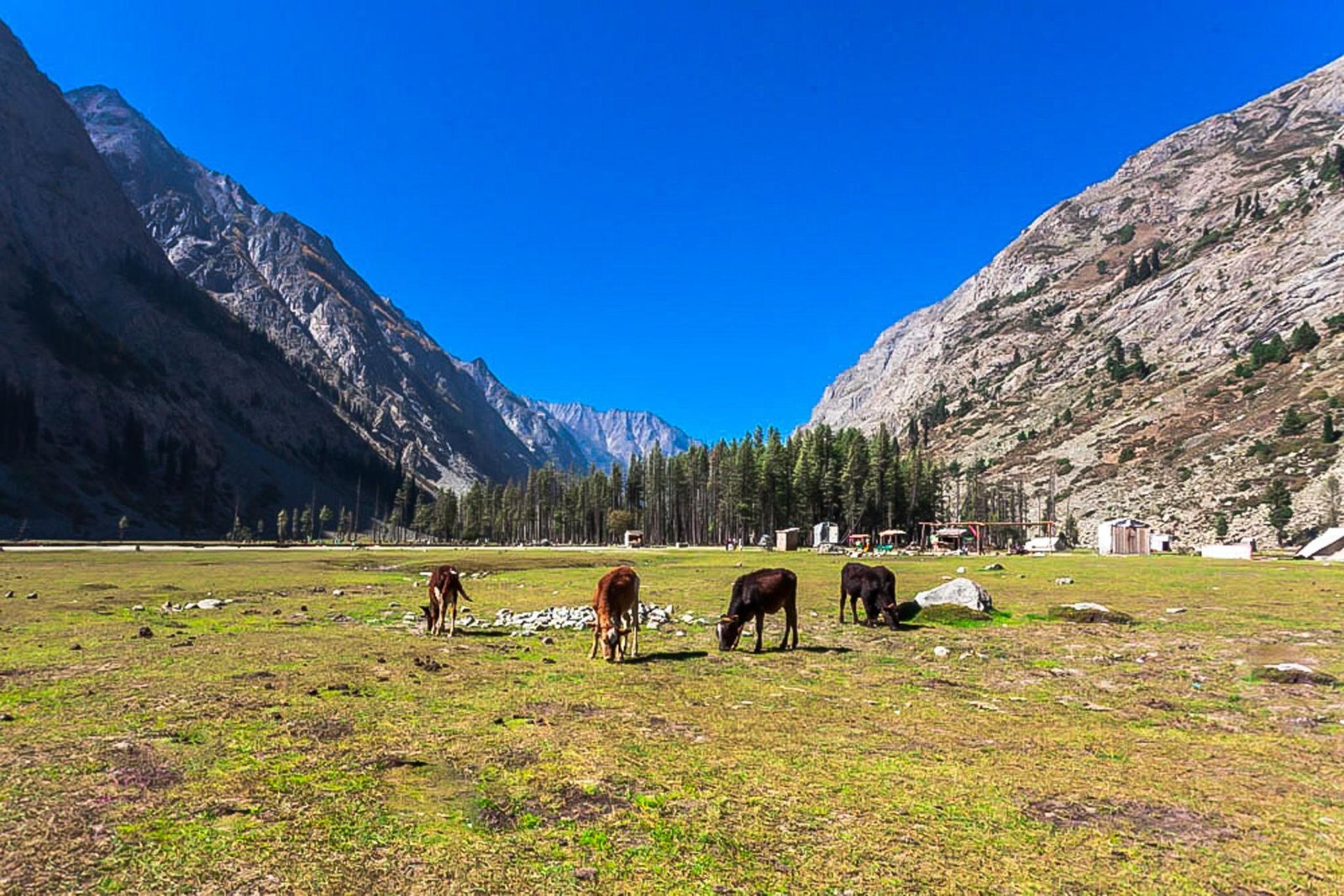
Mahodand Lake is one of the most important alpine lakes in Swat, located deep in the Ushu Valley. It is known for trout fishing, camping, and wide alpine landscapes surrounded by snow-covered peaks.
Ushu Forest and Gabral Valley
Ushu Forest
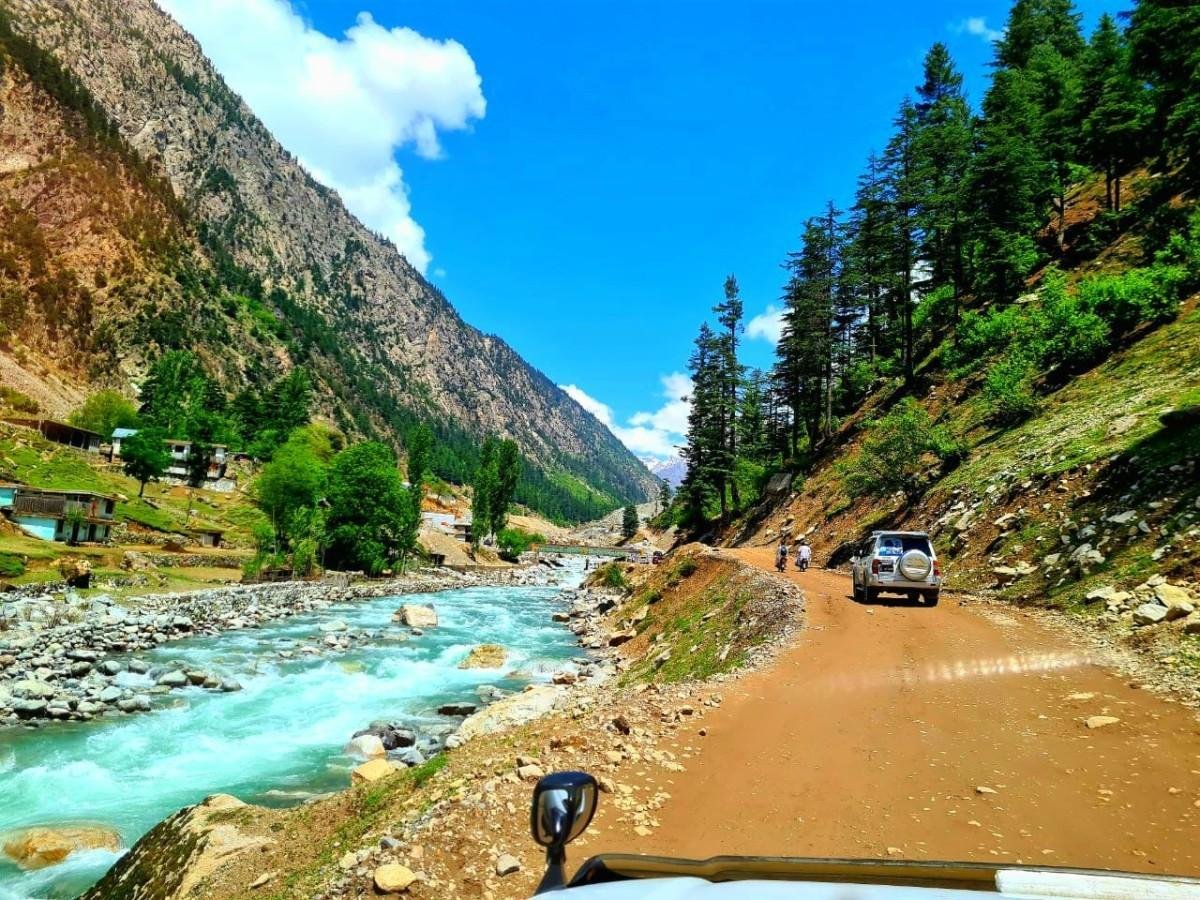
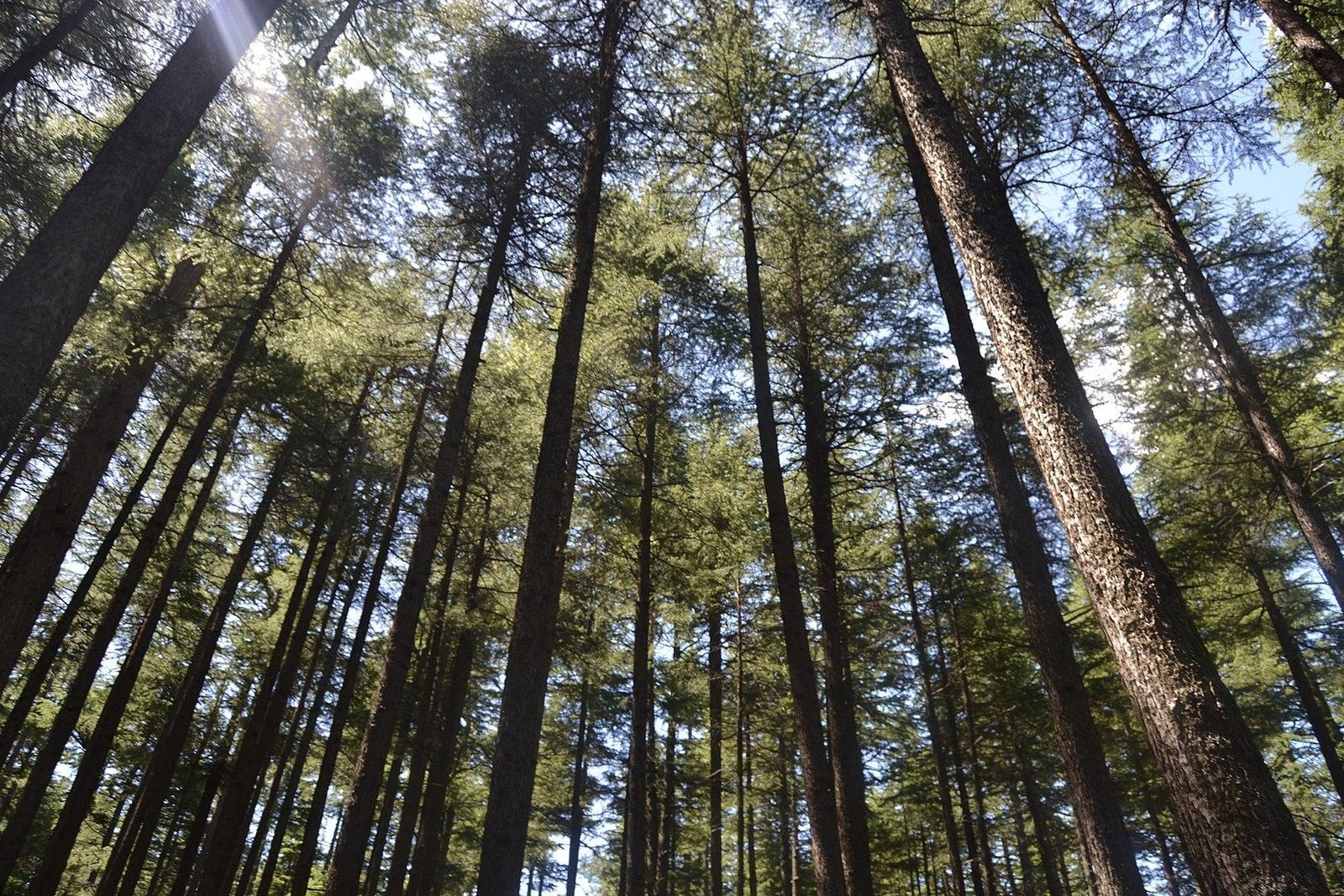
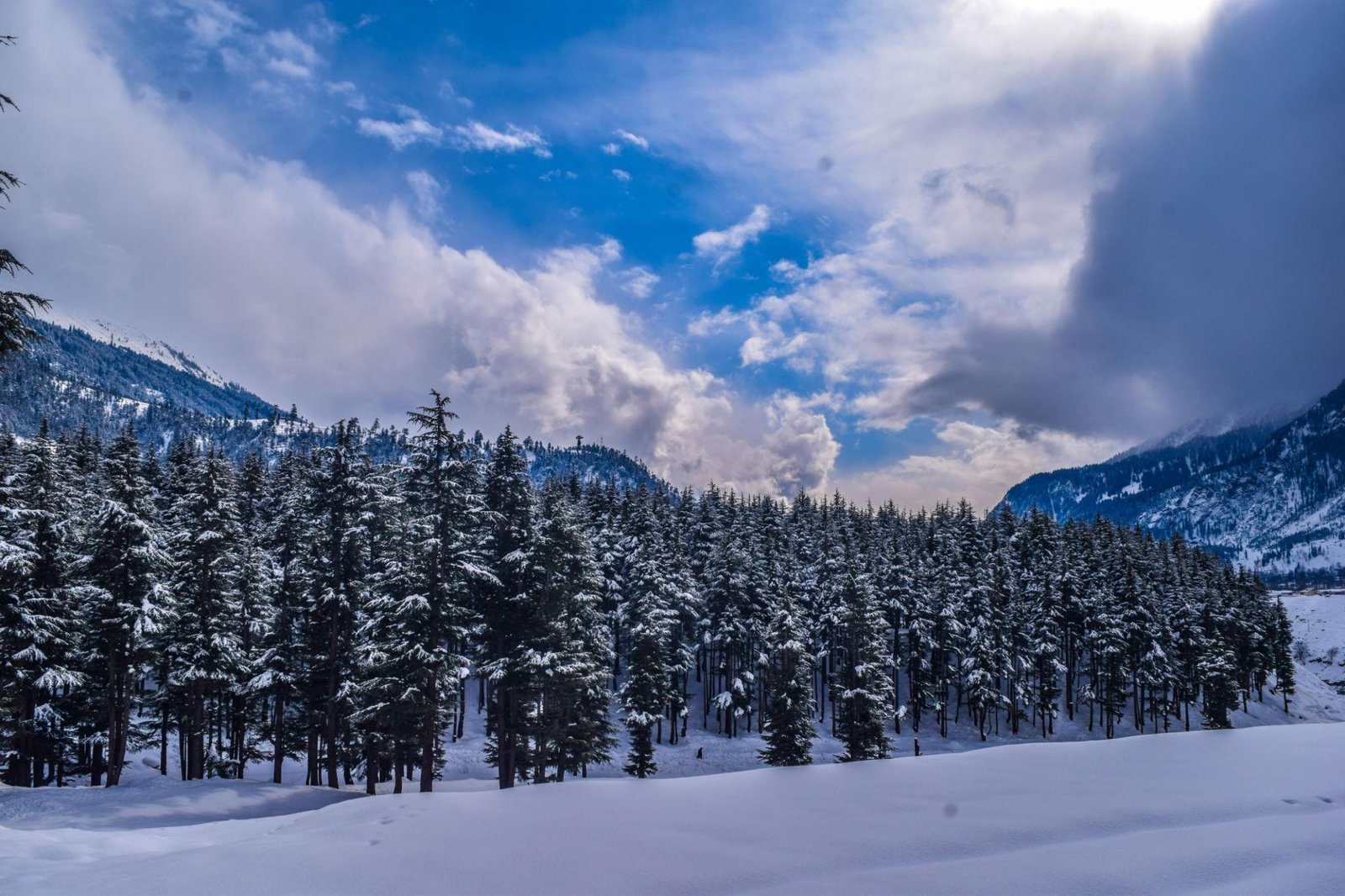
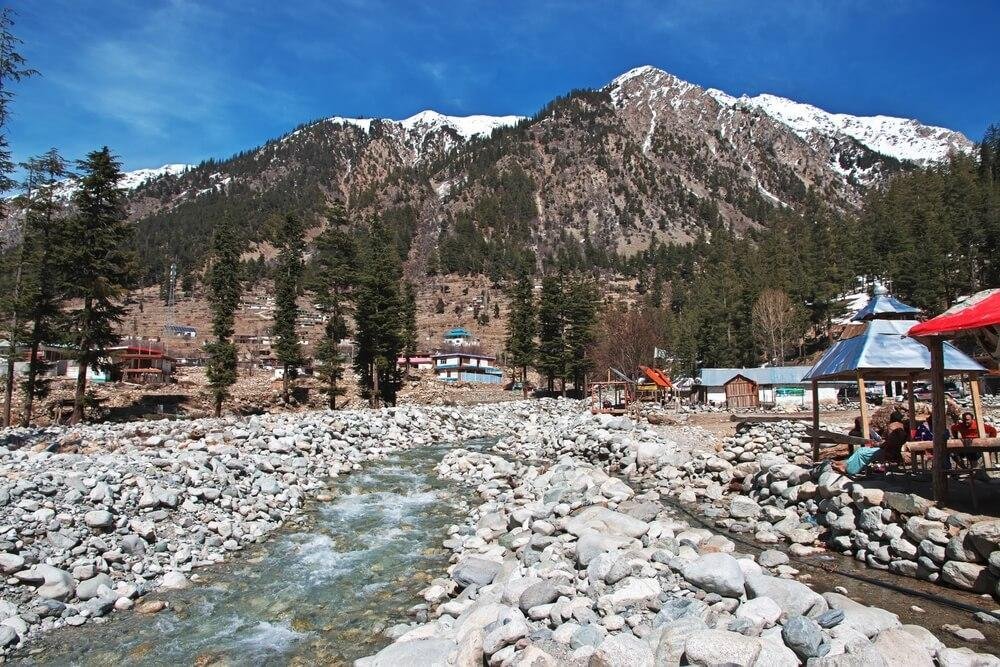
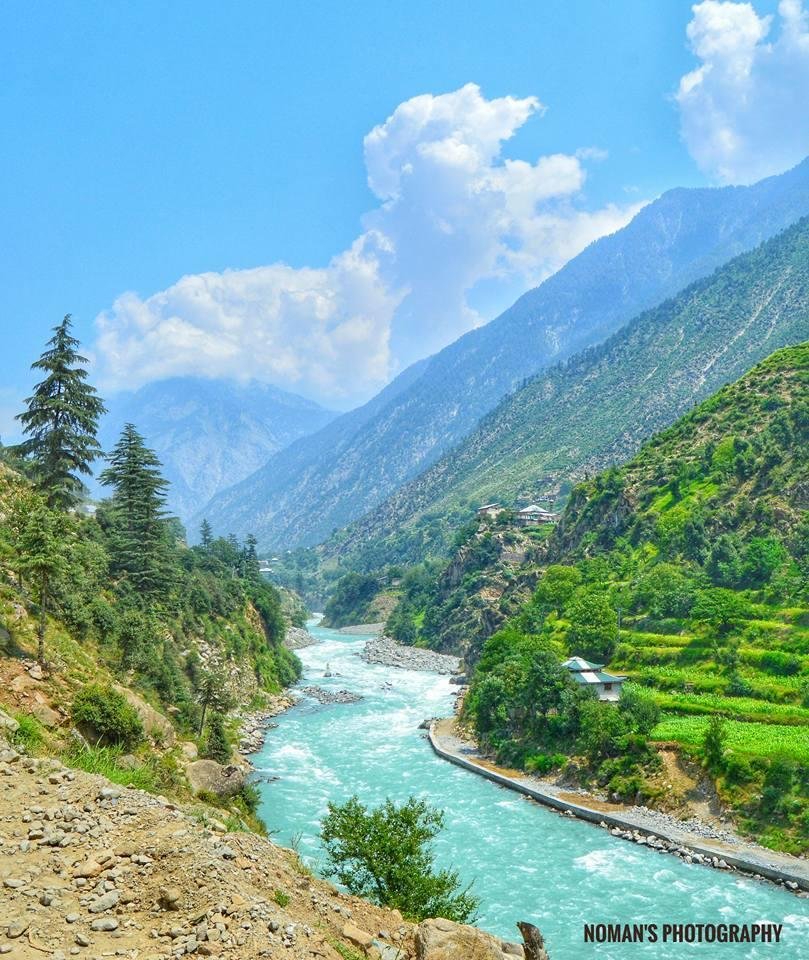
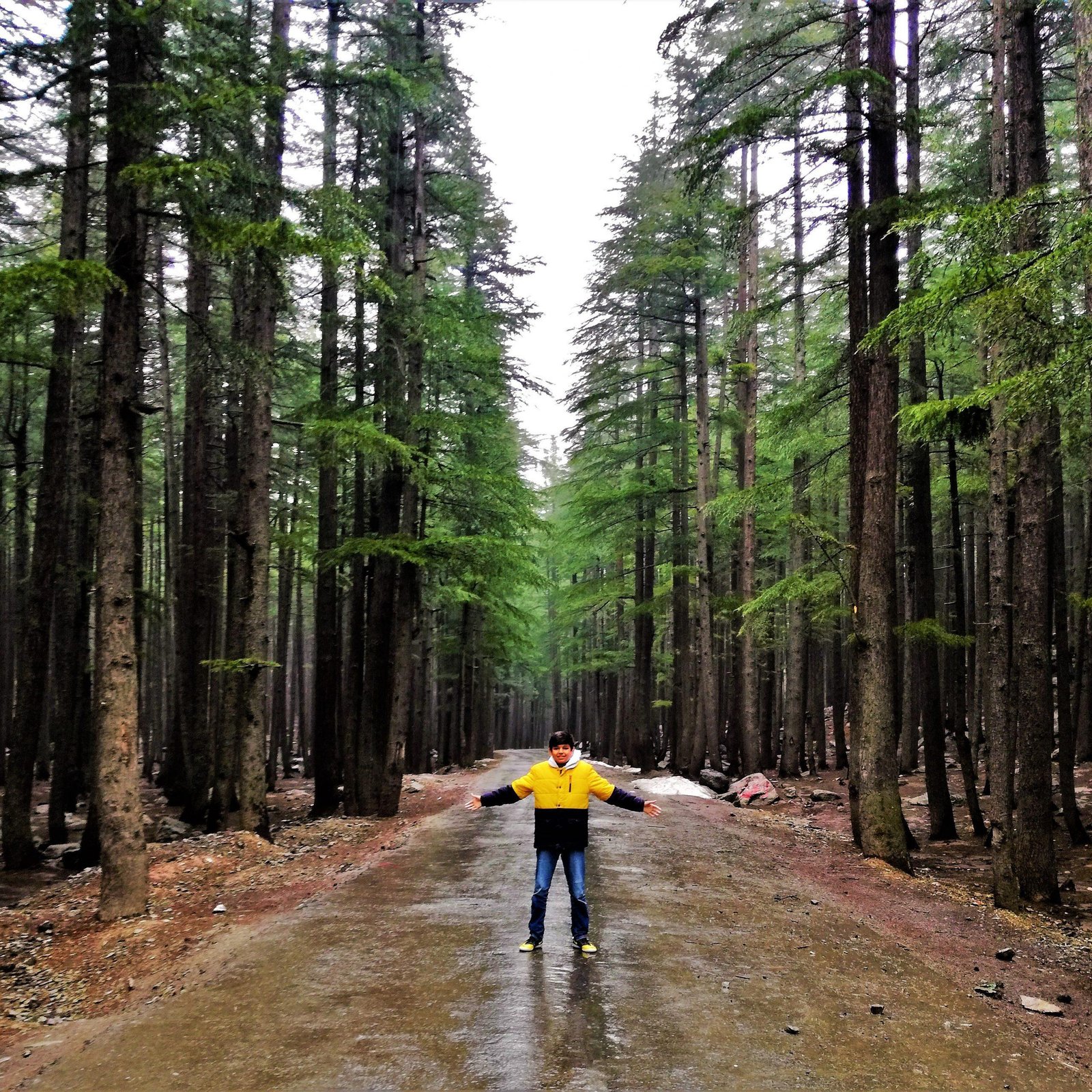
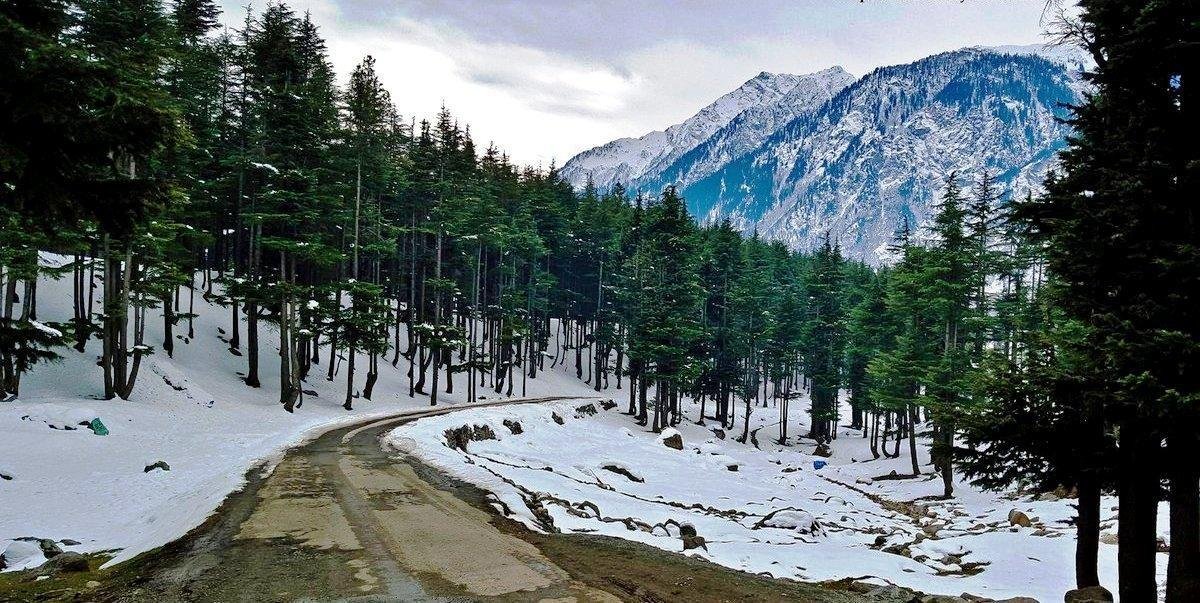
Ushu Forest is a dense pine forest region known for rivers, camping spots, and scenic drives toward Mahodand.
Gabral Valley
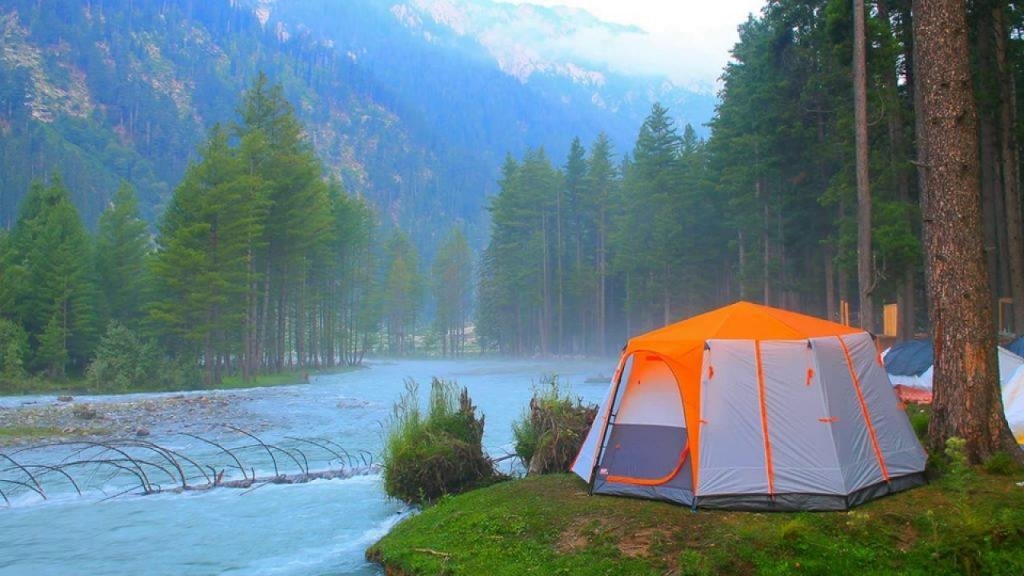
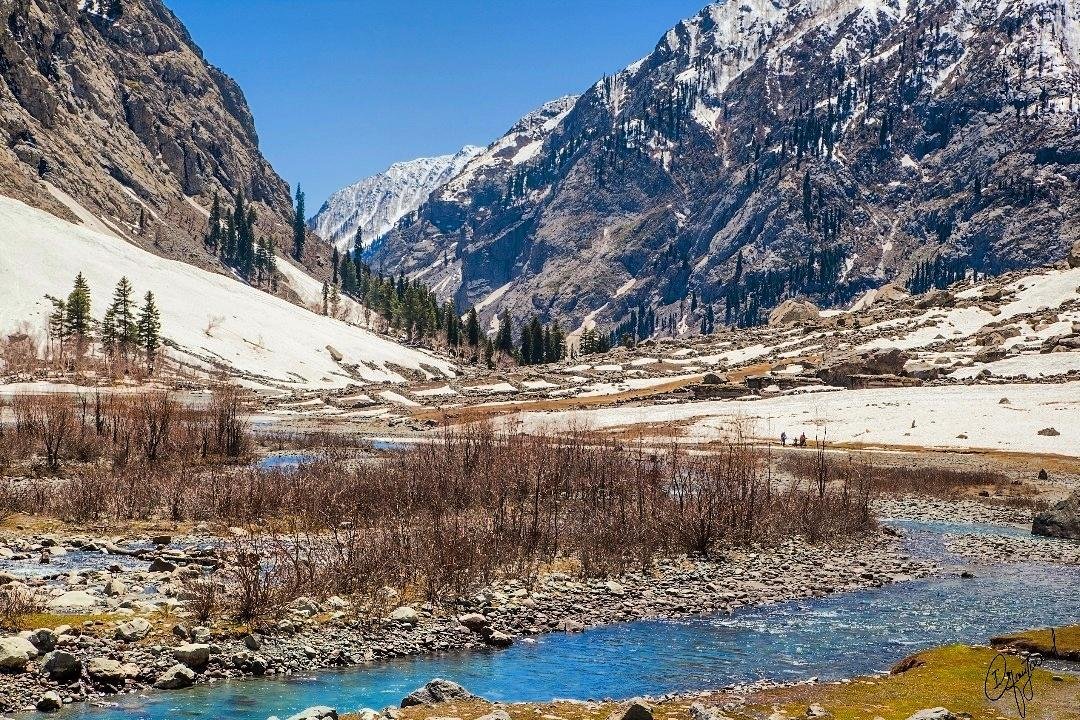
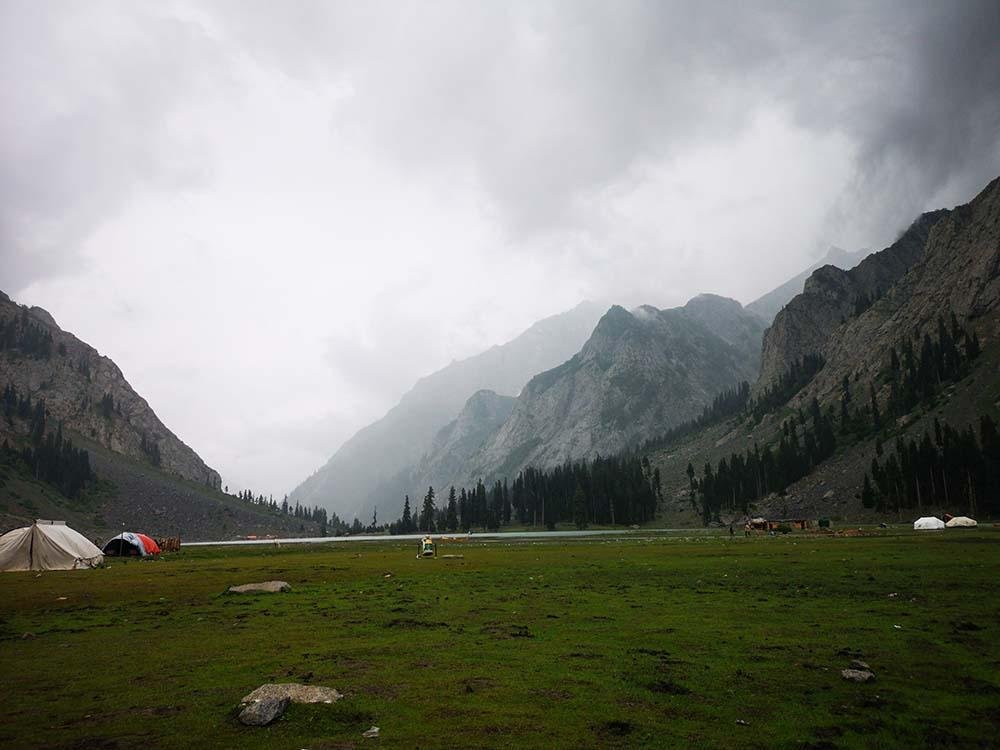
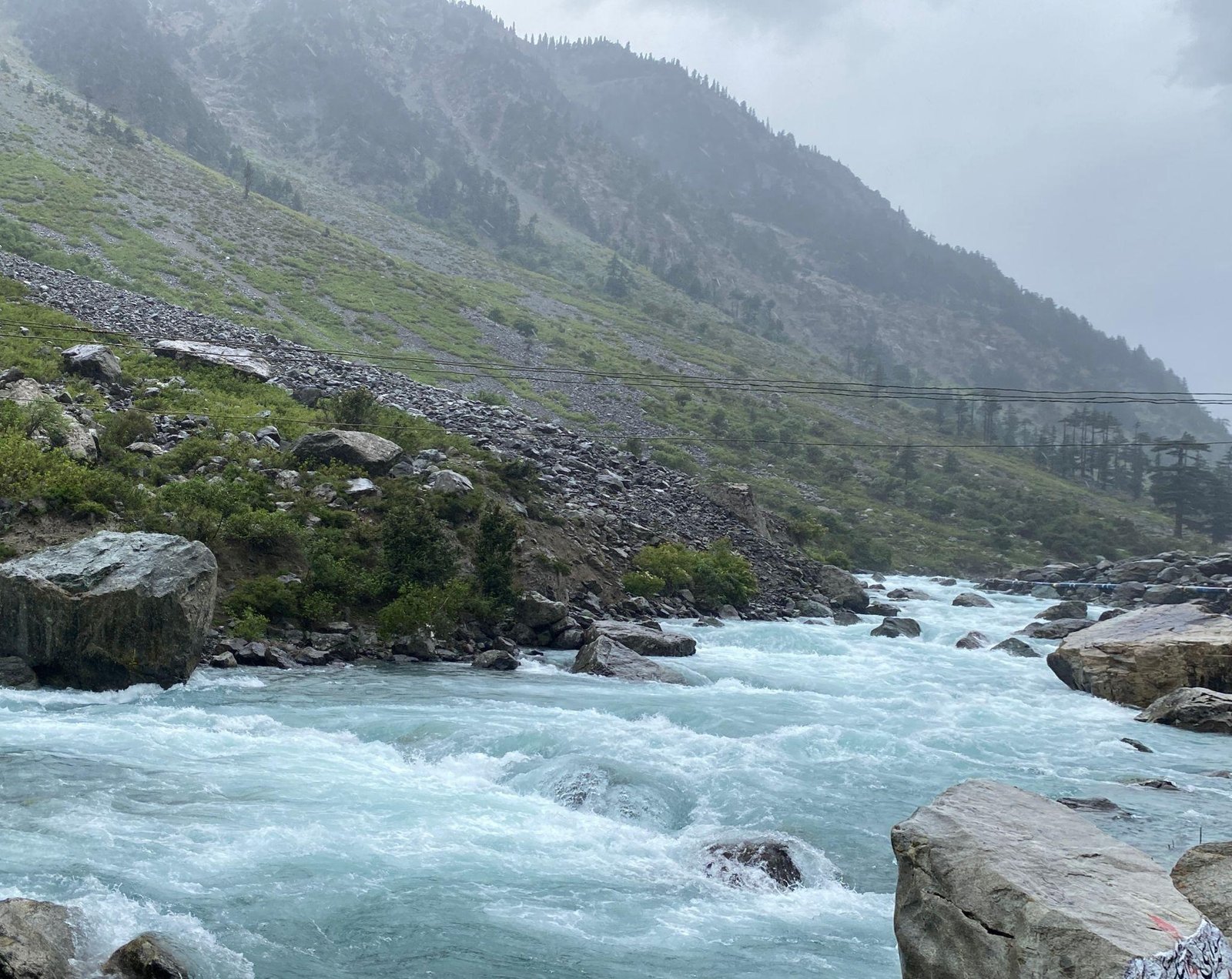
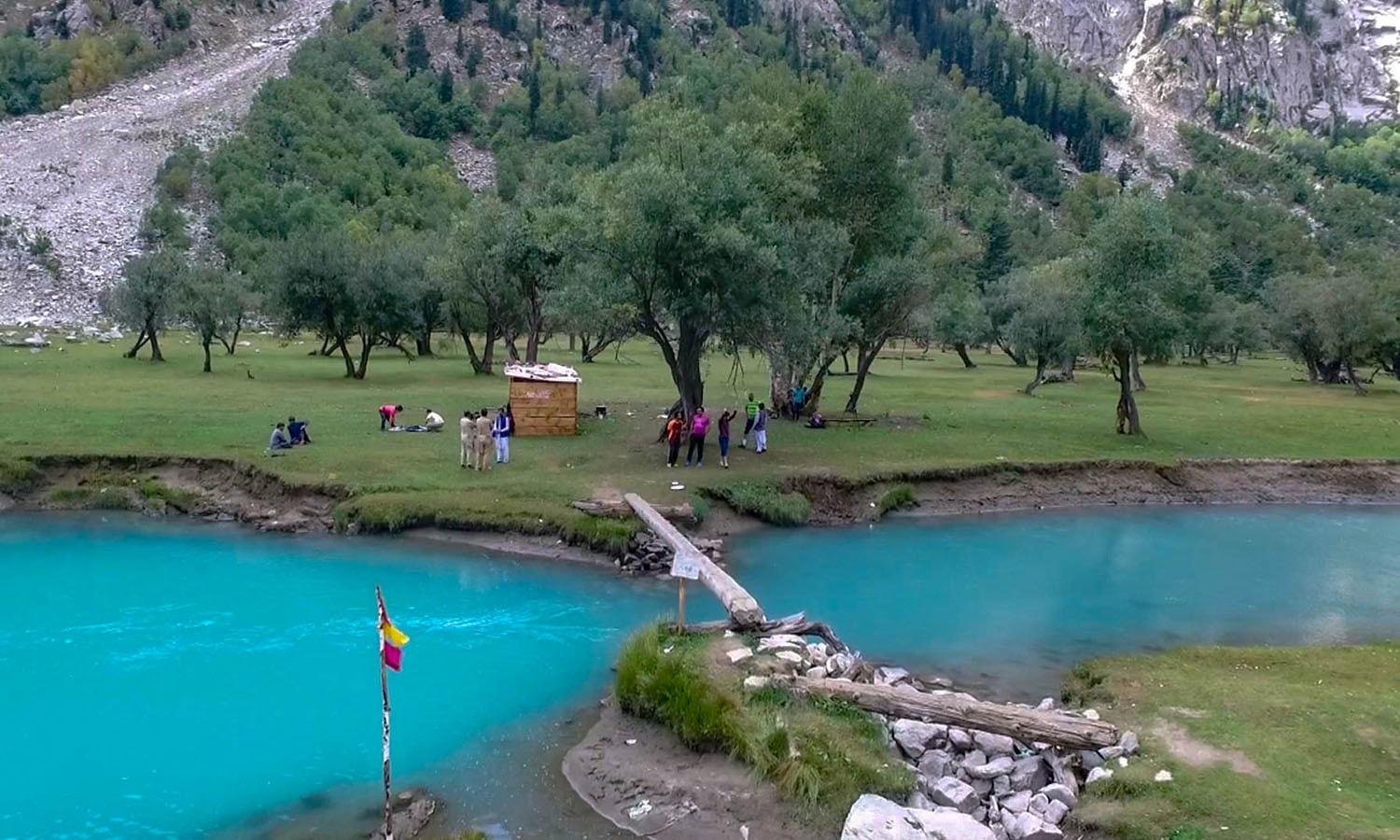
Gabral is a remote valley known for camping, fishing, and untouched natural scenery.
Utror Valley
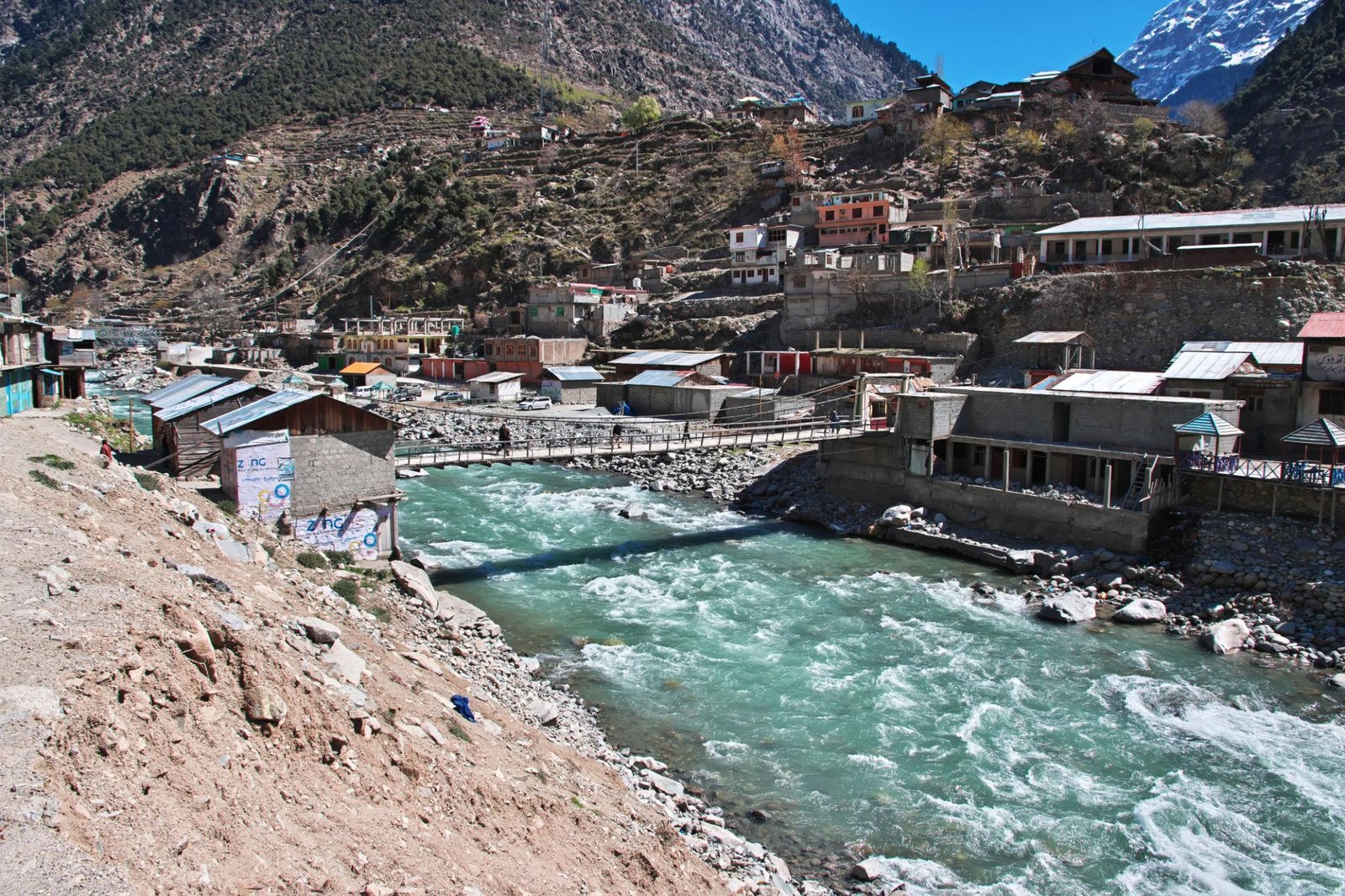
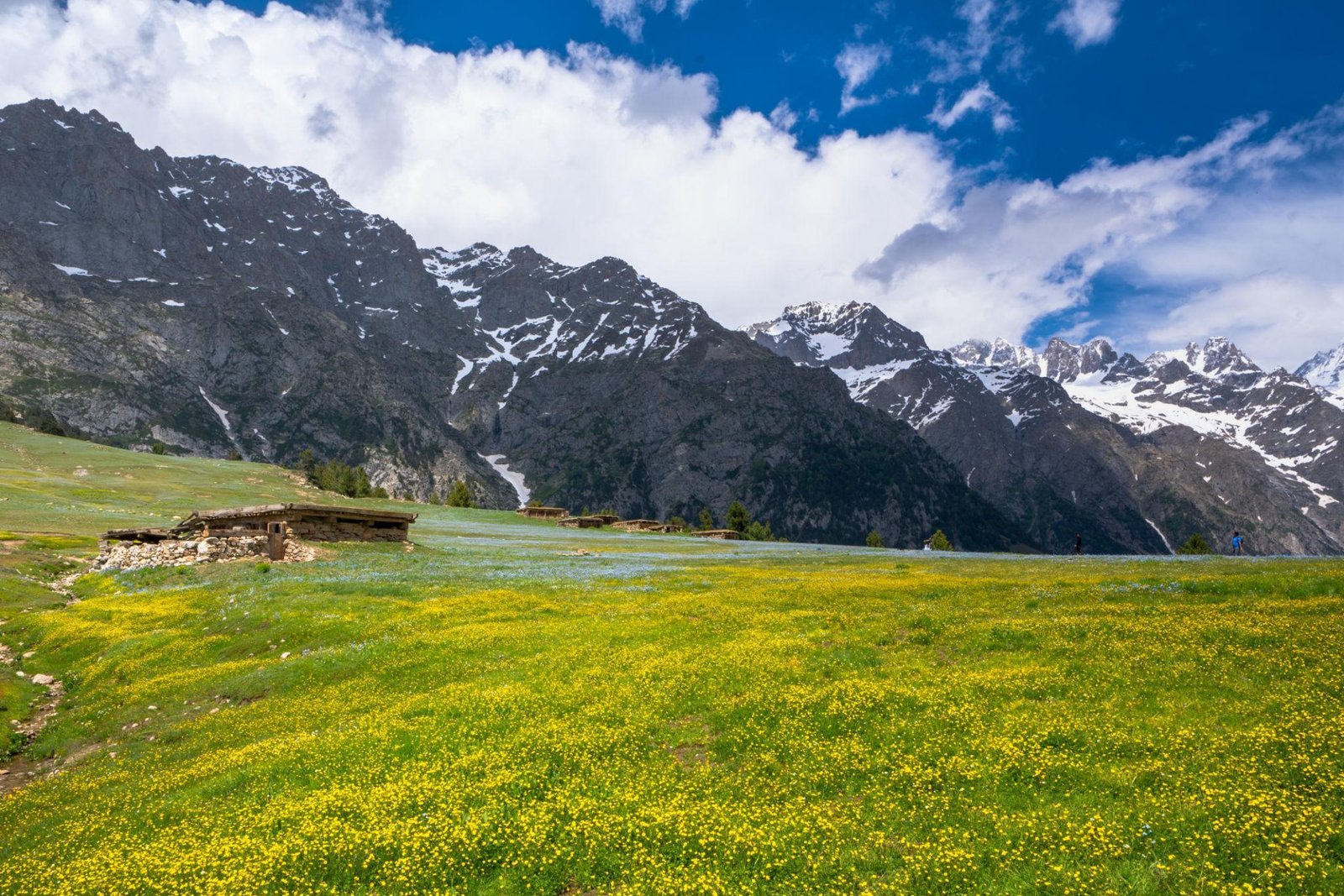
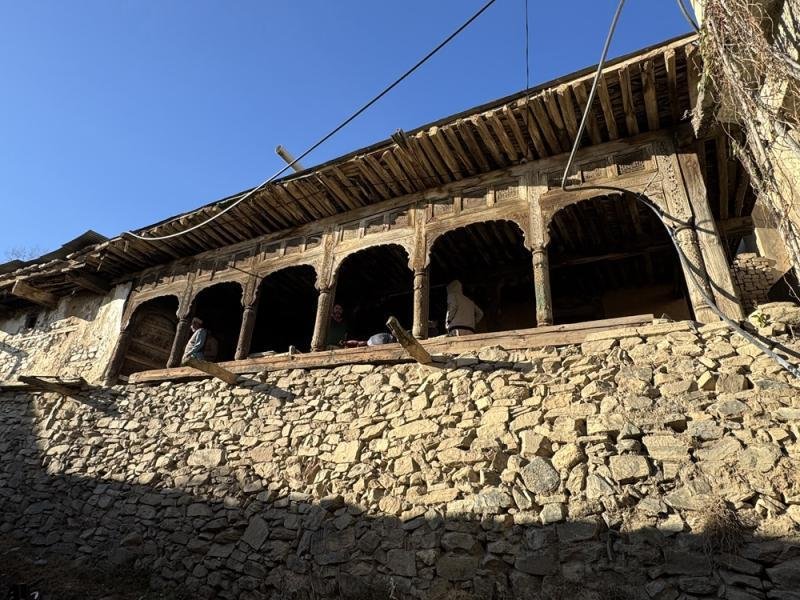
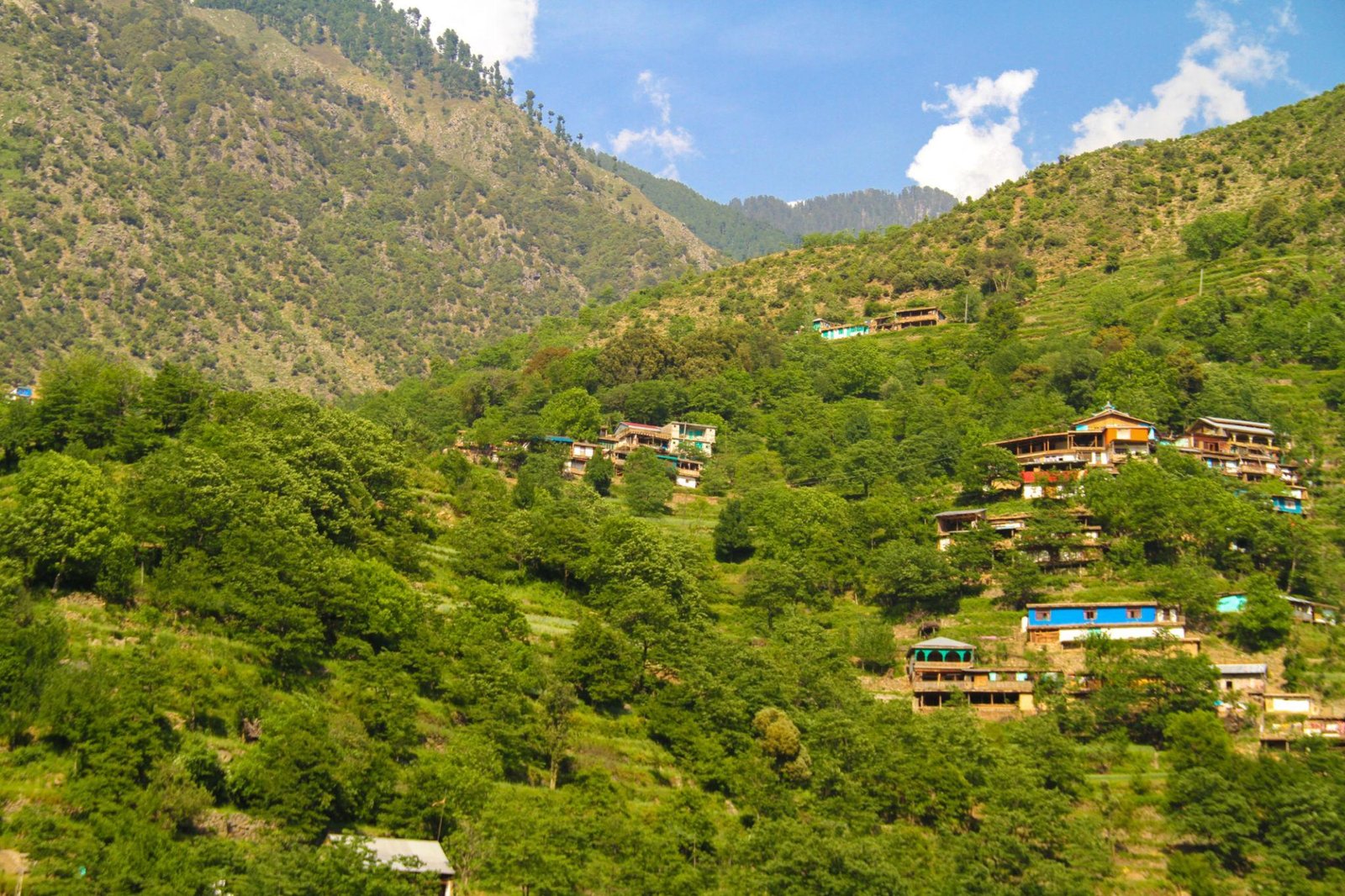
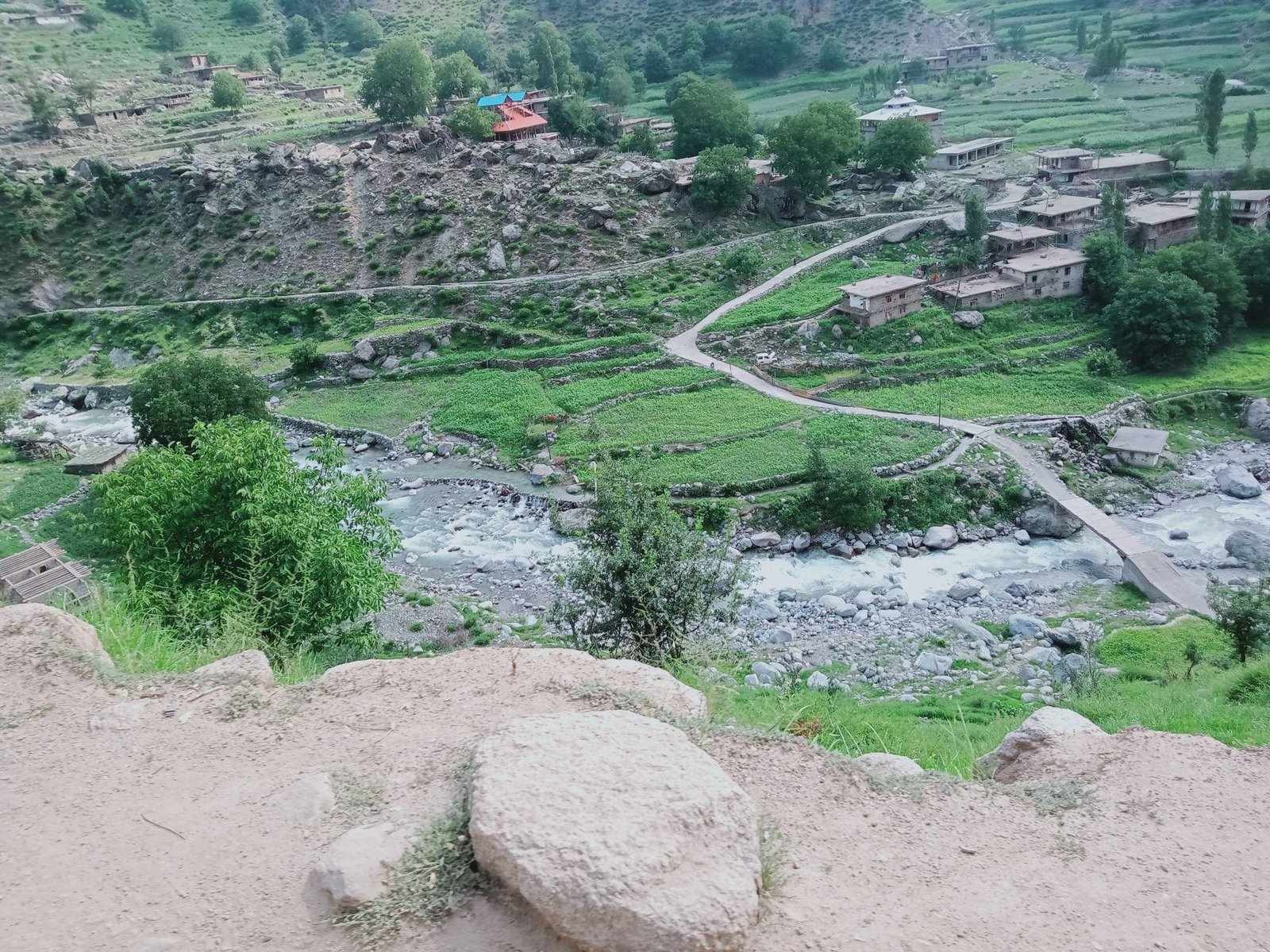
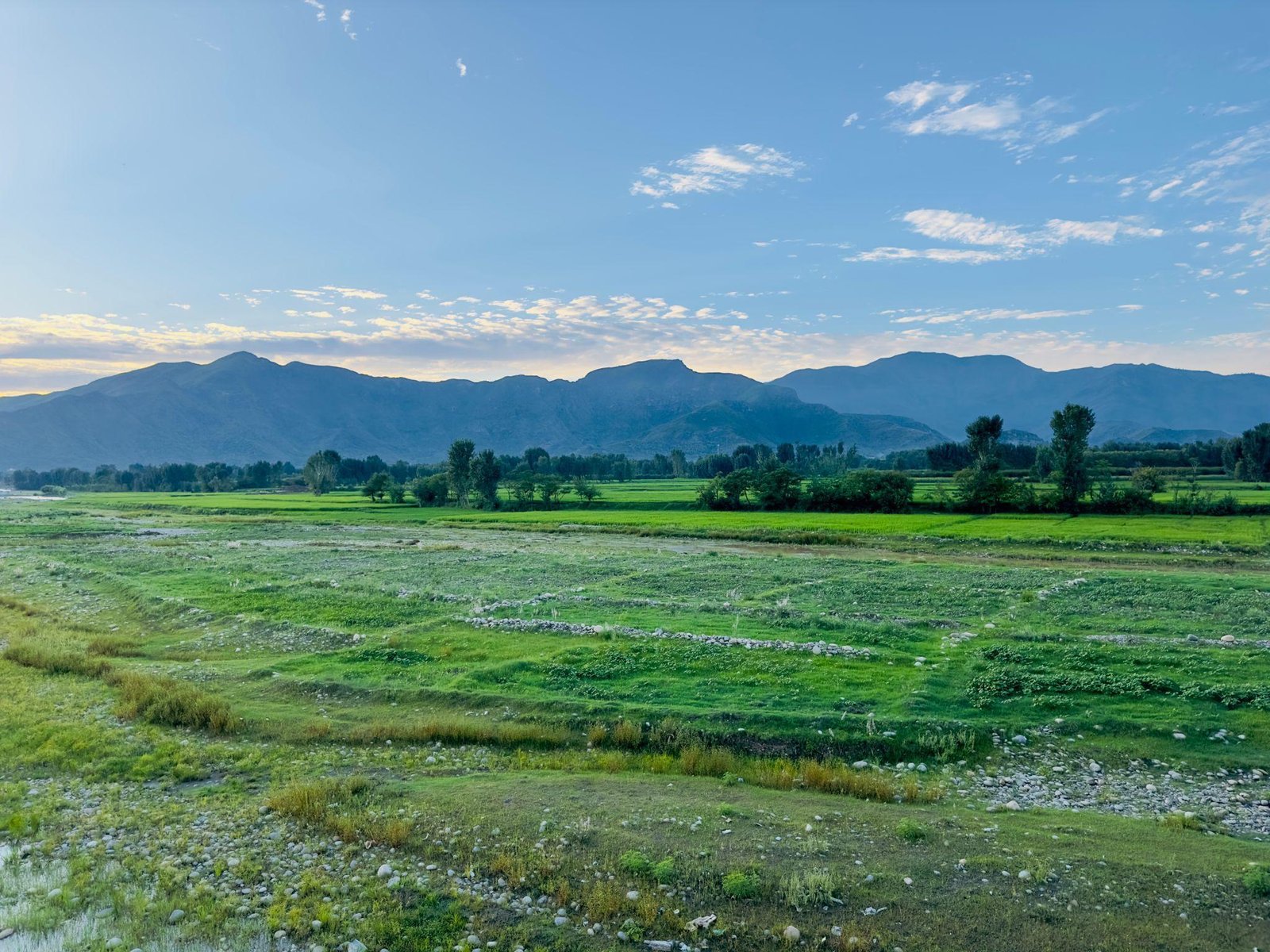
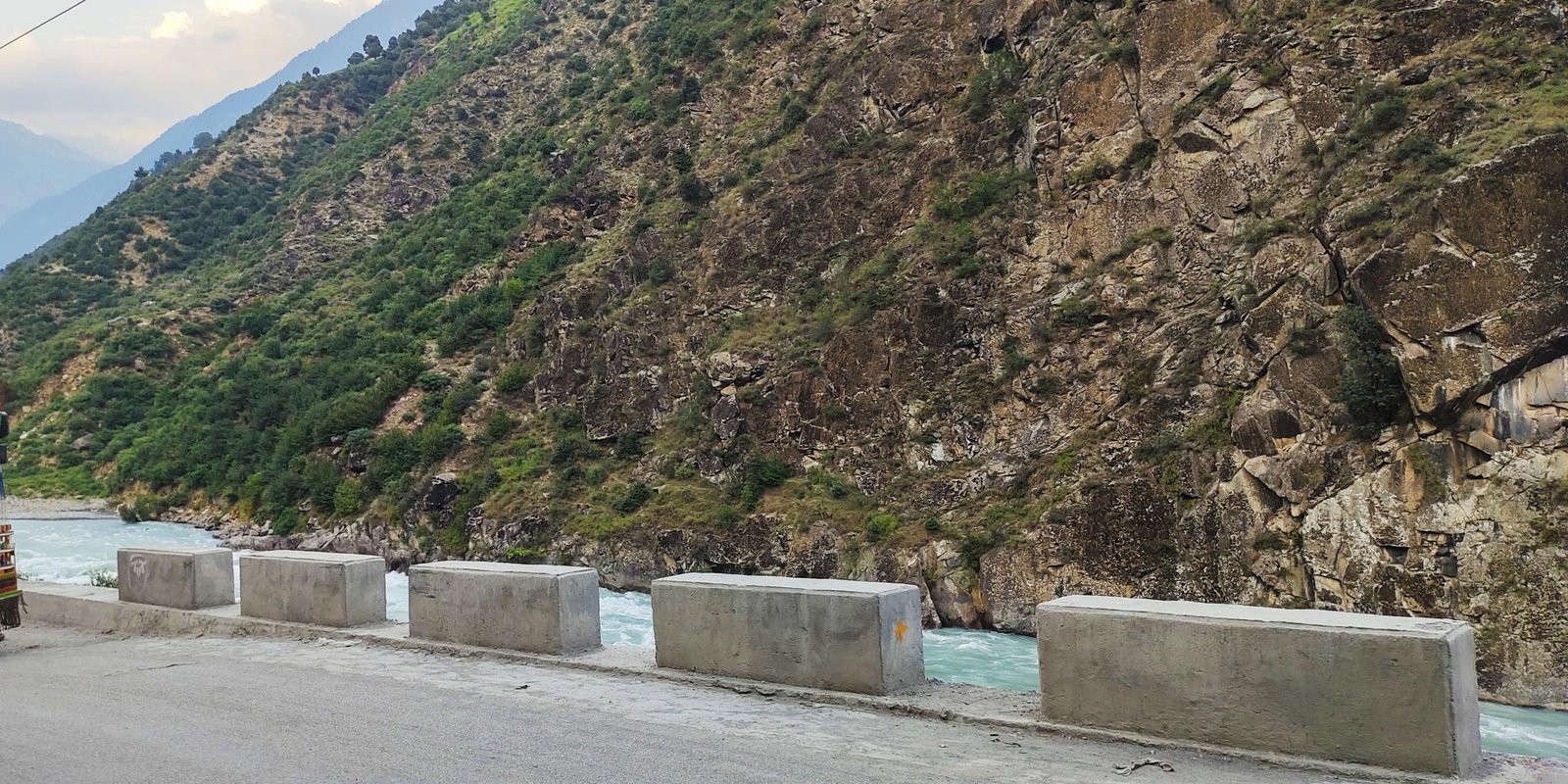
Utror Valley combines traditional village life with alpine landscapes and agricultural terraces.
Malam Jabba
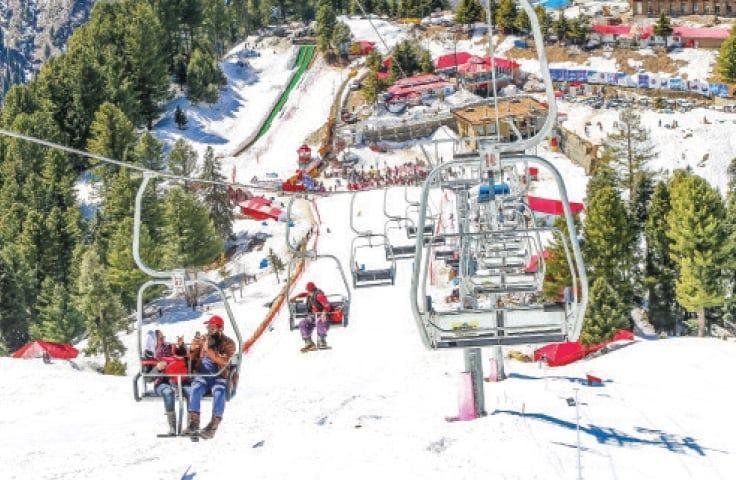
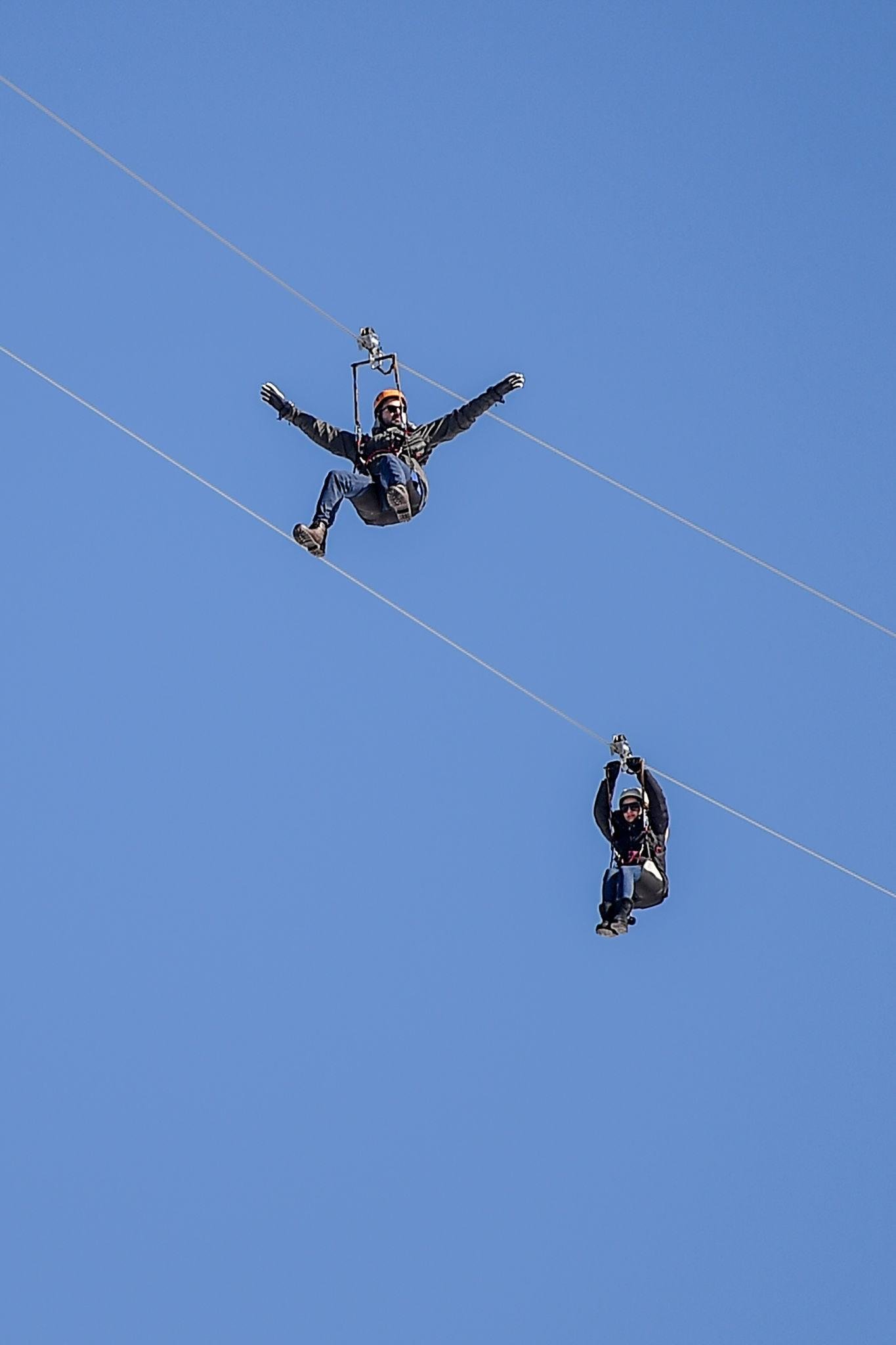
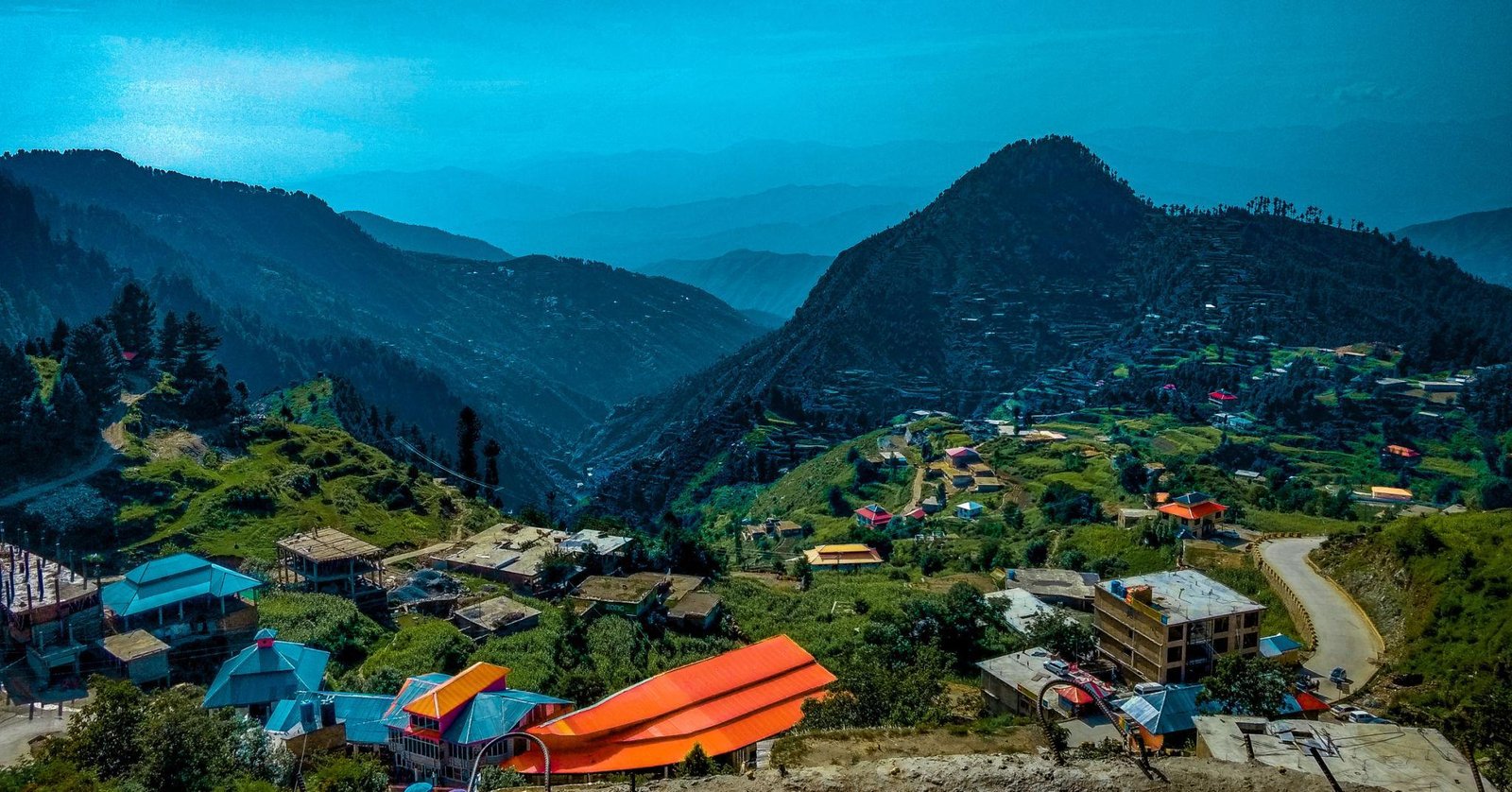
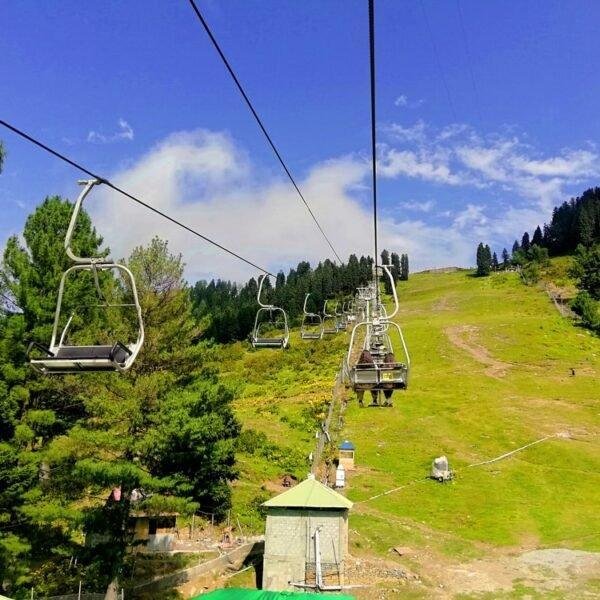
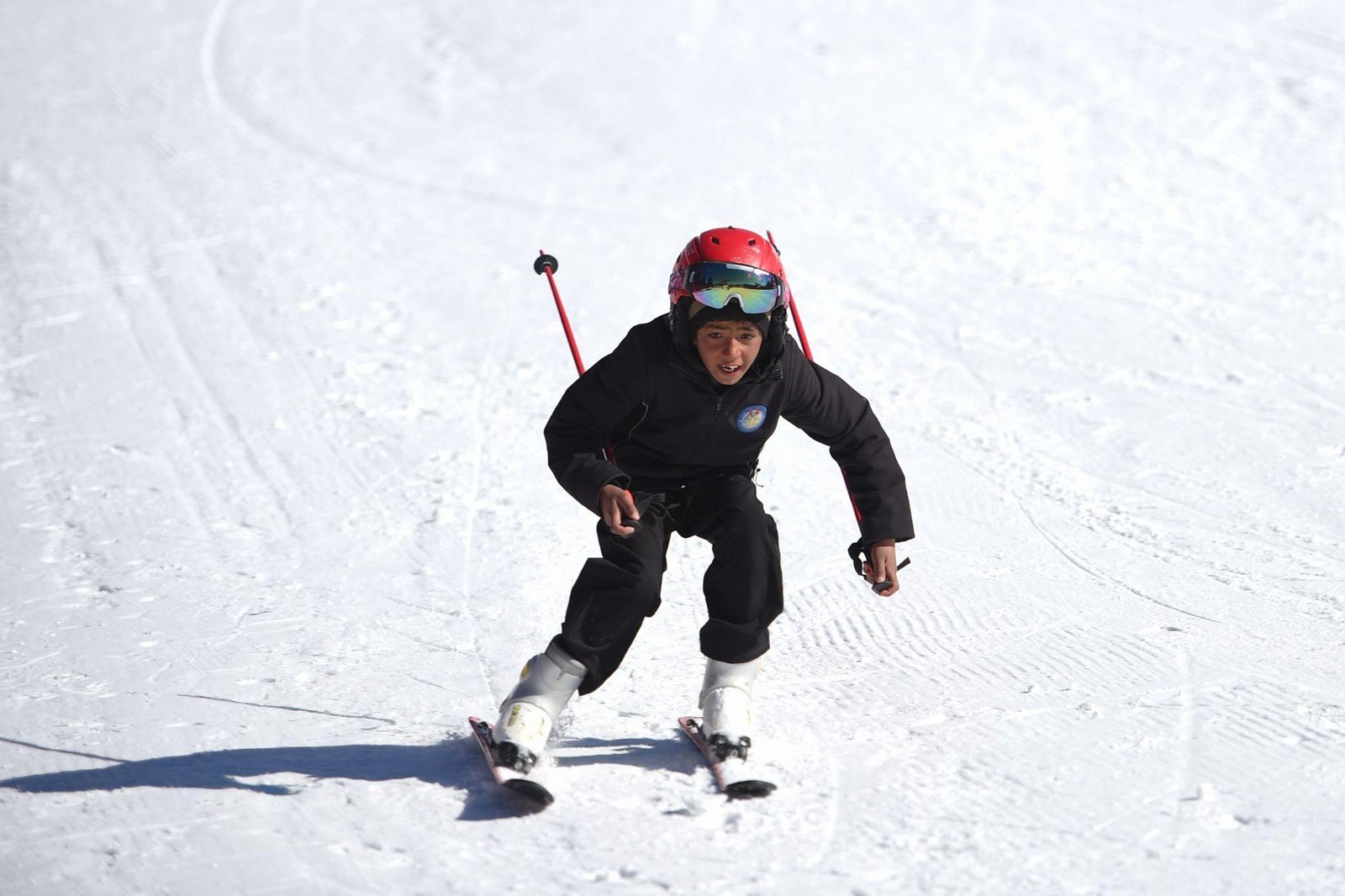
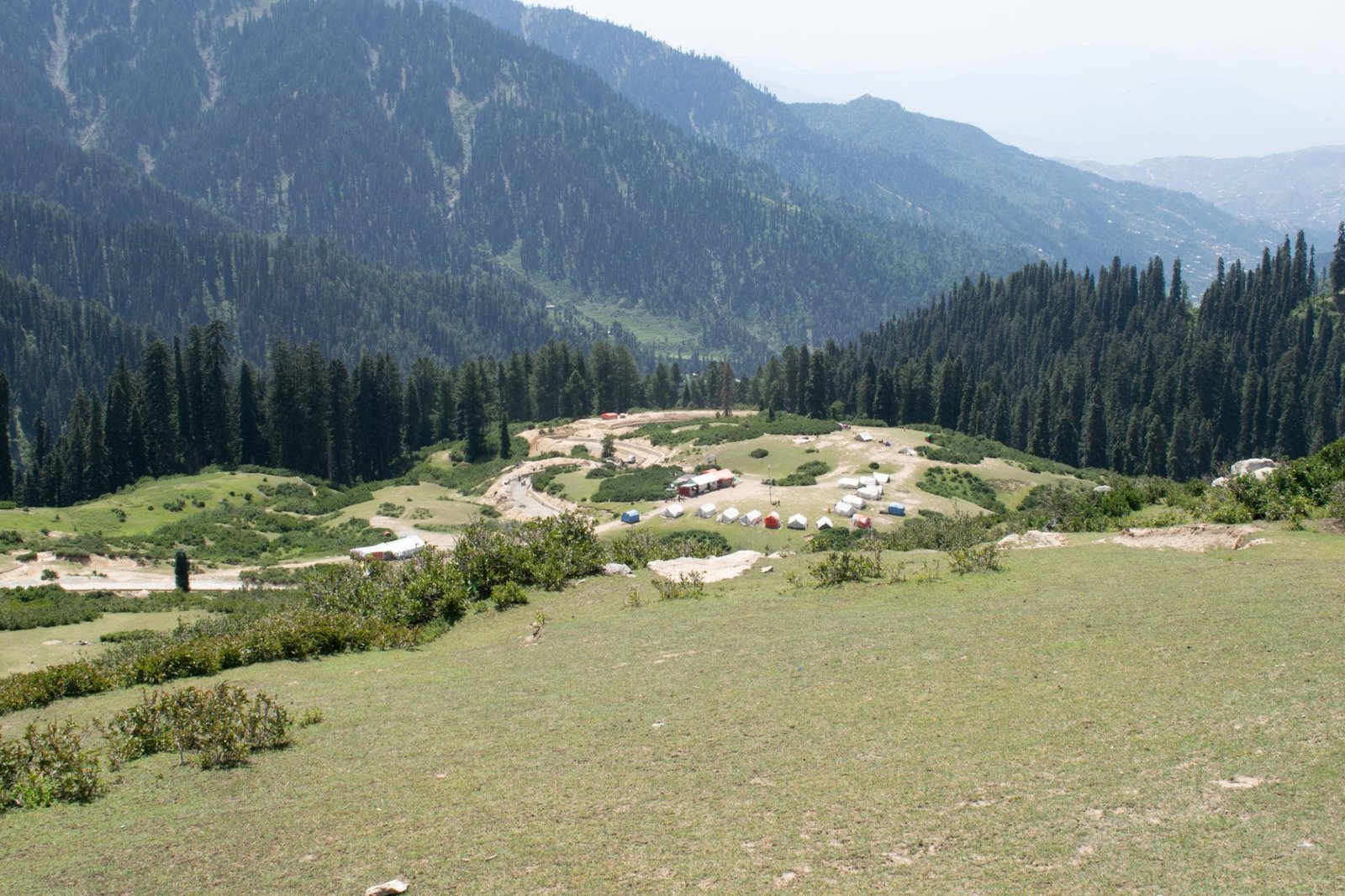
Malam Jabba is Pakistan’s leading ski resort, offering skiing in winter and adventure activities such as chairlifts and ziplining in summer.
Buddhist Heritage Sites in Swat
Swat Valley contains some of the most important Buddhist archaeological remains in South Asia, reflecting its history as part of the Gandhara civilization.
Butkara Stupa
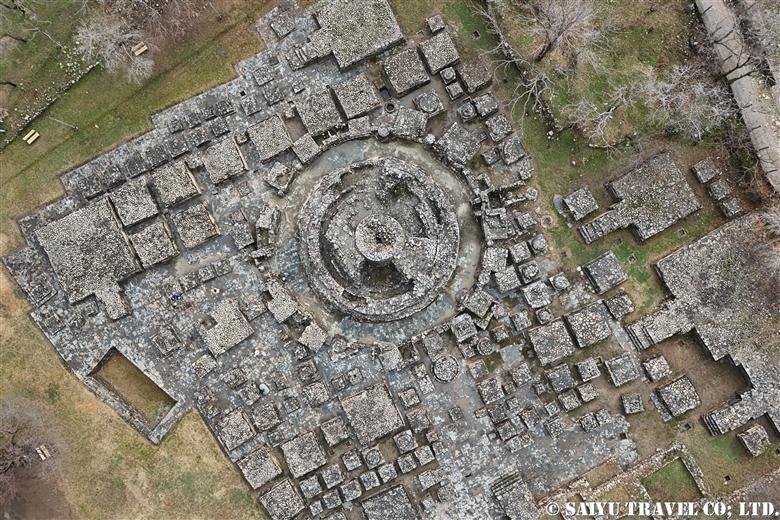
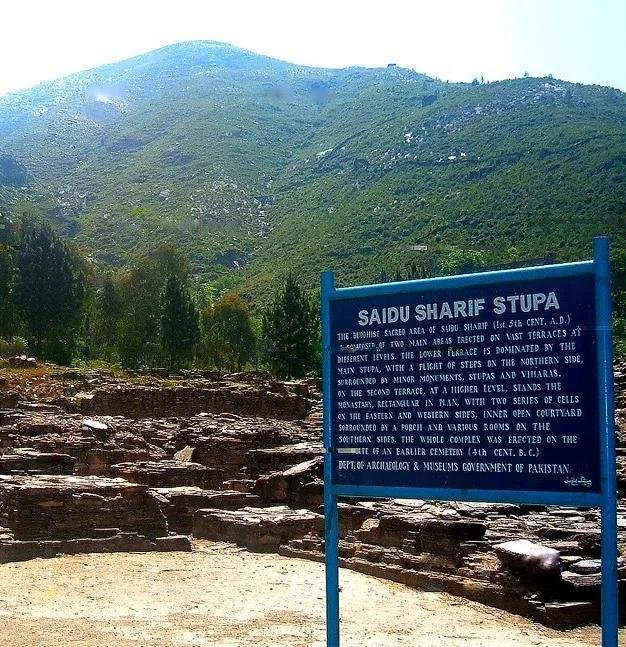
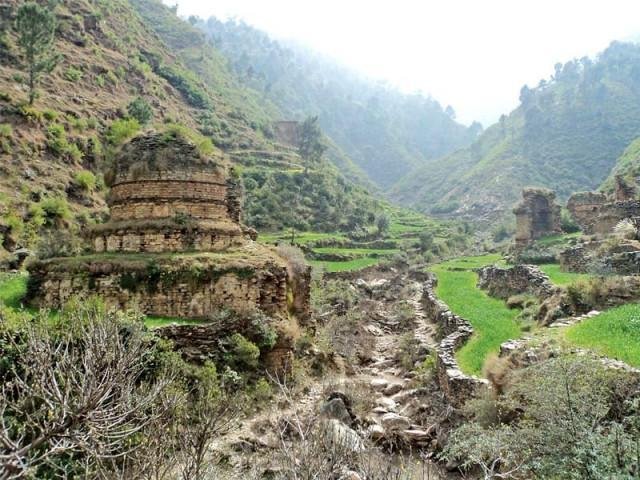
Butkara Stupa is one of the oldest Buddhist monuments in Pakistan.
Jahanabad Buddha
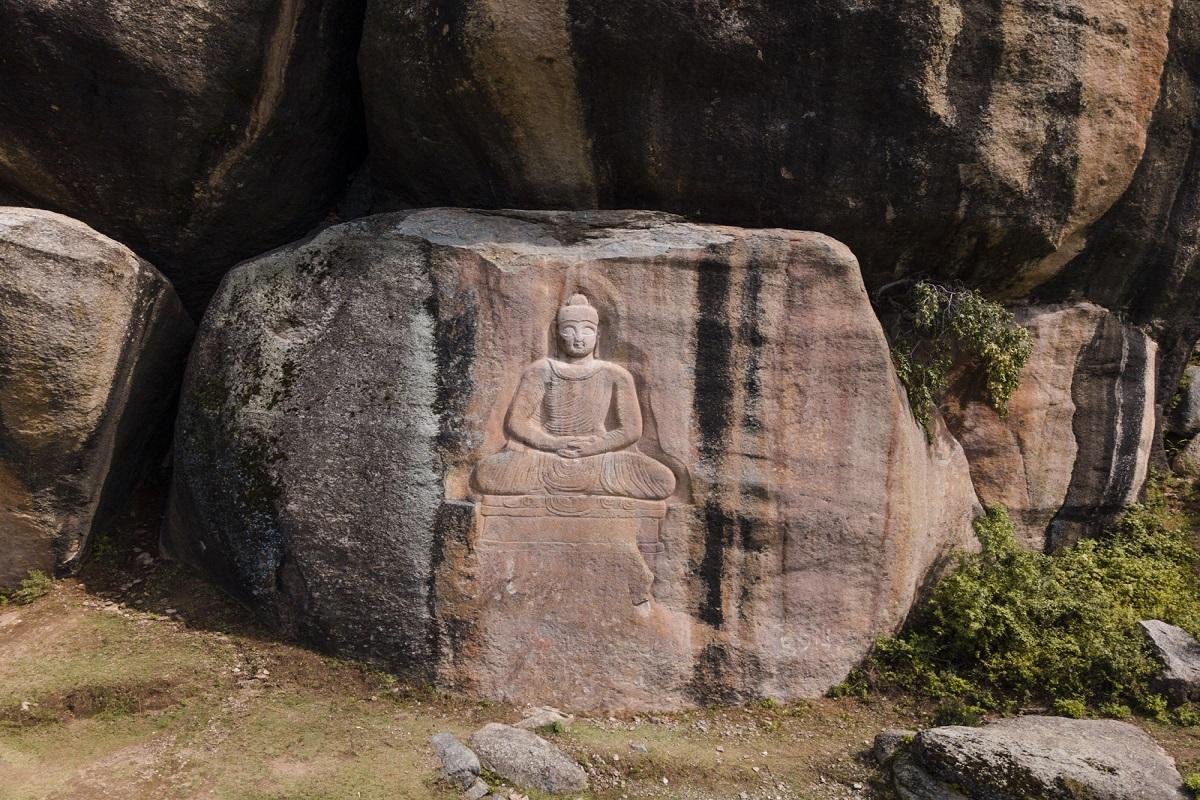
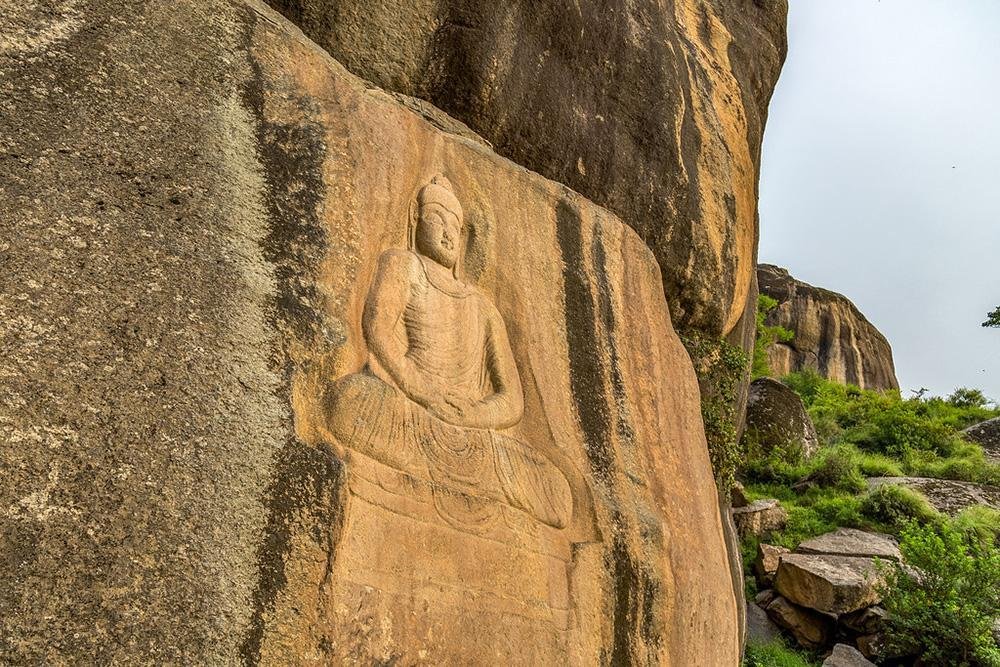
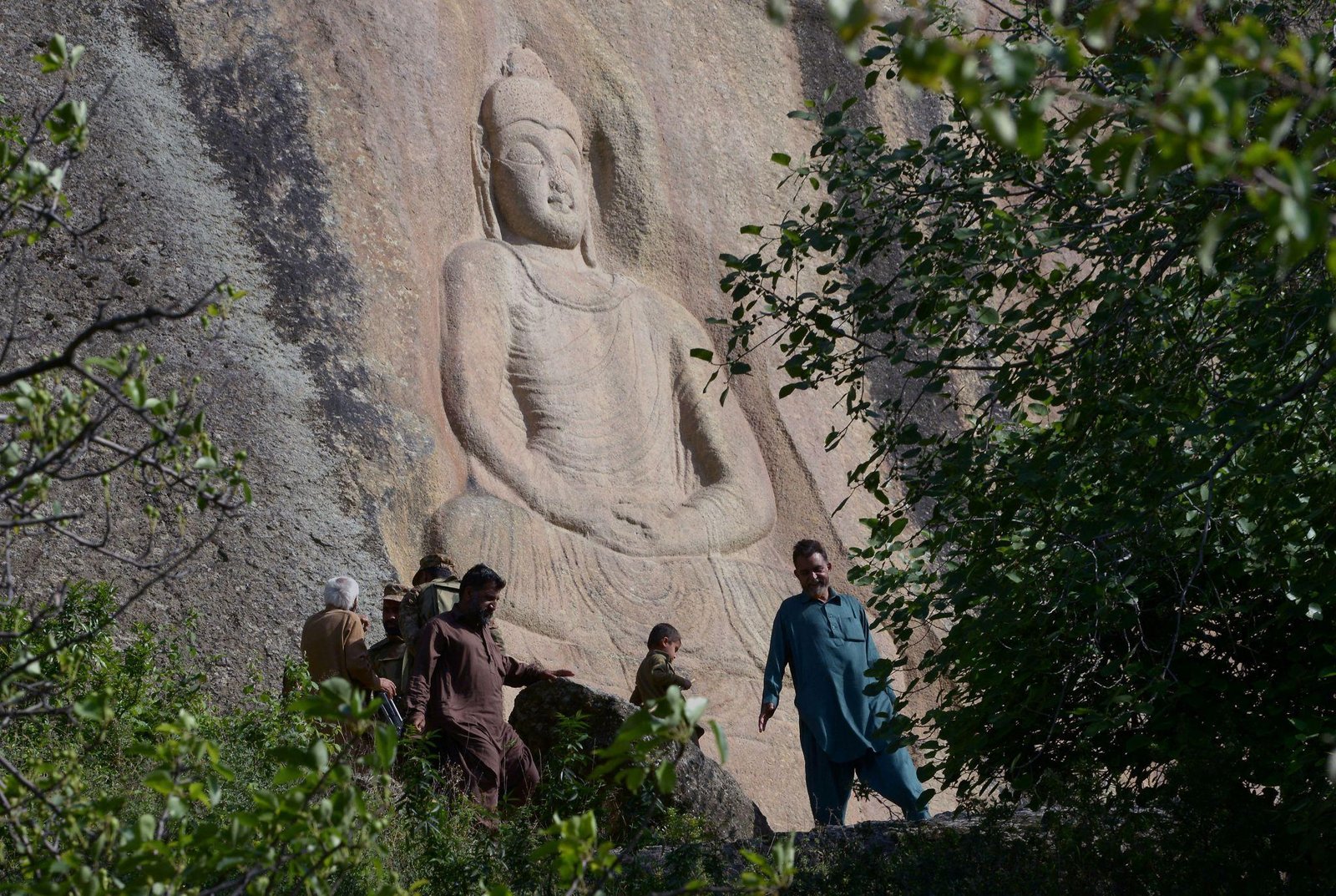
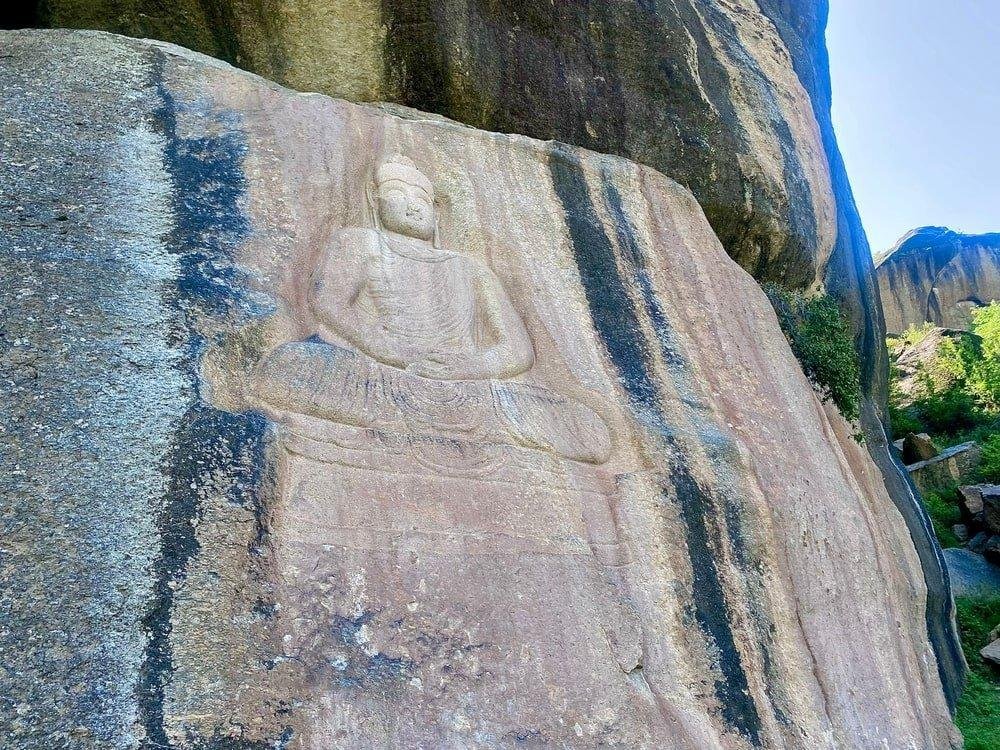
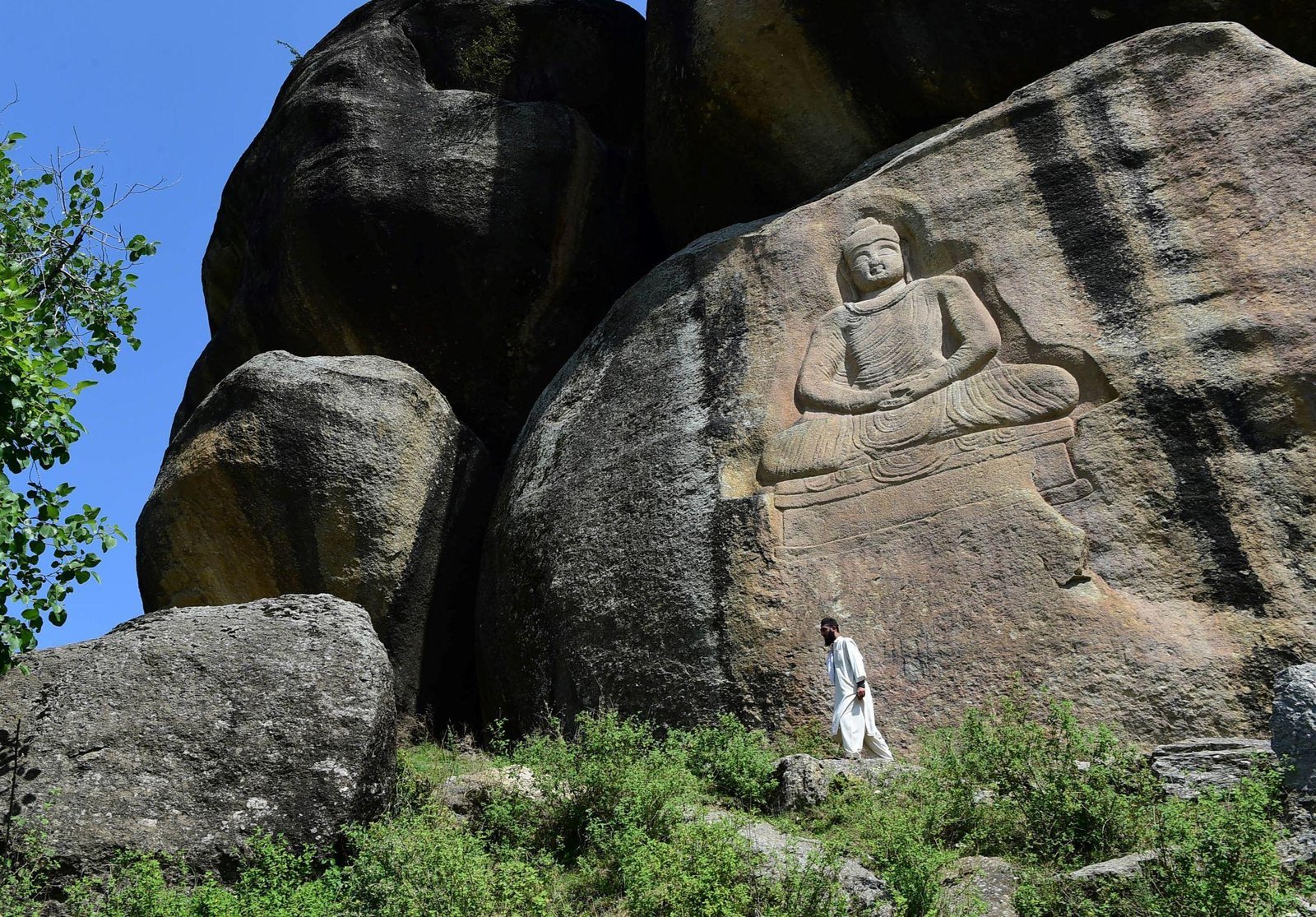
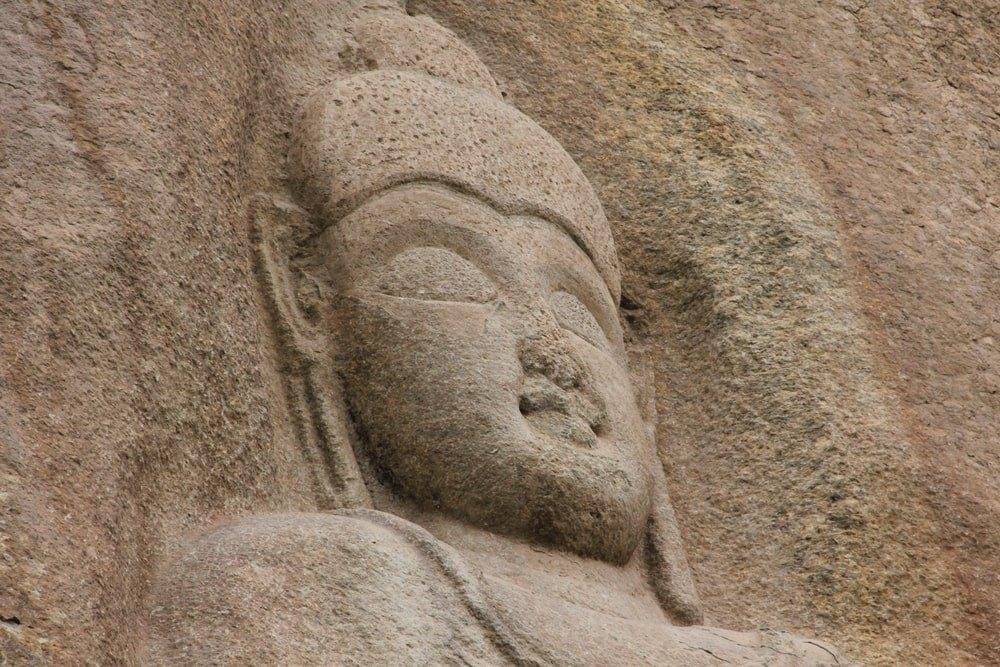
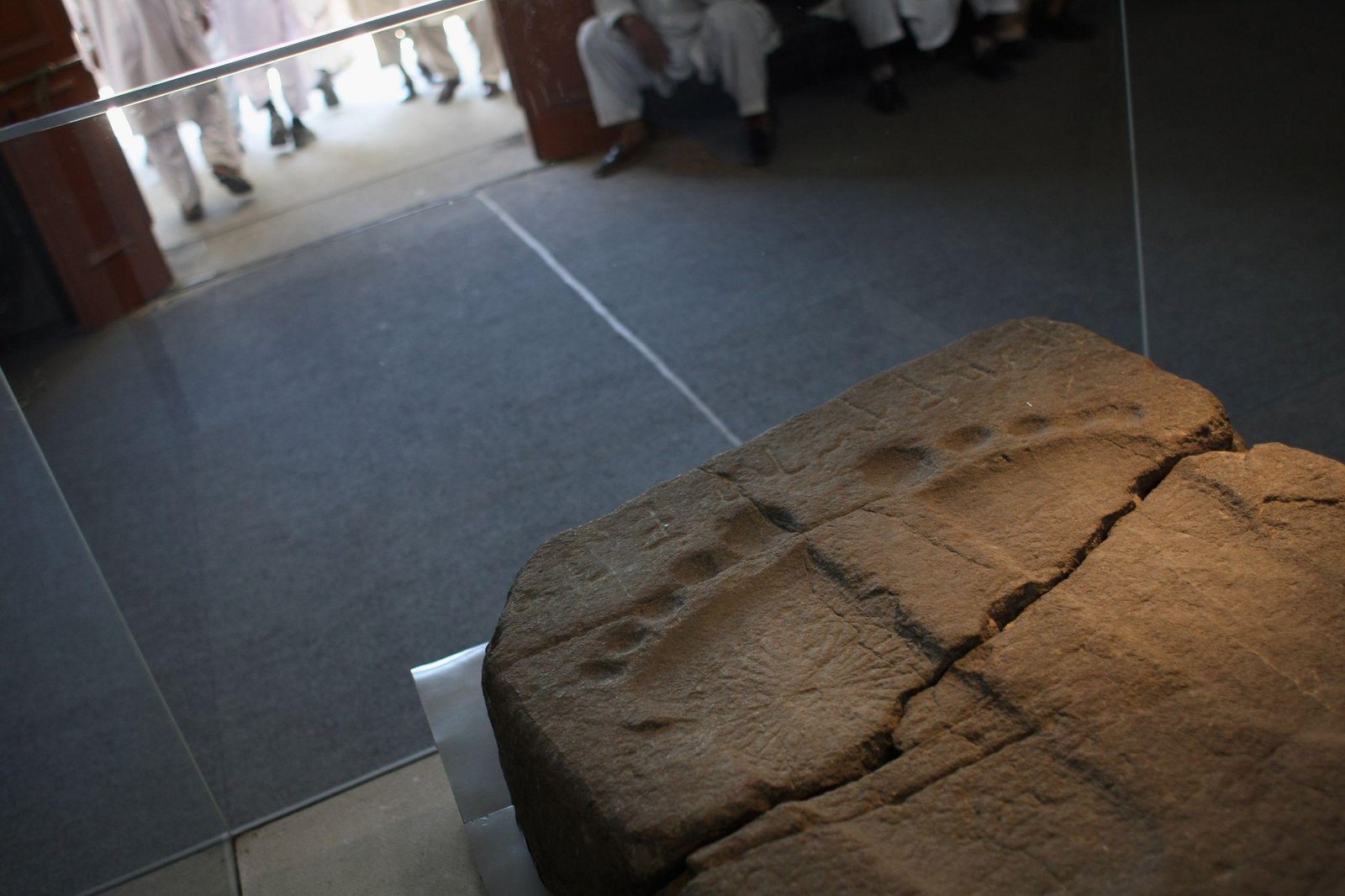
The Jahanabad Buddha is a rock-carved figure representing Swat’s ancient Buddhist heritage.
Swat Museum
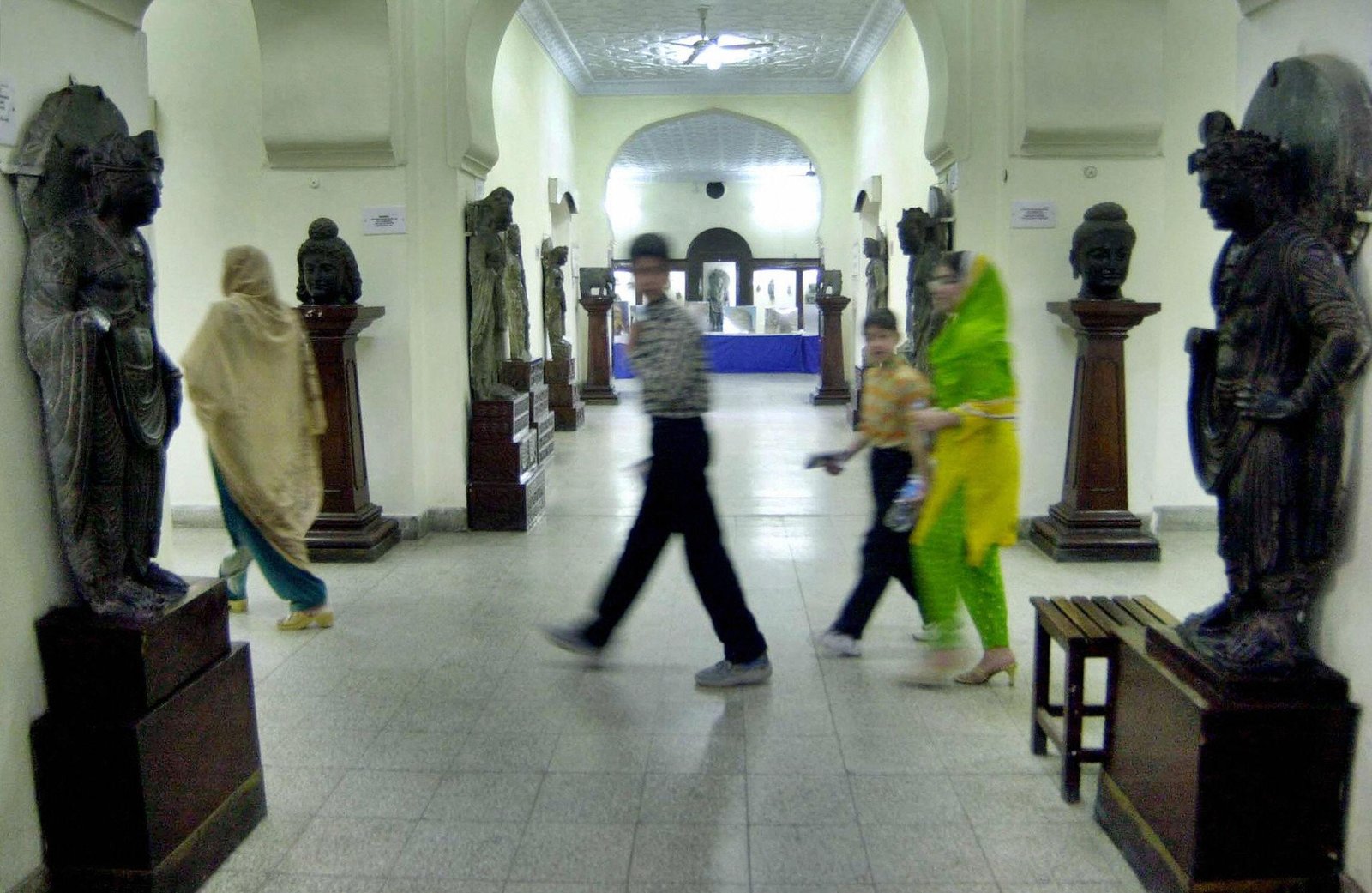
The museum preserves artifacts from ancient monasteries and provides historical context for Swat’s Buddhist past.
Trekking and Adventure in Swat
Swat offers accessible trekking routes compared to more extreme northern regions. Popular trekking areas include Kalam, Ushu, Utror, Gabral, and Mahodand.
Activities include:
- Hiking through forests
- Camping in alpine meadows
- Jeep excursions
- Fishing in cold rivers
- Photography in high valleys
Local Food in Swat Valley
Swat’s cuisine reflects mountain Pashtun traditions, focusing on simple, fresh, and meat-based meals.
Common dishes include:
- Chapli kebab
- Trout fish
- Chicken karahi
- Mutton karahi
- Kehwa tea
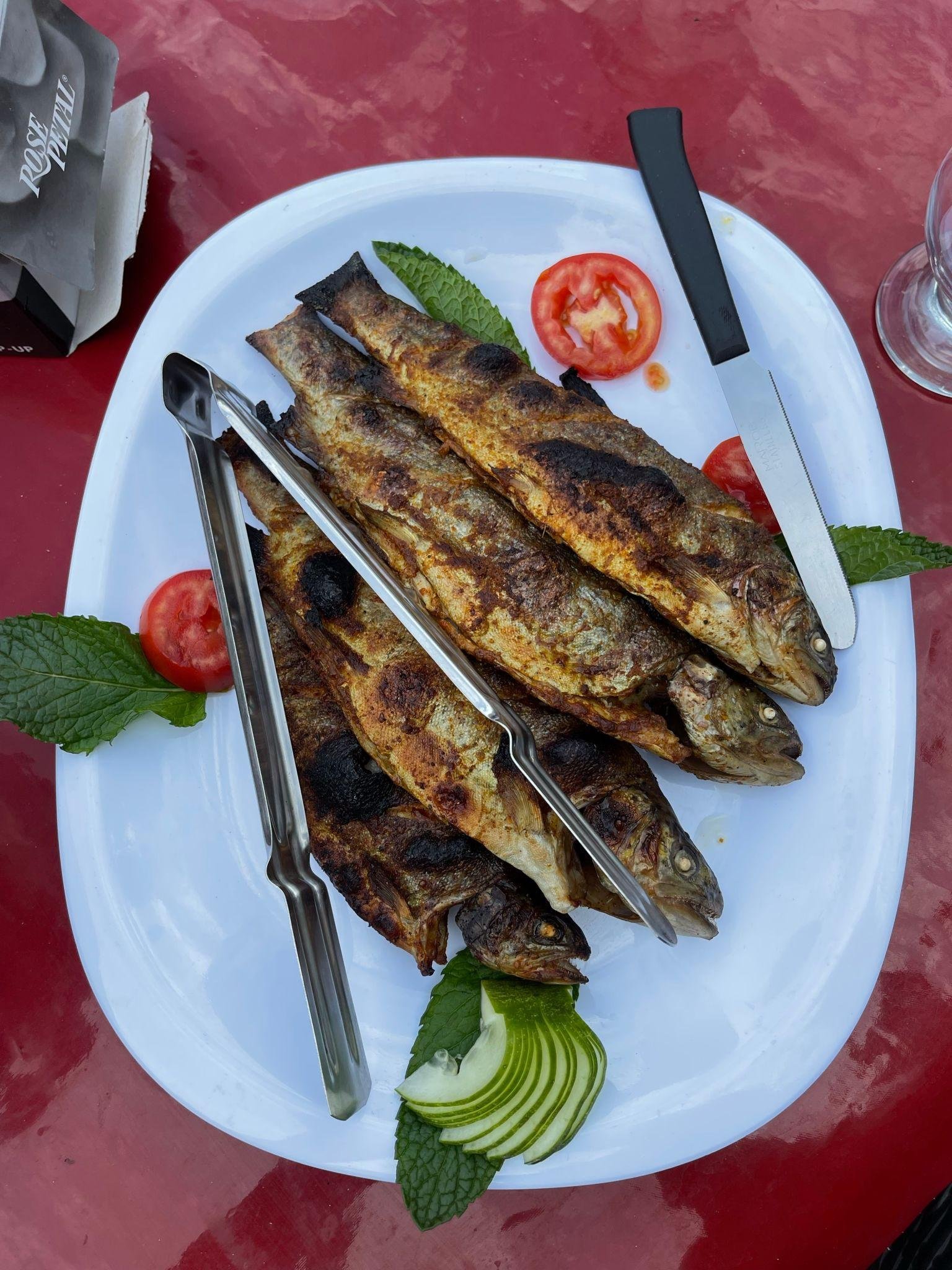


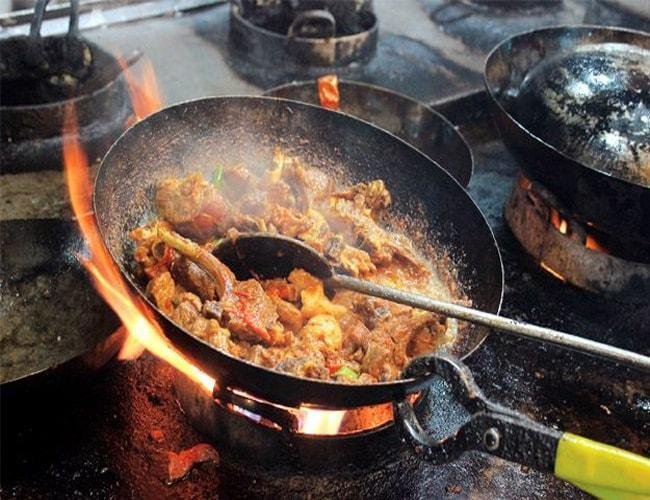
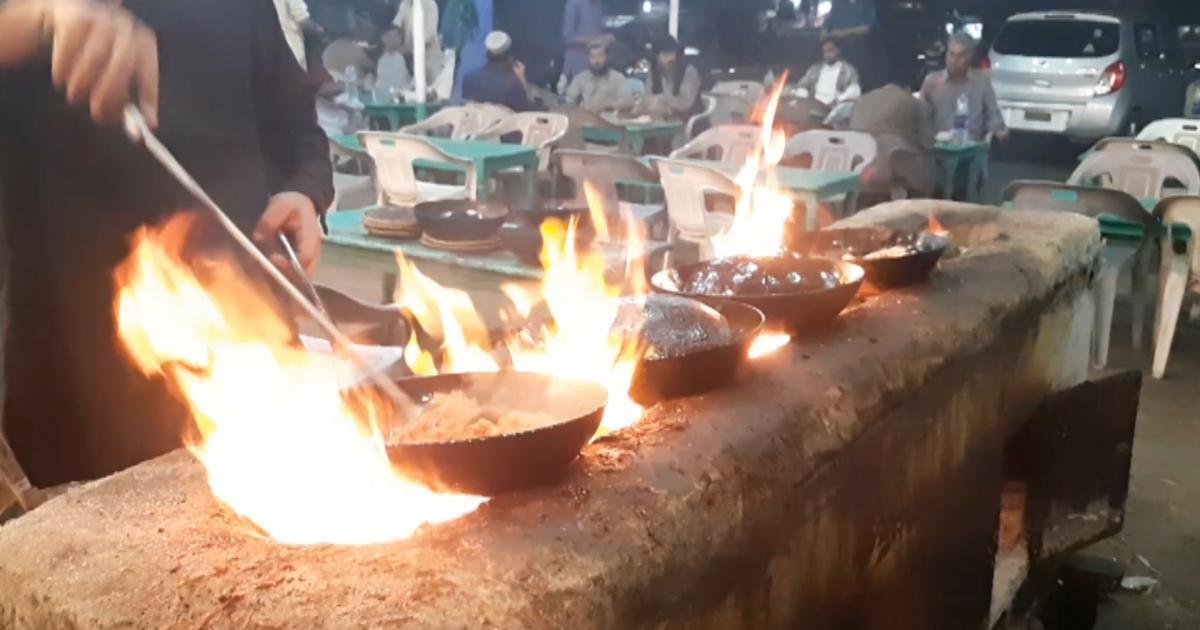

Riverside restaurants in Bahrain, Madyan, and Kalam offer some of the best dining experiences.
Where to Stay in Swat Valley
Accommodation ranges from budget guesthouses to mid-range hotels and resorts.
Best areas include:
- Mingora for access and services
- Bahrain for riverside stays
- Kalam for adventure tourism
- Malam Jabba for winter resorts
Best Time to Visit Swat Valley
Spring
Green landscapes, mild weather, and moderate tourism.
Summer
Peak season with full access to Kalam, Mahodand, and upper valleys.
Autumn
Clear skies, golden forests, and ideal photography conditions.
Winter
Snow tourism in Malam Jabba, with restricted access to upper valleys.
Recommended 7-Day Swat Valley Itinerary
Day 1: Islamabad to Mingora
Travel via Swat Motorway, explore Mingora Bazaar, overnight stay.
Day 2: Mingora to Bahrain
Visit Swat Museum, Butkara Stupa, continue toward Bahrain.
Day 3: Bahrain to Kalam
Scenic river drive, evening in Kalam bazaar.
Day 4: Mahodand Lake and Ushu Forest
Full-day jeep excursion, optional camping.
Day 5: Gabral or Utror Valley
Explore remote valleys, rivers, and forests.
Day 6: Malam Jabba
Adventure activities including chairlift and skiing (seasonal).
Day 7: Return to Islamabad
Drive back with optional scenic stops.
Frequently Asked Questions
Is Swat Valley safe for tourists
Yes, Swat is considered one of Pakistan’s main tourist destinations with strong visitor presence.
How many days are enough for Swat Valley
Five to seven days are ideal to explore major valleys and attractions.
What is Swat famous for
Swat is known for forests, rivers, Buddhist heritage, trout fish, and mountain tourism.
Do families visit Swat easily
Yes, Swat is one of Pakistan’s most family-friendly mountain regions.
Which is better, Swat or Hunza
Swat offers forests and easier access, while Hunza offers higher altitude and dramatic peaks.
Conclusion
Swat Valley remains one of Pakistan’s most complete travel destinations, combining natural landscapes, historical depth, and accessible mountain tourism. From Kalam’s rivers to Mahodand’s alpine waters and Malam Jabba’s ski slopes, the valley offers a diverse experience suitable for all types of travelers.
Its balance of culture, nature, and infrastructure makes it one of the most versatile regions in northern Pakistan, ideal for both first-time visitors and experienced explorers.

![K2 Base Camp Trek: Ultimate Guide k2 Trek 2026 [UPDATED]](https://www.karakoramdiaries.com/storage/ultimate-guide-to-k2-base-camp-trek-full-document-150x150.png)