Peshawar City Guide | Karakoram Diaries
About Peshawar
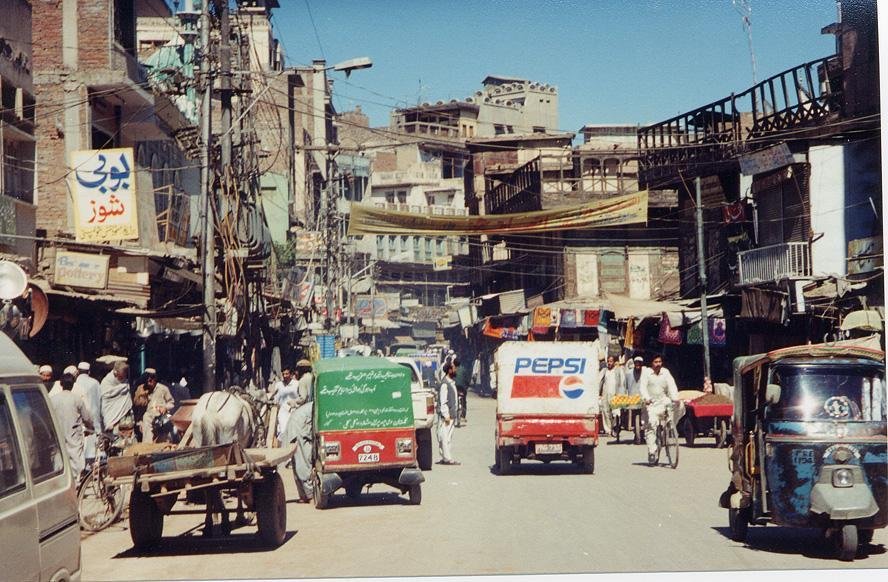
Peshawar is one of the oldest continuously inhabited cities in South Asia, positioned at a historic crossroads between Central Asia and the Indian subcontinent. Its identity has been shaped by centuries of trade routes, cultural exchange, and shifting empires, leaving behind a dense urban fabric where history is still actively lived rather than preserved behind barriers.
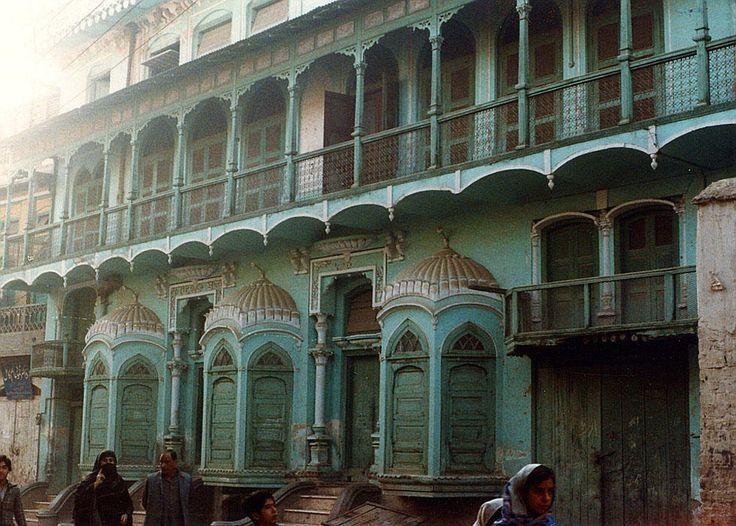
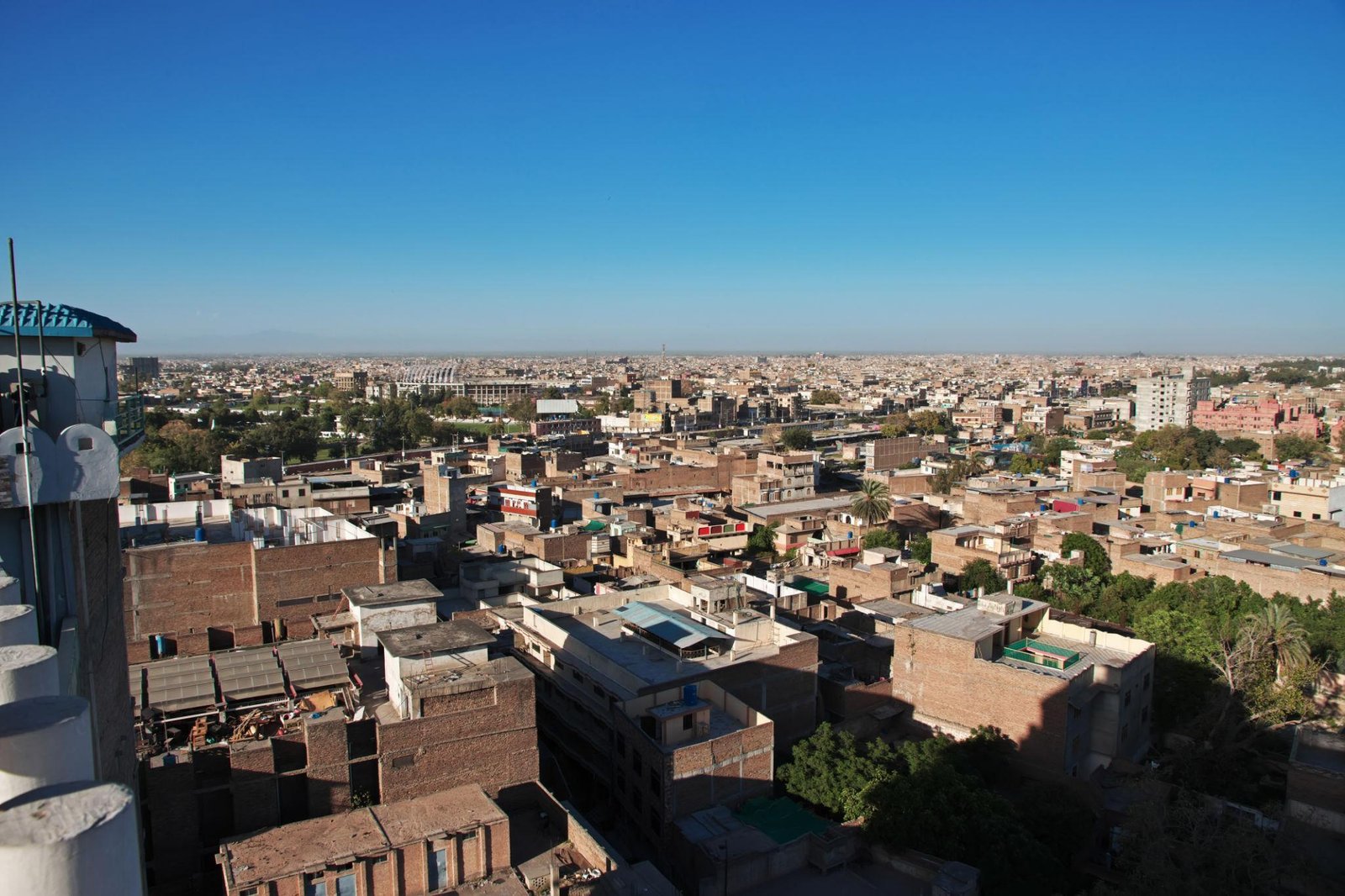
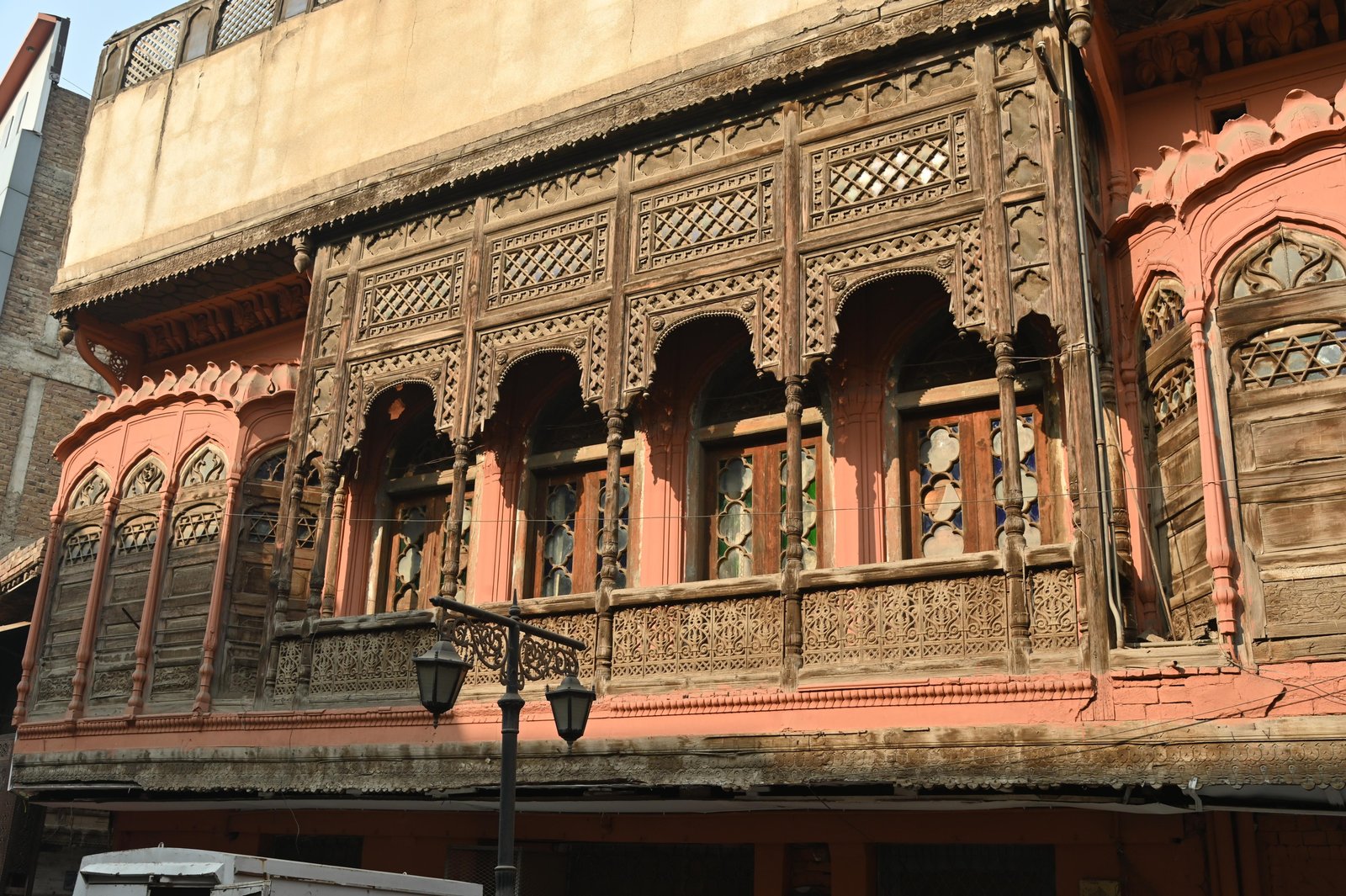
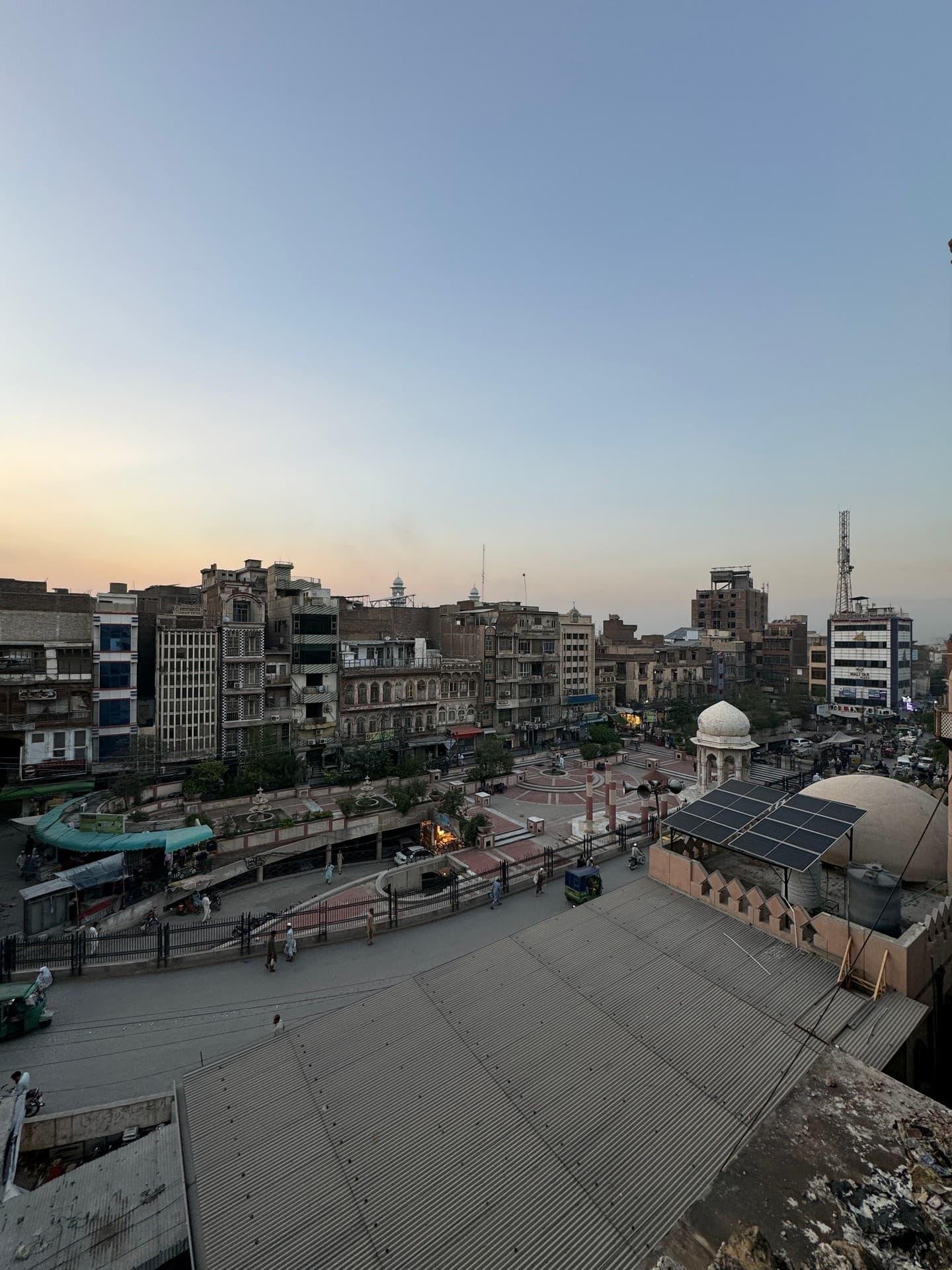
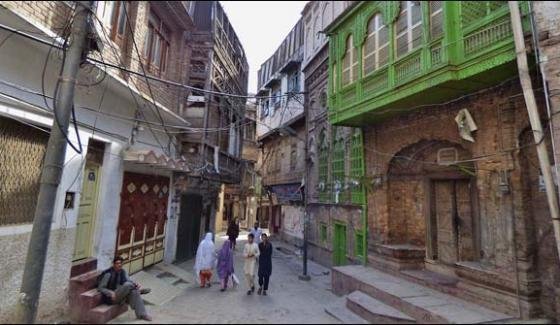
The old city retains a compact structure of bazaars, residential lanes, and heritage buildings. Timber balconies project over narrow streets, while covered markets create shaded corridors filled with daily commerce. Beyond the historic core, newer districts expand outward with modern infrastructure, administrative centers, and commercial roads.
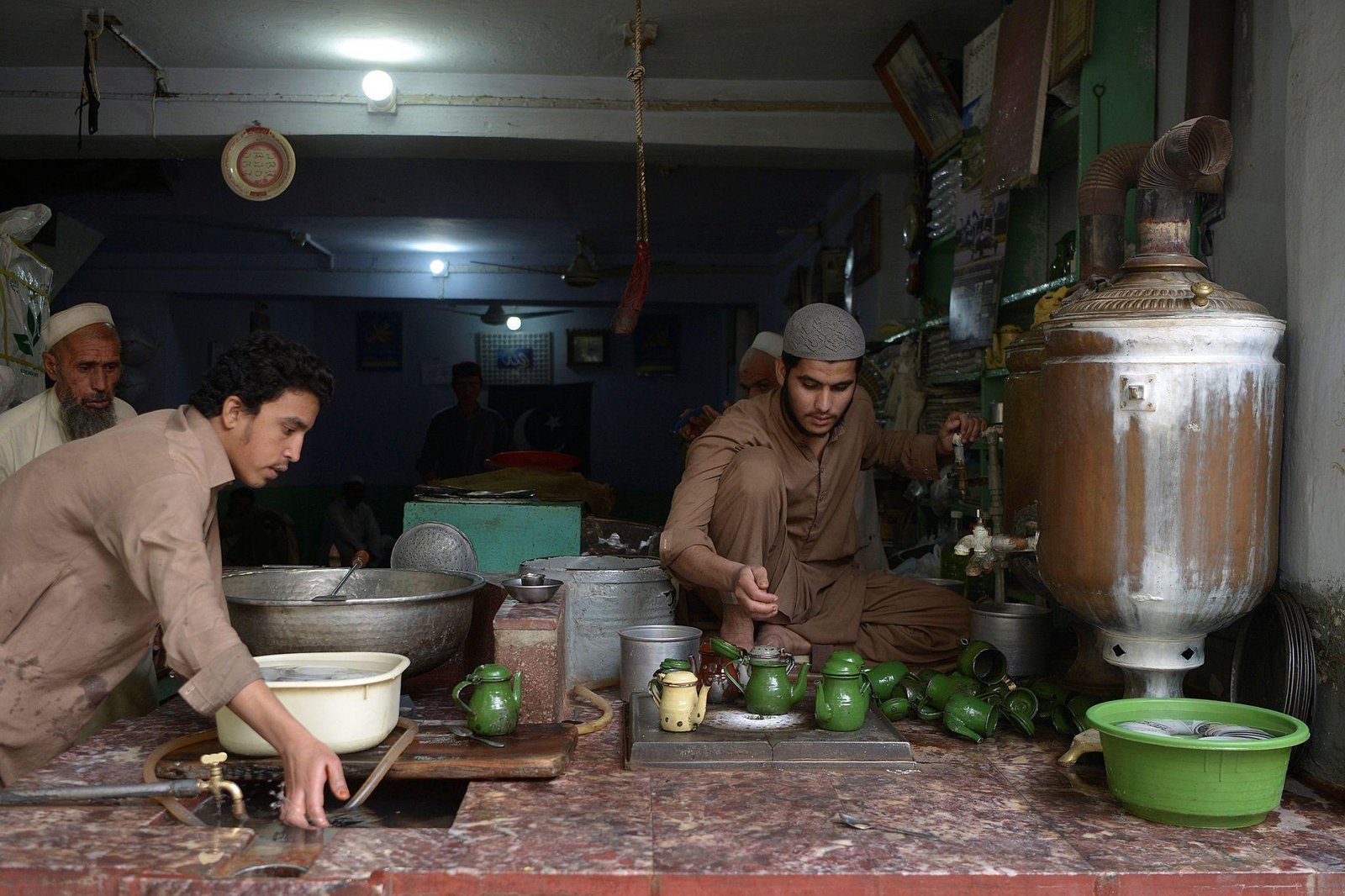
Peshawar’s cultural foundation is strongly influenced by Pashtun traditions, visible in language, hospitality, and food culture. Despite modernization, the city maintains a strong continuity of older urban rhythms, especially in its bazaars and food streets.
How to Get There
Peshawar is accessible through air, road, and rail, with each route offering a different experience of the region’s geography.
Table of contents [Show]
By Air
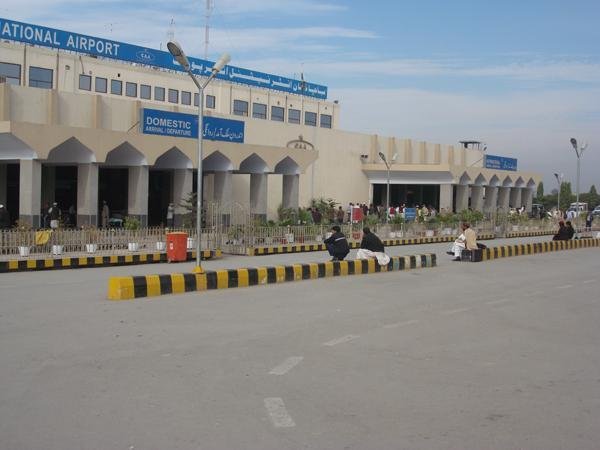
Bacha Khan International Airport serves domestic and limited international flights, connecting Peshawar with major cities including Islamabad, Karachi, and Gulf destinations. It is the fastest and most convenient entry point.
By Road
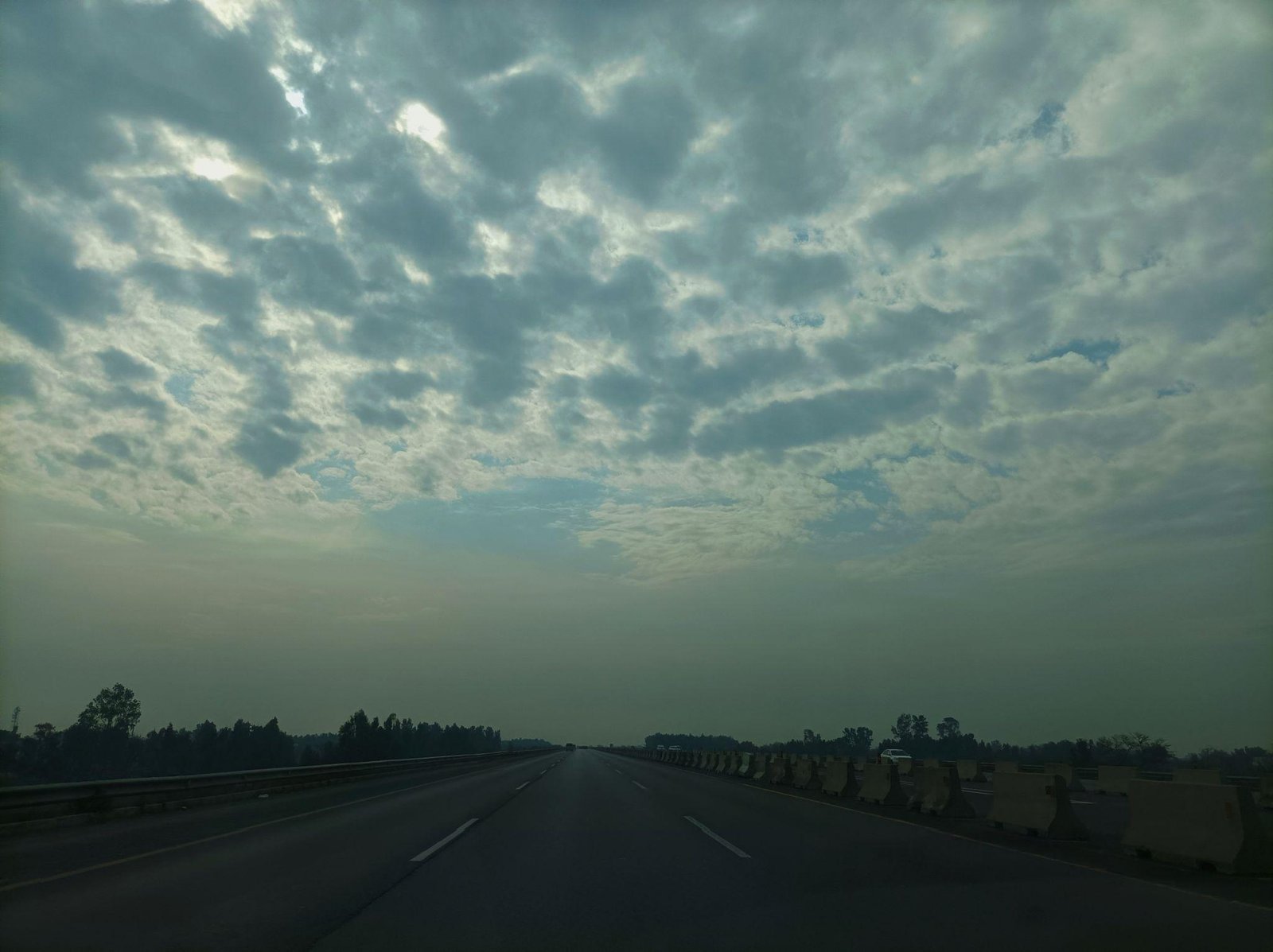
The M1 Motorway connects Islamabad to Peshawar in approximately 2–3 hours. The route transitions from plains to industrial zones before entering the dense urban environment of the city.
By Train
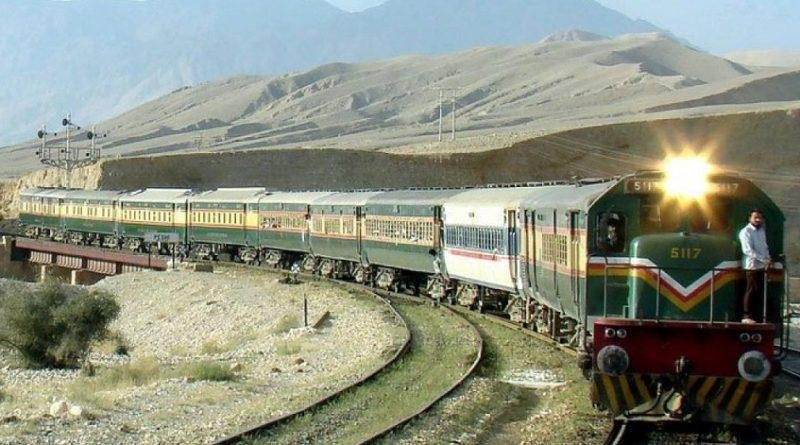
Pakistan Railways links Peshawar with Lahore, Rawalpindi, and other cities. The journey is slower but offers a continuous view of rural landscapes and small settlements.
Best Places to Visit in Peshawar
Qissa Khwani Bazaar
Qissa Khwani Bazaar
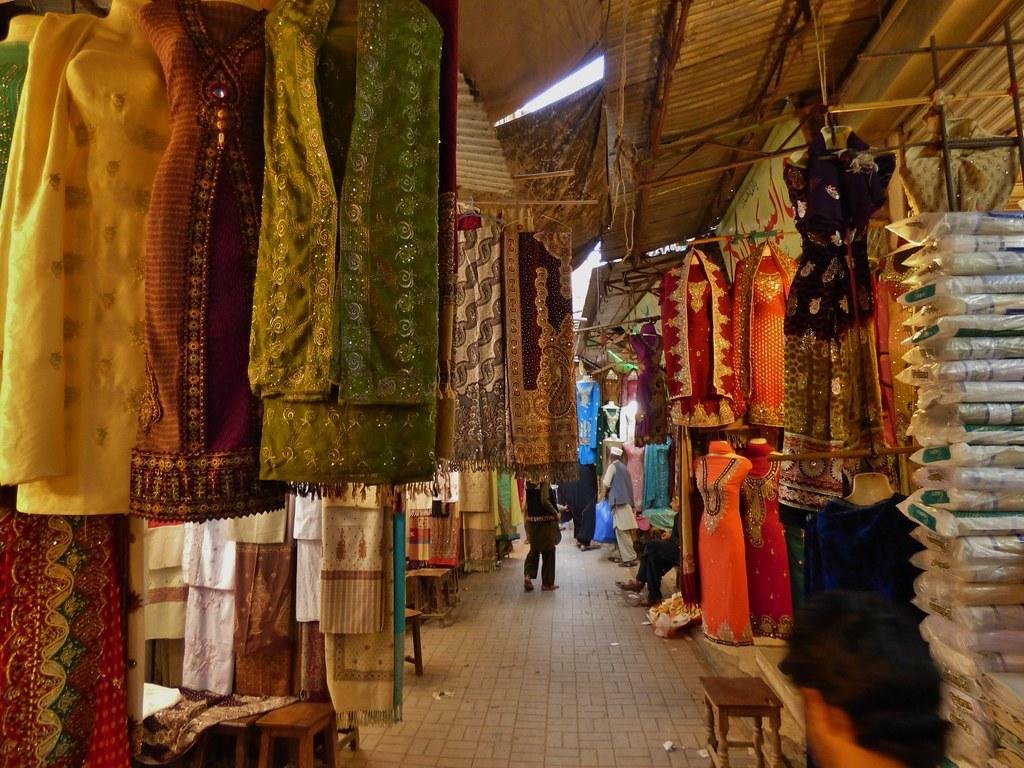
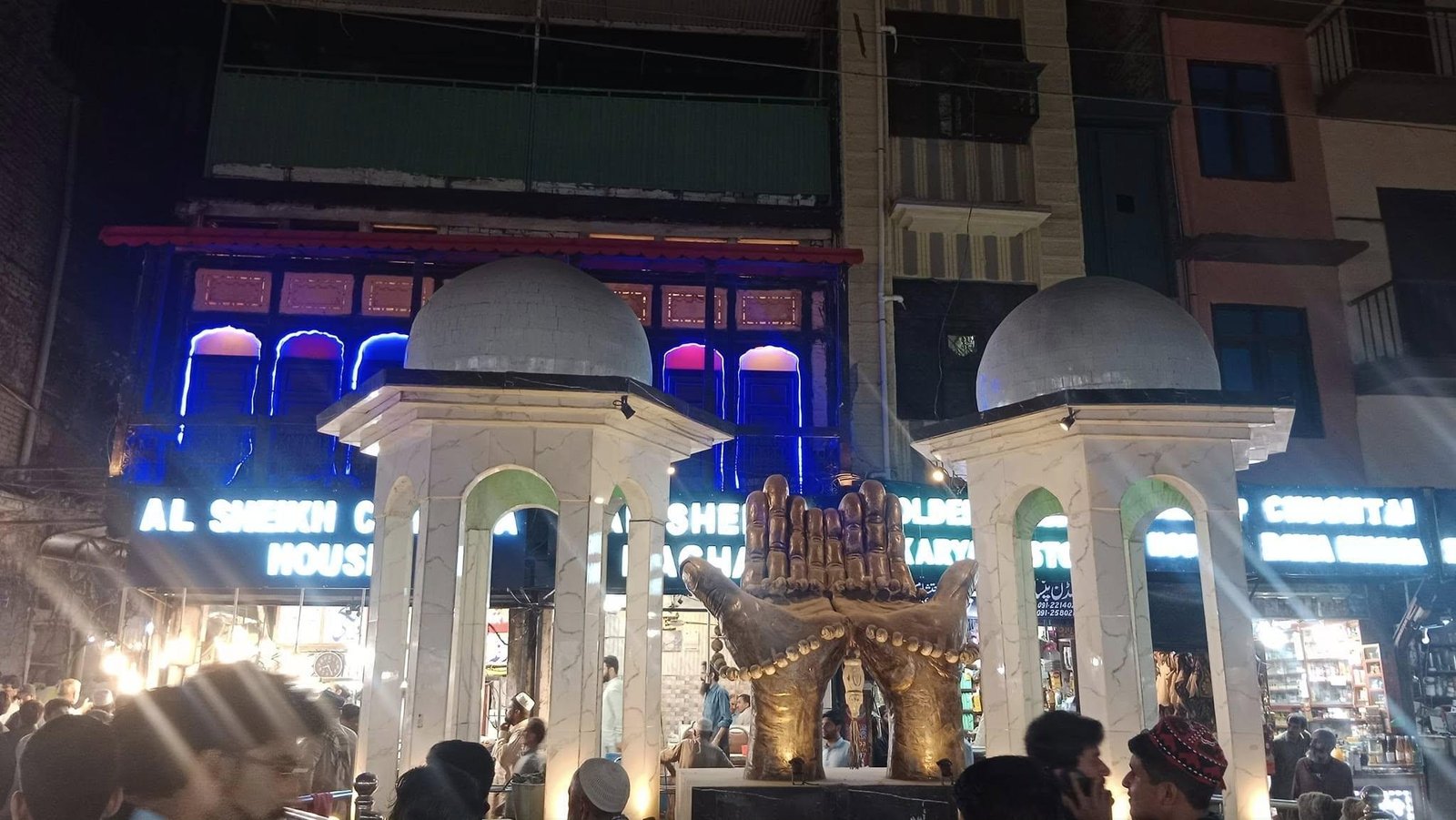
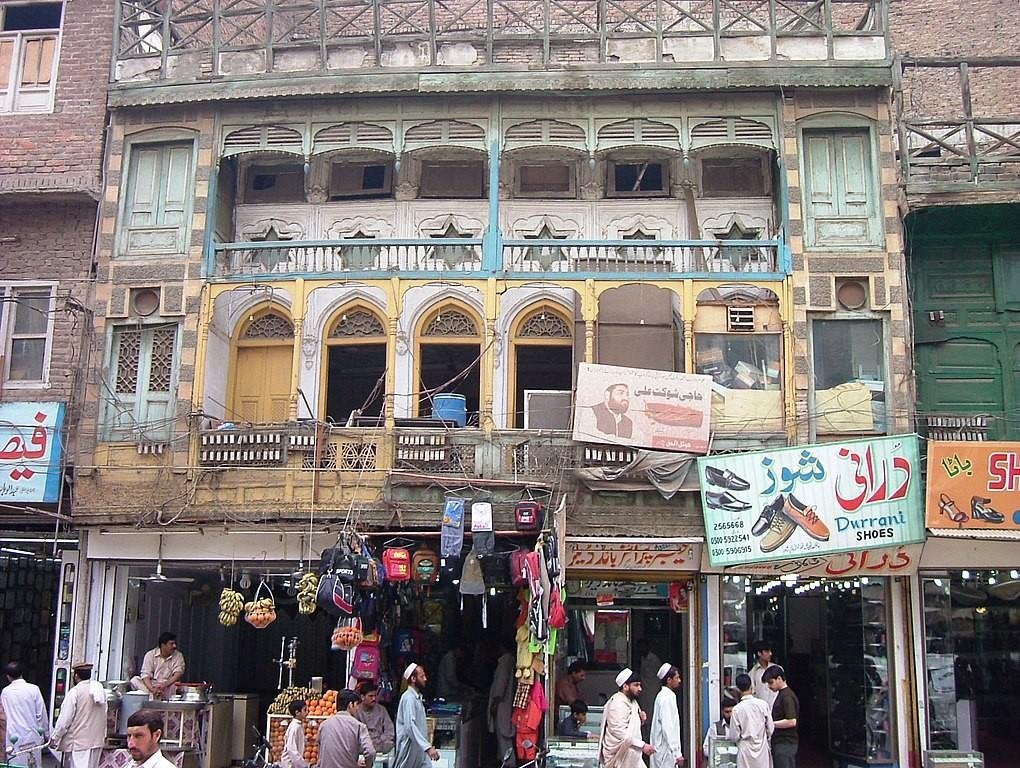
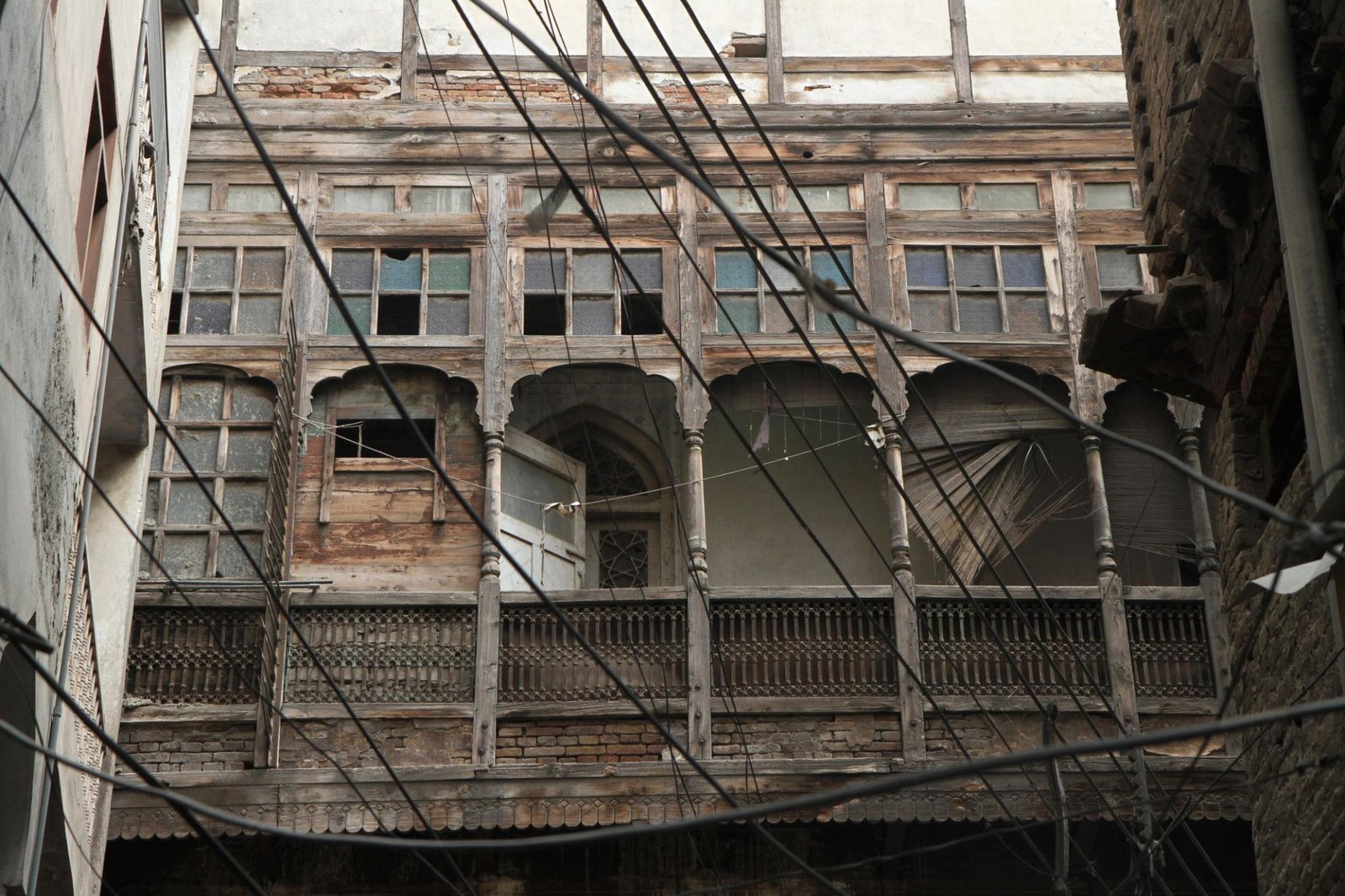
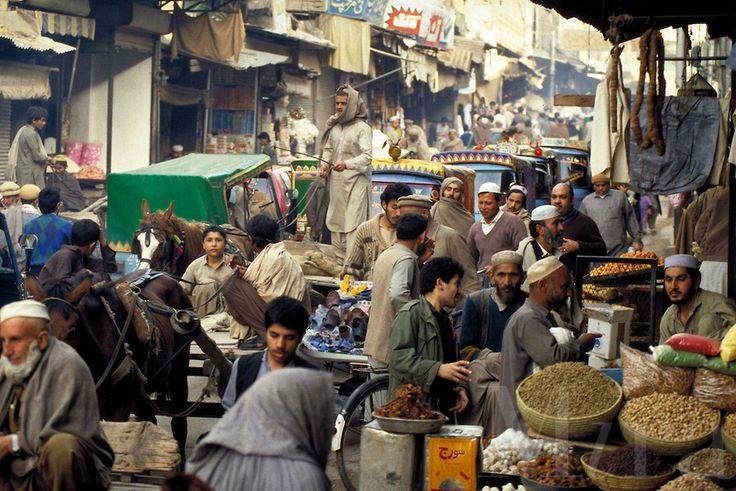
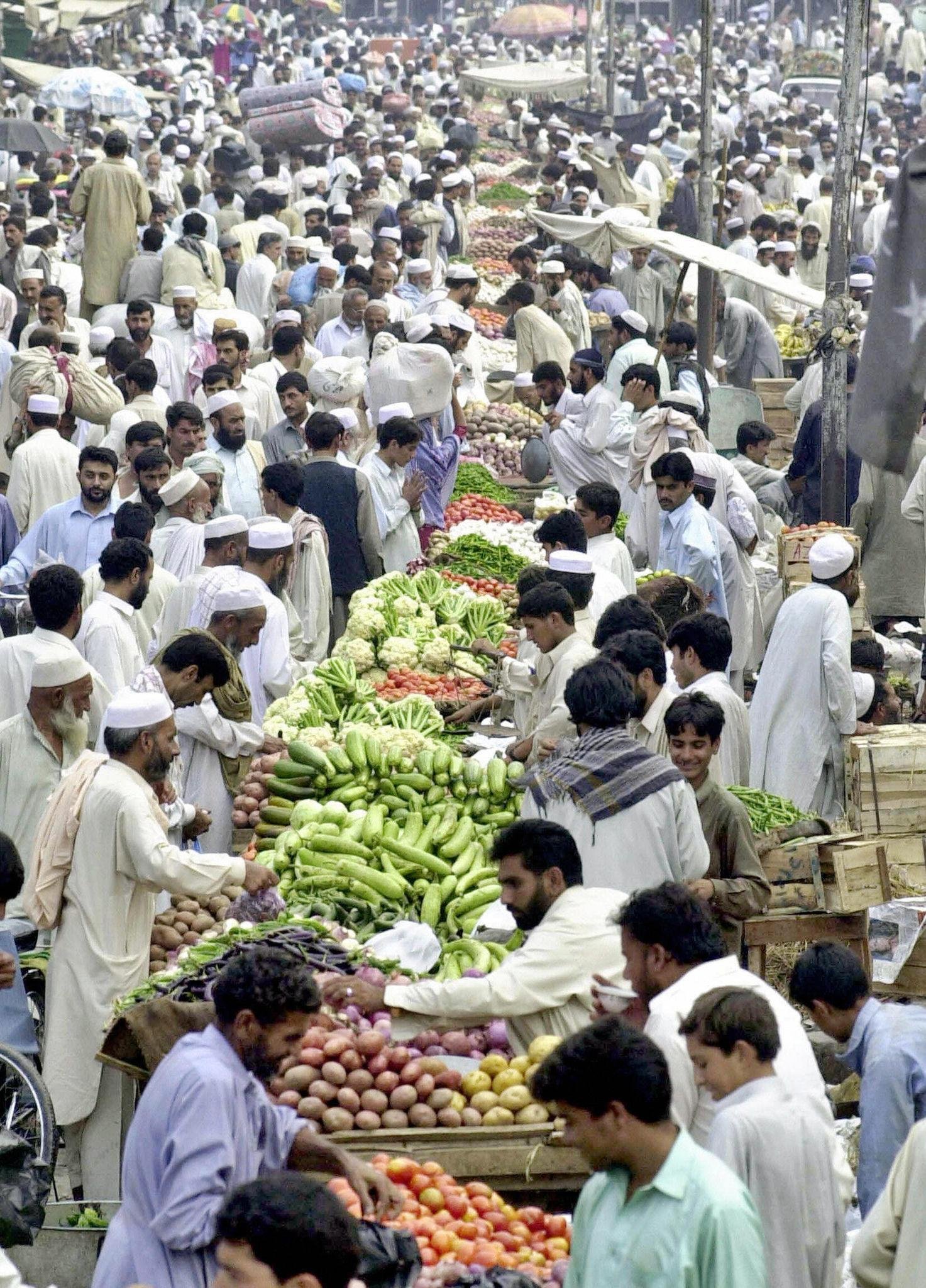
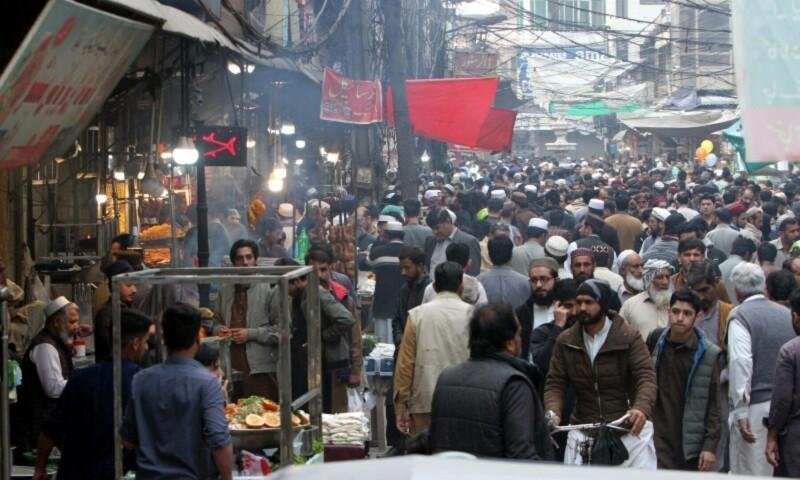
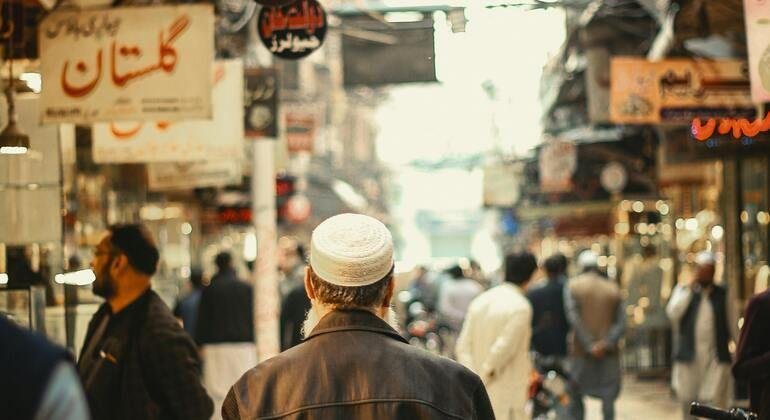
Qissa Khwani Bazaar is one of the most historically significant marketplaces in the region. Once a major stop for caravans traveling between Central Asia and South Asia, it developed as a place where travelers exchanged stories, goods, and news.
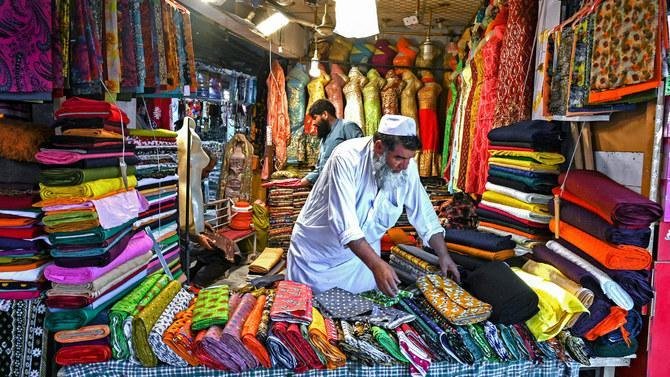
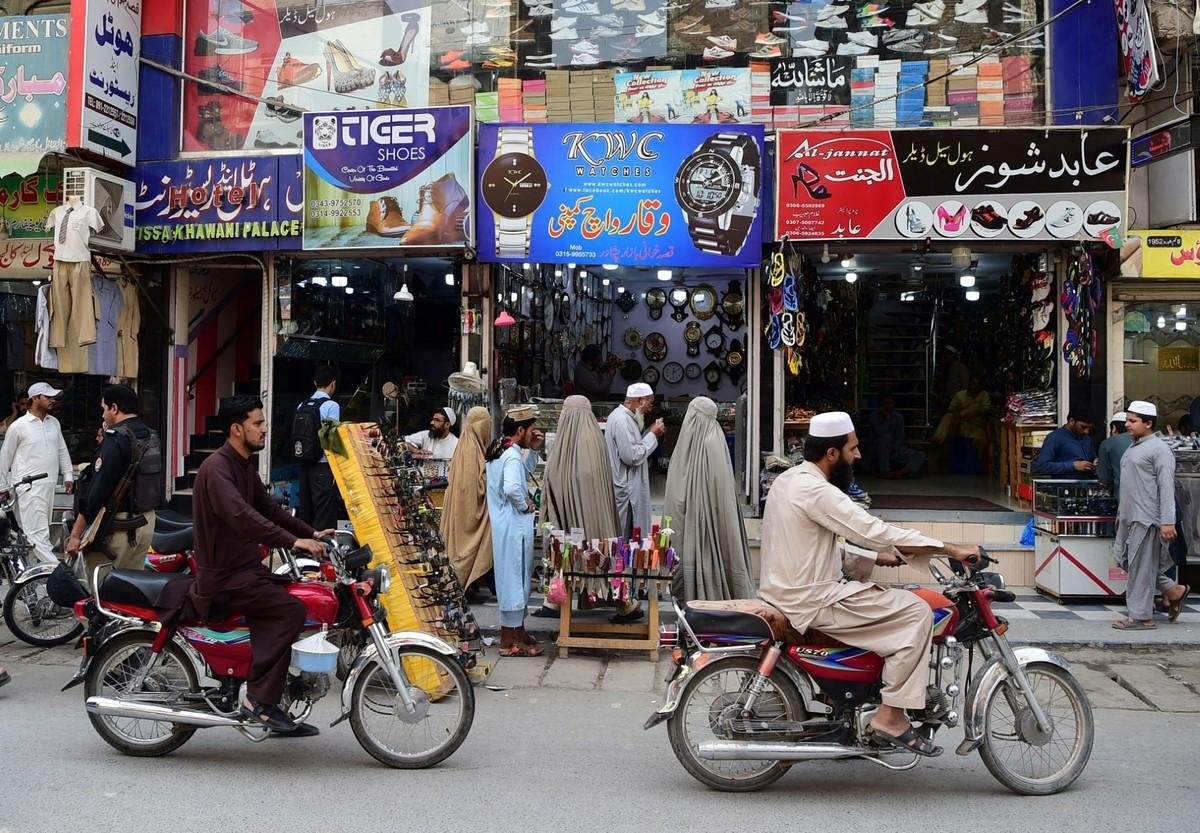
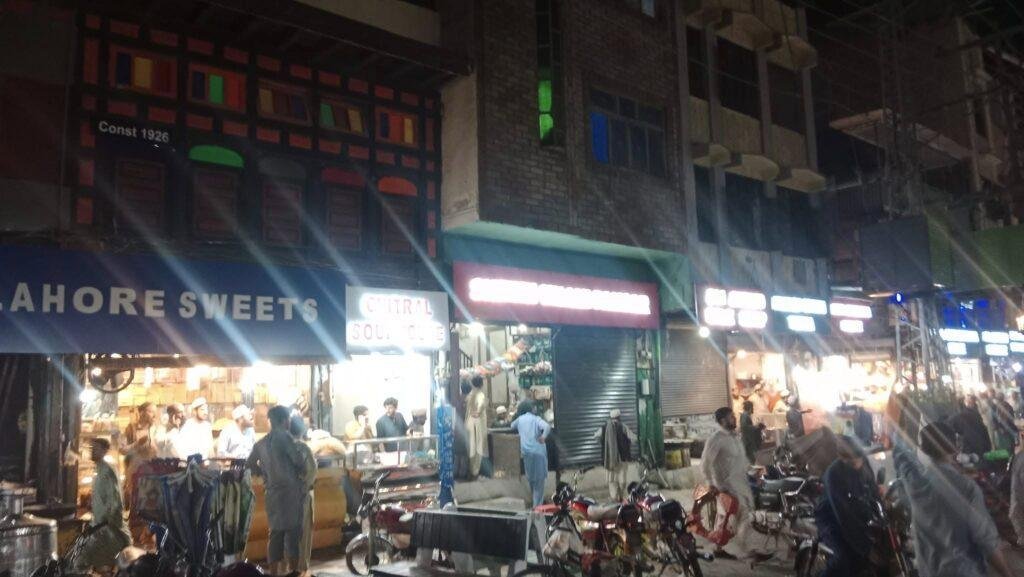
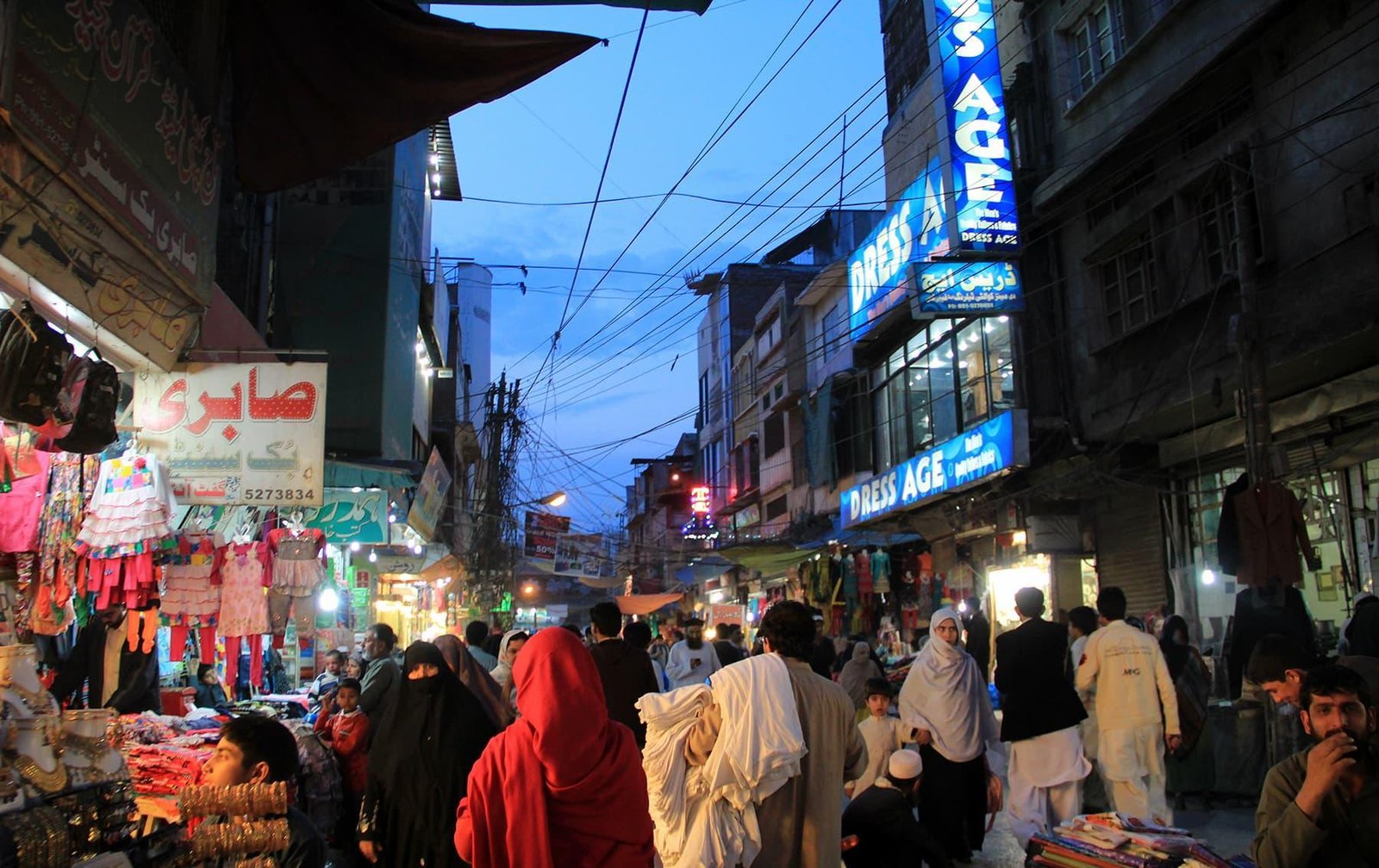
Today, it remains a dense commercial hub filled with tea houses, fabric shops, spice vendors, and small eateries. The lanes are narrow and shaded, with wooden balconies and old façades creating a layered architectural environment. The pace of movement is slow, shaped more by pedestrian flow than vehicles.
The atmosphere changes throughout the day—quiet in the early morning, active during trade hours, and warm-lit in the evening when tea stalls dominate social life.
Bala Hisar Fort
Bala Hisar Fort
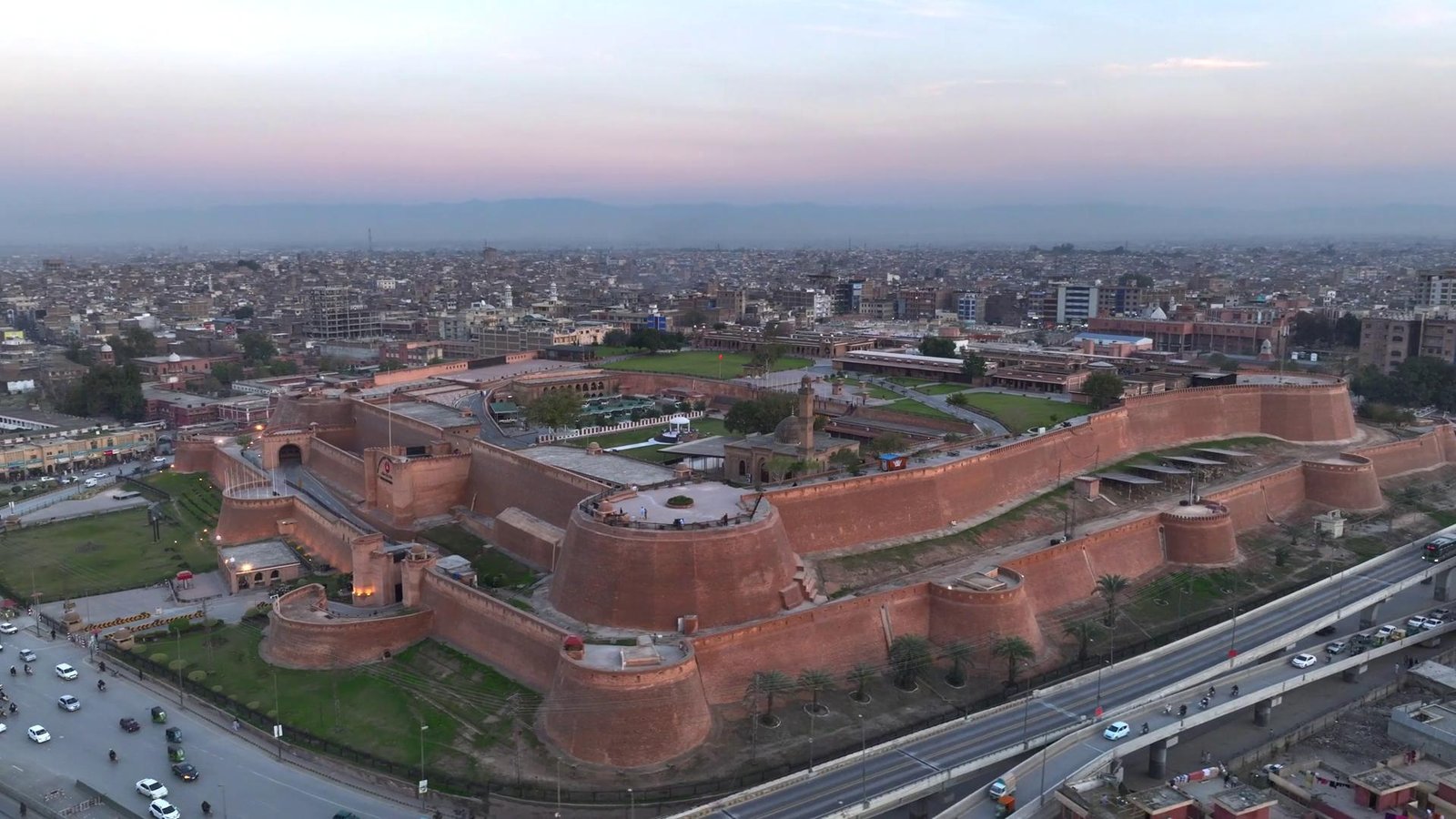
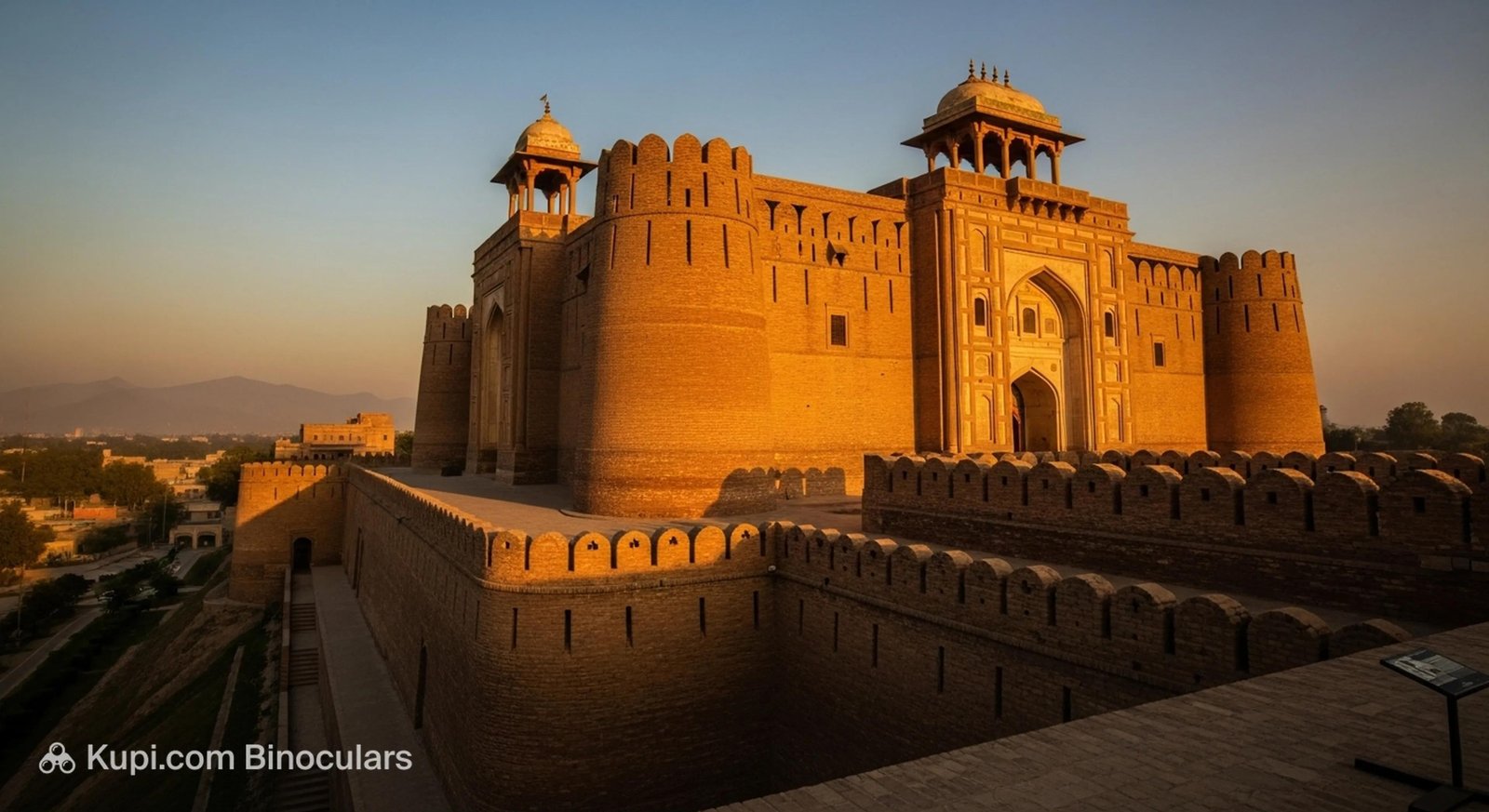
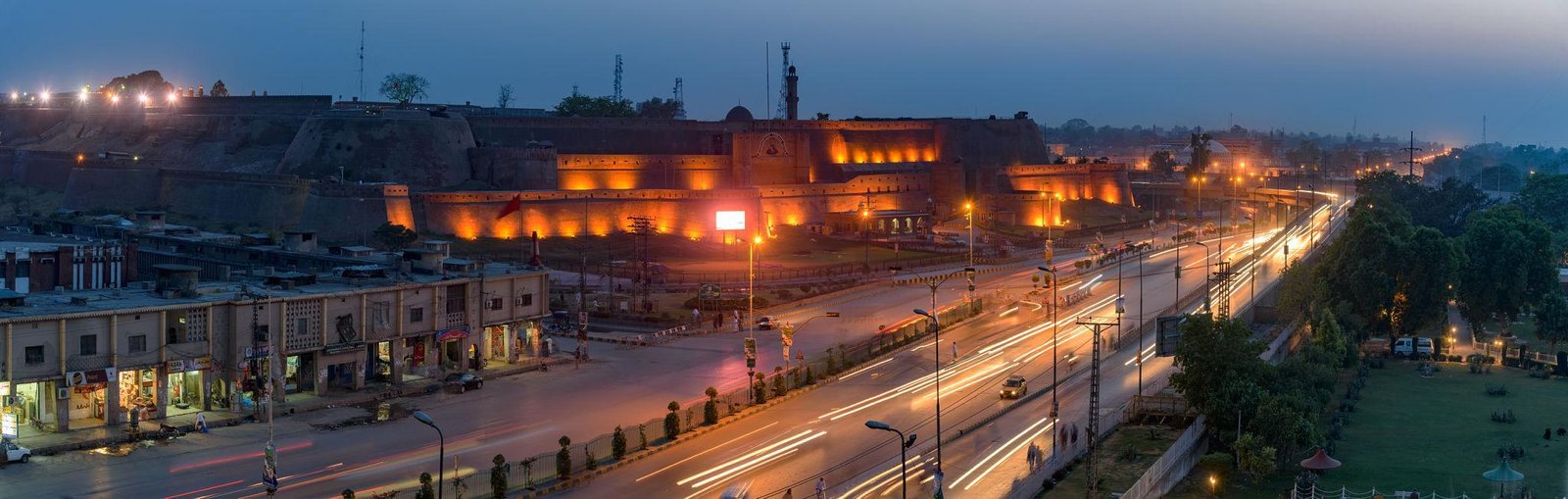
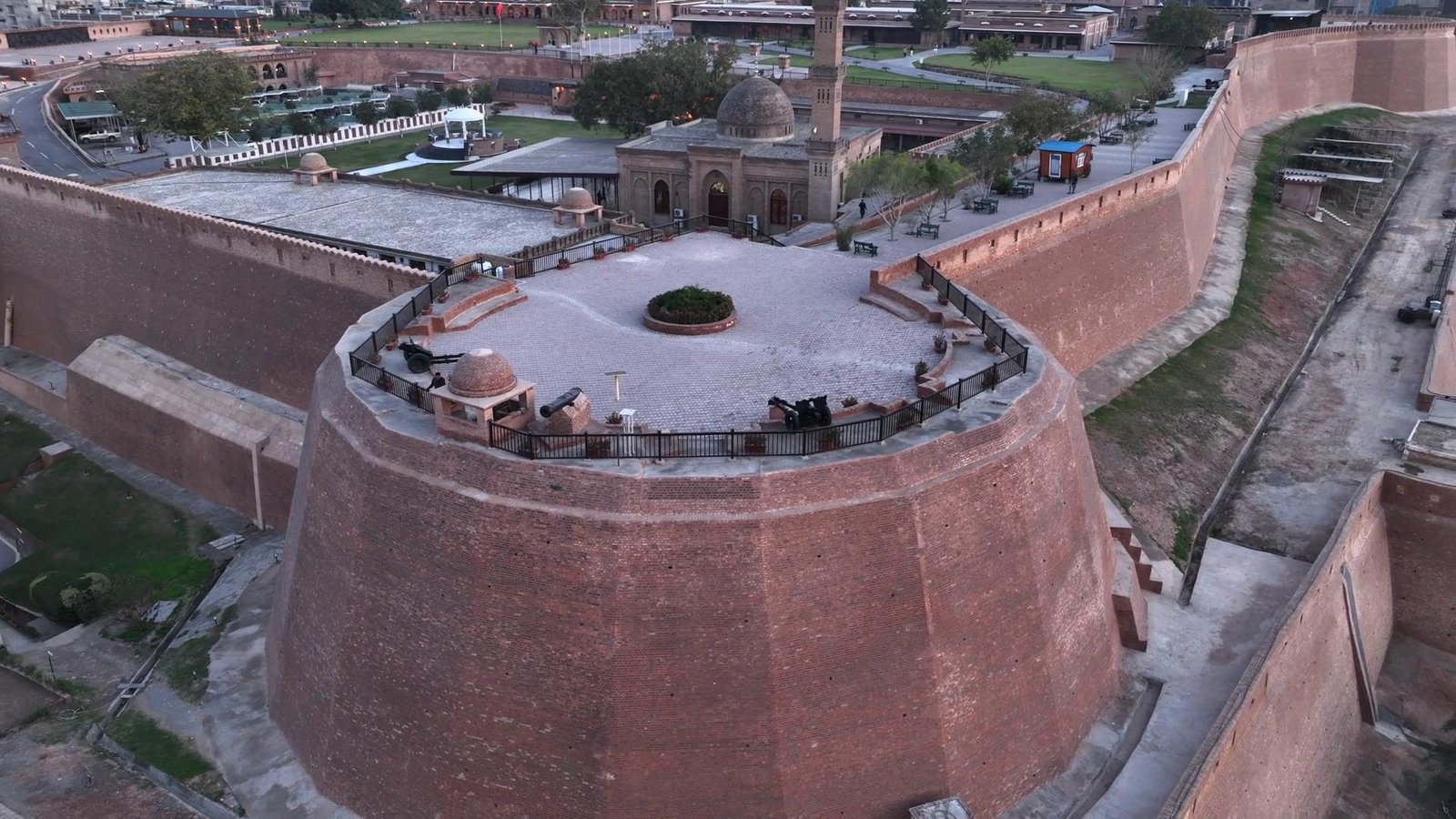
Bala Hisar Fort is a historic defensive structure located on an elevated mound overlooking Peshawar. It has served as a strategic military stronghold across multiple eras, including Mughal, Sikh, and Afghan rule.
The fort’s primary significance lies in its commanding position. From its ramparts, the entire city spreads out below, extending toward distant hills and open plains. The structure reflects layered reconstruction across centuries rather than a single architectural style.
The environment is open and wind-exposed, contrasting sharply with the enclosed density of the old city below.
Mahabat Khan Mosque
Mahabat Khan Mosque
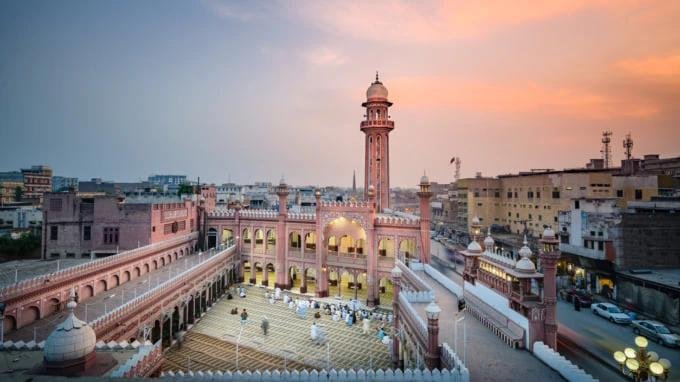
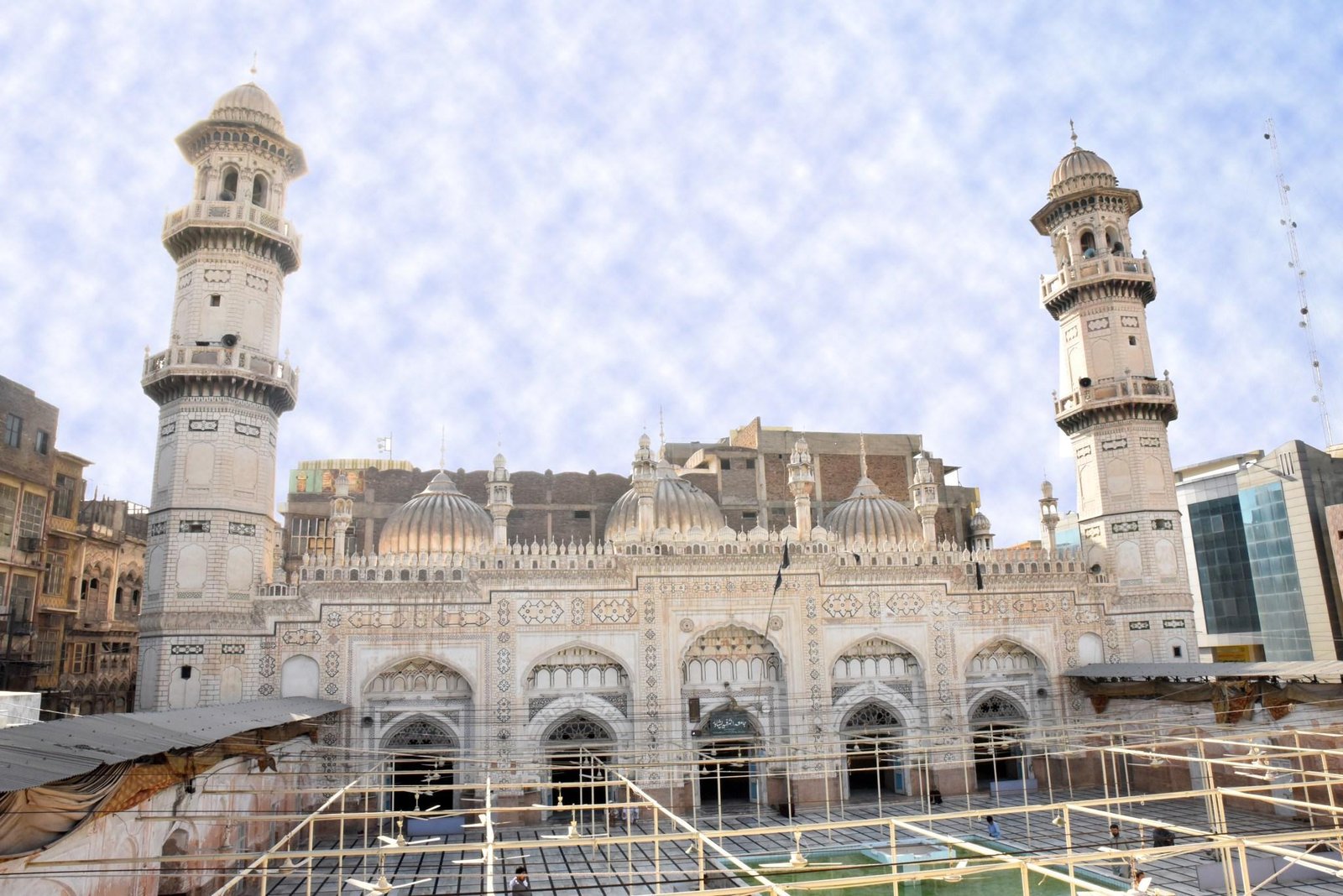
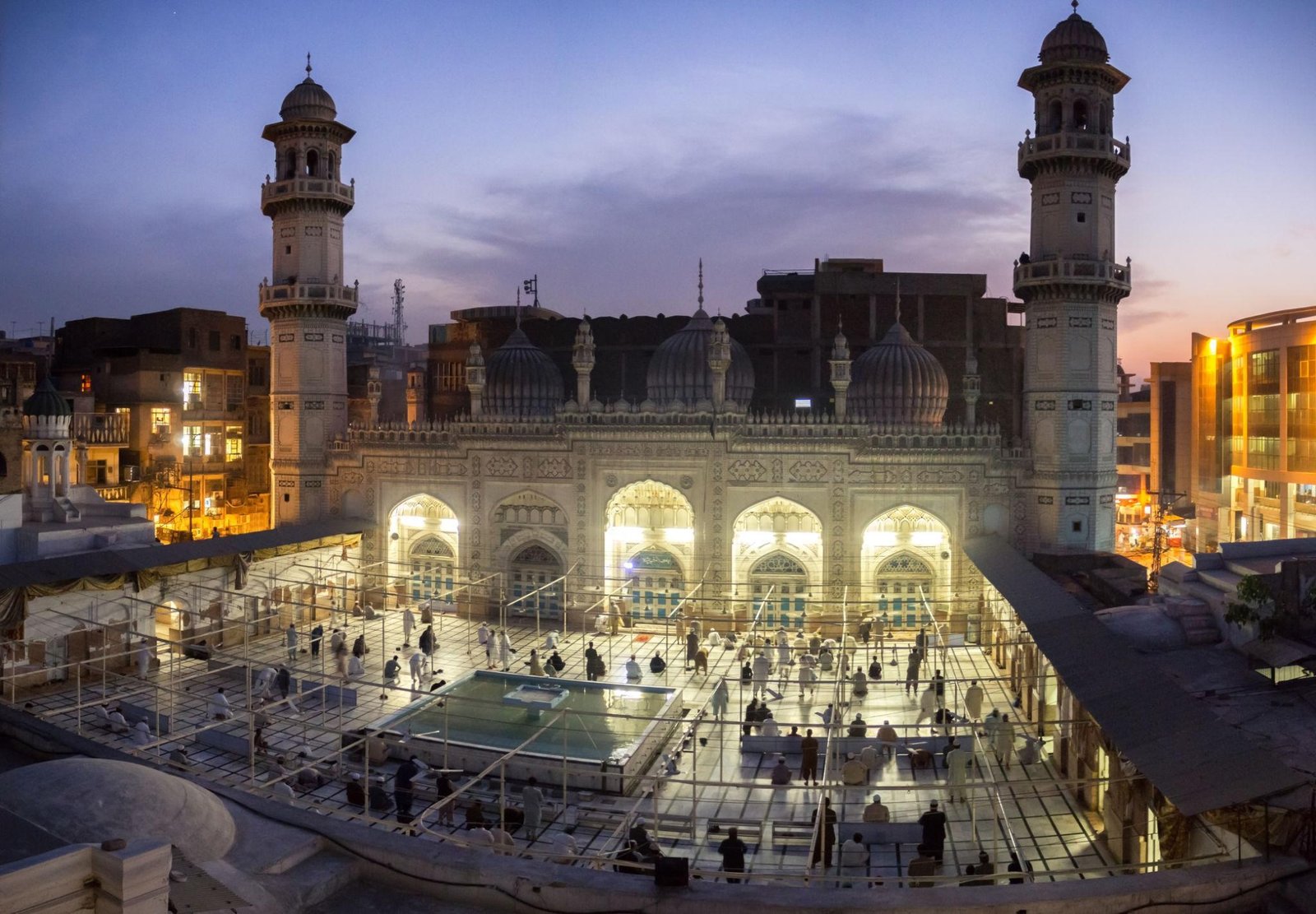
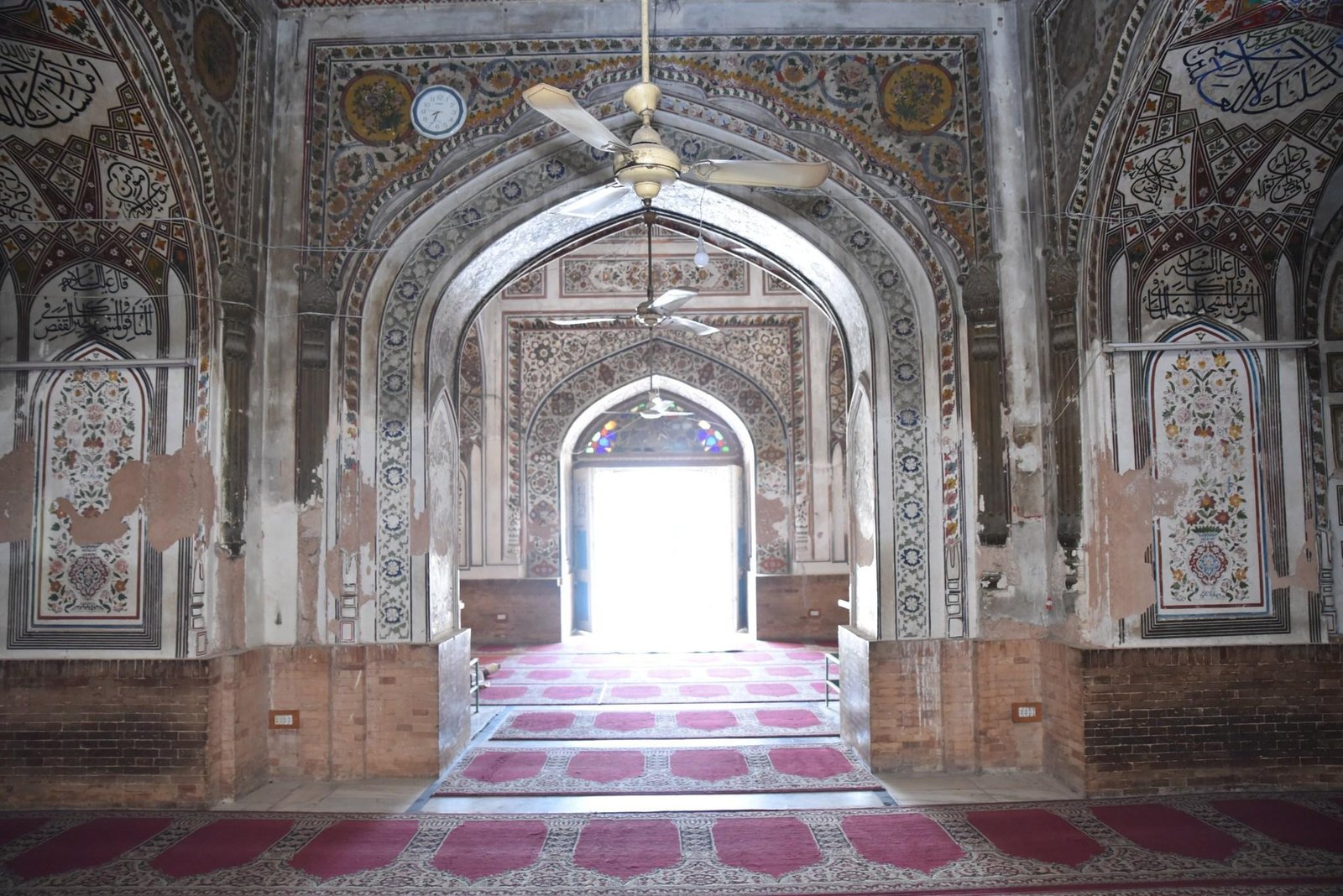
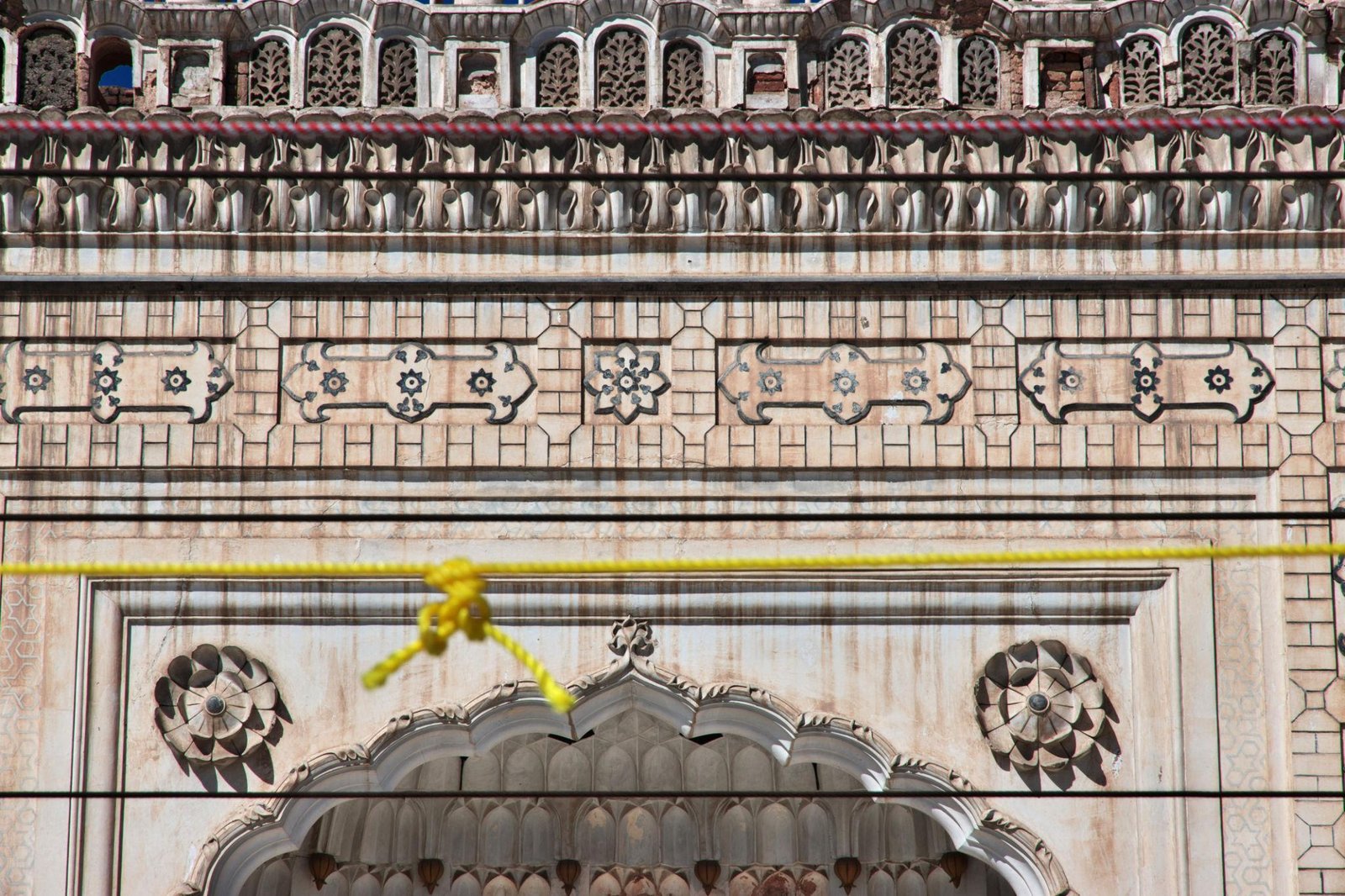
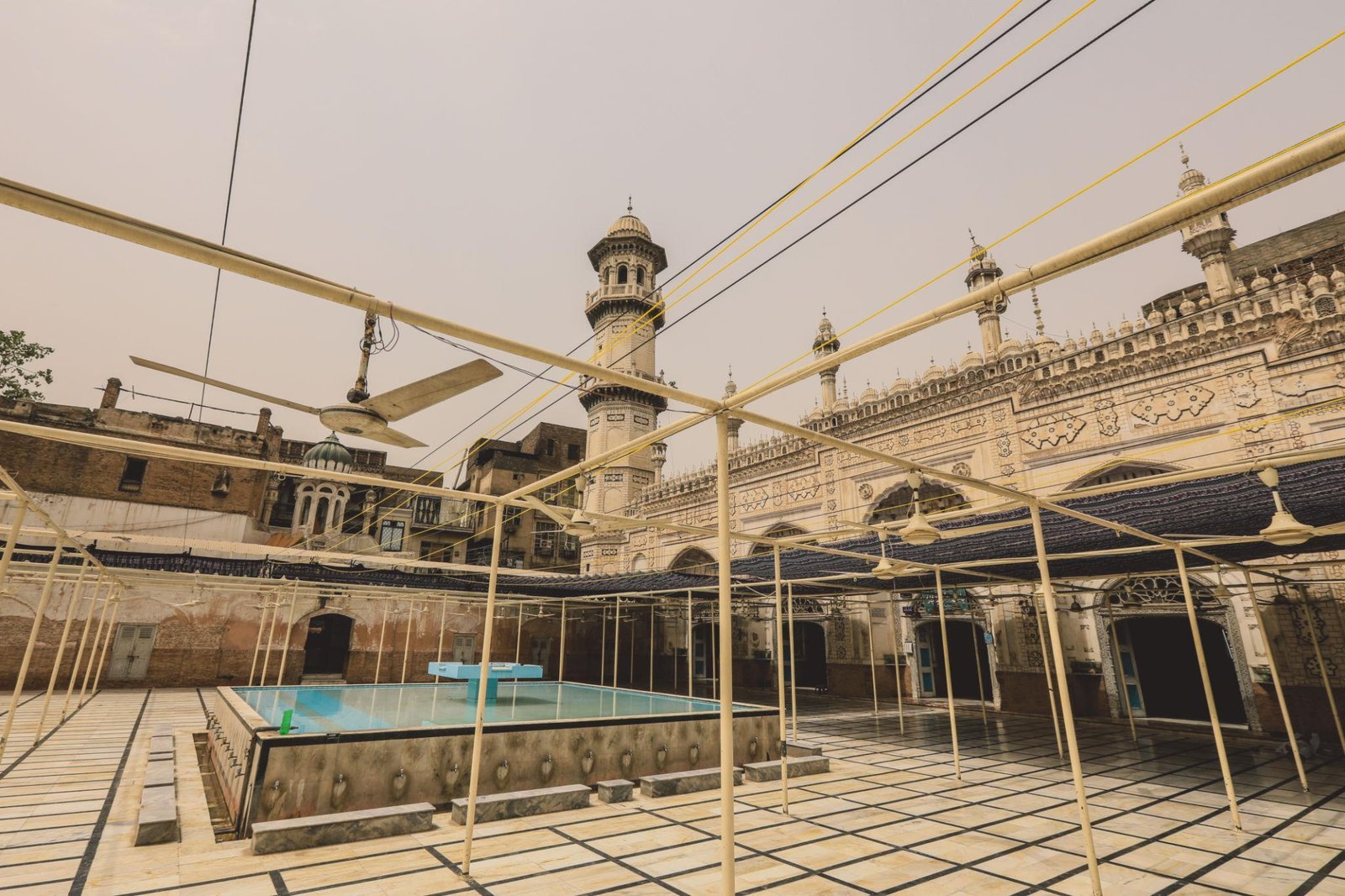
Mahabat Khan Mosque is a 17th-century Mughal structure known for its architectural balance and refined detailing. Its white exterior stands out within the dense urban surroundings of the old city.
Inside, symmetrical courtyards, arches, and calligraphic details create a structured and calm spatial environment. Despite being surrounded by busy commercial activity, the interior maintains a sense of quiet separation.
The mosque remains fully functional as a place of worship while also serving as an important heritage site.
Peshawar Museum
Peshawar Museum
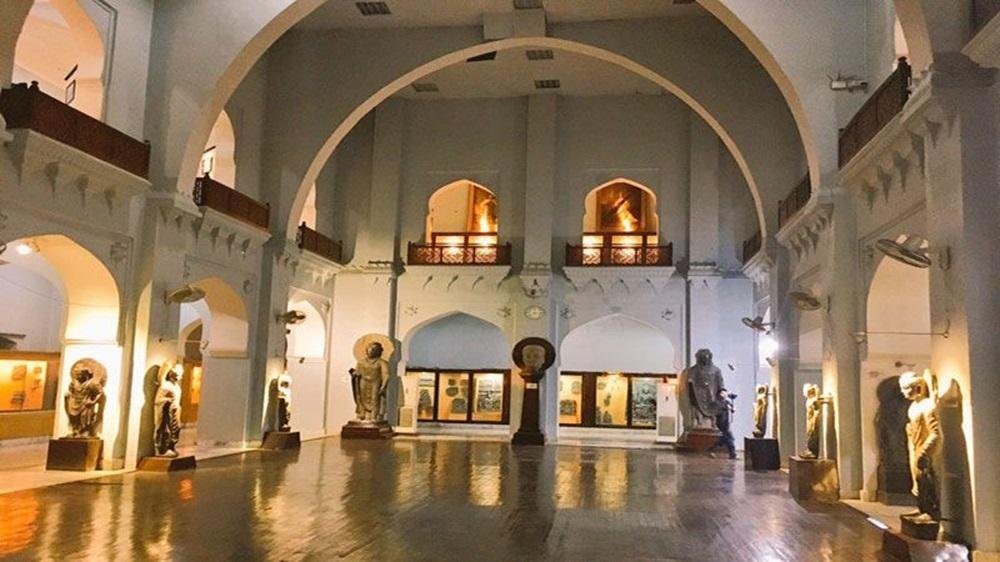
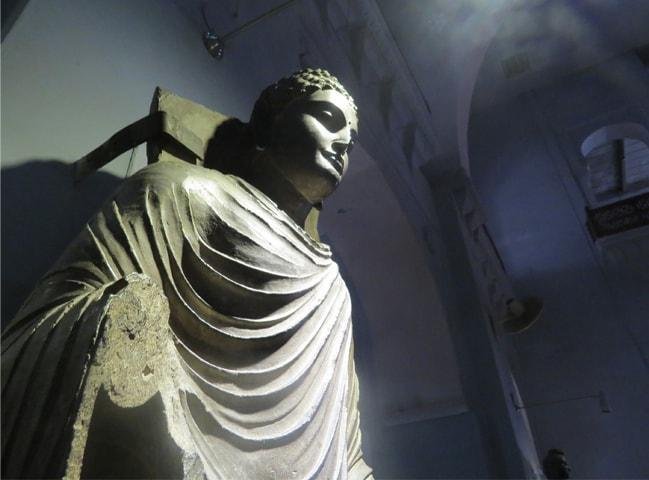
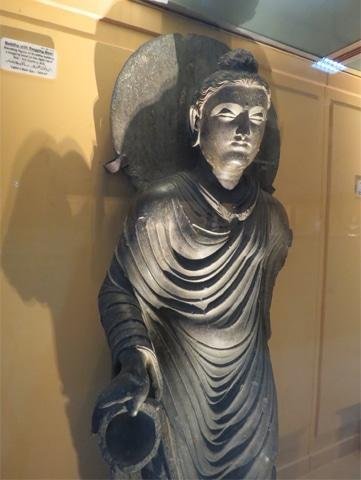
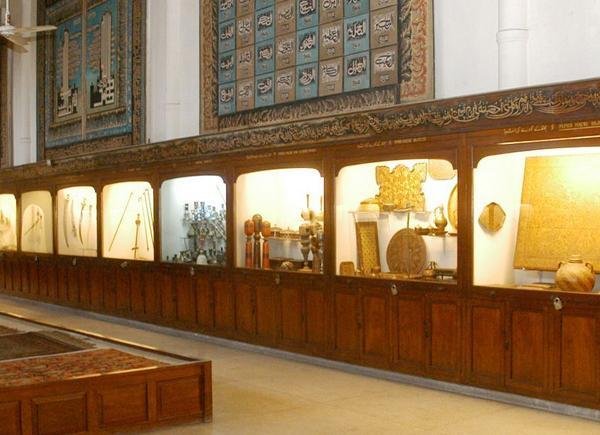
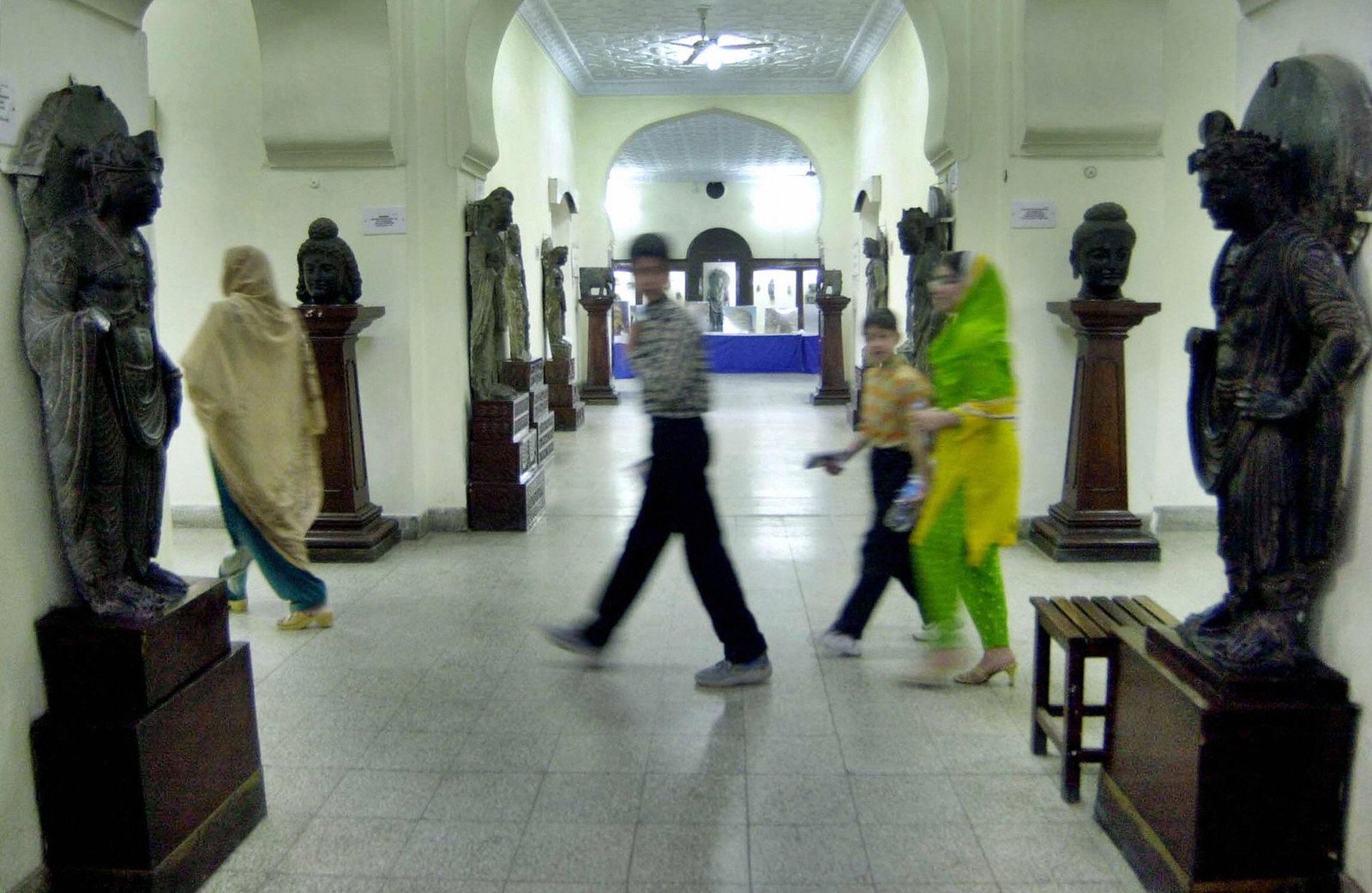
Peshawar Museum is one of the most important repositories of Gandhara civilization artifacts in South Asia. Its collection includes Buddhist sculptures, coins, manuscripts, and relics that reflect the region’s ancient cultural and religious history.
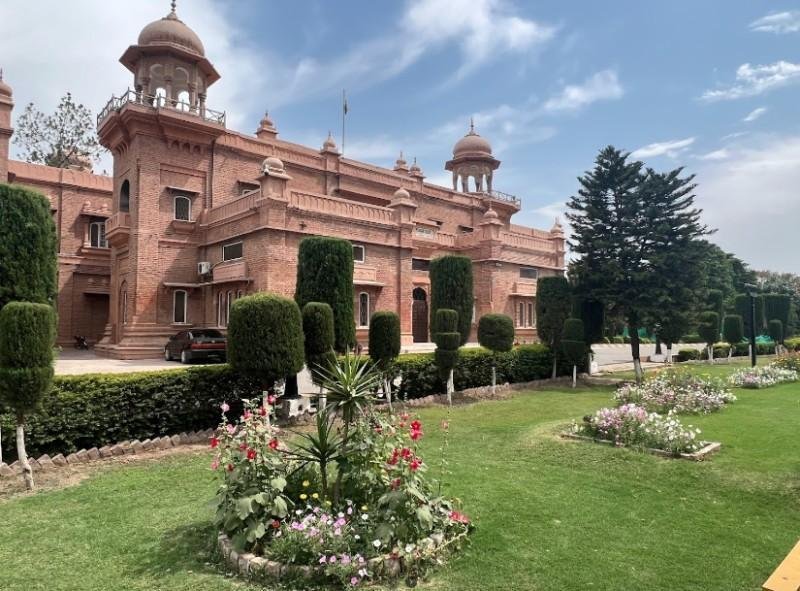
The museum building itself reflects colonial-era design with spacious halls intended for artifact display. The Gandhara sculptures are particularly significant for their Greco-Buddhist artistic influence.
It provides essential historical context for understanding Peshawar’s role in ancient trade and cultural exchange routes.
Sethi House
Sethi House
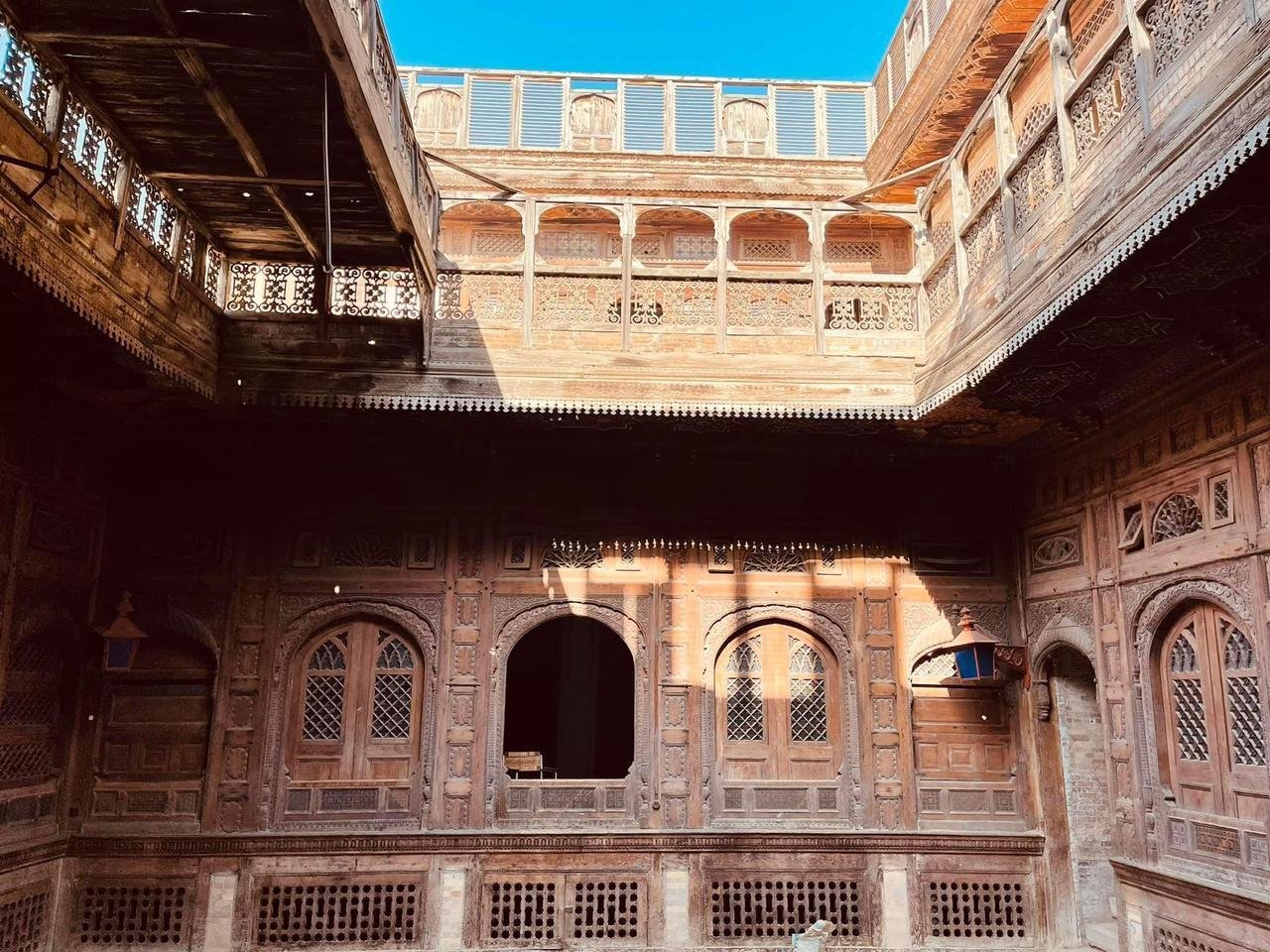
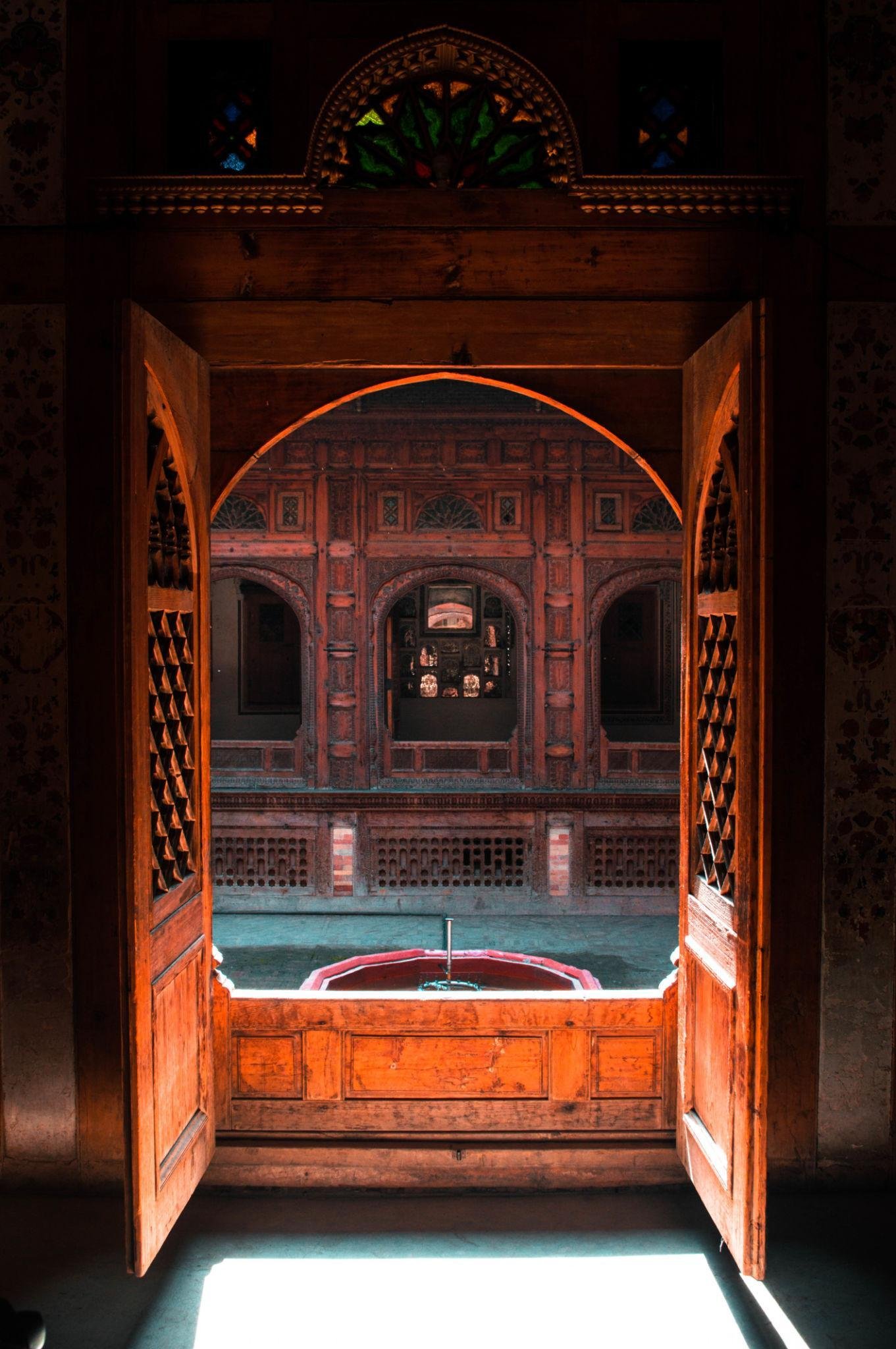
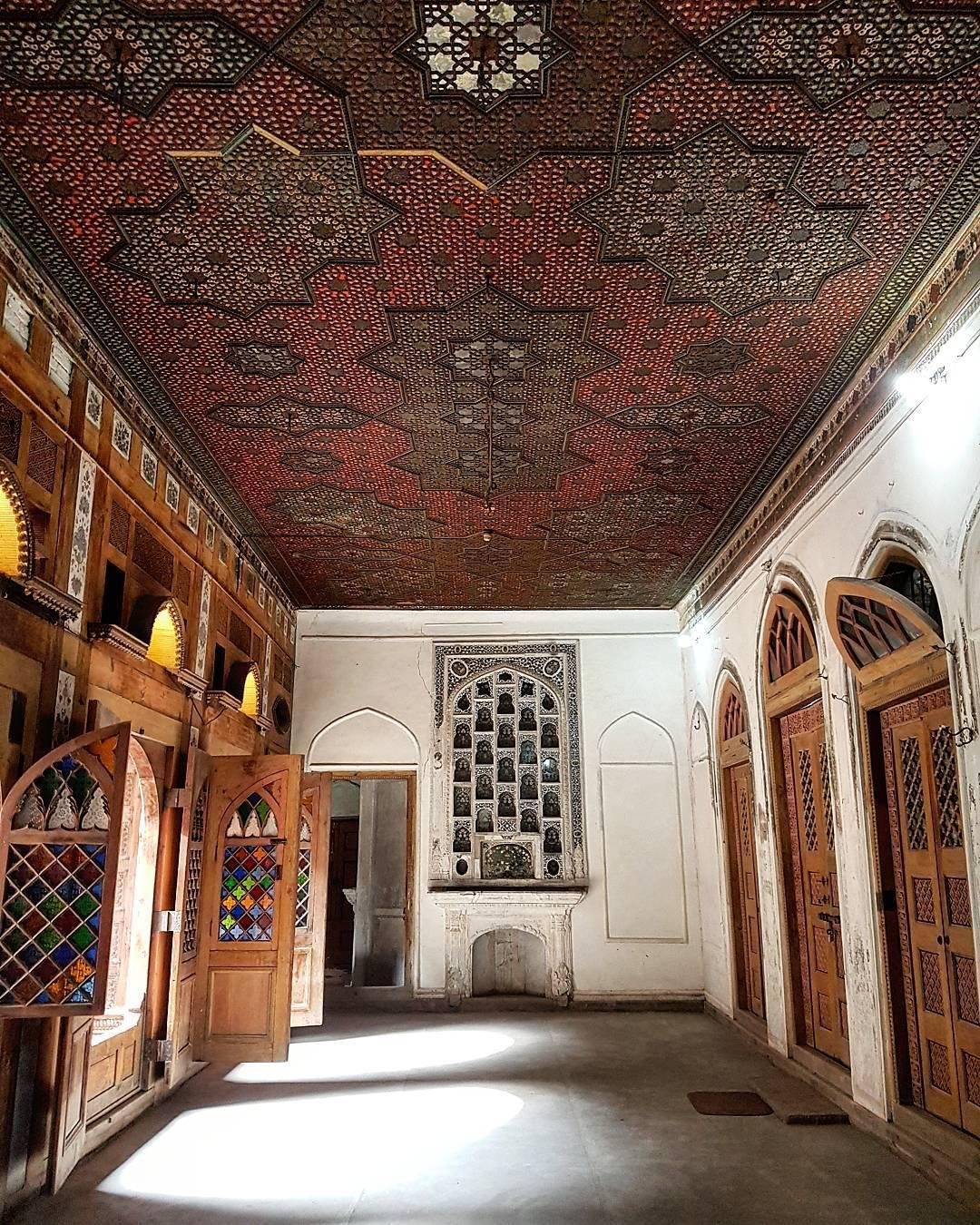
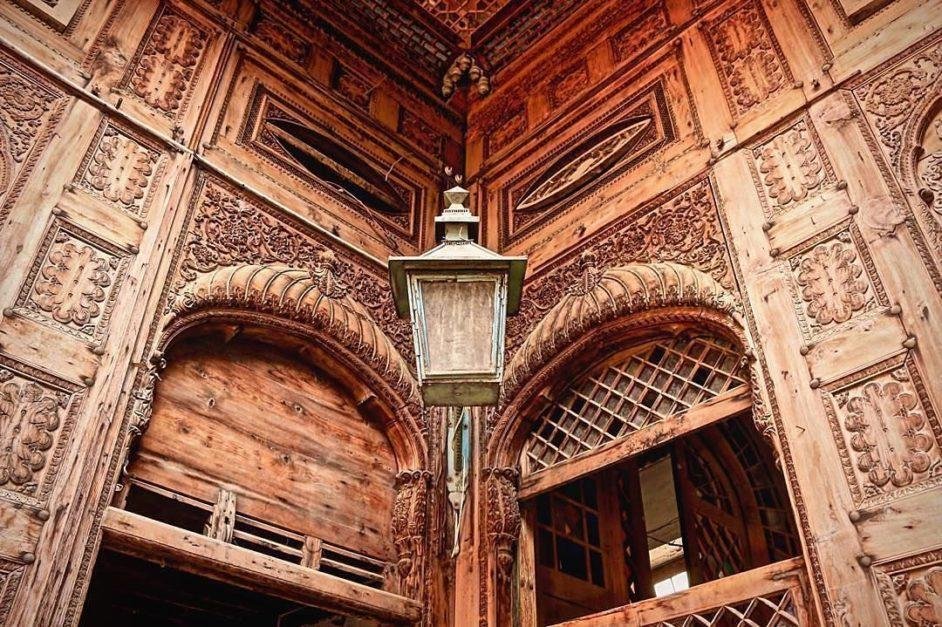
Sethi House is a preserved 19th-century merchant residence reflecting the wealth and cultural connections of trading families from Peshawar’s commercial past.
The house features intricate wooden carvings, stained glass windows, and decorative interiors influenced by Central Asian and South Asian design traditions. Rooms are arranged around inner courtyards, providing ventilation and privacy within a dense urban setting.
It offers a rare insight into domestic architecture during a period when Peshawar was part of broader regional trade networks.

Cunningham Clock Tower
Cunningham Clock Tower
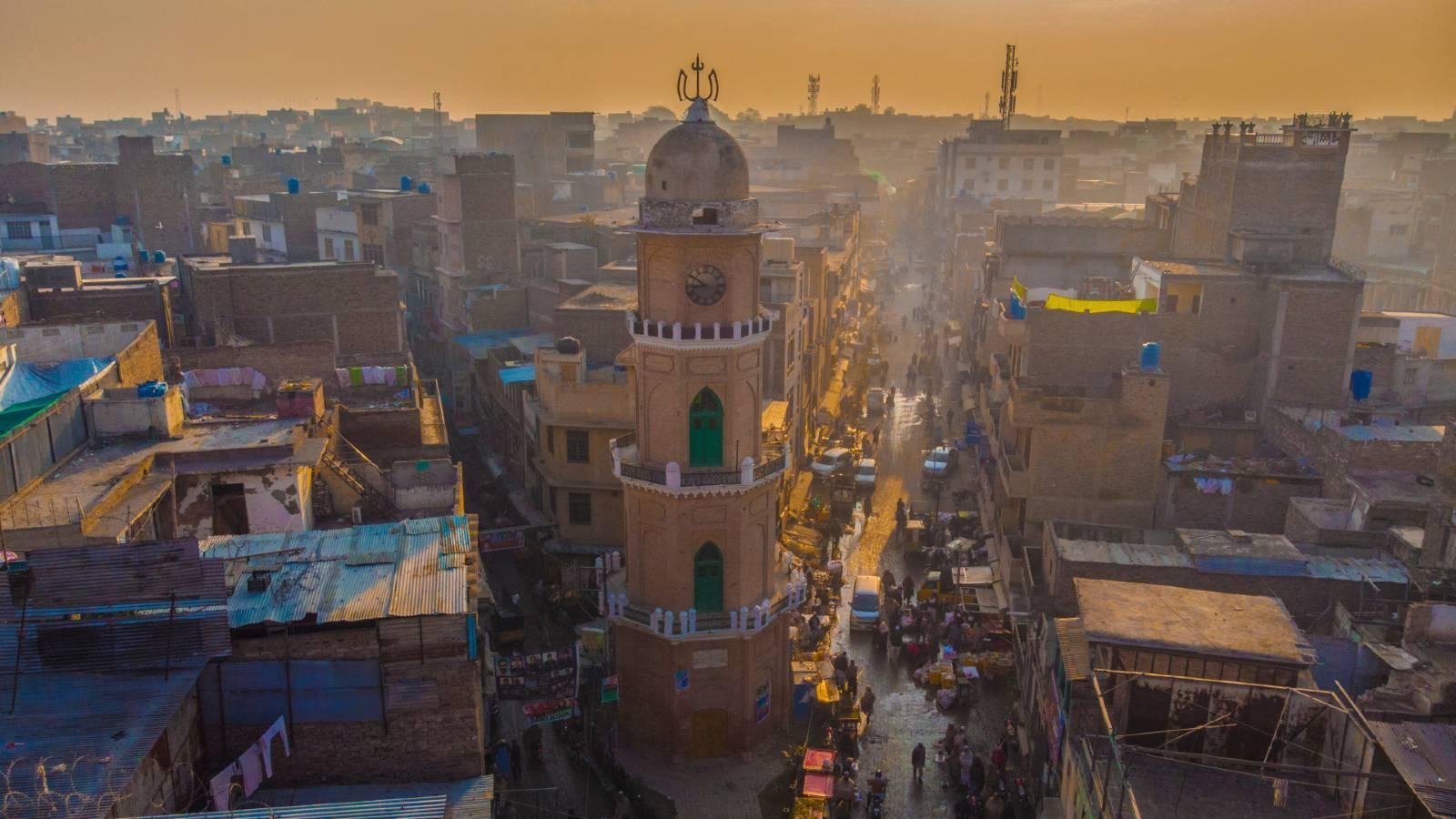
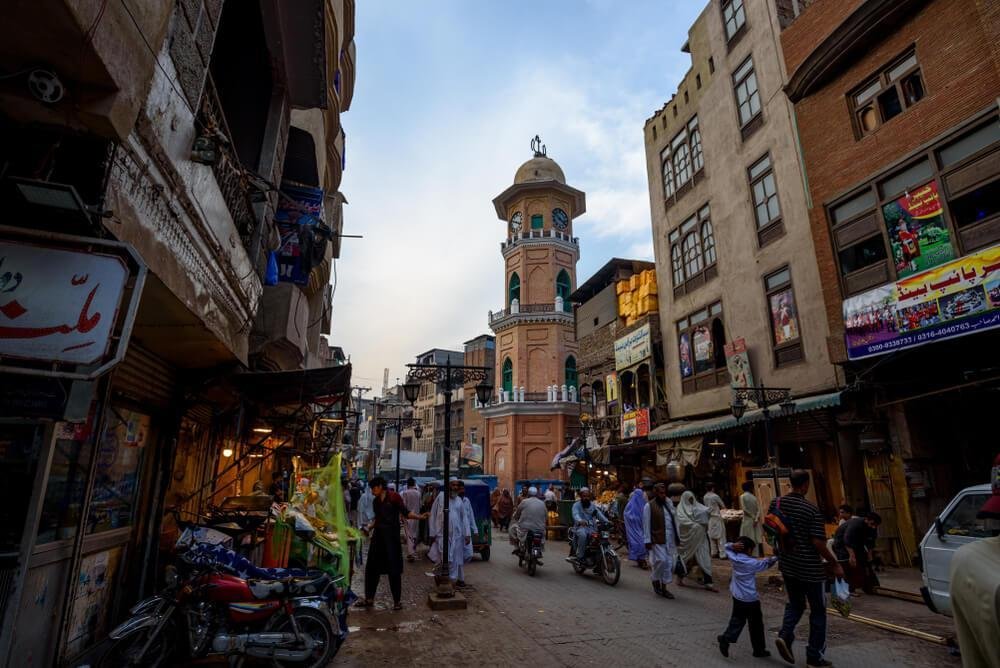
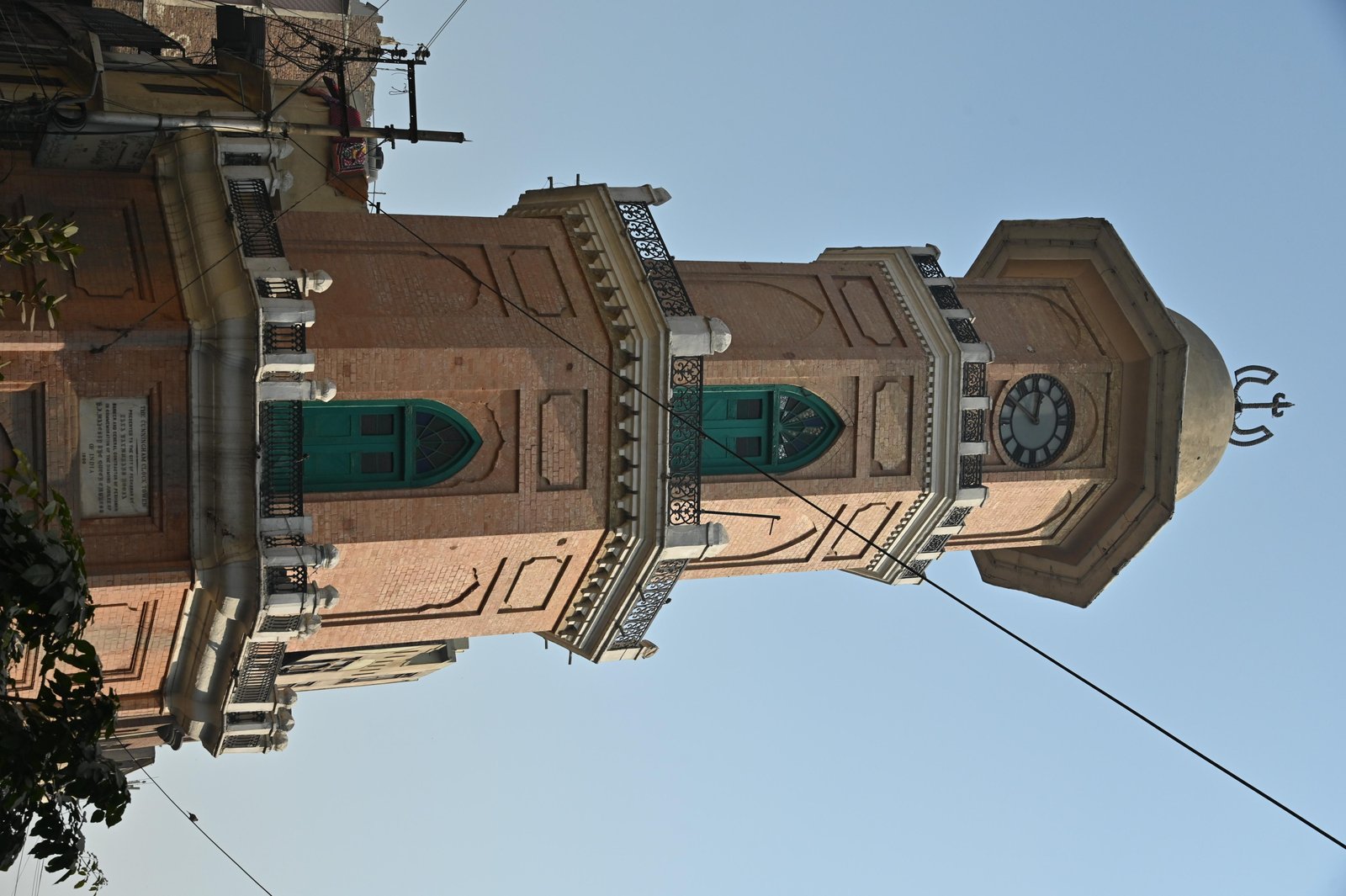
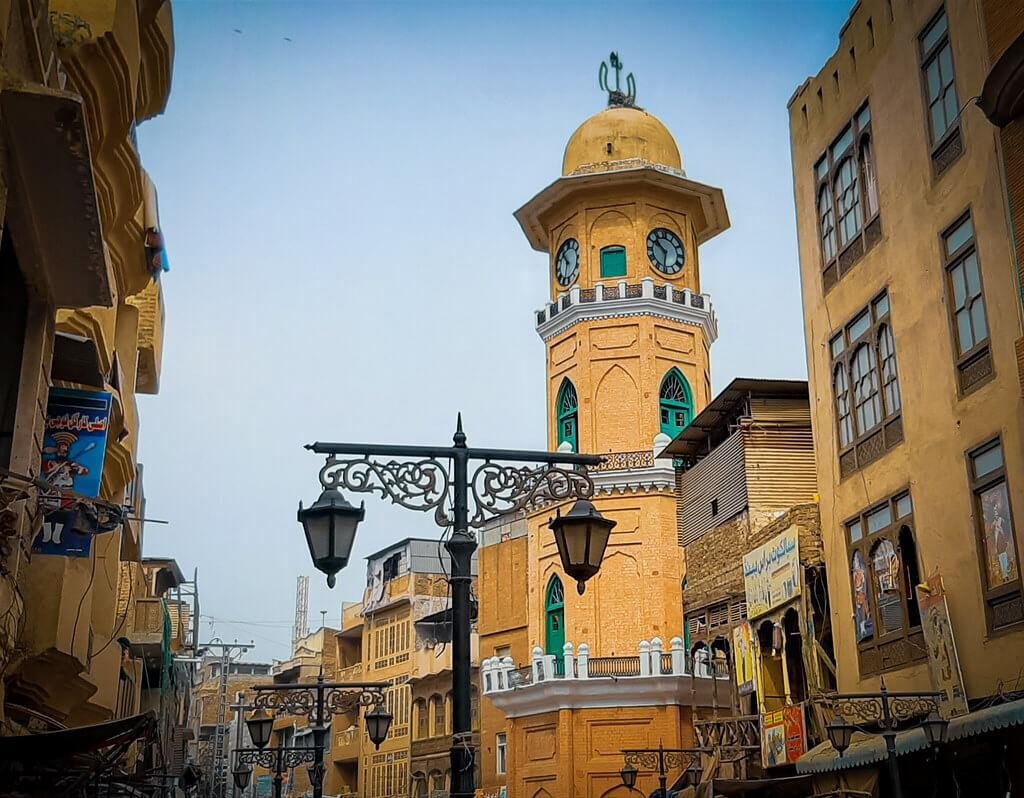
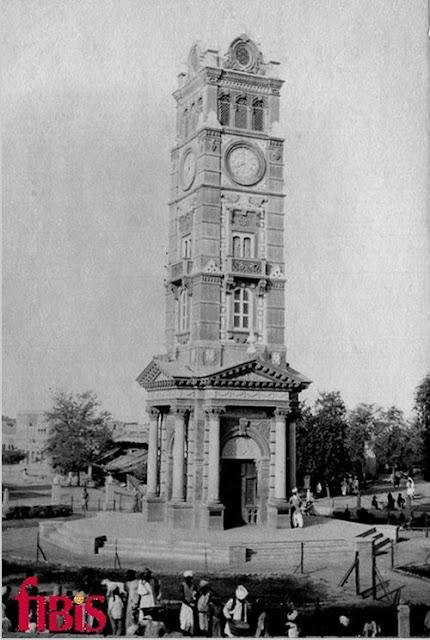
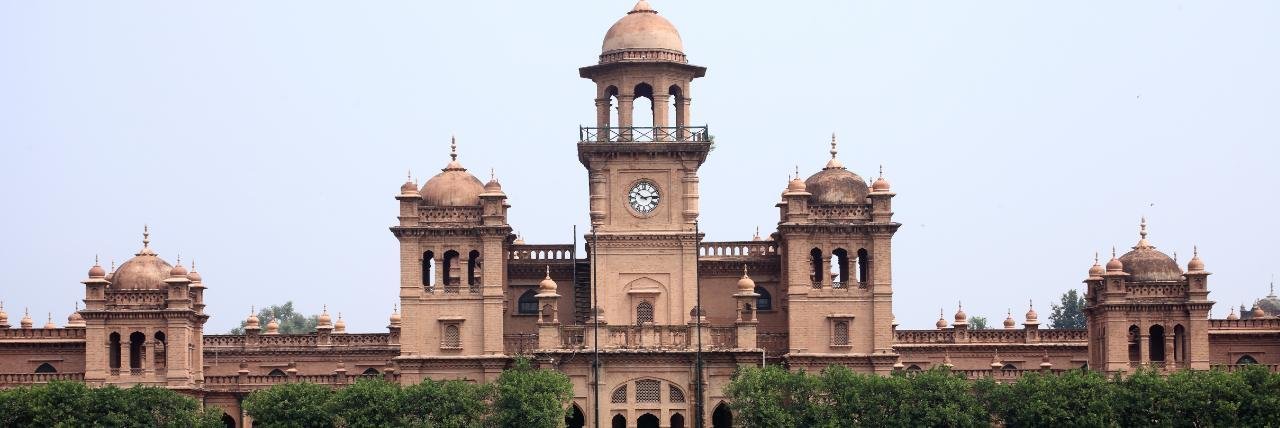
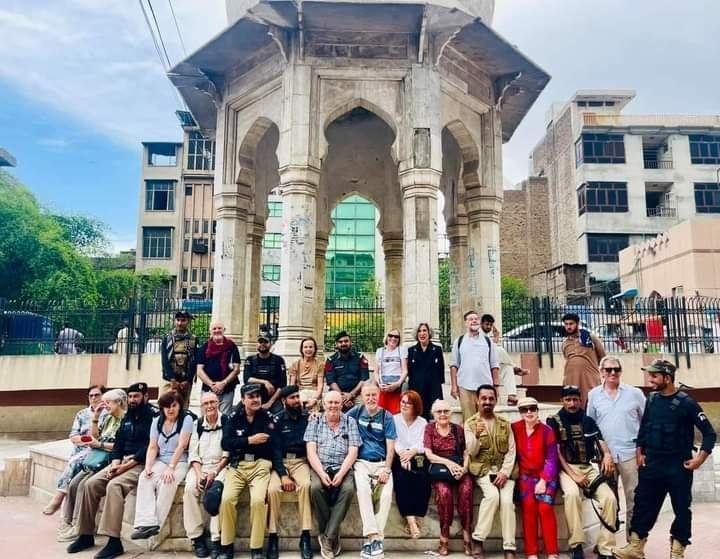
Cunningham Clock Tower is a colonial-era landmark situated at a busy intersection in the old city. It functions as a central navigation point within surrounding bazaars and streets.
The structure is simple in design but historically significant, reflecting British administrative presence during the colonial period. It continues to play a functional role in urban orientation.
Chowk Yadgar
Chowk Yadgar
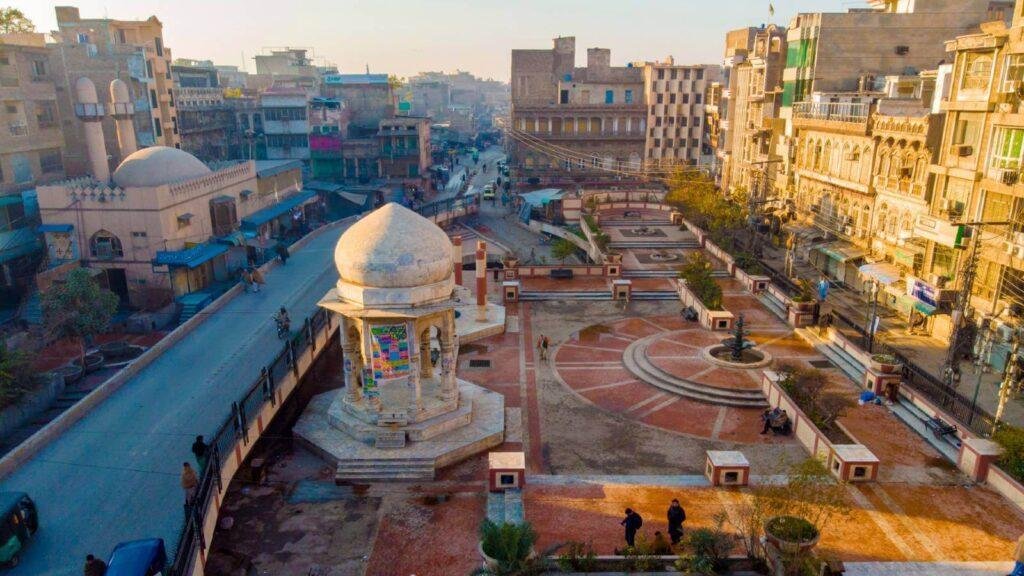
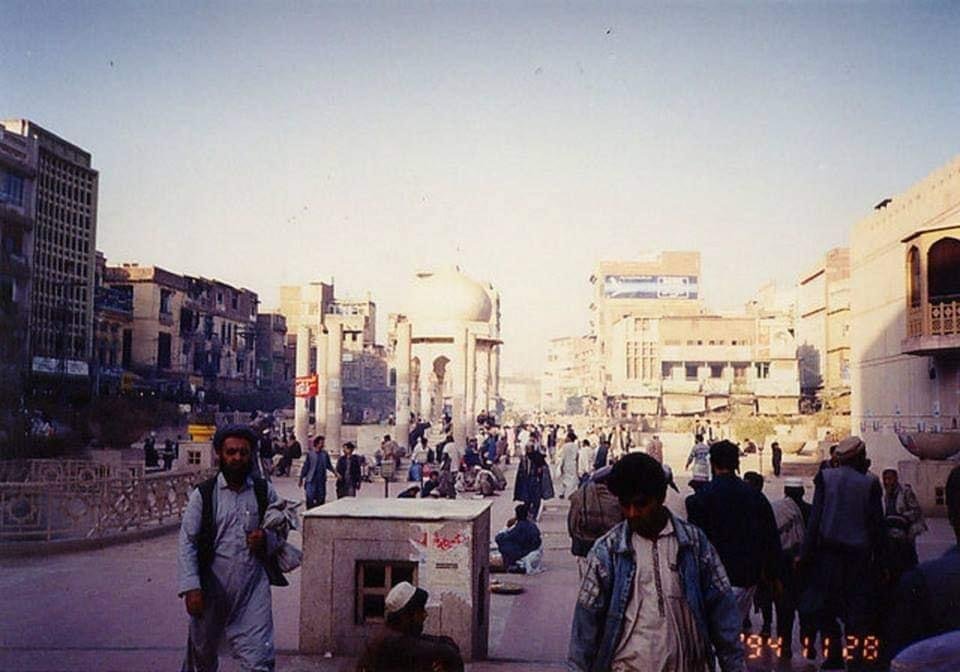
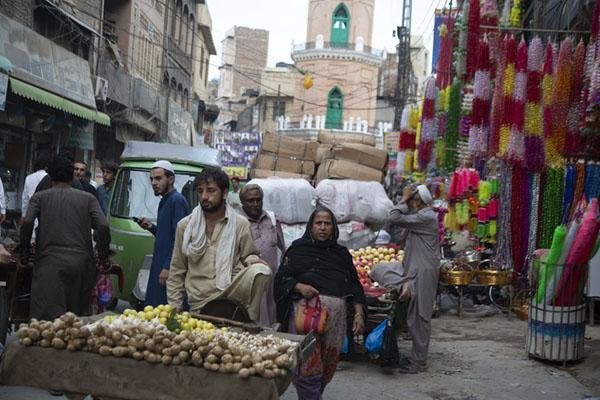
Chowk Yadgar is a central square surrounded by dense commercial activity. It serves as both a memorial site and a meeting point within the old city.
The area is constantly active with pedestrian movement, street vendors, and surrounding markets. It represents one of the most socially active urban nodes in historic Peshawar.

Namak Mandi
Namak Mandi
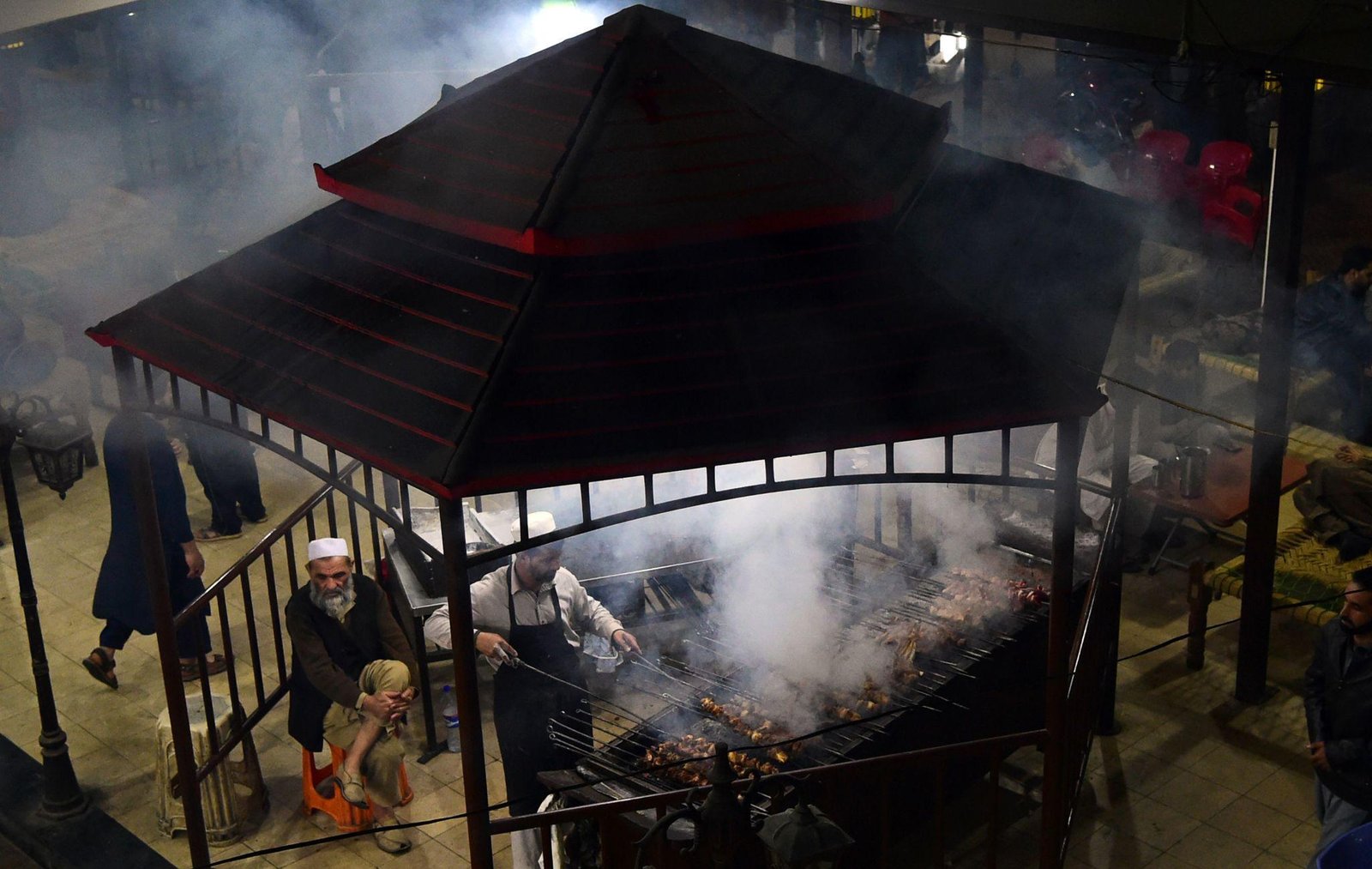
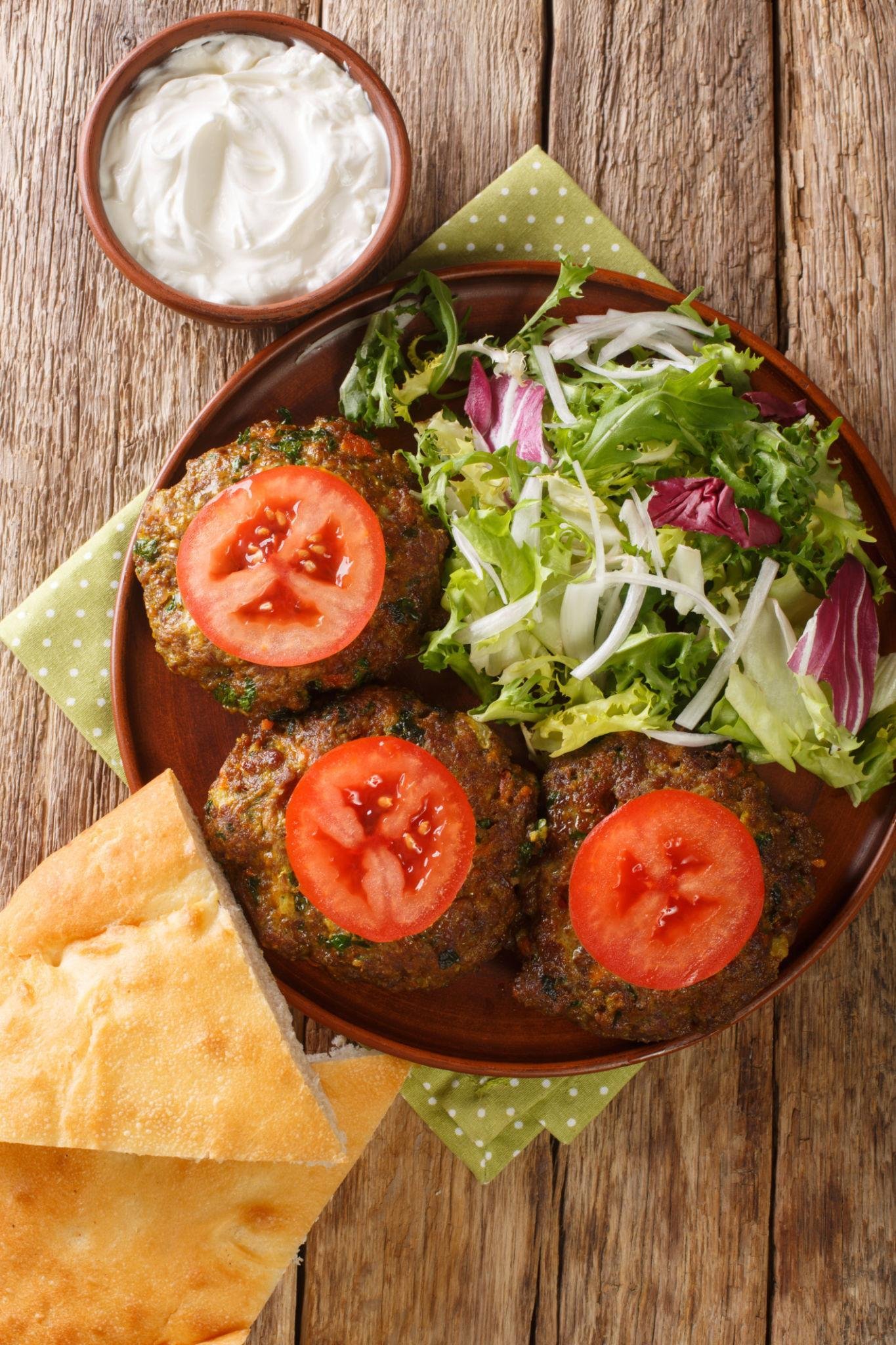
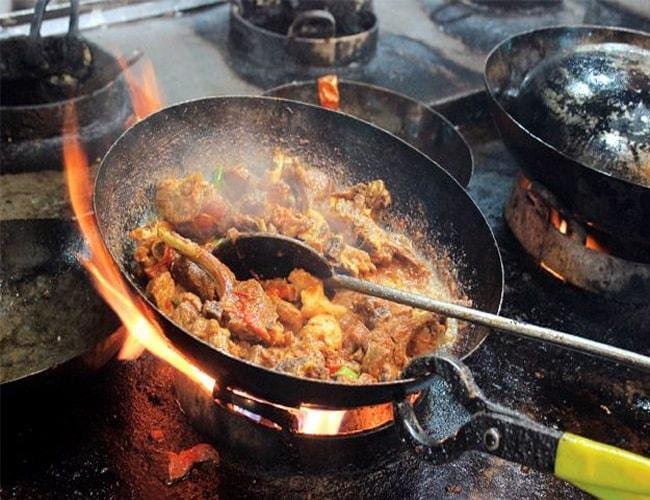
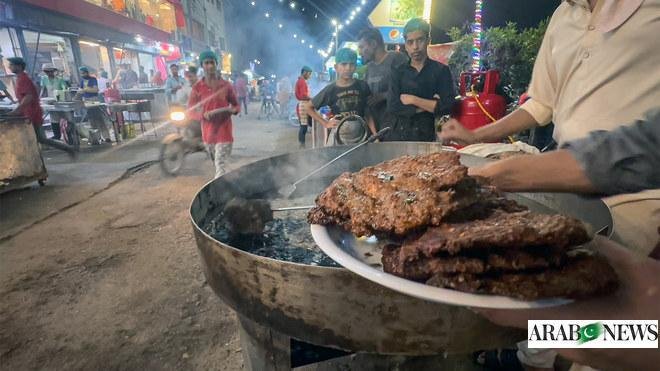
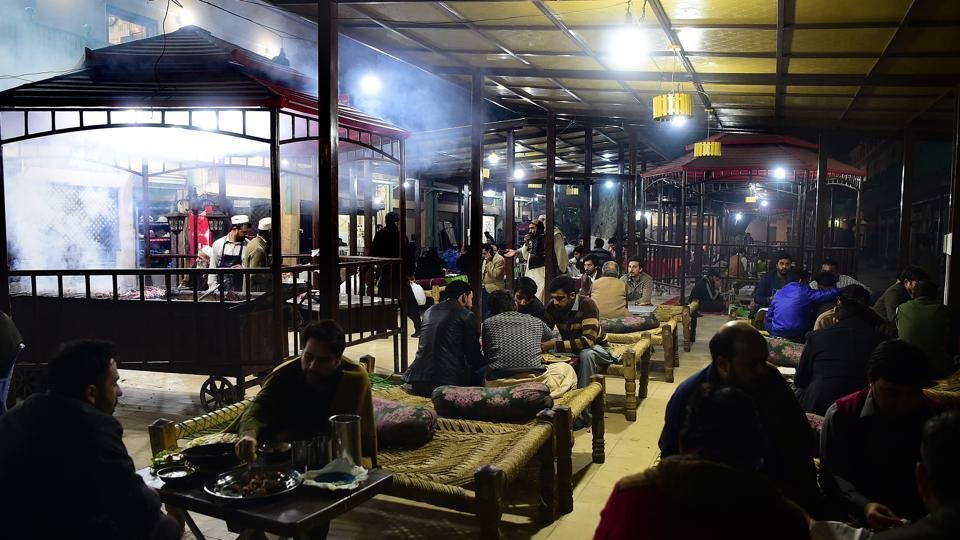
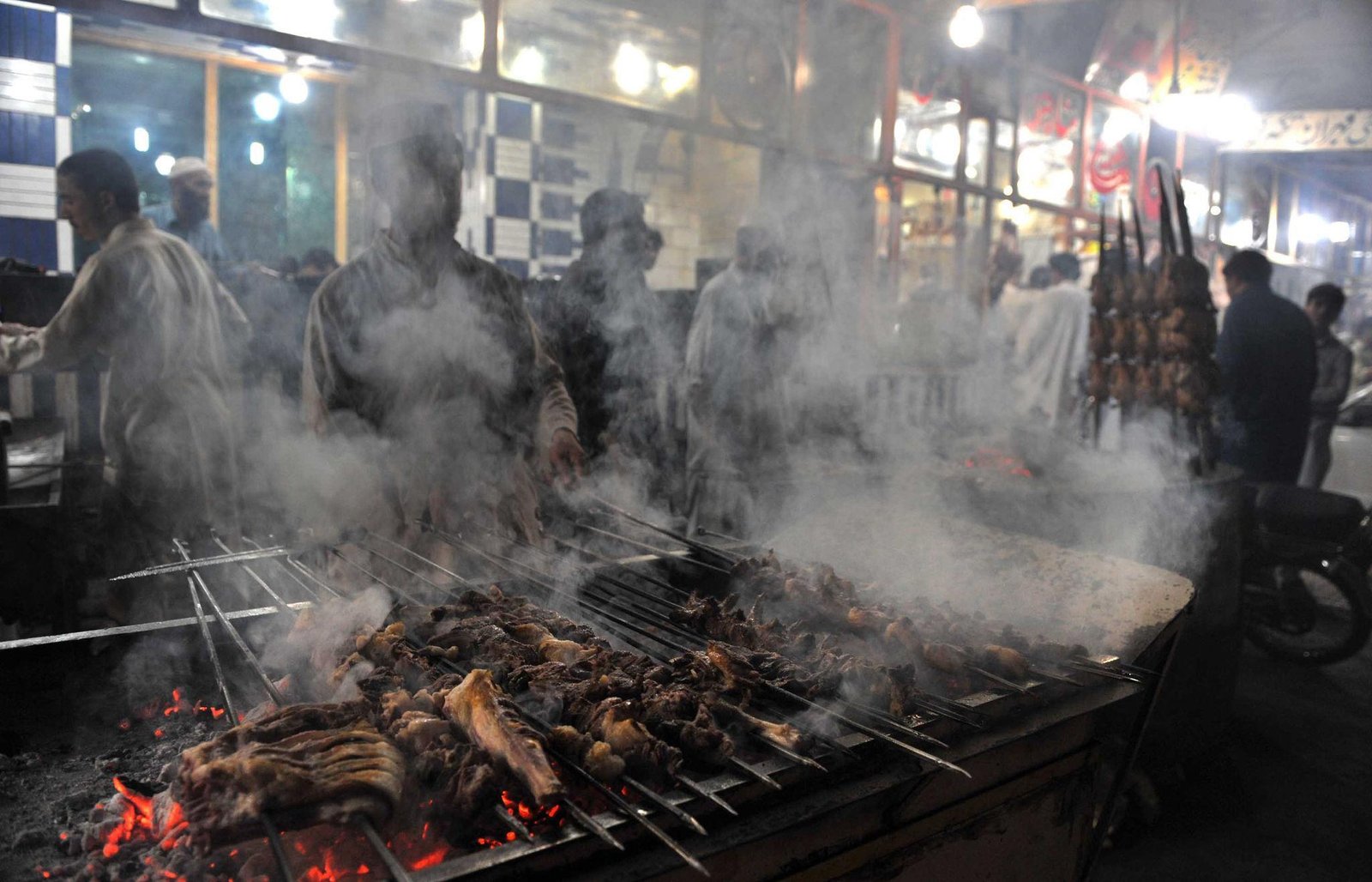
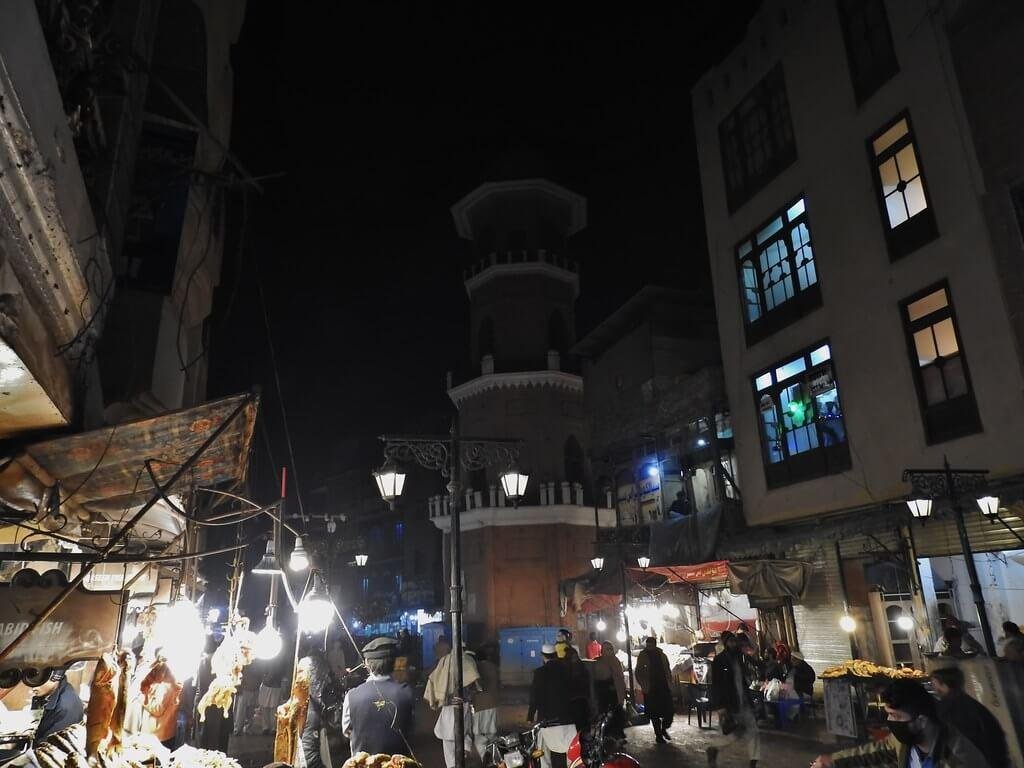
Namak Mandi is the most recognized food district in Peshawar, known for traditional meat-based cuisine prepared over open flames. The area is defined by smoke-filled cooking environments and continuous grilling activity.
Chapli kebab and karahi dishes dominate the culinary identity here. Food is prepared in large iron pans and served in communal, informal settings.
Day Trips from Peshawar
Khyber Pass and Jamrud Fort
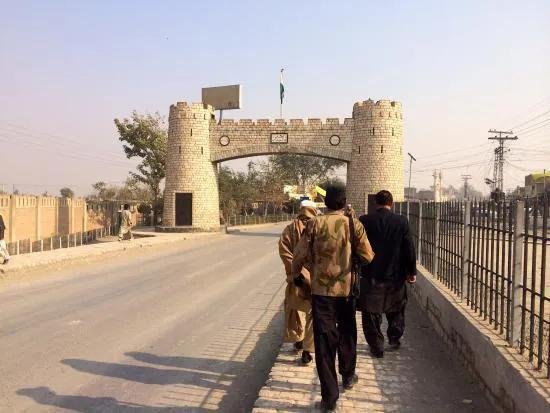
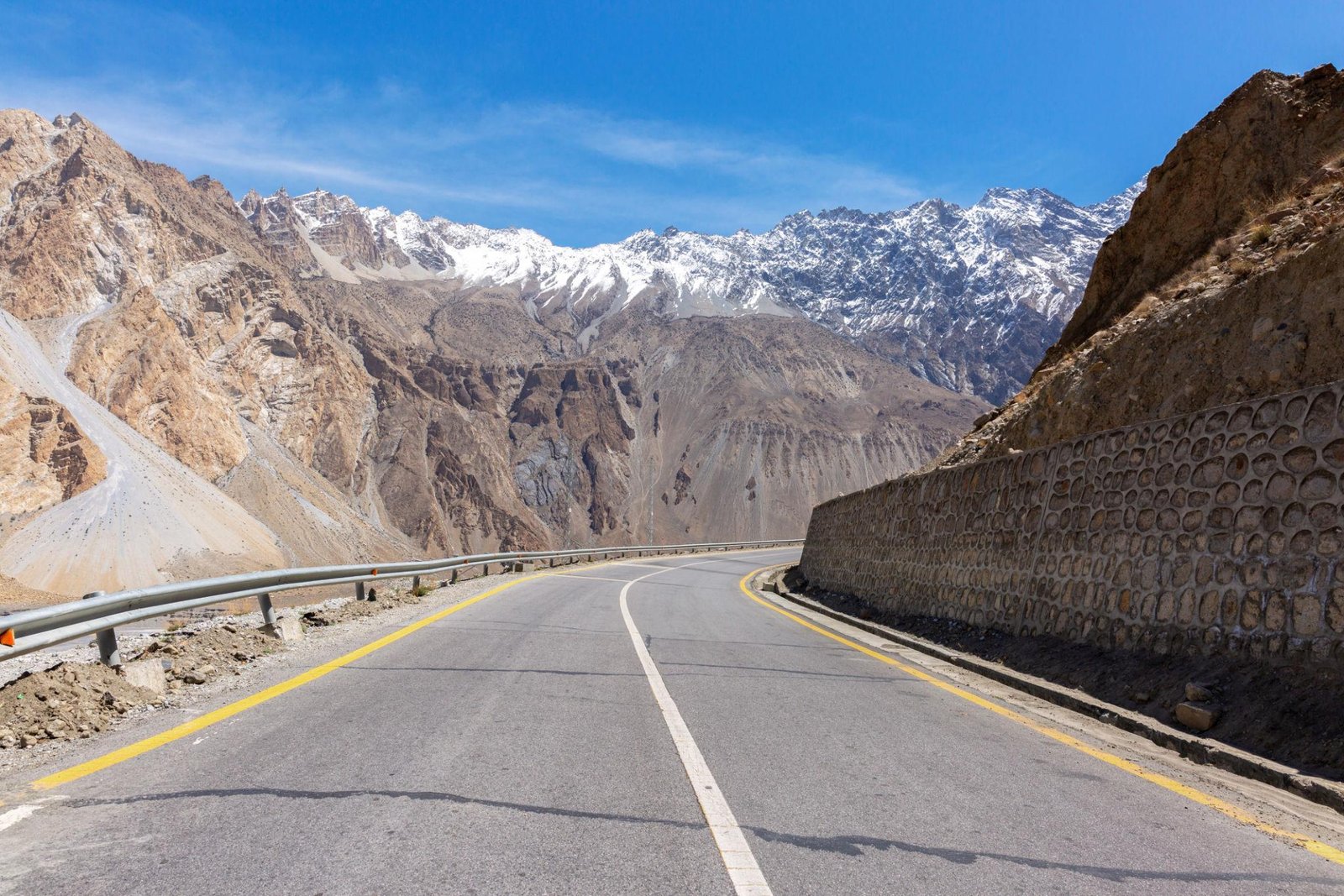
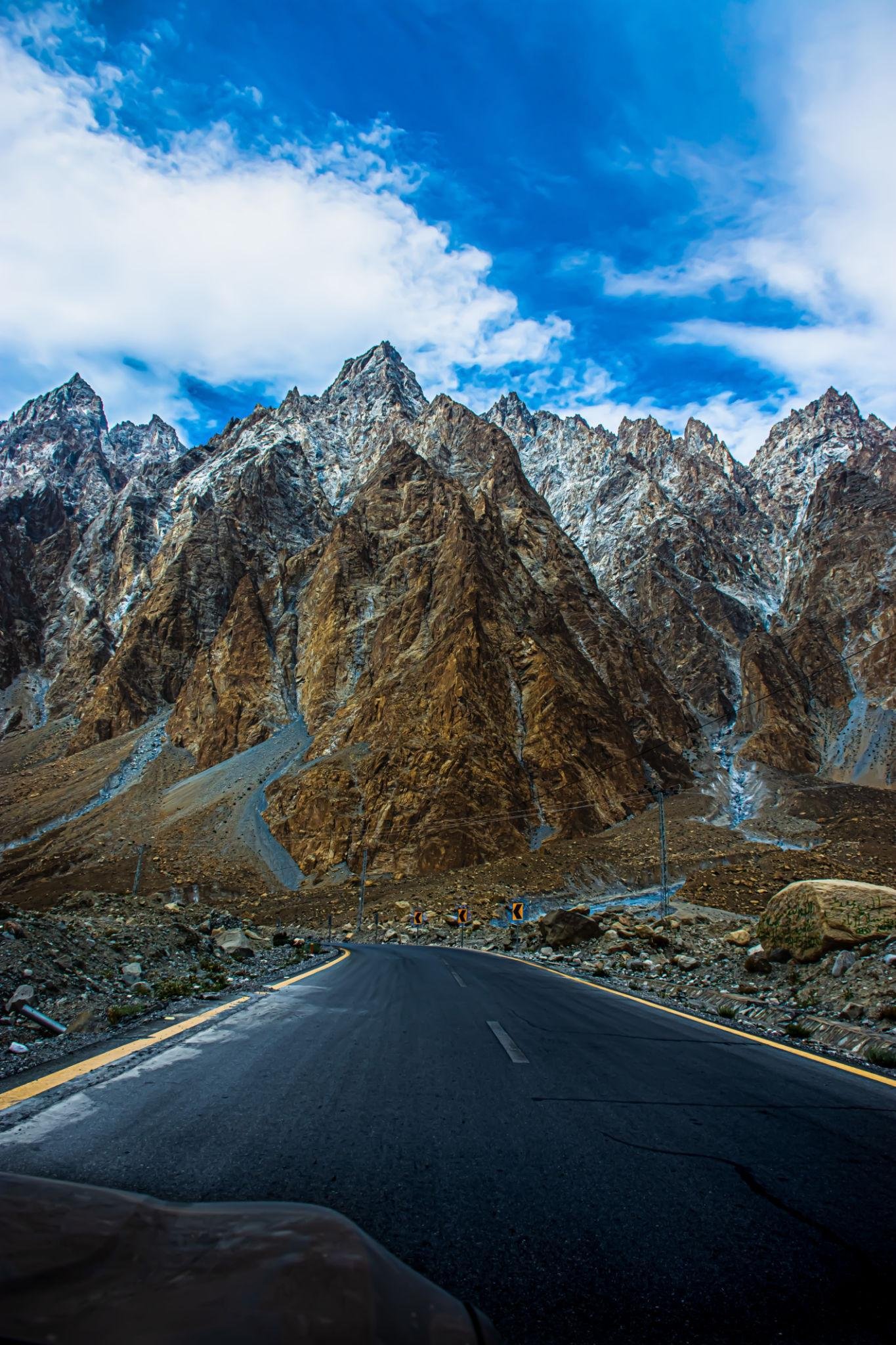
Khyber Pass
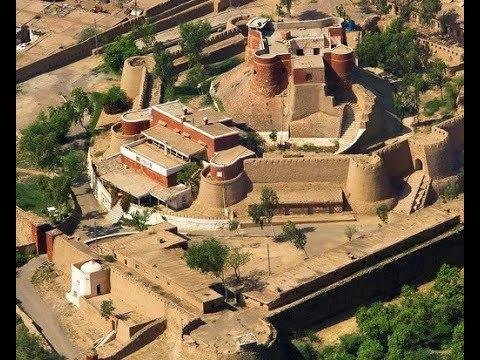
Jamrud Fort
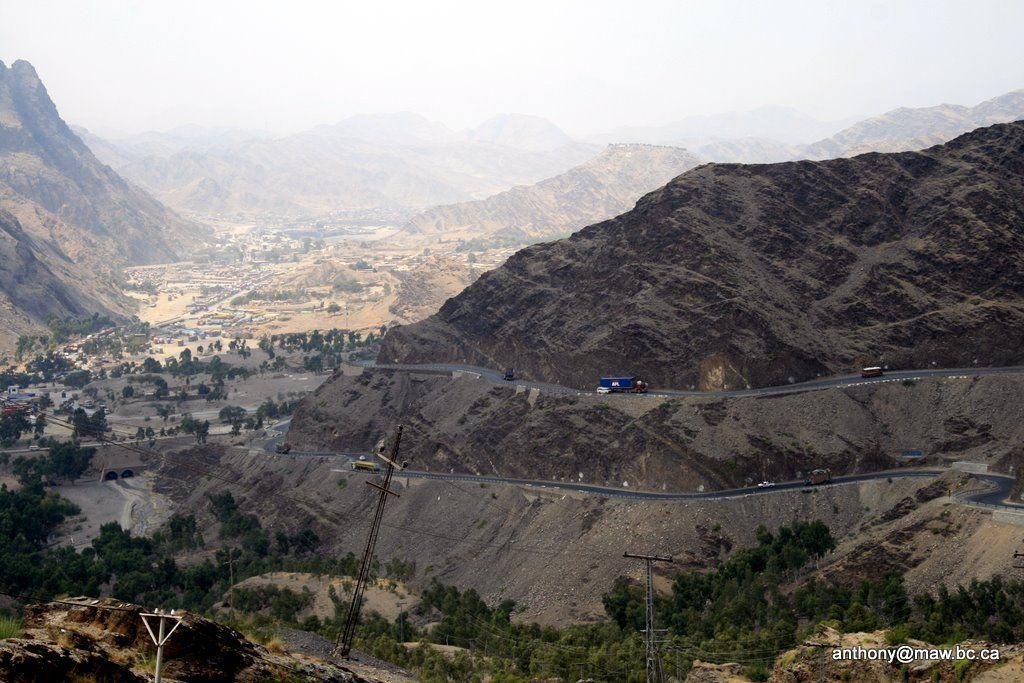
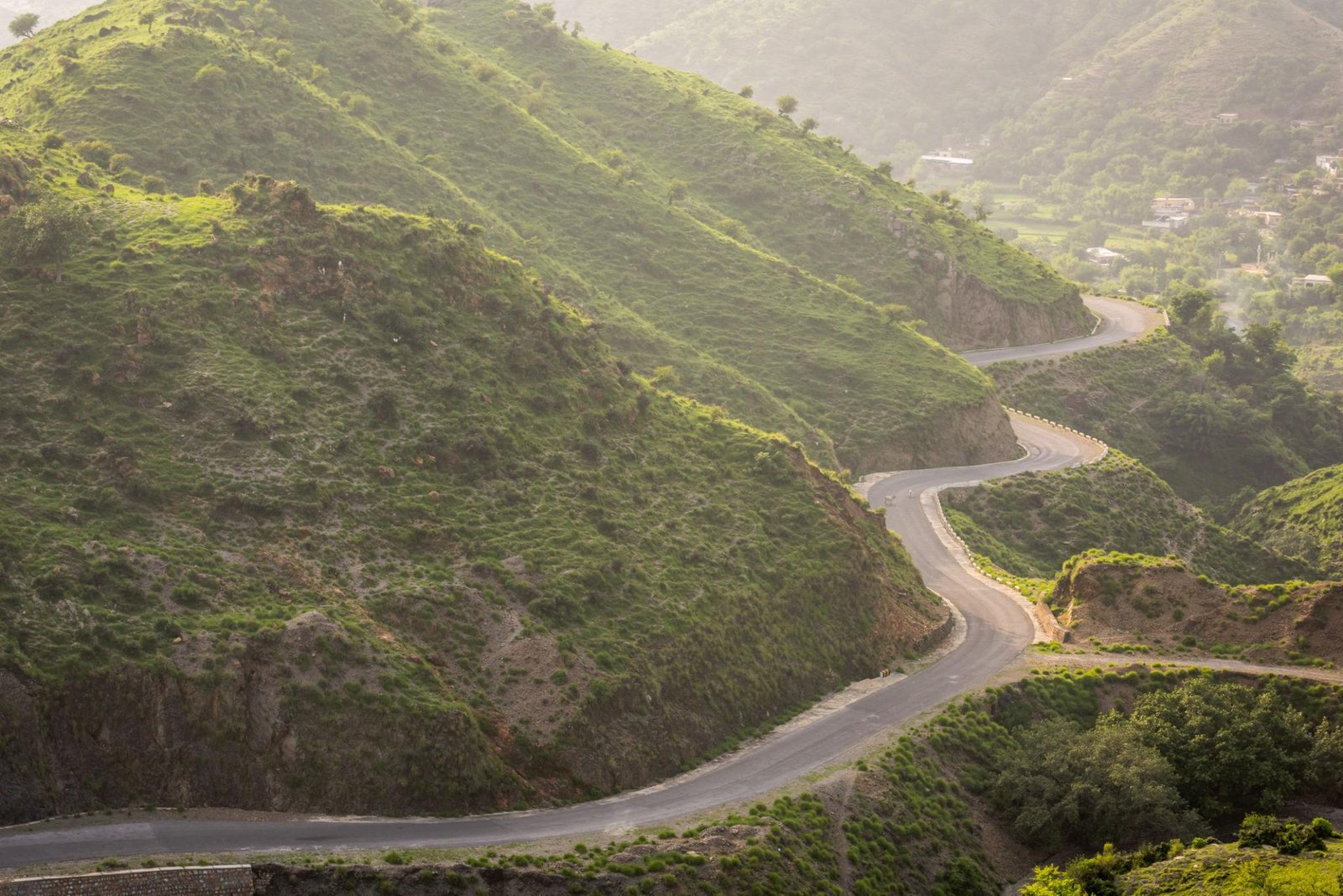
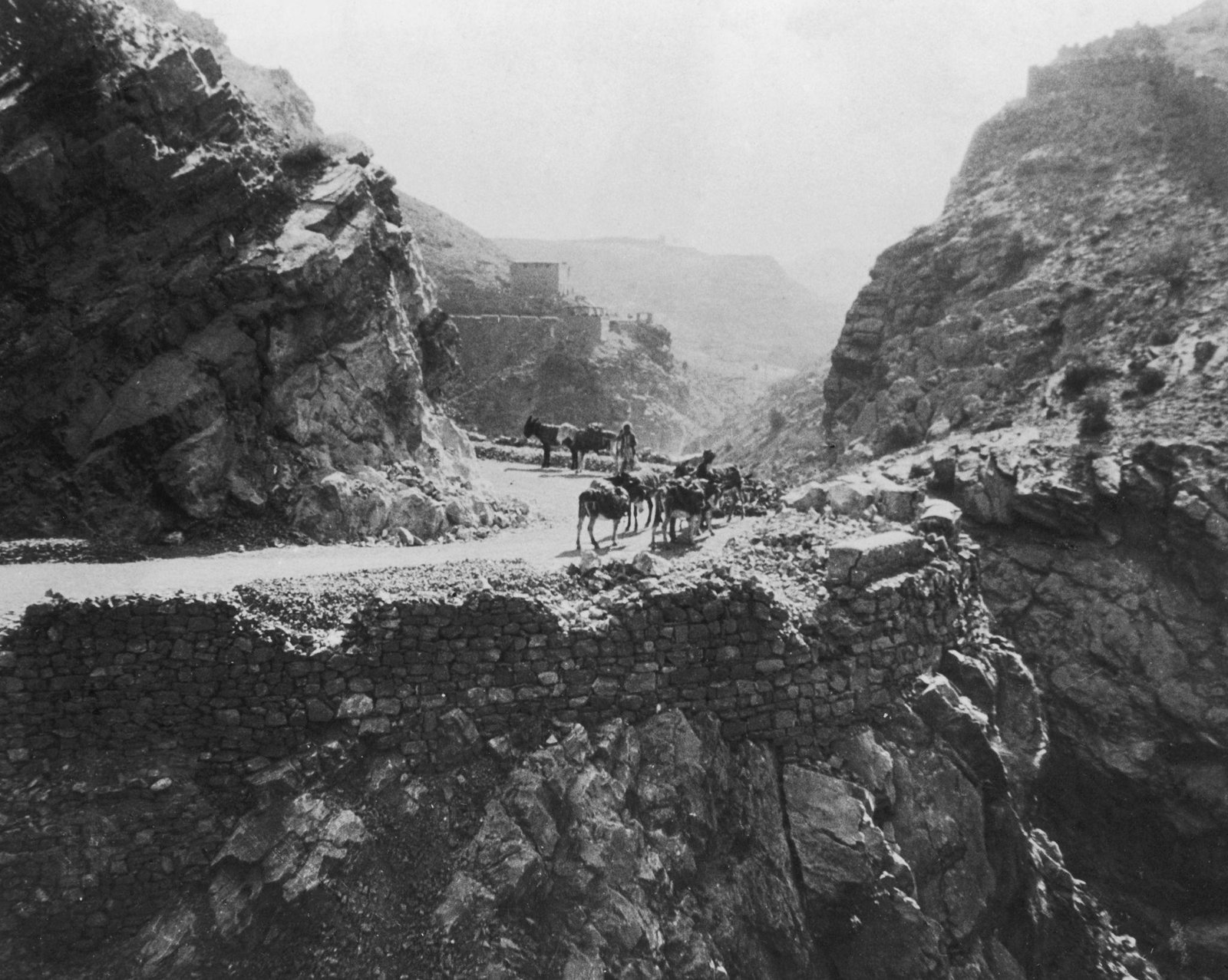
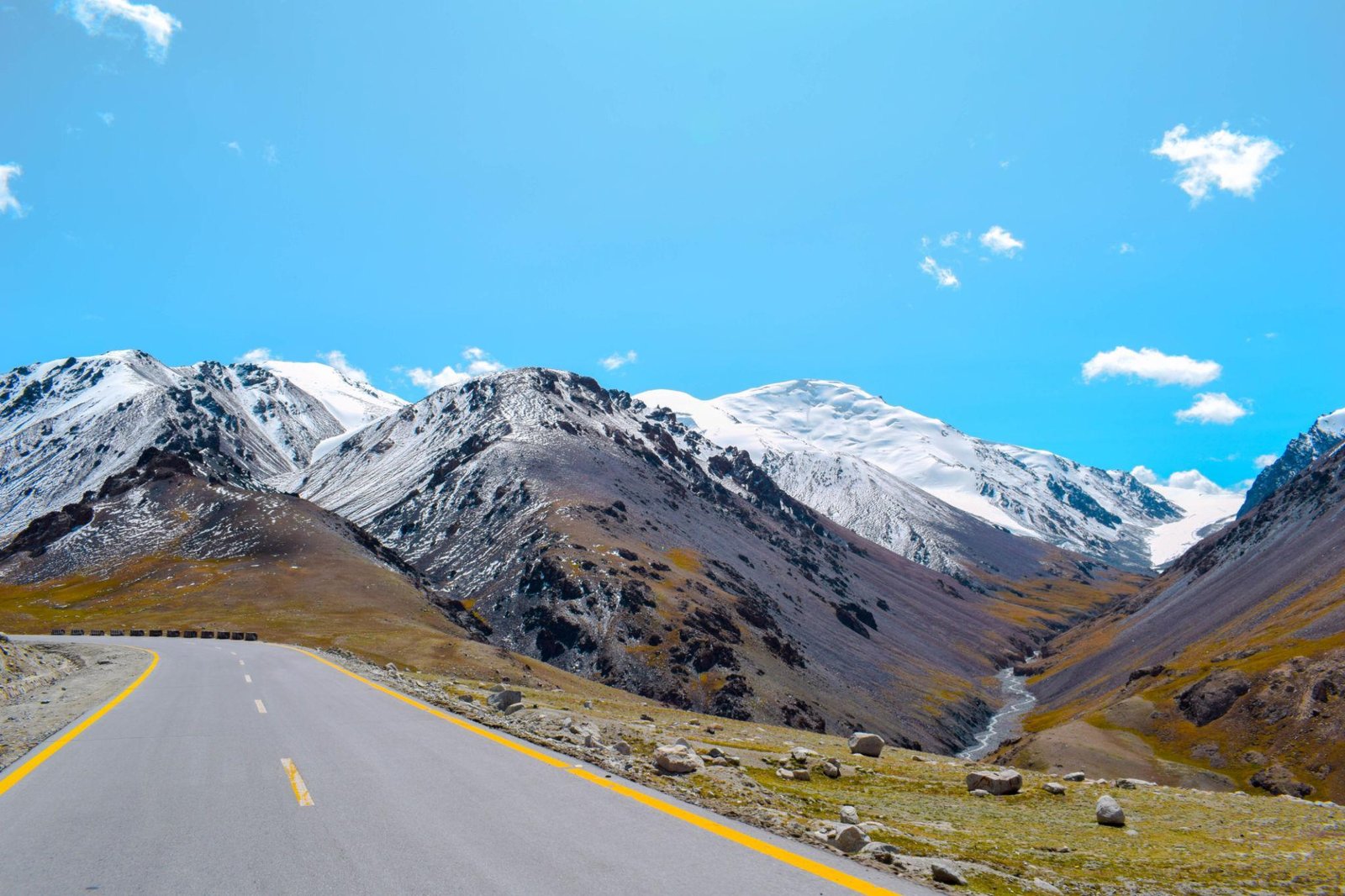
The Khyber Pass is one of the most historically significant mountain corridors in Asia, linking South Asia with Central Asia. The landscape is rugged, with steep hills and narrow roads historically used by traders and armies.
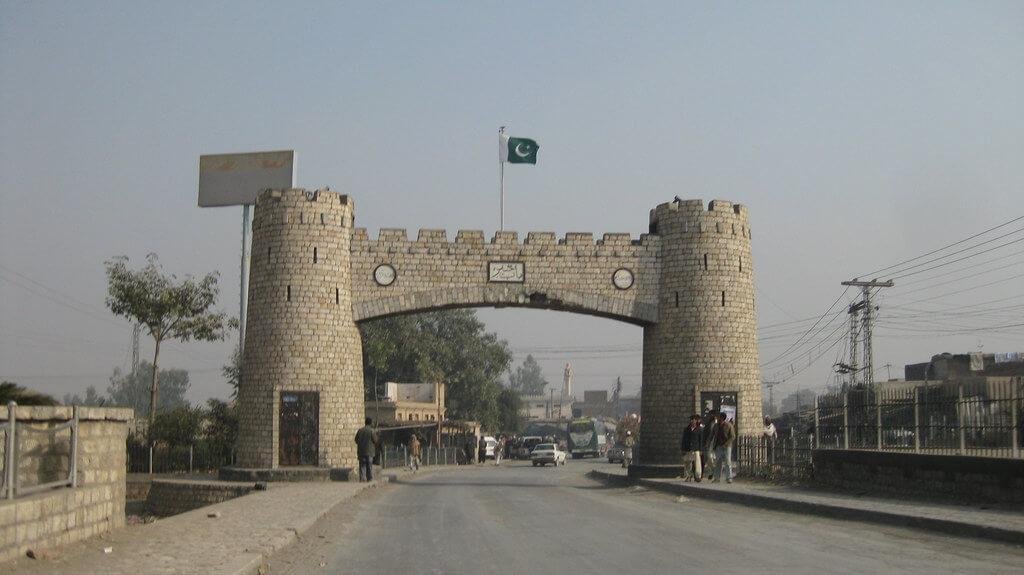
Jamrud Fort marks the entrance to this route, serving as a historical defensive point controlling access through the pass.
Takht-i-Bahi Buddhist Ruins
Takht-i-Bahi
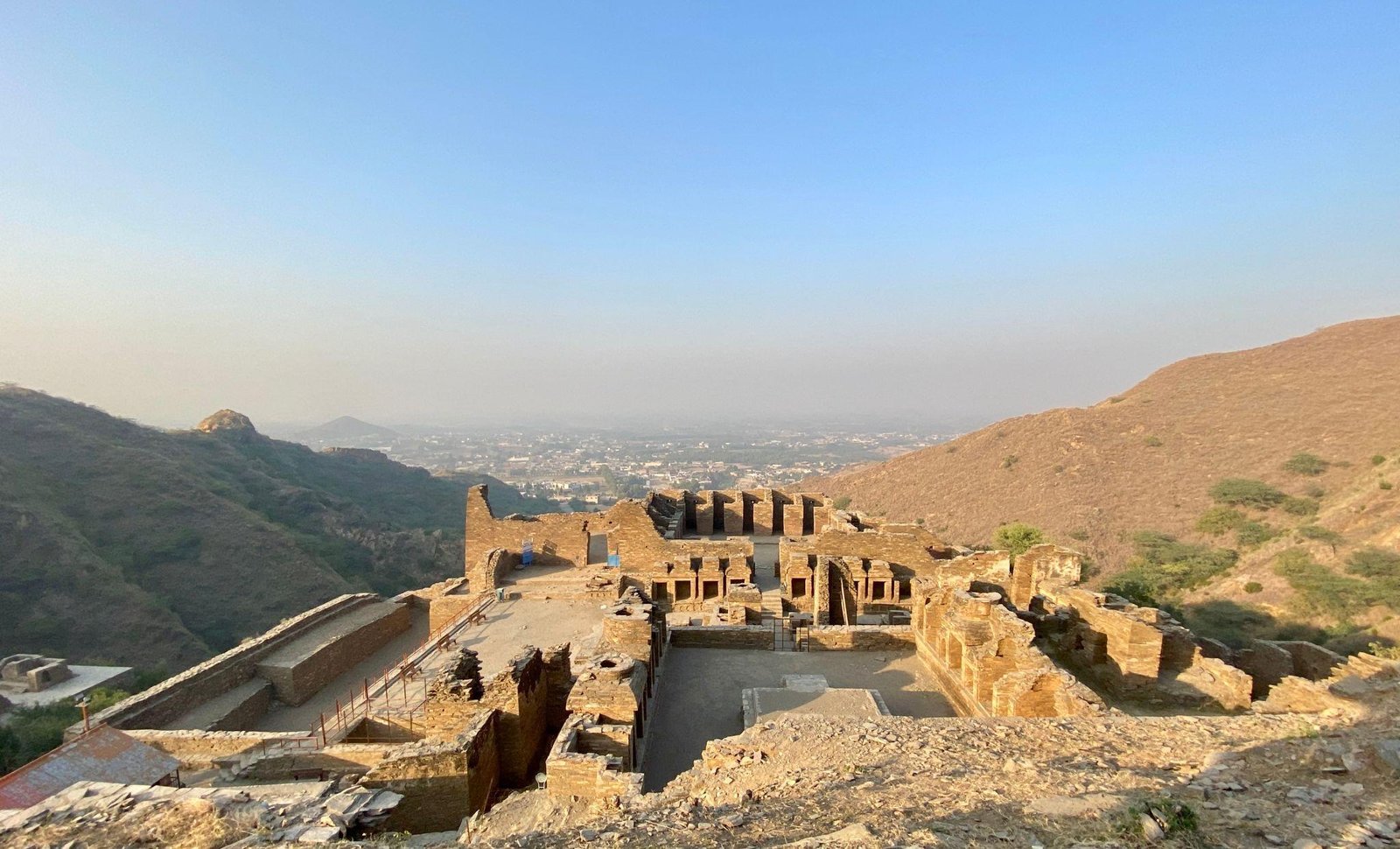
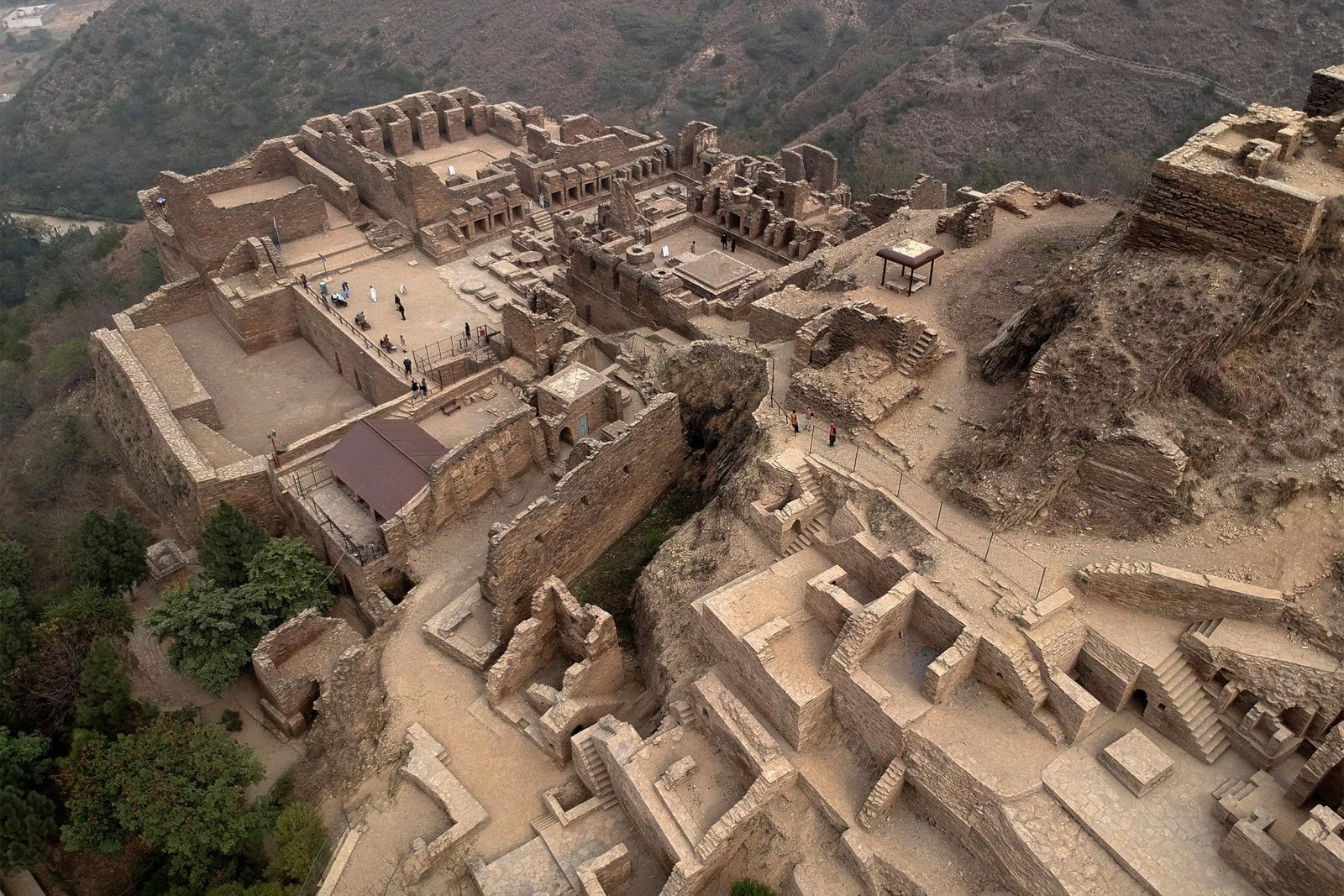
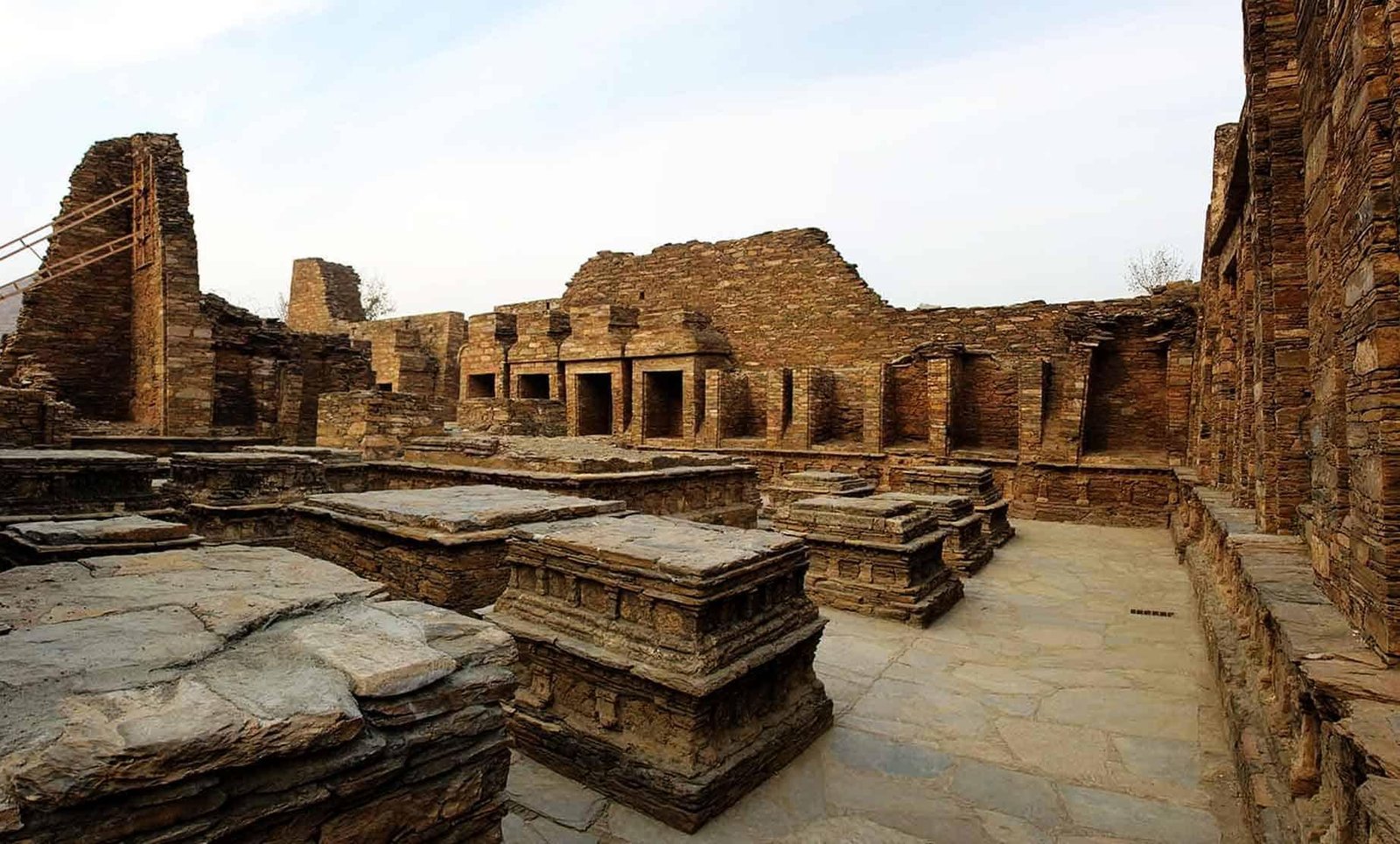
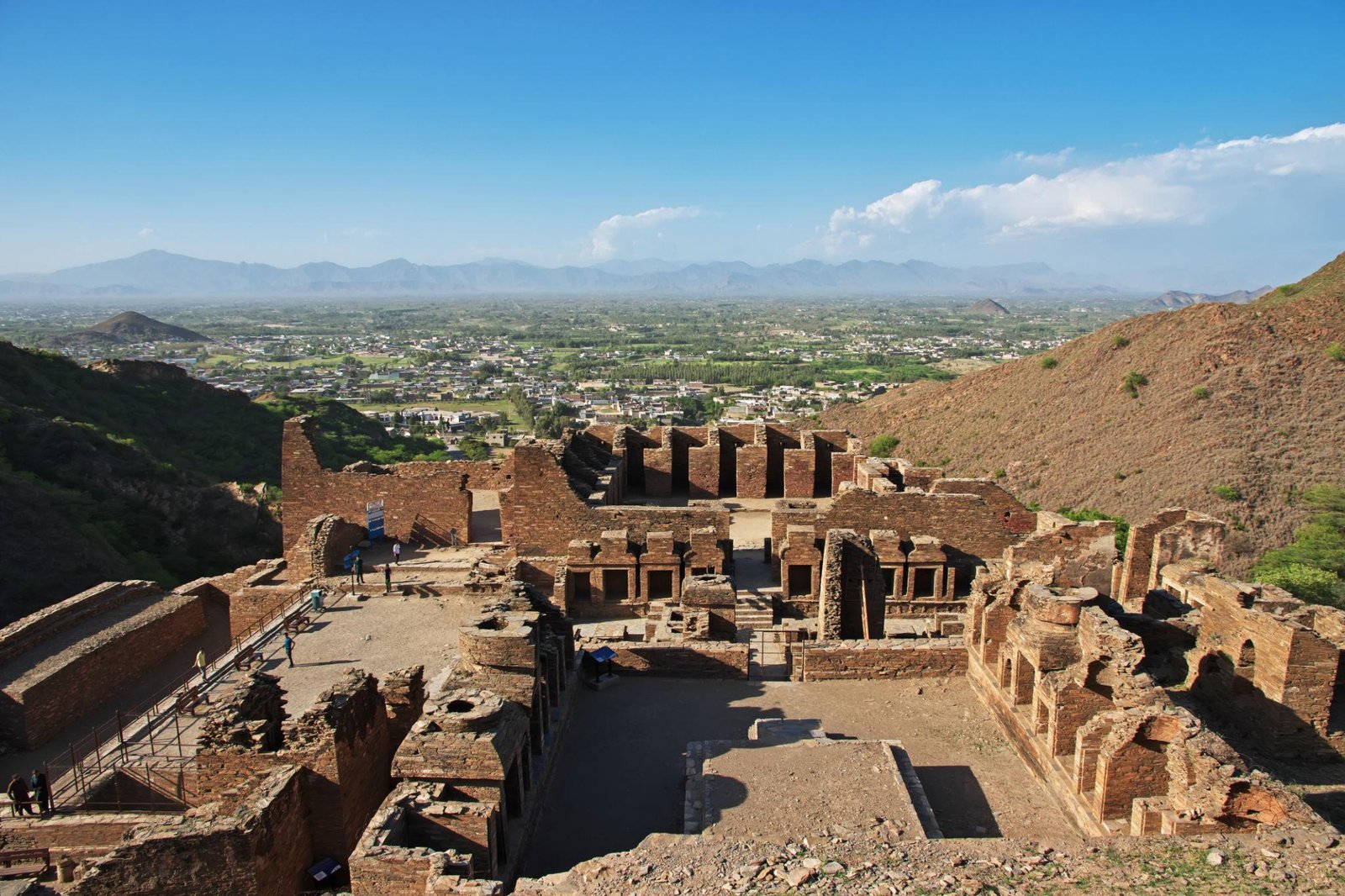
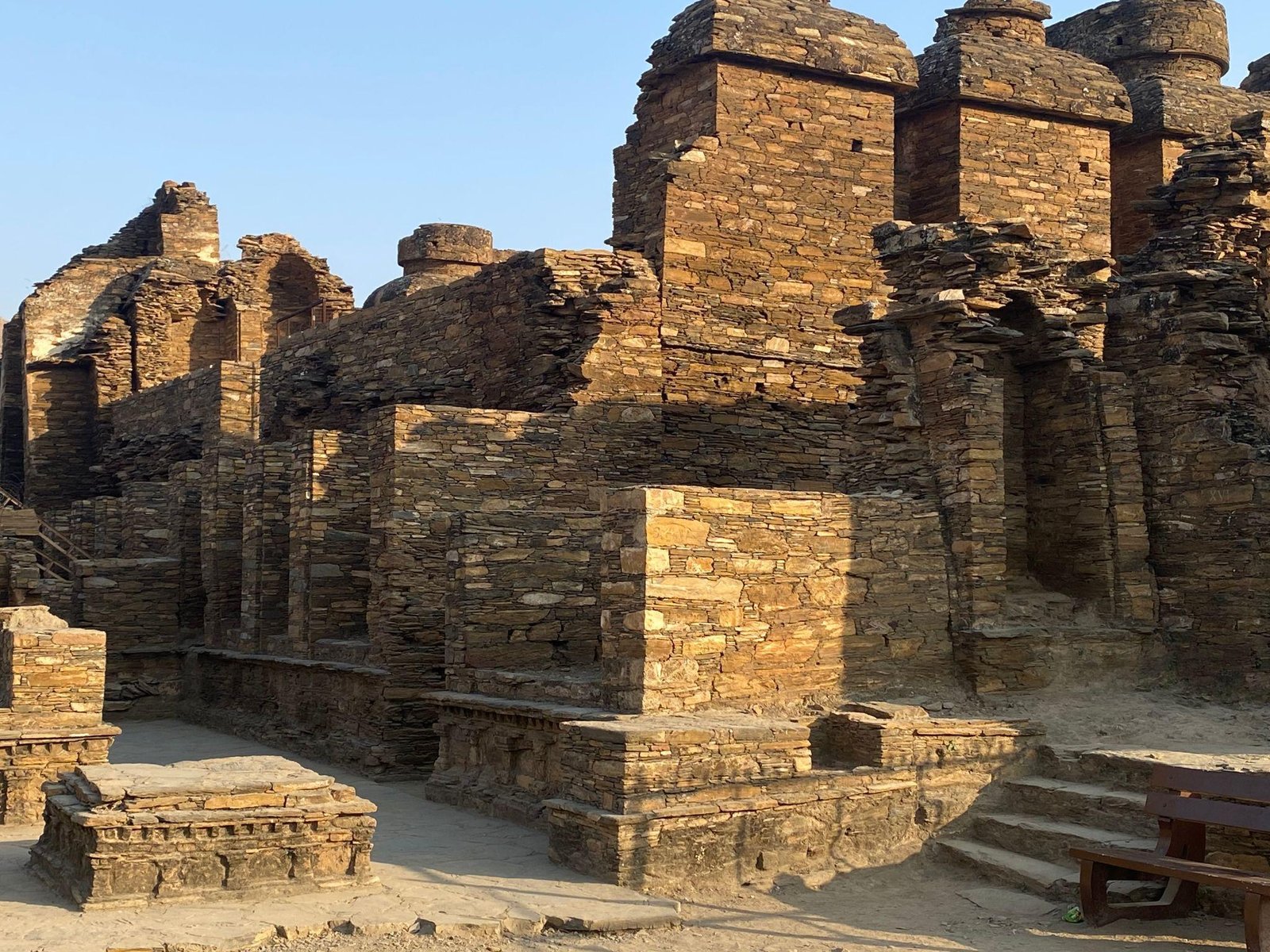
Takht-i-Bahi is a UNESCO-listed Buddhist monastic complex located on a hilltop. The site is remarkably preserved, with stone courtyards, meditation cells, and assembly halls arranged across multiple levels.
The elevated location provides wide views of surrounding plains, enhancing its sense of isolation and historical depth.

Darra Adam Khel
Darra Adam Khel
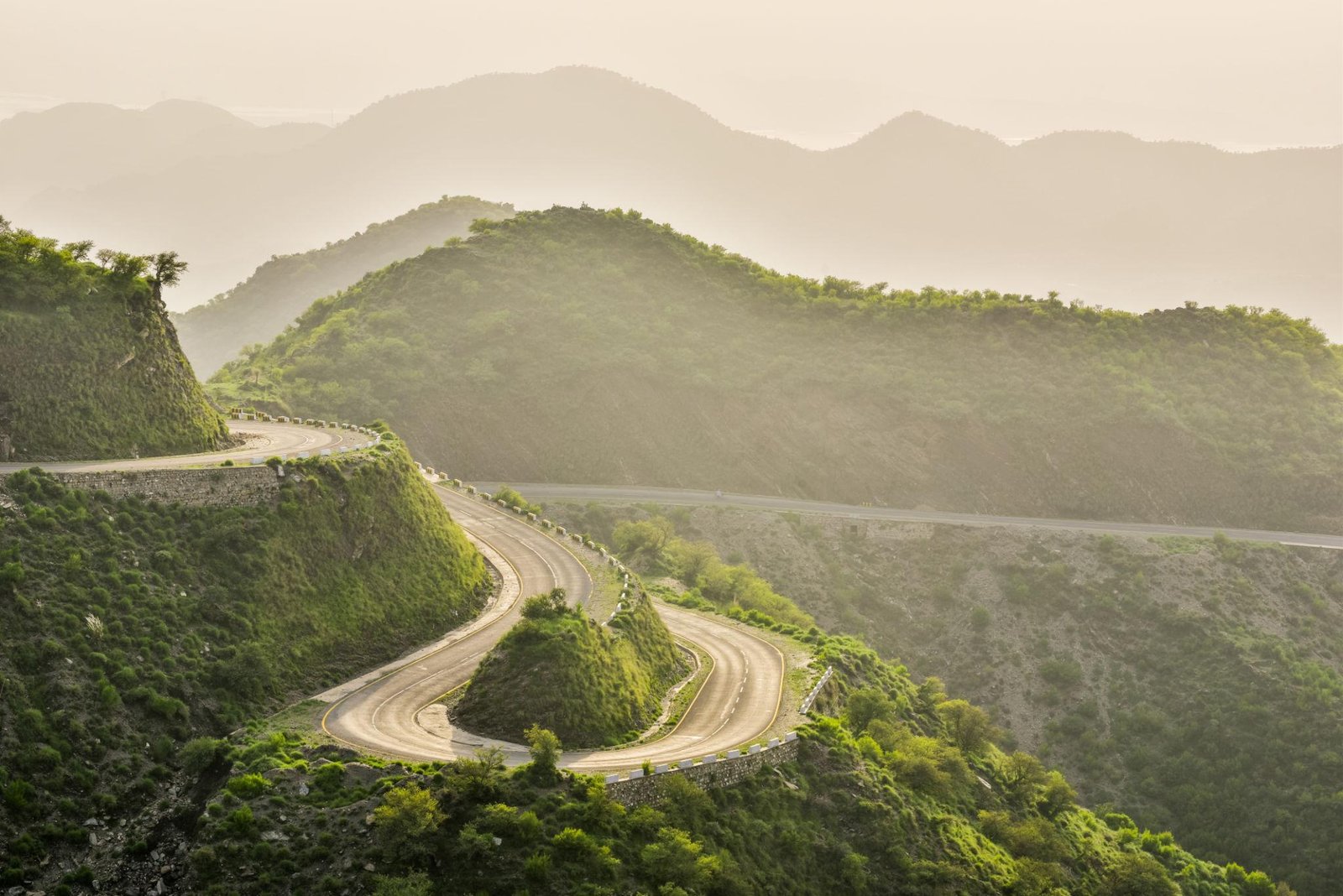
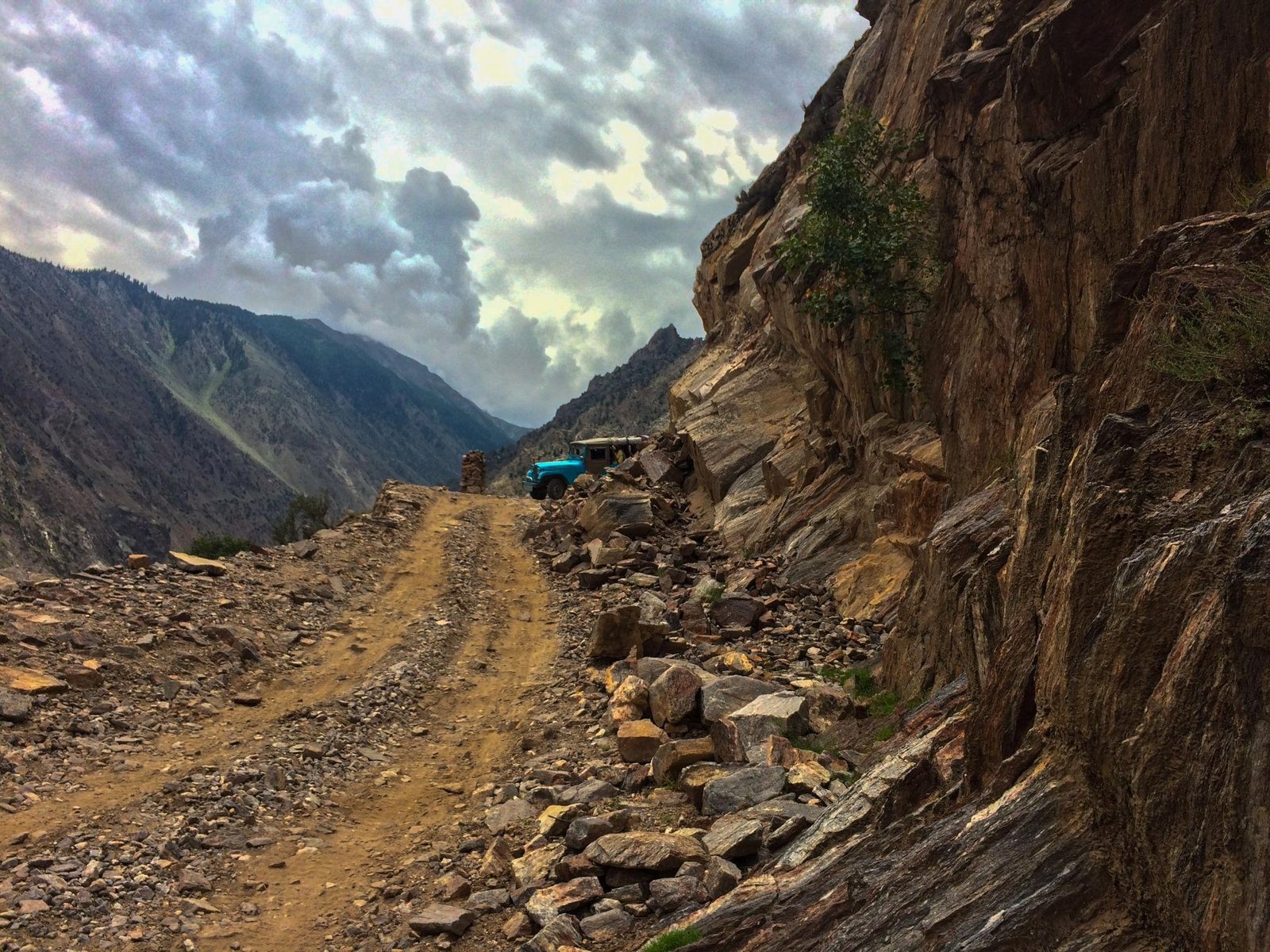
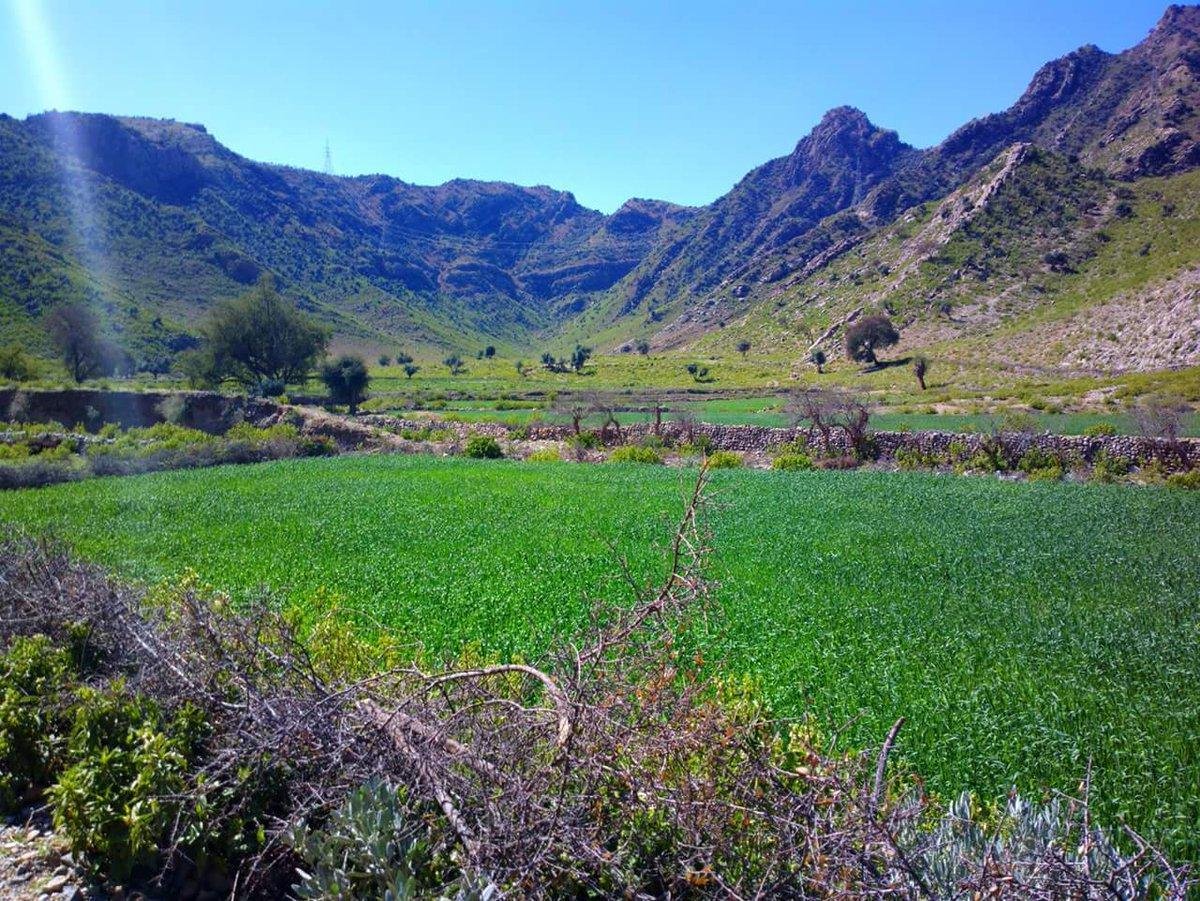
Darra Adam Khel is a mountainous region known for its rugged terrain and strong local identity. The drive passes through rocky landscapes and narrow valleys characteristic of the frontier region.
It reflects a more remote and traditional side of the broader Peshawar region.


Food and Cuisine
Peshawar’s food culture is built around meat-centric cooking, slow preparation methods, and communal dining traditions. Chapli kebab is the most iconic dish, known for its flattened shape and spice blend cooked on large iron griddles.
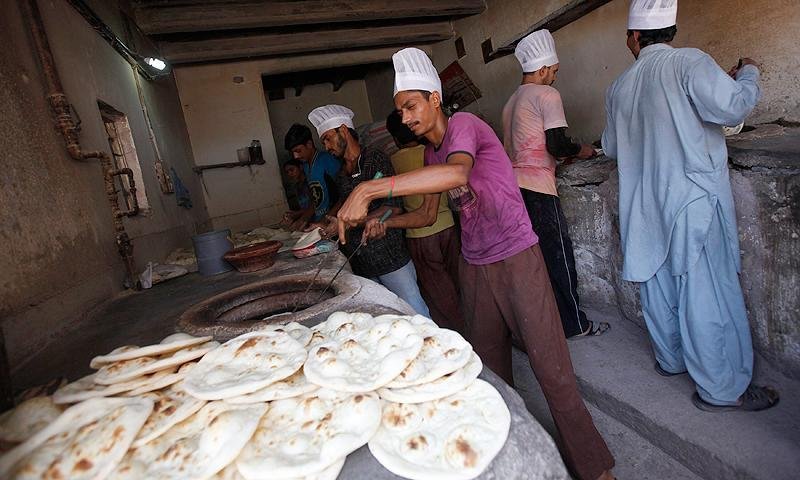
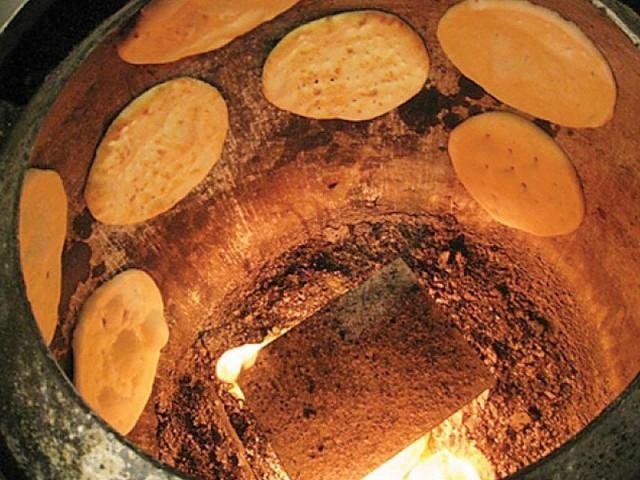
Karahi dishes are prepared over open flames, while naan is baked in traditional clay ovens. Dining is informal, often outdoors, and centered around shared portions.
Where to Stay
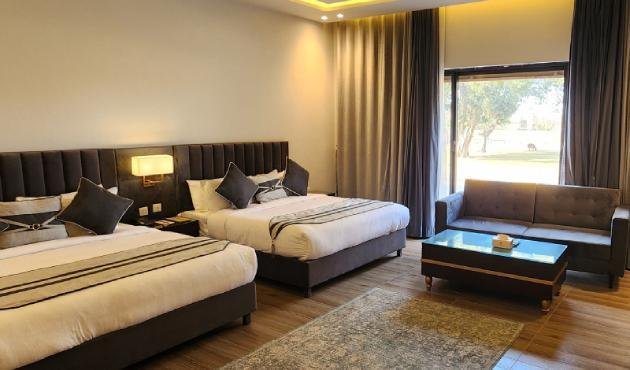
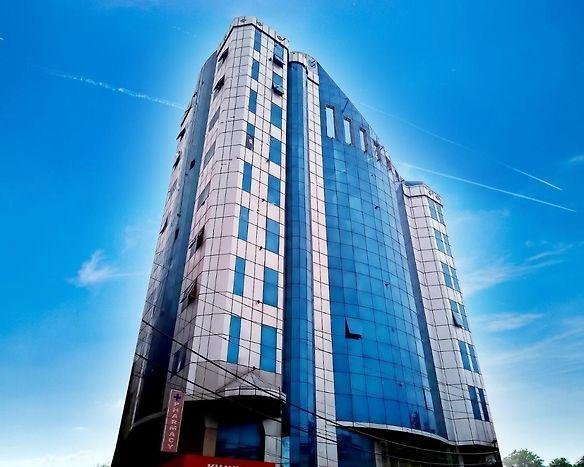
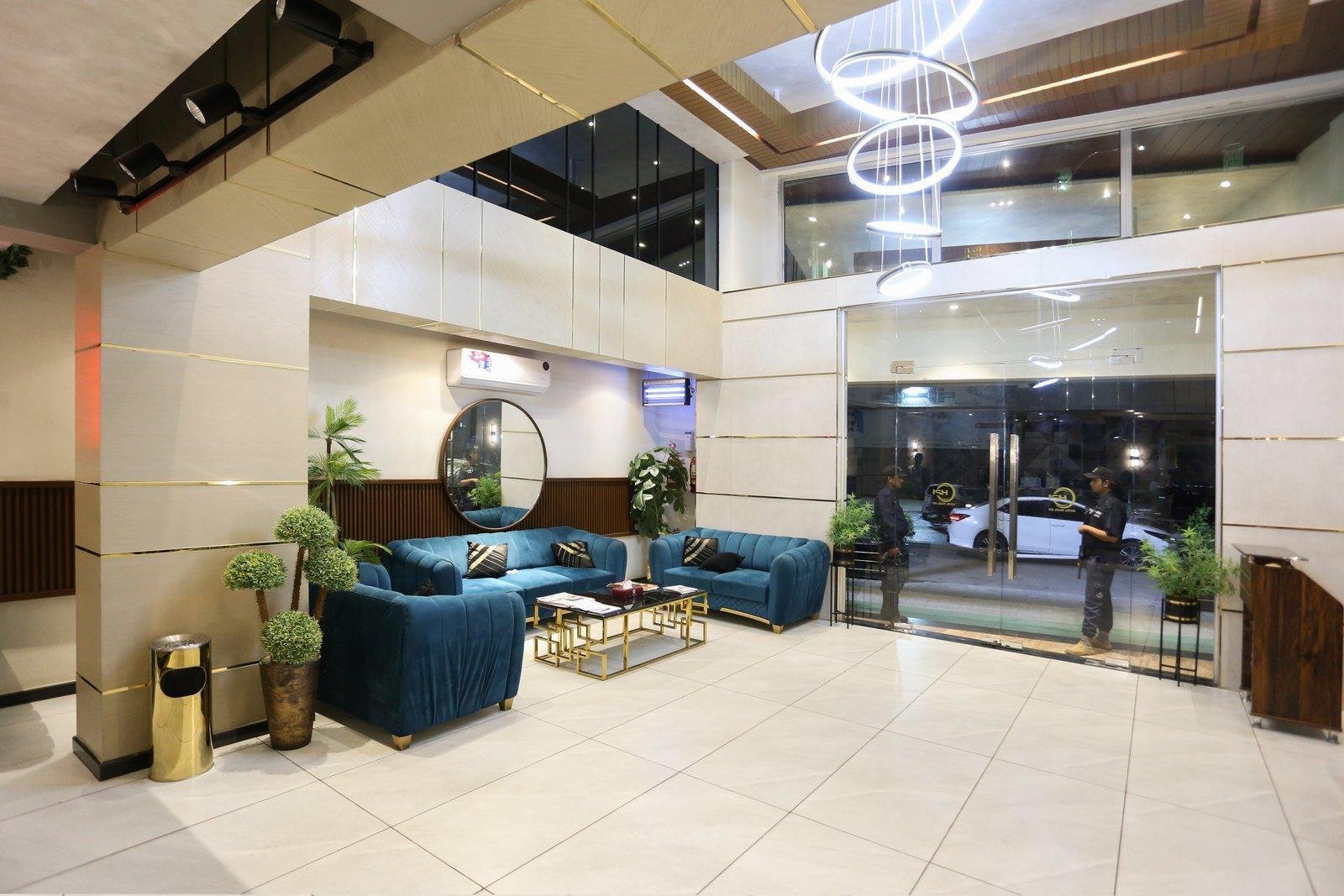
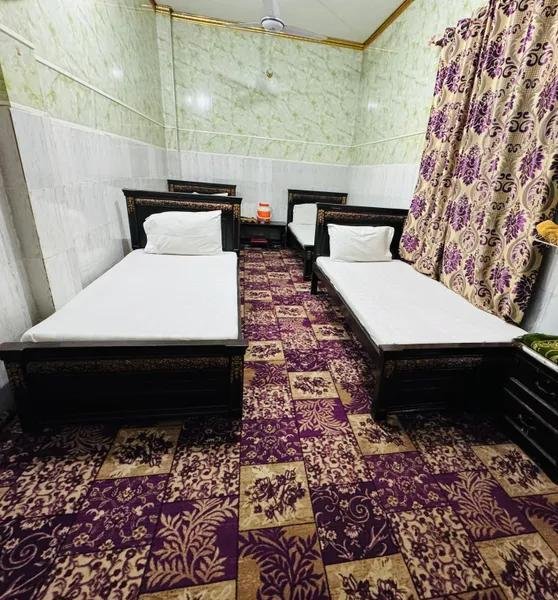
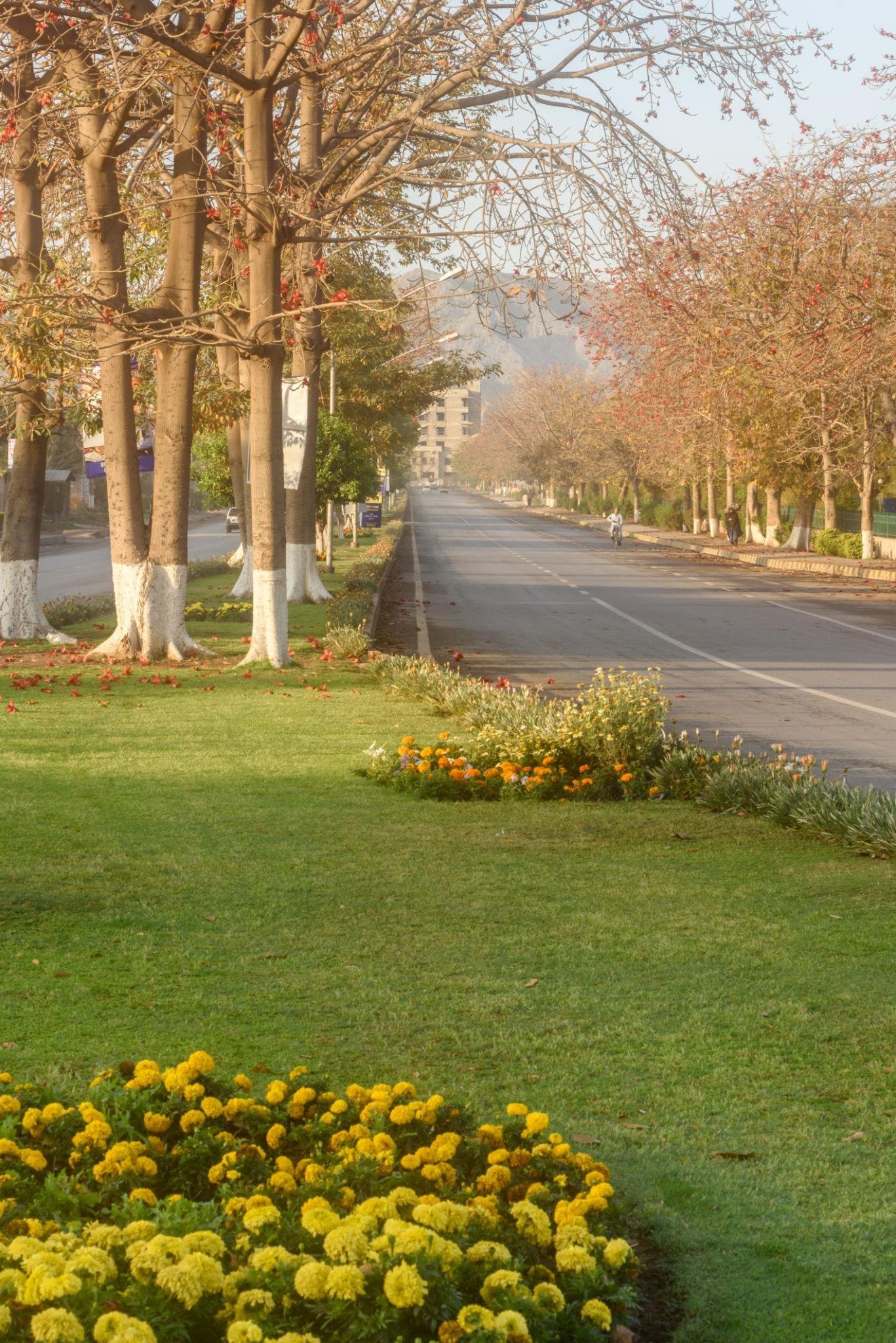
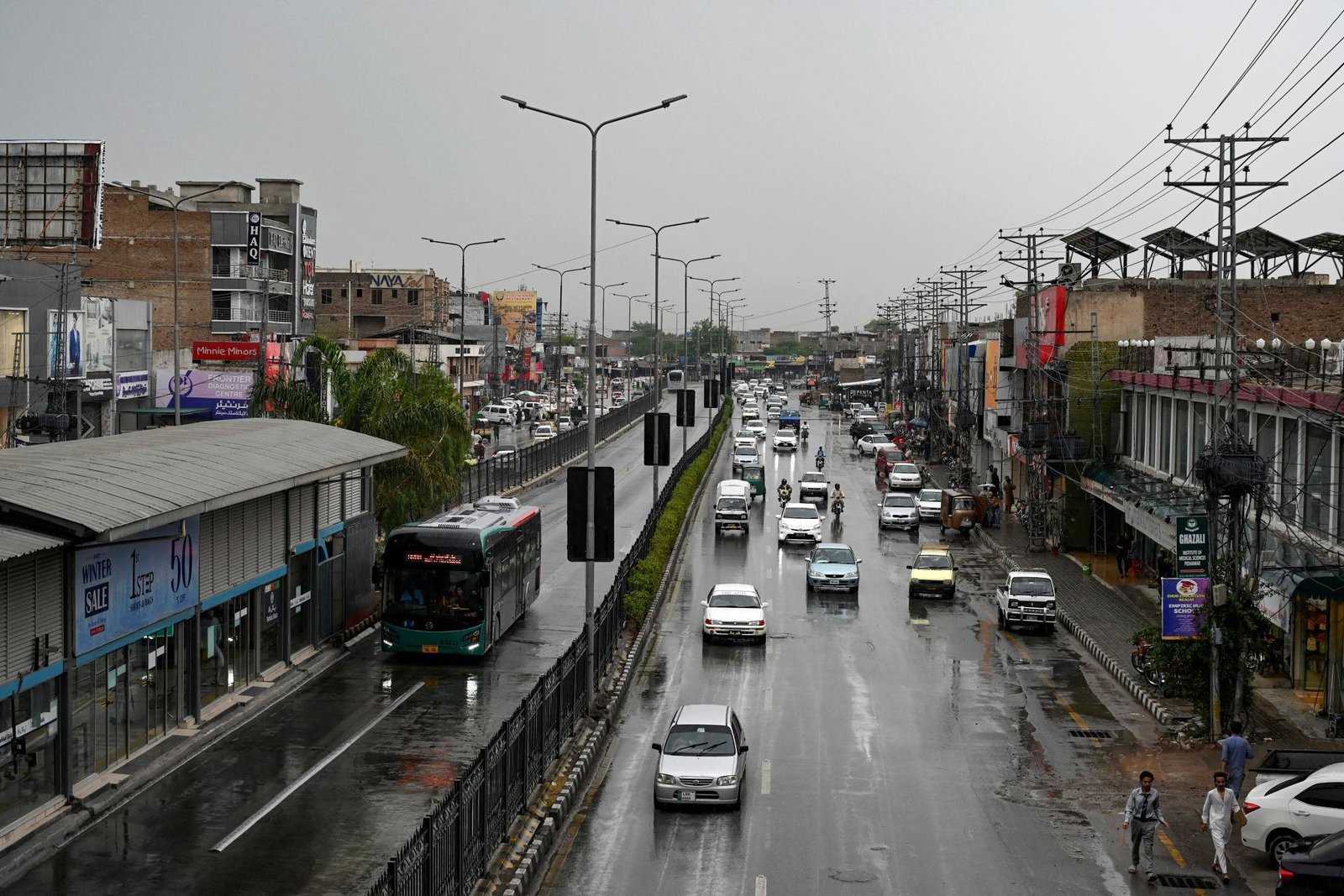
Accommodation in Peshawar is concentrated in modern districts such as University Road and Saddar. Hotels range from mid-tier business accommodations to more comfortable modern stays.
These areas offer better accessibility, transport links, and proximity to services compared to the older city core.

Shopping
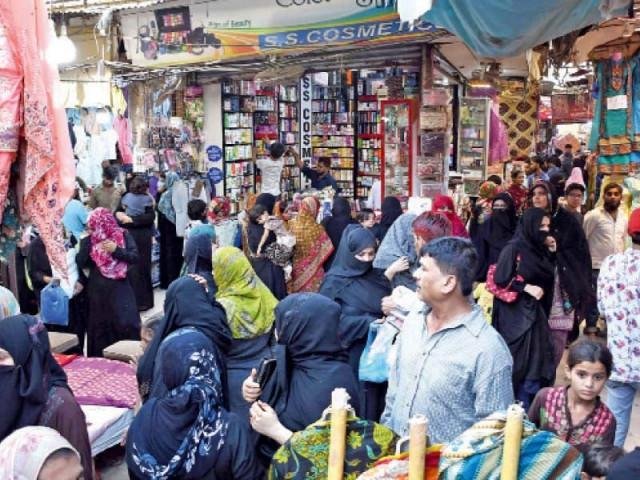
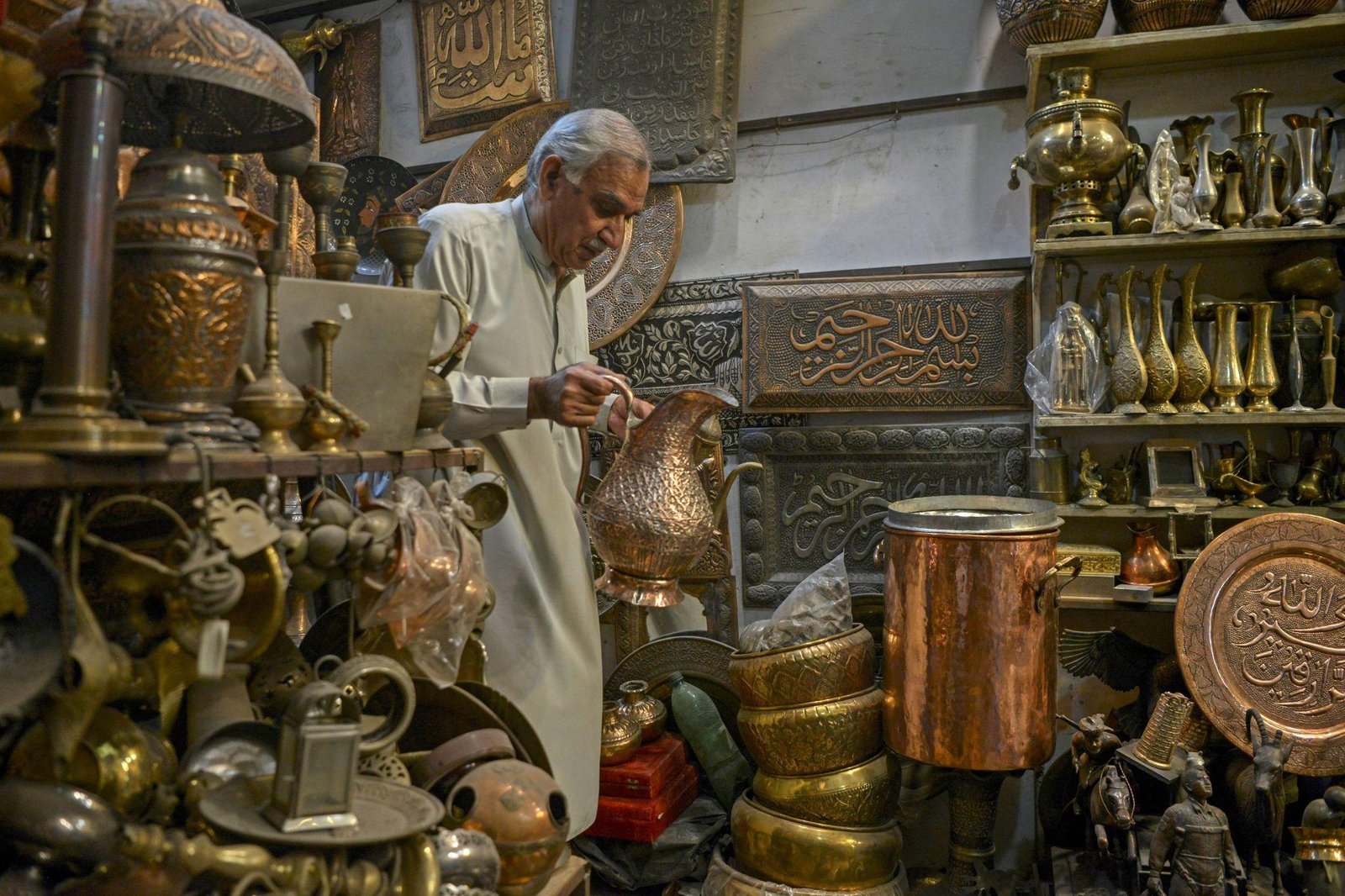
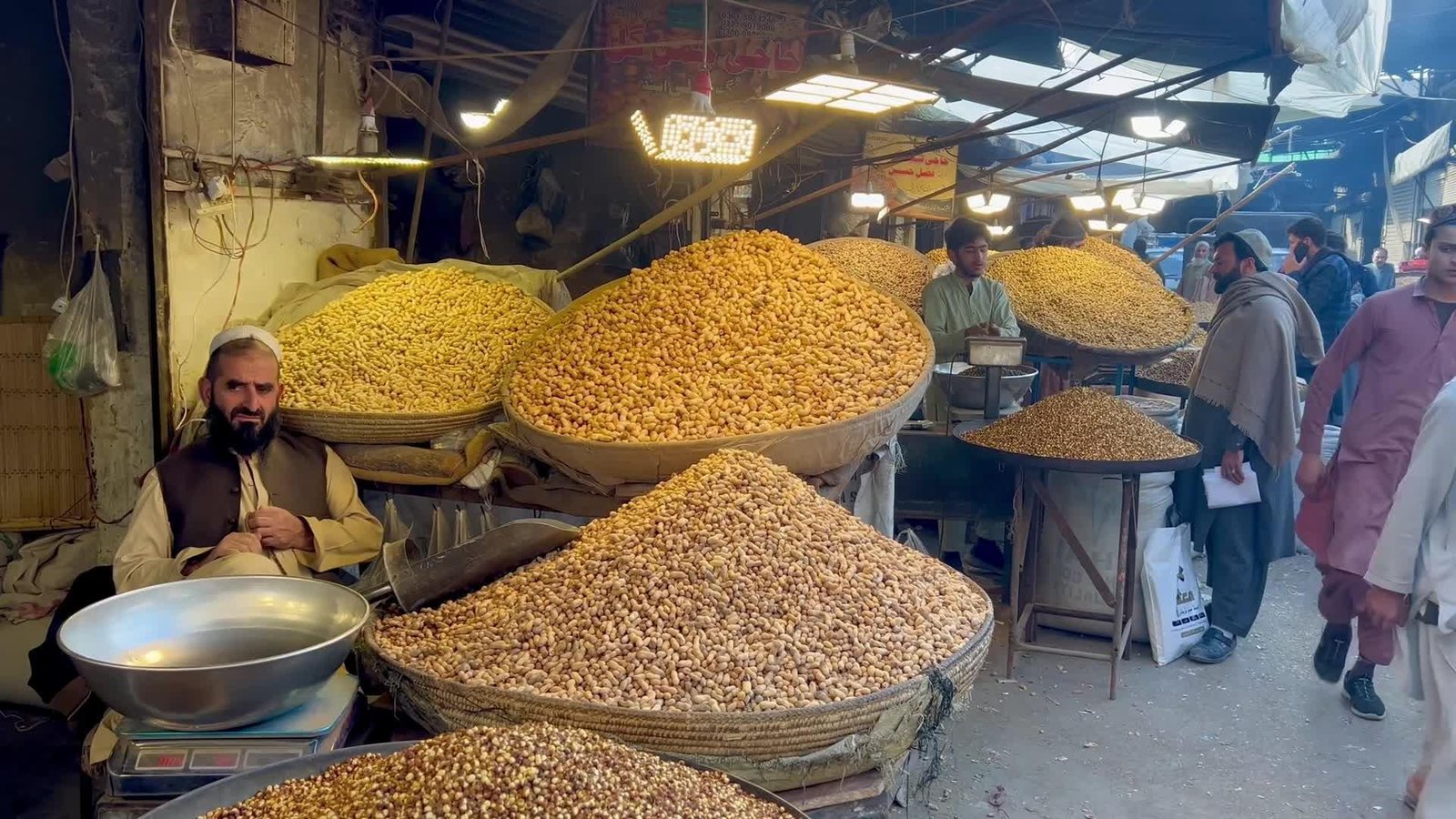
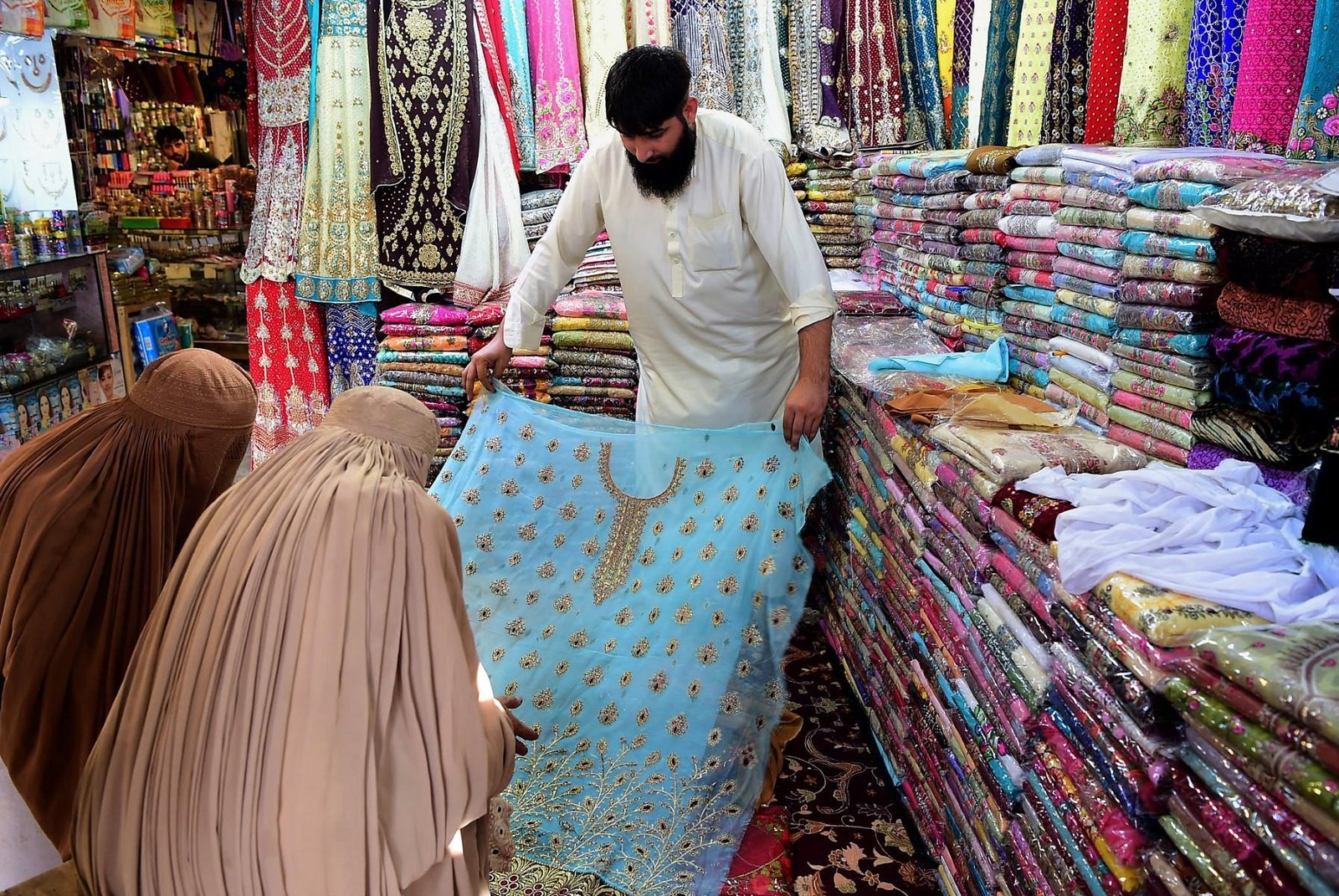
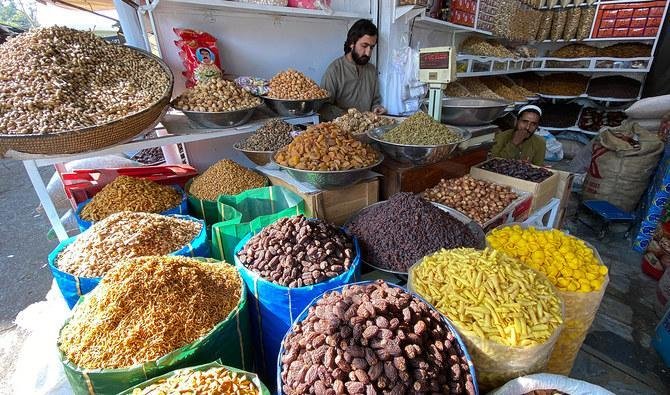
Shopping in Peshawar is dominated by traditional bazaars rather than malls. Markets specialize in textiles, handicrafts, dry fruits, and cultural goods.
The experience is interactive, with bargaining and direct vendor communication forming part of the culture.
Best Time to Visit
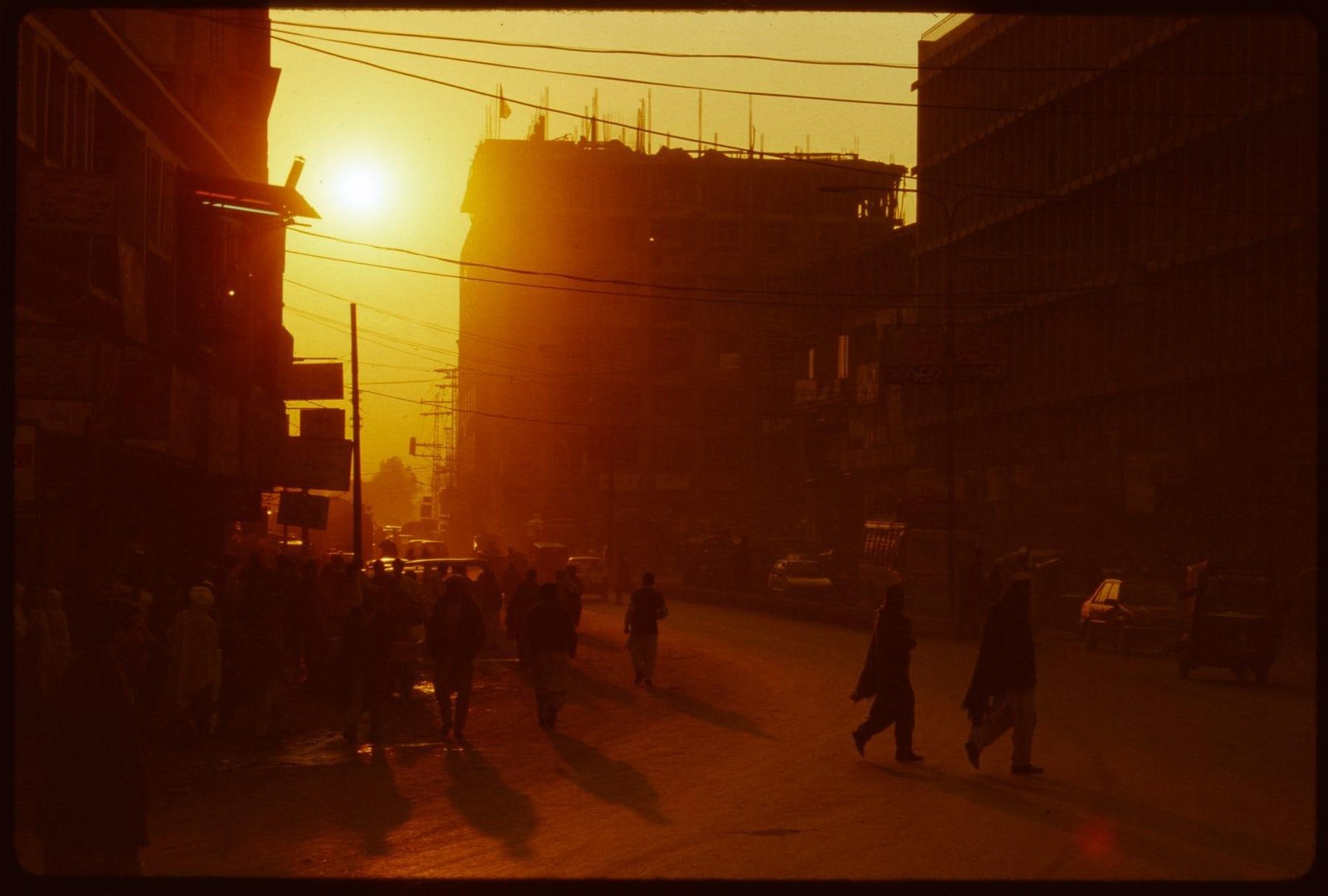
The best travel season is October to March when temperatures are mild and suitable for walking and outdoor exploration.
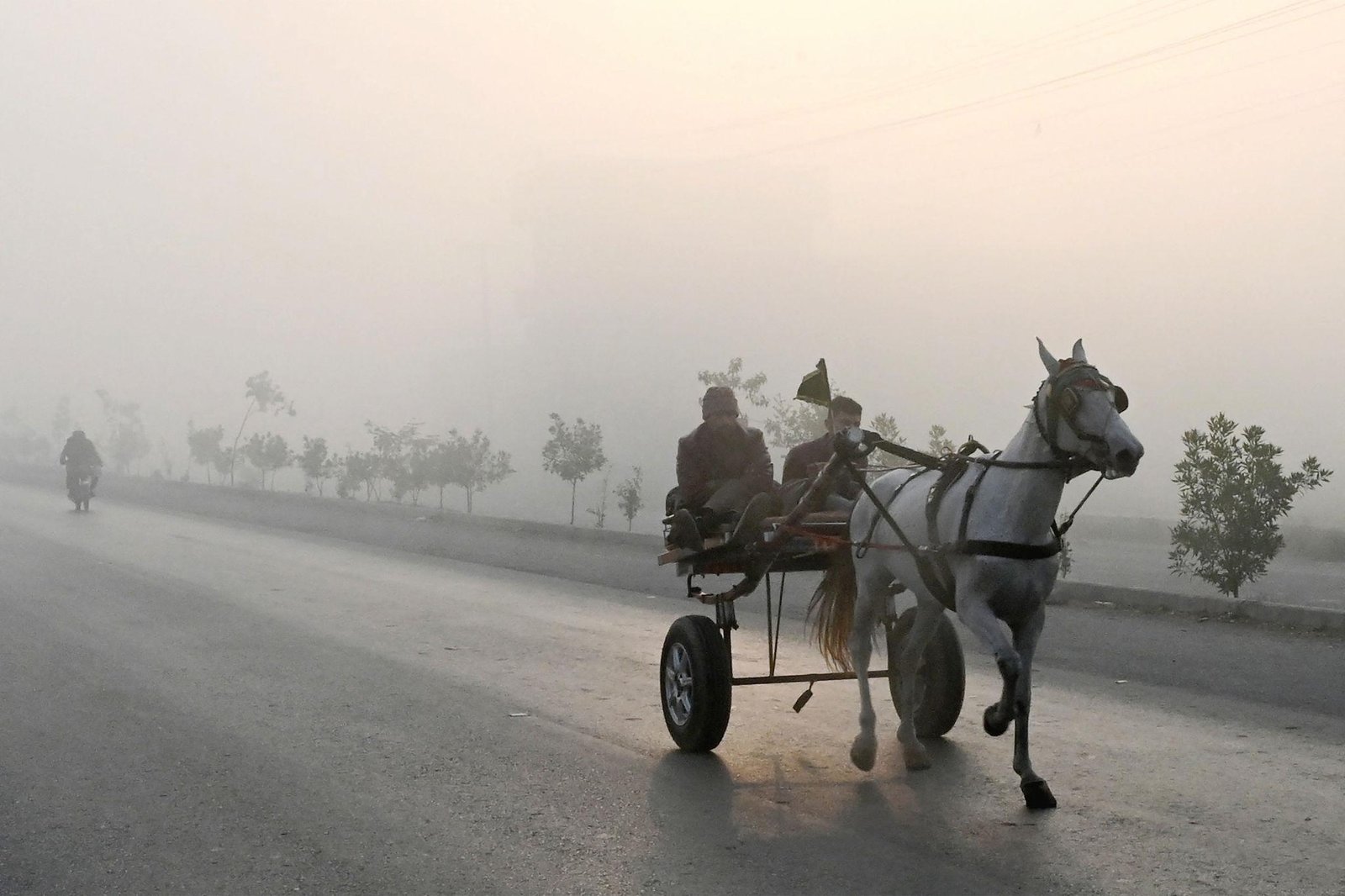
Summers are hot, while winters are cooler with occasional fog that can affect visibility and transport.
Practical Travel Tips
Navigation in the old city requires walking or local transport due to narrow streets and congestion. Respectful clothing is recommended in religious and heritage areas.
Cash remains widely used, though digital payments are gradually expanding in modern businesses.
Frequently Asked Questions
How many days are needed for Peshawar?
Two to three days are sufficient for major sites and nearby excursions.
Is Peshawar safe for visitors?
Main tourist and commercial areas are generally visited safely with standard precautions.
What is Peshawar famous for?
Historic bazaars, Pashtun cuisine, Mughal architecture, and its position near the Khyber Pass.
Recommended Peshawar City Itinerary
Peshawar is best experienced at a slow, observational pace. The city’s character is not defined by distance between attractions but by how each place connects through bazaars, food streets, and centuries-old urban fabric. A well-planned itinerary allows time to move between historical landmarks, markets, and culinary stops without rushing the experience.
1 Day Peshawar Itinerary
A single-day visit is suitable for travelers passing through Khyber Pakhtunkhwa or making a short cultural stop.
Morning: Old City Exploration
Begin the day in the historic core of Peshawar, where narrow streets open into traditional bazaars shaped over centuries. The morning light is ideal for walking through the old quarters when the city is relatively calm.
Visit Qissa Khwani Bazaar, historically known as the “Storytellers’ Market,” where traders and travelers once gathered. Continue toward Chowk Yadgar, a central historical junction that reflects the layered urban history of the city.
Late Morning: Cultural Heritage
Proceed to Mahabat Khan Mosque, one of the most significant Mughal-era structures in the region. Its white façade and elevated prayer hall offer a quiet contrast to the surrounding market activity.
Afternoon: Museum and Colonial Heritage
Visit Peshawar Museum, home to one of the finest collections of Gandharan Buddhist art. The museum provides essential historical context for understanding the region’s ancient cultural identity.
Evening: Food Experience
End the day in Namak Mandi, where traditional meat-based cuisine defines the culinary identity of Peshawar. The area is especially known for karahi and grilled lamb dishes prepared in open kitchens.
2 Day Peshawar Itinerary
A two-day itinerary allows a more balanced experience between history, culture, and nearby excursions.
Day 1: Historical Core
Follow the full one-day itinerary including Qissa Khwani Bazaar, Mahabat Khan Mosque, Chowk Yadgar, and Peshawar Museum. Spend additional time exploring Sethi House, a preserved example of traditional merchant architecture reflecting the wealth and design sensibilities of 19th-century Peshawar.
Day 2: Forts, Markets, and Local Life
Start the day at Bala Hisar Fort, a historic military structure overlooking the city. The elevated position offers wide views of Peshawar and its surrounding plains.
After the fort visit, return to the city for deeper exploration of local markets, including handicraft shops and traditional textile vendors. Spend the afternoon in Namak Mandi for an extended food experience, where different restaurants serve regional specialties in a communal dining atmosphere.
3 Day Peshawar Itinerary
A three-day itinerary is ideal for travelers interested in both urban exploration and day trips.
Day 1: Old City Heritage
Focus on Qissa Khwani Bazaar, Mahabat Khan Mosque, Chowk Yadgar, and evening food exploration.
Day 2: Museums and Architecture
Visit Peshawar Museum and Sethi House in the morning, followed by Bala Hisar Fort in the afternoon.
Day 3: Day Trip Options
Choose between nearby cultural and historical excursions such as:
Khyber Pass and Jamrud Fort for historical frontier exploration
Takht-i-Bahi Buddhist Ruins for ancient monastic archaeology
Darra Adam Khel for traditional craftsmanship and firearm-making heritage
Return to Peshawar in the evening for a final food experience in Namak Mandi.
Frequently Asked Questions
Is Peshawar safe for tourists
Peshawar is generally safe for visitors, especially in main commercial and historical areas. Like any major city, it is advisable to remain aware of surroundings, avoid isolated areas at night, and follow local guidance when visiting outer districts.
How many days are enough for Peshawar
Two to three days are sufficient to cover major historical landmarks, museums, bazaars, and food experiences. Additional days are recommended for exploring nearby sites such as the Khyber Pass or Takht-i-Bahi.
What is Peshawar famous for
Peshawar is known for its deep historical roots, Mughal and Gandharan heritage, traditional bazaars, and strong culinary identity. The city is also recognized for its role as a cultural and trade gateway between South and Central Asia.
What is the best time to visit Peshawar
The best time to visit is from October to March when the weather is mild and suitable for walking tours. Summers can be hot, making midday exploration less comfortable.
What food should I try in Peshawar
Key local dishes include traditional karahi, chapli kebab, lamb tikka, and kebhabs served in Namak Mandi. The food culture is centered around freshly prepared meat dishes cooked over open flames.
Can Peshawar be explored on foot
Yes, the old city areas such as Qissa Khwani Bazaar and surrounding heritage sites are best explored on foot. However, transport is recommended for reaching Bala Hisar Fort and outer districts due to distance and traffic conditions.
Conclusion
Peshawar is a living historical city where centuries of cultural layering remain visible in its streets, architecture, and daily life. It is not a preserved monument but an active urban environment shaped by continuity rather than reconstruction.
For travelers, it offers an experience defined by proximity—heritage sites, markets, and food culture exist within the same compact space, creating a dense and immersive urban journey.

![K2 Base Camp Trek: Ultimate Guide k2 Trek 2026 [UPDATED]](https://www.karakoramdiaries.com/storage/ultimate-guide-to-k2-base-camp-trek-full-document-150x150.png)