Hunza Valley Travel Guide
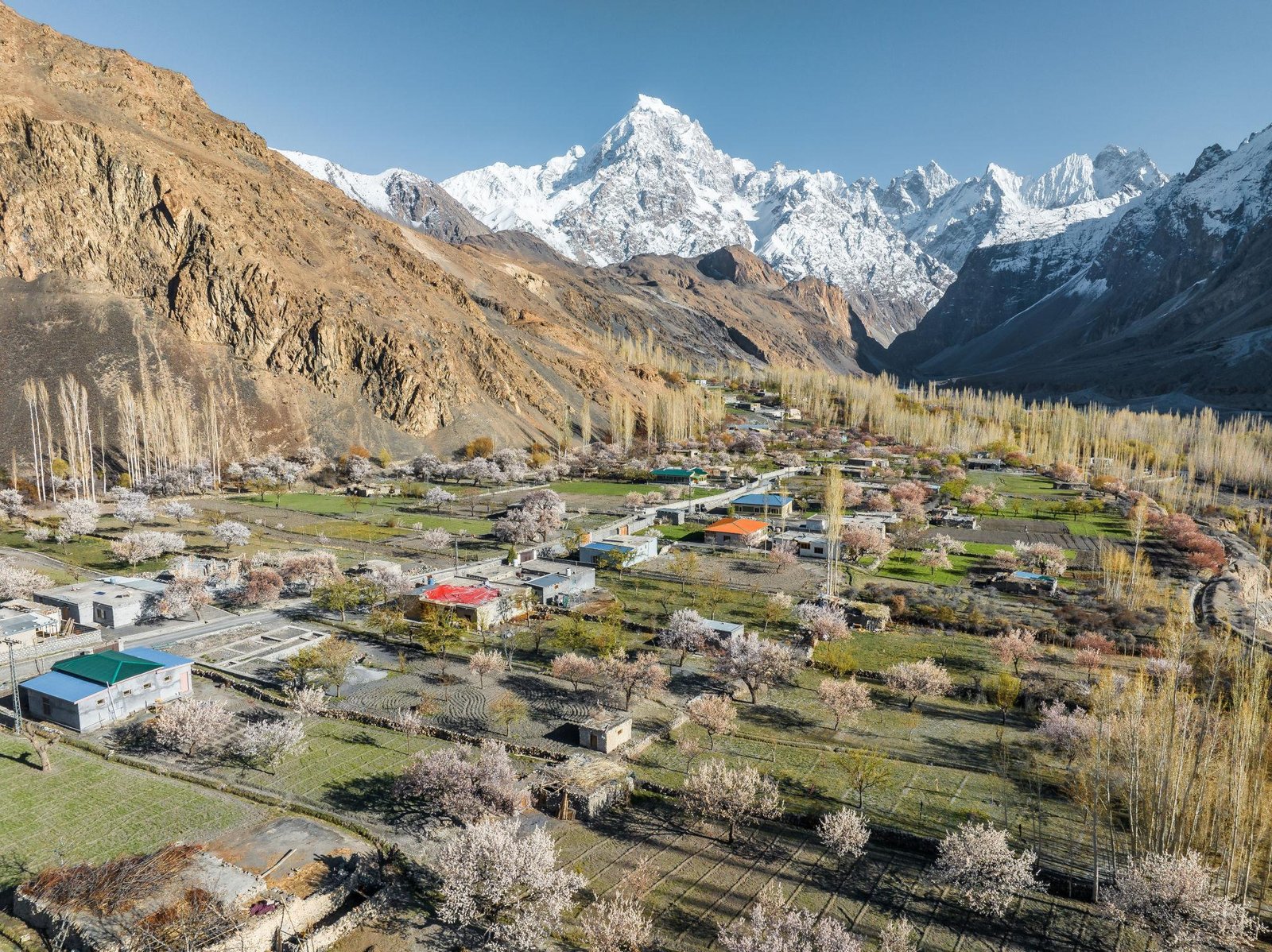
Hunza Valley is one of the most famous travel destinations in Pakistan and is known for mountain scenery, alpine lakes, glaciers, historic forts, scenic road trips, and traditional mountain villages. Located in the Gilgit-Baltistan region along the historic Karakoram Highway, Hunza attracts travelers from around the world throughout the year.
Surrounded by the peaks of the Karakoram range, the valley combines natural beauty with cultural heritage and adventure tourism. Whether visiting during the blossom season of spring, the green landscapes of summer, or the golden colors of autumn, Hunza offers a different experience in every season.
The valley is popular among:
- Road trip travelers
- Photographers
- Trekkers
- Families
- Backpackers
- International tourists
- Adventure travelers
This detailed Hunza travel guide covers everything travelers need to know before visiting, including major attractions, villages, seasonal travel, transportation, accommodation, local food, travel tips, and itinerary suggestions.
Table of contents [Show]
- Where is Hunza Valley?
- Why Visit Hunza?
- Attabad Lake
- Baltit Fort
- Altit Fort
- Villages & Scenic Areas
- Karimabad
- Passu
- Khunjerab Pass
- Best Places for Autumn Colors in Hunza
- Best Time for Autumn in Hunza
- By Road
- By Air
- Day 1
- Day 2
- Day 3
- Day 4
- Day 5
- What is Hunza famous for?
- What is the best season to visit Hunza?
- Is autumn a good time to visit Hunza?
- How many days are enough for Hunza?
- Is Hunza safe for tourists?
Where is Hunza Valley?
Hunza Valley is located in the northern region of Gilgit-Baltistan near the Pakistan-China border. The valley lies along the Karakoram Highway and is surrounded by famous mountain peaks including Rakaposhi, Ultar Sar, Ladyfinger Peak, and Passu Cones.
The main tourism center of the valley is Karimabad.
Hunza is approximately:
- 12 to 15 hours by road from Islamabad
- 2 to 3 hours by road from Gilgit
- Accessible through flights to Gilgit followed by road travel
Why Visit Hunza?
Hunza is considered one of Pakistan’s best travel destinations because it offers:
- Mountain landscapes
- Scenic road trips
- Alpine lakes
- Historic forts
- Traditional villages
- Trekking opportunities
- Photography locations
- Seasonal beauty throughout the year
The valley is also known for:
- Friendly local communities
- Traditional culture
- Organic food
- Clean villages
- Peaceful atmosphere
Unlike crowded tourist destinations, Hunza still maintains a strong cultural identity and relaxed mountain lifestyle.
Best Places to Visit in Hunza
Attabad Lake
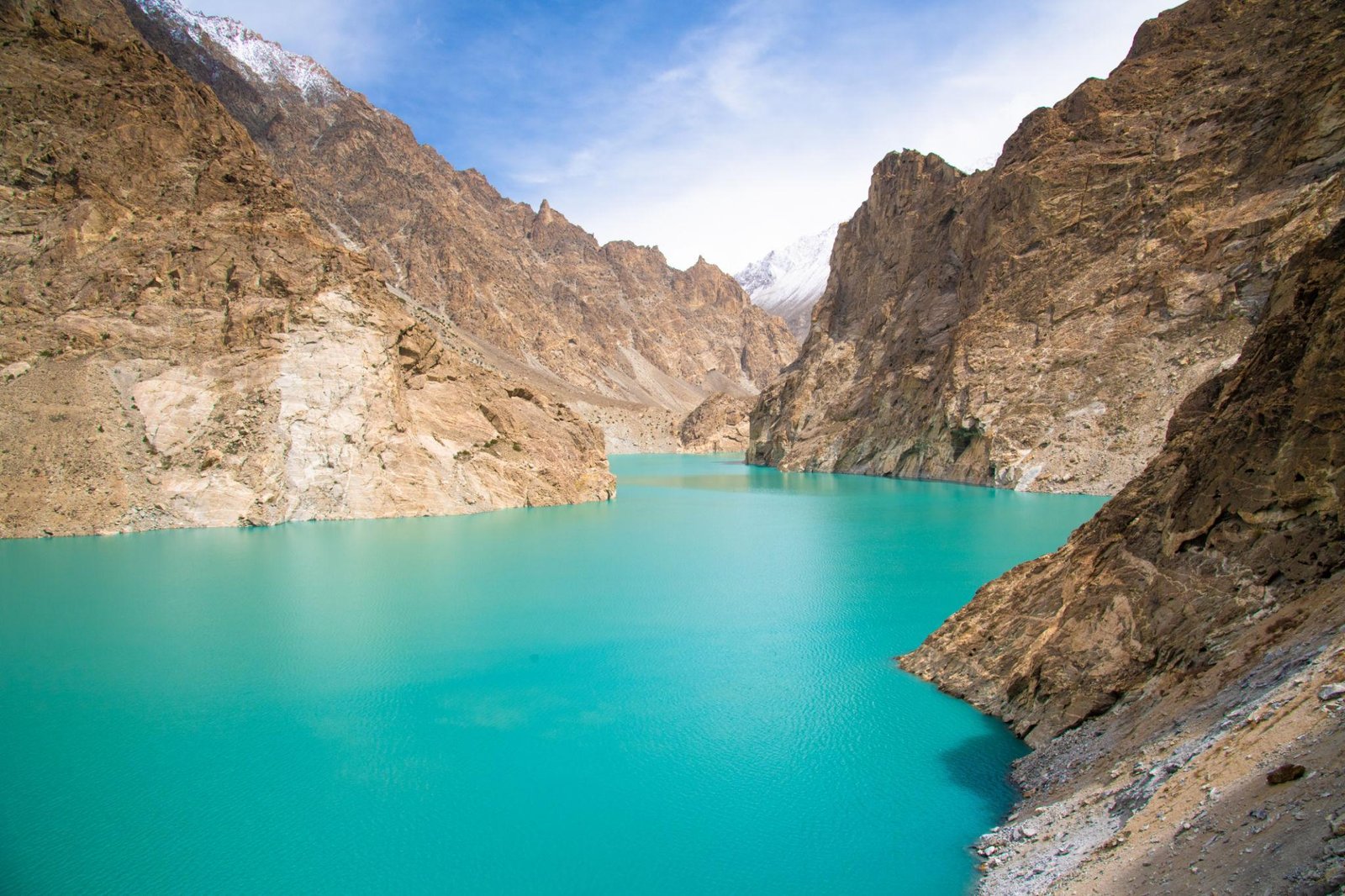
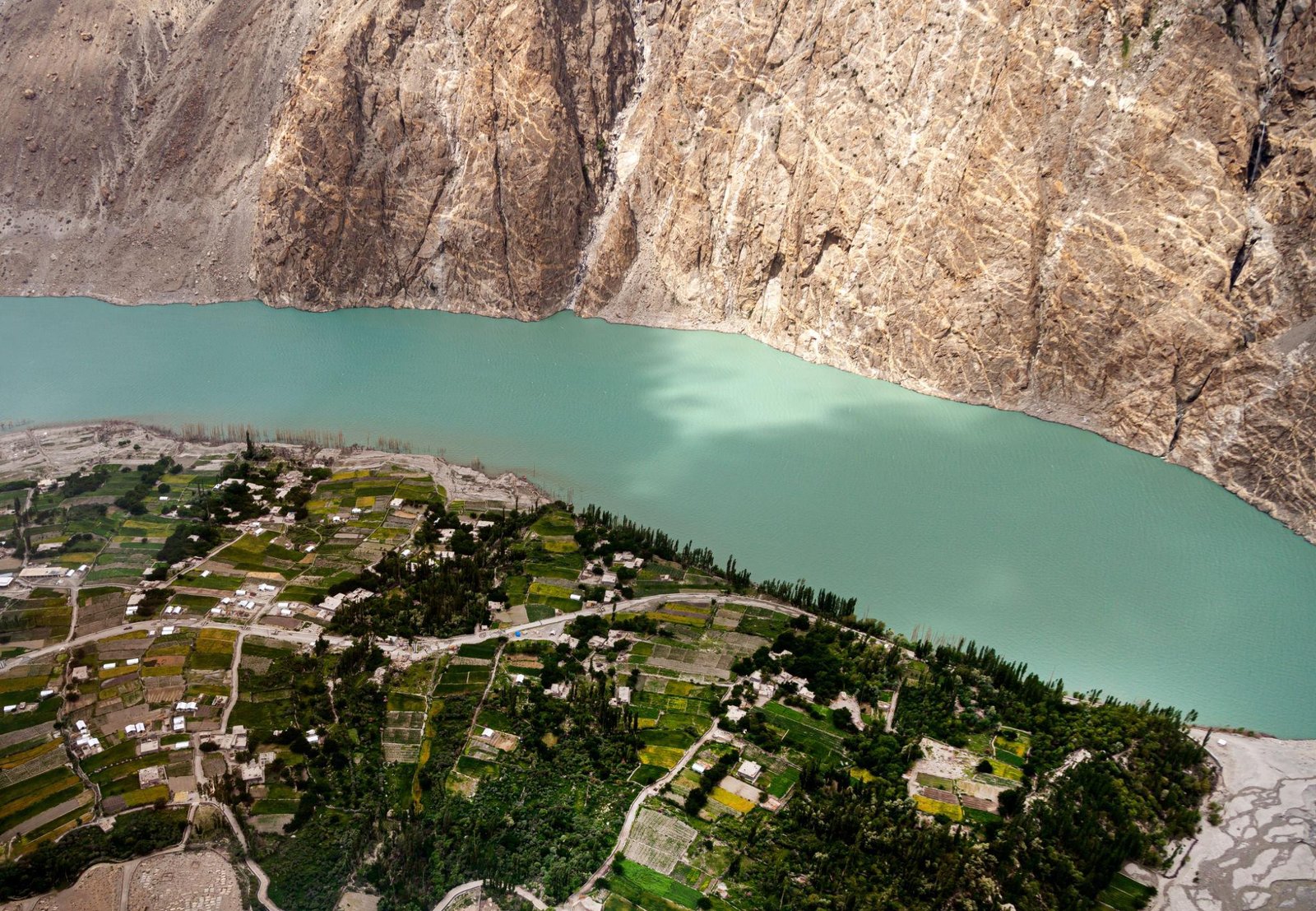
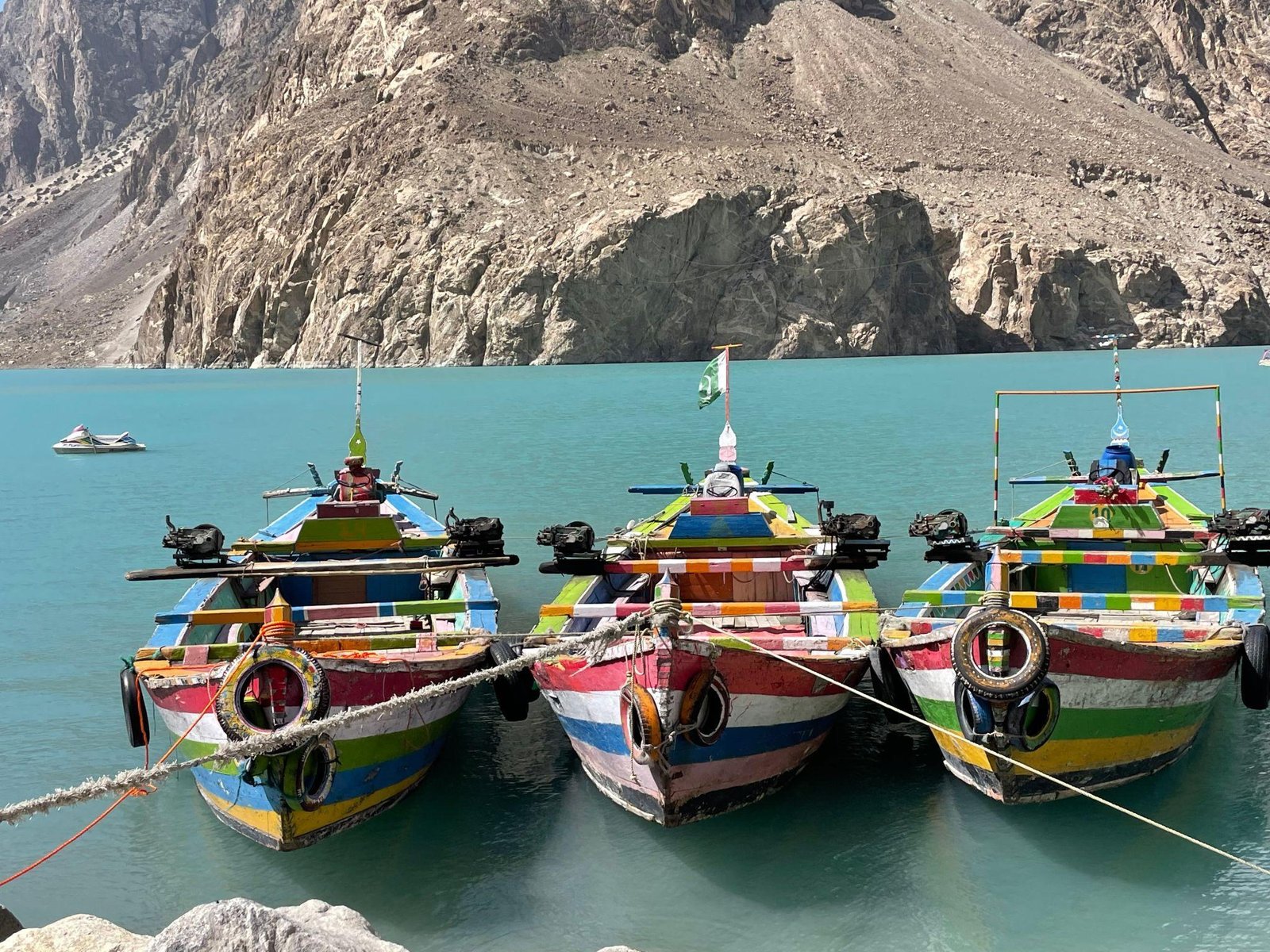
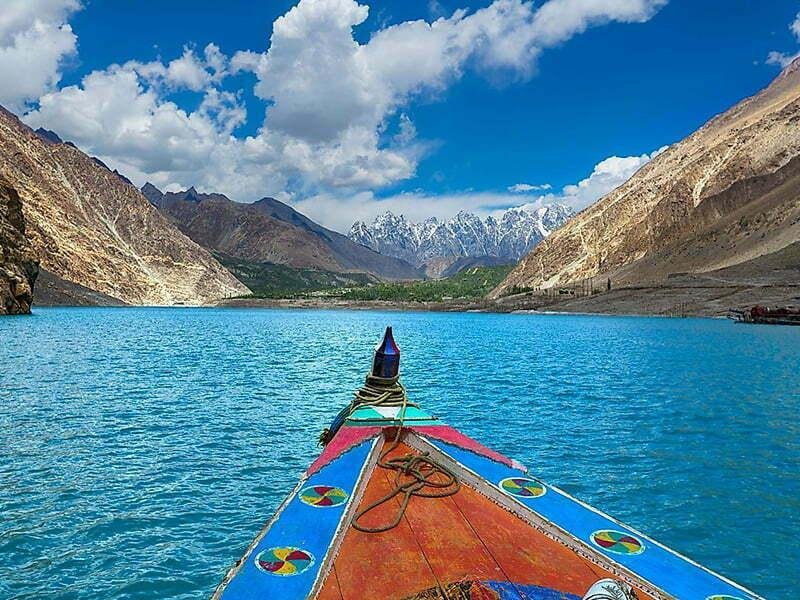
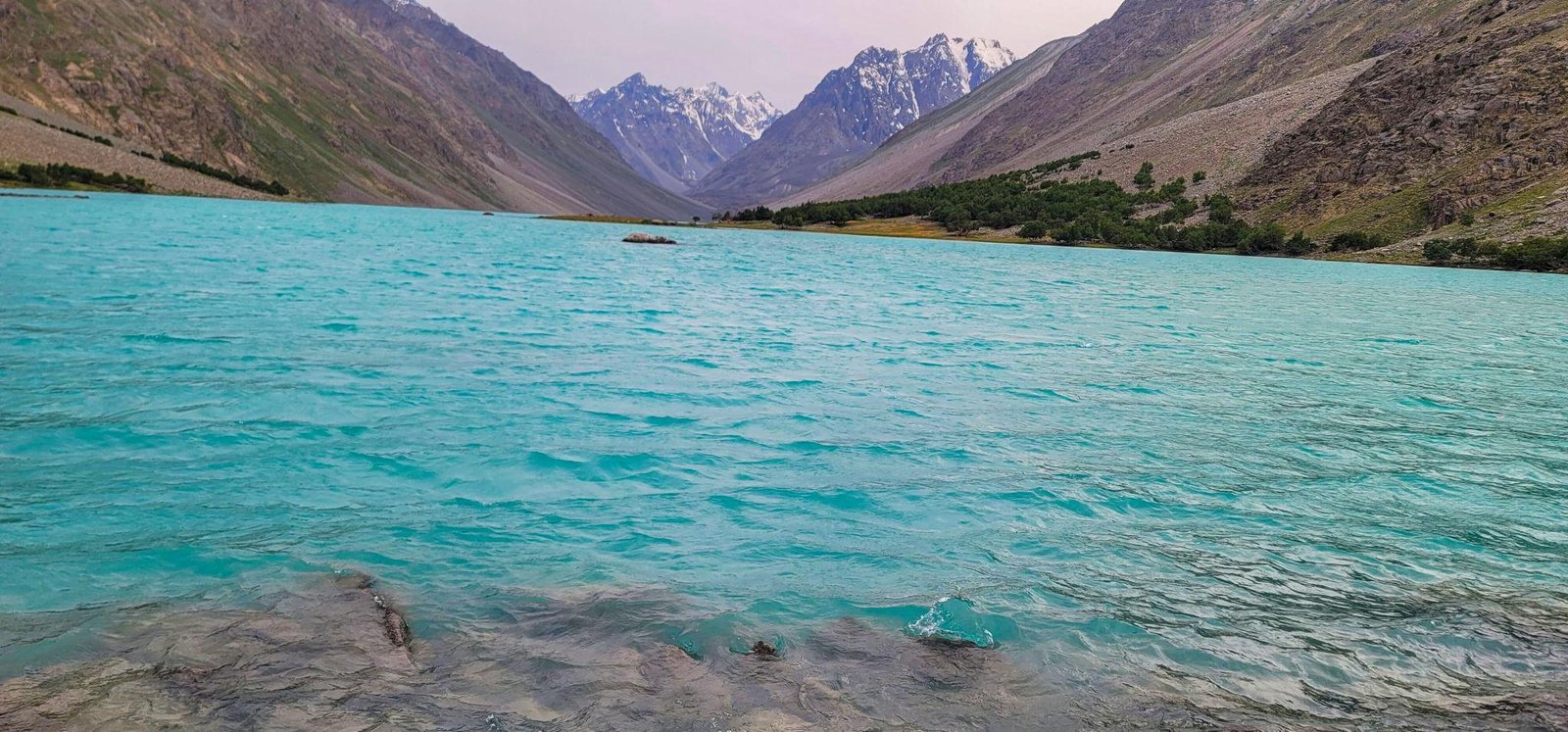
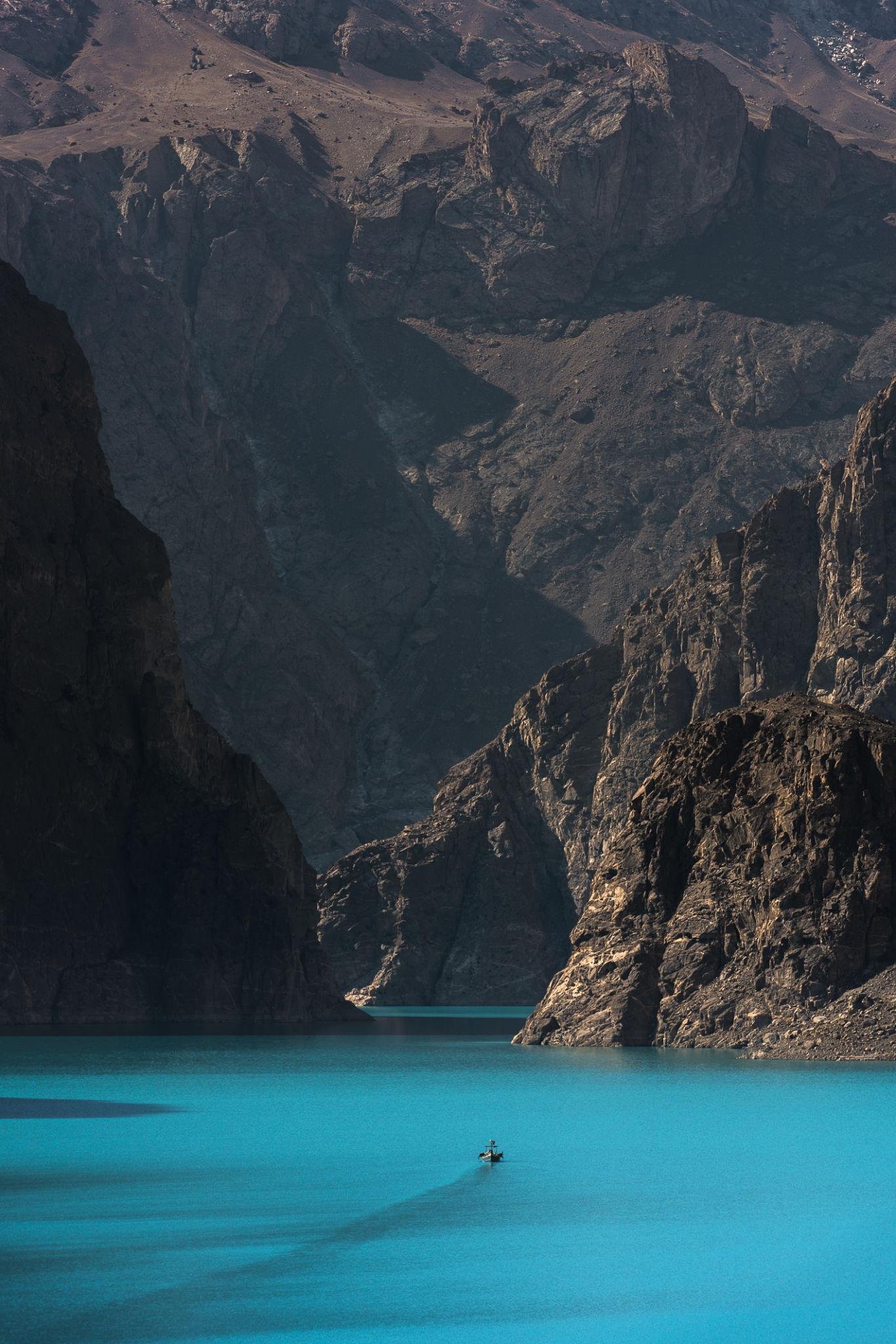
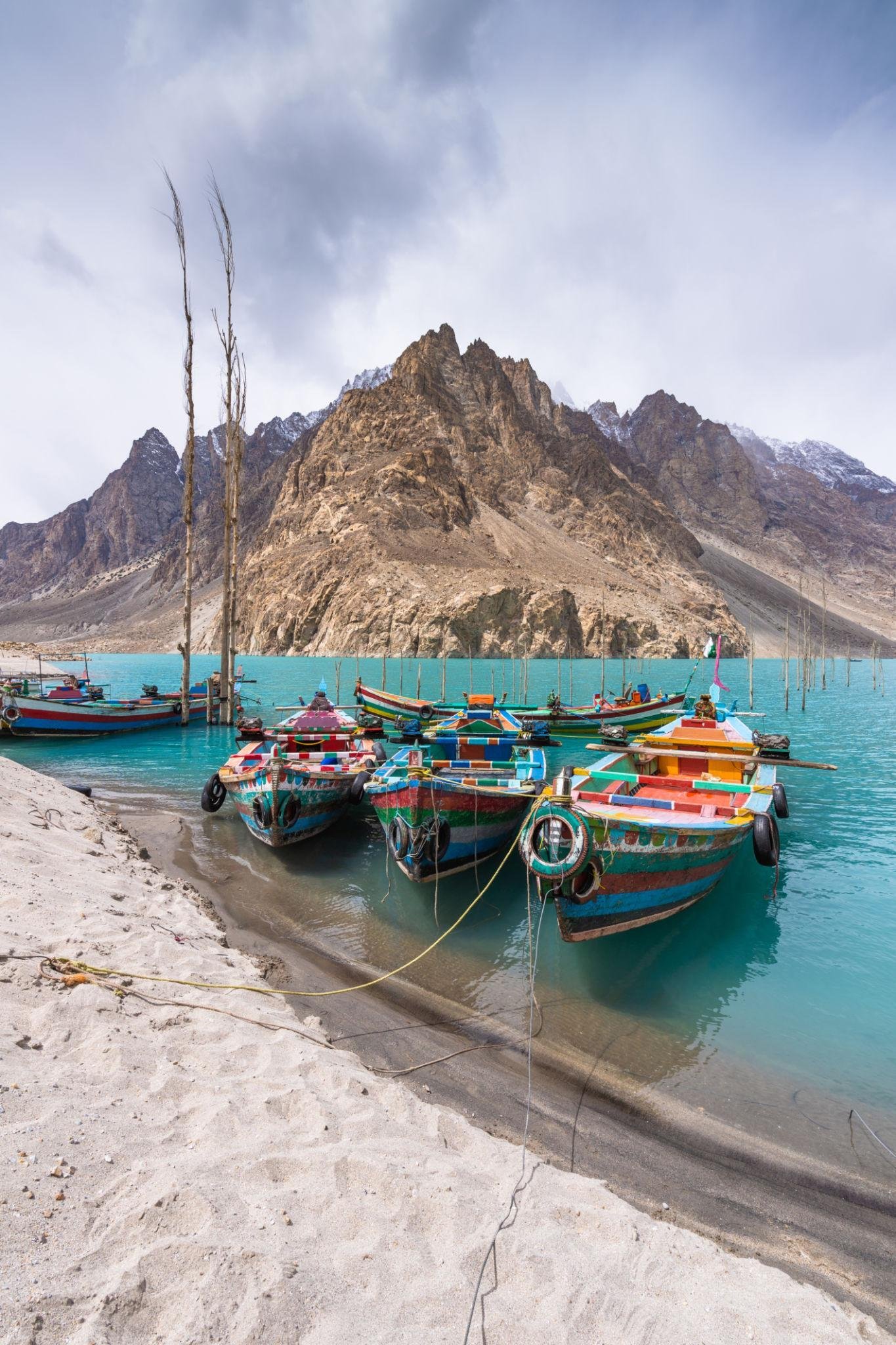
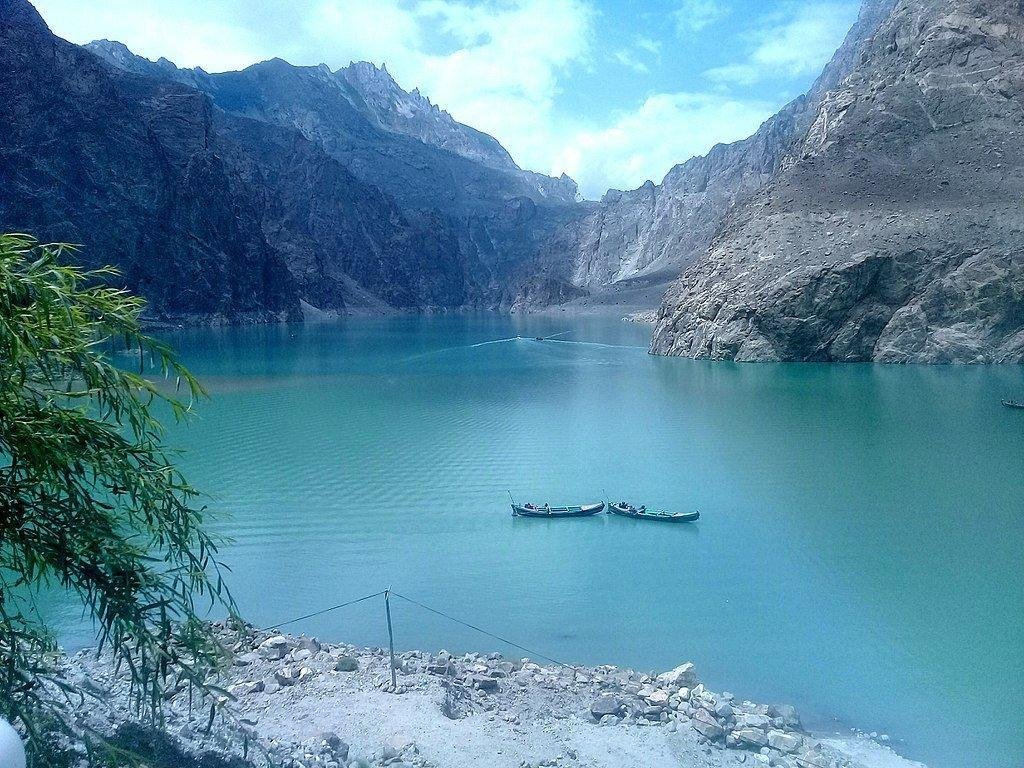
Attabad Lake is one of the most iconic attractions in Hunza Valley and is famous for its bright turquoise water surrounded by rocky mountains.
The lake was formed after a major landslide in 2010 and later became one of Pakistan’s most visited tourist destinations.
Things to Do at Attabad Lake
- Boating
- Jet skiing
- Kayaking
- Lakeside photography
- Cafes and sightseeing
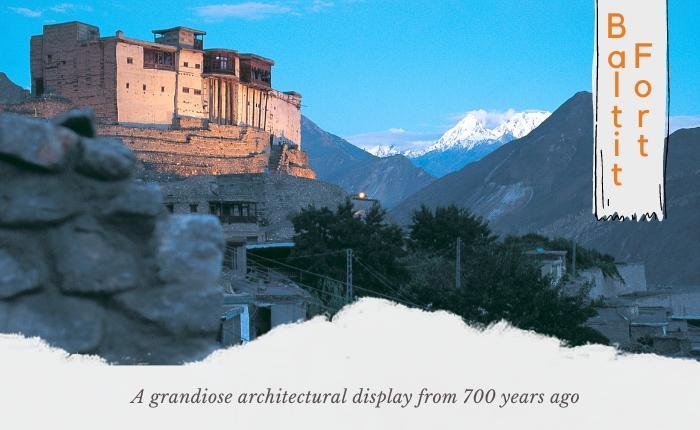
Baltit Fort
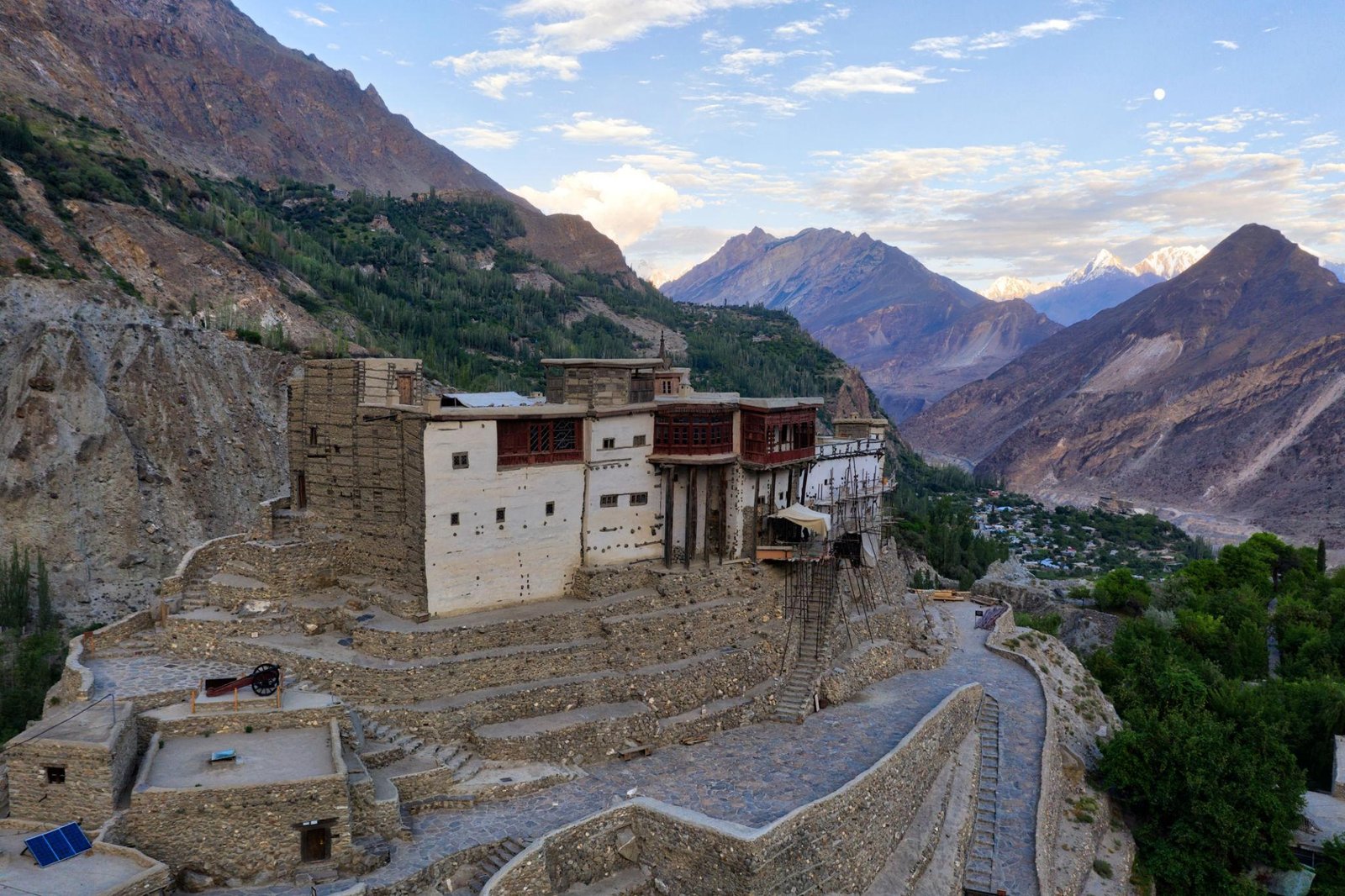
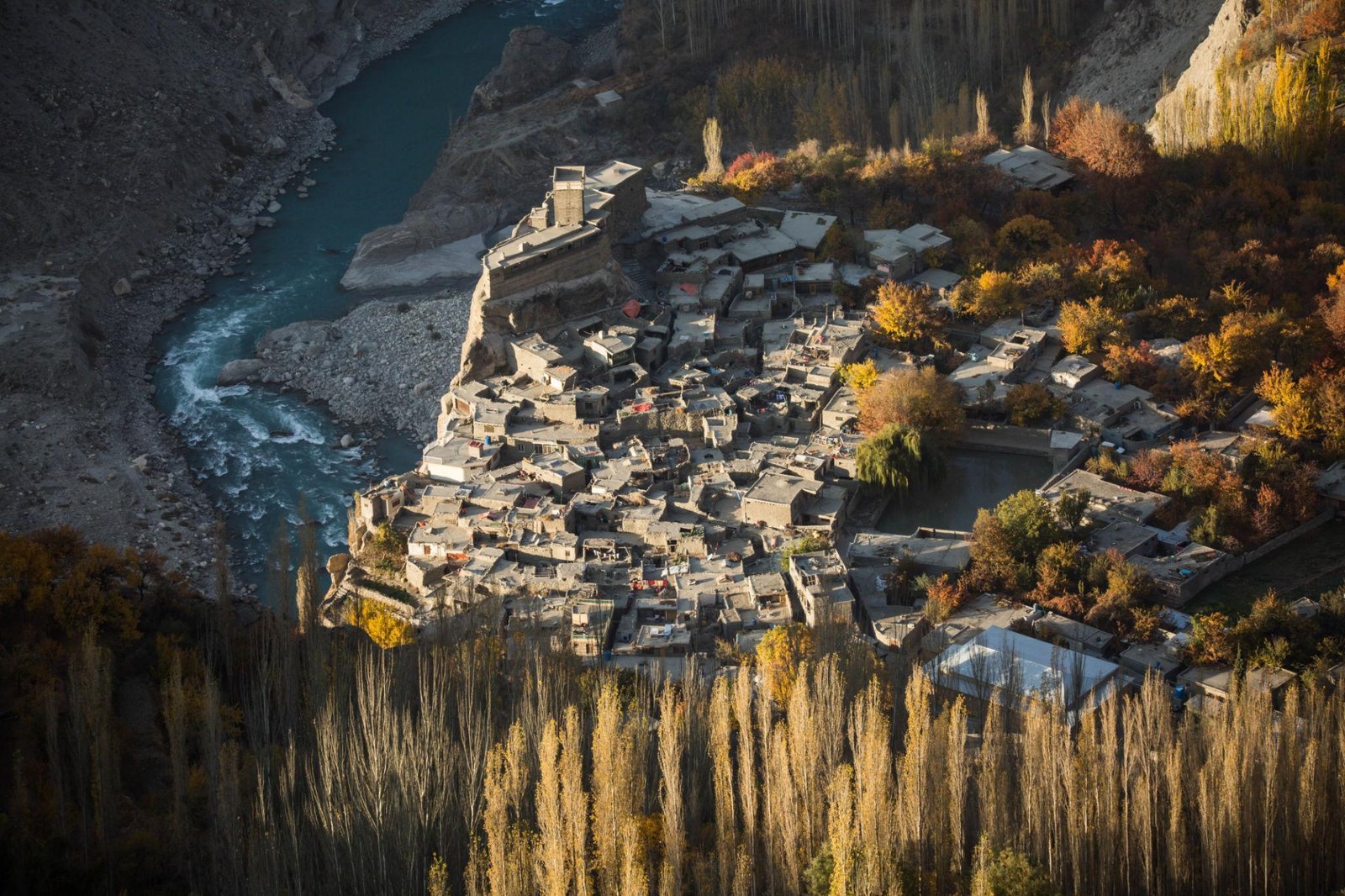
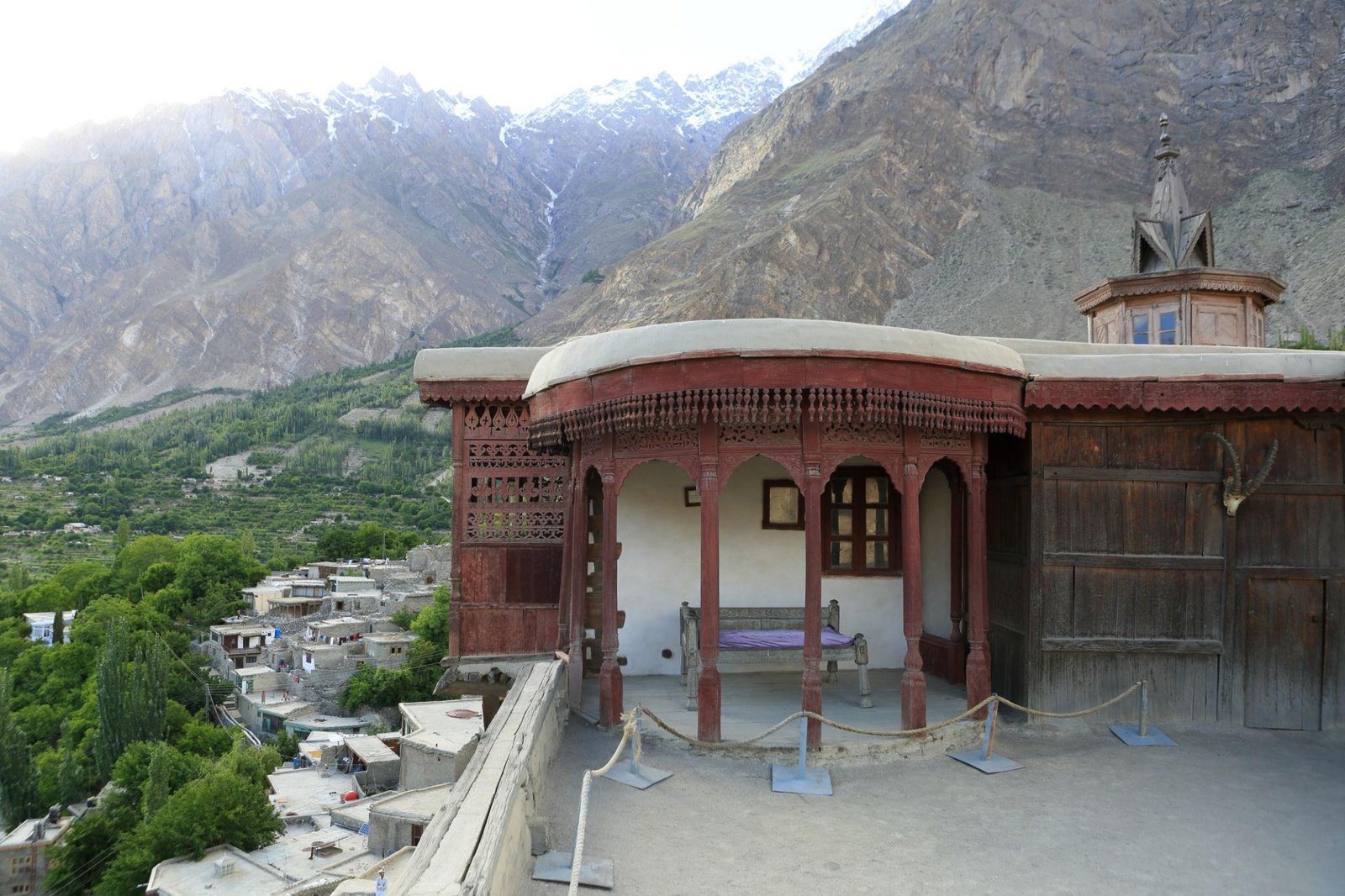
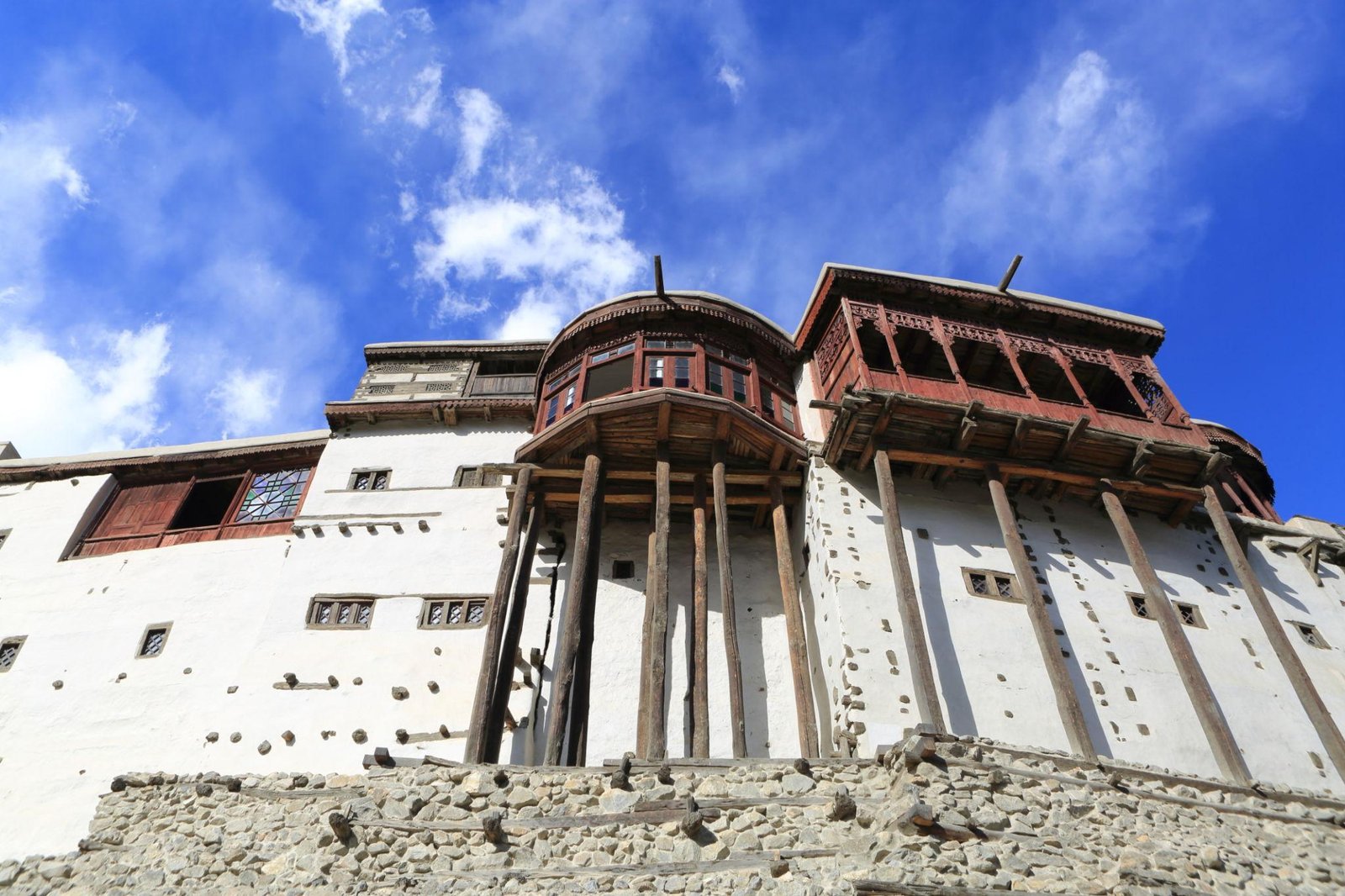
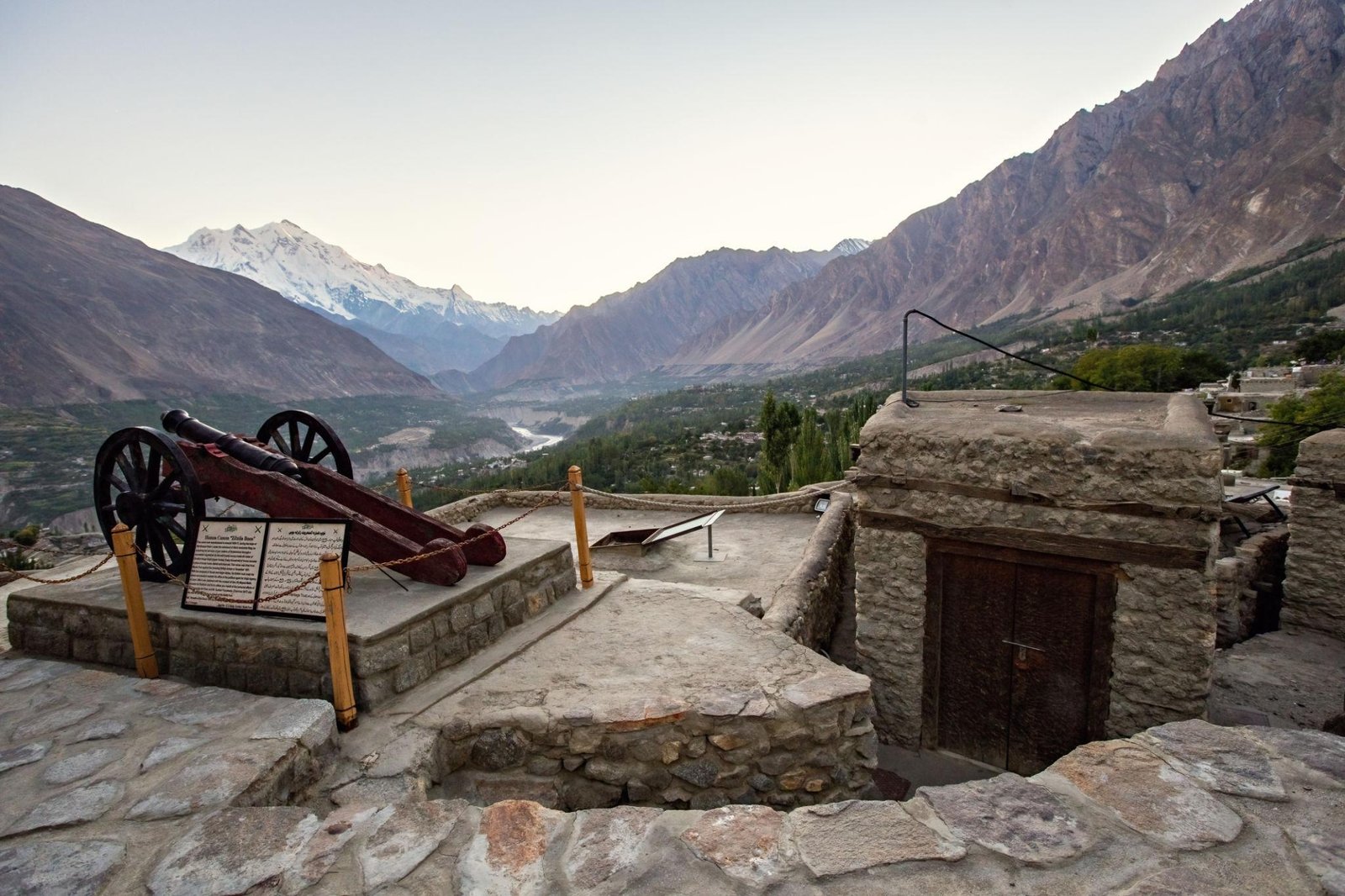
Baltit Fort overlooks Karimabad village and is one of the most important historical landmarks in Hunza. The fort reflects Tibetan and Balti architectural influences and offers insight into the history of the former Hunza kingdom.
Why Visit Baltit Fort?
- Historical architecture
- Cultural heritage
- Mountain viewpoints
- Museum tours
- Photography opportunities
Altit Fort
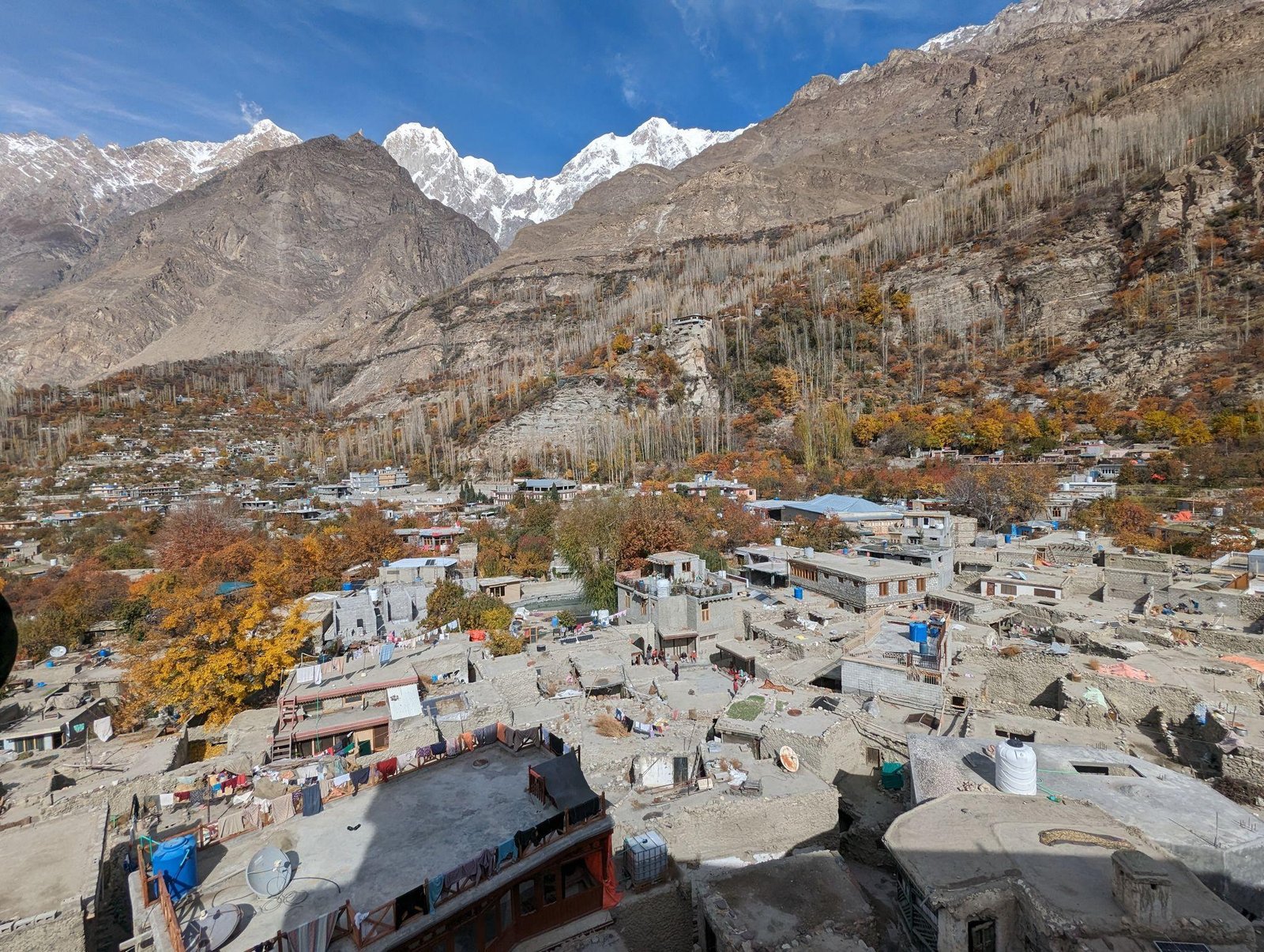
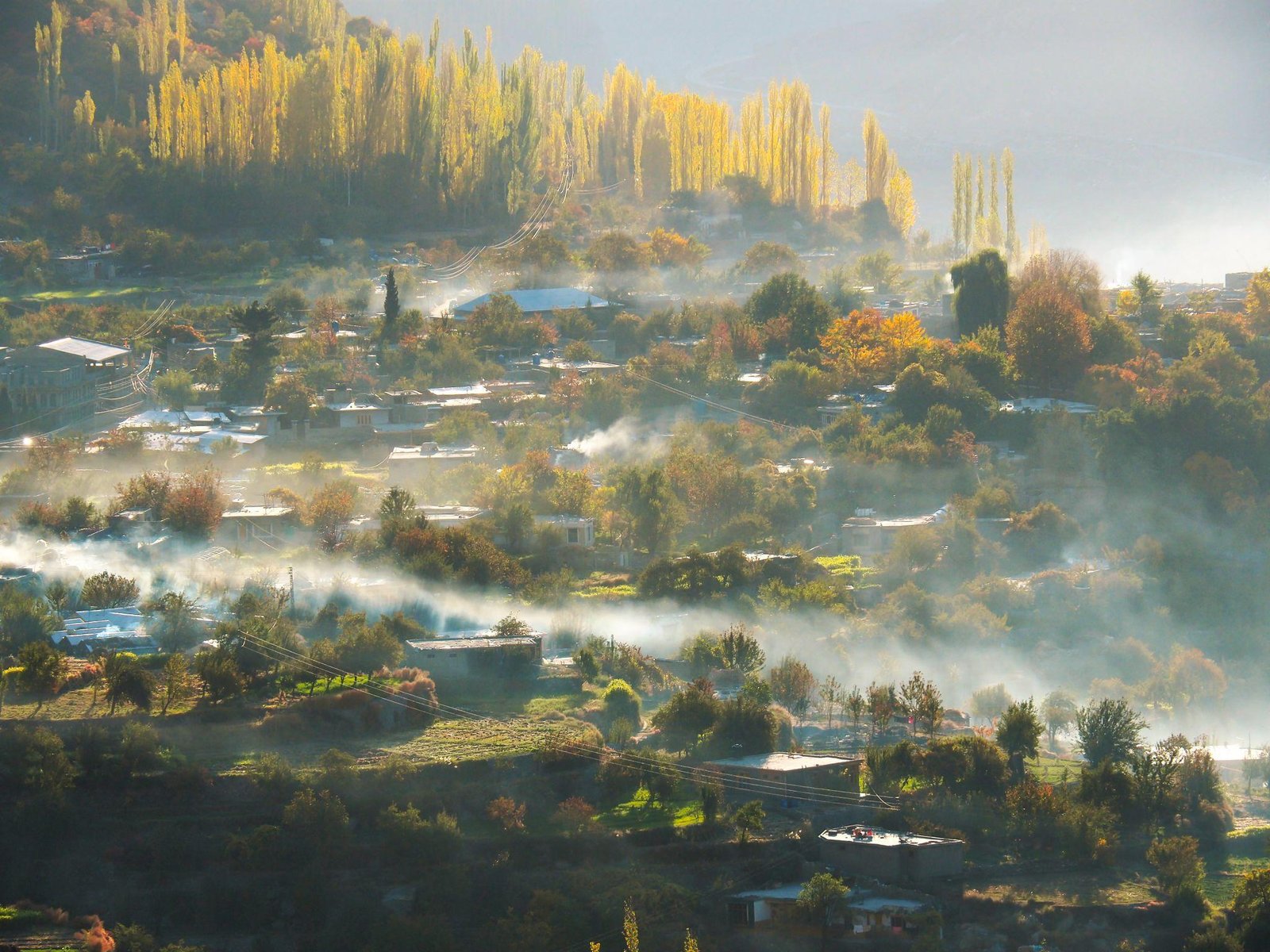
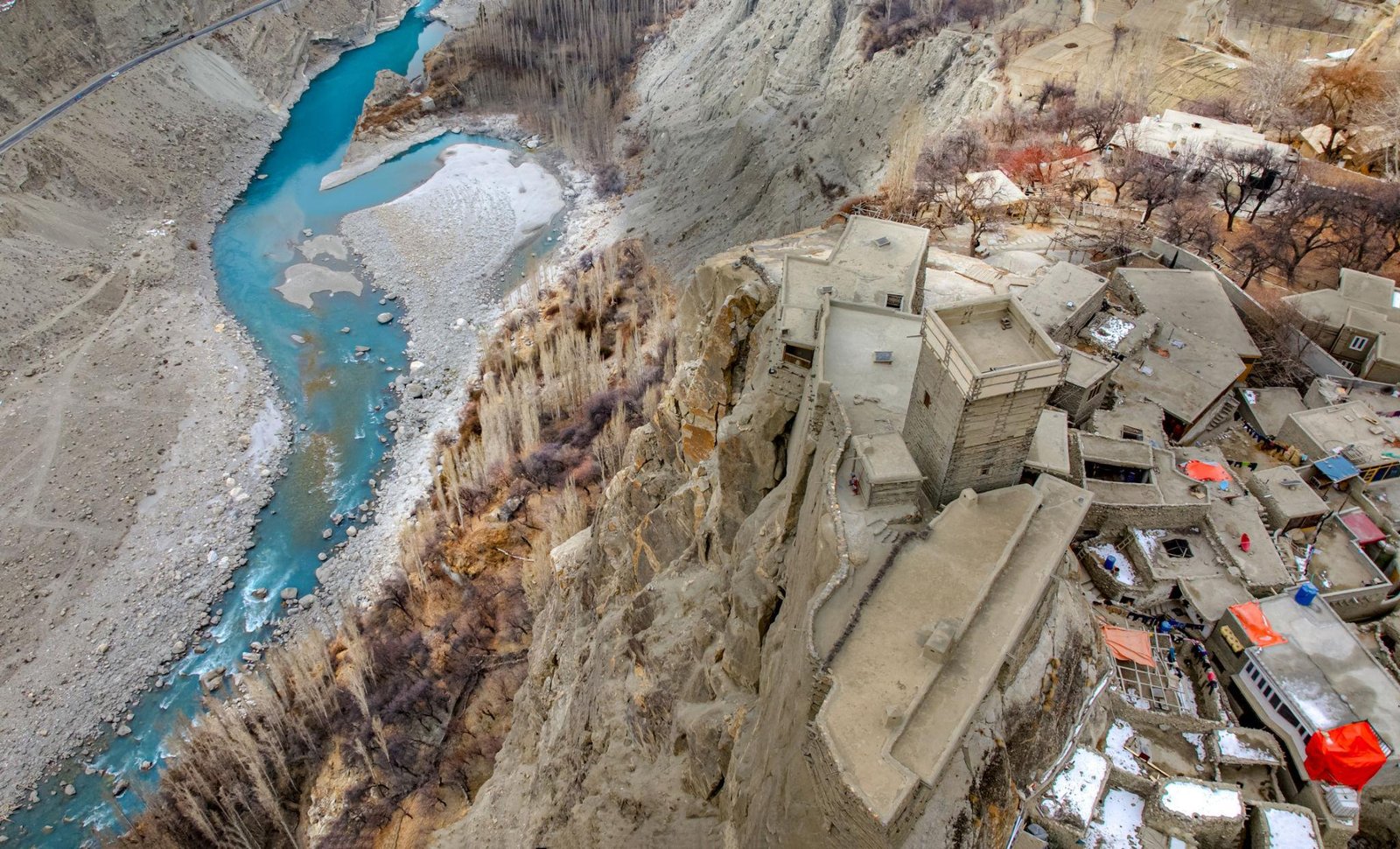
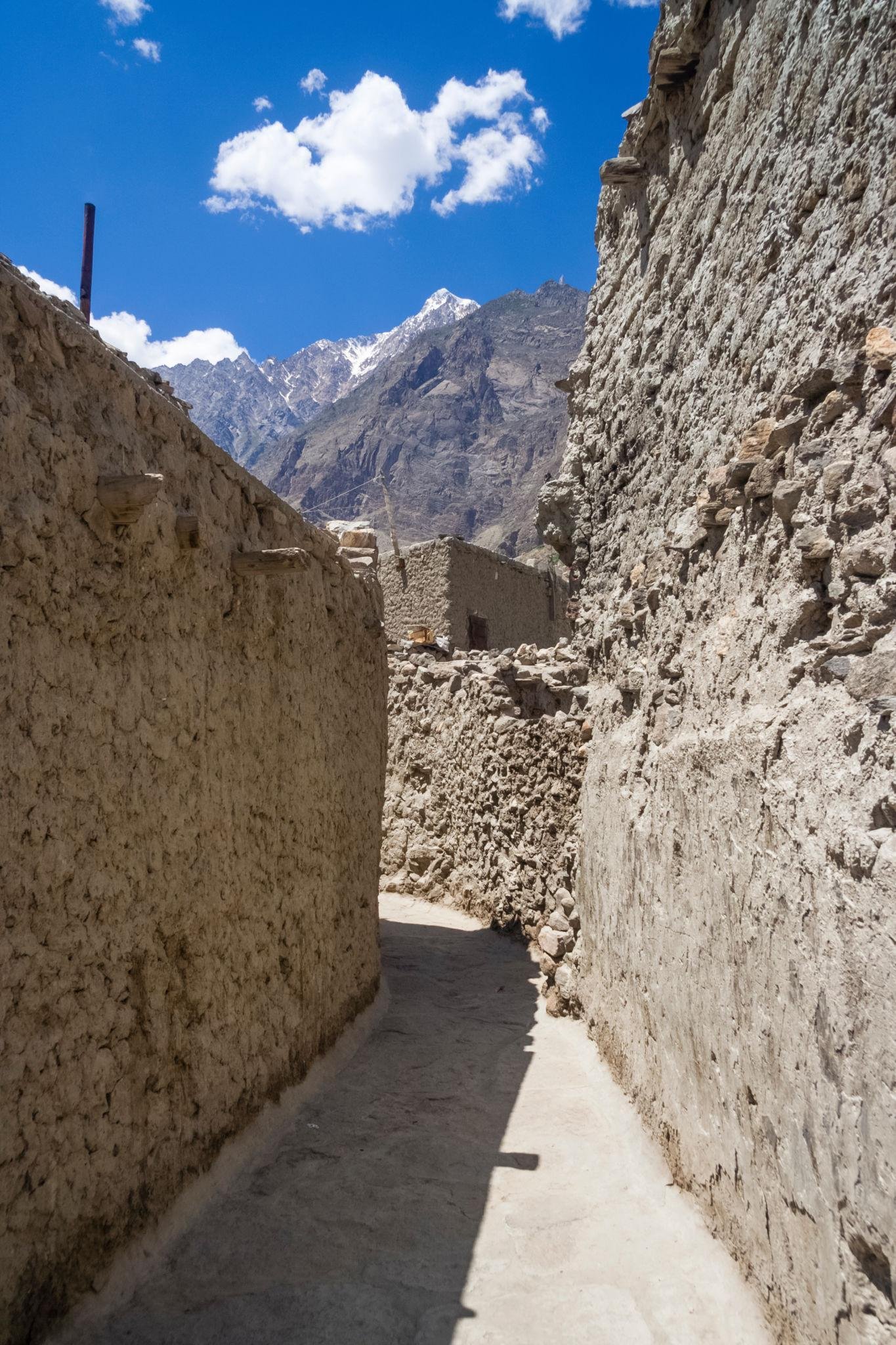
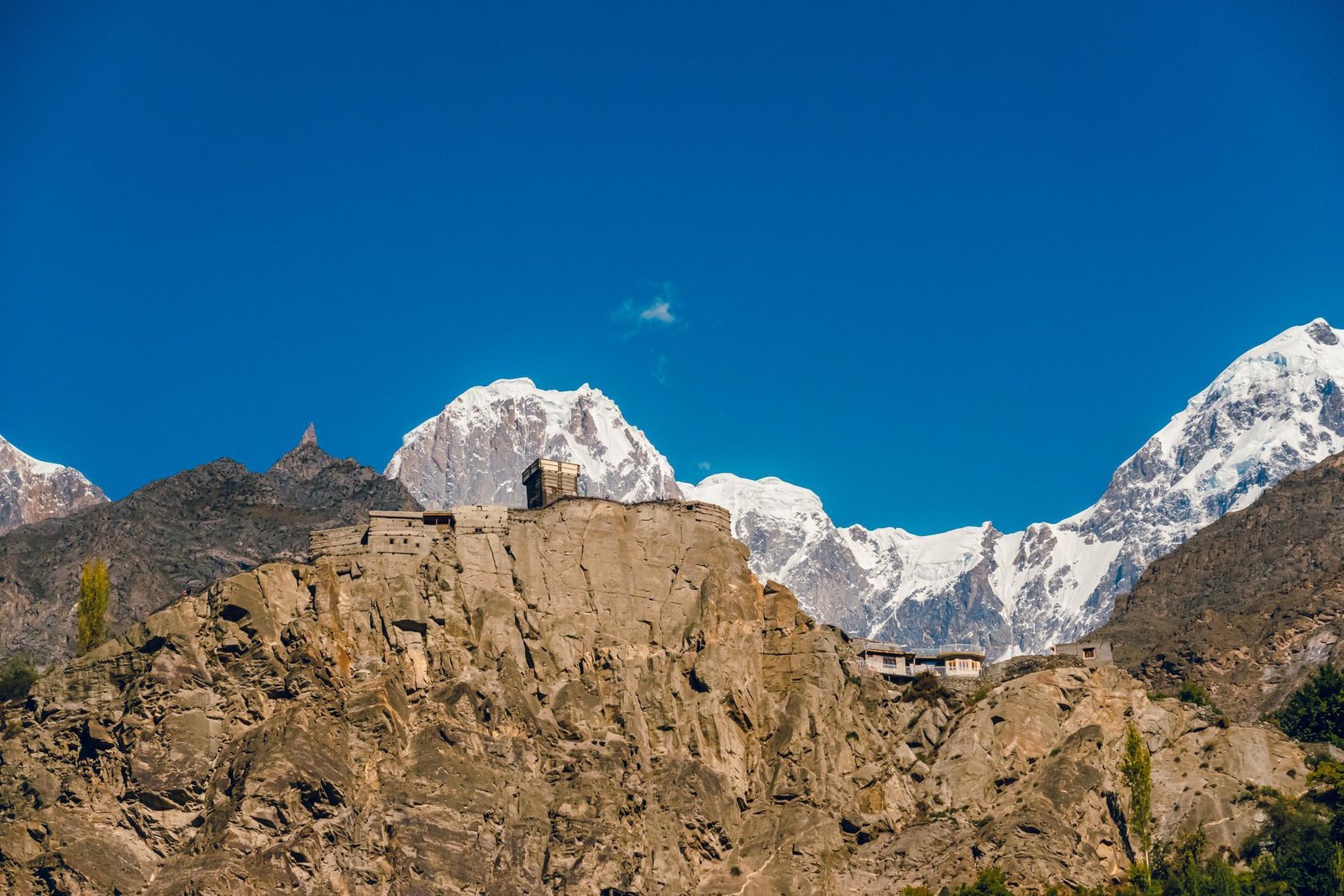
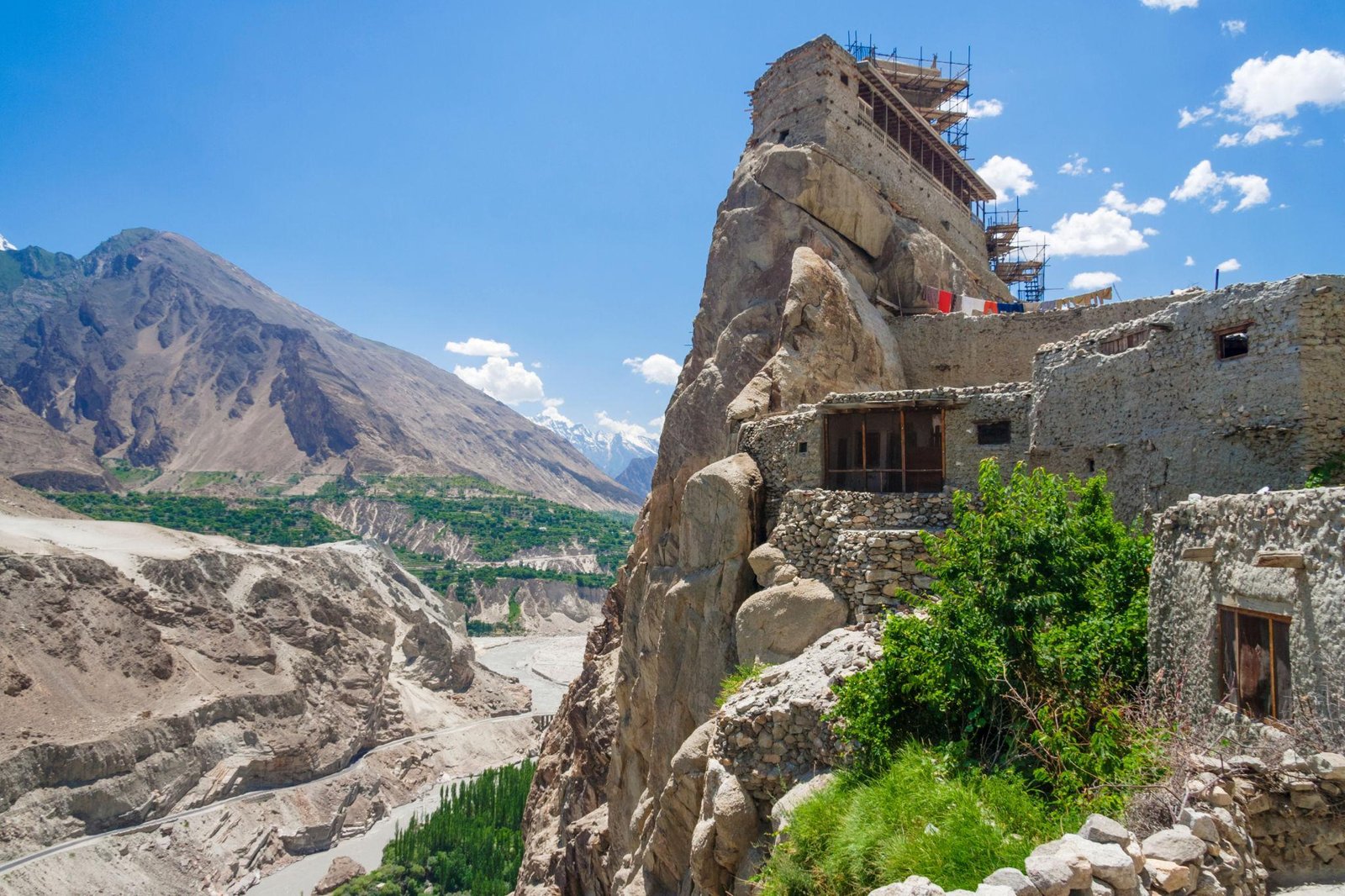
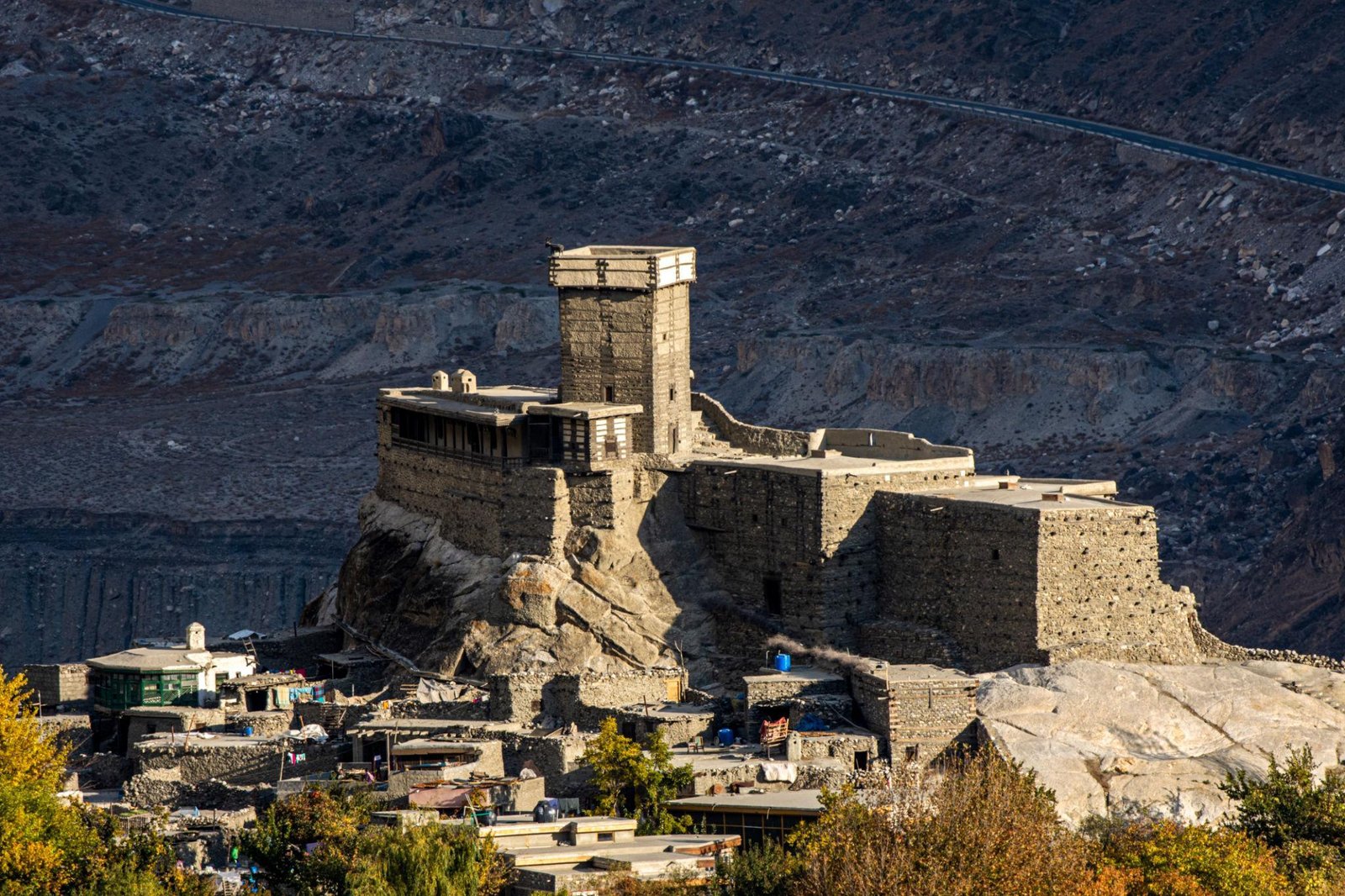
Altit Fort is one of the oldest forts in Gilgit-Baltistan and is located above Altit village. The surrounding village is known for traditional houses, narrow streets, gardens, and cultural atmosphere.
Villages & Scenic Areas
Karimabad
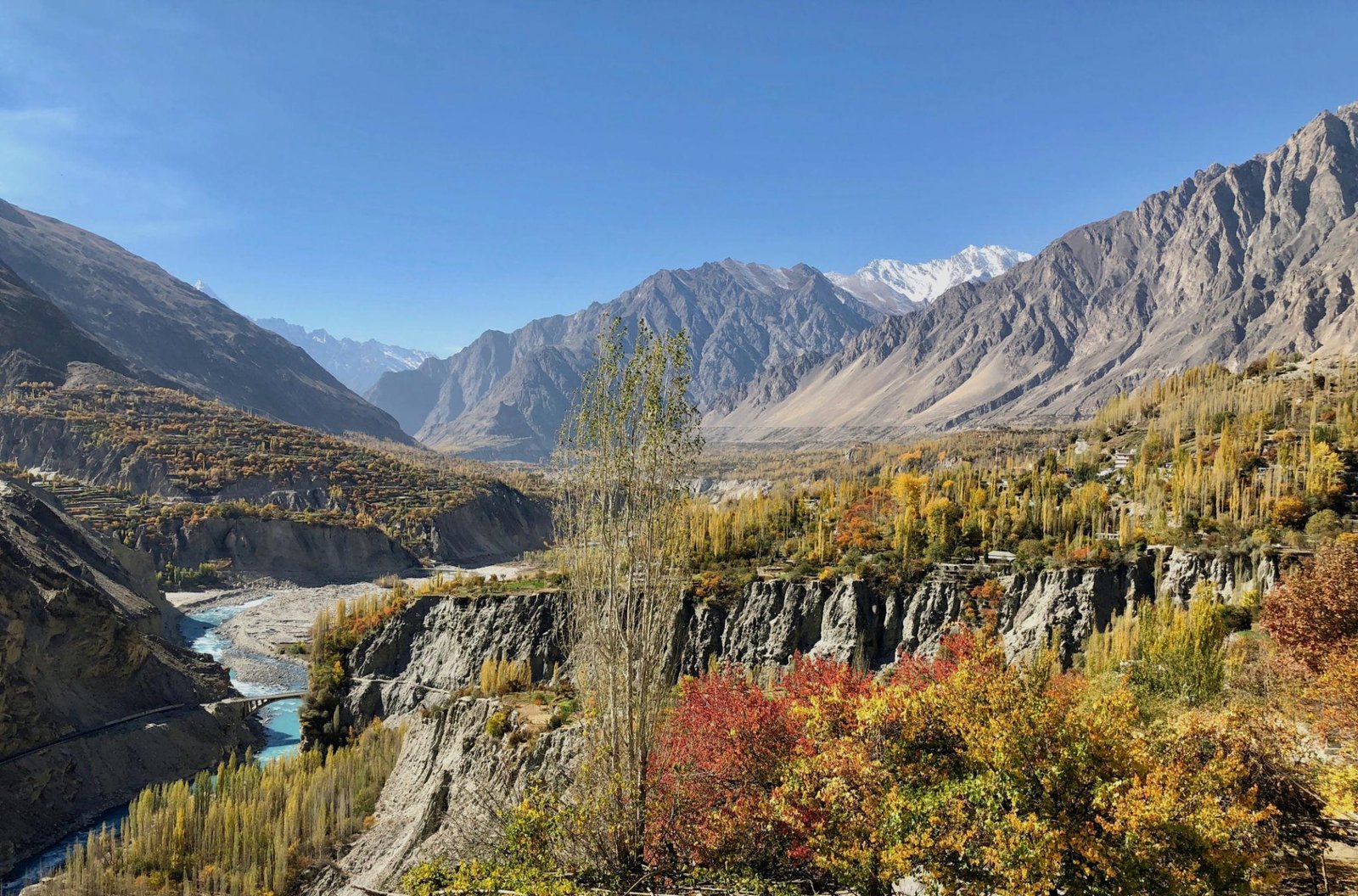
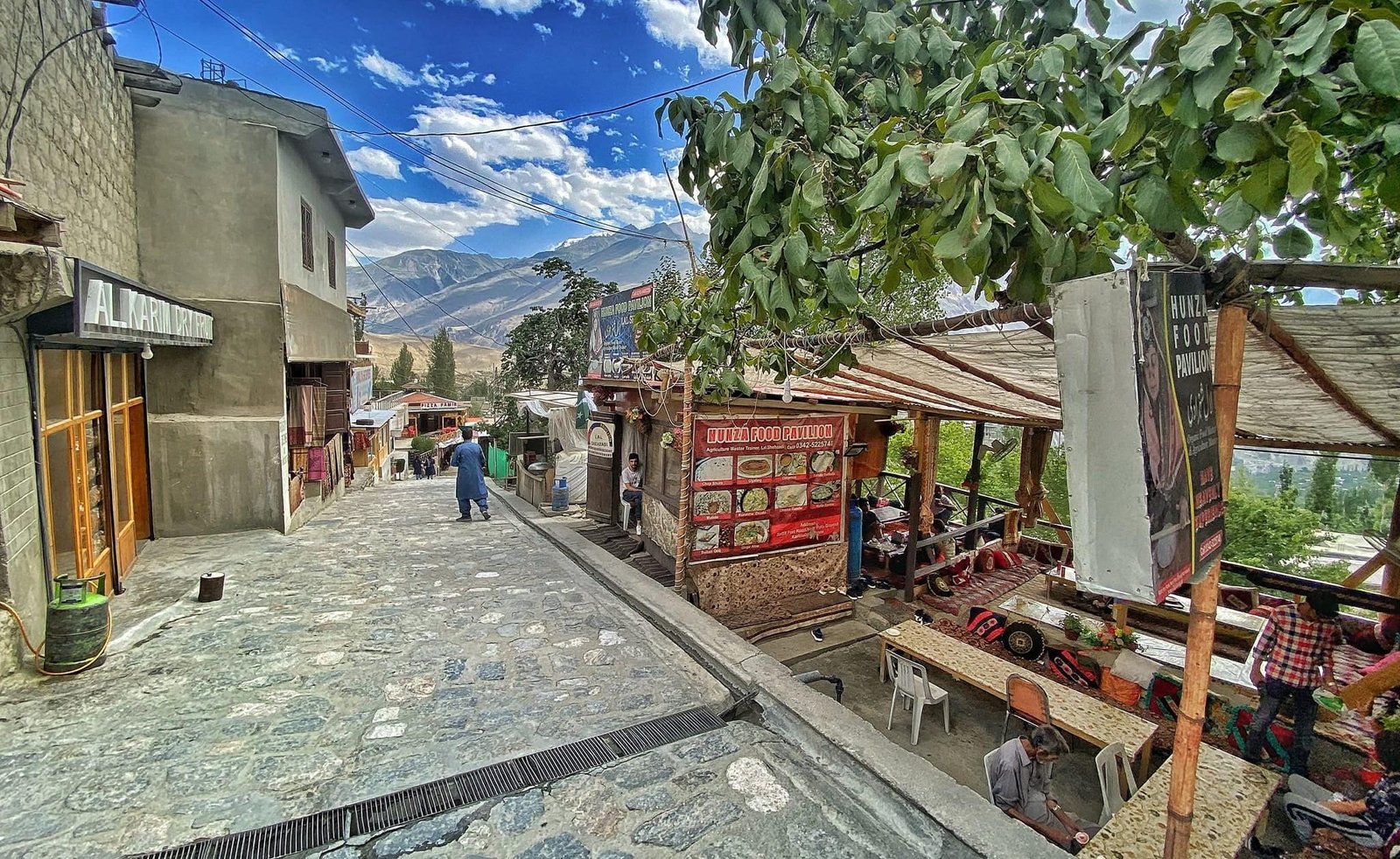
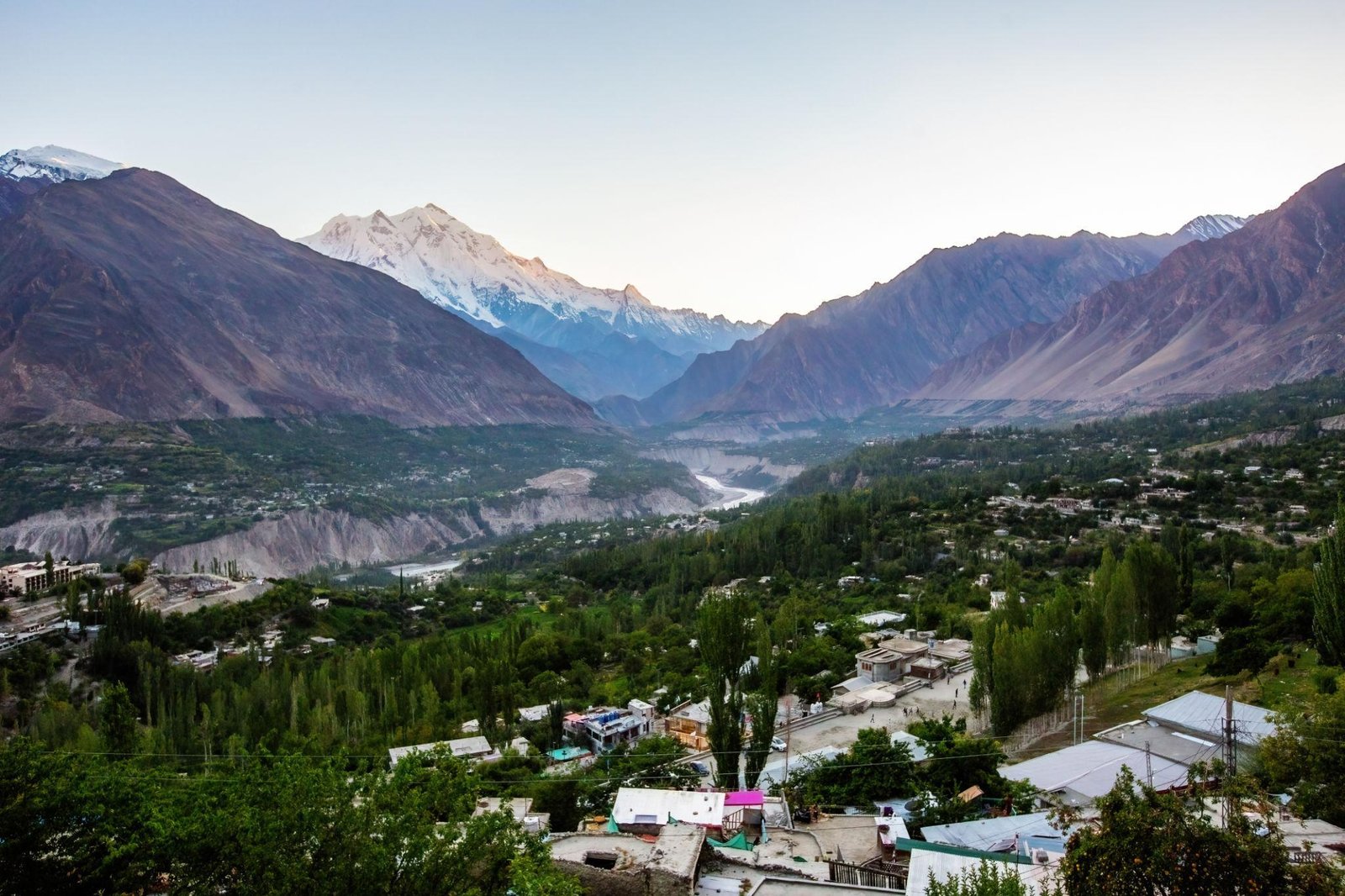
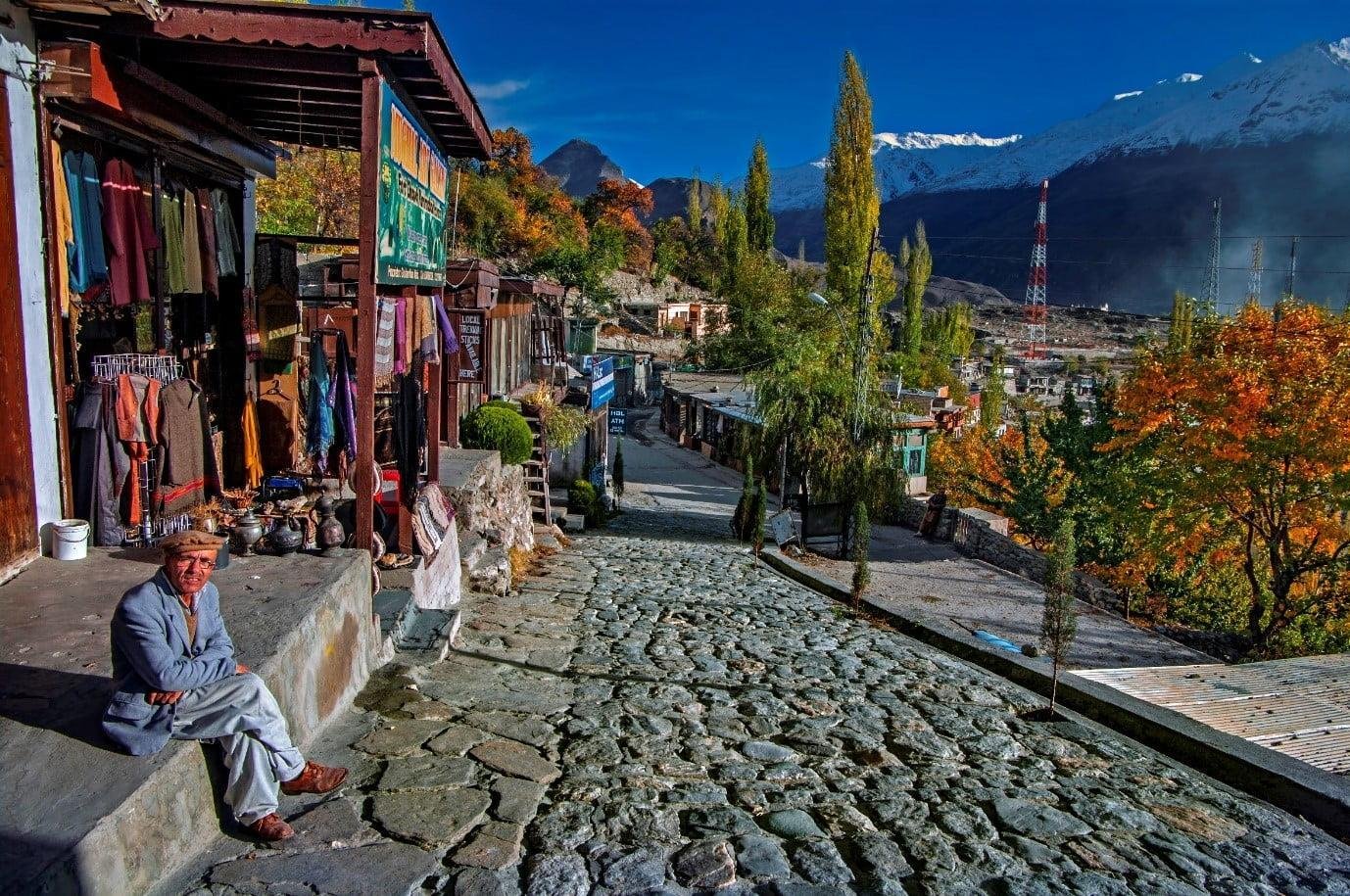
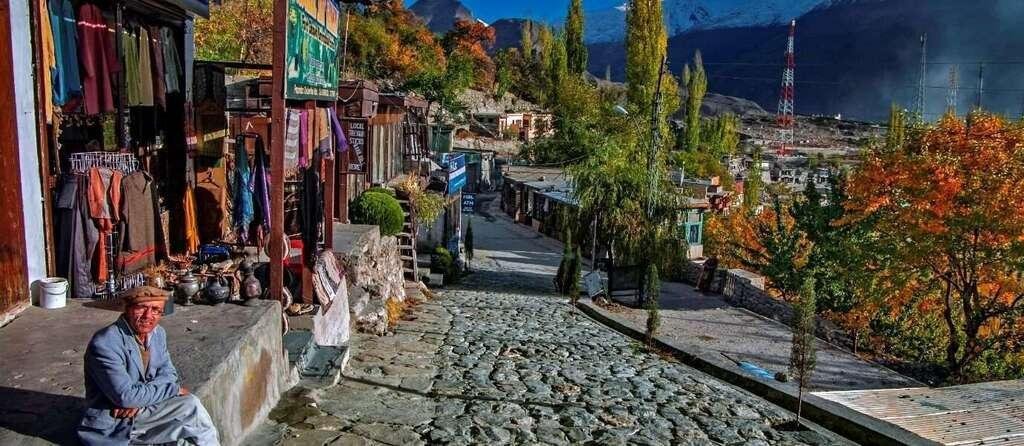
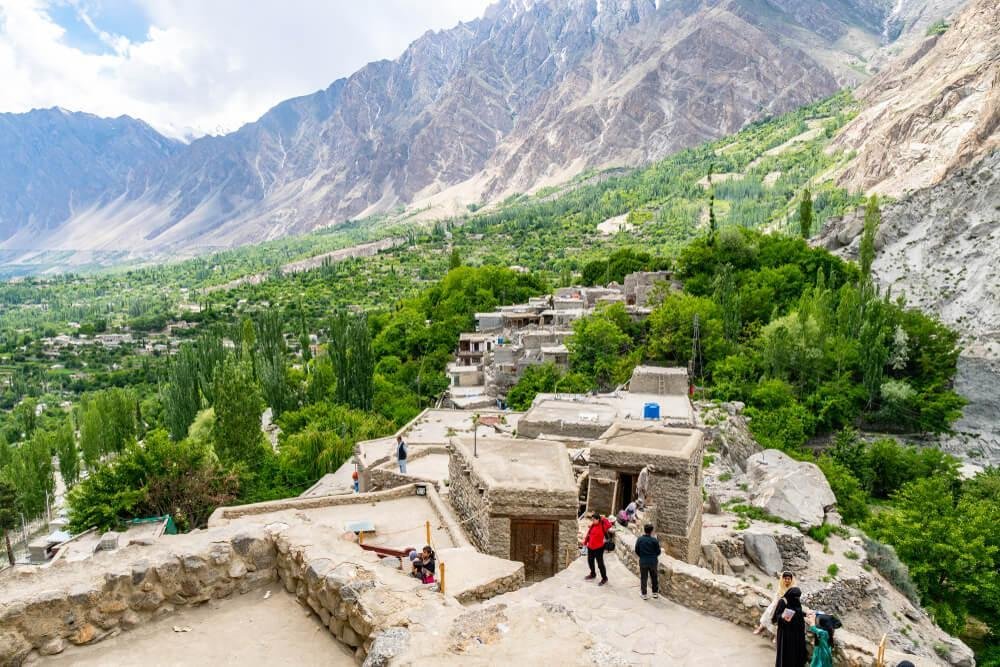
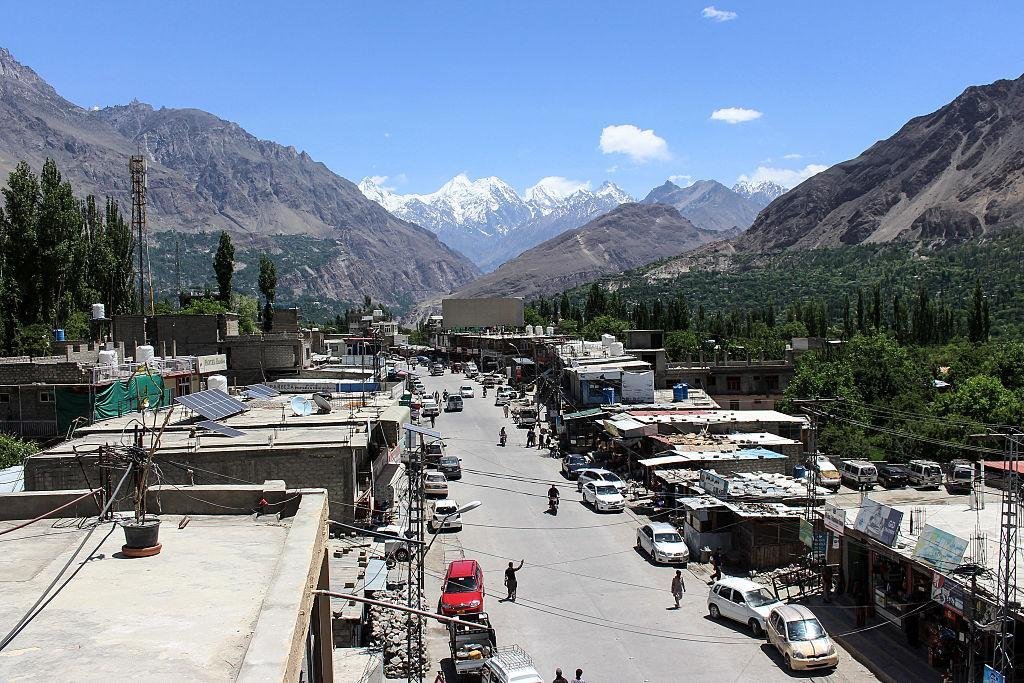
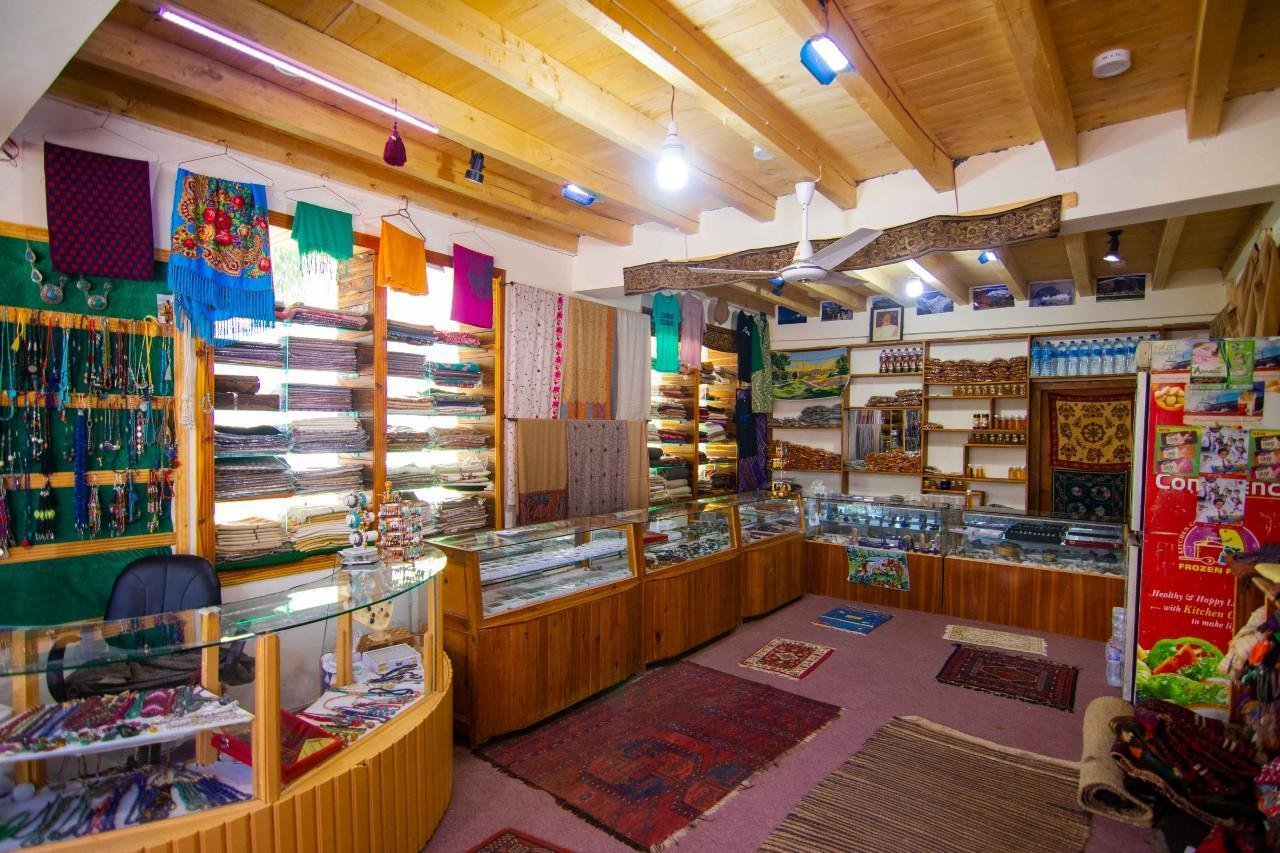
Karimabad is the main tourism center of Hunza Valley and offers:
- Hotels and guesthouses
- Cafes and restaurants
- Local handicrafts
- Traditional markets
- Panoramic mountain views
The village is also one of the best places for sunrise and sunset photography.
Passu
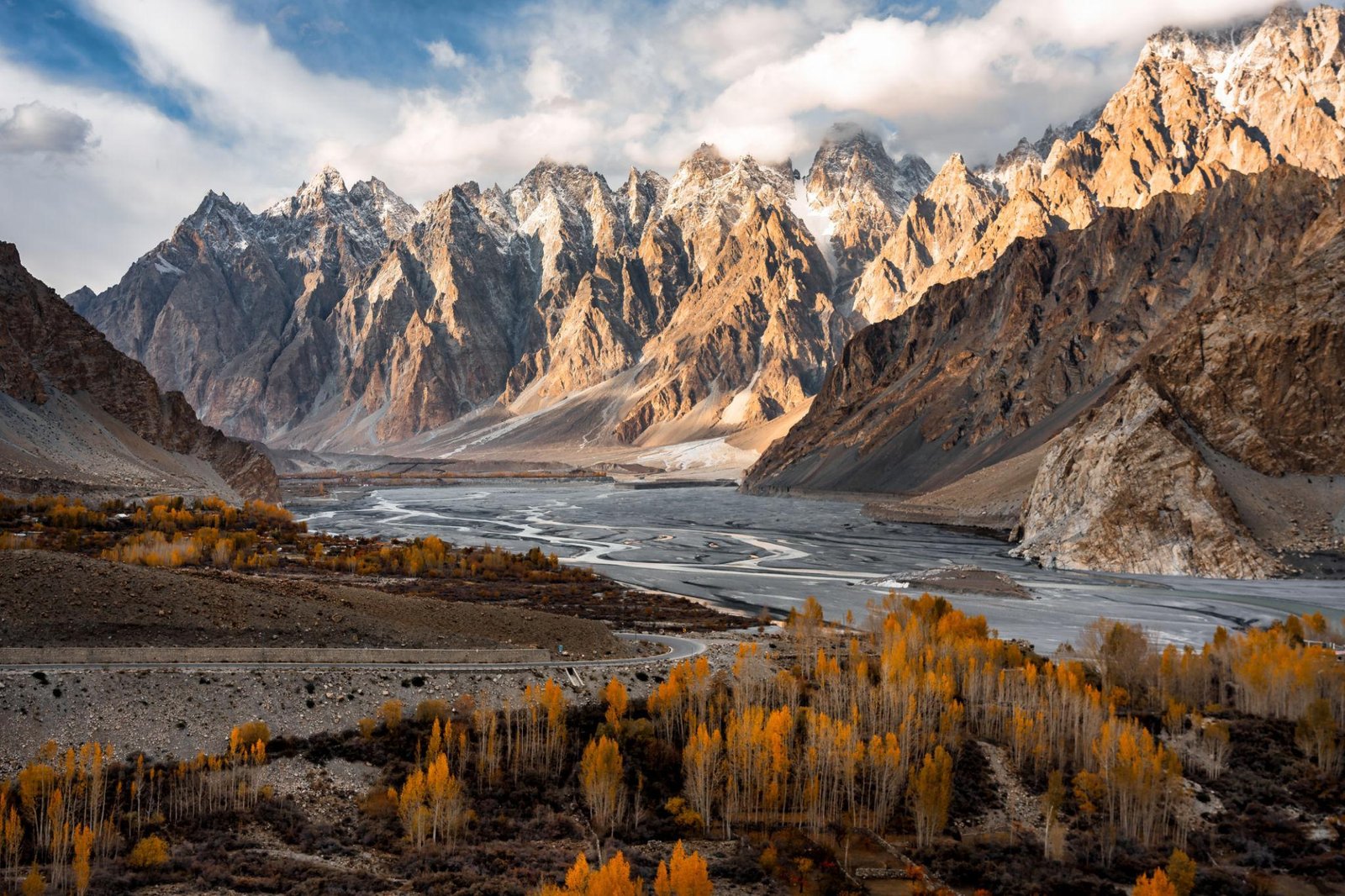
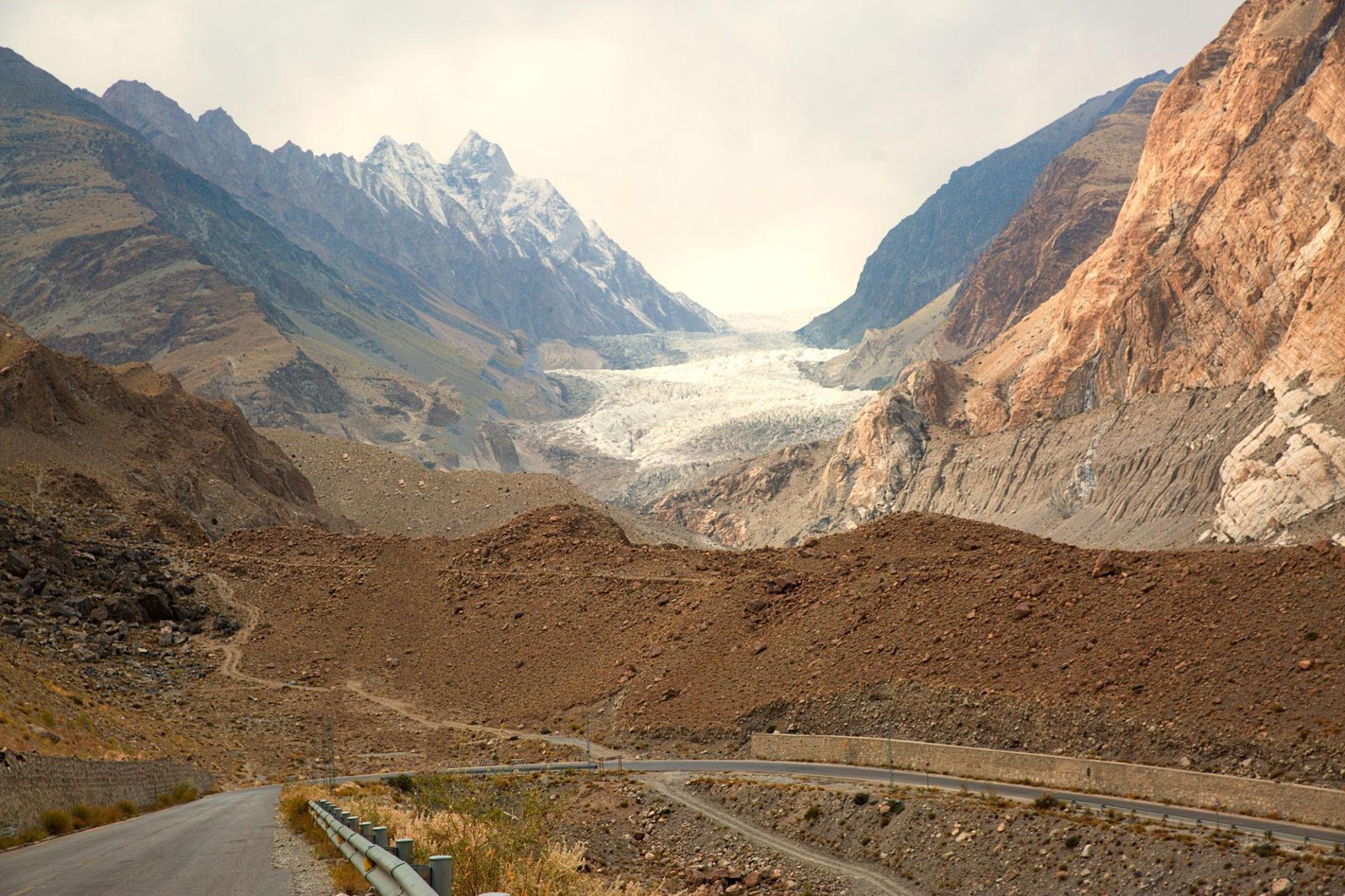
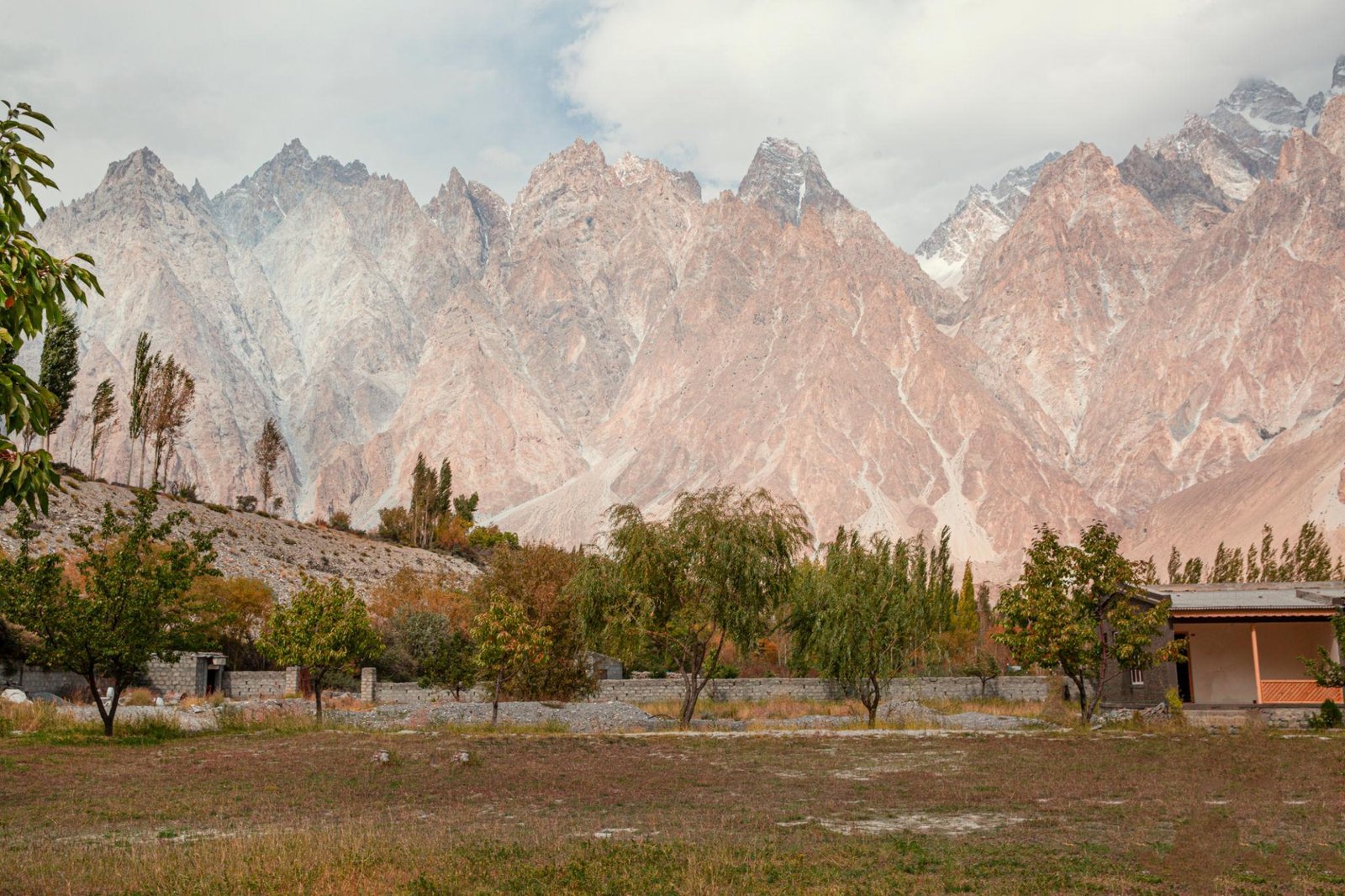
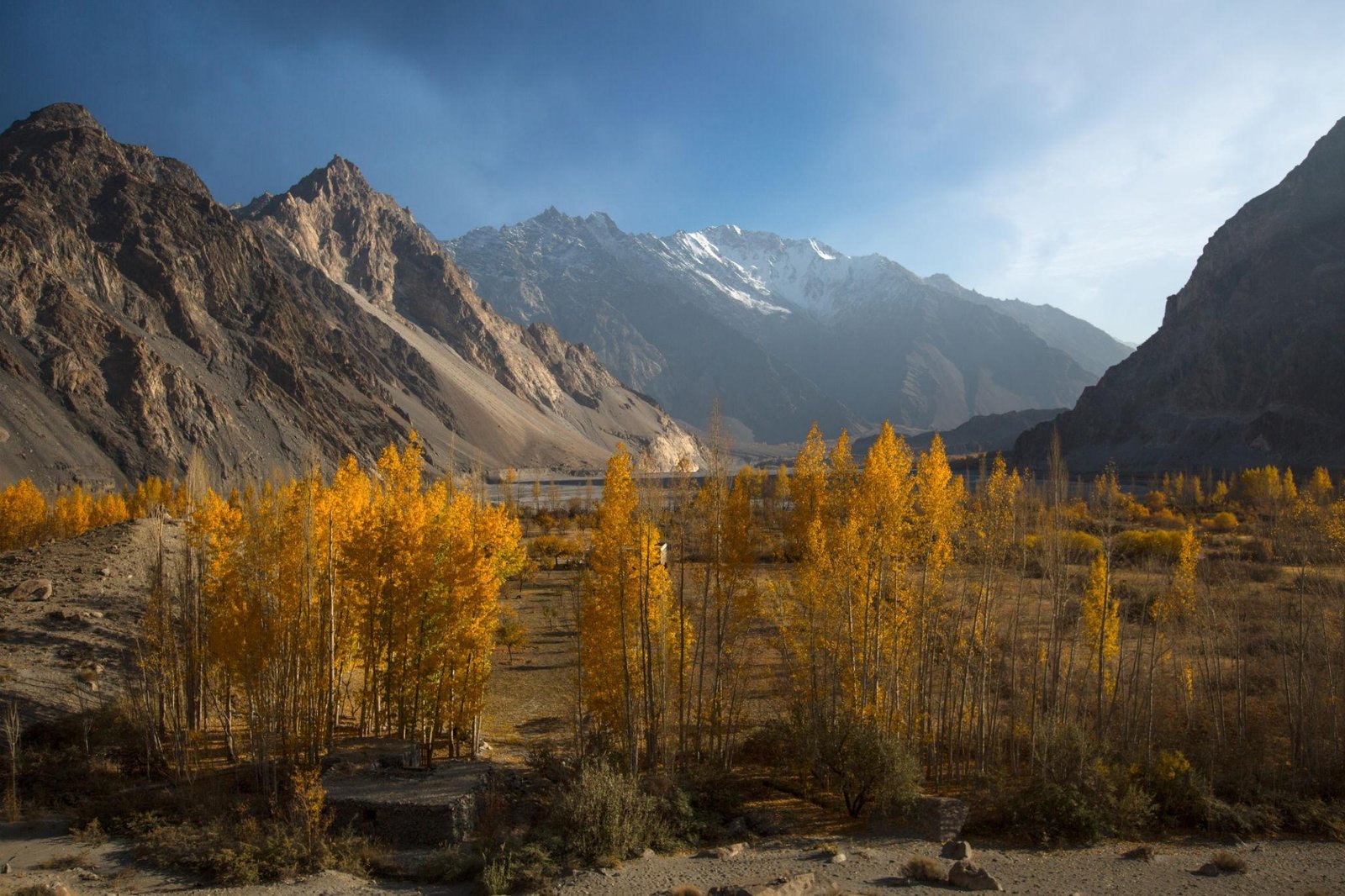
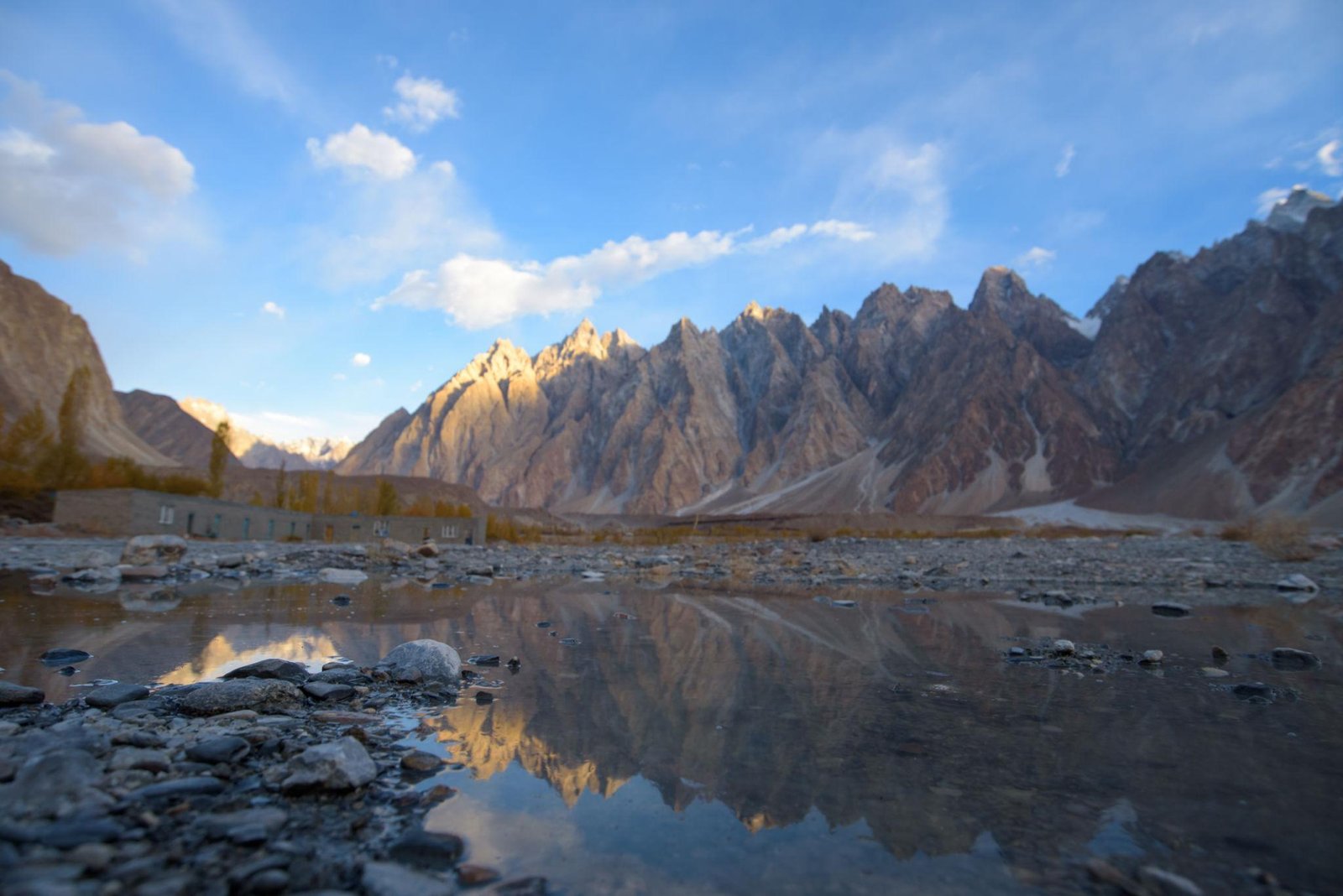
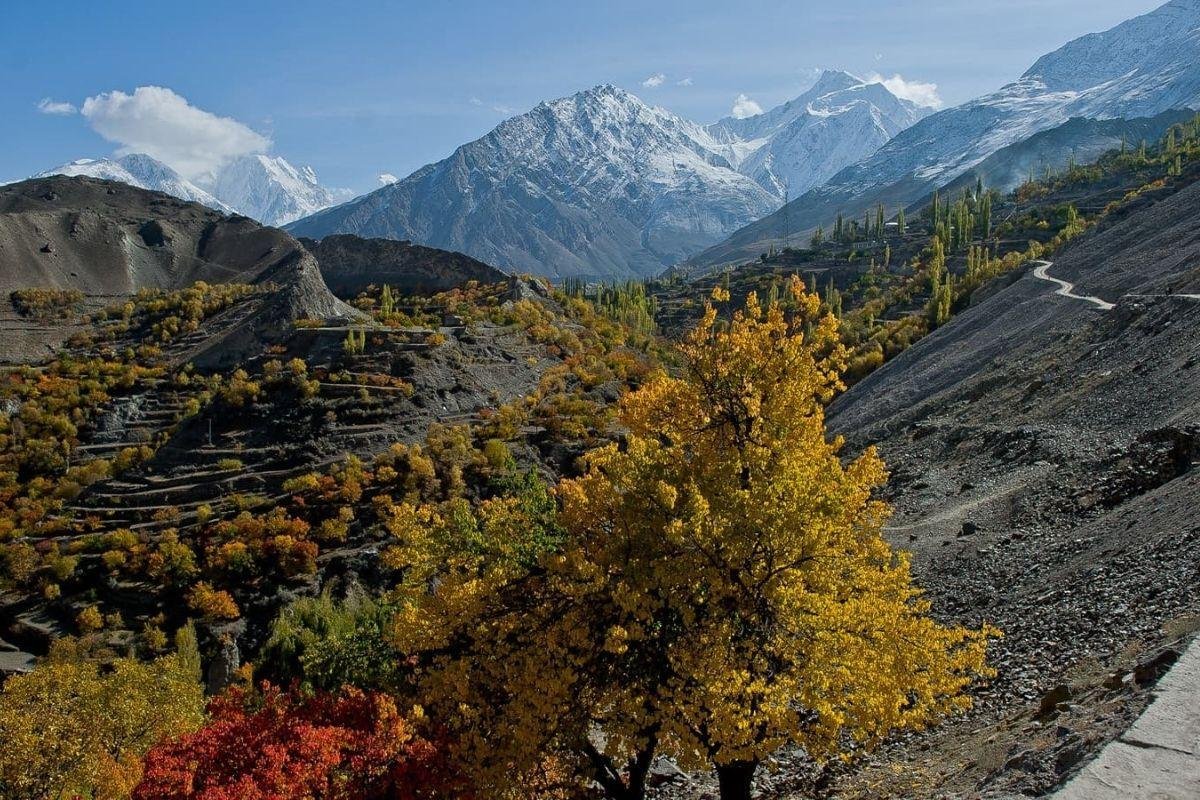
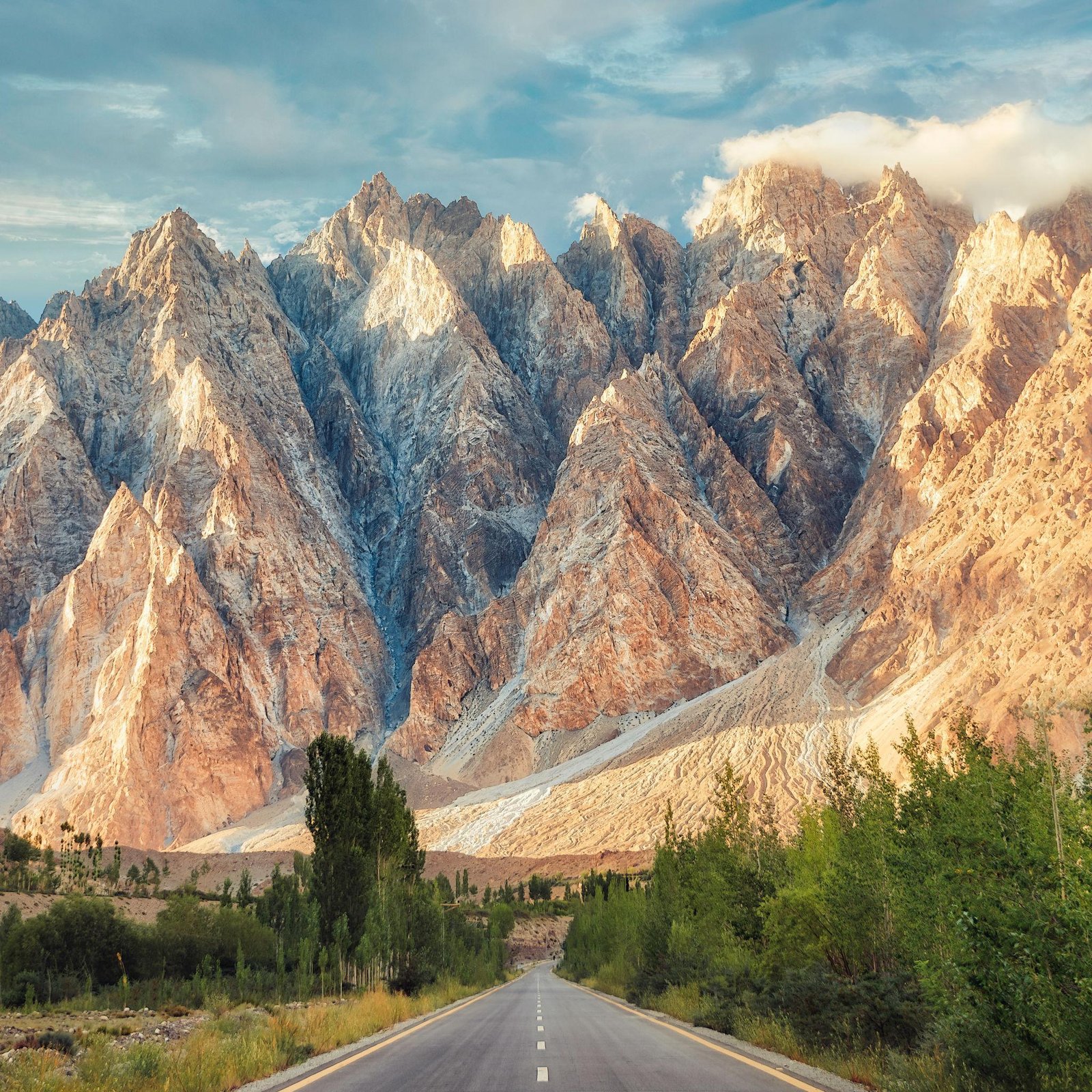
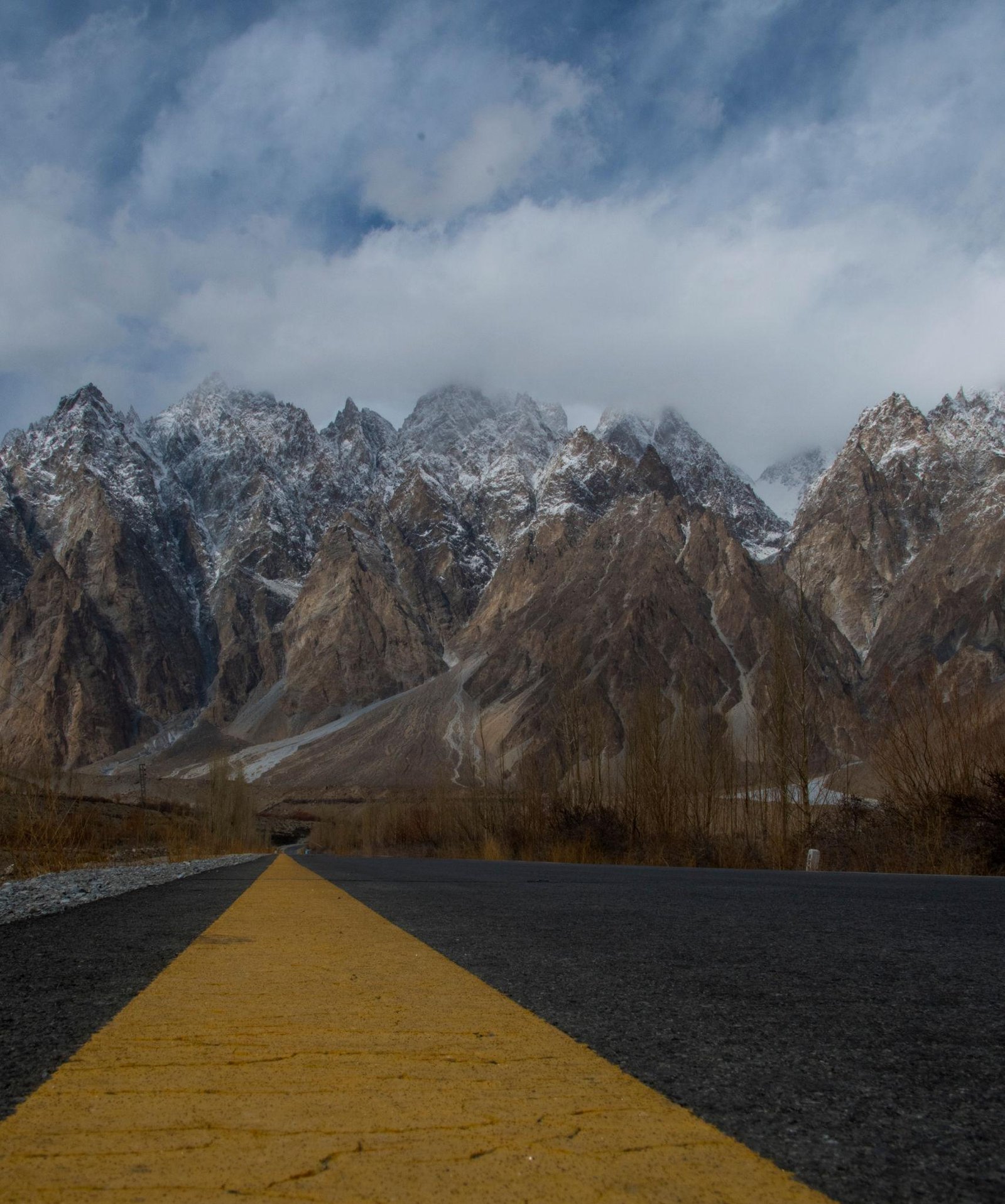
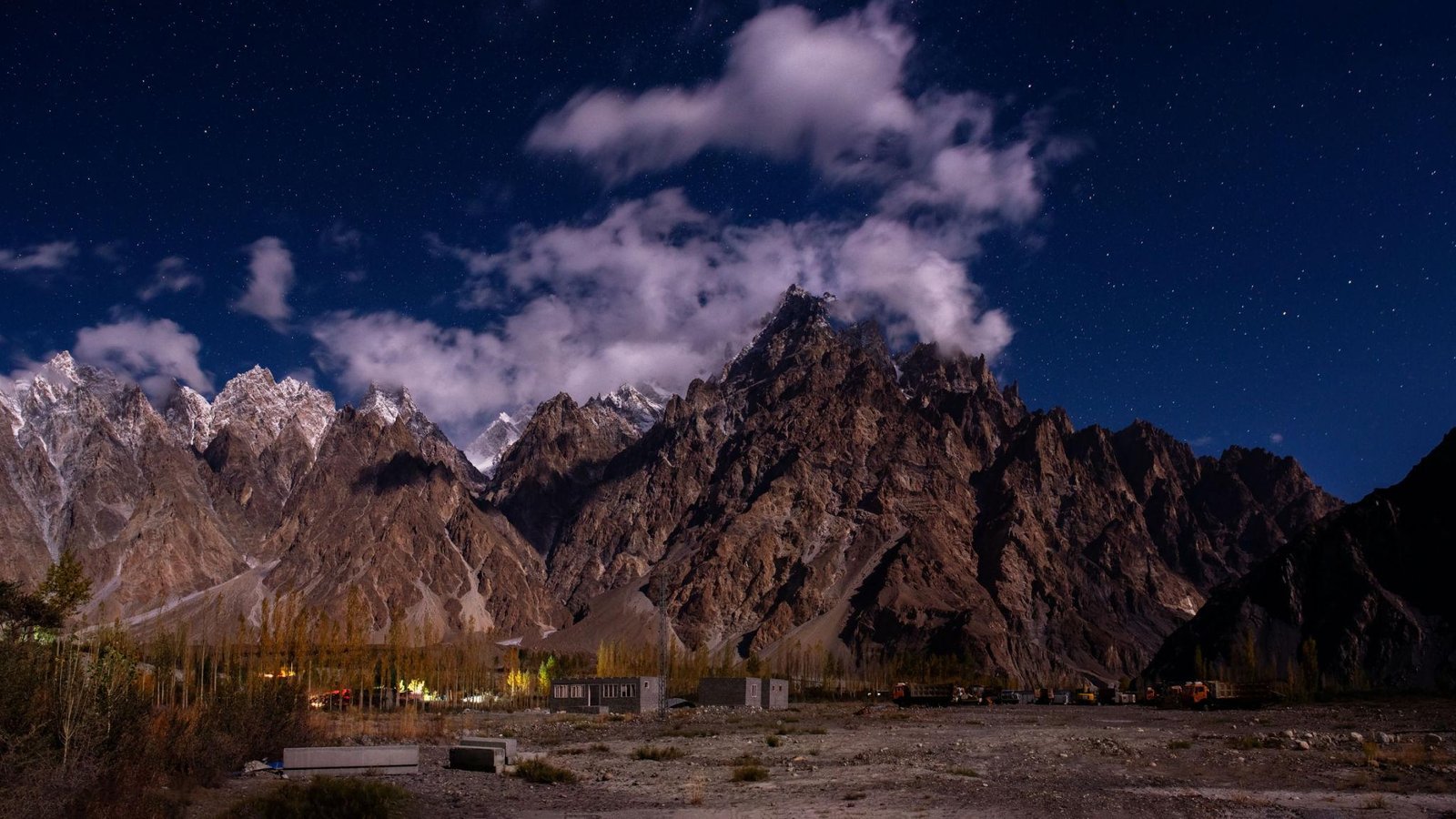
Passu is one of the most scenic villages in northern Pakistan and is famous for the dramatic Passu Cones.
The village attracts photographers, trekkers, and road trip travelers because of its glacier views and mountain scenery.
Top Attractions in Passu
- Hussaini Suspension Bridge
- Passu Glacier
- Batura Glacier viewpoints
- Karakoram Highway viewpoints
Khunjerab Pass
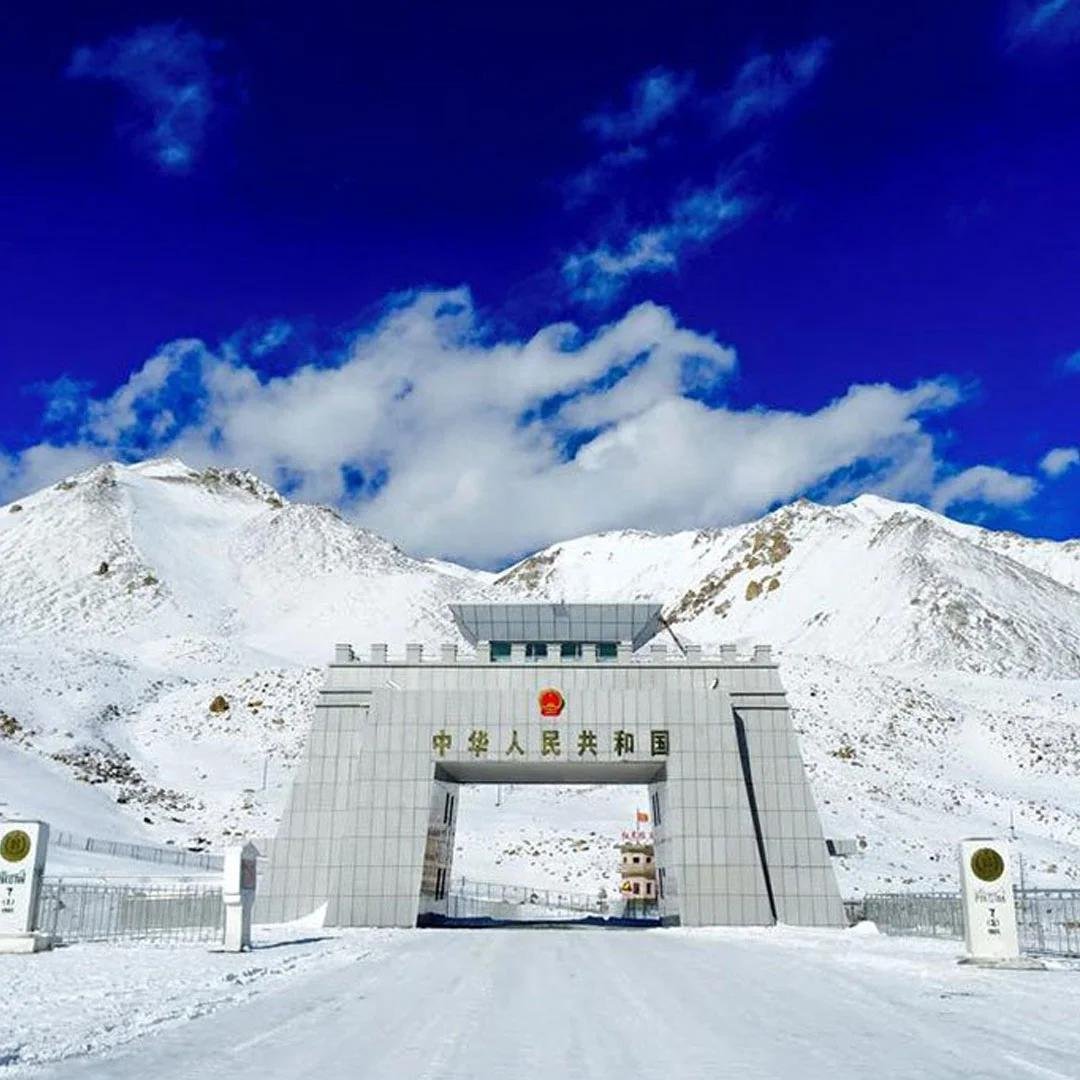
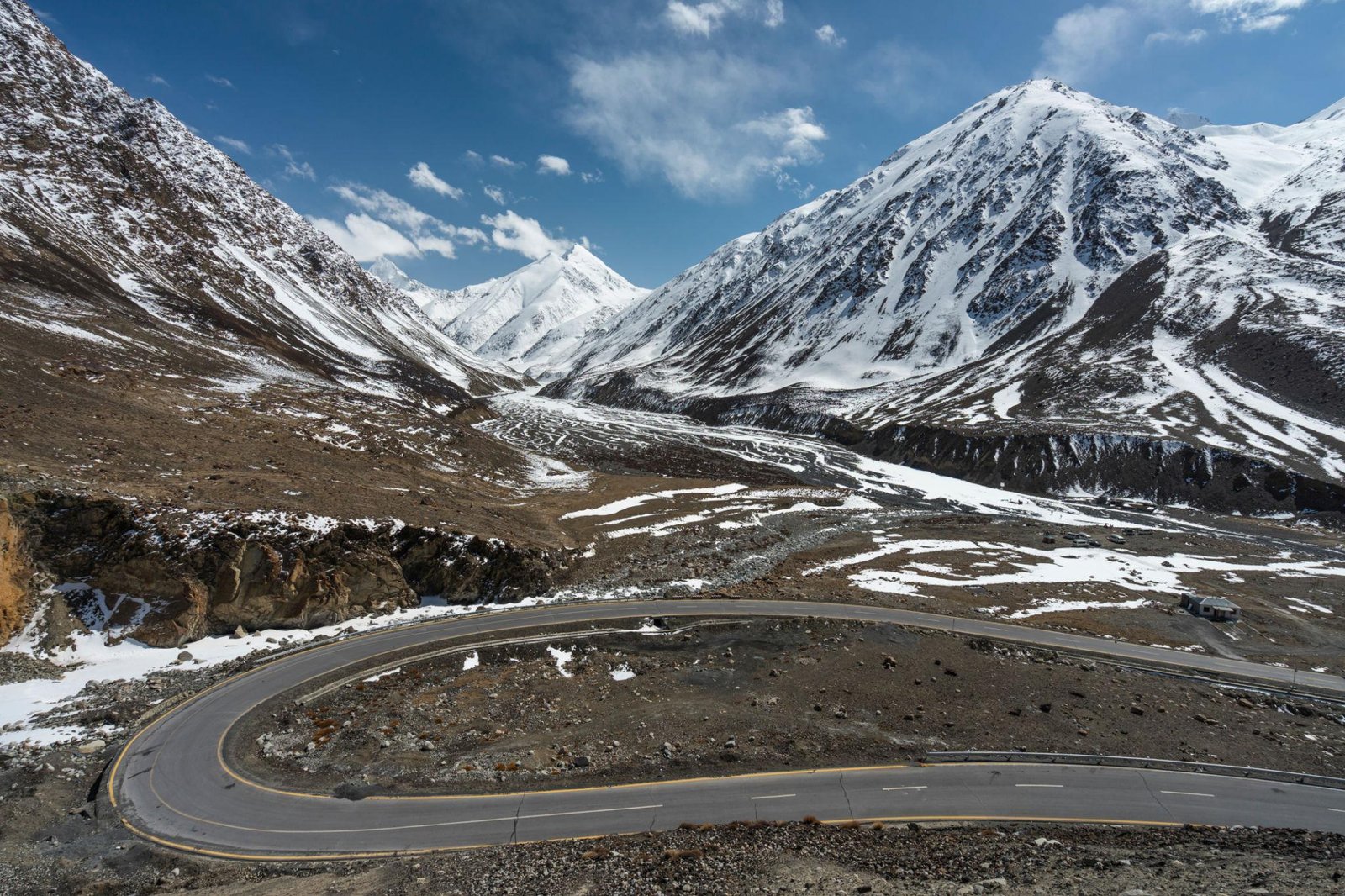
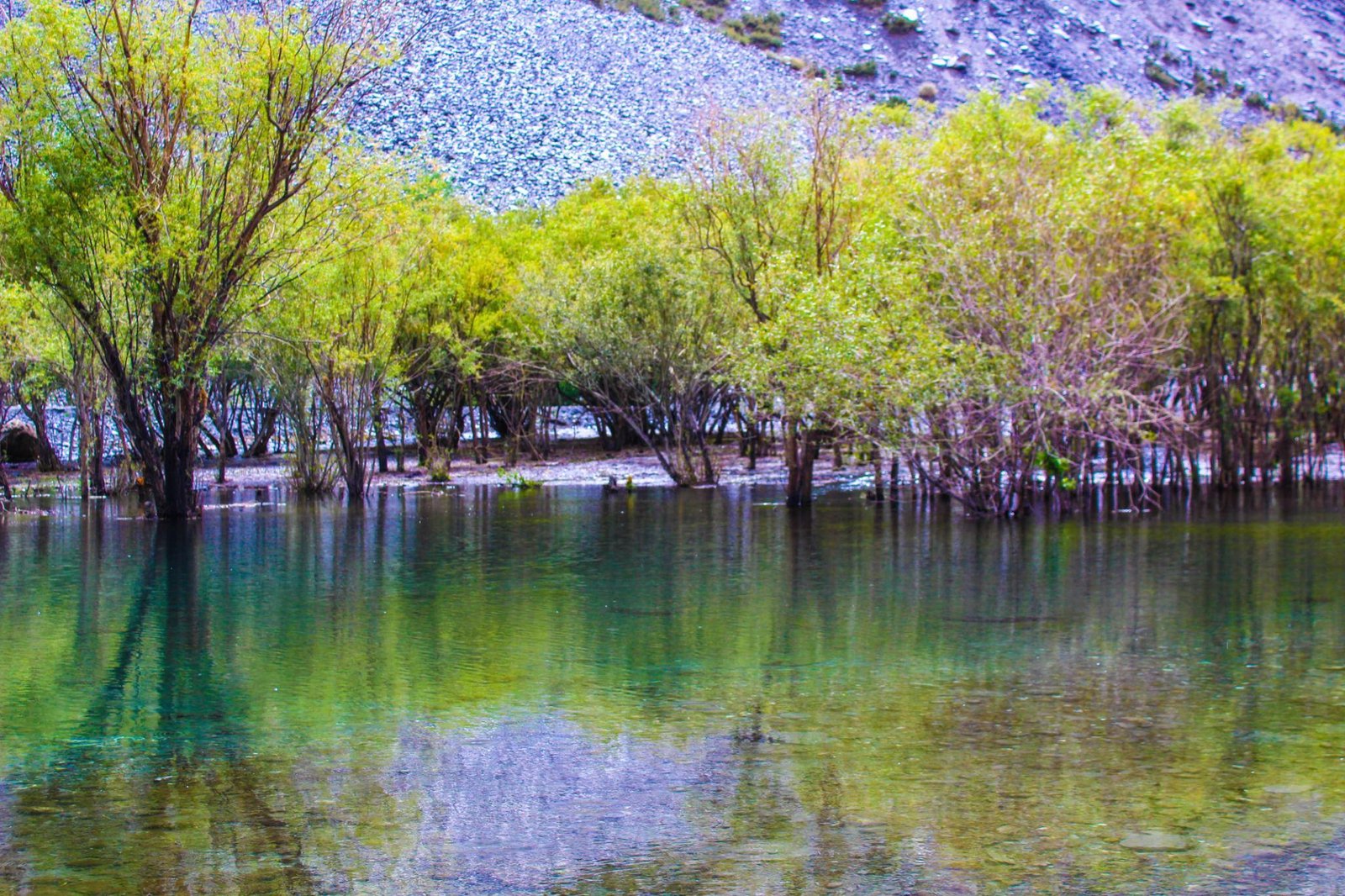
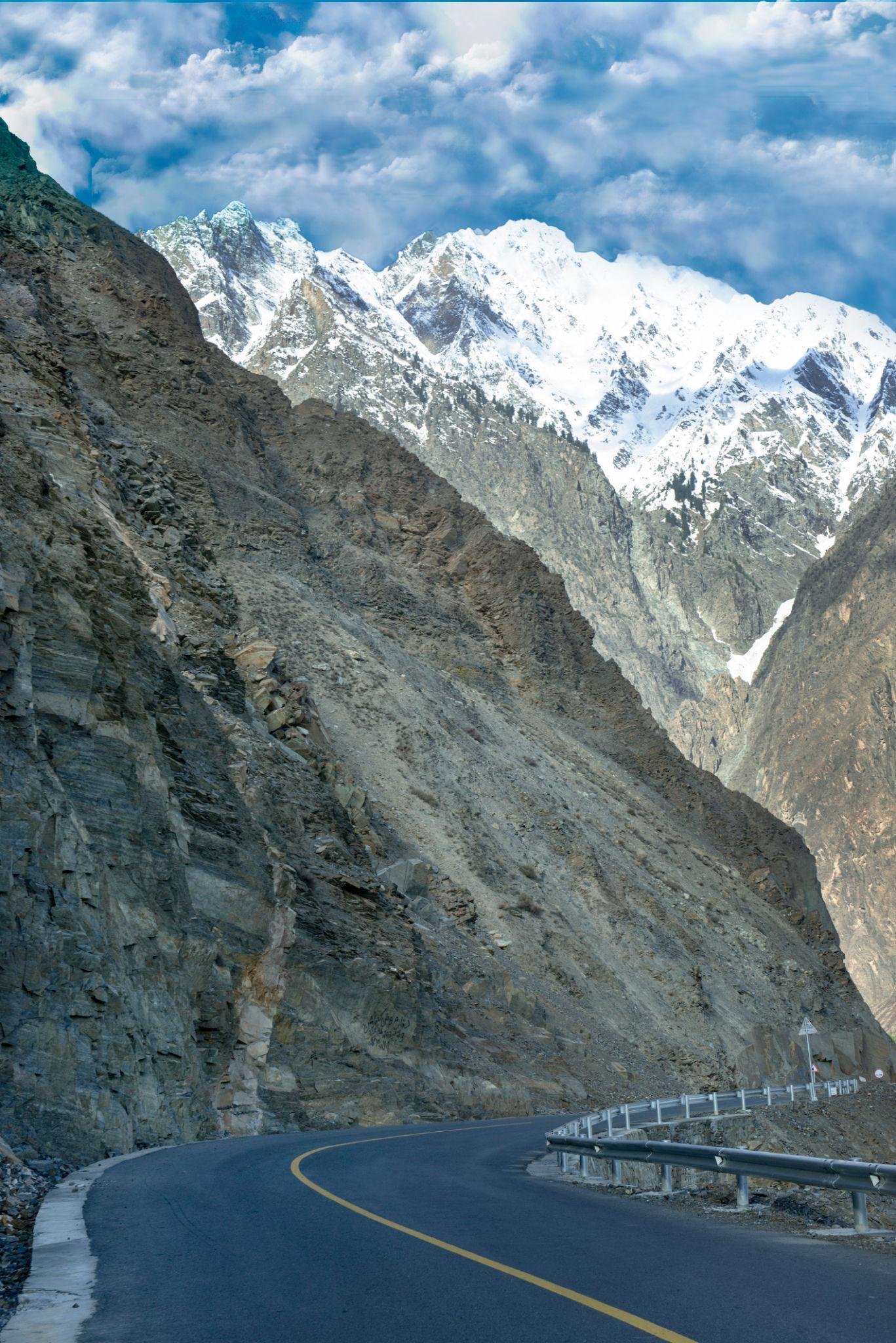
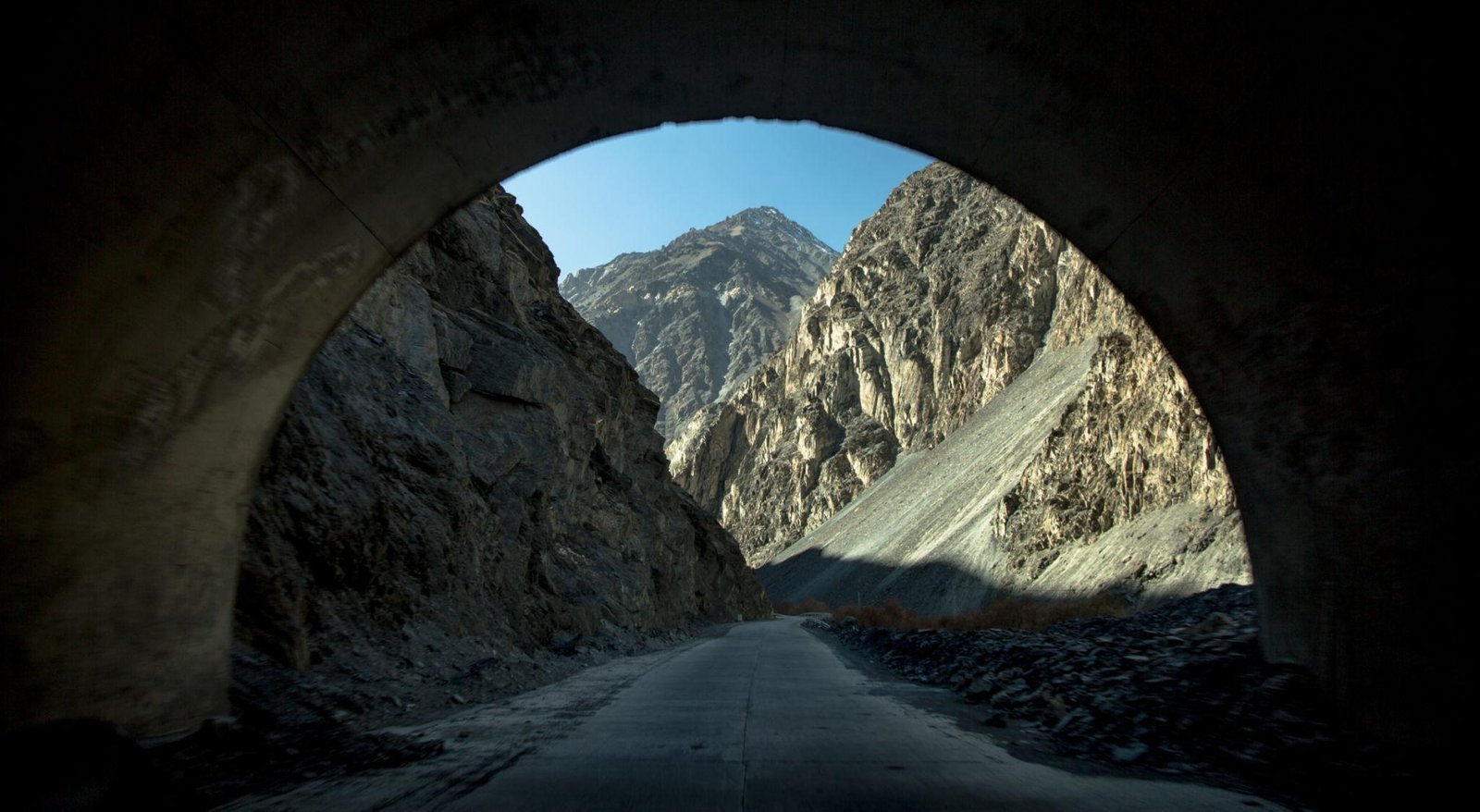
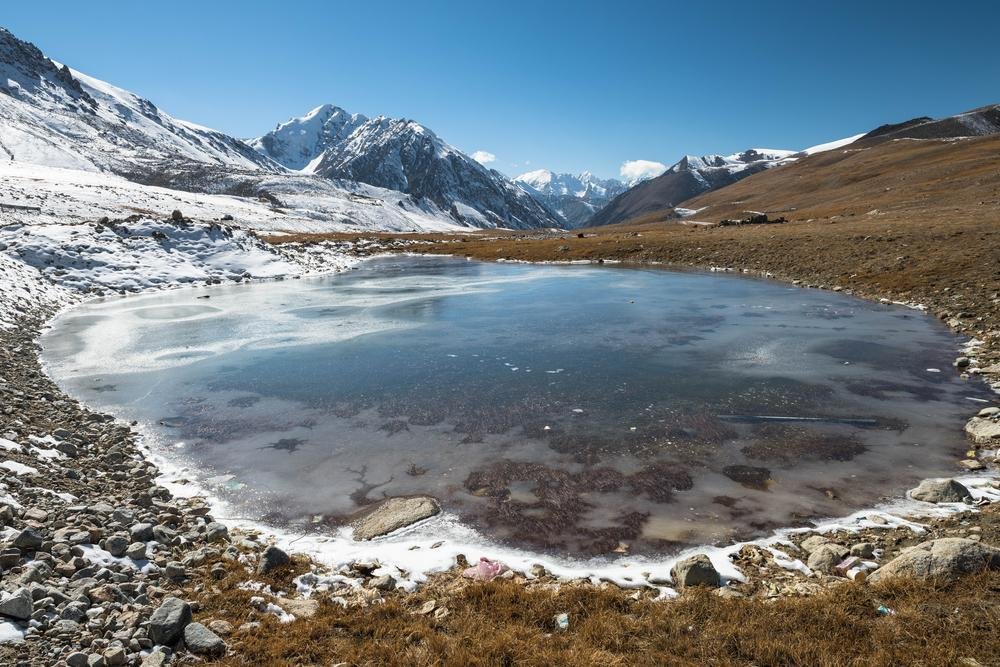
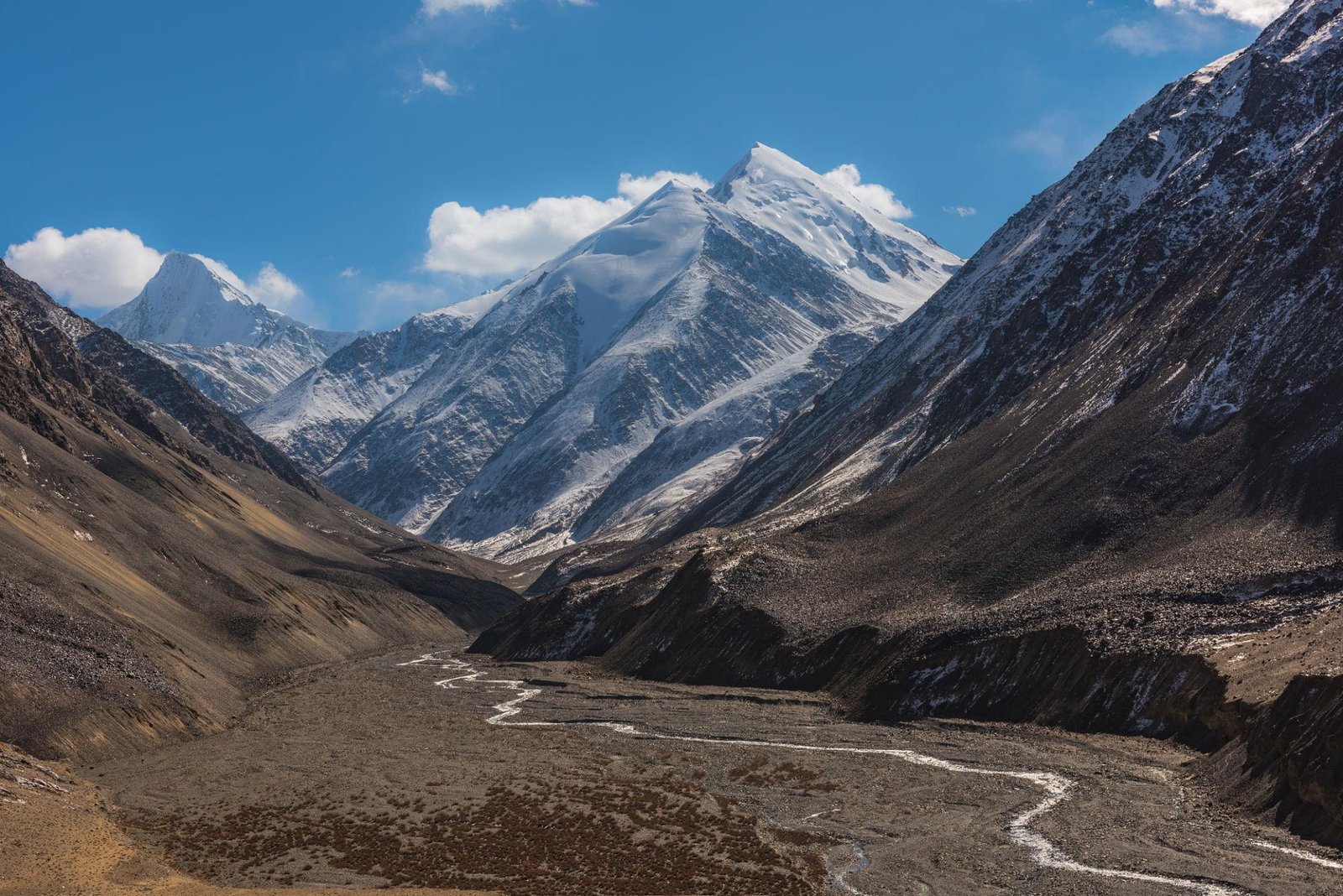
Khunjerab Pass connects Pakistan with China and is one of the highest paved international border crossings in the world.
The road journey toward Khunjerab is considered one of the most scenic drives in Pakistan.
Why Visit Khunjerab Pass?
- High altitude landscapes
- Karakoram Highway experience
- Mountain photography
- Wildlife scenery
- Border viewpoint experience
Adventure & Nature Experiences in Hunza
Hunza is one of Pakistan’s top adventure tourism destinations.
Popular Activities
- Trekking
- Hiking
- Camping
- Photography
- Glacier viewpoints
- Cultural tours
- Road trips
Hunza also serves as a gateway toward trekking regions in upper Gilgit-Baltistan.
Hunza in Spring
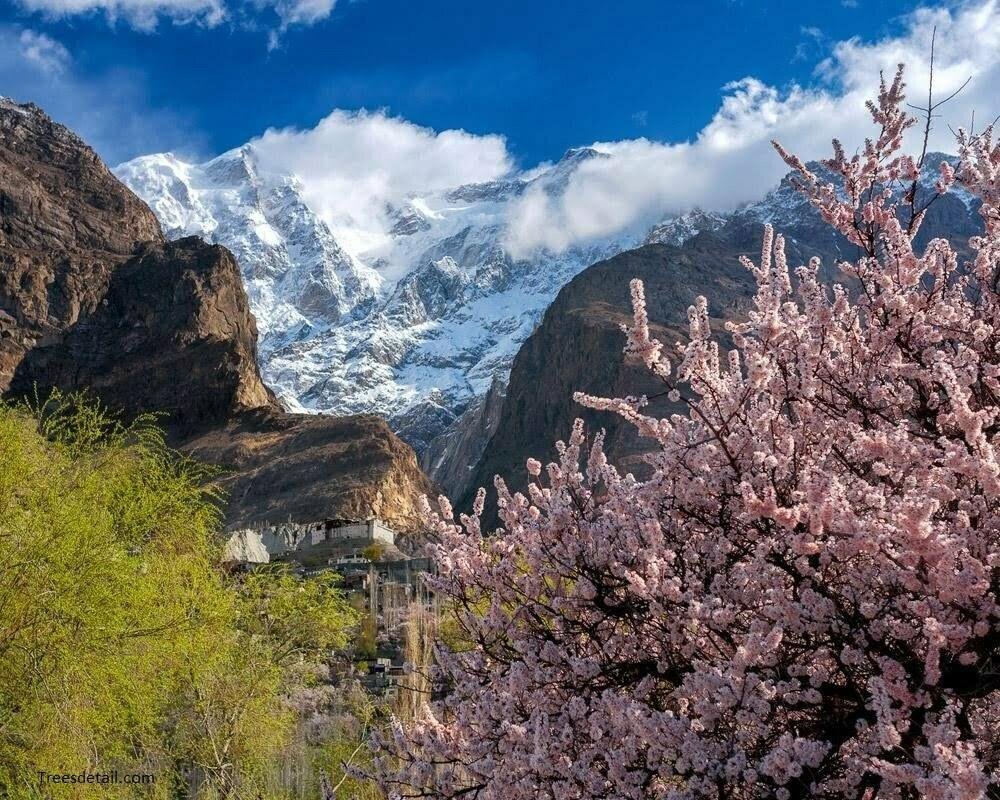
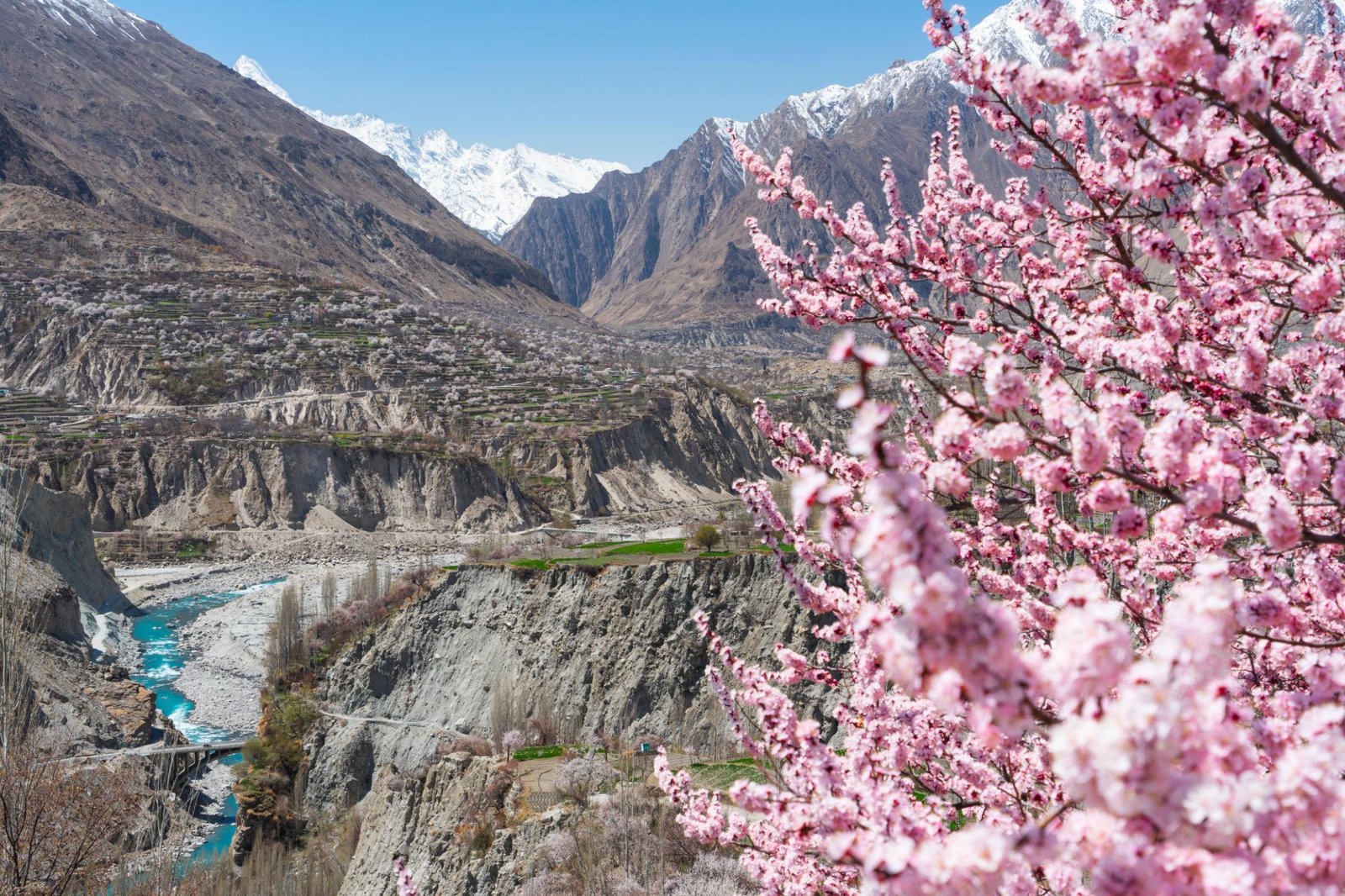
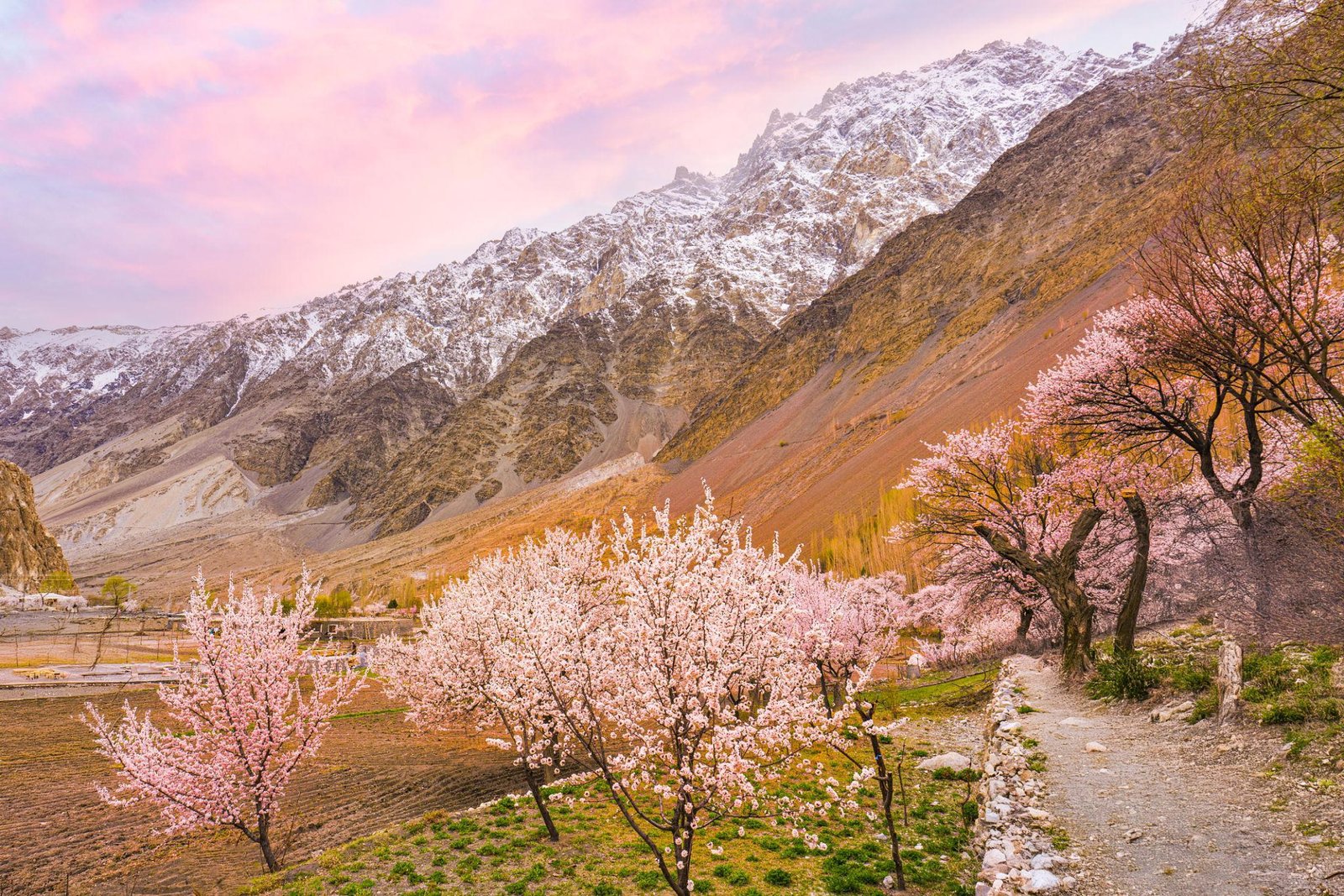
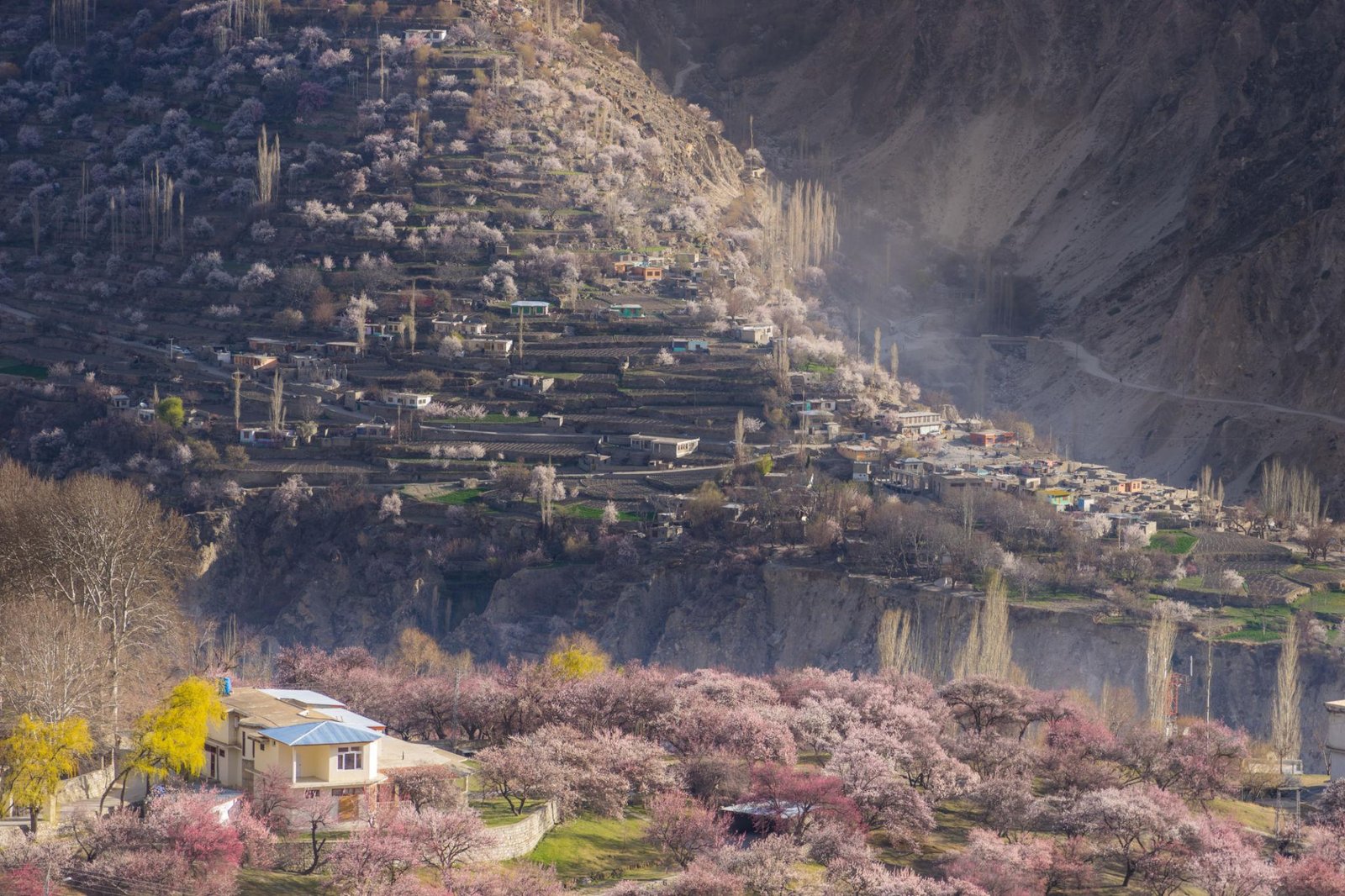
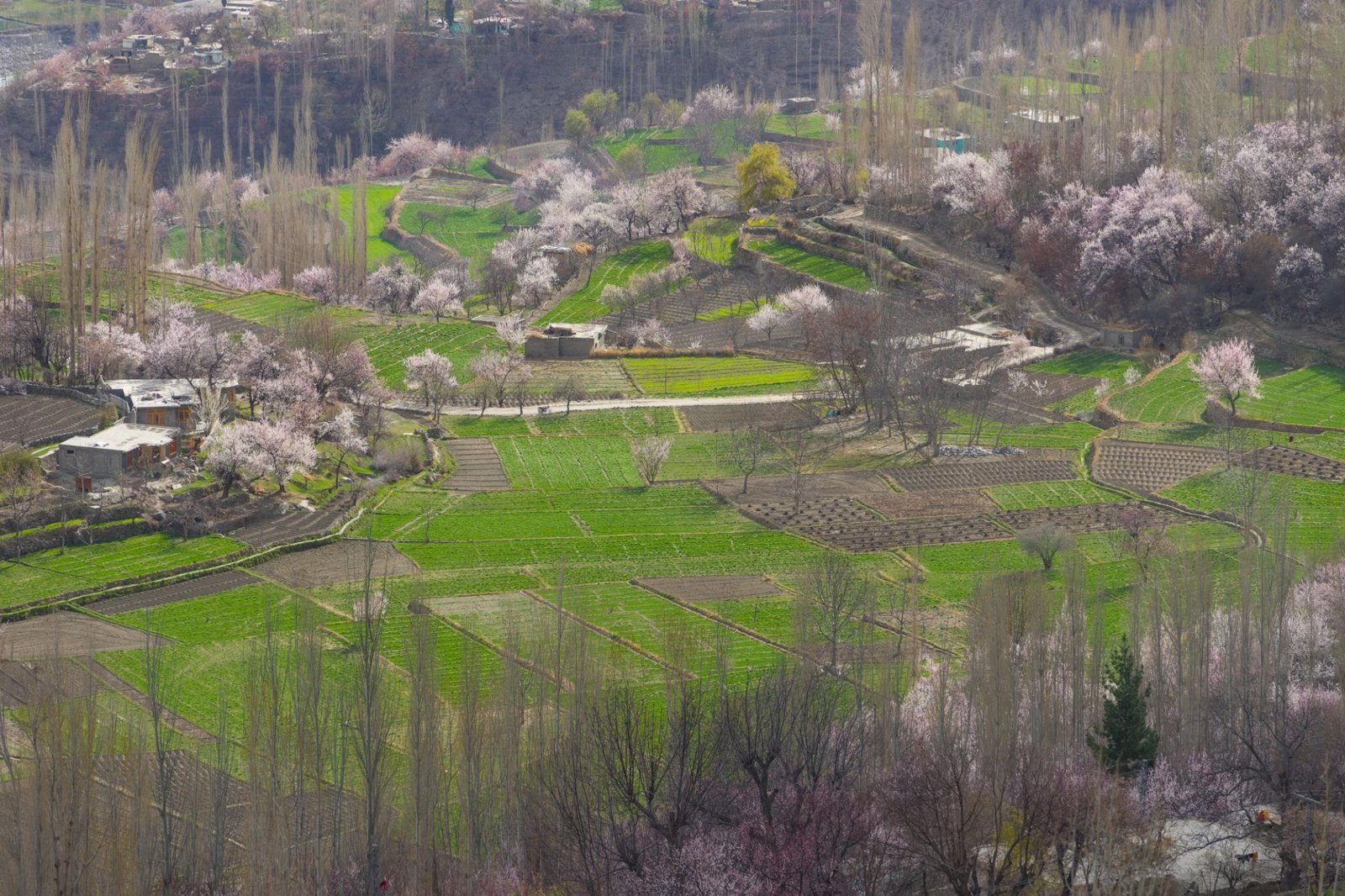
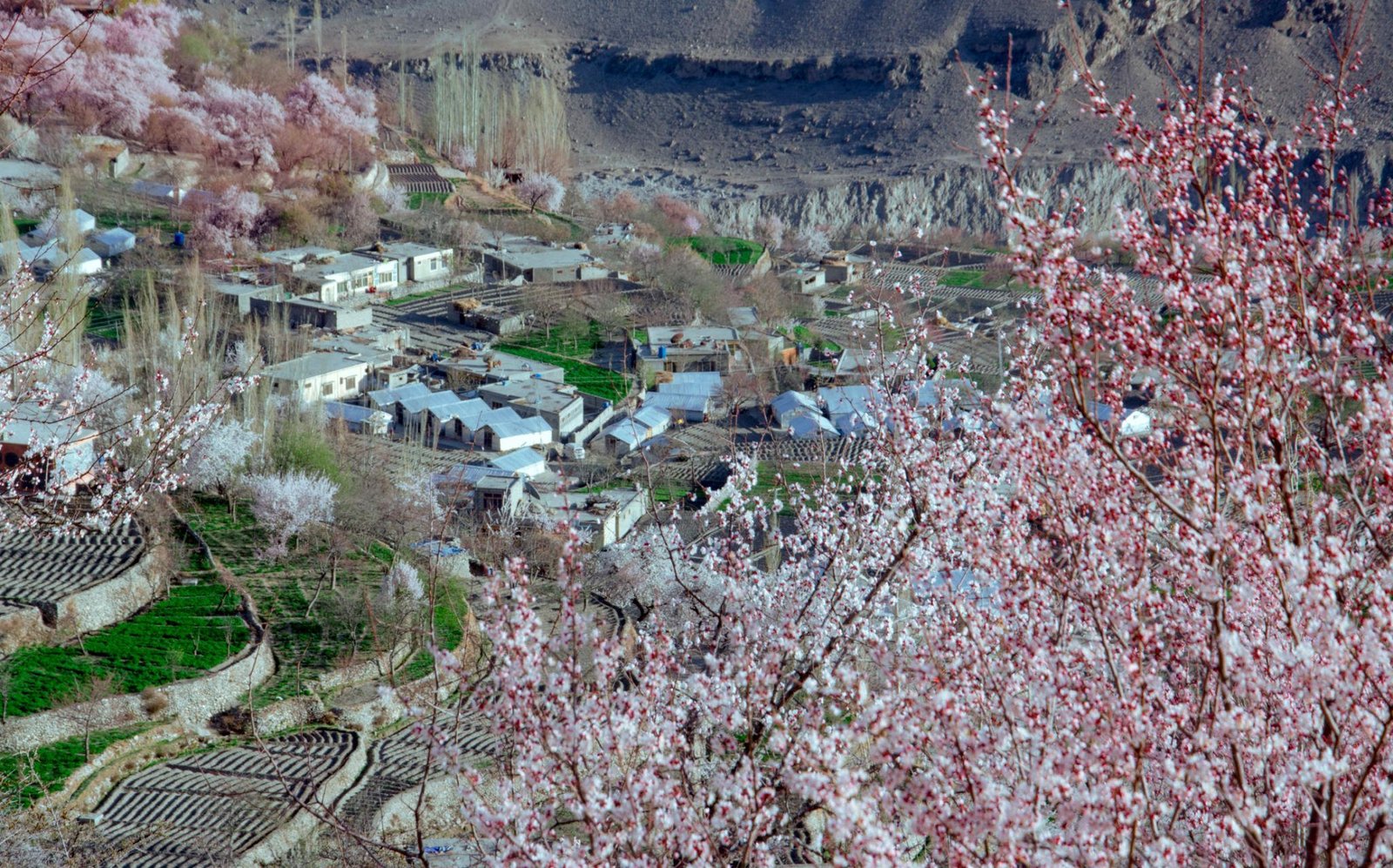
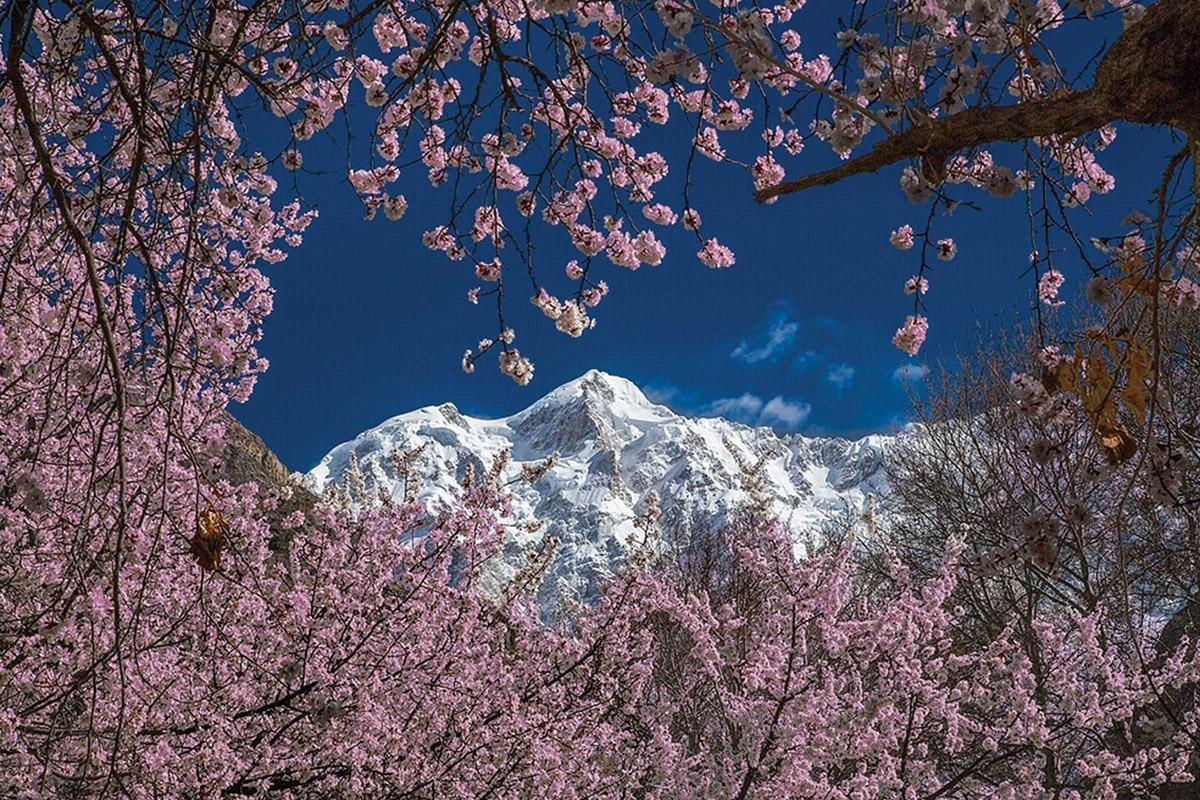
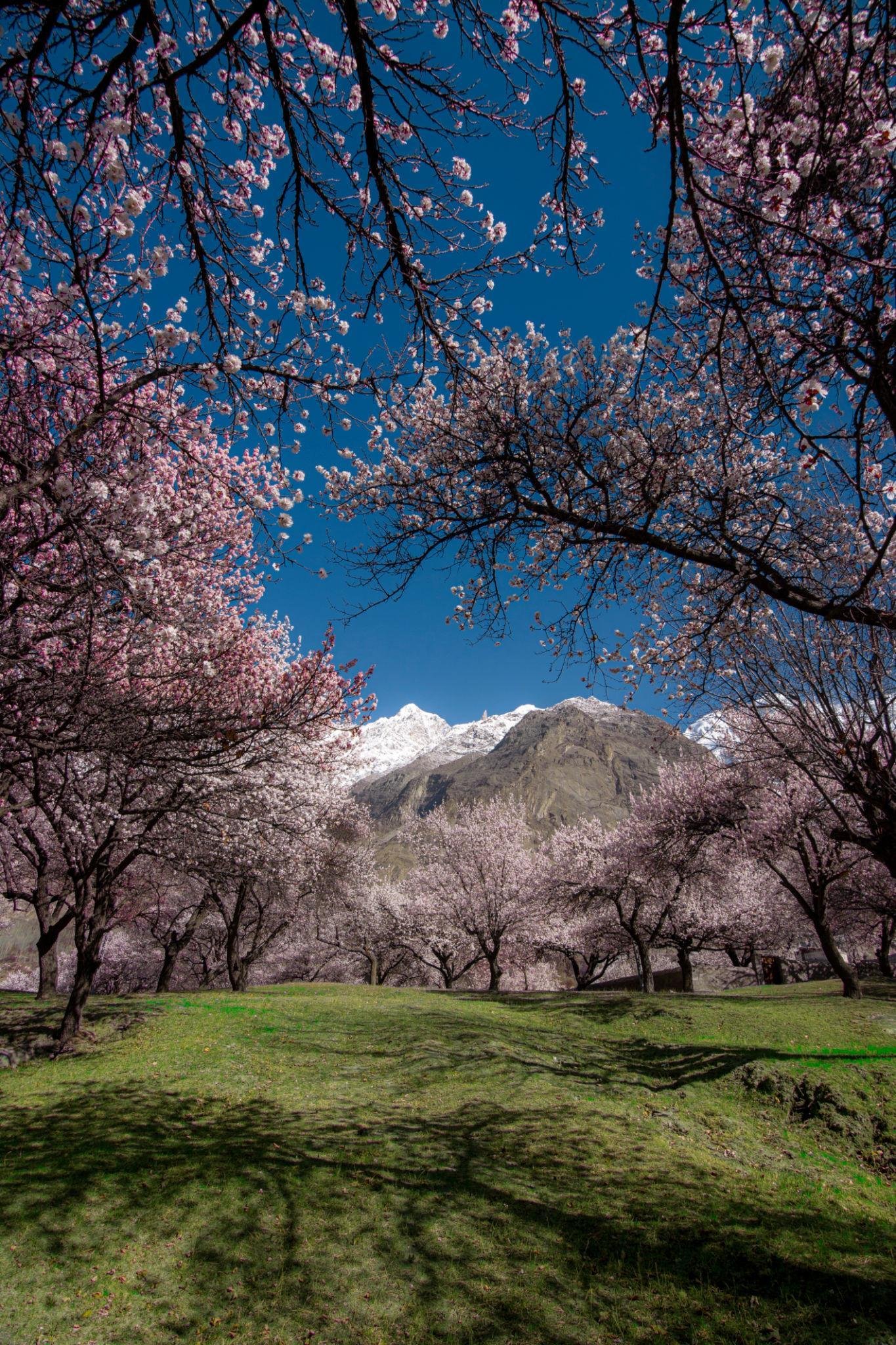
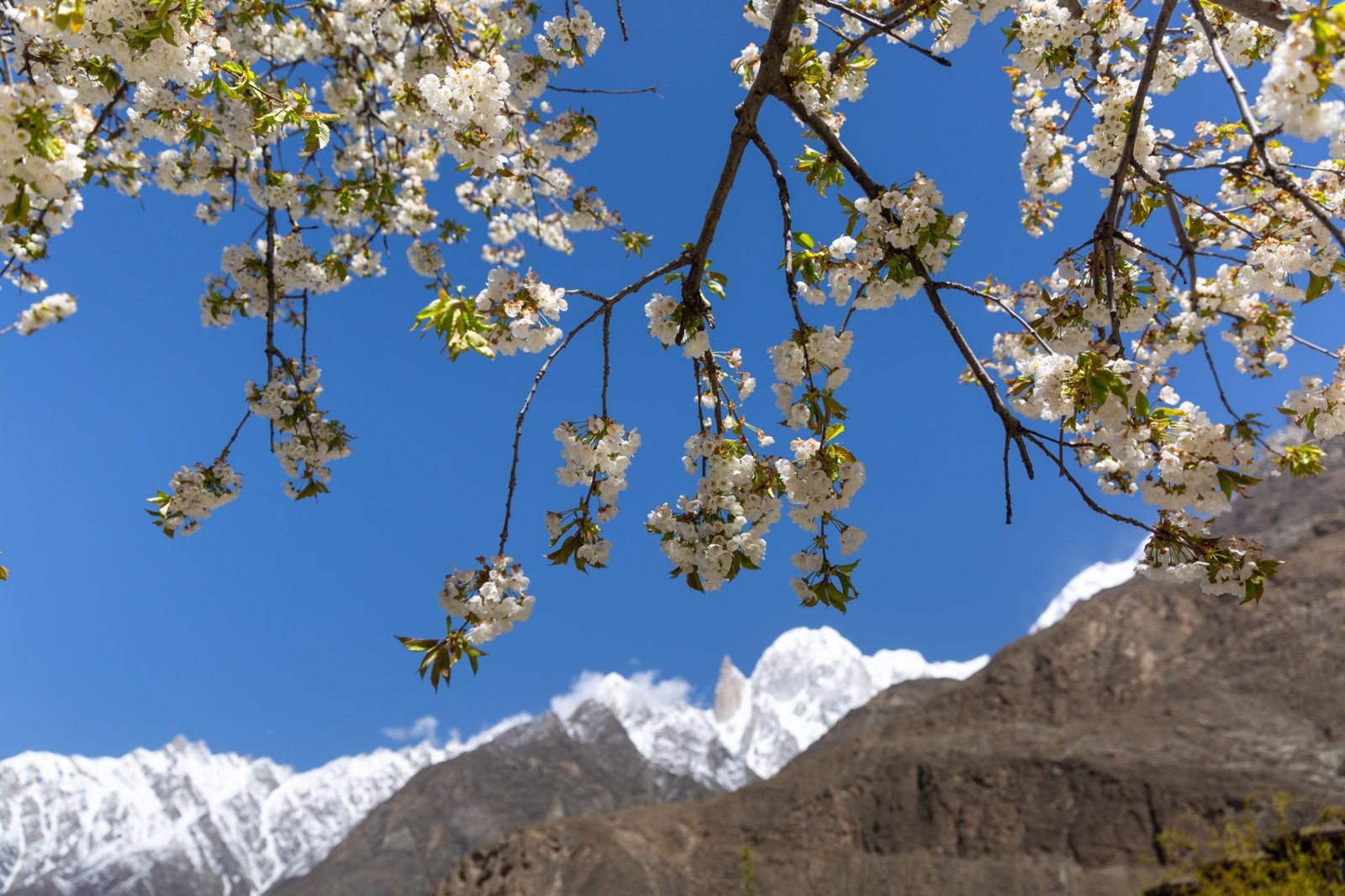
Spring in Hunza usually begins in March and continues until early May. The valley becomes famous for cherry blossoms, apricot flowers, and colorful village landscapes.
Why Visit Hunza in Spring?
- Blossom photography
- Pleasant temperatures
- Flowering orchards
- Scenic villages
- Fewer crowds compared to summer
Popular blossom locations include:
- Karimabad
- Altit village
- Gulmit
- Gojal region
Hunza in Summer
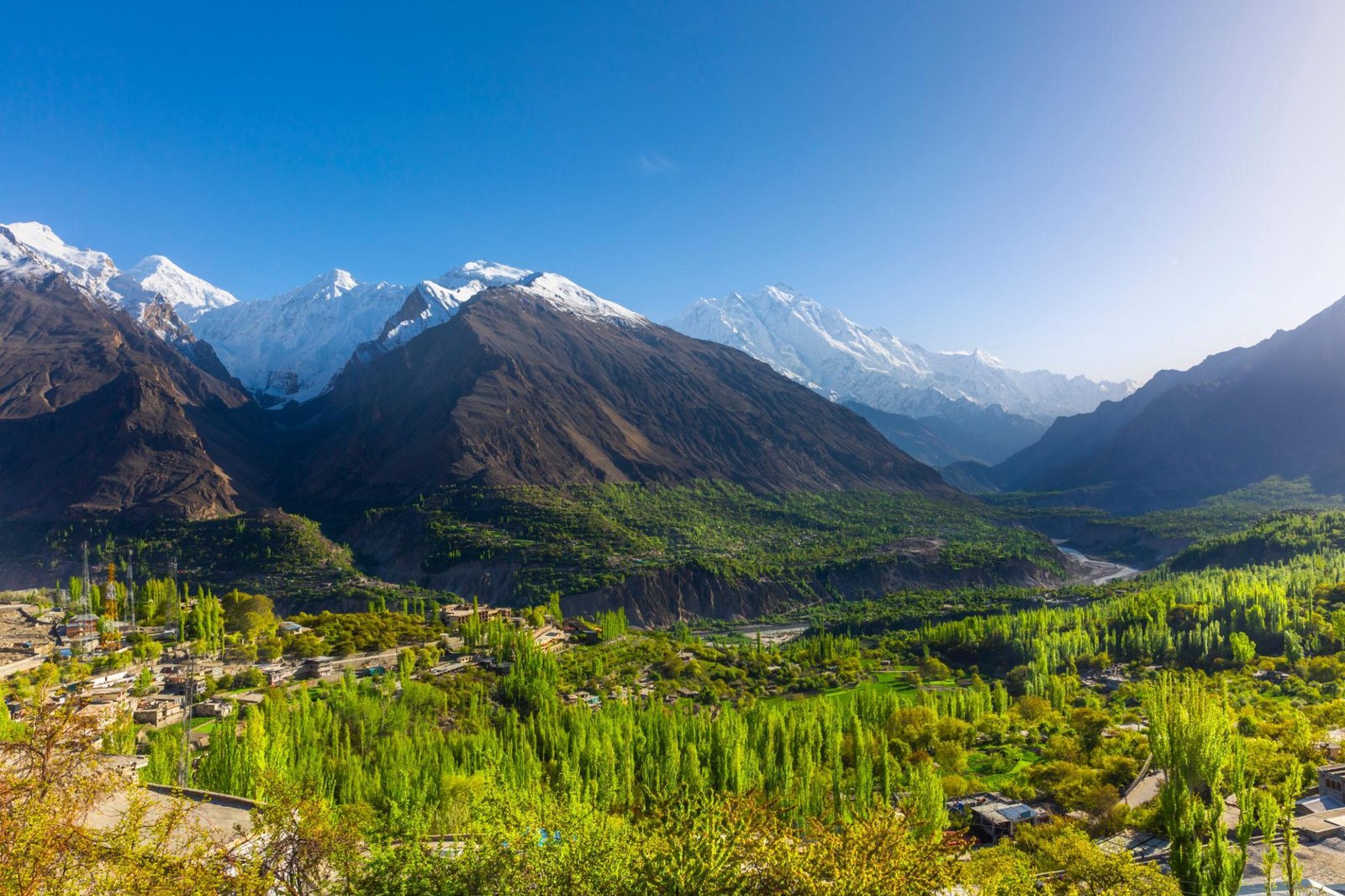
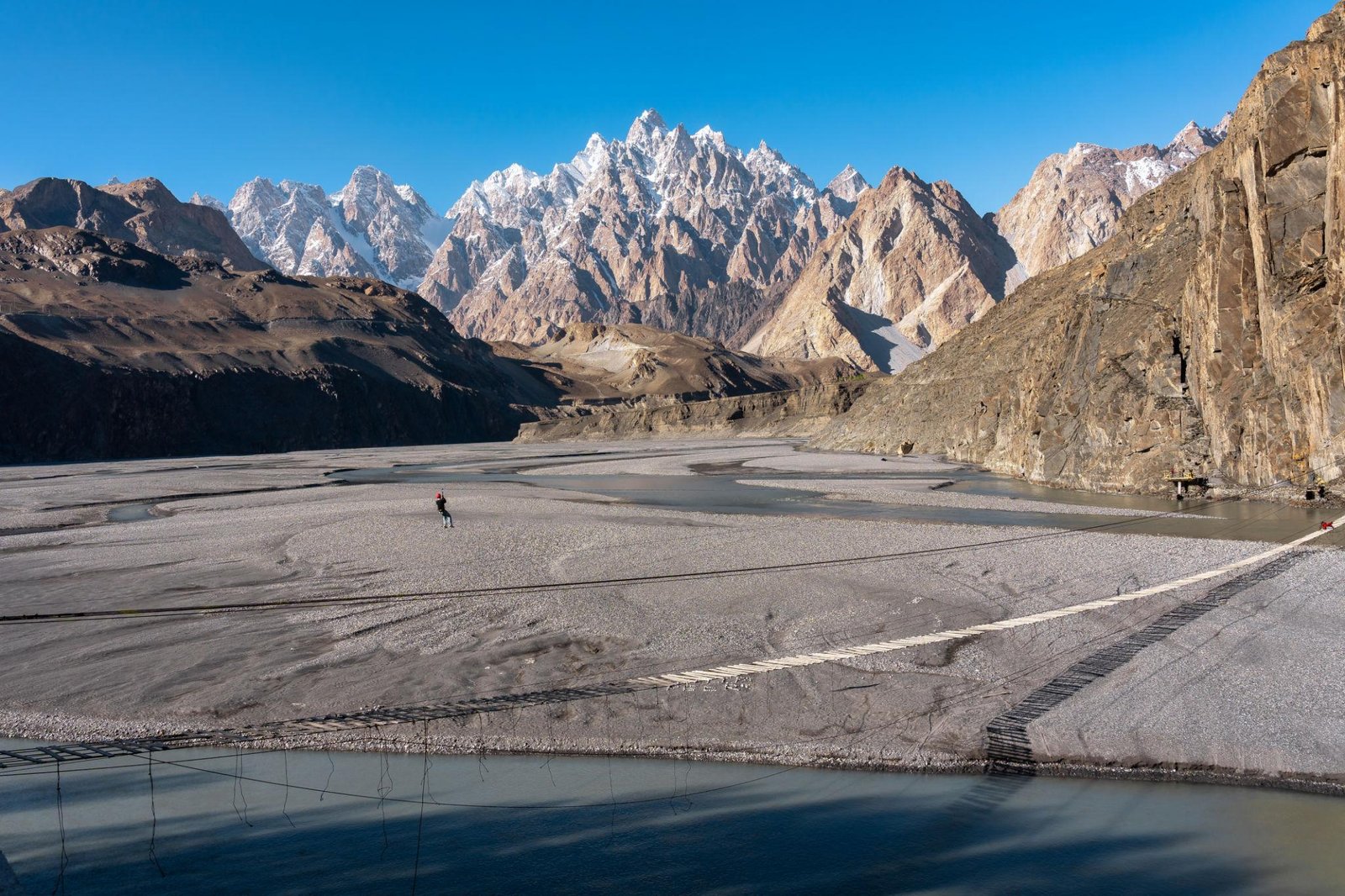
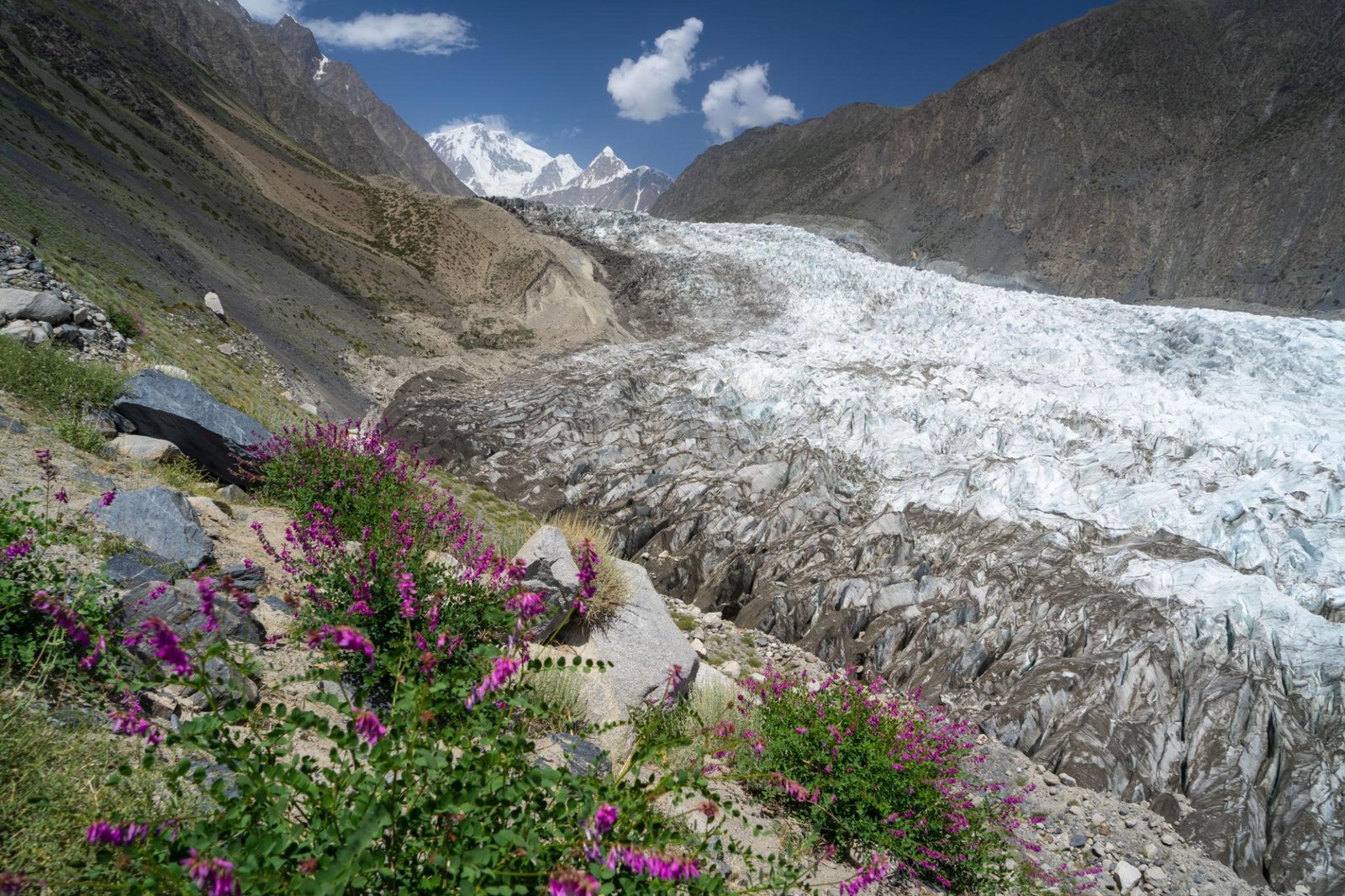
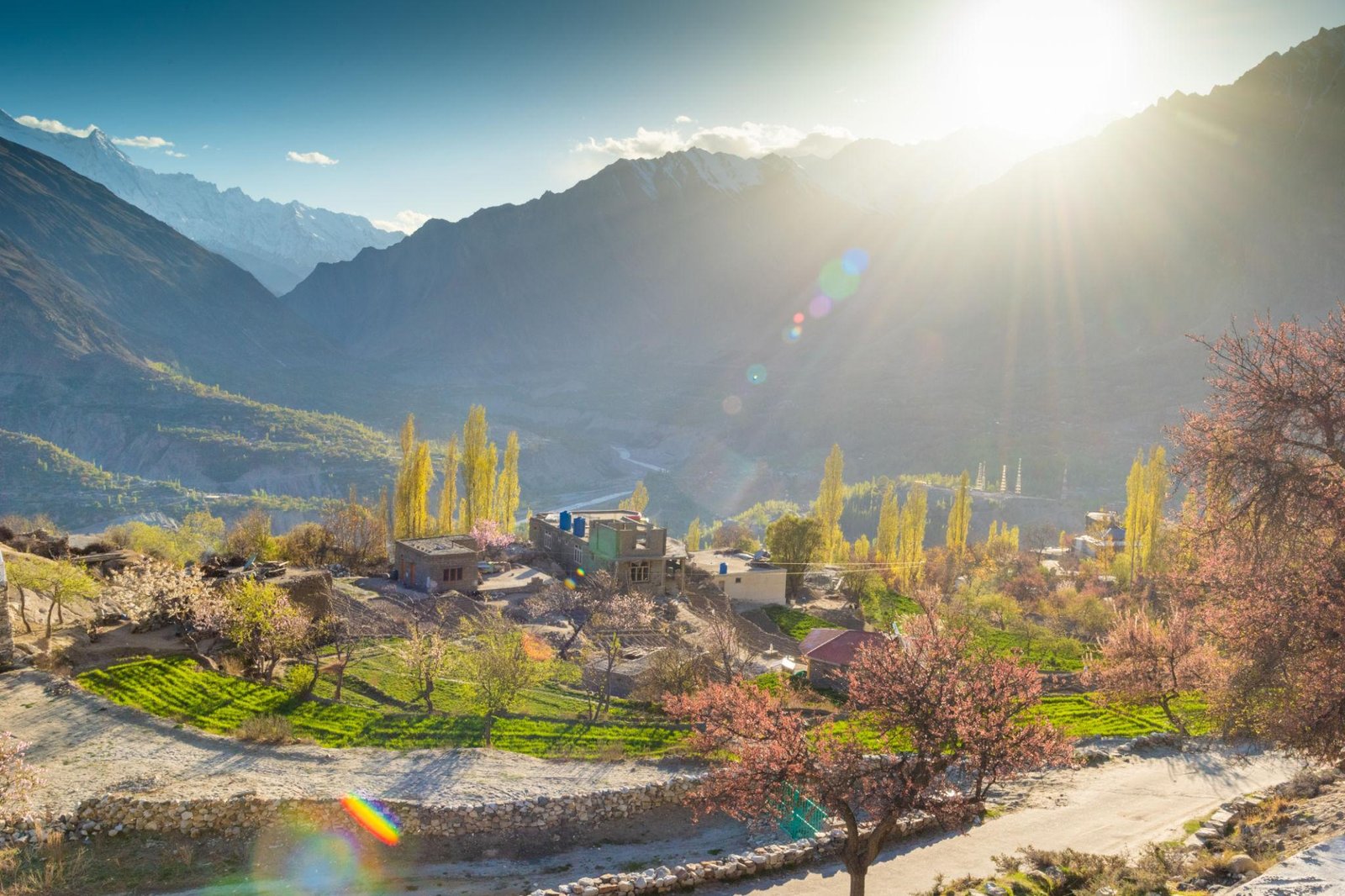
Summer is the busiest tourism season in Hunza. Roads, trekking routes, and mountain passes remain fully accessible during this period.
Why Visit Hunza in Summer?
- Pleasant weather
- Trekking opportunities
- Road trip conditions
- Boating and sightseeing
- Access to Khunjerab Pass
Summer is ideal for:
- Families
- International tourists
- Backpackers
- Adventure travelers
Hunza in Autumn
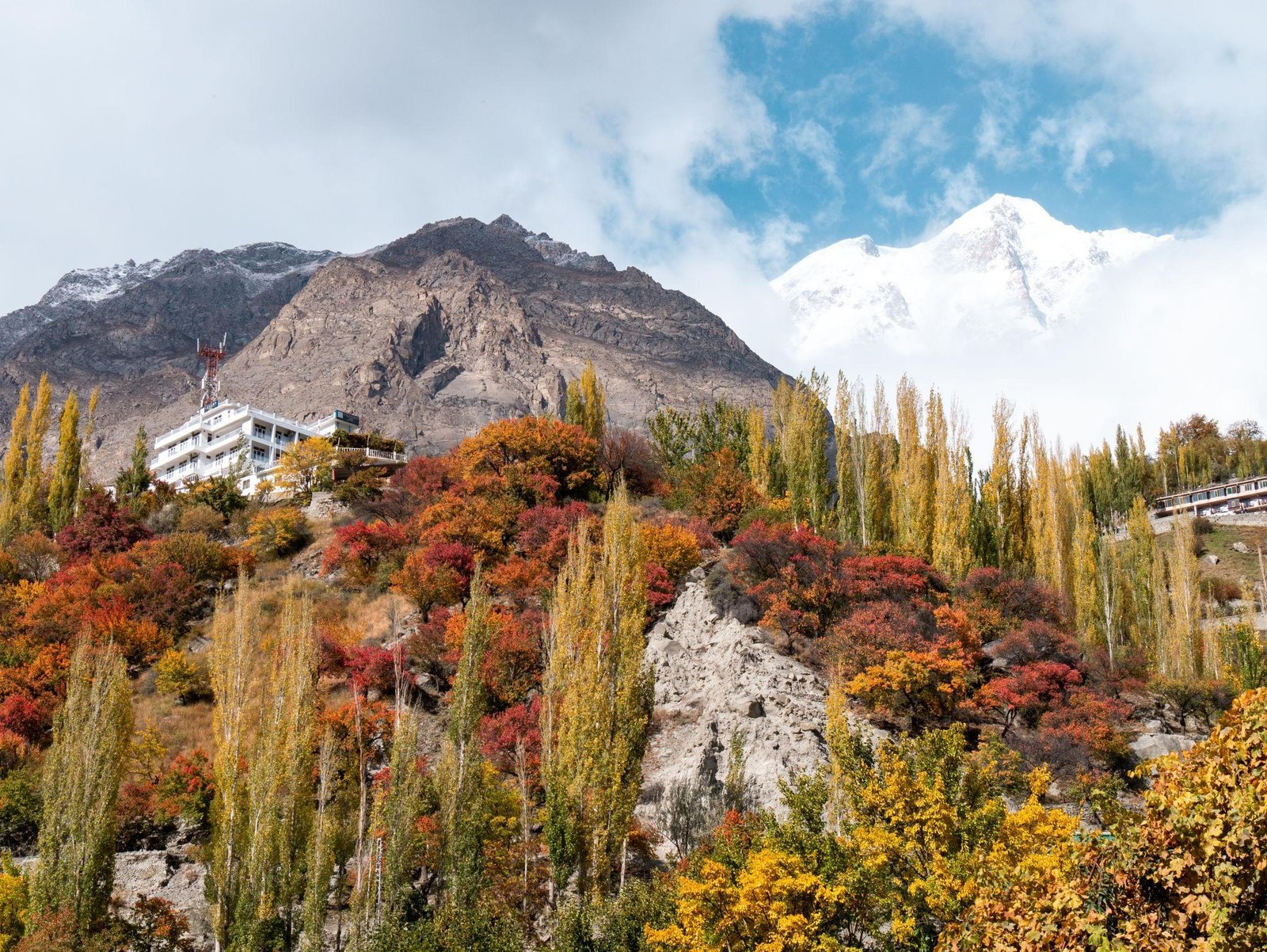
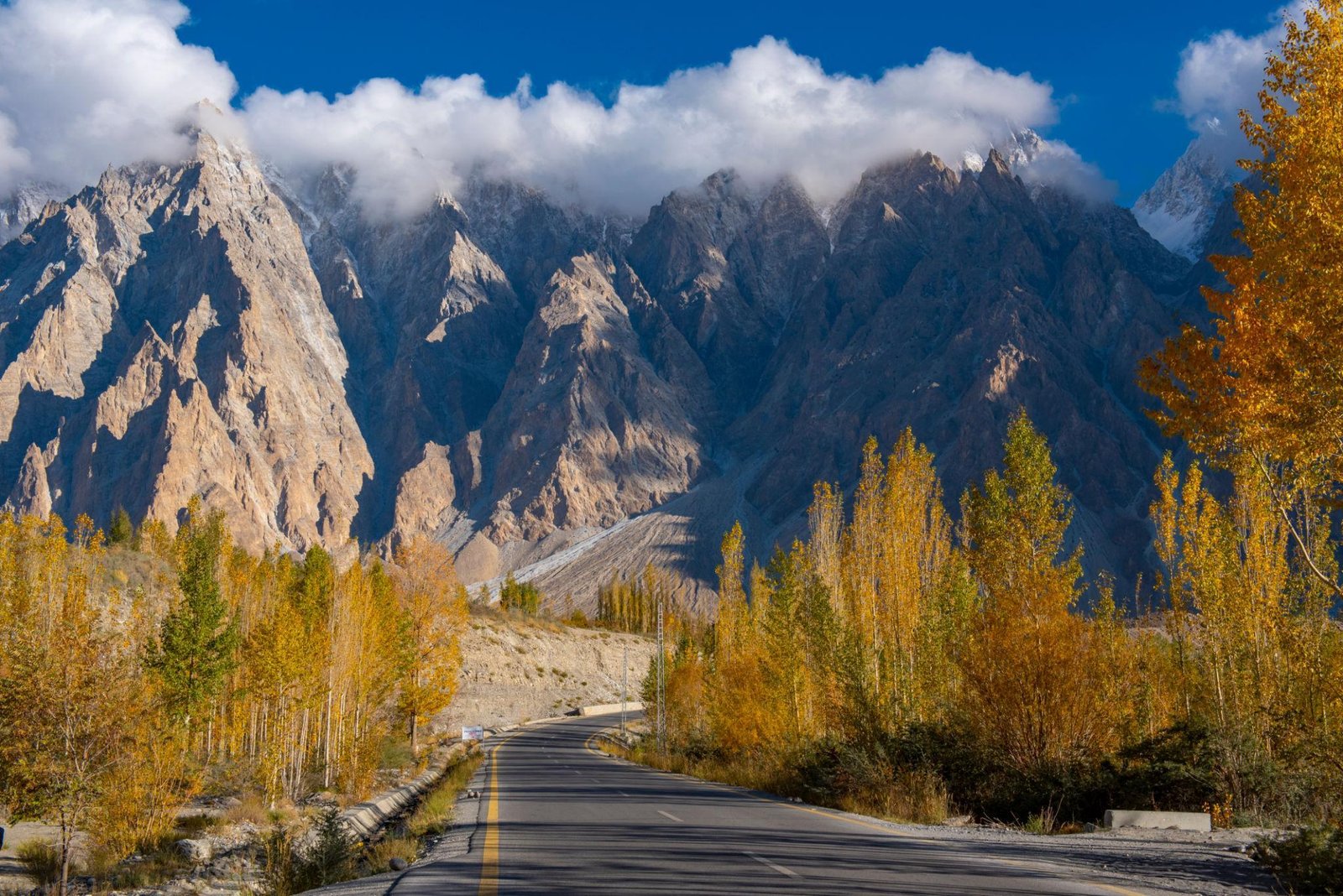
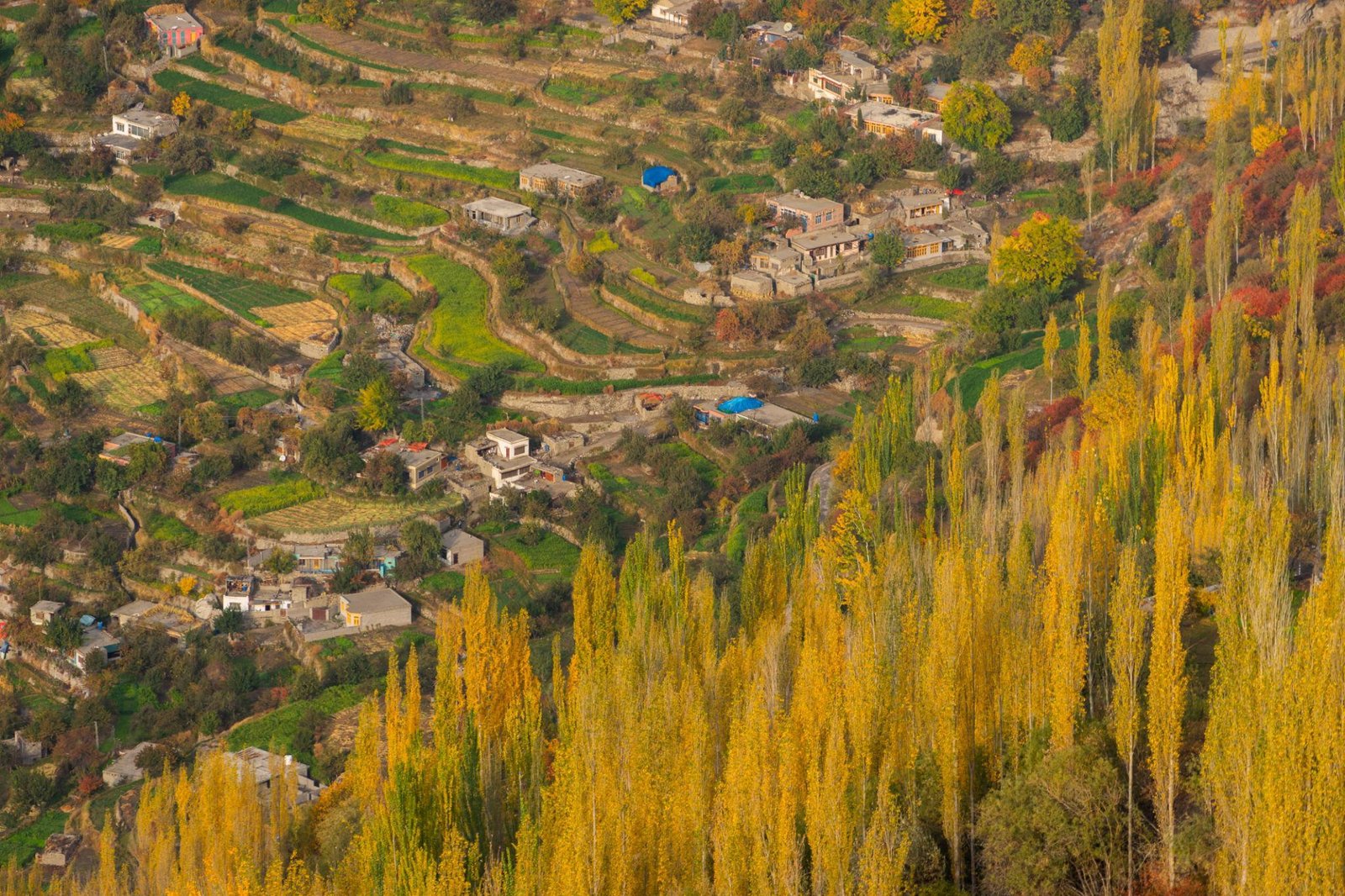
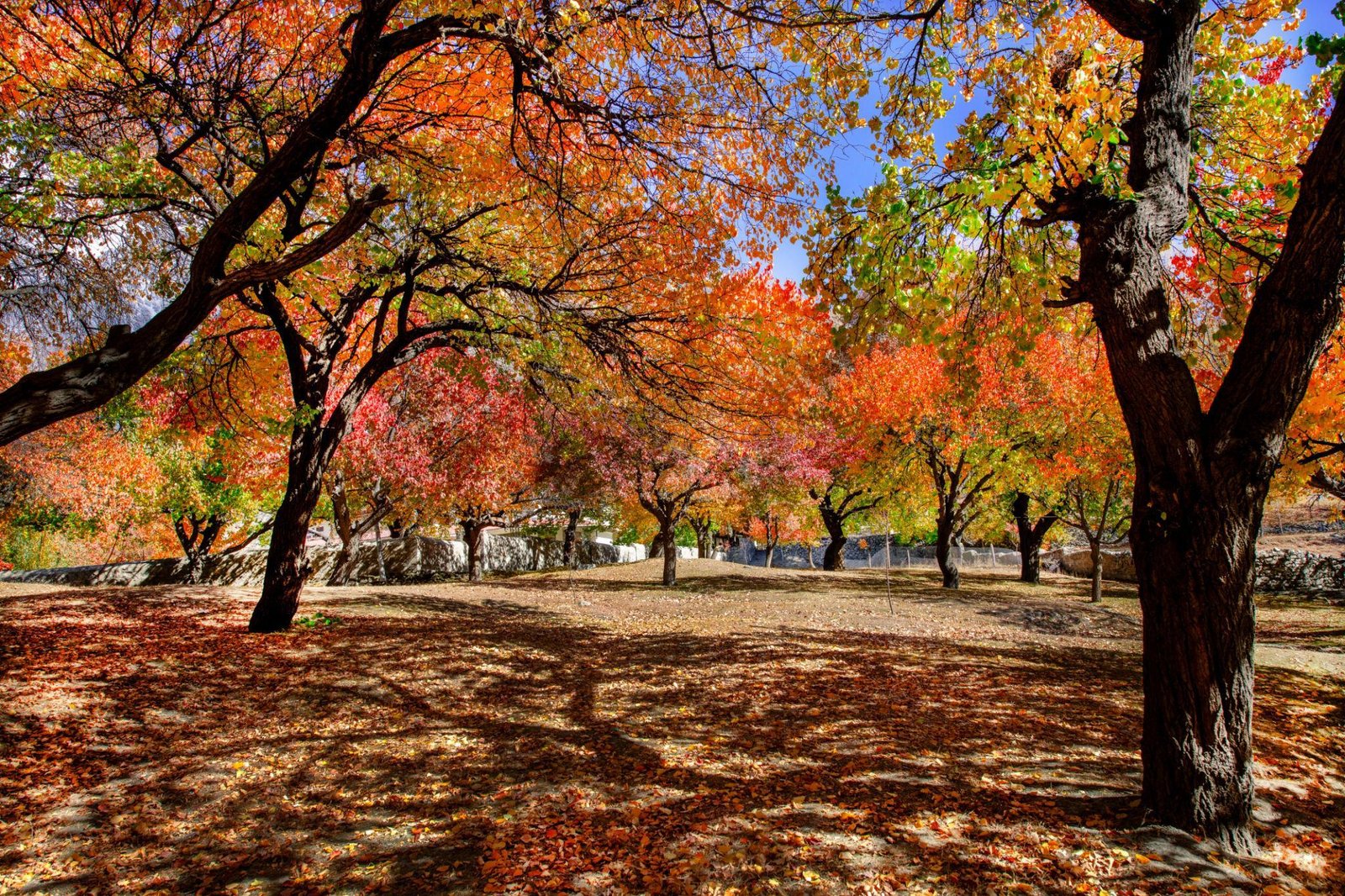
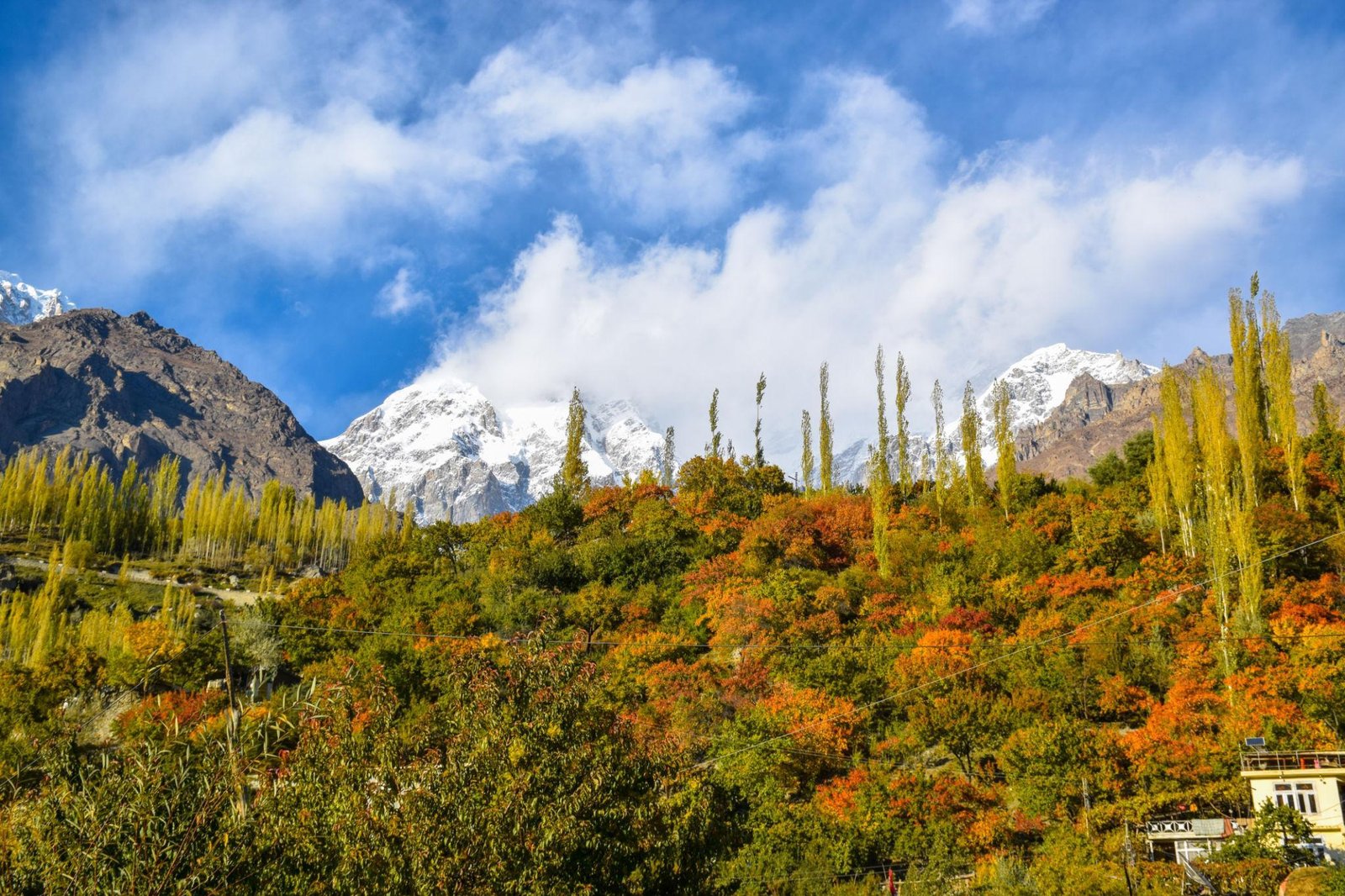
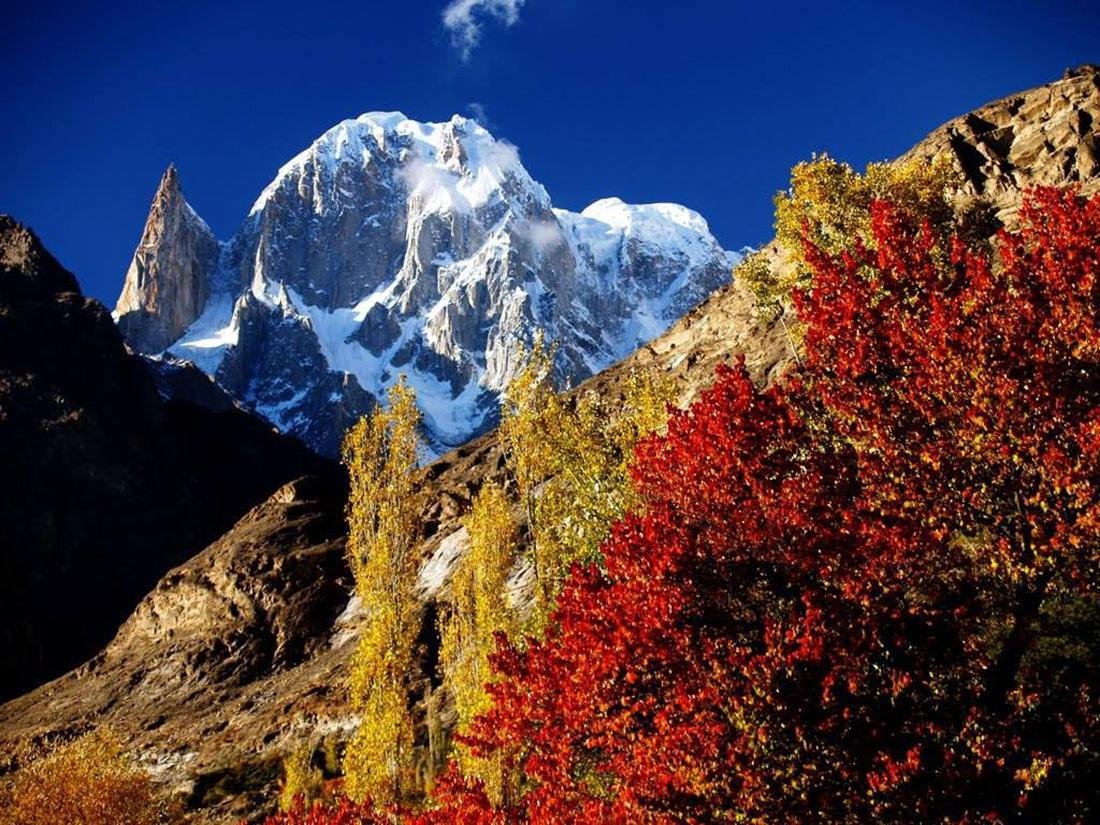
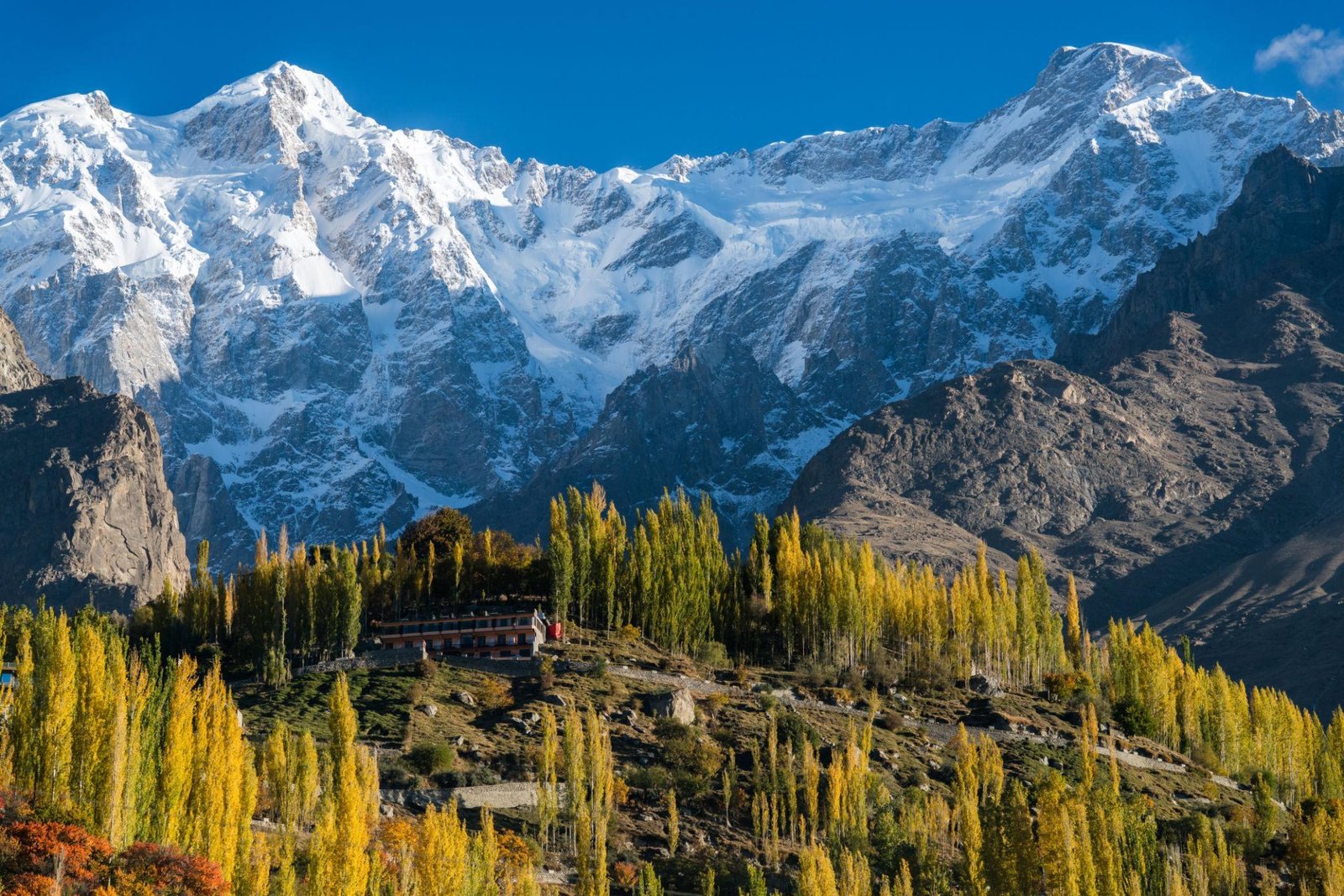
Autumn is considered one of the most beautiful seasons in Hunza Valley. From late September to early November, the valley transforms into golden, orange, red, and yellow landscapes surrounded by snow covered mountains.
The combination of colorful poplar trees, traditional villages, and clear mountain views makes autumn the favorite season for photographers.
Unlike peak summer, autumn also feels calmer and less crowded.
Why Visit Hunza in Autumn?
- Golden landscapes
- Clear skies and mountain visibility
- Excellent photography conditions
- Comfortable weather
- Scenic road trips
Best Places for Autumn Colors in Hunza
Karimabad
Famous for colorful village streets, forts, and mountain viewpoints.
Passu
Known for dramatic autumn scenery near Passu Cones and glacier viewpoints.
Duikar
One of the best locations for panoramic sunrise and sunset photography.
Best Time for Autumn in Hunza
Late September
Beginning of autumn colors.
October
Peak autumn season.
Early November
End of autumn with colder temperatures.
October is generally considered the best month for autumn travel in Hunza.
Hunza in Winter
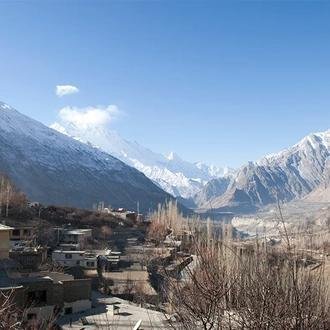
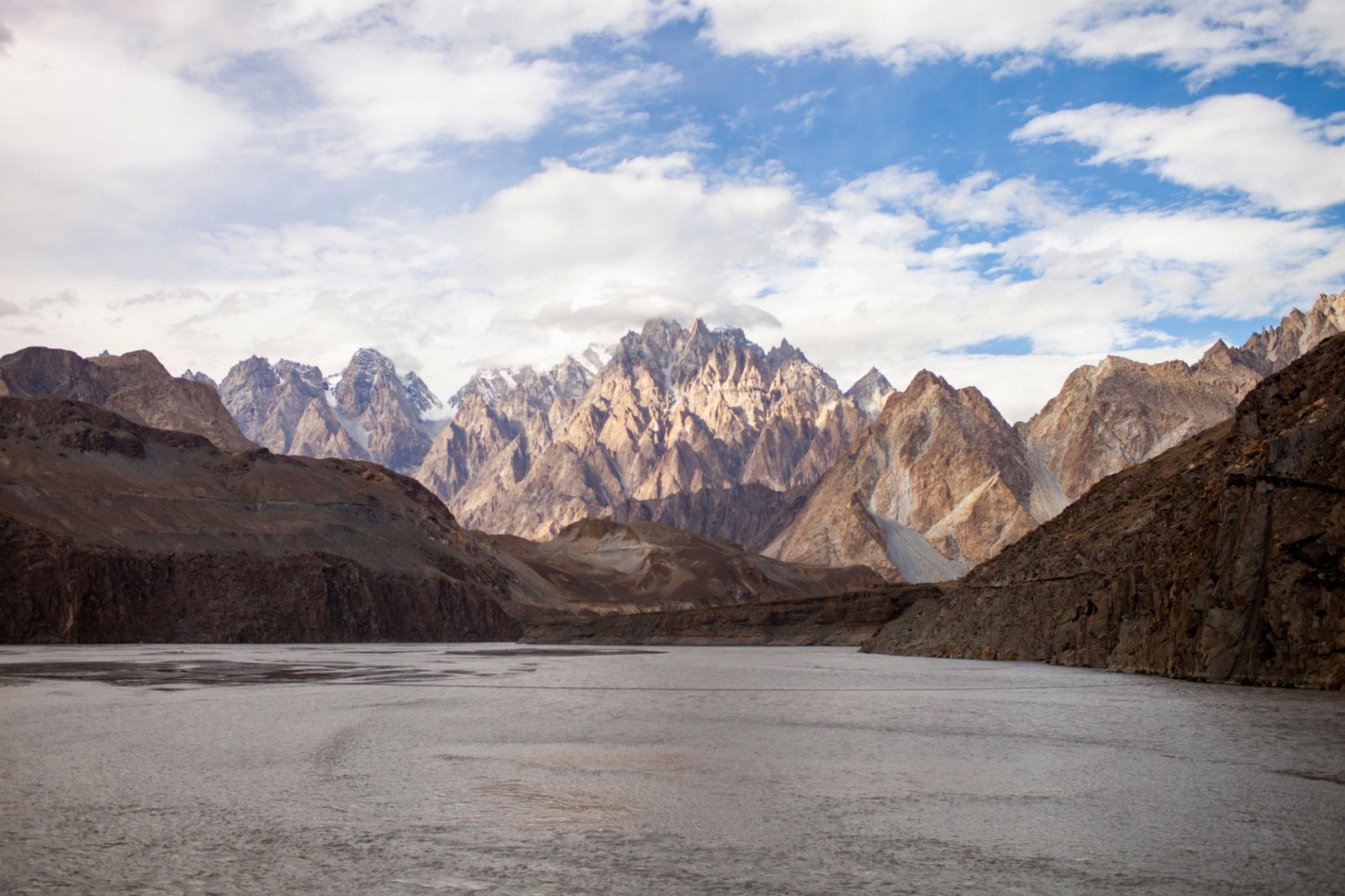
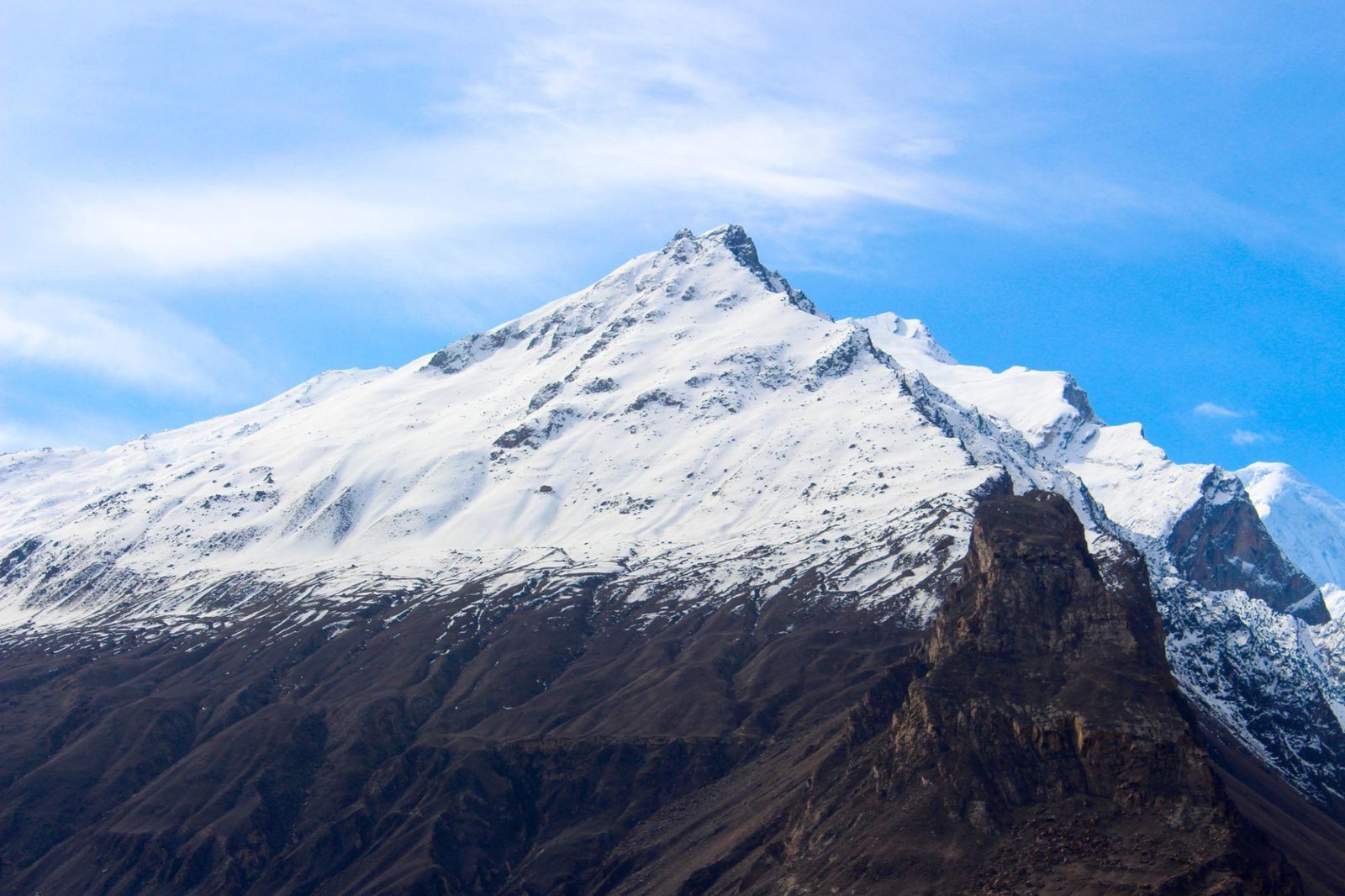
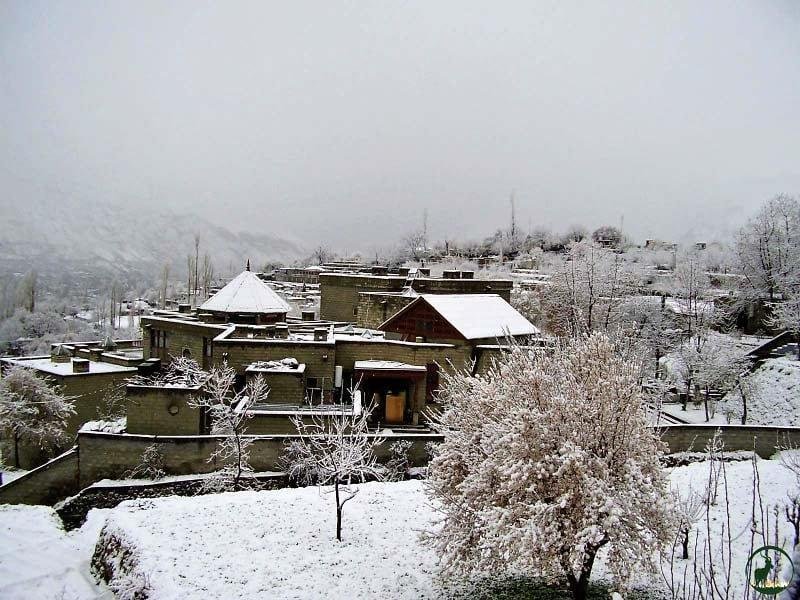
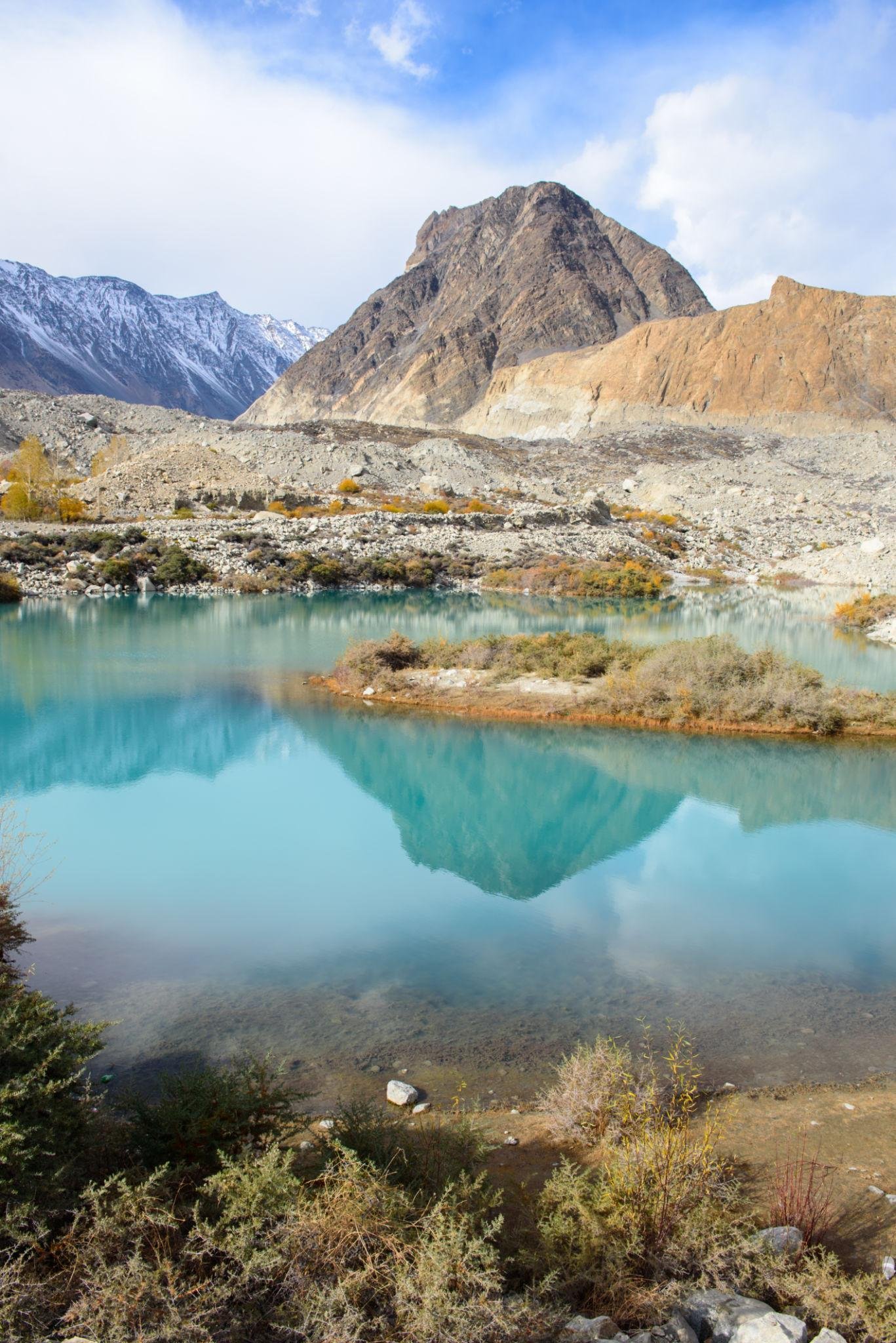
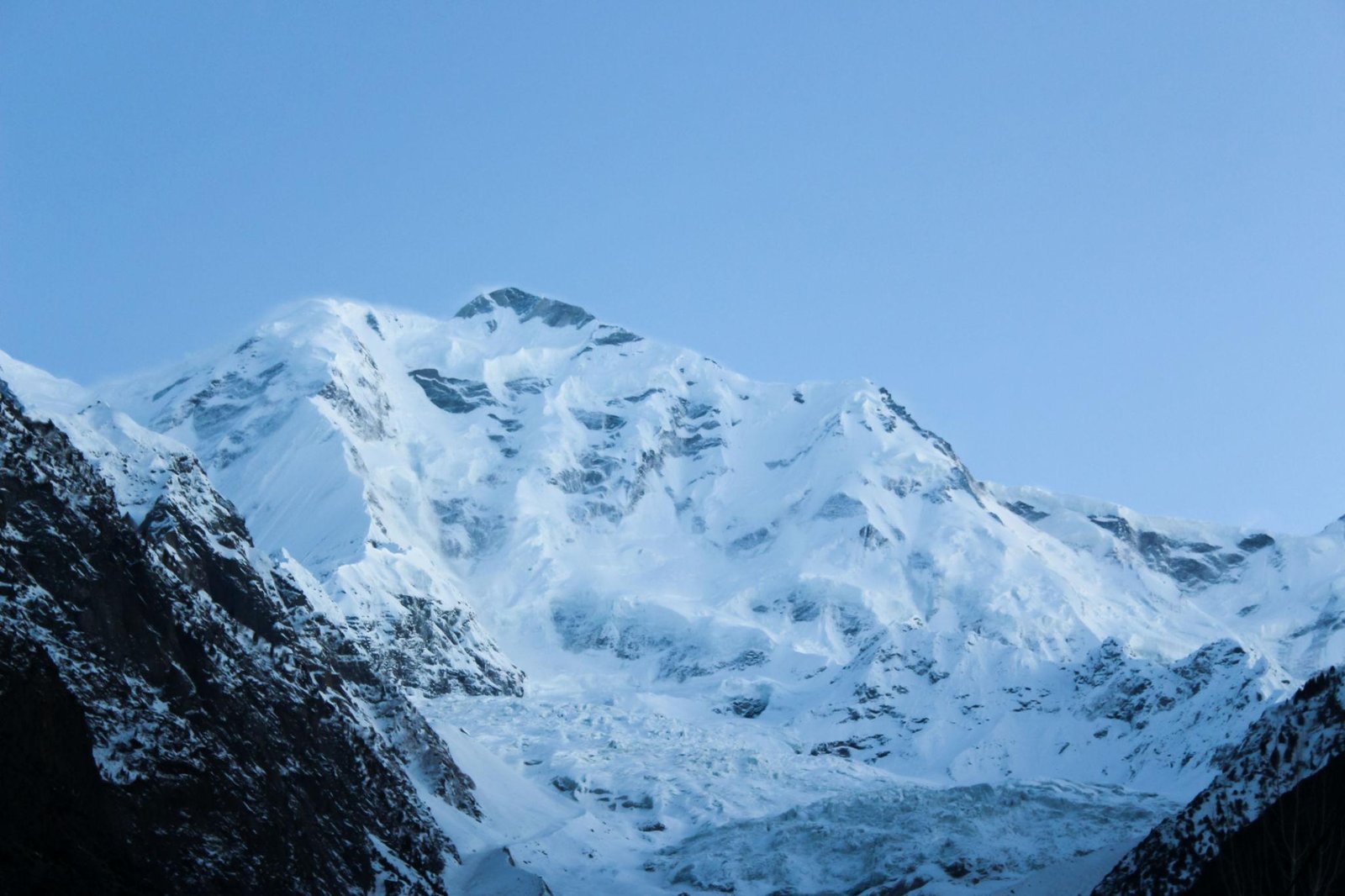
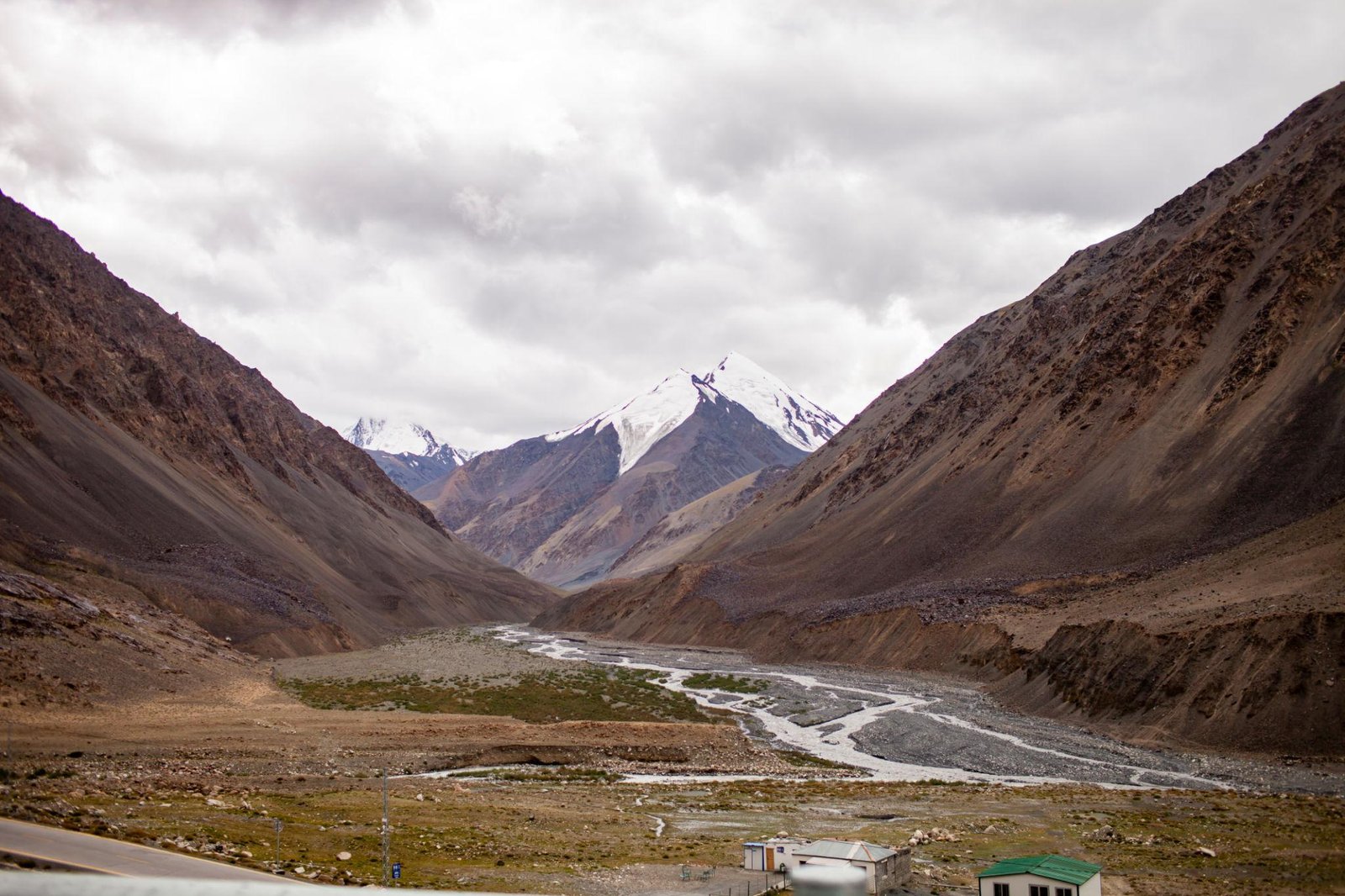
Winter in Hunza offers snow covered mountains, peaceful villages, and fewer tourists.
Although temperatures can become very cold, winter is ideal for travelers looking for quiet landscapes and snow photography.
Some high altitude routes may close because of snowfall.
How to Reach Hunza
By Road
Hunza is connected to Islamabad through the Karakoram Highway.
Popular routes:
- Islamabad → Gilgit → Hunza
- Islamabad → Naran → Babusar Pass → Hunza (summer route)
By Air
Travelers can take flights to Gilgit and continue by road toward Hunza.
The drive from Gilgit to Hunza usually takes 2 to 3 hours.
Best Time to Visit Hunza
Spring
Best for blossoms and flowers.
Summer
Best for trekking and sightseeing.
Autumn
Best for photography and colorful landscapes.
Winter
Best for snow scenery and peaceful travel.
The best season depends on the type of experience travelers want.
Where to Stay in Hunza
Popular accommodation areas include:
- Karimabad
- Duikar
- Passu
- Gulmit
Hunza offers:
- Luxury hotels
- Boutique guesthouses
- Traditional stays
- Budget accommodations
Many hotels provide panoramic mountain views.
Food & Local Culture
Hunza’s culture is influenced by Wakhi, Burusho, and Central Asian traditions.
Popular local foods include:
- Chapshuro
- Mamtu
- Hunza bread
- Yak meat dishes
- Traditional soups
The valley is also known for:
- Traditional music
- Stone architecture
- Organic farming
- Handicrafts
Suggested Hunza Itinerary
Day 1
Arrival and Karimabad exploration
Day 2
Baltit Fort, Altit Fort, and local markets
Day 3
Attabad Lake and Passu sightseeing
Day 4
Khunjerab Pass road trip
Day 5
Photography, local cafes, and return travel
Travel Tips for Hunza
- Carry warm clothing even during summer
- Keep cash for remote villages
- Book hotels early during peak season
- Start road trips early in the morning
- Carry sunscreen and sunglasses
- Respect local traditions and culture
FAQs About Visiting Hunza
What is Hunza famous for?
Hunza is famous for mountain scenery, lakes, forts, road trips, and traditional culture.
What is the best season to visit Hunza?
Spring and autumn are considered the most scenic seasons, while summer is best for trekking and sightseeing.
Is autumn a good time to visit Hunza?
Yes. Autumn is one of the best seasons for photography and mountain landscapes.
How many days are enough for Hunza?
A 4 to 6 day trip is ideal for exploring major attractions.
Is Hunza safe for tourists?
Hunza is generally considered one of the safest tourist destinations in Pakistan.

![K2 Base Camp Trek: Ultimate Guide k2 Trek 2026 [UPDATED]](https://www.karakoramdiaries.com/storage/ultimate-guide-to-k2-base-camp-trek-full-document-150x150.png)