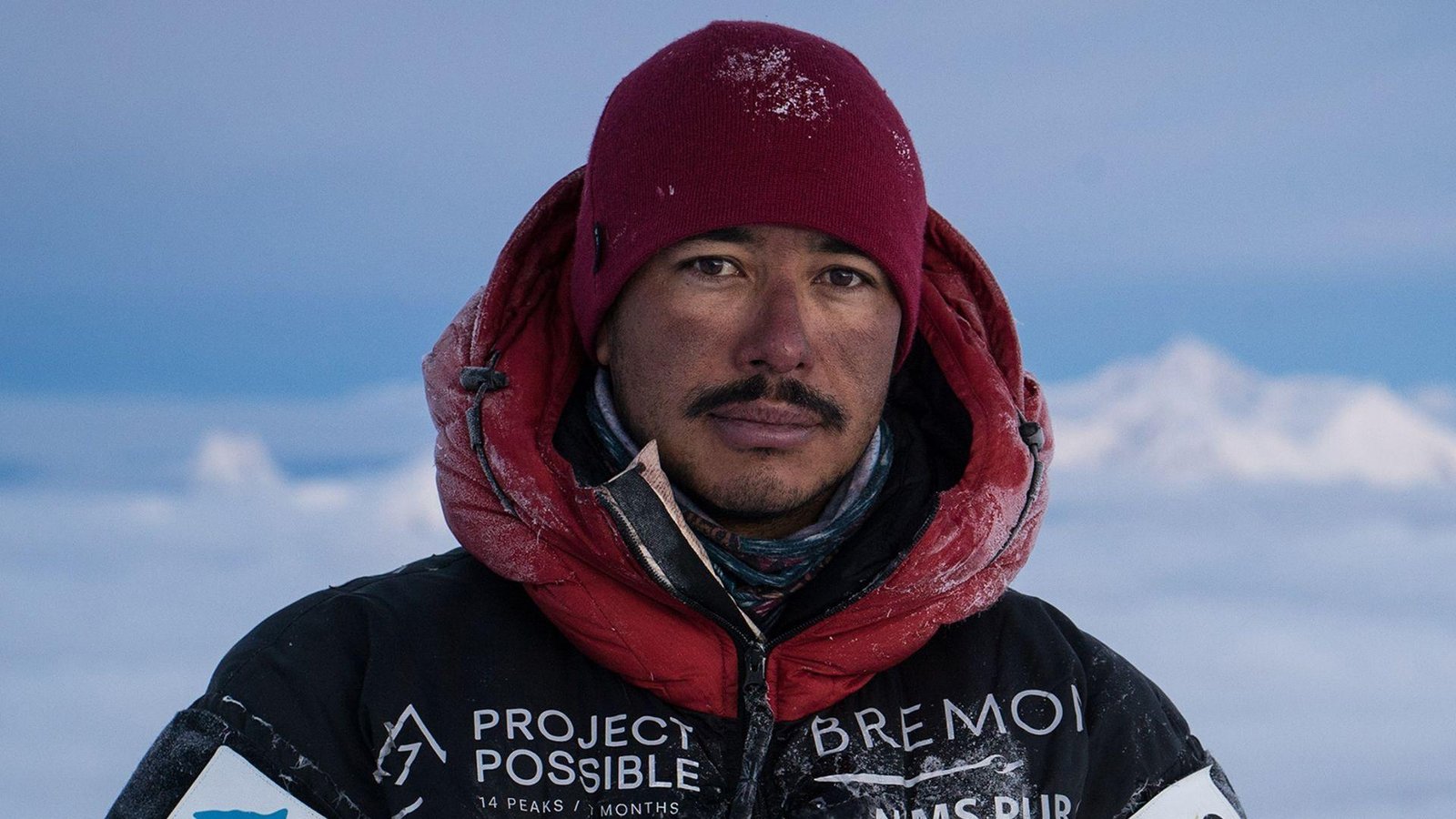
Nirmal Purja: From Gurkha Soldier to Mountaineering Legend
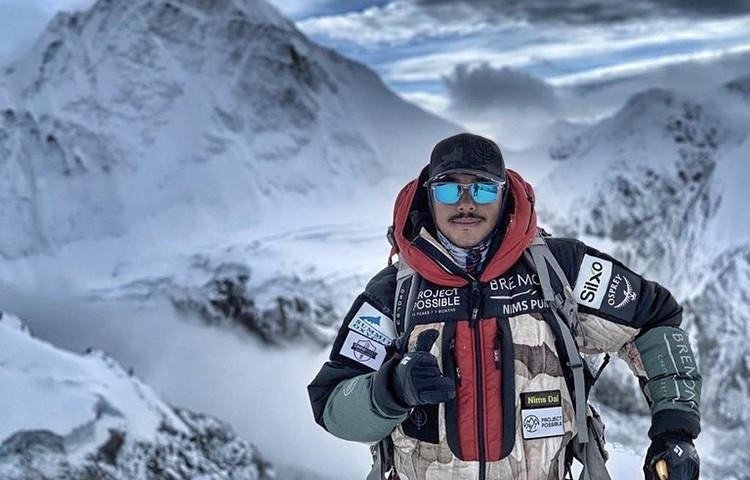
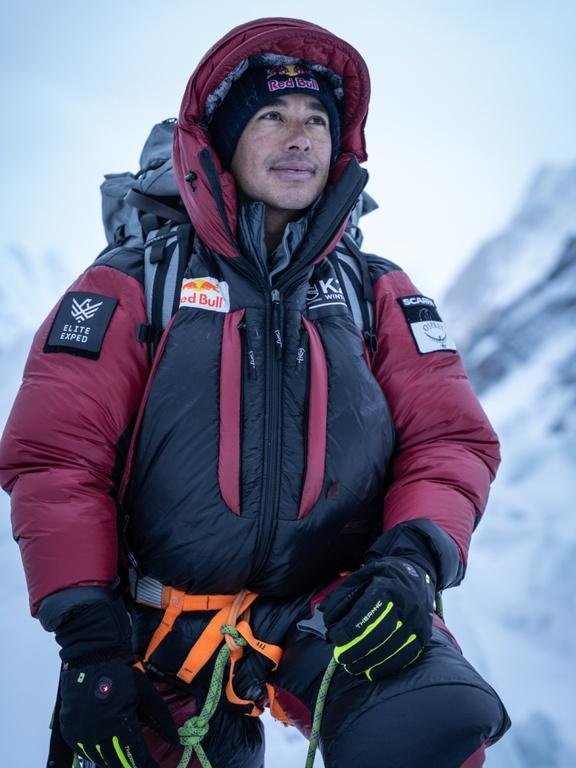
Nirmal Purja, widely known as Nims or Nimsdai, became one of the most recognizable figures in modern high altitude mountaineering. His career took him from a childhood in rural Nepal to the Brigade of Gurkhas, Britain's Special Boat Service and, eventually, the fourteen highest mountains in the world.
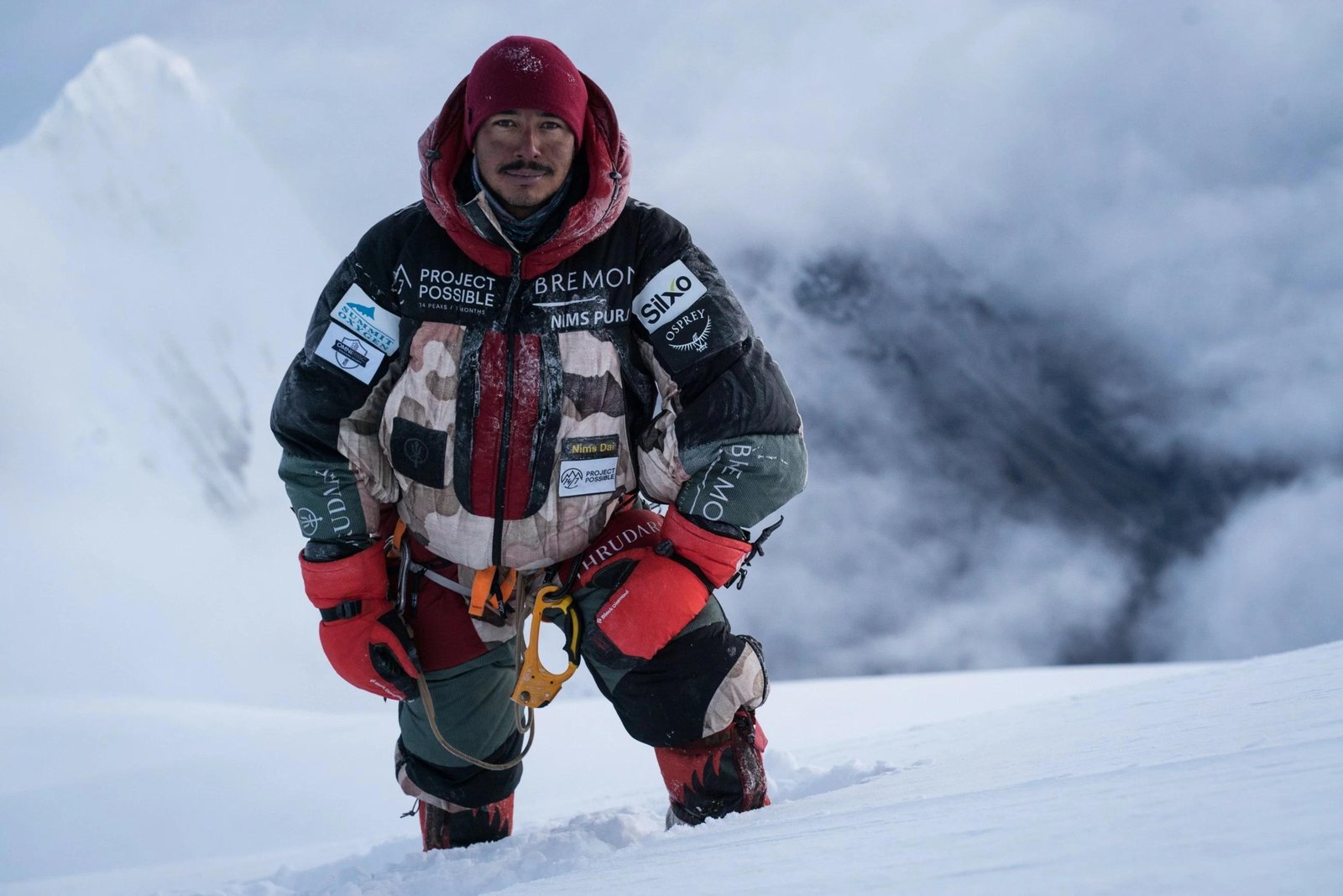
His mountaineering career was relatively short compared with many established Himalayan climbers, but its pace was extraordinary. In 2019, he completed all fourteen mountains above 8,000 metres in six months and six days as part of Project Possible. He later became part of the Nepali team that made the first successful winter ascent of K2 in January 2021. (Wikipedia)
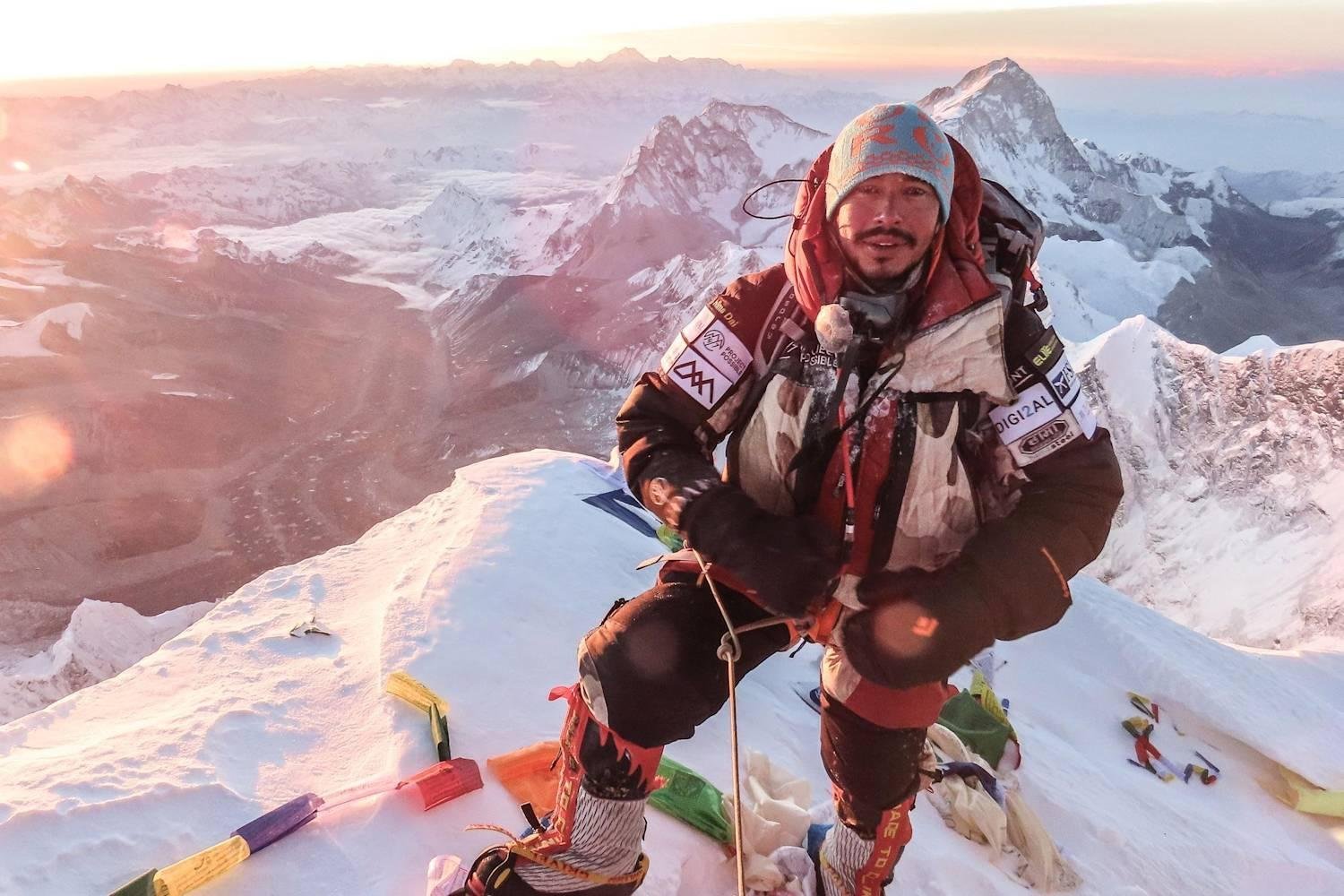
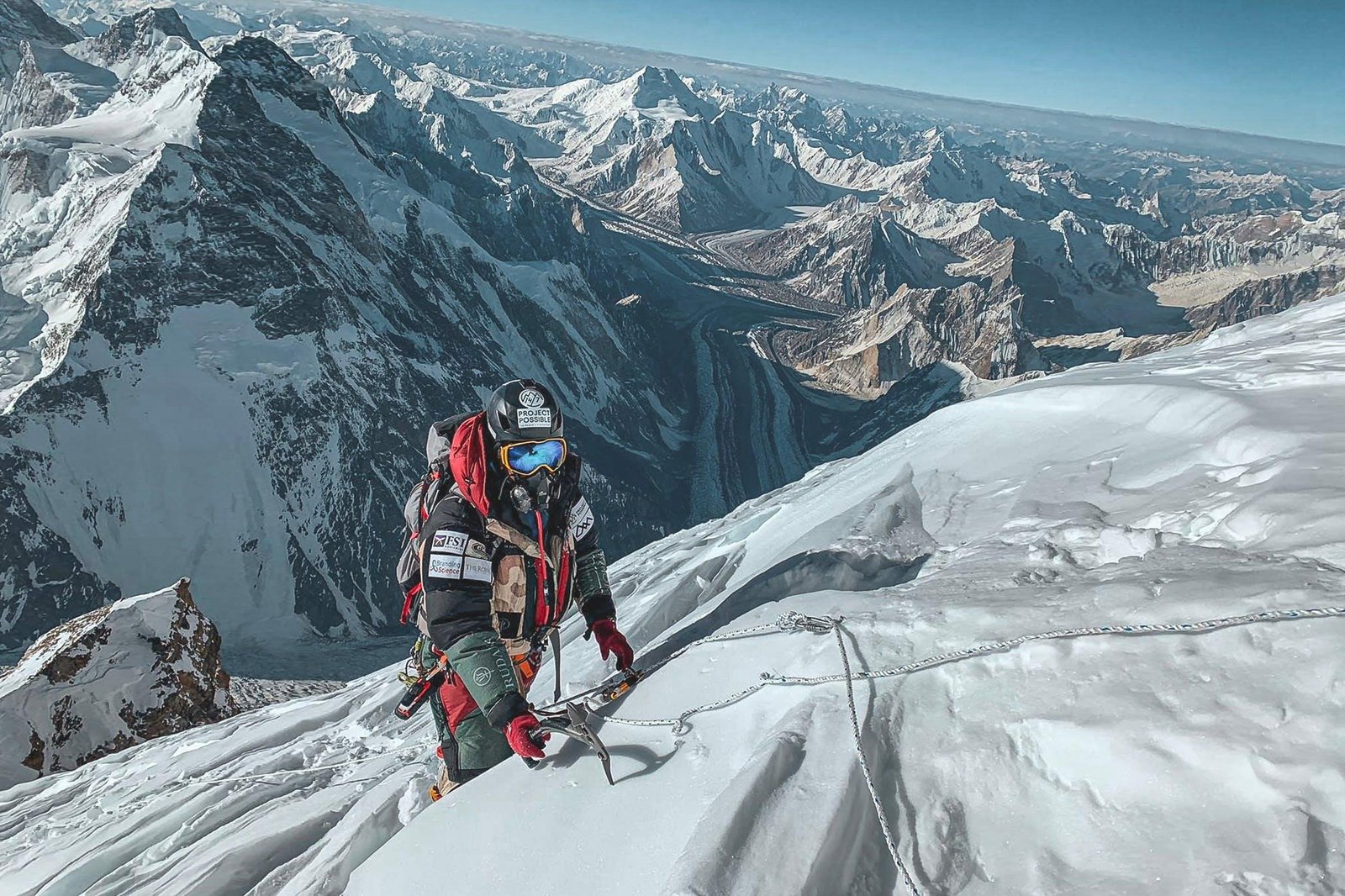
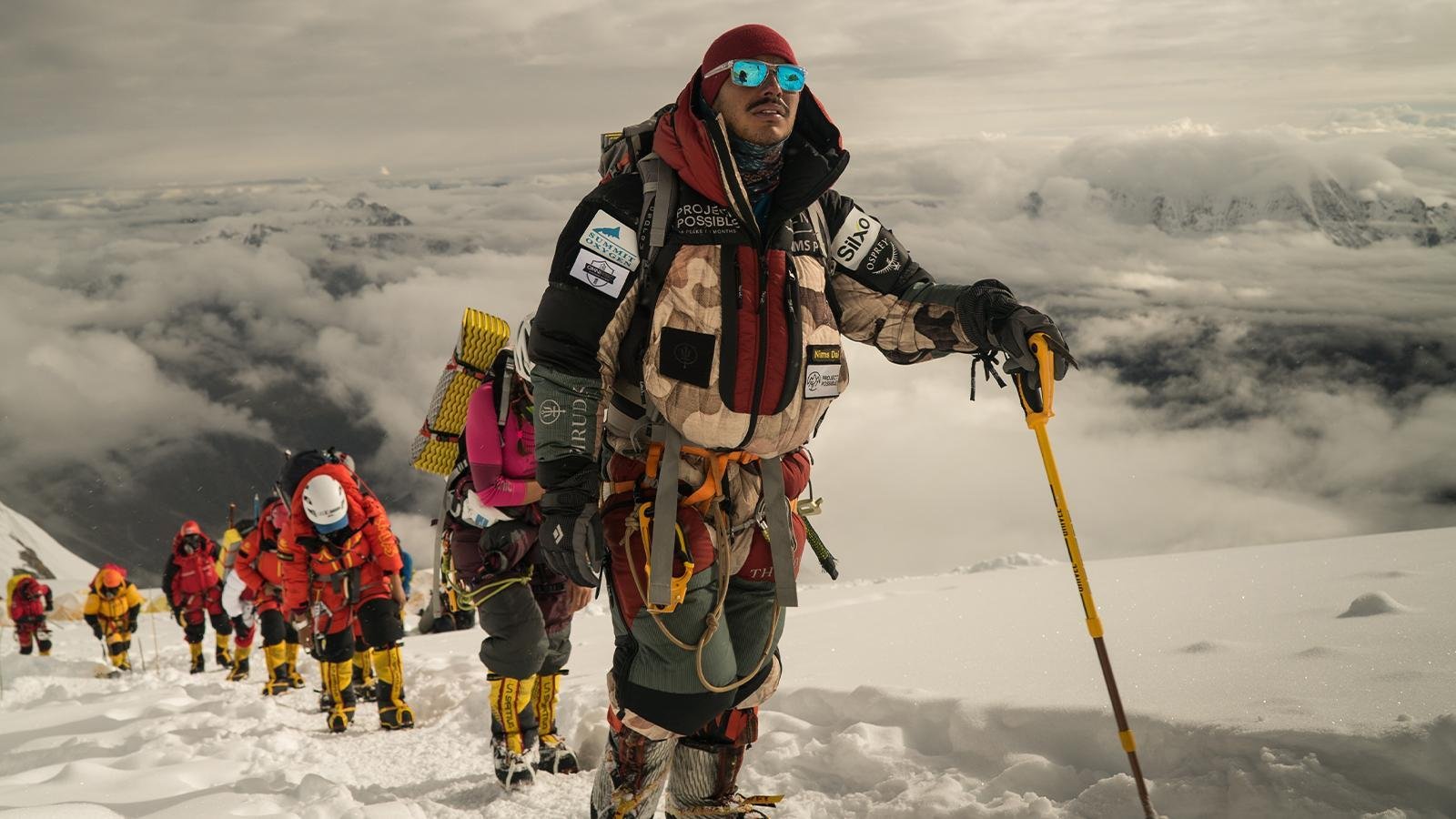
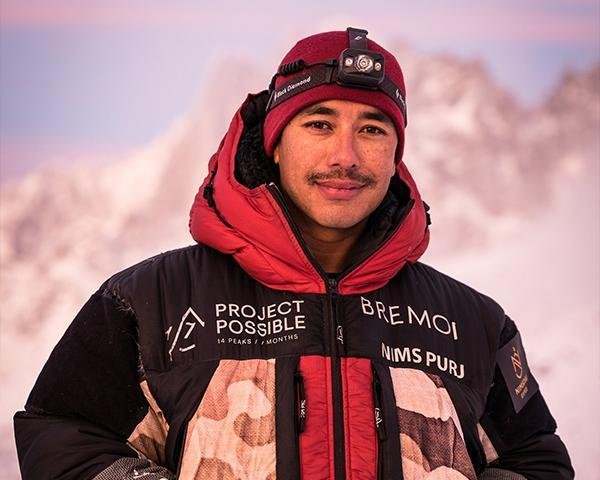
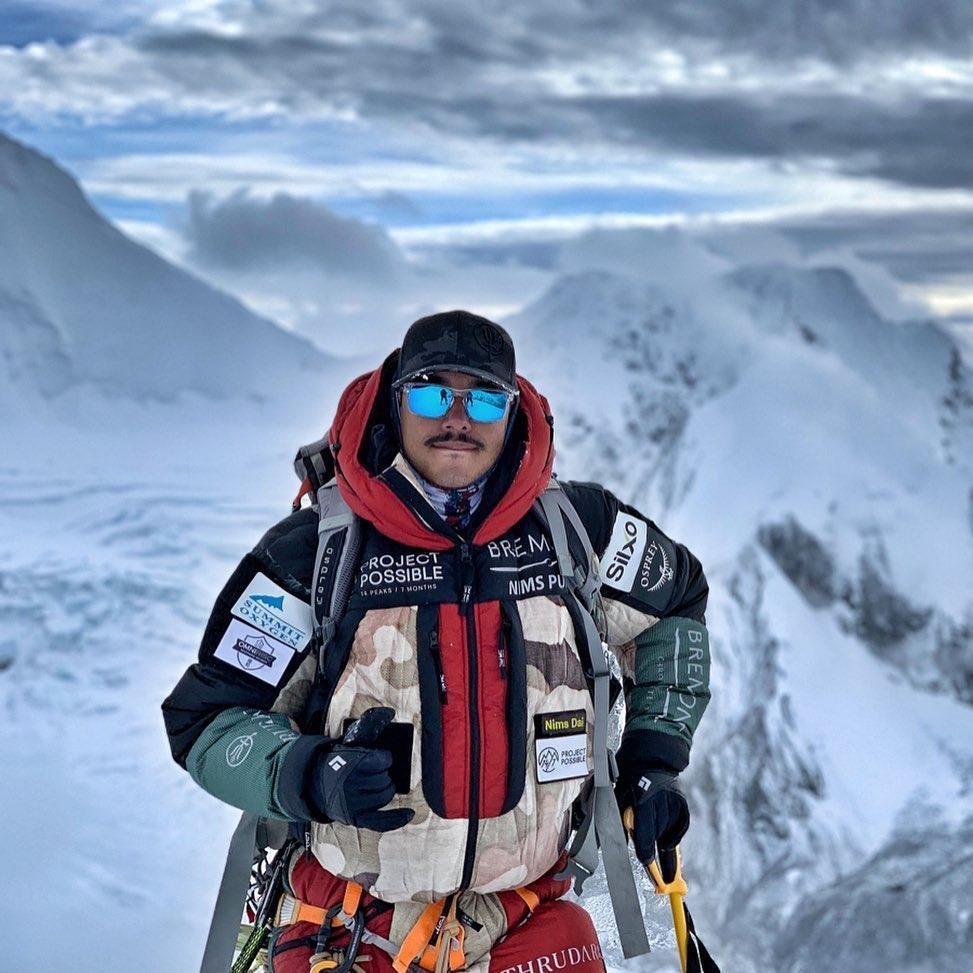
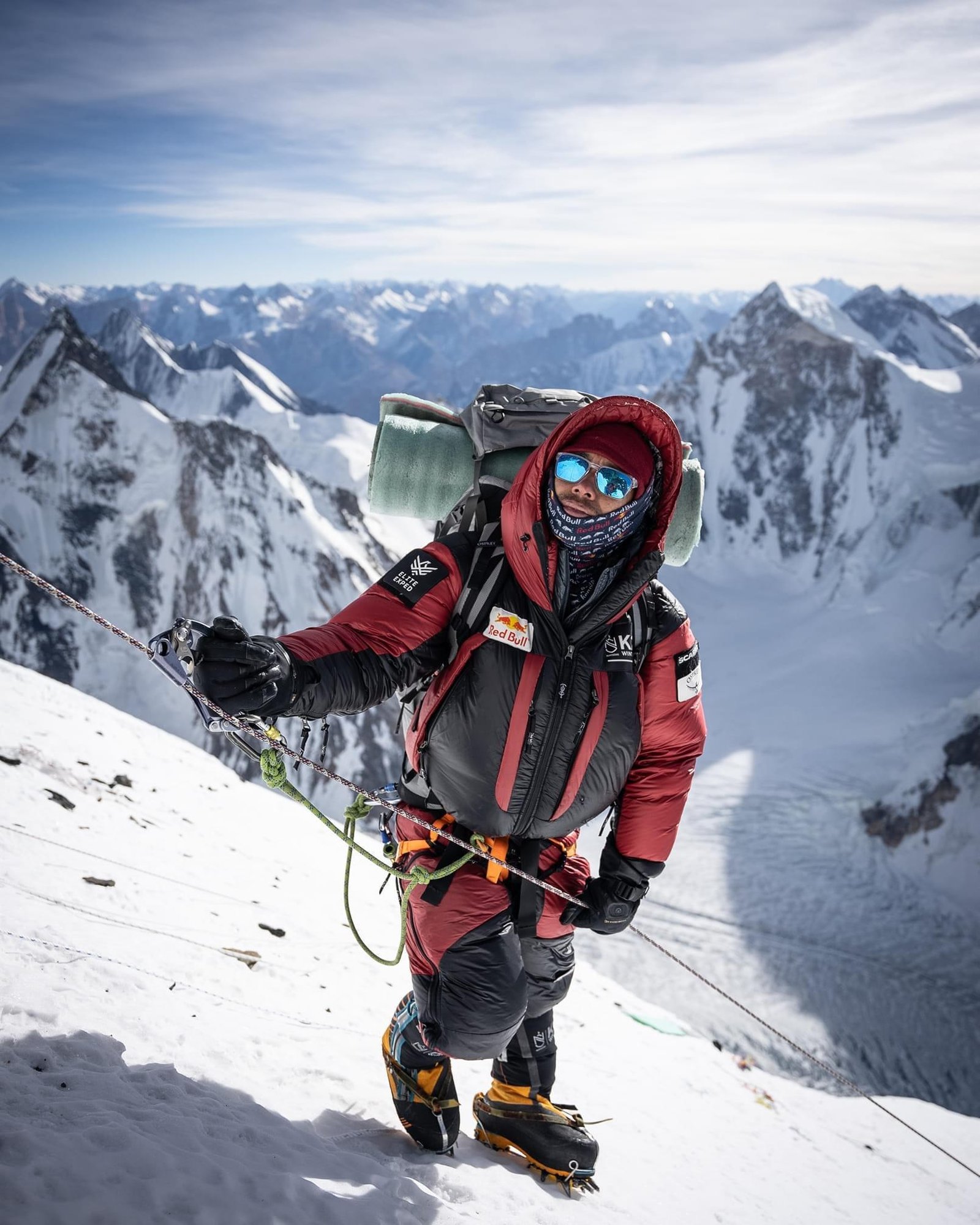
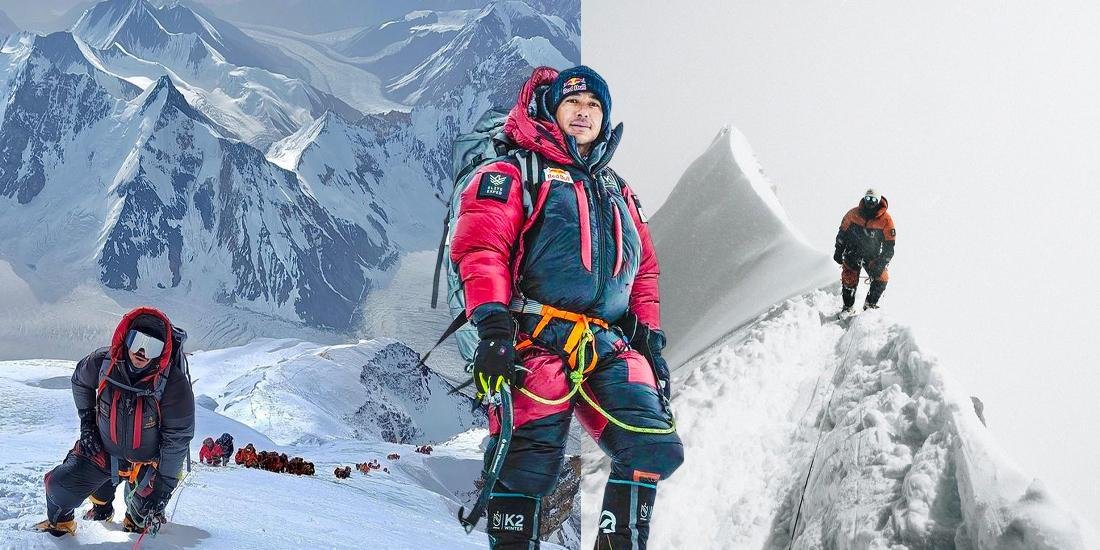
For Pakistan, his story has particular importance. Five of the world's fourteen 8,000 metre mountains are located in the Pakistani Karakoram, and Purja climbed all five during the Pakistan phase of Project Possible. K2 later became the setting for another historic achievement in his career.
Table of contents [Show]
- Early Life in Nepal
- Following the Gurkha Tradition
- The Special Boat Service
- Discovering Mountaineering
- Mount Everest
- Leaving the Military
- Project Possible 14/7
- Annapurna: The First Mountain
- Dhaulagiri
- Kangchenjunga
- Everest, Lhotse and Makalu
- The Famous Everest Traffic Photograph
- Pakistan and the Karakoram
- Nanga Parbat
- Gasherbrum I
- Gasherbrum II
- K2
- Broad Peak
- Leaving Pakistan
- Cho Oyu
- Manaslu
- Shishapangma
- 189 Days
- The Fourteen Peaks of Project Possible
- Why Project Possible Was So Significant
- The Debate Around Modern High Altitude Climbing
- The Everest Traffic Image and Its Wider Impact
- From Record Holder to International Mountaineering Figure
- K2 in Winter
- Why Winter K2 Was So Difficult
- The Nepali Winter Expedition
- January 2021
- The First Winter Ascent of K2
- The Ten Climbers
- K2 and Pakistan
- Beyond Personal Records
- 14 Peaks: Nothing Is Impossible
- The Human Side of Project Possible
- Building an Expedition Career
- Nirmal Purja and the Future of Himalayan Mountaineering
- The Importance of the Karakoram
- Returning to Broad Peak
- A Career Defined by the Highest Mountains
- Returning to Broad Peak
- The 2026 Expedition
- The Avalanche on Broad Peak
- Search and Rescue Operation
- The Death of Nirmal Purja
- A Career Closely Connected With Pakistan
- His Connection With the Mountains of Gilgit Baltistan
- Remembering Nimsdai
- The Legacy of Project Possible
- A Mountaineer Between Nepal and Pakistan
- Nirmal Purja's Place in Mountaineering History
Early Life in Nepal
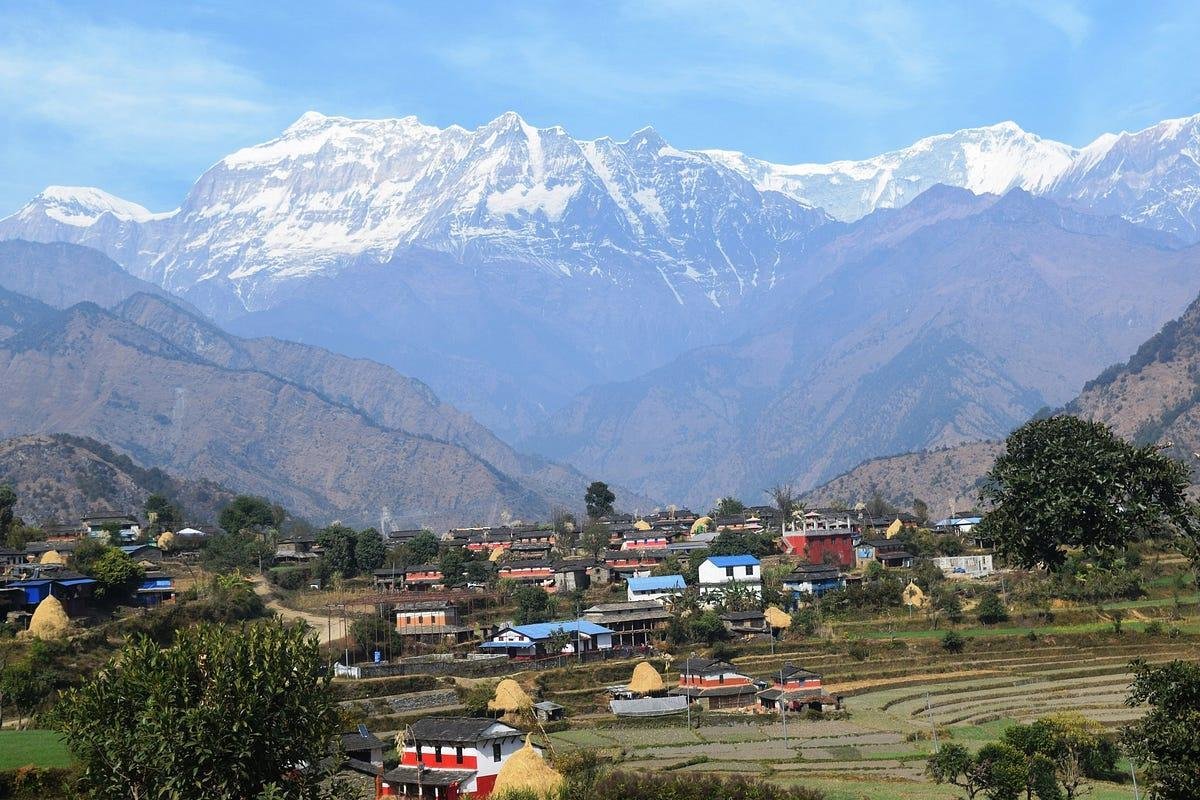
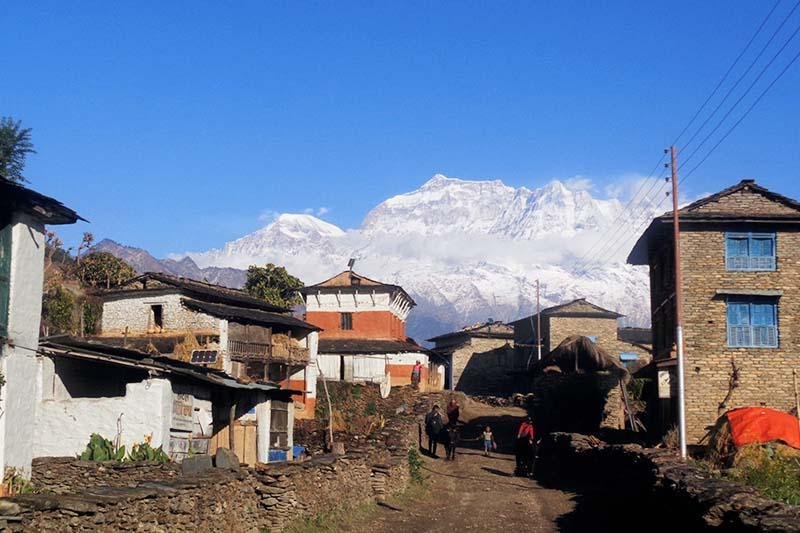
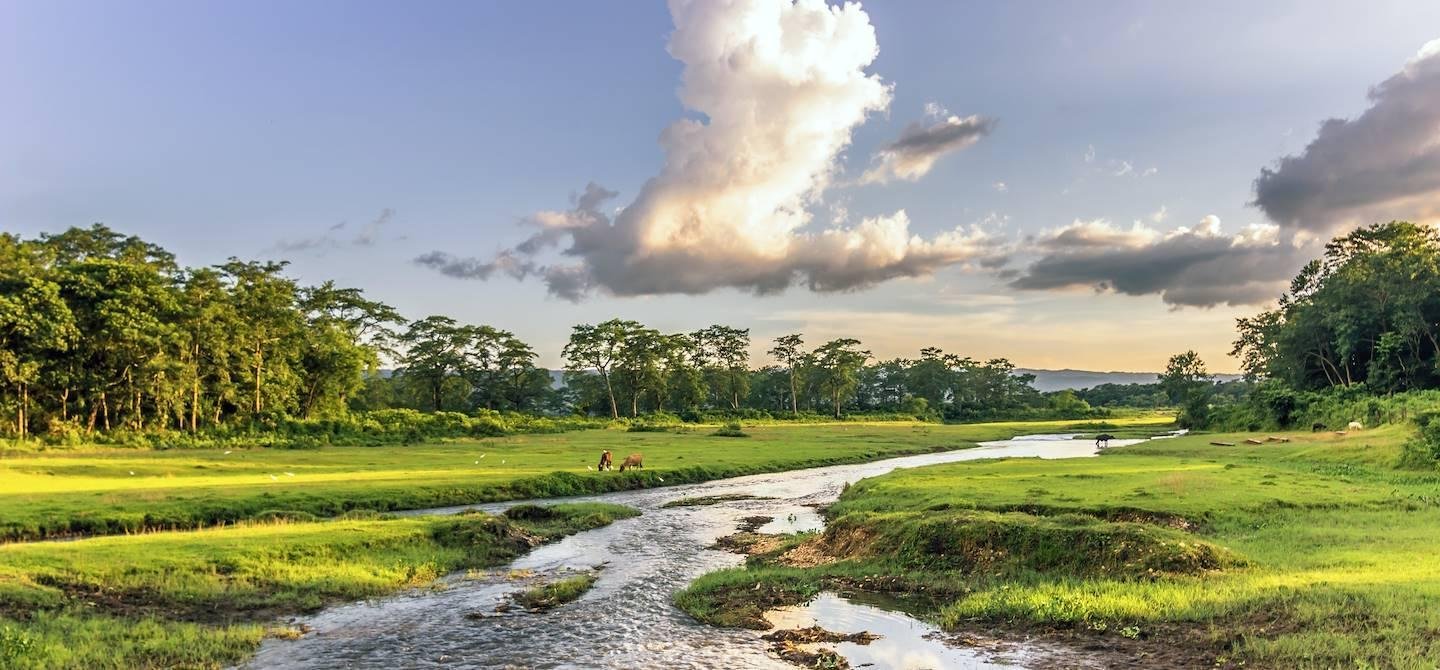
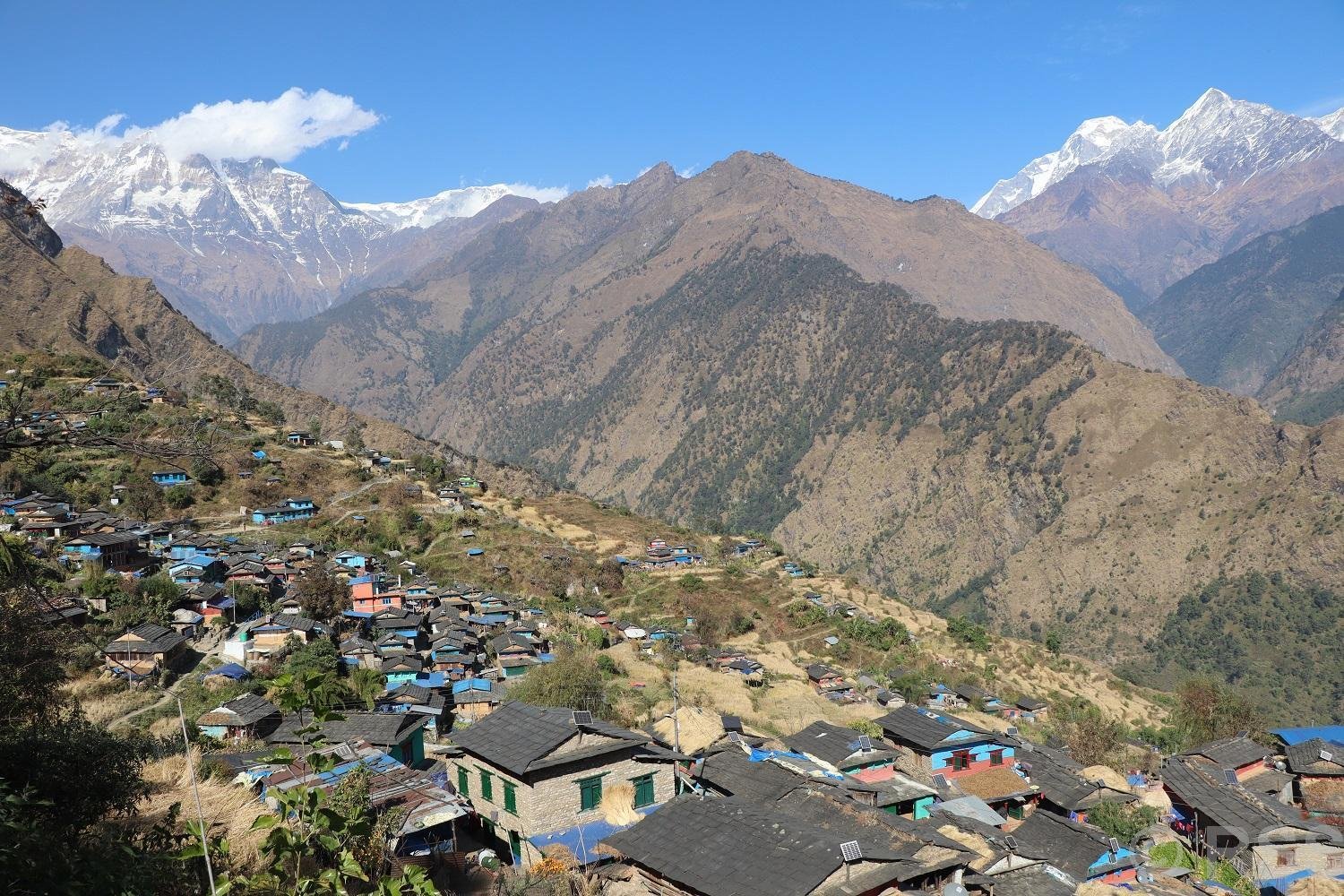
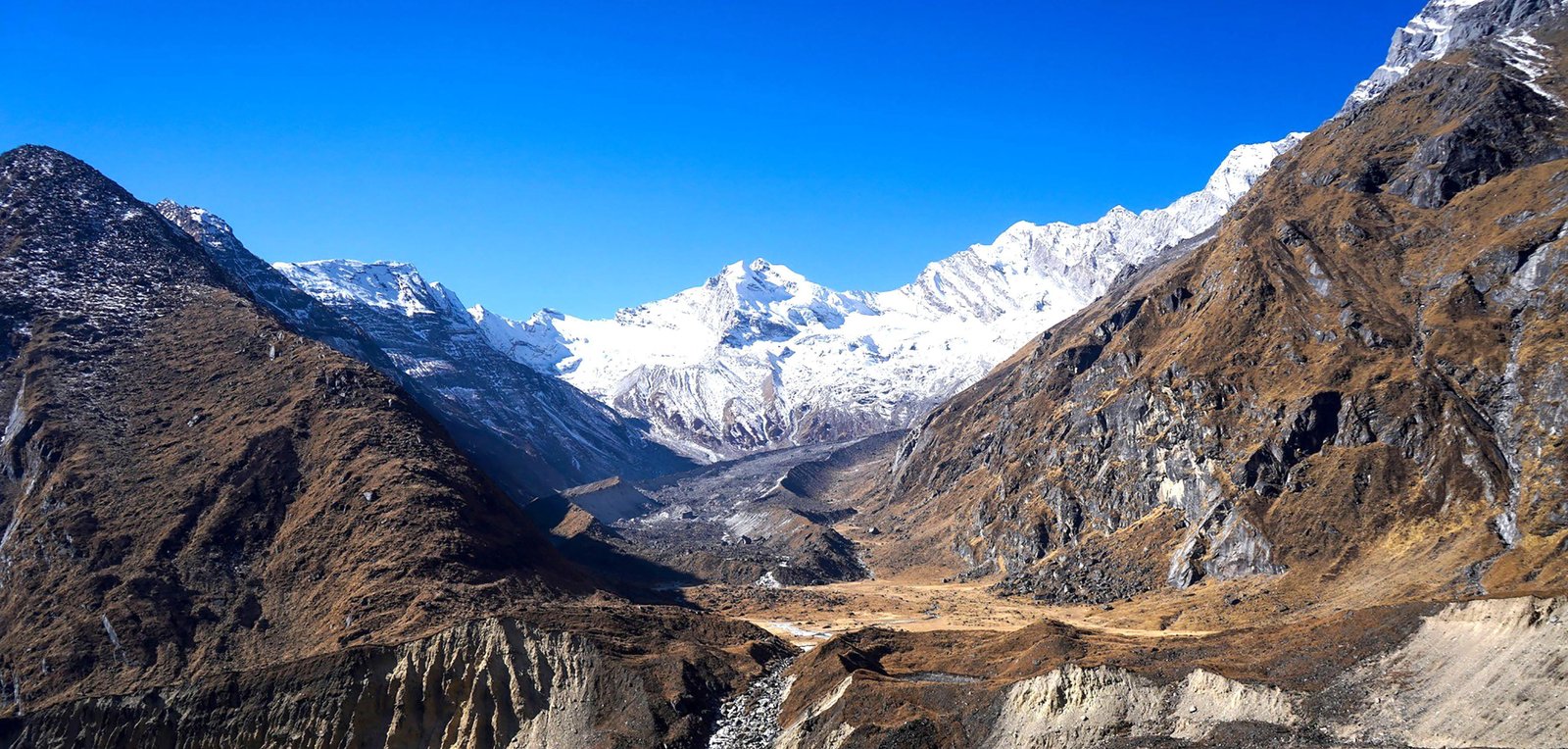
Nirmal Purja was born on 25 July 1983 in Dana, a small village in Nepal's Myagdi District near Dhaulagiri. His family moved to Chitwan when he was about four years old, meaning that although he was born close to one of the world's great mountain ranges, he did not grow up as a trained mountaineer. (Wikipedia)
His father was a Gurkha soldier and his mother came from a farming background. Three of his older brothers also became Gurkhas. Their careers helped support the family and allowed Purja to receive an English language education. (Wikipedia)
Purja has spoken publicly about growing up in difficult financial circumstances. His early life was far removed from the world of international expedition climbing that he would eventually enter.
He also developed an interest in physical activities and became proficient in kickboxing during his school years. Later, he studied security management at Loughborough University in England. (Wikipedia)
Following the Gurkha Tradition
Purja's childhood ambition was to follow his father and brothers into the Gurkhas.
In 2003, at the age of 18, he joined the Brigade of Gurkhas.
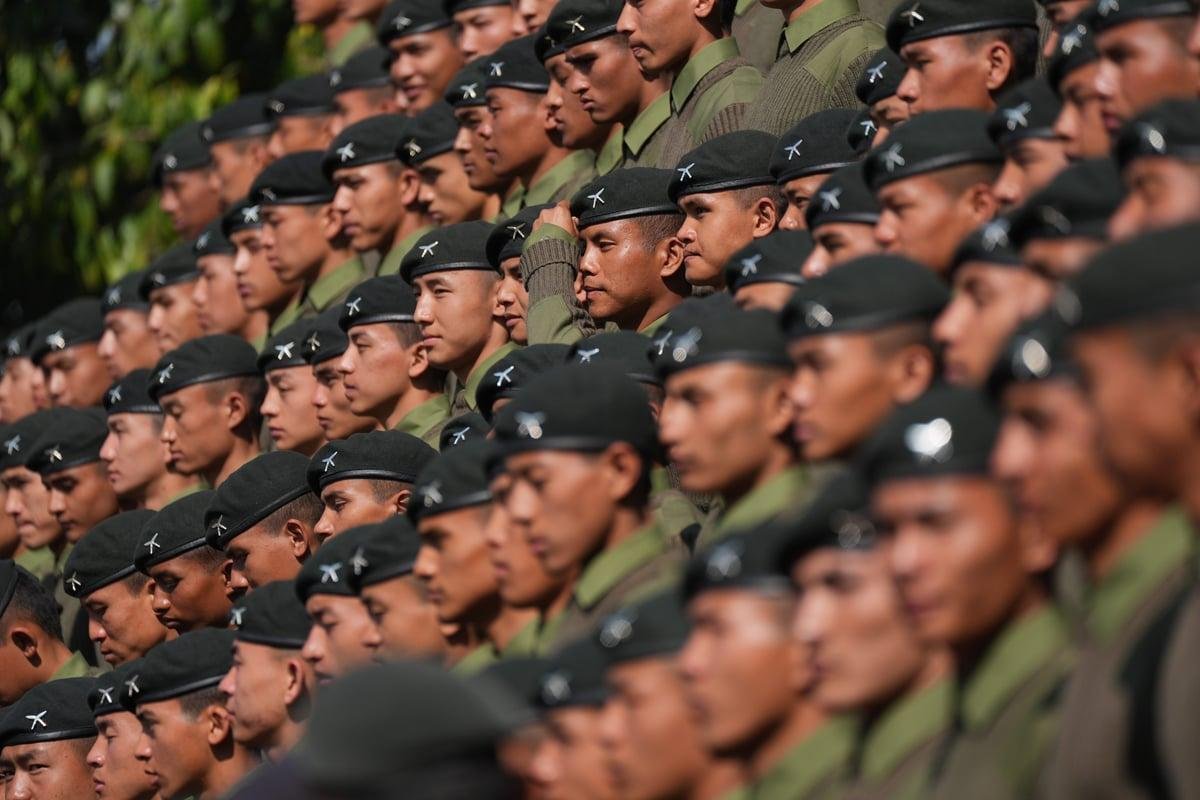
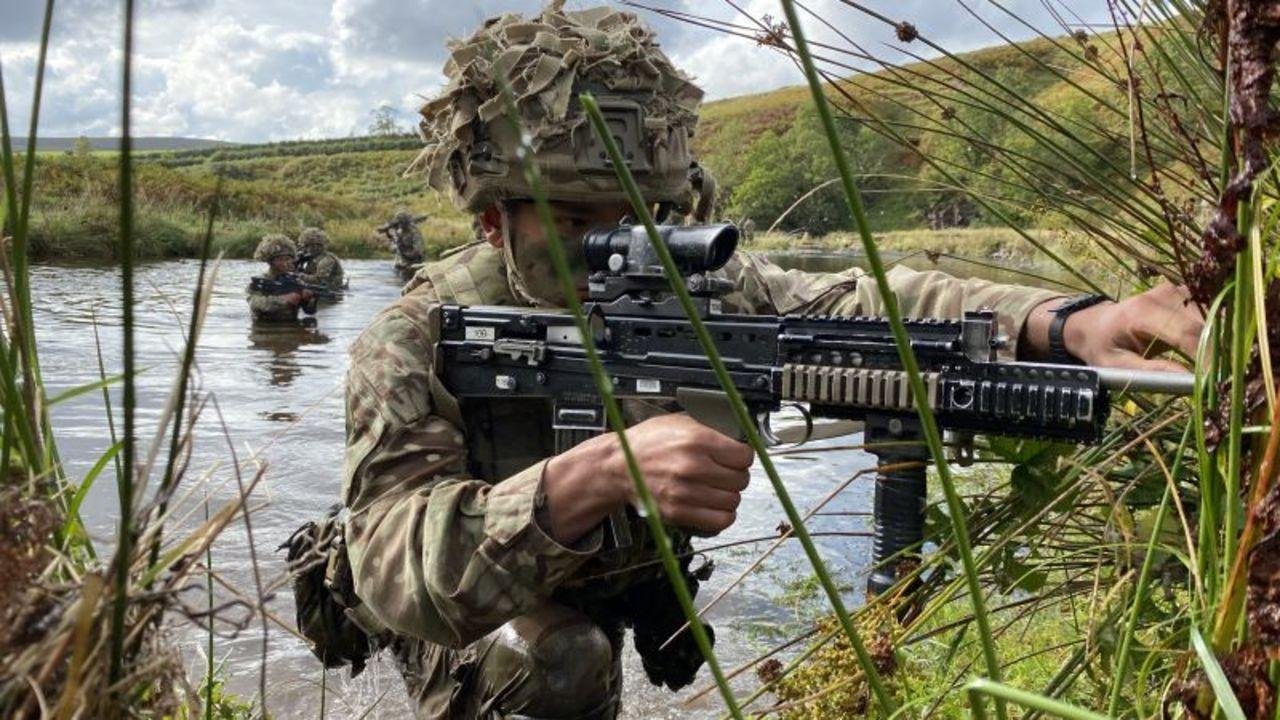
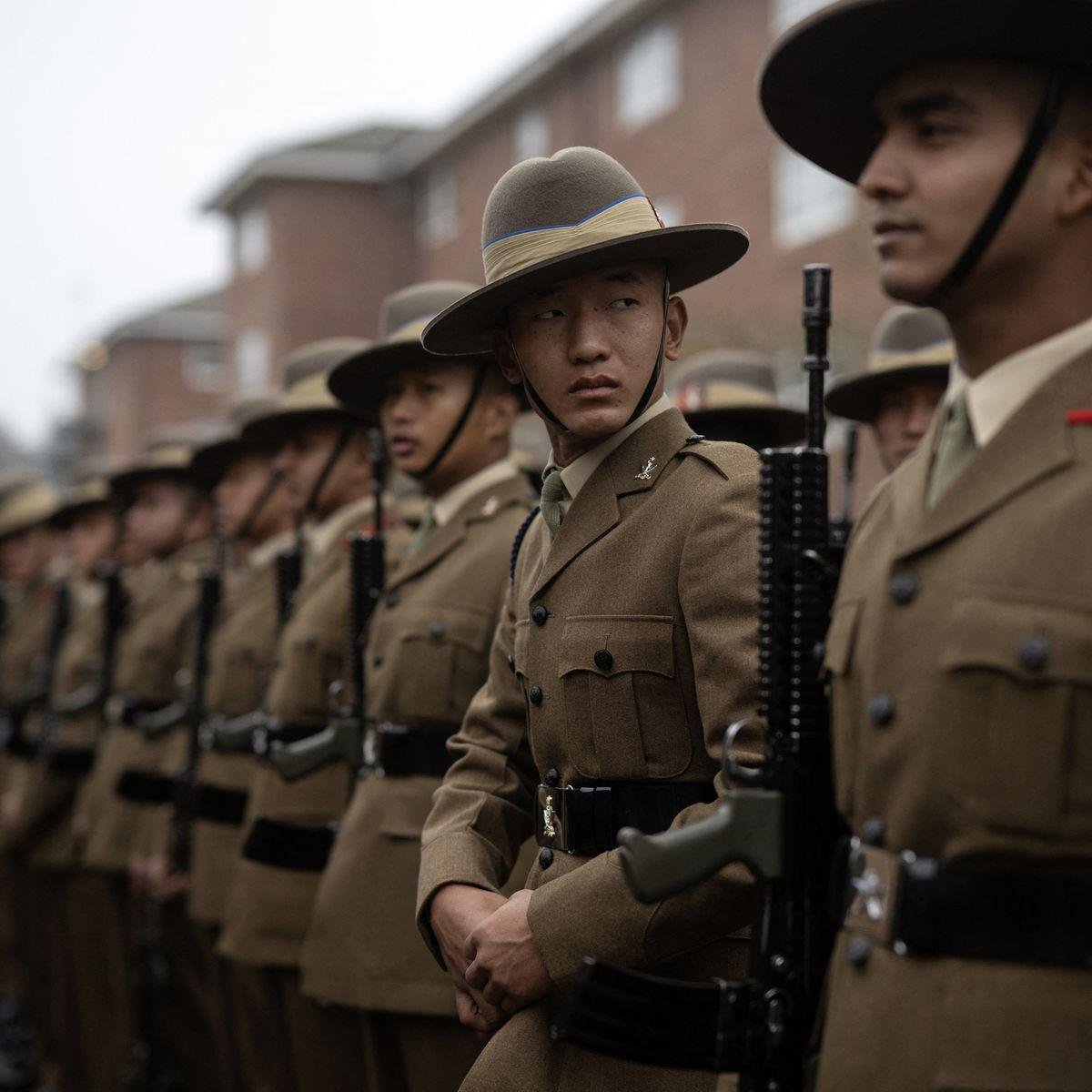
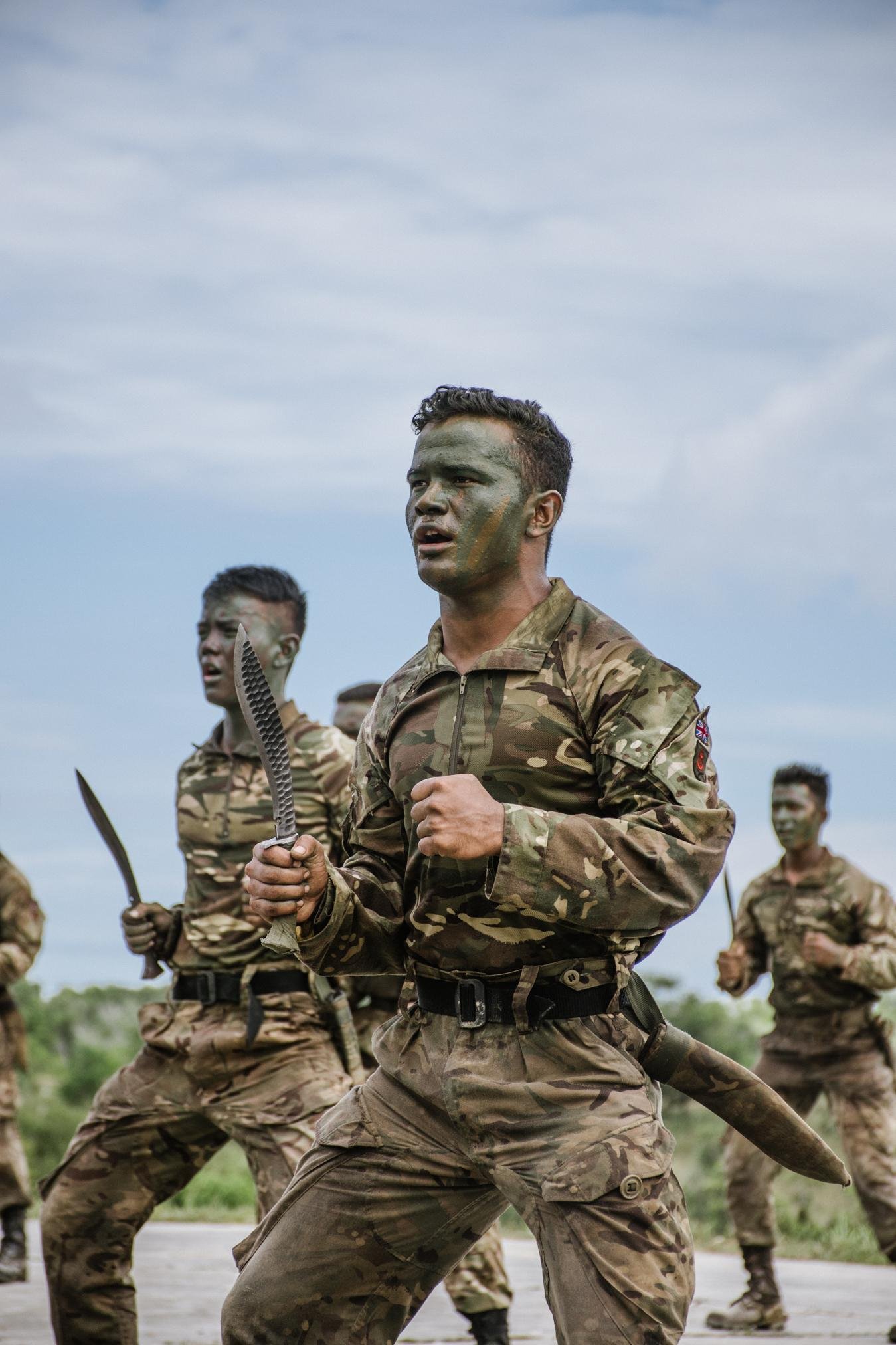

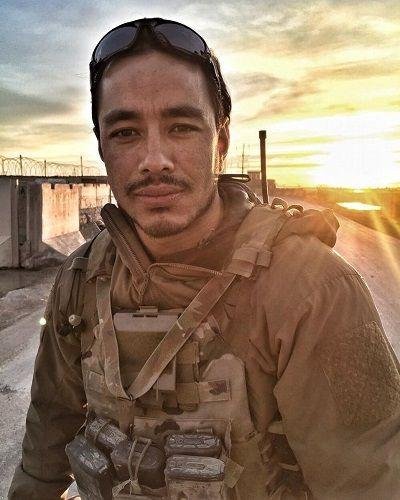
He spent six years serving with the Gurkhas before moving into the Special Boat Service. His sixteen year military career became an important foundation for his later work in mountaineering. Loughborough University describes his career as six years with the Gurkhas followed by service with the Special Boat Service, where he became the first Gurkha to pass selection for the unit. (Loughborough University)
The military environment gave Purja experience in discipline, physical preparation, teamwork and operating in demanding conditions.
Those qualities would later become central to his approach to expedition climbing.
The Special Boat Service
In 2009, Purja became the first Gurkha to pass selection for the British Special Boat Service.
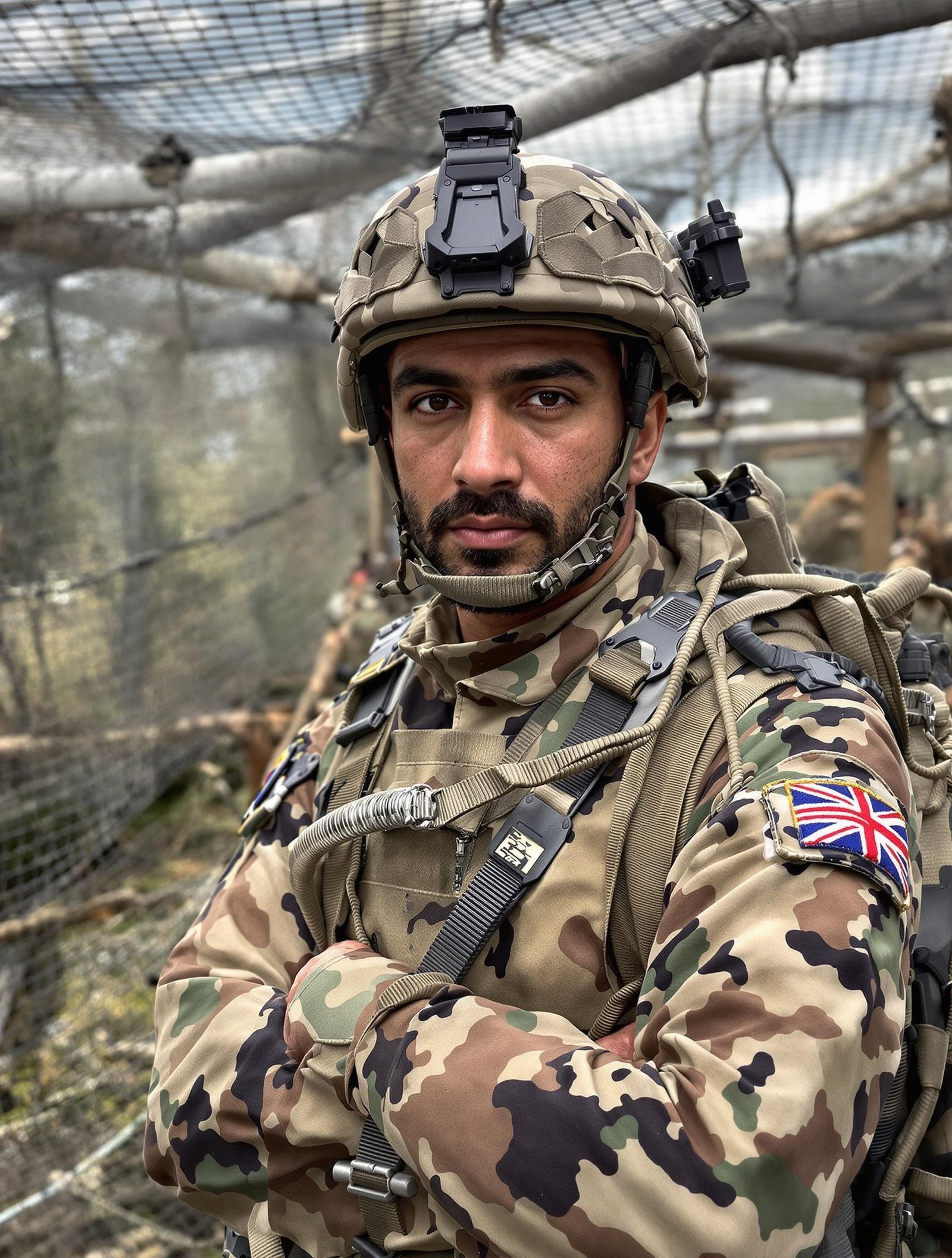
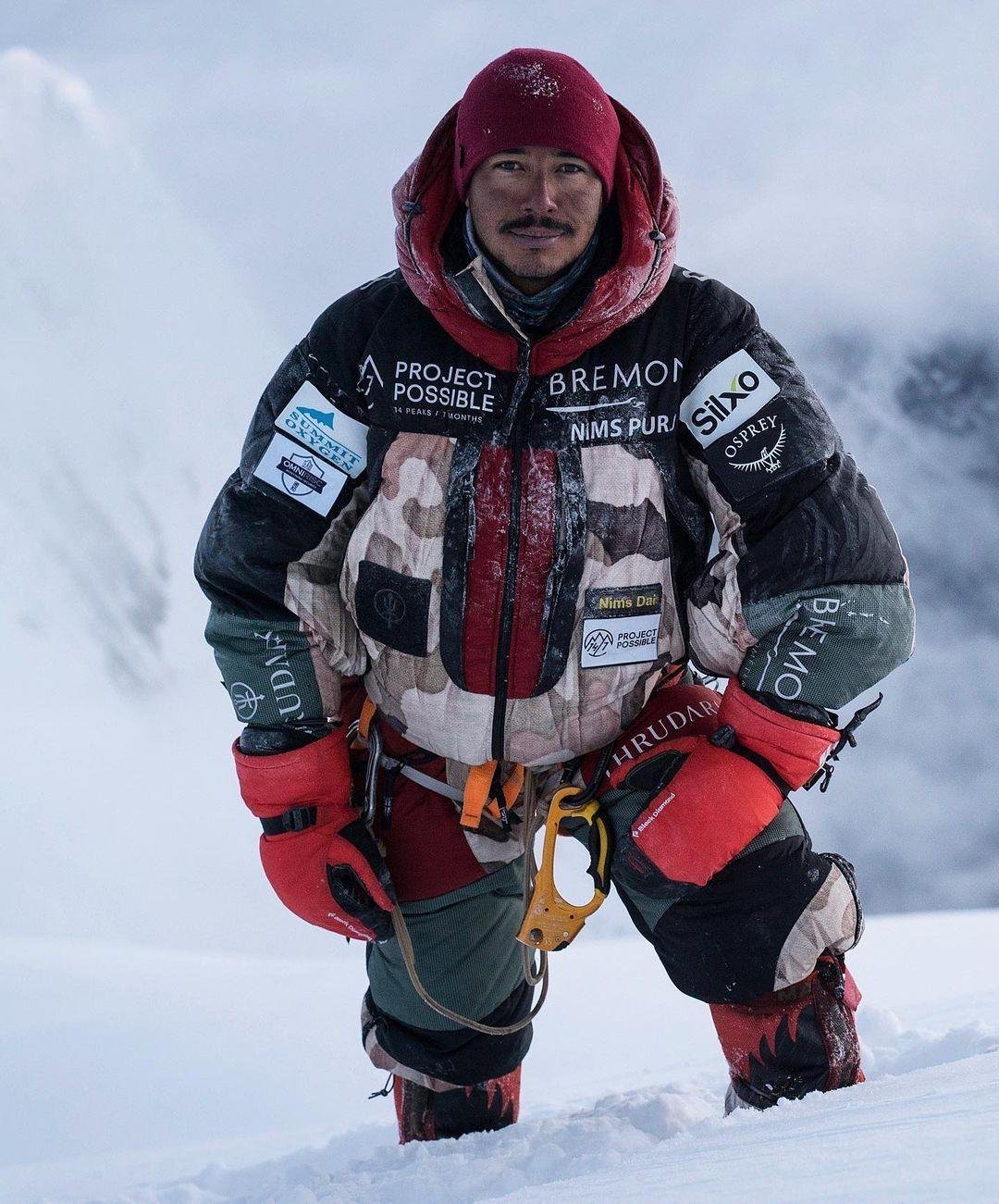
He remained in military service until 2018.
The experience was significant because high altitude mountaineering demands many of the same broad qualities that Purja had developed through military service: preparation, endurance, teamwork and the ability to remain focused during difficult situations.
However, at this stage mountaineering was not yet his profession.
His transition from soldier to professional climber came only after he had already spent years in the British military.
Discovering Mountaineering
Purja's serious involvement with mountaineering began much later than that of many famous Himalayan climbers.
According to accounts of his career, he first became interested in climbing during leave from his military career. He had never climbed Mount Everest and eventually undertook an Everest Base Camp trek, after which his interest in technical mountaineering grew.
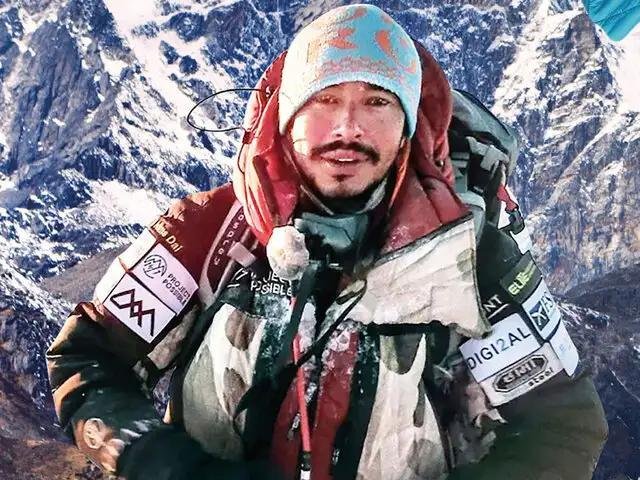
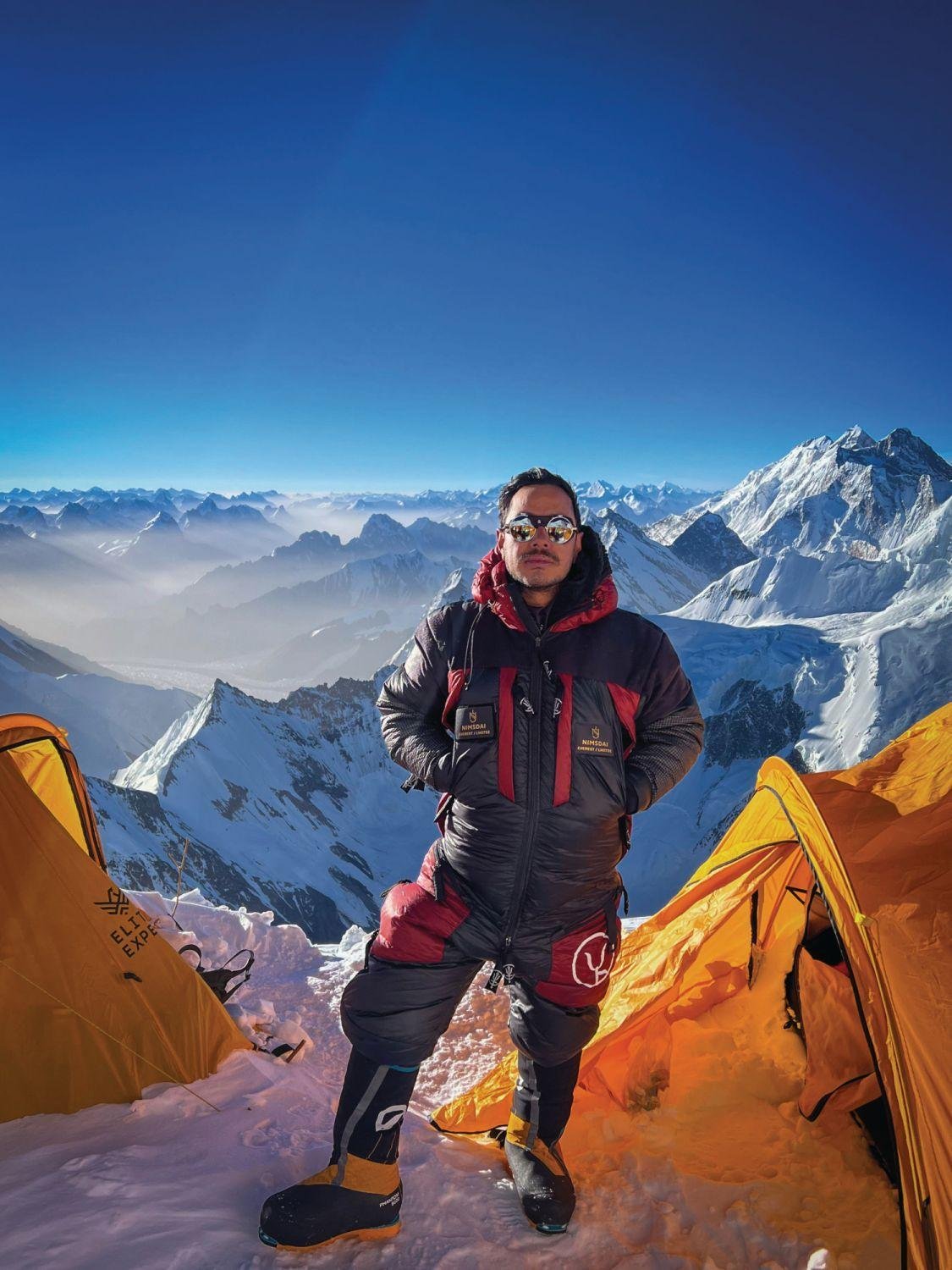
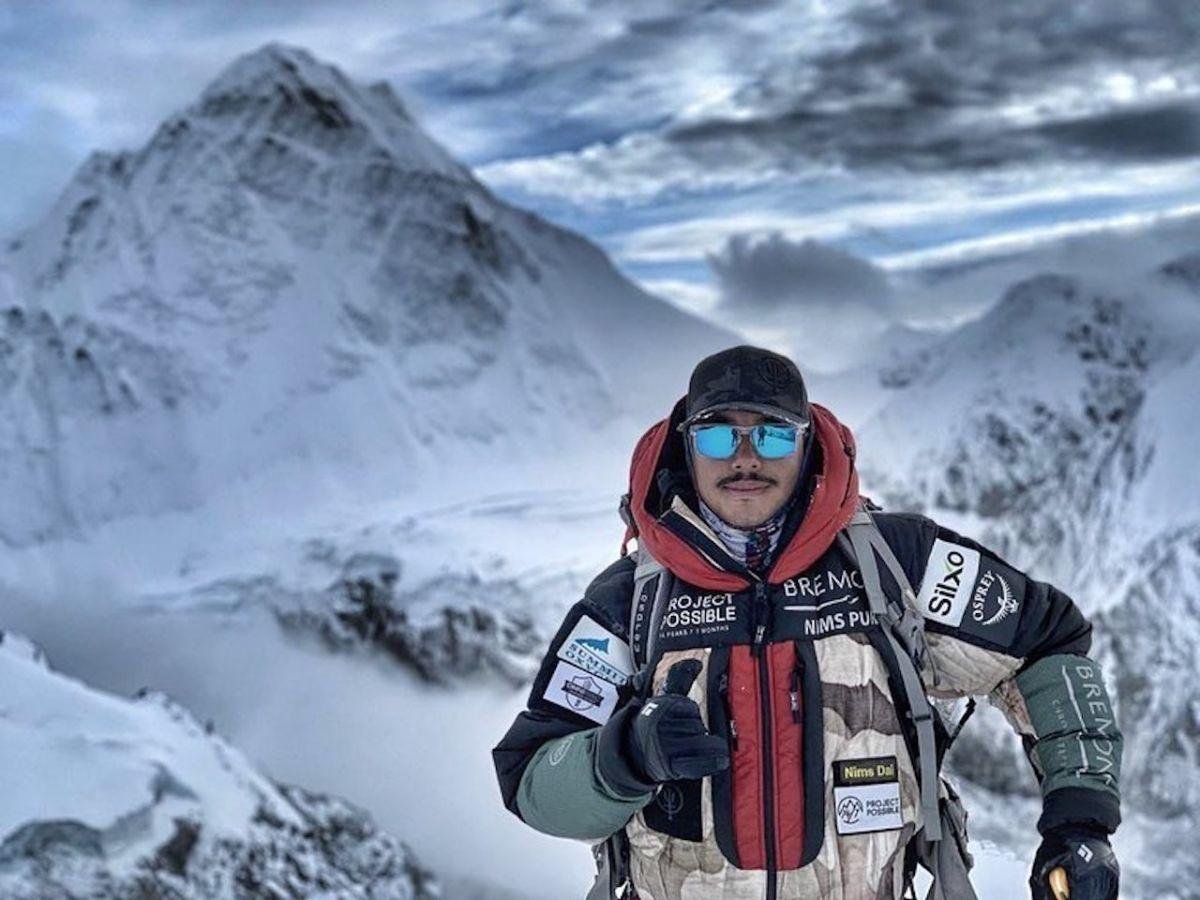
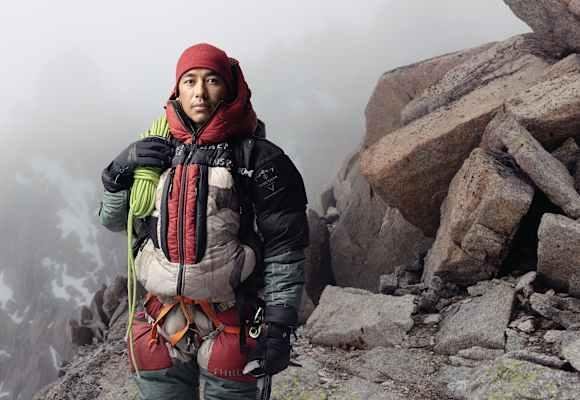
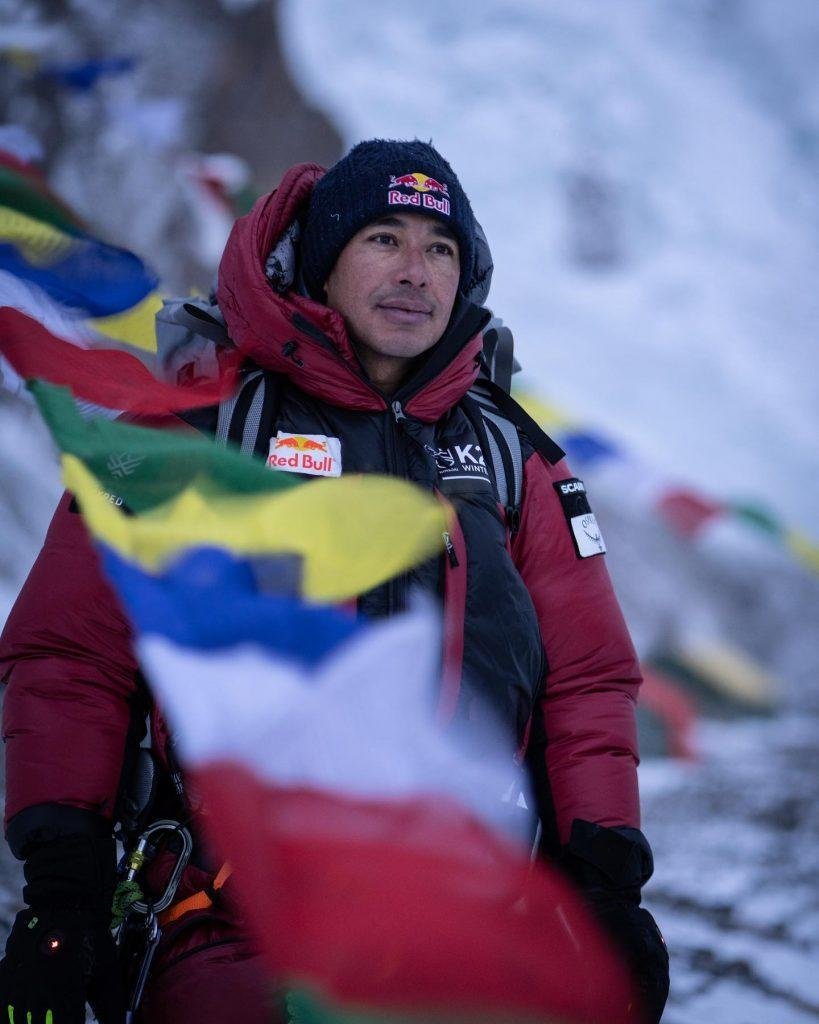
In 2012, he climbed Lobuche East in Nepal.
That experience opened the door to increasingly ambitious objectives.
Two years later, he reached the summit of Dhaulagiri, one of the world's fourteen 8,000 metre mountains.
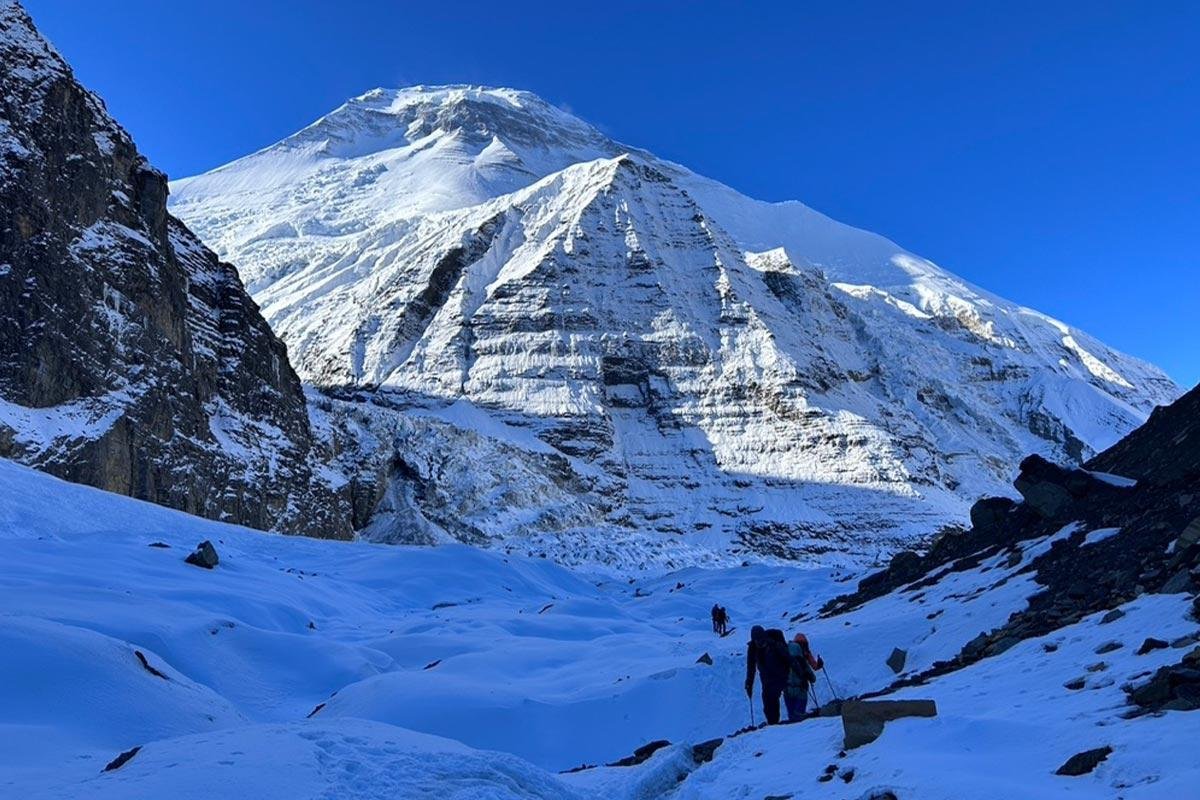
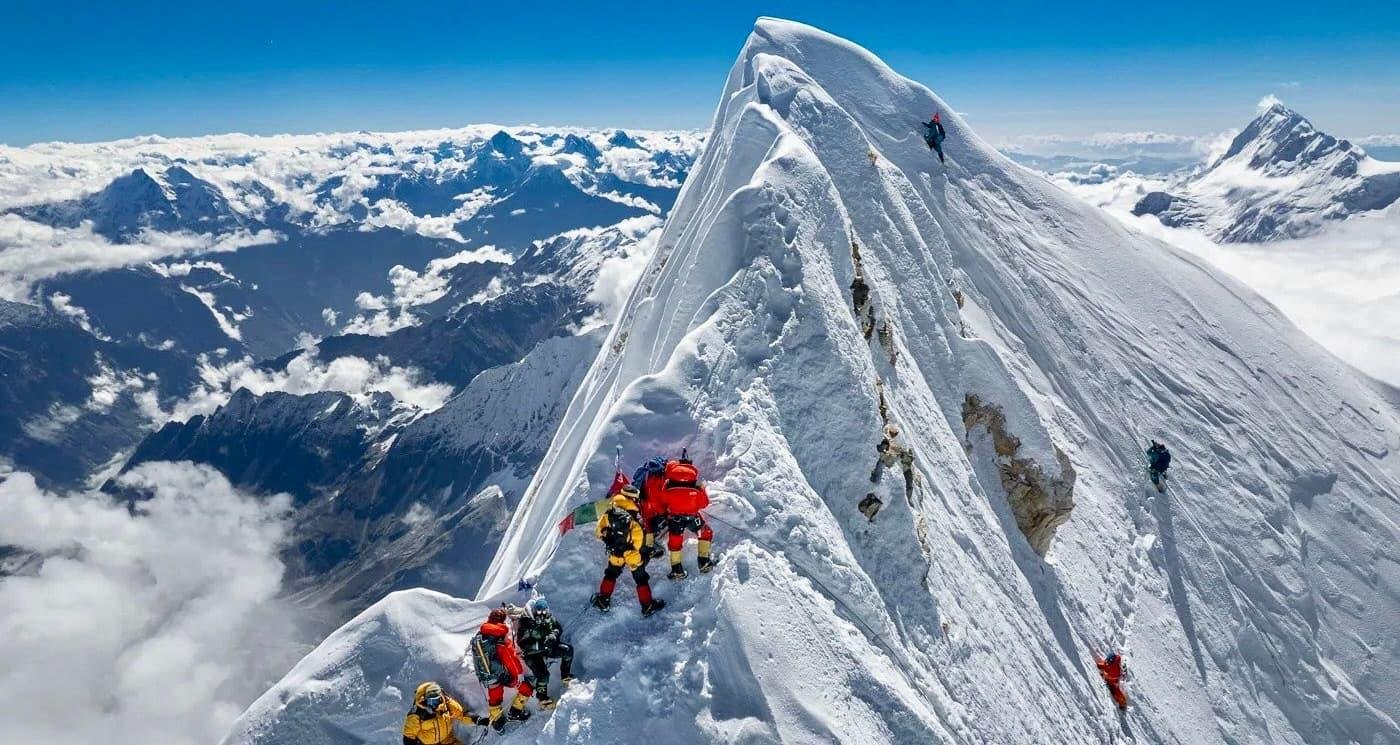
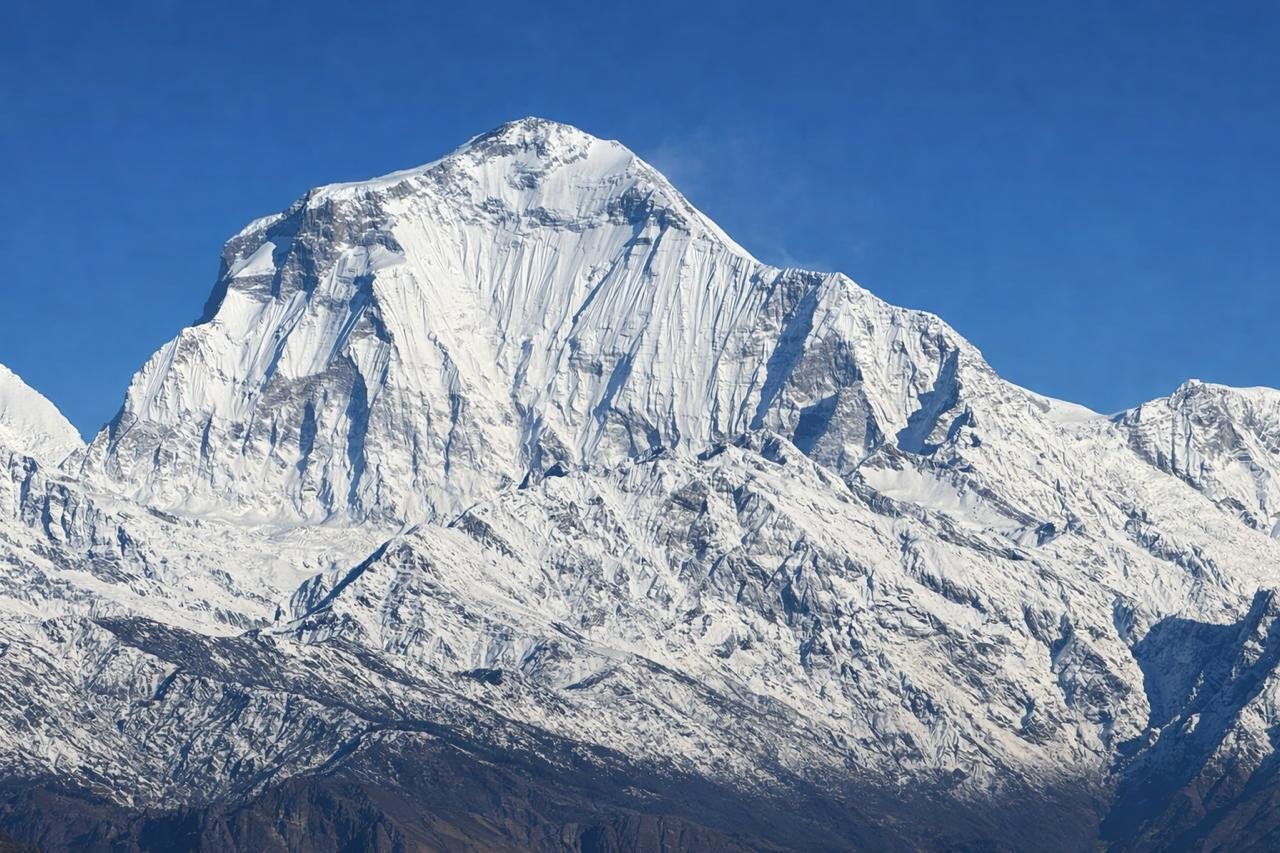
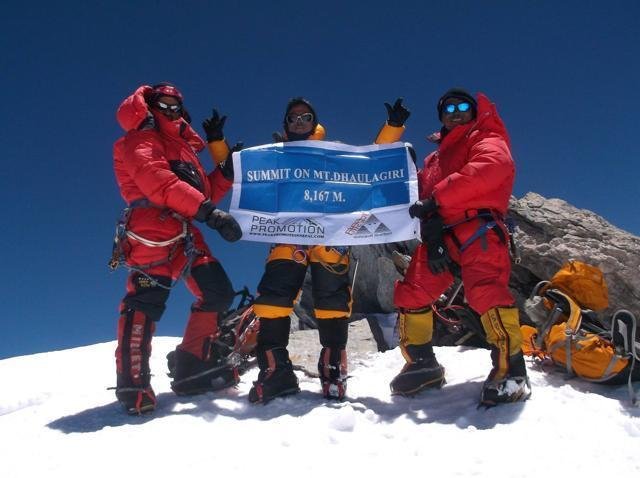
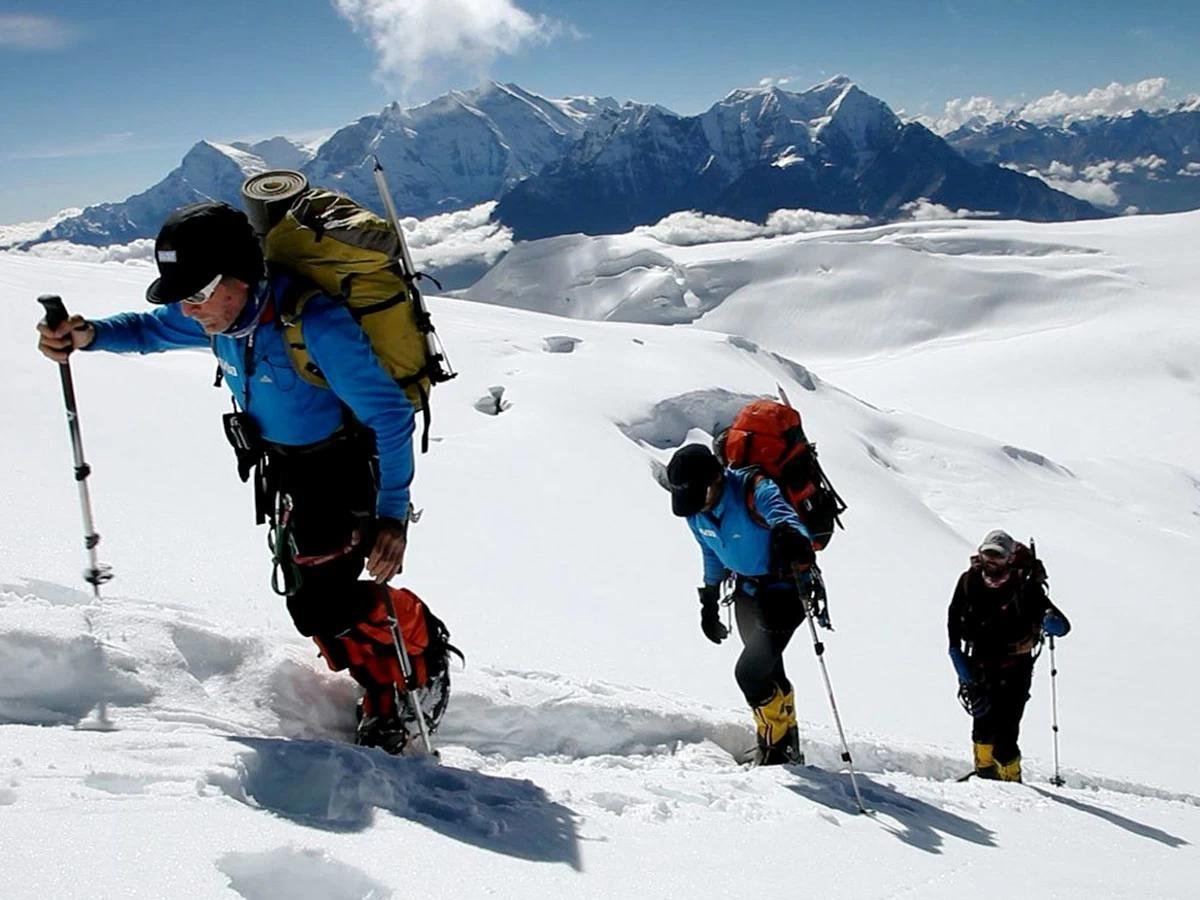
Dhaulagiri became his first 8,000 metre summit and an important turning point.
It demonstrated that Purja could operate effectively at extreme altitude and encouraged him to pursue increasingly ambitious climbing objectives.
Mount Everest
Purja reached the summit of Mount Everest in 2016.
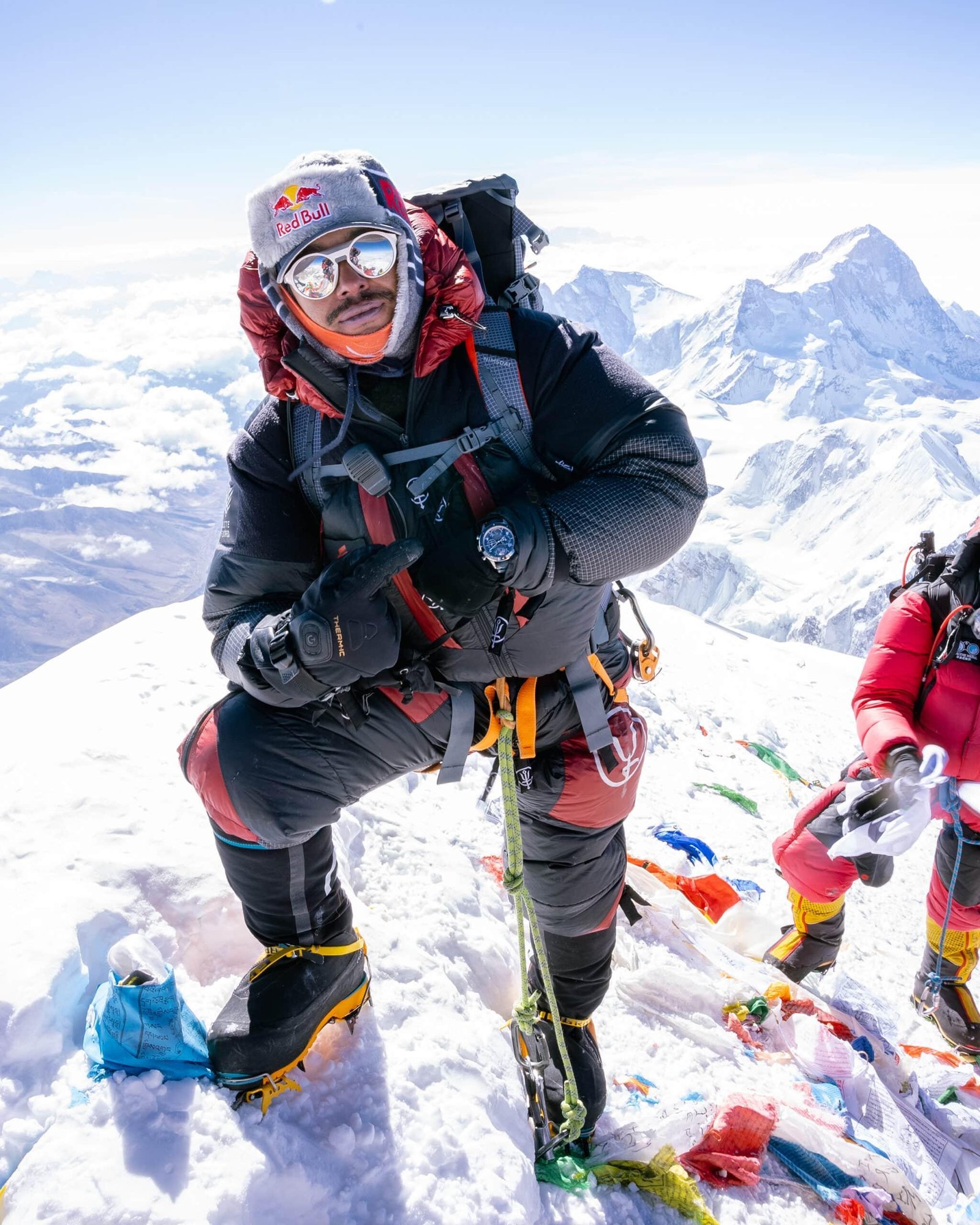
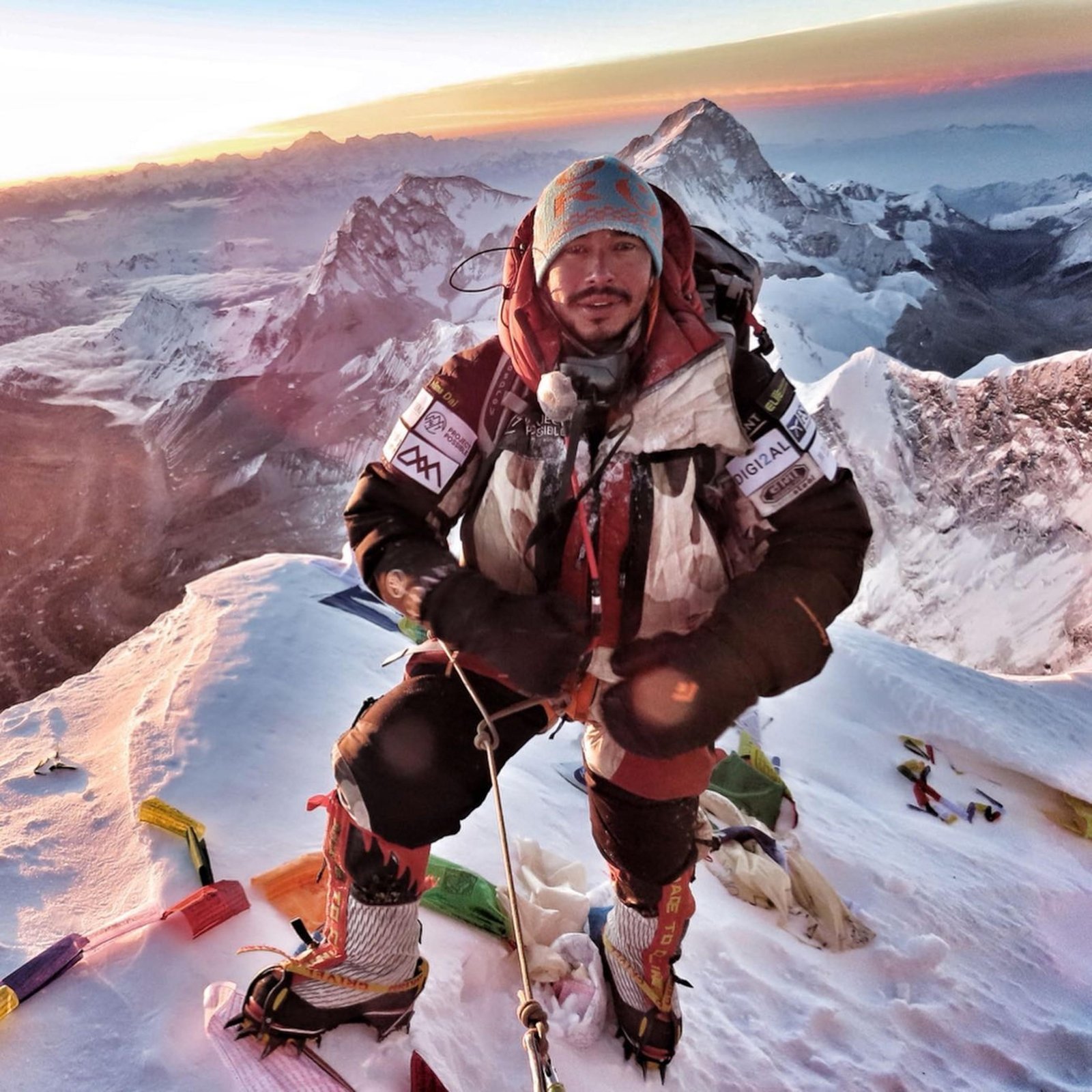
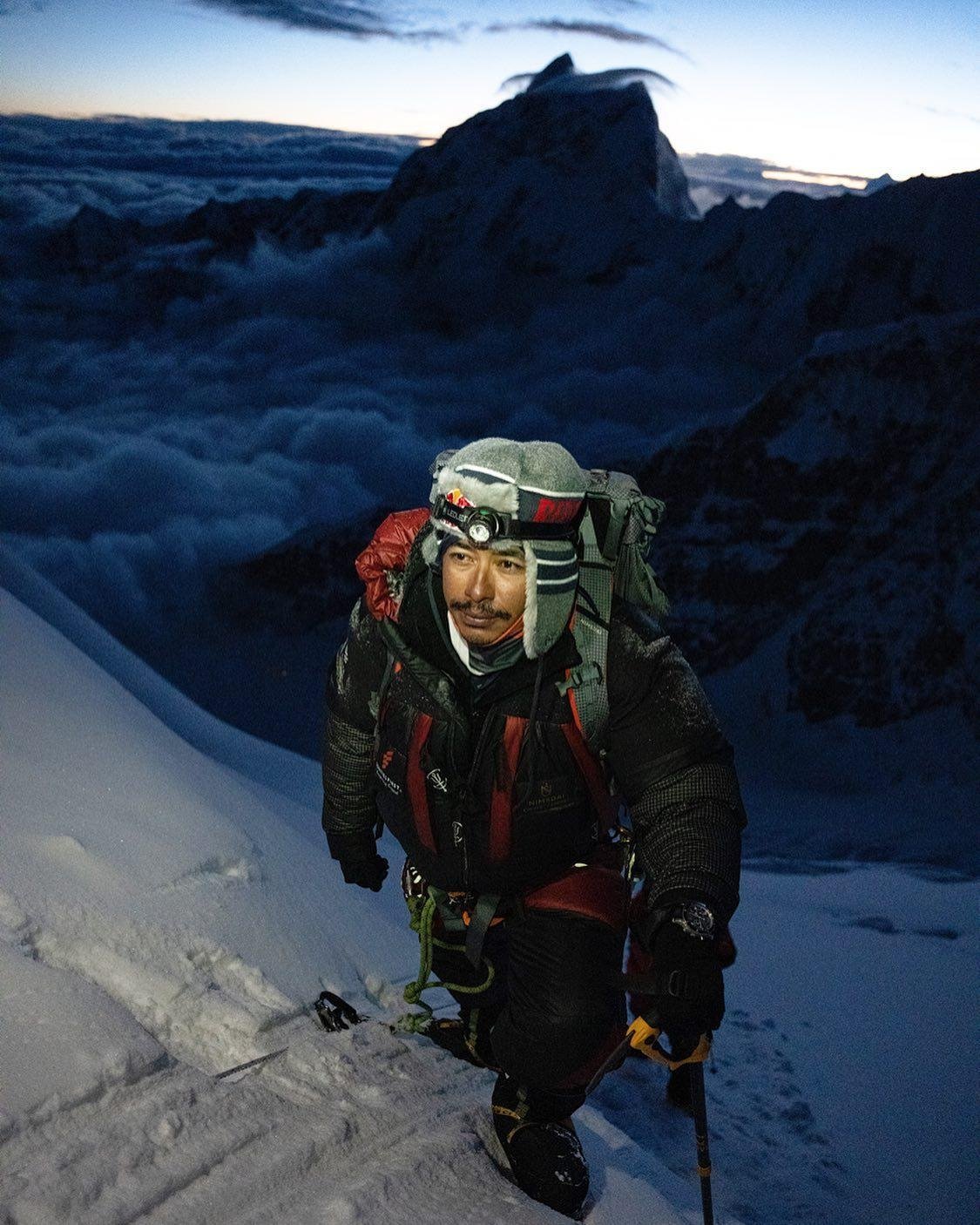
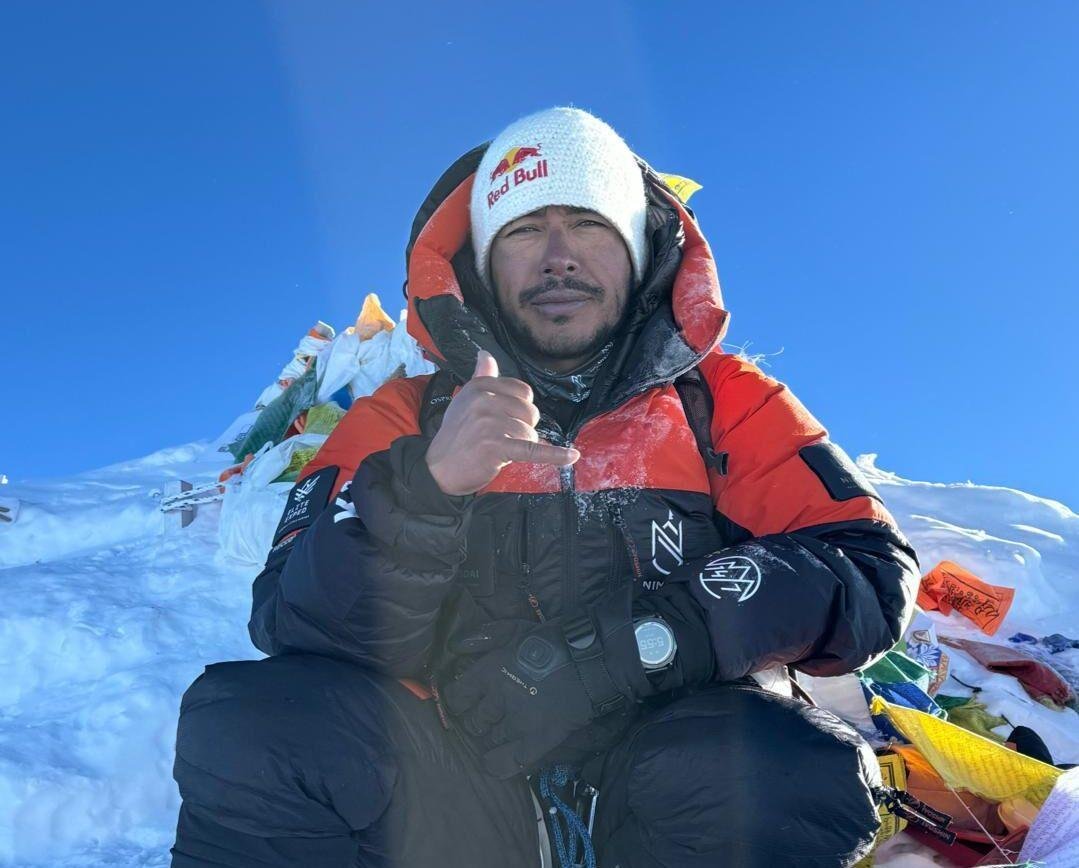
For someone who had entered mountaineering only a few years earlier, the progression was rapid.
In 2017, he returned to Everest as leader of the Gurkha Expedition G200E, an expedition associated with the 200th anniversary of Gurkha service in the British Army.
His experience was now expanding from simply climbing mountains to organizing and leading expeditions.
Leaving the Military
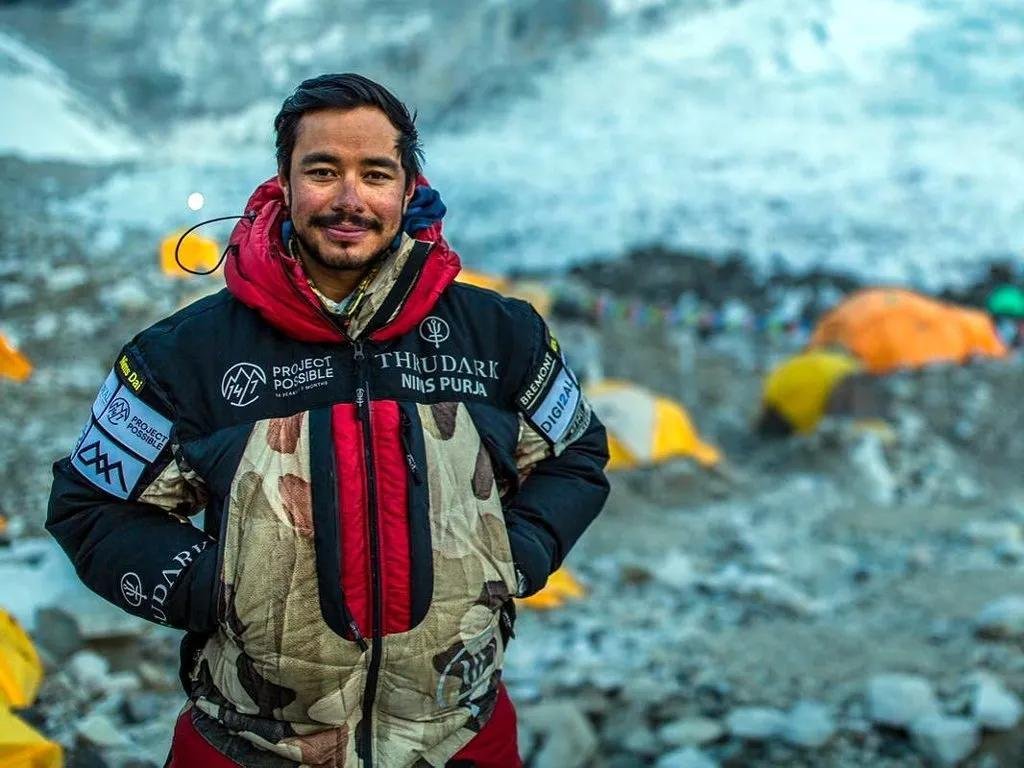
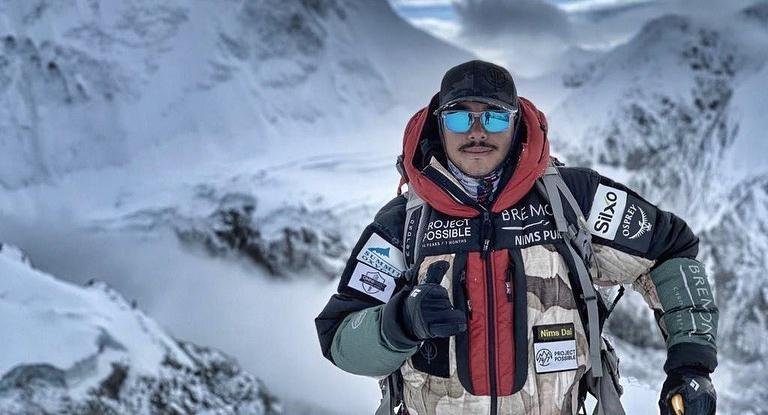
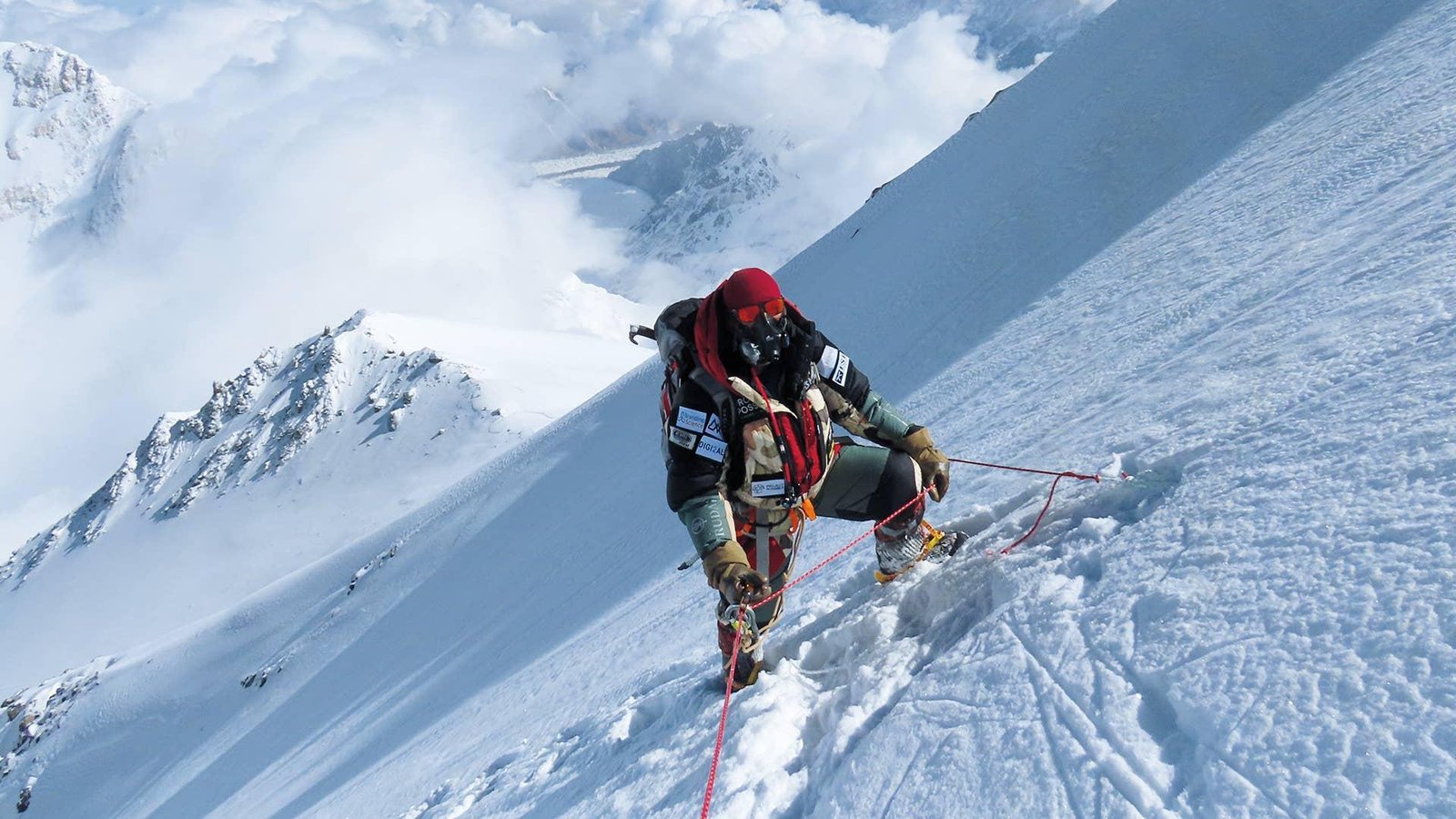
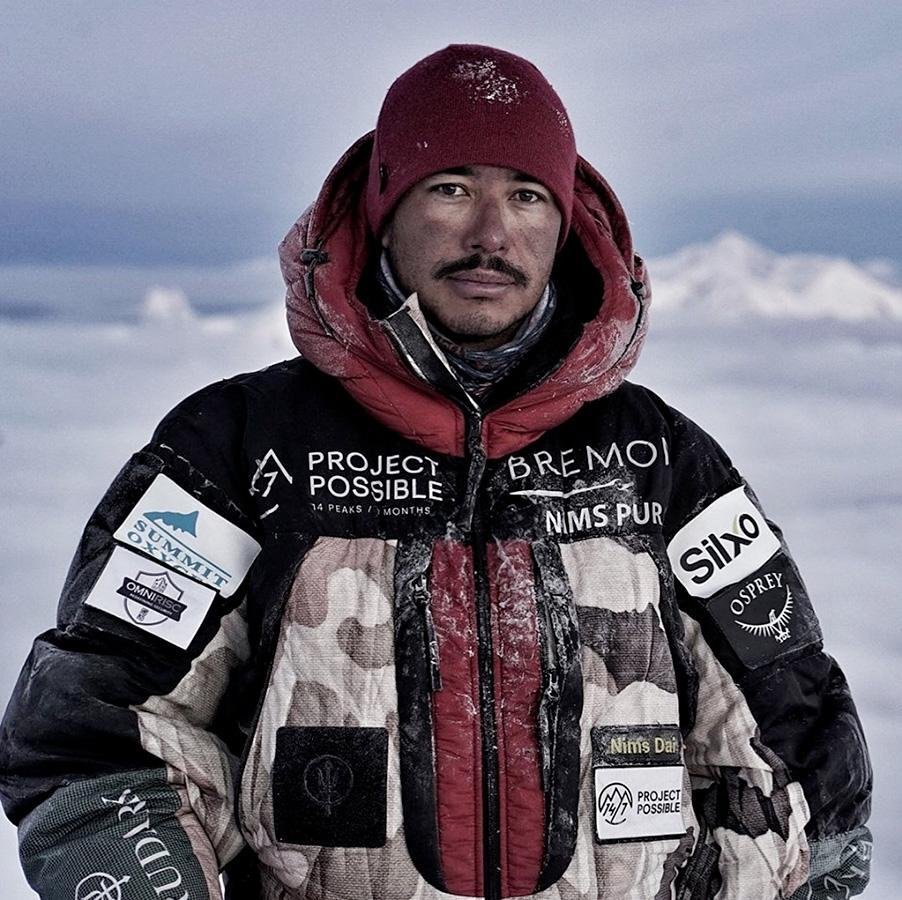
In 2018, Purja left the military and decided to concentrate on mountaineering.
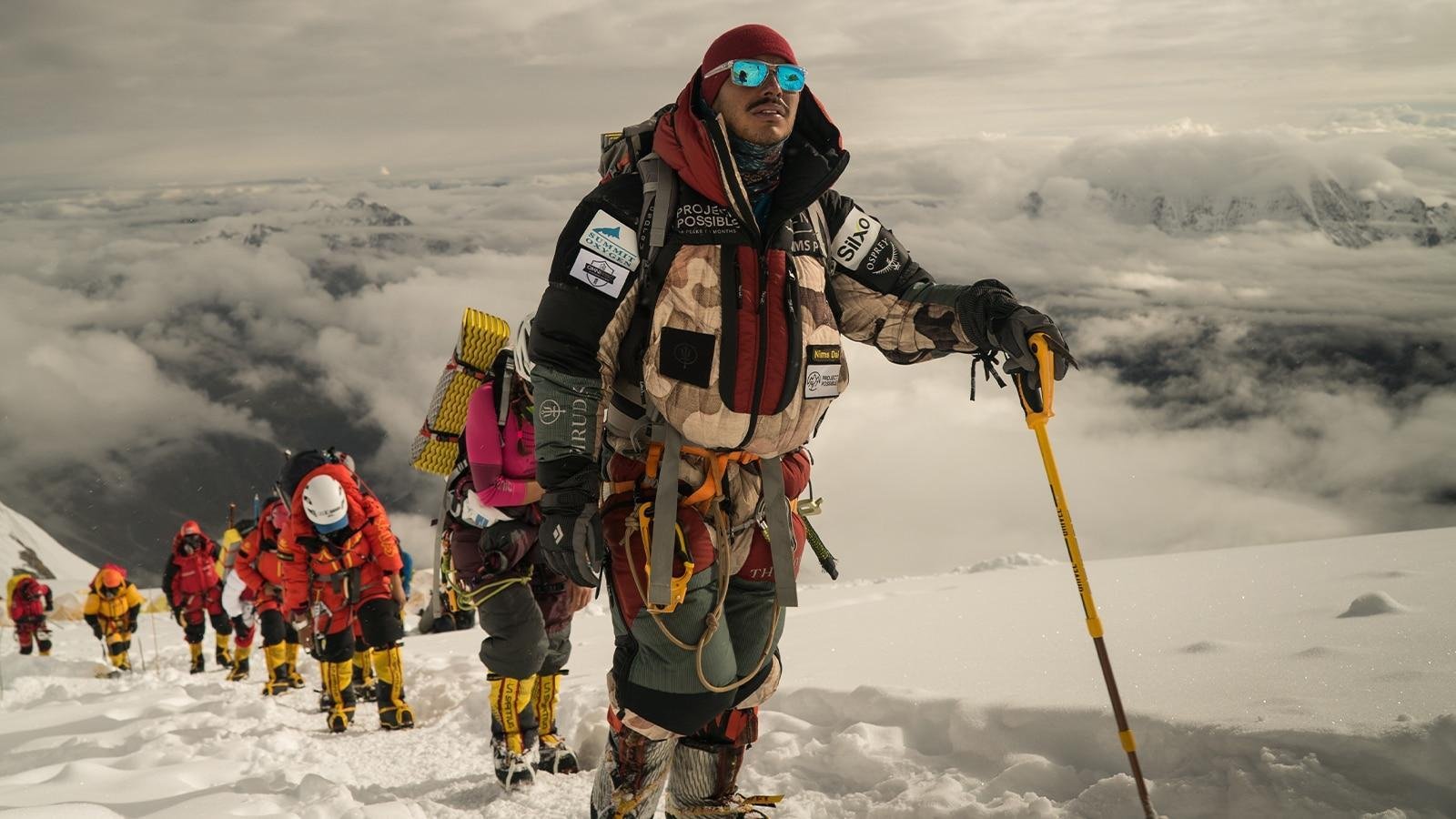
This was a major change in his life.
He had spent sixteen years building a military career, including service with the Gurkhas and Special Boat Service. Now he was attempting to establish himself in an entirely different profession.
His next objective would be considerably larger than any mountain he had previously attempted.
Project Possible 14/7
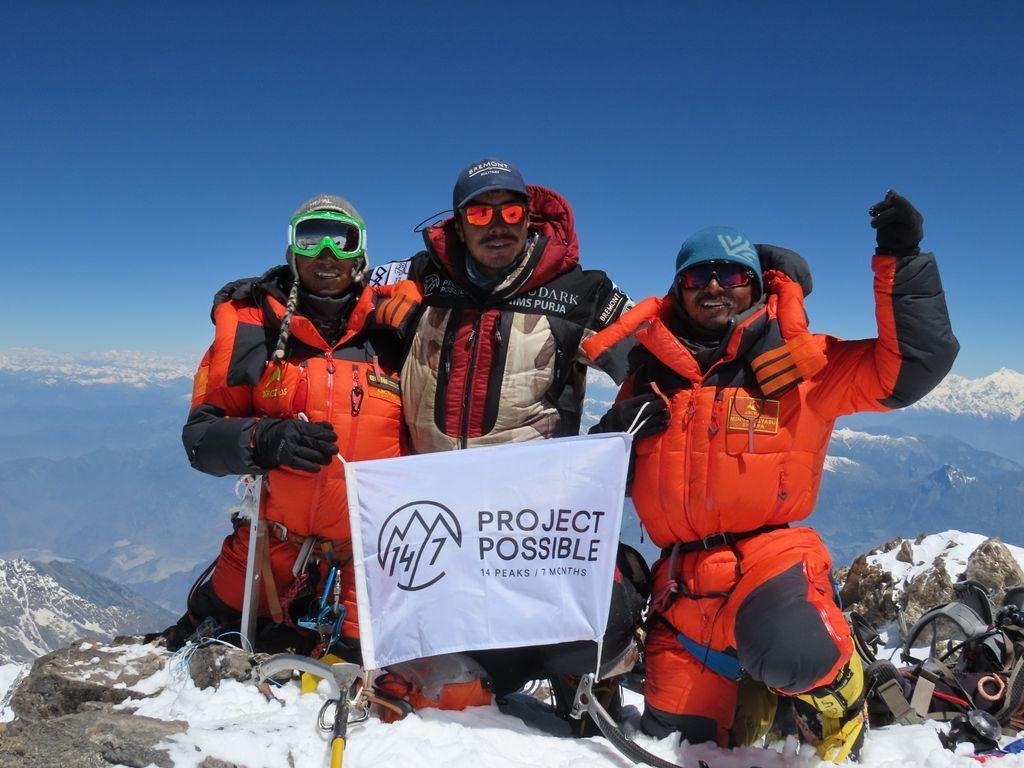
Purja announced an ambitious plan to climb all fourteen mountains above 8,000 metres within seven months.
The project became known as Project Possible 14/7.
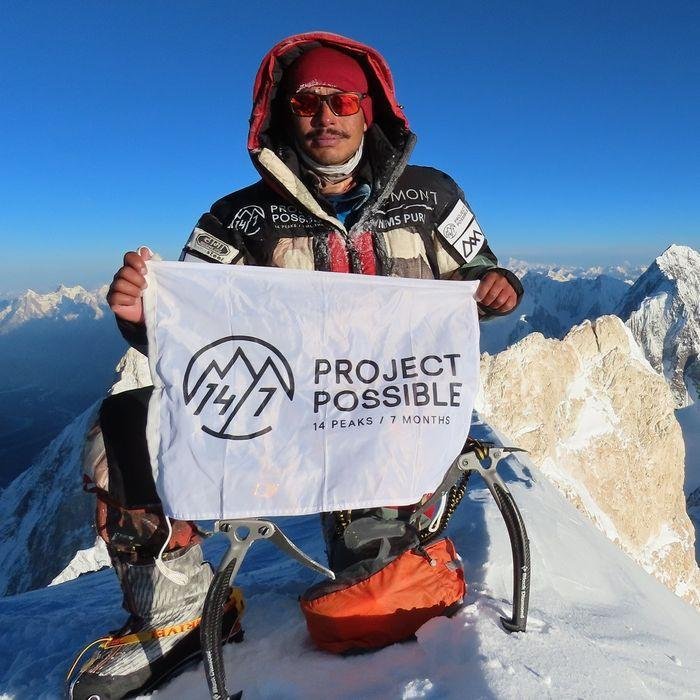
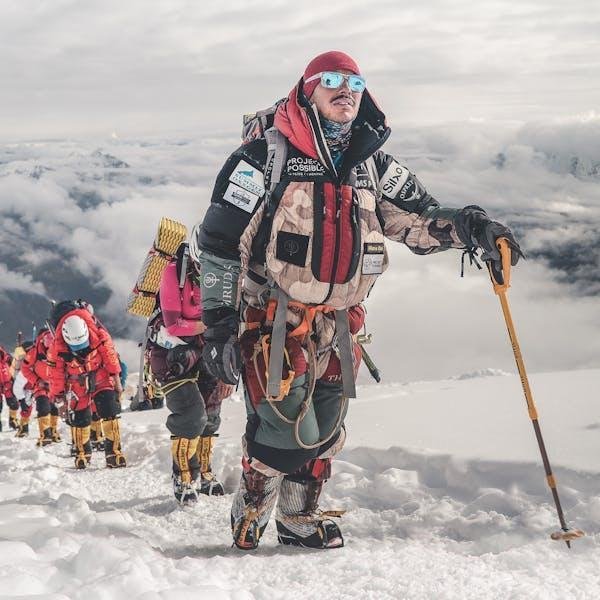
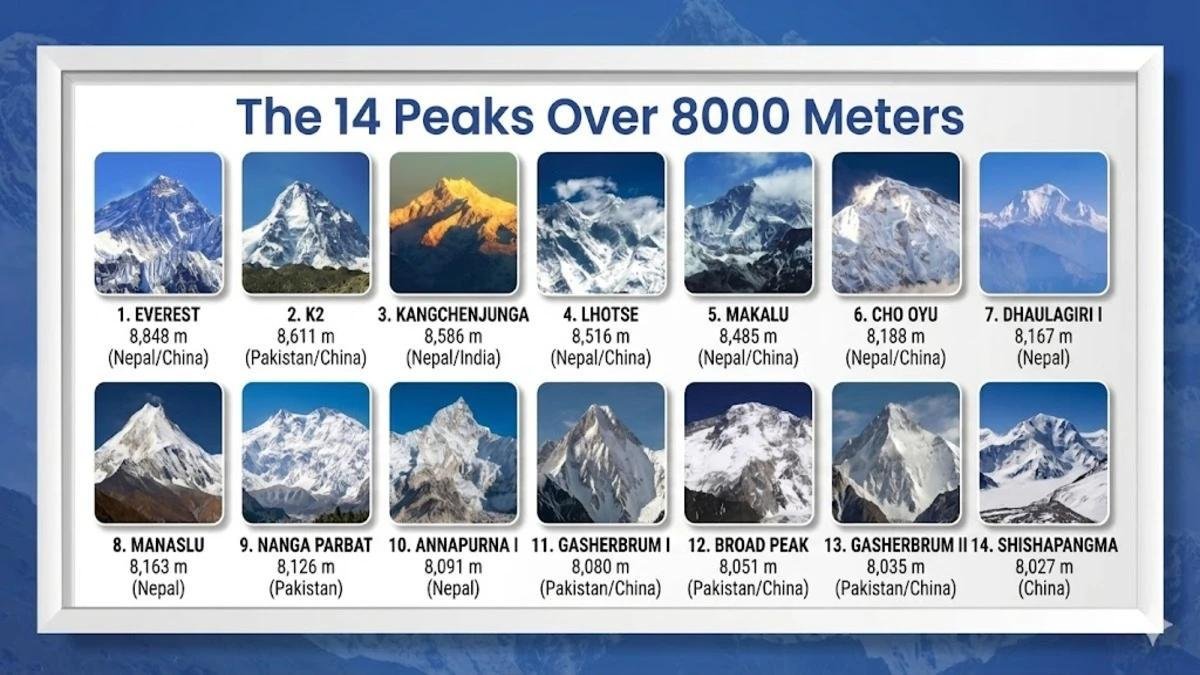
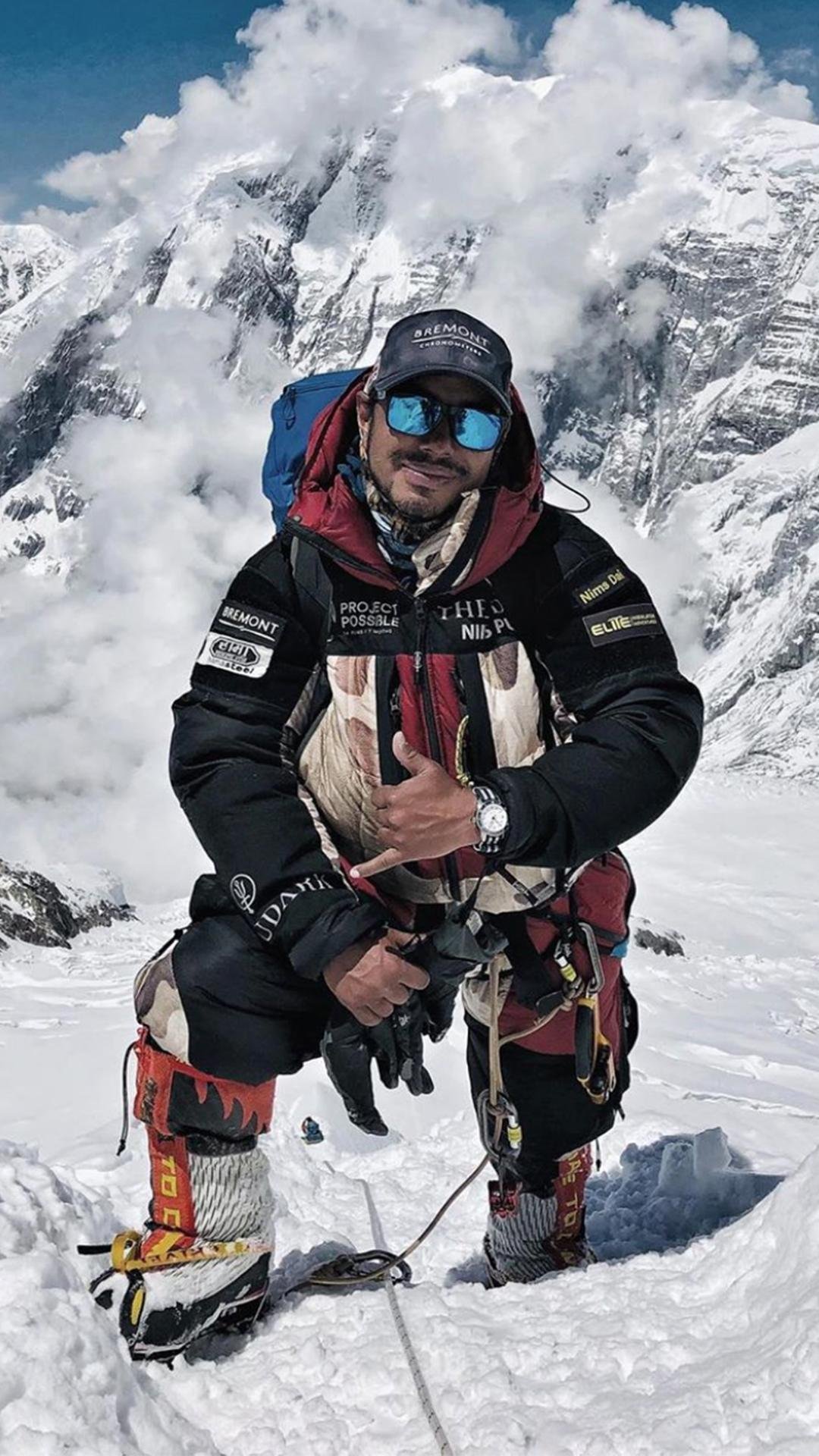
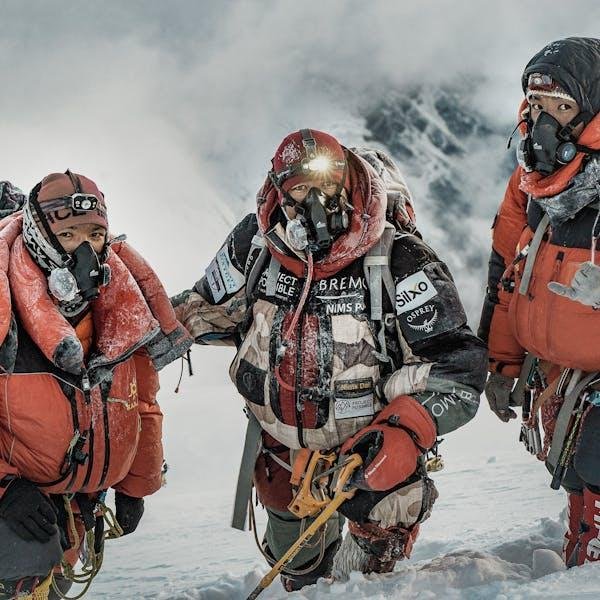
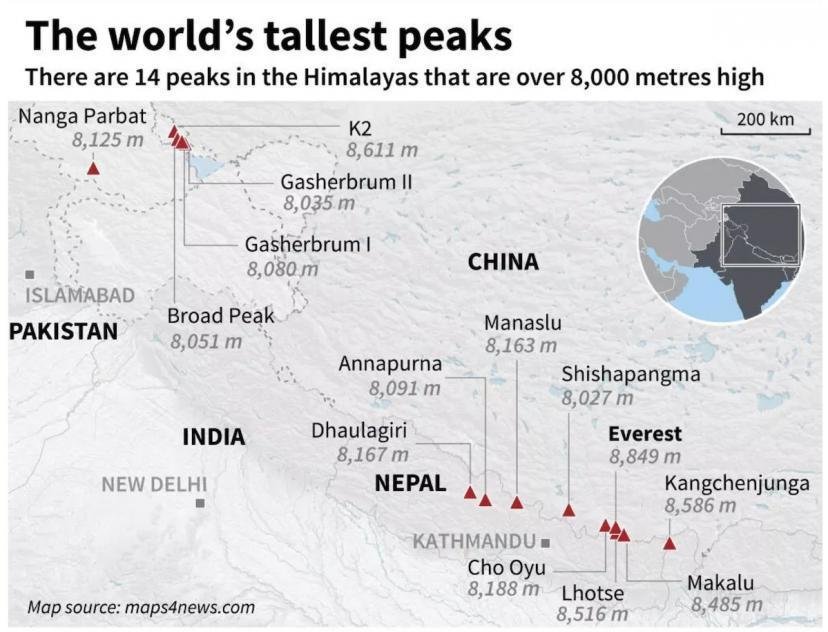
The fourteen 8,000 metre peaks are spread across Nepal, Pakistan and Tibet.
At the time, completing all fourteen was already regarded as one of the greatest achievements in high altitude mountaineering. Purja's proposal was different because he intended to compress the challenge into a single season.
The project would require much more than climbing ability.
It required international permits, expedition teams, transportation, weather forecasting, equipment, financing and careful movement between three major mountain regions.
Funding became one of the project's earliest difficulties. Reports in 2019 noted that Purja faced serious financial problems and that the continuation of the Pakistan phase was uncertain until additional sponsorship was secured. (OnlineKhabar News)
Annapurna: The First Mountain
Project Possible officially began with Annapurna I.
On 23 April 2019, Purja reached the summit of Annapurna I at 8,091 metres. (Wikipedia)
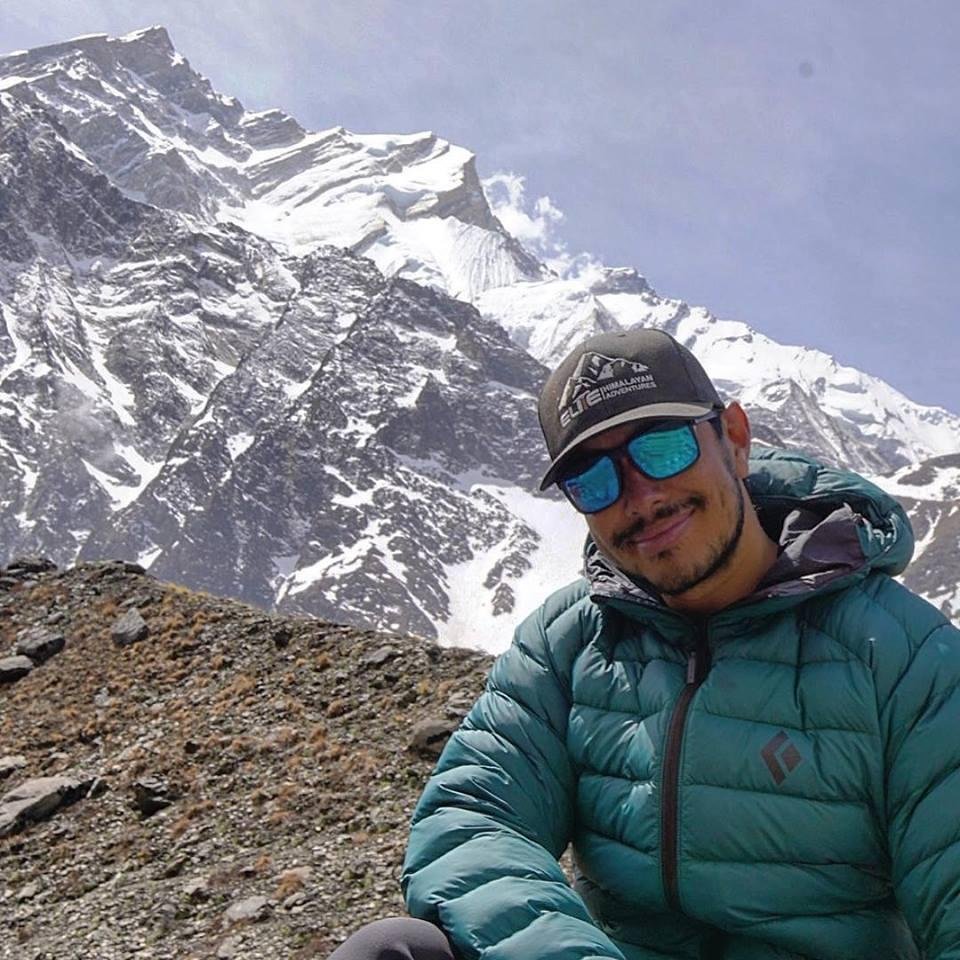
Annapurna was the first of the fourteen peaks on his planned route.
It was also the beginning of an extraordinary sequence.
Rather than taking months between major expeditions, Purja planned to move continuously from one 8,000 metre mountain to another.
The pace would soon become one of the defining features of Project Possible.
Dhaulagiri
On 12 May 2019, Purja reached the summit of Dhaulagiri.
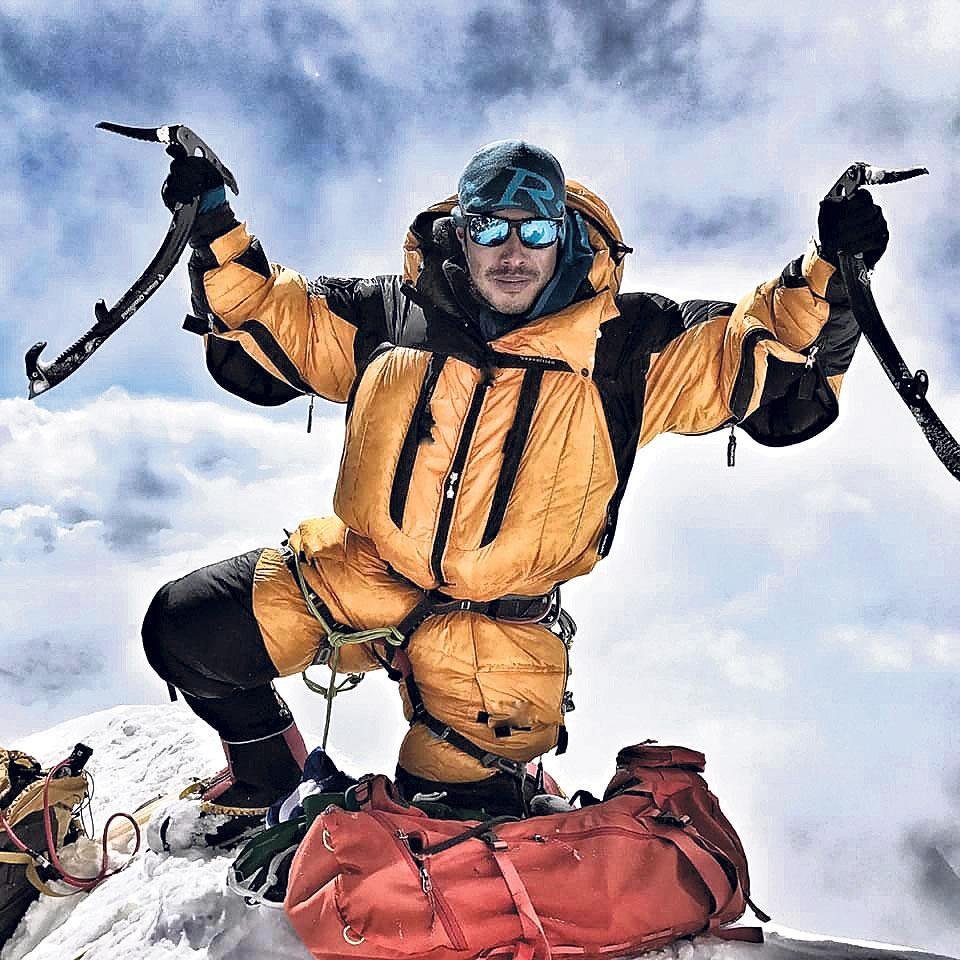
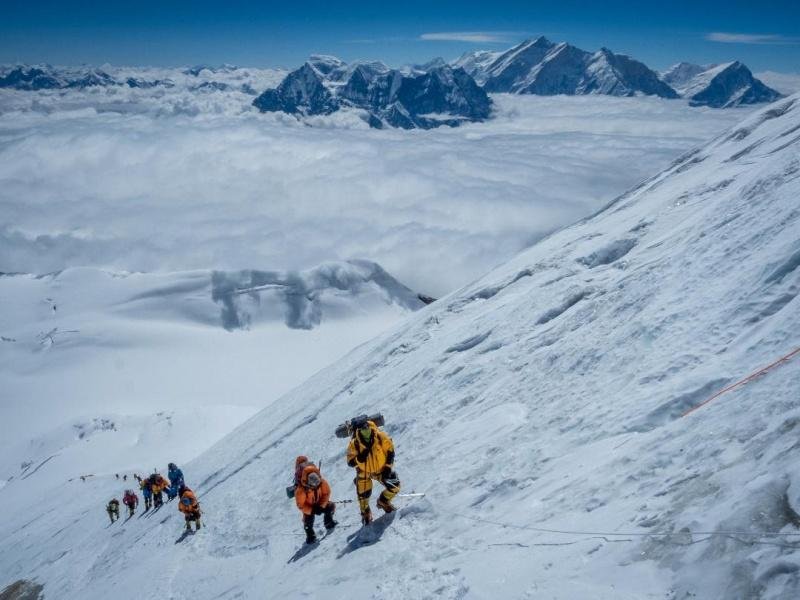
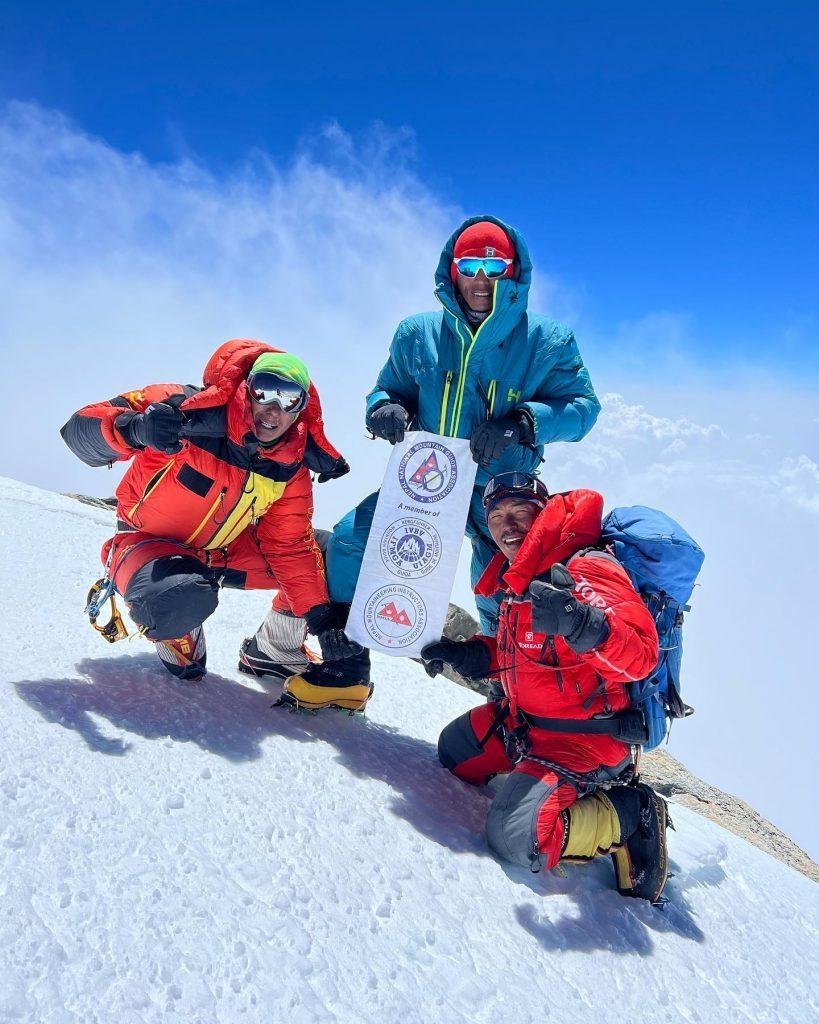
Dhaulagiri had particular significance because it was the mountain where Purja had completed his first 8,000 metre ascent several years earlier.
Now he was climbing it again as part of a project to complete every 8,000 metre peak in the world.
Only three days later, another major summit followed.
Kangchenjunga
On 15 May 2019, Purja reached the summit of Kangchenjunga, the world's third highest mountain.
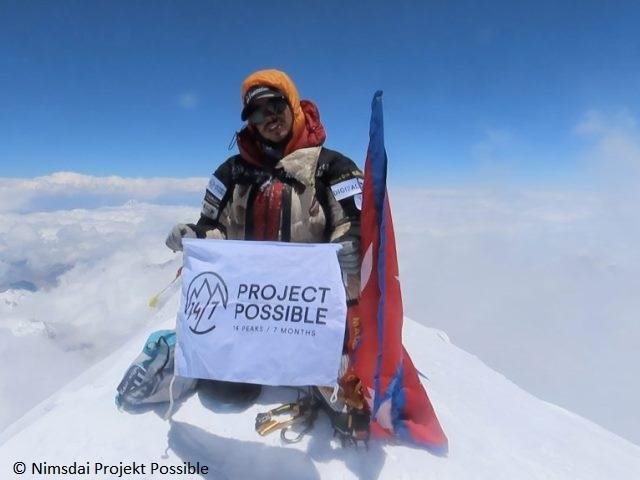
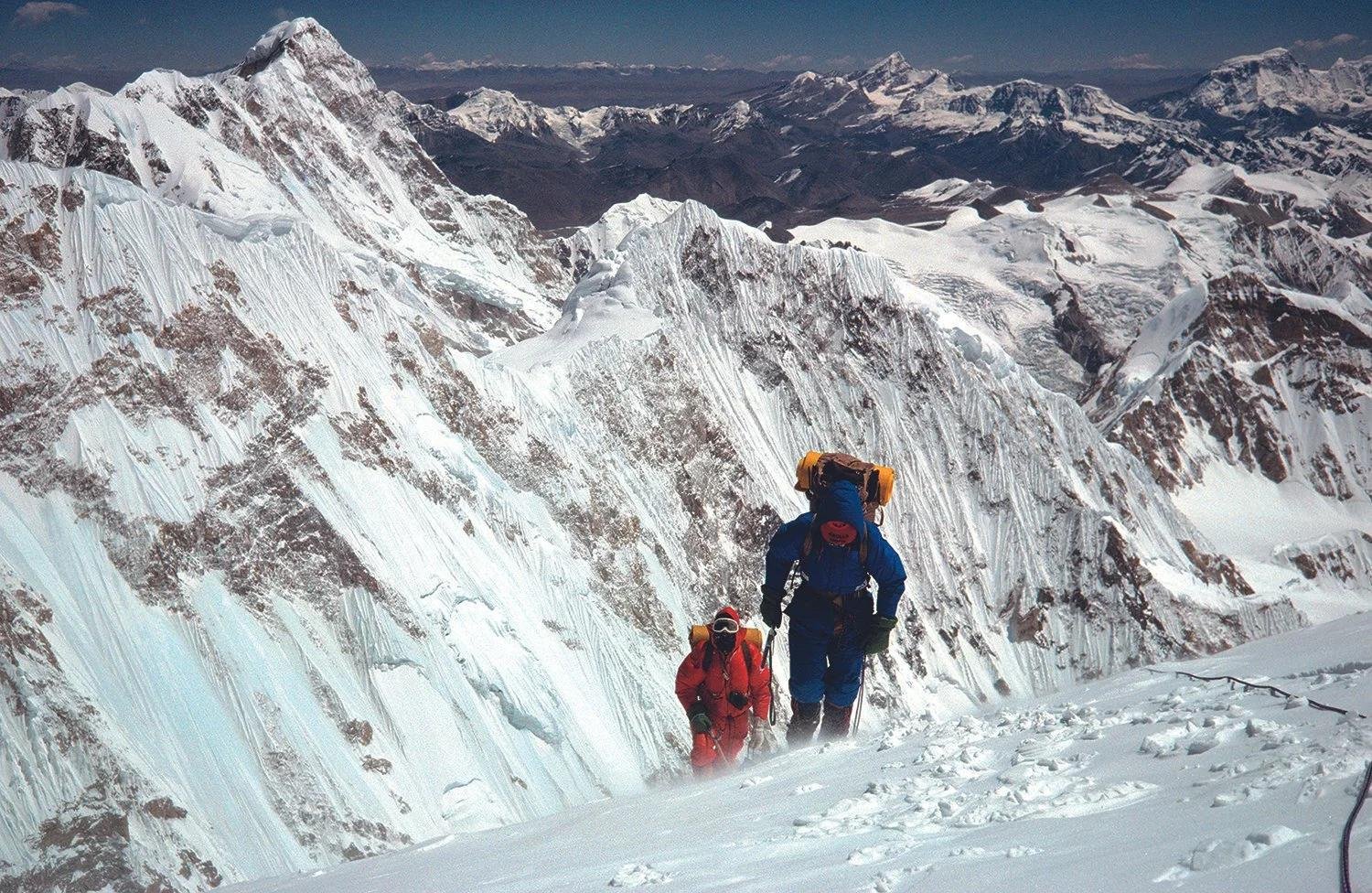
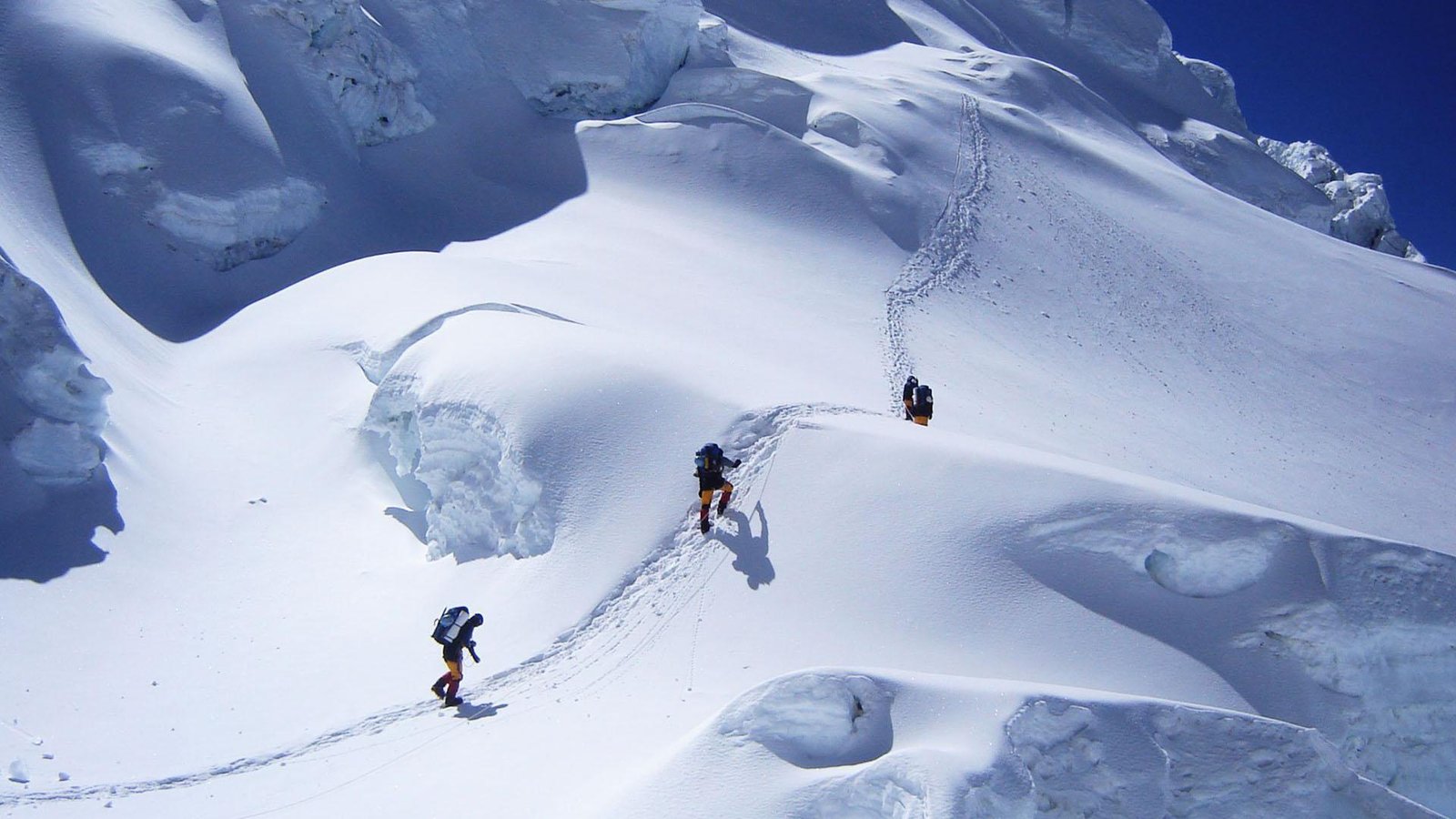
Kangchenjunga became the third mountain of Project Possible.
Three 8,000 metre peaks had now been completed in less than a month.
The pace was already extraordinary, but the most remarkable part of the spring phase was still ahead.
Everest, Lhotse and Makalu
The next three mountains created one of the most remarkable sequences of Project Possible.
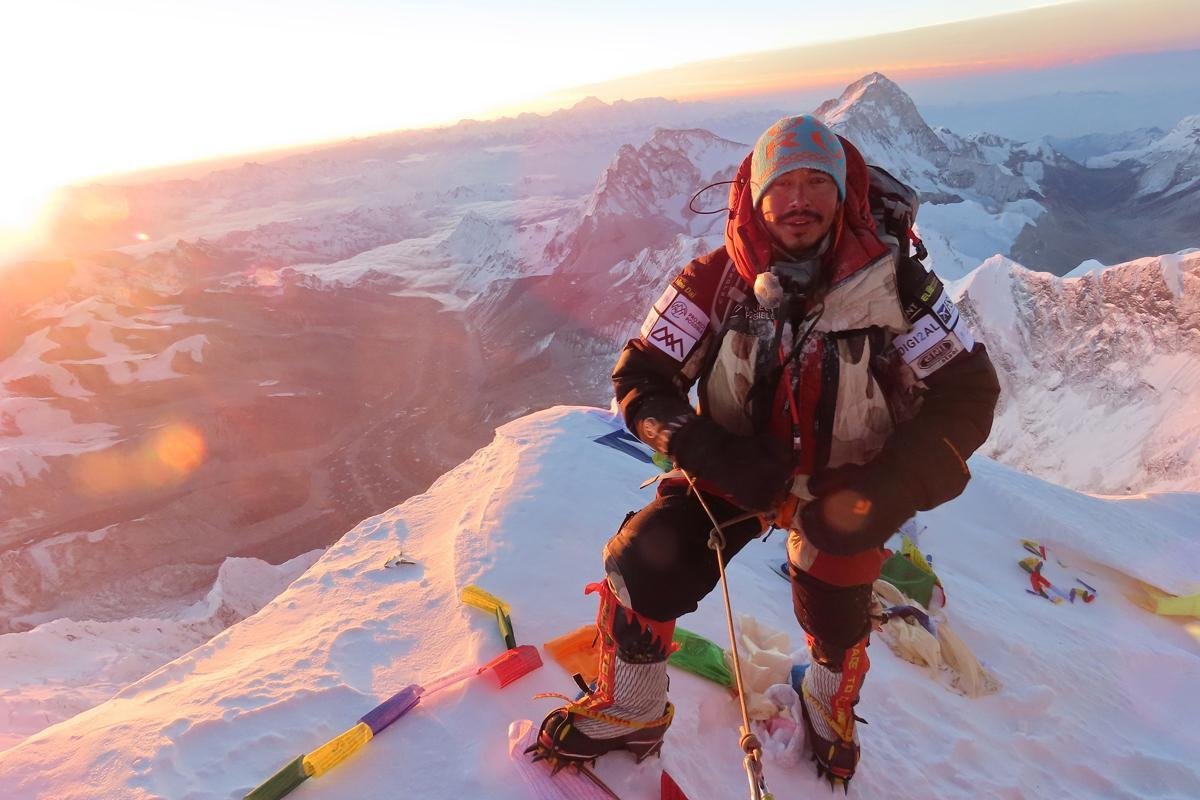
On 22 May 2019, Purja reached the summit of Mount Everest and then Lhotse on the same day. On 24 May, he reached the summit of Makalu. (Wikipedia)
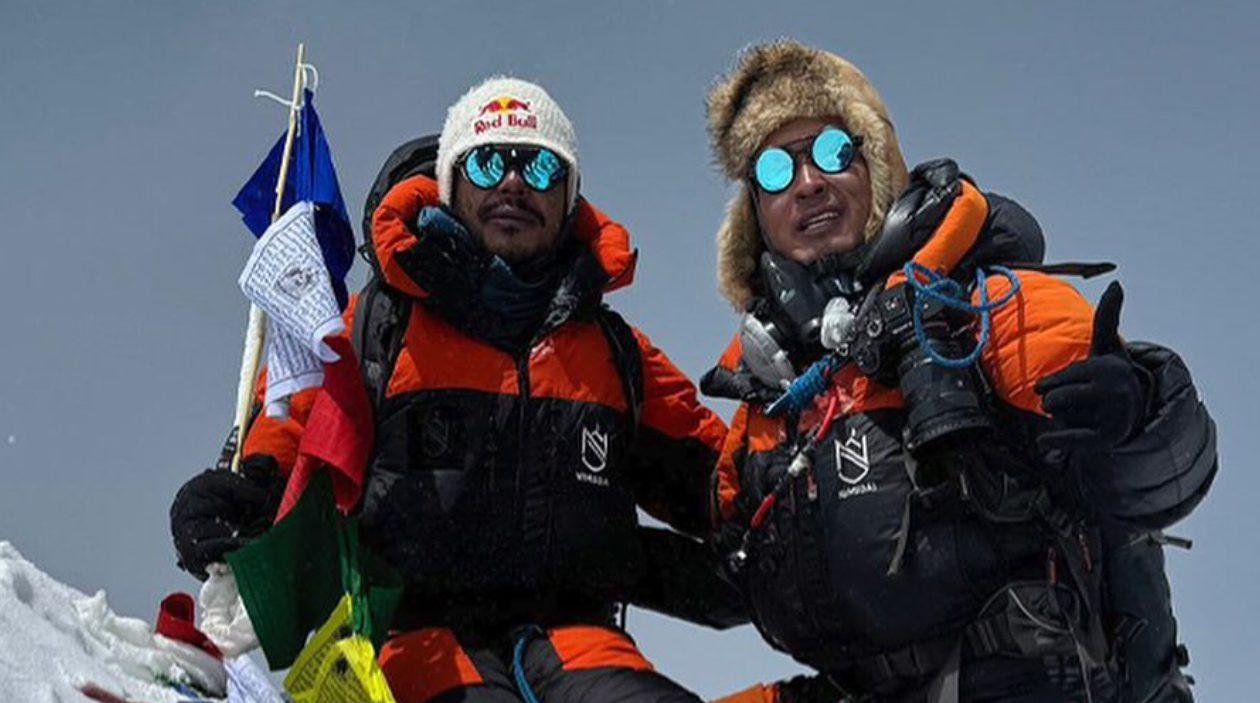
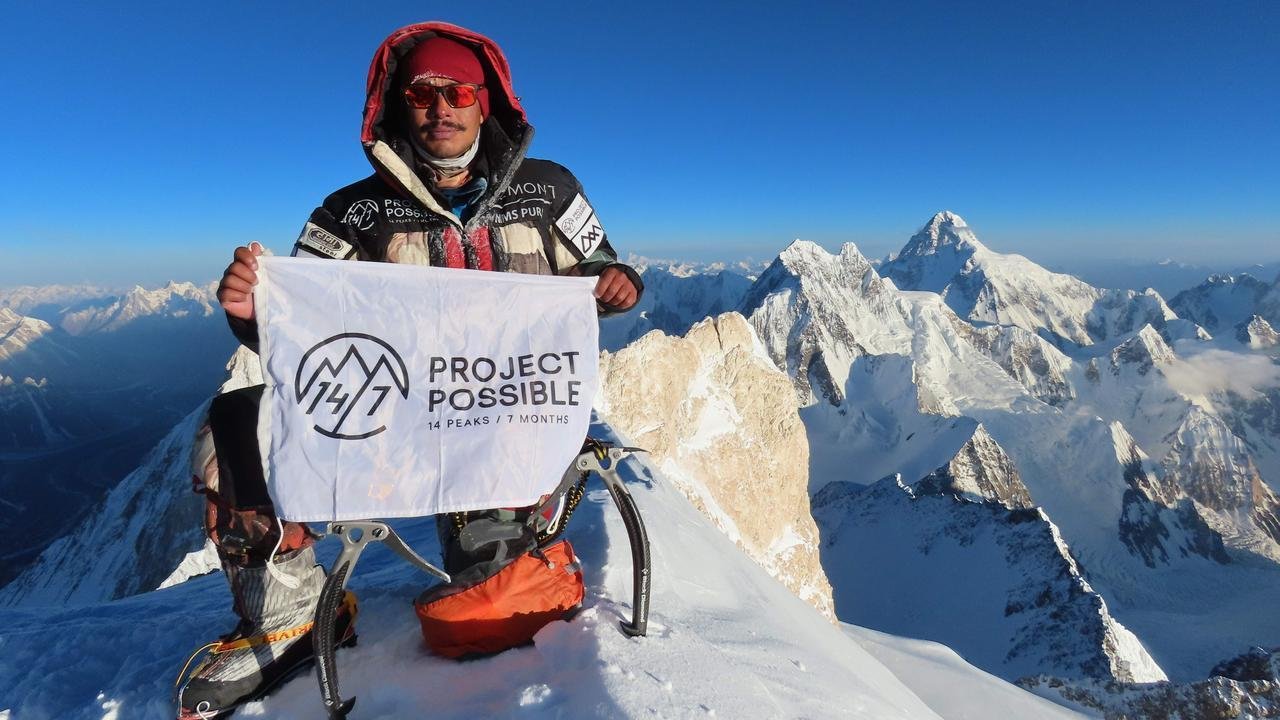
The three mountains were completed within approximately 48 hours.
Purja had now climbed six of the fourteen 8,000 metre peaks.
The first phase of Project Possible was complete.
The next stage would take him to Pakistan and the Karakoram.
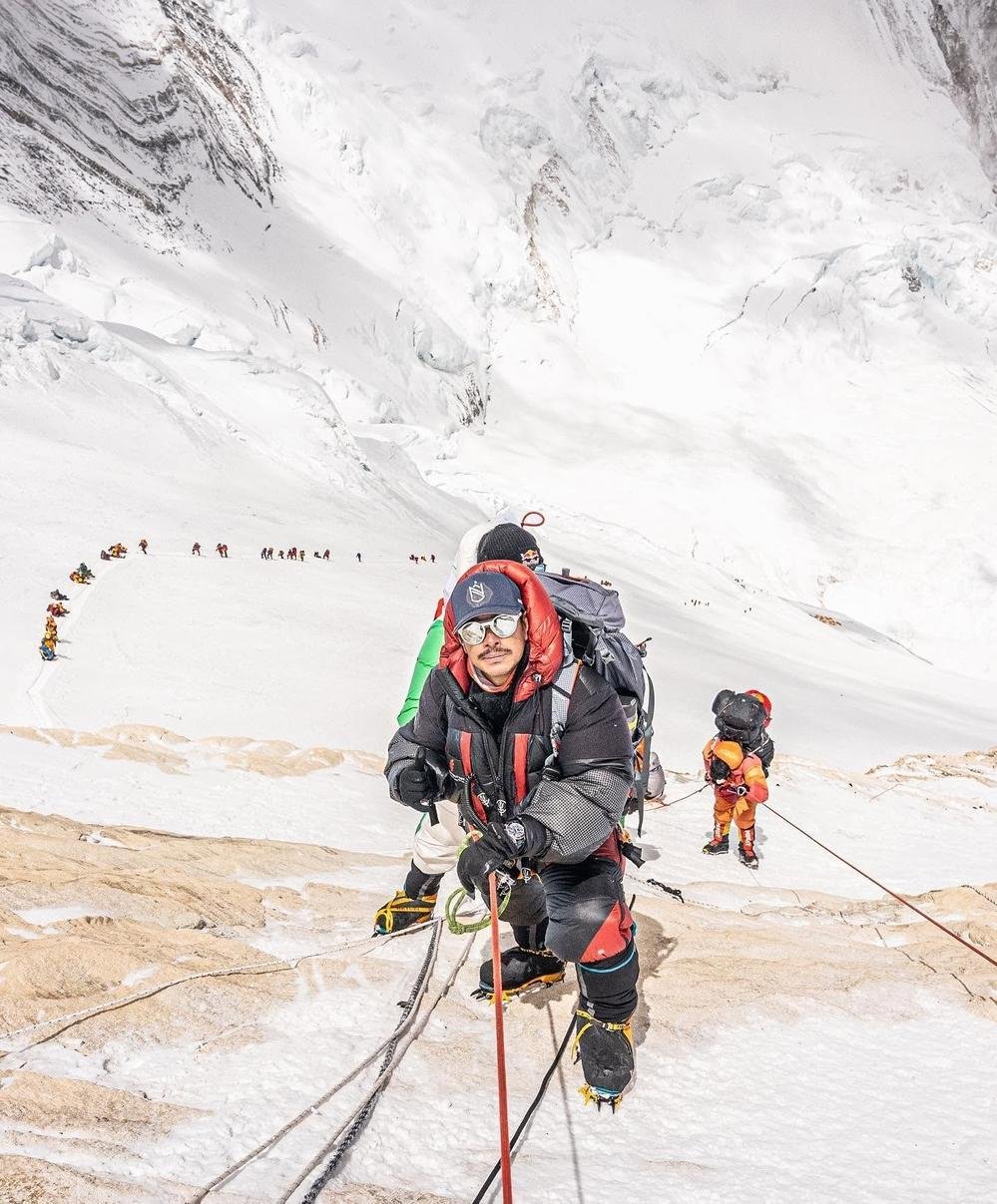
The Famous Everest Traffic Photograph
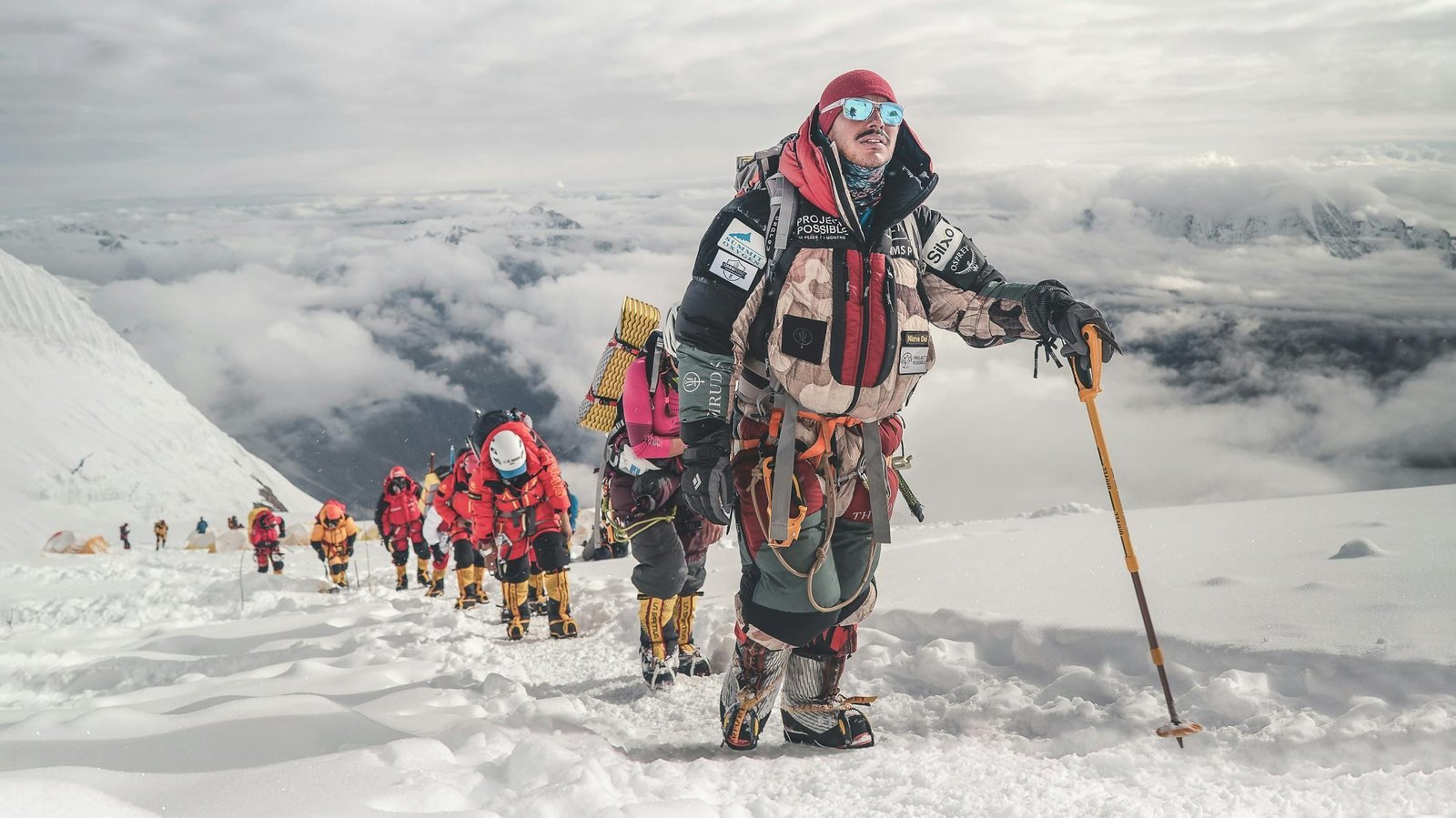
The 2019 Everest season also produced one of the most widely circulated photographs associated with Purja.
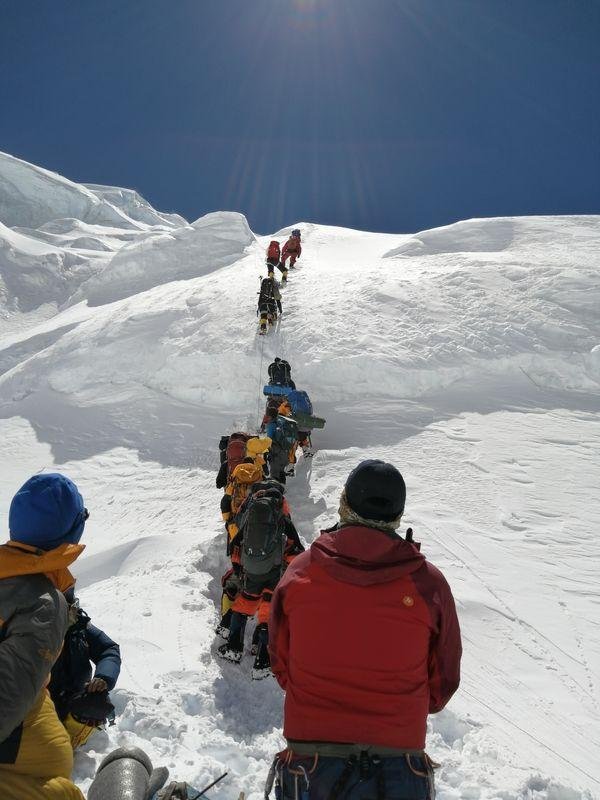
During his Everest expedition, he photographed a long line of climbers near the summit.
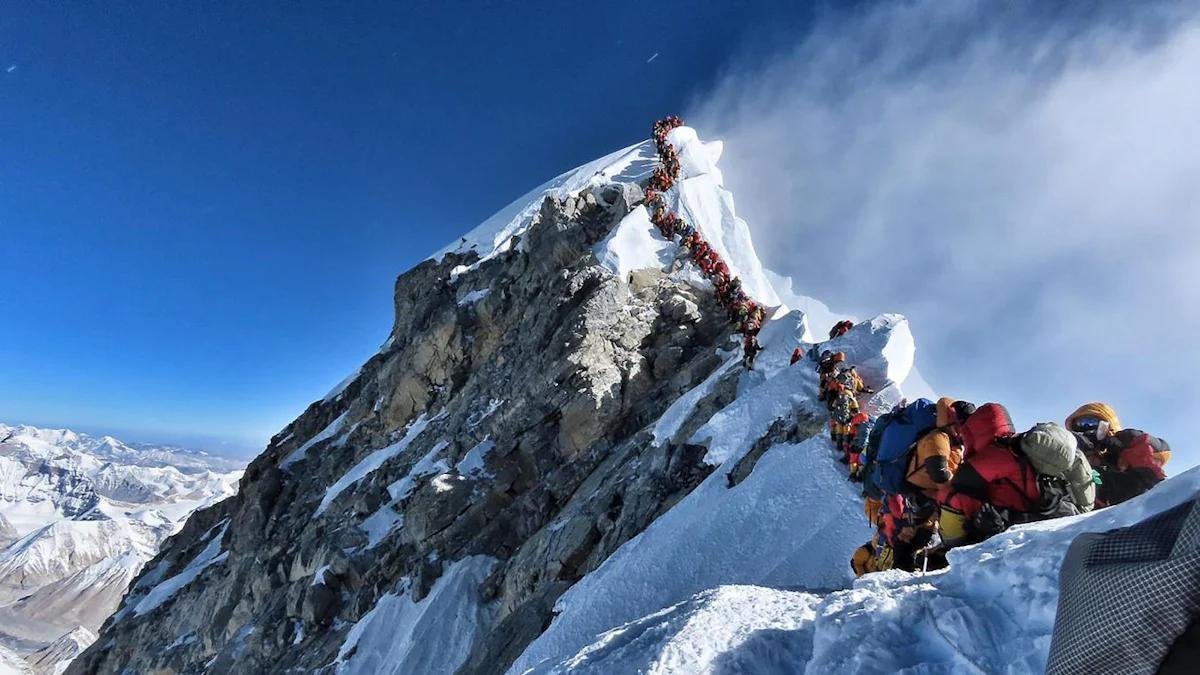
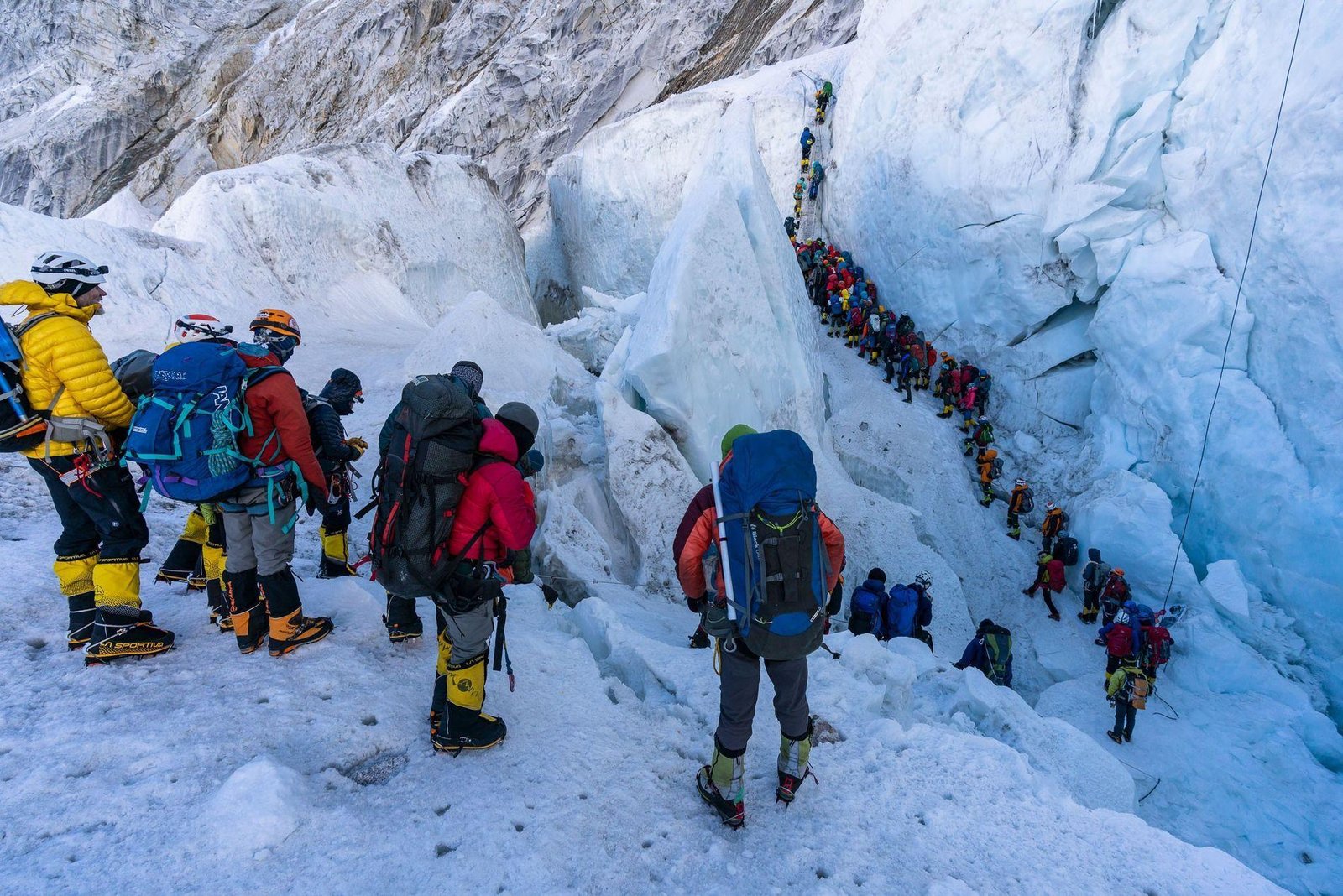
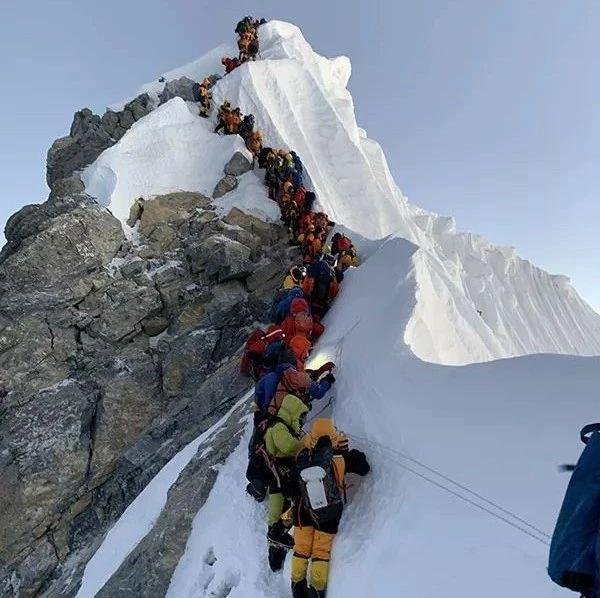
The photograph drew worldwide attention to congestion on Everest.
It became part of a broader discussion about the increasing popularity of commercial mountaineering, the number of climbers attempting Everest during short weather windows and the challenges created by heavy traffic at extreme altitude. (OnlineKhabar News)
For Purja, however, Everest was only one part of a much larger objective.
Six mountains were complete.
Five more were waiting in Pakistan.
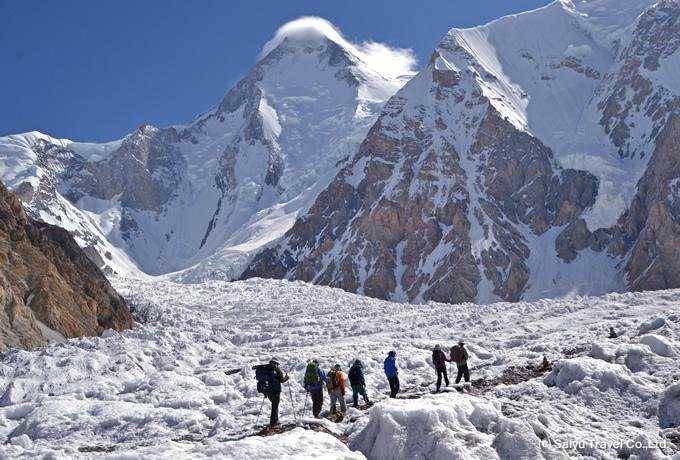
Pakistan and the Karakoram
The second phase of Project Possible moved to Pakistan.
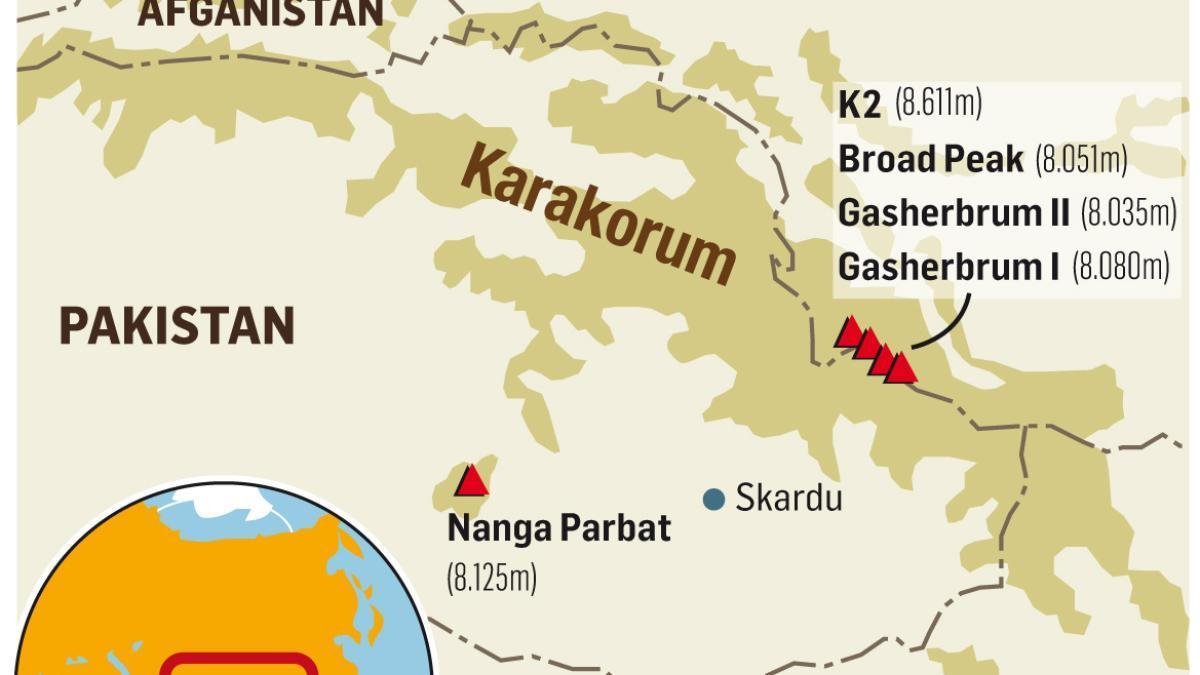
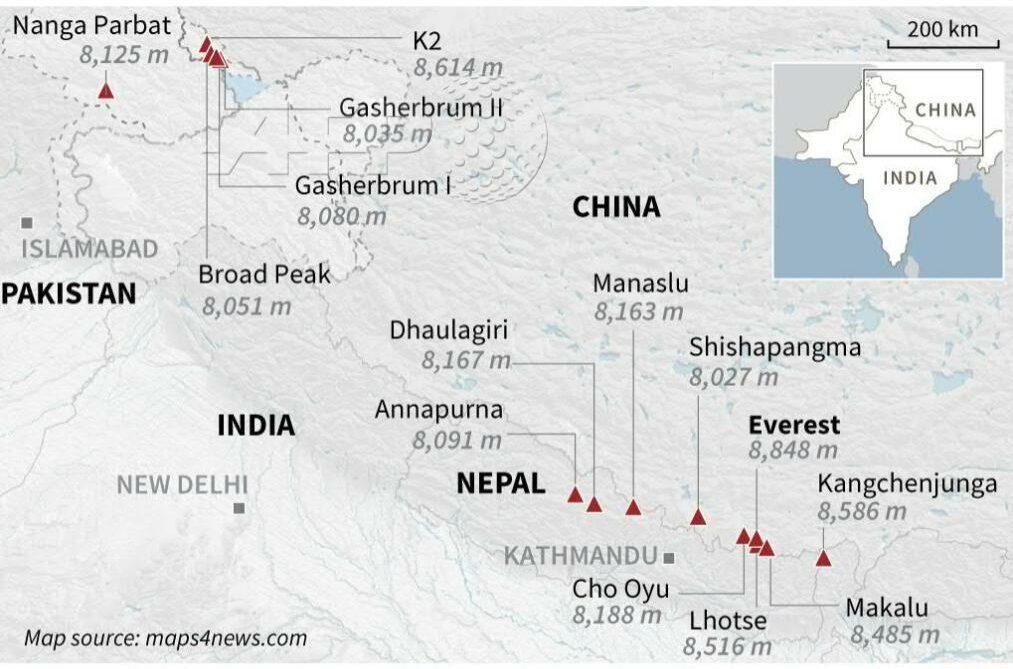
Pakistan is home to five of the world's fourteen 8,000 metre peaks: Nanga Parbat, Gasherbrum I, Gasherbrum II, K2 and Broad Peak.
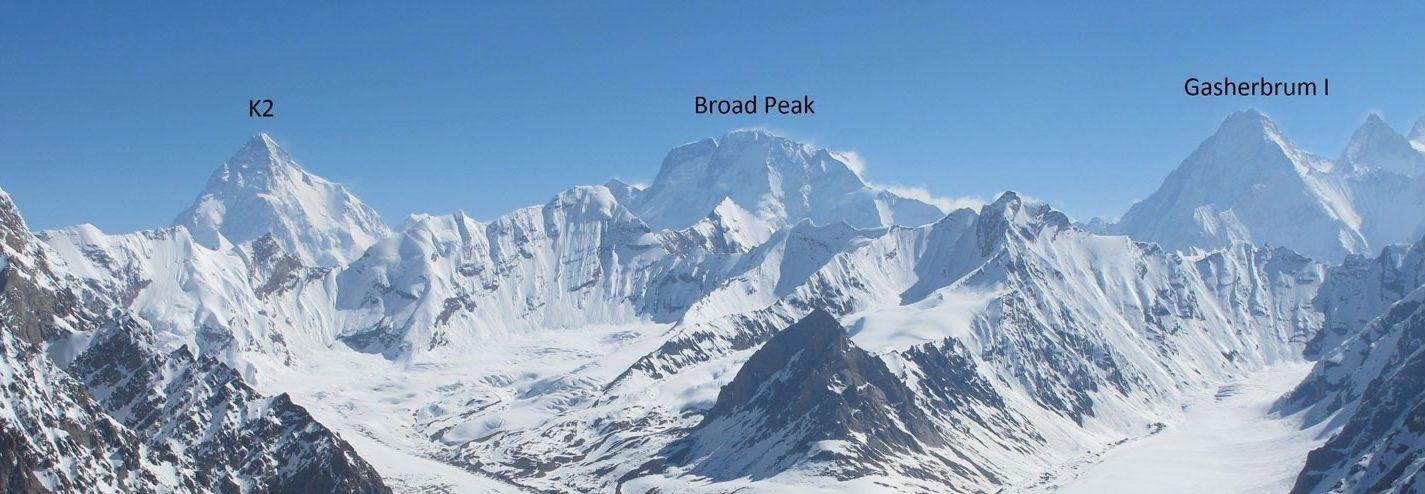
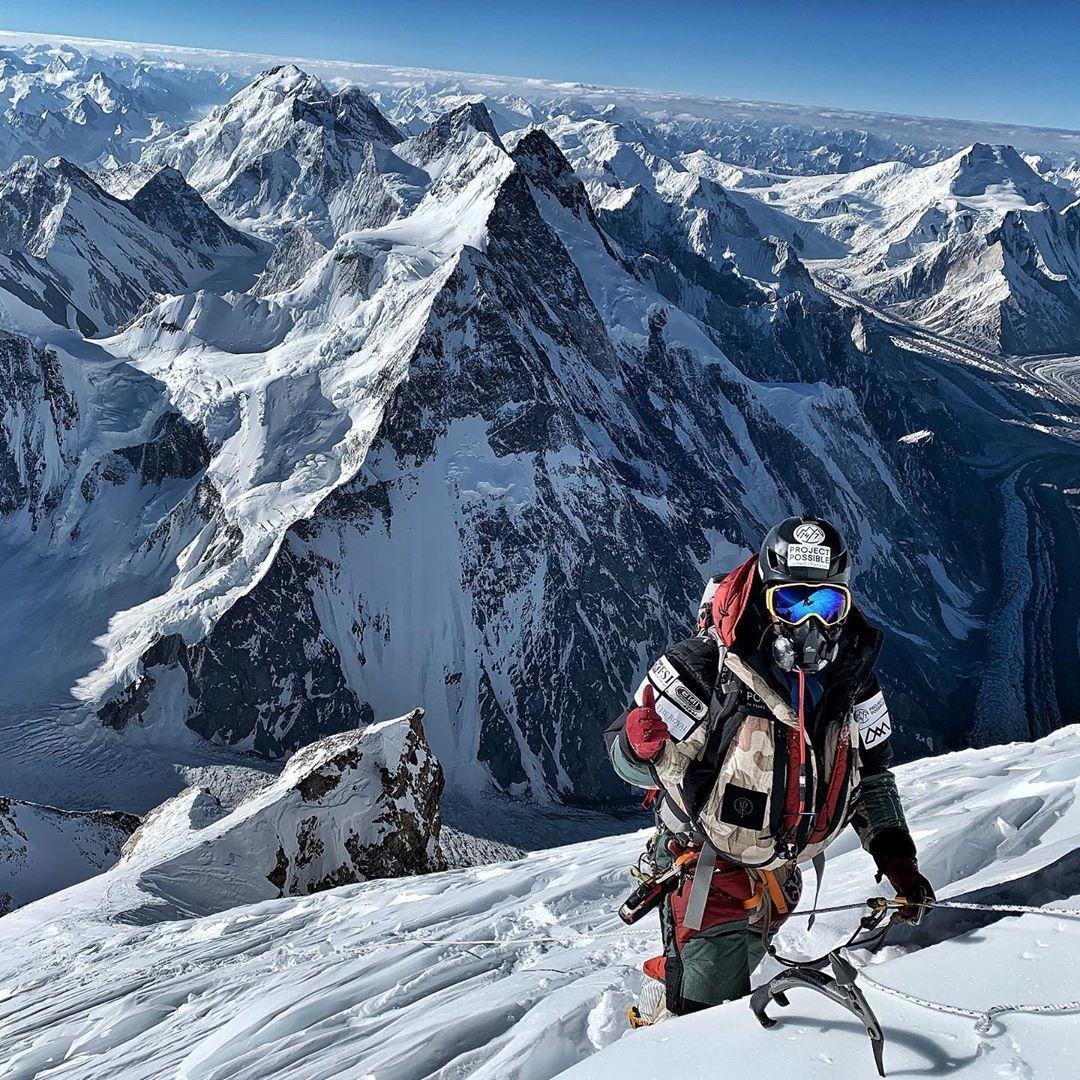
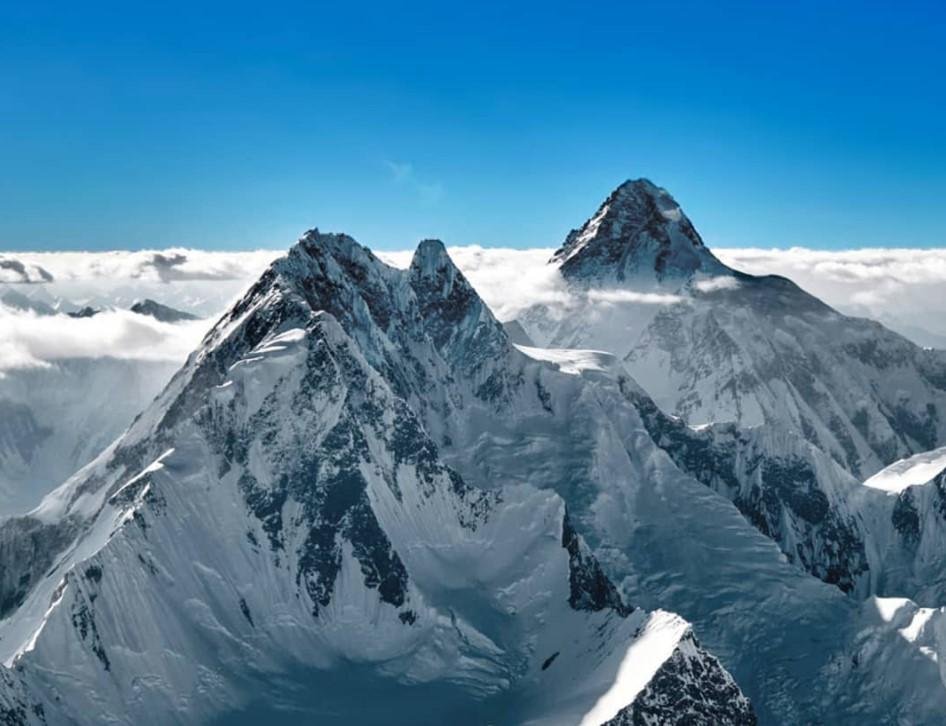
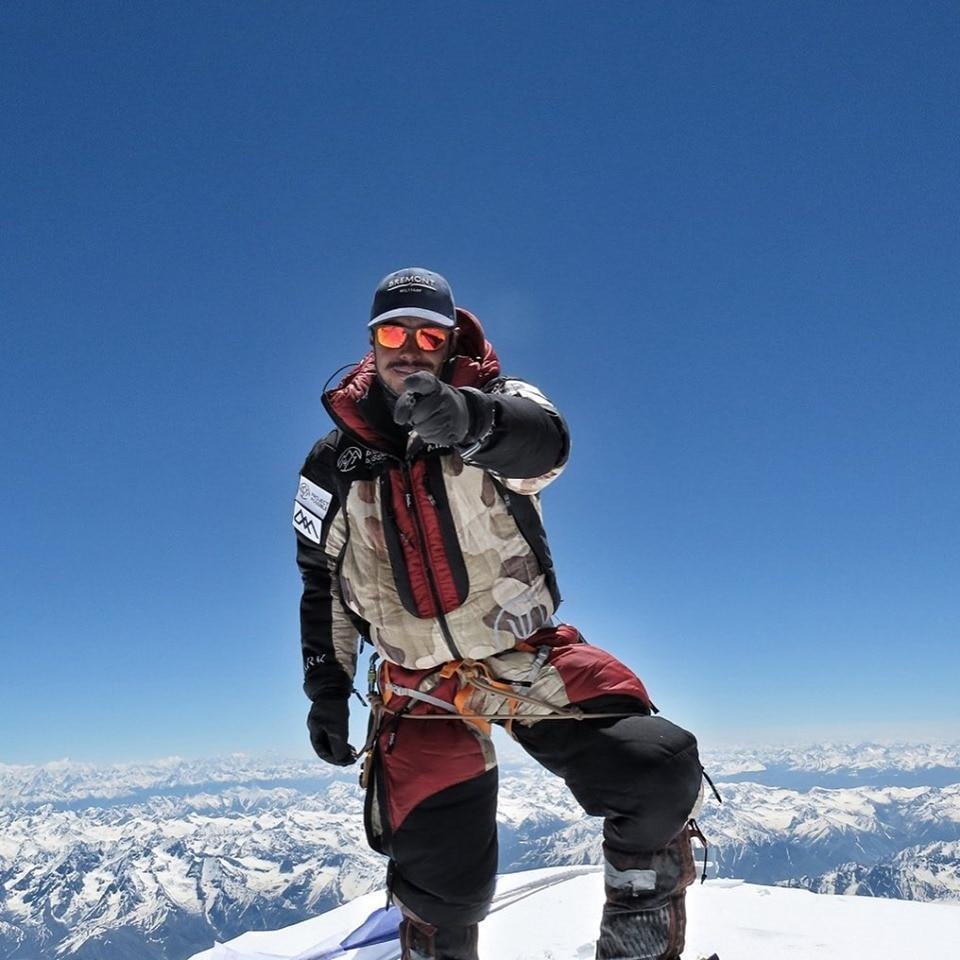
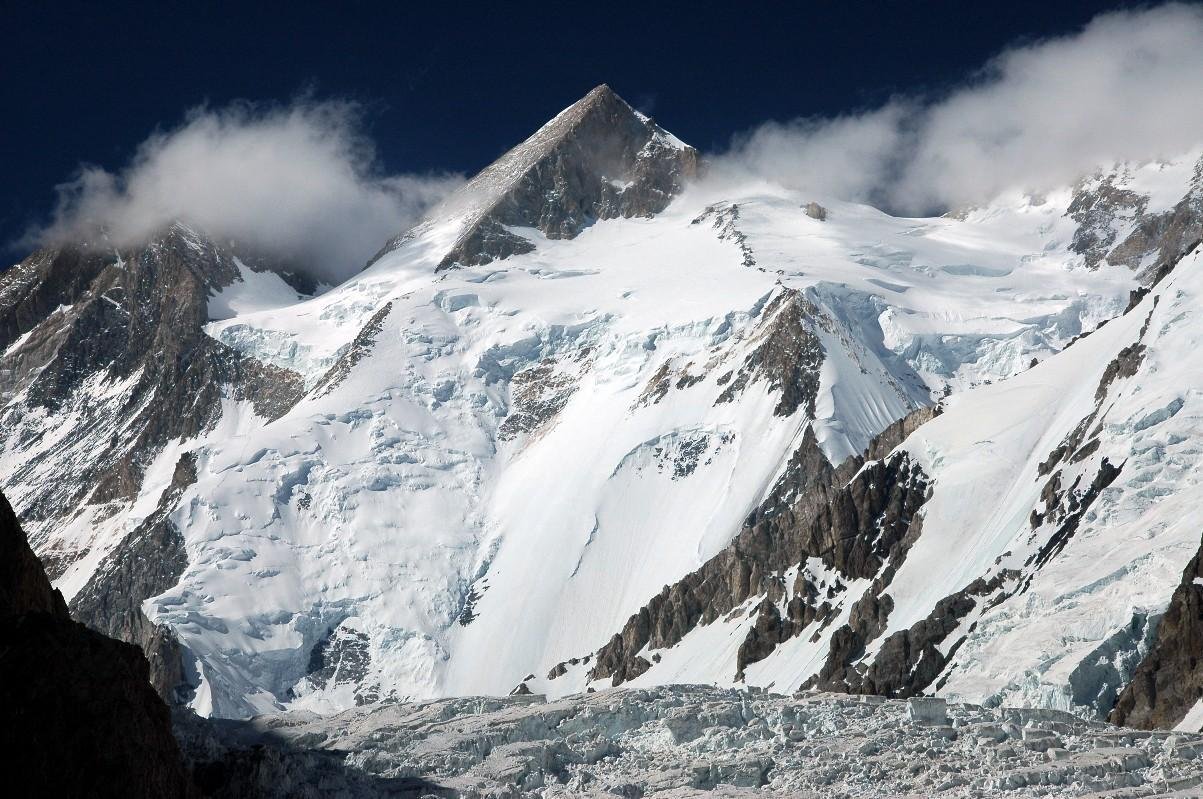
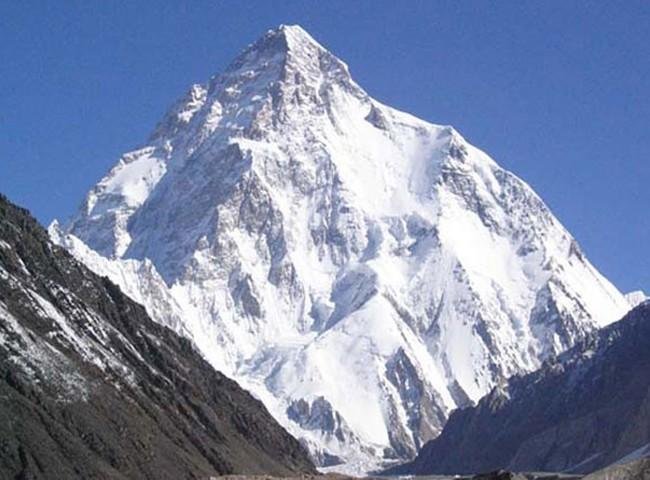
Purja planned to climb all five during July 2019.
The Pakistan phase was particularly important because it required rapid movement through the Karakoram while maintaining the schedule of Project Possible.
The first objective was Nanga Parbat.
Nanga Parbat
The Pakistan stage of Project Possible began with Nanga Parbat, the ninth highest mountain in the world at 8,126 metres.
On 3 July 2019, Purja reached the summit of Nanga Parbat, becoming the seventh 8,000 metre peak of his project.
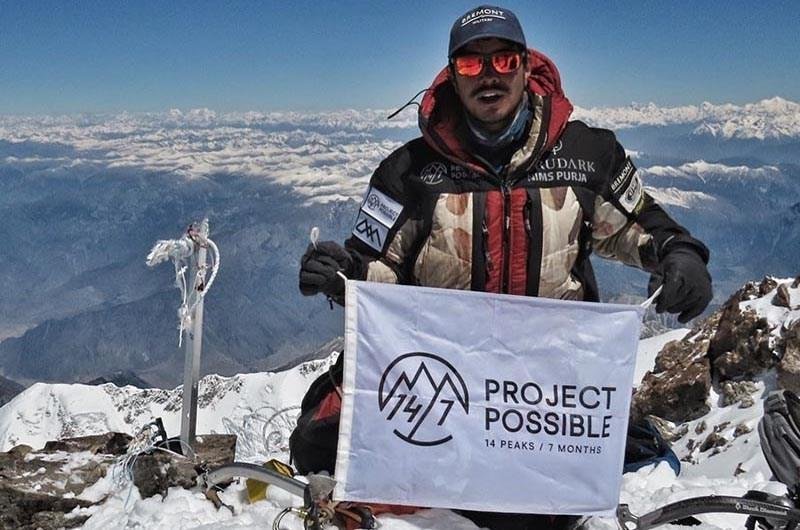
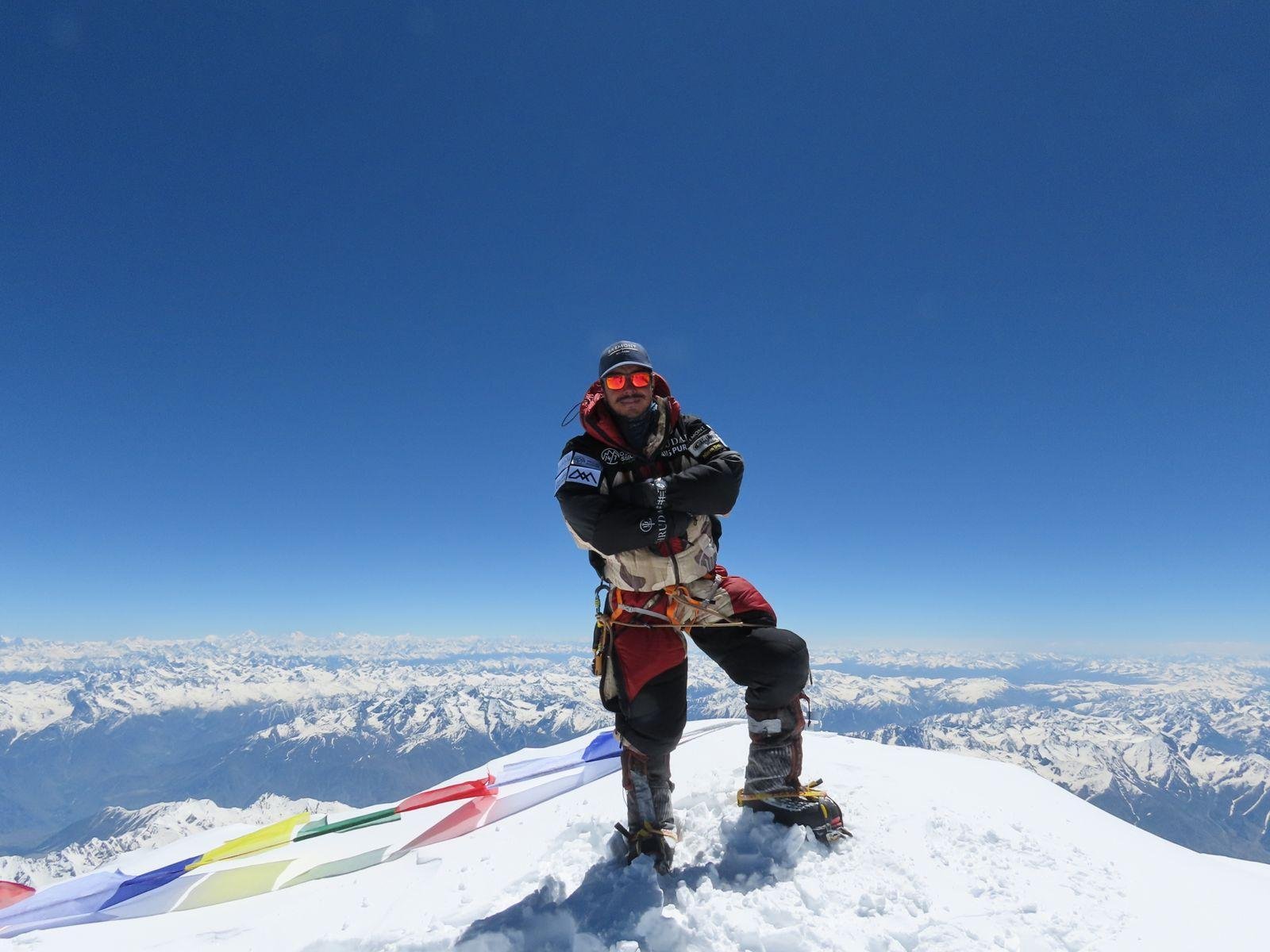
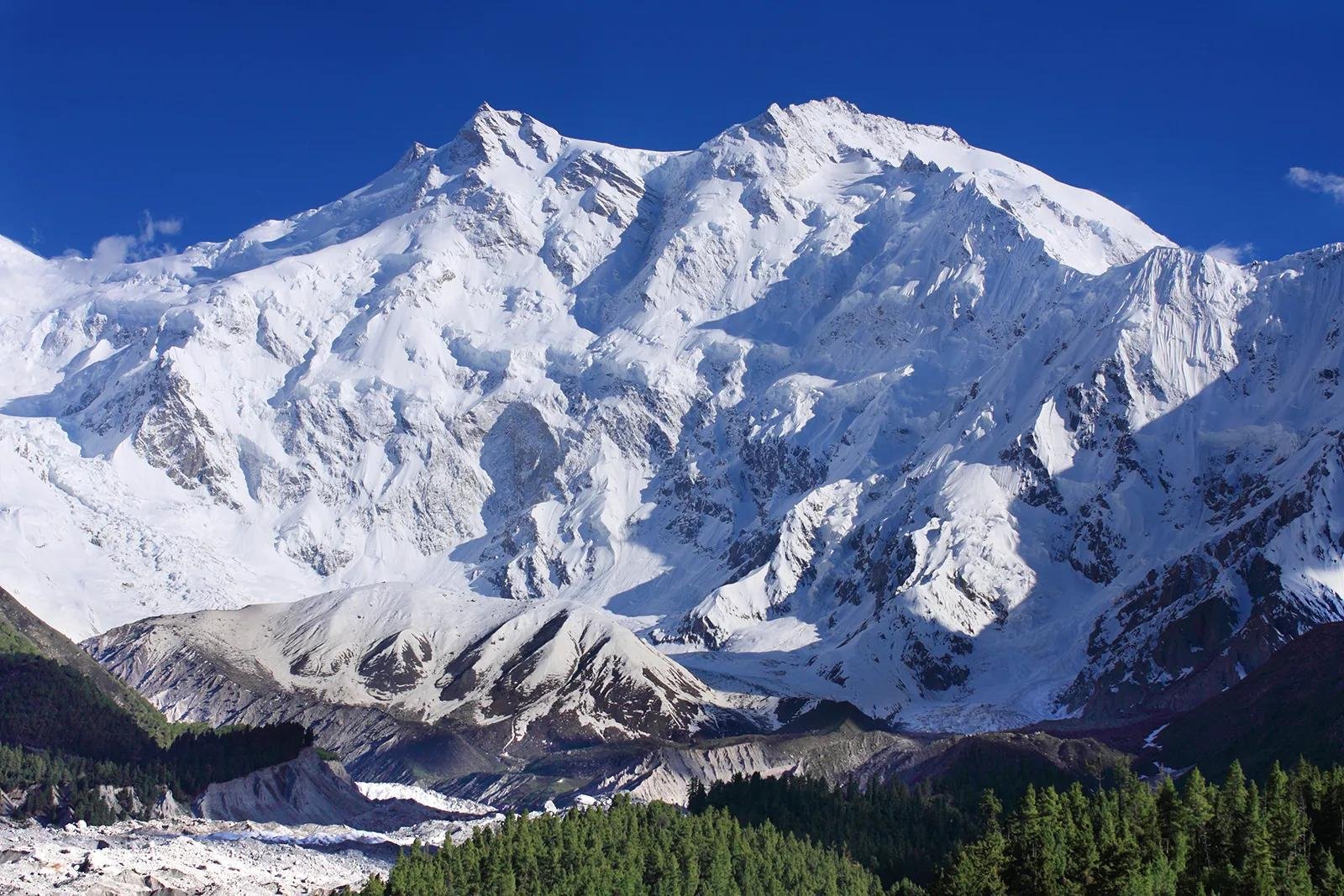
Nanga Parbat is located in Gilgit Baltistan, Pakistan, at the western end of the Himalayan range. The mountain has a reputation for steep terrain, difficult weather and a long history of serious climbing accidents.
For Purja, however, Nanga Parbat was the beginning of an extremely compressed sequence of five Pakistani 8,000 metre summits.
The next four mountains would be completed within the same month.
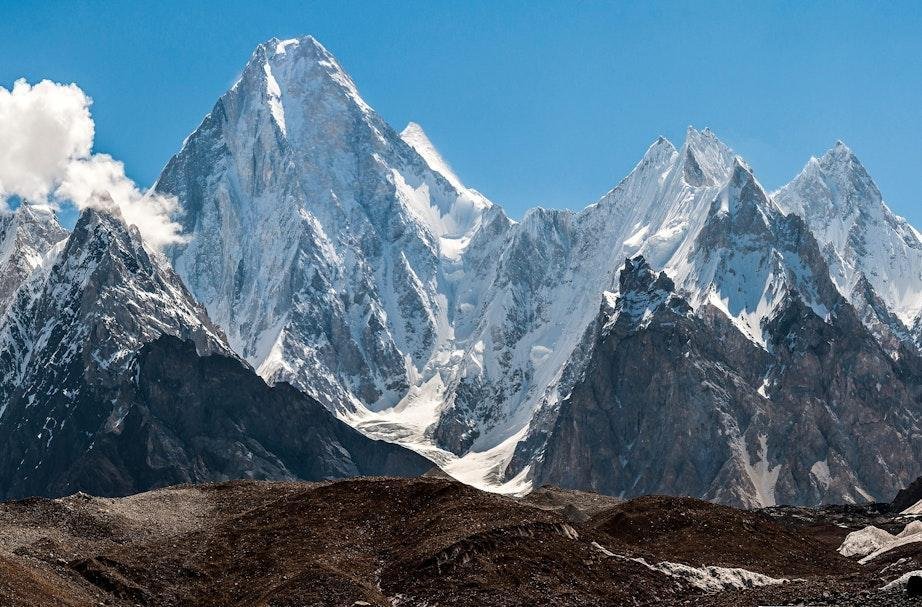
Gasherbrum I
After Nanga Parbat, Purja moved deeper into the Karakoram toward the Gasherbrum massif.
On 15 July 2019, he reached the summit of Gasherbrum I, also known as Hidden Peak, at 8,080 metres.
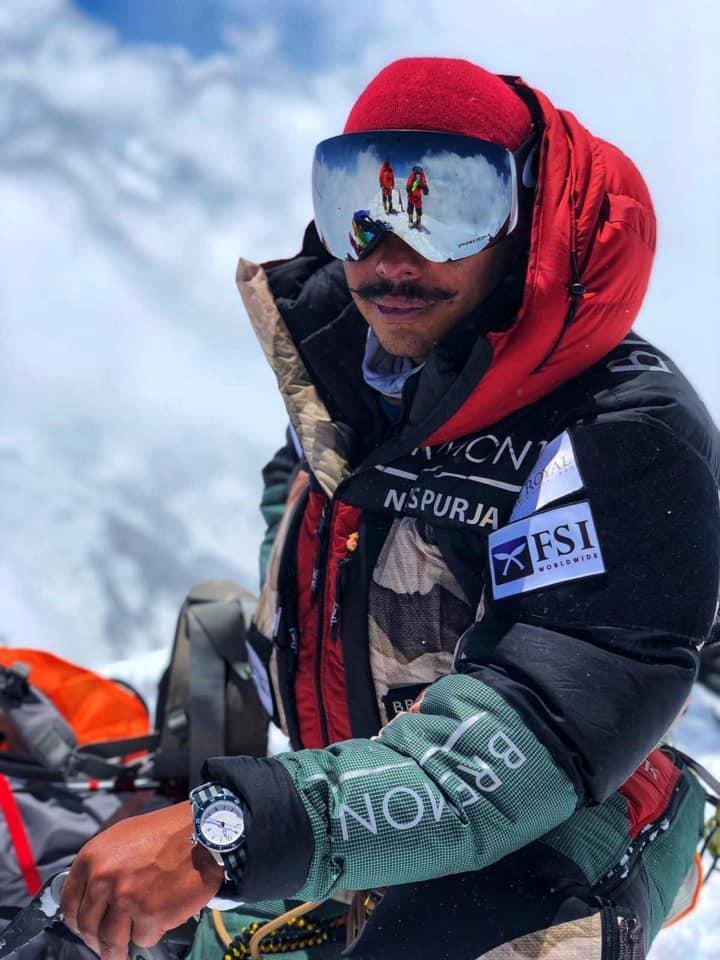
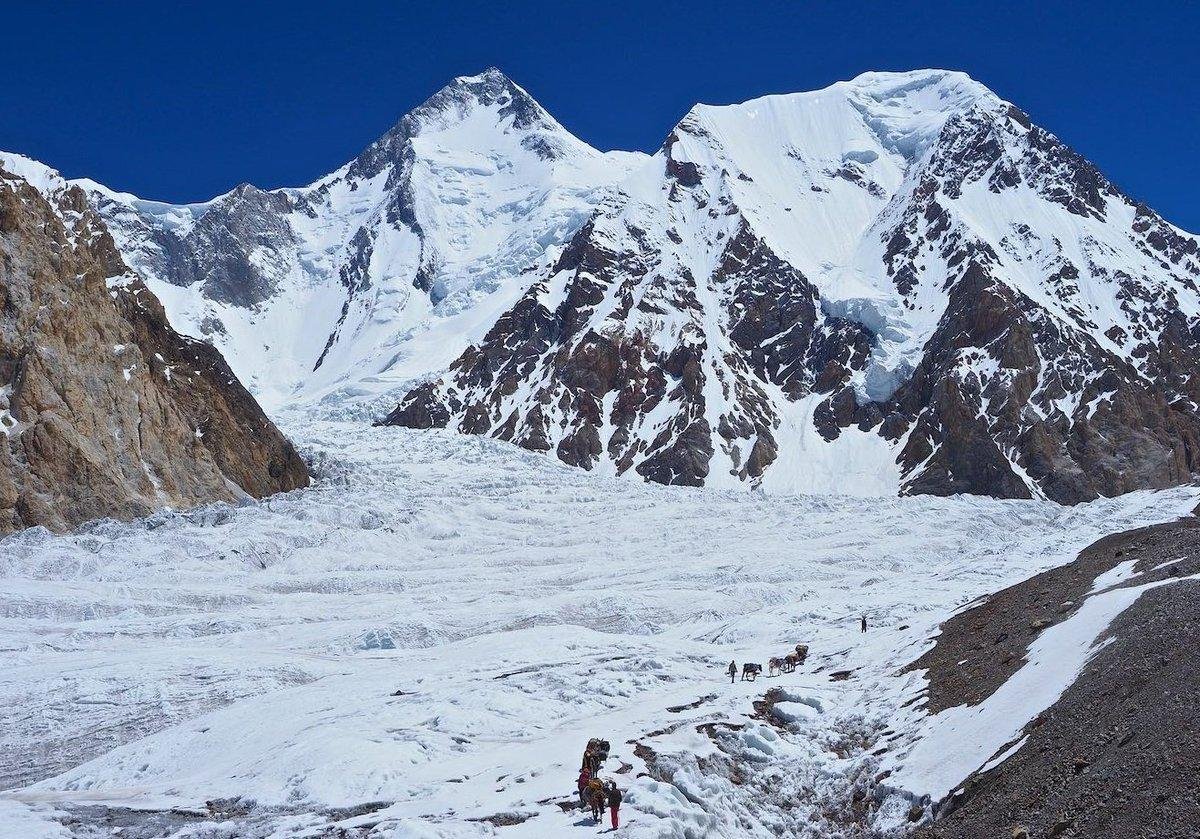
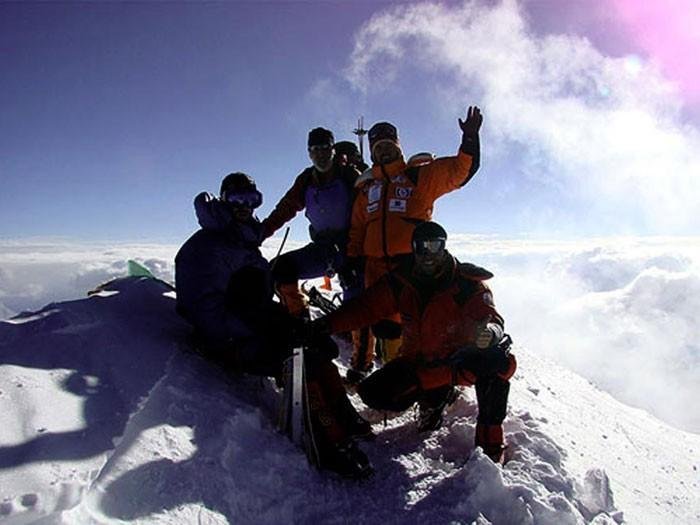
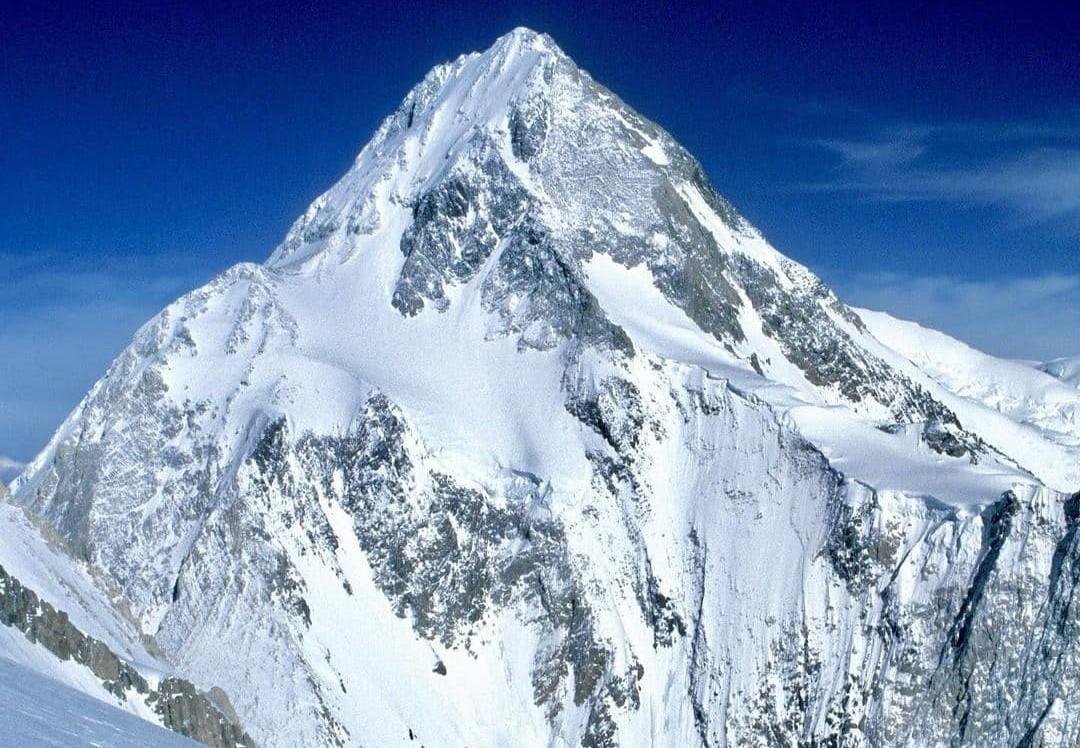
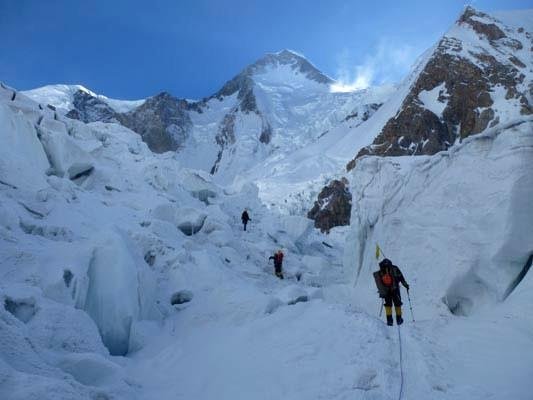
Gasherbrum I became the eighth mountain of Project Possible.
The mountain is part of the Gasherbrum massif in the Karakoram, close to the Pakistan China border. Its remote location makes expedition logistics considerably more complicated than climbing on the more accessible routes of Nepal.
Purja had very little time to rest.
His objective was not simply to climb Gasherbrum I, but to continue moving through Pakistan's 8,000 metre peaks while maintaining the overall schedule.
Gasherbrum II
Three days later, Purja reached another summit.
On 18 July 2019, he climbed Gasherbrum II, which rises to 8,035 metres.
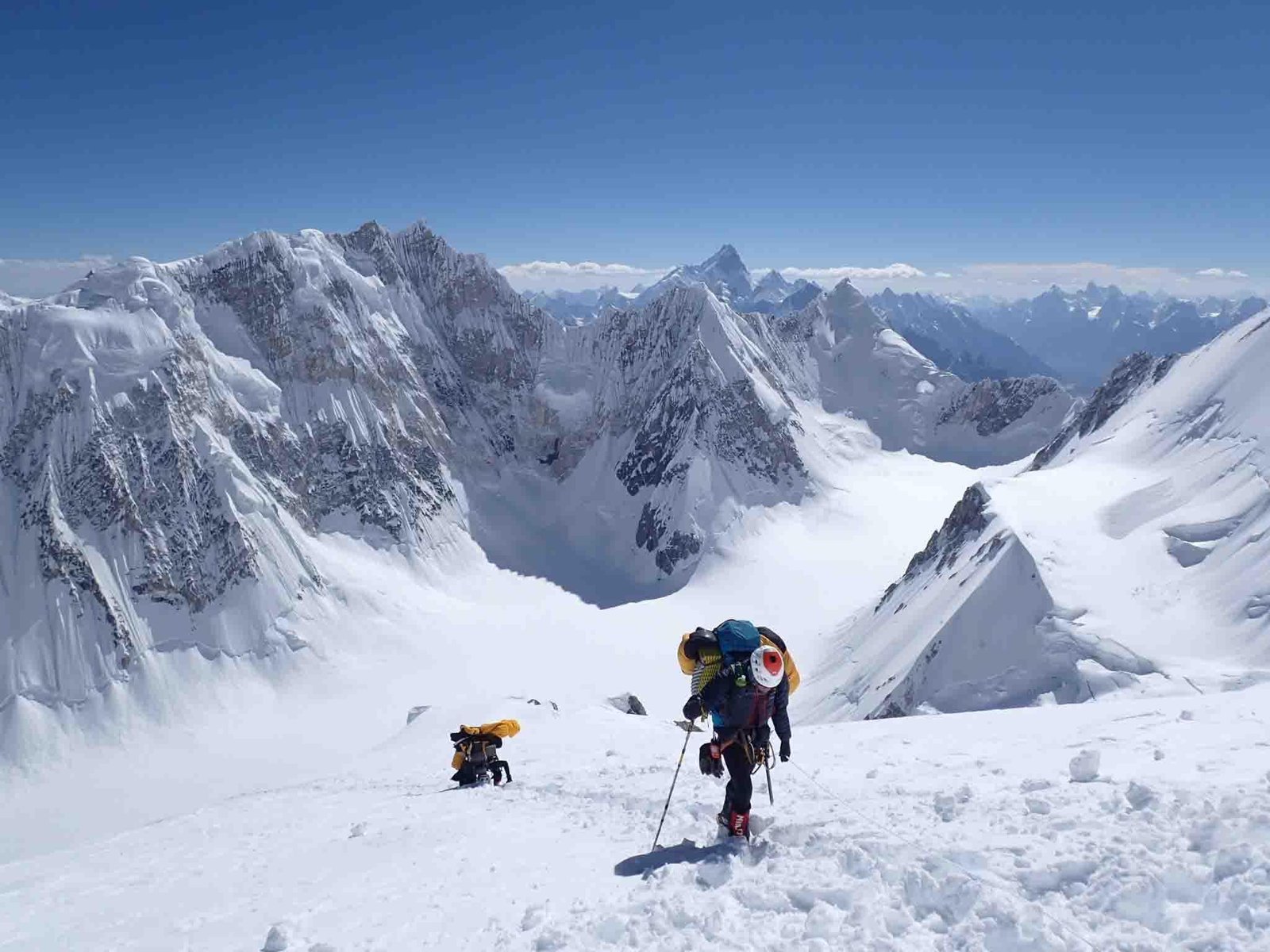
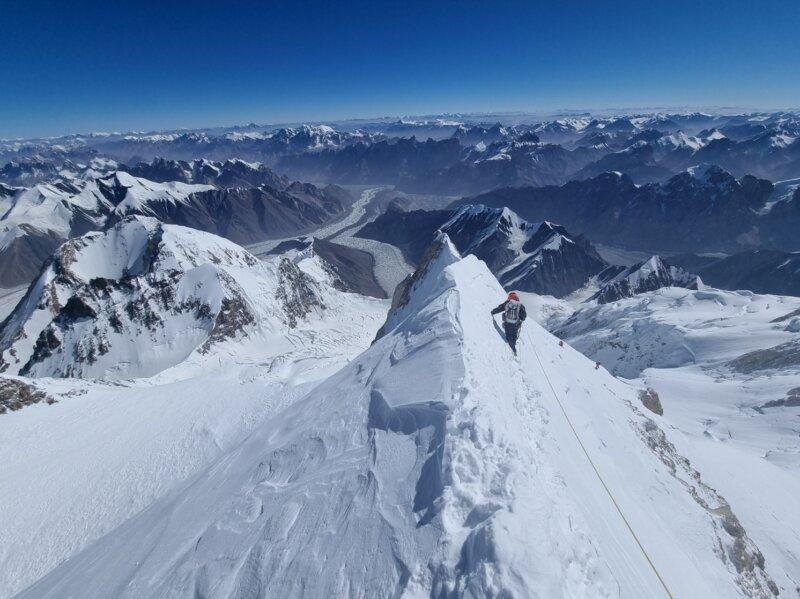
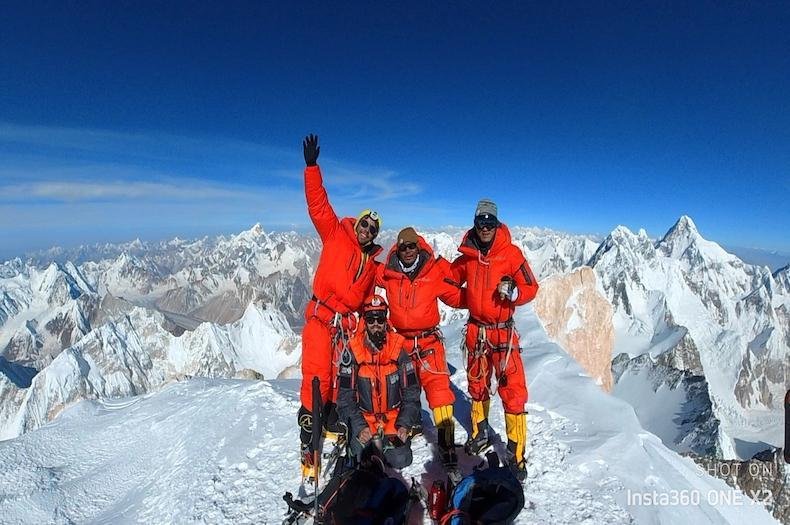
Gasherbrum II became the ninth mountain of Project Possible.
Two Gasherbrum summits had been completed within three days.
The expedition was now approaching its most famous mountain in Pakistan.
K2 was next.
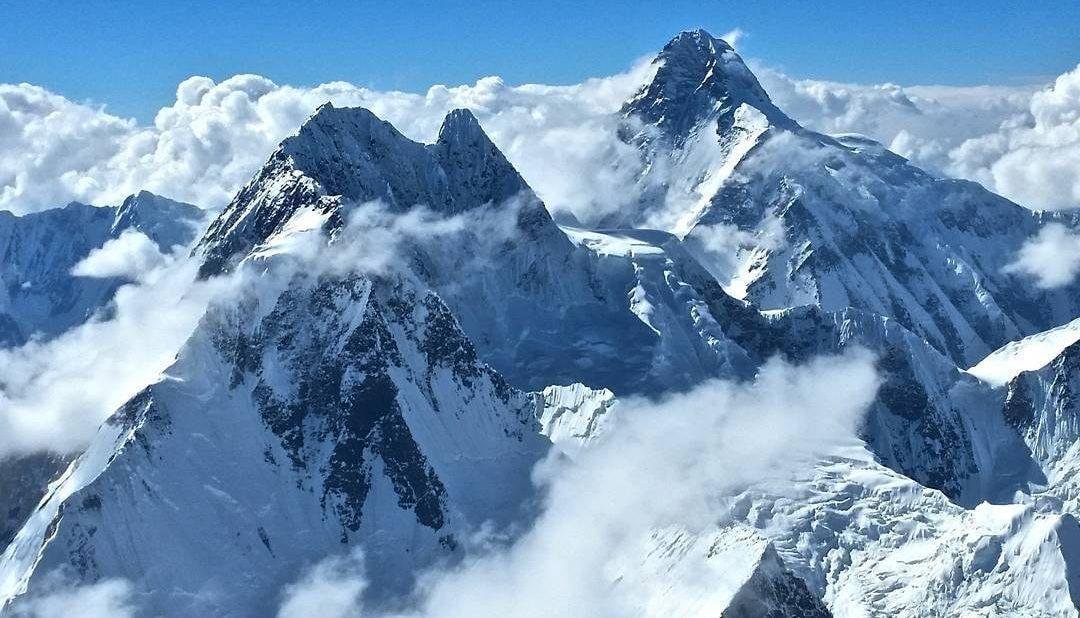
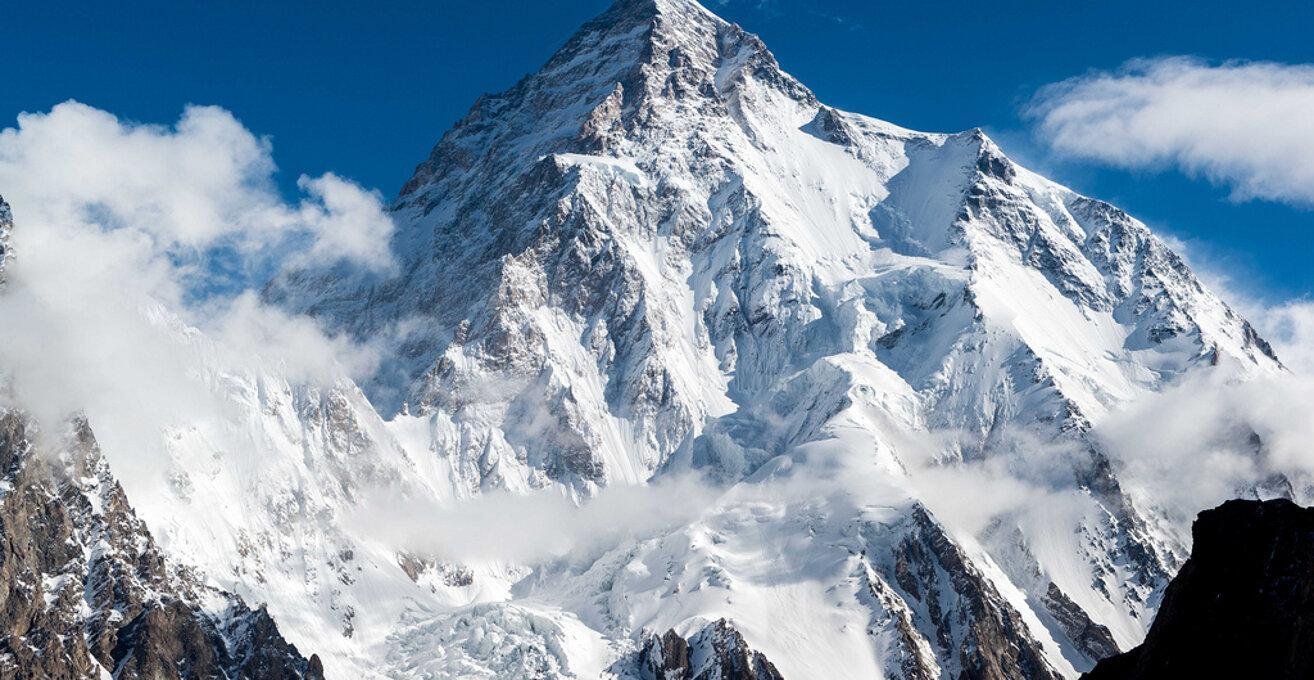
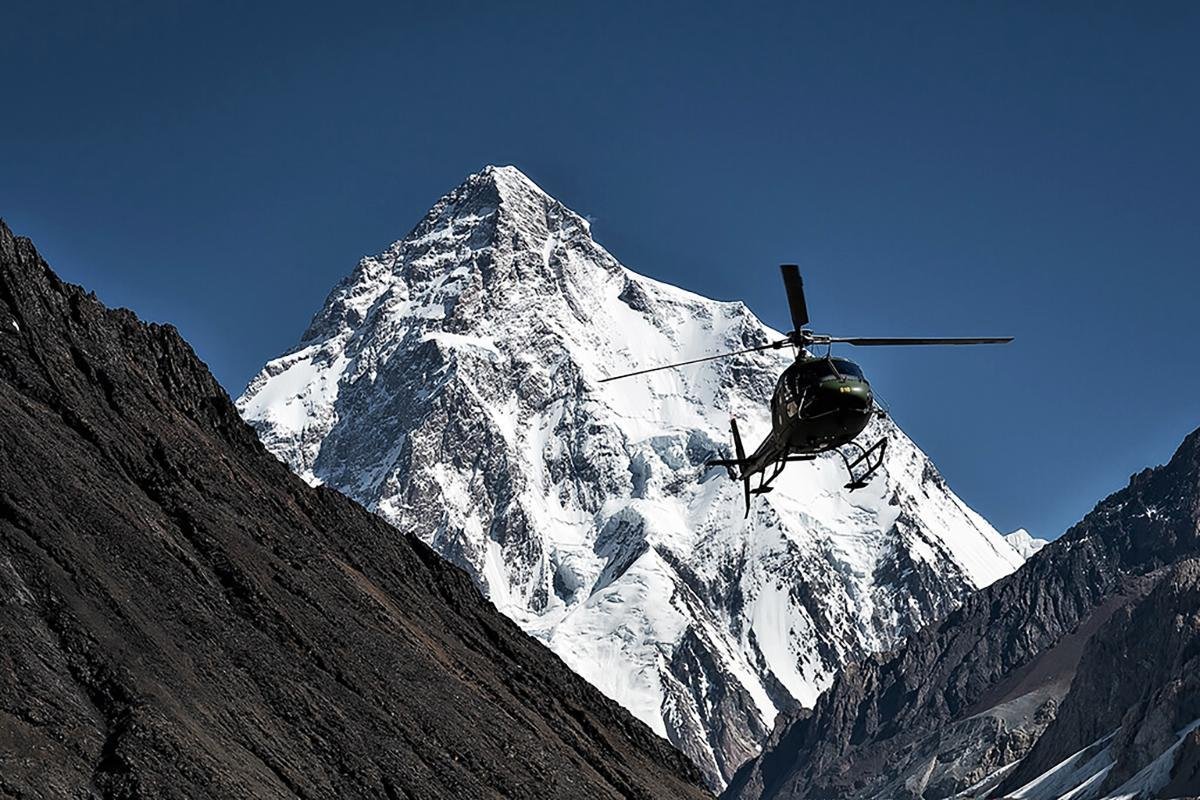
K2
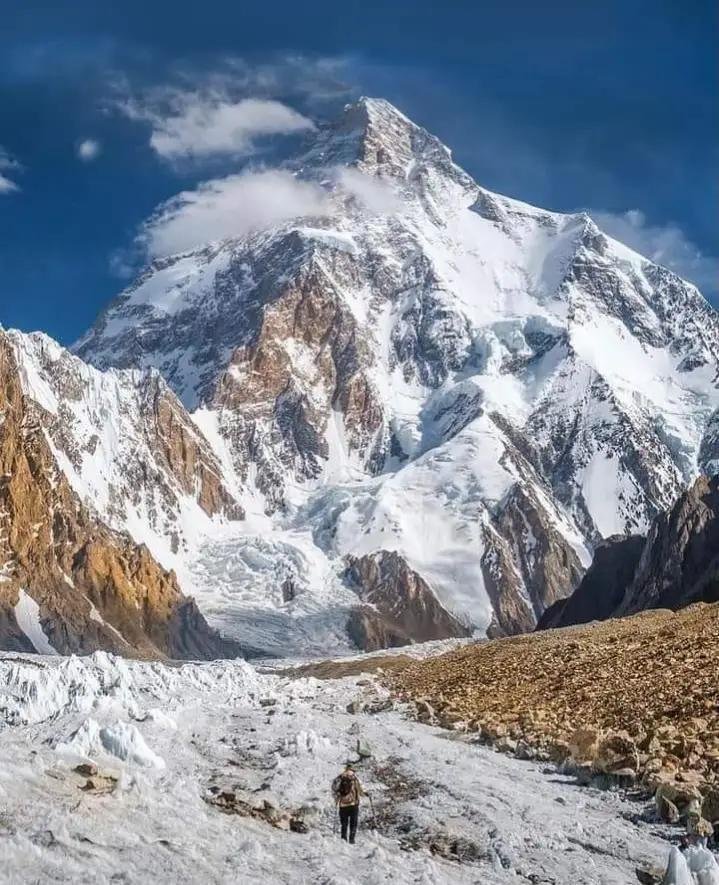
K2 was the tenth mountain of Project Possible and one of the most important summits of Purja's career.
At 8,611 metres, K2 is the second highest mountain on Earth and is widely regarded as one of the most technically demanding of the world's highest peaks.
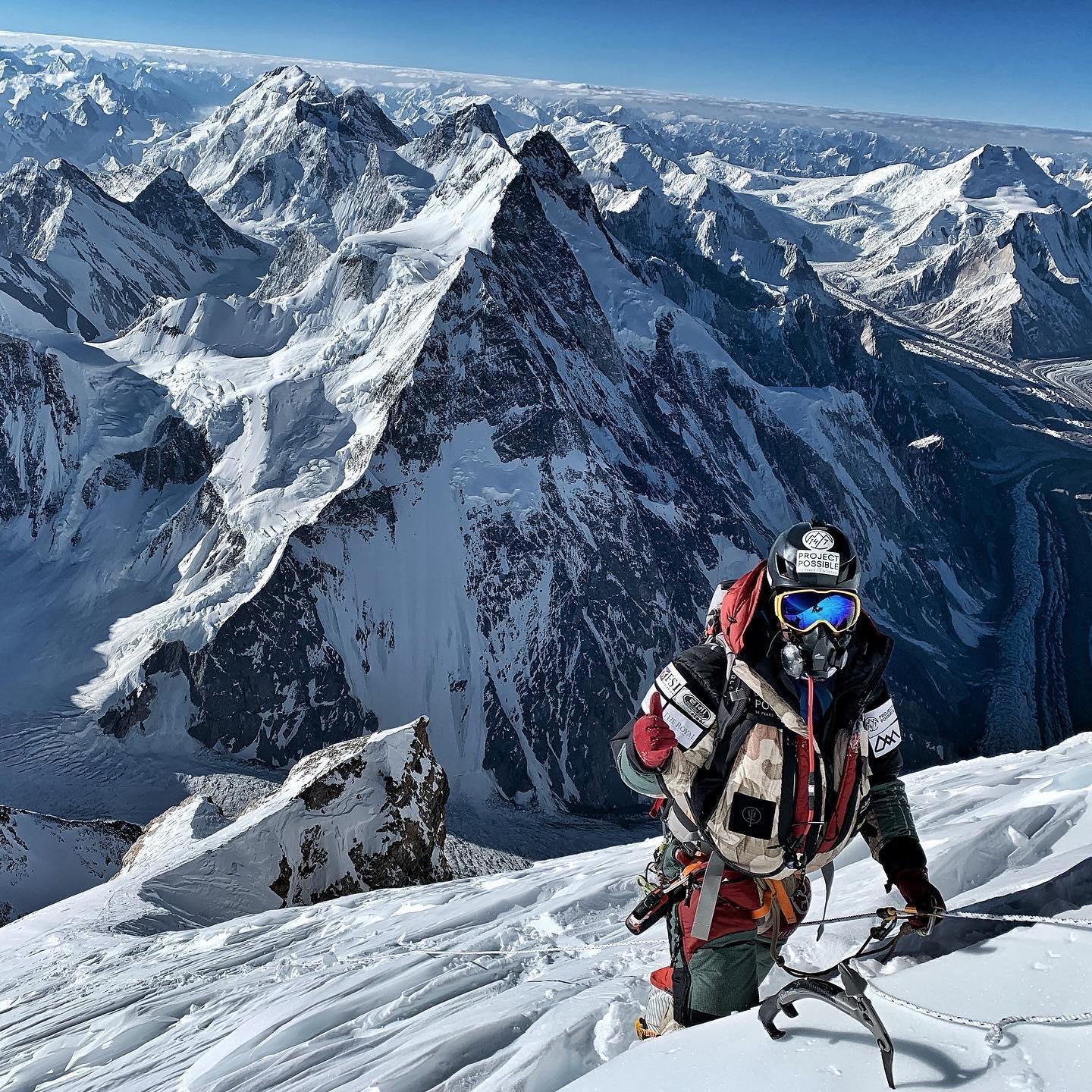
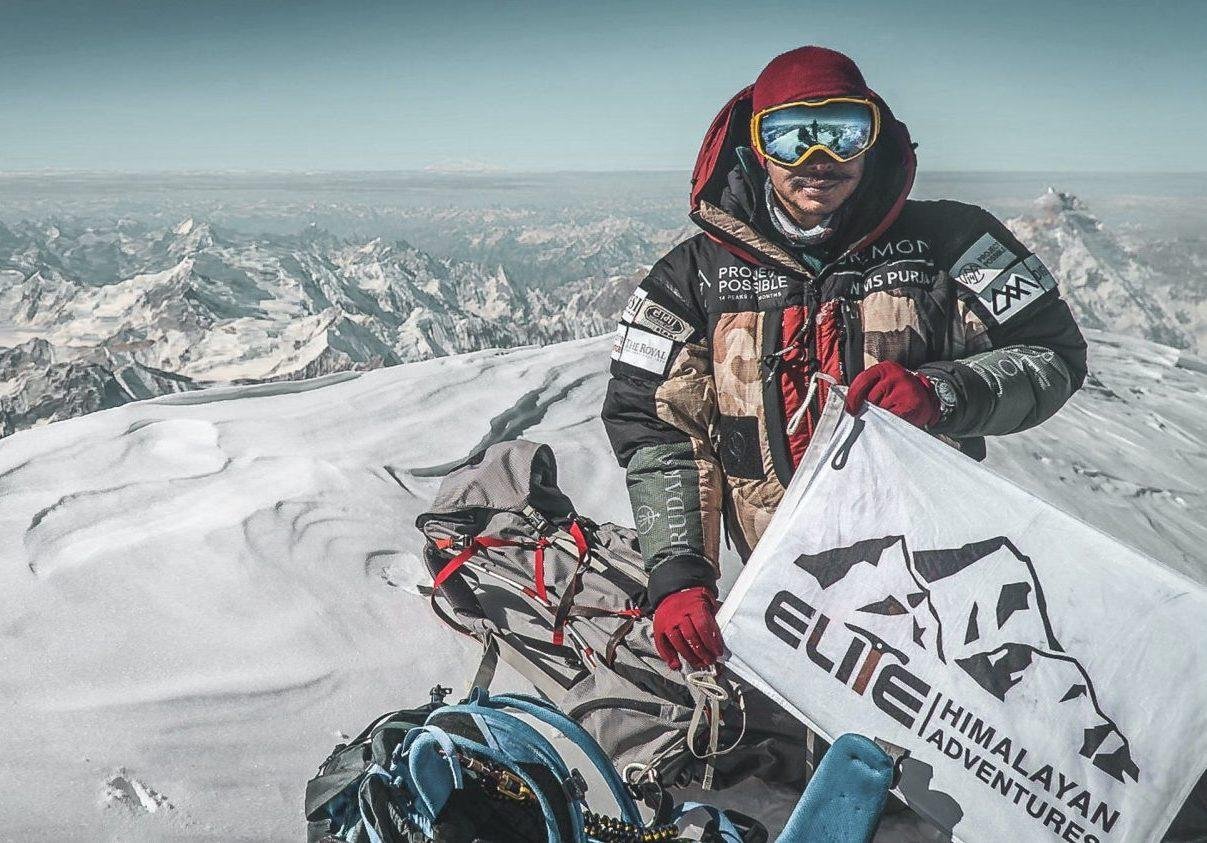
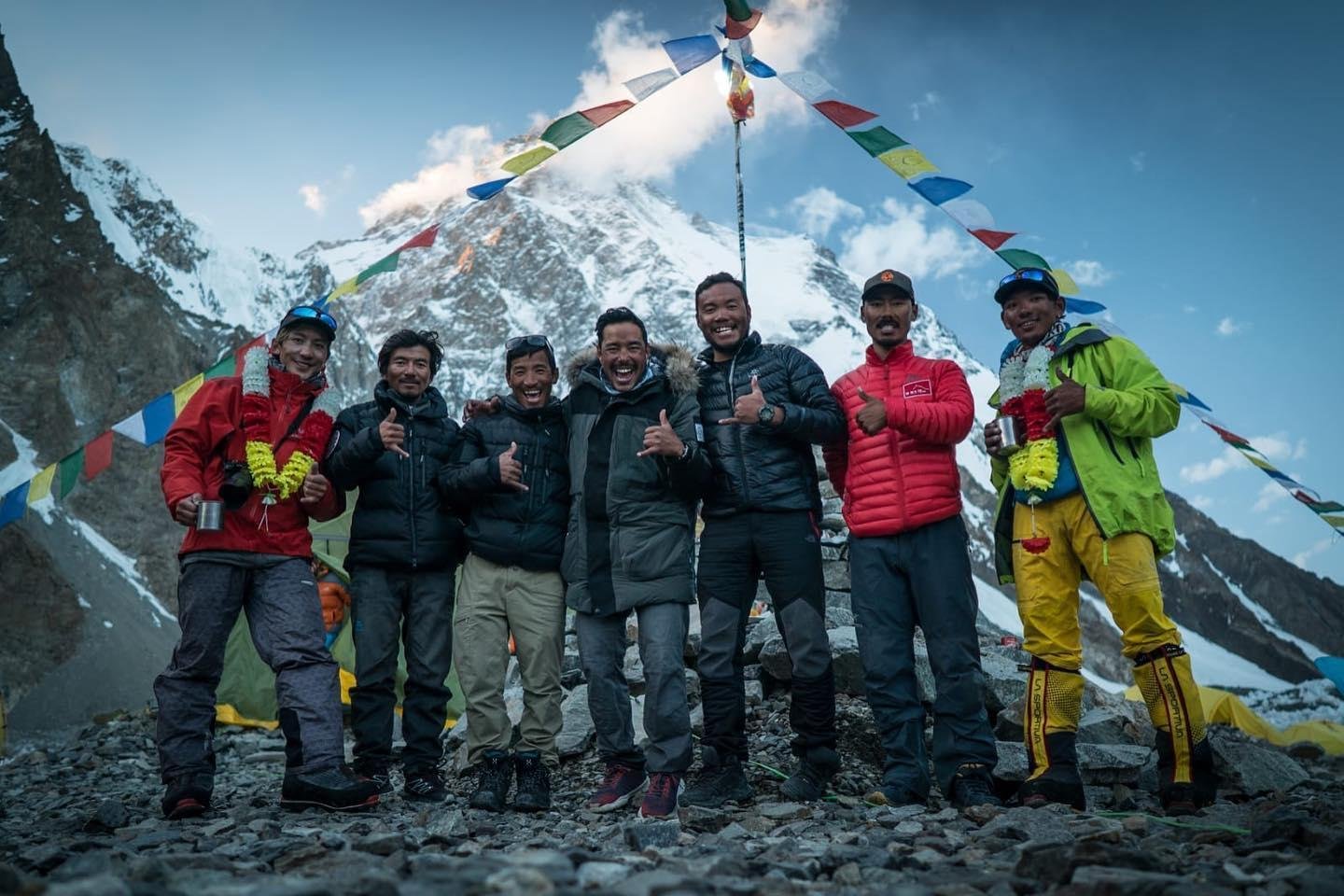
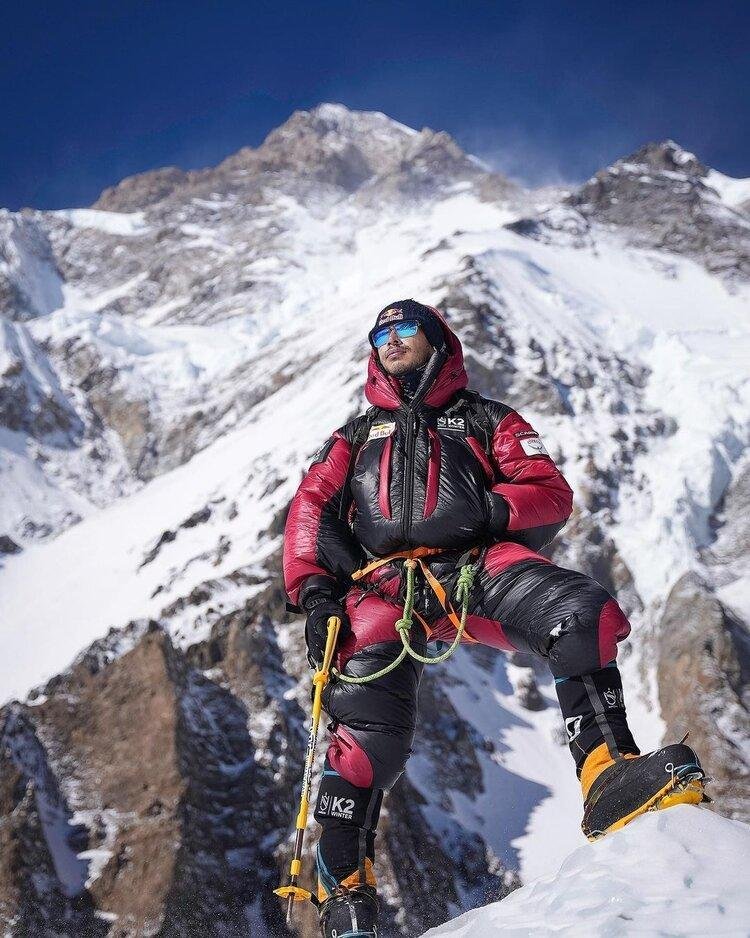
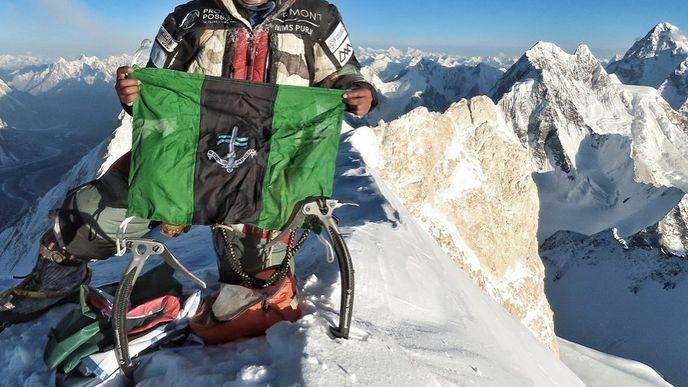
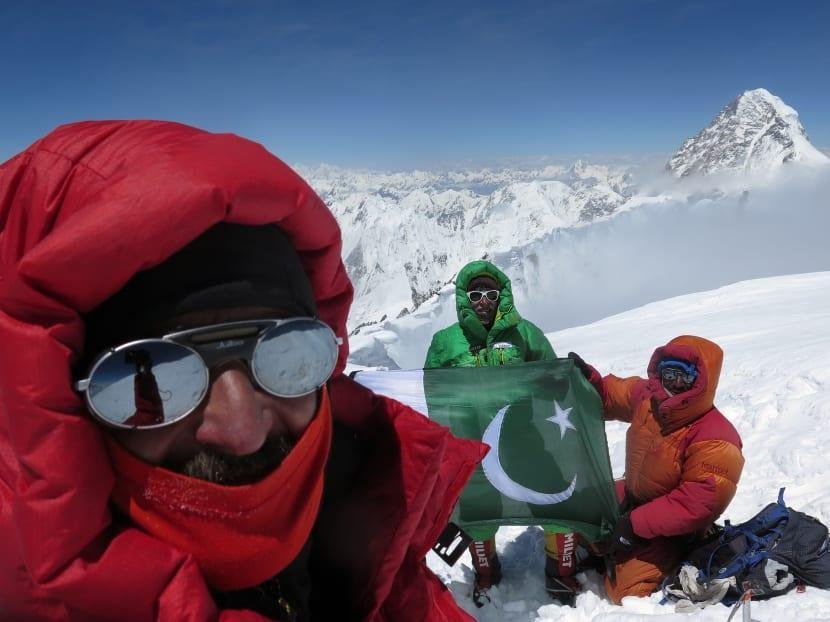
On 24 July 2019, Purja reached the summit of K2.
The achievement was significant for several reasons.
K2 is considerably more remote than Everest and has a reputation for steep climbing, rapidly changing weather and difficult high altitude conditions. Unlike Everest, there is no straightforward route to the summit.
Purja's K2 ascent also came after he had already climbed four other 8,000 metre mountains during the same Pakistan expedition.
The summit brought his Project Possible total to ten.
Only four mountains remained.
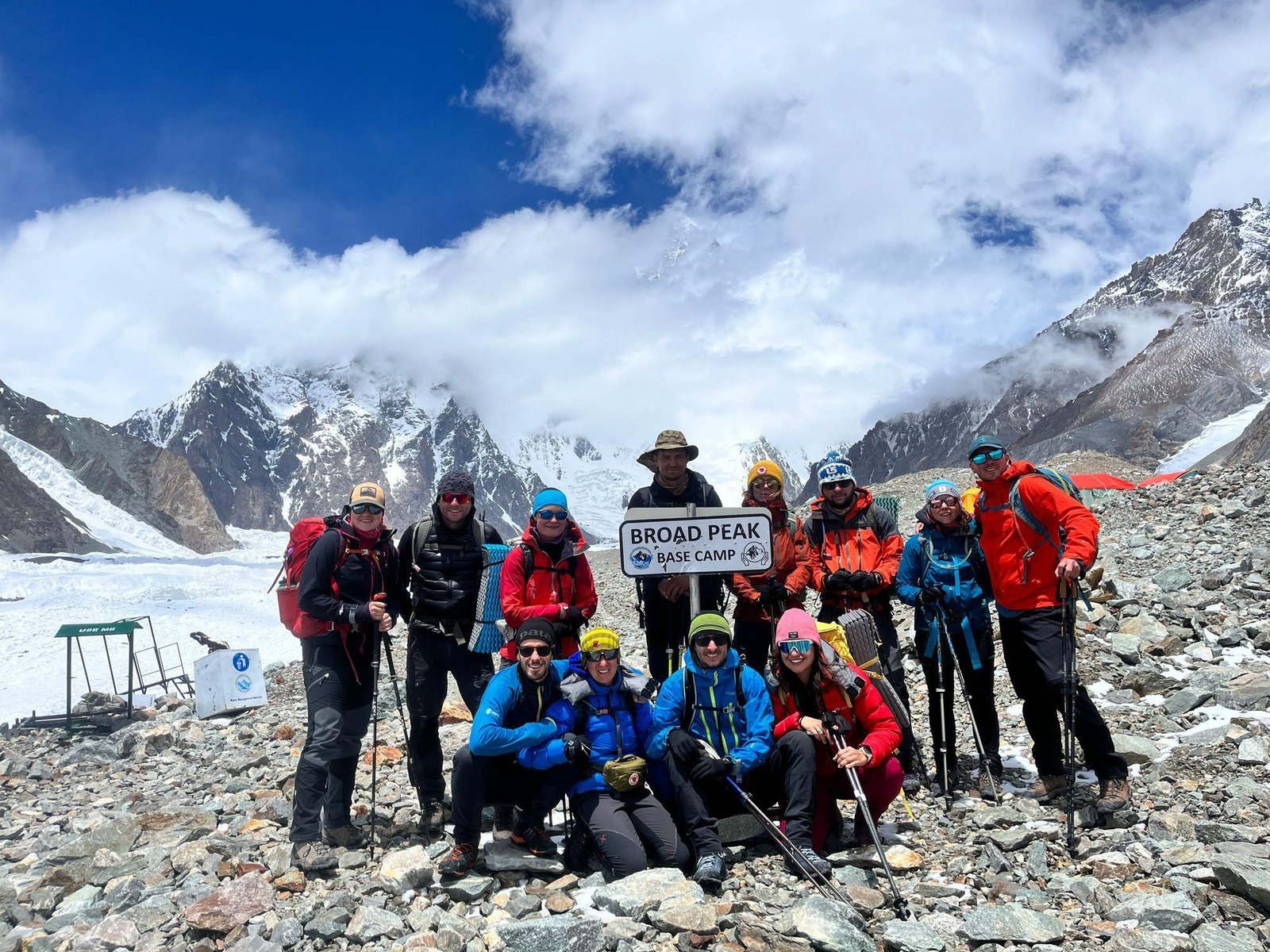
Broad Peak
Two days after K2, Purja continued to Broad Peak.
Broad Peak rises to 8,047 metres and is located in Pakistan's Gilgit Baltistan region, close to K2.
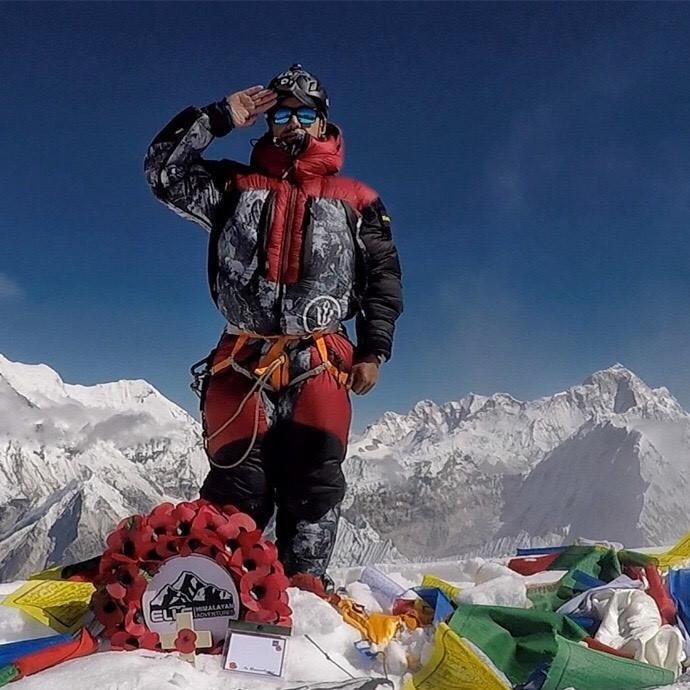
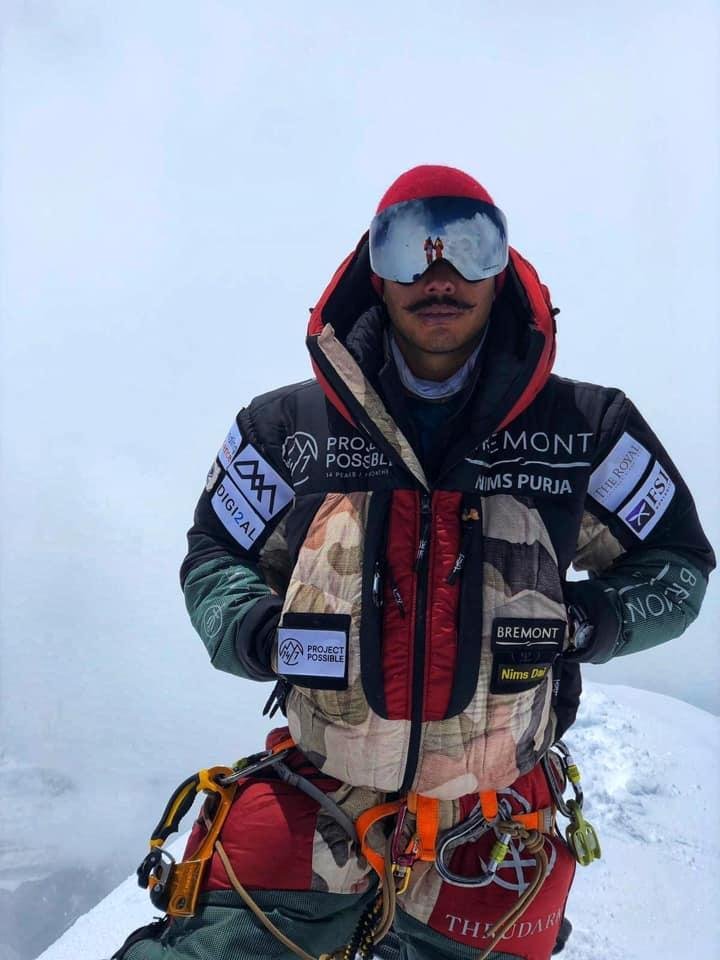
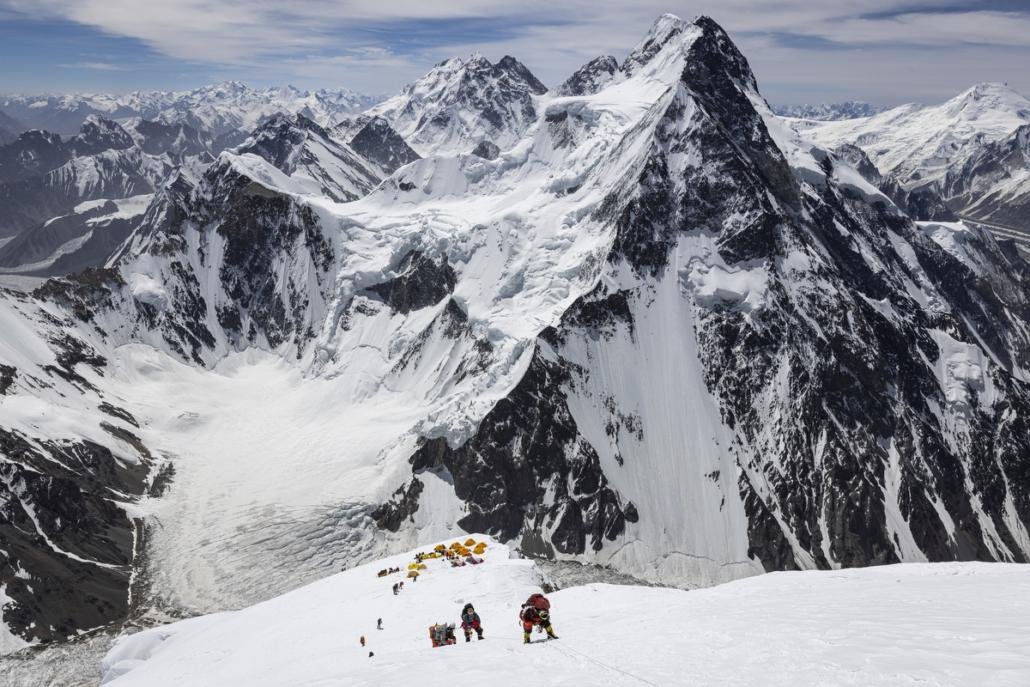
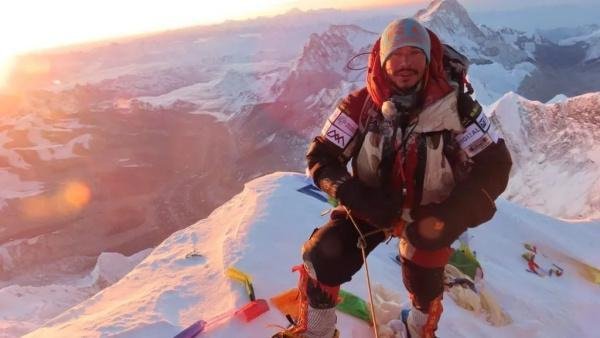
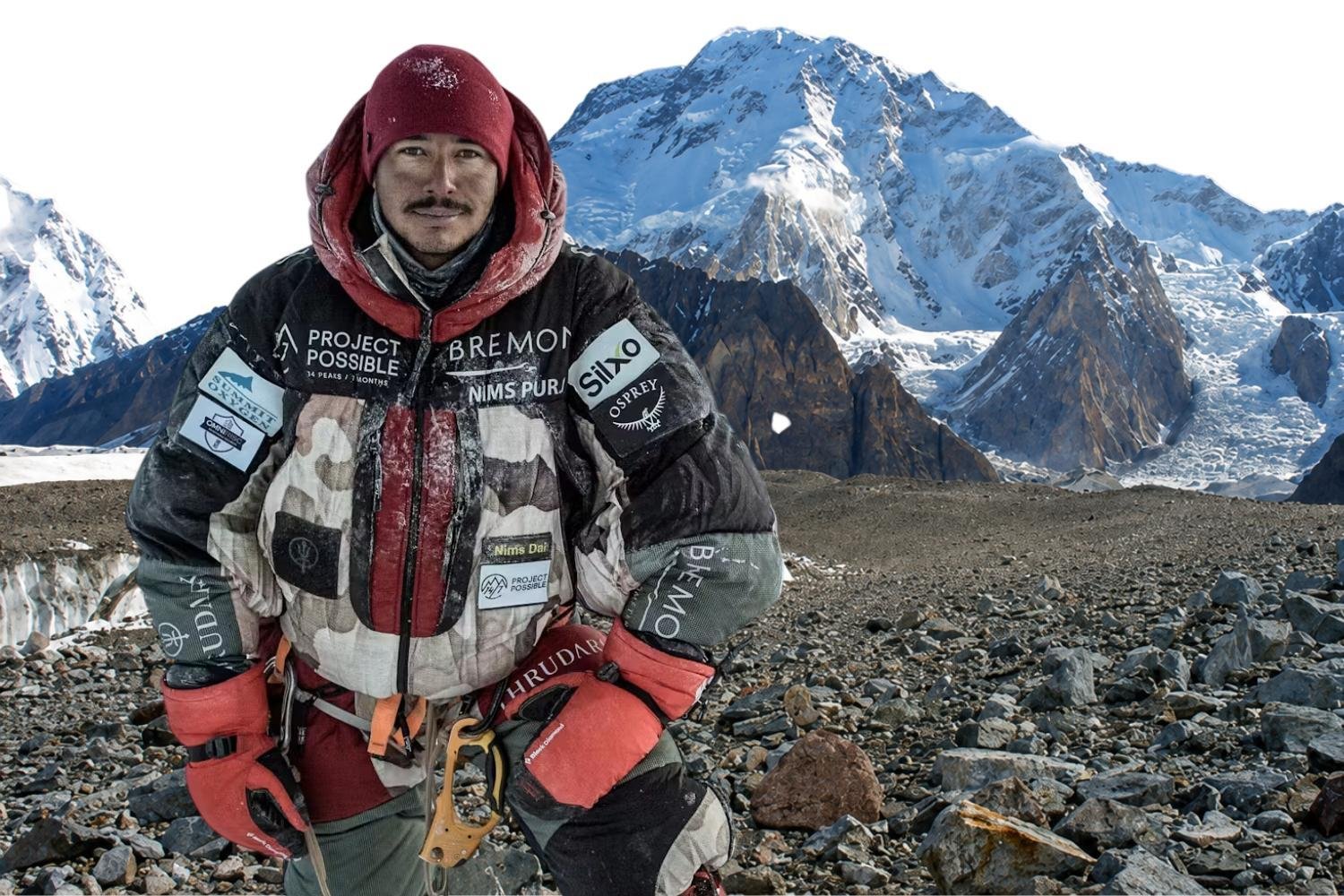
On 26 July 2019, Purja reached the summit.
Broad Peak became the eleventh mountain of Project Possible.
The climb also completed a remarkable achievement within the larger project: Purja had now climbed all five of Pakistan's 8,000 metre mountains.
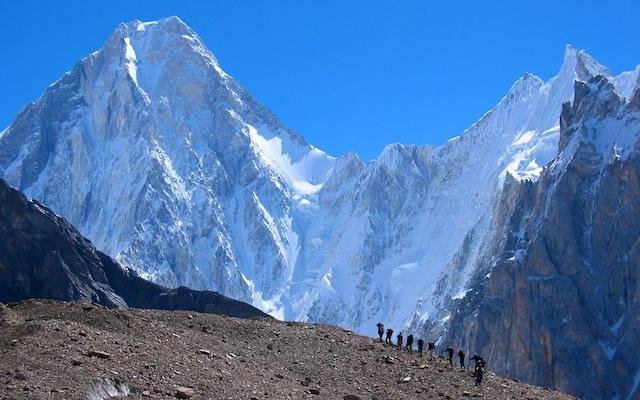
That meant that during July 2019 he had climbed:
- Nanga Parbat
- Gasherbrum I
- Gasherbrum II
- K2
- Broad Peak
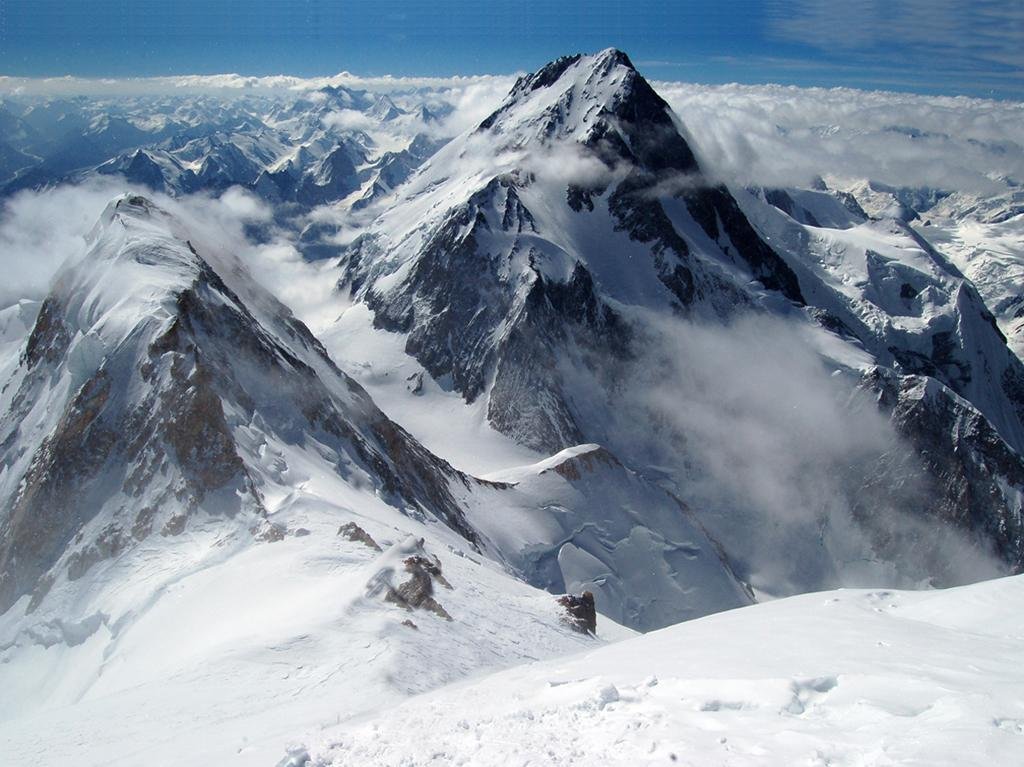
The Pakistan phase had been completed.
But Project Possible was not finished.
Three mountains remained.
Leaving Pakistan
After completing Broad Peak, Purja left Pakistan and returned to the Himalayan region for the final part of his project.
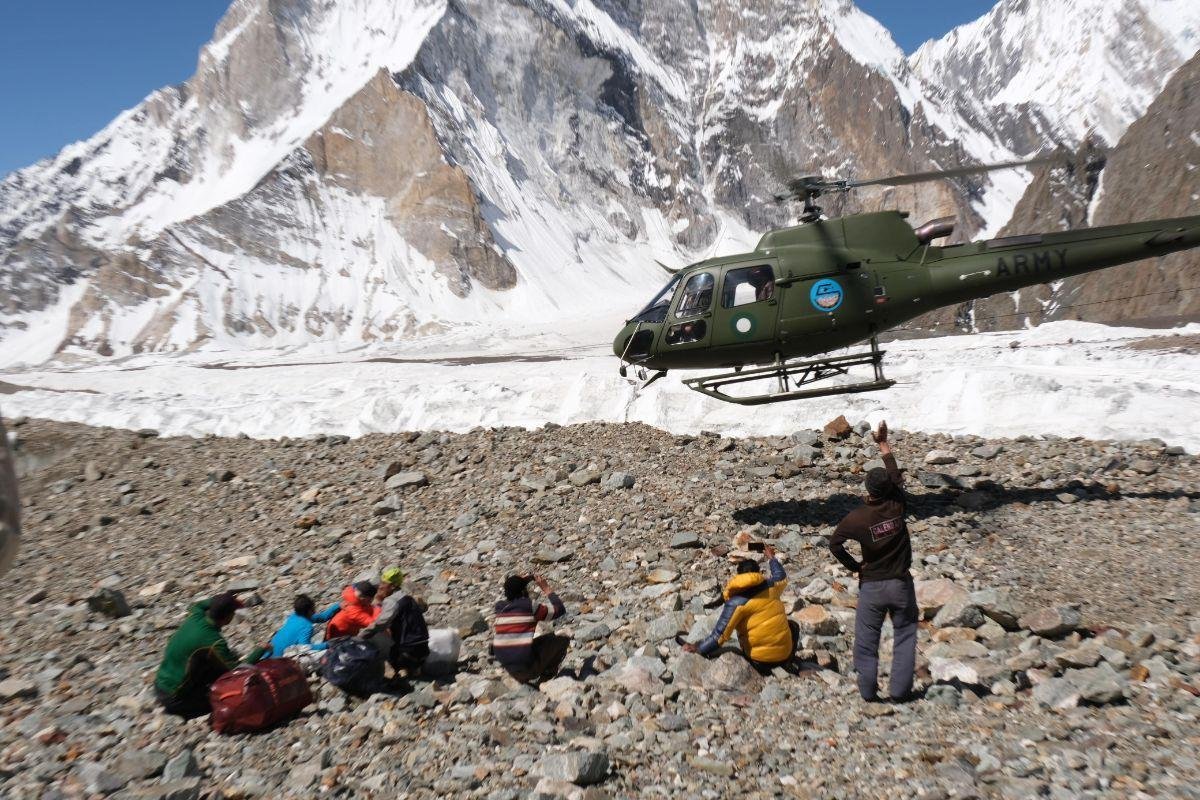
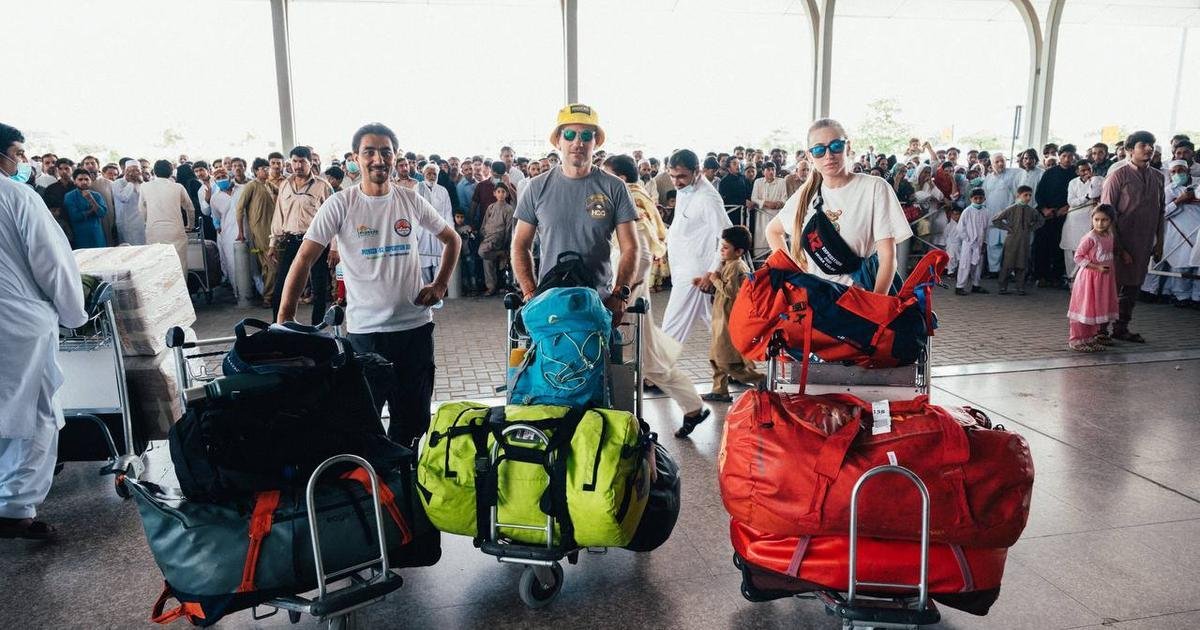
The scale of what had already been achieved was extraordinary.
In just a few months, Purja had climbed eleven of the world's fourteen 8,000 metre mountains.
Six had been completed during the first phase in Nepal and Tibet.
Five had followed in Pakistan.
Now only Cho Oyu, Manaslu and Shishapangma stood between Purja and the completion of Project Possible.
Cho Oyu
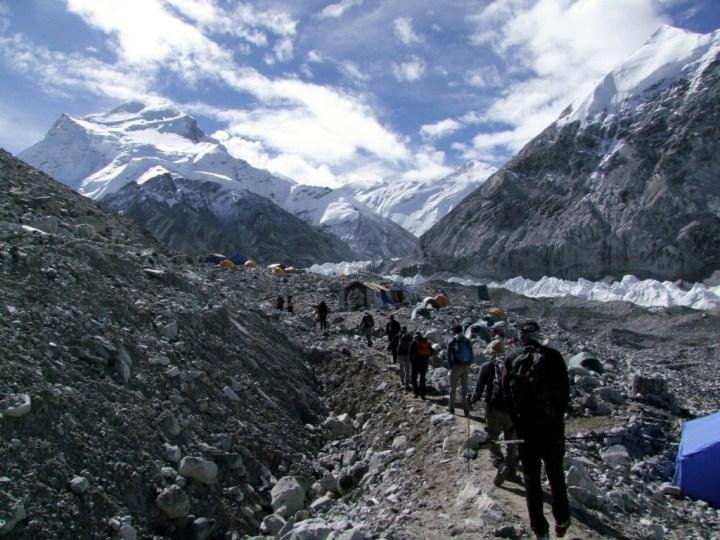
The next objective was Cho Oyu.
At 8,188 metres, Cho Oyu is the world's sixth highest mountain and stands on the Nepal Tibet border.
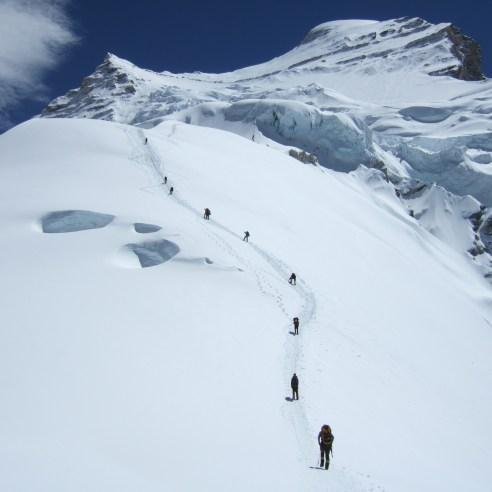
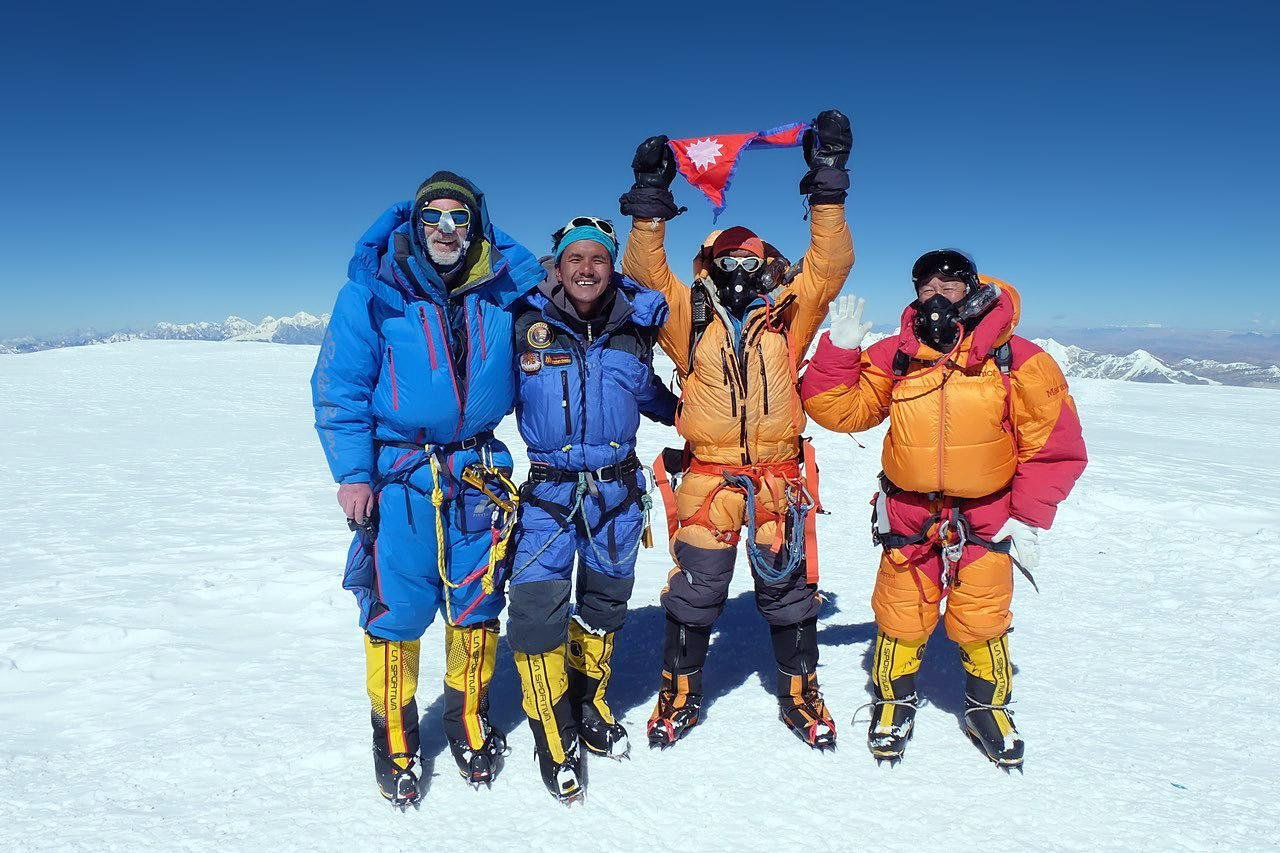
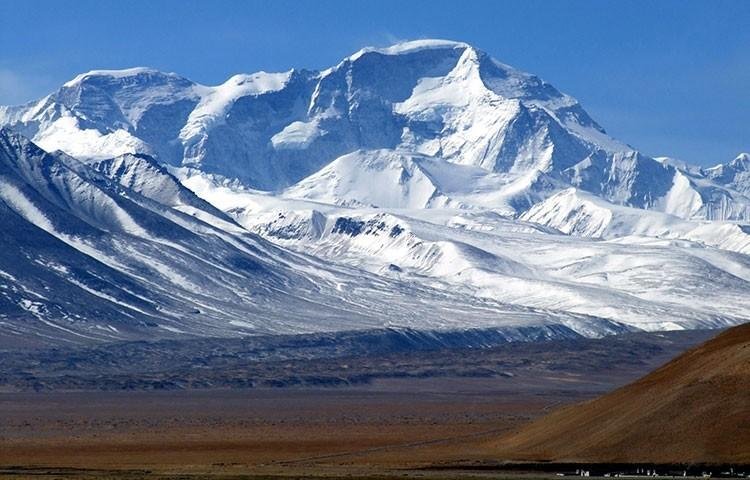
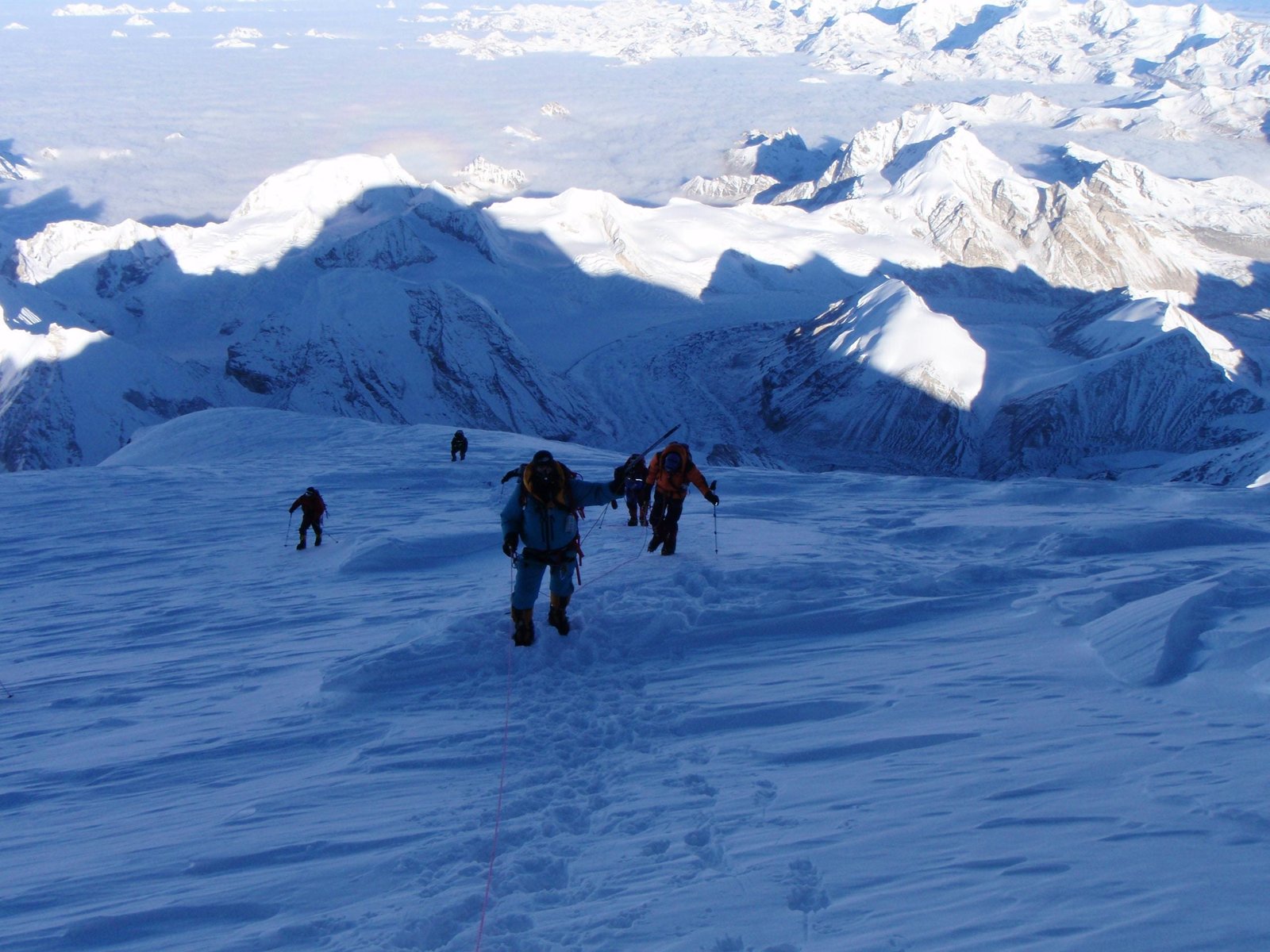
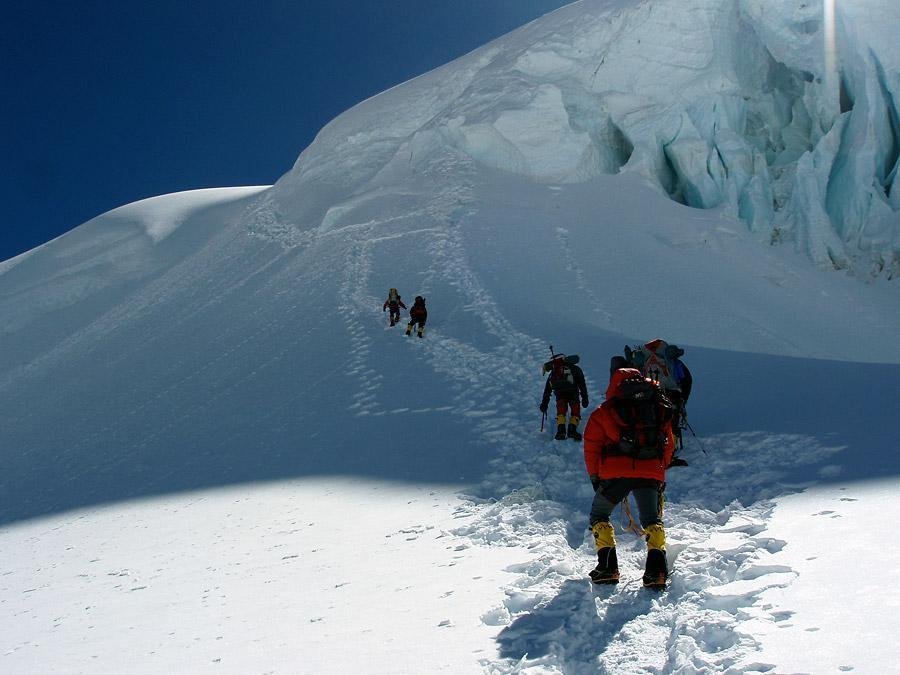
On 23 September 2019, Purja reached the summit of Cho Oyu.
The climb brought his total to twelve 8,000 metre peaks.
Only two remained.
Manaslu
Four days later, Purja climbed Manaslu in Nepal.
On 27 September 2019, he reached the summit of the 8,163 metre mountain.
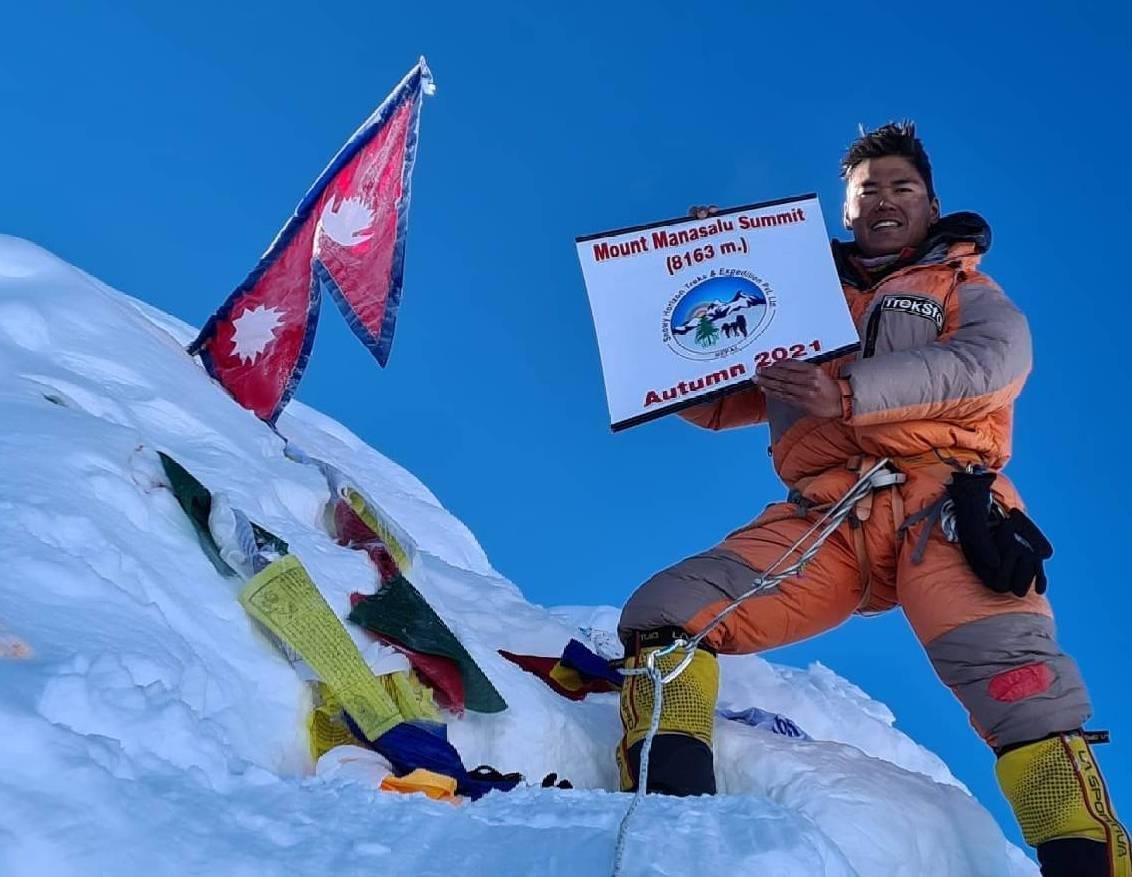
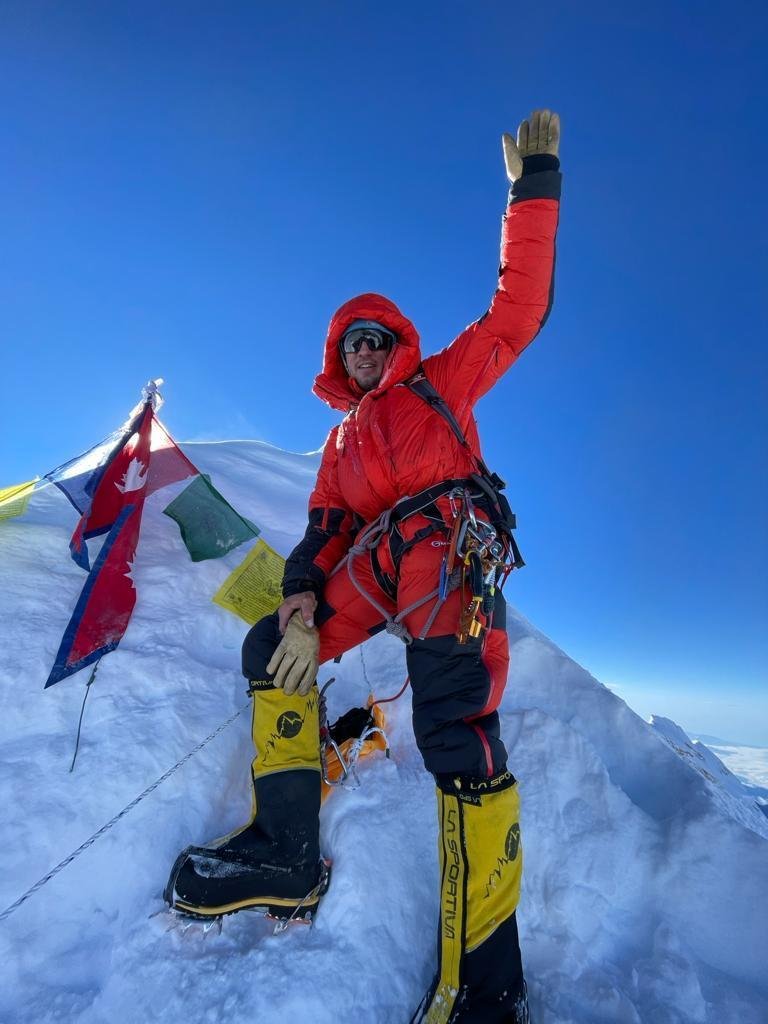
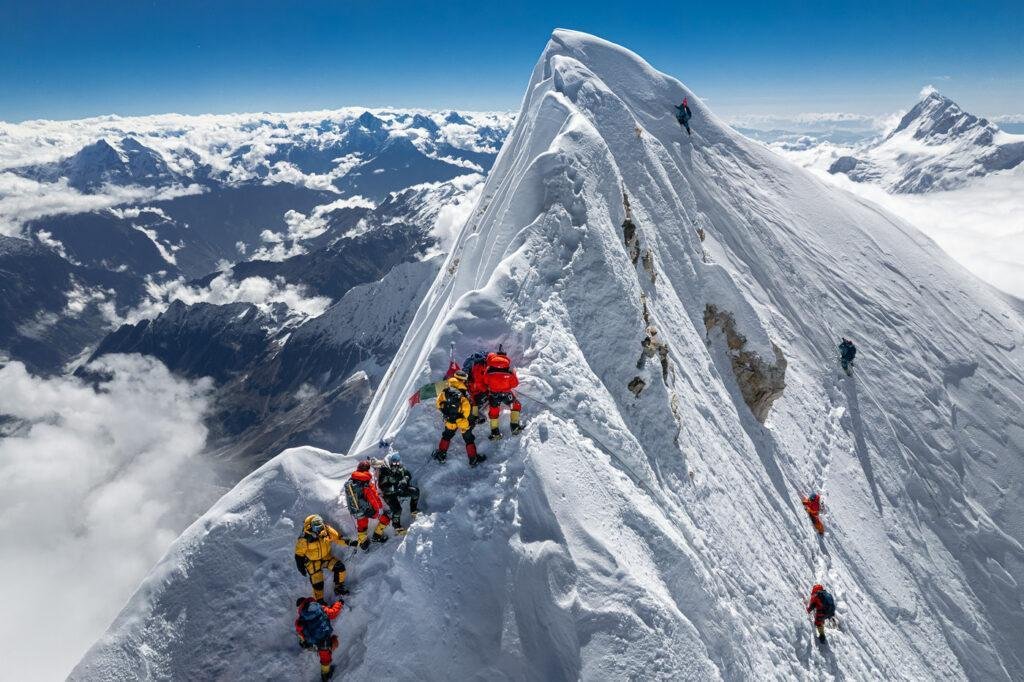
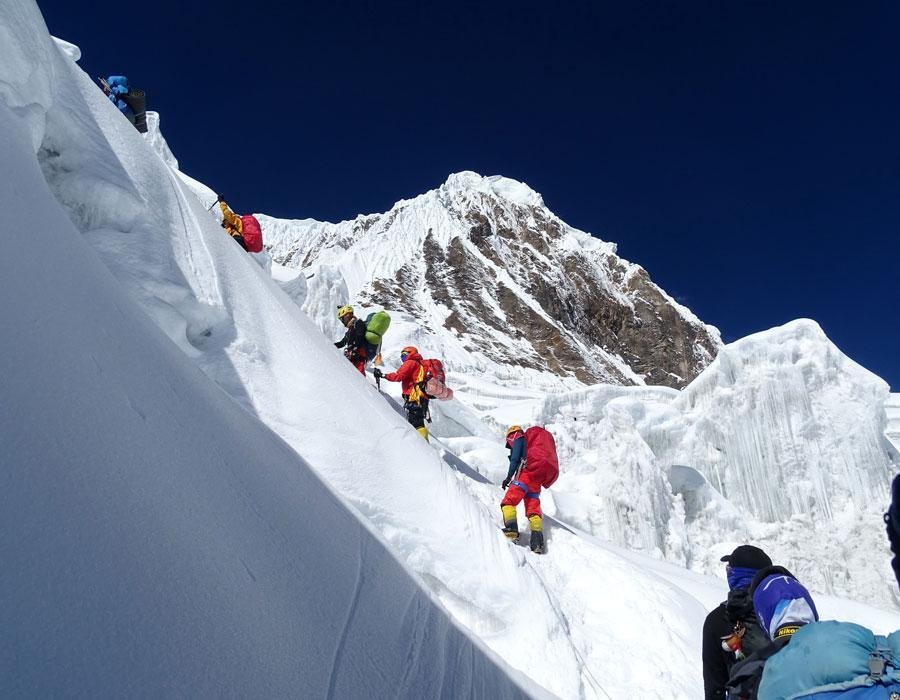
Manaslu became the thirteenth mountain.
The finish line was now very close.
Only Shishapangma remained.
Shishapangma
Shishapangma, at 8,027 metres, is the lowest of the fourteen 8,000 metre mountains.
It is located entirely within Tibet and access to the mountain is controlled by Chinese authorities.
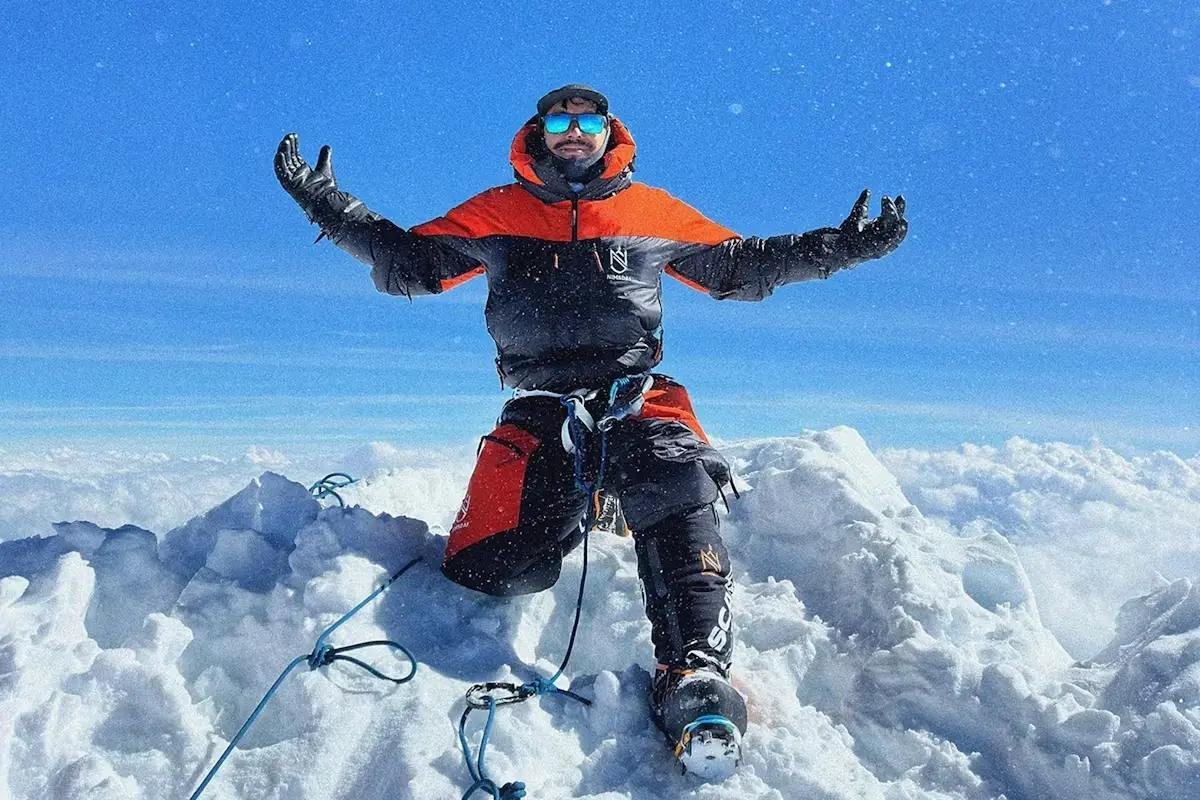
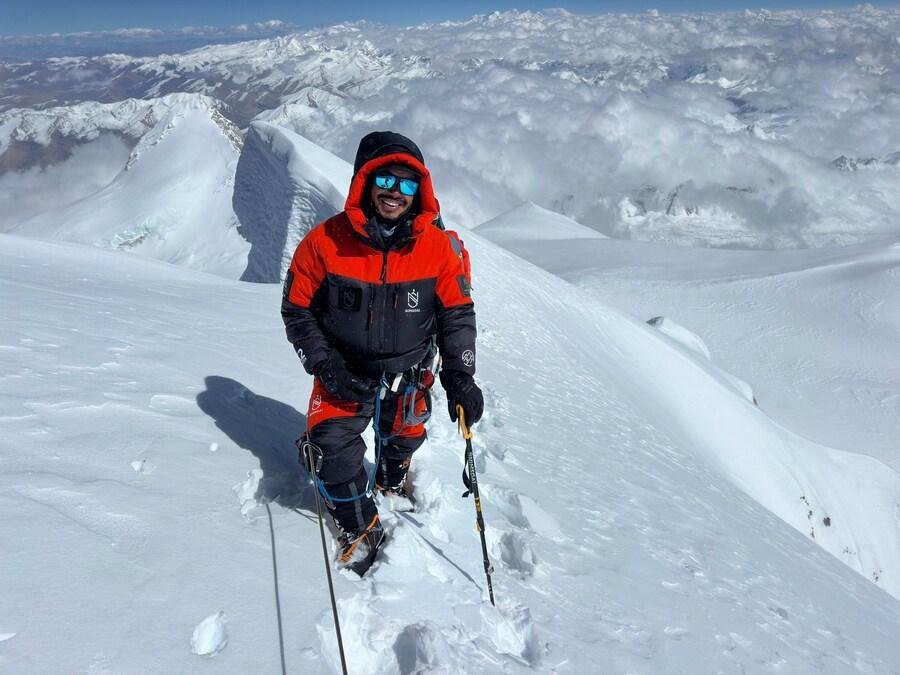
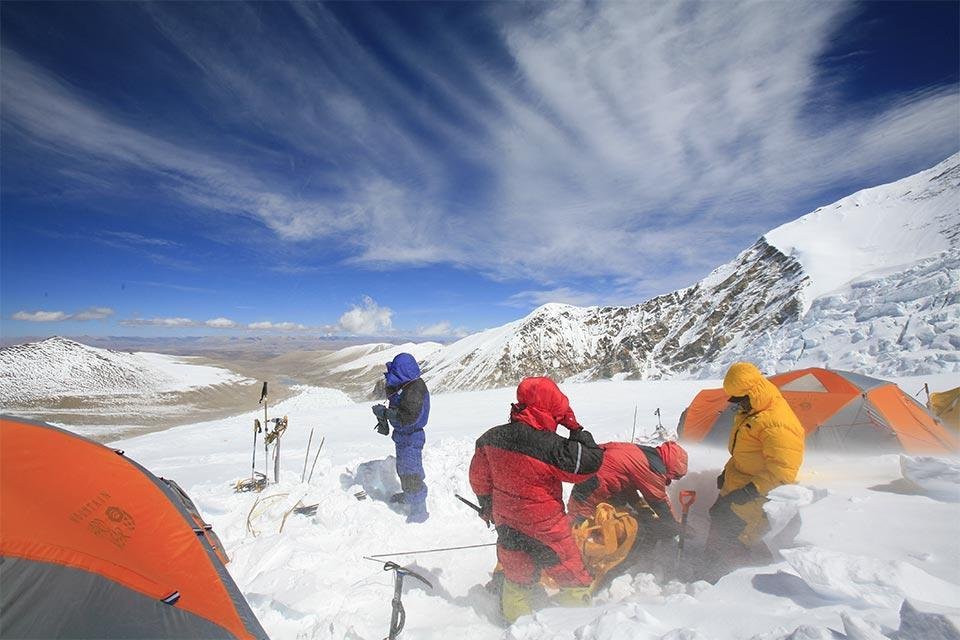
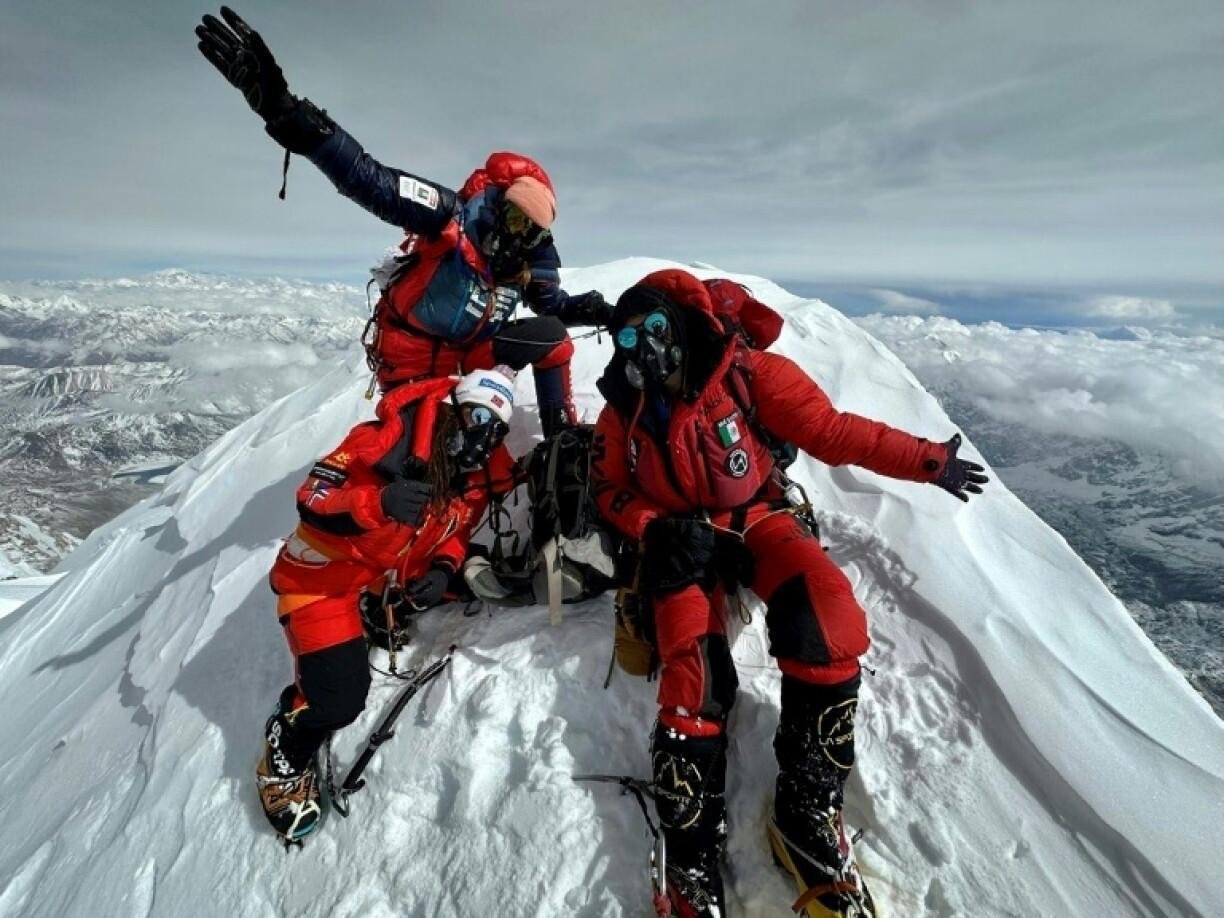
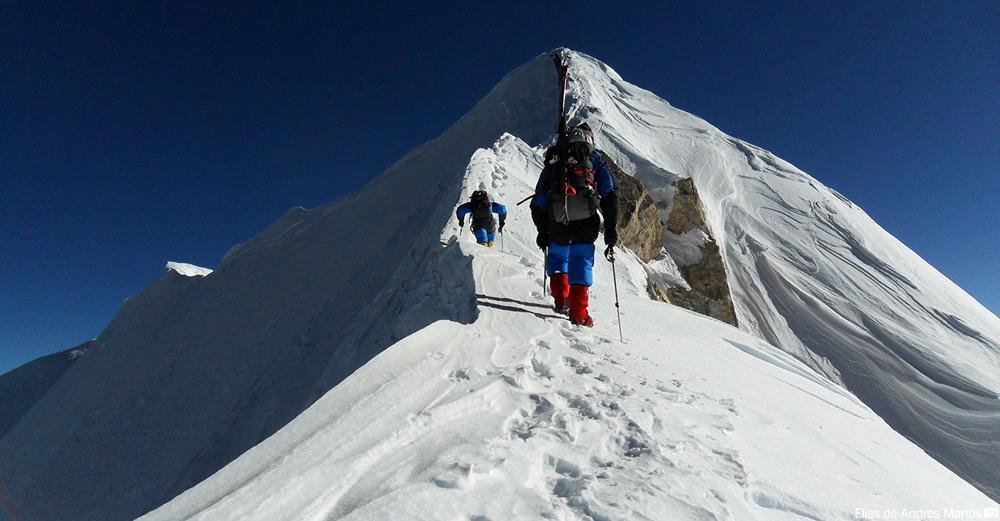
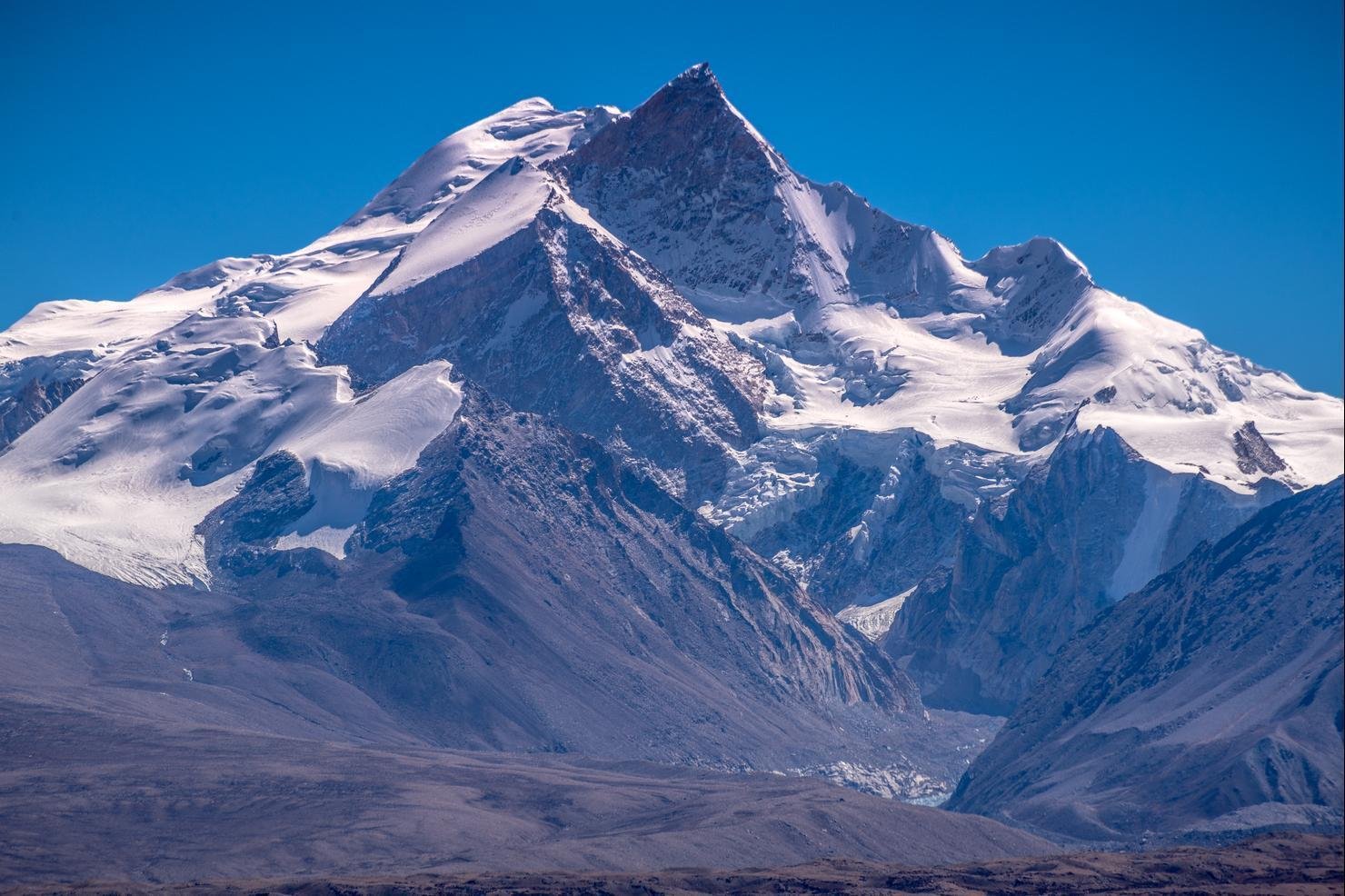
On 29 October 2019, Purja reached the summit of Shishapangma.
The final mountain was complete.
Project Possible had reached its goal.
189 Days
Purja completed all fourteen 8,000 metre peaks in 189 days.
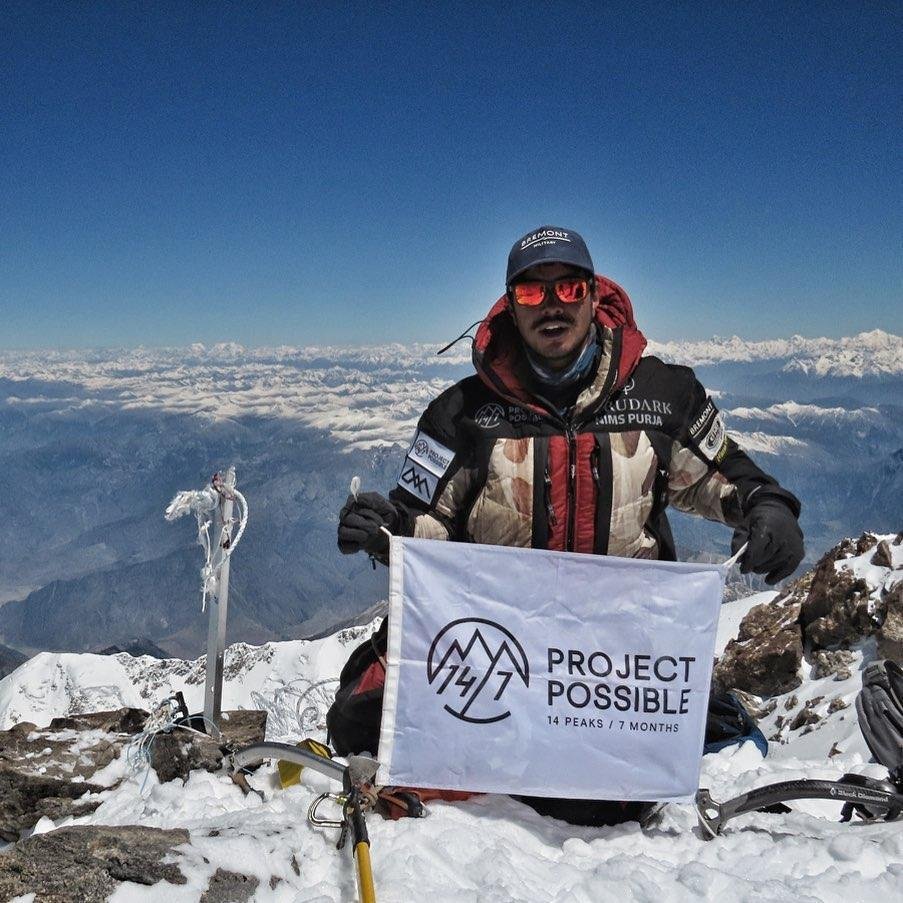
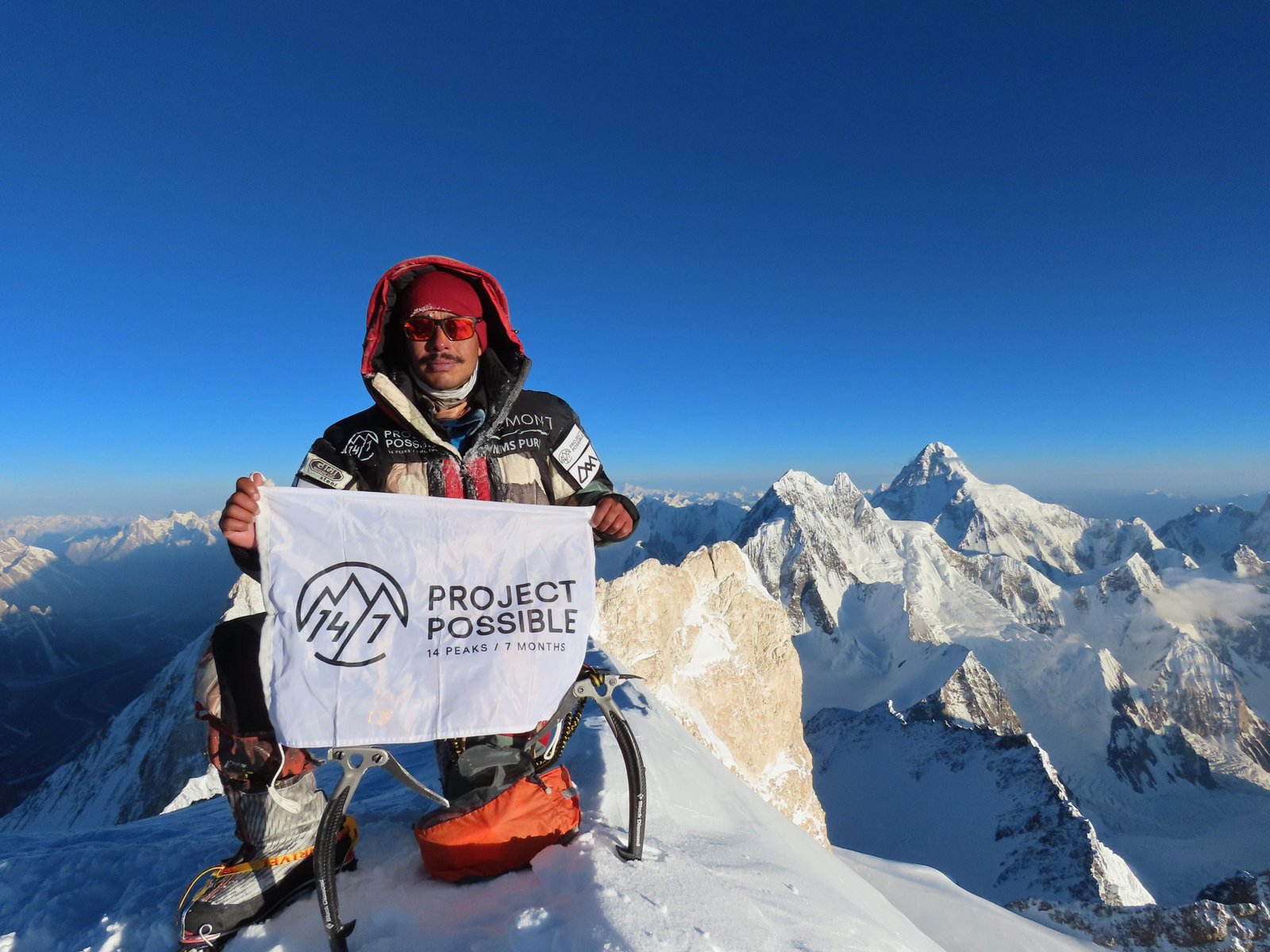
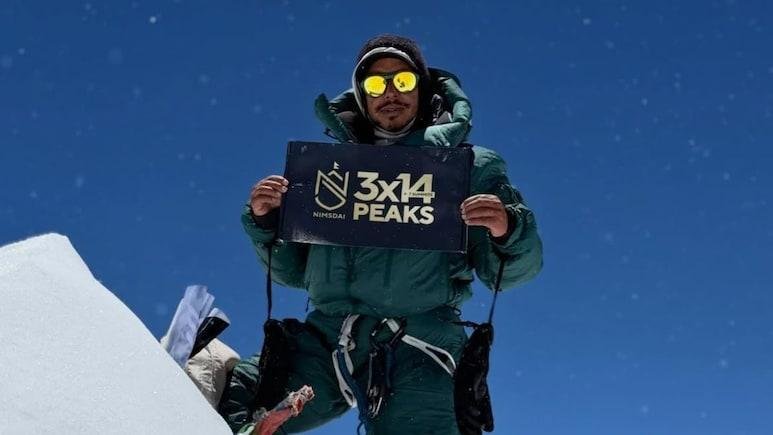
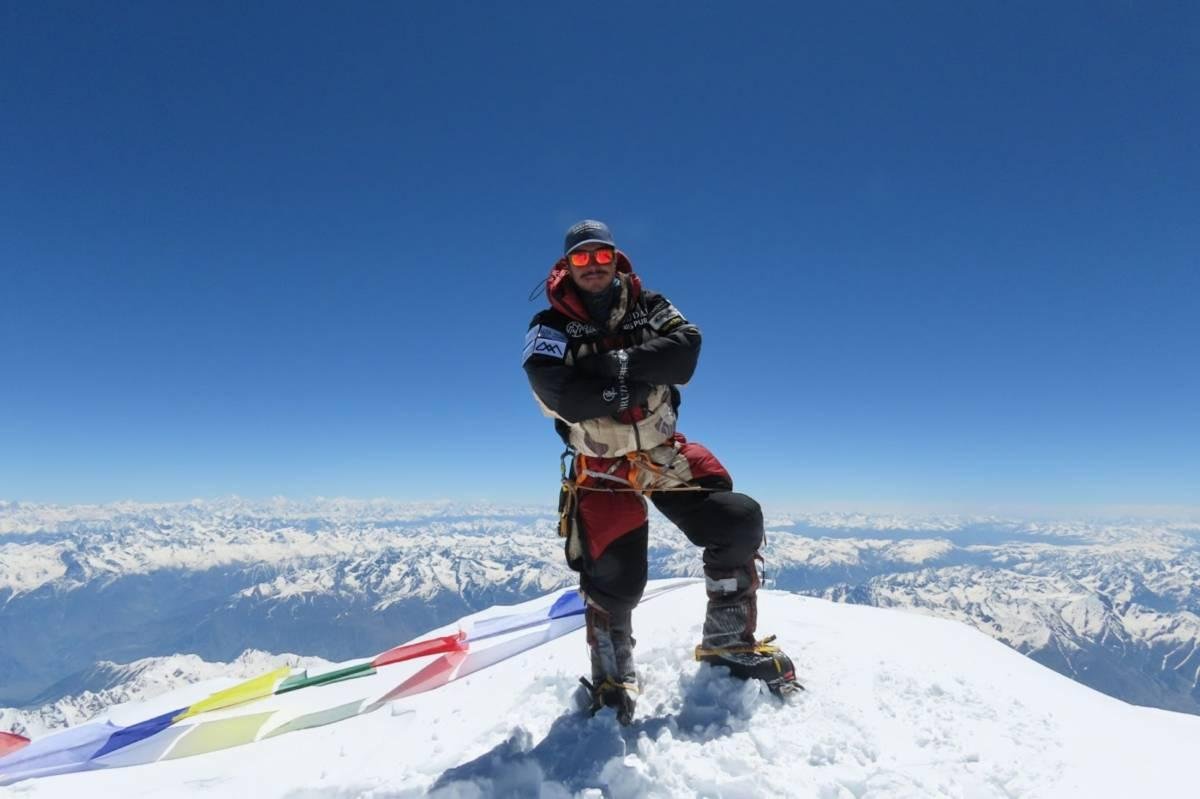
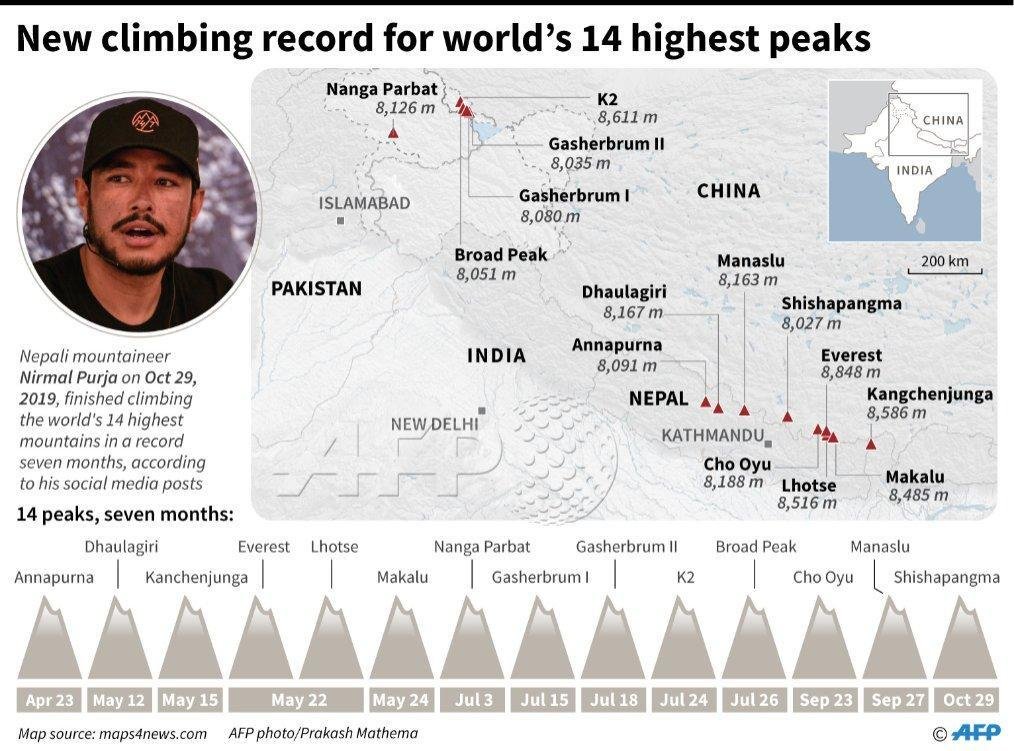
The achievement reduced the previous record for climbing all fourteen peaks from years to less than seven months.
The accomplishment was recognized by Guinness World Records as the fastest ascent of all fourteen 8,000 metre mountains.
The achievement became known internationally as one of the defining high altitude climbing records of the modern era.
But Project Possible was more than a list of summits.
It demonstrated how modern expedition logistics, weather forecasting, helicopter support, experienced high altitude teams and an unusually aggressive climbing schedule could change what was considered possible within a single season.
The Fourteen Peaks of Project Possible
Purja's complete sequence was:
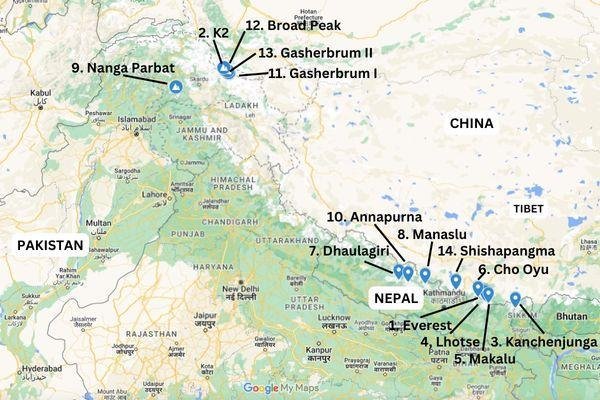
| No. | Mountain | Height | Summit |
|---|---|---|---|
| 1 | Annapurna I | 8,091 m | 23 April 2019 |
| 2 | Dhaulagiri I | 8,167 m | 12 May 2019 |
| 3 | Kangchenjunga | 8,586 m | 15 May 2019 |
| 4 | Mount Everest | 8,849 m | 22 May 2019 |
| 5 | Lhotse | 8,516 m | 22 May 2019 |
| 6 | Makalu | 8,485 m | 24 May 2019 |
| 7 | Nanga Parbat | 8,126 m | 3 July 2019 |
| 8 | Gasherbrum I | 8,080 m | 15 July 2019 |
| 9 | Gasherbrum II | 8,035 m | 18 July 2019 |
| 10 | K2 | 8,611 m | 24 July 2019 |
| 11 | Broad Peak | 8,047 m | 26 July 2019 |
| 12 | Cho Oyu | 8,188 m | 23 September 2019 |
| 13 | Manaslu | 8,163 m | 27 September 2019 |
| 14 | Shishapangma | 8,027 m | 29 October 2019 |
The list also shows why Pakistan was so important to the project.
Five consecutive mountains in the middle of the expedition were located in Pakistan.
Why Project Possible Was So Significant
Climbing even one 8,000 metre mountain is a major undertaking.
Completing fourteen requires years of preparation for most climbers.
Purja's achievement was different because the challenge was based on speed as much as endurance.
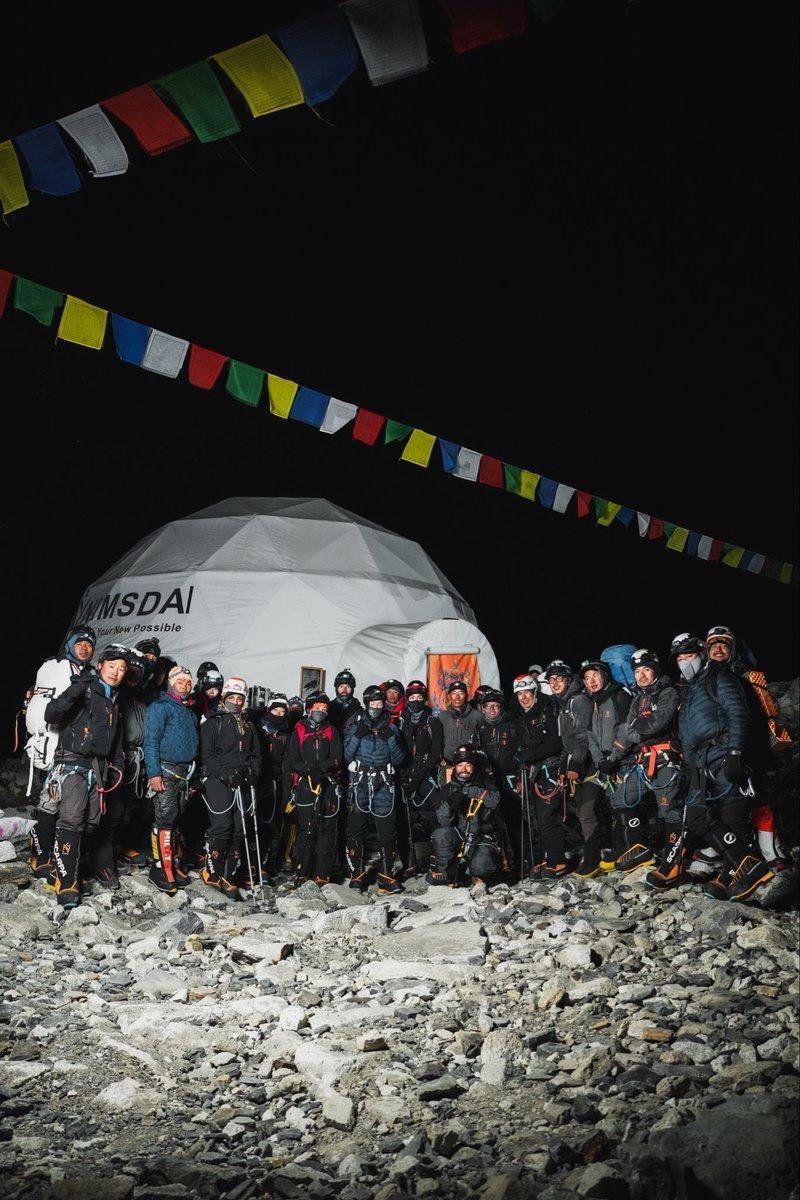
The project depended on a large support network.
Weather windows had to be identified.
Permits had to be arranged.
Teams and equipment had to move between countries.
Helicopters and other transport had to be coordinated.
High altitude climbers and support staff had to work together under severe conditions.
The result was therefore not simply an individual climbing achievement. It was a highly coordinated expedition operation involving many people.
The Debate Around Modern High Altitude Climbing
Project Possible also contributed to a wider discussion about modern mountaineering.
Purja used supplemental oxygen during his 2019 project and benefited from modern expedition logistics.
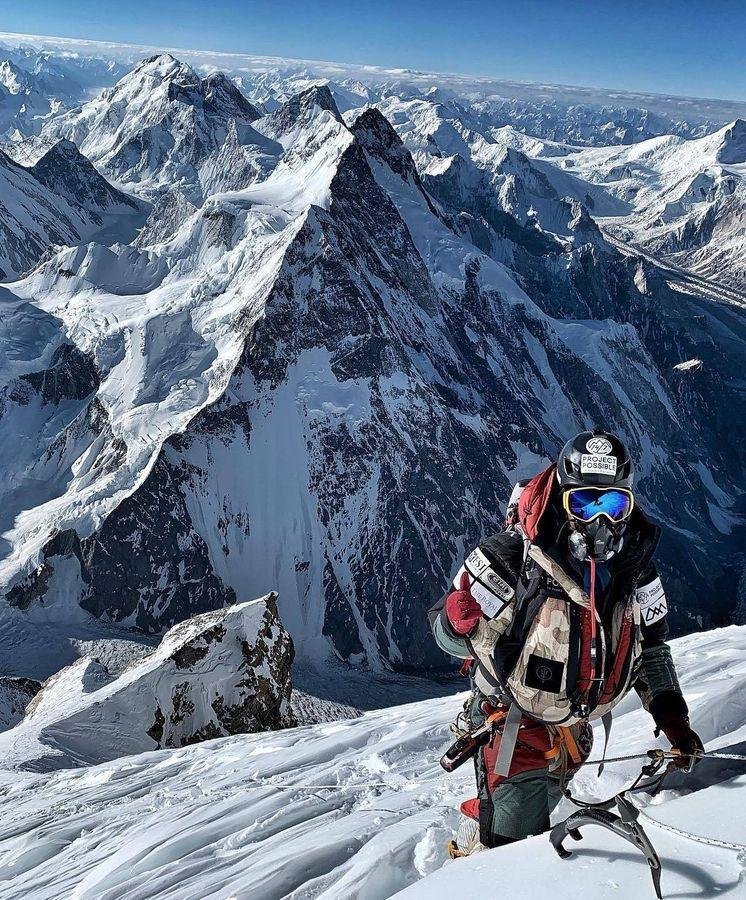
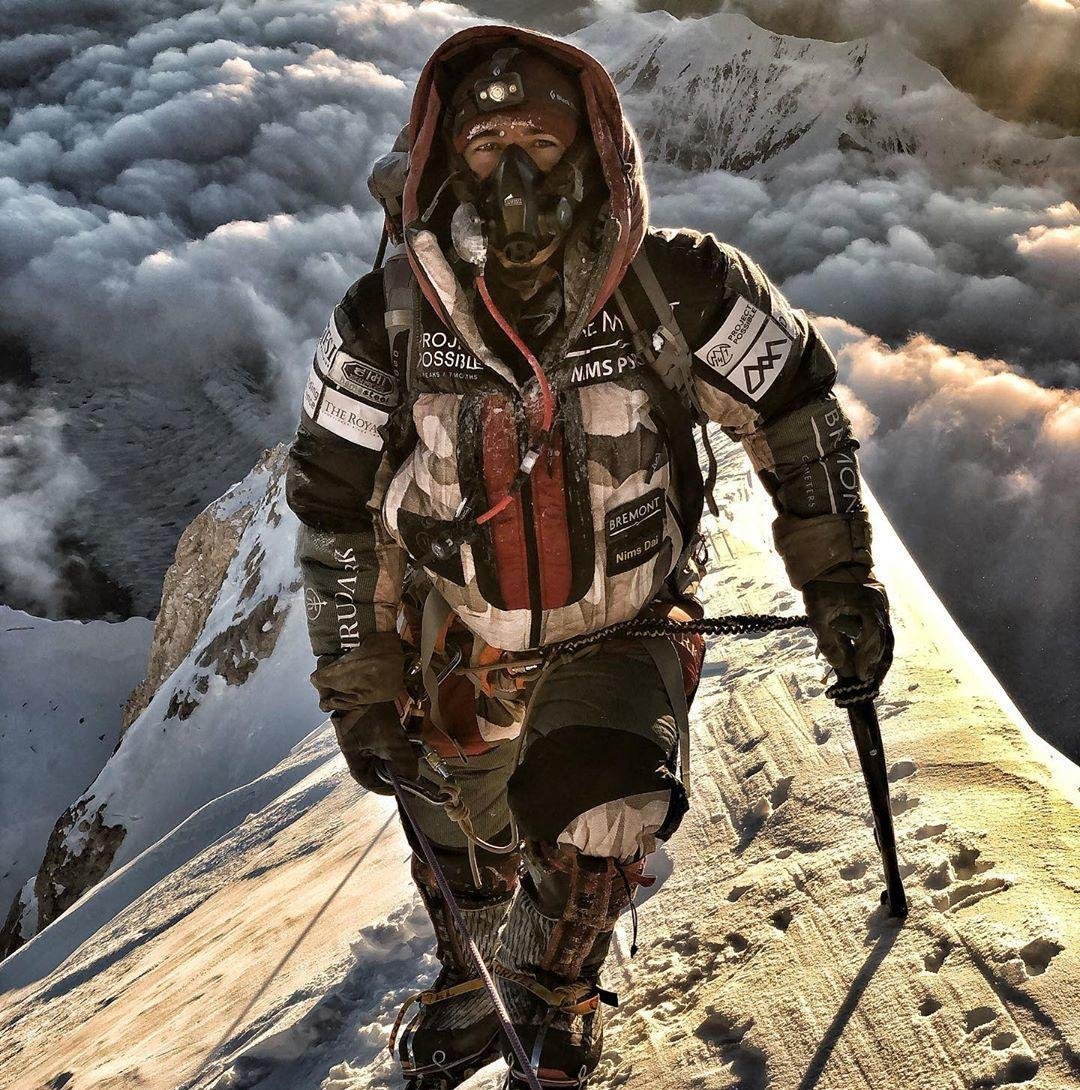
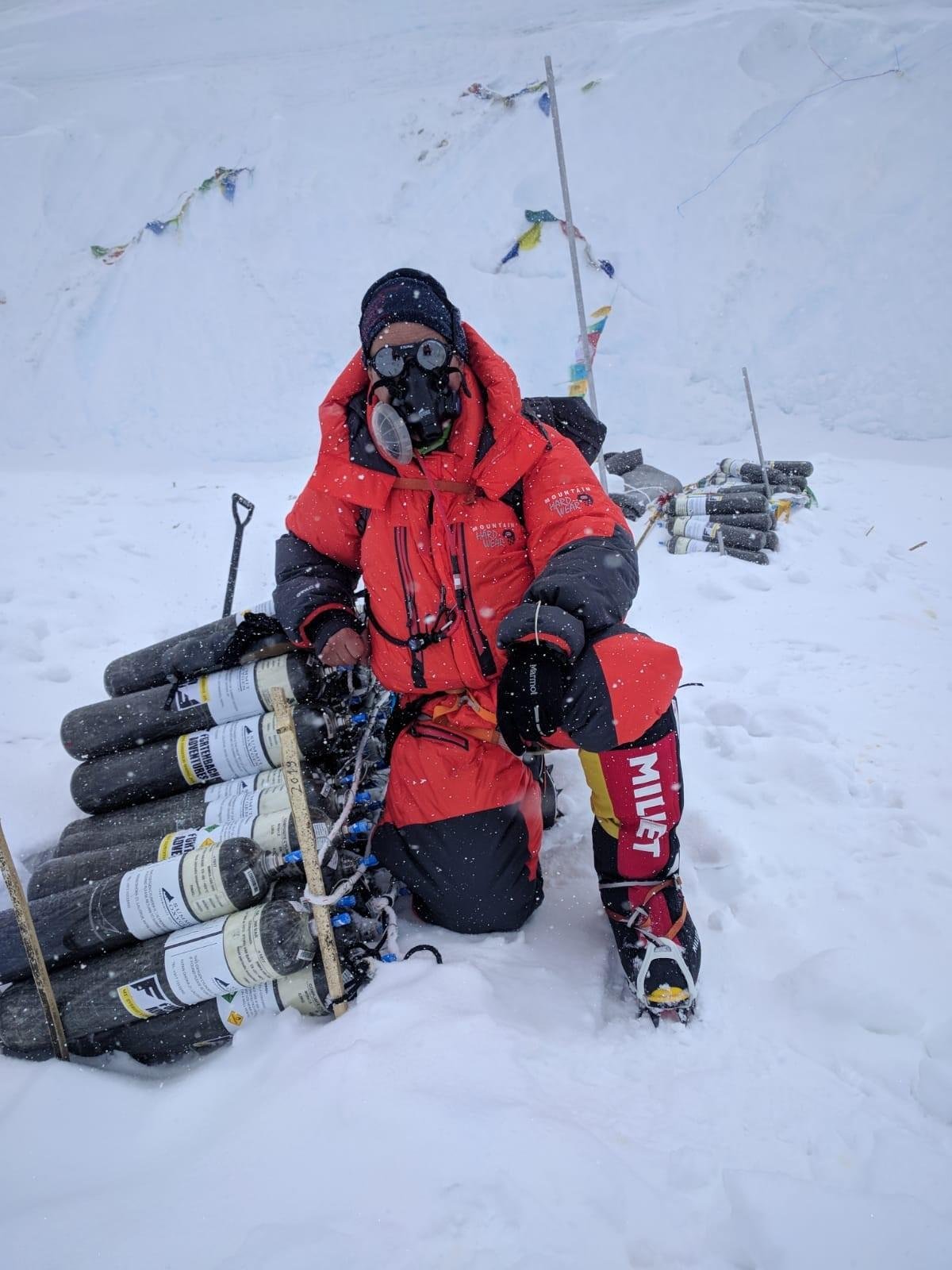
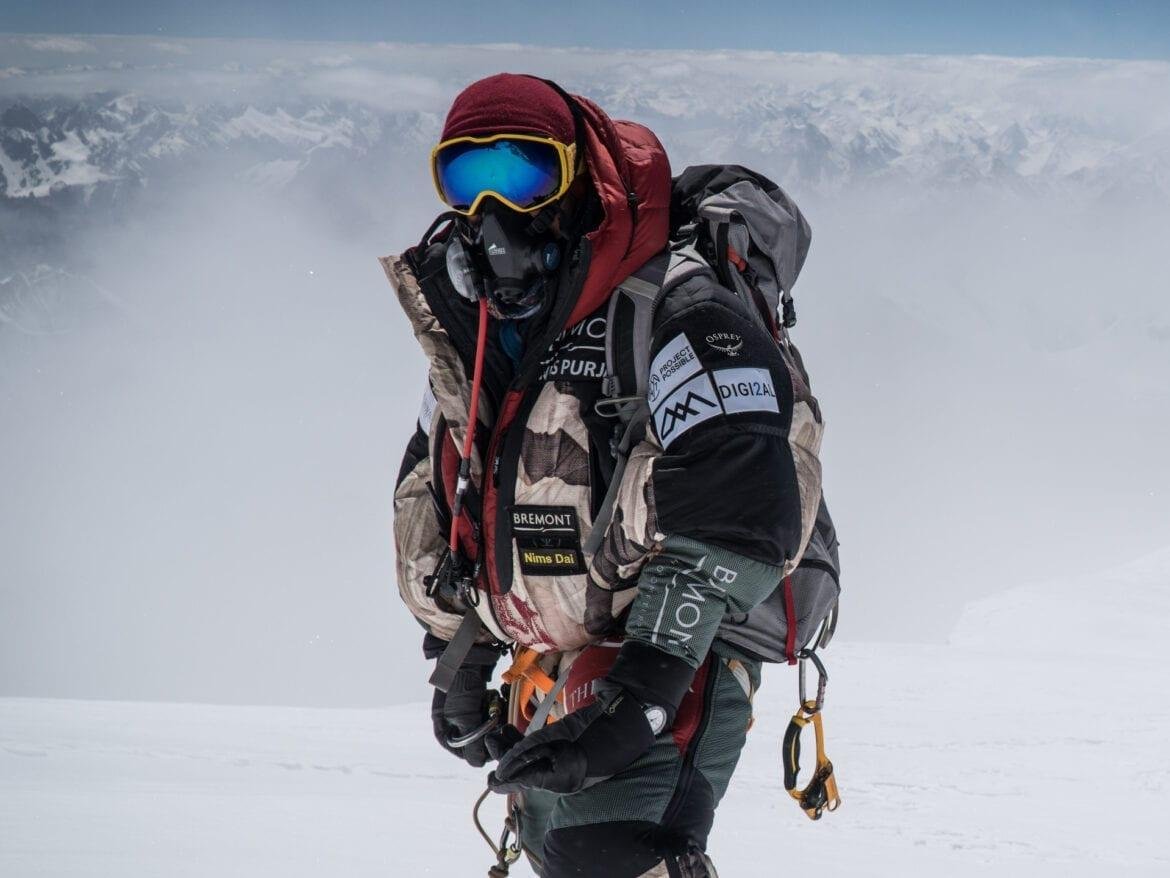
This matters when comparing his achievement with climbers who completed the fourteen peaks without supplemental oxygen or with fewer forms of logistical support.
Different mountaineering records measure different things.
Some focus on speed.
Others focus on climbing without oxygen.
Others focus on first ascents, winter ascents or difficult routes.
Purja's Project Possible belongs specifically to the category of speed and expedition efficiency.
That distinction is important when discussing his place in mountaineering history.
The Everest Traffic Image and Its Wider Impact
Purja's photograph of the crowded Everest summit route became almost as recognizable as his climbing record.
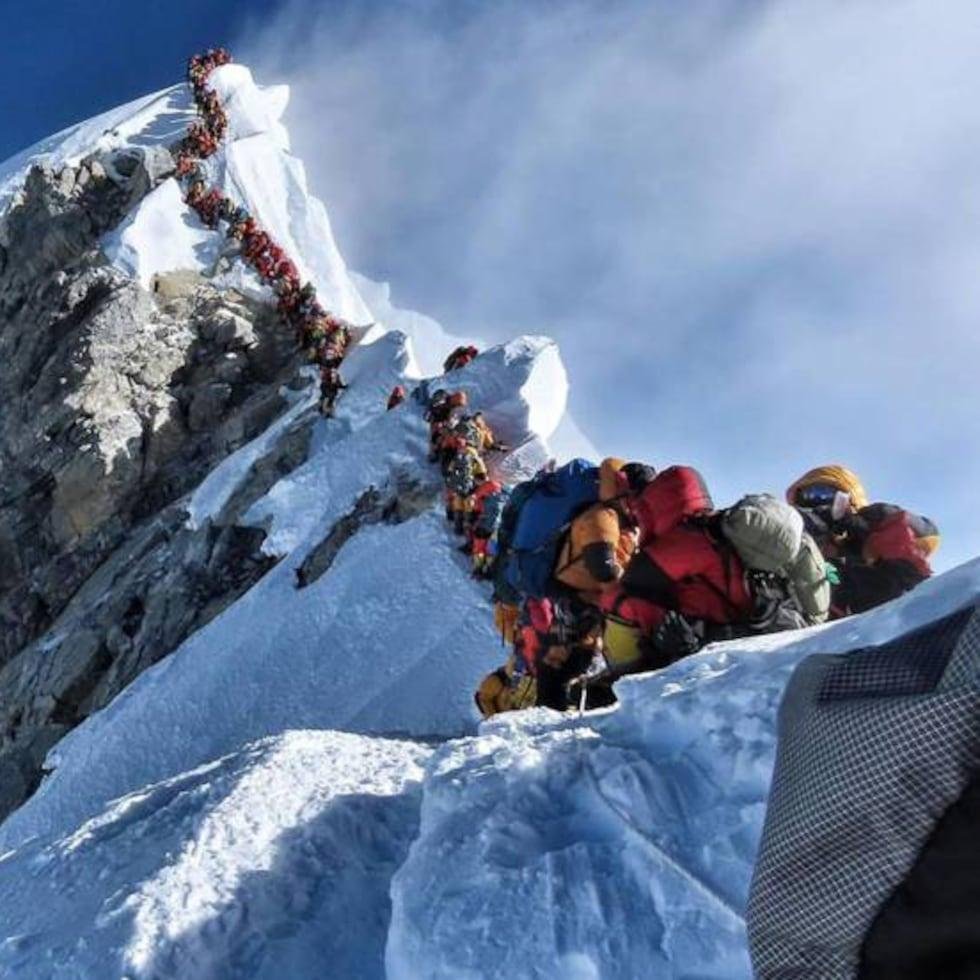
The image highlighted the growing pressure on Everest during busy climbing seasons.
It also helped bring public attention to questions surrounding commercial mountaineering, mountain safety and the environmental impact of increasing numbers of climbers.
For Purja, the photograph became an unexpected part of his public identity.
He was no longer known only to mountaineers.
His name and his images were reaching an international audience.
From Record Holder to International Mountaineering Figure
Project Possible changed Purja's career.

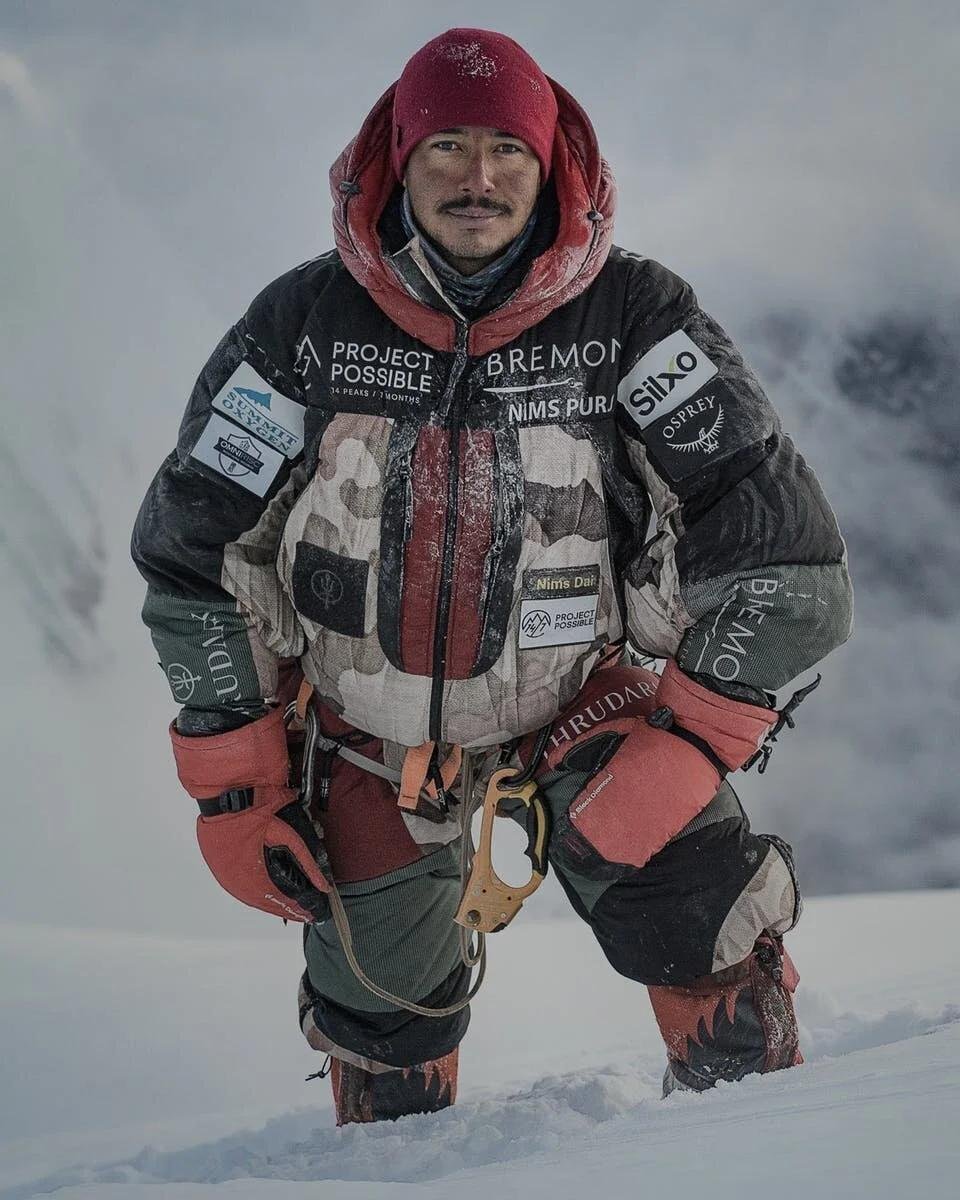
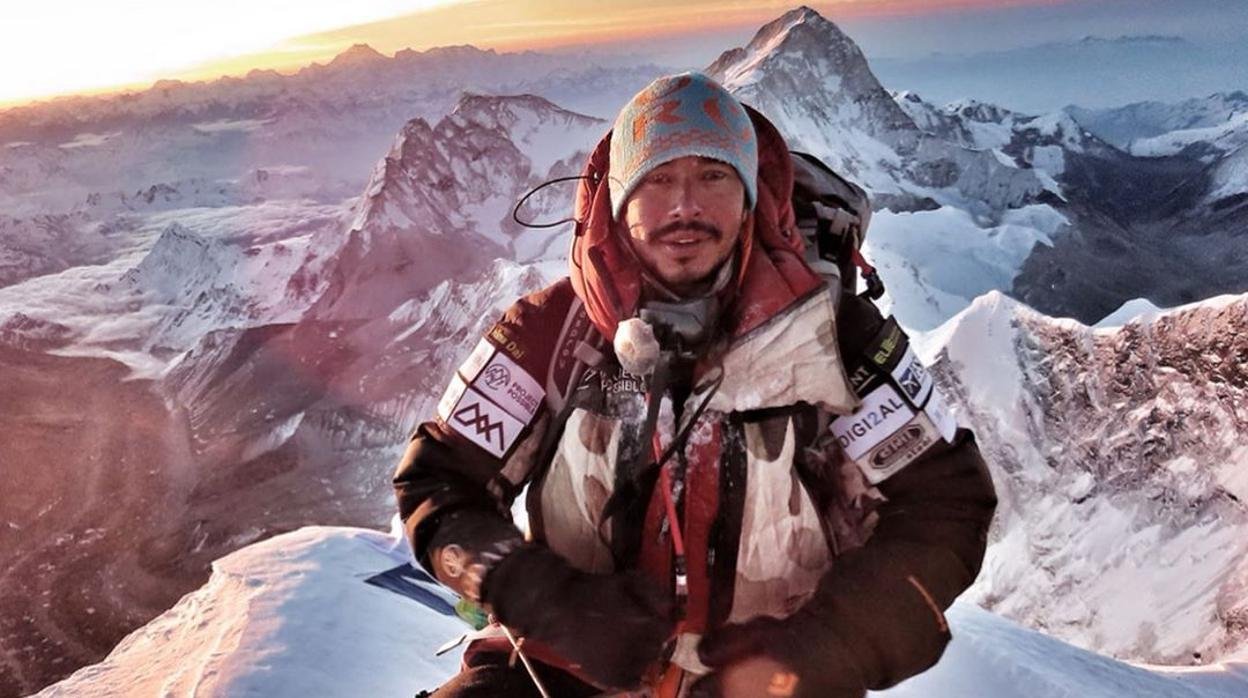
He became an internationally recognized mountaineer and expedition leader.
His experience also enabled him to work with other climbers and organize high altitude expeditions.
Rather than ending his climbing career after the fourteen peaks, he began pursuing new objectives.
One of the most important would take him back to Pakistan.
K2.
But this time, the challenge would be completely different.
K2 in Winter
Project Possible established Nirmal Purja as one of the world's best known high altitude climbers, but he did not stop after completing the fourteen 8,000 metre peaks.
His next major objective took him back to Pakistan and to the mountain that had already played a central role in his career.
K2.
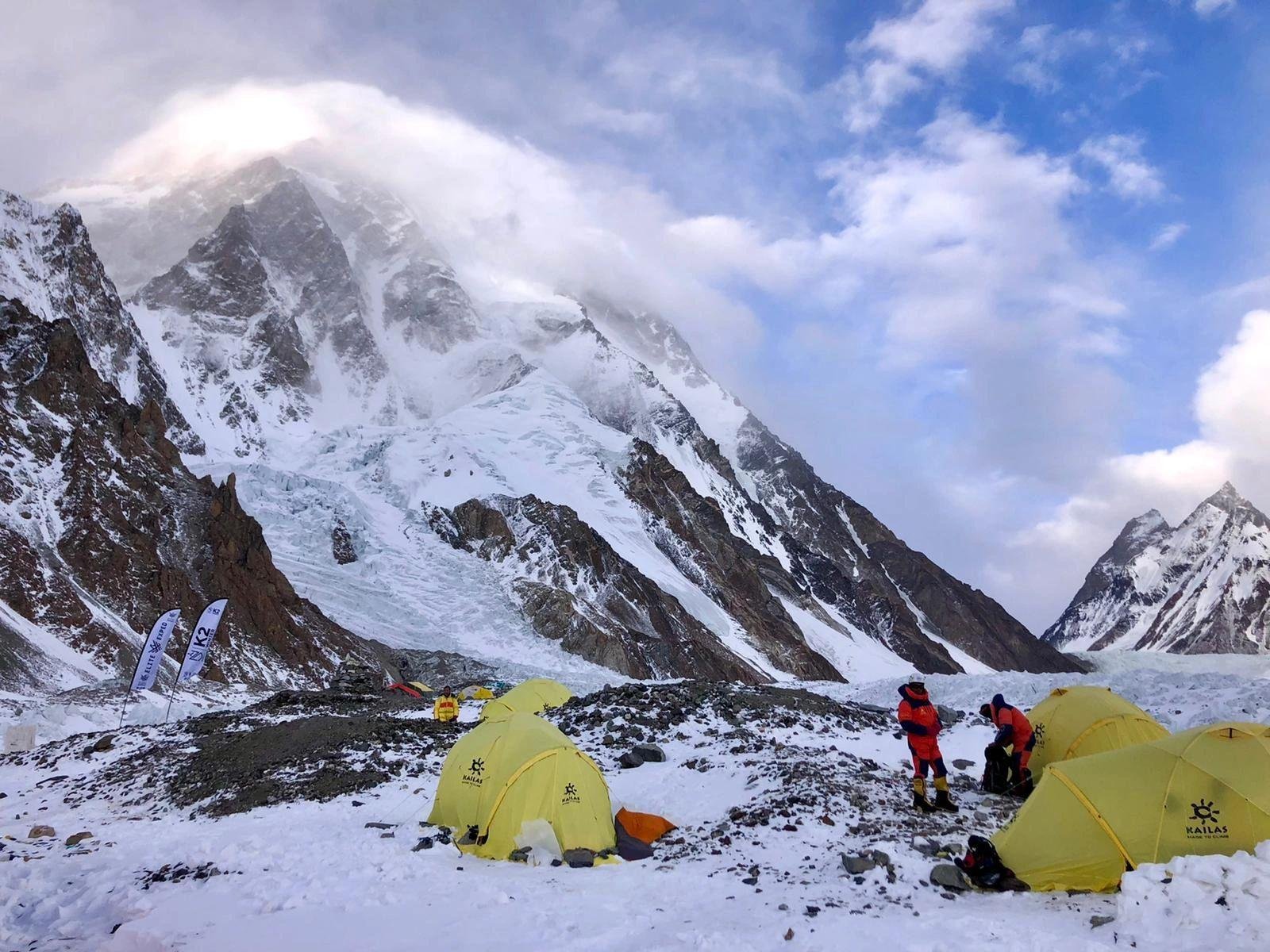
At 8,611 metres, K2 is the second highest mountain on Earth. It is located in the Karakoram of Gilgit Baltistan, close to the Pakistan China border.
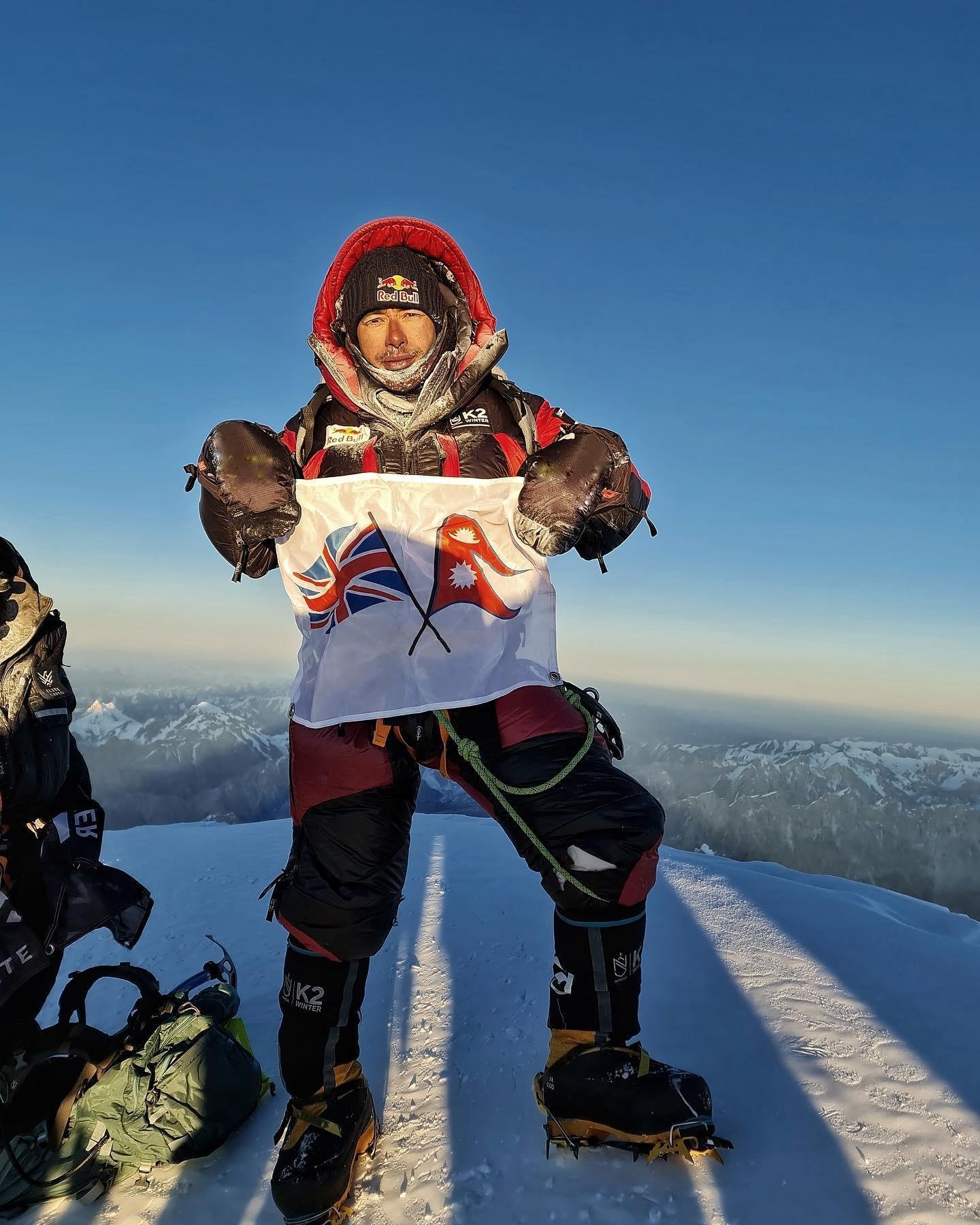
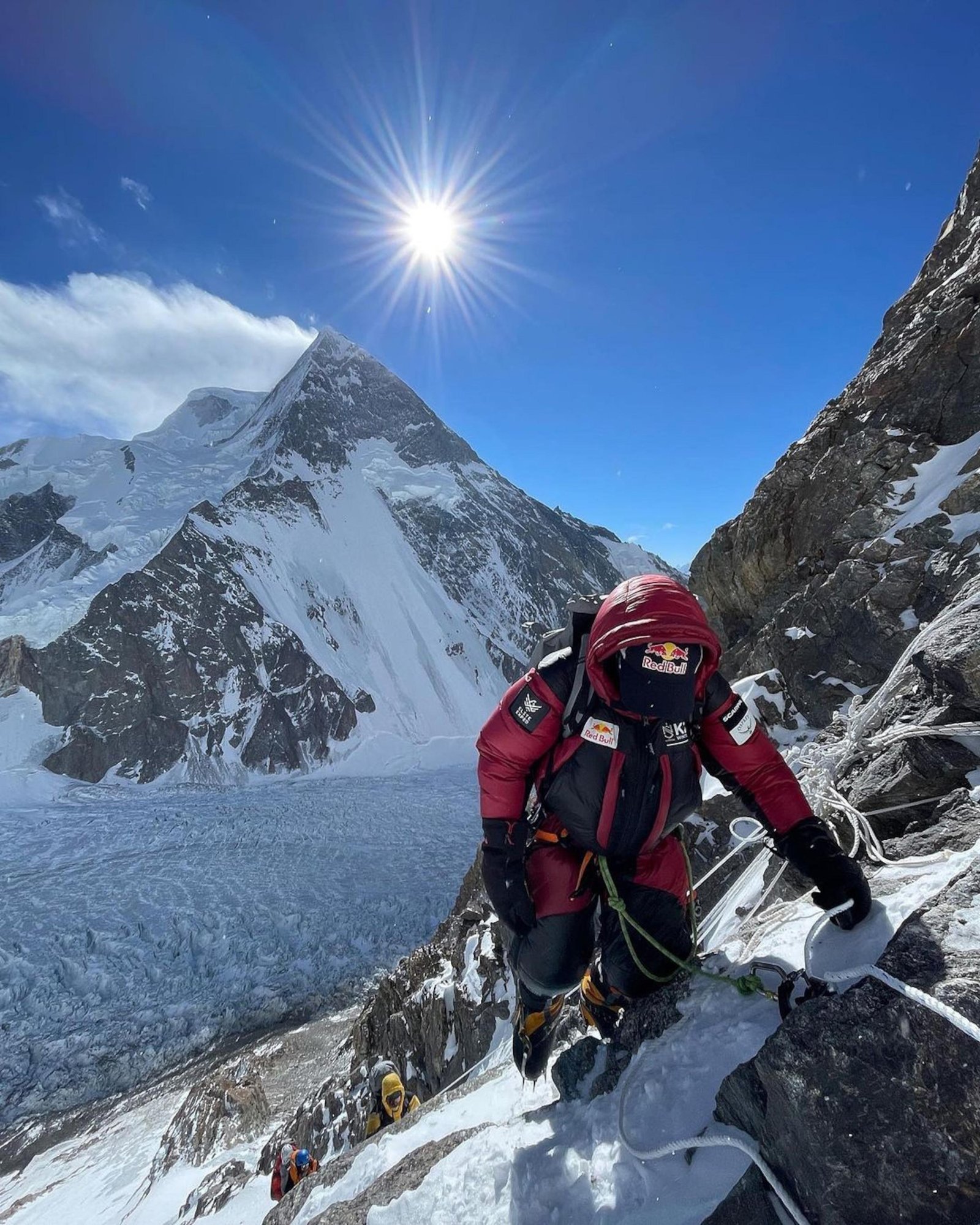
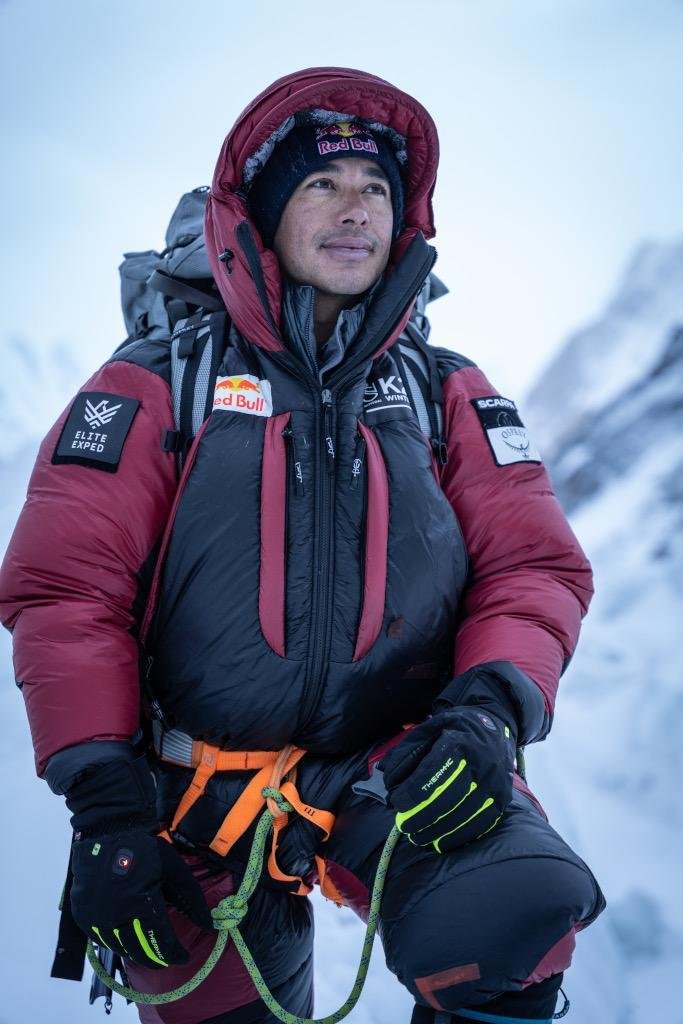
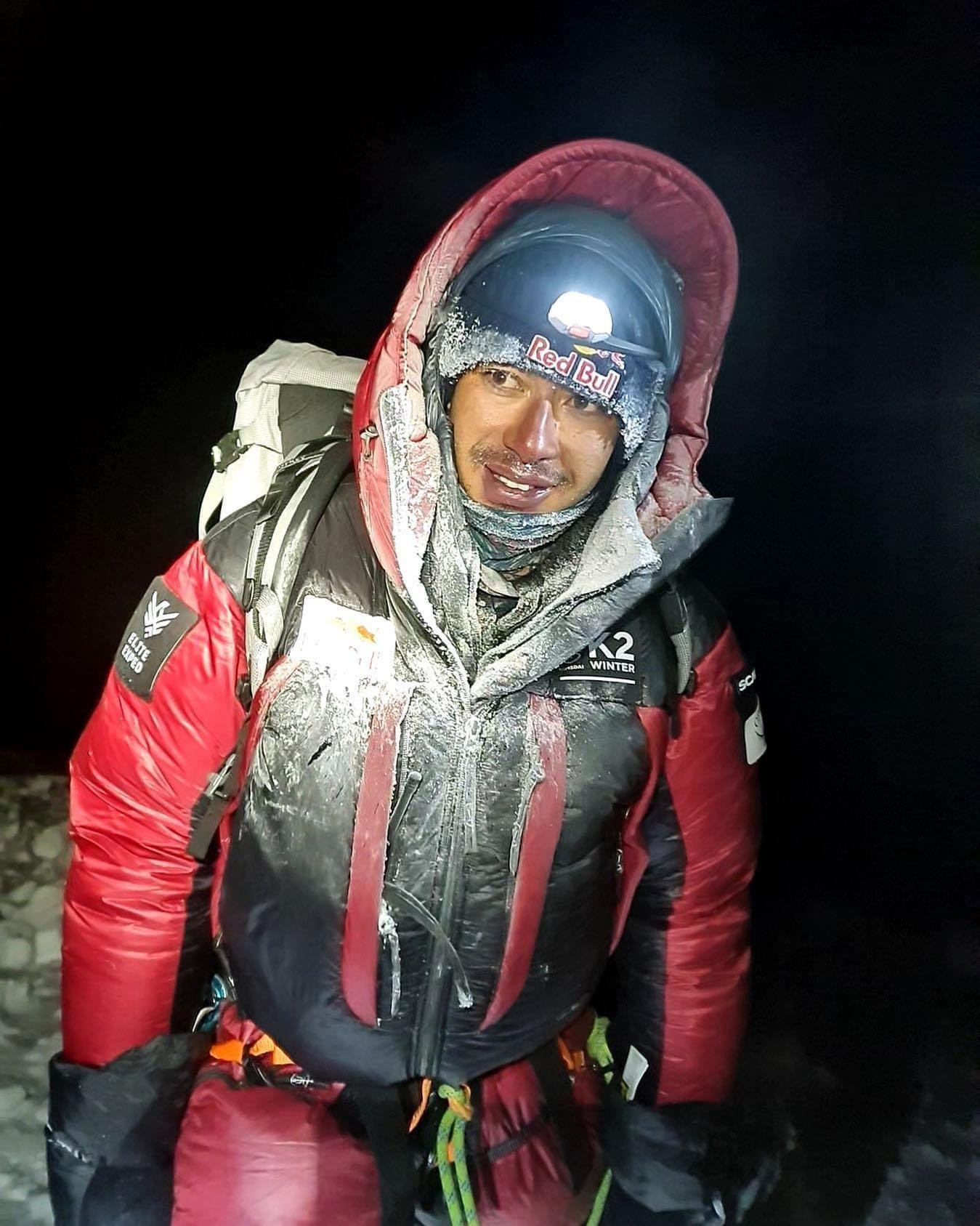
But this time Purja was not attempting K2 during the relatively short summer climbing season.
He was attempting it in winter.
Before 2021, K2 remained the only one of the world's fourteen 8,000 metre mountains that had never been successfully climbed during winter.
That made a successful winter ascent one of the last major unsolved challenges in high altitude mountaineering.
Why Winter K2 Was So Difficult
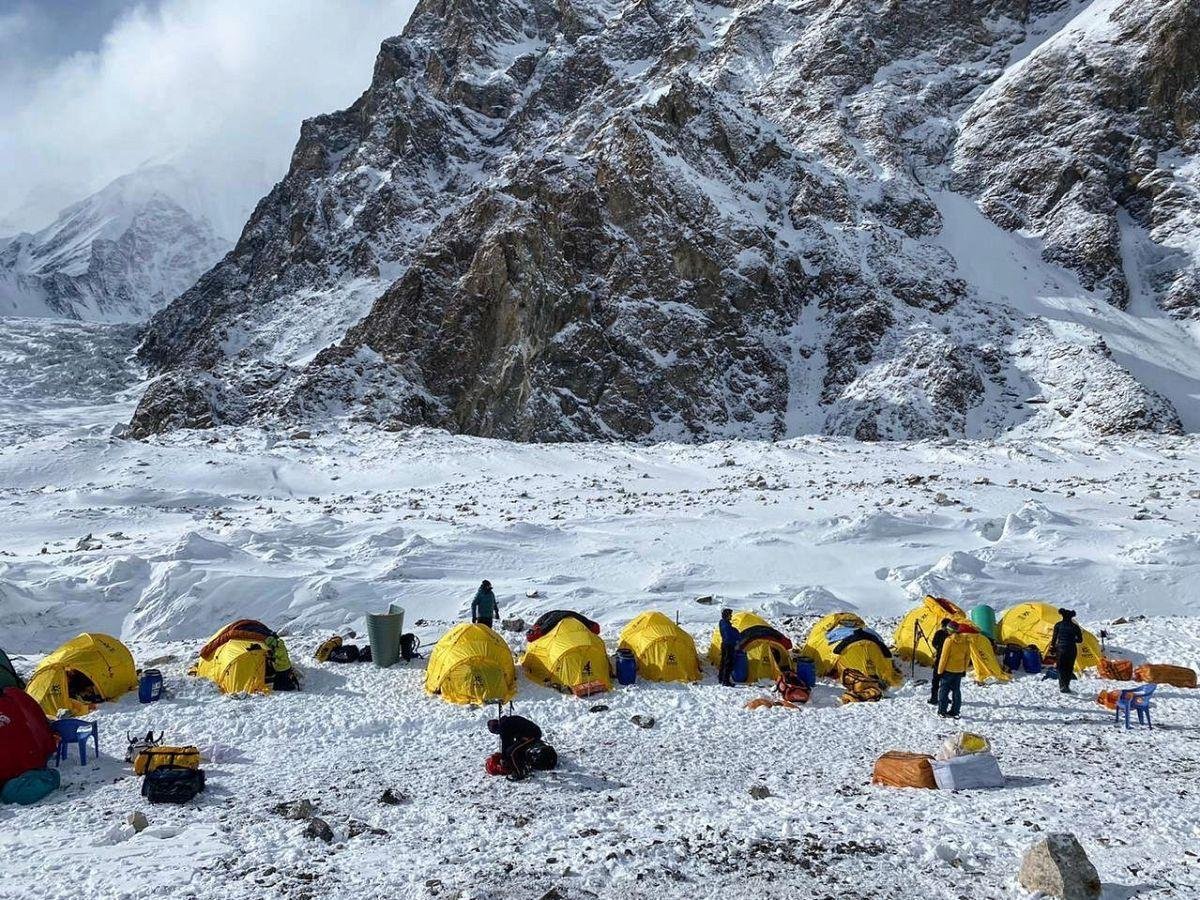
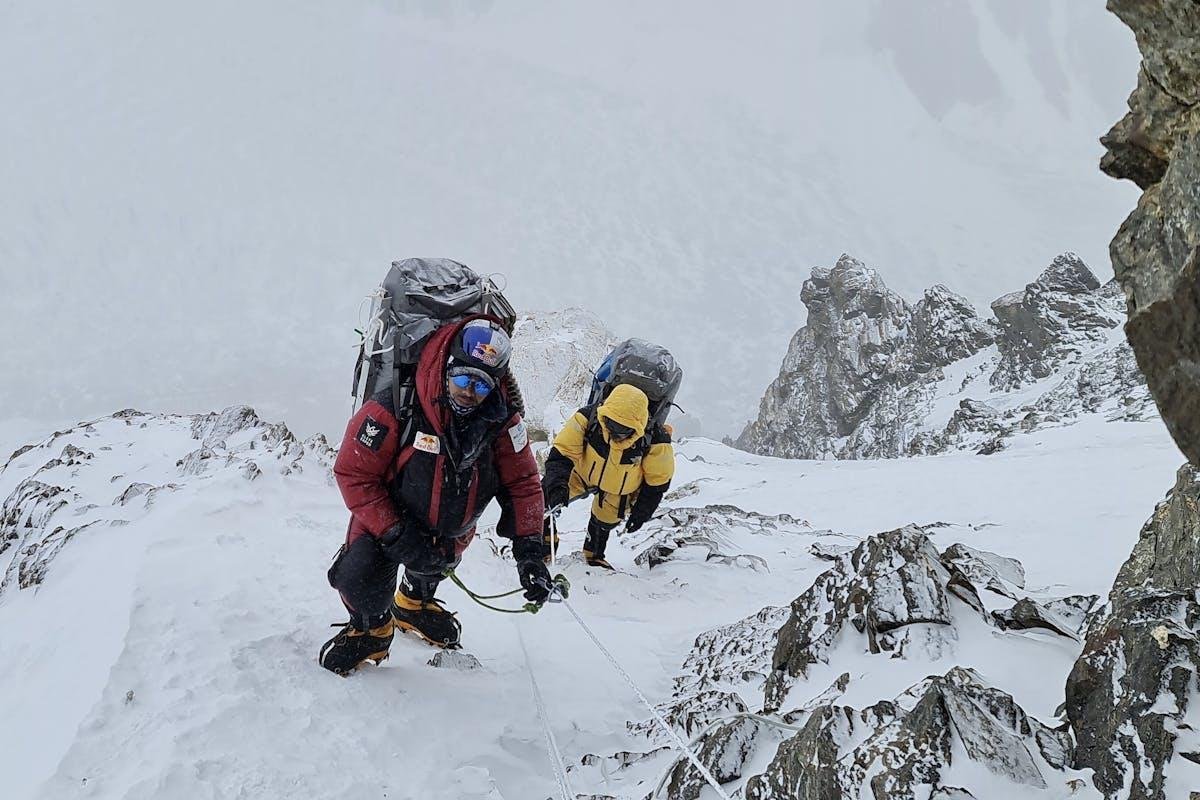
Winter transforms K2 into an entirely different mountain.
Temperatures become extremely low, winds can be severe and the climbing season offers very limited daylight.
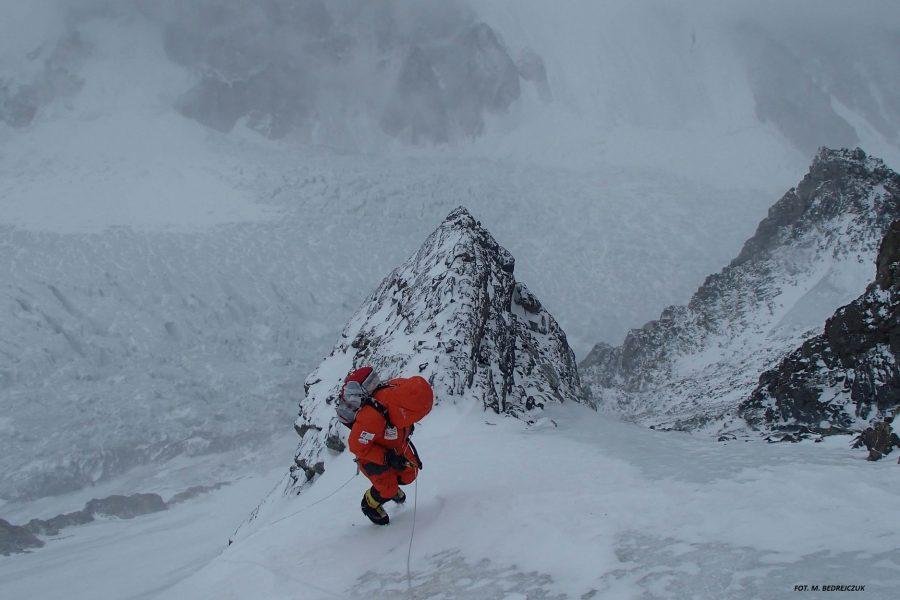
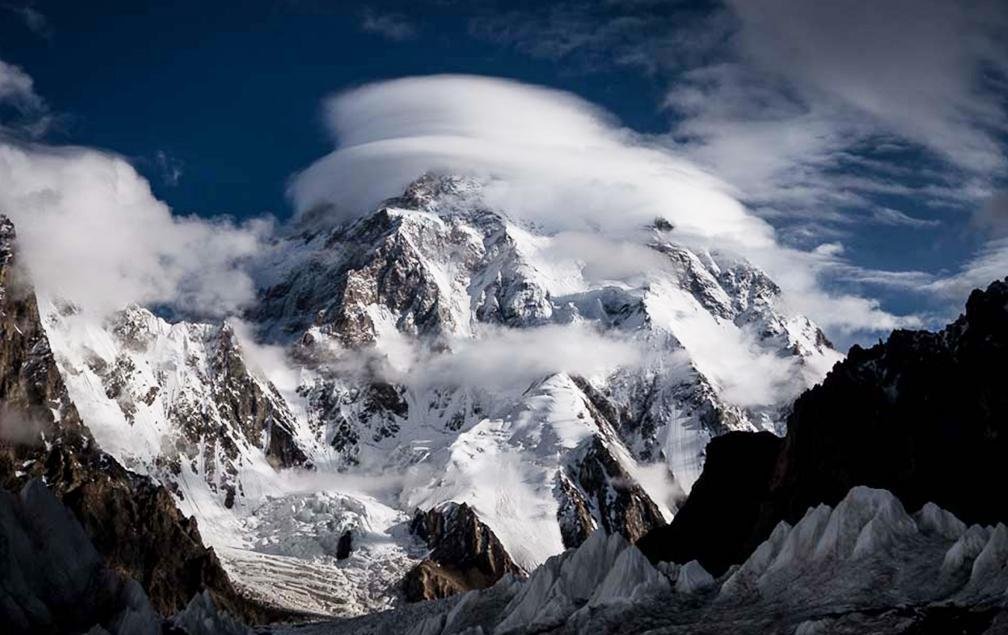
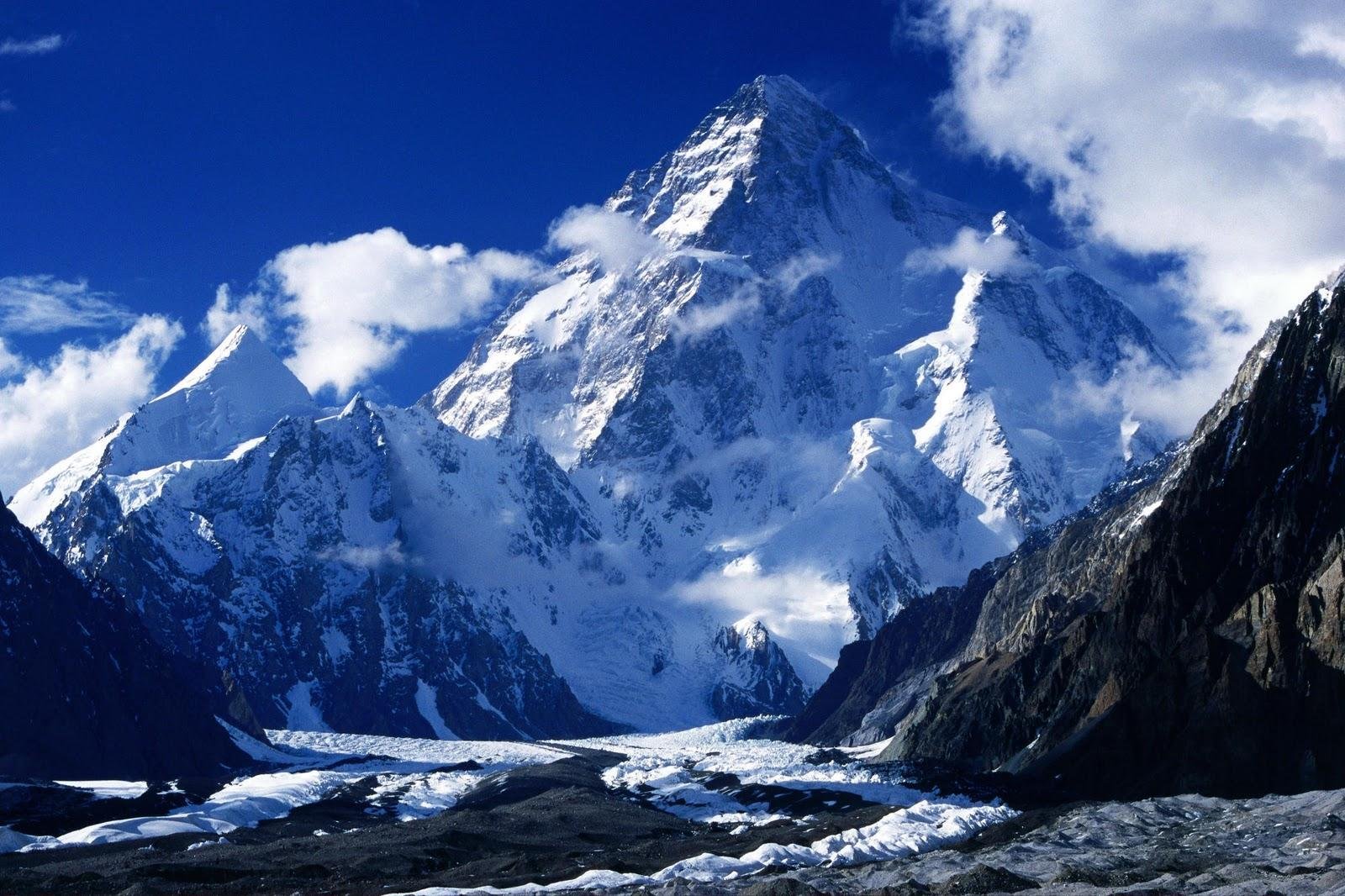
The mountain's altitude creates another major problem.
At more than 8,000 metres, climbers are operating in the death zone, where the human body cannot survive indefinitely without descending to lower altitude.
Winter adds greater exposure to cold and weather while reducing the opportunities available for safe movement.
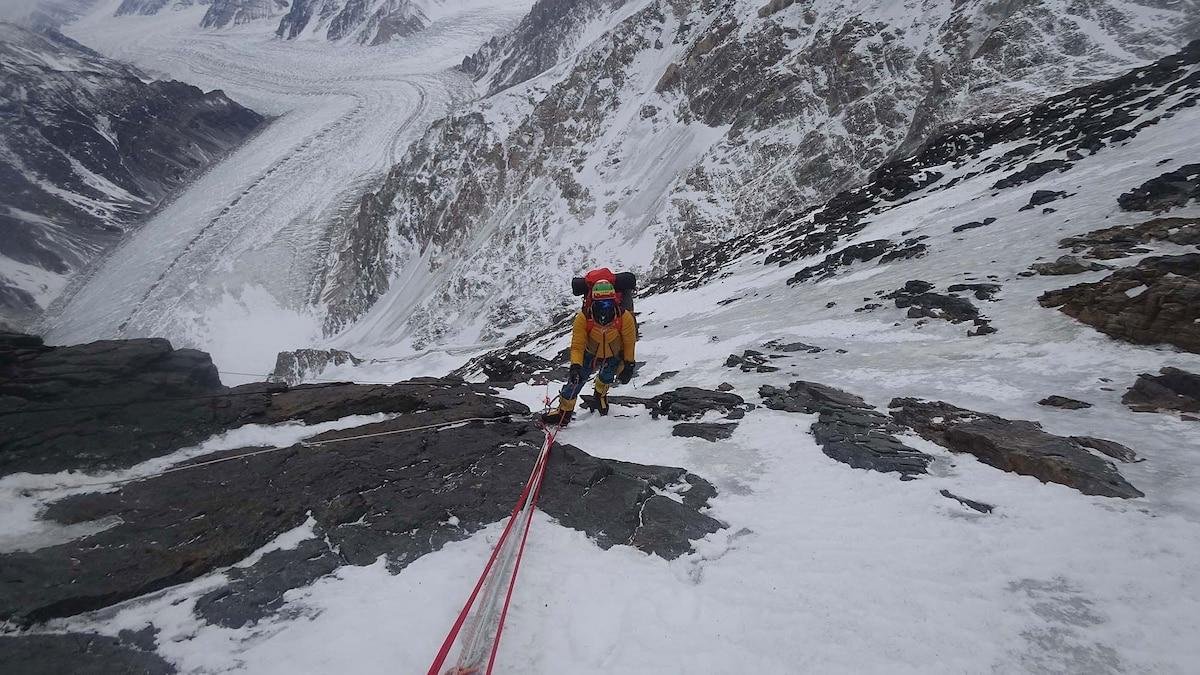
K2 is also technically demanding.
The route contains steep sections and exposed terrain, meaning that climbers cannot simply rely on endurance.
The combination of altitude, technical climbing, cold and weather made the first winter ascent one of the hardest objectives remaining in Himalayan and Karakoram mountaineering.
The Nepali Winter Expedition
Purja joined a large Nepali team for the 2020 to 2021 winter expedition.
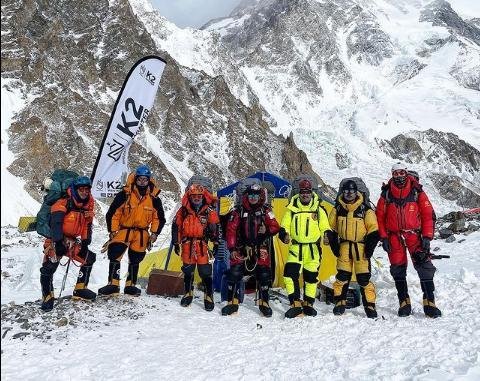
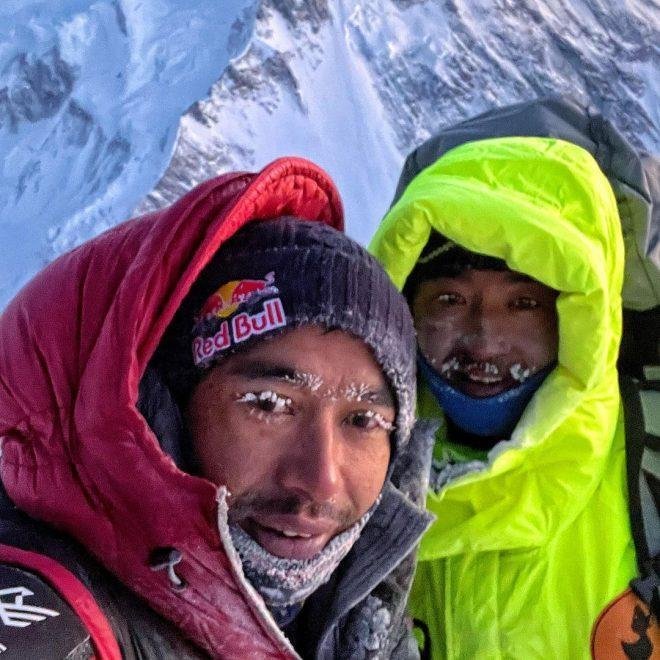
The expedition brought together some of Nepal's most experienced high altitude climbers.
The attempt was notable because the team worked collectively toward the first winter ascent rather than treating the objective as a race between individual climbers.
The expedition also demonstrated the increasing prominence of Nepali mountaineers at the highest level of Himalayan and Karakoram climbing.
Nepali climbers had long been essential members of Himalayan expeditions, particularly on Everest.
The K2 winter expedition placed Nepali climbers at the centre of one of the most difficult objectives in the history of mountaineering.
January 2021
The team waited for an appropriate weather window.
K2's winter conditions meant that a summit attempt could not simply be scheduled according to a fixed date.
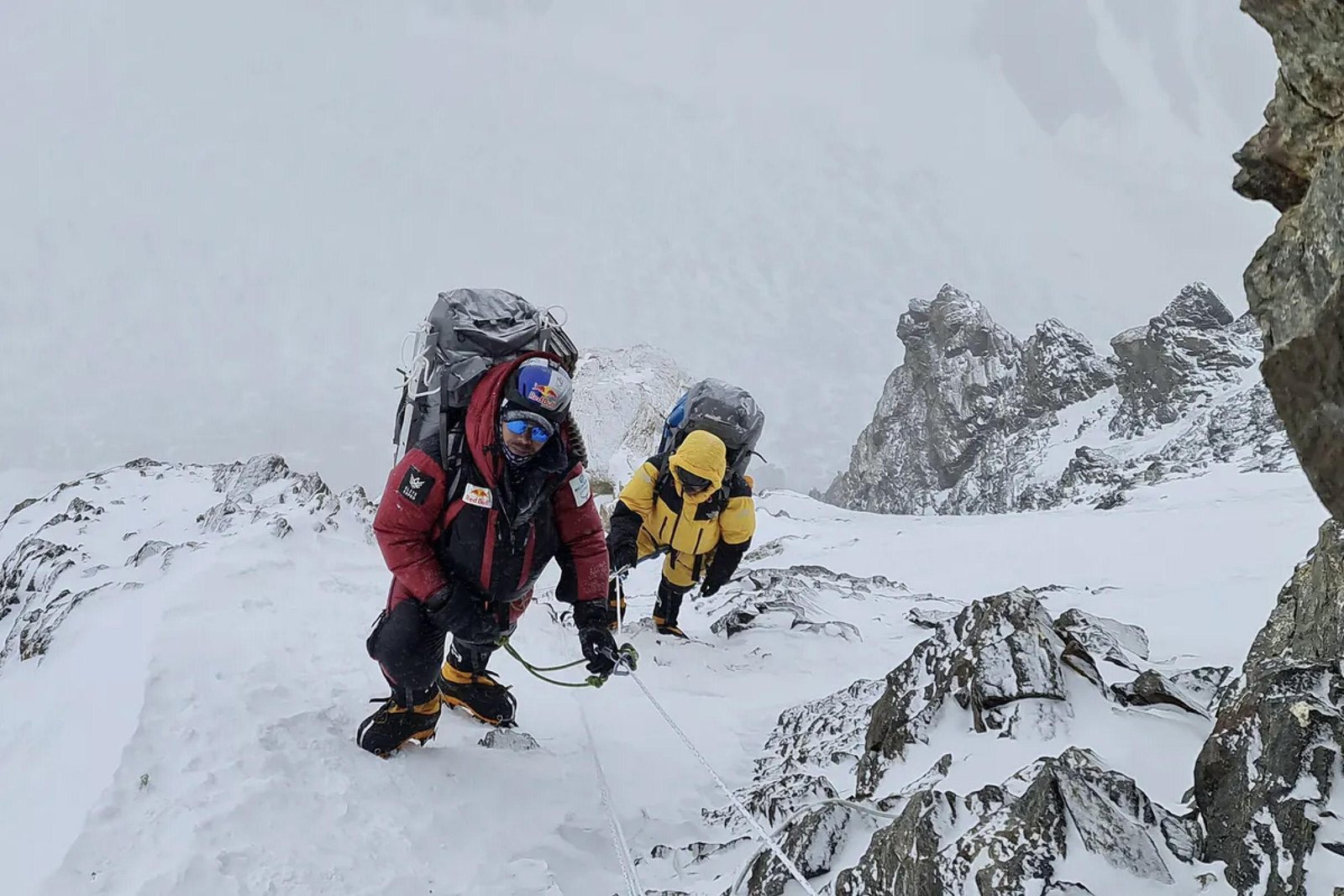
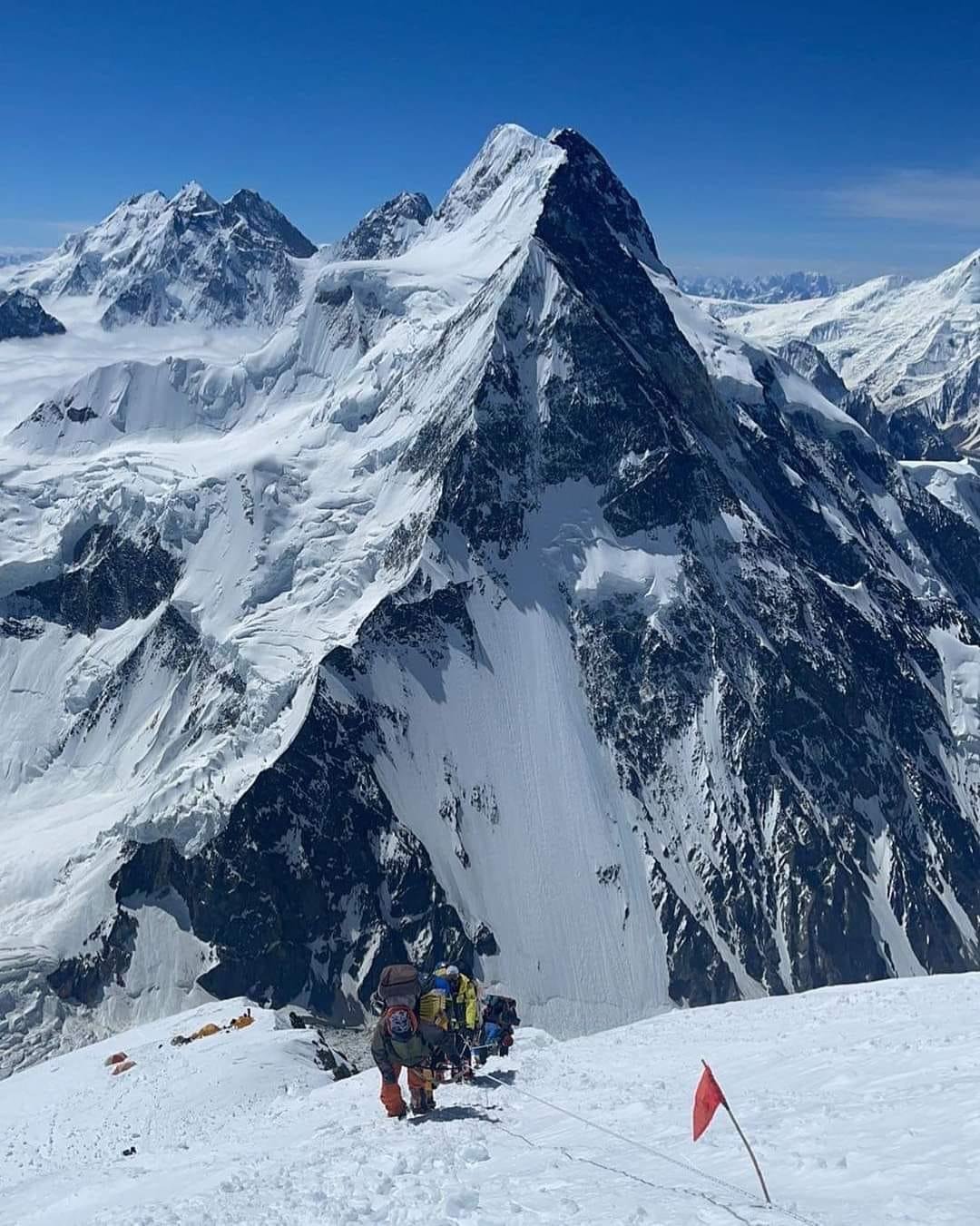
When the opportunity finally came, the climbers began their final push toward the summit.
The expedition had already endured weeks of extreme conditions.
The higher the climbers went, the more difficult the environment became.
The First Winter Ascent of K2
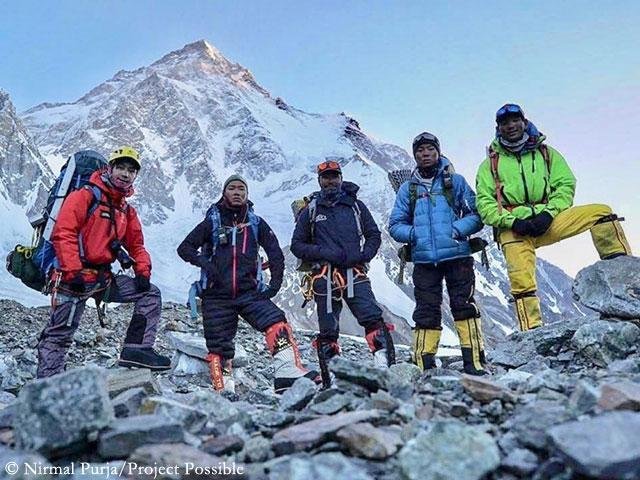
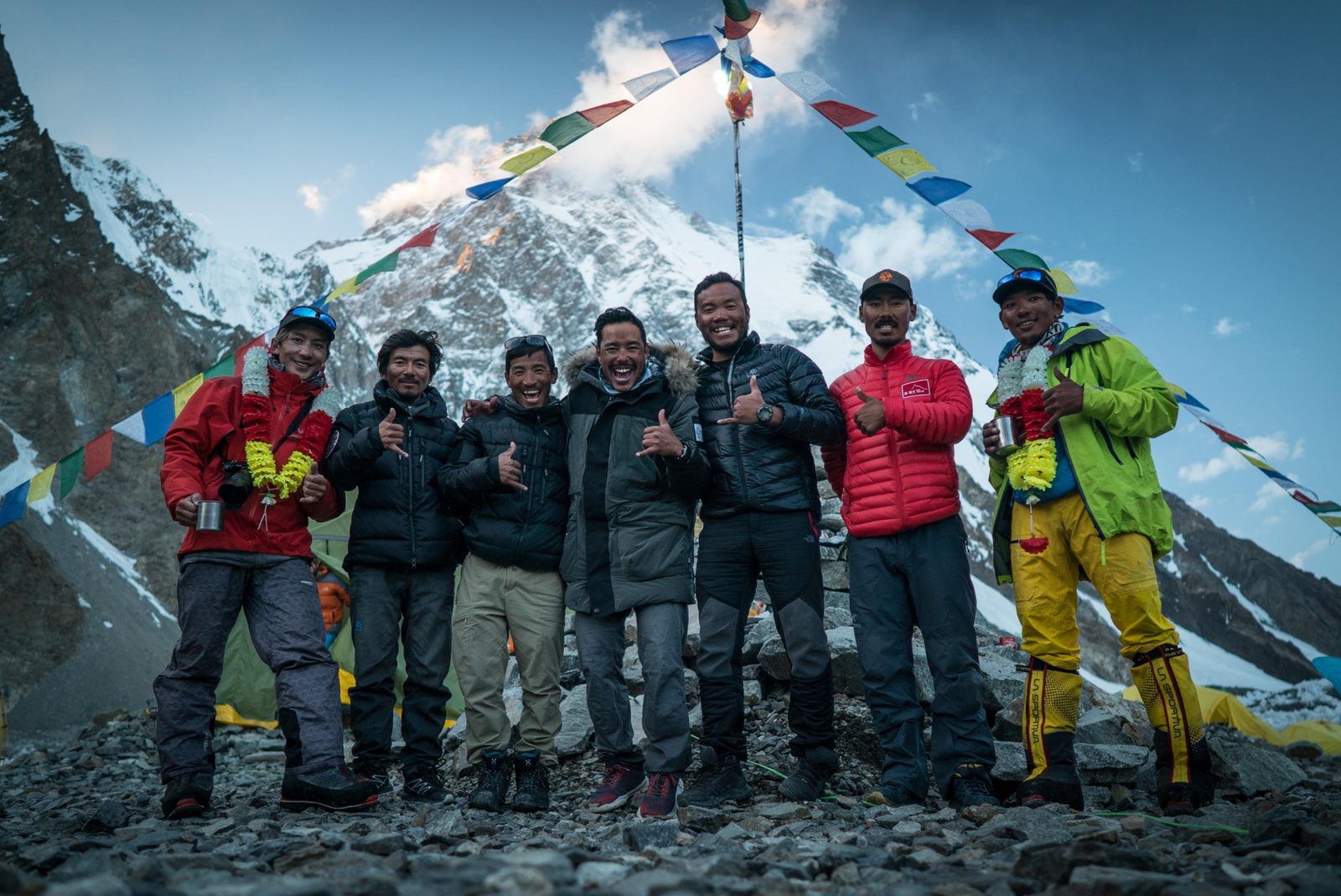
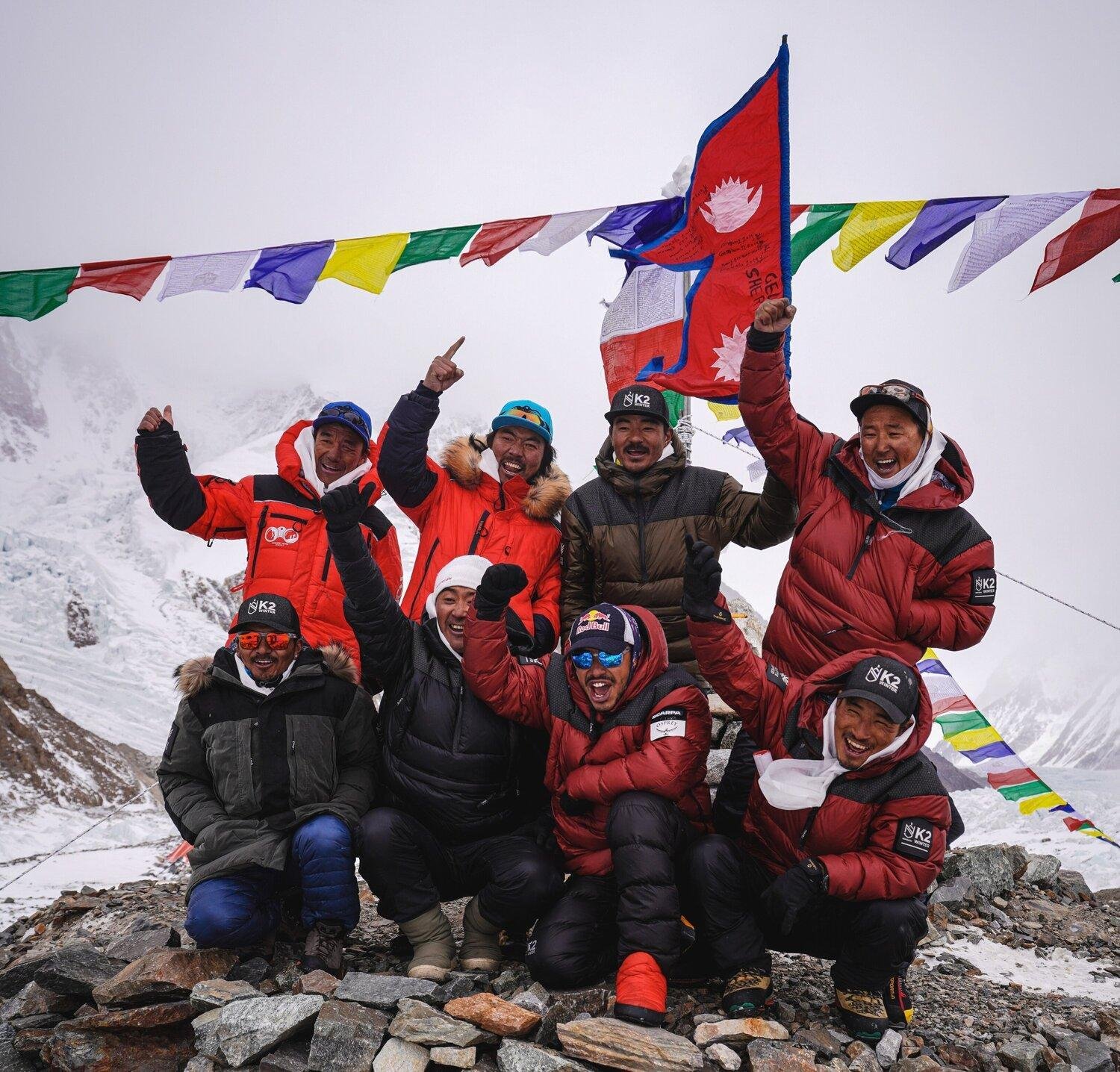
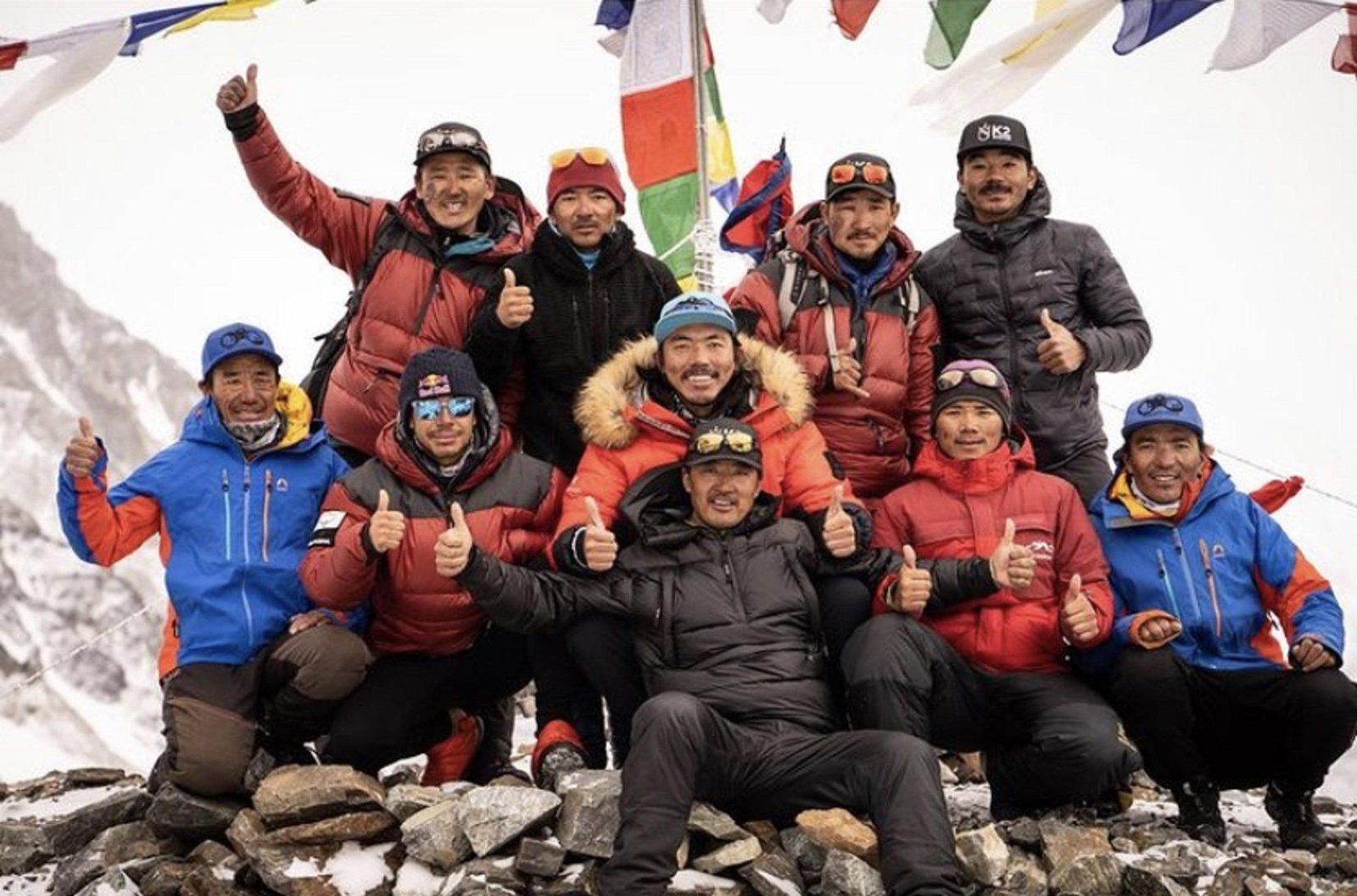
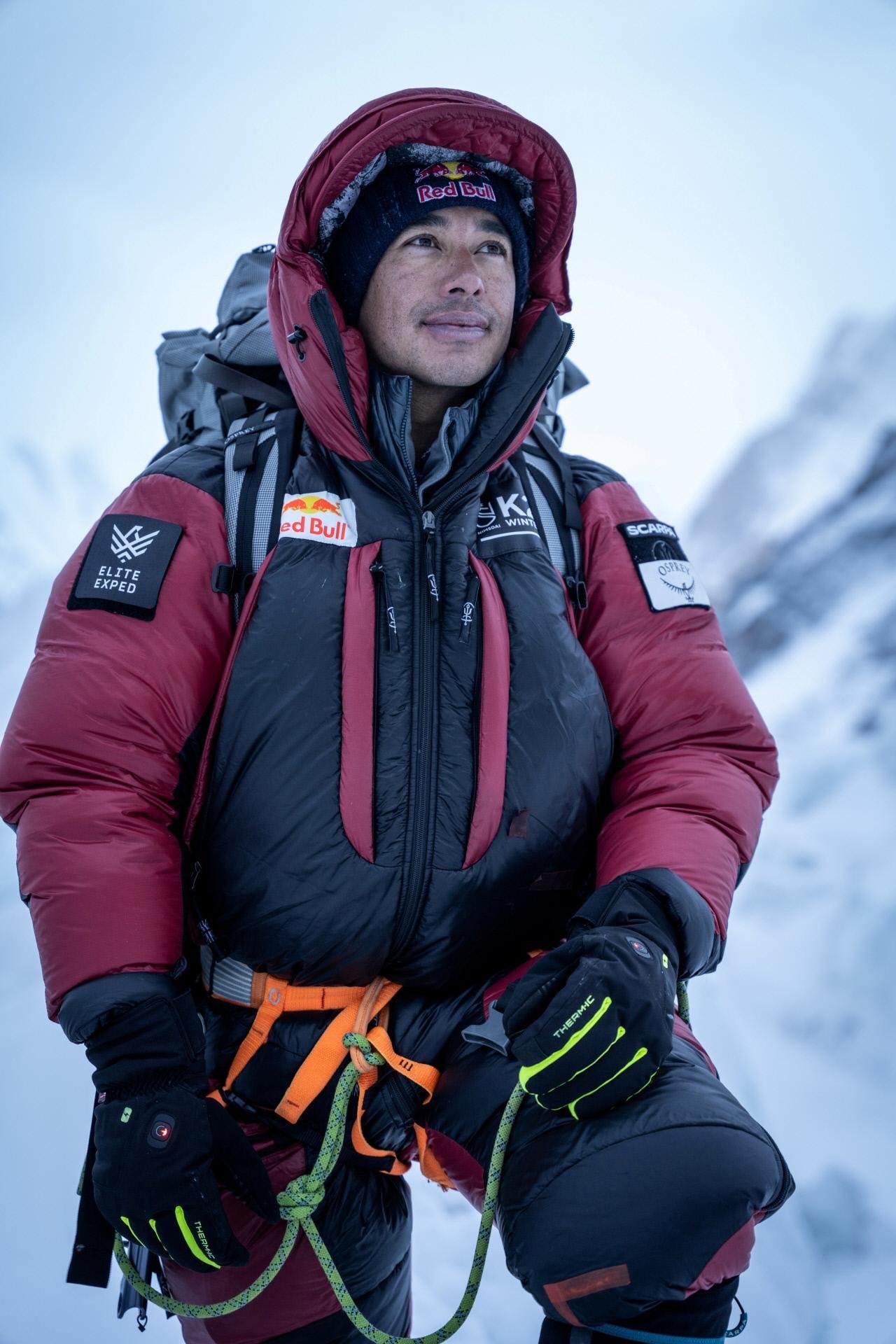
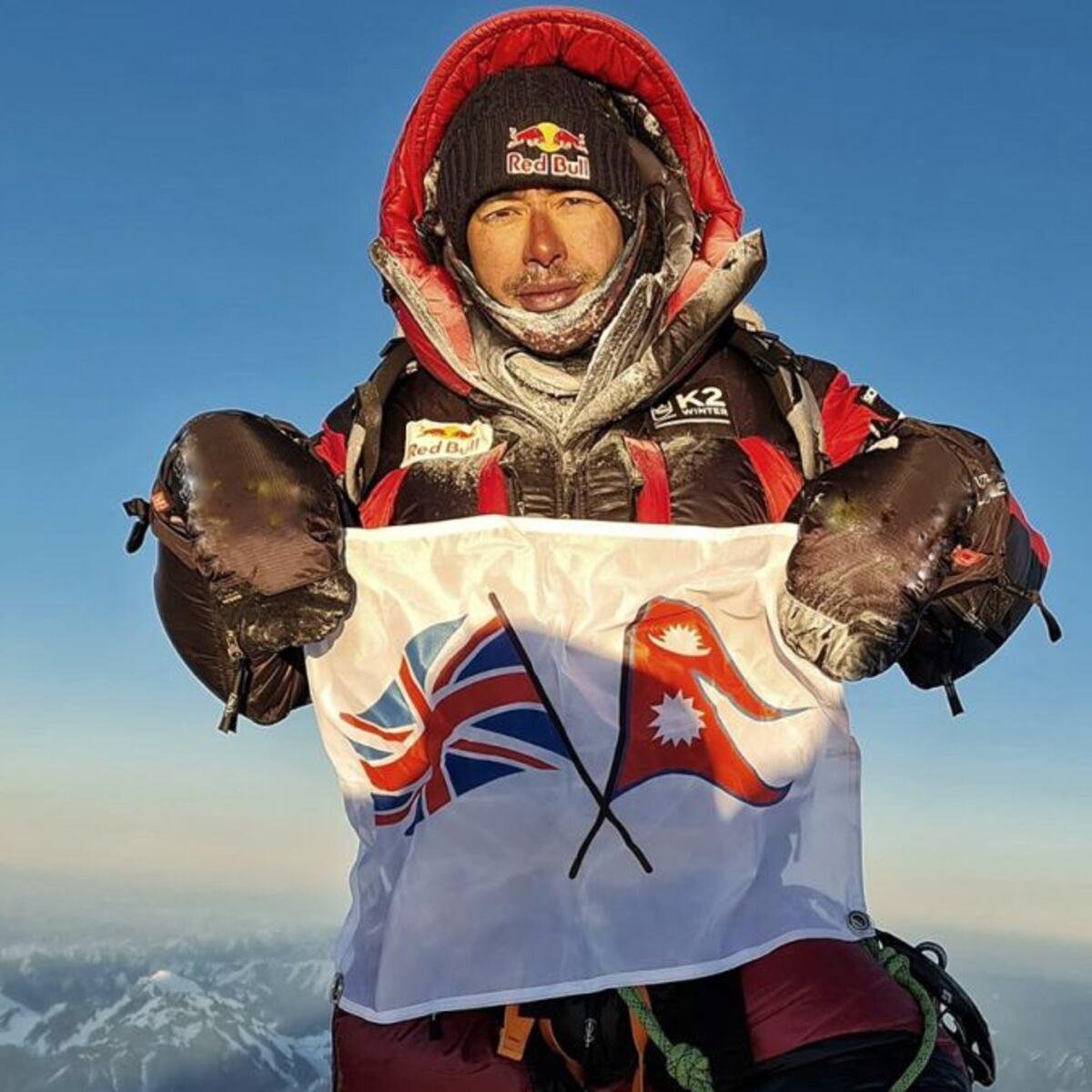
On 16 January 2021, ten Nepali climbers reached the summit of K2 together.
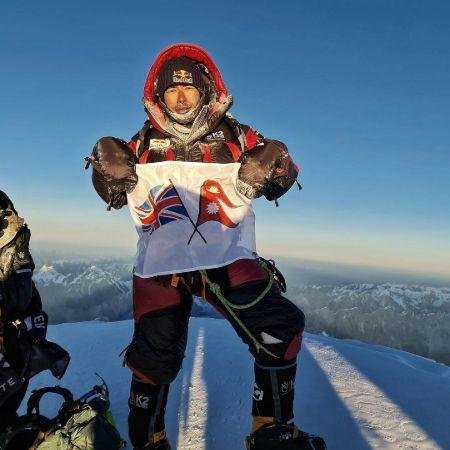
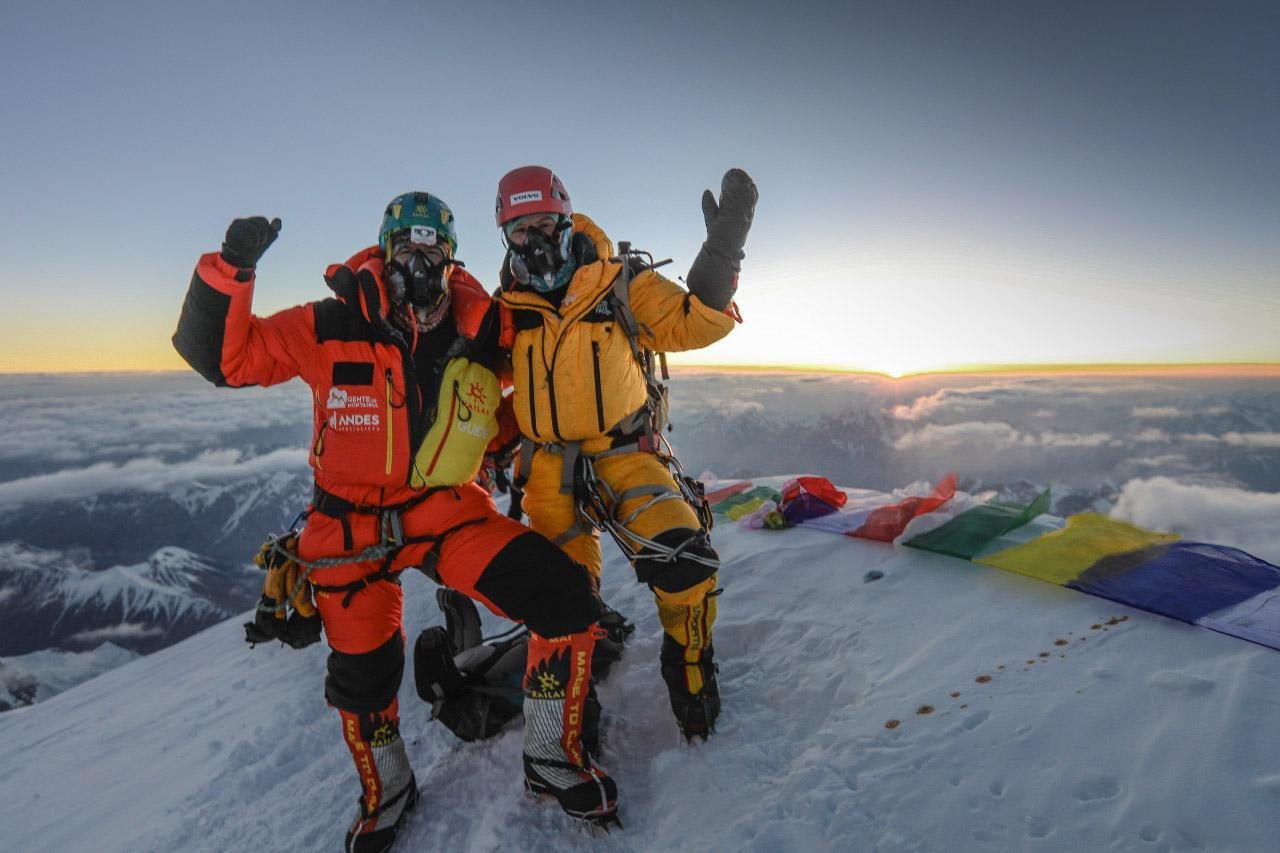
Nirmal Purja was among the climbers.
The team had achieved what no previous expedition had managed to accomplish.
K2 had been climbed in winter for the first time.
The summit marked another historic moment in Purja's career and added a major first ascent to his already extraordinary list of achievements.
The significance extended beyond Purja himself.
The success was a landmark for Nepali mountaineering and for the history of the Karakoram.
The Ten Climbers
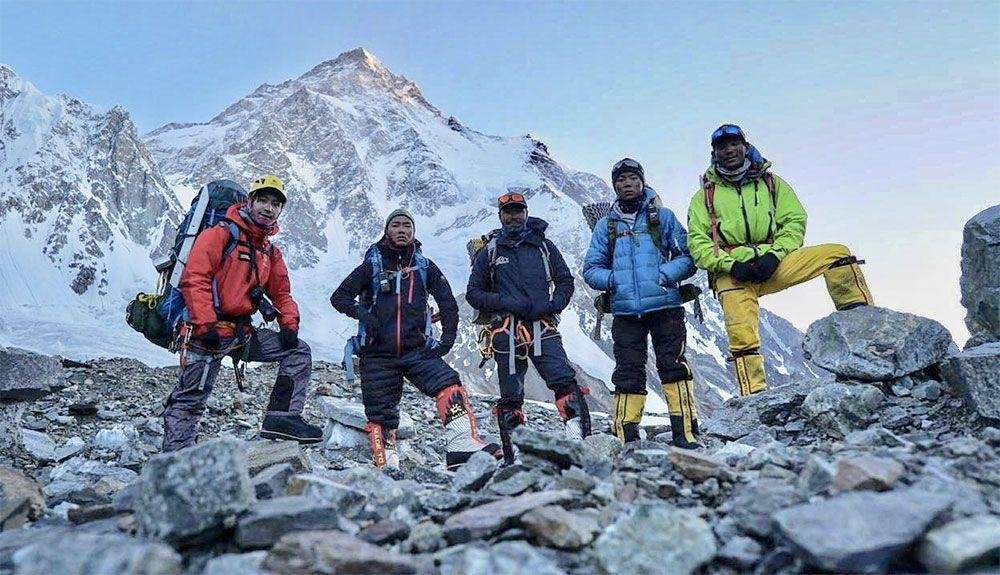
The successful team consisted of ten Nepali climbers:
- Nirmal Purja
- Mingma Gyalje Sherpa
- Dawa Temba Sherpa
- Kili Pemba Sherpa
- Pem Chhiri Sherpa
- Sona Sherpa
- Dawa Tenjin Sherpa
- Gelje Sherpa
- Mingma David Sherpa
- Purja Chhiri Sherpa
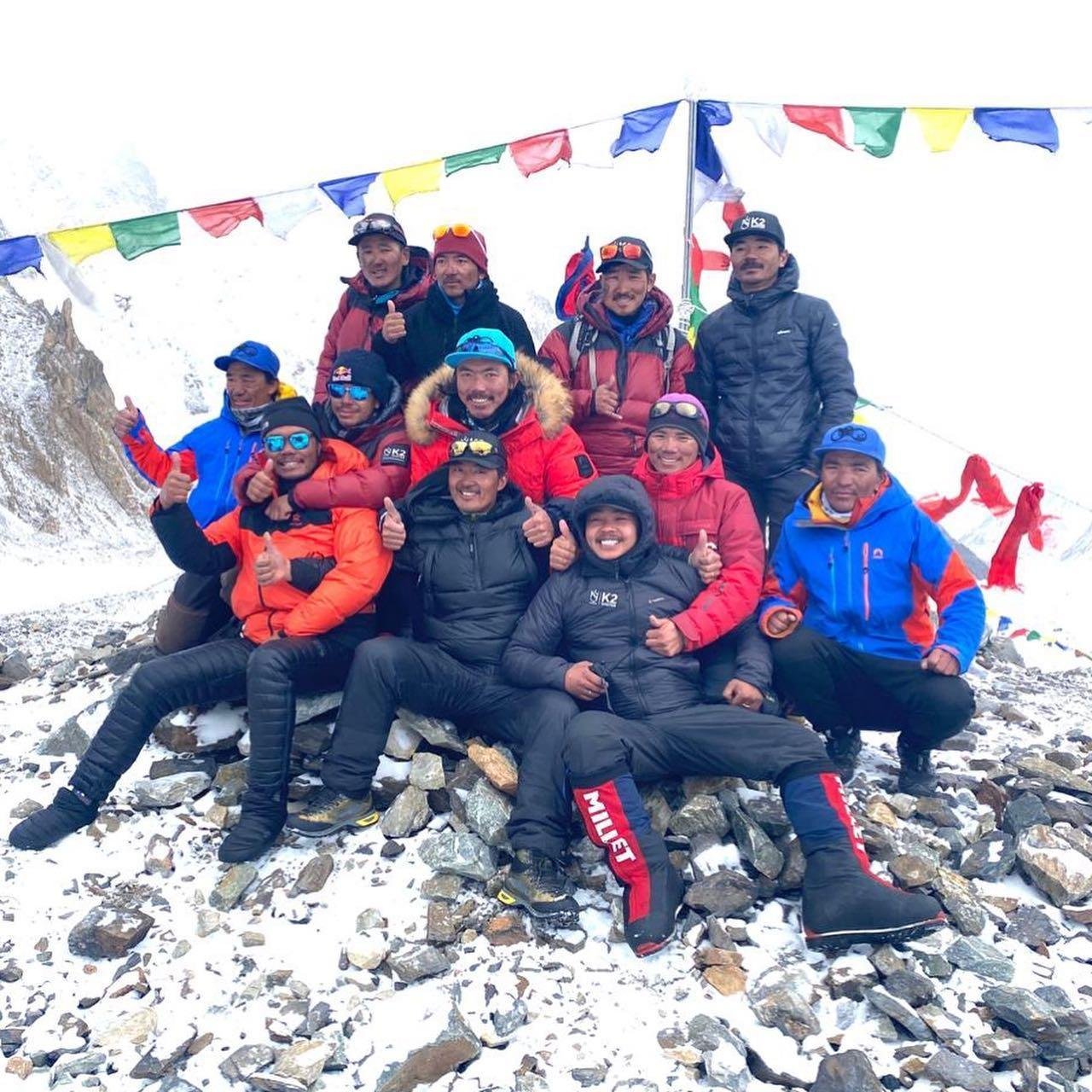
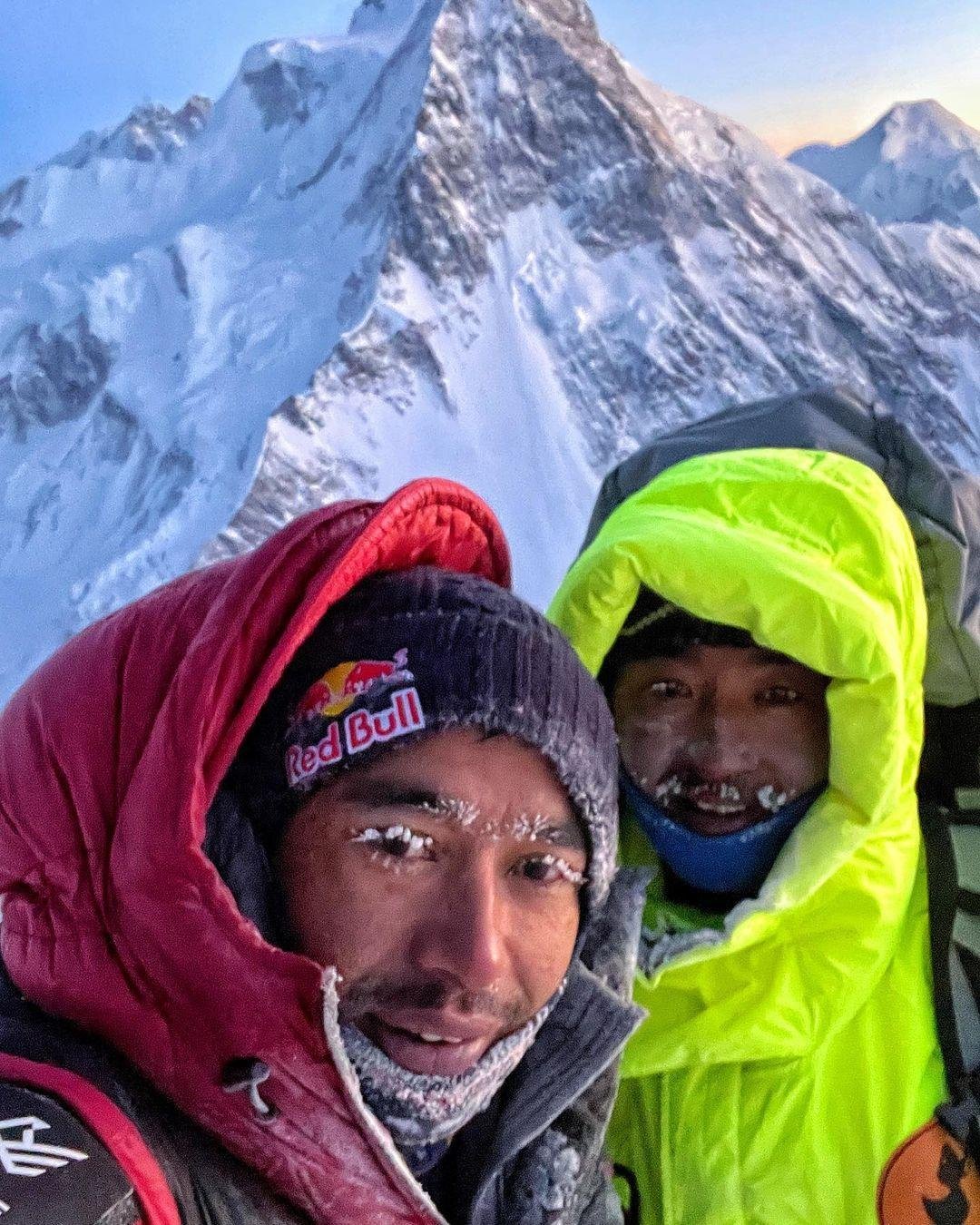
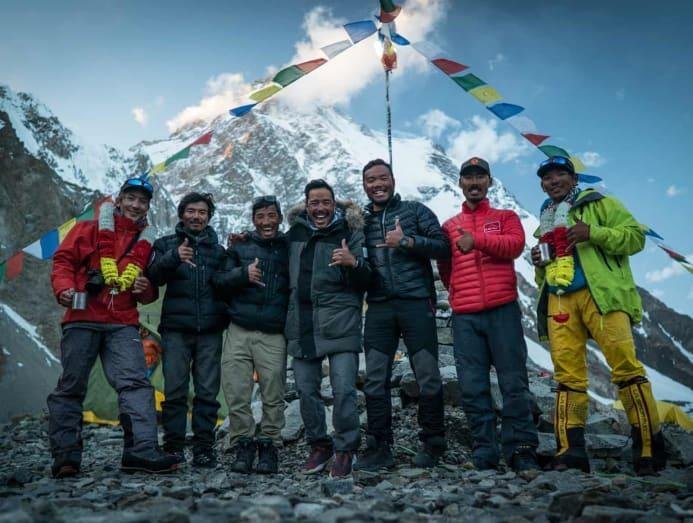
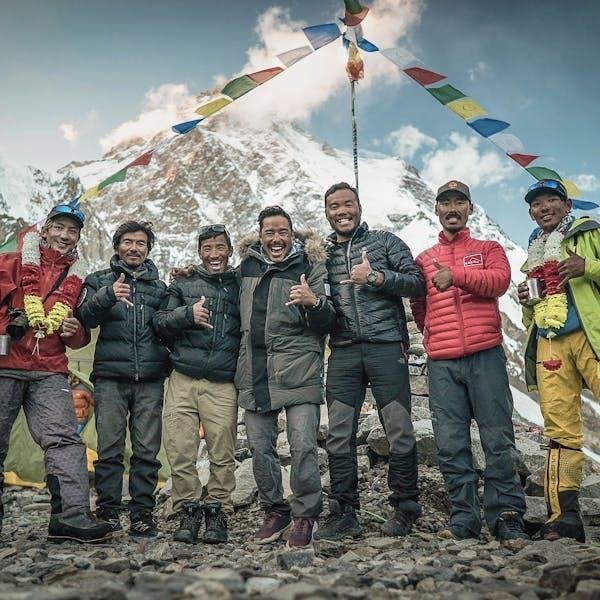
Their achievement was particularly memorable because the climbers reached the summit together.
The team reportedly waited for one another near the summit and crossed the top as a group.
This collective approach became one of the defining images of the expedition.
K2 and Pakistan
The winter ascent further strengthened Purja's connection with Pakistan.
He had already climbed all five Pakistani 8,000 metre peaks during Project Possible.
Those five mountains were:
- Nanga Parbat
- Gasherbrum I
- Gasherbrum II
- K2
- Broad Peak
The first winter ascent of K2 gave the mountain a second major place in Purja's career.
For Pakistan's tourism and mountaineering industry, the achievement also highlighted the international importance of the Karakoram.
K2 is one of the country's most internationally recognized natural landmarks and attracts climbers, trekkers, photographers and adventure travelers from around the world.
Beyond Personal Records
One of the most interesting aspects of Purja's career after Project Possible was that his objectives increasingly involved broader expedition goals.
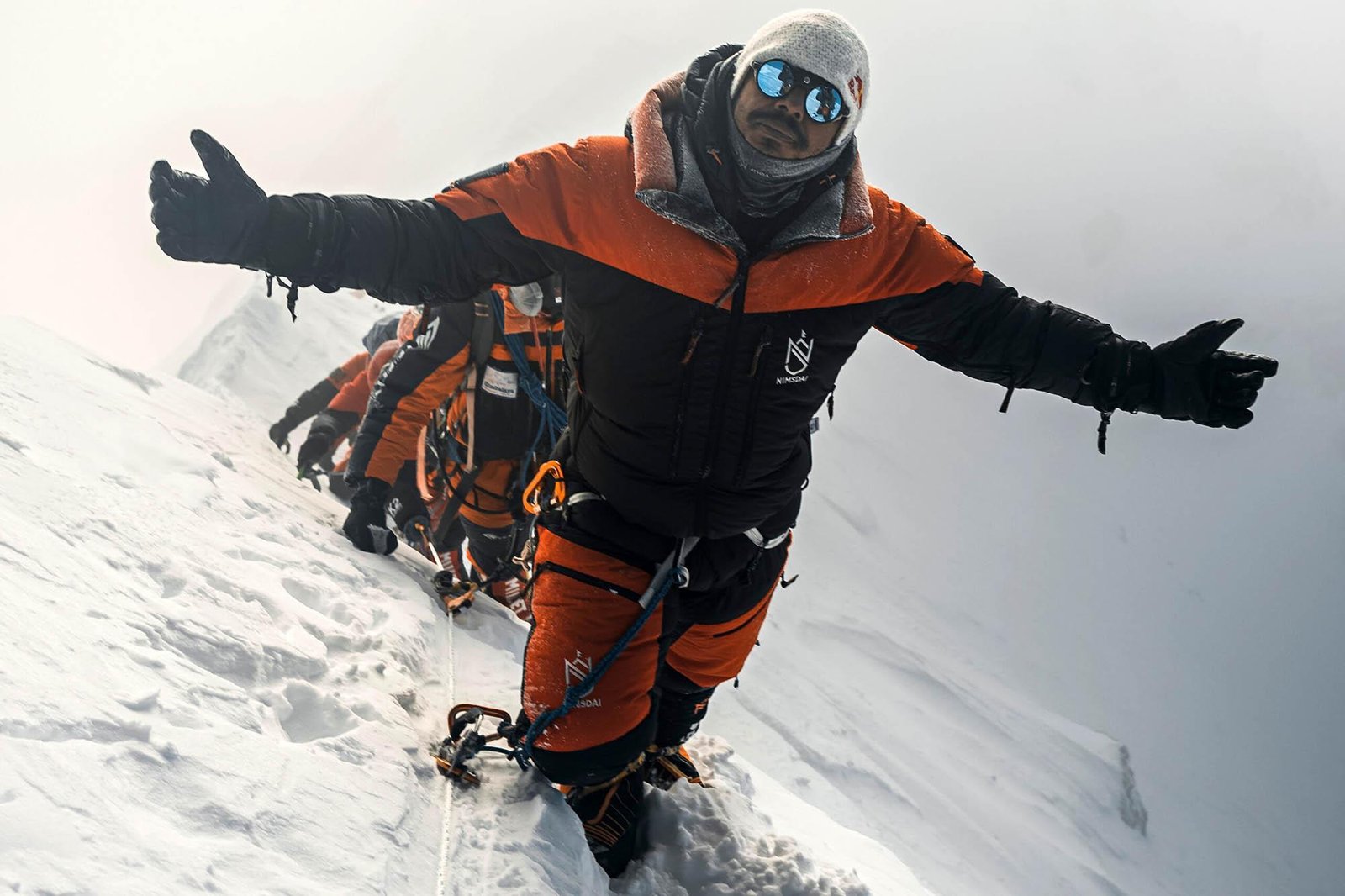
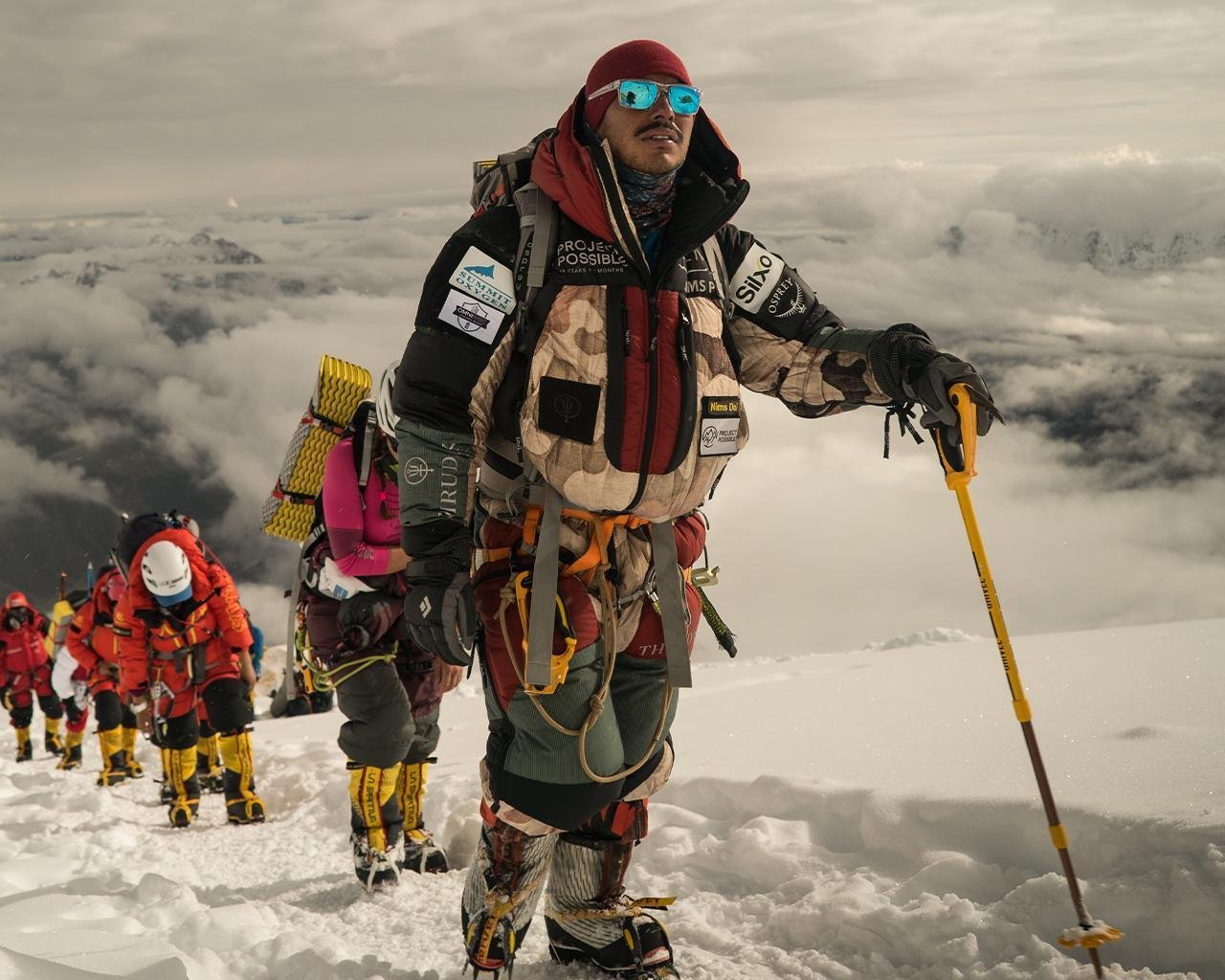
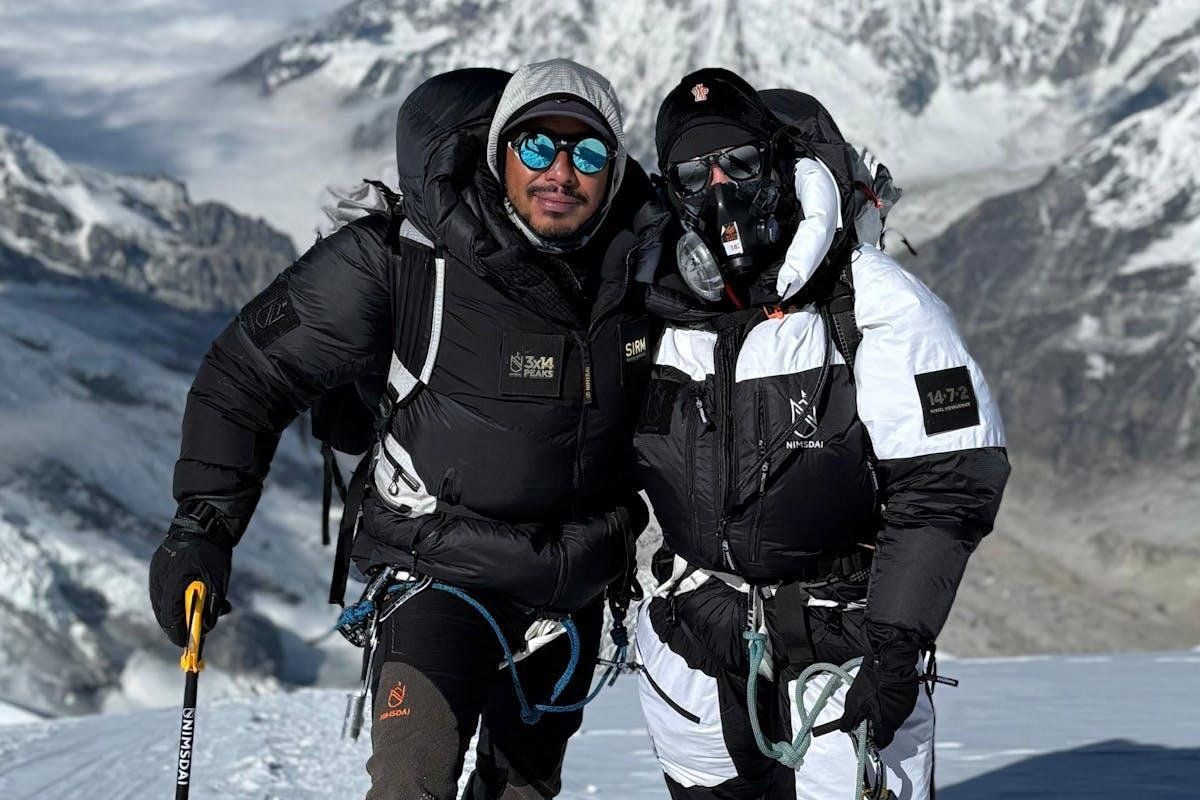
His career was no longer defined only by how many summits he could personally complete.
He became involved in organizing expeditions and helping other climbers attempt difficult mountains.
His military background and Project Possible experience gave him considerable knowledge of expedition planning and high altitude logistics.
This became an important part of his professional career.
14 Peaks: Nothing Is Impossible
The international popularity of Purja's story increased further with the release of the documentary 14 Peaks: Nothing Is Impossible.

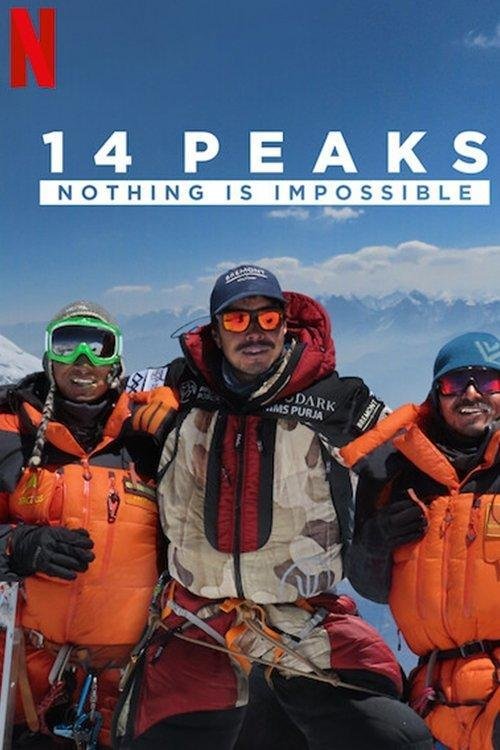

Released in 2021, the documentary follows Purja's attempt to climb all fourteen 8,000 metre mountains in less than seven months.
The film introduced his story to a much wider audience.
It also showed the people behind Project Possible, including the climbers, Sherpas, support teams and family members whose contributions were essential to the project.
For viewers unfamiliar with high altitude mountaineering, the documentary provided an accessible introduction to the scale of the fourteen peaks.
It also brought greater international attention to the mountains of Nepal, Pakistan and Tibet.
The Human Side of Project Possible
Behind the records was a large amount of preparation and personal sacrifice.

Purja had left a secure military career to pursue the project.
He also had to deal with serious financial uncertainty during its early stages.
The project required sponsorship and financial support to continue.
The documentary presents some of the pressure surrounding the expedition and the consequences that failure could have had for Purja's future.
That context is important because Project Possible was not simply a climbing challenge.
It was also a major personal and professional gamble.
Building an Expedition Career
After becoming internationally recognized, Purja expanded his work into professional expedition leadership.
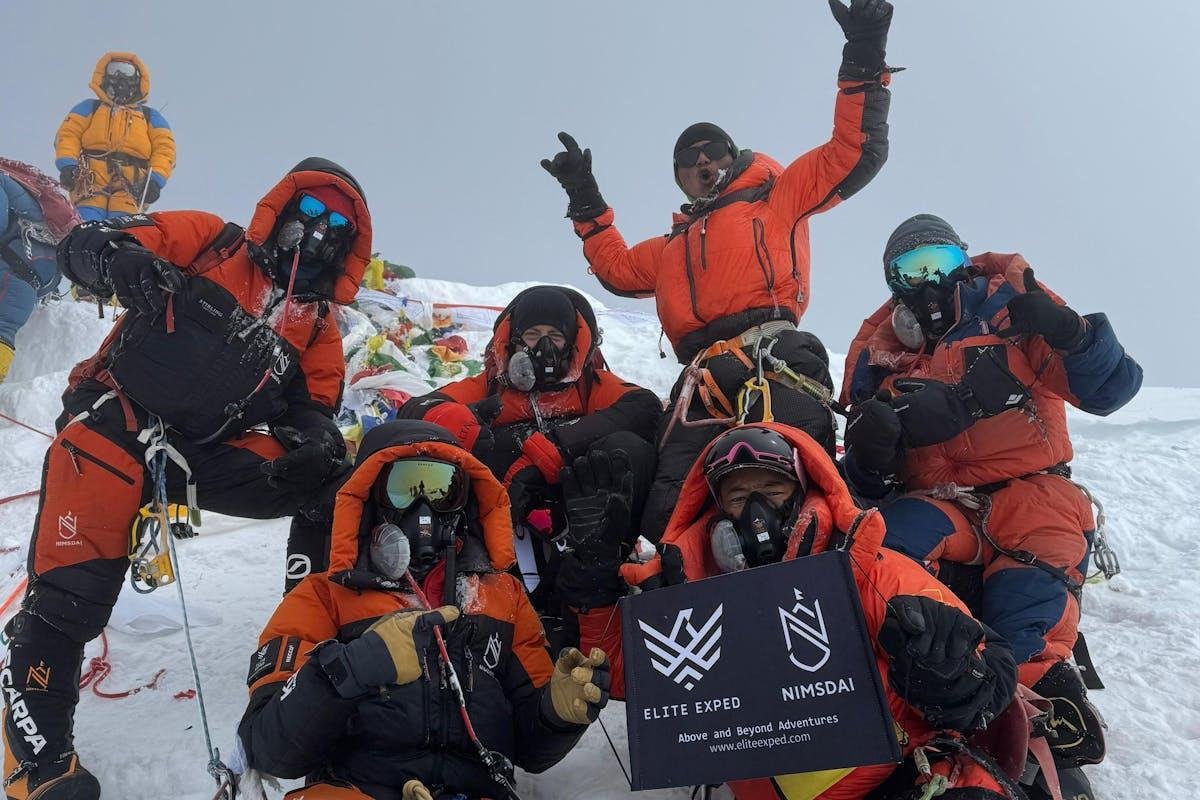
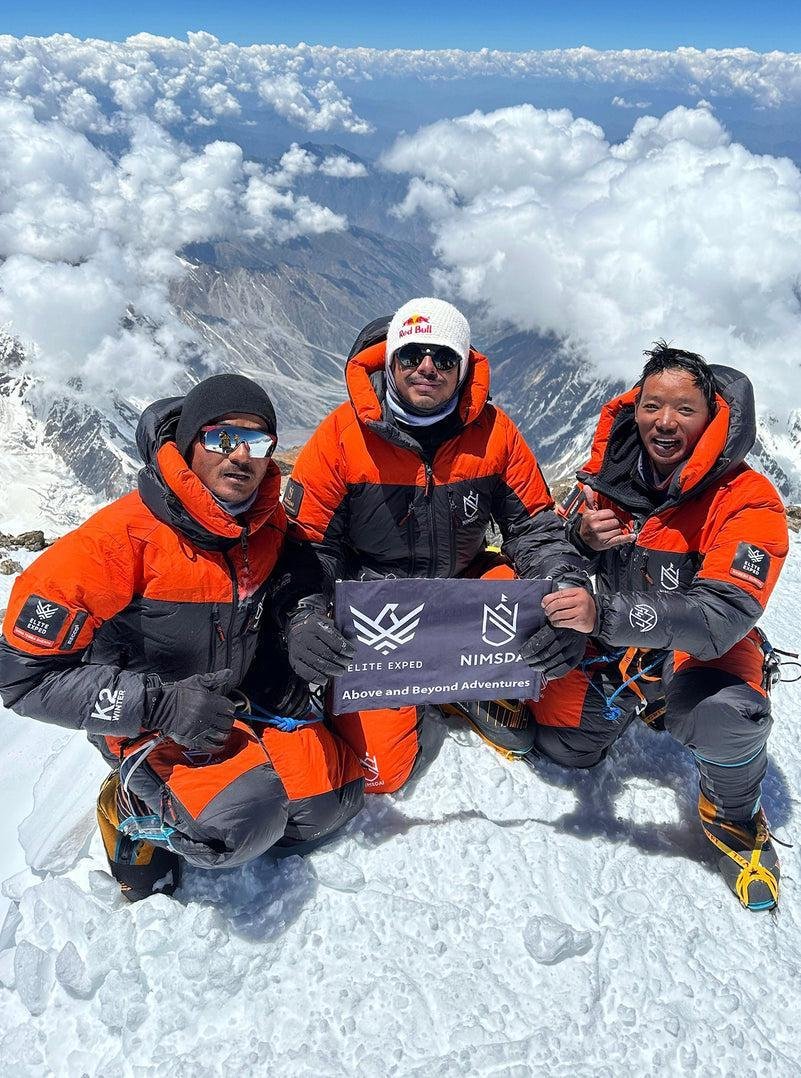
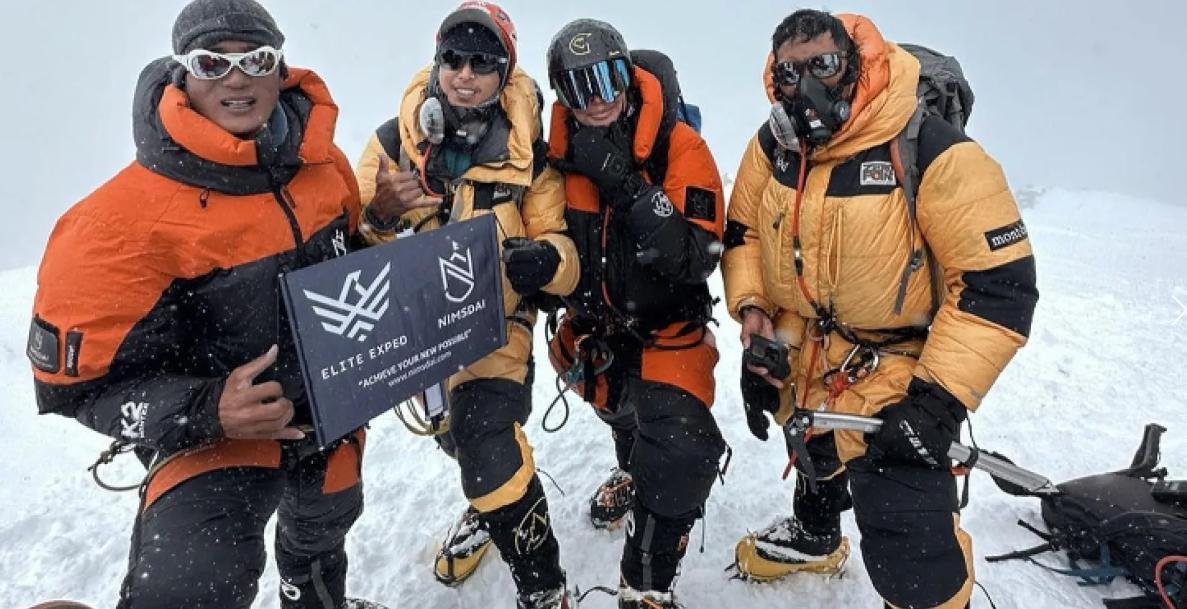

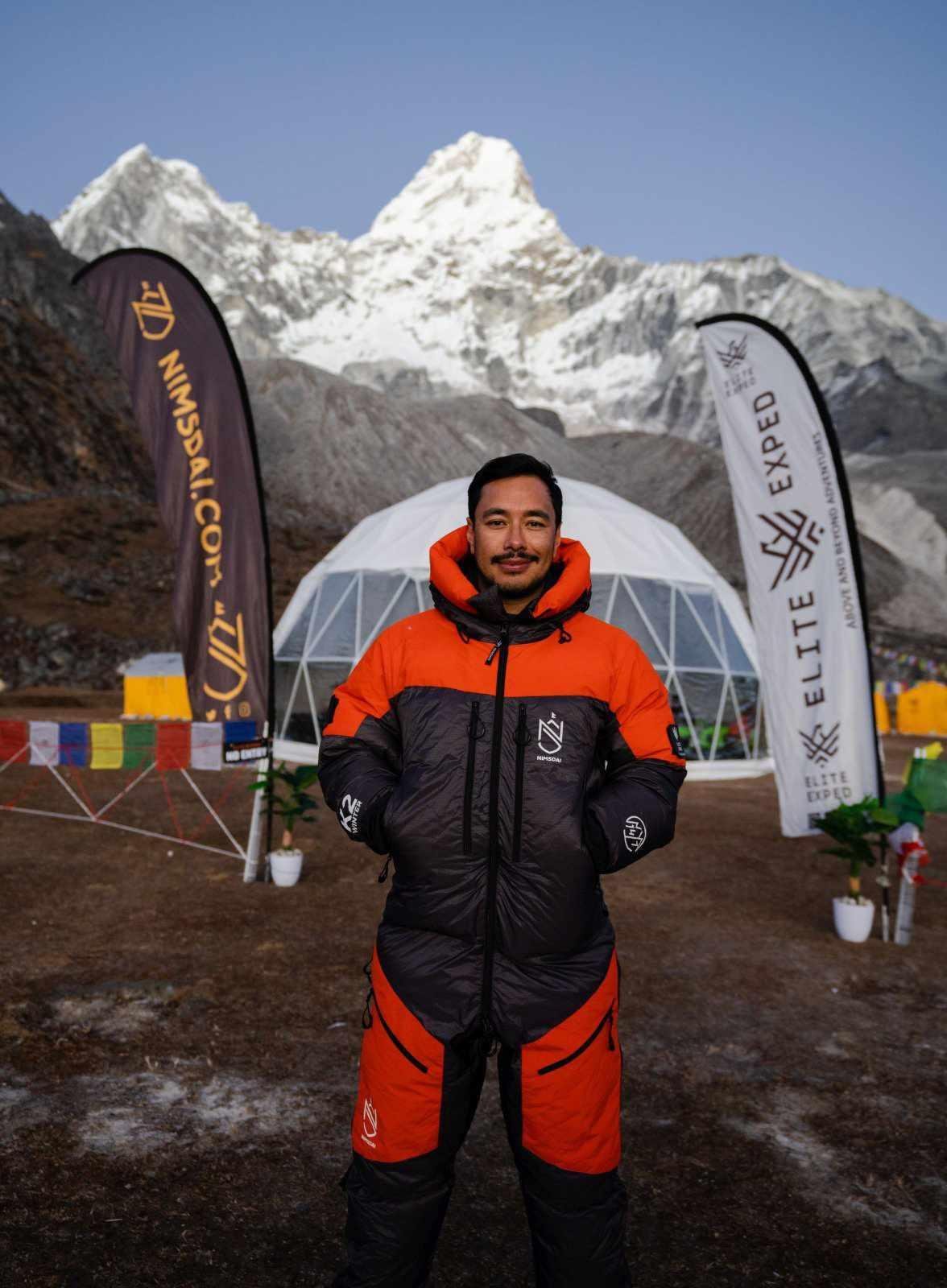
Through his expedition operations, he began working with climbers attempting major peaks across the Himalaya and Karakoram.
His experience gave him an unusual combination of military training, high altitude climbing experience and expedition management.
That combination became central to his reputation as an expedition leader.
Nirmal Purja and the Future of Himalayan Mountaineering
Purja's rise coincided with a major transformation in high altitude tourism.
More climbers from around the world were attempting major Himalayan peaks, while modern technology was making expeditions more connected and better organized.
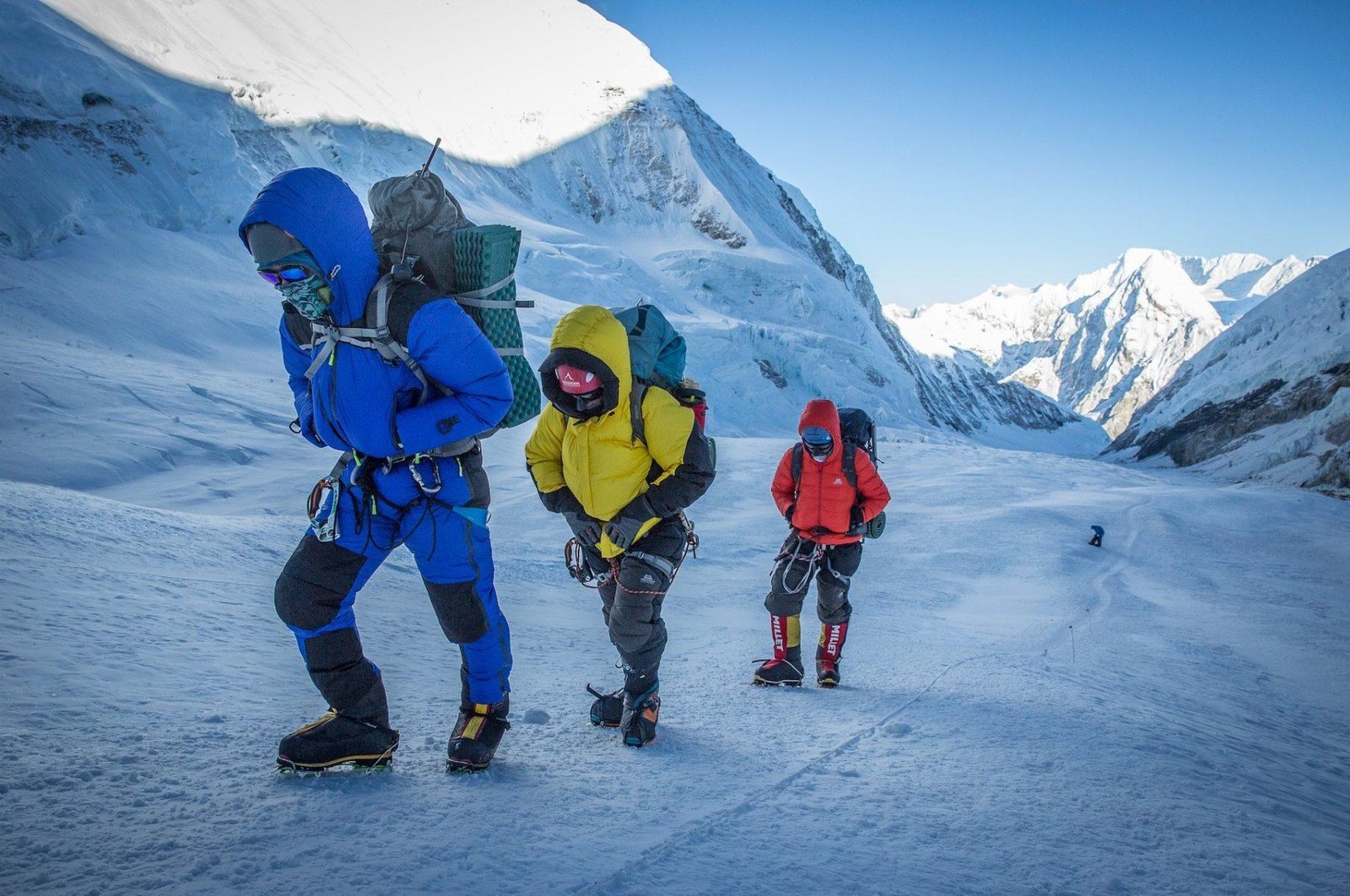
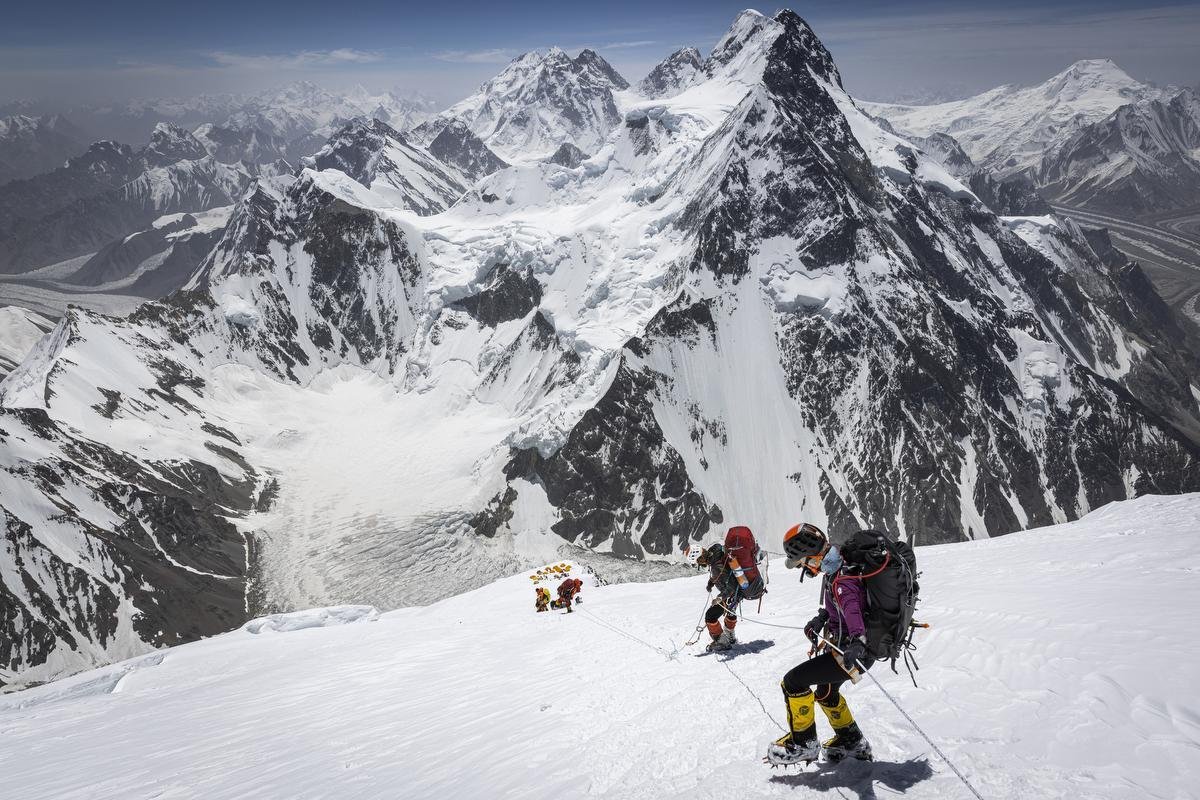
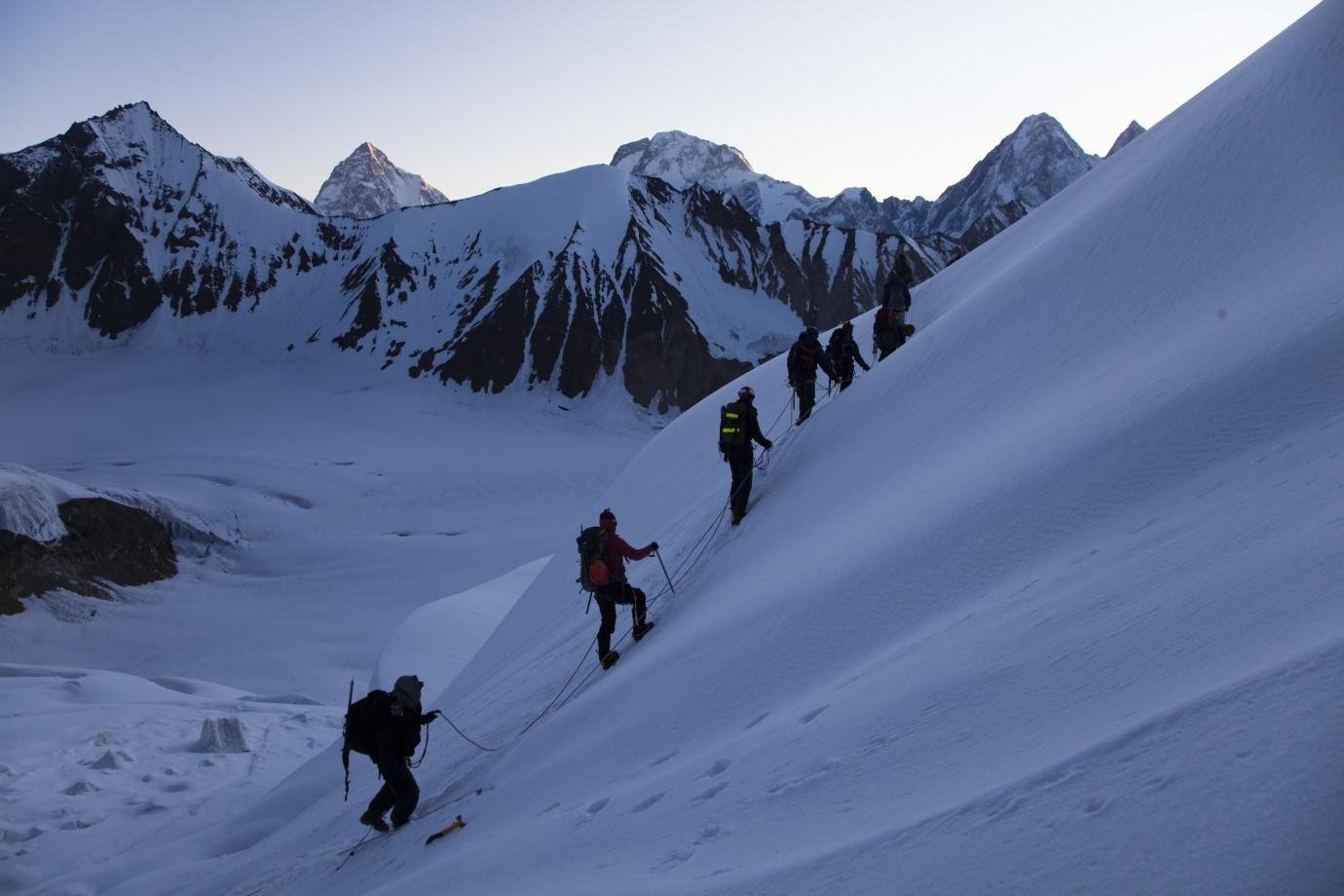
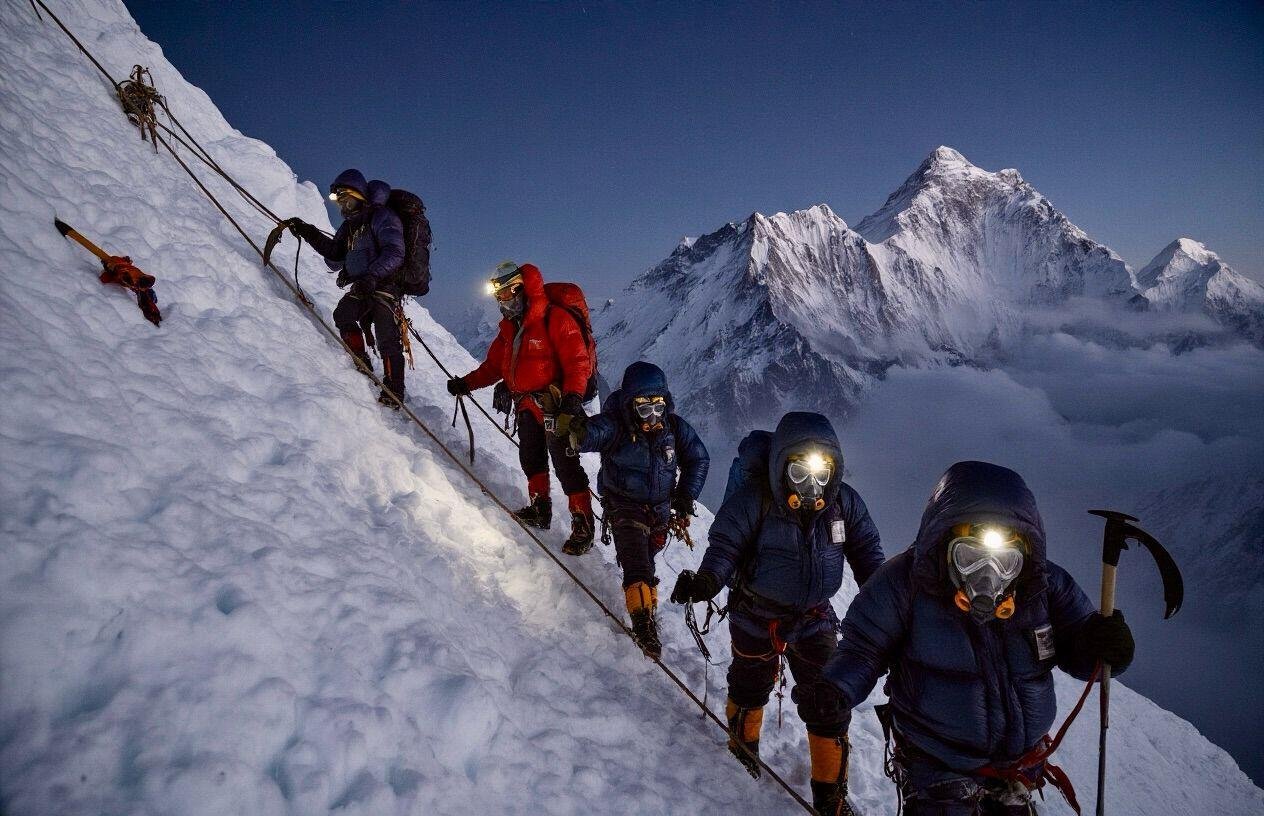
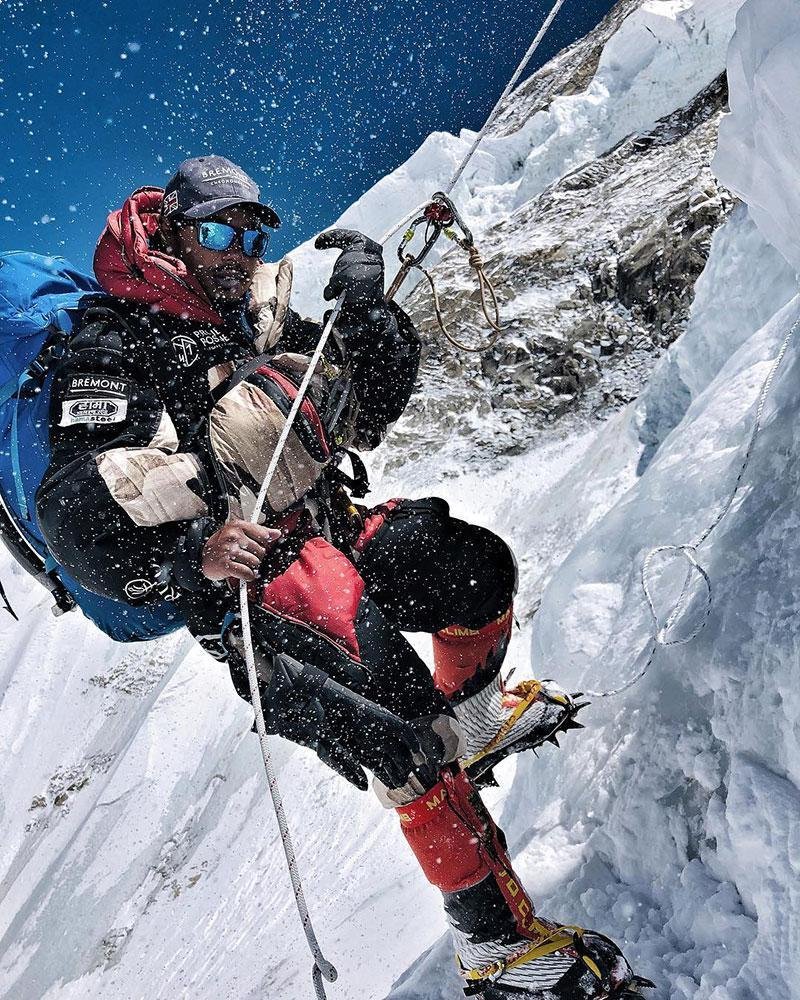
Weather forecasting, satellite communications, helicopters, GPS technology and improved climbing equipment have changed how modern expeditions operate.
Purja's career represents this modern era of mountaineering.
His records were achieved through a combination of personal physical ability and highly organized expedition logistics.
This does not diminish the difficulty of the climbs.
Instead, it helps explain why his career is important to understanding how high altitude mountaineering has evolved.
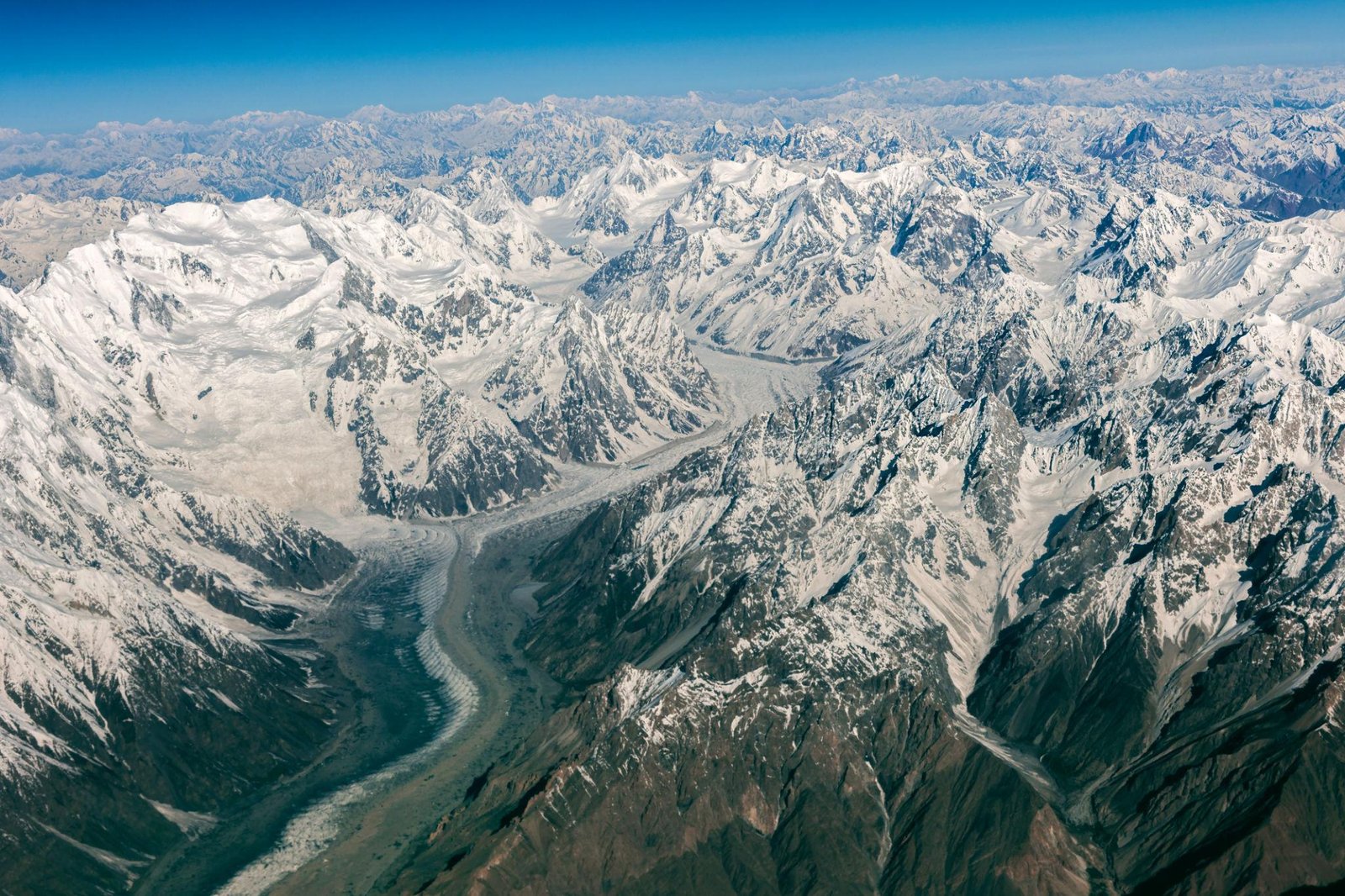
The Importance of the Karakoram
The Karakoram remained central to Purja's story.
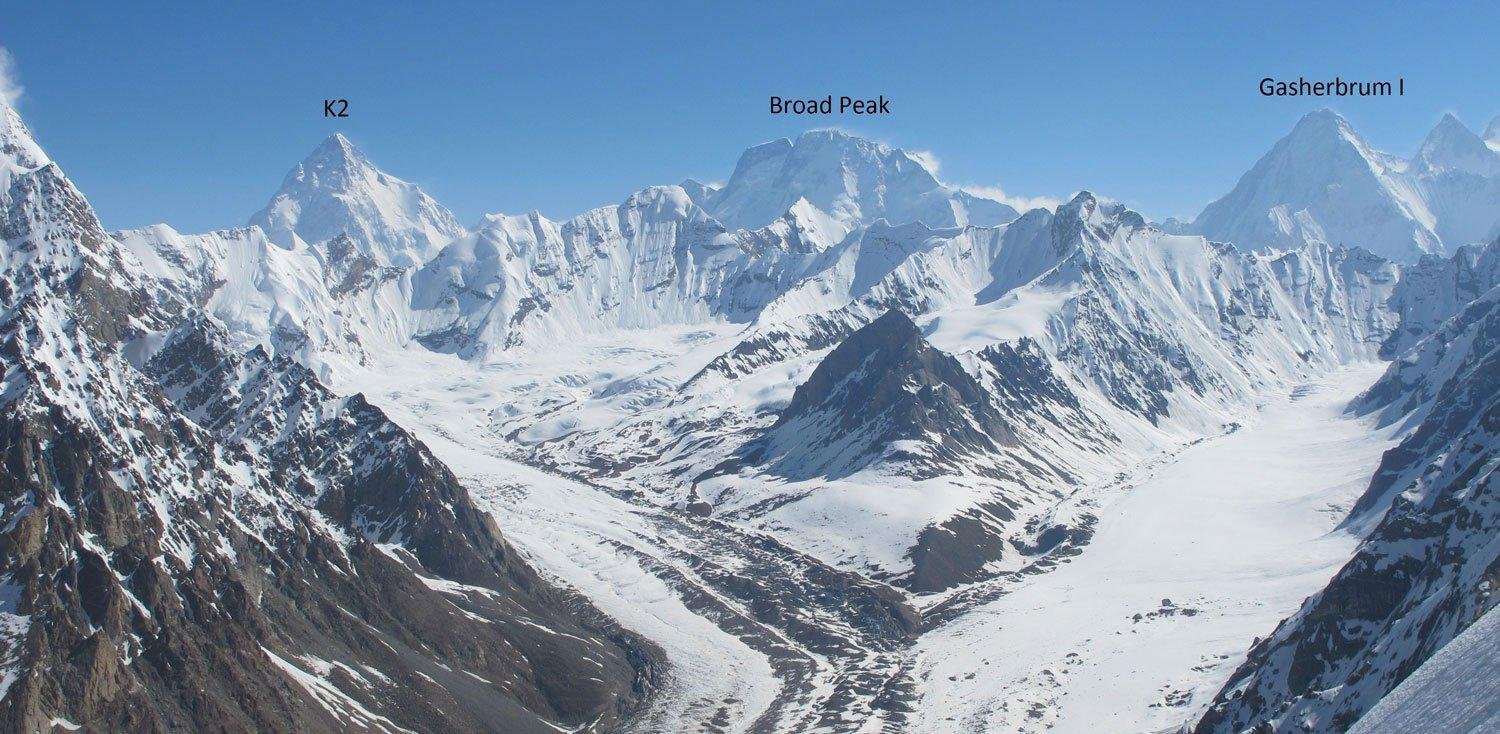
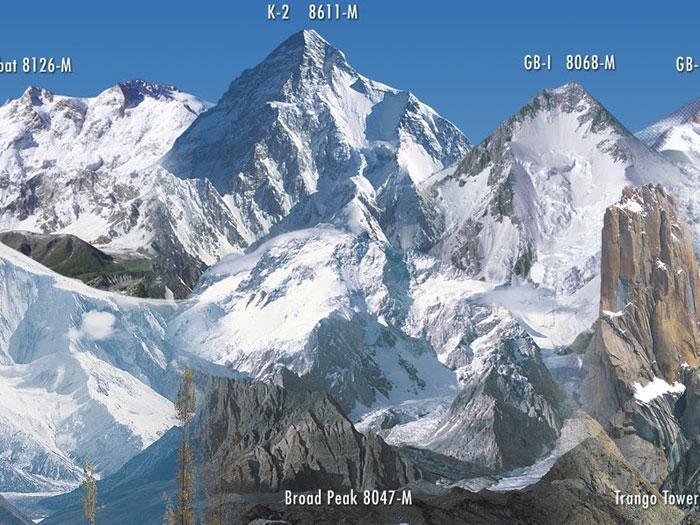
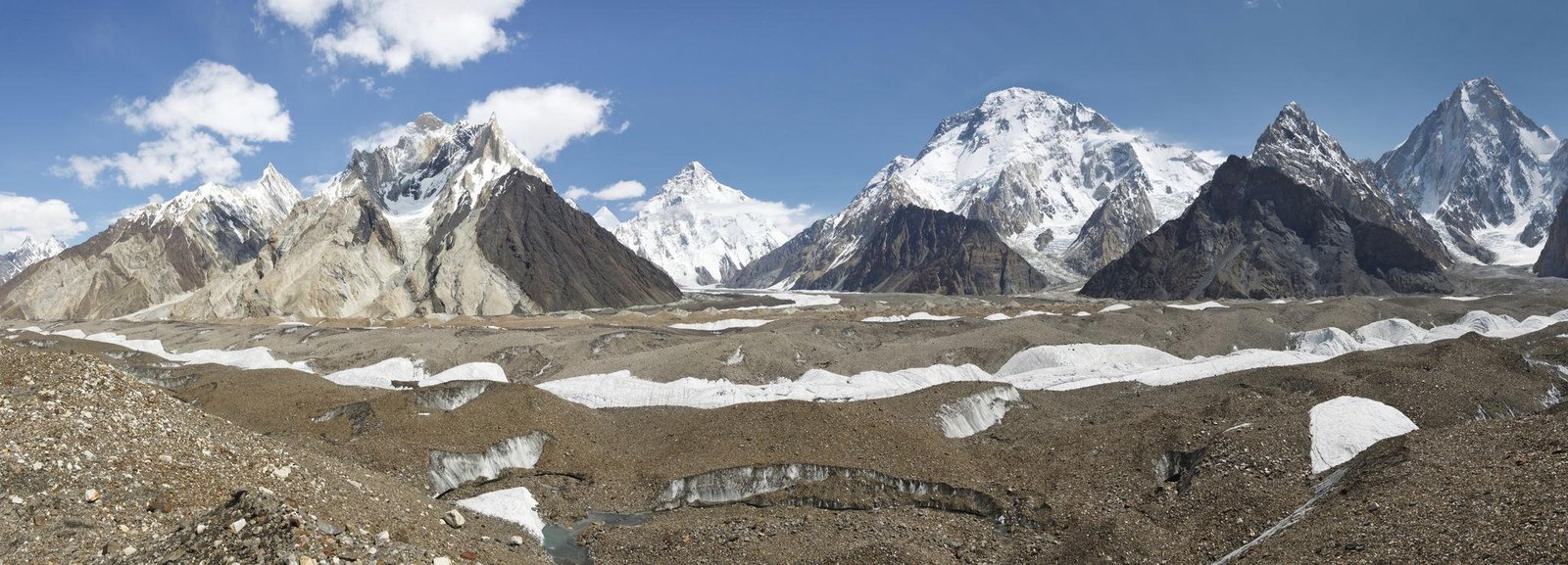
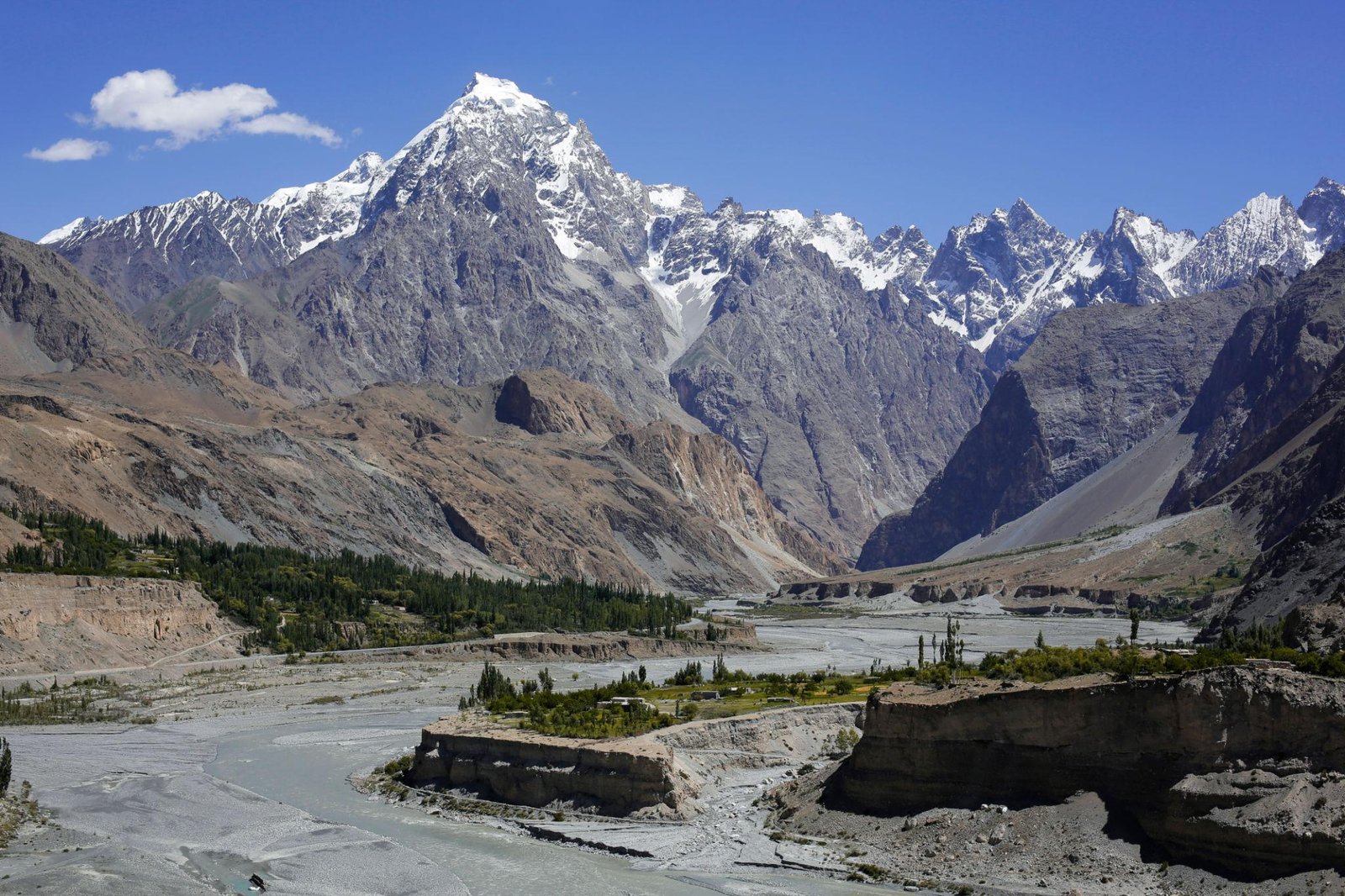
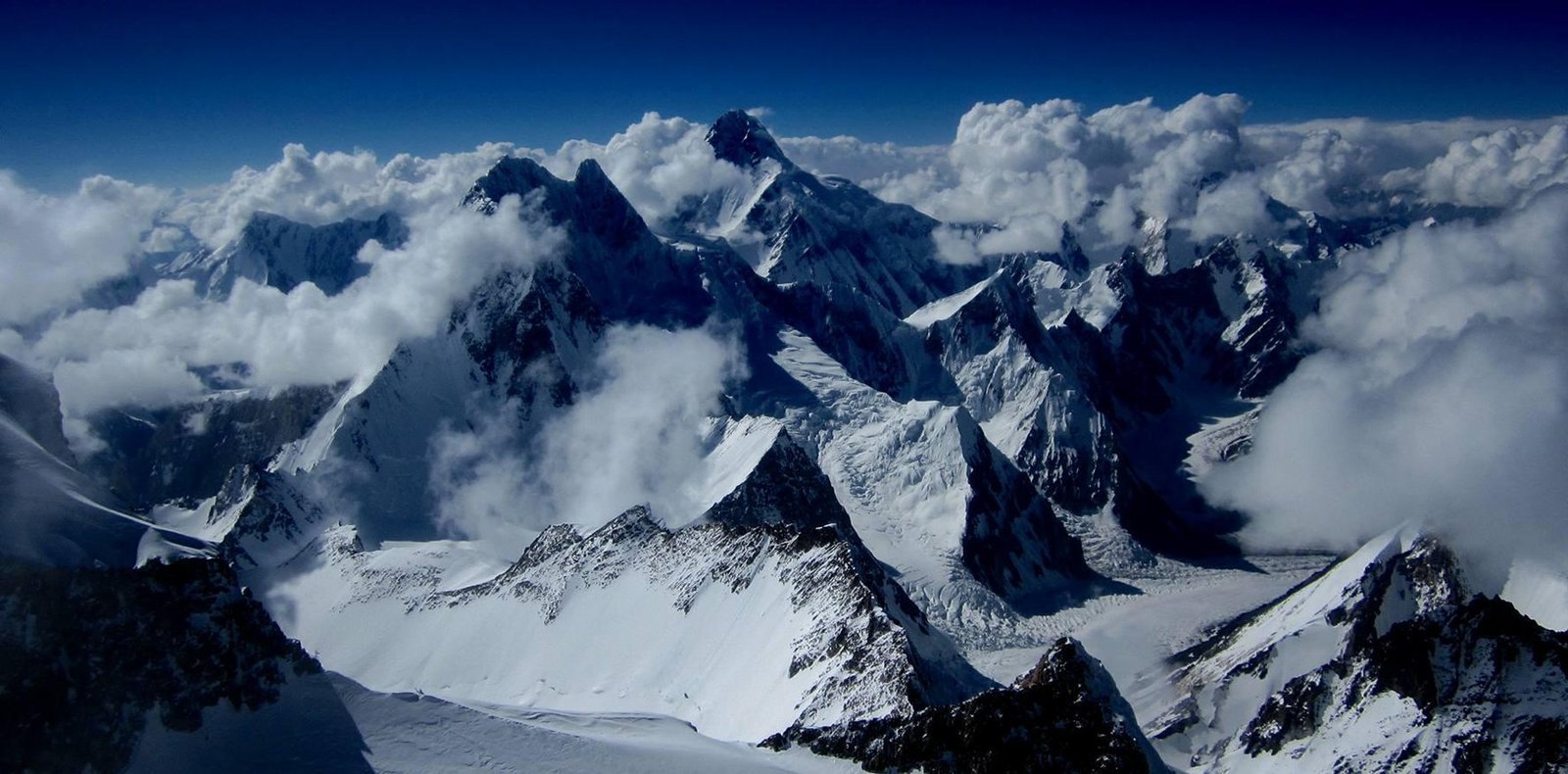
Pakistan contains five of the world's fourteen 8,000 metre mountains and some of the most challenging climbing terrain on Earth.
For international mountaineers, the Karakoram offers a different experience from Nepal's more established Everest trekking and climbing industry.
K2, Broad Peak and the Gasherbrum peaks attract elite climbers from around the world.
Nanga Parbat provides another major high altitude climbing centre in Pakistan.
Purja's career brought international attention to all five.
Returning to Broad Peak
Broad Peak had already played a major role in Project Possible.
Purja reached its summit on 26 July 2019, completing all five Pakistani 8,000 metre mountains during that expedition.
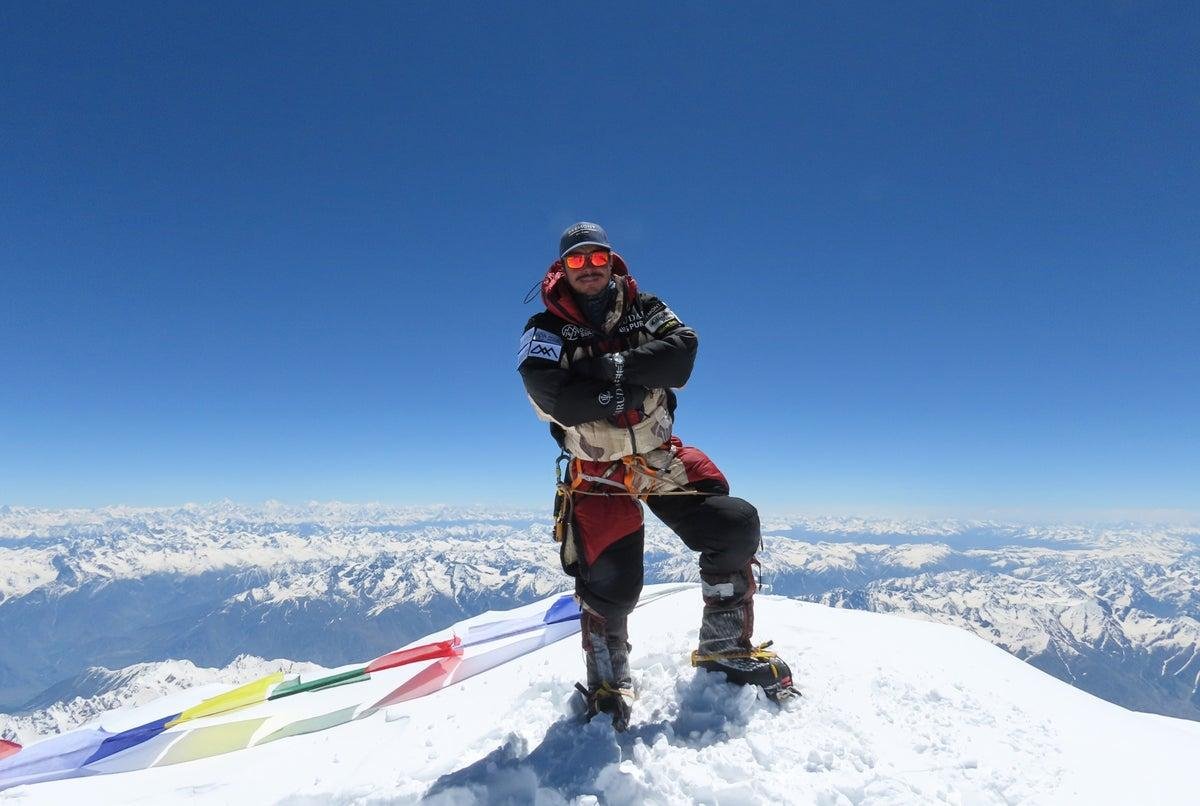
Years later, Broad Peak would become the setting for another important chapter in his career.
Purja returned to the mountain for another expedition, continuing his connection with Pakistan's Karakoram.
The expedition would ultimately become the final major chapter of his life.
A Career Defined by the Highest Mountains
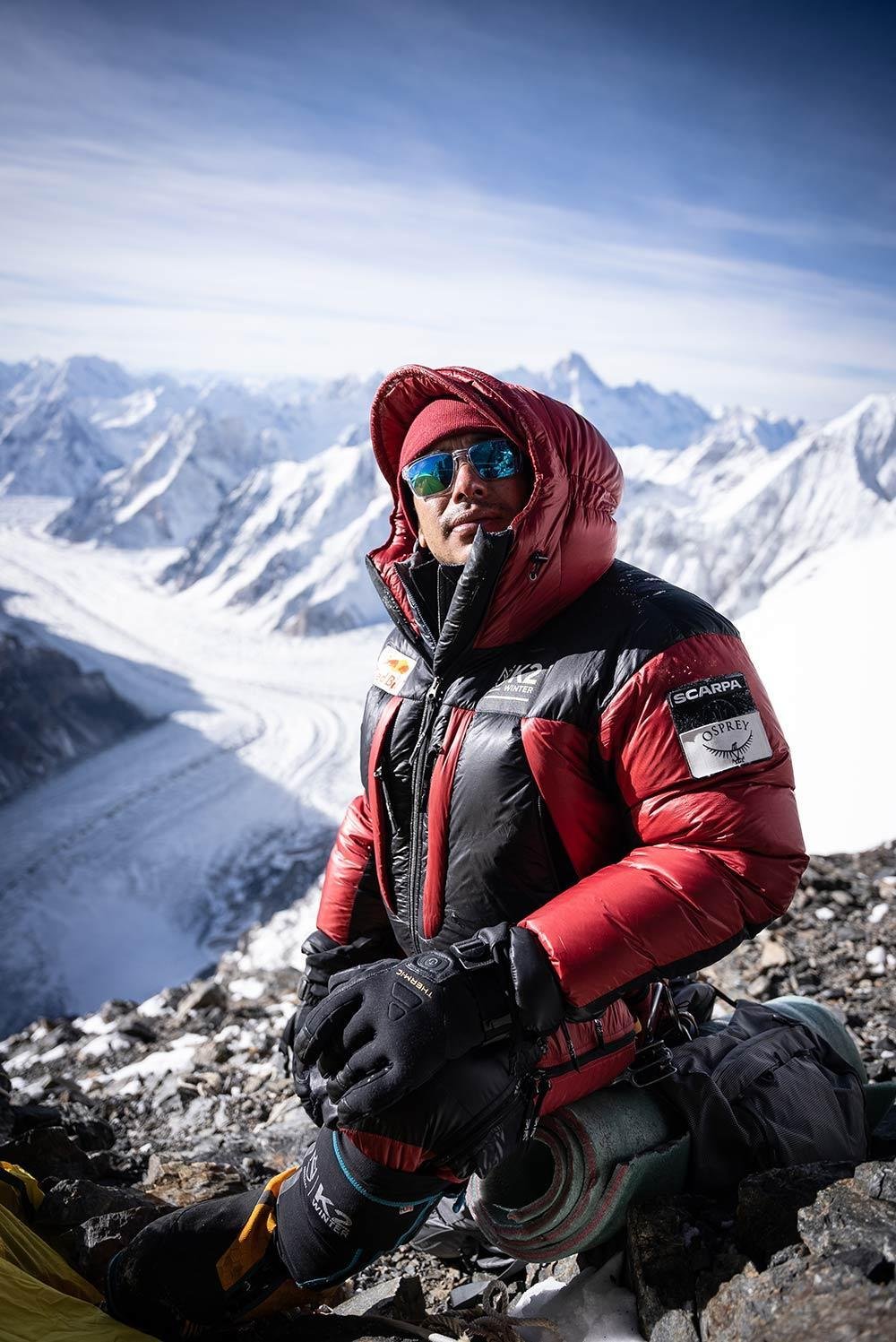
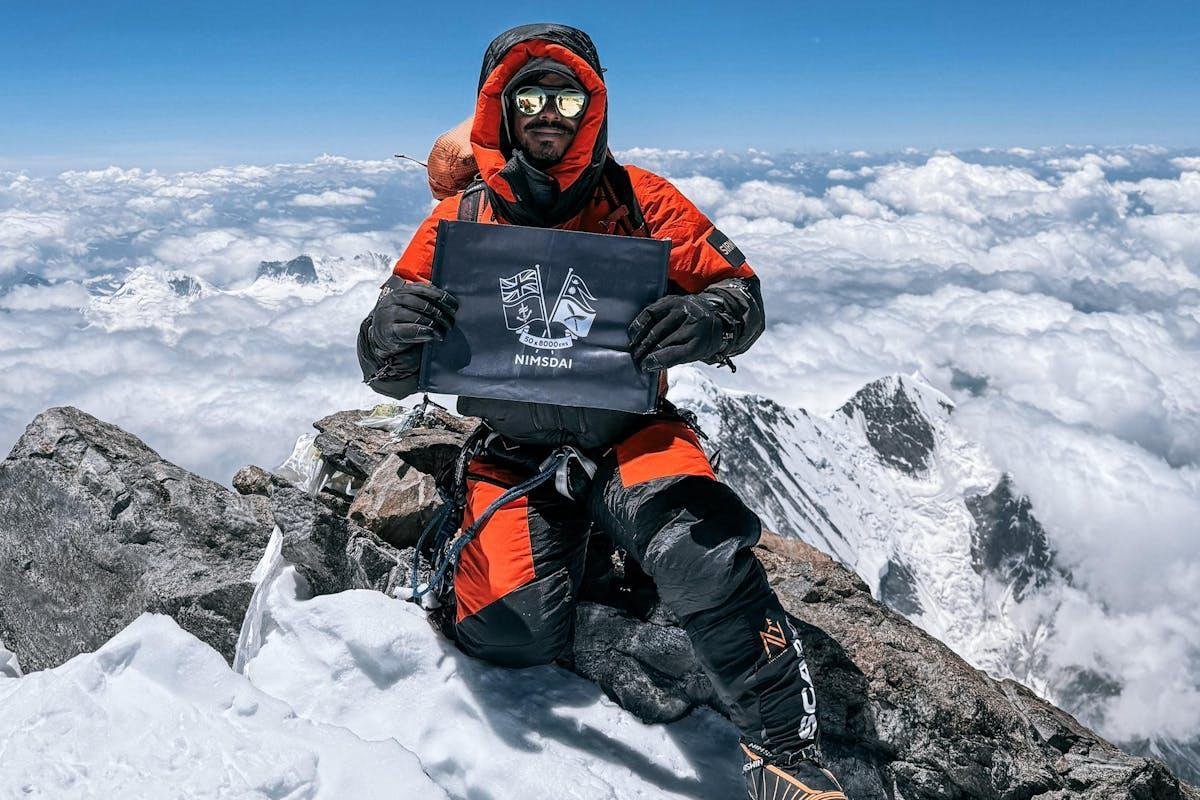
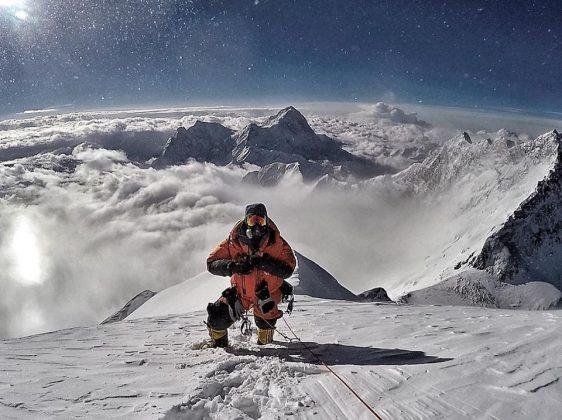
From his first 8,000 metre ascent on Dhaulagiri to the fourteen peak record and the first winter ascent of K2, Purja's career was built around some of the world's most difficult mountains.
But the story is also about the transformation of a person.
He began as the son of a Gurkha soldier in Nepal.
He became a Gurkha himself.
He passed selection for the Special Boat Service.
He left the military.
He became a professional mountaineer.
Then, within a few years, he became one of the most recognizable climbers associated with the world's highest mountains.
Returning to Broad Peak
Broad Peak had already been one of the defining mountains of Nirmal Purja's career.
He had climbed it on 26 July 2019 as the eleventh 8,000 metre summit of Project Possible. That ascent completed his extraordinary Pakistan sequence, in which he climbed all five of the country's 8,000 metre peaks during the same summer.
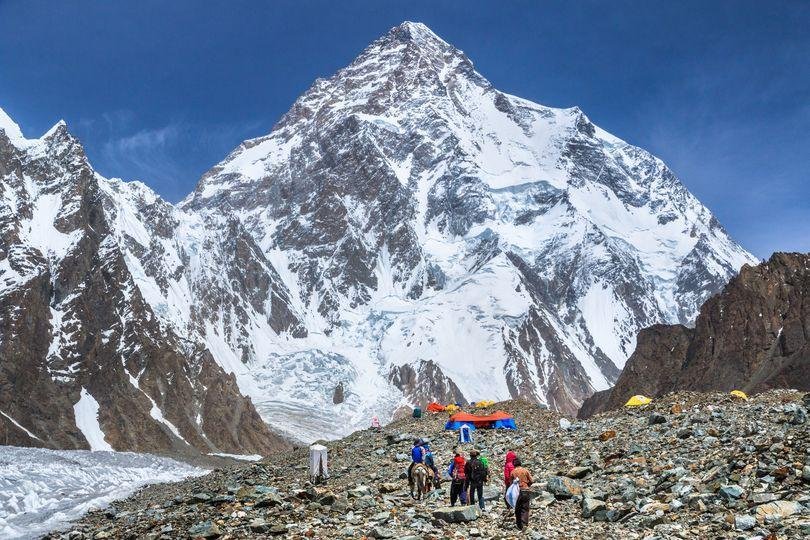
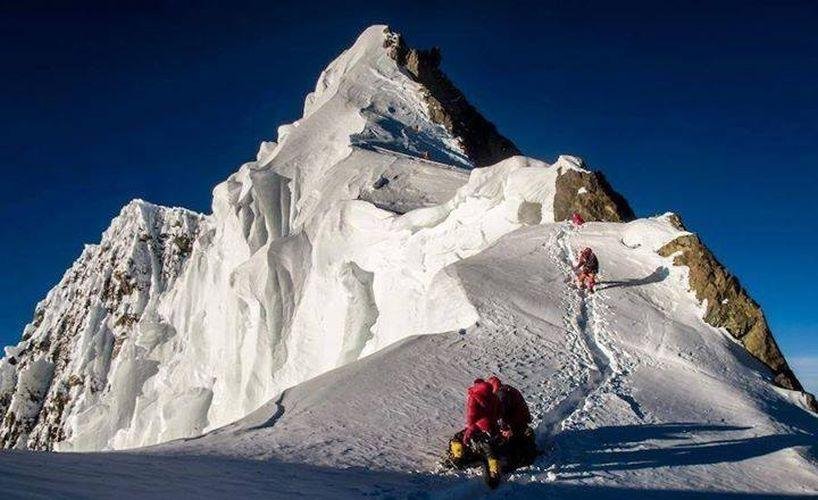
Broad Peak rises to 8,047 metres in Gilgit Baltistan's Karakoram. It is located close to K2 and forms part of the concentration of some of the world's highest mountains around the Baltoro region.
For Purja, returning to Broad Peak meant returning to a mountain that was already closely connected with one of the greatest achievements of his career.
This time, however, the expedition was not about completing a record.
The 2026 Expedition
In July 2026, Purja returned to Pakistan and led an international expedition attempting Broad Peak.
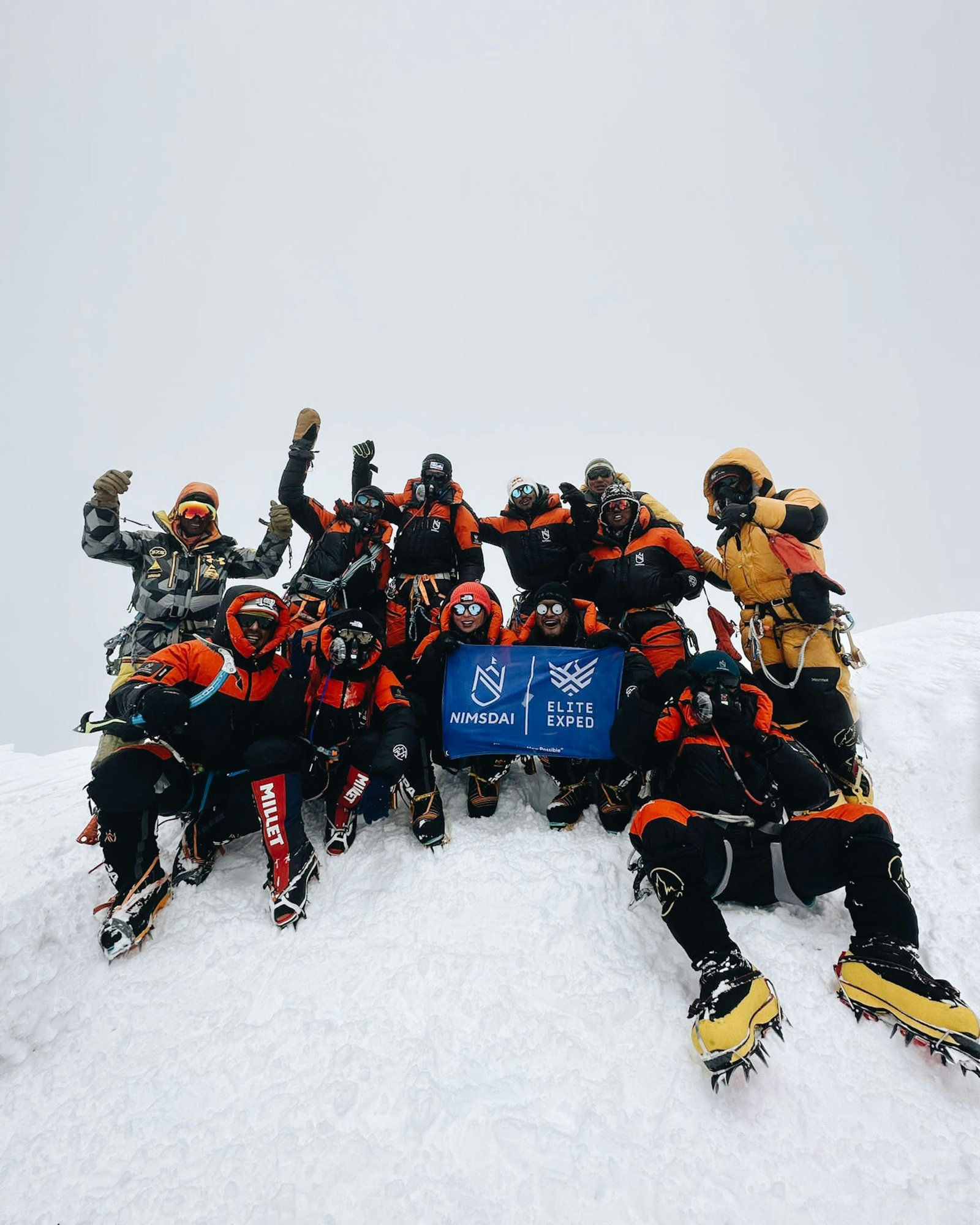
The expedition included climbers from several countries, reflecting the international character of modern mountaineering in Pakistan.
Among the members were Nepali climbers, Pakistani climber Sohail Sakhi of Hunza, Chinese climber Wang Zhong, Omani climber Nadhira Ahmed Abdullah Al Harthy and American climber Mallory Geis. (Aaj English TV)
The team was operating in one of the most demanding environments in the Karakoram.
Broad Peak is a serious technical mountain, and conditions can change rapidly at high altitude.
The Avalanche on Broad Peak
On 30 July 2026, an avalanche struck the expedition on Broad Peak.
The Alpine Club of Pakistan reported that ten members of the expedition had lost communication after the incident. (Aaj English TV)
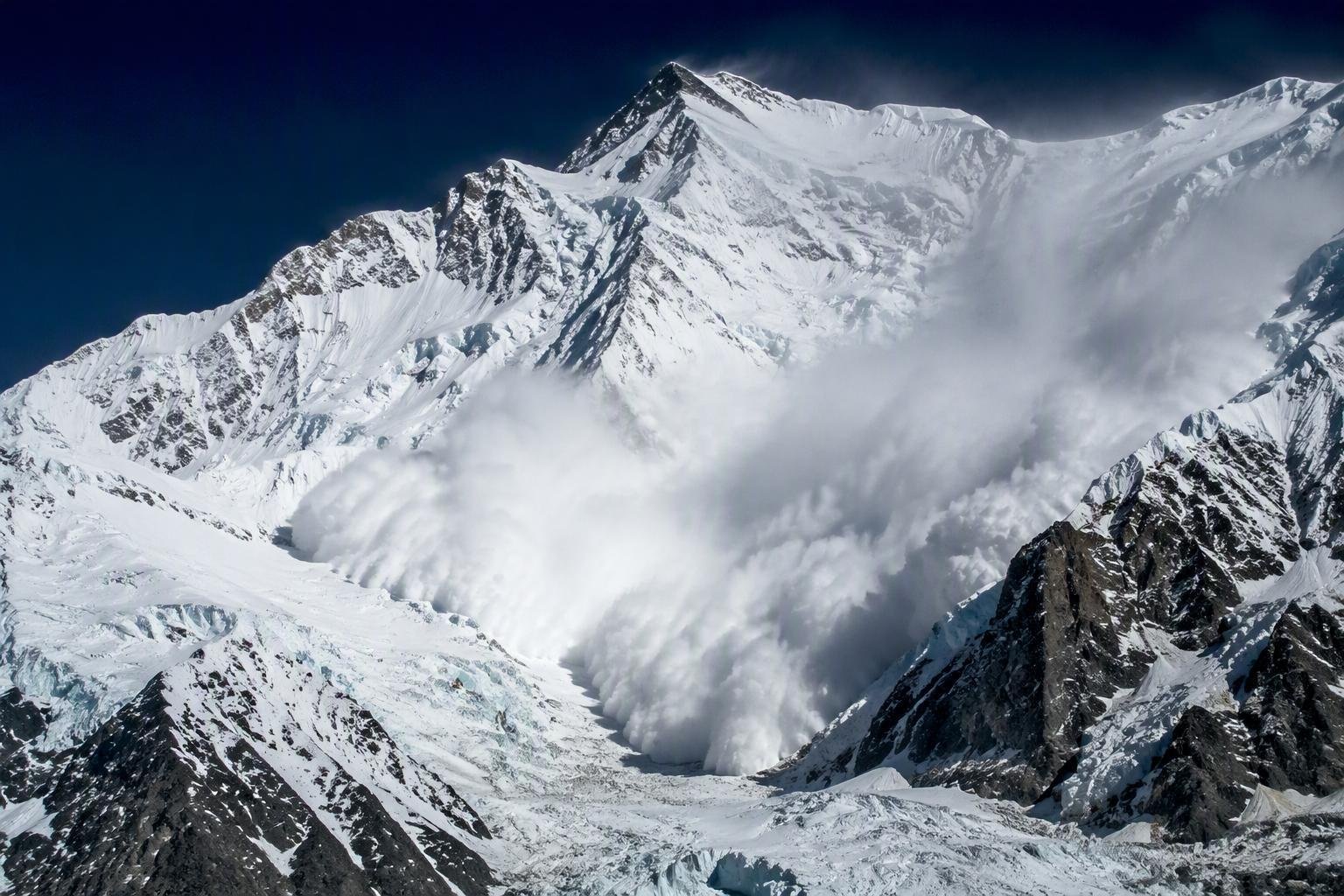
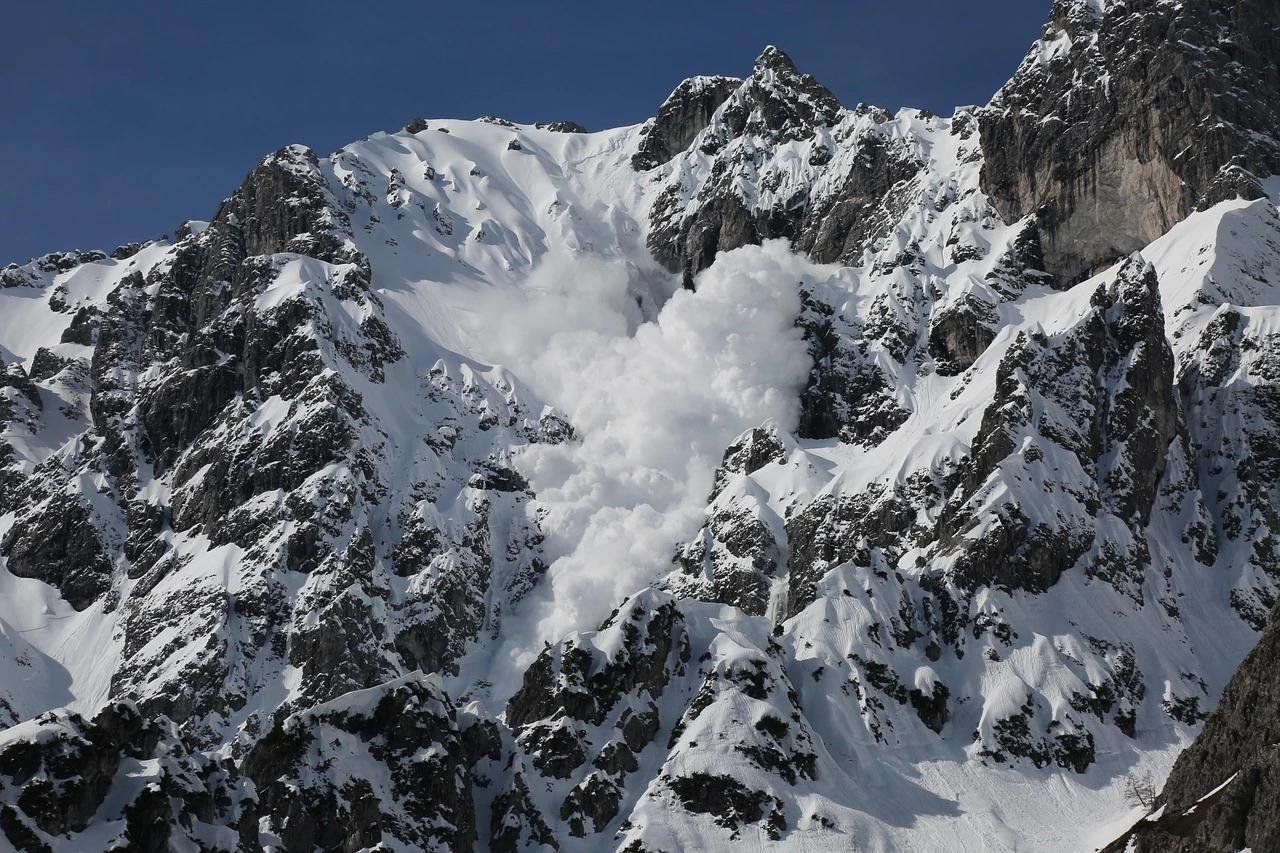
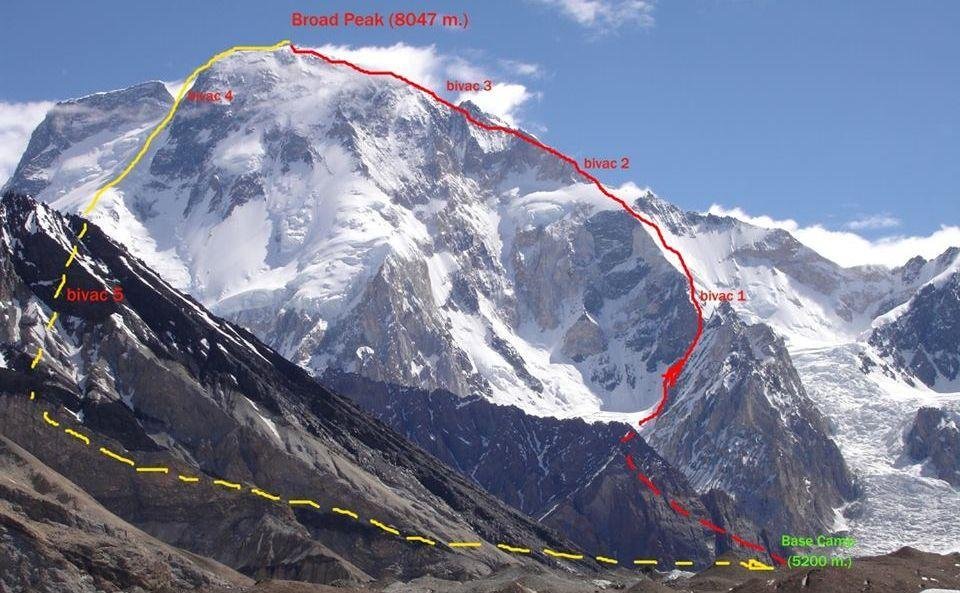
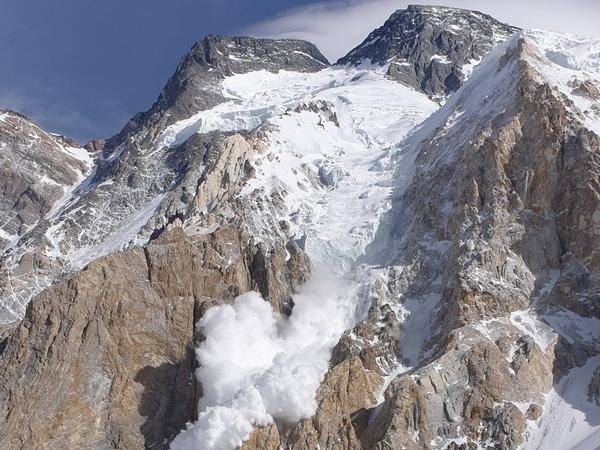
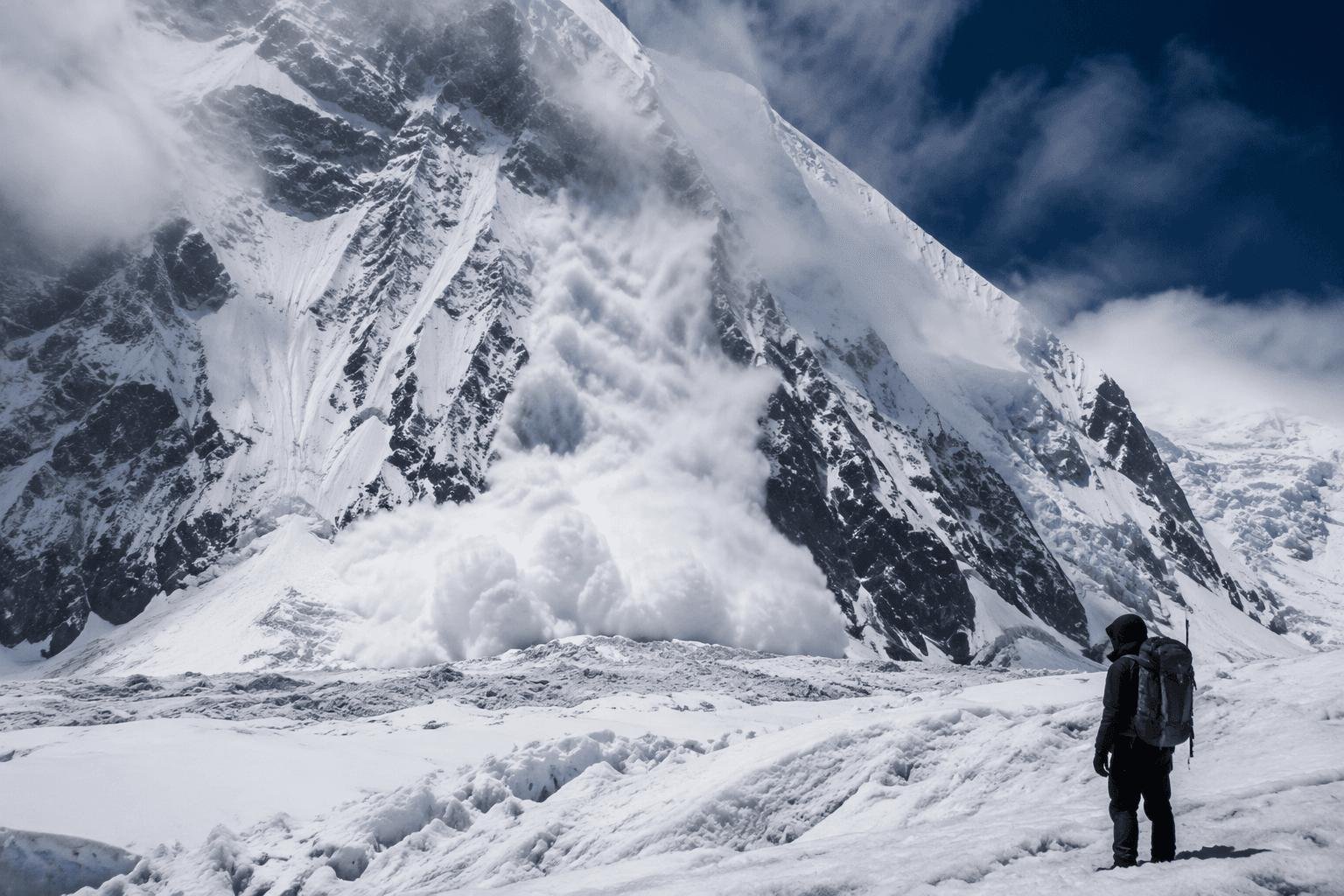
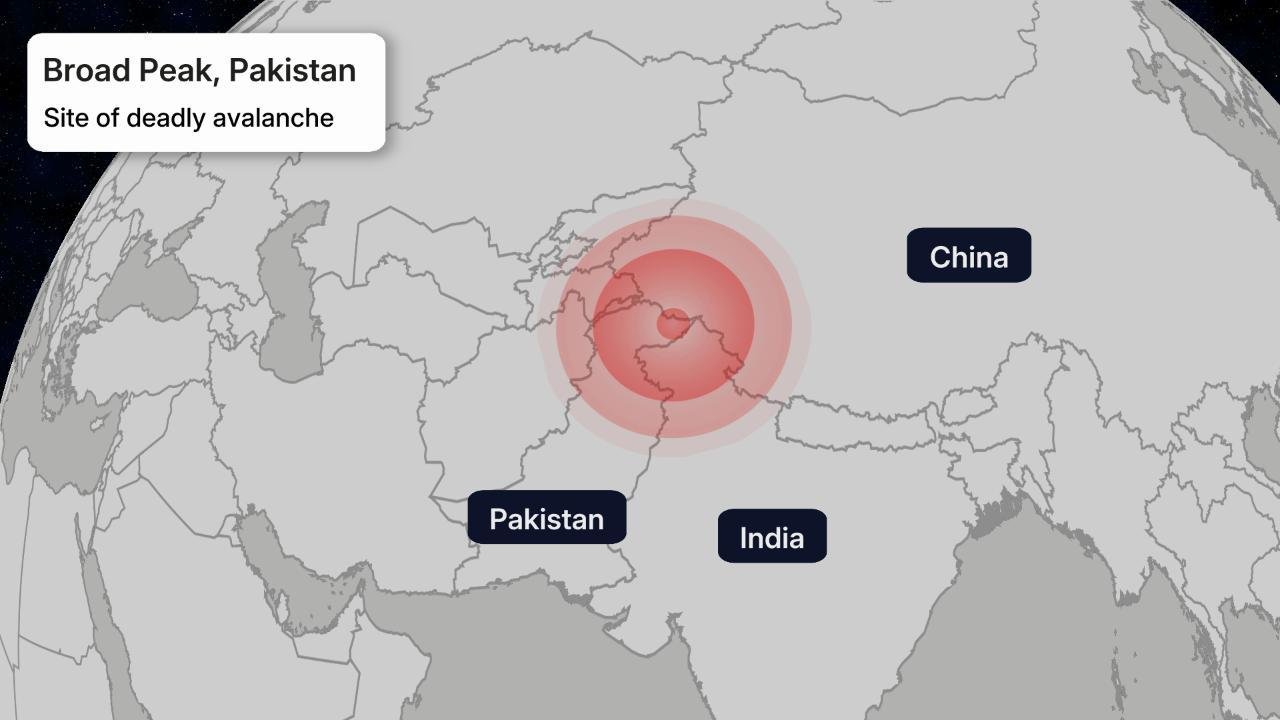
The incident immediately triggered a search and rescue operation involving Pakistani authorities, military helicopter support and high altitude rescue personnel.
Weather conditions made the operation extremely difficult.
Broad Peak's elevation and remote location meant that rescuers were dealing with the same mountain environment that had endangered the climbing team.
Search and Rescue Operation
The first reports after the avalanche described the entire team as missing.
Rescue teams began searching the mountain as weather conditions allowed.
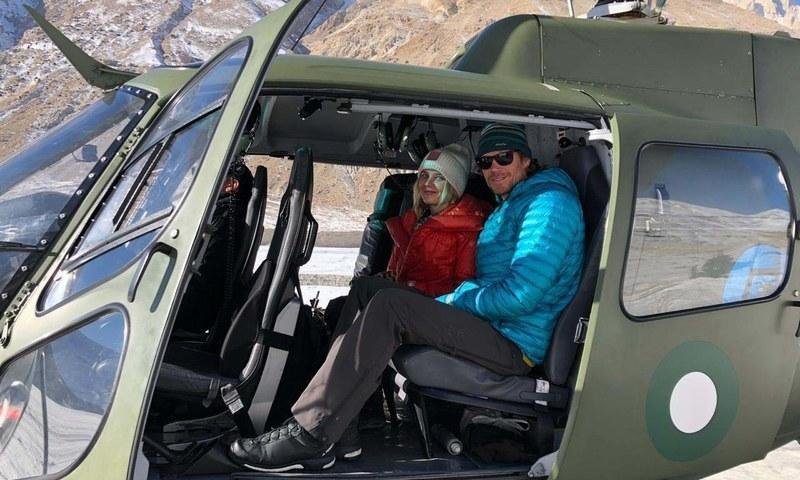
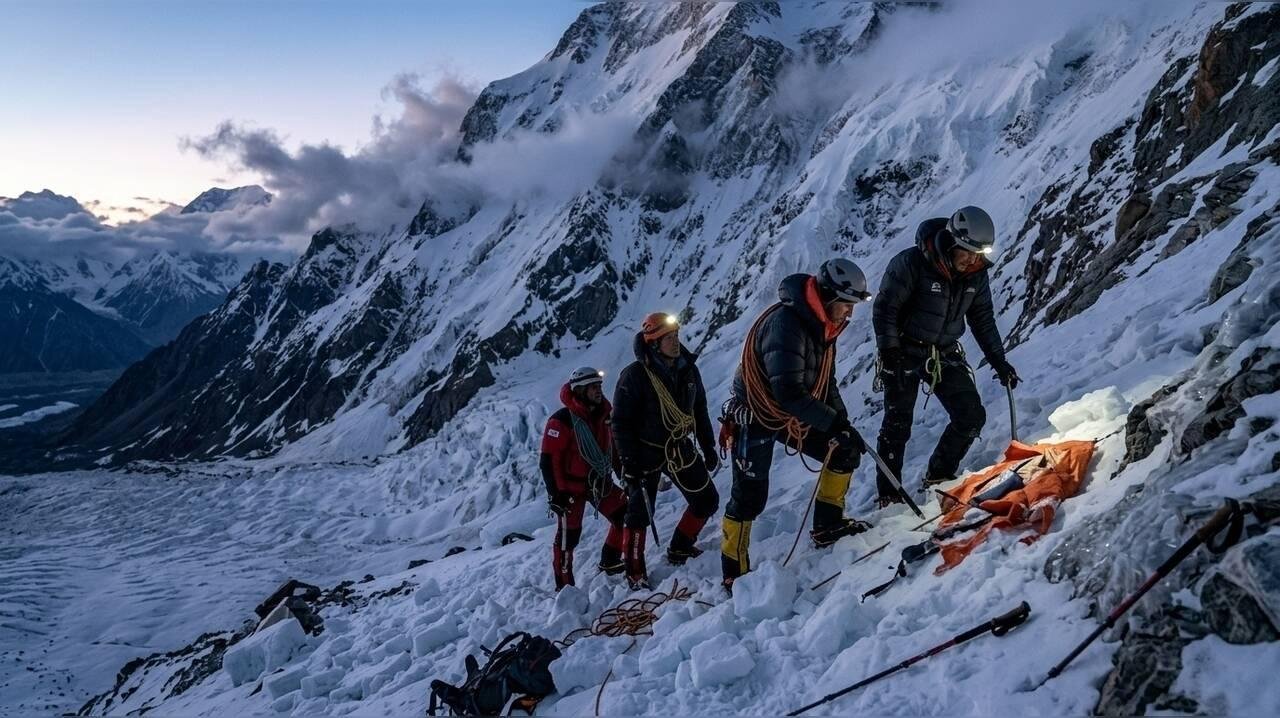
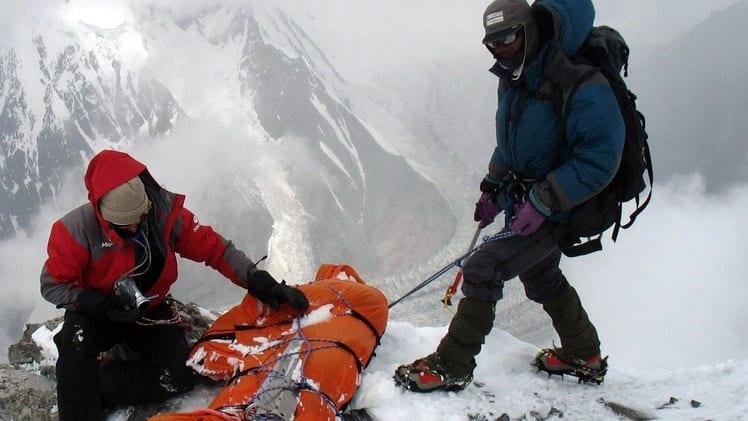
The operation involved ground teams as well as helicopter reconnaissance and recovery efforts.
Four bodies were initially located, while difficult weather delayed further recovery. (Wapt)
As conditions improved, rescue teams continued working at high altitude to locate and recover the remaining climbers.
The operation became one of the most difficult recovery efforts undertaken on Broad Peak.
The Death of Nirmal Purja
Purja was eventually confirmed among those killed in the avalanche.
His body was recovered by search teams together with the bodies of other climbers, including Chinese climber Zhong Wang and Nepali climbers Nima Sherpa and Kilu Sherpa. (AP News)
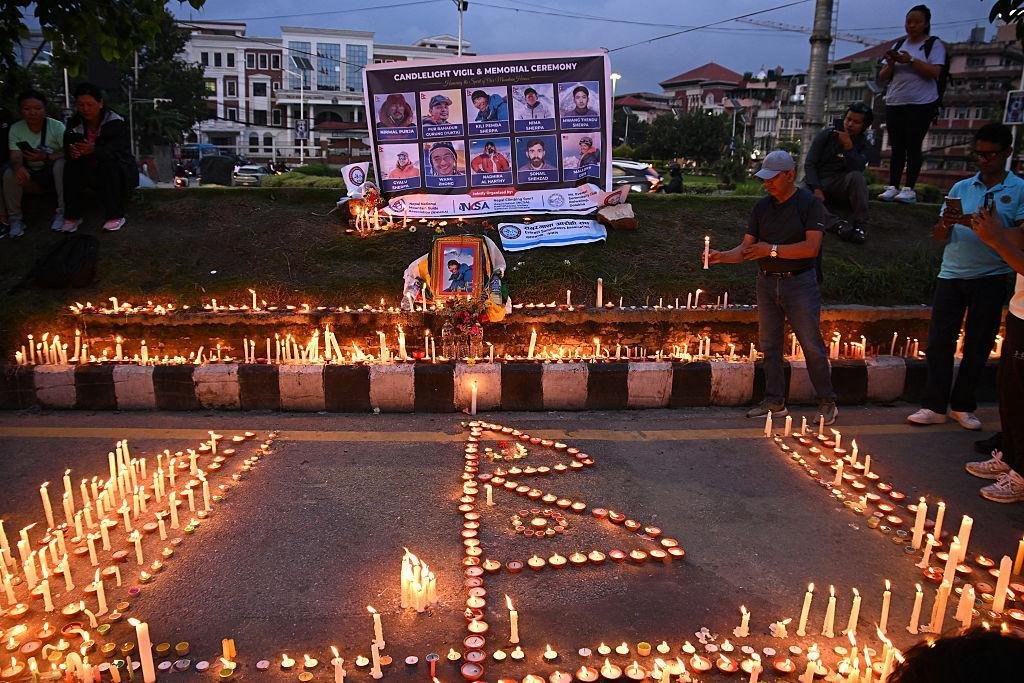
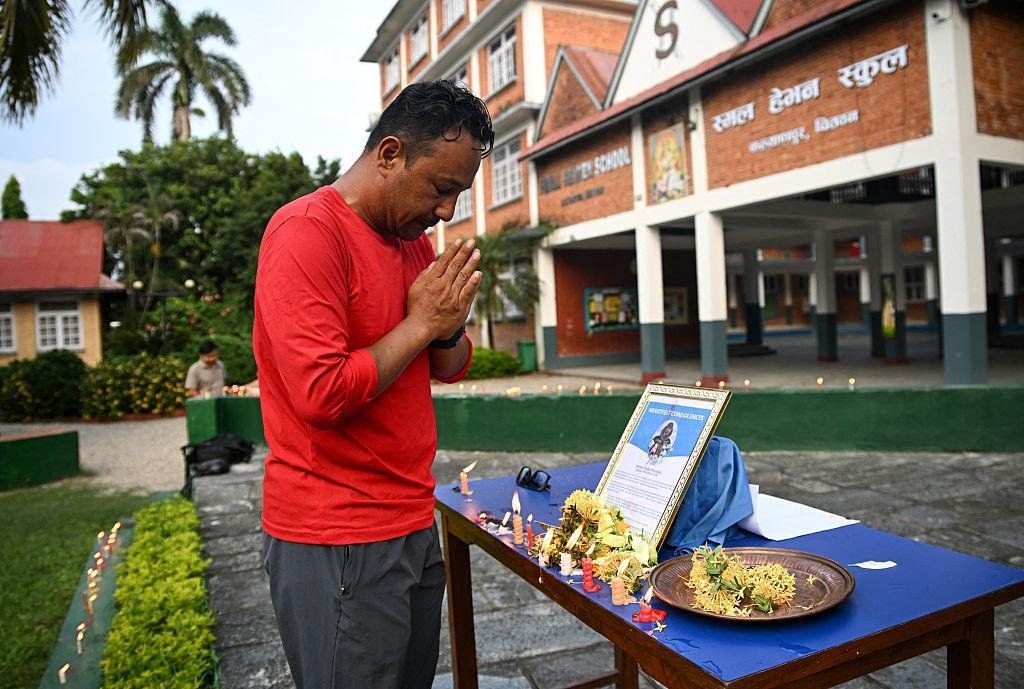
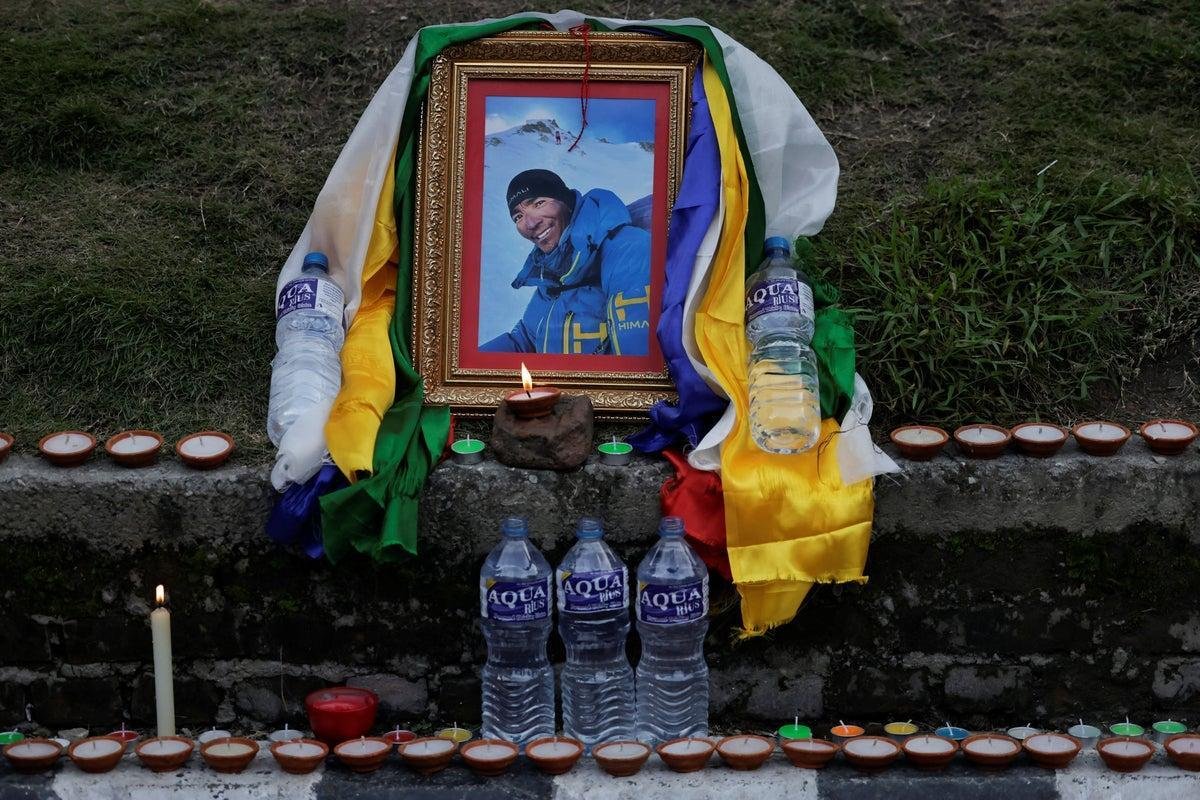
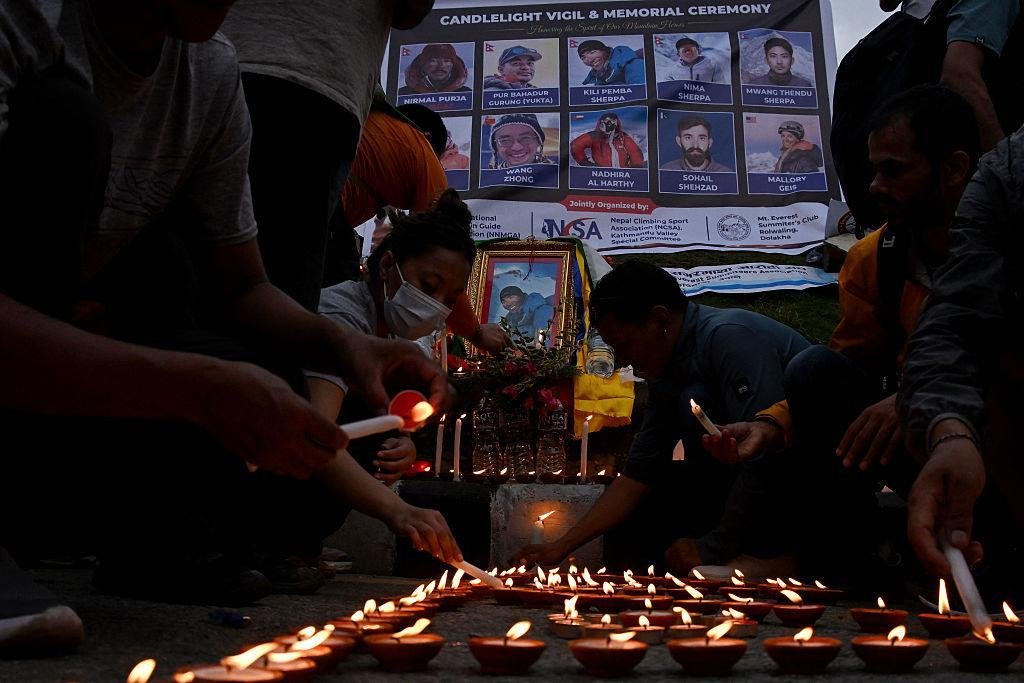
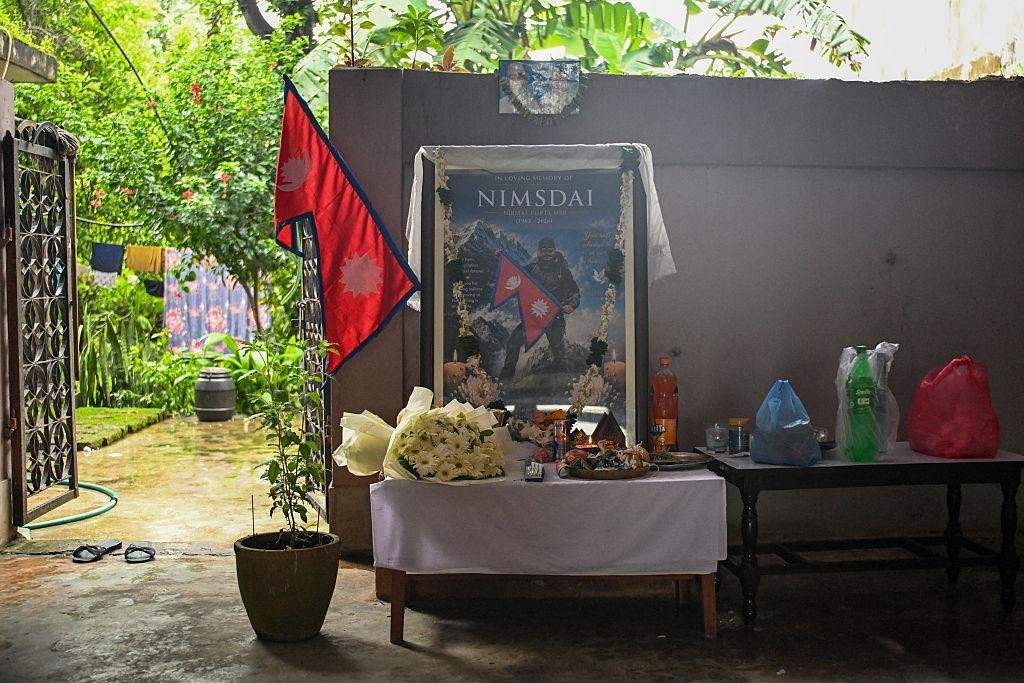
His death brought an extraordinary mountaineering career to an end.
Purja was 43 years old.
He had spent much of his adult life in demanding environments, first through military service and later through some of the world's highest and most dangerous mountains.
A Career Closely Connected With Pakistan
Pakistan occupied an unusually important place in Purja's climbing history.
During Project Possible, he climbed all five Pakistani 8,000 metre peaks:
Nanga Parbat, Gasherbrum I, Gasherbrum II, K2 and Broad Peak.
He then returned to K2 in winter and became part of the team that completed the mountain's first successful winter ascent.
His final expedition also took place in Pakistan.
For this reason, the Karakoram was not simply another destination in his career. It was one of the principal settings in which his international reputation was built.
His Connection With the Mountains of Gilgit Baltistan
Purja's expeditions also brought international attention to Gilgit Baltistan.
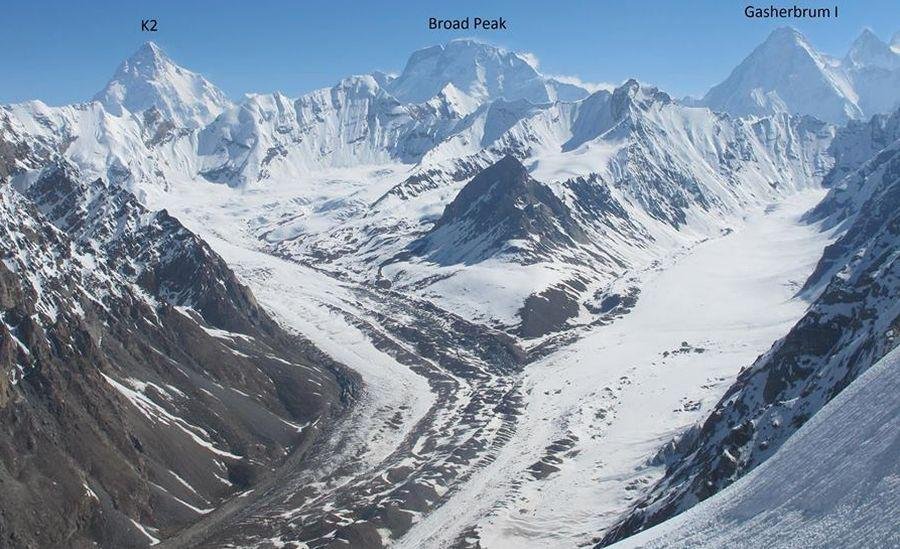
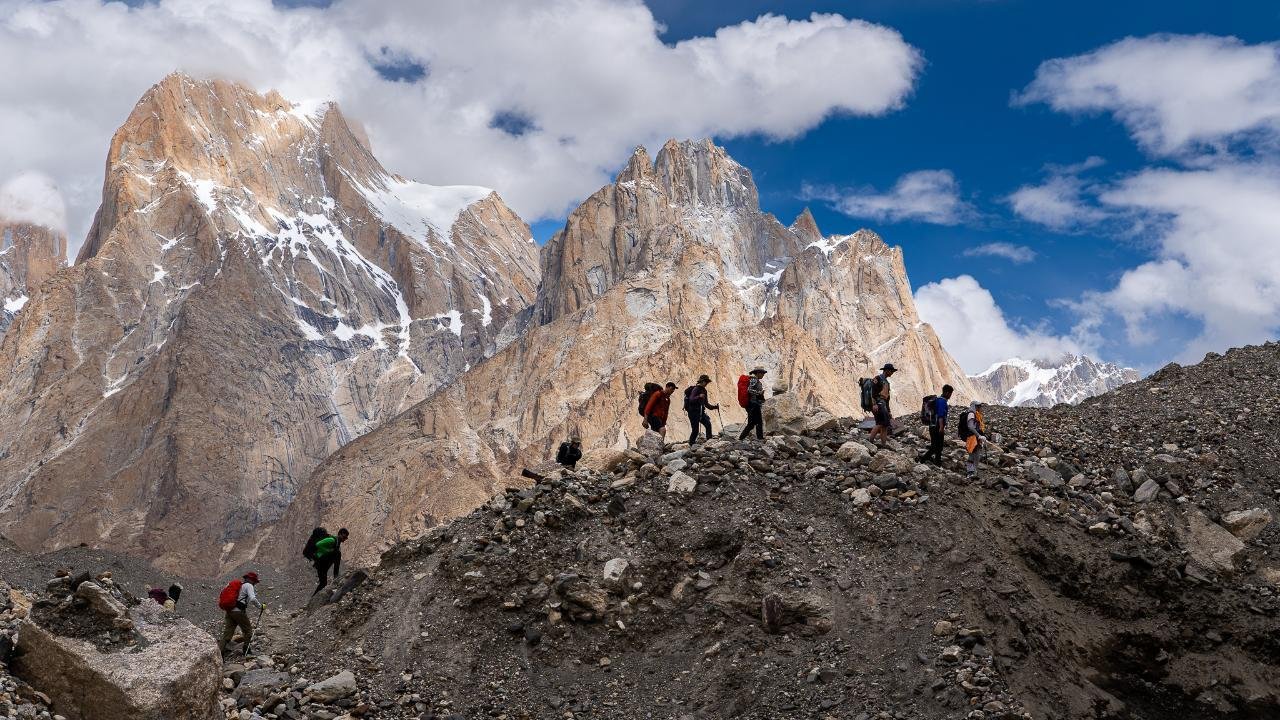
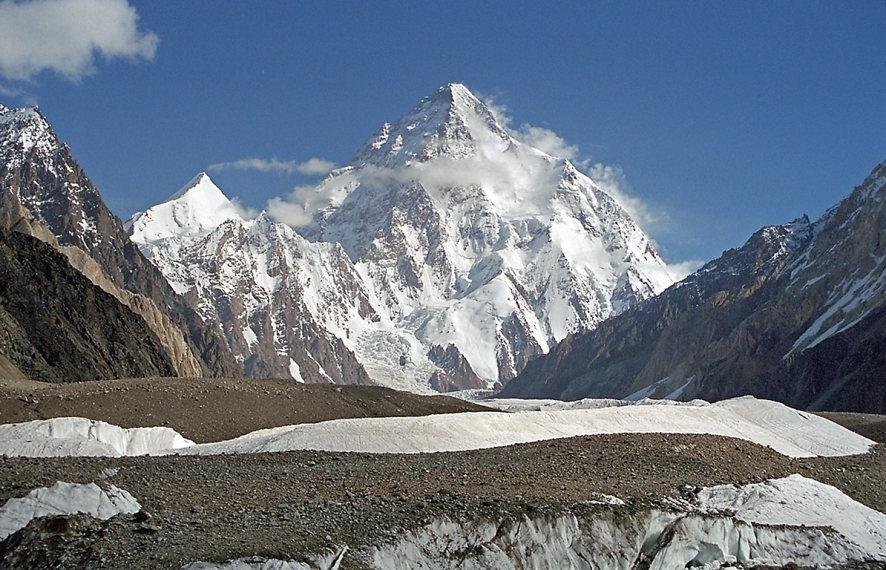
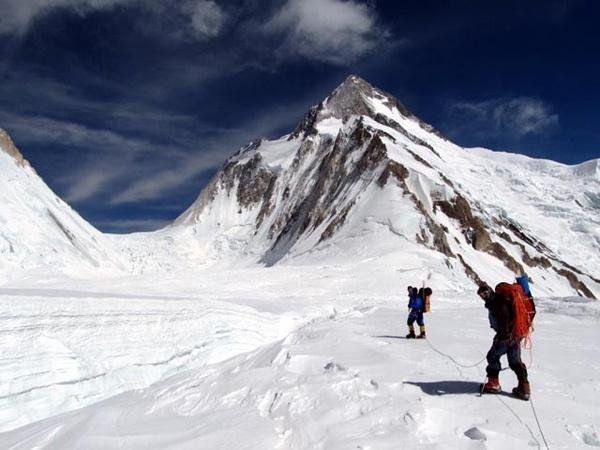
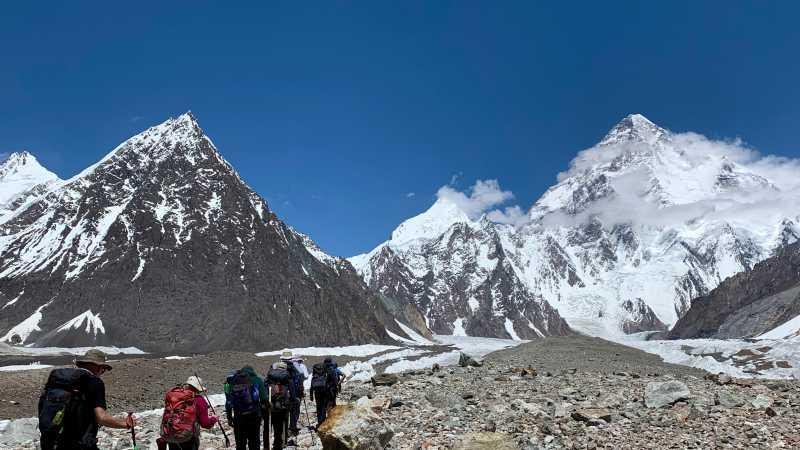
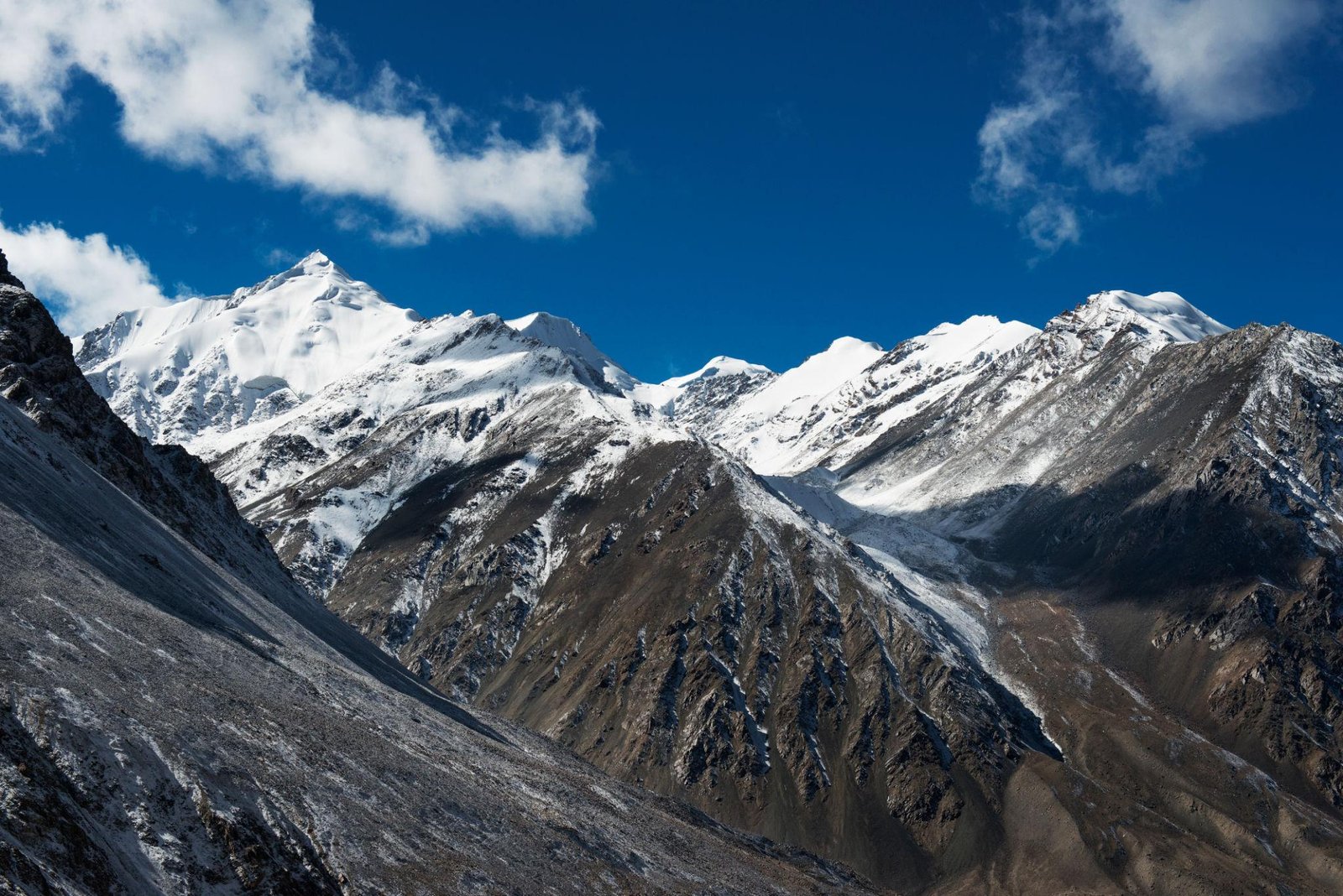
The region contains some of the world's most important high altitude climbing destinations.
K2, Broad Peak and the Gasherbrum massif attract experienced climbers from around the world, while the Baltoro region has become an important destination for trekkers and adventure travelers.
Purja's expeditions helped keep these mountains visible to an international audience.
His final expedition also demonstrated the risks associated with operating in such an environment.
Remembering Nimsdai
Purja's legacy is larger than the records associated with his name.
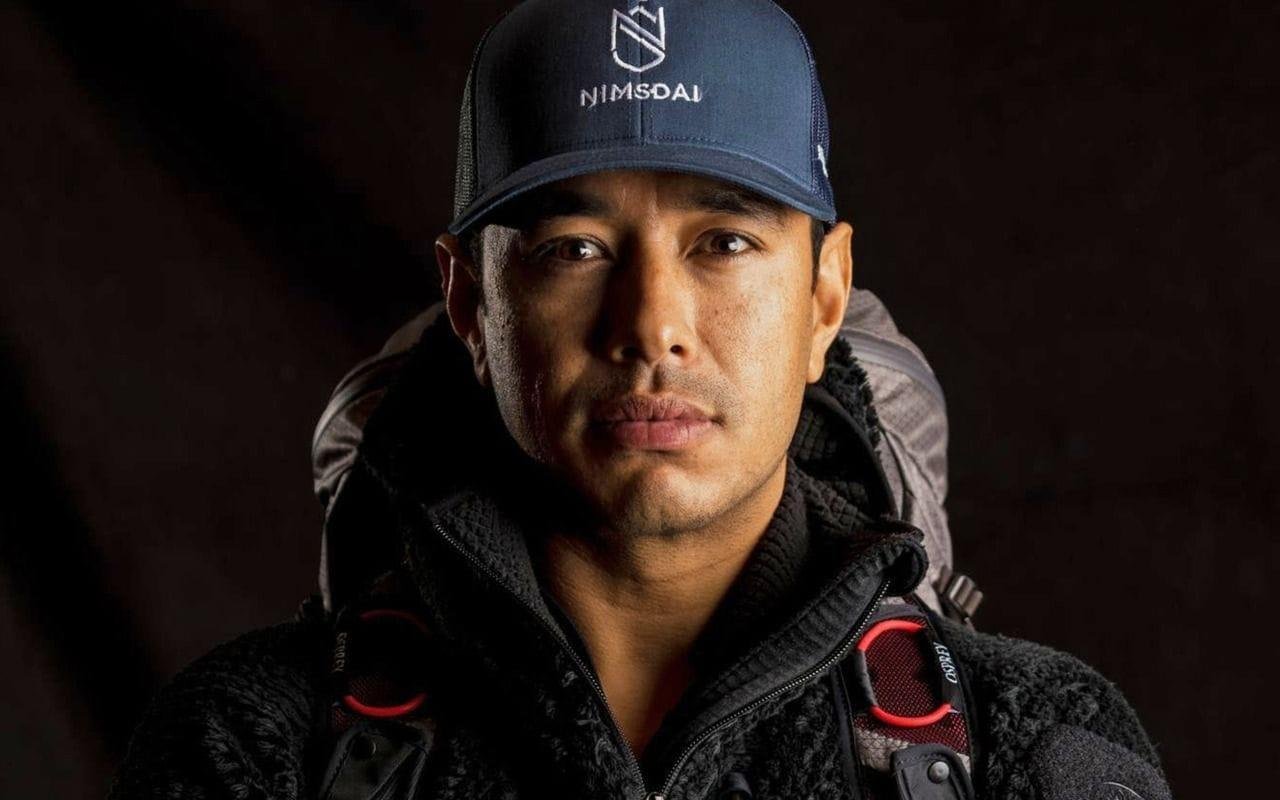
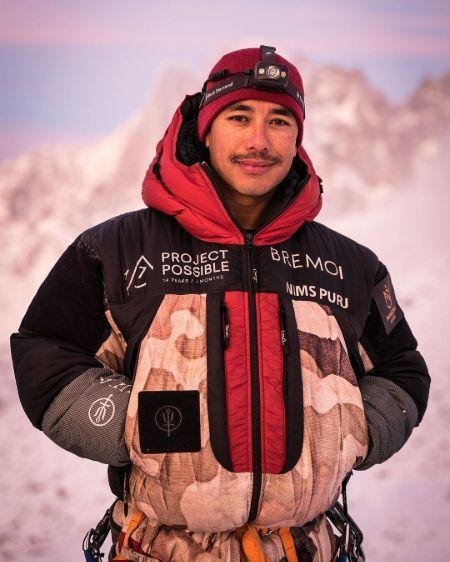
He became one of the most recognizable Nepali climbers of the modern era.
His military career gave him a foundation in discipline and teamwork.
His early mountaineering experiences gave him confidence at high altitude.
Project Possible transformed him into a global figure.
The first winter ascent of K2 added another historic achievement.
His work as an expedition leader allowed him to influence climbing beyond his own personal summit attempts.
And his death on Broad Peak brought his story back to the same Karakoram where several of his greatest achievements had taken place.
The Legacy of Project Possible
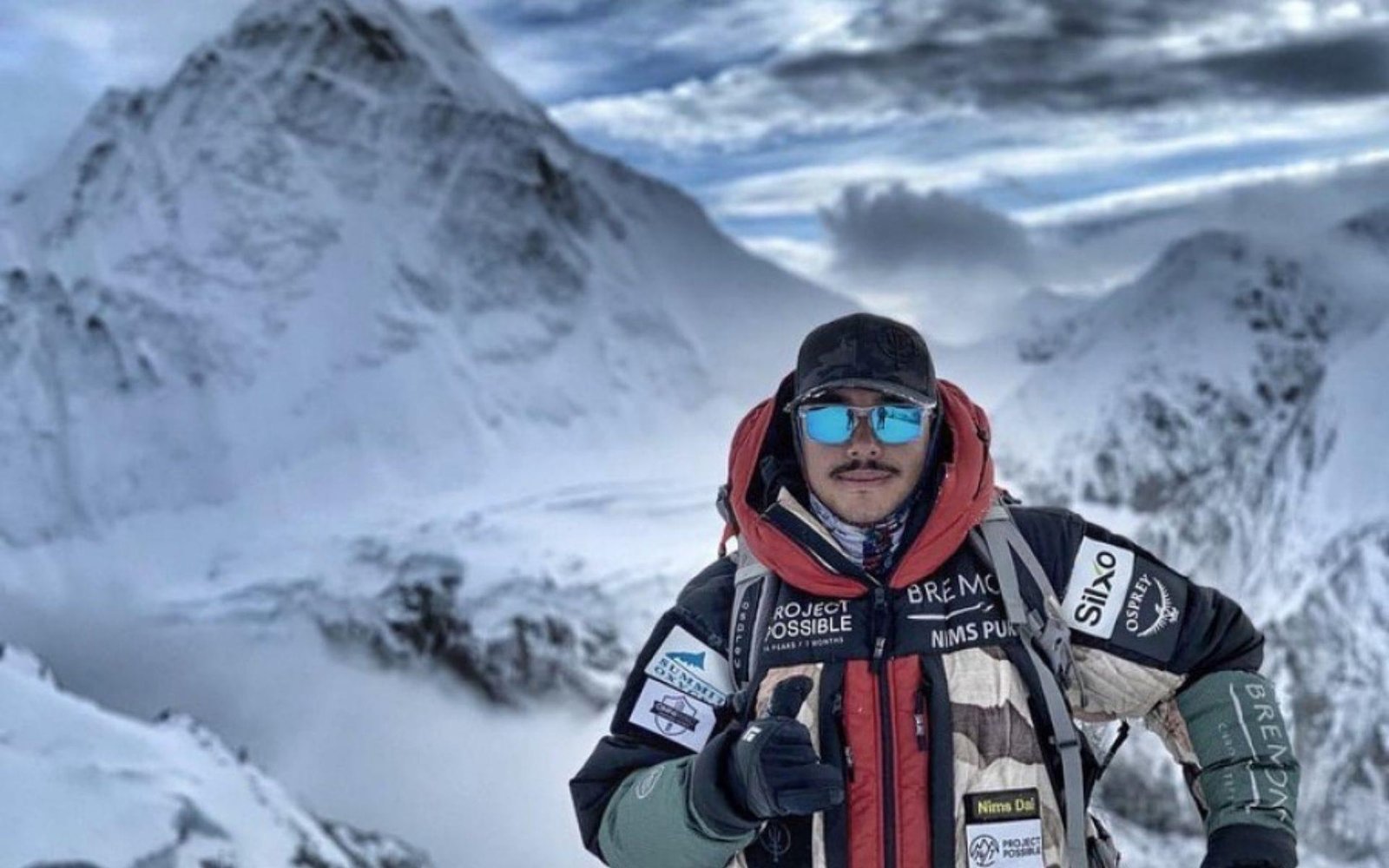
The fourteen peaks remain the defining achievement of Purja's career.
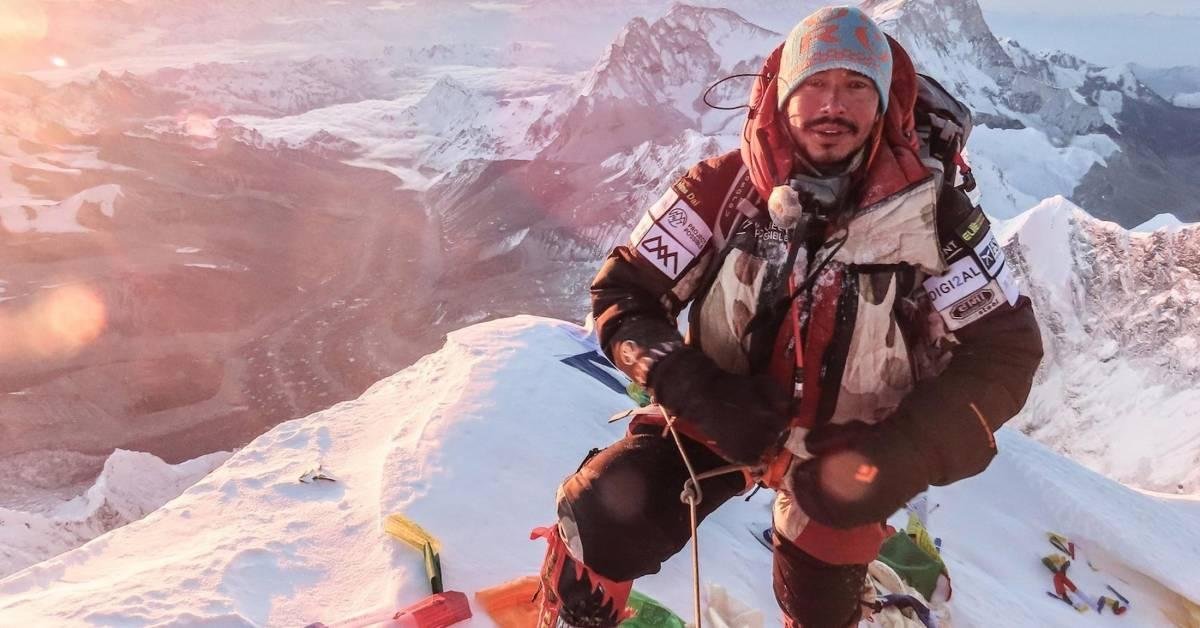
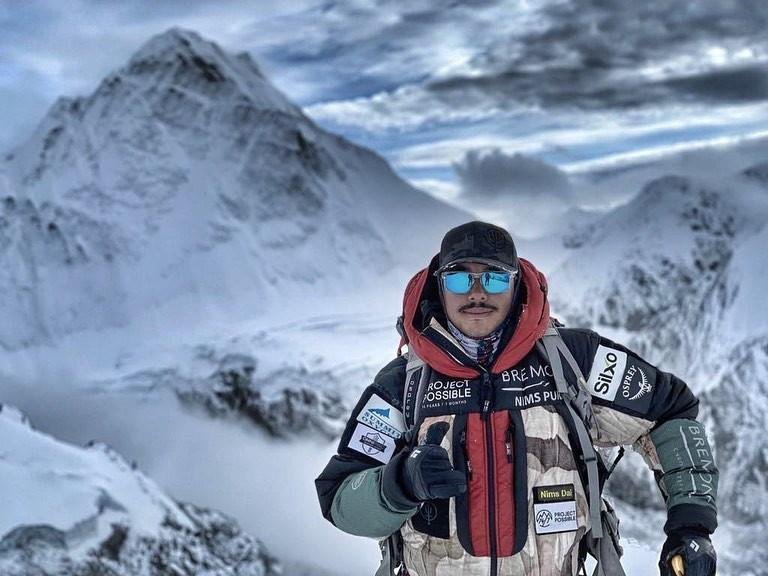
In 189 days, he completed all fourteen 8,000 metre mountains.
The achievement changed the record for the fastest completion of the fourteen peaks and made his name internationally known.
But the story is also important because of what happened after the record.
Purja continued climbing.
He returned to K2 in winter.
He worked as an expedition leader.
He remained involved in the international mountaineering community.
And he continued returning to the mountains that had defined his career.
A Mountaineer Between Nepal and Pakistan
Purja's story connected two countries that occupy central positions in Himalayan and Karakoram mountaineering.
Nepal provided the beginning of his story and many of the mountains in Project Possible.
Pakistan provided five of the fourteen 8,000 metre peaks, the historic winter K2 ascent and his final expedition.
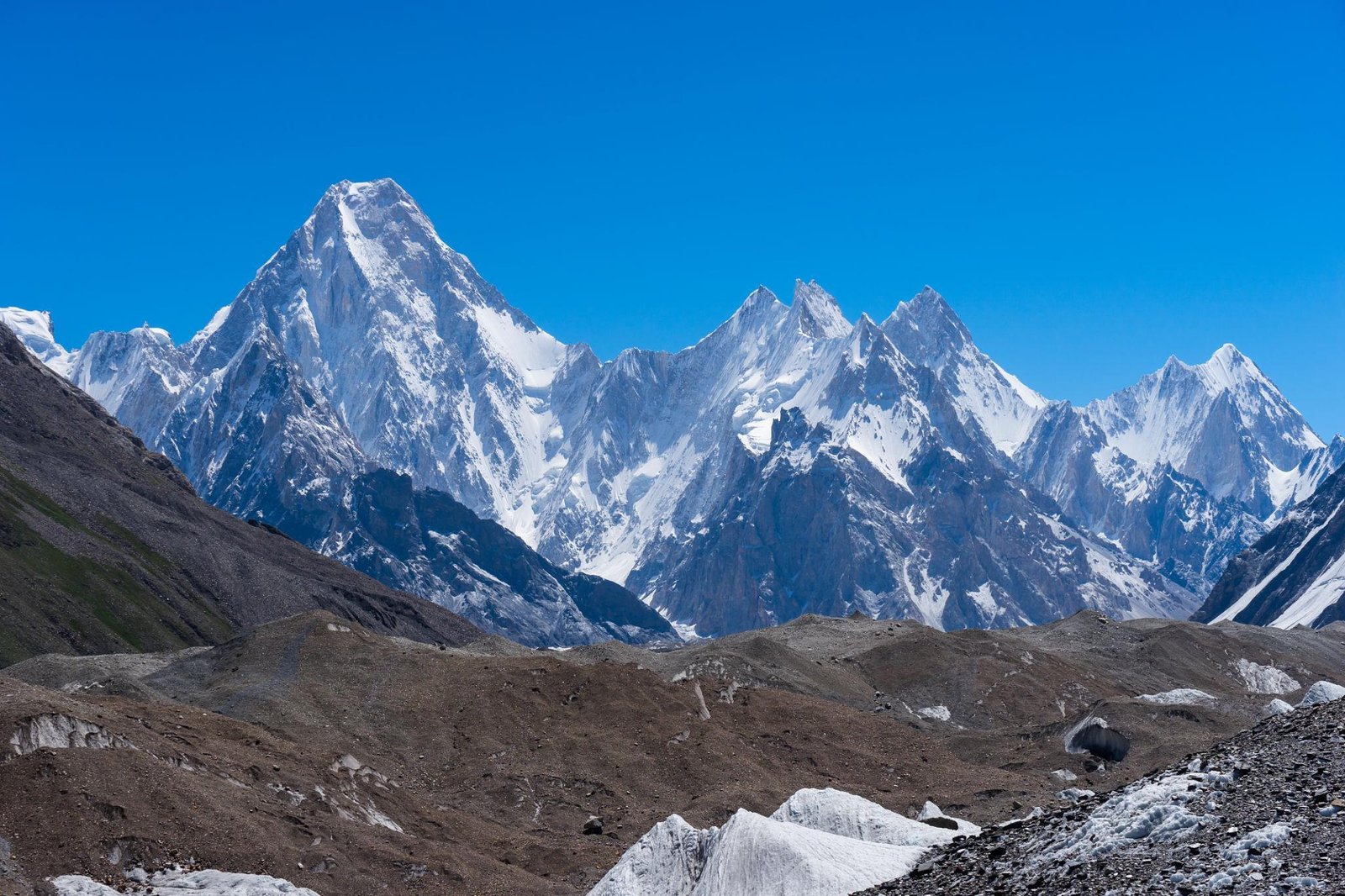
His career therefore crossed two of the world's most important mountain regions.
For Pakistan, his story is particularly significant because it placed the country's highest peaks at the centre of one of the most remarkable mountaineering careers of the modern era.
Nirmal Purja's Place in Mountaineering History
Nirmal Purja leaves behind a record that is unlikely to be separated from the history of modern high altitude climbing.
He climbed all fourteen 8,000 metre peaks faster than anyone before him.
He was part of the first team to climb K2 in winter.
He became an internationally recognized expedition leader.
And he helped bring the mountains of Nepal and Pakistan to a global audience through his expeditions and the documentary 14 Peaks: Nothing Is Impossible.
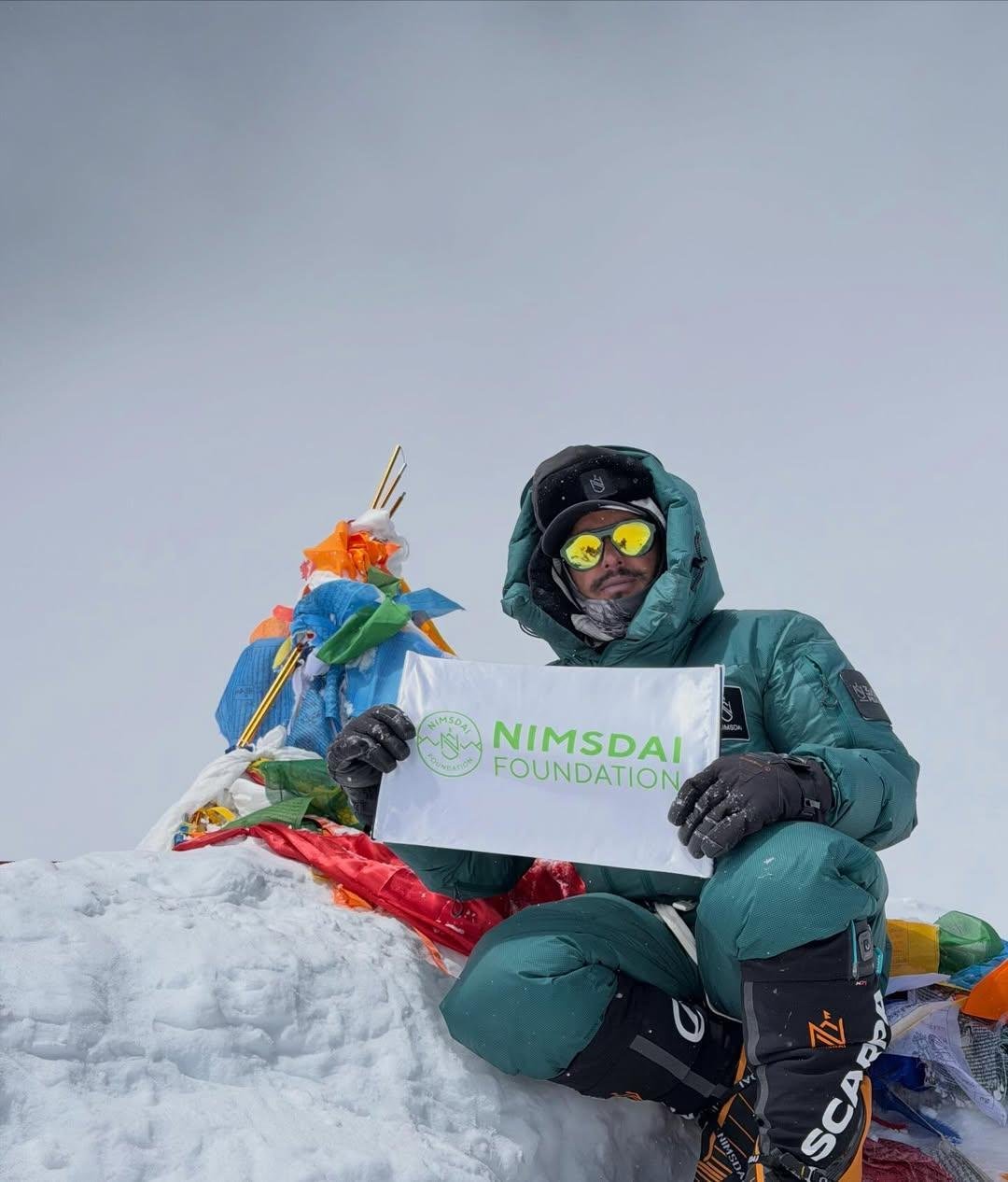
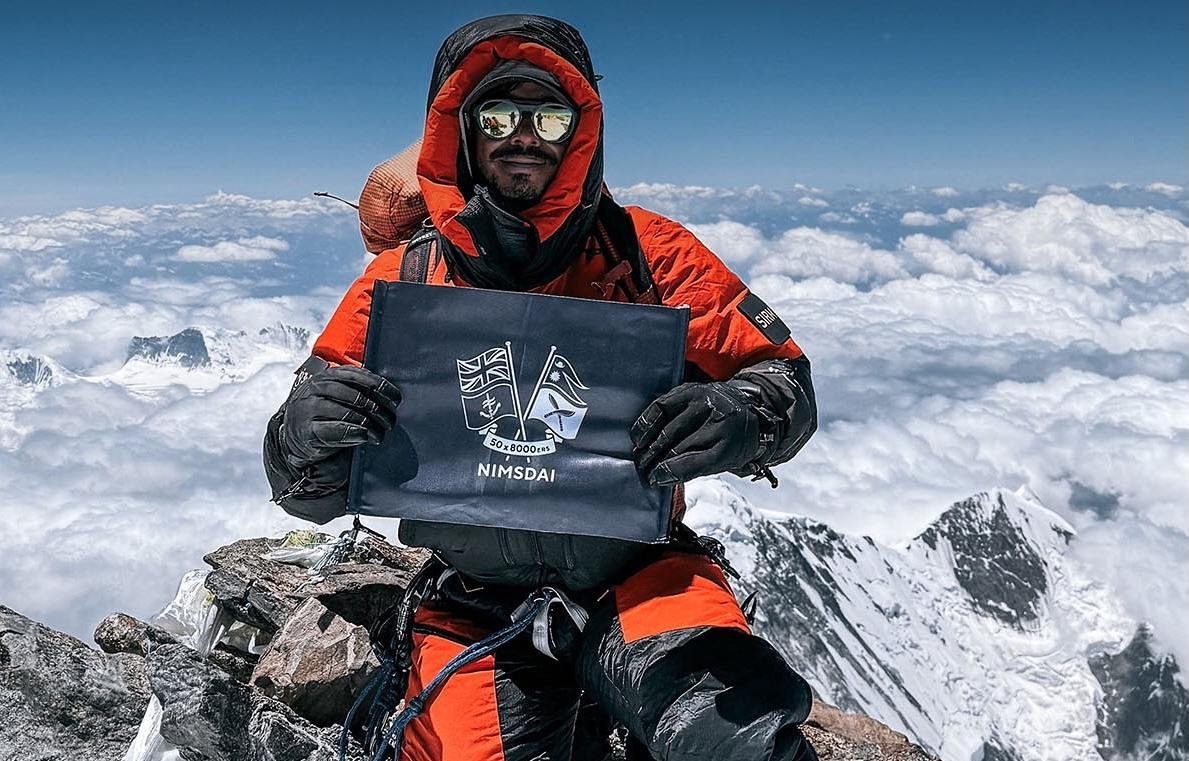
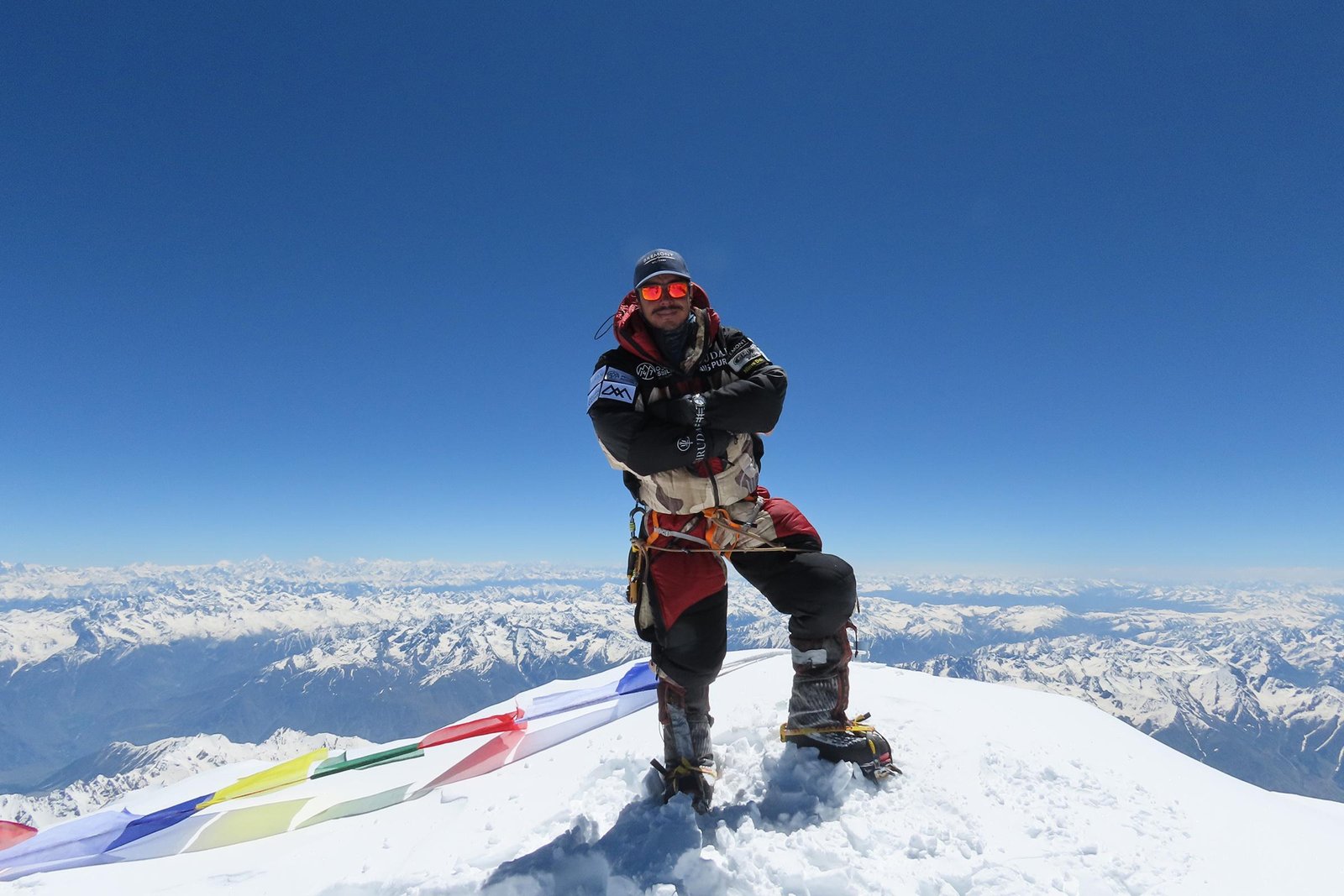
His final expedition ended on Broad Peak in July 2026.
The mountain had been part of his greatest achievement seven years earlier.
It became the final mountain of his life.
For the international mountaineering community, his story will remain closely associated with speed, ambition, teamwork and the extraordinary difficulty of climbing the world's highest mountains.
For Pakistan, his story will remain closely connected with the Karakoram, K2, Broad Peak, Nanga Parbat and the Gasherbrum peaks.
And for Nepal, he will remain one of the most internationally recognized mountaineers of his generation.

![K2 Base Camp Trek: Ultimate Guide k2 Trek 2026 [UPDATED]](https://www.karakoramdiaries.com/storage/ultimate-guide-to-k2-base-camp-trek-full-document-150x150.png)