Winter 2021: The Day K2 Was Finally Climbed in Winter
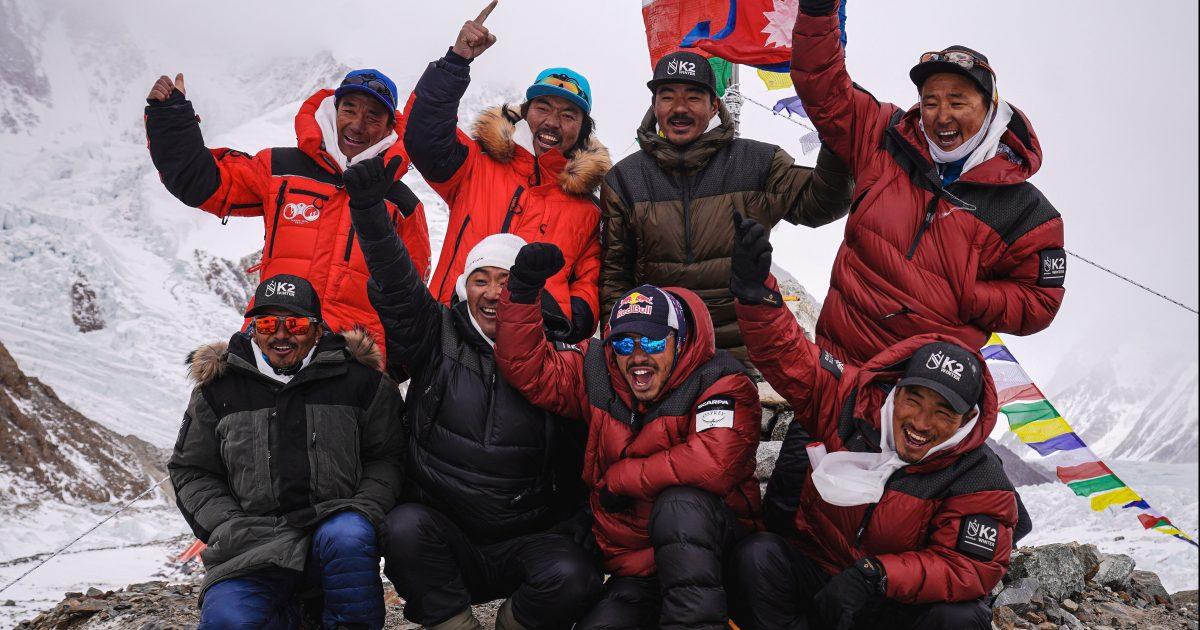
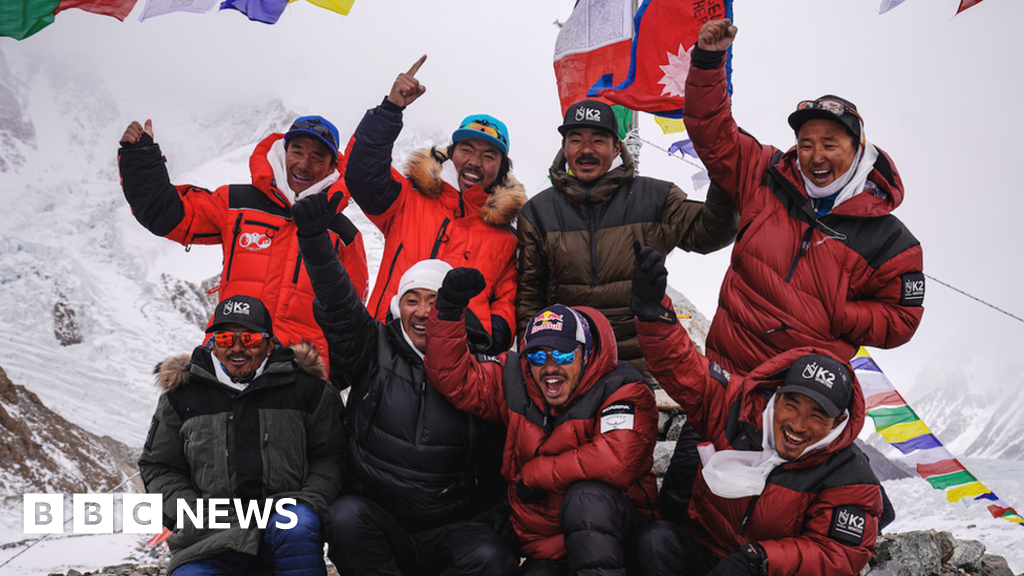
Caption: Members of the Nepali team who achieved the first-ever winter ascent of K2 on 16 January 2021, standing together on the summit.
Image credit: Nimsdai Project Possible / Expedition team archive
The Mountain That Refused Winter
For many years K2 had resisted every winter attempt. Climbers had already reached the summit of all other 8,000-meter peaks during winter seasons, but K2 remained the final mountain that had never been climbed in winter conditions.
Winter on K2 creates extreme difficulties that even experienced climbers struggle to manage. Temperatures can fall below minus sixty degrees Celsius. Strong winds often reach speeds that make climbing impossible. Snow accumulation and unstable ice increase the risk of avalanches across the route.
Several strong teams had attempted winter ascents over the years. Polish climbers, international expeditions, and elite mountaineers all tried to reach the summit during the coldest months. Each attempt ended the same way. Teams were forced to retreat before reaching the top.
By the end of 2020, K2 had become known as the final unsolved challenge of winter high-altitude climbing.
Winter 2020–2021: Several Expeditions Arrive
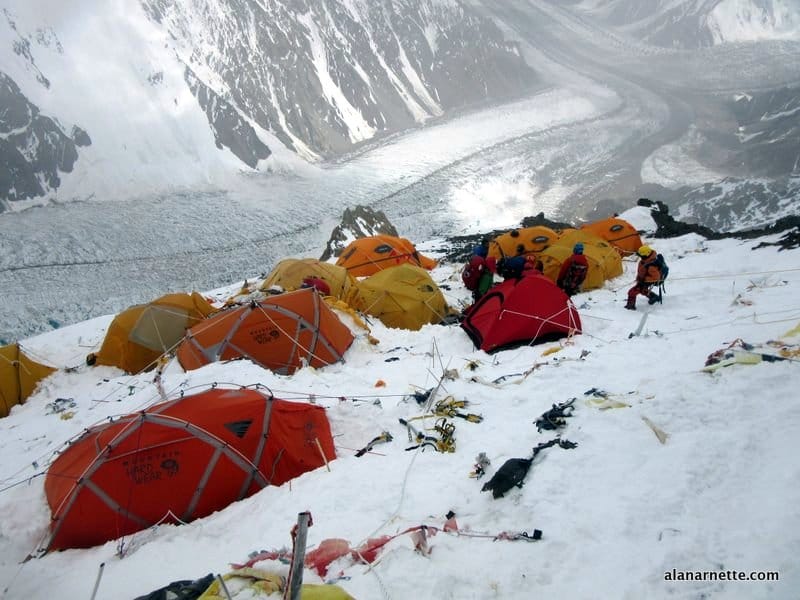
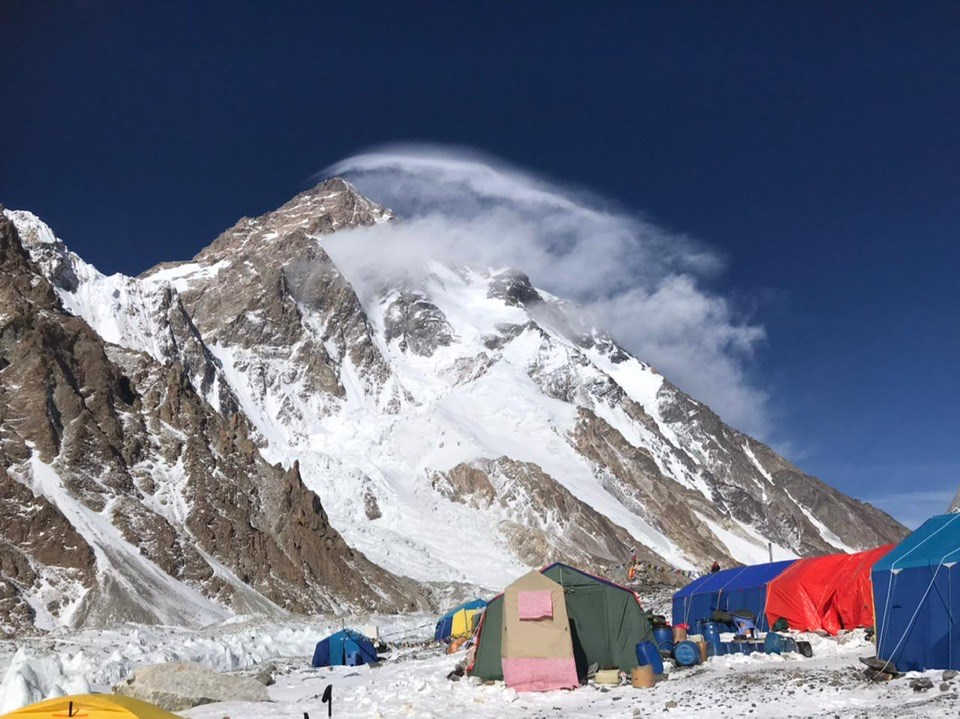
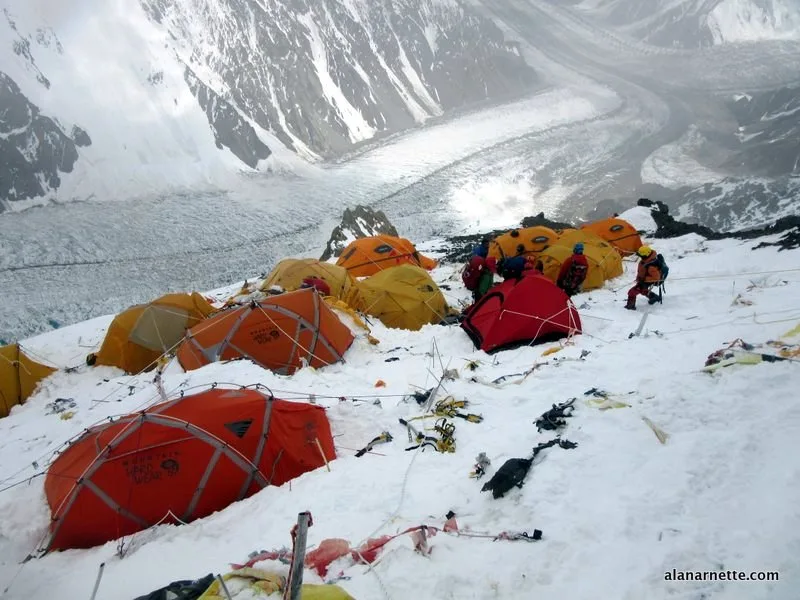
Caption: Winter base camp and upper camps on K2 during the January 2021 attempts, with extreme cold and constant high winds.
Image credit: Alamy
During the winter season of 2020–2021 several teams arrived at K2. Climbers from different countries established base camp and began preparing the route.
These teams included Nepali climbers, European mountaineers, and other international groups. Each expedition faced the same conditions. Temperatures were extremely low and strong winds regularly swept across the mountain.
Climbers slowly fixed ropes, established camps, and waited for a short weather window that might allow a summit attempt. However, winter conditions remained unstable.
As the weeks passed, some teams decided to end their attempts and leave the mountain. The cold, the wind, and the limited weather opportunities made progress difficult.
By the middle of January only one group remained ready to attempt the summit.
The Nepali Climbers Who Continued
The climbers who continued the push included several experienced Nepali mountaineers. Among them were:
- Nirmal Purja
- Mingma Gyalje Sherpa
- Gelje Sherpa
- Sona Sherpa
- Mingma David Sherpa
Many of these climbers already had extensive experience on the world's highest peaks. Sherpa climbers have played an essential role in Himalayan expeditions for decades, but they had rarely received full recognition for their contributions.
During this winter attempt, the Nepali climbers decided to approach the mountain as a single team rather than competing for individual success.
The Decision to Climb Together
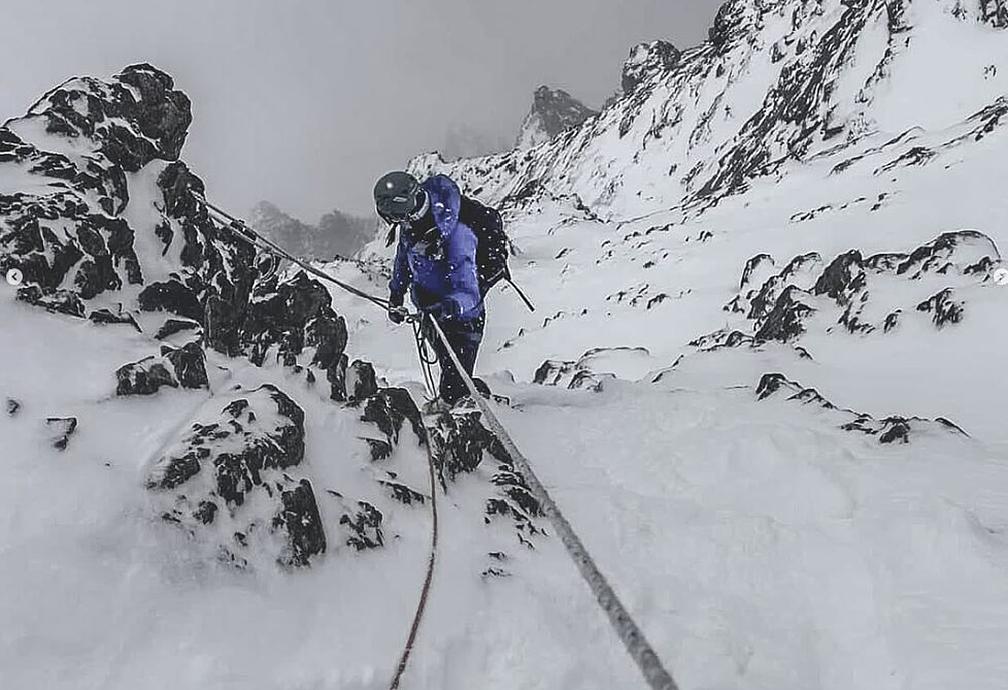
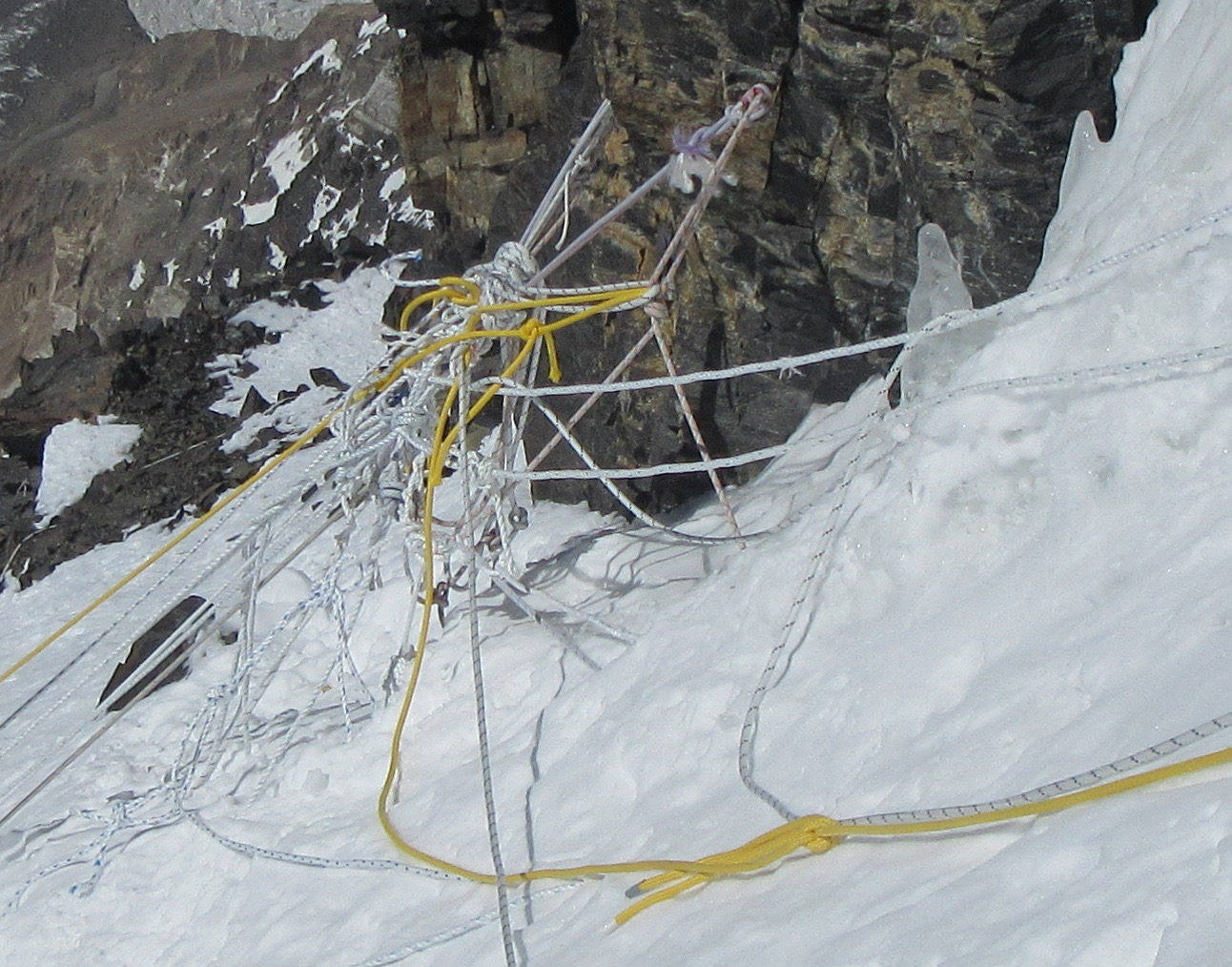
Caption: Nepali climbers fixing ropes together above Camp 3 during the final winter summit push on K2.
Image credit: Expedition team archive
Instead of competing for the first individual winter summit, the Nepali climbers made a different decision. They agreed that they would reach the summit together as one group.
This meant that the climbers moved at the same pace and waited for each other during the ascent. They fixed ropes collectively and shared responsibilities during the climb.
In winter conditions this approach required patience and coordination. Slower progress meant longer exposure to cold and wind, but the team believed the shared approach improved safety and cooperation.
16 January 2021: Reaching the Summit
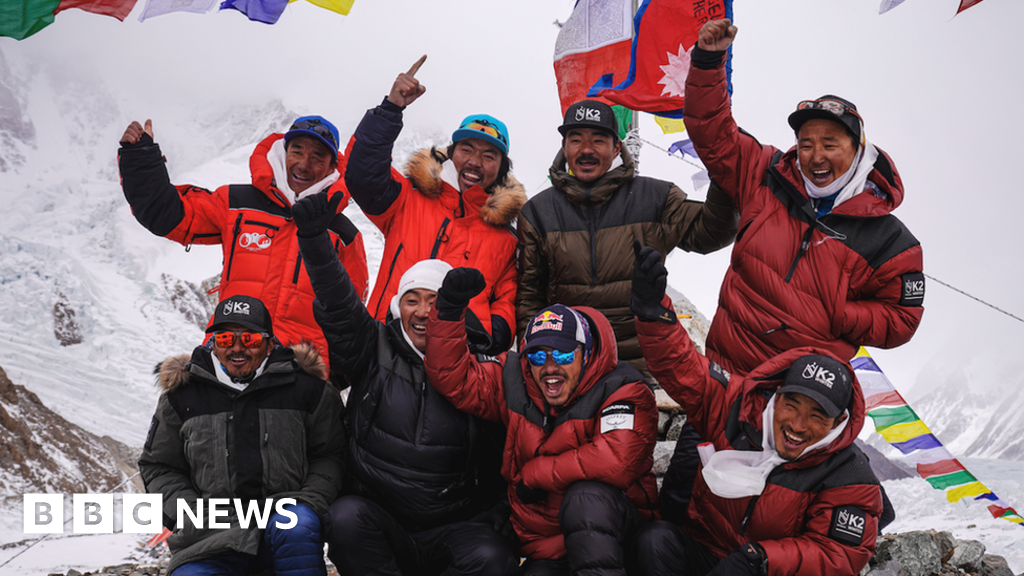
Caption: The Nepali team on the summit of K2 in winter, holding their national flag and singing the Nepali national anthem.
Image credit: Nimsdai Project Possible
On 16 January 2021 the climbers continued their summit push through extremely cold conditions. Late in the afternoon the team reached the summit ridge and gathered below the highest point.
Before stepping onto the summit, they waited until the entire group was together. When they finally moved onto the summit of K2, they stood there as one team.
At the top they sang the Nepali national anthem. The moment marked the first confirmed winter ascent of K2 in the history of mountaineering.
A Safe Descent
Caption: Nepali climbers descending safely after the successful winter summit.
After the summit the climbers began the descent carefully. Winter descents on K2 can be as dangerous as the ascent itself because fatigue and cold increase the risk of accidents.
The team descended successfully to lower camps and eventually returned to base camp. All of the climbers who reached the summit returned safely.
For a mountain known for tragic outcomes, the absence of fatalities during the summit push was notable.
Conclusion
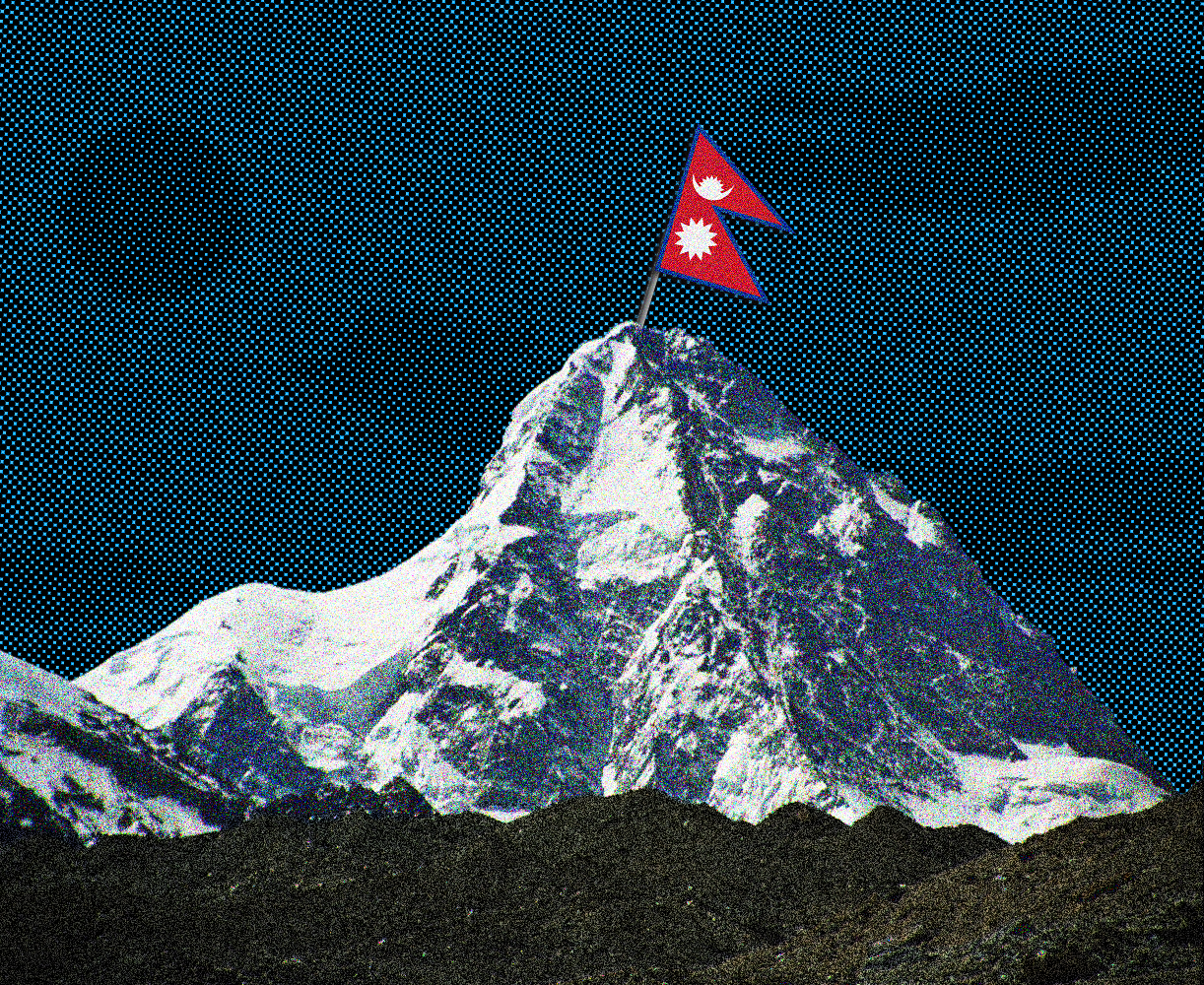
The winter ascent of K2 in 2021 marked the final winter success among the world’s fourteen 8,000-meter peaks. The climb demonstrated the experience and coordination of the Nepali mountaineers who worked together throughout the expedition.
The mountain itself remained as challenging as ever. The difference came from the approach taken by the climbers, who focused on teamwork and shared responsibility during the ascent.
The achievement is now considered one of the most important moments in modern mountaineering history.
Narrated by KarakoramDiaries






![K2 Base Camp Trek: Ultimate Guide k2 Trek 2026 [UPDATED]](https://www.karakoramdiaries.com/storage/ultimate-guide-to-k2-base-camp-trek-full-document-150x150.png)