K2 1954: The First Ascent and the Quiet Cost Behind It
Introduction
On July 31, 1954, the summit of K2 was reached for the first time. The Italian expedition led by Ardito Desio succeeded where many earlier attempts had failed.
Two climbers, Achille Compagnoni and Lino Lacedelli, reached the highest point of the mountain at 8,611 meters.
The achievement was celebrated across the world. Newspapers reported it as one of the great successes in mountaineering.
However, the full story of the expedition is more complex. The summit was possible because of the work and sacrifice of many people on the mountain.
The Difficulty of Climbing K2
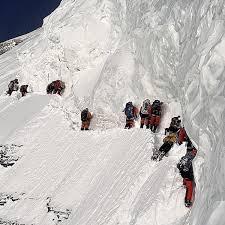
K2 is known as one of the most difficult mountains in the world. The slopes are steep from the beginning of the climb. Climbers must pass through exposed rock faces, narrow ridges, and long sections of ice.
- The terrain remains steep even during descent
- Weather can change quickly
- Fatigue increases the risk of mistakes
- Extreme altitude affects the body and judgment
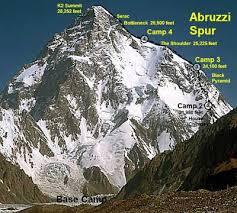
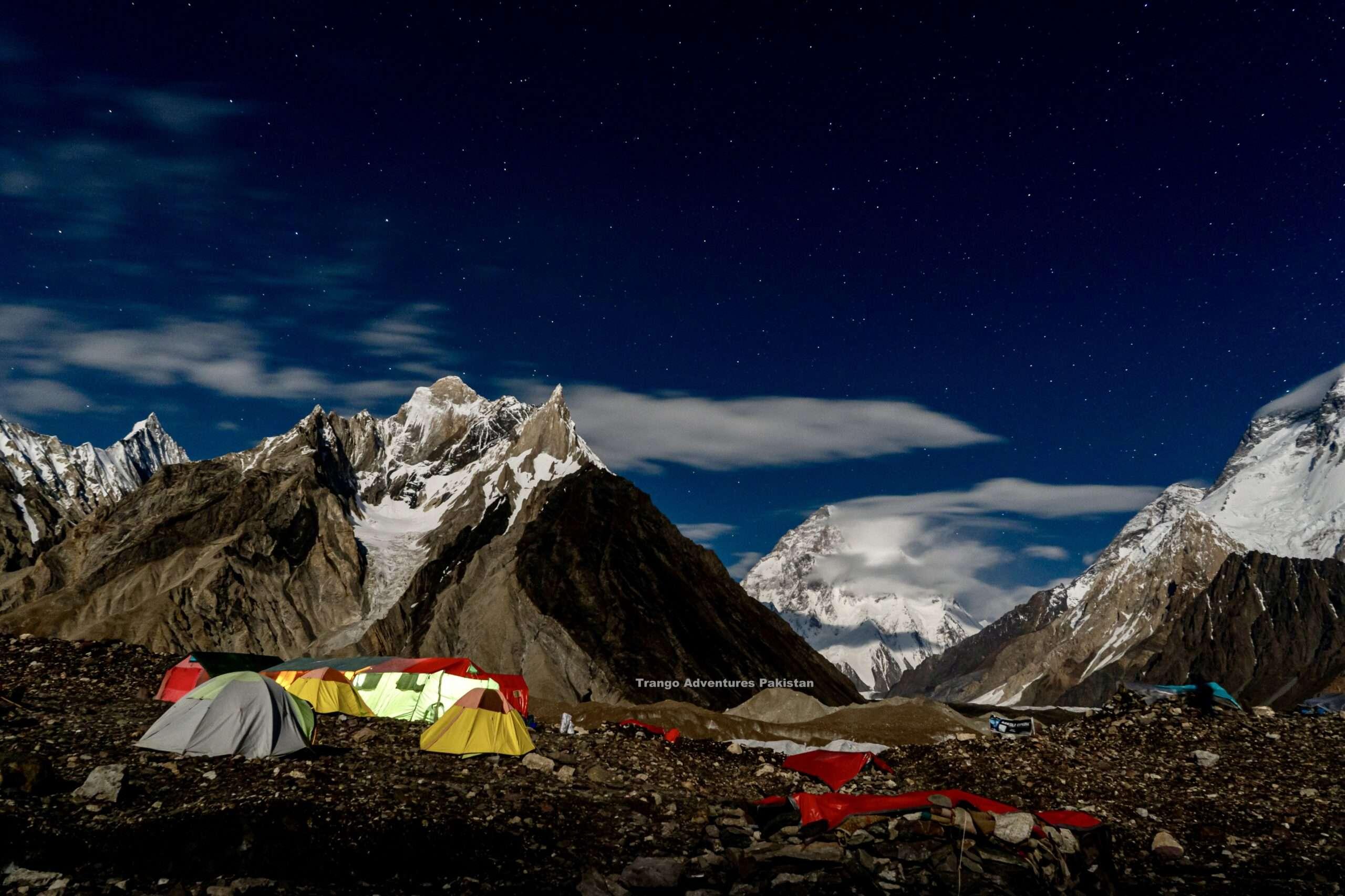
The Italian expedition followed the route now known as the Abruzzi Spur. This line climbs directly toward the summit through difficult terrain that leaves little room for error.
The Role of Walter Bonatti and Amir Mehdi
Two members of the expedition played a crucial role in preparing the final summit attempt.
- Walter Bonatti, a young Italian climber known for his strength
- Amir Mehdi, a Pakistani high altitude porter with experience in Himalayan expeditions
Their task was to carry oxygen cylinders to the highest camp so that the summit climbers could use them during the final ascent.
Carrying heavy loads above 8,000 meters is extremely difficult. At that altitude the human body receives much less oxygen, and every movement becomes slow and demanding.
Bonatti and Mehdi climbed higher with the oxygen equipment expecting to meet the summit climbers at the planned camp location.
However, when they reached the area they could not locate the camp where they expected it to be.
A Night in the Death Zone
The summit camp had been placed higher than Bonatti and Mehdi expected. Darkness was approaching and descending safely was no longer possible.
They were forced to remain on the mountain for the night without a tent or proper shelter.
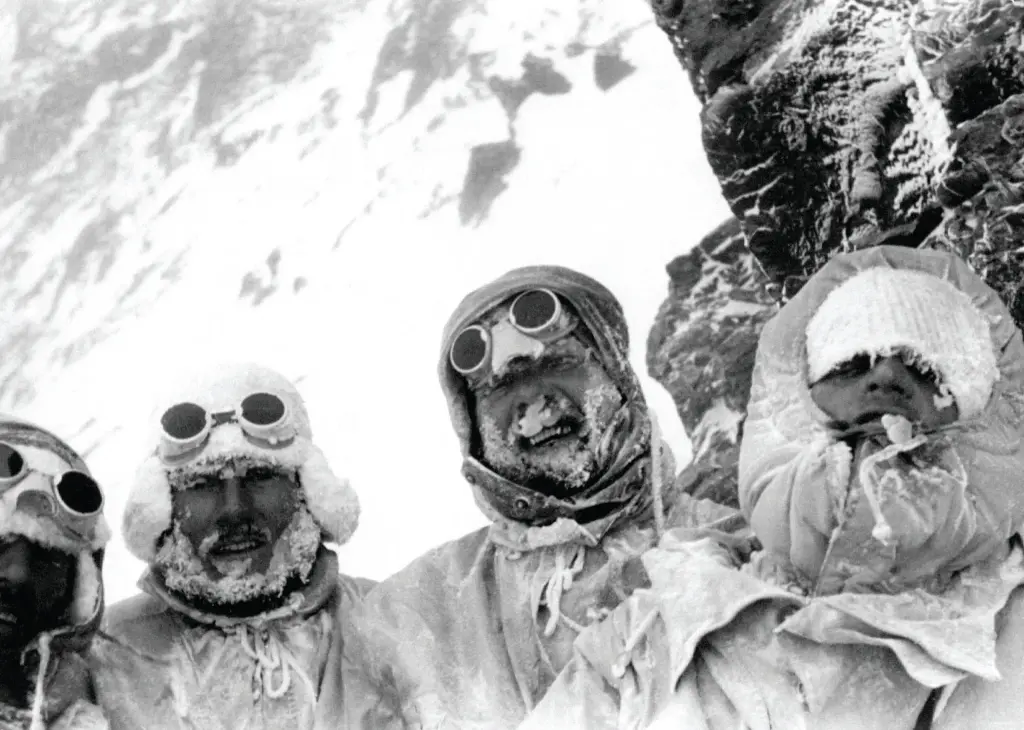
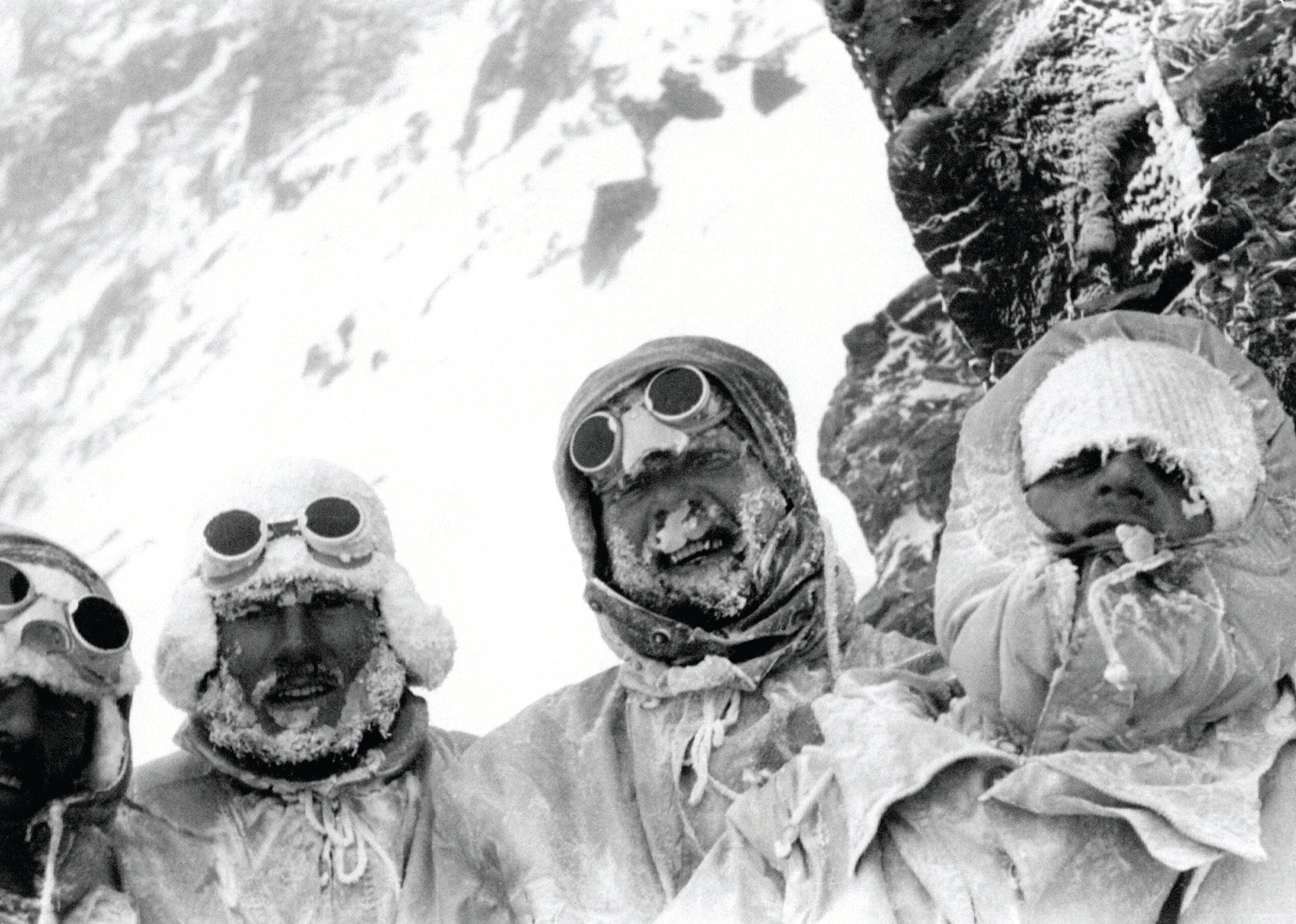
Spending a night above 8,000 meters exposes the body to extreme cold and lack of oxygen. Temperatures drop sharply after sunset and strong winds increase the effect of the cold.
- Hands and feet lose sensation quickly
- Movement becomes slower
- The risk of frostbite increases rapidly
By the next morning Bonatti had suffered frostbite injuries. Amir Mehdi’s condition was much more serious.
His feet had frozen during the night.
Reaching the Summit
With the oxygen equipment finally delivered, Compagnoni and Lacedelli began the final stage of the climb.
- The climb required careful movement across steep snow slopes
- Oxygen supplies were limited
- The altitude made progress slow
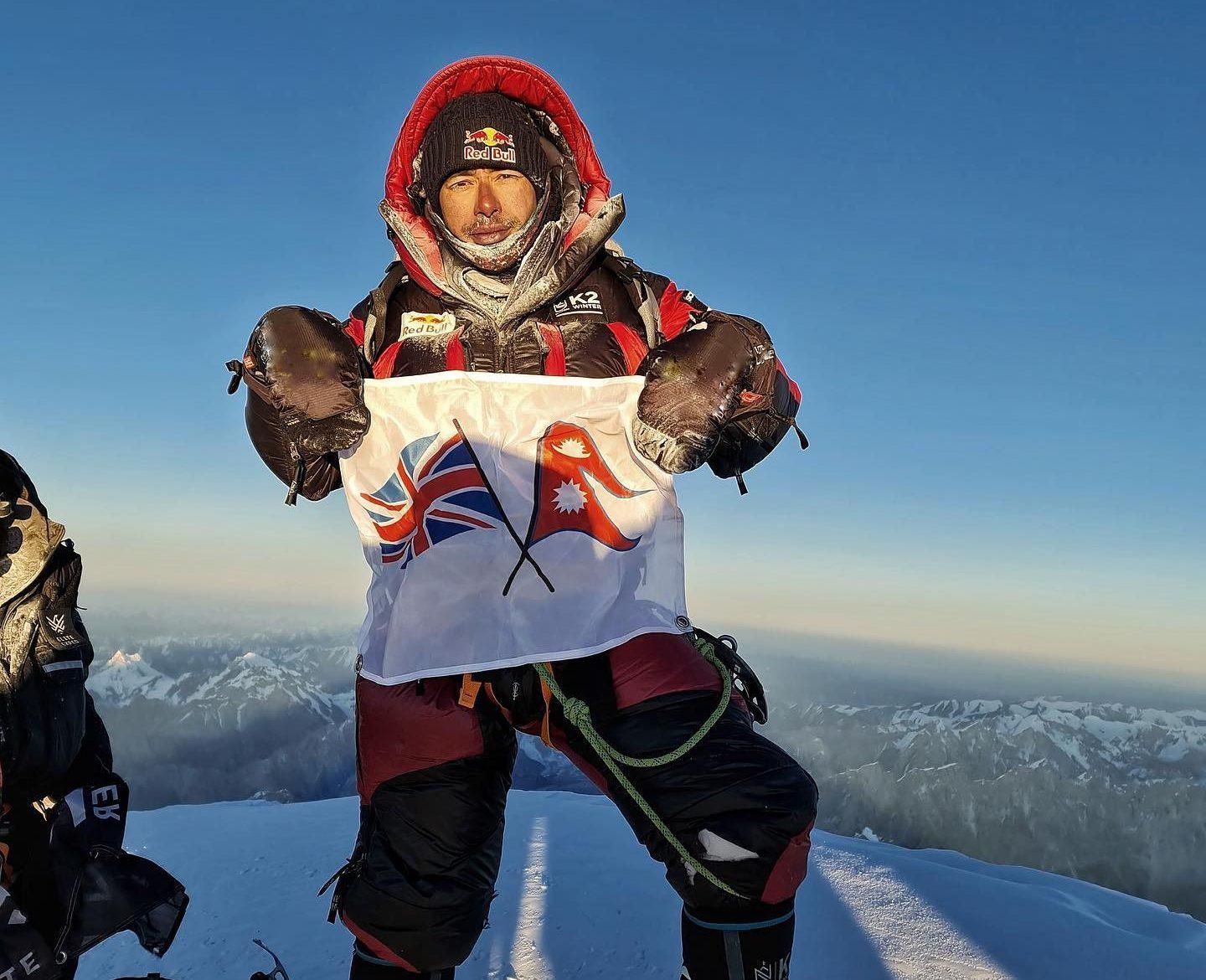
On July 31 they reached the summit of K2.
They stayed only a short time before beginning the descent.
The Cost Paid by Amir Mehdi
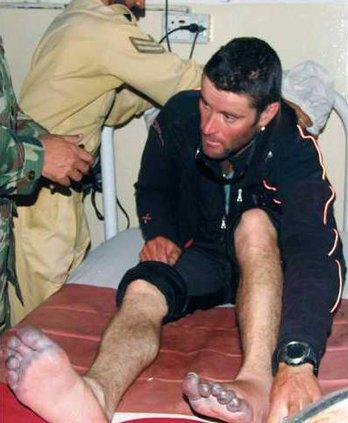
Amir Mehdi’s frostbite injuries were severe. When the expedition returned from the mountain, doctors had to amputate parts of both of his feet.
Although his role had been essential in supporting the summit climb, his story received little attention in the early reports about the expedition.
Many high altitude expeditions during that time depended heavily on local porters whose work made summit attempts possible.
The Long Debate About Bonatti
After the expedition, disagreements emerged about the events that took place on the mountain.
Some members suggested that Bonatti had used oxygen intended for the summit climbers. Bonatti consistently denied this and maintained that the bivouac happened because the summit camp had been moved higher than expected.
For many years the discussion continued within the mountaineering community.
Eventually, after reviewing the historical evidence, the Italian Alpine Club officially recognized that Bonatti’s account of events was correct.
The clarification came nearly fifty years after the expedition.
Conclusion
The first ascent of K2 in 1954 remains one of the most important achievements in mountaineering history.
It demonstrated that one of the world’s most difficult mountains could be climbed through teamwork and determination.
At the same time, the expedition also reminds us that every summit is the result of many people working together under difficult conditions.
The climbers who reach the top often represent the final step of a much larger effort.
And the full story of an expedition is often deeper than the moment recorded at the summit.
Narrated by KarakoramDiaries