Ernest Shackleton
The Endurance Expedition – A Real Antarctic Survival Trek
1. The Ship That Entered the Ice (1914)

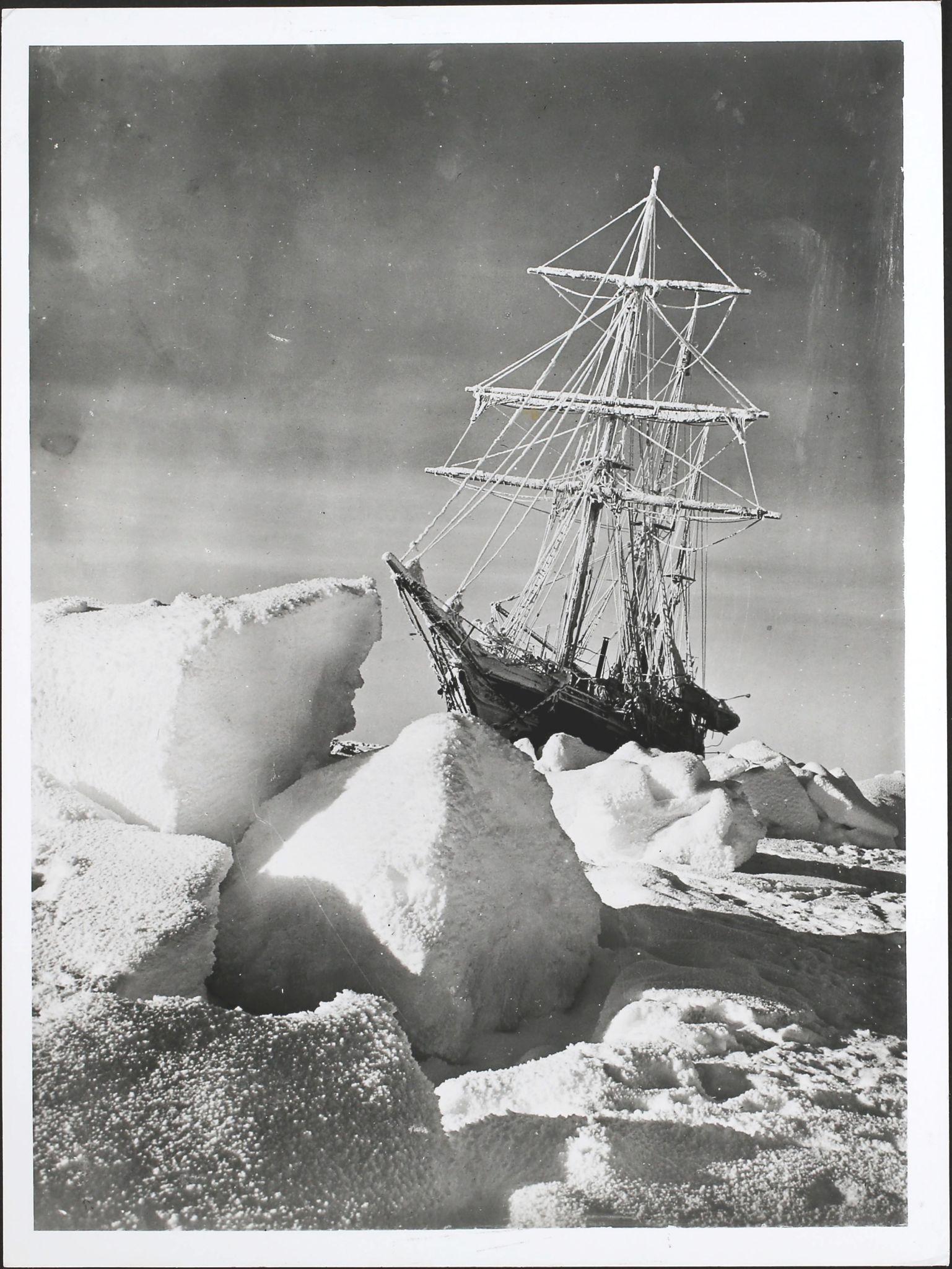
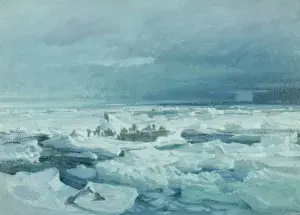
Caption: The Endurance trapped in Antarctic pack ice during the Imperial Trans-Antarctic Expedition.
In 1914, at a time when large parts of Antarctica were still unmapped and barely understood, Ernest Shackleton set out with a bold objective: to complete the first land crossing of the Antarctic continent. The expedition was officially called the Imperial Trans-Antarctic Expedition, but history remembers it simply by the name of the ship that carried the men south – Endurance.
Shackleton was already an experienced polar explorer. He had previously come close to the South Pole and understood the risks of Antarctic travel. But this new plan was larger than anything he had attempted before.
The idea was simple: sail to the Weddell Sea, land a team on Antarctica’s coast, and trek across the continent to the Ross Sea on the opposite side.
The expedition left England in 1914 and sailed south through the Atlantic, stopping in South Georgia before pushing into Antarctic waters. The crew consisted of sailors, scientists, carpenters, and navigators – 28 men in total.
But the crossing never began.
2. Trapped Before the Trek Began
By January 1915 the Endurance entered the Weddell Sea and encountered heavy pack ice. At first progress slowed but remained possible. Then temperatures dropped further and the ice thickened until the ship became completely locked in place.
There was no dramatic crash. The sea simply froze around them.
For months the crew waited, hoping currents would release the ship. Instead the ice tightened and pressure from surrounding floes began crushing the wooden hull.
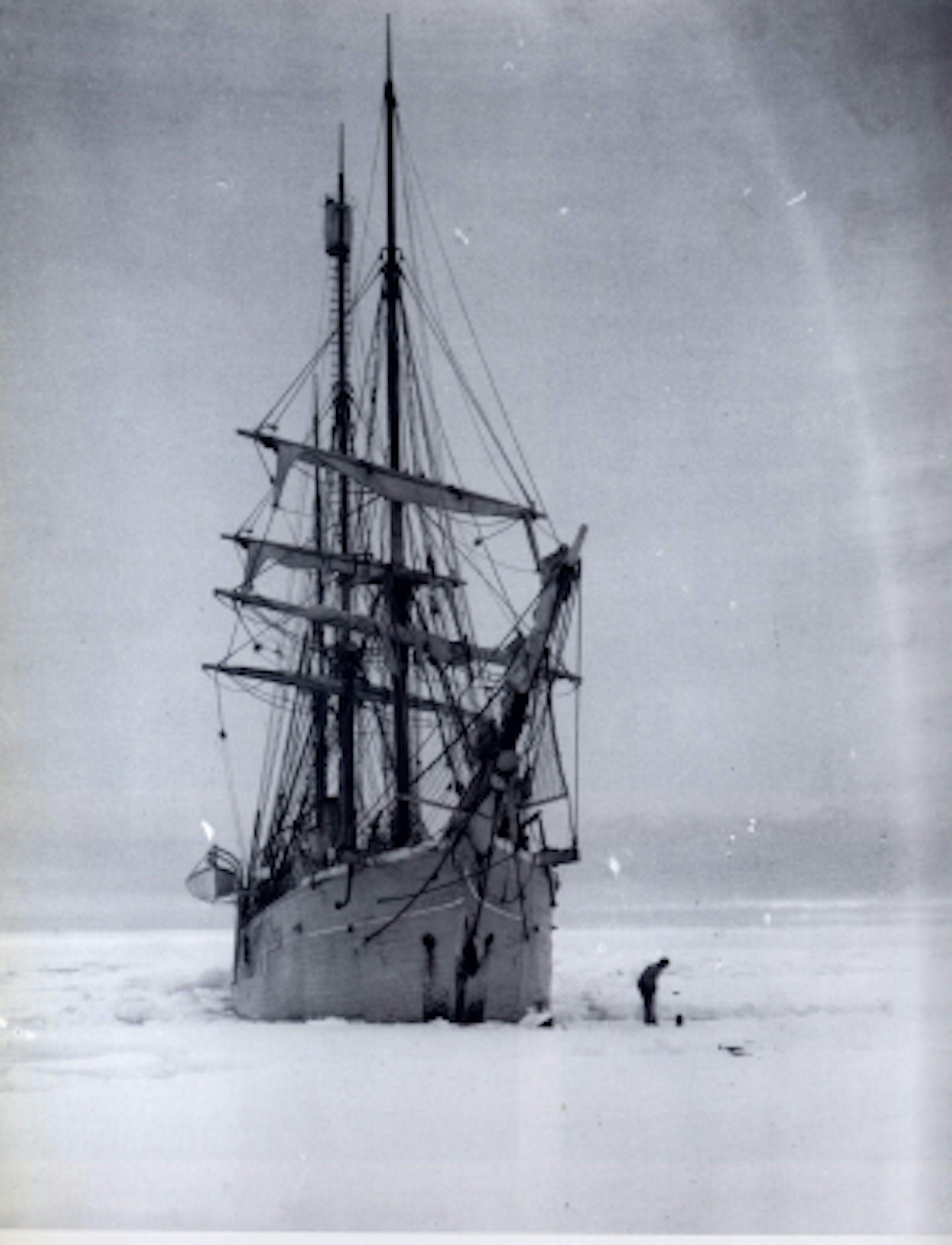
By October 1915 the situation became irreversible. Ice broke the ship’s structure and Shackleton gave the order to abandon ship.
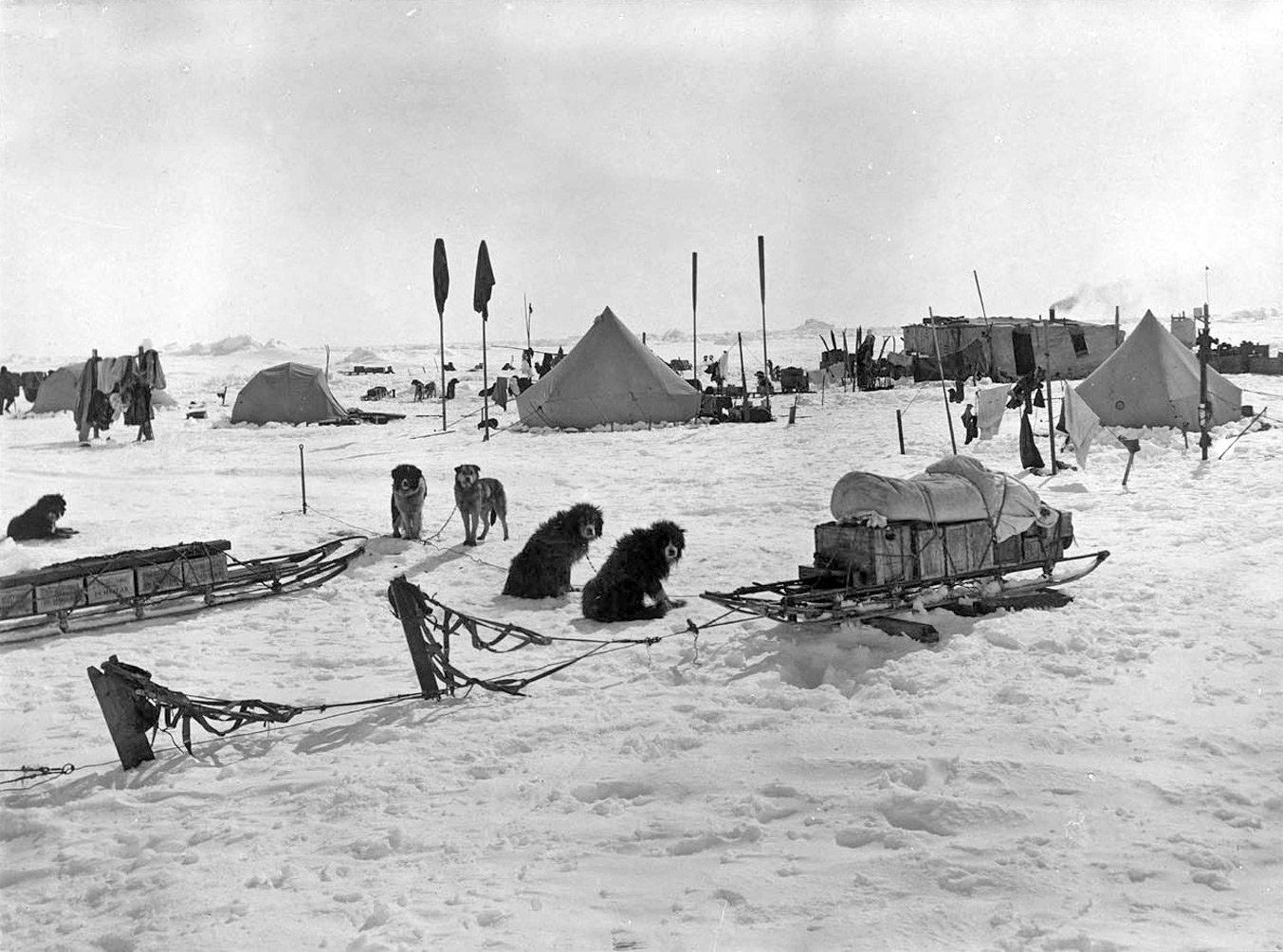
Supplies were unloaded onto the ice. Tents were pitched on drifting sea ice hundreds of kilometers from solid land.
The expedition had transformed into a survival mission.
3. Life on the Ice
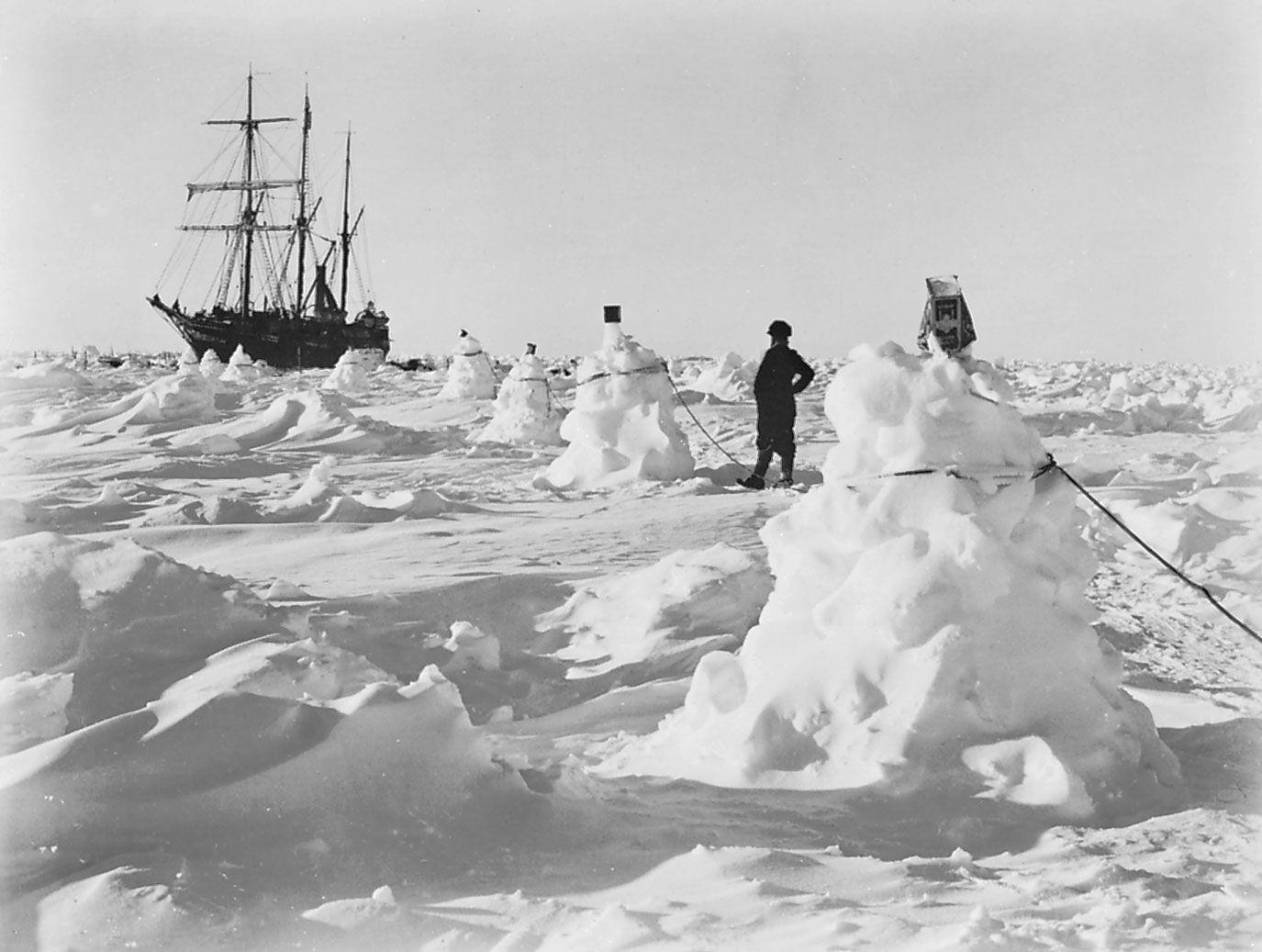
Caption: The crew camped on drifting sea ice after abandoning the ship.
For nearly five months the men lived on drifting sea ice. Temperatures dropped far below freezing and winds swept across the open Antarctic expanse.
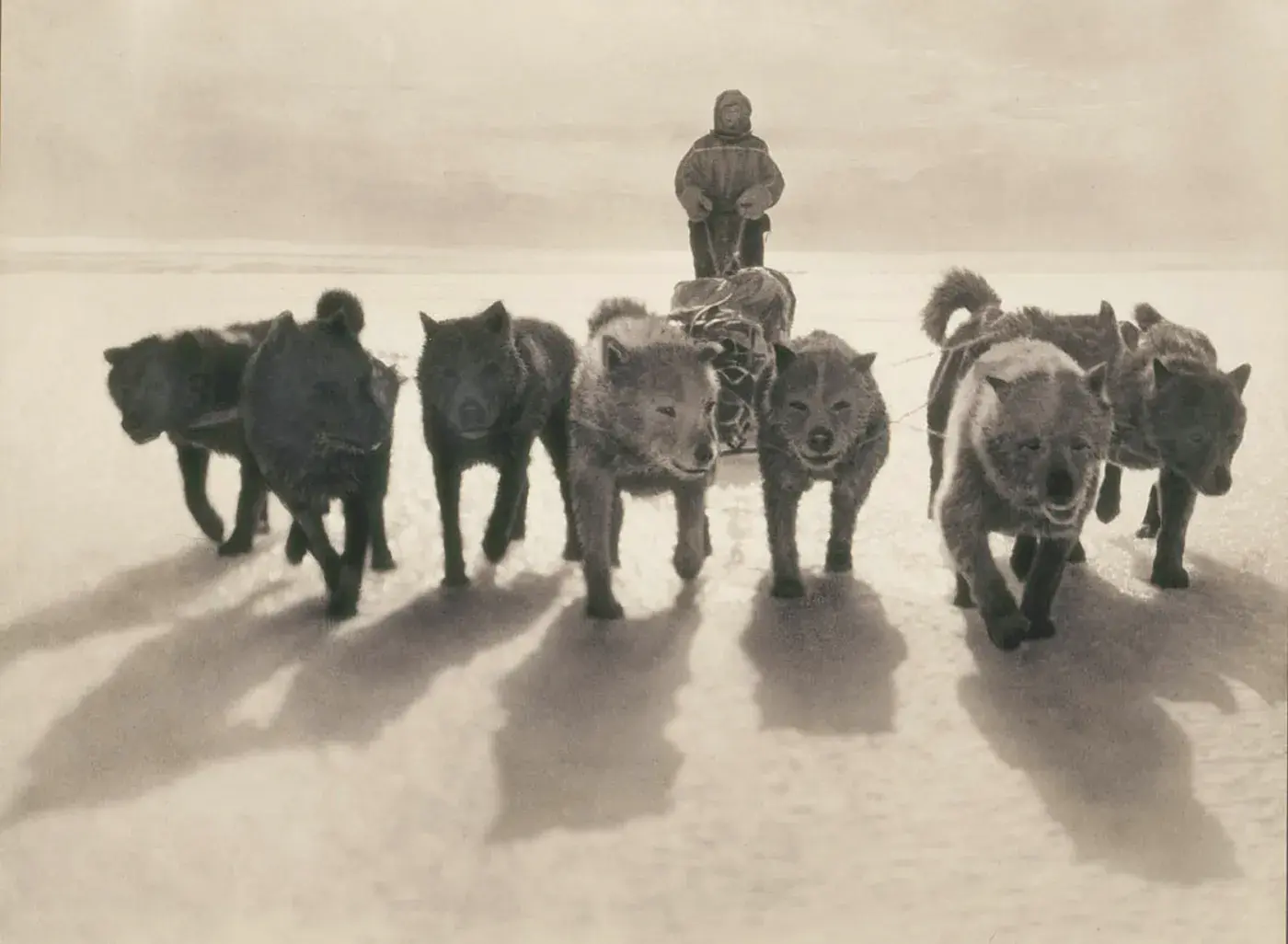
Food was carefully rationed and supplemented by hunting seals and penguins. The ice beneath their camp constantly shifted and cracked as ocean currents carried them north.
Shackleton understood morale could collapse faster than supplies. He established routines that kept the crew mentally stable.
- Regular meal times
- Assigned duties
- Daily work tasks
- Evening gatherings
In November 1915 the Endurance finally sank beneath the ice.
From that moment onward the crew had only one option: find their own way home.
4. The Ice Breaks and the Open Sea
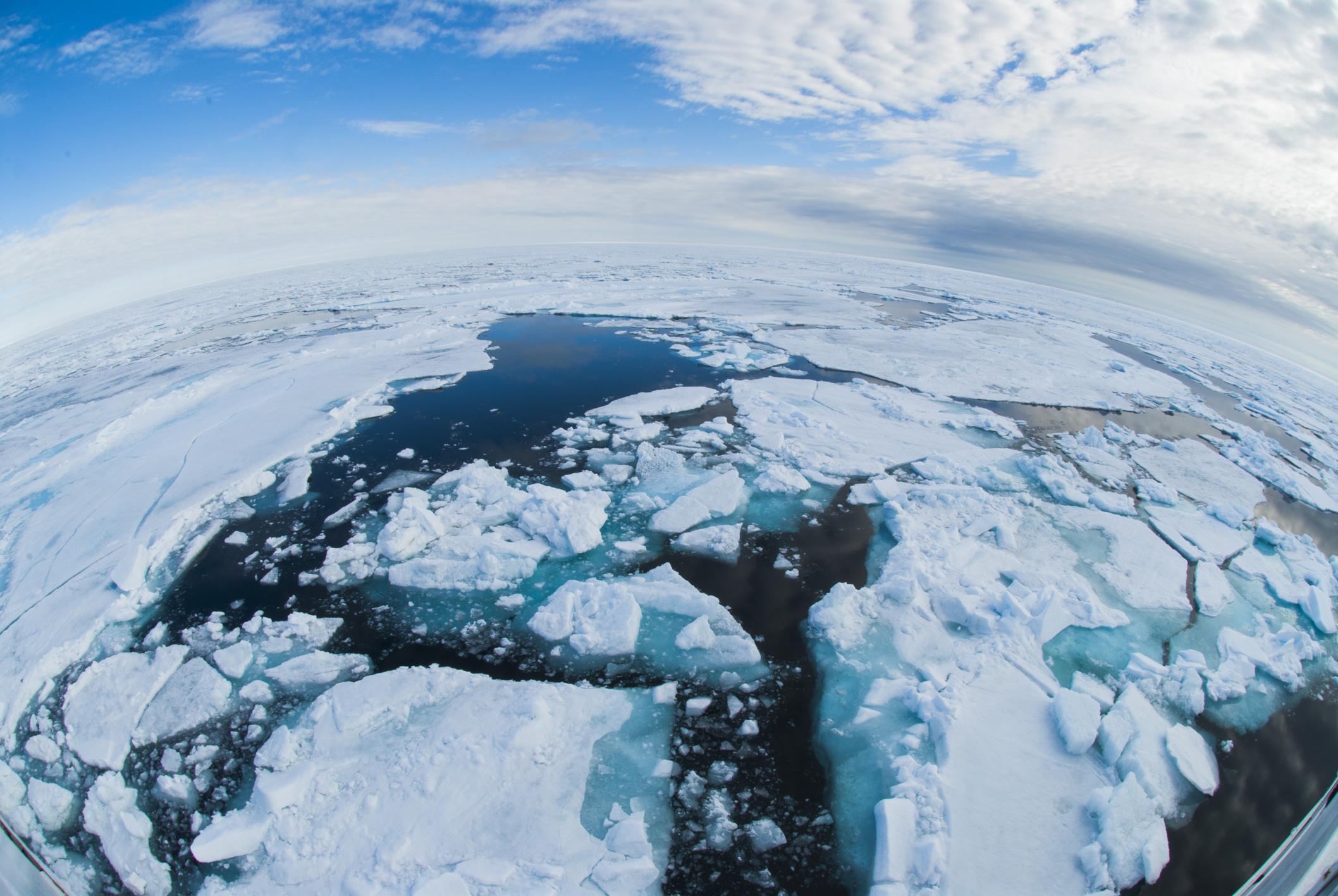
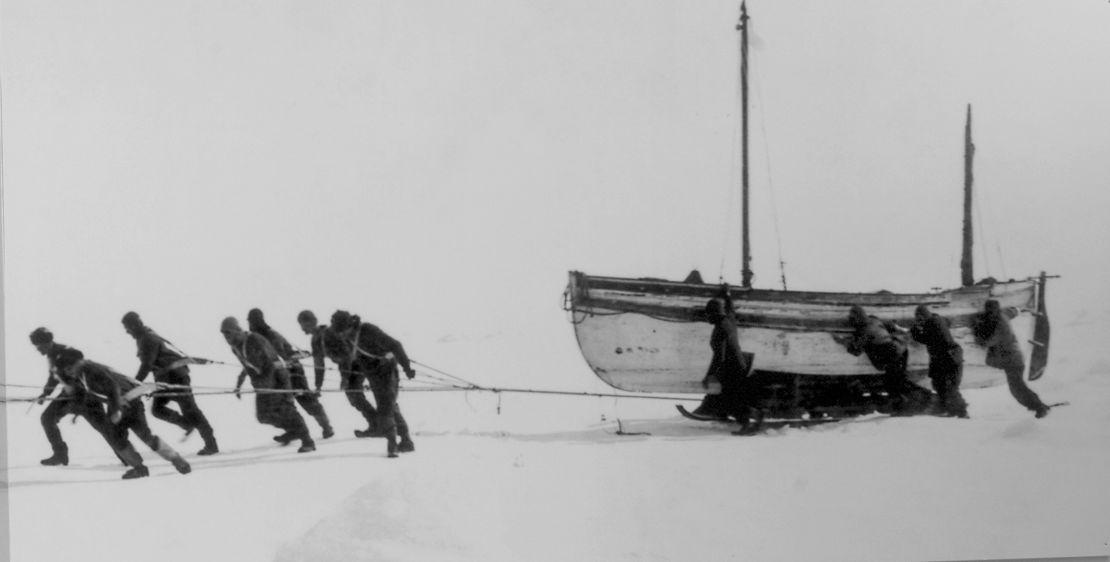
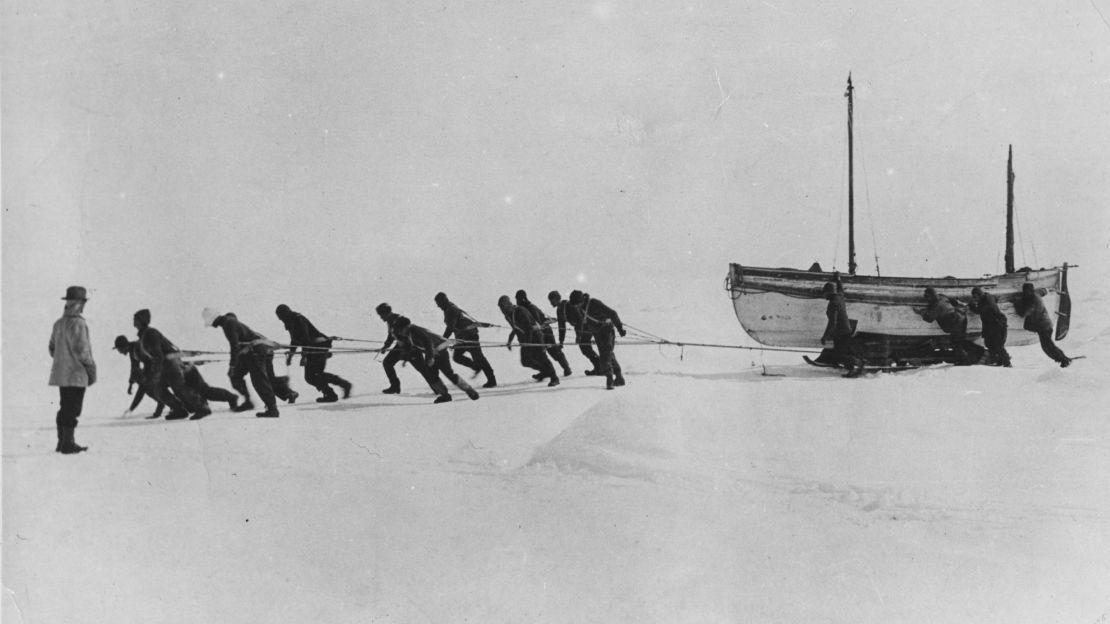
Caption: The pack ice breaking apart forcing the crew to drag lifeboats across unstable floes.
By early 1916 the ice began fracturing. Shackleton realized they had to reach open water using the lifeboats saved from the Endurance.
The men dragged heavy boats across broken ice ridges. Progress was extremely slow.
Eventually the camp itself broke apart and they launched the boats into freezing Antarctic waters.
5. Eight Hundred Miles in Open Boats
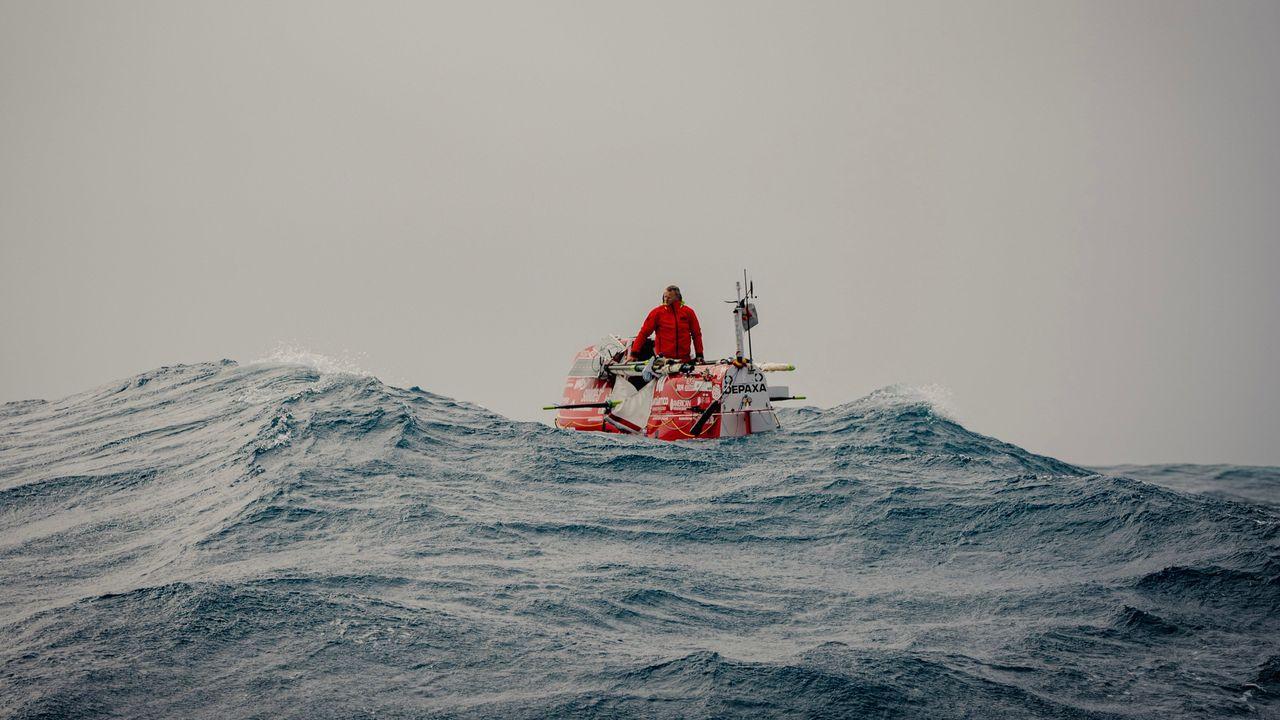
Caption: Small lifeboats battling the Southern Ocean after leaving the ice.
The crew navigated three small lifeboats toward Elephant Island. Waves constantly flooded the boats and men bailed water to keep them afloat.
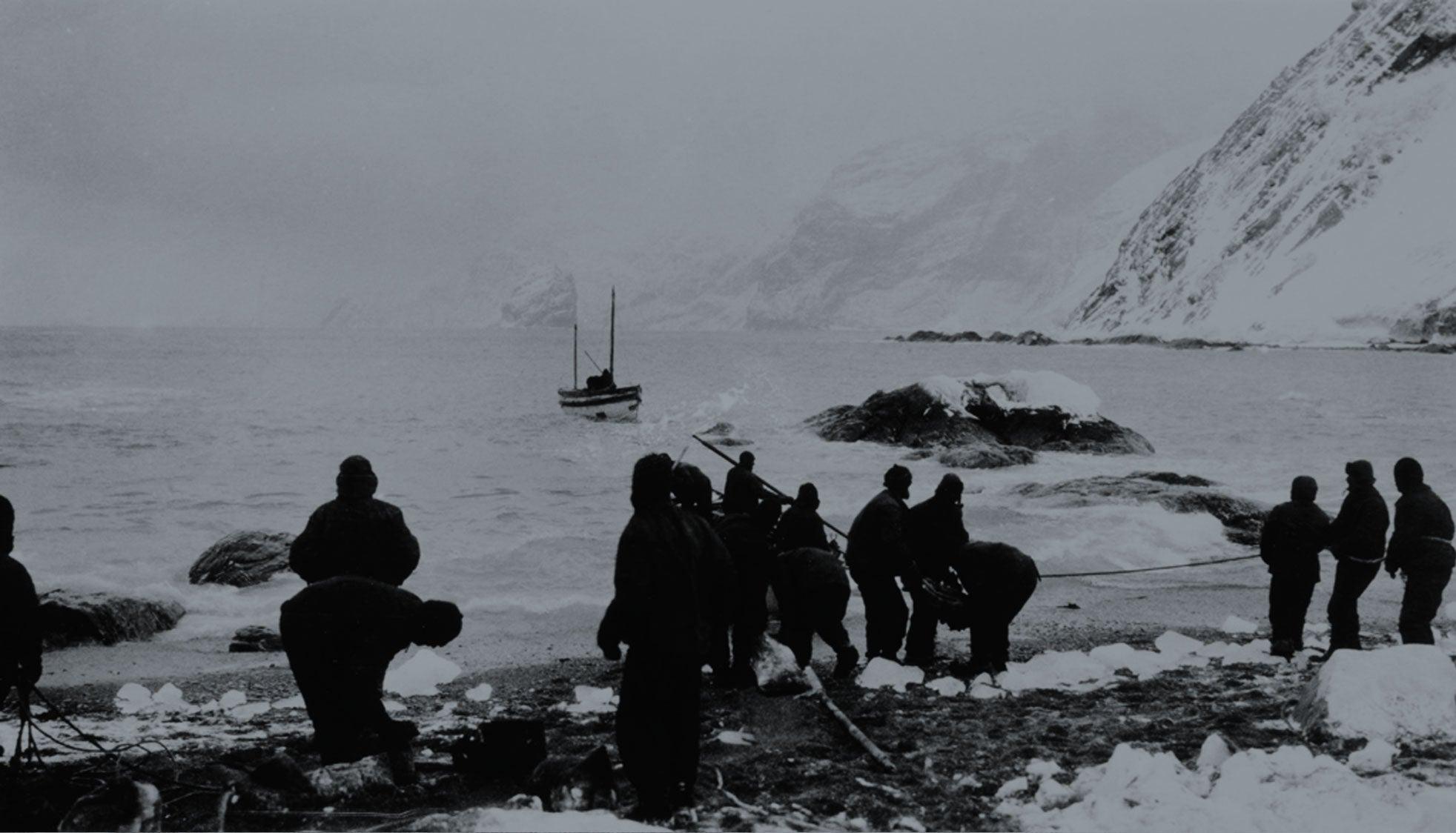
After nearly a week they reached Elephant Island, the first solid ground they had stood on in over a year.
But Elephant Island was remote and uninhabited. Shackleton knew a rescue mission was necessary.
6. The Voyage of the James Caird
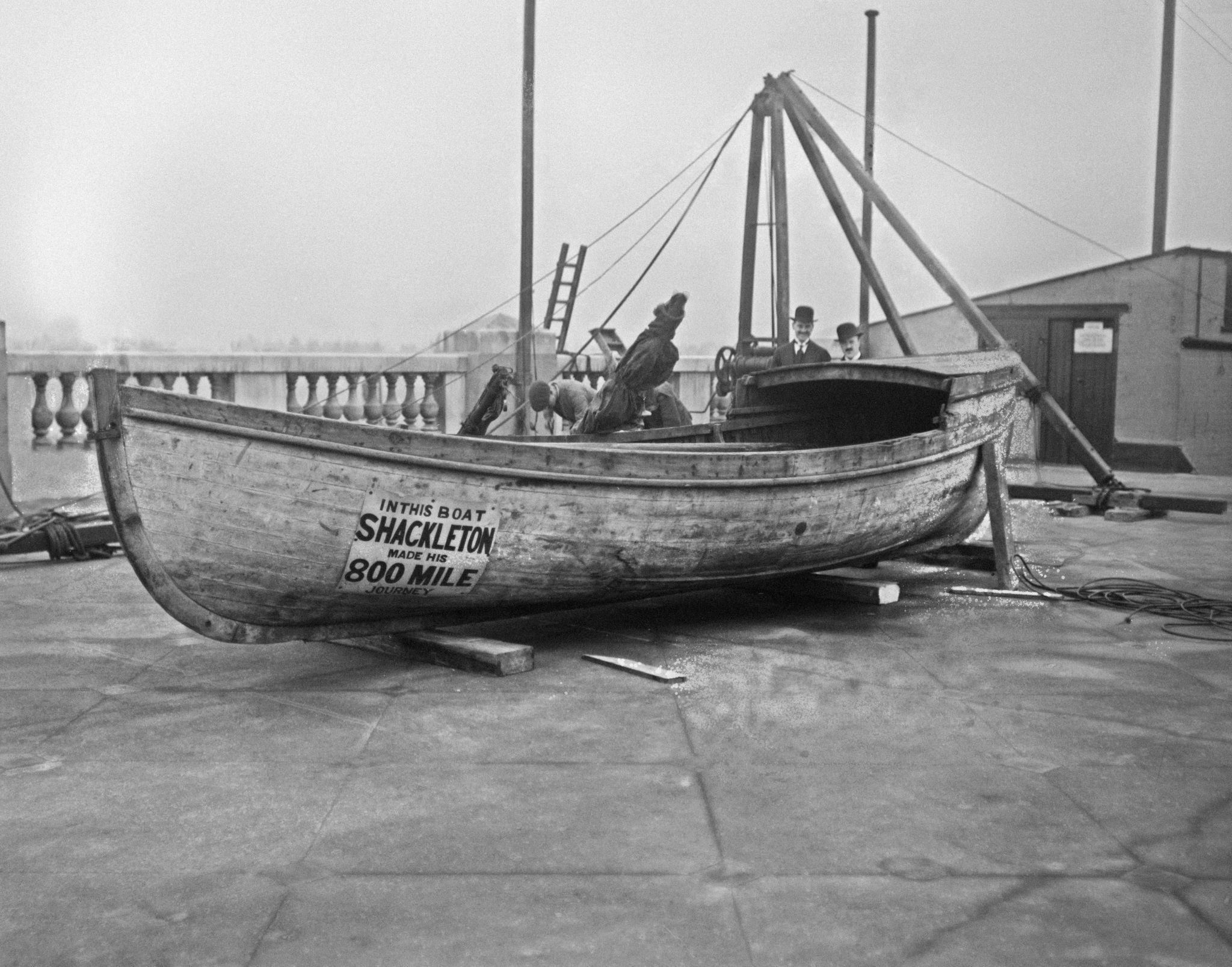
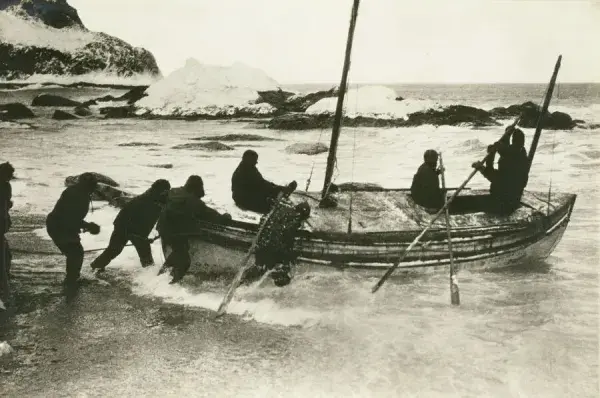
Caption: The lifeboat James Caird preparing to cross the Southern Ocean.
Shackleton and five men sailed the small lifeboat James Caird nearly 800 miles across the Southern Ocean to South Georgia.
Navigator Frank Worsley used brief sightings of the sun to determine their position. Waves often rose higher than the boat itself.
After more than two weeks at sea they sighted South Georgia Island.
7. The Mountain Crossing of South Georgia
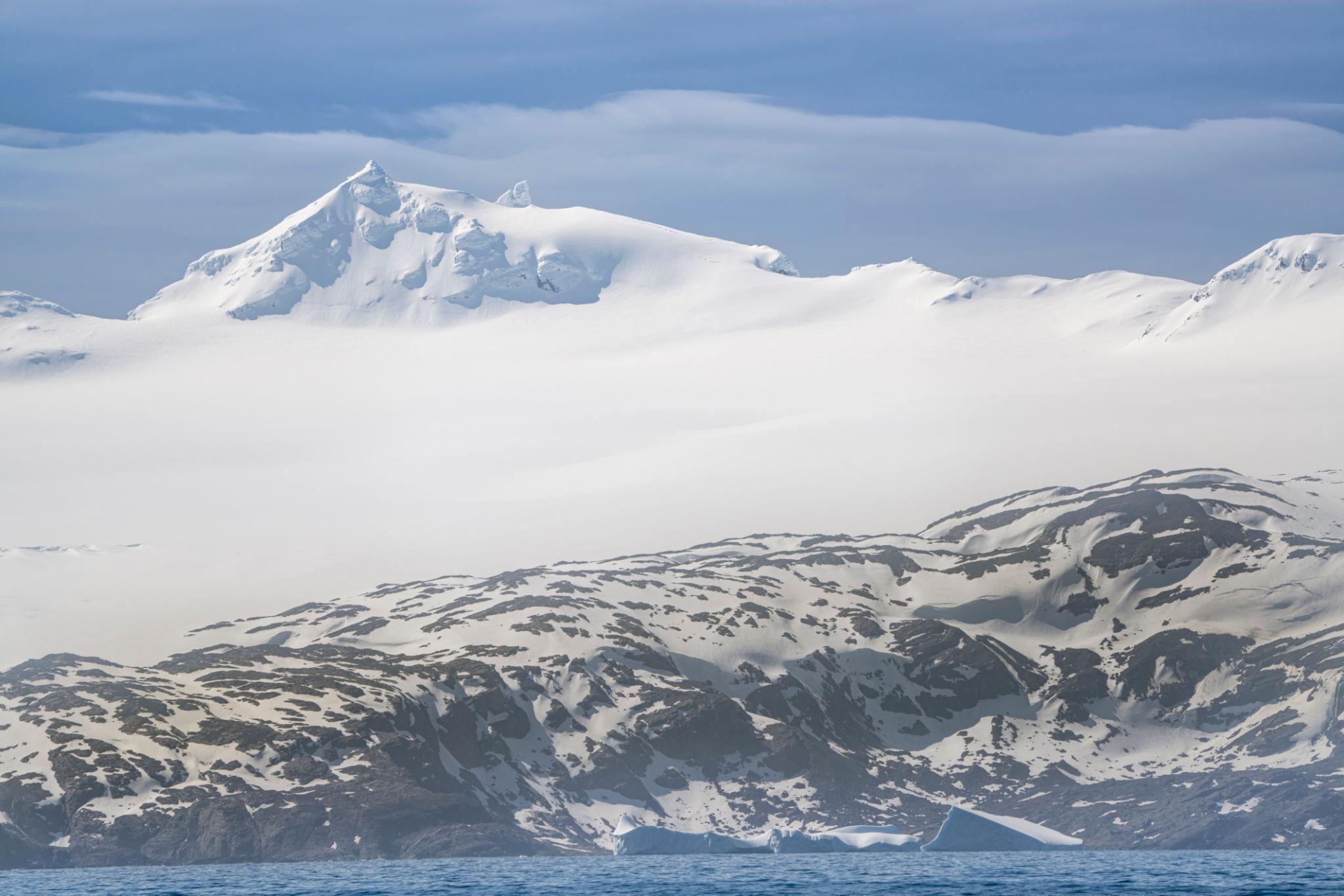
Caption: The unmapped mountains of South Georgia.
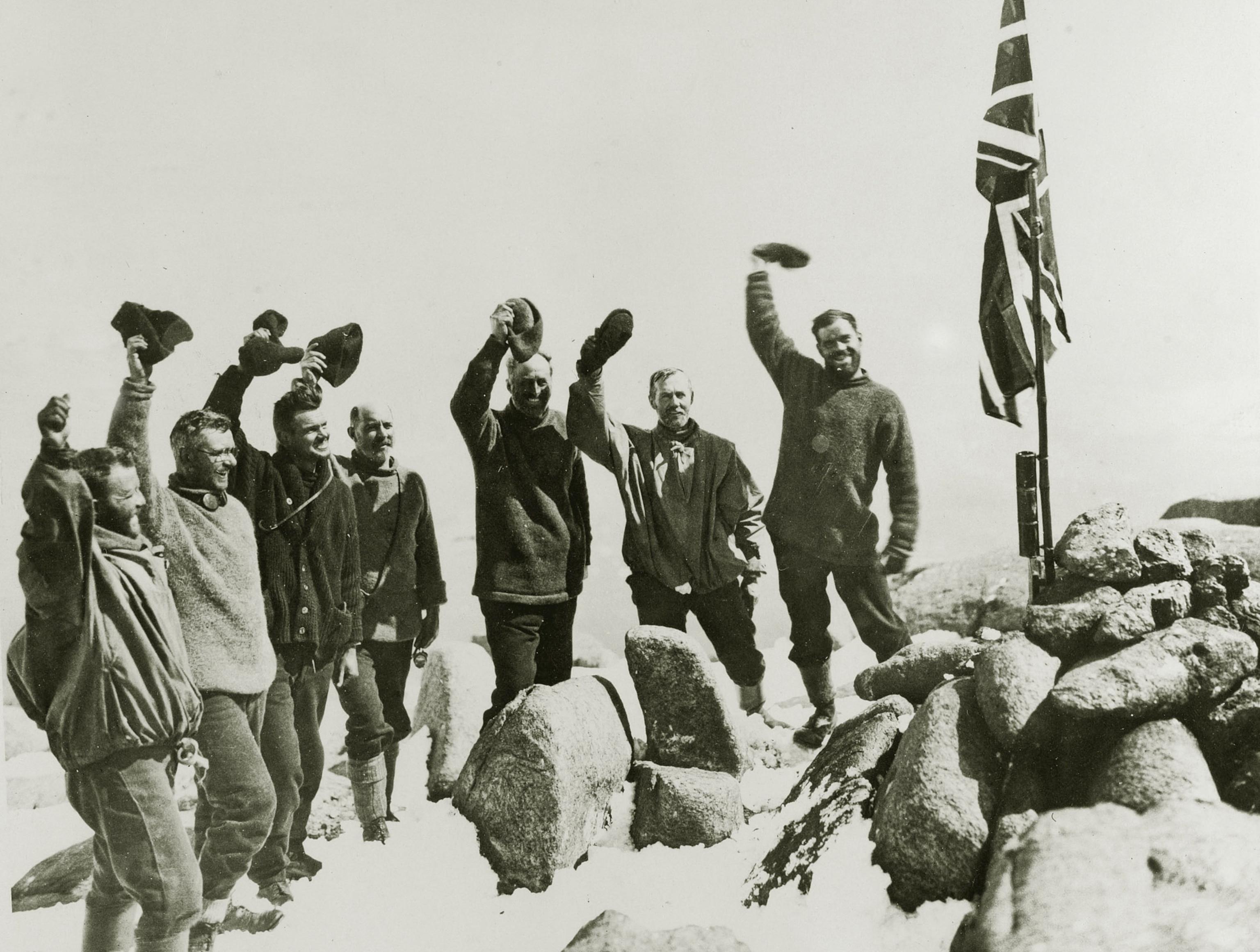
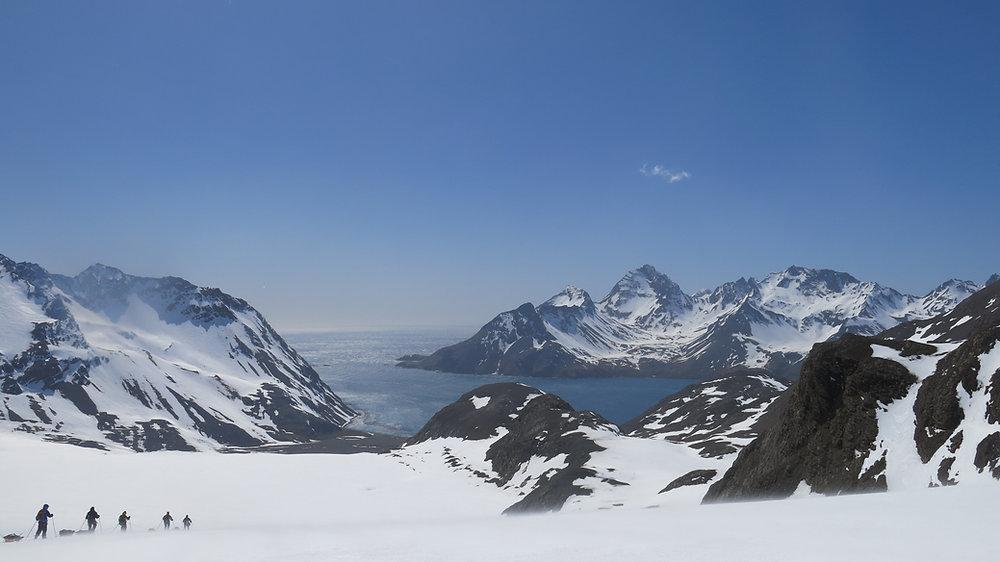
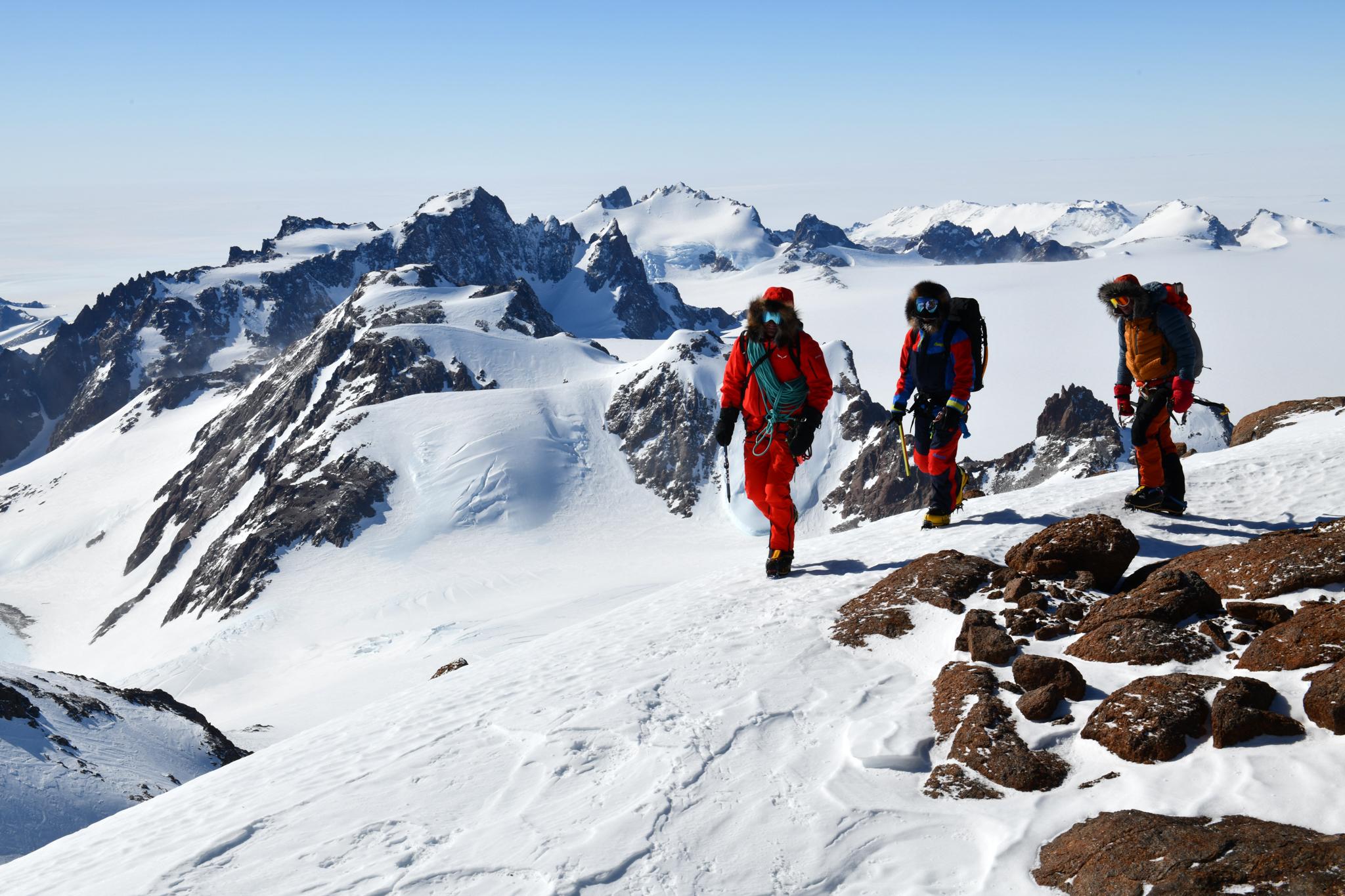
Shackleton and two companions crossed the island’s mountainous interior on foot to reach the Stromness whaling station.
After roughly 36 hours of continuous movement they reached the station, shocking workers with their appearance after months of survival.
8. The Rescue
Shackleton organized several rescue attempts for the men left on Elephant Island. Ice blocked early missions.
Finally in August 1916 a Chilean vessel reached the island.
All 22 men were alive.
Not a single member of the Endurance expedition was lost.
Why This Expedition Endures in History
- Shackleton’s leadership under extreme crisis
- The 800 mile open boat voyage
- The first crossing of South Georgia’s mountains
- The survival of every crew member
The expedition failed to cross Antarctica, yet it became one of the greatest survival stories in exploration history.
Narrated by KarakoramDiaries



![K2 Base Camp Trek: Ultimate Guide k2 Trek 2026 [UPDATED]](https://www.karakoramdiaries.com/storage/ultimate-guide-to-k2-base-camp-trek-full-document-150x150.png)