The 2008 K2 Disaster: A True Account of What Happened on the Mountain
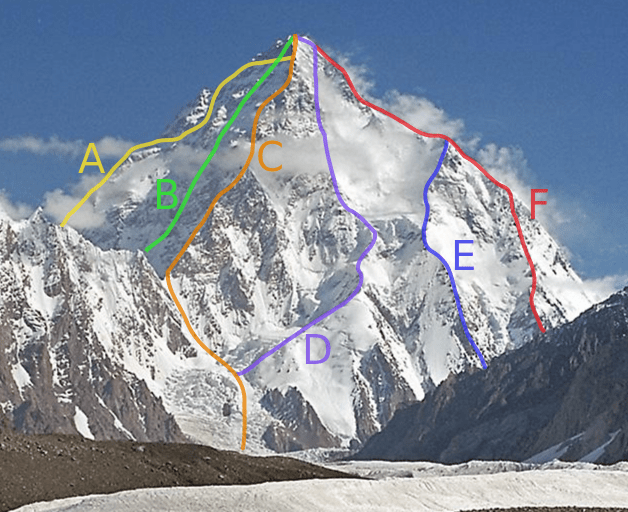
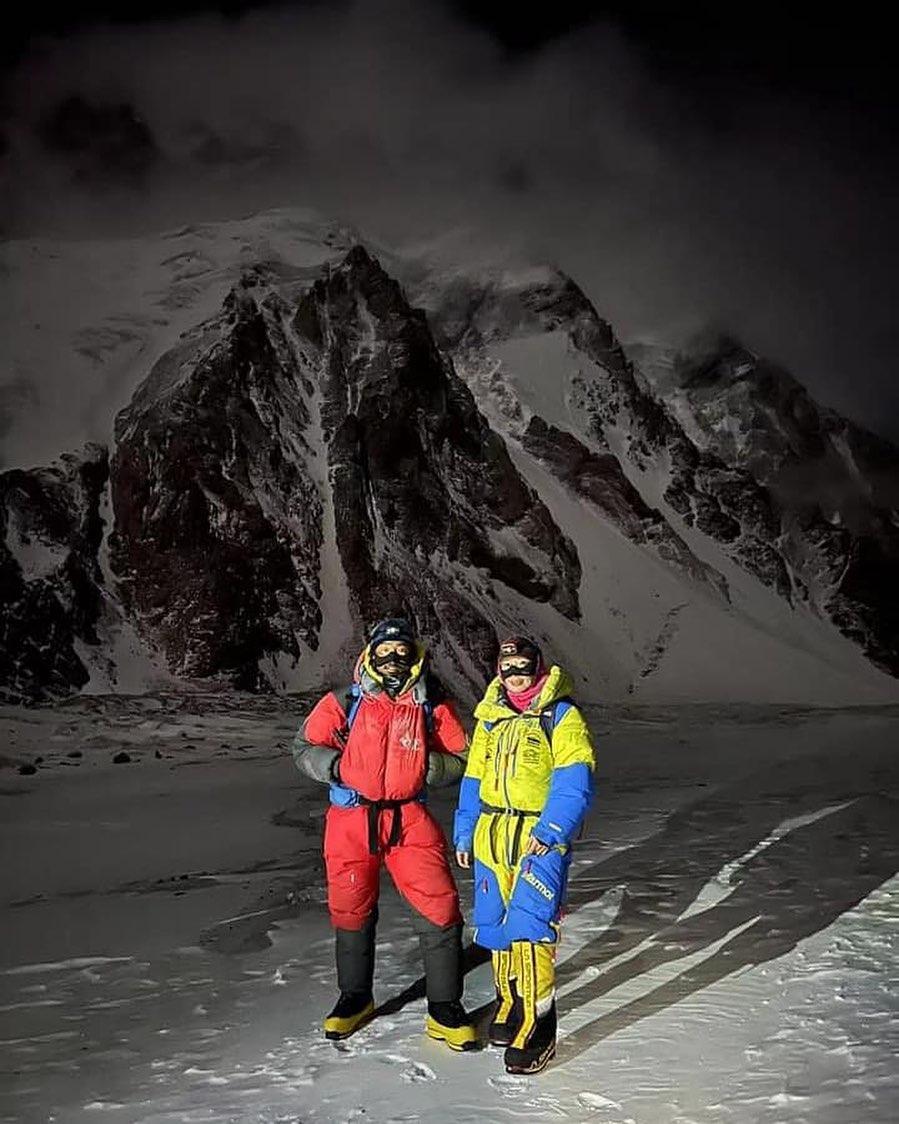
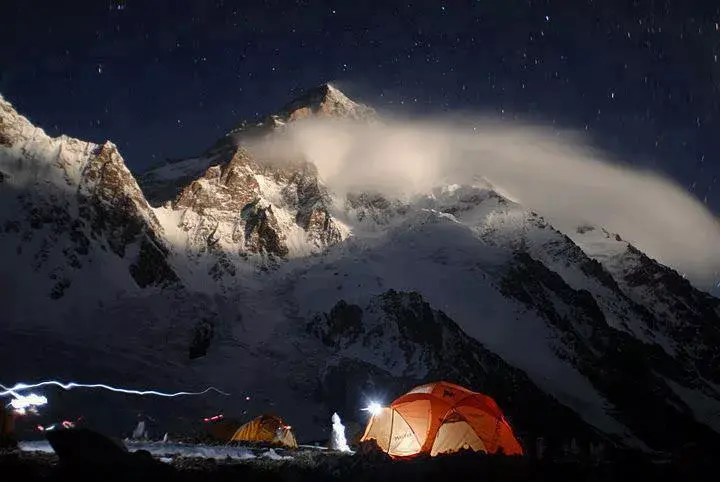
The north face and the Abruzzi Ridge of K2 were the setting for the events that unfolded in August 2008.
Conditions Before the Summit Push
By mid July 2008 several international teams were already on K2. Climbers had spent weeks moving between camps to acclimatize to the altitude. Equipment had been carried upward and fixed ropes had been placed along much of the Abruzzi Spur route.
Everyone at base camp was waiting for a stable weather window. Forecasts during that season were uncertain and changed often. Some days looked promising, but the next forecast would show strong winds returning.
Each morning climbers watched the summit carefully. If the wind looked calmer, discussions about a summit attempt began again. If clouds gathered, the plans stopped.
Eventually a forecast suggested that a short period of calmer weather might appear at the end of July. It was not a perfect forecast, but it was enough to convince many teams that it was time to move higher.
Moving Toward the Summit
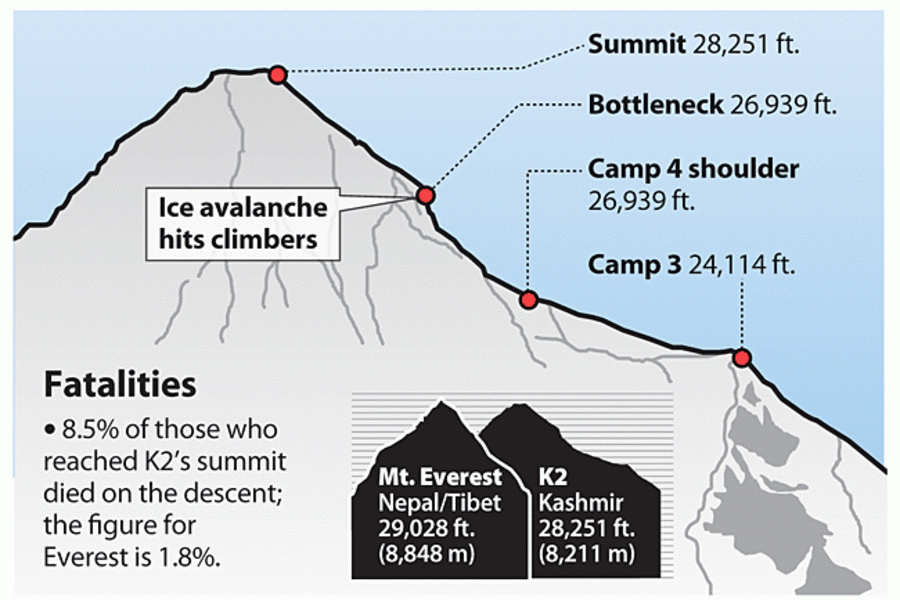
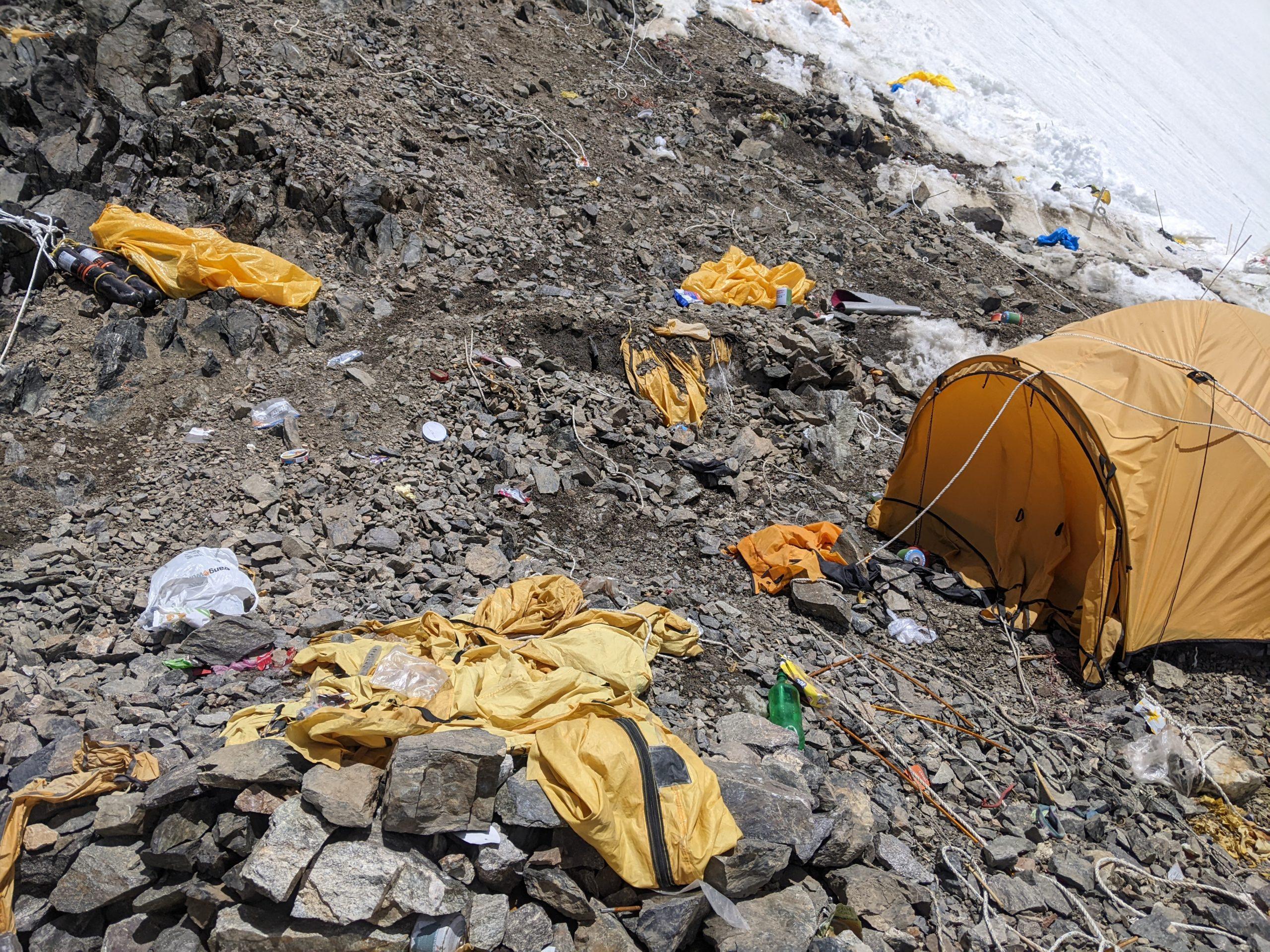
Climbers began carrying supplies from lower camps to Camp III and Camp IV. Camp IV on K2 sits at about 7,800 meters. The area is small and exposed, and tents must be placed carefully on narrow platforms cut into the ice.
Because several expeditions were attempting the summit during the same weather window, Camp IV became crowded. Many climbers prepared to leave during the same night in order to reach the summit the following day.
Summit pushes on K2 usually begin very early, often during the night, so climbers can reach the top and return before darkness. Timing is important because descending the mountain in darkness increases the danger significantly.
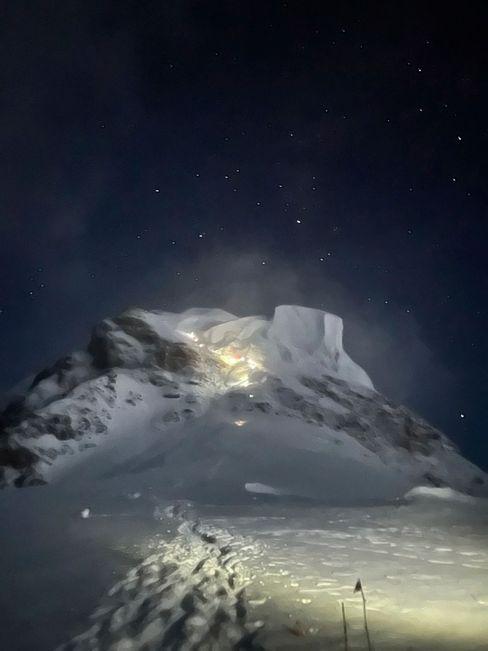
On that night many headlamps began moving upward along the Abruzzi Spur. Climbers followed the fixed ropes and moved slowly toward the most difficult section of the route.
The Bottleneck
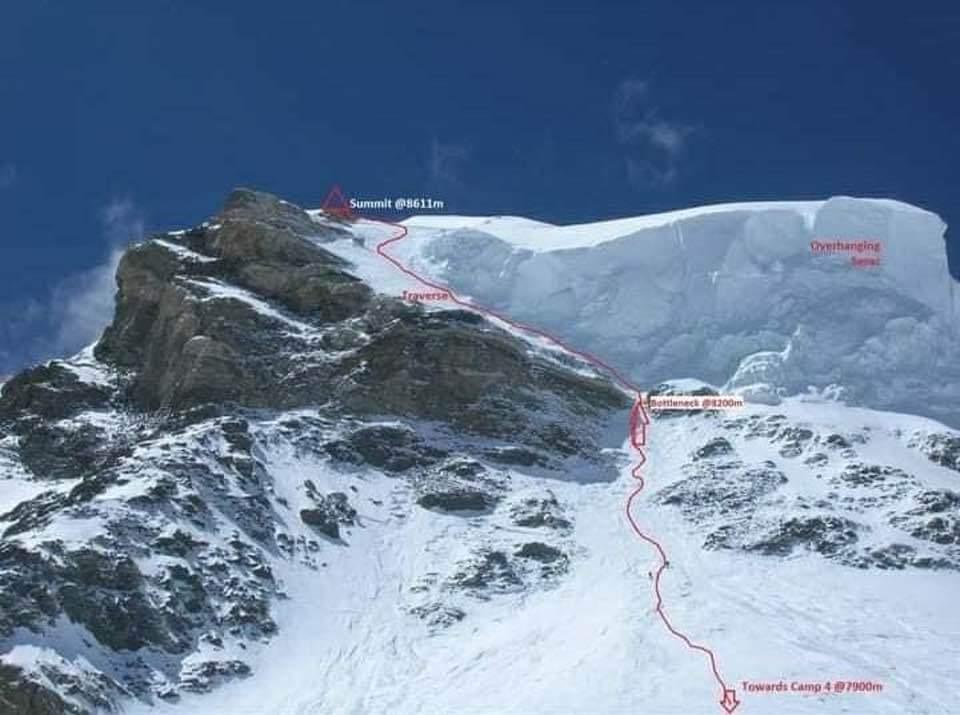
The Bottleneck is one of the most dangerous sections of K2. It is a narrow traverse beneath large overhanging ice formations known as seracs. These blocks of ice can break without warning.
Climbers pass through this section one at a time while attached to fixed ropes. Movement here is slow because the terrain is steep and exposed.
During the 2008 summit push many climbers reached the Bottleneck later than planned. Delays occurred because of the large number of people on the route and the time required to move carefully through difficult sections.
Despite the delays several climbers continued upward and eventually reached the summit of K2 during the afternoon.
Problems During the Descent
Reaching the summit of K2 is only the midpoint of the climb. The descent is often more dangerous because climbers are tired and conditions can change quickly.
As climbers began descending through the Bottleneck area, a large piece of ice broke from one of the seracs above the route. When the ice fell, it destroyed several sections of the fixed ropes.
These ropes were important because they helped climbers control their descent across steep ice slopes. Without them, the route became much more difficult.
Some climbers were above the damaged ropes and others were below them. Communication became difficult as darkness approached and climbers were spread across different sections of the mountain.
Night on the Upper Slopes
Several climbers were forced to spend the night high on the mountain while trying to find a safe way down. At altitudes above 8,000 meters the body becomes extremely weak and simple movements require great effort.
Some climbers attempted to create new anchors in the ice so that others could descend safely. Others waited for daylight to improve visibility.
Conditions were extremely difficult. The cold temperature, lack of oxygen, and exhaustion made every decision more complicated.
During the night and the following day several climbers lost their lives due to falls, injuries, and exposure.
The Descent to Base Camp
Over the next several days the surviving climbers slowly descended the mountain. Many were exhausted and some suffered frostbite.
When they finally reached base camp, attention quickly turned to identifying who had safely returned and who was still missing.
In total eleven climbers lost their lives during the events of August 2008. It became one of the most serious disasters in the history of K2.
Lessons From the 2008 Season
The events of 2008 led to many discussions within the mountaineering community. Climbers examined the decisions made during the summit push and the risks created by large numbers of people attempting the mountain at the same time.
K2 has always required careful timing, teamwork, and respect for changing conditions. The disaster reminded climbers that reaching the summit is only one part of the climb.
Safe descent remains the most important goal of any expedition.
The mountain itself did not change after 2008, but the lessons from that season continue to influence how climbers approach K2 today.
Narrated by KarakoramDiaries