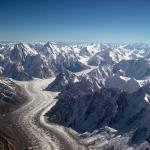
The 1954 Italian Expedition to K2: The First Ascent and Its Aftermath
Introduction
On July 31, 1954, climbers reached the summit of K2 for the first time. After many failed expeditions during the previous fifty years, the Italian expedition finally succeeded in standing on the highest point of the mountain.
The achievement was widely celebrated at the time. For the mountaineering world, it marked the successful ascent of the second highest mountain on Earth.
However, the events surrounding the expedition later became the subject of discussion and debate. The climb itself was an important success, but some decisions made during the expedition created questions that were discussed for many years afterward.
Planning the Italian Expedition
The expedition was organized and led by the Italian geologist and explorer Ardito Desio. The project received strong support from Italian institutions and was carefully planned.
Desio selected a large team that included experienced climbers, scientists, and support staff. The expedition also depended heavily on local high altitude porters who helped carry equipment and supplies through the Karakoram.
The goal of the expedition was clear. Italy wanted to achieve the first ascent of K2 after many previous international attempts had failed.
The Route on the Abruzzi Spur
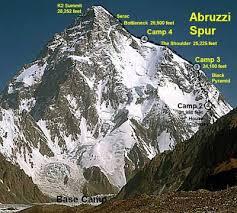
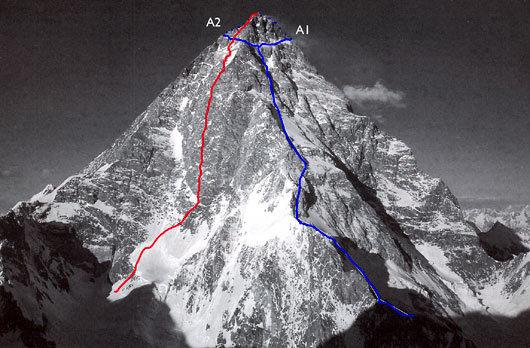
Like several earlier expeditions, the Italian team chose the Abruzzi Spur route. This ridge had been explored by previous climbers and was considered the most practical path toward the summit.
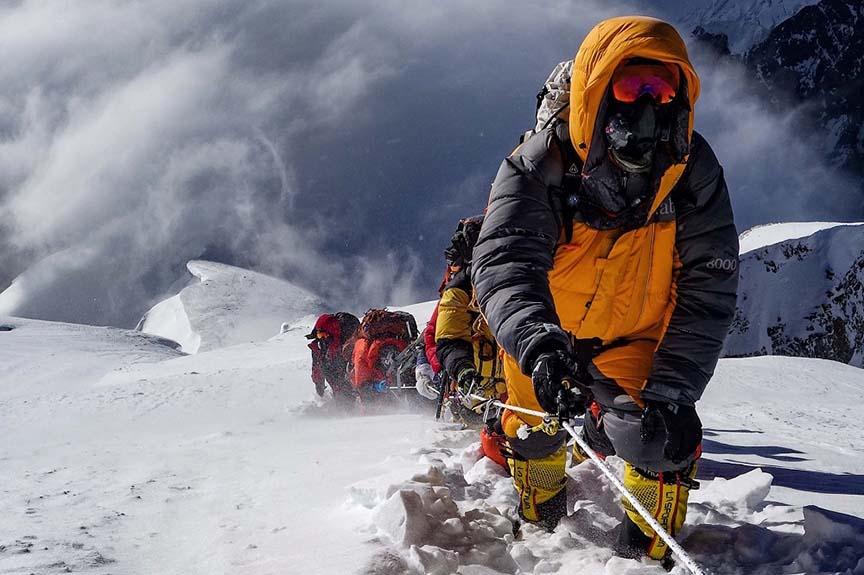
The team established a series of camps along the route. Equipment, food, and oxygen cylinders had to be carried upward several times in order to prepare the higher camps.
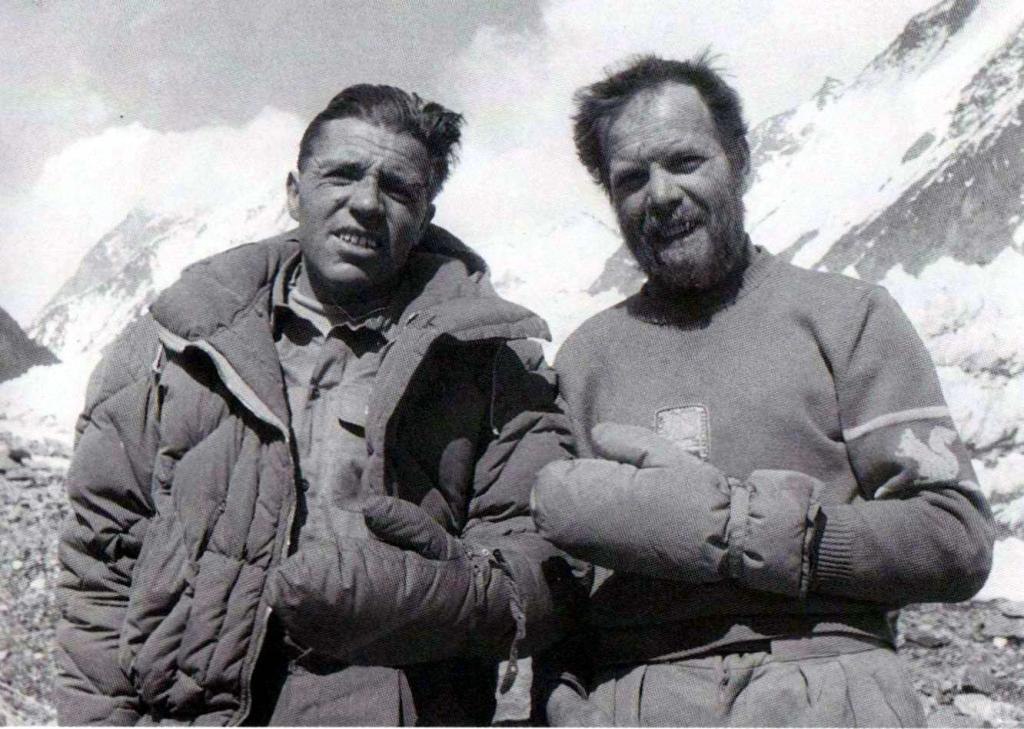
Climbers such as Achille Compagnoni, Lino Lacedelli, and Walter Bonatti played important roles in the difficult work of establishing the route.
Each stage of the climb required careful movement through steep rock sections and icy slopes. Progress was slow but steady as the expedition moved higher.
The Oxygen Carry and the High Bivouac
For the final summit attempt, Compagnoni and Lacedelli were selected as the summit climbers. Walter Bonatti and the Pakistani porter Amir Mehdi were assigned the task of carrying oxygen cylinders to the highest camp.
During this stage of the climb, Bonatti and Mehdi were unable to locate the summit camp at the position they expected. Darkness approached and descending safely was no longer possible.
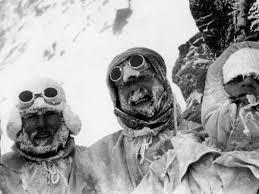
They were forced to spend the night on the mountain at extreme altitude without a tent. Such conditions are extremely dangerous because temperatures drop sharply and the body becomes weak from lack of oxygen.
Both men survived the night, but the exposure caused severe frostbite. Amir Mehdi suffered serious injuries to his feet.
The Summit of K2
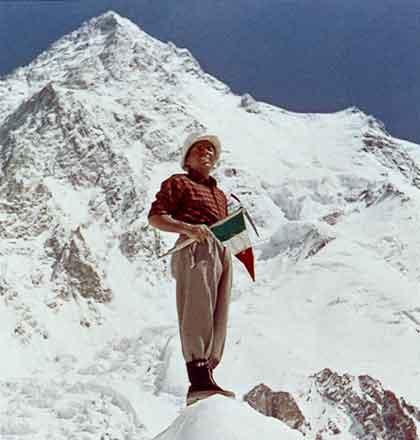
On July 31, 1954, Achille Compagnoni and Lino Lacedelli reached the summit of K2. They became the first people in history to stand on the mountain’s highest point.
The summit stay was short because of the extreme altitude and weather conditions. After reaching the top they began their descent toward the lower camps.
The expedition had succeeded where many earlier attempts had failed.
Later Discussion About the Expedition
After the expedition, some disagreements emerged regarding the events that occurred during the oxygen carry and the night spent high on the mountain by Bonatti and Mehdi.
Walter Bonatti later explained that the unexpected bivouac happened because the summit camp had been placed higher than expected. For many years the details of this event were debated in the mountaineering community.
Decades later the Italian Alpine Club reviewed historical documents and testimonies related to the expedition. The investigation concluded that Bonatti’s account of the events was accurate.
Conclusion
The 1954 Italian expedition achieved the first ascent of K2, one of the most difficult mountains in the world. The climb required careful preparation, teamwork, and great physical effort from many members of the team.
At the same time, the expedition also demonstrated how complex high altitude expeditions can be. Decisions made under extreme conditions sometimes lead to questions that are discussed for many years afterward.
Today the first ascent of K2 remains an important milestone in mountaineering history. It represents both the determination of the climbers who reached the summit and the contributions of many others who helped make the climb possible.
Narrated by KarakoramDiaries




![K2 Base Camp Trek: Ultimate Guide k2 Trek 2026 [UPDATED]](https://www.karakoramdiaries.com/storage/ultimate-guide-to-k2-base-camp-trek-full-document-150x150.png)