Stormbound Above 8,000 Meters: Survivors of the 2008 K2 Disaster
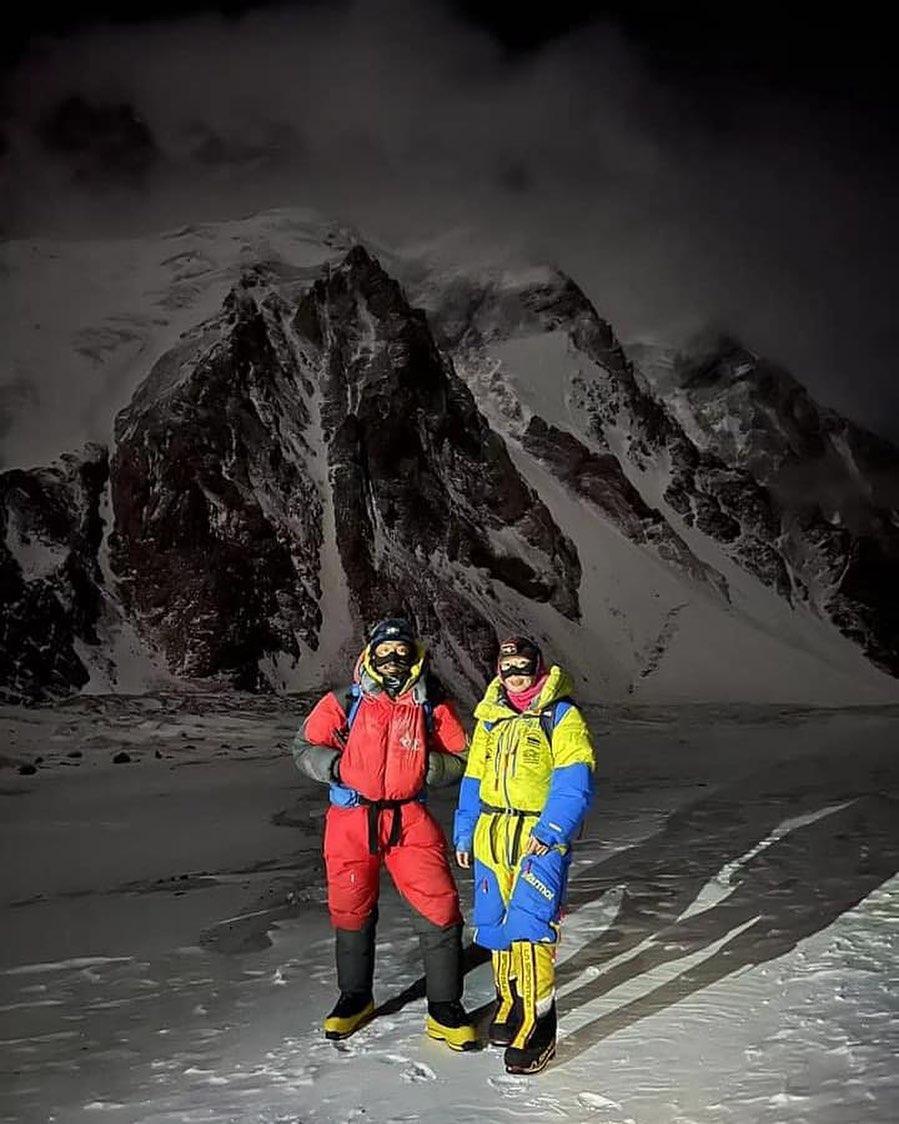
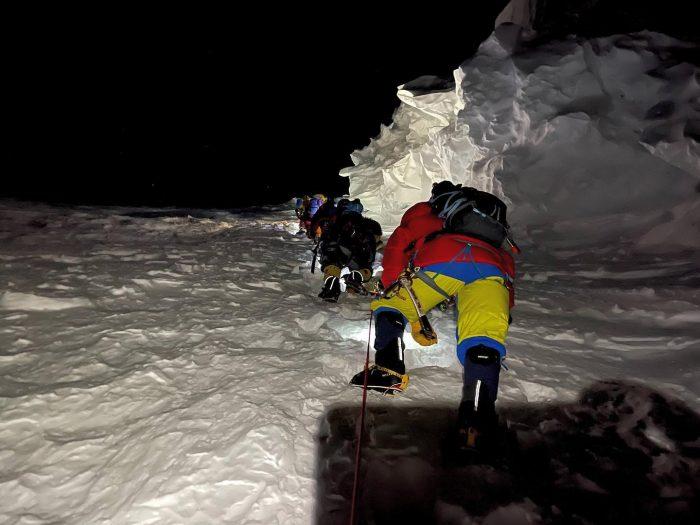
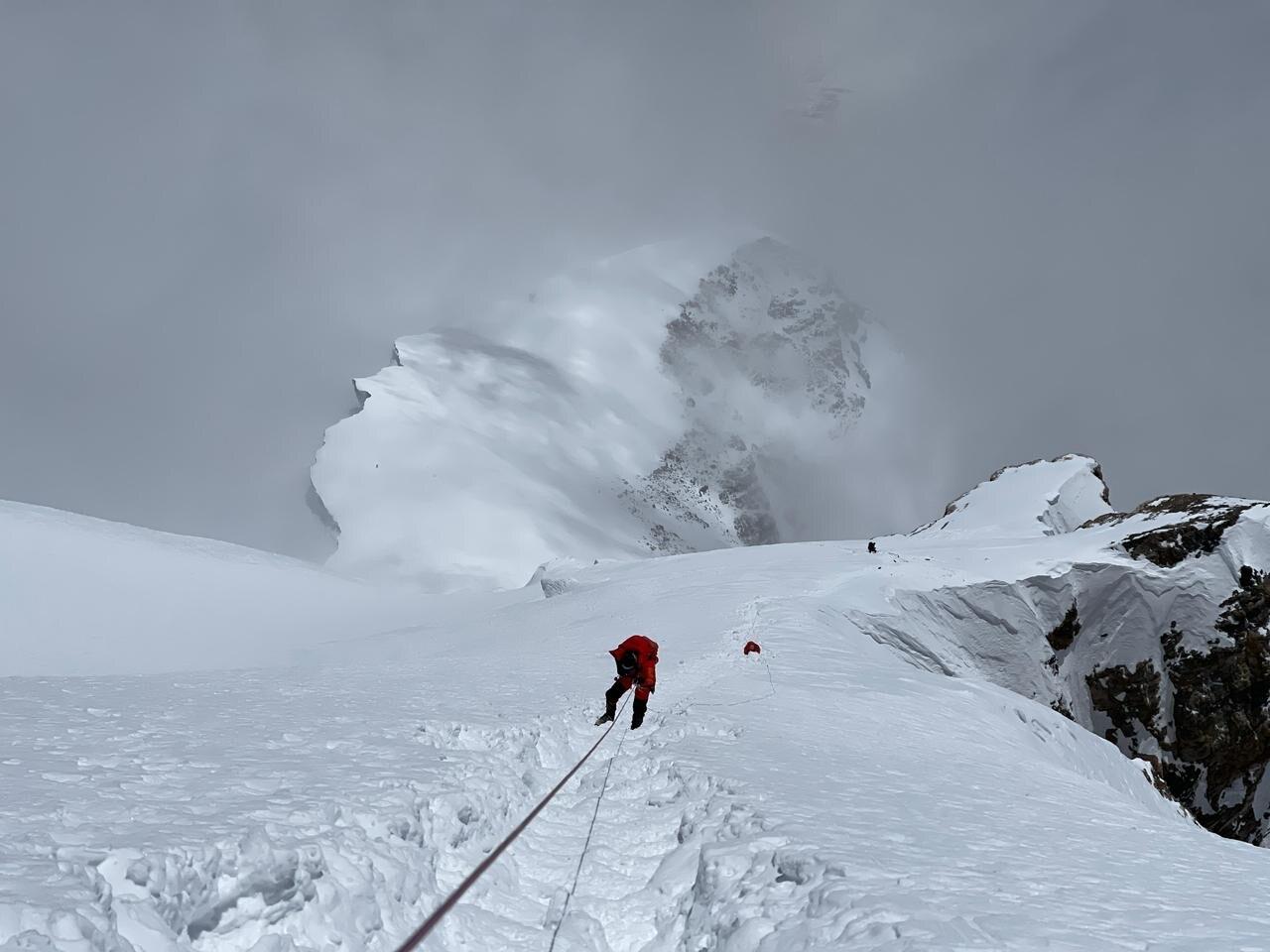
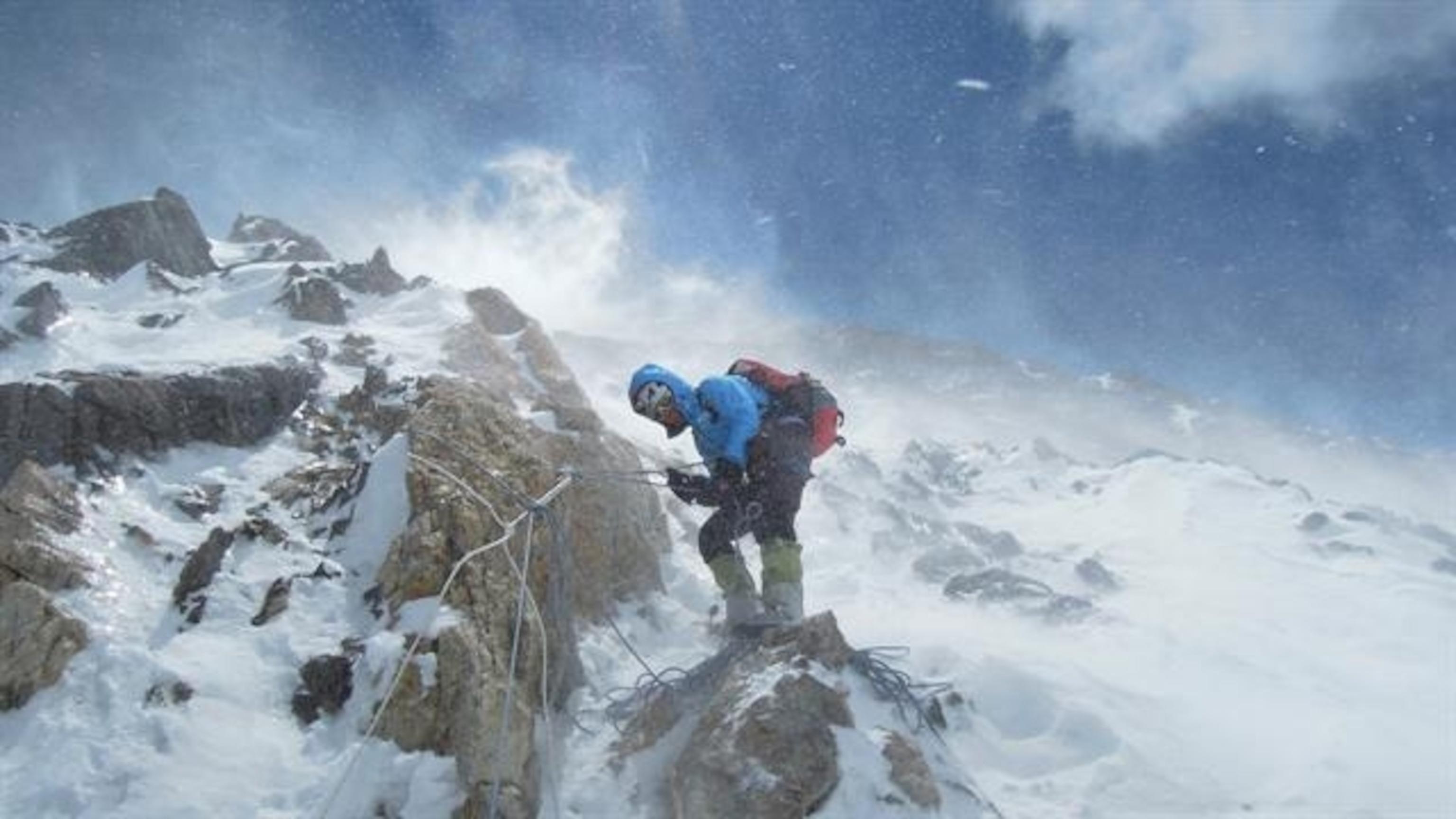
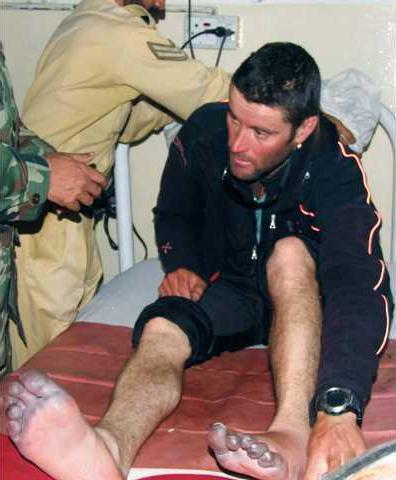
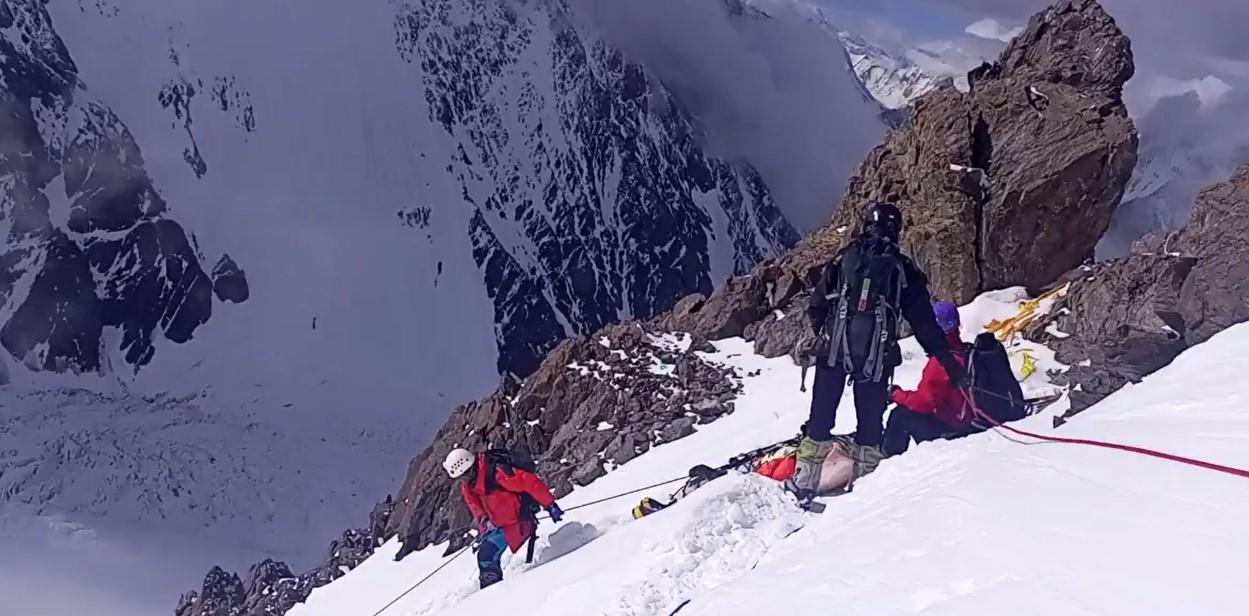
Above: Survivors of the 2008 K2 disaster, climbers who managed to descend after the Bottleneck collapse.
Introduction: Survival After the Collapse
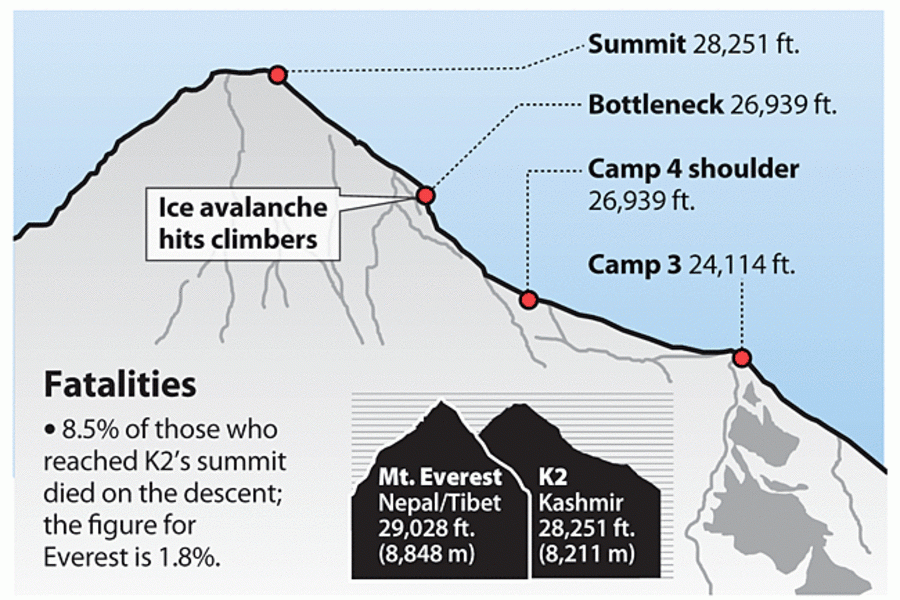
The disaster on K2 in August 2008 is remembered as one of the deadliest events in the history of high-altitude climbing. During the summit push, a large serac collapsed above the Bottleneck and destroyed the fixed ropes that climbers depended on for their descent.
The loss of those ropes turned an already dangerous descent into a life-threatening situation. Climbers were trapped high on the mountain in the dark, with little oxygen and no reliable route downward.
Eleven climbers died during the events that followed. However, several others survived the same conditions. Their survival did not come from strength alone. Timing, decisions made during the descent, and sometimes simple chance all played a role.
The story of the disaster is often told through the number of those who died. Equally important is the experience of those who managed to descend from the mountain after the Bottleneck collapse.
Climbers Who Survived the Disaster
Among the climbers who survived the events on K2 were:
- Marco Confortola
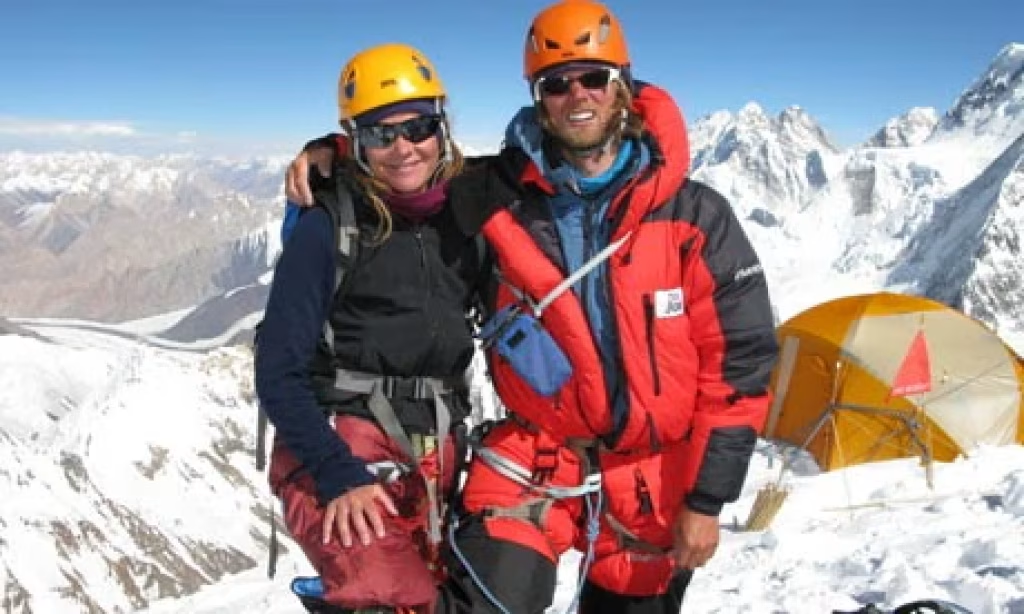
- Cecilie Skog
- Fredrik Sträng
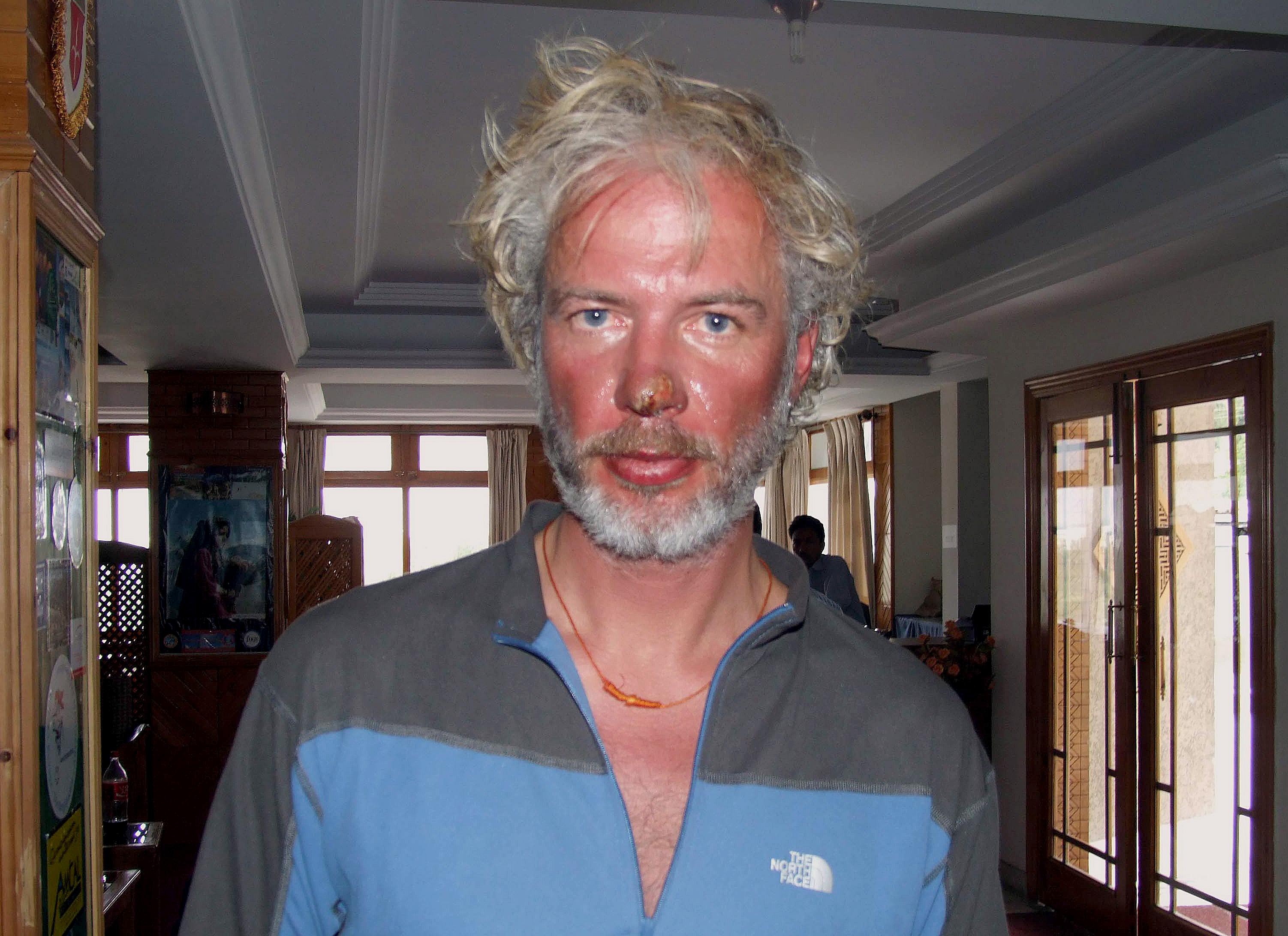
- Wilco van Rooijen
Each of them experienced the disaster in a different way. Some were above the Bottleneck when the ropes were destroyed. Others were still attempting to descend when the situation on the route began to collapse.
What they shared was the same environment: extreme altitude, exhaustion after the summit attempt, and a route that had suddenly become far more dangerous than anyone expected.
Nightfall Above the Bottleneck
As darkness arrived on the evening of August 1, climbers above the Bottleneck faced extremely difficult conditions. The fixed ropes that normally guide climbers through the steep traverse were gone. Without those ropes, the route became much more complicated and dangerous.
Many climbers had already spent long hours above 8,000 meters during their summit attempts. At that altitude the human body becomes weak very quickly. Movement slows, and clear thinking becomes difficult.
Climbers now had to decide whether to continue descending through unfamiliar terrain in the dark or to wait and hope for better conditions in daylight. Neither option offered safety.
Some climbers continued downward slowly, searching for safe anchors in the ice. Others remained in place, hoping that daylight would make the route easier to follow.
Marco Confortola: Descending in Severe Conditions
Italian climber Marco Confortola had already reached the summit earlier that day. During the descent his oxygen supply ran out and he became increasingly weak from the altitude.
As the situation on the mountain deteriorated, Confortola continued descending with very limited visibility and extreme fatigue. Frostbite began to affect his hands and feet as the temperature dropped during the night.
He eventually reached lower camps after a difficult descent, but the damage to his feet was severe. Later medical treatment required the amputation of all ten of his toes.
Despite the injuries, he survived the disaster and was eventually evacuated from the mountain.
Cecilie Skog: Descending Through a Dangerous Route
Norwegian climber Cecilie Skog also managed to descend from the mountain after the disaster. The descent required careful movement through terrain that had become unpredictable after the loss of the ropes.
During the descent she passed several climbers who had already died or were unable to continue downward. At extreme altitude, climbers often cannot stop to assist others because doing so may place their own survival at risk.
Skog eventually reached lower camps after many hours on the mountain. The experience remained one of the most difficult moments of her climbing career.
Wilco van Rooijen: Survival After Being Lost on the Mountain
Dutch climber Wilco van Rooijen became separated from the main group during the descent. For several hours he was alone high on the mountain without oxygen and with limited visibility.
Other climbers believed he had died during the disaster. However, he managed to descend slowly through the route and was later found alive by rescuers.
Although he survived, the exposure caused severe frostbite injuries that required long recovery.
The Limits of Rescue on K2
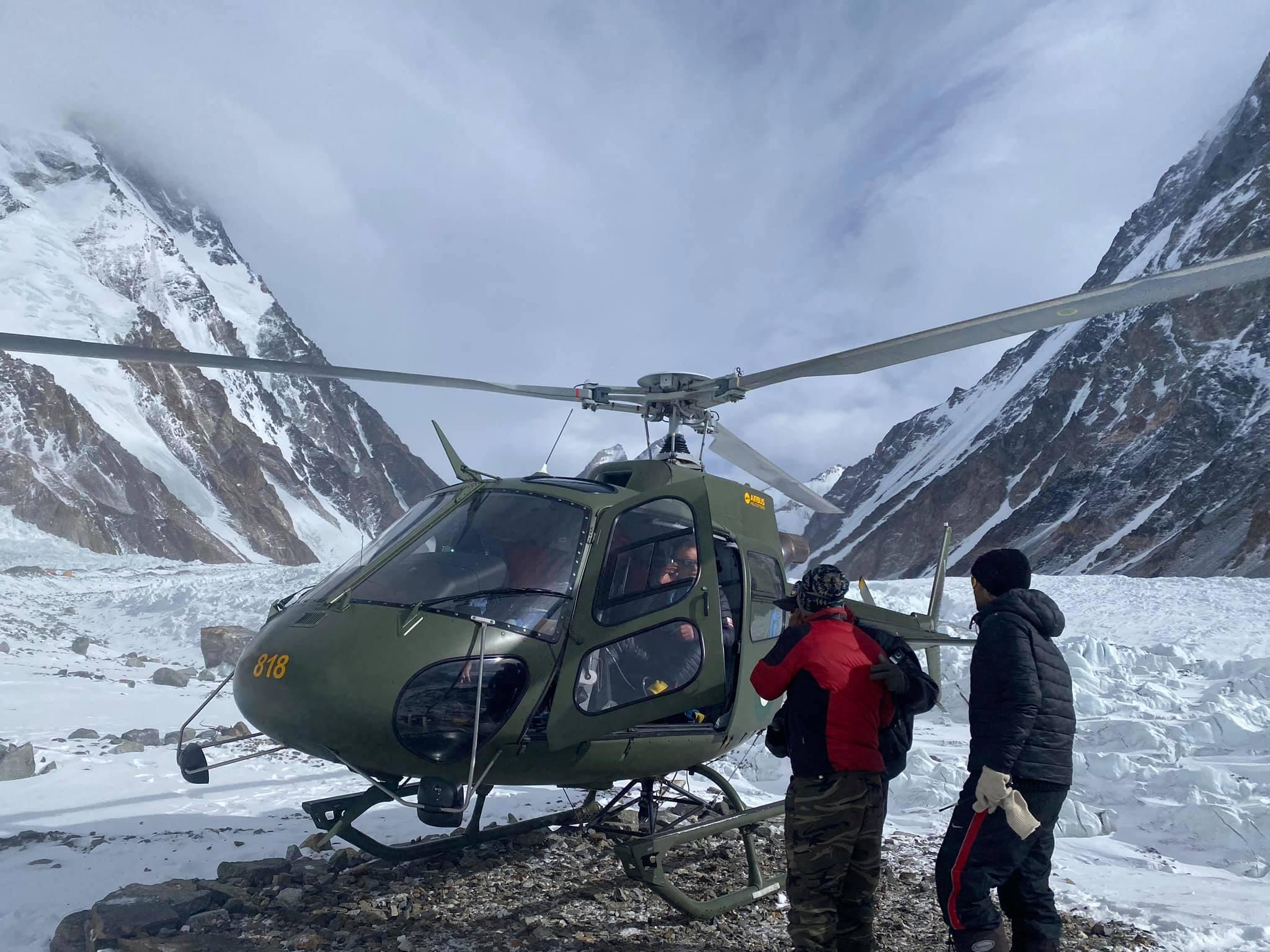
Rescue efforts began once the scale of the disaster became clear. Helicopters were able to reach lower camps, but above those elevations climbers still had to descend under their own power.
At extreme altitude it is extremely difficult to conduct organized rescue operations. Climbers must rely mainly on their own strength and the assistance of nearby teammates.
The survivors who reached lower camps did so after long and difficult descents.
Aftermath and Lessons
The 2008 disaster changed how many climbers approached K2. The events highlighted the risks created by crowded summit pushes and the dependence on fixed ropes in critical sections of the route.
Climbers also became more cautious about weather windows and summit timing. The disaster demonstrated how quickly conditions can change on high mountains and how important it is to descend safely after reaching the summit.
The climbers who survived carried both physical and psychological consequences from the experience.
Conclusion
The disaster on K2 in 2008 remains one of the most significant tragedies in modern mountaineering. While many lives were lost, several climbers managed to descend despite extremely dangerous conditions.
Their experiences show how fragile survival can be in the high mountains. On peaks like K2, reaching the summit is only part of the challenge. The descent remains the most critical stage of the climb.
Narrated by KarakoramDiaries


![K2 Base Camp Trek: Ultimate Guide k2 Trek 2026 [UPDATED]](https://www.karakoramdiaries.com/storage/ultimate-guide-to-k2-base-camp-trek-full-document-150x150.png)