K2 Before Success: Early Attempts and Difficult Lessons (1902–1953)
Introduction
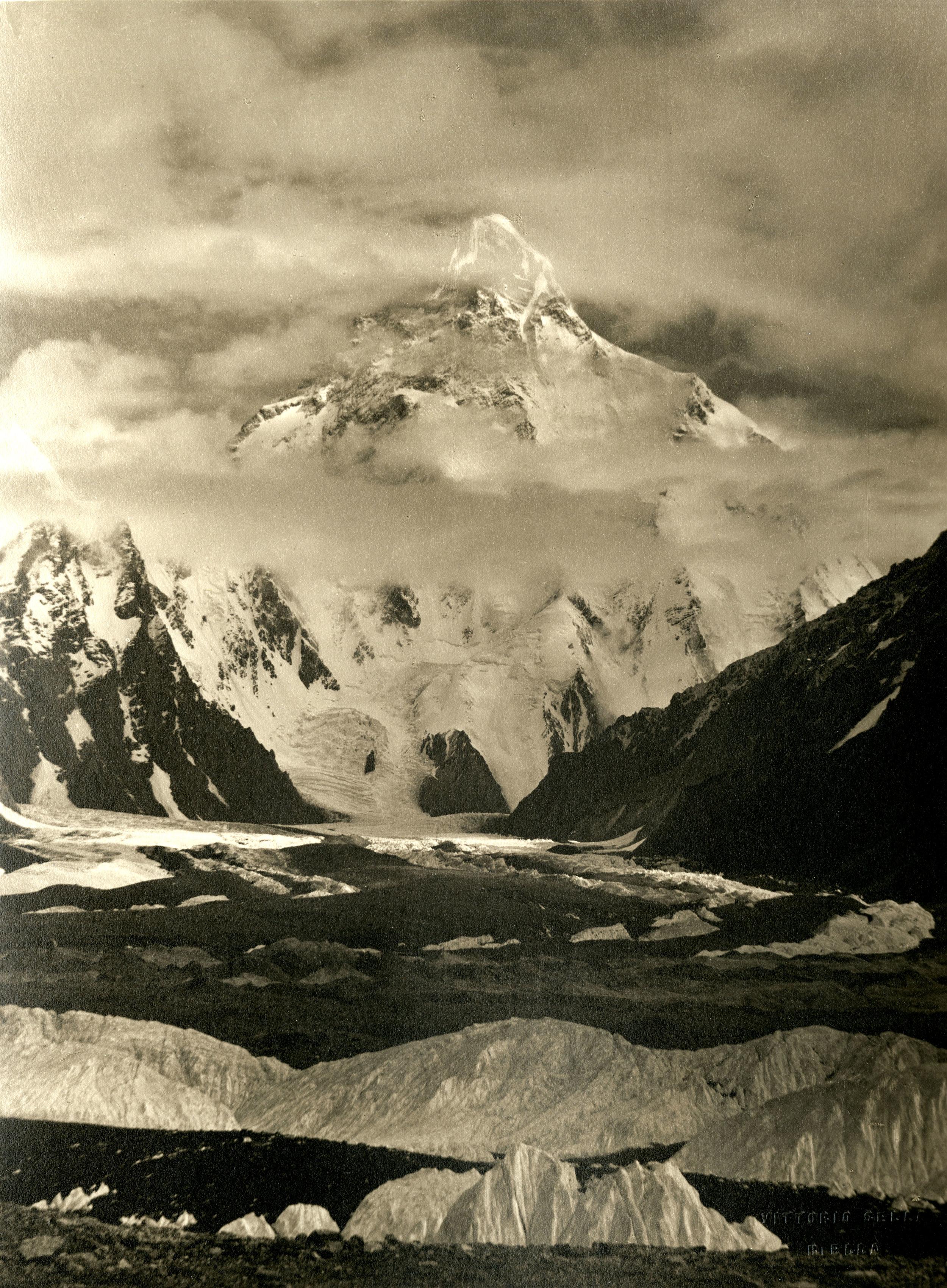
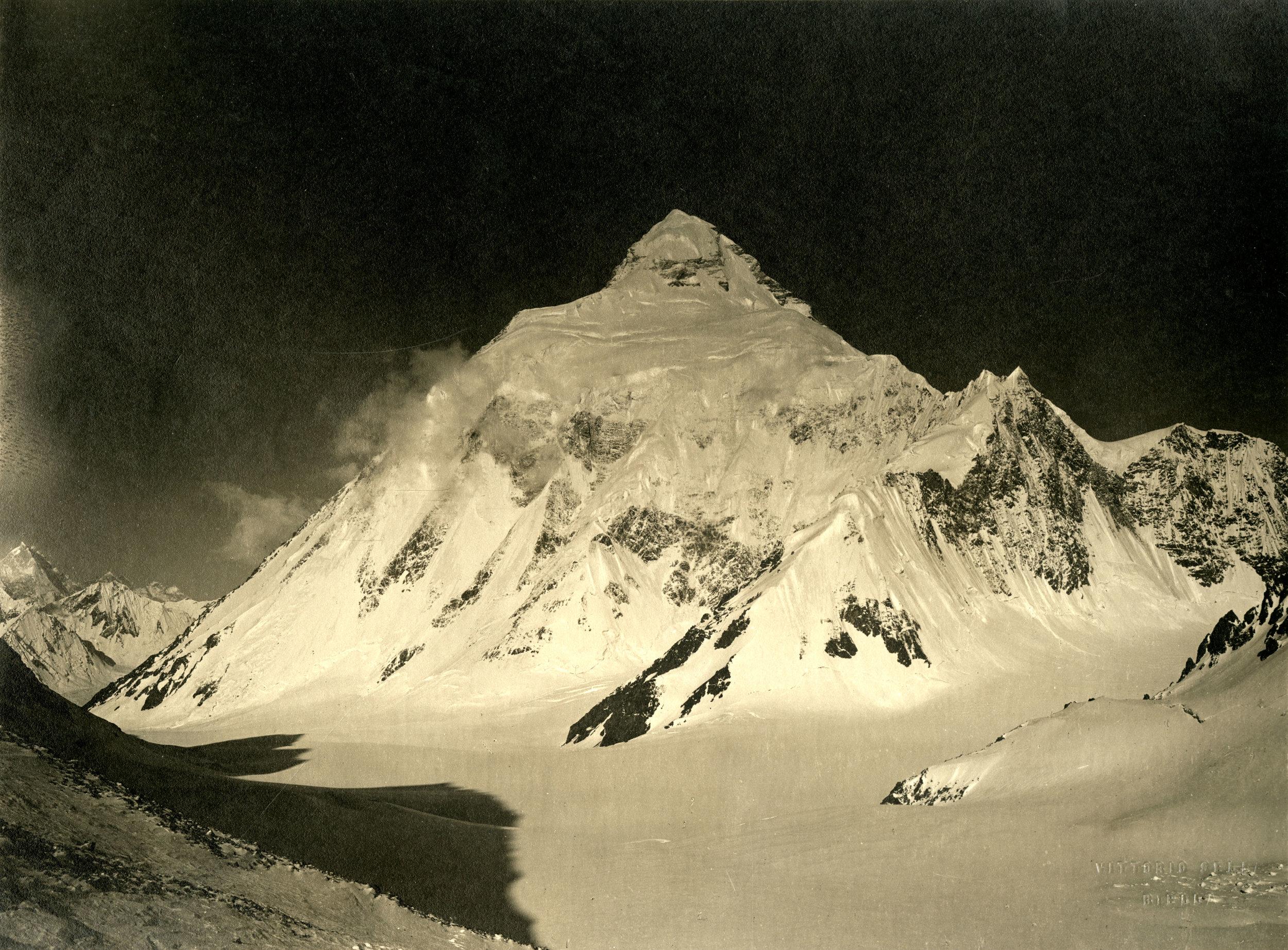
Today K2 is known as one of the most respected and difficult mountains in the world. When people talk about it, they often focus on dramatic climbs or tragic accidents. However, before those stories existed, there were many quiet years when climbers simply tried to understand the mountain.
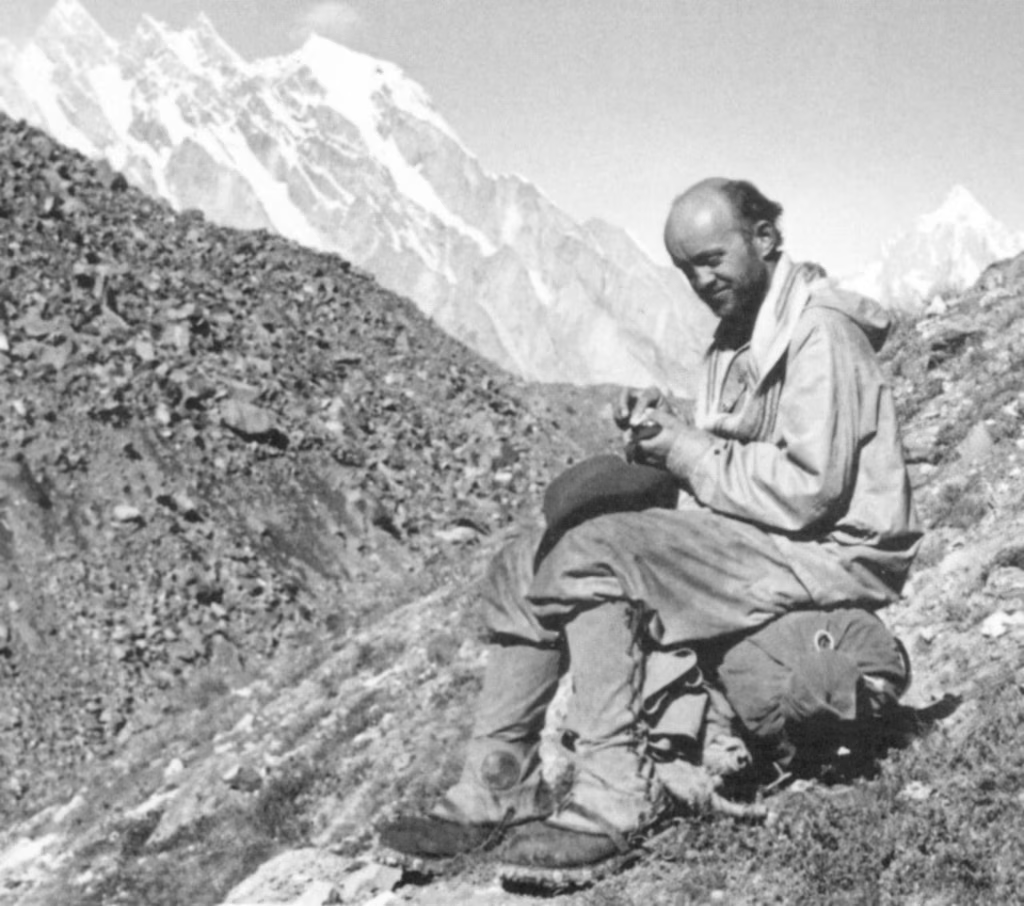
Between 1902 and 1953, many expeditions attempted to climb K2. None of them reached the summit. Each expedition returned with new experience, but also with the realization that the mountain was more complicated than expected.
These early climbers were experienced mountaineers of their time. They were determined and well prepared according to the knowledge and equipment available in those years. Even with that preparation, K2 remained unclimbed for more than fifty years.
The Journey to the Mountain
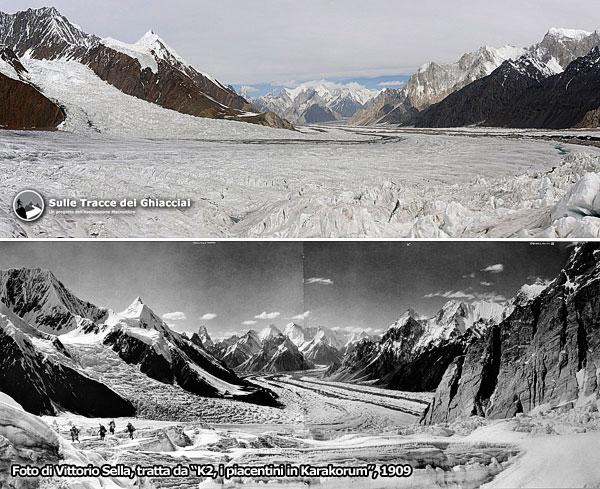
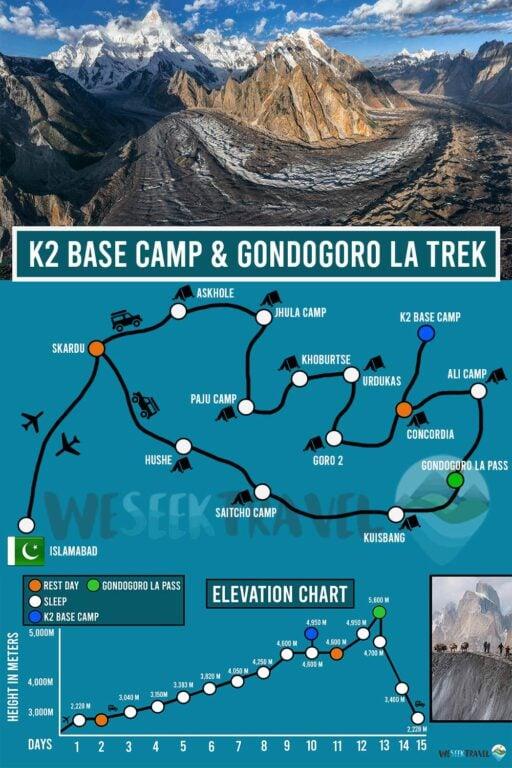
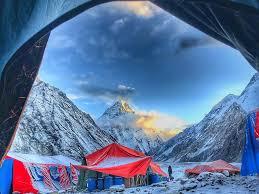
Reaching K2 was already a demanding task. Climbers first had to travel through the remote valleys of the Karakoram. There were no roads and no modern transport options. Expeditions moved slowly with long caravans of porters carrying food, tents, ropes, and climbing equipment.
The approach to base camp could take several weeks. Teams crossed rivers, glaciers, and narrow mountain trails. Weather often changed suddenly in the high valleys. By the time climbers reached the base of K2, they had already spent a long period traveling in difficult conditions.
Only after completing this journey could they begin the actual climb.
Early Expeditions and Difficult Progress
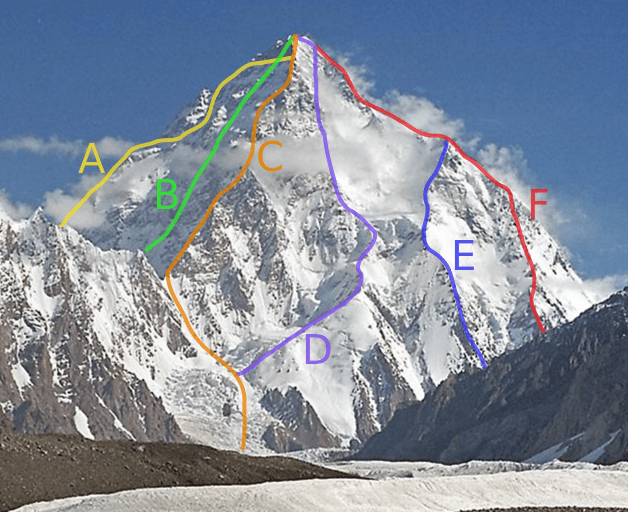
The first expeditions during the early twentieth century focused mainly on exploration. Climbers tried to understand the mountain’s structure and possible routes. Maps of the region were incomplete, and many areas had never been carefully studied.
Teams learned several important things during these early attempts.
- Weather could change quickly and remain unstable for many days
- Snow conditions often shifted during the climbing season
- Some rock faces were unstable and required careful movement
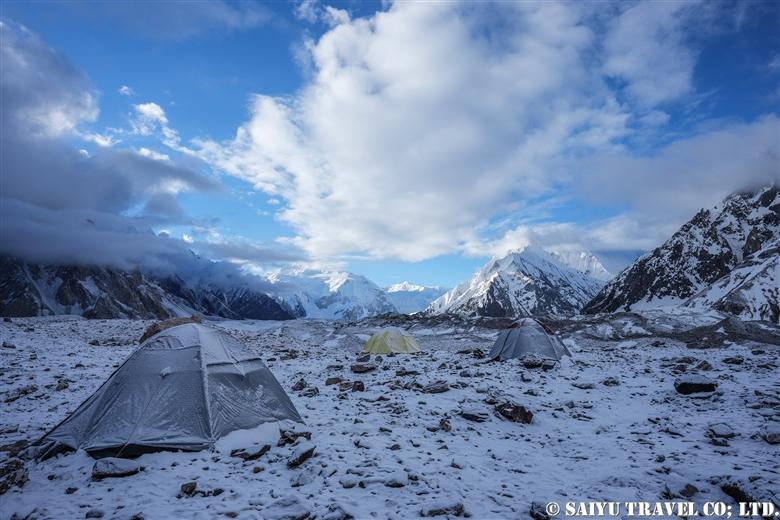
Climbers established camps on the mountain and moved slowly upward. When storms arrived, they were forced to wait. Many expeditions ended after weeks of effort without reaching high altitudes.
These attempts did not reach the summit, but they helped future teams understand the mountain better.
The Abruzzi Spur Route
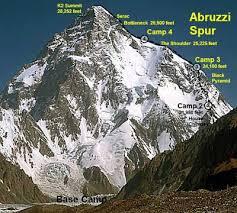
Over time climbers began focusing on a specific route known today as the Abruzzi Spur. This ridge offered a more direct line toward the summit compared to other sides of the mountain.
Even though it appeared promising, the route remained very demanding. Camps had to be placed on narrow ledges, and climbers were constantly exposed to falling rocks and ice.
However, the Abruzzi Spur allowed expeditions to reach higher points than before. This route later became the standard path used by many climbers attempting K2.
The 1939 American Expedition
One of the most significant early attempts took place in 1939 during an American expedition. The team climbed higher than many earlier groups and established several camps on the mountain.
During the climb, one of the climbers, Dudley Wolfe, became seriously ill at high altitude. Several members of the team attempted to rescue him, moving up and down the mountain in difficult conditions.
Rescue operations at such altitude are extremely challenging. Weather changes, limited supplies, and exhaustion can quickly make the situation more dangerous for everyone involved.
During these attempts several climbers lost their lives. The expedition ended in tragedy and the summit remained unreached.
Years Without Expeditions
During the 1940s many mountaineering expeditions stopped because of World War II. Climbers were unable to travel to the Karakoram during these years.
When the war ended, interest in high altitude climbing returned. Equipment improved and climbers had learned valuable lessons from earlier attempts.
The long period of failed expeditions had created a deeper understanding of K2.
Approaching a New Era
By the early 1950s climbers had gathered decades of experience on K2. They had learned where camps could be placed safely and which sections of the mountain required special care.
- Careful planning of camps became essential
- Team coordination became extremely important
- Speed and timing were necessary for summit attempts
- Turning back at the right moment could save lives
These lessons formed the foundation for future expeditions.
Conclusion
Between 1902 and 1953 many climbers attempted to reach the summit of K2. None succeeded during those years, but their efforts helped future teams understand the mountain better.
Each expedition added knowledge about routes, weather patterns, and the physical challenges of climbing at extreme altitude.
The mountain remained unchanged during those decades. What changed was the experience and preparation of the climbers who continued to study it.
Soon after these early attempts, another expedition would return with the benefit of all those lessons.
And this time the summit would finally be reached.
Narrated by KarakoramDiaries