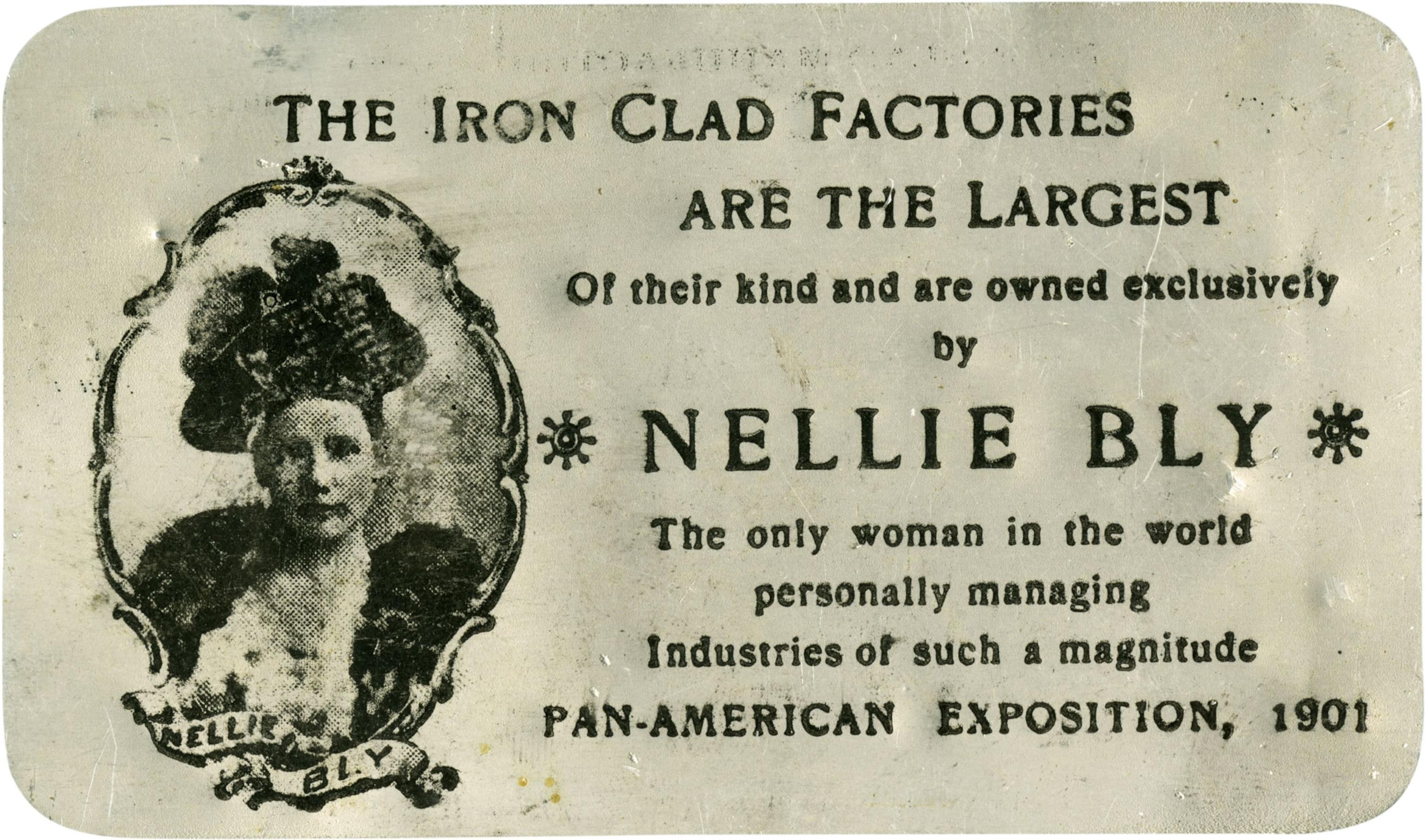
Nellie Bly
Around the World in 72 Days A Real Travel Journey
The Decision That Surprised New York
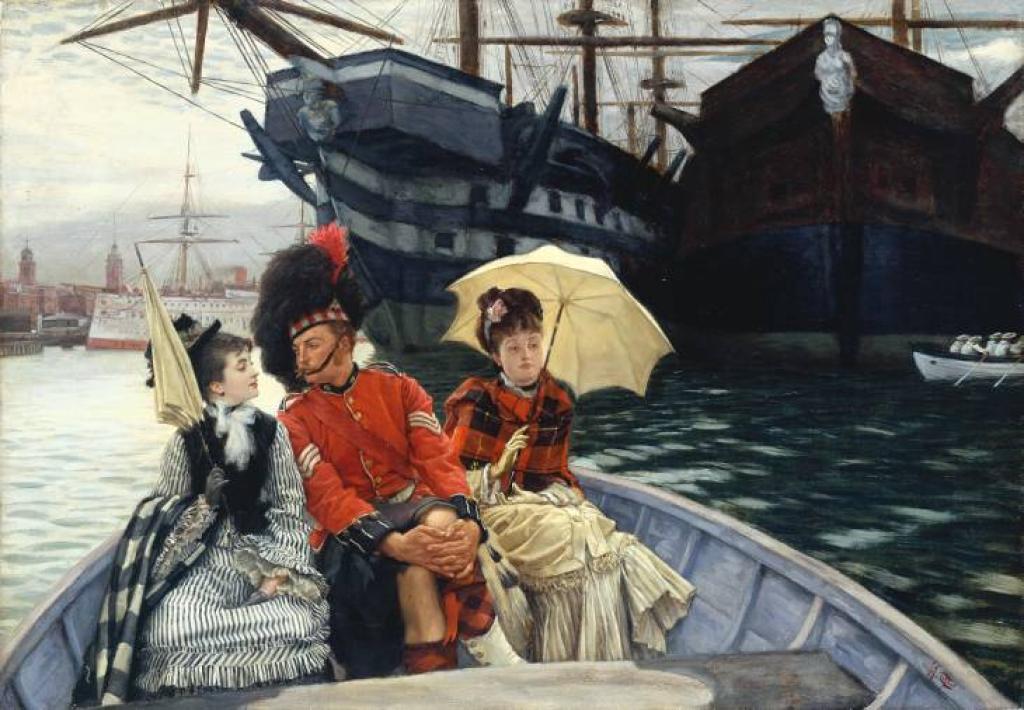
A young journalist preparing for a journey few people believed possible.
In 1889 New York was one of the busiest cities in the world. Newspapers competed for attention, and journalists were constantly searching for new stories. One of those reporters was a young woman known by the name Nellie Bly.
At that time women were rarely sent on major assignments, especially ones that involved long and difficult travel. Nellie Bly suggested an idea that seemed unrealistic to many editors. She wanted to travel around the entire world alone and report on the journey.
Her newspaper eventually agreed to support the plan. The journey would be inspired by the fictional story of Around the World in Eighty Days by Jules Verne, but Nellie intended to complete the trip in less time.
She packed very lightly. Her luggage consisted mainly of one small handbag, a single dress, basic toiletries, and writing materials. On November 14, 1889, she boarded a steamship leaving New York Harbor and began the journey.
Many people watched the departure with curiosity. Some believed the journey was too ambitious, especially for a solo traveler in that era. Nellie Bly approached the trip with determination and curiosity rather than fear.
Europe and the Railways
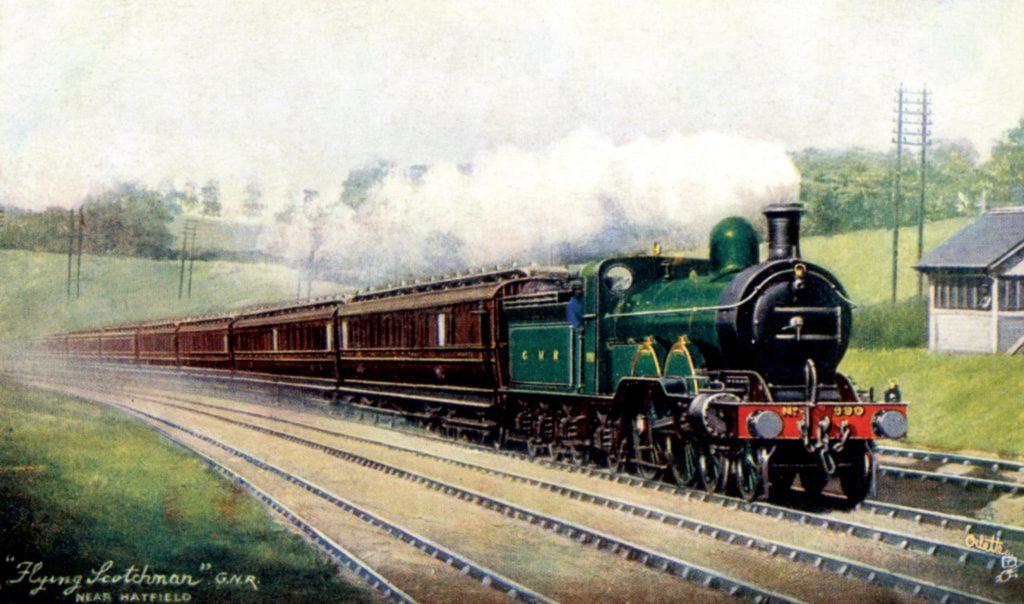
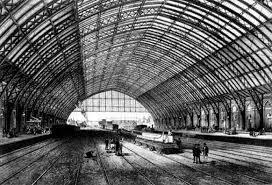
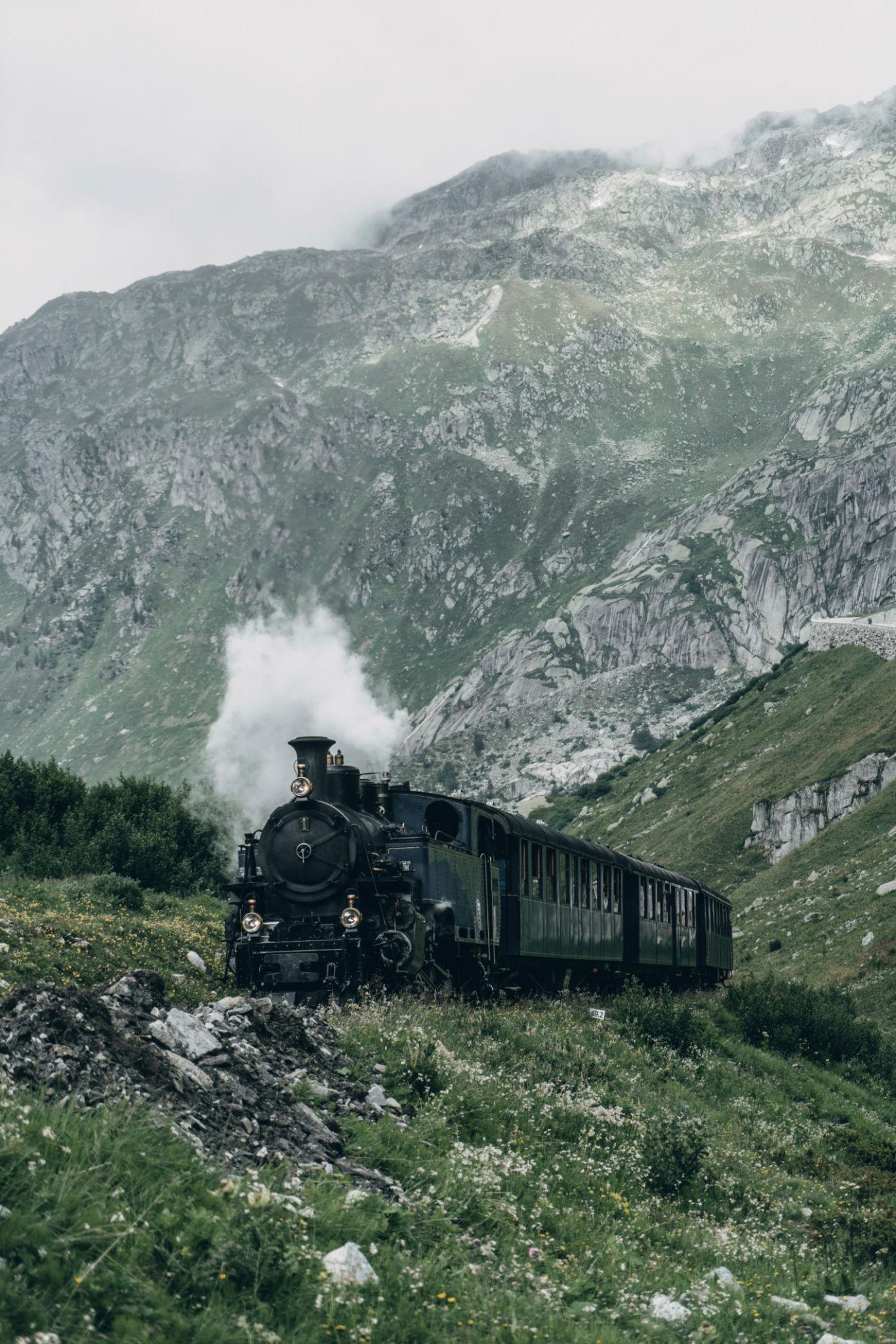
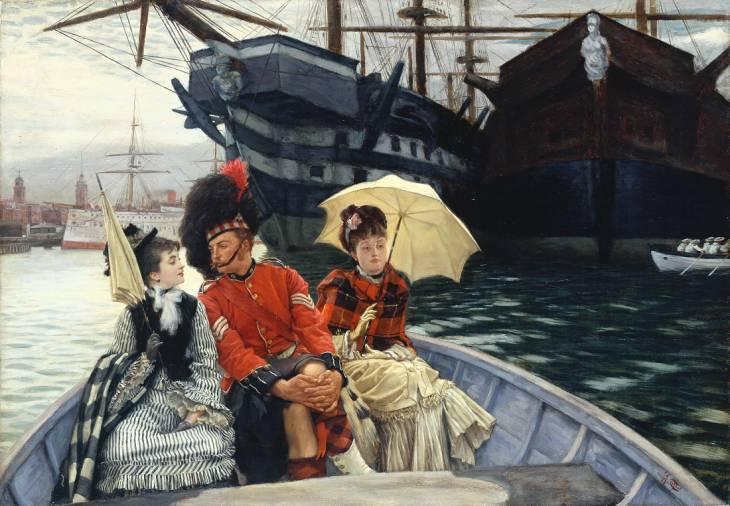
Railways connected many European cities and made long-distance travel faster than ever before.
After crossing the Atlantic Ocean, Nellie arrived in England and quickly continued her journey through Europe by train. Railways allowed her to move quickly between countries while still observing the landscapes along the way.
She passed through France and other parts of Europe where cities, countryside, and mountain regions appeared outside the train windows as the journey continued.
Travel during this time required flexibility. Schedules could change, connections could be missed, and communication between countries was slower than today. Nellie adapted quickly to these conditions and kept moving forward.
She also took time to observe local customs, markets, and daily life in the places she visited. Her reports helped readers in the United States imagine cultures they had never seen before.
Across Asia and the Pacific Ocean
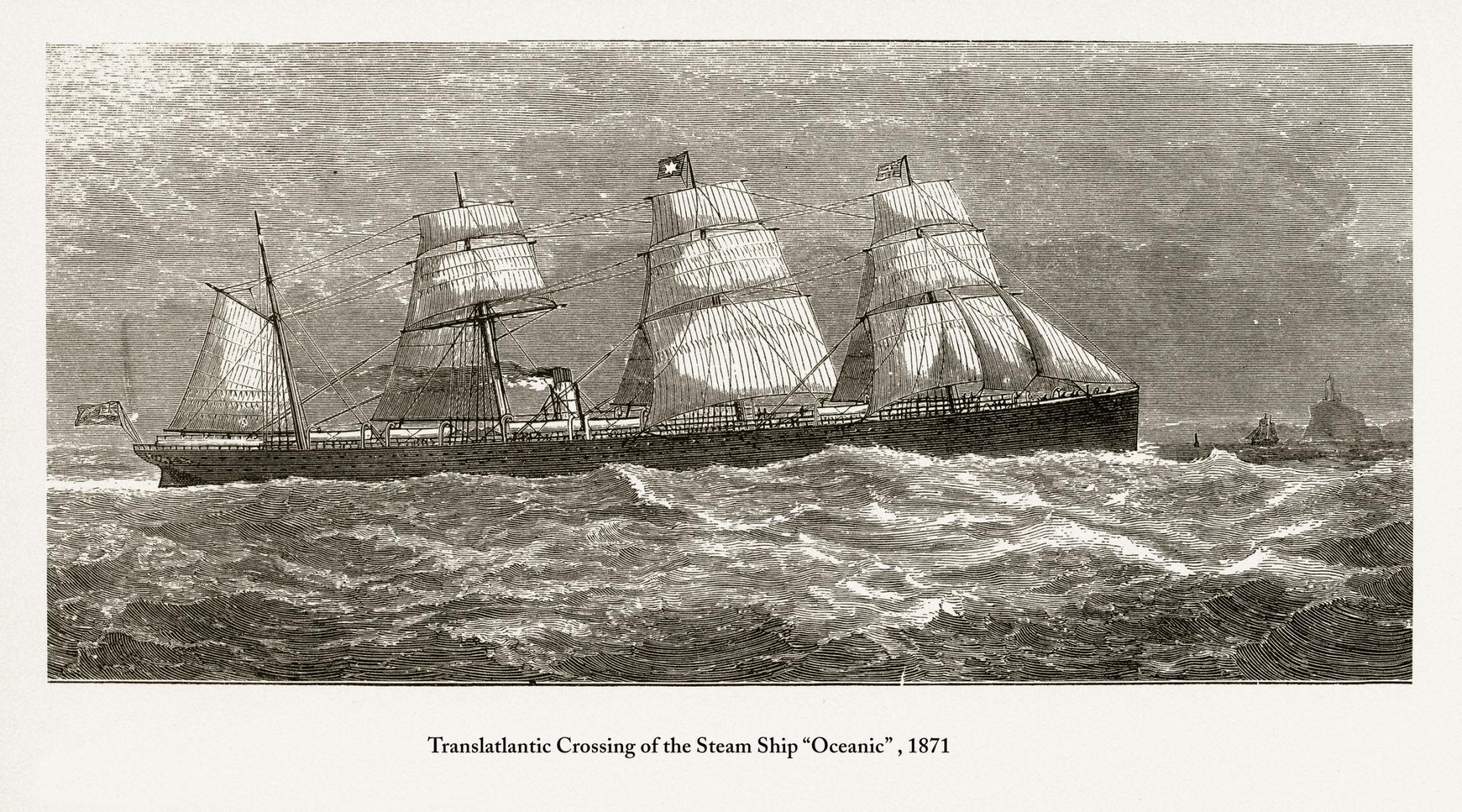
Steamships were the primary way travelers crossed oceans during the nineteenth century.
From Europe Nellie Bly continued her journey through the Suez Canal toward Asia. She visited ports and cities where the languages, architecture, and daily routines were very different from those in the United States.
Steamships carried her across long stretches of ocean where travel could take many days. During these journeys passengers often spent time reading, writing, and watching the sea.
Crossing the Pacific Ocean was one of the longest sections of the trip. Despite the distance, Nellie maintained her schedule carefully because the success of the journey depended on timing each connection correctly.
Her reports described the cultures she encountered and the changing landscapes of the world as she traveled between continents.
Returning to New York
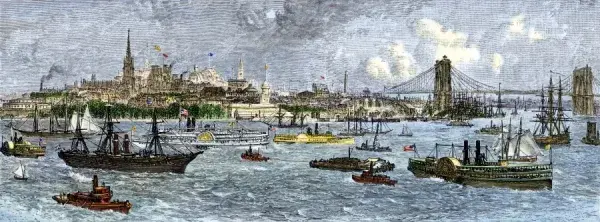
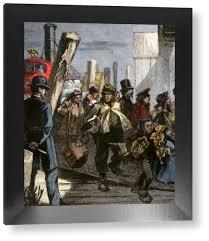
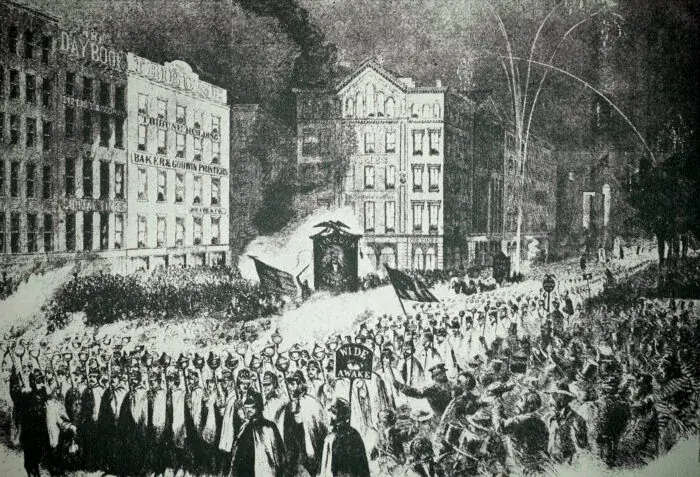
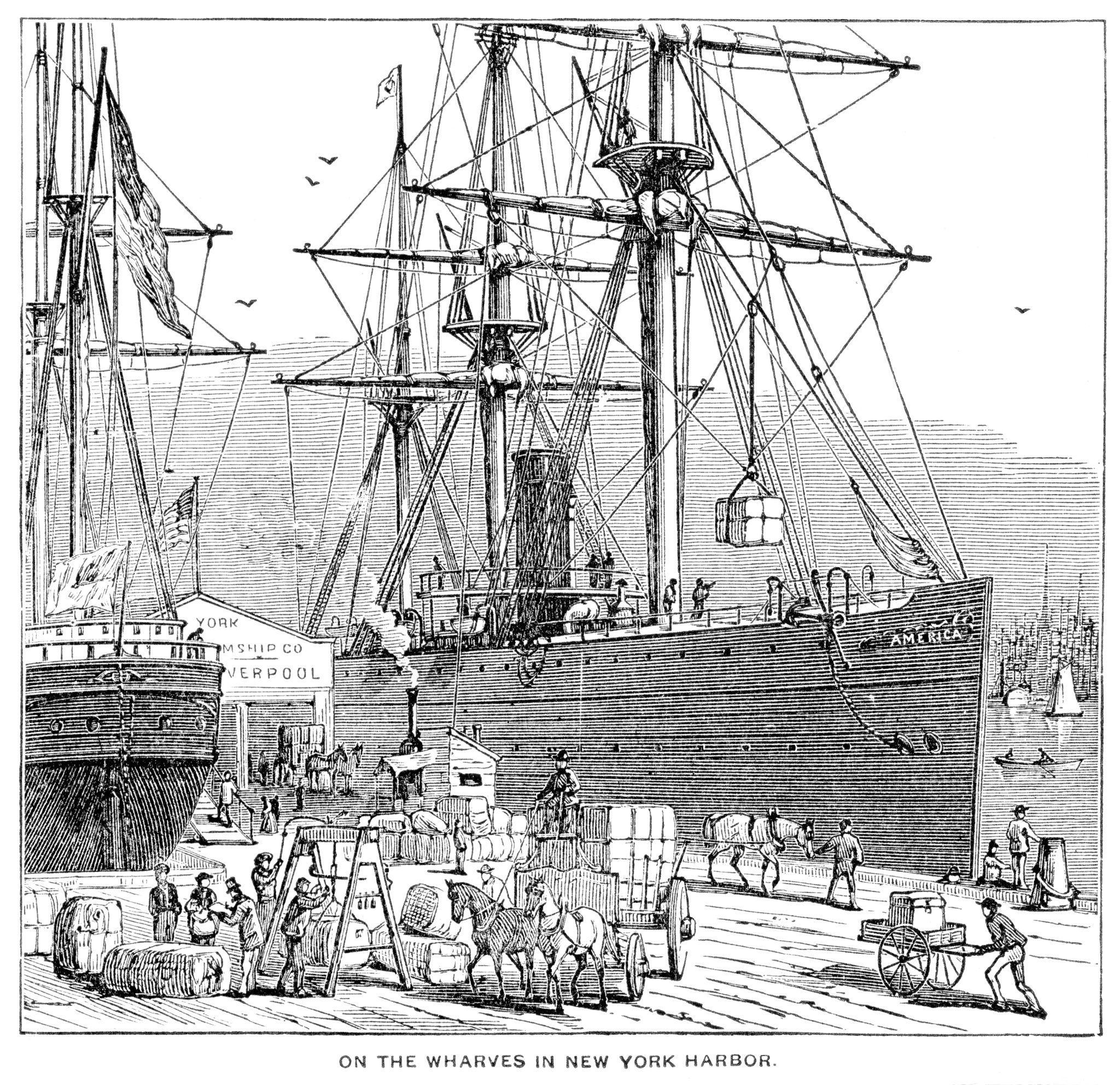
The harbor where Nellie Bly completed her journey and returned home.
After traveling across several continents and oceans, Nellie Bly returned to New York. The entire journey took 72 days, which was faster than many people expected.
Crowds gathered to welcome her arrival. Newspapers around the world reported on the achievement because it demonstrated how global travel was becoming possible during the late nineteenth century.
Nellie Bly's journey was important not only because of the speed but also because she traveled alone and documented the experience as a journalist.
Her reports helped readers understand how connected the world was becoming through ships, railways, and international travel.
Narrated by KarakoramDiaries

![K2 Base Camp Trek: Ultimate Guide k2 Trek 2026 [UPDATED]](https://www.karakoramdiaries.com/storage/ultimate-guide-to-k2-base-camp-trek-full-document-150x150.png)