A Solo Walk Across America The Real Travel Journey of Cheryl Strayed
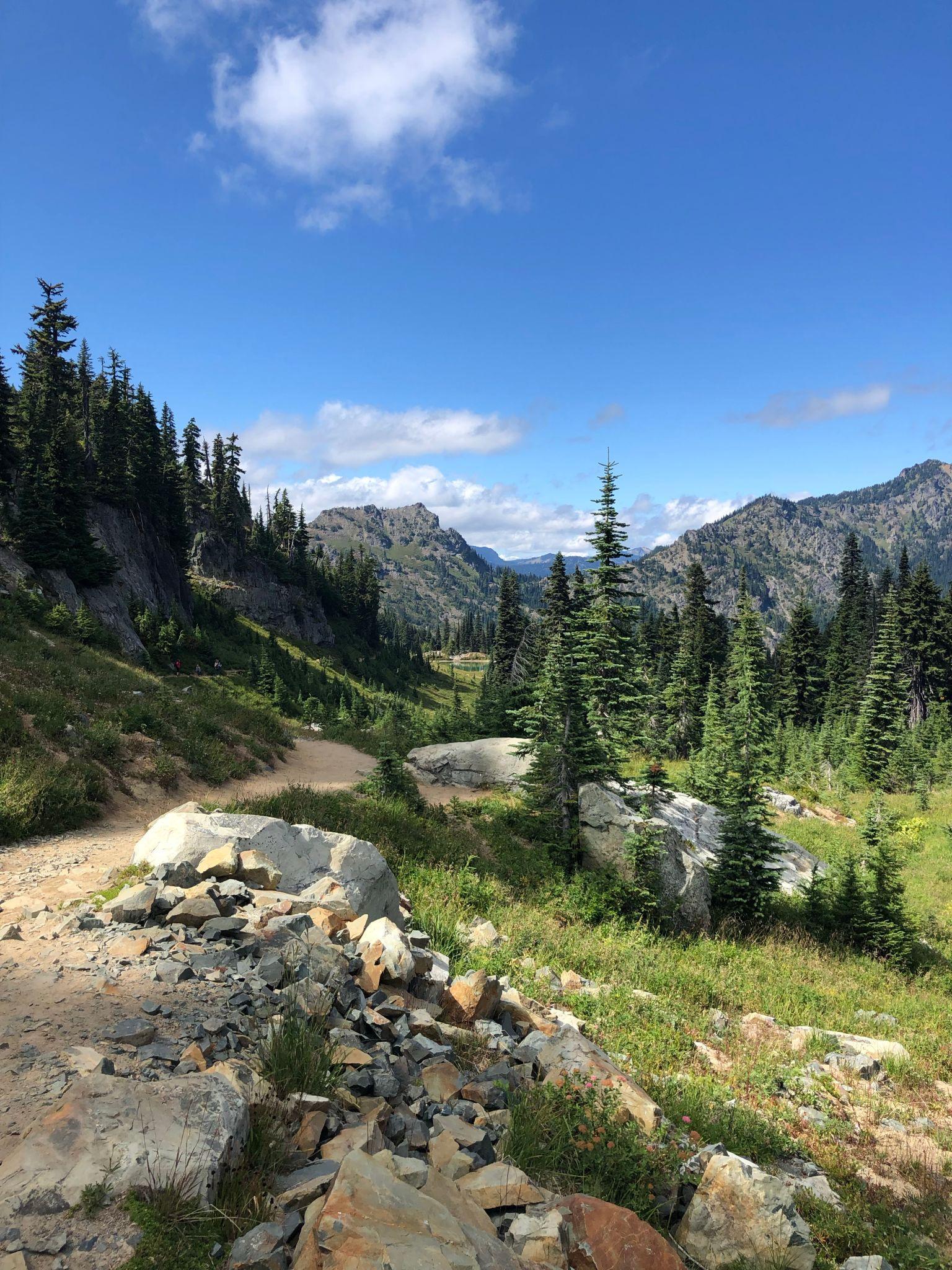
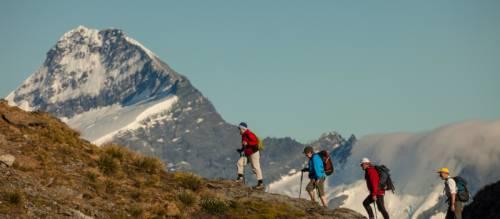
A narrow wilderness path stretching through mountains where every step carries personal meaning.
In the mid-1990s, a young woman named Cheryl Strayed stood at the beginning of a wilderness trail carrying a large backpack and a deeply personal reason for walking. She was not a professional athlete or an experienced long-distance hiker. Her decision to begin this journey came from a desire to rebuild her life after a period of loss and uncertainty.
Her route was the Pacific Crest Trail, a famous long-distance hiking path that stretches more than 4,000 kilometers across the western United States. The trail crosses deserts, forests, and high mountain ranges, demanding both physical endurance and mental resilience from those who attempt it.
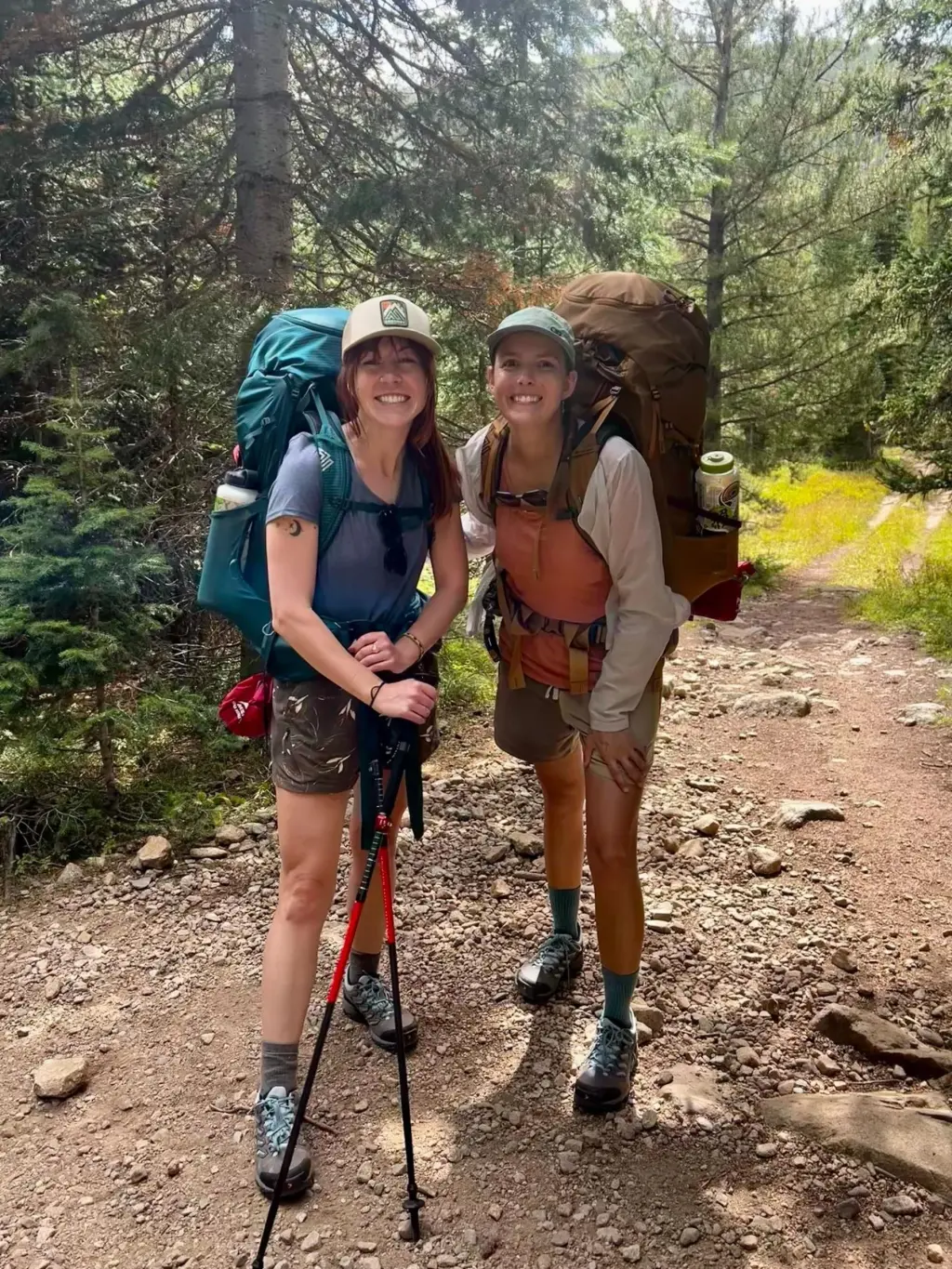
Cheryl chose to hike a long section of this trail alone. Inside her backpack she carried basic supplies such as food, water, maps, a small tent, and personal journals. The pack itself felt extremely heavy in the beginning, and the unfamiliar terrain quickly revealed how demanding the journey would become.
The first days were physically painful. Her boots caused blisters, the weight of the pack strained her shoulders, and the long distances between water sources forced careful planning. The trail offered no comfort or shortcuts. Instead, it required patience, determination, and steady progress.

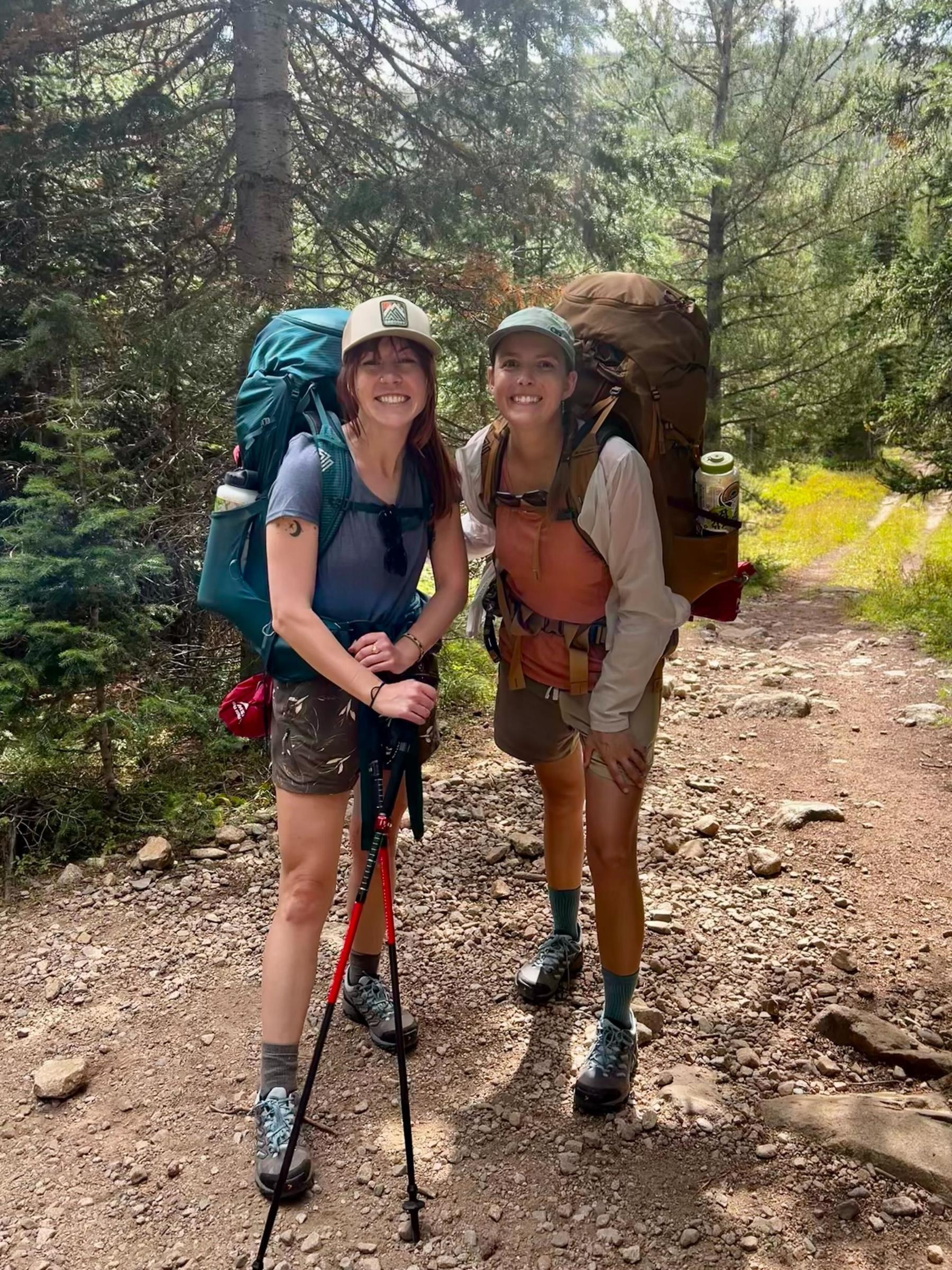
Long days on the trail where silence becomes a steady companion rather than loneliness.
As the journey continued, the environment changed dramatically. Some sections crossed dry desert landscapes where the sun reflected intensely from the ground. Other stretches led through dense pine forests where cool winds moved quietly through the trees.
Higher elevations introduced new challenges. Snow sometimes covered sections of the trail, and steep mountain paths required careful footing. Weather conditions could change quickly, reminding hikers that the wilderness demands respect and preparation.
Although the journey was mostly solitary, Cheryl occasionally met other hikers along the route. These brief encounters created moments of conversation, shared meals, and encouragement before everyone continued along their own path.
Traveling alone also meant long periods of reflection. Without the noise and distractions of city life, thoughts became clearer. Walking day after day turned the journey into a form of moving meditation where memories, regrets, and hopes gradually found their place.
In this way the trail became more than a physical route. It became a space for understanding and personal healing.
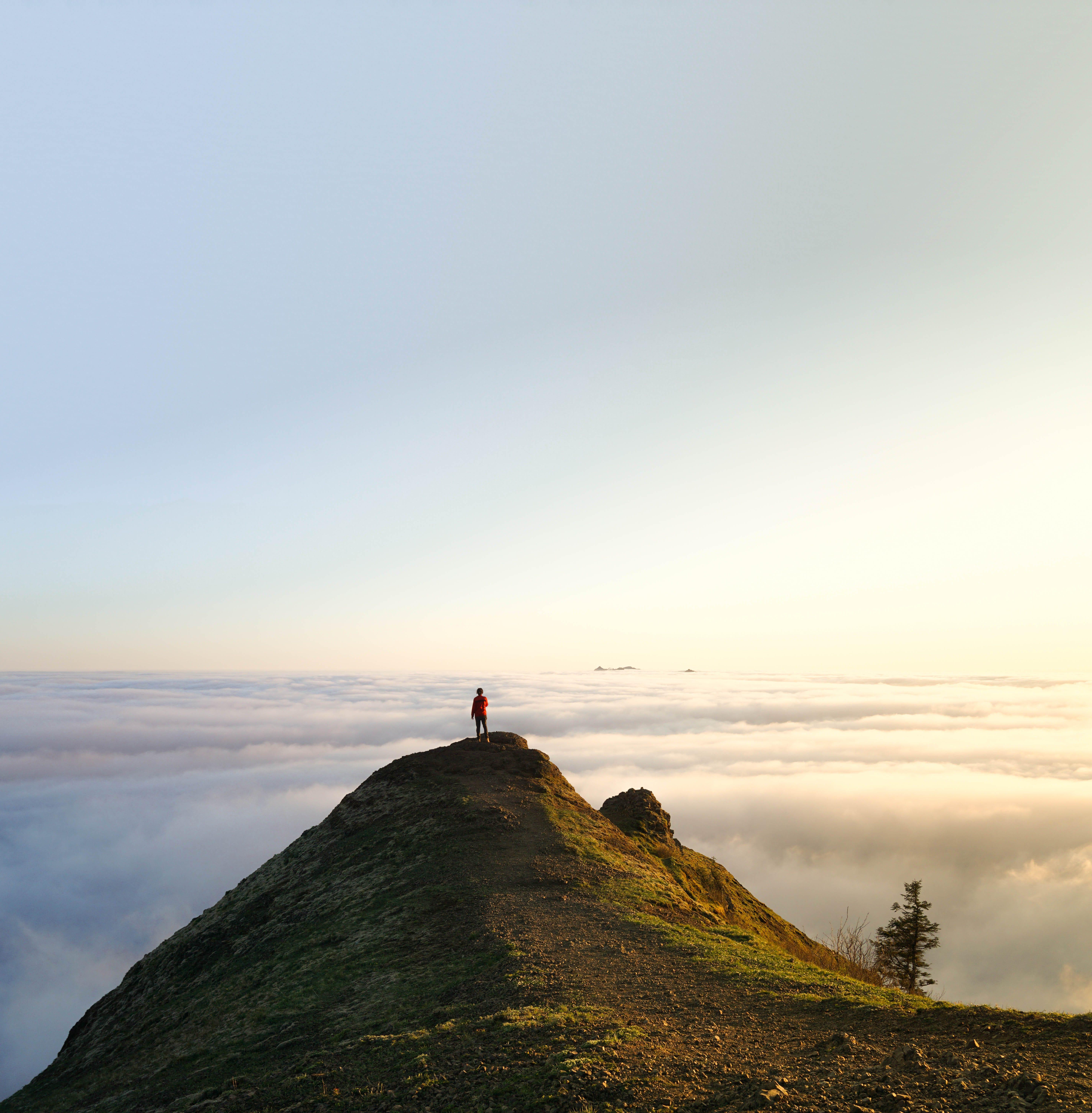

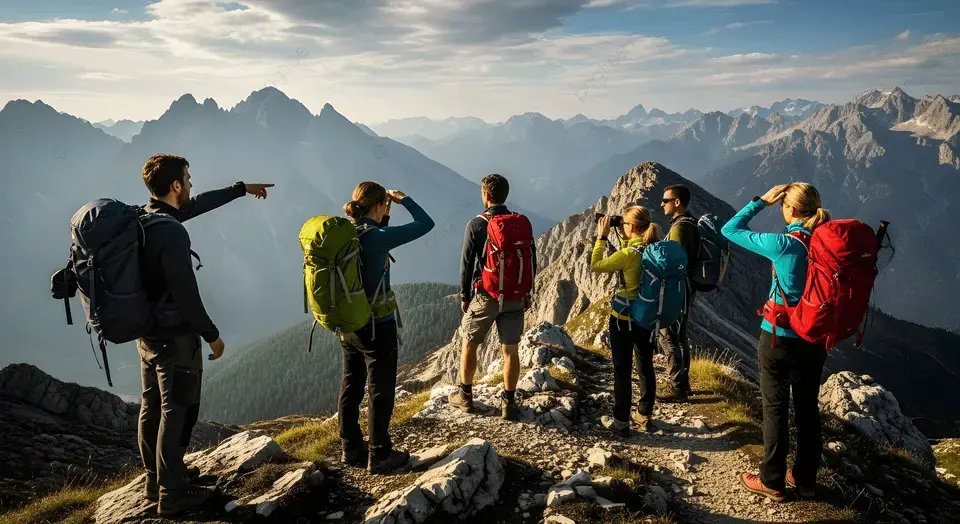
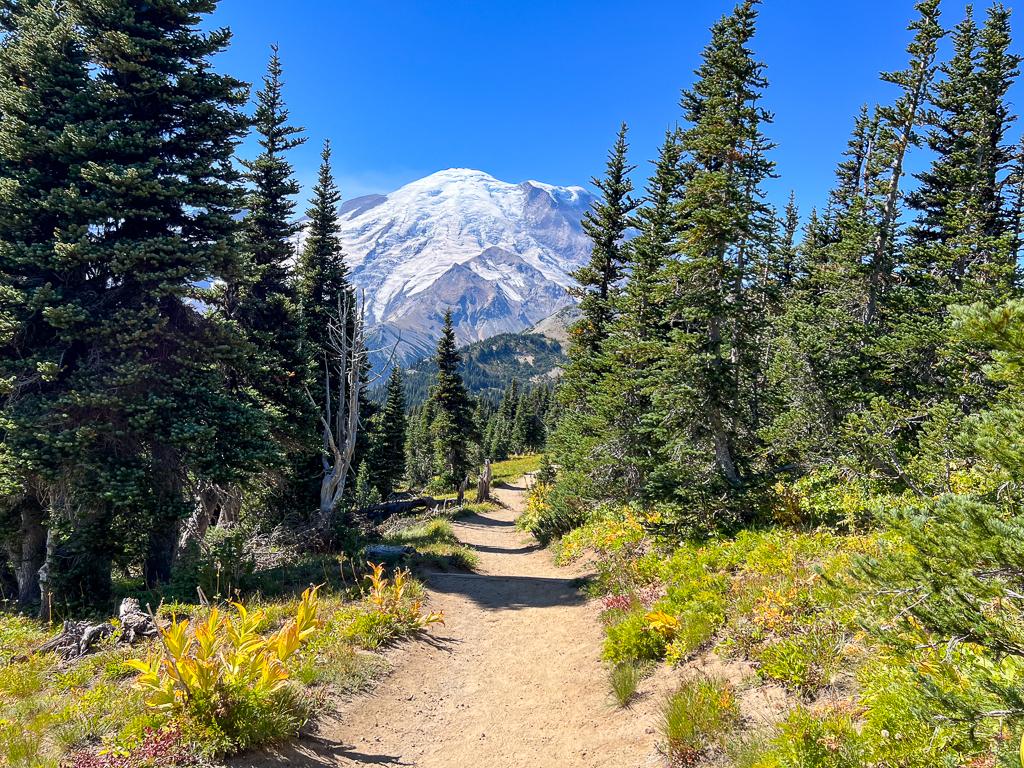
Mountain ridges where long effort slowly transforms into confidence.
Over time the miles began to accumulate. The backpack that once felt impossible to carry slowly became familiar. Muscles strengthened, routines developed, and the trail that once seemed intimidating began to feel manageable.
Standing on high ridges and looking across valleys she had crossed days earlier brought moments of quiet satisfaction. The journey was changing her in ways that were difficult to describe but impossible to ignore.
When the hike finally ended, there was no crowd waiting and no formal finish line. There was simply a traveler standing at the end of a long path, aware that the distance walked had helped restore confidence and balance.
This story continues to resonate with readers because it shows that adventure travel is not always about extreme risk or dramatic achievements. Sometimes it is about choosing to move forward step by step during difficult moments in life.
The Pacific Crest Trail became more than a route across mountains and deserts. For Cheryl Strayed it became a journey of personal rediscovery, showing how travel can reshape perspective as much as it changes location.
Narrated by KarakoramDiaries

![K2 Base Camp Trek: Ultimate Guide k2 Trek 2026 [UPDATED]](https://www.karakoramdiaries.com/storage/ultimate-guide-to-k2-base-camp-trek-full-document-150x150.png)