The Motorcycle Diaries
A Road Across South America The Real Travel Journey of Che Guevara
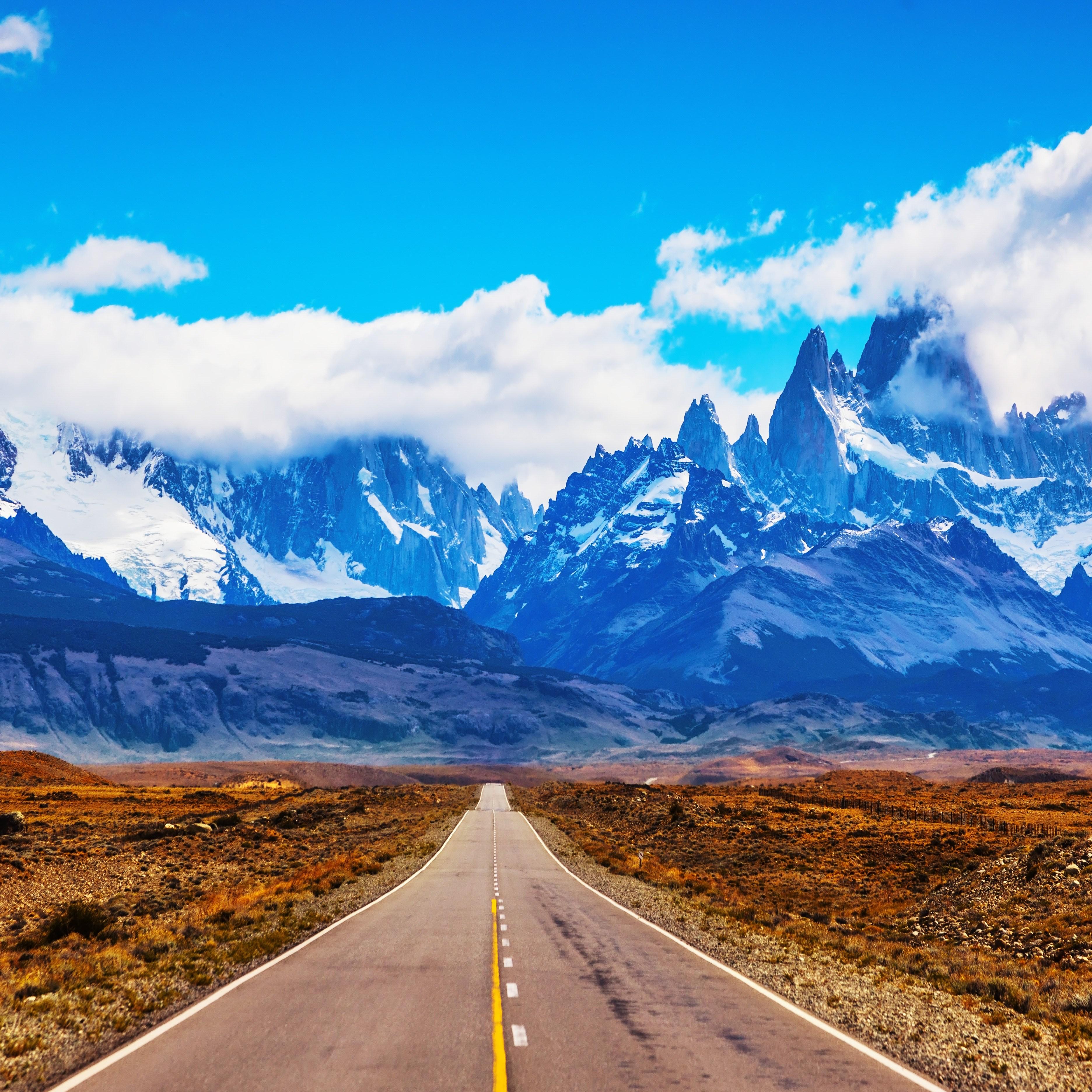
Endless South American roads where youth, dust, and curiosity moved together.
In 1951, long before his name became associated with politics and revolution, a young Argentine medical student named Ernesto “Che” Guevara began a journey that would shape the way he saw the world. At the time he was only twenty-three years old, traveling with his close friend Alberto Granado on an aging motorcycle they jokingly named La Poderosa, meaning “The Mighty One.”
Their original plan was simple. They wanted to ride north from Argentina and cross large parts of South America, exploring landscapes, cultures, and communities that few young travelers from their background had experienced directly. What began as an adventurous road trip soon became a much deeper exploration of the continent and its people.
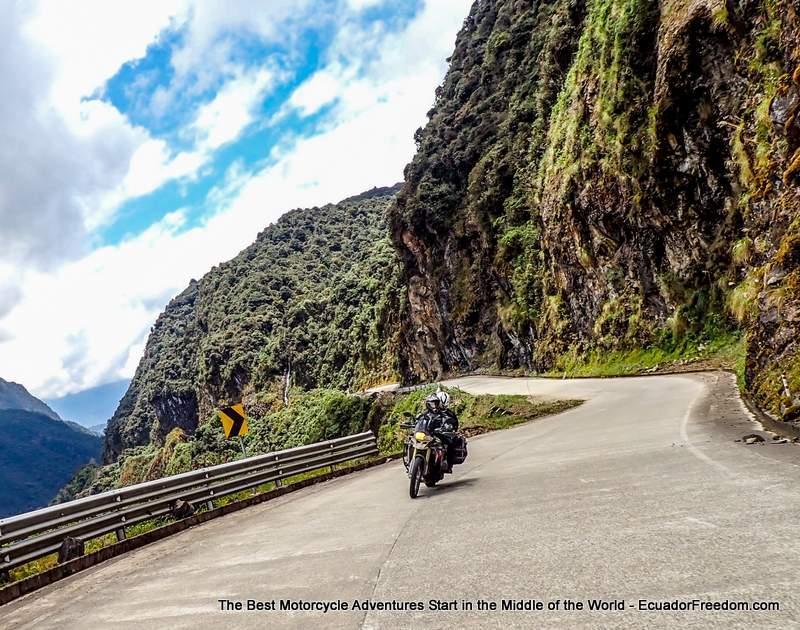
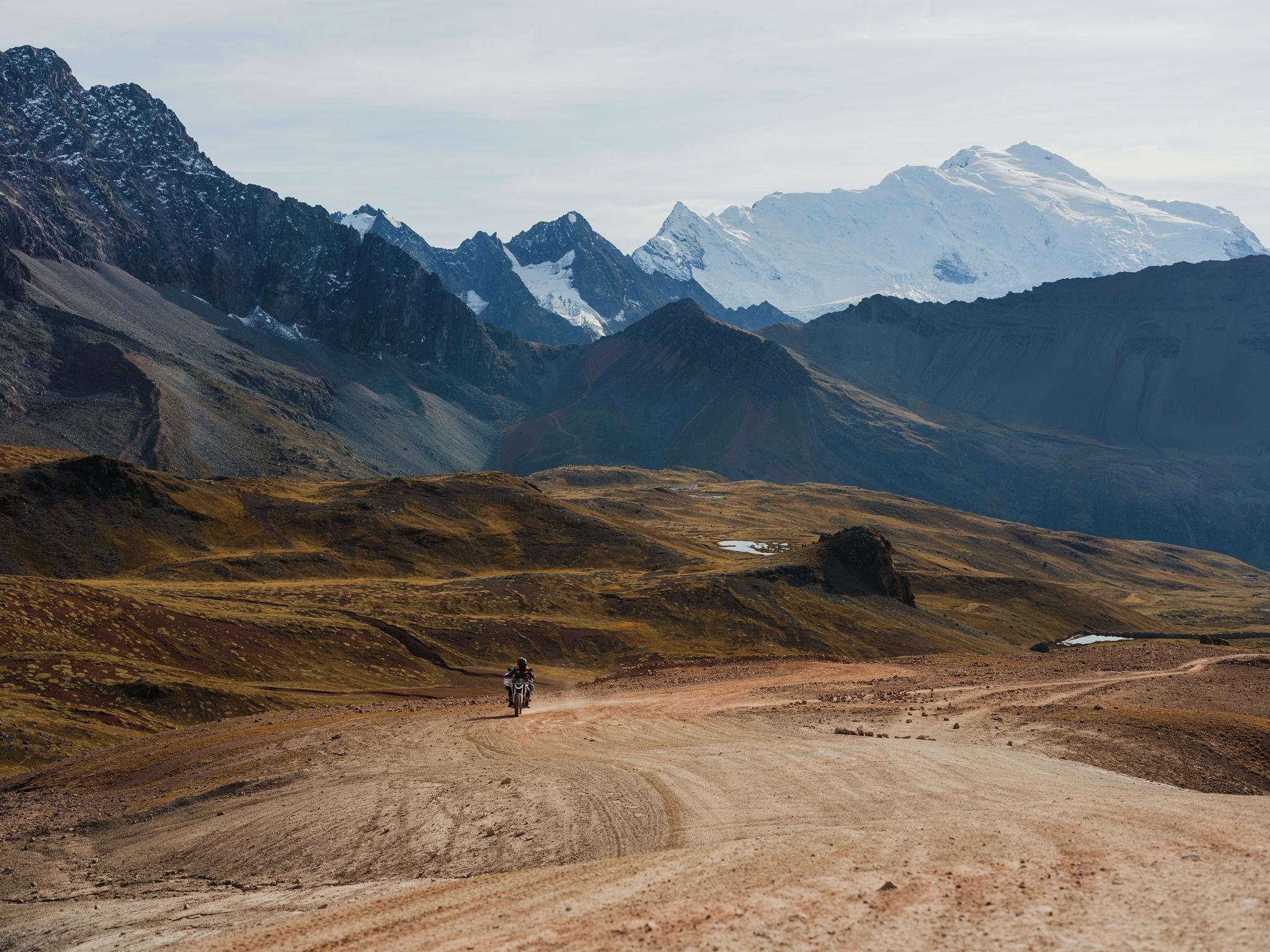
The motorcycle carried them through long dusty highways, mountain passes, and remote village roads. Some days were filled with speed and excitement, while others involved pushing the motorcycle uphill when the engine failed. Fuel shortages, mechanical breakdowns, and empty pockets were common problems. Instead of discouraging them, these difficulties became part of the character of the journey.
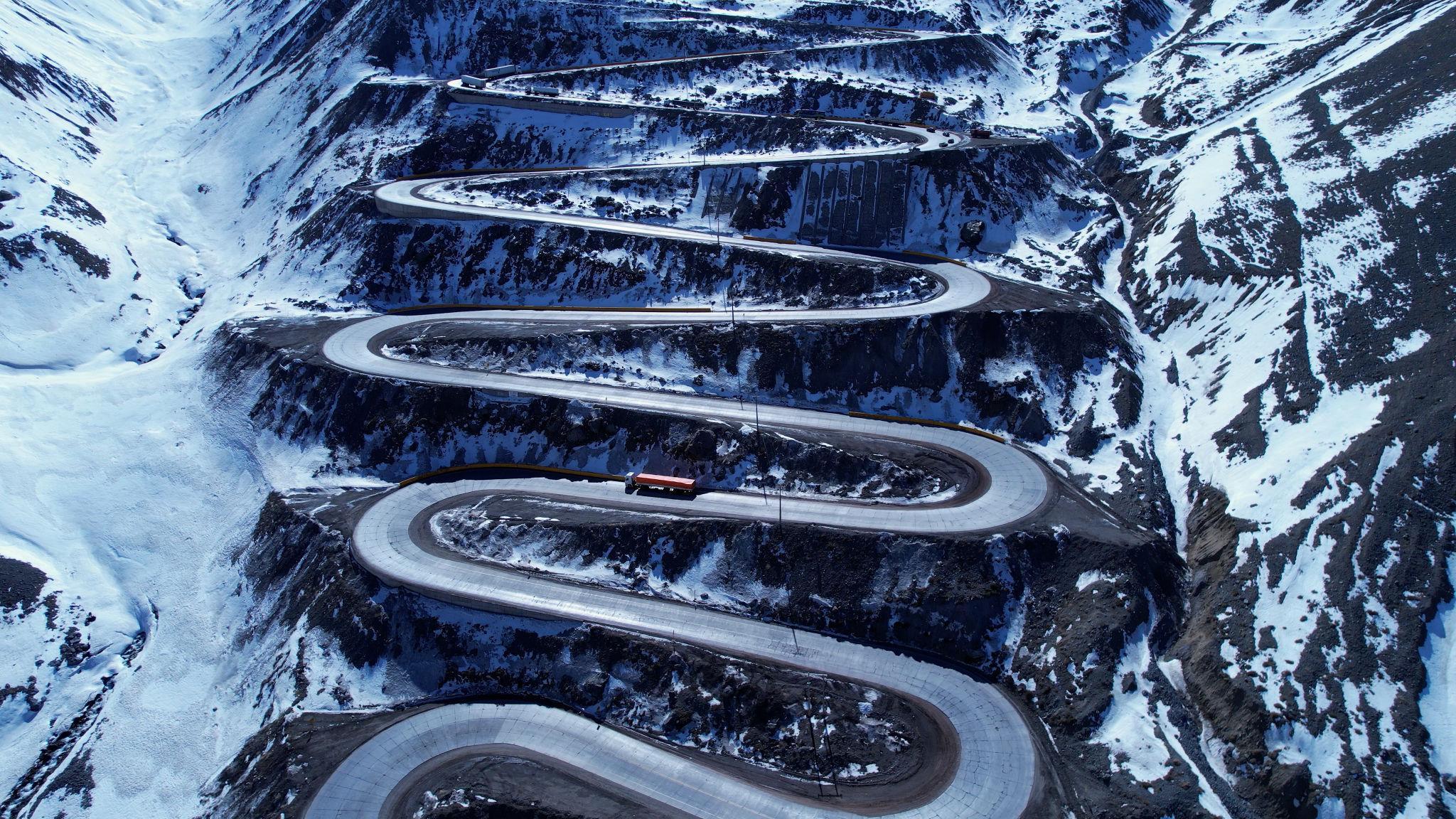
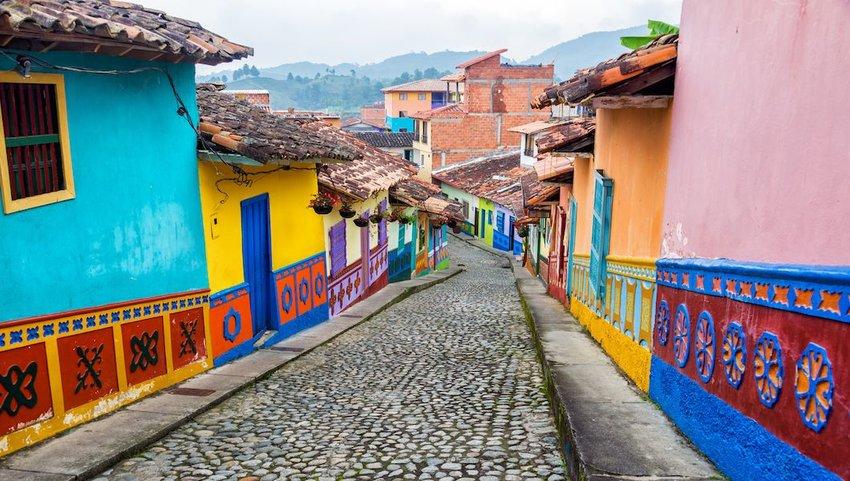
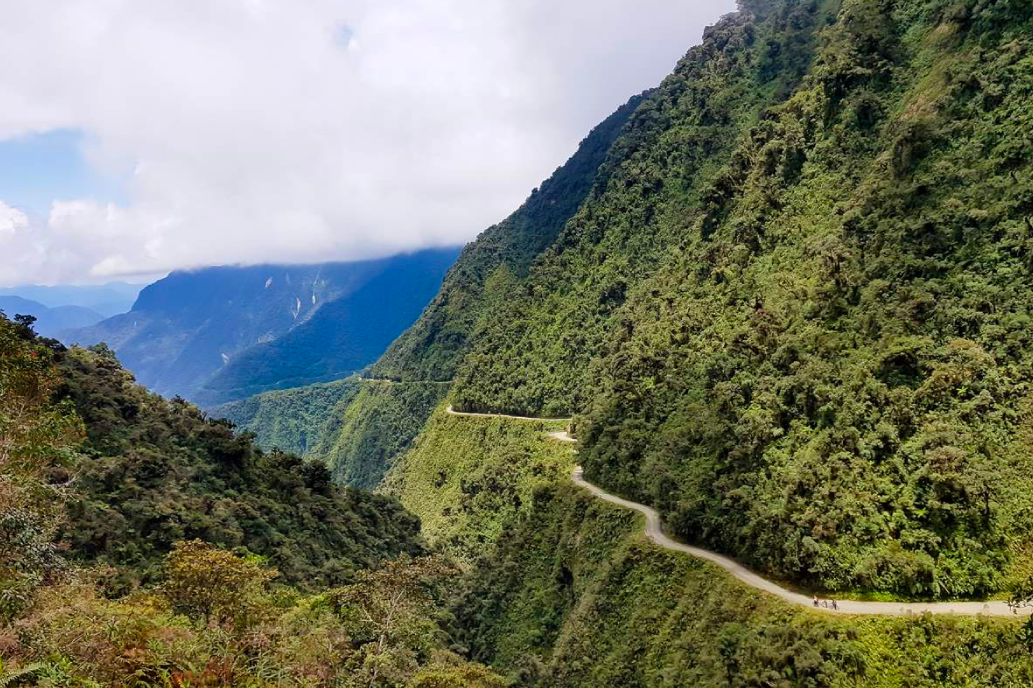
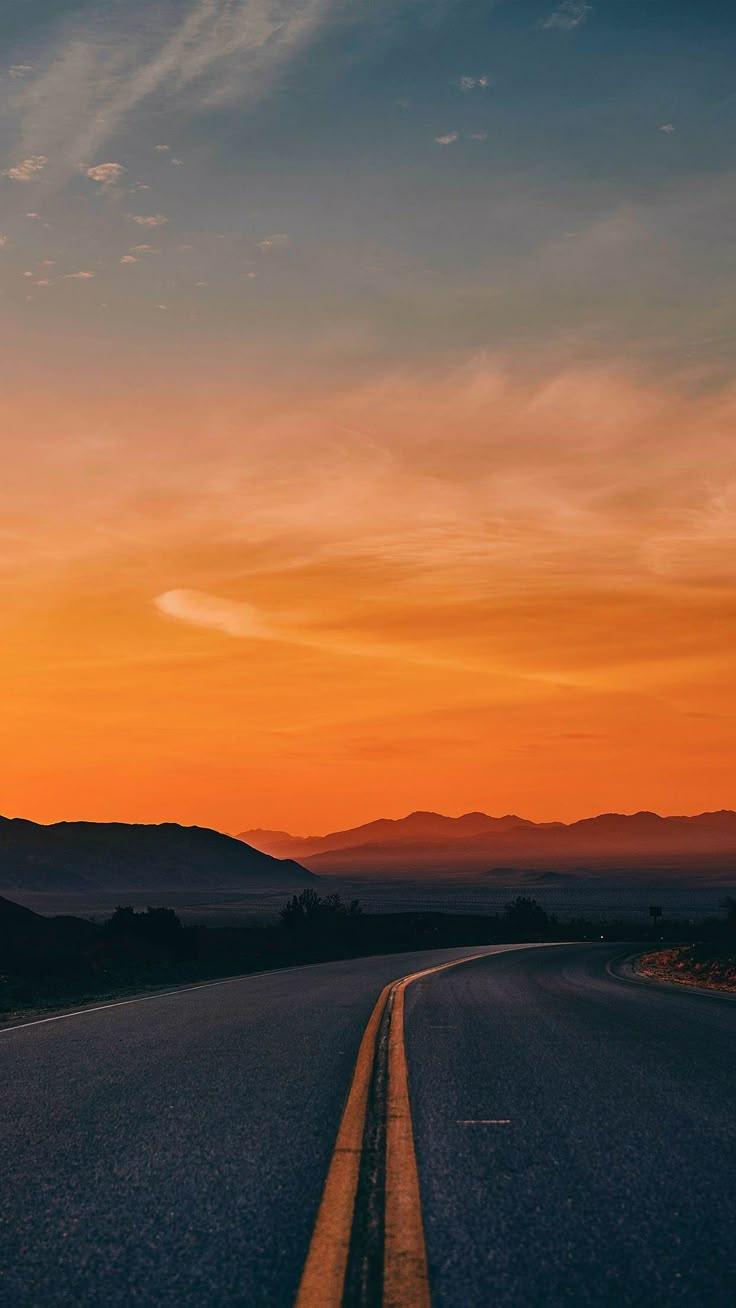
Mountain roads connecting distant towns and cultures across the South American landscape.
As the travelers crossed Chile and moved north toward Peru, the scenery changed constantly. Coastal deserts gave way to fertile valleys, and warm lowlands gradually turned into the colder air of the Andes. Every region offered new customs, dialects, and traditions.
The most powerful moments of the journey came from meeting ordinary people. They spent time with miners working under difficult conditions, farmers struggling to support their families, and villagers who offered food and shelter even when they had very little themselves.
Many nights were spent in modest homes, small hostels, or simply outdoors. Conversations around kitchen tables and roadside cafés revealed stories about life across the continent. These encounters gradually changed the way the young traveler understood South America.
Eventually the motorcycle broke down completely. From that moment the journey continued by hitchhiking, walking, and accepting rides on trucks and boats. Without the motorcycle, the pace slowed. Surprisingly, this slower travel allowed them to notice more about the places and people around them.
Movement across the continent was no longer just transportation. It became a series of human encounters that shaped their understanding of the region.
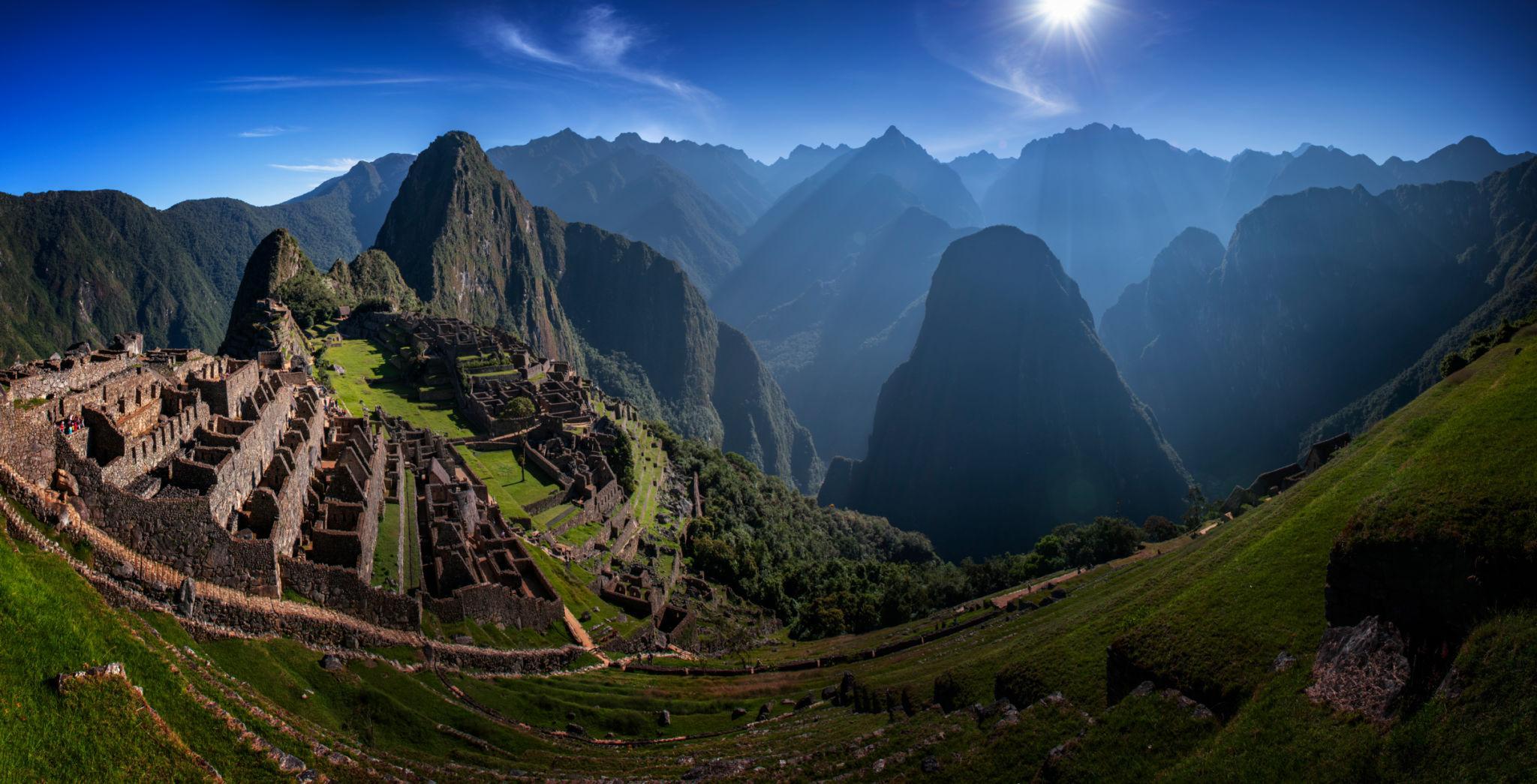
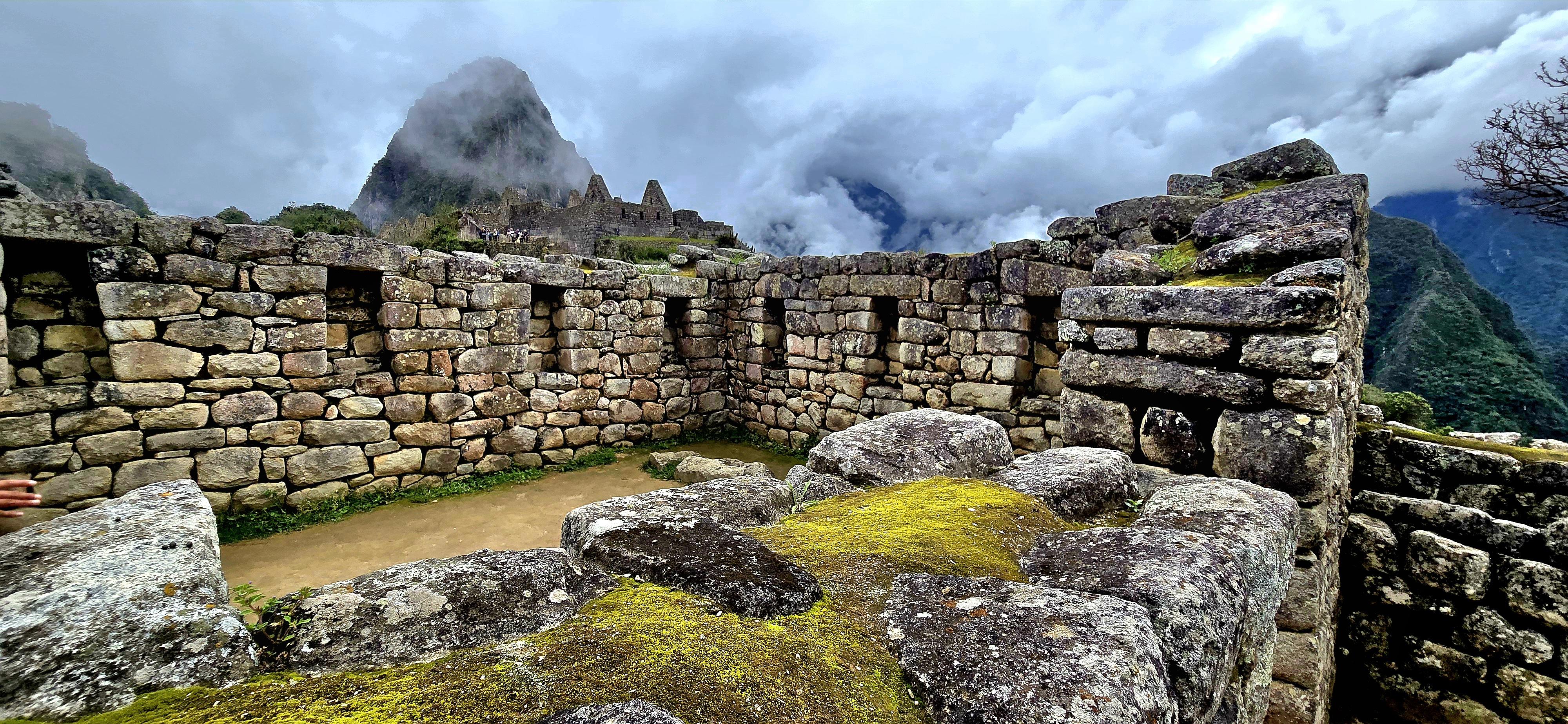
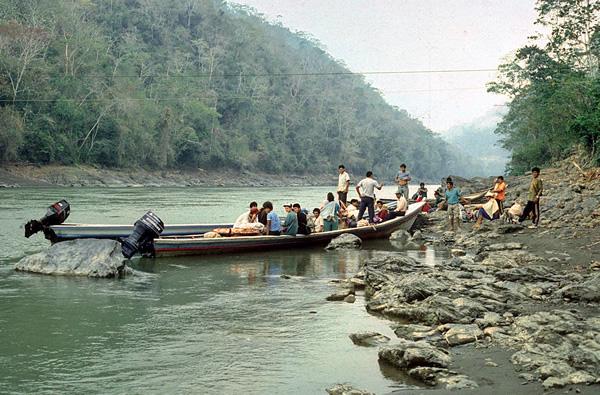
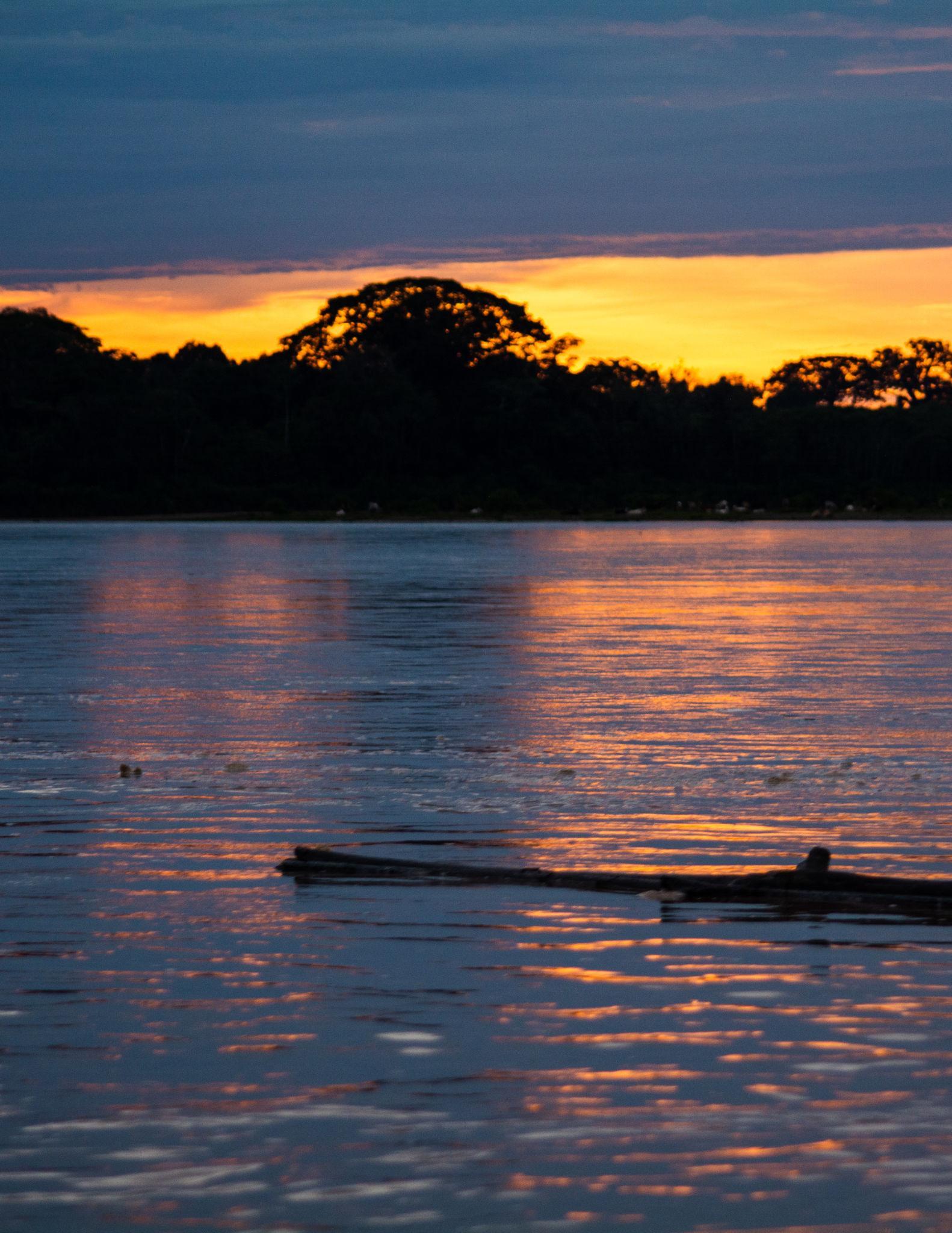
Ancient landscapes and river communities that reveal the deep history of the continent.
One of the most memorable parts of the journey took place in Peru. The travelers visited ancient ruins and indigenous communities that had existed for centuries before modern borders were drawn across South America.
Standing among historic stone structures and observing daily life in nearby villages helped the young medical student recognize how deeply connected the cultures of the continent were. Despite political divisions, many communities shared similar histories and challenges.
They also spent time volunteering in remote medical facilities that treated patients suffering from diseases such as leprosy. These experiences exposed them to living conditions far different from what they had known growing up in Argentina.
What had begun as a road adventure gradually turned into an education about society, inequality, and the realities faced by many people across the region.
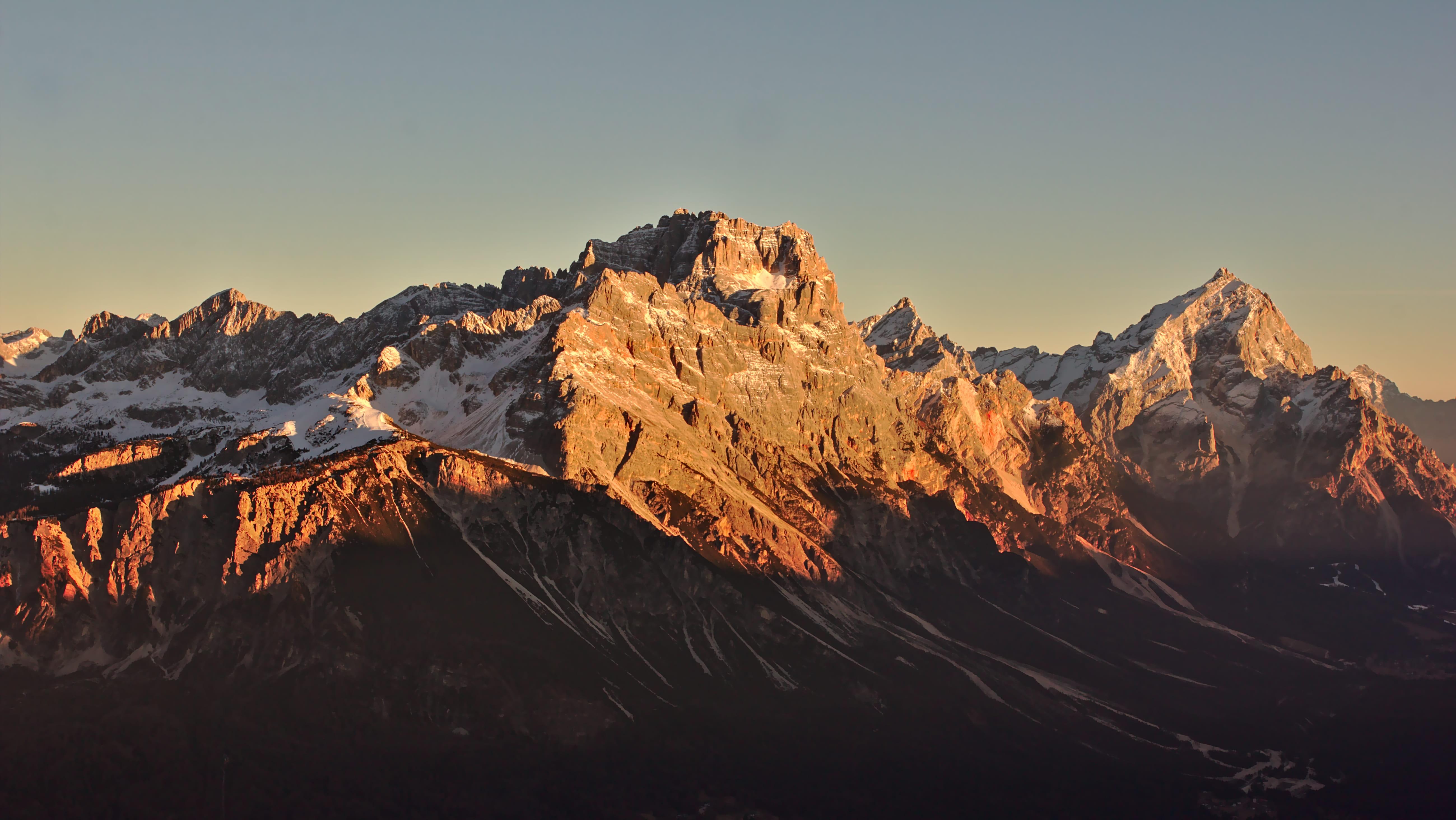
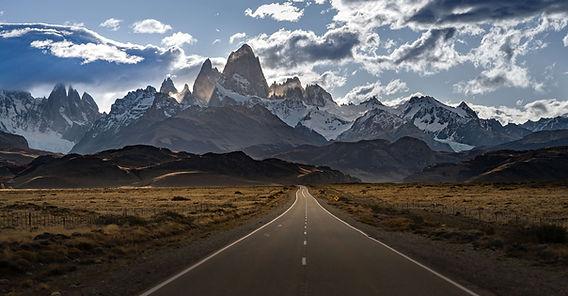
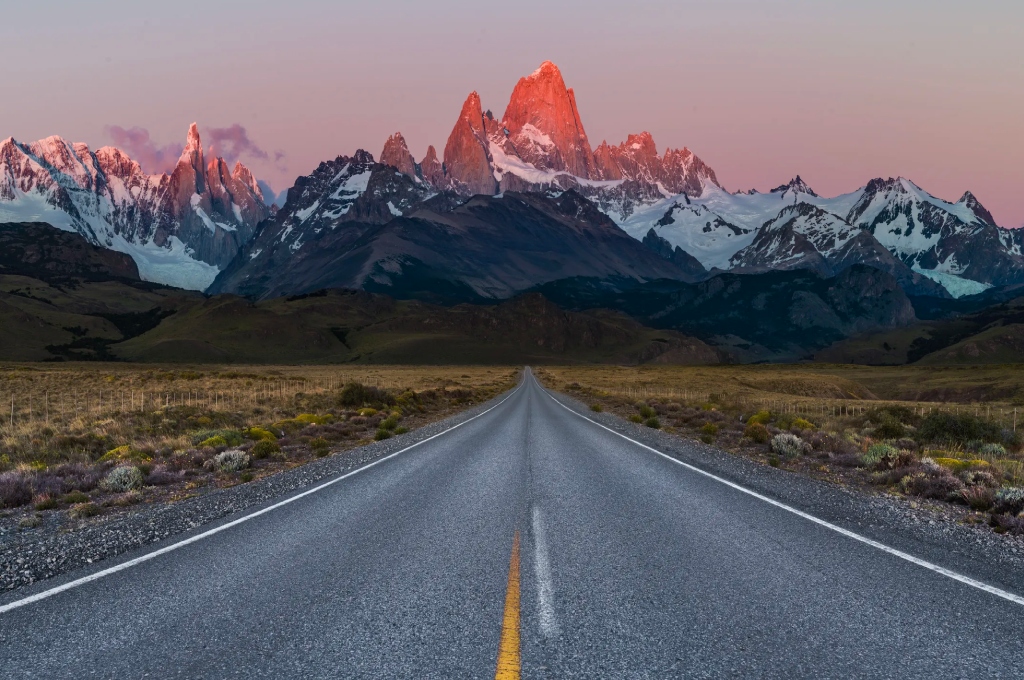
Horizons across the continent that continued to invite travelers forward.
By the time the journey approached its conclusion, the young traveler who had left Argentina in search of adventure returned with a very different perspective on the world. The trip across South America had shown him not only landscapes but also the realities of life across many communities.
The diary he kept during the journey was later published as The Motorcycle Diaries. The book preserved the humor, struggles, friendships, and reflections that defined the road trip.
For many readers, the story remains a powerful reminder that travel can shape personal understanding in ways that ordinary routines cannot. Long journeys across unfamiliar places often lead travelers to reconsider their assumptions about society, culture, and human connection.
Today the journey is remembered as one of the most recognizable travel stories of the twentieth century. It captures a moment when two young travelers crossed a vast continent with little more than curiosity, determination, and a willingness to see the world directly.
Narrated by KarakoramDiaries

![K2 Base Camp Trek: Ultimate Guide k2 Trek 2026 [UPDATED]](https://www.karakoramdiaries.com/storage/ultimate-guide-to-k2-base-camp-trek-full-document-150x150.png)